The First 21 Days | Day 2: Looks Right, Sounds Right | Reading Instruction
Teaches the reading self-monitoring cues of 'looks right', 'sounds right', and 'makes sense' for checking whether a decoded word is correct.
Classroom resources
Browse by lesson focus
Choose the topic or kind of practice you need.
Teaches the reading self-monitoring cues of 'looks right', 'sounds right', and 'makes sense' for checking whether a decoded word is correct.
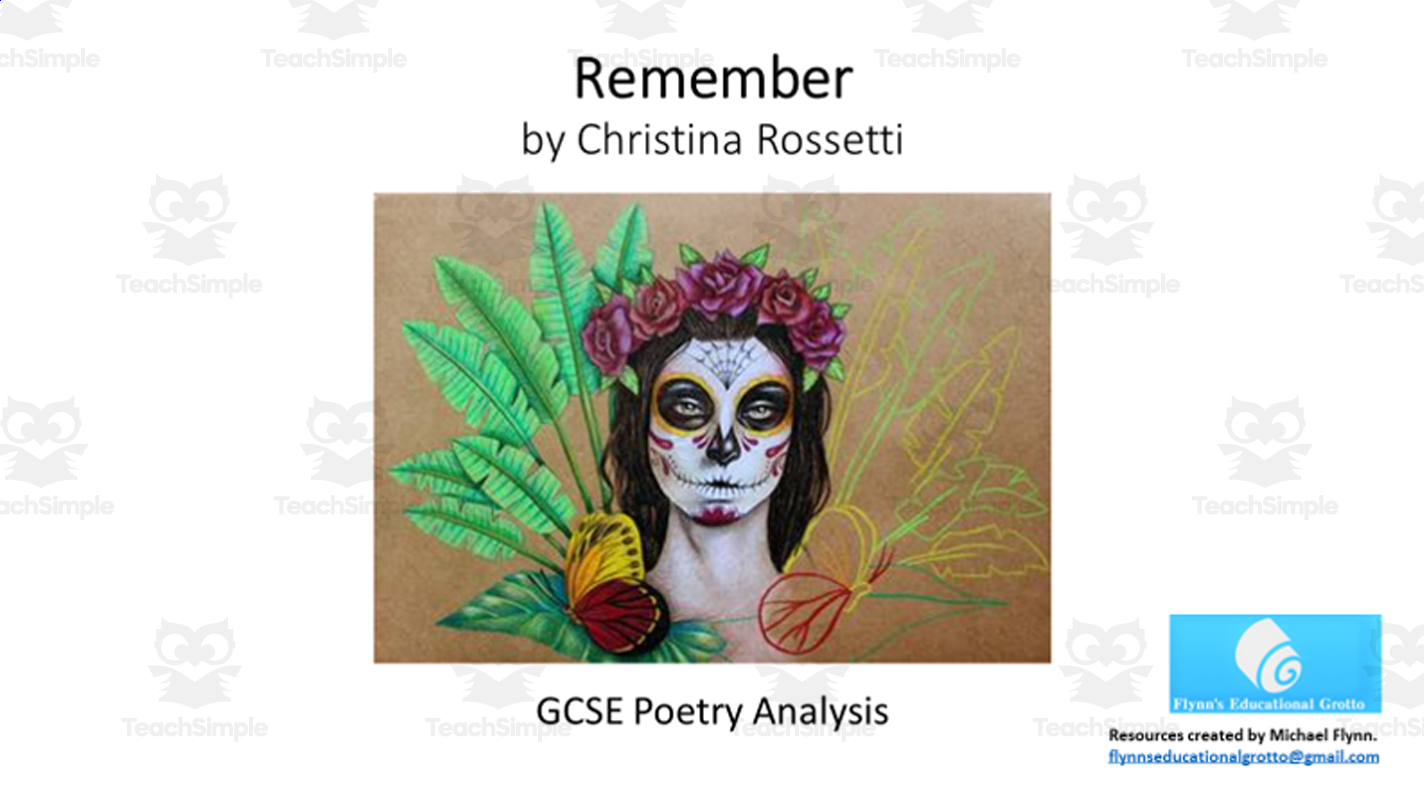
A UK GCSE-style poetry analysis lesson on Christina Rossetti's sonnet 'Remember' (1849), covering context, close-reading of language/structure/devices, and extended academic writing (PETAL paragraph) practice.
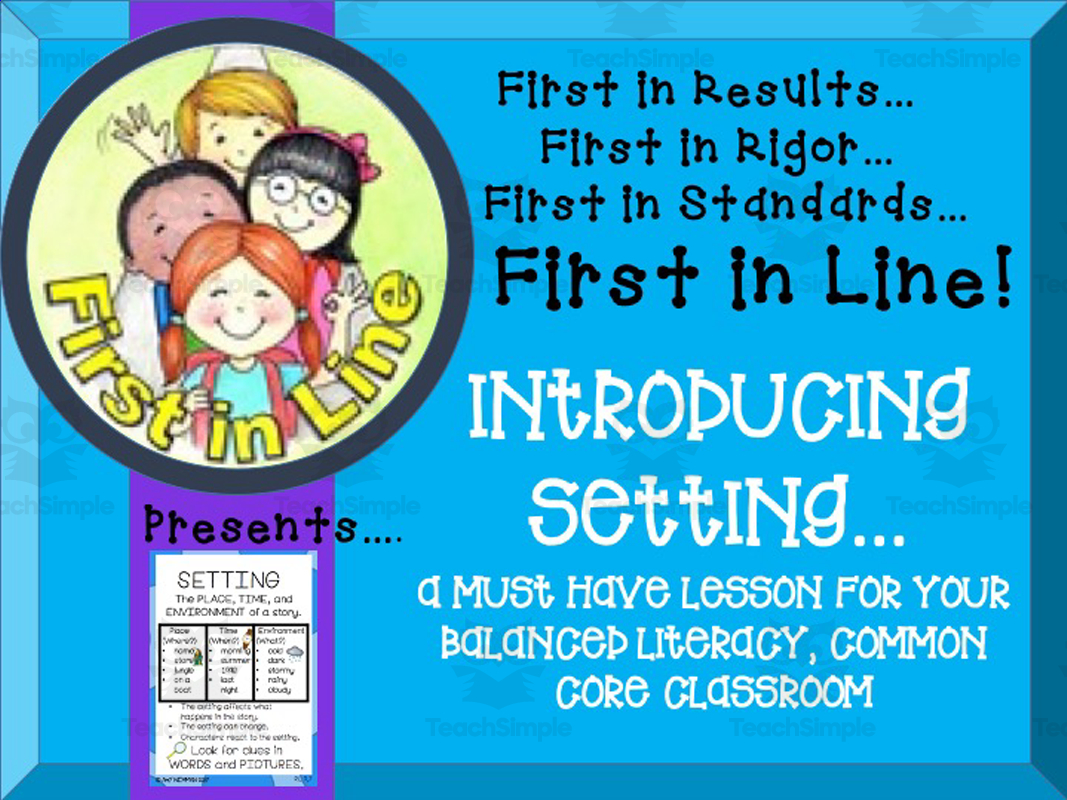
Teaches students to identify a story's setting and consider how setting affects a story.
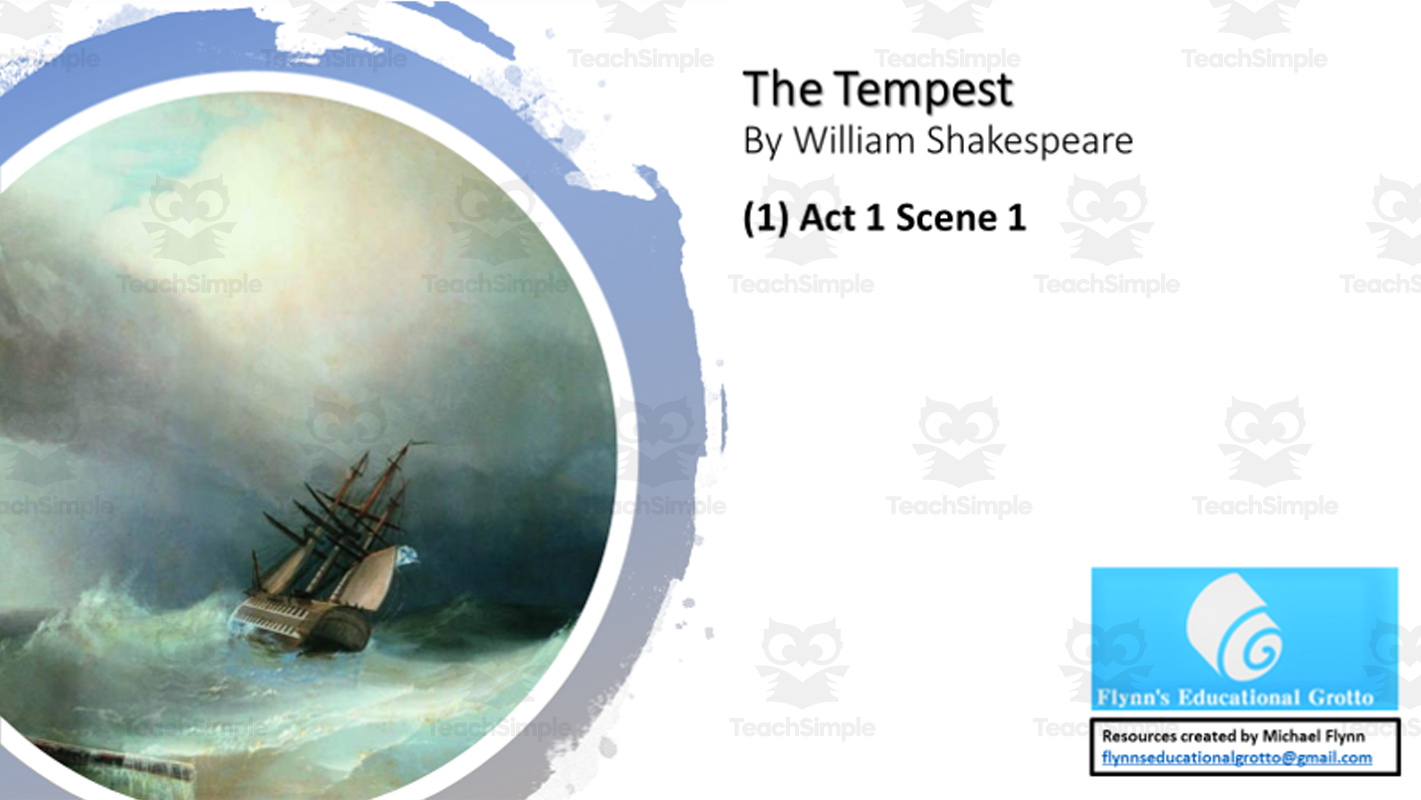
Lesson 1 of a Tempest unit: an analytical close-reading of Act 1 Scene 1 (the opening shipwreck scene), building summary/analysis skills and introducing academic essay-writing technique.
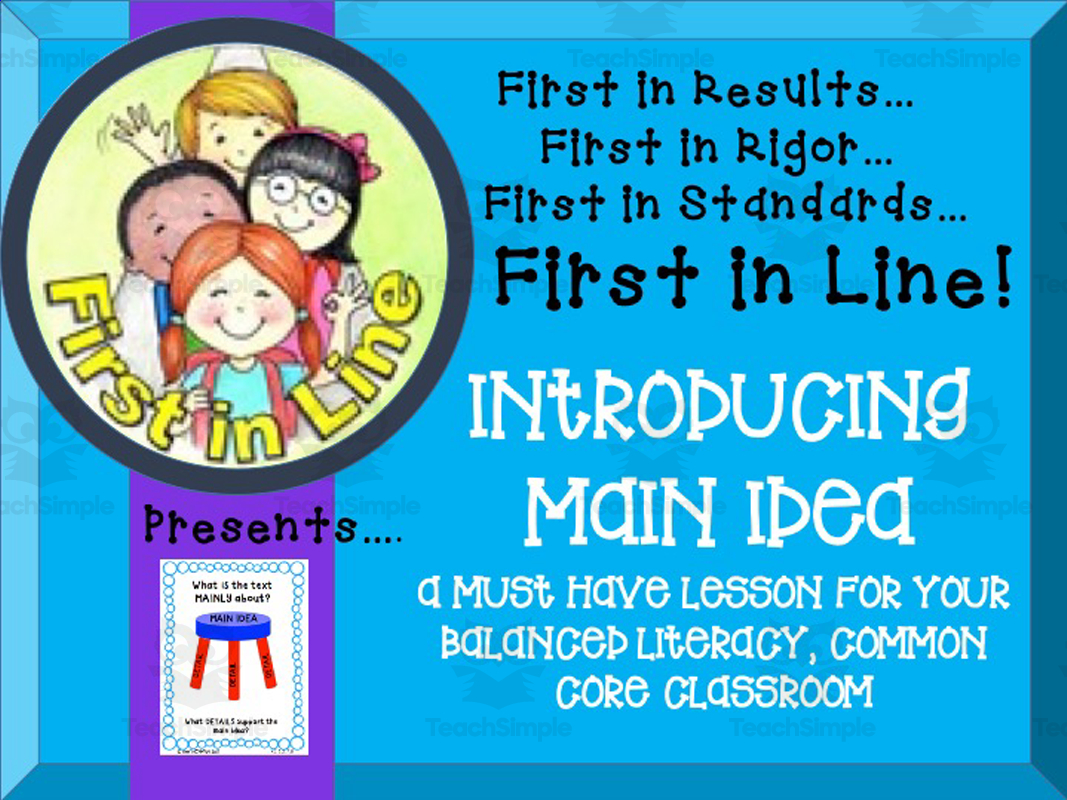
Introduces the concept of main idea and supporting details.
Guide KS4 secondary English literature students through an analytical reading of Act 2 Scene 1 of Shakespeare's The Tempest, examining the courtiers' differing reactions to being shipwrecked, Gonzalo's utopian 'commonwealth' speech, and the beginning of Antonio and Sebastian's murder plot against Alonso.
Introduces the concept of author's purpose.
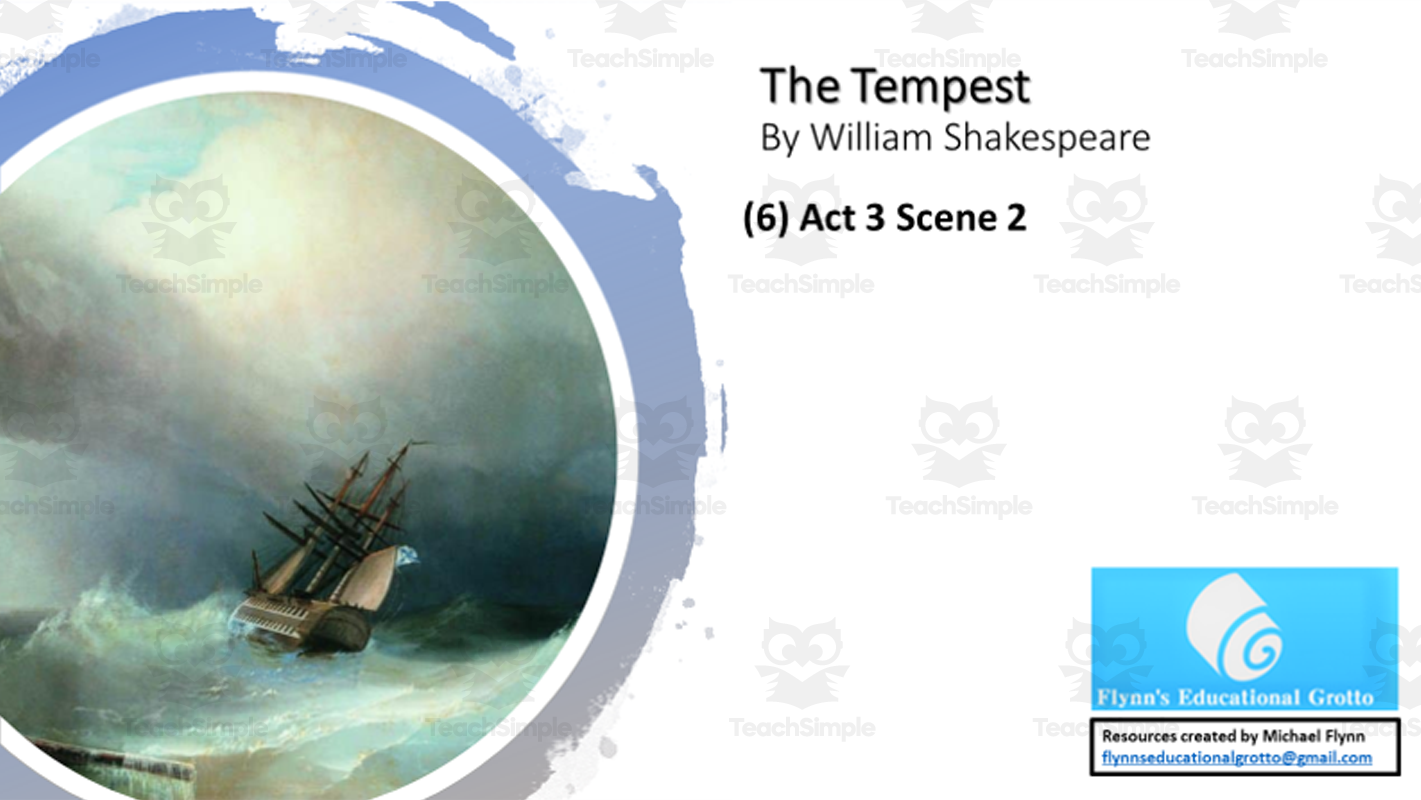
Guide KS4 secondary English literature students through an analytical reading of Act 3 Scene 2 of Shakespeare's The Tempest, teaching the literary concept of characterisation through four modern-day mini-scenario tasks and a linked video, then applying it to Caliban, Stephano and Trinculo's drunken plot to murder Prospero.
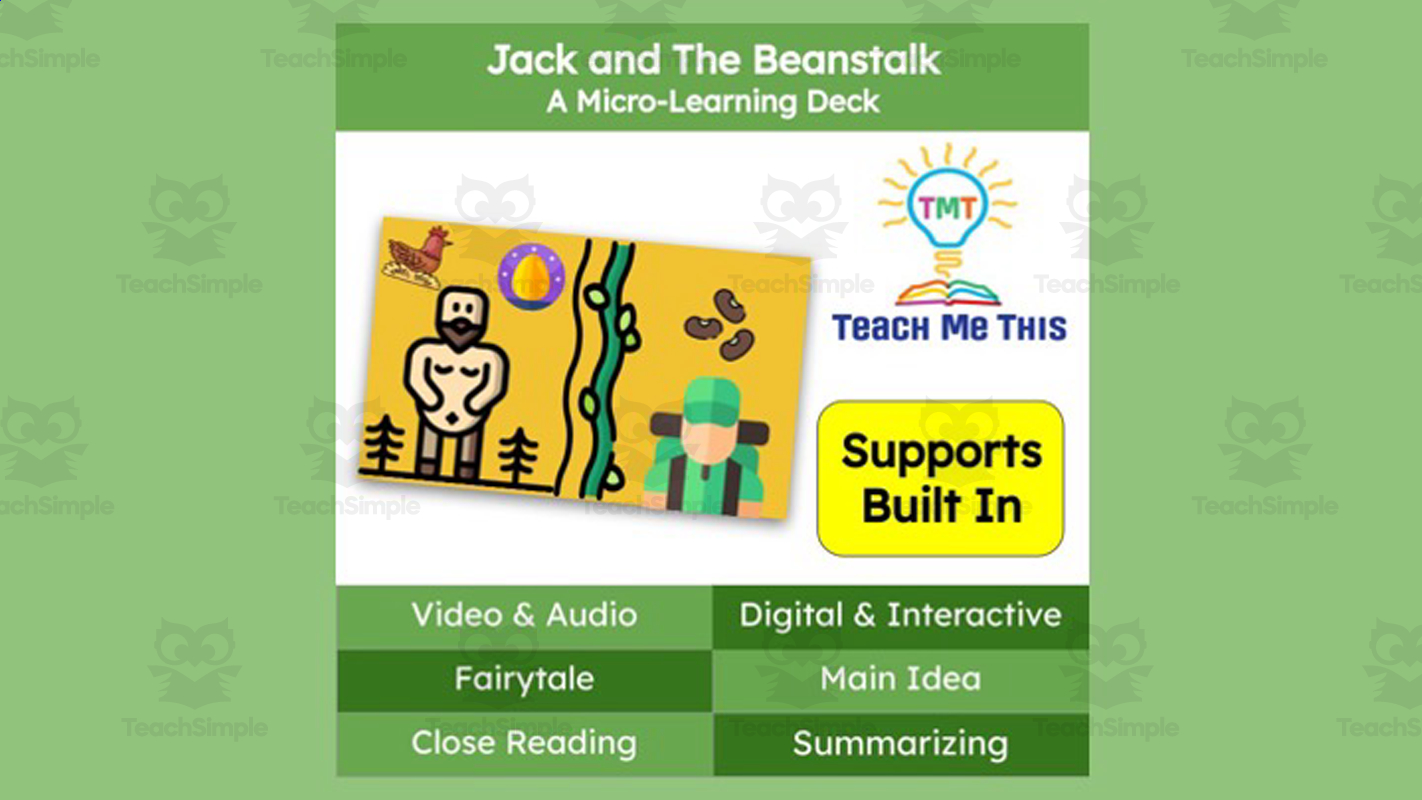
A digital micro-learning deck presenting the fairy tale 'Jack and the Beanstalk' as a reading-comprehension lesson.
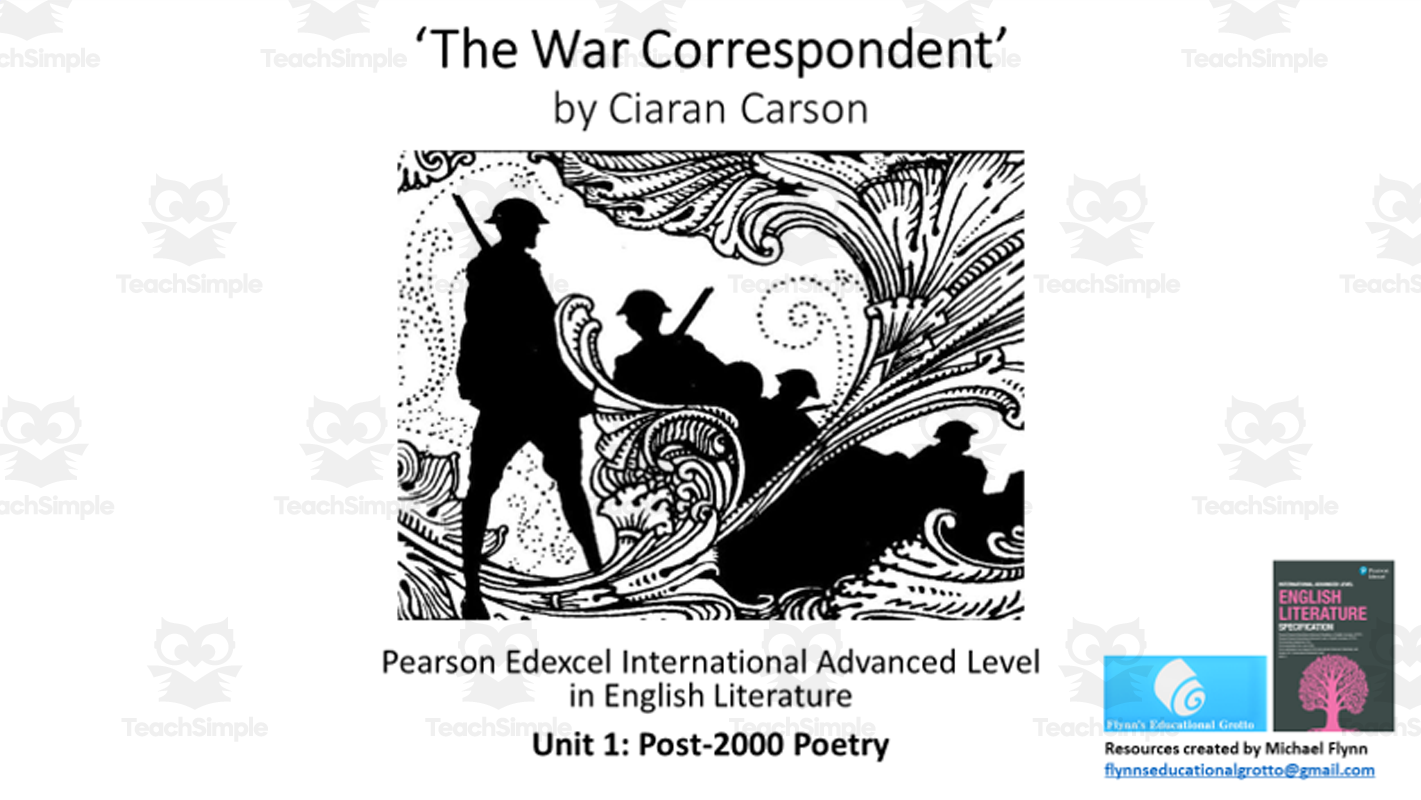
A slideshow lesson guiding A Level (Pearson Edexcel International Advanced Level English Literature, Post-2000 Poetry unit) students through close reading and analysis of Ciaran Carson's poem sequence 'The War Correspondent' (Gallipoli/Balaklava), including its Crimean War and WWI Gallipoli campaign historical context.
This resource is Day 11: Somebody Wanted But So Then in the First 21 Days lesson set. This presentation is full of comprehension and reading strategies, anchor charts , interactive activities and so much more.
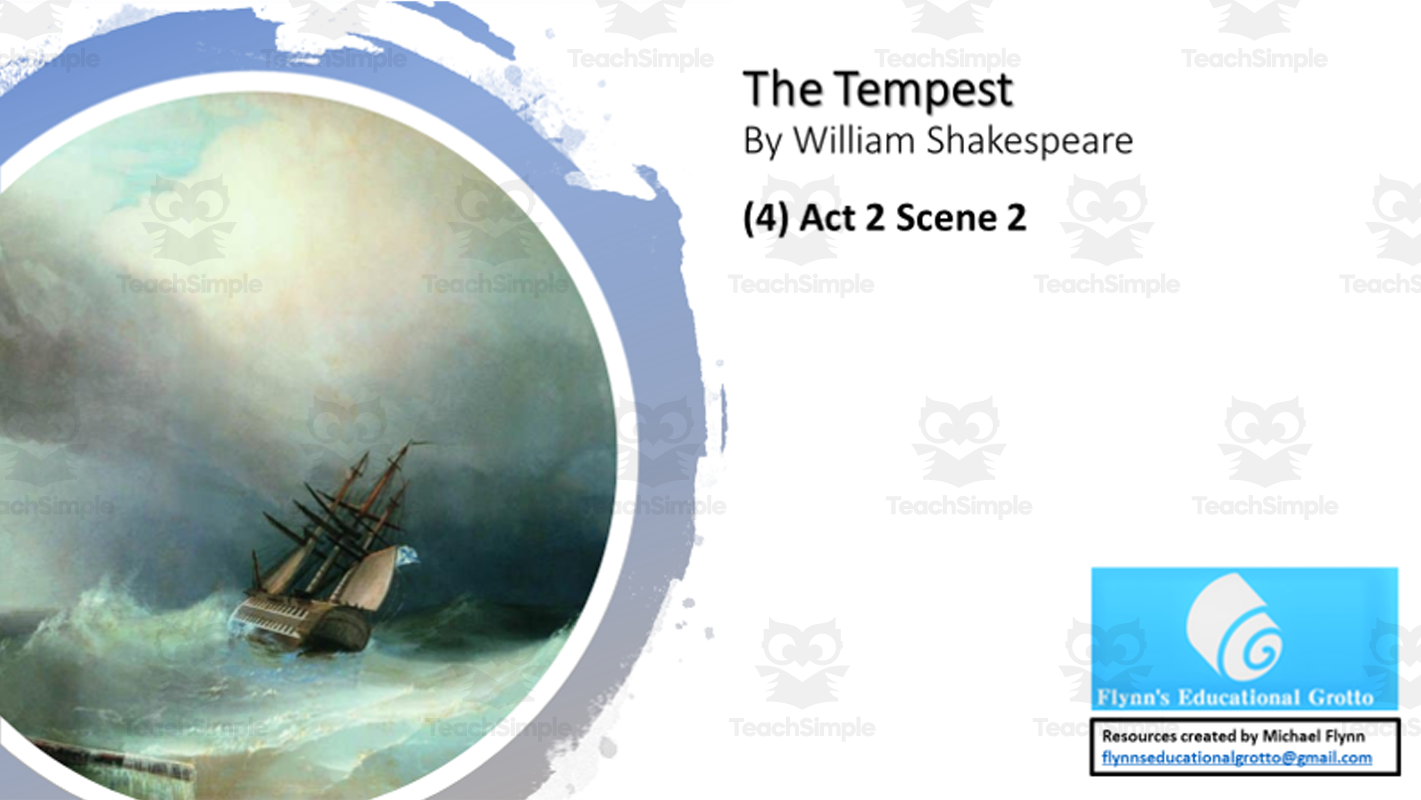
Guide KS4 secondary English literature students through an analytical reading of Act 2 Scene 2 of Shakespeare's The Tempest, focusing on the comic introduction of Trinculo and Stephano, Caliban's mistaken worship of Stephano as a god, and the beginnings of the murder plot against Prospero.
Teaches students to make text-to-text, text-to-self, and text-to-world connections while reading.
Guide KS4 secondary English literature students through an analytical reading of Act 3 Scene 3 of Shakespeare's The Tempest, teaching the literary concept of symbolism through several real-world examples before applying it to Prospero's illusory banquet and Ariel's harpy transformation confronting Alonso, Antonio and Sebastian.
Introduces the 'Five Finger Retell' strategy applied to nonfiction texts.
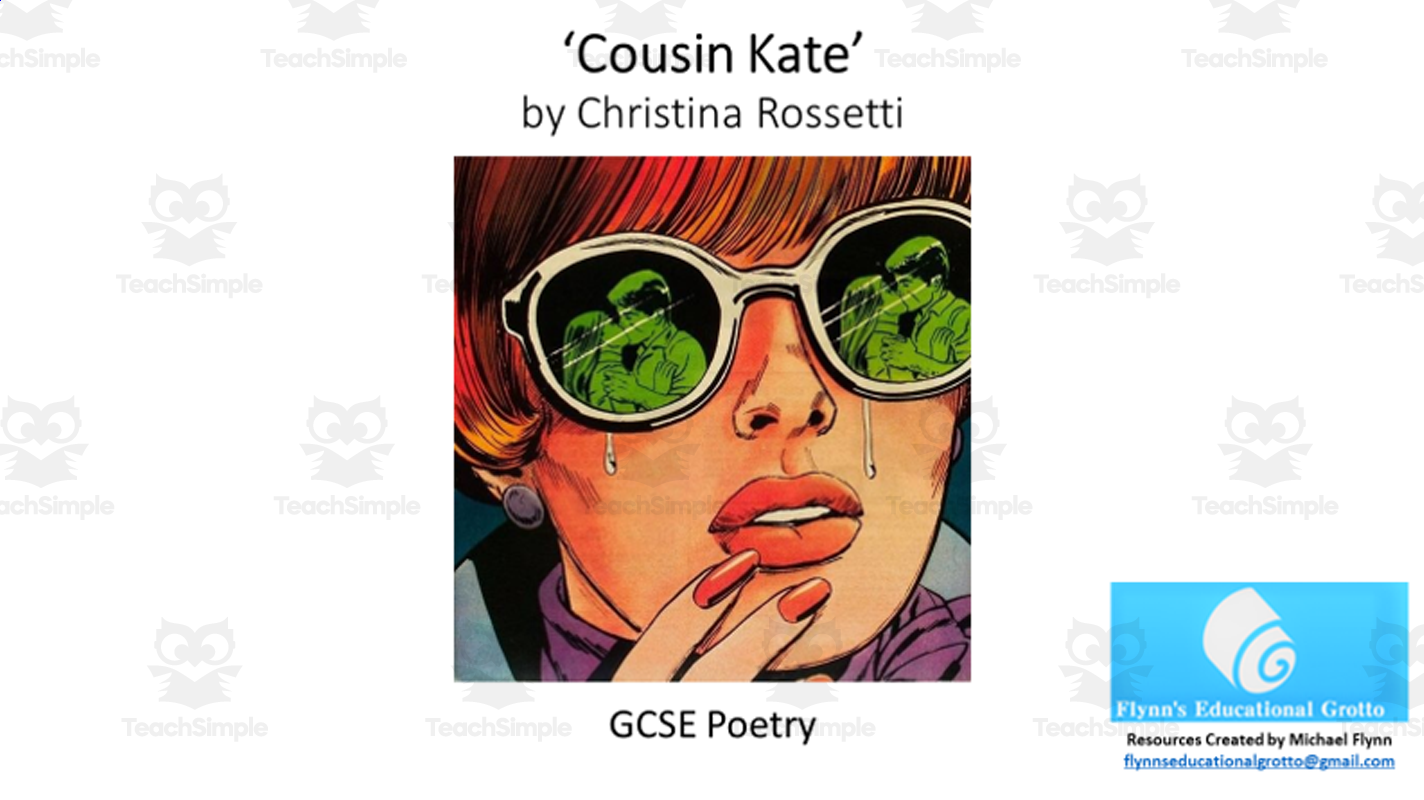
A poetry-analysis lesson deck exploring 'Cousin Kate' by Christina Rossetti, covering meaning, language and structure, focused on seduction, betrayal and inequality between women of different social standing.
A digital micro-learning reading comprehension lesson built around the original story 'Stick's Masterpiece,' teaching vocabulary, close reading, and summarizing.
Introduces the concept of story characters and the main character, defining each term for students.
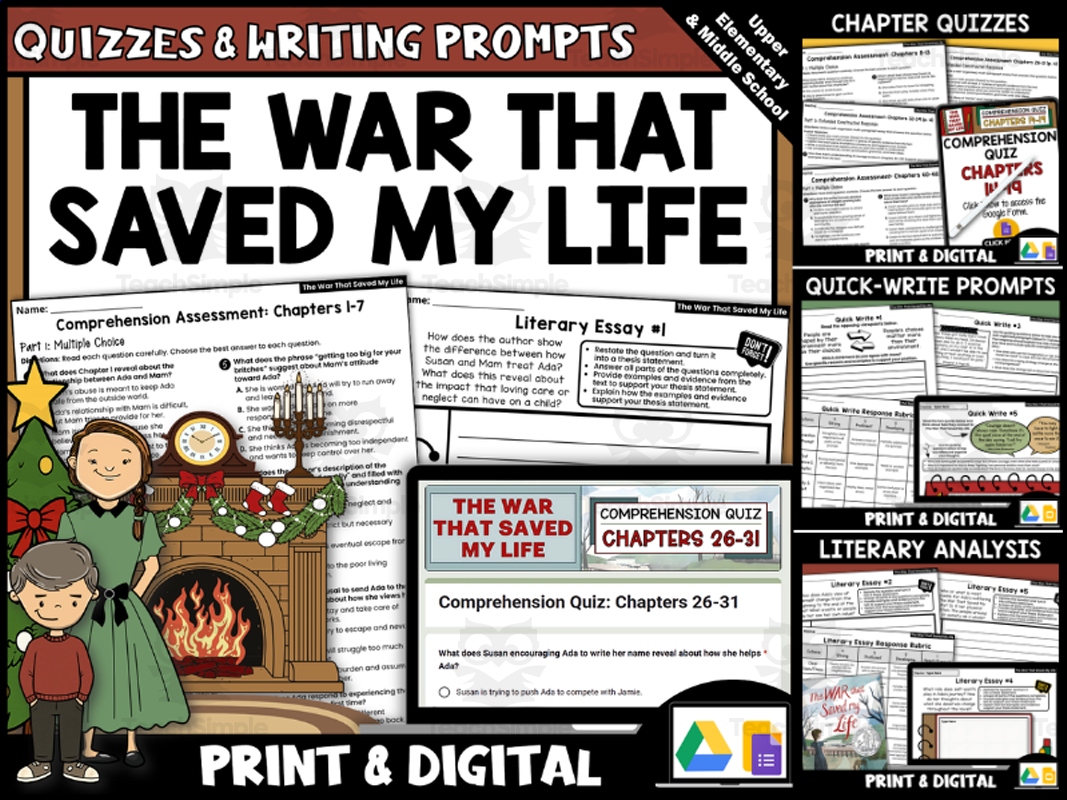
Assessment and writing resource for the novel 'The War That Saved My Life' - chapter comprehension quizzes, literary essay prompts, and quick writes.
Teaches the 'Five Finger Retell' strategy for retelling fiction stories by identifying characters, setting, problem, sequence of events, and solution.
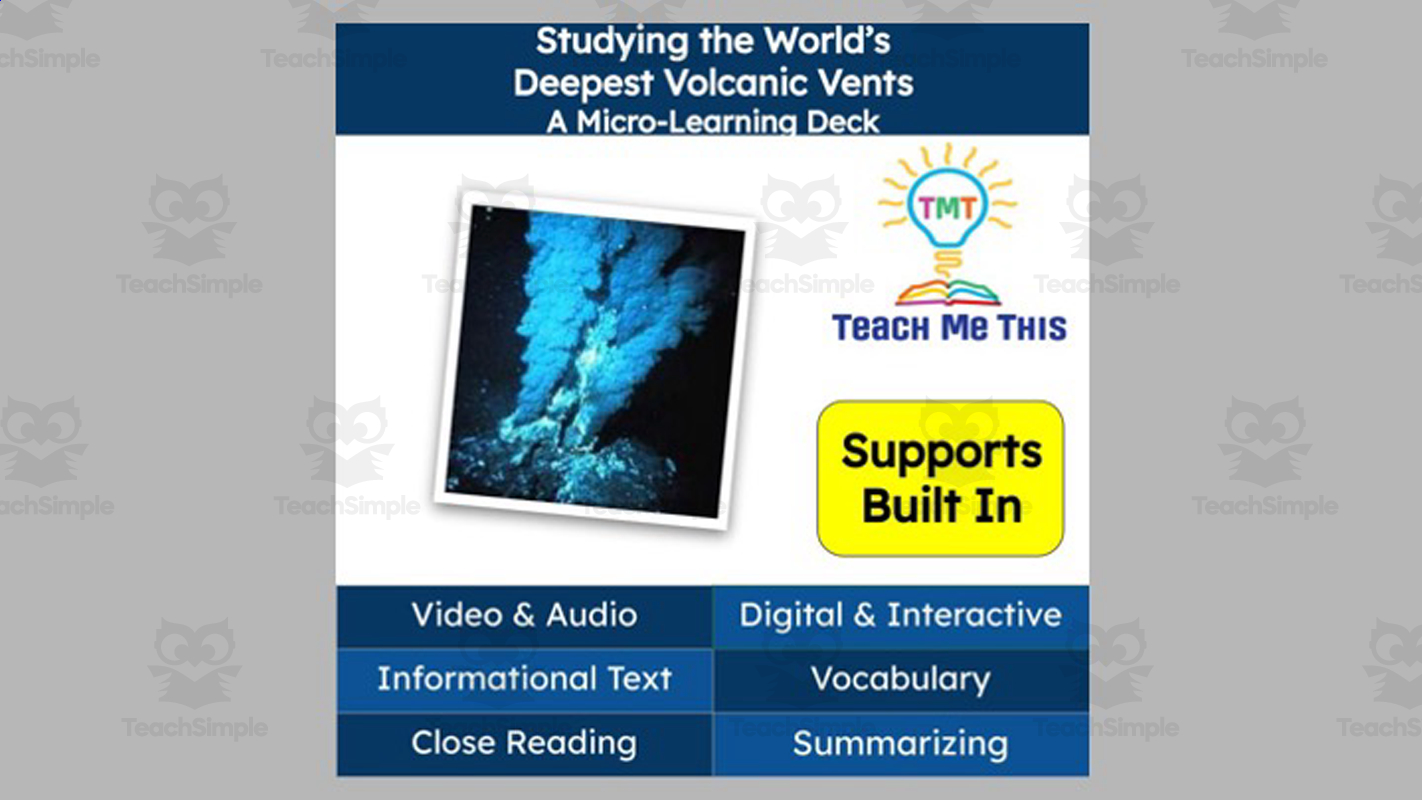
Deliver a micro-learning interactive lesson teaching about the world's deepest volcanic (hydrothermal) vents and the marine life around them, through a reading passage, vocabulary, and comprehension activities.
Teaches the R.A.C.E. constructed-response strategy (Read, Answer, Cite Evidence, Explain) for answering text-based questions.
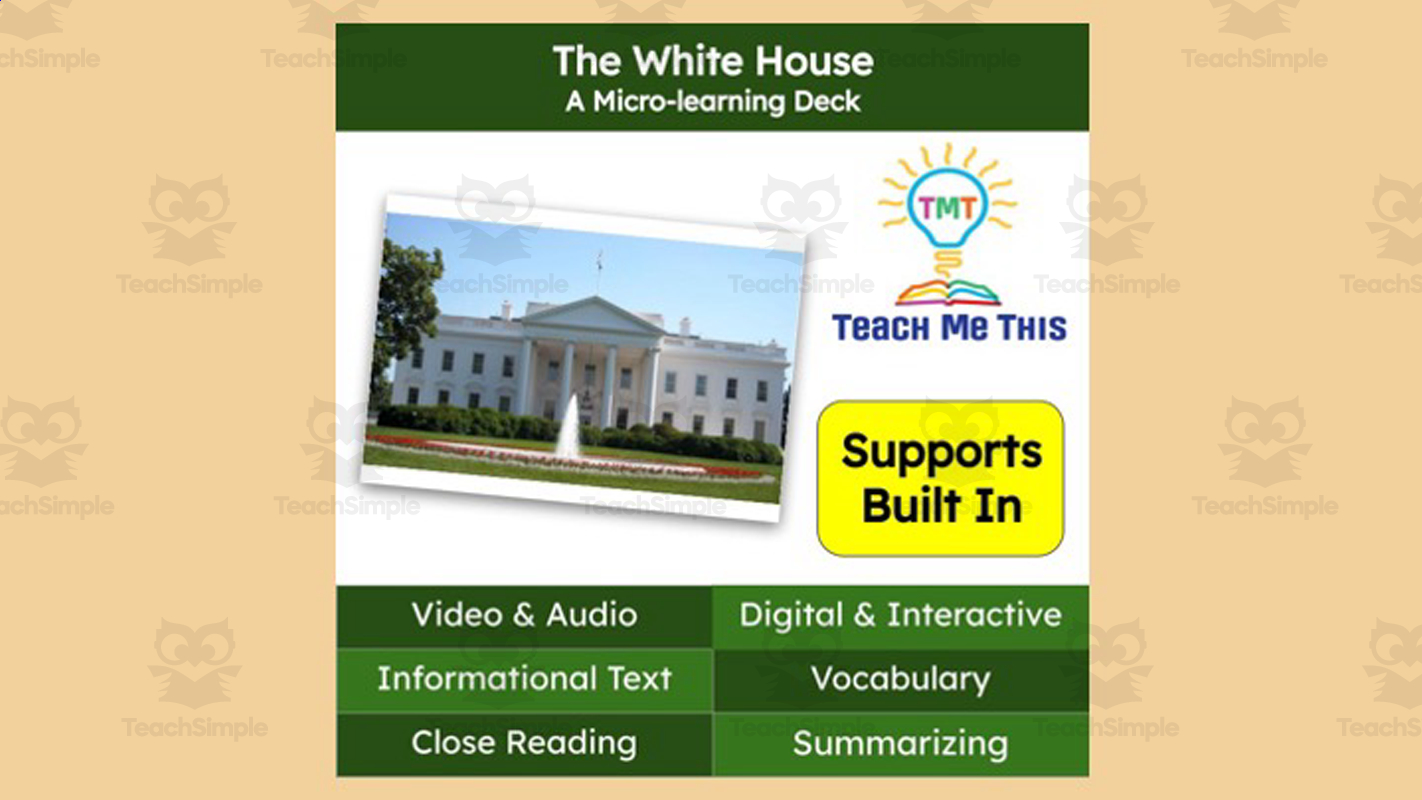
Deliver a micro-learning interactive lesson teaching the history and key rooms/facts of the White House through a reading passage, vocabulary, and comprehension activities.
This resource is Day 1: Listening, Partner Talk & Independent Reading in the First 21 Days lesson set. This presentation is full of comprehension and reading strategies, anchor charts , interactive activities and so much more.