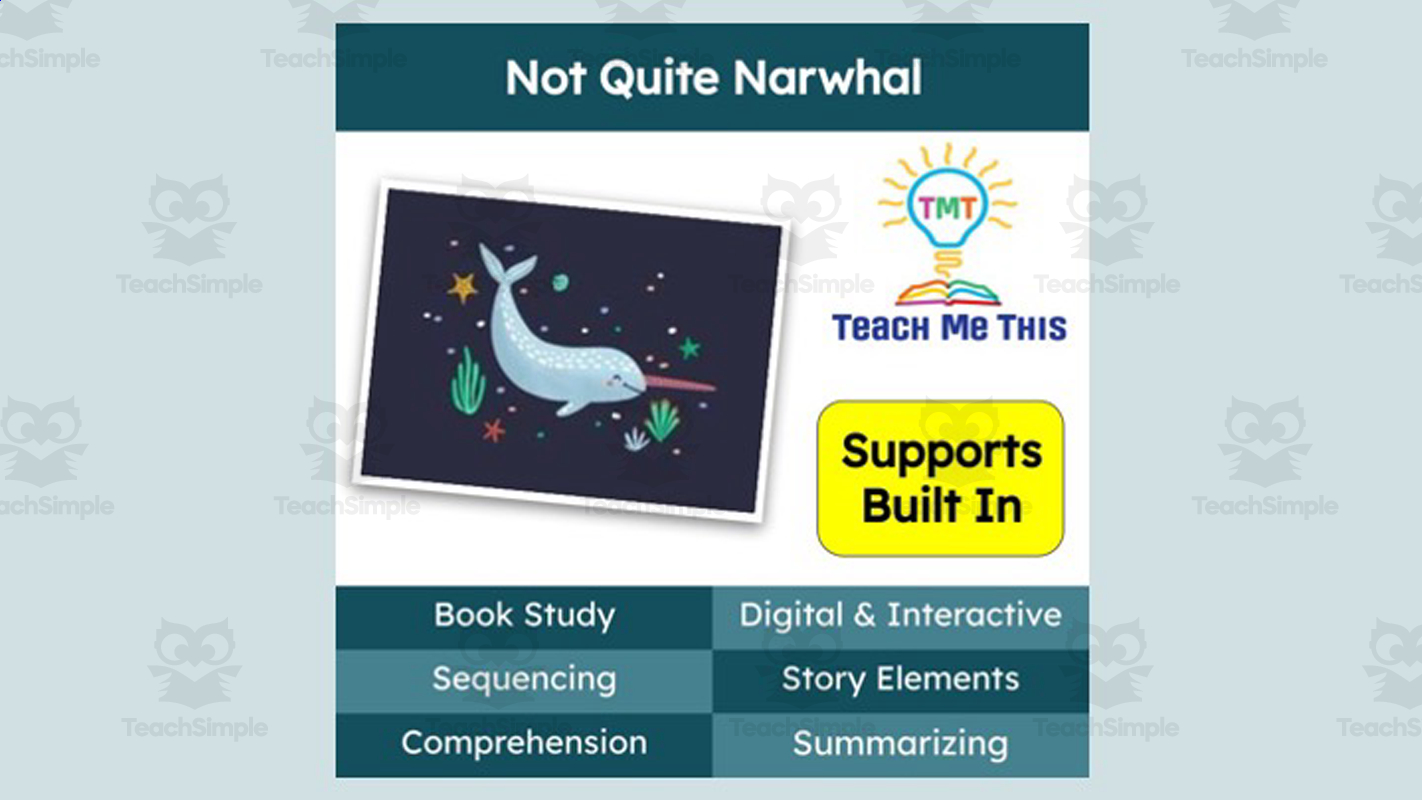
Not Quite Narwhal | Book Companion Activities | Digital Book Study
Provide a digital book-study deck for the picture book 'Not Quite Narwhal' by Jessie Sima that builds sequencing, comprehension, story-elements, and summarizing skills.
Classroom resources
Browse by lesson focus
Choose the topic or kind of practice you need.
Provide a digital book-study deck for the picture book 'Not Quite Narwhal' by Jessie Sima that builds sequencing, comprehension, story-elements, and summarizing skills.
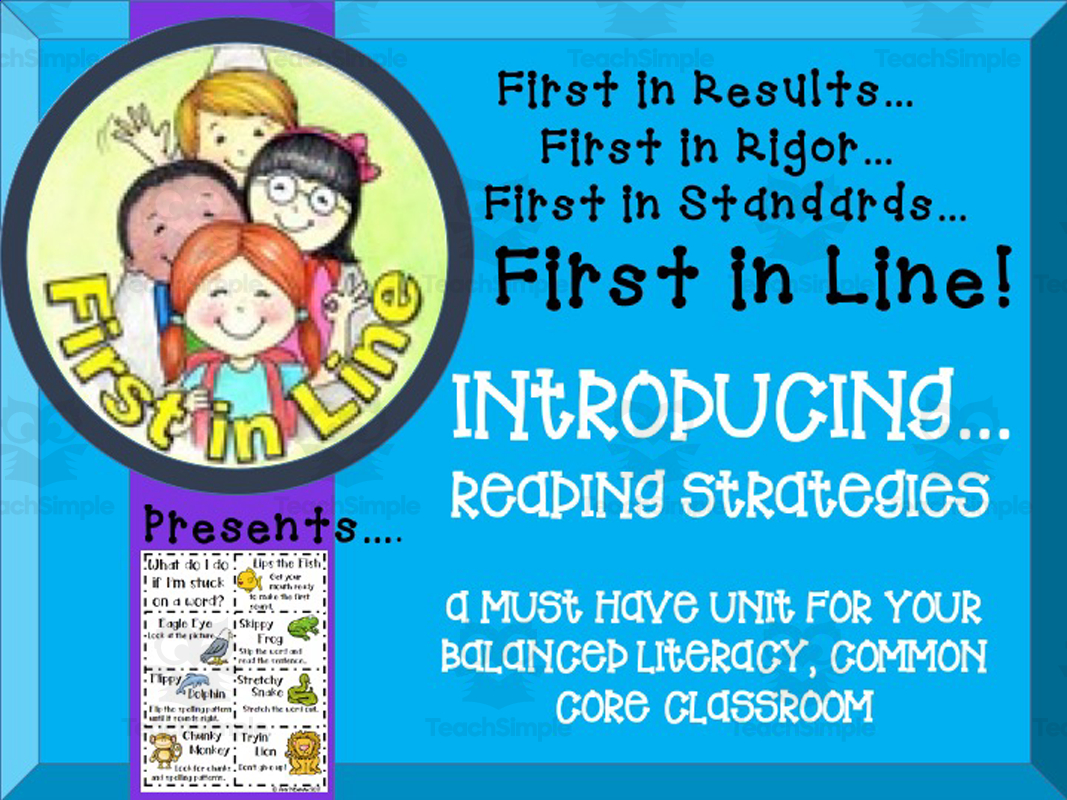
Teaches decoding and word-solving reading strategies: chunking words, blending sounds, flipping the vowel sound when a word doesn't make sense, and choosing/explaining a decoding strategy.
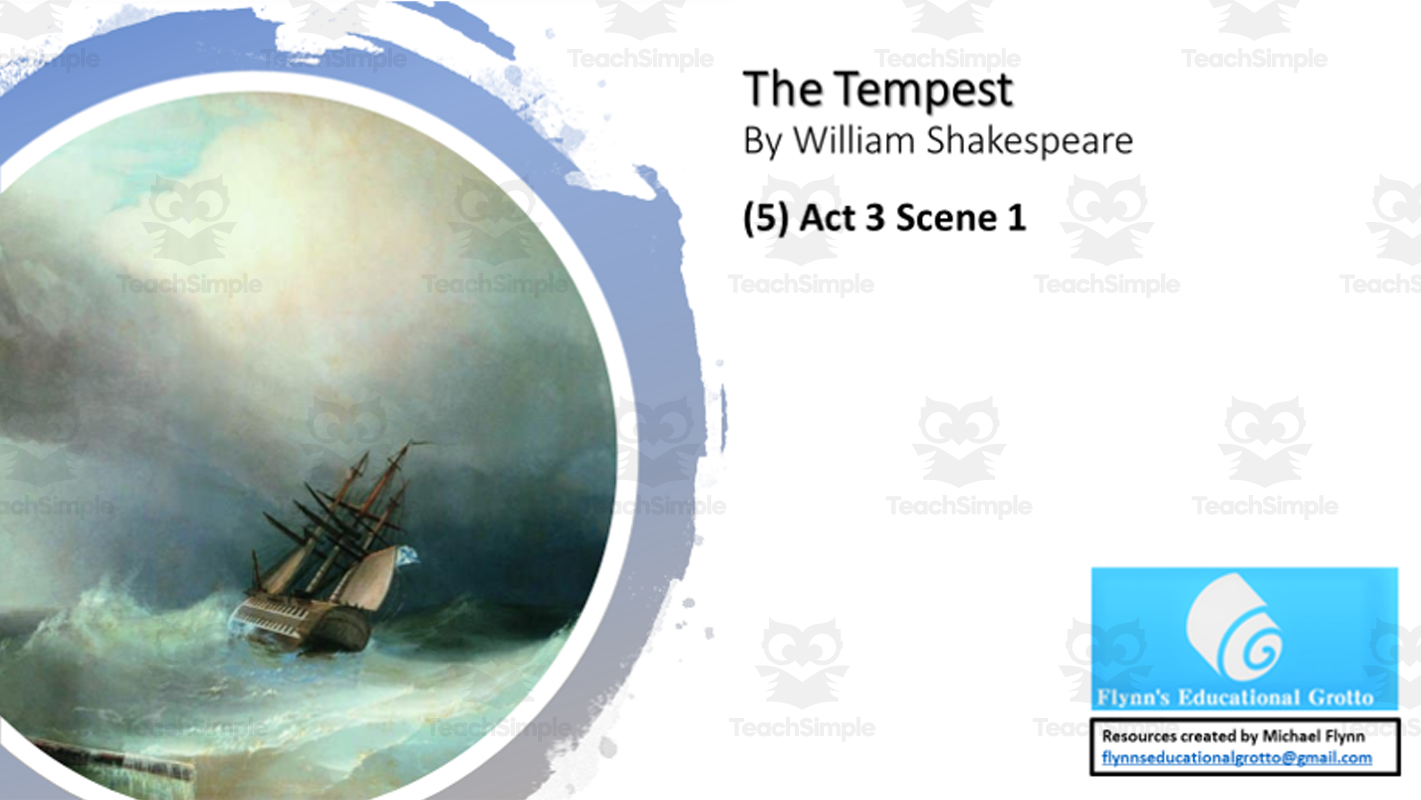
Guide KS4 secondary English literature students through an analytical reading of Act 3 Scene 1 of Shakespeare's The Tempest, focusing on the romance between Ferdinand and Miranda, the concept of love at first sight, and Prospero's secret manipulation of their courtship.
An interactive digital micro-learning deck that teaches reading comprehension and social-studies vocabulary using an informational article about the Houston livestock show and rodeo.
A slideshow lesson guiding A Level (Pearson Edexcel International Advanced Level English Literature, Post-2000 Poetry unit) students through close reading and analysis of Ian Duhig's poem 'The Lammas Hireling'.
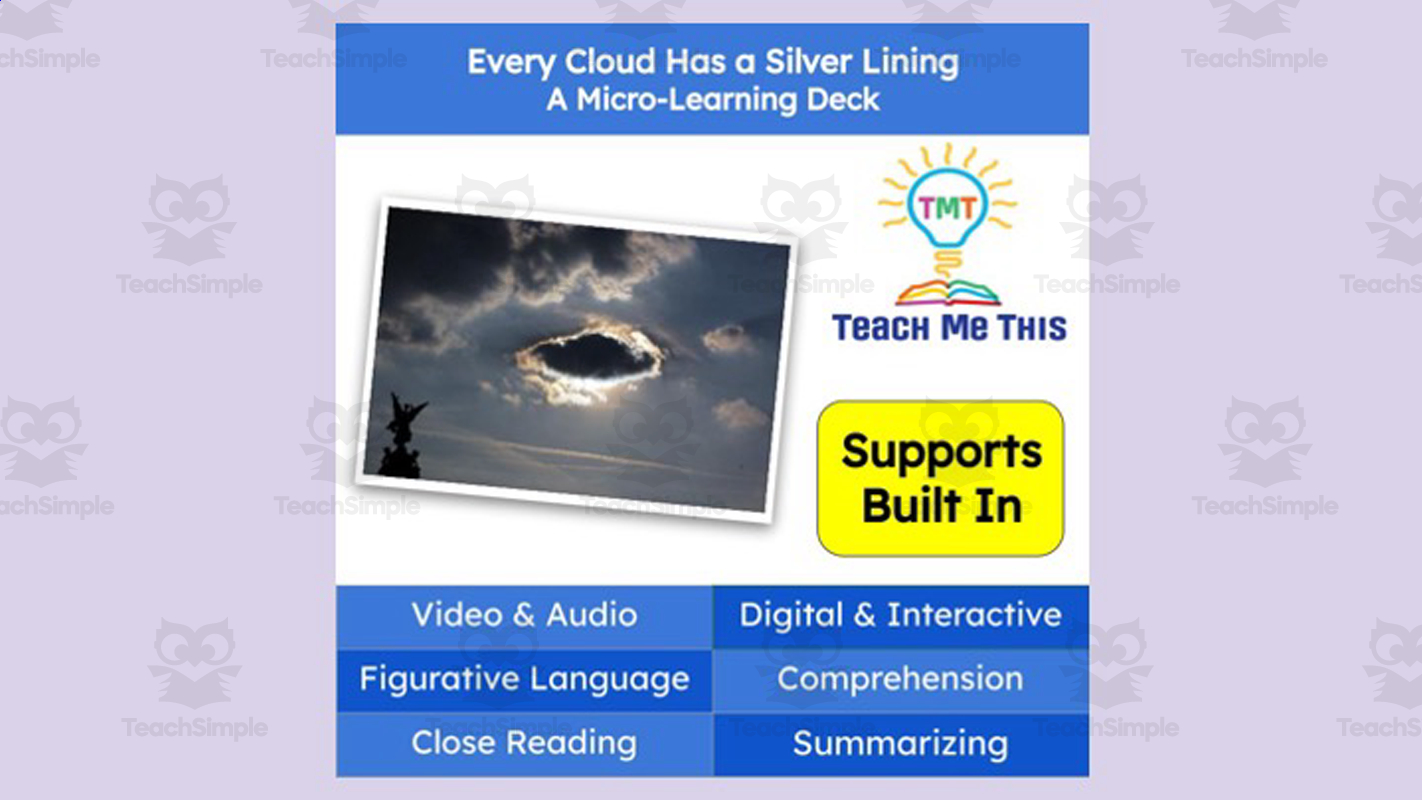
Teach the meaning and use of the figurative-language/idiom 'every cloud has a silver lining' through a short video-style lesson and reading passage.
A slideshow lesson guiding A Level (Pearson Edexcel International Advanced Level English Literature, Post-2000 Poetry unit) students through close reading and analysis of Vicki Feaver's poem 'The Gun'.
A digital slideshow ('micro-learning deck') teaching what a lunar eclipse is, how it forms, and related facts, combining a video lesson, an audio-supported reading passage, vocabulary, and comprehension activities.
A GCSE-level English literature lesson analyzing Benjamin Zephaniah's poem 'No Problem', covering author context, themes of racial stereotyping/discrimination, and content/language/structure analysis.
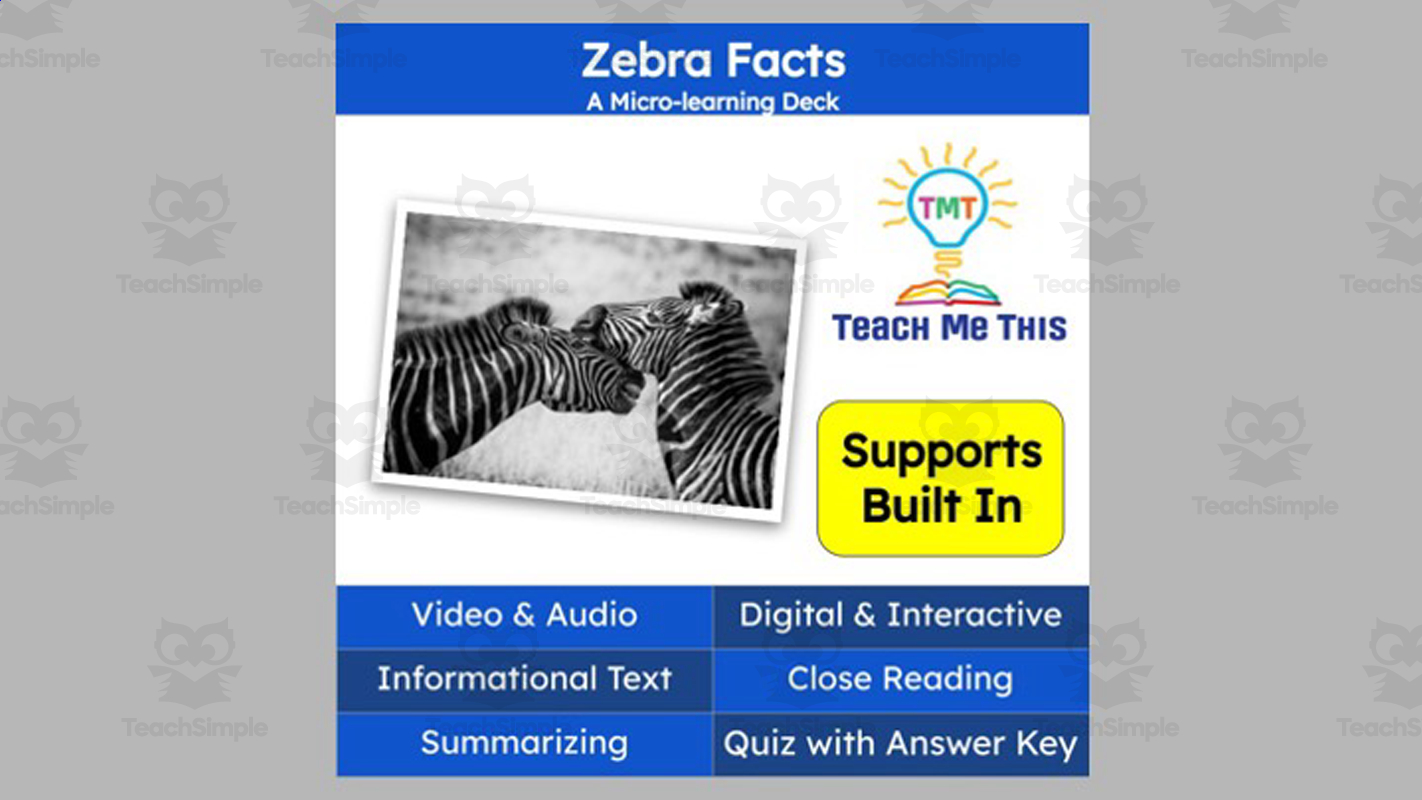
A self-paced, video- and text-based micro-learning science lesson teaching factual content about zebras (habitat, stripes/camouflage, behavior, physical traits) for middle/high school students.
Guide KS4 secondary English literature students through an analytical reading of Act 5 Scene 1, the final scene of Shakespeare's The Tempest, teaching a 'Six Paradigms of Human Conflict Resolution' framework (Win/Win, Win/Lose, Lose/Win, Lose/Lose, Win, Win/Win-or-No-Deal) before applying it to Prospero's forgiveness of his enemies, the reunion of Alonso…
Teach students state facts and symbols about Vermont through a digital, self-paced micro-lesson.
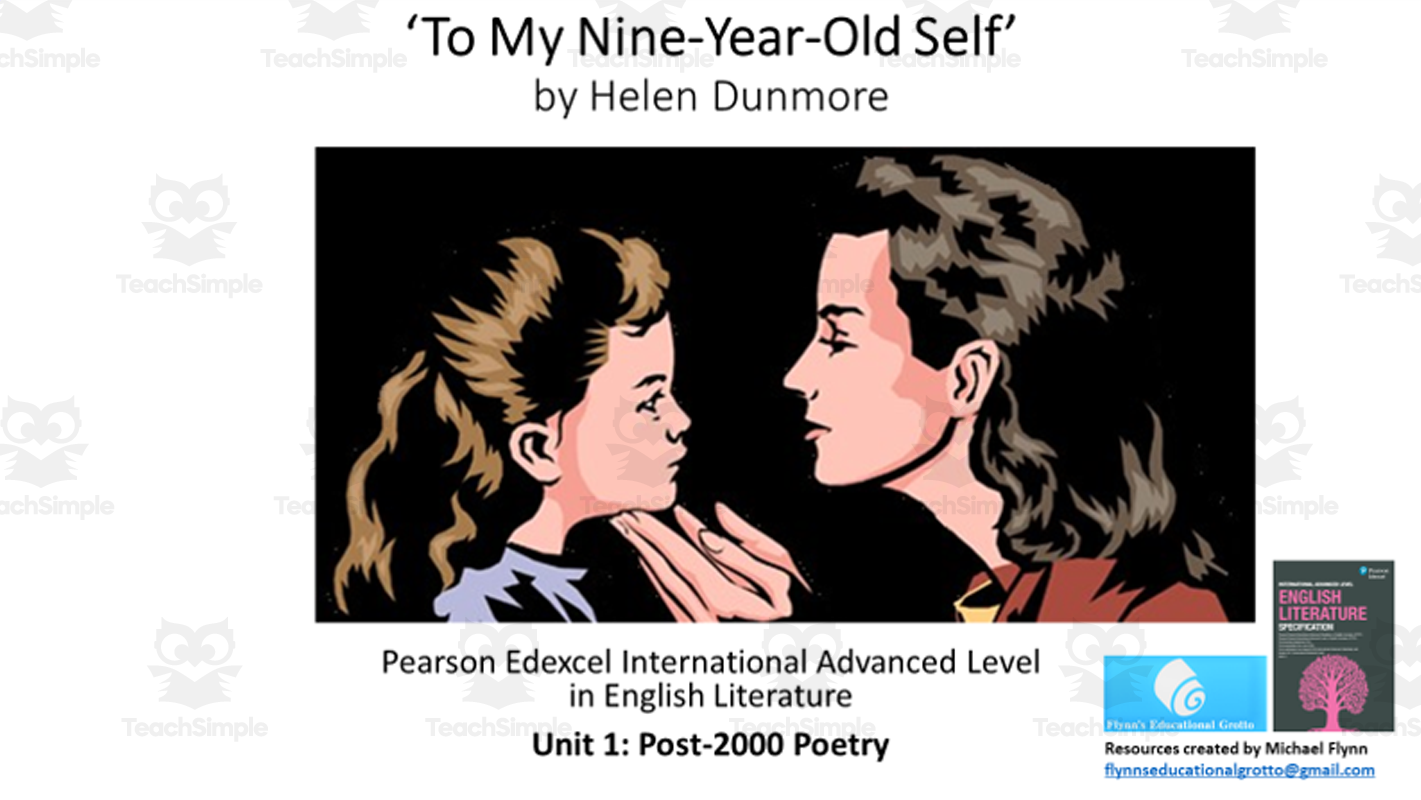
A slideshow lesson guiding A Level (Pearson Edexcel International Advanced Level English Literature, Post-2000 Poetry unit) students through close reading and analysis of Helen Dunmore's poem 'To My Nine-Year-Old Self'.
A multi-file teacher's unit bundle for a novel study of S.E. Hinton's The Outsiders, combining background/context instruction, chapter-by-chapter comprehension questions, characterization work, a project choice board, and graphic organizers.
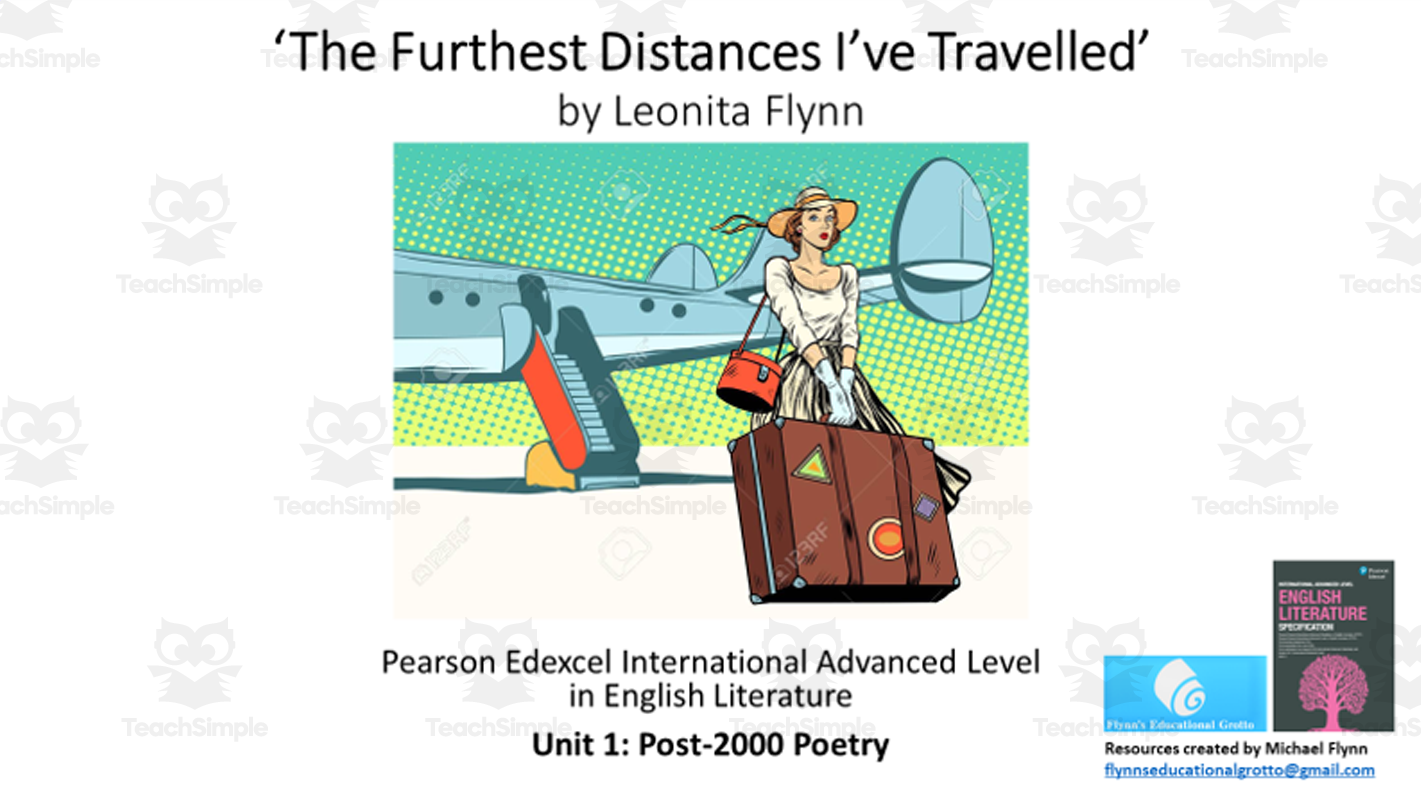
A slideshow lesson guiding A Level (Pearson Edexcel International Advanced Level English Literature, Post-2000 Poetry unit) students through close reading and analysis of Leontia Flynn's poem 'The Furthest Distances I've Travelled'.
A digital micro-learning deck teaching the figurative meaning of the idiom 'sharp cookie' through a reading passage, comprehension checks, and a summary-writing activity.
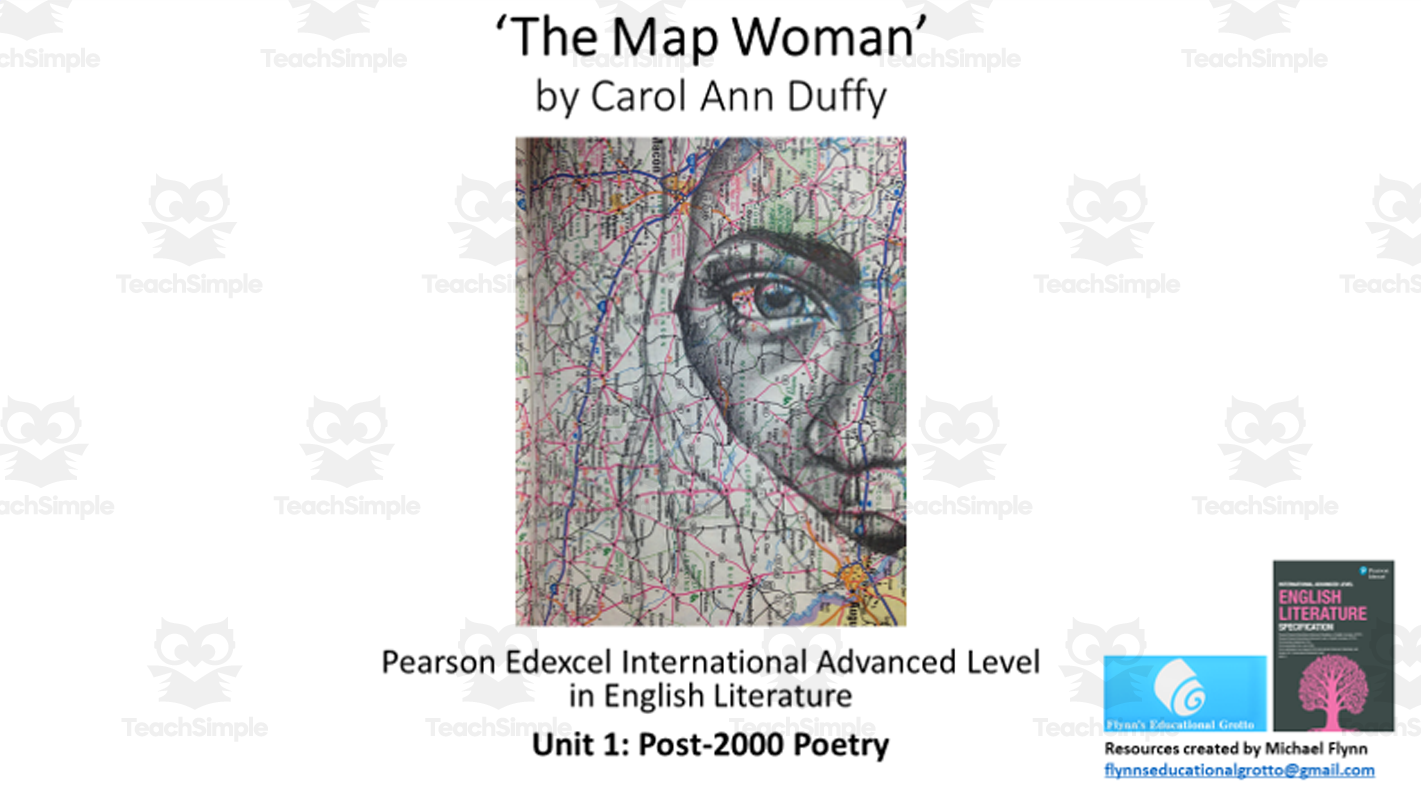
A slideshow lesson guiding A Level (Pearson Edexcel International Advanced Level English Literature, Post-2000 Poetry unit) students through close reading and analysis of Carol Ann Duffy's poem 'The Map Woman'.
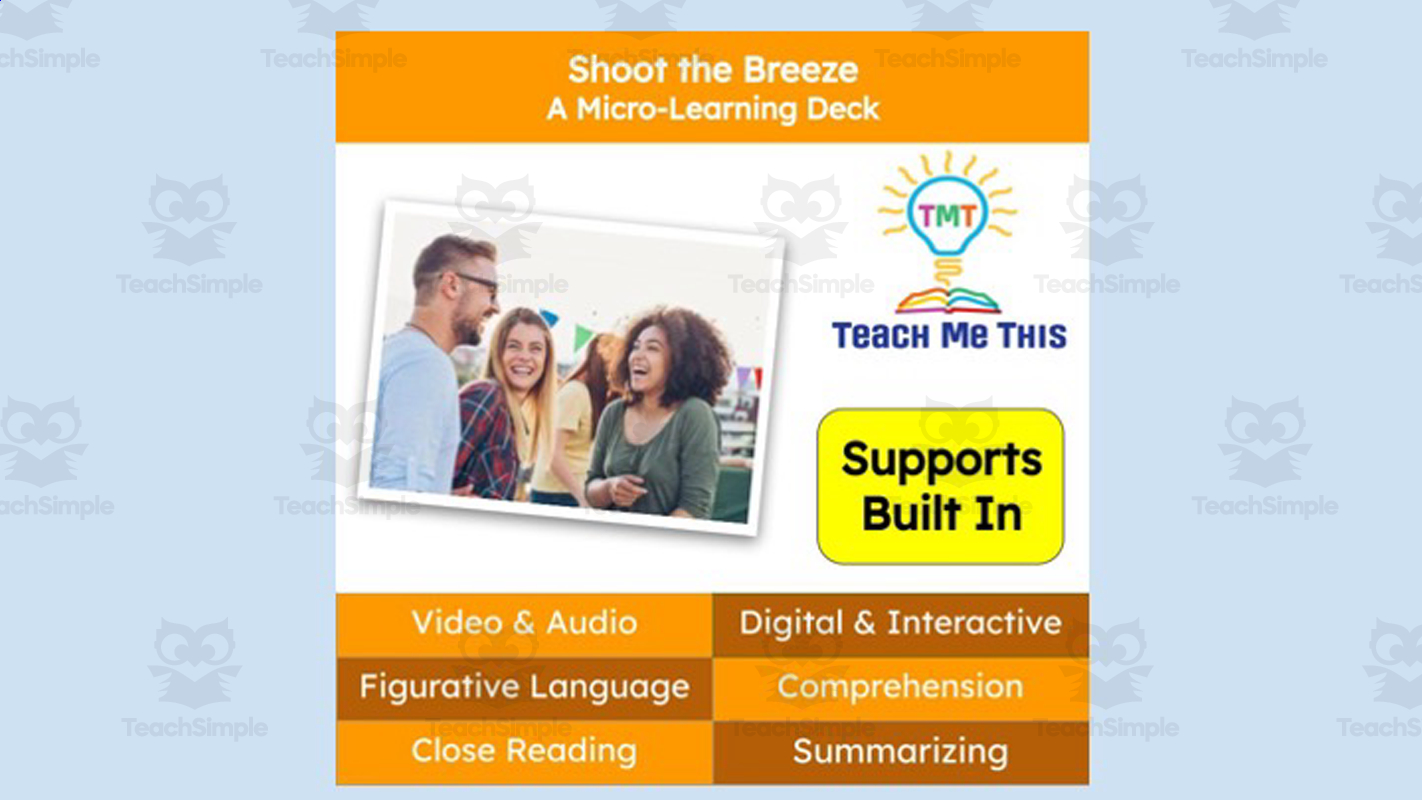
A digital micro-learning deck teaching the figurative meaning and origin of the American idiom 'shoot the breeze' through a reading passage, comprehension checks, and a summary-writing activity.
Guide KS4 secondary English literature students through an analytical, scene-by-scene reading of Act 1 Scene 2 of Shakespeare's The Tempest, focusing on the relationship between Prospero and his daughter Miranda and his servants Ariel and Caliban, and introducing the play's backstory (Prospero's overthrow, Ariel's imprisonment, Caliban's enslavement).
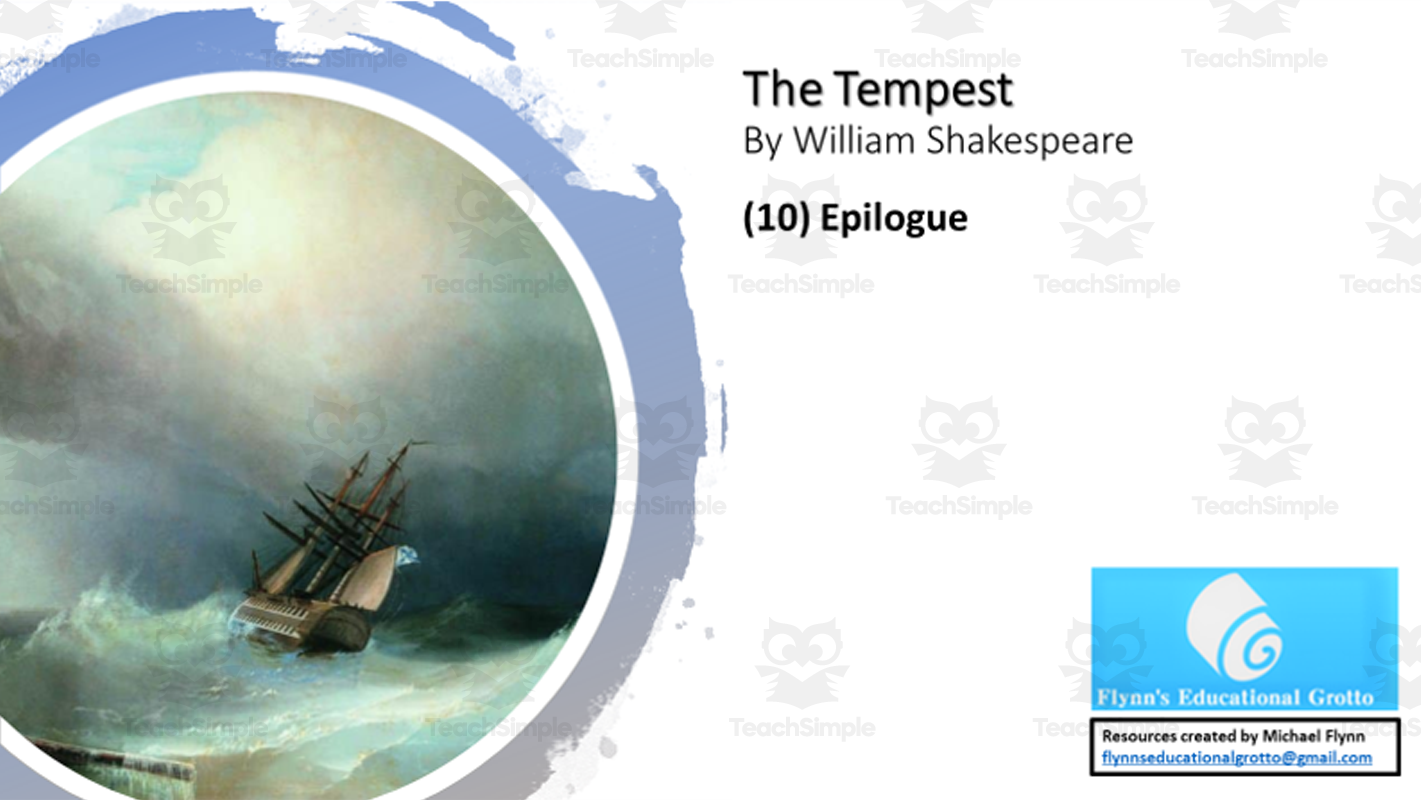
Lesson 10 of a Tempest unit: concludes the analytical reading of the play by examining the meaning and purpose of Prospero's closing epilogue.
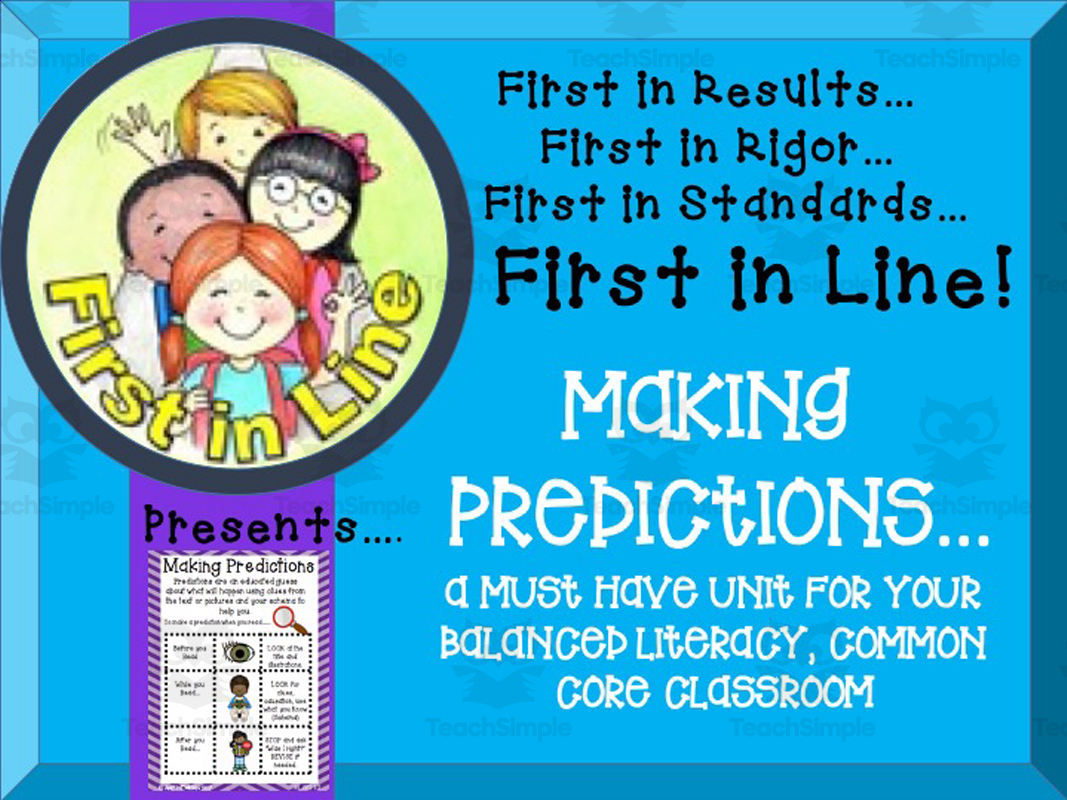
Teaches students to make predictions while reading.
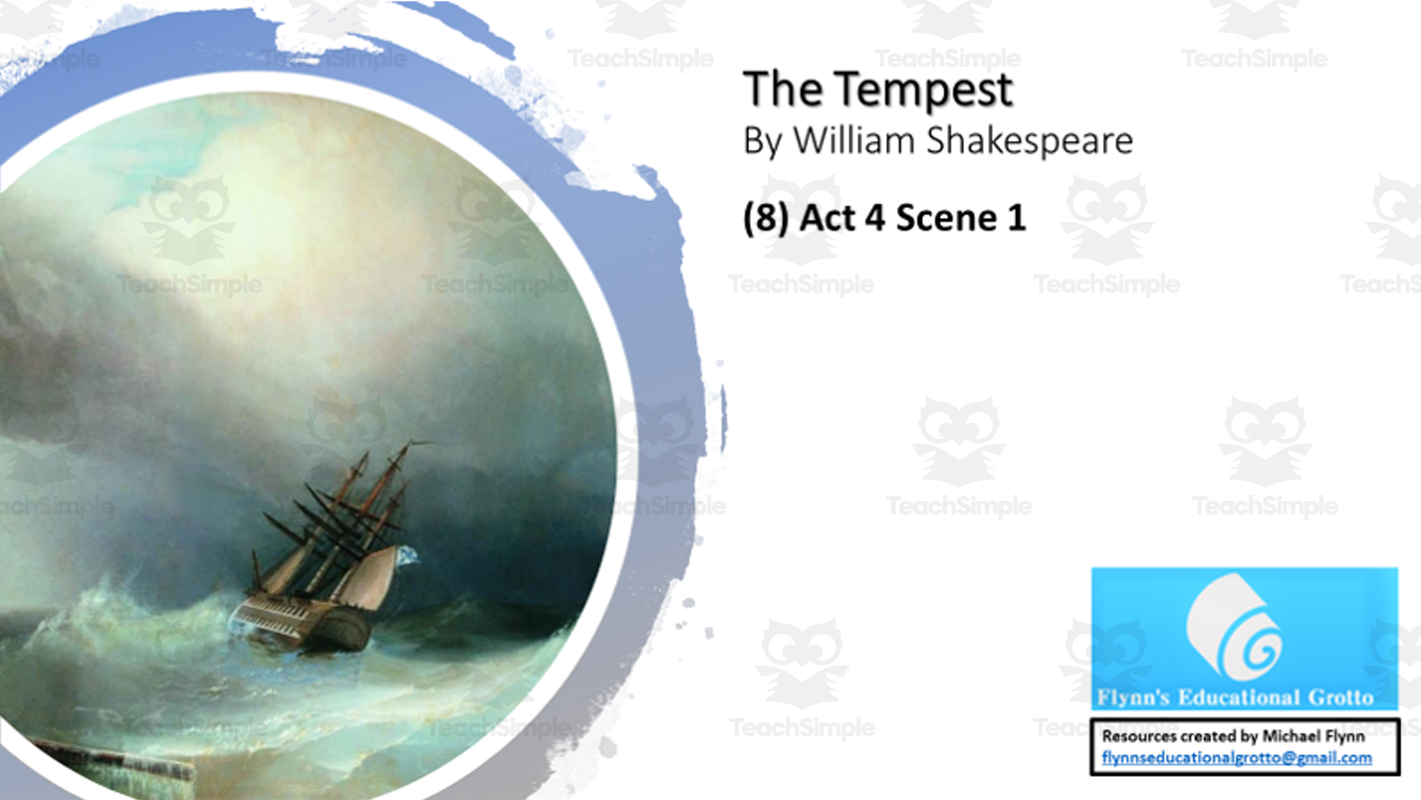
Guide KS4 secondary English literature students through an analytical reading of Act 4 Scene 1 of Shakespeare's The Tempest, discussing the concept of slavery via a labeled diagram mapping which characters are enslaved to what (Ariel and Caliban to Prospero; Ferdinand to love; Prospero to isolation; Miranda to innocence, etc.), then applying it to…
A digital micro-learning informational-text lesson about Stonehenge, teaching vocabulary and reading comprehension through close reading, matching, and summarizing activities.
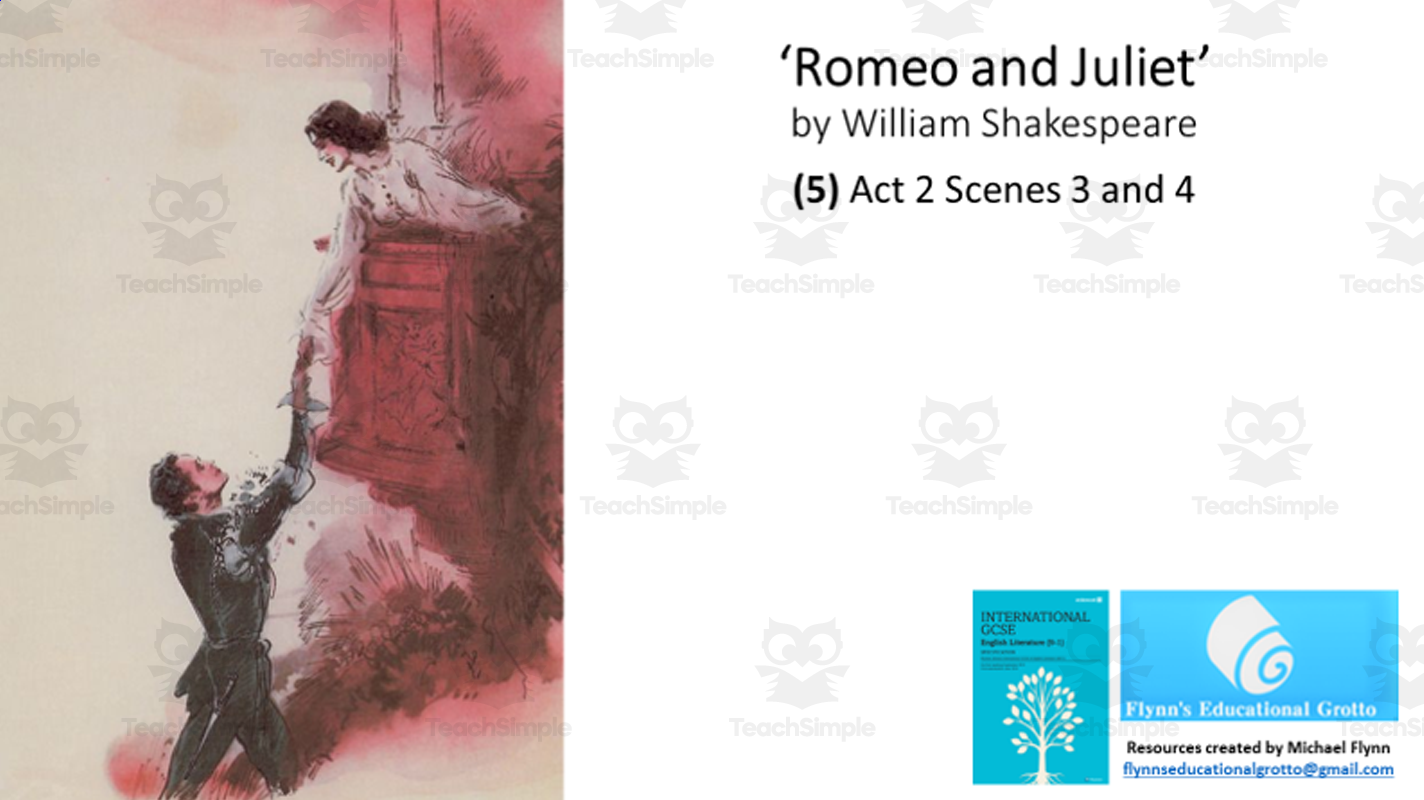
A slide-by-slide GCSE English Literature lesson guiding students through a close reading and analysis of Act 2, Scenes 3 and 4 of Shakespeare's Romeo and Juliet, built around the exam assessment objectives (AO1, AO2, AO4).