Hoodwink | Figurative Language Activity | Micro-Learning Deck
Teach the figurative-language/vocabulary term 'hoodwink' through a short video-style lesson, a reading passage, and comprehension activities.




Classroom resources
Browse by lesson focus
Choose the topic or kind of practice you need.
Showing 553–576 of 673 resources

 Show filters
 Teach the figurative-language/vocabulary term 'hoodwink' through a short video-style lesson, a reading passage, and comprehension activities.
Teach the origin of the Paralympic Games through an interactive video/reading micro-lesson.

How to Determine Theme - Handout The ultimate digital handout 'How to Determine Theme' falls in the ambit of Language Arts. Carefully crafted for students from grade six to nine, this resource simplifies the intricate task of identifying…

This resource is a How to Eat A Poem Poetry Analysis Guide. This is a fun graphic for students to guide them through analyzing poems. You may choose to print and display these 3 pages across a bulletin board .
A social-studies-flavored informational reading/media lesson about sushi (its history and how to eat it properly), building main-idea, summarizing, and vocabulary skills.

An interactive Google Slides resource that teaches students how to write a non-fiction book report using guided steps and graphic organizers, including distinguishing biography, autobiography, and informational texts.
A slideshow-based micro-learning lesson on an Ice Age archaeological discovery (a 14,000-year-old settlement site on Triquet Island, Canada), combining a video lesson, an audio-supported informational reading passage, vocabulary and comprehension activities, and a quick-write task.
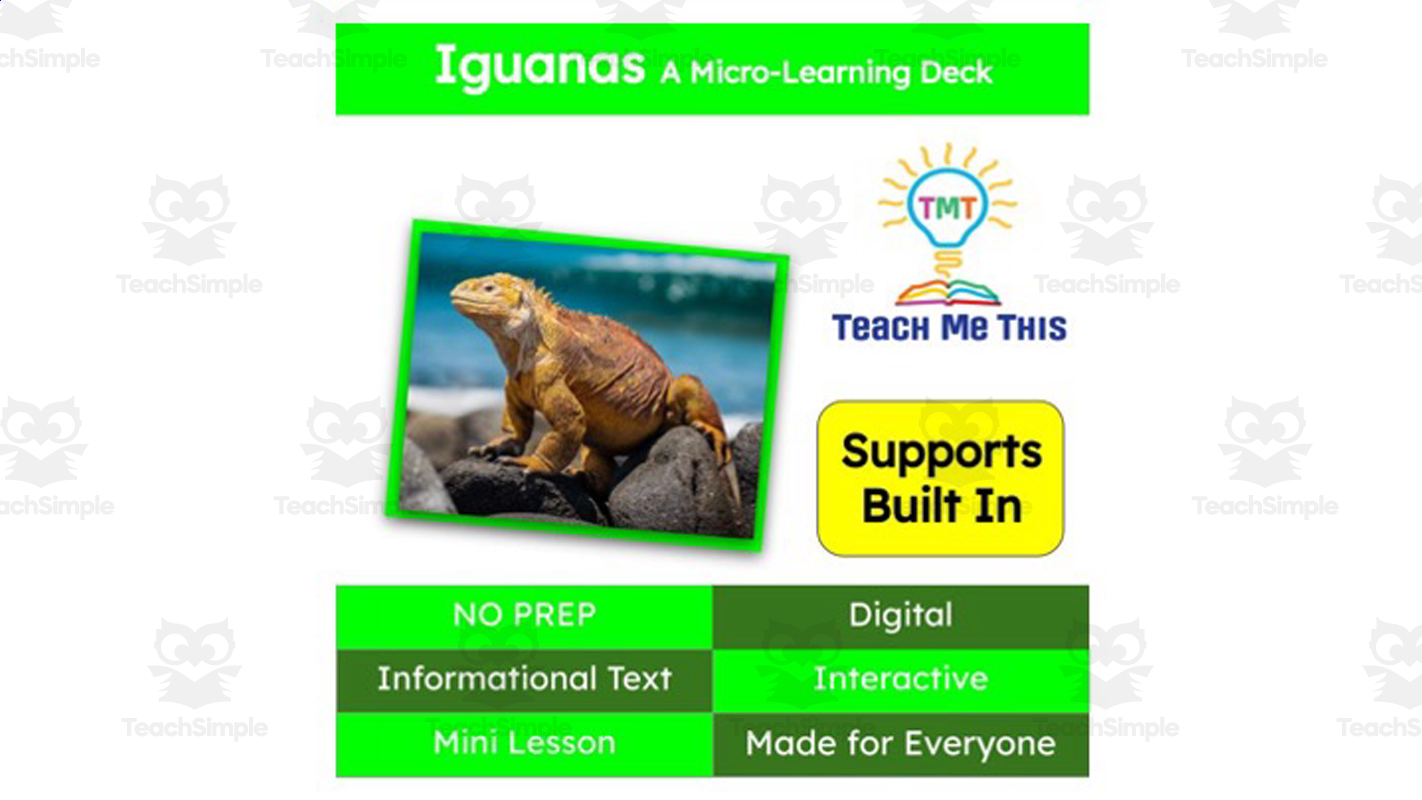
This micro-learning deck is the perfect accessory to your Science instruction! This digital slideshow presents Iguanas. Within this slideshow, you will receive: -Video Lesson -Reading Passage w/ Audio -Close Reading -Quick Write The…
A digital micro-lesson (slide deck) teaching Illinois state geography and symbols through informational text, an embedded video, and interactive/summary activities.
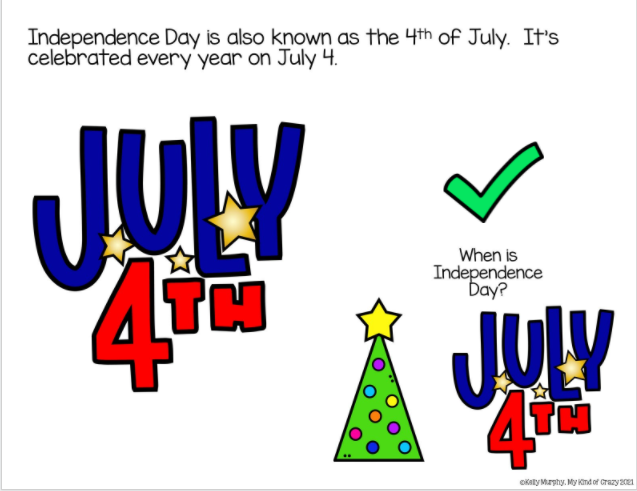
Independence Day Adapted Book Slide Deck: A Complete Resource Independence Day Adapted Book Slide Deck is a premium teaching aid designed to familiarize students with Independence Day, otherwise known as the Fourth of July.
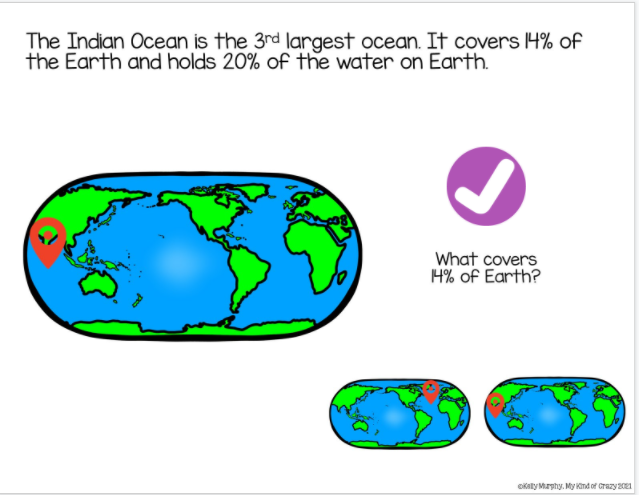
Indian Ocean Adapted Book Slide Deck for Special Ed An innovative teaching resource, the Indian Ocean Adapted Book Slide Deck for Special Ed is designed to advance learning of Earth Sciences in an appealing manner focusing on a key aspect…
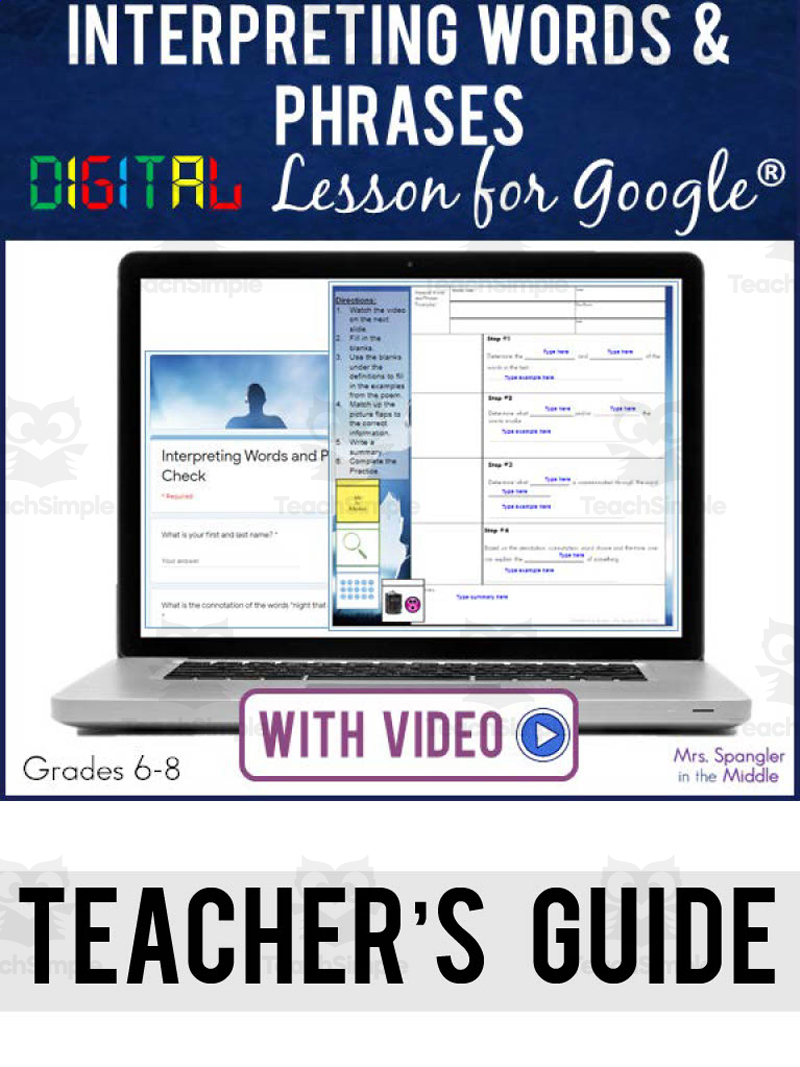
Digital scaffolded interactive notes ('Pixanotes') teaching students to interpret words and phrases in a poem (Invictus), with differentiated versions and a self-checking quiz.
Introduce students to narrative poetry as a genre, using video clips, guided discussion, language-device practice, and a full worked example (the poem 'Matilda') plus an independent homework poem.
Continue a narrative-poetry unit by studying Edward Lear's classic poem 'The Owl and the Pussycat', covering genre terms (epic, ballad) and poetic devices (stanza, quatrain, alliteration).
Introduction to Rhyme Scheme and Rhythm in Poetry Educators seeking to add a dynamic element to their poetry curriculum will find the Introduction to Rhyme Scheme and Rhythm in Poetry resource an indispensable asset.
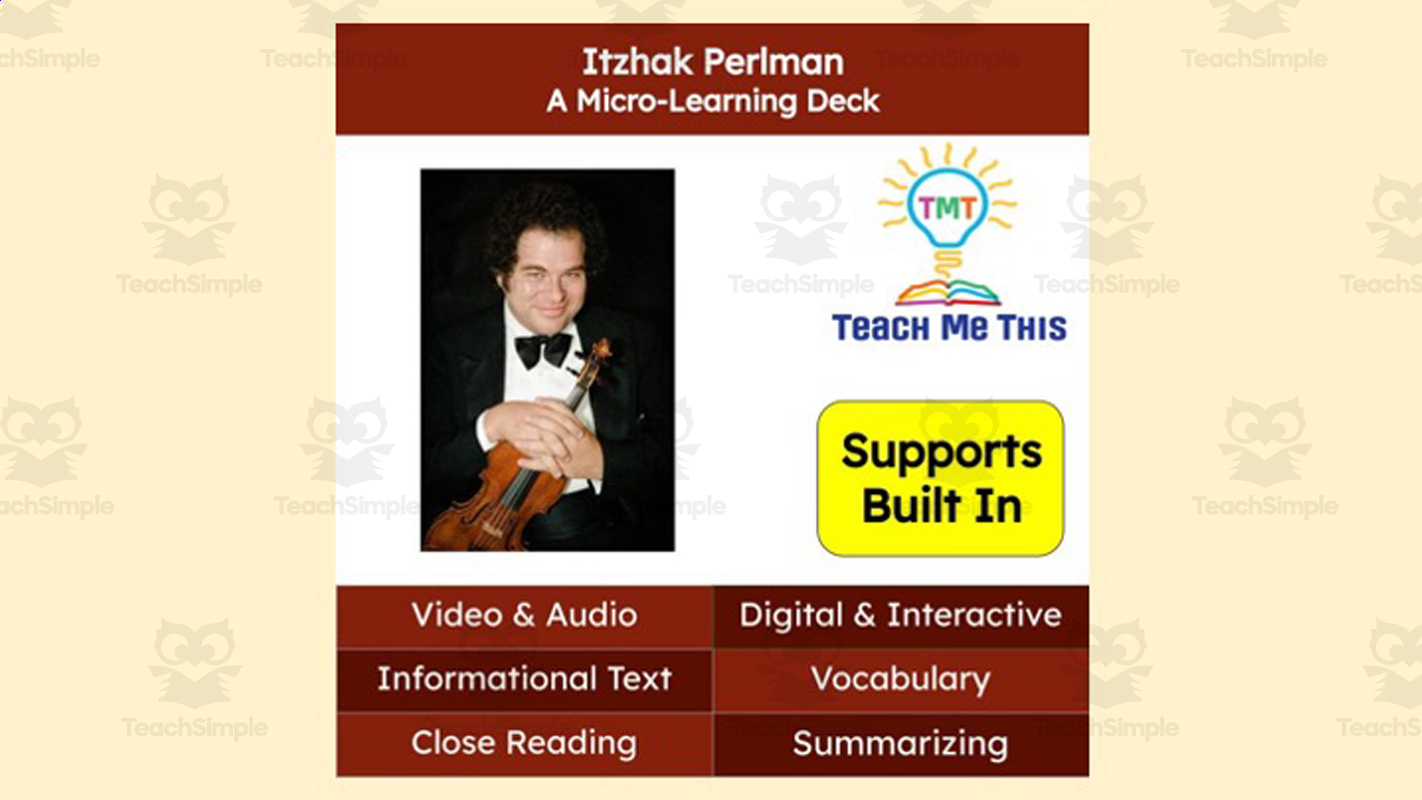
This reading comprehension deck is the perfect accessory to your Social Studies instruction! This digital slideshow presents Itzhak Perlman.
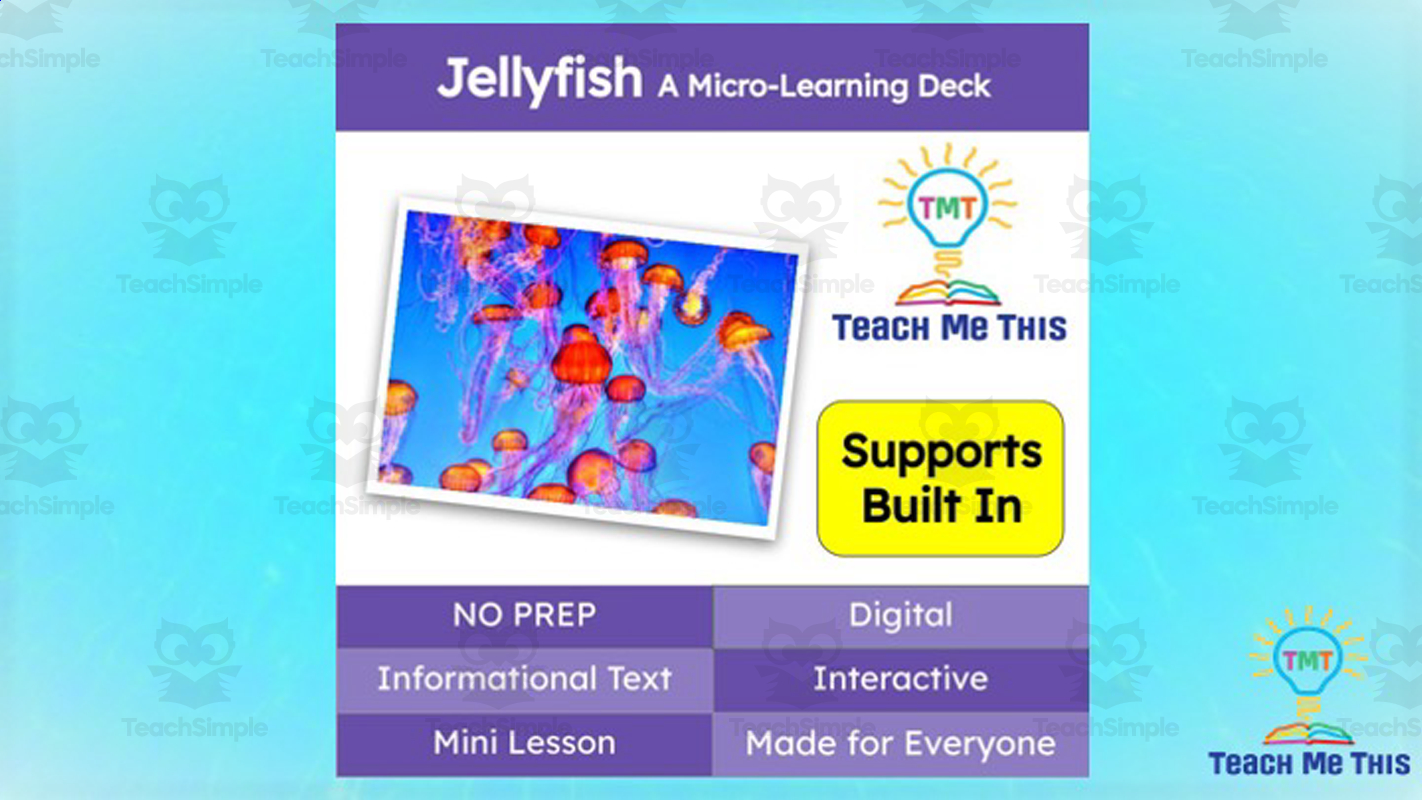
An interactive, no-prep digital 'micro-learning deck' (slideshow) teaching middle-school-level zoology content about jellyfish, combining video, a reading passage, vocabulary, and literacy activities.
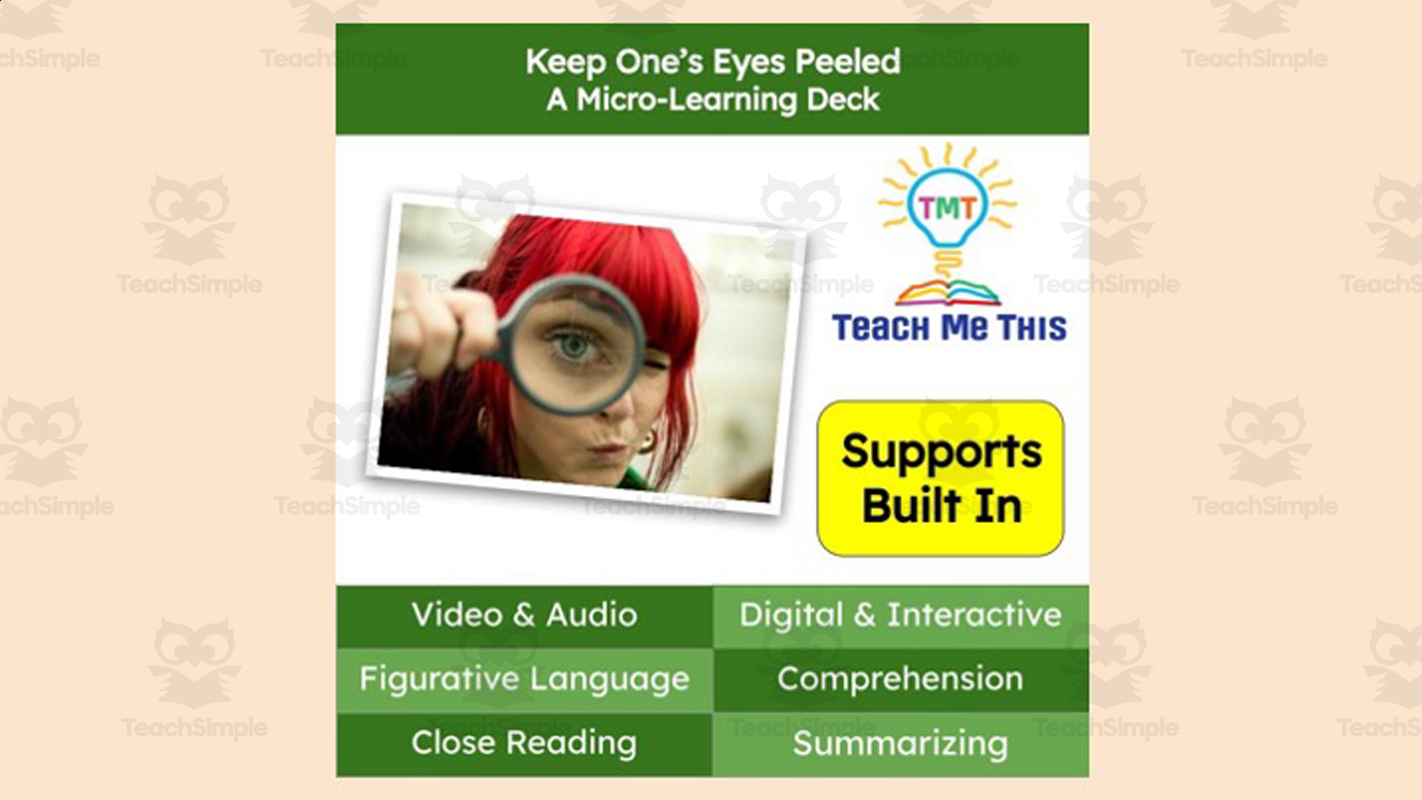
Teaches the meaning of the figurative-language/idiom phrase 'keep one's eyes peeled' through a close reading passage and comprehension activities.
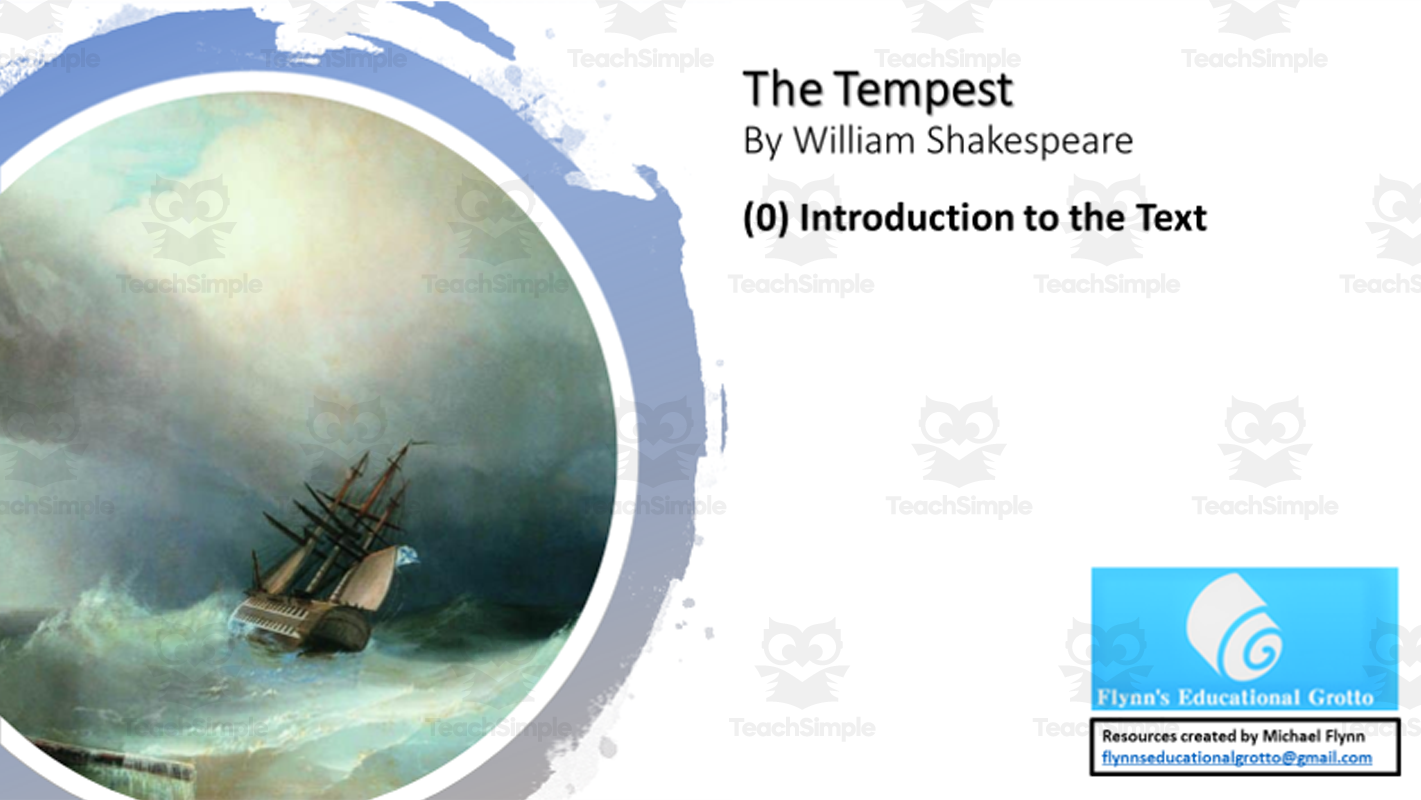
An introductory lesson to Shakespeare's play 'The Tempest', covering the author's biography, historical context (the Elizabethan/Jacobean era), key literary terms (aside, soliloquy), and Shakespeare's typical four-part plot structure.

Lesson 11 of a Tempest unit: a guided essay-writing/revision lesson exploring the theme of power across the play, scene by scene, to prepare students for an analytical essay.

Lesson 12 of a Tempest unit: a second guided essay-writing/revision lesson, this time exploring the theme of slavery across the play through the characters of Prospero, Caliban, and Ariel.
A micro-learning informational-text lesson on the history and significance of Labor Day, building close-reading, summarizing, and vocabulary skills.
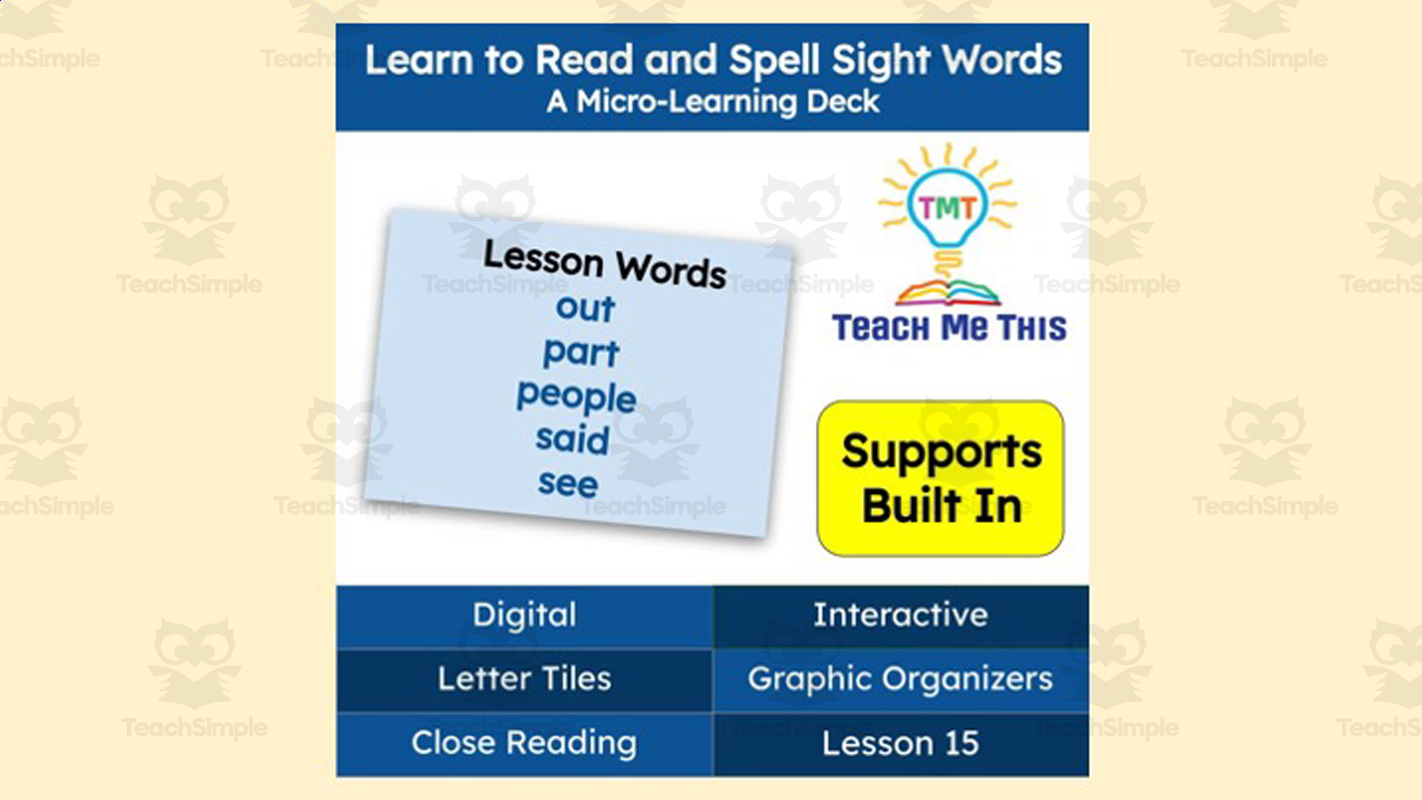
Teach reading and spelling of five sight words (out, part, people, said, see) through a sequence of digital micro-lesson activities.

A digital, no-prep 'micro-learning' slideshow lesson delivering a biographical reading passage on Leonardo da Vinci with embedded video, close reading, vocabulary, and a written summary assessment.