America in World War II Review Game
A digital (Google Slides) review game for a US-in-WWII history unit, letting teachers quiz students on content via game formats like Family Feud, Build-A-Bear, and Attack!.
Editable


3,560 resources
Explore sub-categories
16 sub-categories · 3,560 resources
A digital (Google Slides) review game for a US-in-WWII history unit, letting teachers quiz students on content via game formats like Family Feud, Build-A-Bear, and Attack!.

Provide a multi-part, multi-day solar-system project in which students research the planets, create infographics and comparisons, design a fictional city on an assigned planet, write in-role journal entries, and present findings.

A 14-slide digital micro-learning deck teaching the geography, symbols, and culture of the state of Montana.
Local-election civics simulation in which students design a fictional candidate to run for mayor of "Genericbury"/"Genericburg," including background, campaign slogan, and stances on local issues, to explore what makes a candidate "electable" and how representatives respond to voters.

A supplemental Grade 4 NGSS resource providing lesson plan outlines, guided activities, and resource links (e.g. videos, PowerPoint) for teaching all Grade 4 Next Generation Science Standards, meant to accompany (not replace) a core science curriculum.

A micro-learning slide deck teaching the figurative-language idiom "a bitter pill to swallow" through a video lesson, an illustrated reading passage with audio, and comprehension/quick-write activities.

Teach urbanization concepts (definition, MDC vs. LDC urban growth trends, ways of defining a city, MSA, megalopolis, megacities) for a high-school/AP-level human geography unit, via paired slide notes and a fill-in outline.
Local-election civics simulation in which students design a fictional candidate to run for mayor of "Genericbury"/"Genericburg," including background, campaign slogan, and stances on local issues, to explore what makes a candidate "electable" and how representatives respond to voters.
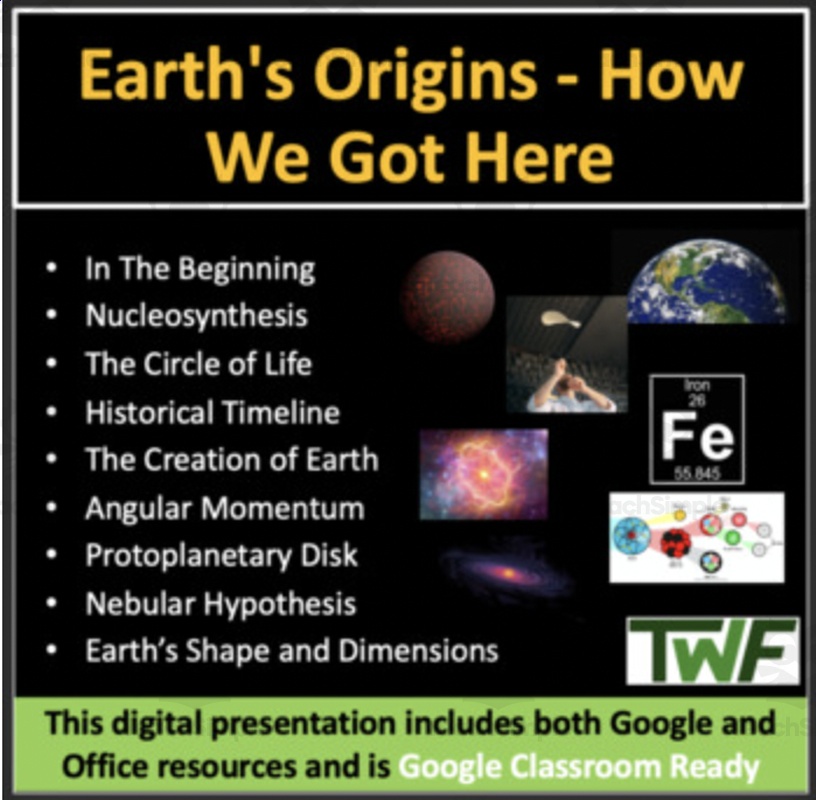
A slide-based lesson explaining the scientific origin of the elements, the solar system, and Earth (nucleosynthesis, angular momentum, protoplanetary disk, and the nebular hypothesis) for secondary science students.

A social studies lesson teaching the definition and features of totalitarianism and its rise after World War 1, with application to students' own lives.
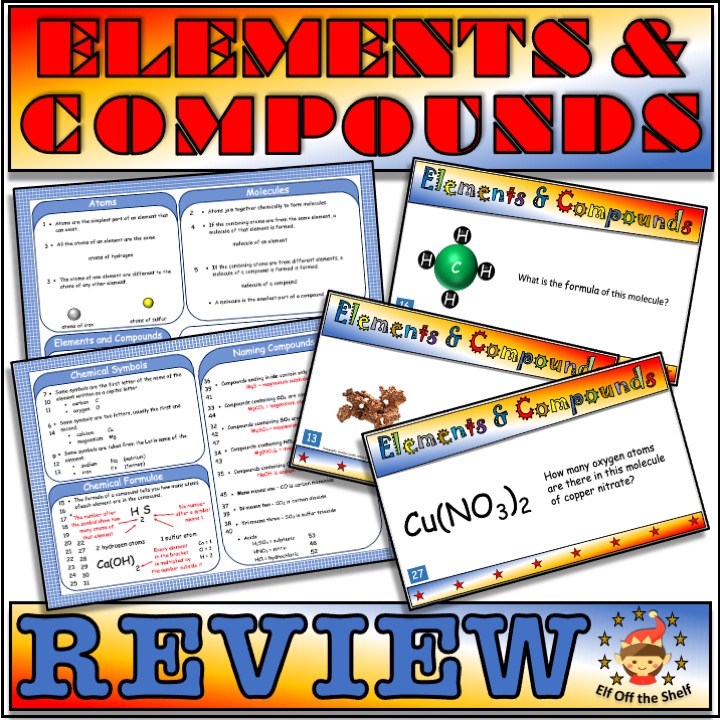
A diagnostic review lesson covering atoms, molecules, elements, compounds, chemical symbols/formulae, and naming compounds, used to check understanding after a module or before testing.
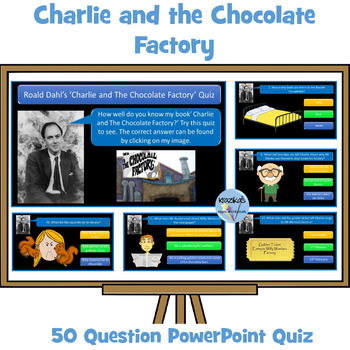
Assess elementary students' recall and comprehension of plot details from Roald Dahl's 'Charlie and the Chocolate Factory' via an interactive PowerPoint quiz.

Teach students state facts and symbols about Vermont through a digital, self-paced micro-lesson.

Teach classification of world religions (universalizing vs. ethnic; monotheistic vs. polytheistic) and profile major religions' origins, diffusion, and cultural landscape features, for a high-school human/cultural geography unit.
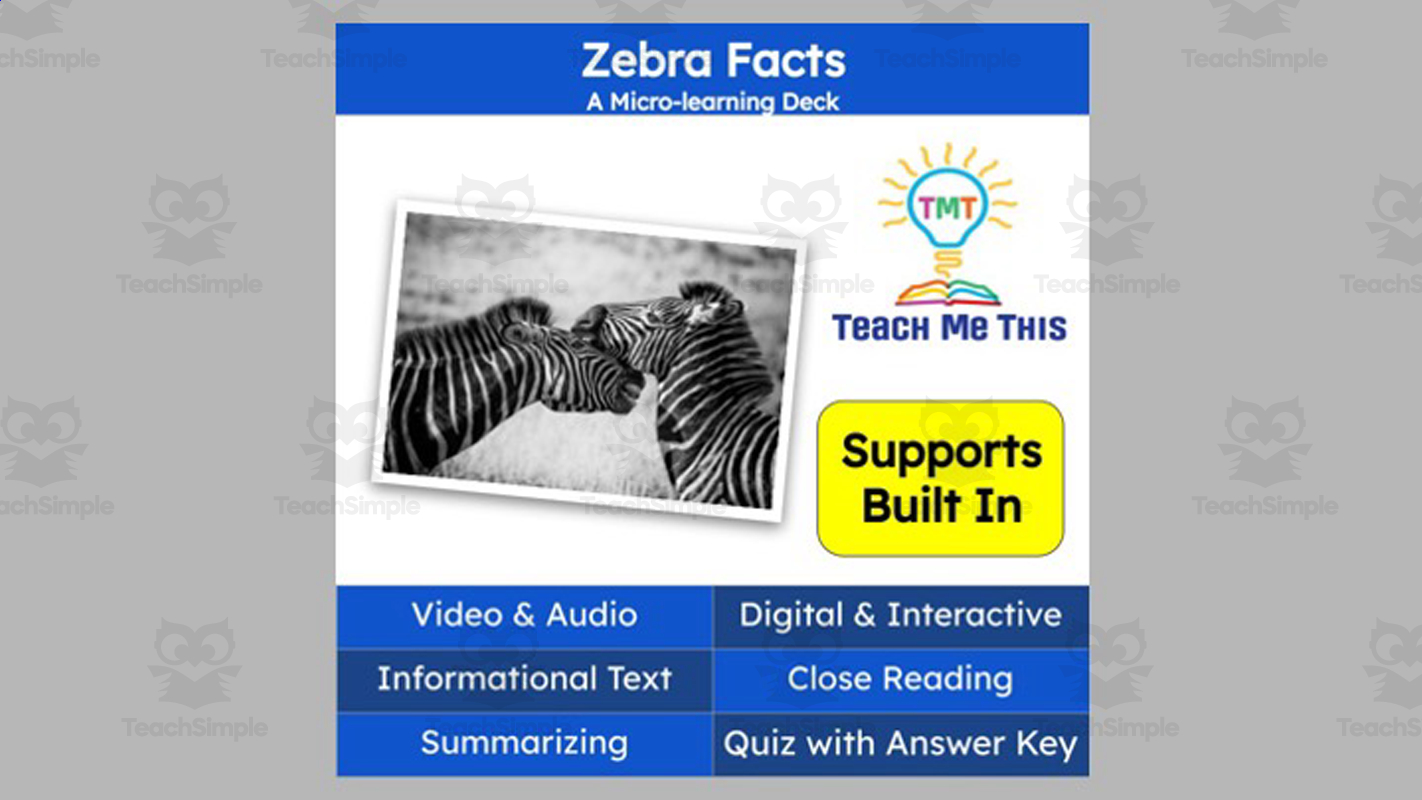
A self-paced, video- and text-based micro-learning science lesson teaching factual content about zebras (habitat, stripes/camouflage, behavior, physical traits) for middle/high school students.

Congressional lawmaking simulation activity for a Social Studies/Government class; each student role-plays a U.S. Senator from an assigned state and negotiates/votes on eight partisan-leaning bills to try to secure re-election, teaching deal-making, political strategy, and party politics.
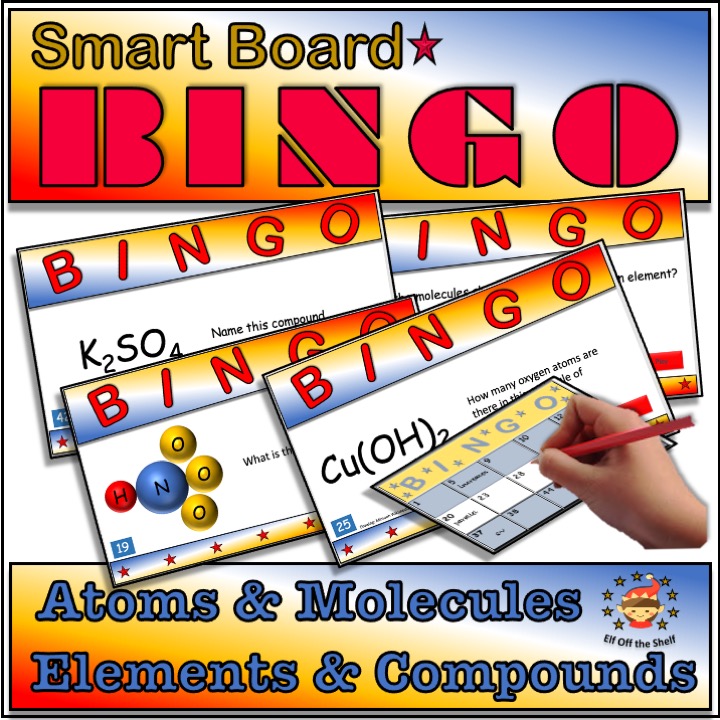
A bingo-format review game covering atoms, molecules, elements, compounds, chemical symbols, formulae, and naming compounds.
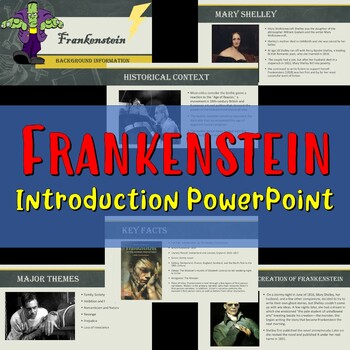
Provide background information on Mary Shelley's novel Frankenstein (author biography, historical/Gothic context, creation story, themes, symbols, and characters) prior to reading or for review.

Digital micro-learning deck teaching Wyoming state geography and symbols (location, neighboring states, capital, flag, seal, nickname, motto, state symbols/animals) with video/audio and a summarizing activity.
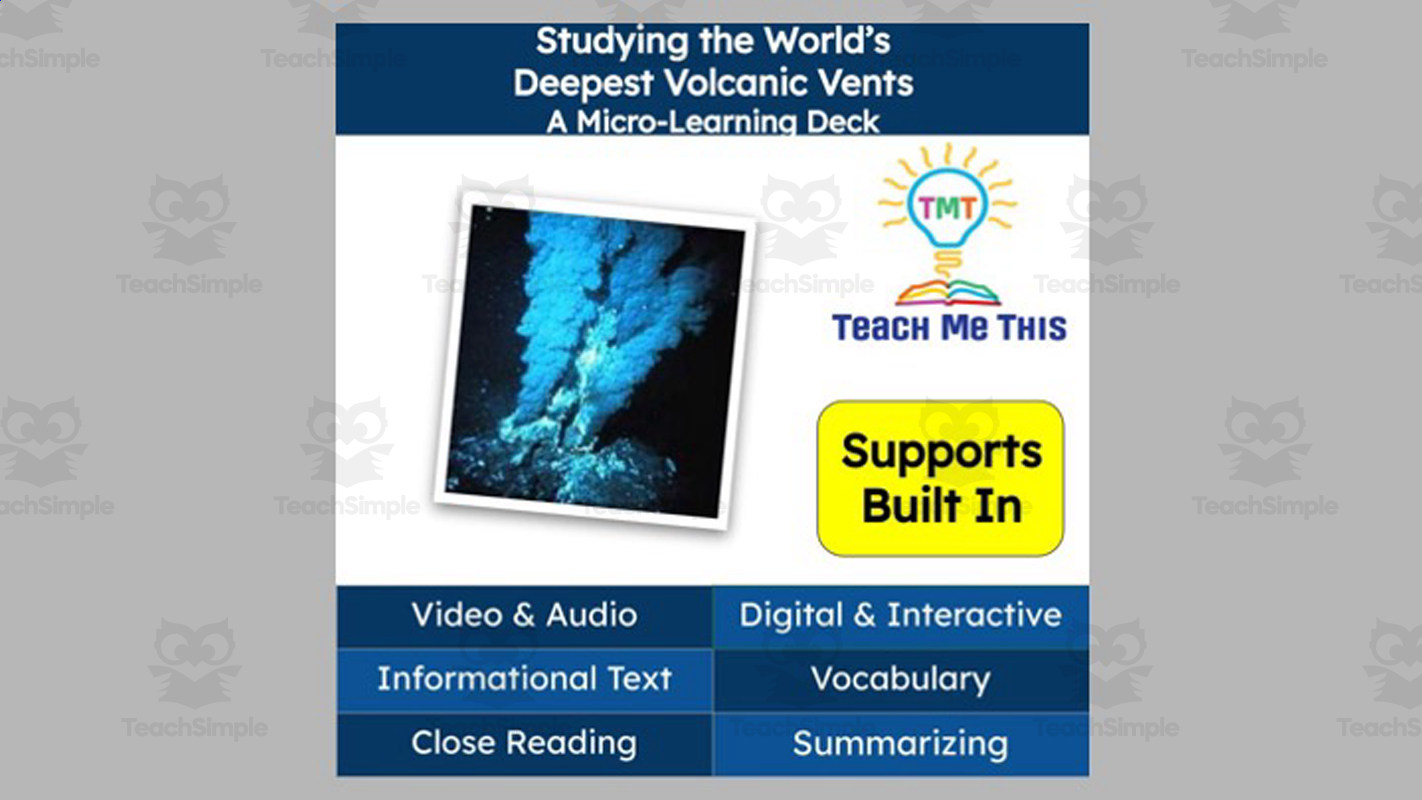
Deliver a micro-learning interactive lesson teaching about the world's deepest volcanic (hydrothermal) vents and the marine life around them, through a reading passage, vocabulary, and comprehension activities.
A multi-day classroom government-role simulation in which student groups govern a zombie-apocalypse 'Quarantine Zone,' exploring core government functions (common good, vital services, rule of law, safety) through escalating crisis events.

A slide-based lesson covering the phases of Earth's water, the hydrosphere, the water cycle, the cryosphere, and the cryosphere's effects on climate and weather.
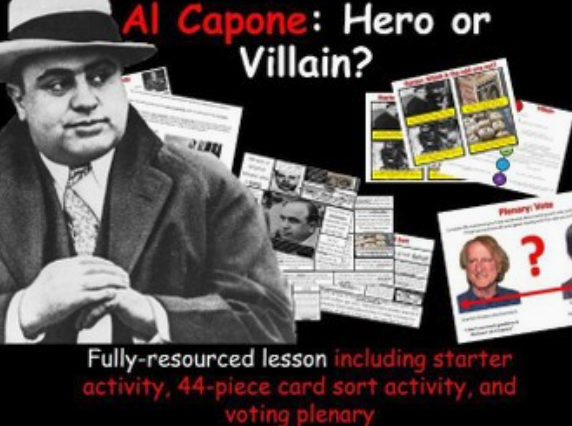
A high-school history lesson using an 'odd one out' starter and an evidence card-sort activity to have students weigh conflicting evidence and decide whether Al Capone should be viewed as a hero or villain.
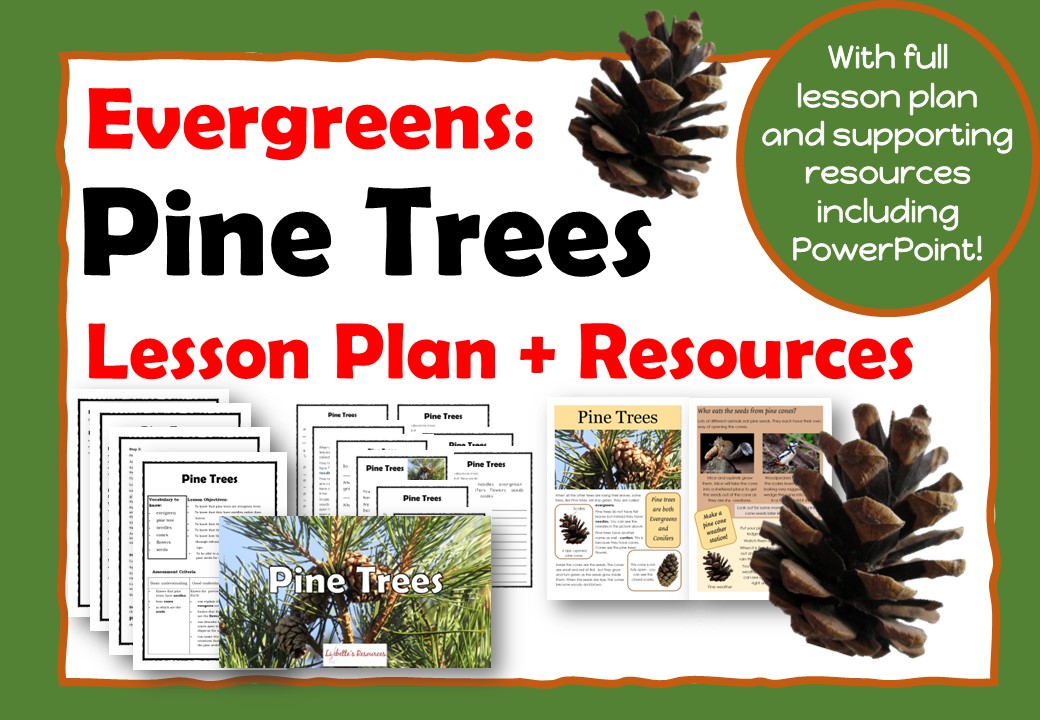
A multi-file thematic unit teaching that pine trees are evergreen conifers, using leveled reading-comprehension passages, a structured science lesson plan, and a vocabulary slideshow.