How to Write a Book Report: Proofreading Practice & Review to Remember - Google Slides Gr. 5-8
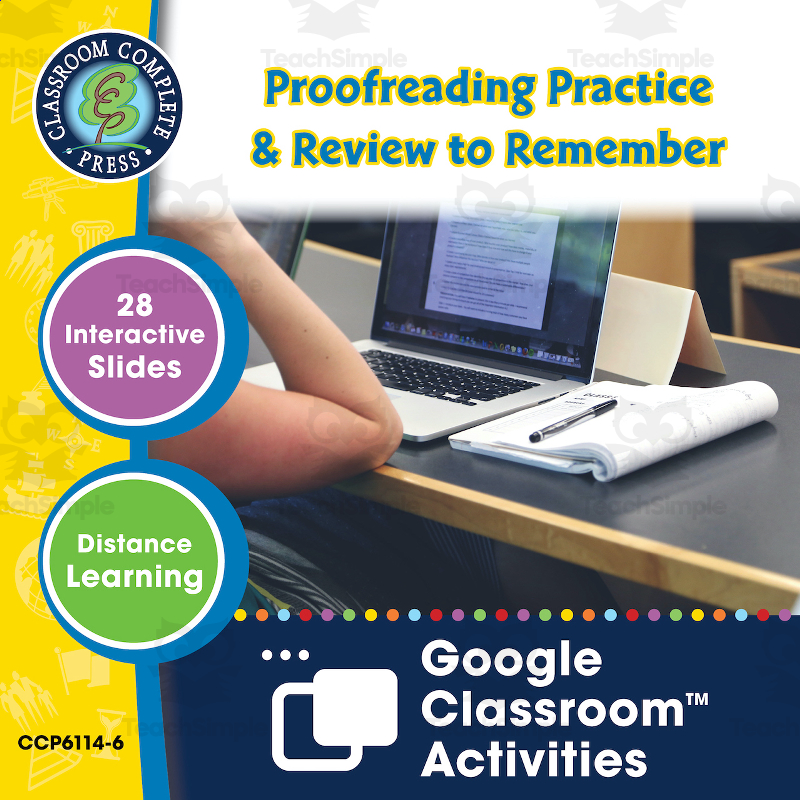
An interactive Google Slides resource that provides proofreading practice and a cumulative review of book report writing skills and vocabulary.
2,513 resources
Explore sub-categories
27 sub-categories · 2,513 resources
An interactive Google Slides resource that provides proofreading practice and a cumulative review of book report writing skills and vocabulary.
Students view a term-and-definition flashcard slide, then click an on-screen answer letter (A-D) to match a definition to the correct vocabulary term; an incorrect click is marked wrong and the student keeps choosing until correct.
No-prep digital 'micro-learning deck' (slide presentation) teaching about sea turtles, for middle/early-high-school science.
Teaches the structure of Roman Republic government (branches, separation of powers, Roman law) and its influence on the U.S. system of government, for a high school world/ancient history lesson.
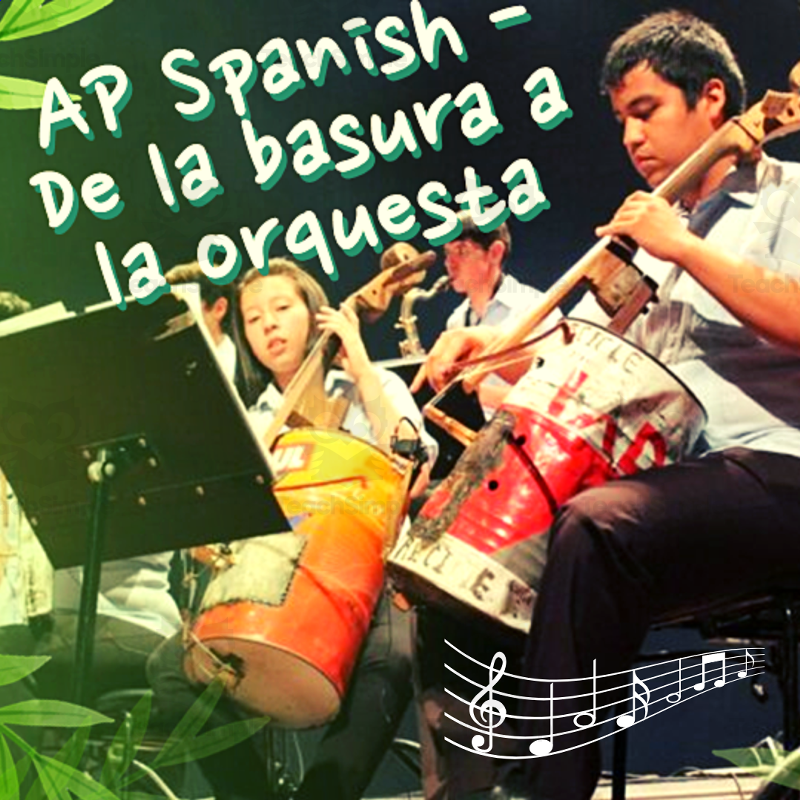
Discuss the topic and title predictions in Spanish, watch/listen to a video, read a passage about the orchestra's origin and Favio Chávez, answer reading-comprehension questions, and write sentences/paragraphs on the theme, following the 4-skill unit index (Hablar/Escuchar, Leer, Escribir).
An interactive, no-prep digital slide deck (micro-lesson) built around a short animated story 'Later, Alligator' that has students practice sequencing, true/false comprehension, and summary writing.
Students first review Newton's three laws of motion and key-concept slides, practice vocabulary flashcards, then for each term choose the correct multiple-choice letter answer to a definition; incorrect choices are marked wrong until the correct one is selected.
Free Reading Passage on Pushing and Pulling Forces for Physical Science What's inside this free product? Science Reading Comprehension Passage 7 : Pushing and Pulling Forces Independent Google Slides Version: This is the independent Google Slides version containing one lesson with full answer keys.
An end-of-course review tool that summarizes key U.S. Government concepts covered across a year-long course to help students prepare for an end-of-course (EOC) exam.
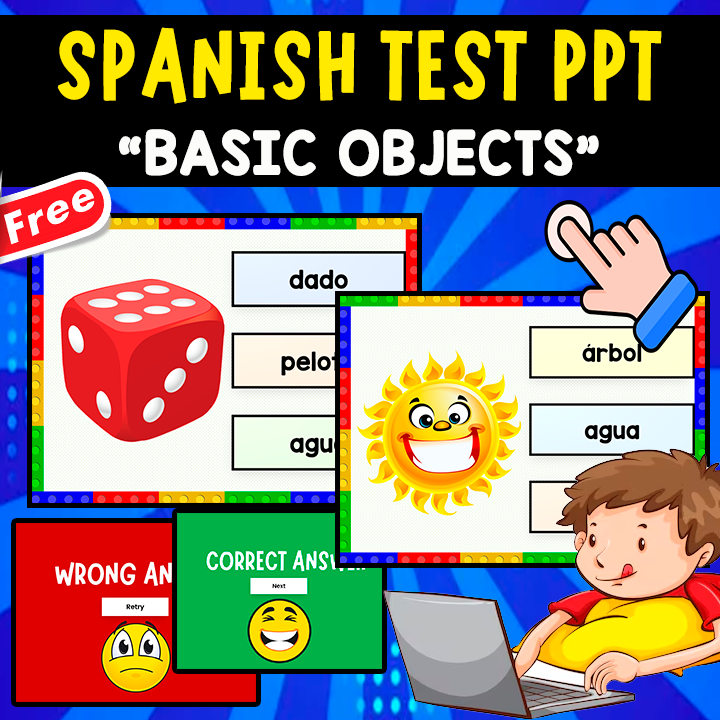
Click the correct Spanish word for a pictured/prompted object among three options; branch to a correct or wrong-answer slide and retry or continue.
An interactive, no-prep micro-lesson slide deck that uses an animated short film ('Course of Nature', about a girl and clouds) as a prompt for writing and reading-response practice.
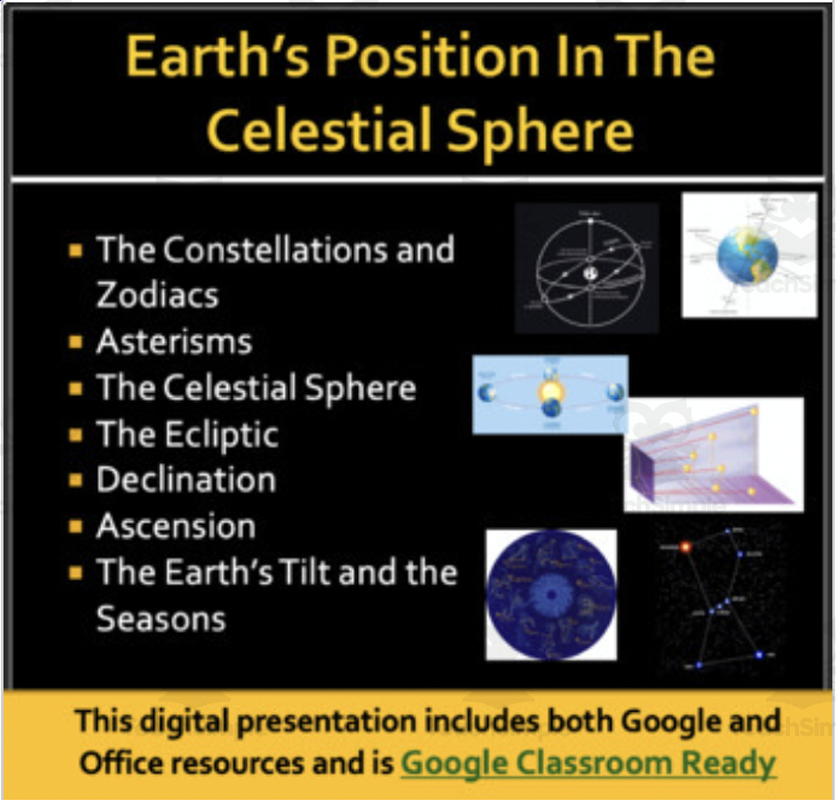
A high-school Earth and Space Science lesson package on the celestial sphere: constellations, asterisms, the ecliptic, declination, right ascension, and how Earth's tilt causes the seasons.
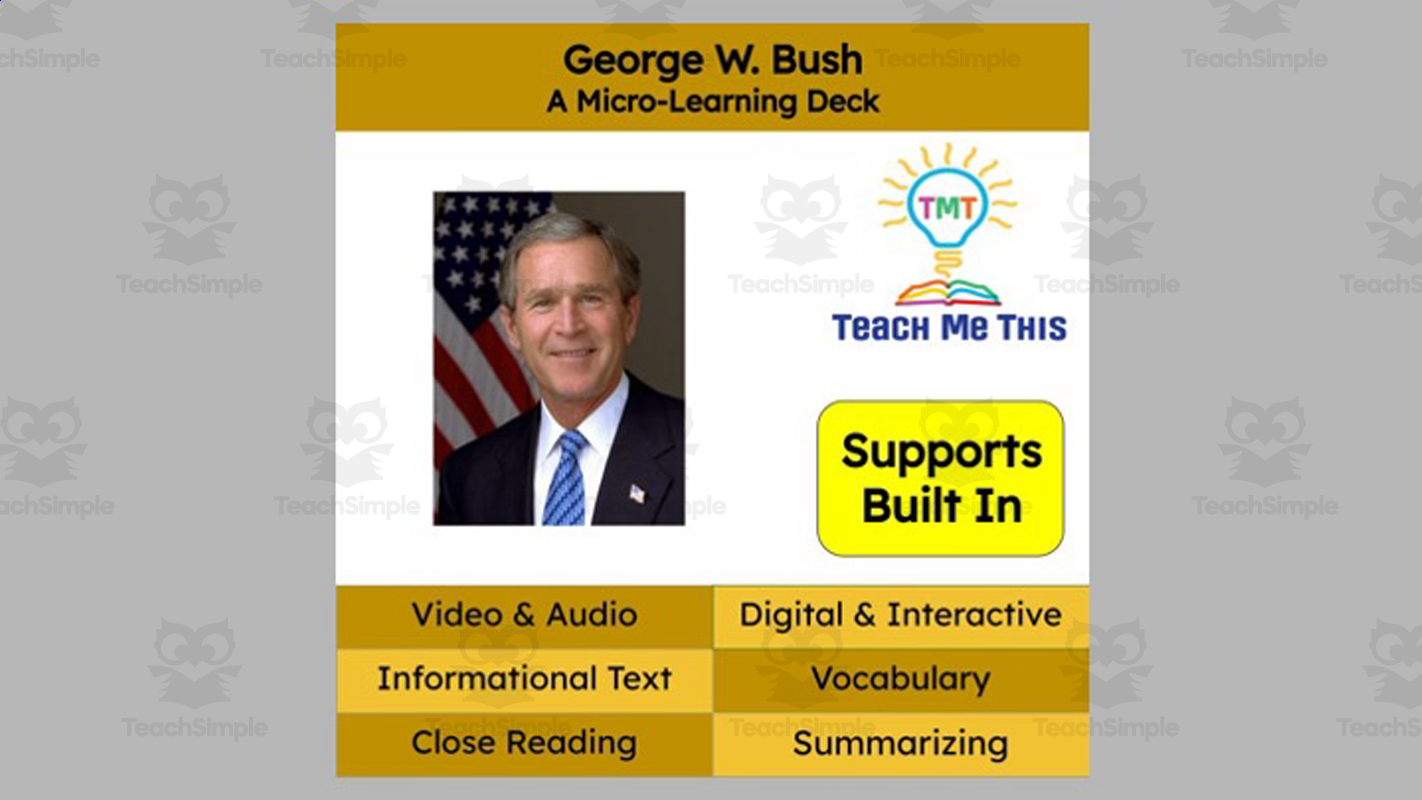
A digital micro-learning slide deck teaching informational-text reading, vocabulary, and comprehension skills through a biography of George W. Bush.
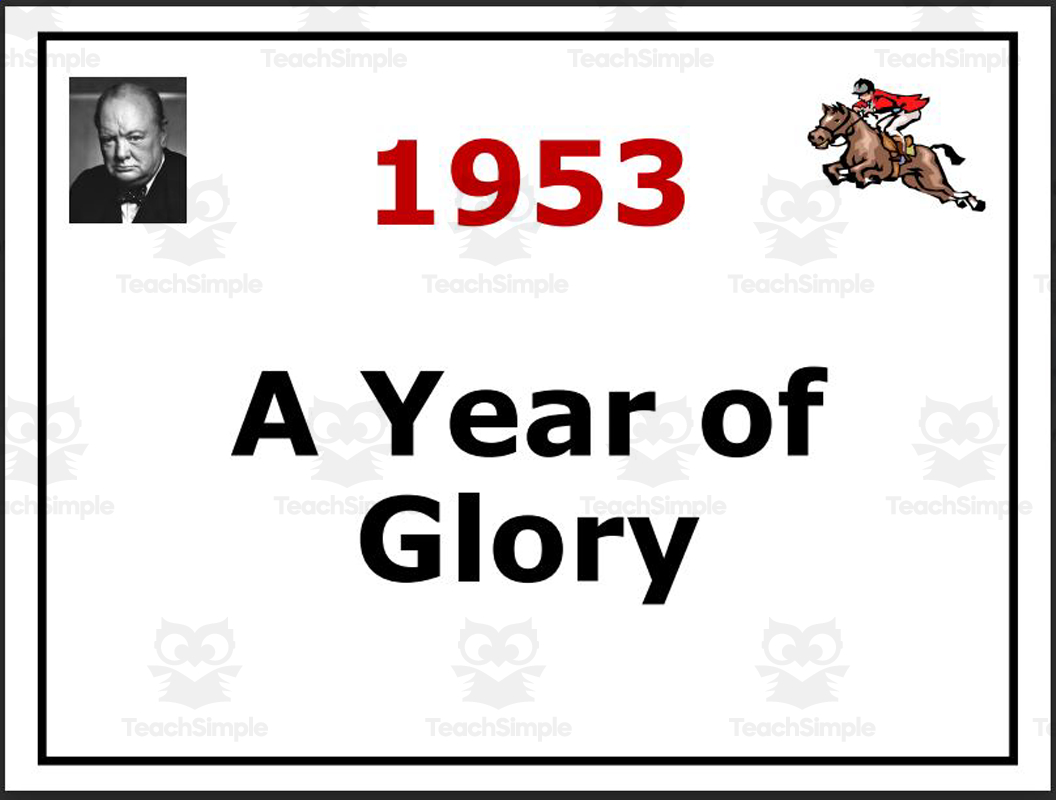
Presentation surveying major events of 1953 in UK history for secondary-level British history instruction.
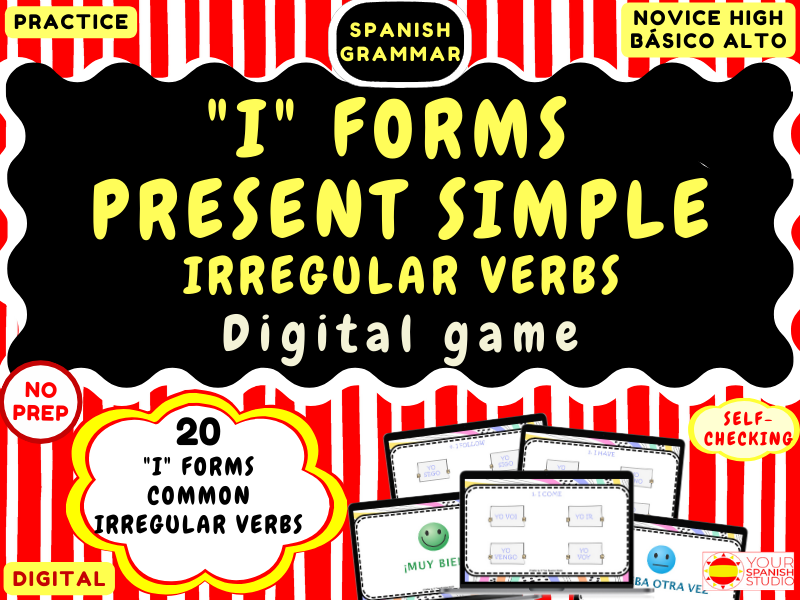
On each slide the student is shown a verb prompt and must identify/click the correct irregular 'yo' conjugation between a correct and an incorrect option (e.g. 'YO VOY' vs 'YO VOI'; 'YO TENGO' vs 'YO TENO'; 'YO SÉ' vs 'YO SABO'), then advance with a 'Siguiente' (Next) button.
Students first review Newton's three laws and force-and-motion key-concept slides, practice vocabulary flashcards, then play a hangman-style game: guessing letters of hidden vocabulary words/phrases (e.g. effect, equal, exert, cause, collision, speed, velocity, pod, mass, kinetic energy, Newton's Laws of Motion…
Fill in conjugation tables (yo, tú/vos, él/ella/usted, nosotros, ustedes/ellos, vosotros) for each of 15 irregular verbs across -AR, -ER, and -IR groups (probar, soñar, encontrar, andar, jugar, poder, mover, nacer, hacer, poner, ir, seguir, decir, dormir, sentir) in presente, pretérito indefinido, and imperfecto; an…
Interactive micro-learning PowerPoint deck built around an animated short-film story about building a treehouse, used to teach ELA narrative skills: sequencing, true/false comprehension, and summarizing.
Take notes on the 8 steps of the scientific method; identify independent/dependent/controlled variables and control groups in example scenarios; write hypotheses for given scenarios; learn procedure-writing and graphing rules (axes, titles, line of best fit); critique a poorly made graph.
Teach middle/high school students about influential African Americans (Part 1 of a 3-part interactive reading-comprehension slide deck series) using biographical informational text.
A micro-learning slide deck teaching the figurative-language concept 'bucket list' through a video lesson, an audio-supported reading passage, and comprehension practice.
Presentation surveying major events of 1953 in British history for elementary-level instruction.
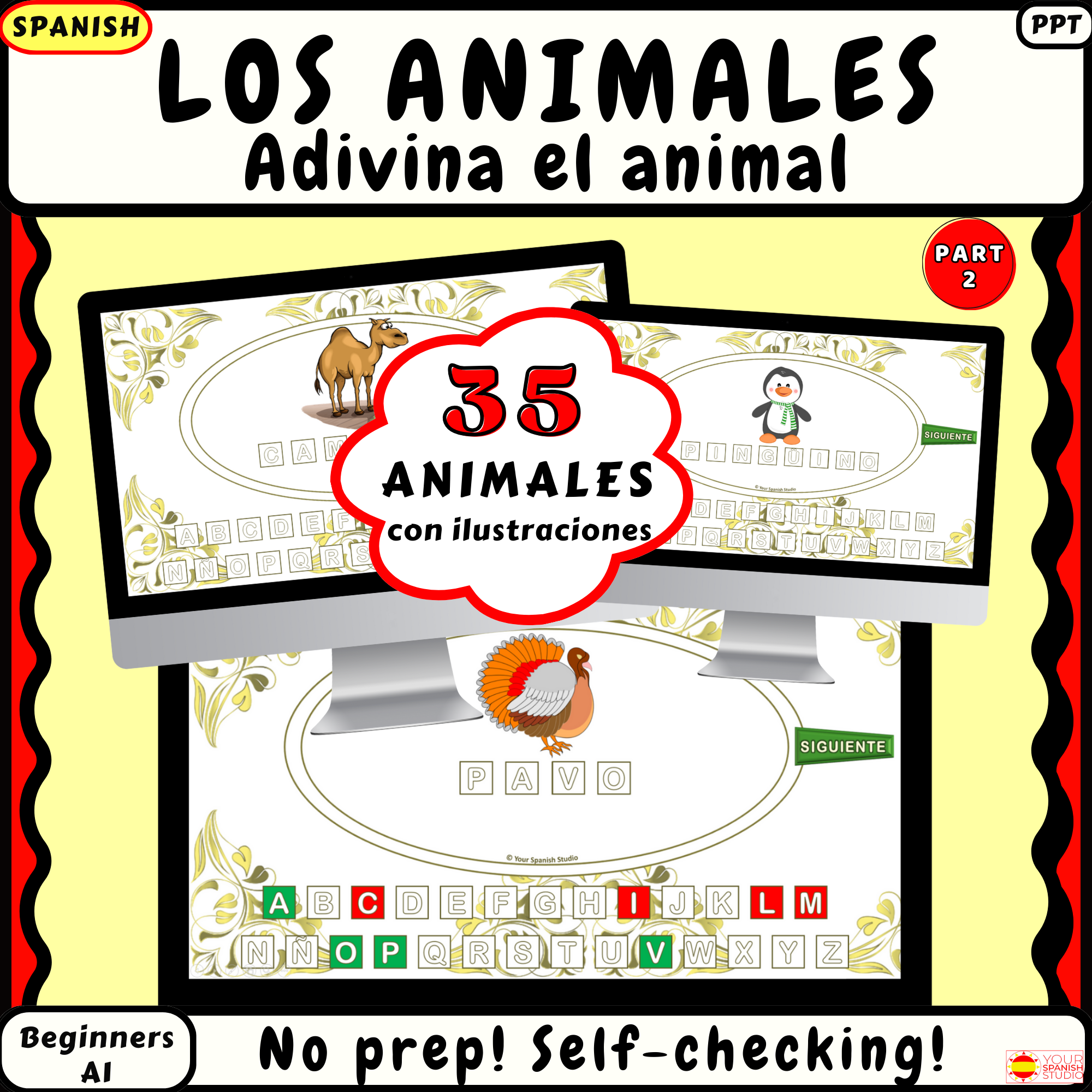
View an animal illustration alongside a Spanish alphabet letter bank and guess/spell the Spanish name of the animal.
A no-prep poetry unit that teaches figurative language and multiple poem forms, building student confidence and creative-writing skills through a flipbook that can be completed in class (cut-and-assembled) or digitally (Google Slides).