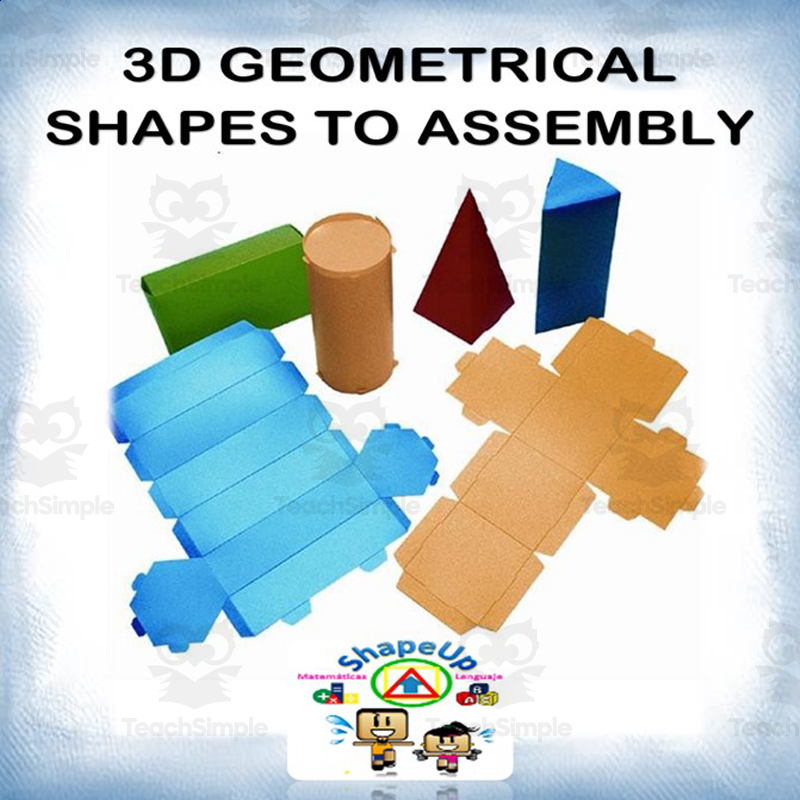
 Free download
 Free 3D Geometric Shapes to Assembly
An interactive math center activity where students color, cut out, and assemble paper models (nets) of 3D geometric shapes.




643 resources
Explore sub-categories
9 sub-categories · 643 resources
Free download An interactive math center activity where students color, cut out, and assemble paper models (nets) of 3D geometric shapes.
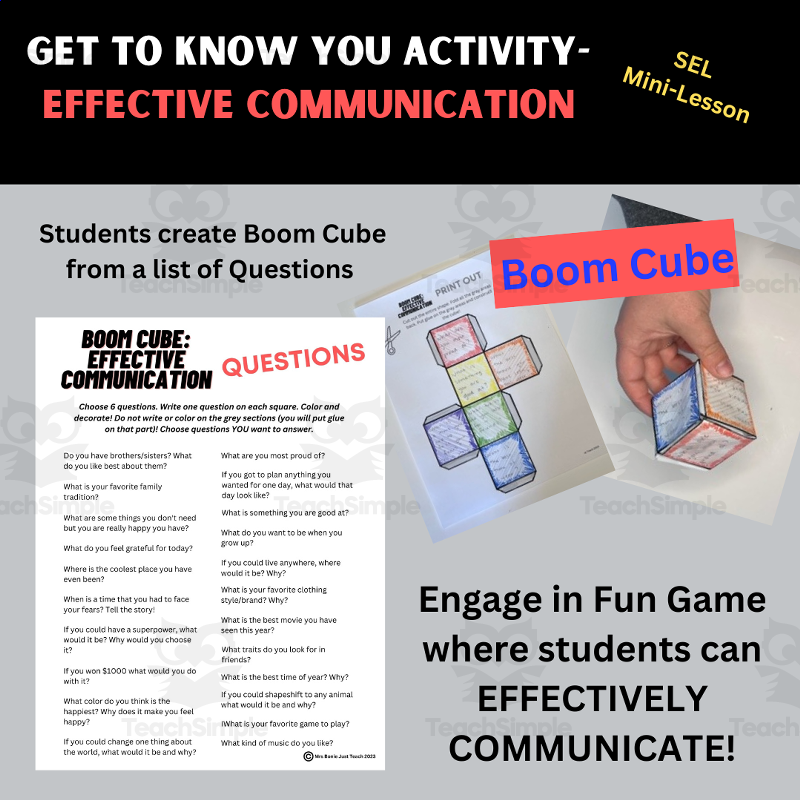
Build classroom community and social-emotional/communication skills at the start of the school year through a 'Boom Cube' get-to-know-you game.
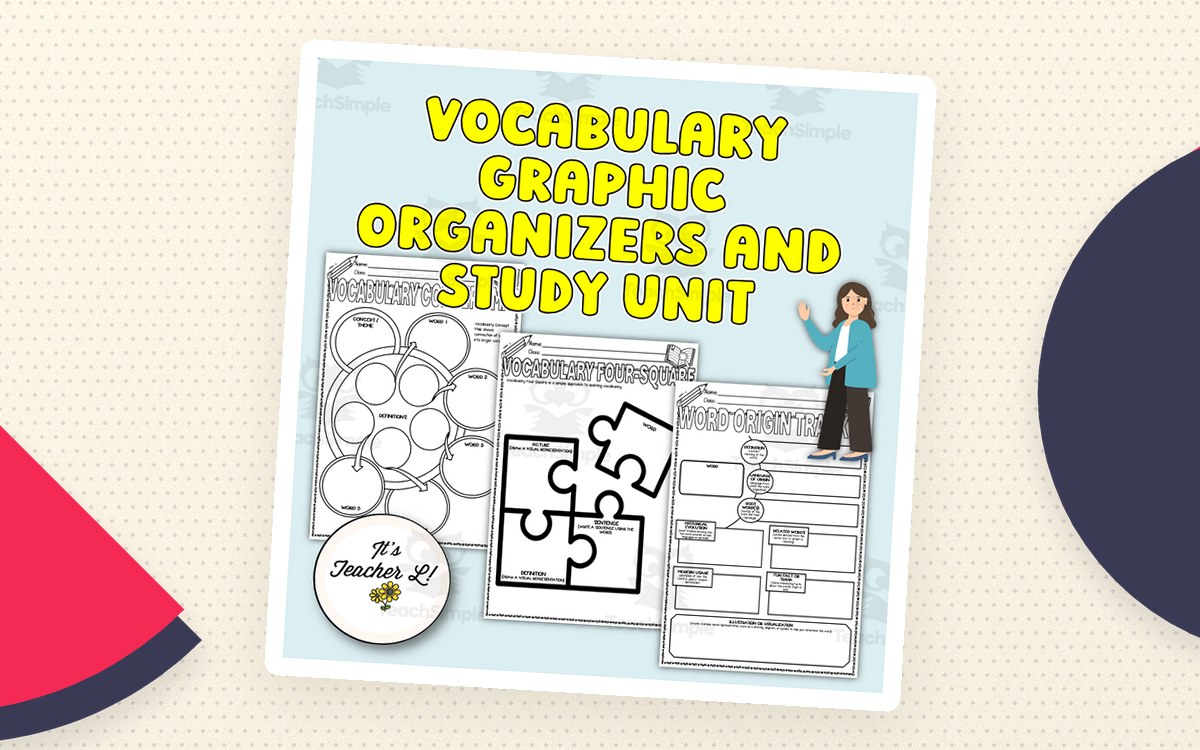
Empower your learners to discover the wonders of words through this fun and engaging Vocabulary Templates, Graphic Organizers and Study Unit! Made for 5th, 6th, 7th, and 8th graders, ESL/EFL students, and homeschoolers, this empowering resource contains a total of 24 dynamic vocabulary graphic organizers and meaningful skill-building…

A beginning-of-year All About Me questionnaire paired with logic riddles for students to introduce themselves and practice critical thinking.
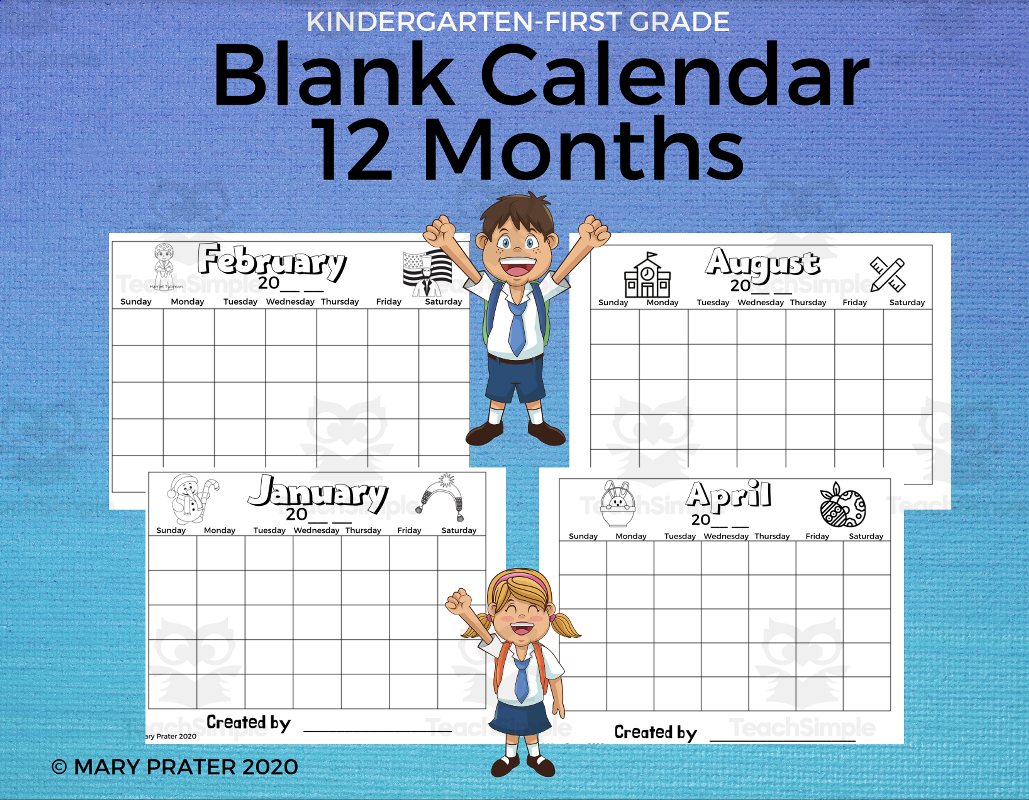
Blank monthly calendar templates for the 12 months of the year, for use as a recurring classroom/homeschool calendar activity.

Hands-on manipulative activity that proves the Pythagorean theorem by arranging cut-out squares into right triangles.
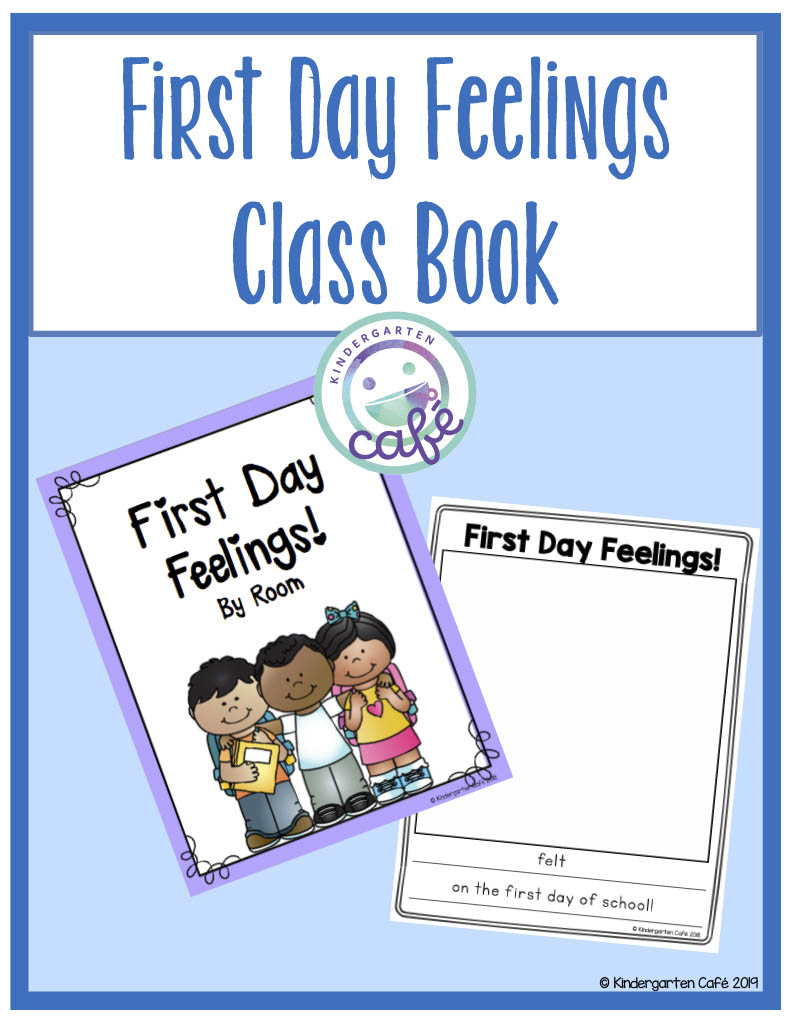
A minimal class-book template for young students to reflect on and share how they felt on the first day of school.

A set of blank, editable vocabulary card templates for teachers to fill in with vocabulary words and definitions for any subject.
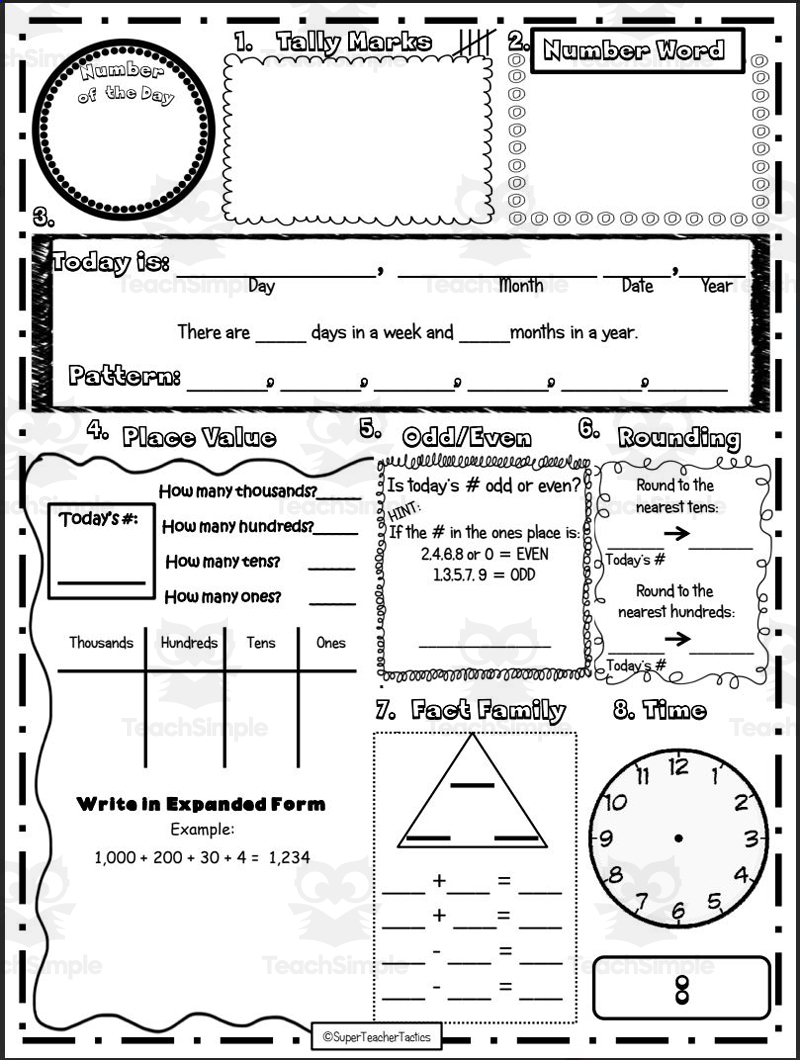
A daily-practice worksheet ('Number of the Day') that has students explore a chosen number across multiple math skill areas: tally marks, number words, calendar/date, patterns, place value, odd/even, rounding, fact families, telling time, expanded form, multiplication grid, fractions, and elapsed time.
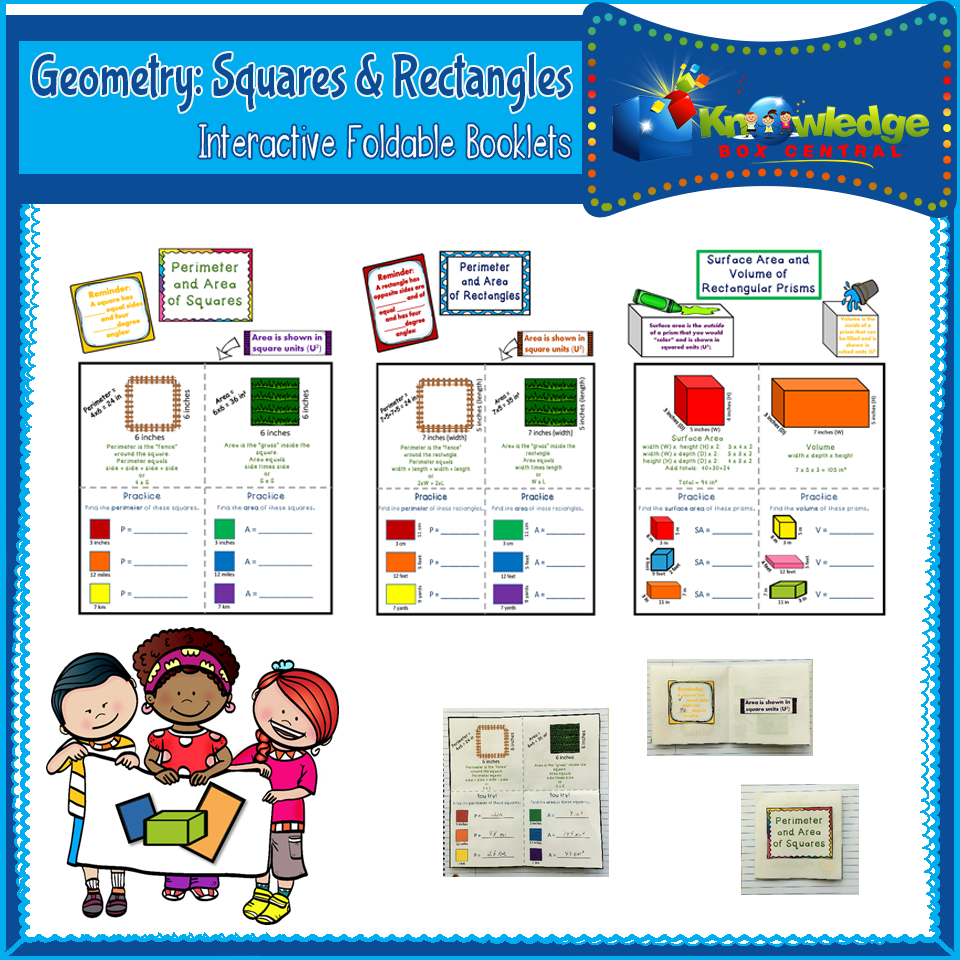
Teach students to calculate the perimeter and area of squares and rectangles, and the surface area and volume of rectangular prisms, using an interactive foldable-booklet format.
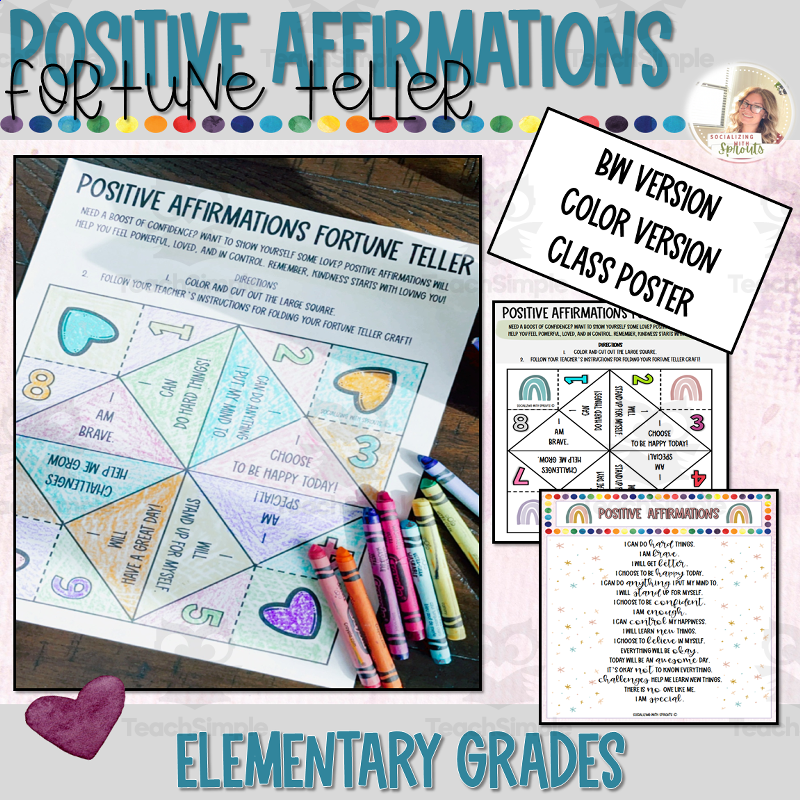
A paper fortune-teller craft activity that pairs a hands-on making activity with positive self-affirmation statements to build confidence, self-esteem, and social-emotional learning.

A subject-agnostic, three-page template that has students build their own crossword puzzle from unit vocabulary as a review activity, then trade puzzles with a peer to solve.
A two-part self-reflection resource: a fill-in-the-blank 'My Book About Me' booklet for students to describe themselves, their family, friends and preferences, plus a blank monthly 'My Calendar' template for students to build their own yearly calendar.
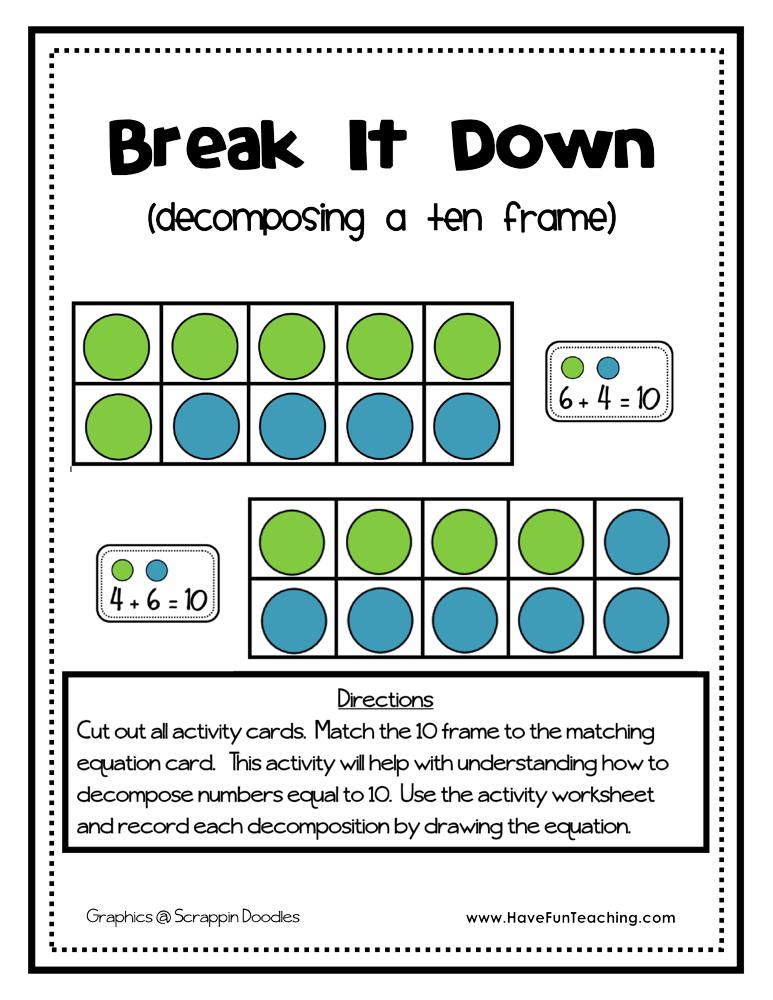
A hands-on activity ('Break It Down') helping students understand how to decompose the number 10 into two addends using ten-frames, reinforcing addition facts to 10.
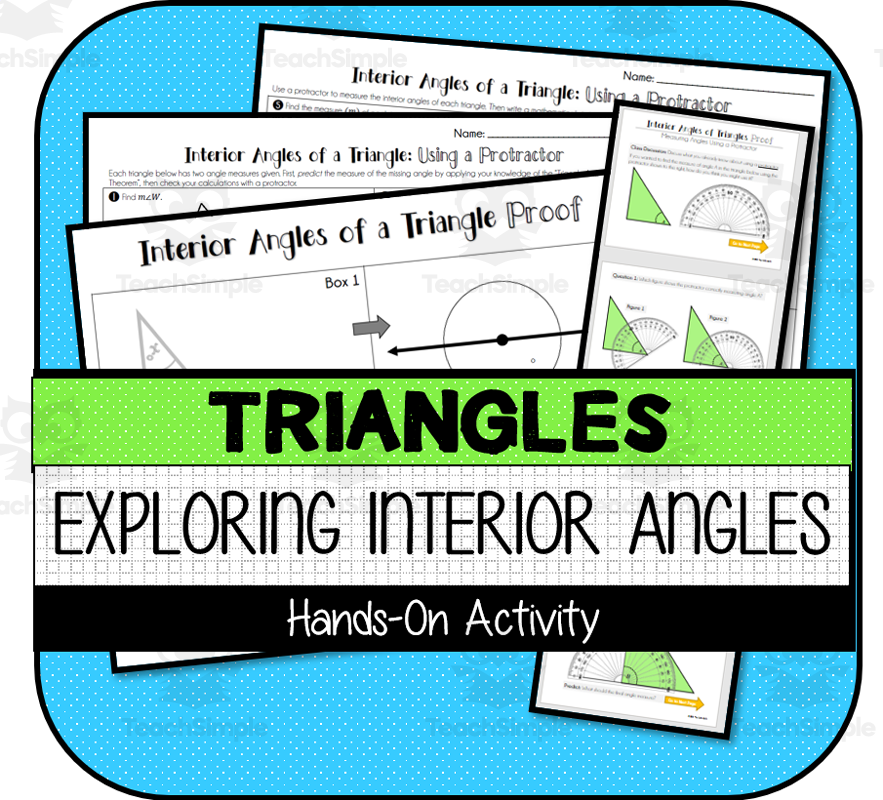
Provide a hands-on, cut-and-paste discovery activity proving the Triangle Angle Sum Theorem (that a triangle's interior angles sum to 180 degrees), partially addressing CCSS.MATH.CONTENT.7.G.A.2, followed by protractor-based angle measurement practice.

Give students a concrete, symbolic tool (a craft 'first aid kit') for remembering strategies to repair friendship problems.
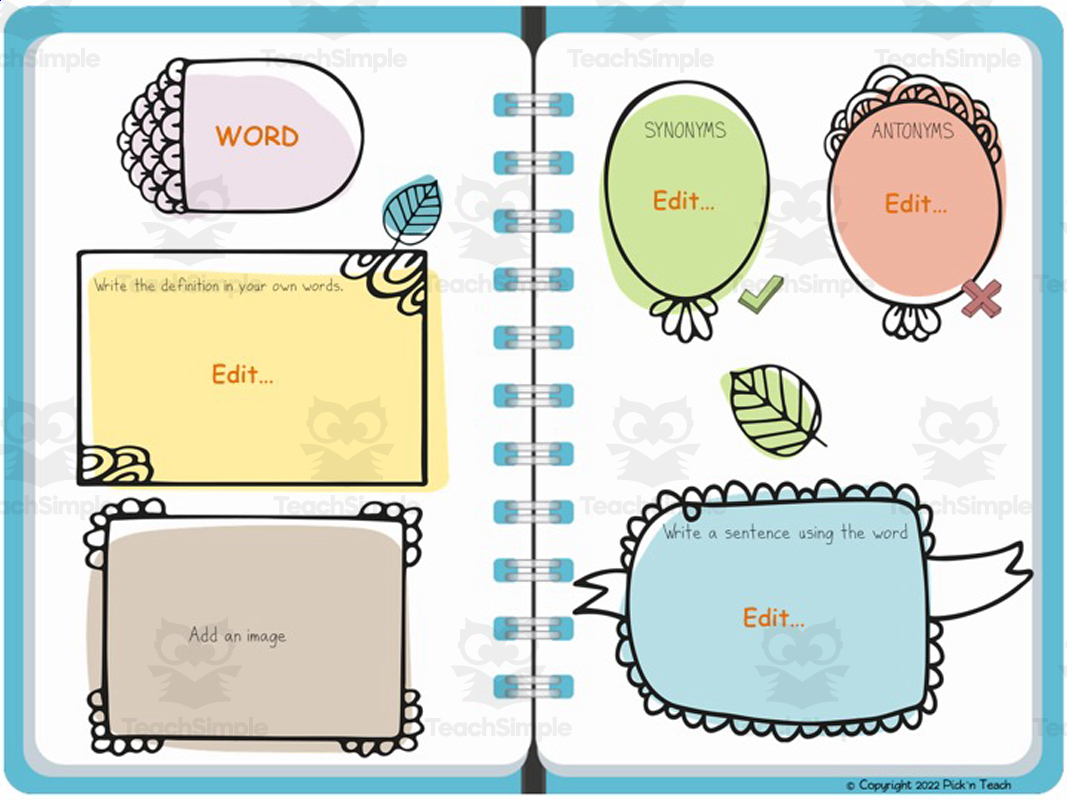
An editable digital vocabulary journal (Google Slides template) for students to record new words they encounter.
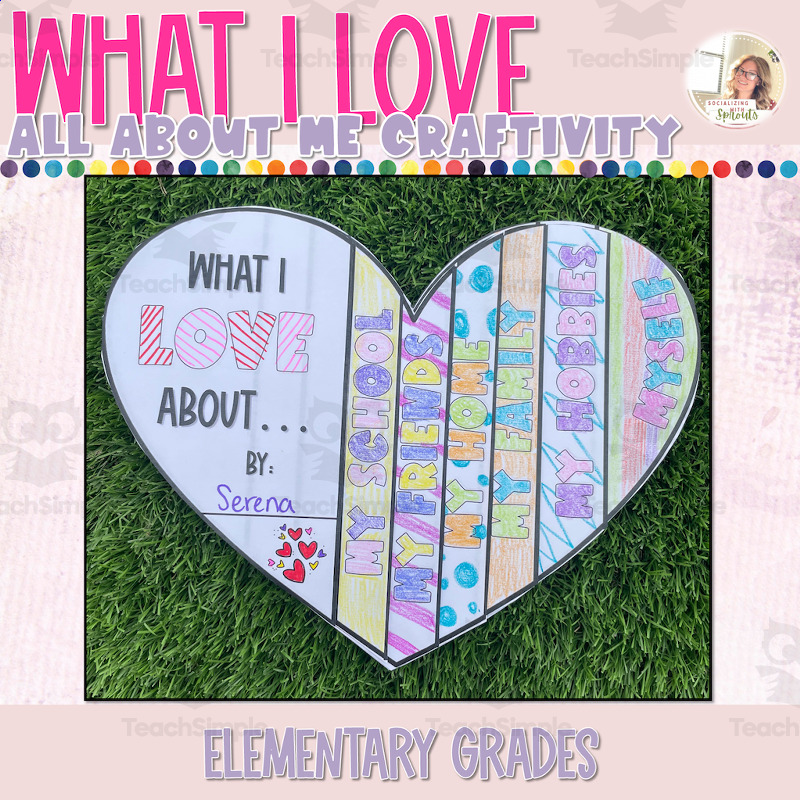
A flip-book craft for students to write or draw about the people, places, and things they love, including themselves.
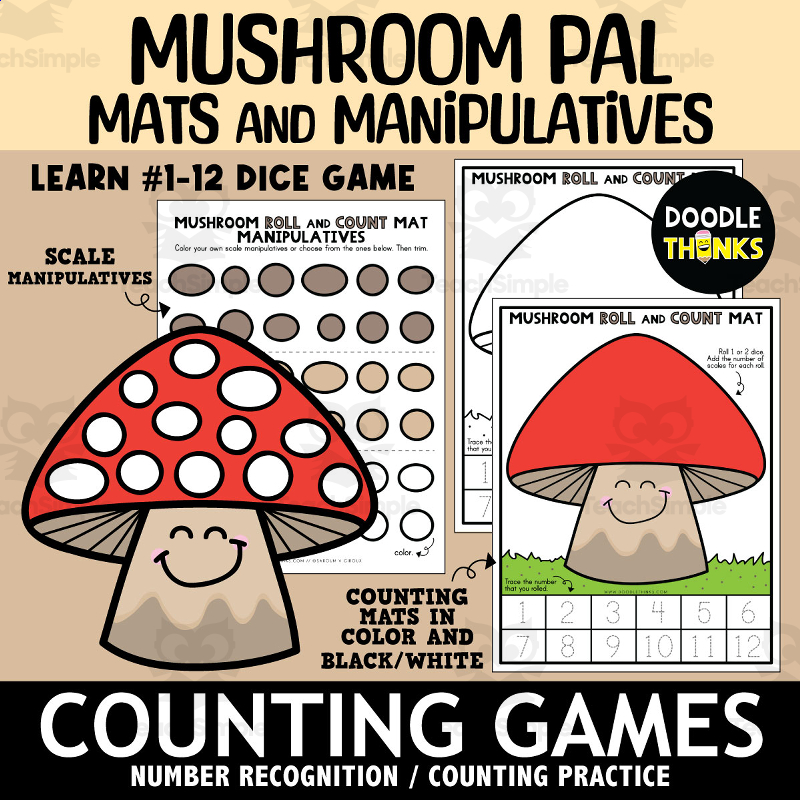
A hands-on early-math counting mat that pairs dice rolling with countable manipulatives to build number recognition and counting to 12.
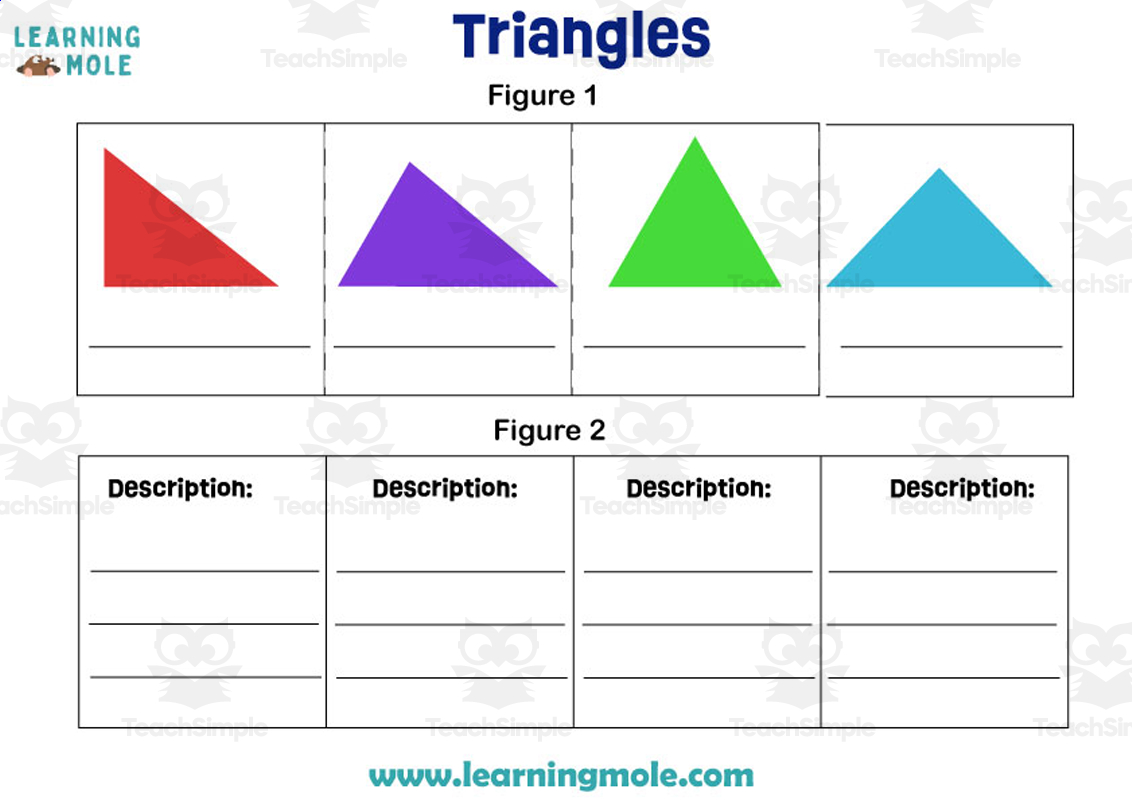
Cut-and-fold interactive activity where students identify and describe different types of triangles and connect them to real-world shapes.
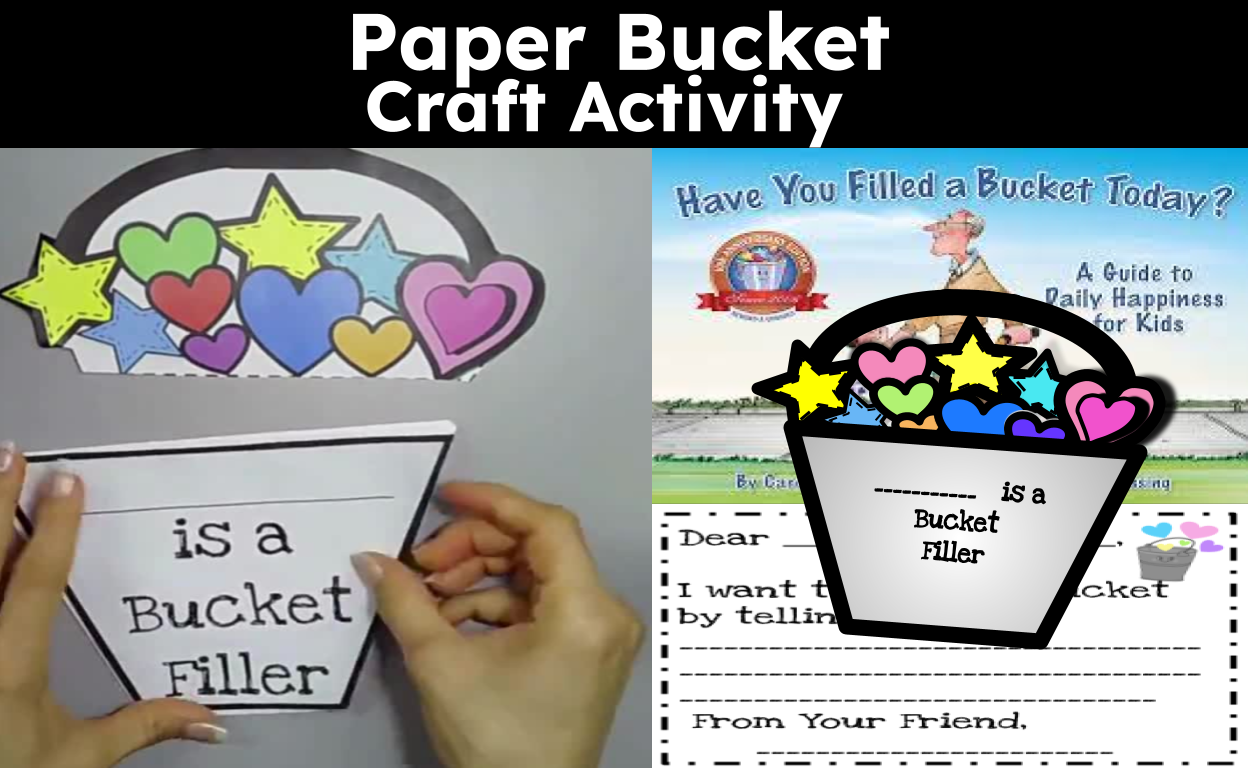
Teach social-emotional concepts of kindness ('bucket filling') versus unkind behavior ('bucket dipping') through an origami bucket craft, gratitude/compliment writing cards, a reflection writing page, a star drawing/writing activity, and a sorting activity distinguishing filler vs. dipper behaviors.

A set of five reusable vocabulary-building activity templates (a context-clues meaning chart, a dice-based vocabulary game, a visual vocabulary chart, a word-knowledge flap book, and a vocabulary cube) for practicing and reviewing word meanings.
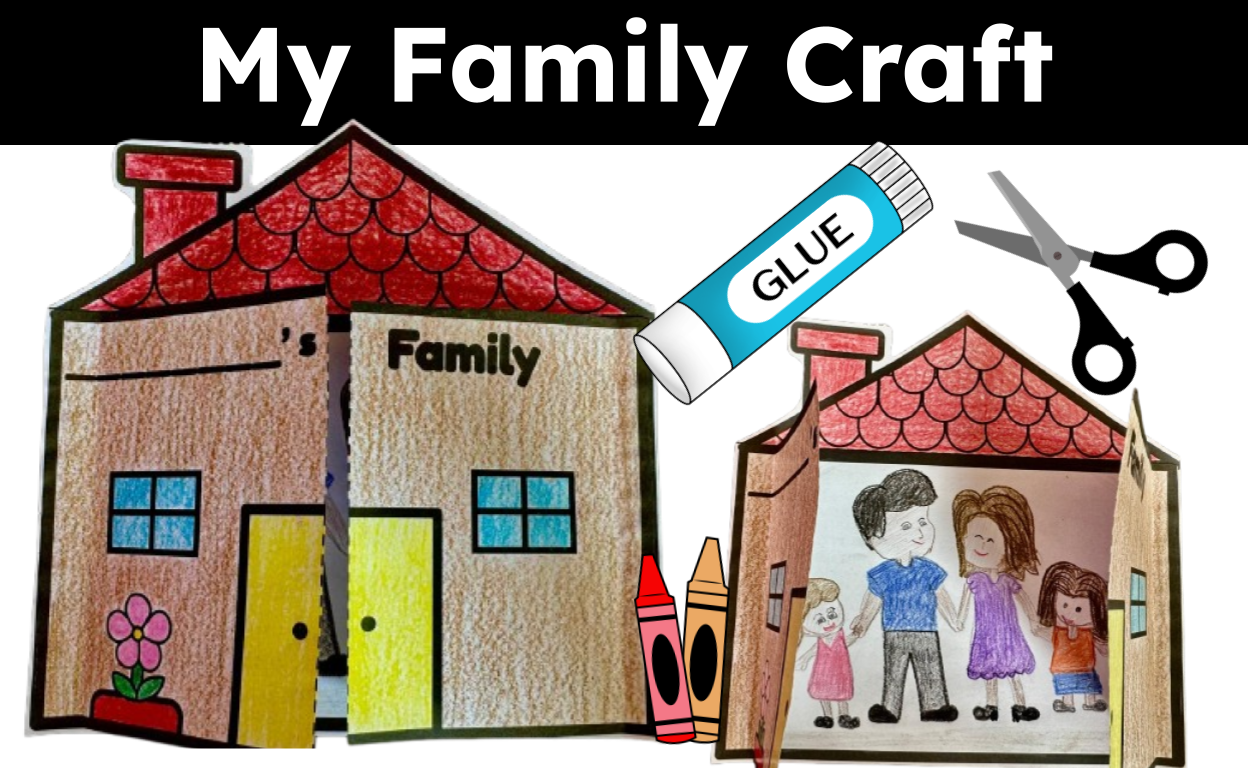
Children make a paper house that opens to reveal a drawing of their family. Two house-front options offer different door styles, with a personalized label area and directions for coloring, cutting, folding and gluing. Let learners choose the version before assembly and invite them to describe only the details from their drawing they wish to share.
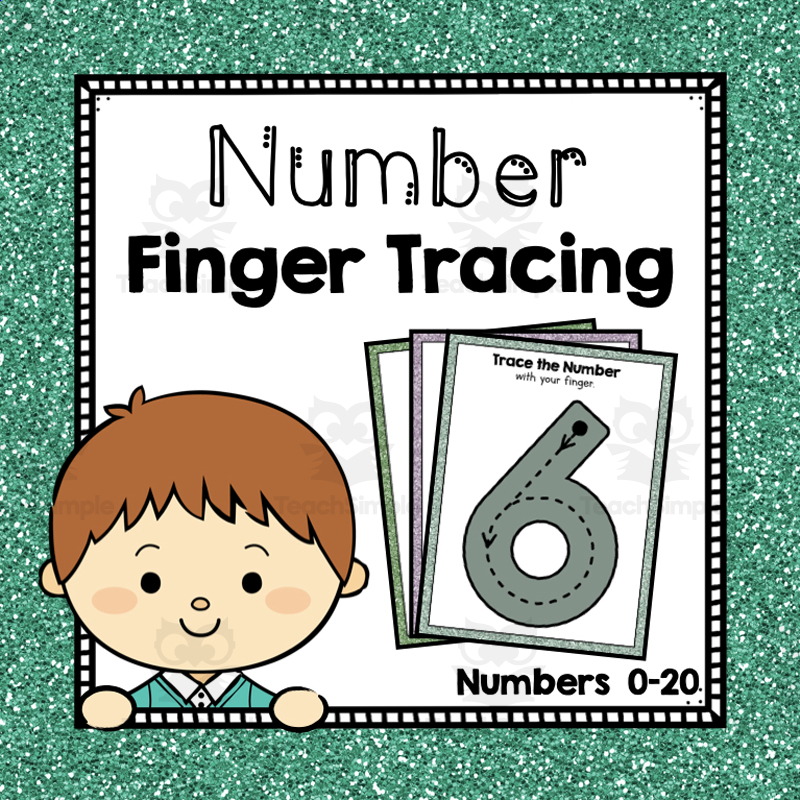
Provide finger-tracing mats so students practice the motor pattern of forming each number by tracing it with a finger, in three formats (basic, with objects to count, black & white).