



3,970 products added recently
Page 8 - SEL Worksheets
Integrate social-emotional learning worksheets into your teaching to address topics like empathy, self-awareness, and relationship skills. These resources promote reflection and discussion. Use them to create a supportive atmosphere that nurtures students' emotional well-being.

 Show filters

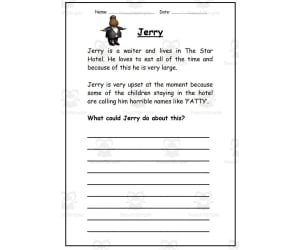
Character Development: Name Calling
Special Resources, Social Emotional Learning (SEL), Life Skills, Grade 1, 2, 3, 4, Worksheets & Printables, Worksheets
Character Development: Name Calling Character Development: Name Calling is a crucial teaching resource, specifically designed for educators and homeschoolers. This resource is aimed at teaching sensitive topics to students in Grades 1 through 4. The scenario: The activity contains a relatable scenario about a character named Jerry- the waiter who loves food and resides in The Star Hotel. His struggle with his weight results in derogatory name-calling by some children at the hotel, referring to him as 'Fatty'. Avenues for Discussion: It opens discussion on empathy with questions like: 'How would you feel if you were Jerry? What do you think Jerry should do?' Addresses bullying issues by encouraging students' introspection and sharing their reactions facing a similar situation. Underlines the importance of kindness. Useful across various instructional settings, this focused teaching material proves beneficial for Special Resources subjects along with social-emotional learning and life skills sub-subjects. Regardless of whole-group discussions or small focus circles, this resource works wonders when used individually by classmates or assigned as homework project . Note: The product comes in an easy-to-use zip file format safeguarding against any loss of separate worksheets from this unique bundle ensuring smooth execution across different educational scenarios! Boldly focusing on Character Development: Name Calling, get ready to address behavioral issues effectively with this handy tool!
Author Elementary Resources 4 U
Tags Character Development, Name-calling, Empathy, Bullying Awareness, Social-Emotional Learning
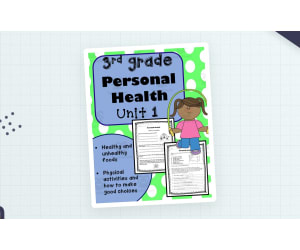
3rd Grade Health – Unit 1 Personal Health
P.E. & Health, Life Studies, Physical Education, Health, Special Resources, Life Skills, Social Emotional Learning (SEL), Social Skills, Grade 3, Teacher Tools, Lesson Plans, Worksheets & Printables, Worksheets
For 3rd Grade Health there are seven standards that need to be taught. Unit 1 Personal Health Unit 2 Growth and Development Unit 3 Nutrition and Physical Activity Unit 4 Substance Use and Abuse Unit 5 Injury/ Violence Prevention Control and Safety Unit 6 Prevention/Control of Disease Unit 7 Environmental Consumer Health These units can be taught out of order. They are only numbered for your convenience. At the end of each unit, there is an assessment to test students’ understanding. In this unit, students will discuss and learn about healthy and unhealthy physical activities. They will discuss with the group what they think happens to their body when they are running, what causes our bodies to sweat and make our heartbeat faster and how long it takes for our bodies to recover. They will even perform some physical activities as a group and monitor what is happening to their bodies. Students will also read about healthy and unhealthy habits they do during the day. Such unhealthy habits they will read about include watching TV, playing video games, or laying around instead of doing physical activities such as skateboarding, swimming, and other activities that are good for our heart. There is a goal sheet included that will help students monitor how they can get more physical activity into their daily routines. After completing the goal sheet, they will compare it to other classmates and even improve on their physical goals that they want to accomplish. In the unit, there is a worksheet about making healthy eating habits. What foods kids should avoid like sugary sweets, greasy foods, chips and sodas. Student will discuss the consequences of eating unhealthy foods verses eating healthy options. Lastly, there is a worksheet on the importance of sleep. How much sleep kids need at their age and why it's important to go to bed on time each night. There are 13 pages included in all. In the end, there is an assignment to test for understanding. There are seven units that cover all the health requirements for 3rd grade. Here are the links to other health units: Health | 3rd Grade Unit 1: Personal Health Health | 3rd Grade Unit 2: Growth and Development Health | 3rd Grade Unit 3: Nutrition and Physical Activity Health | 3rd Grade Unit 4: Substance Use and Abuse Health | 3rd Grade Unit 5: Injury Prevention and Safety Health | 3rd Grade Unit 6: Prevention Control of Disease Health | 3rd Grade Unit 7: Environmental Consumer Health
Author K-5 Treasures
Rating
Tags Health Unit, Personal Health, Healthy Goals, Unhealthy Choices, Health Activities, Physical Goals, Health Goals, Health And Wellness, 3rd Grade Health, Third Grade Health
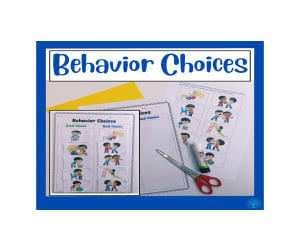
Behavior Choices Worksheet
Special Resources, Social Emotional Learning (SEL), Social Skills, Special Education Needs (SEN), Not Grade Specific, Worksheets, Worksheets & Printables
Helping young children understand good behavior versus bad behavior is crucial for social-emotional development. This hands-on cut and stick activity creatively builds those critical analysis and reflection skills using engaging picture sorting. The worksheet features 10 different illustrated scenarios a child might encounter, like swinging on a chair, sharing a book, arguing over toys and putting resources back where they go. Students must examine each scene thoughtfully, discussing why the behaviors shown are right or wrong choices. Children then cut out each scenario and physically sort them under the columns “Good Choices” or “Bad Choices” according to their own reasoning. The active sorting process cements understanding on a deeper level than just circling pictures. They gain experience breaking down and evaluating situational appropriate conduct. Finally, children glue their sorted cards permanently under the correct column, creating a reference resource for reasoning through conduct analysis independently in the future. The divided visual reminds them that small daily decisions shape not just their own feelings, but peers’ too. Interactive, hands-on and displaying impact powerfully, this cut and stick behavior worksheet advances the crucial ability to differentiate right from wrong. Guiding children positively at a young age prevents much headache for teachers later!
Author SEN Resource Source
Tags Behavior, Behavior Support, SEN, Consequences, Reflection, Self-awareness
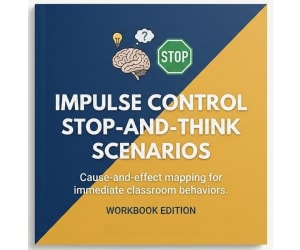
Impulse Control "Stop-and-Think" Scenarios
Special Resources, Life Skills, Social Emotional Learning (SEL), Social Skills, Special Education Needs (SEN), Speech Therapy, STEM, Resources for Teachers, Classroom Management, Community Building, Kindergarten, Homeschool Curriculum, Homeschool Templates, Grade 1, 2, 3, 4, Worksheets & Printables, Workbooks, Worksheets, Word Searches, Teacher Tools, Lesson Plans, Quizzes and Tests, Quizzes, Tests, Assessments
Are you having difficulty keeping your class from being disrupted by impulsive behaviors, such as yelling out of turn, grabbing objects off the desk, etc? Transform your classroom into an orderly, peaceful environment using this cutting edge, neuroscience-based curriculum for teaching impulse control skills! This is not a behavior chart. It is a complete, turn-key curriculum designed to provide K-3 students with a reason for their actions and give students the skill set necessary to “Stop and Think.” This curriculum is based upon cause and effect mapping. This curriculum also creates a visual, non-judgmental framework for developing and reinforcing lifelong self-control and executive functioning skills without relying upon punishment. The impulse control curriculum is a perfect teaching tool for general and special education teachers and school counselors because it directly addresses the neurodevelopmental needs of young children. Young students will finally develop a clear understanding of how to connect the impulse for an immediate action with the consequences of that action at a future time. Packages Include 46 Pages of Content That Covers: Phase 1: Educator’s Guide to the Impulsive Brain: A Simple, Easy-to-Follow Guide About the Neurobiology of the K-3 Brain So You Can Implement this Strategy in Your Classroom with Confidence. Phase 2: Student Workbook with 10 Scenarios: Homework Sheets That Help You With Everyday Classroom Challenges. Primarily Used For Teachers To Give Out, Also For Students To Complete On Their Own. Examples Include: Calling Out (The Interruption Ripple) Grabbing & Boundary Violations (The Space Invader) Hallway Safety (The Transition Tornado) Task Avoidance and Frustration (The Frustration Flash) Cutting in Line, Misusing Supplies, Indoor Voice and many other examples. Phase 3: Teacher Visuals and Resources: Conceptual Diagrams: Simple Visual Aids To Help Explain The ‘Stop and Think’ Cycle And The Domino Effect of Actions. Comprehensive Answer Key: Each Worksheet Has A Detailed Answer Key Including A Teacher Rationale And Guidance Prompts To Deepen Student Learning. Implementation Guide: A Step By Step Plan On How To Introduce, Practice, And Reinforce These Concepts In Your Classroom. Ideal for: Elementary School (K-3) Teachers Social Emotional Learning( (SEL) Programs Small group and .Individual Counseling/Interventions Students exhibiting attention challenges and difficulties with impulse control Classroom Behavior Management Support Support students in developing self-awareness and the ability to self-regulate through this easy-to-follow and complete program! Download now and create a more compassionate, calm, and productive classroom! Search Terms: Impulse control, self-regulation, social emotional learning (SEL), classroom behavior management, behavior Intervention, executive functioning, Cause and Effect, Stop and Think, K-3, Kindergarten, 1st grade, 2nd grade, 3rd grade, ADHD Support, Emotional regulation, print documents, behavior mapping, visuals to support learning. Reasons Why Parents and Schools Appreciate This System: The focus of this system is on skill building through the development of empathy & social awareness, rather than punishment. When discipline is replaced with proactive skill building, it empowers your child. This system is backed by neuroscientific research on how children develop. Many traditional methods do not function well because they do not work with how the brain develops, so this system is based on good science. Through the principle of the "ripple effect", children will develop a better understanding of how their behaviour affects not only themselves but also family & friends. This is not just a worksheet. This system includes the teacher's guide, activities for students, visual aids and an answer key, so you can spend more time teaching & less time preparing. The system will validate the feelings and impulses of a child ("Your body was telling you to grab") and provide the child with tangible tools to make a better choice, allowing him/her to become an active architect of his/her own success. Intended Audience: The target audience is educators and support personnel who work with children in grades K-3, as well as parents who want to support their child at home. The way that children in this age group typically learn and behave, make it difficult for them to develop effective self-regulation skills, therefore parents and professionals need additional support in teaching these skills. The explicit text indicates a K-3 focus (ages 5-9) and the type of behavioral problems addressed in this resource; behaviors classified as K-3 students in the general education classroom include: * K-3 General Education (all K-3 classes) * K-3 Special Education teachers who assist students with ADHD, ASD and/or other executive functioning deficits * School-based counselors, social workers and school psychologists providing small group and individual intervention * Behavior interventionists and BCBAs * Proactive parents wanting to implement strategies at home to help their child gain self-regulation skills Copyright and Terms of Use: The author, Syed Hammad Rizvi, has copyrighted this resource for your sole enjoyment in the classroom and at home. You may not copy, modify or distribute this resource in any way, including on the Internet, where it can be found and downloaded for free by anyone. If you would like to share this resource with your colleagues (and they would like their own copy), you can purchase additional licenses from Teachsimple! We greatly appreciate it when you follow the Terms of Use stated here. Sincerely, Syed Hammad Rizvi
Author Creative Book Store
Rating
Tags ImpulseControl, SelfRegulation, EmotionalRegulation, BehaviorManagement, ClassroomManagement, SocialEmotionalLearning, SEL, ExecutiveFunctioning, StopAndThink, CauseAndEffect

Notion Template Architecture & Logic Design
Science, Technology, Computer Science, Engineering, Special Resources, Life Skills, Social Emotional Learning (SEL), Special Education Needs (SEN), STEM, Social Skills, Homeschool Curriculum, Homeschool Templates, Grade 9, 10, 11, 12, Worksheets & Printables, Workbooks, Worksheets, Word Searches, Writing Prompts, Teacher Tools, Quizzes and Tests, Quizzes, Tests, Lesson Plans
Unlock the Blueprint to Building and Selling Six-Figure Notion Templates! Are you ready to transform your Notion skills from a hobby into a profitable business? Do you want to stop creating simple, aesthetic templates and start engineering powerful, high-value operating systems that clients and customers will pay a premium for? Introducing Notion Template Architecture & Logic Design: The Architect's Workbook. This is not just another template. It’s a complete, 43-page university-level curriculum designed to turn you into a professional Notion system architect. We teach you the "Paper-First Abstraction" methodology used by top-tier developers to design robust, scalable, and highly marketable digital ecosystems before writing a single line of code. Go Beyond Aesthetics. Master the Architecture. In the competitive digital marketplace, the difference between a $15 template and a $150 enterprise-grade system is its invisible architecture. This guide gives you the keys to that architecture. Inside This Comprehensive Workbook, You Will Master: Relational Database Design: Learn to normalize your data, eliminate redundancy, and build an interconnected "Hub-and-Spoke" model that is both powerful and efficient. Advanced Formula & Logic: Move beyond simple functions. Master Formula 2.0 to create dynamic progress bars, automated status updates, and resilient logic that anticipates user error. Frictionless User Experience (UX): Discover the art of "Interface Abstraction." Learn to build clean, intuitive dashboards that hide complex backends, reduce cognitive load, and delight your users. Strategic Commercialization: It’s not enough to build a great system. You have to sell it. We walk you through productization, creating a frictionless onboarding experience, and solving the "Empty State Paradox" that confuses new buyers. What's Included: Part 1: The Core Concepts: 4 chapters of deep-dive theory on architecture, logic, UX, and commercialization. Part 2: The Architect's Workbook: 10 detailed worksheets with over 100 guided questions to blueprint your entire Notion system—from market validation to monetization strategy. Part 3: Teacher's Guide & Answer Key: Includes visual diagrams and a complete answer key with detailed "Academic Rationale" to ensure you deeply understand the why behind every architectural decision. This is for you if you are: An aspiring Notion creator ready to go pro. A freelancer building custom systems for clients. An entrepreneur wanting to sell high-ticket digital products. A student of business or technology looking for a practical, real-world guide to system design. Stop guessing. Start engineering. Download the Notion Template Architect's Workbook and build the foundation for your premium template business today! Keywords for SEO: Notion Template, Notion Guide, Notion for Business, Advanced Notion, Notion Formula, Notion Database, Notion UX, Sell Notion Templates, Build Notion Templates, Digital Product, Notion Course, Notion Workbook, Low-Code, Systems Design, Relational Database. Why Parents/Schools Love It: Builds Real-World Skills: Goes beyond software commands to teach fundamental, high-income skills in system architecture, database design, and user experience—all within a popular, practical tool. Prevents Costly Mistakes: The "Paper-First" workbook methodology forces structured planning, saving countless hours of rebuilding and debugging convoluted templates, leading to a better final product. Complete Curriculum-in-a-Box: With theory, practical worksheets, visual aids, and a comprehensive answer key with rationale, it's a perfect resource for self-study or as a ready-to-use textbook for a business or tech course. Unlocks a Business Model: It doesn't just teach you how to use a tool; it provides a complete blueprint for creating and selling high-value digital products, outlining a clear path to generating revenue. Target Audience: This PDF is not for beginners or casual Notion users . The content is advanced, dense, and assumes a desire to professionalize. target: Aspiring & Intermediate Notion Template Creators: Individuals who have made simple templates but want to learn the architecture required to build and sell premium, high-ticket ($50 - $200+) systems. Freelancers & Consultants: Professionals who build custom Notion workspaces for clients. This workbook will help them standardize their process, build more robust systems, and justify higher project fees. Digital Product Entrepreneurs: People in the digital product space who want to add high-value Notion templates to their product ecosystem. Higher Education Students (College/University): This could be an excellent resource for a "mini-course" or a practical project in courses related to: Business Information Systems Database Management (as a practical, low-code introduction) Entrepreneurship & Digital Product Creation User Experience (UX) Design Copyright/Terms of Use: This Book was copyrighted by Syed Hammad Rizvi. This resource is for personal and single classroom use only. You may not alter, redistribute, or sell any part of this resource. In other words, you may not put it on the Internet where it could be publicly found and downloaded. If you want to share this resource with colleagues, please purchase additional licenses from Teachsimple. Thank you for respecting these terms of use. This product is happily brought to you by Syed Hammad Rizvi
Author Creative Book Store
Rating
Tags Notion, Productivity, DigitalProduct, SmallBusiness, Entrepreneur, Workflow, Organization, BusinessTools, DigitalDownload, EBook
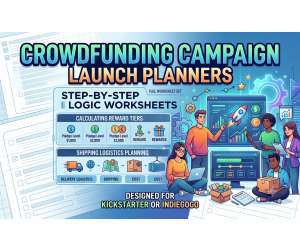
Crowdfunding Campaign Launch Planners
Special Resources, Life Skills, Social Emotional Learning (SEL), Social Skills, Special Education Needs (SEN), Resources for Teachers, Classroom Management, Community Building, STEM, Research, Grade 6, 7, 8, 9, 10, 11, 12, Workbooks, Worksheets & Printables, Worksheets, Word Searches, Teacher Tools, Assessments, Lesson Plans, Quizzes and Tests, Quizzes, Tests
Transform your students from passive learners into active entrepreneurs! Are you looking for a project-based learning (PBL) unit that brings real-world business, economics, and mathematics to life? This comprehensive curriculum guides students through the high-stakes, logical puzzle of launching a product on crowdfunding platforms like Kickstarter or Indiegogo. This isn't just another business plan template. This 44-page, in-depth unit moves beyond marketing fluff and dives deep into the gritty, unforgiving mathematics of product fulfillment and supply chain logistics. Students will act as logistical architects, learning that a successful business isn't just about a great idea—it's about flawless execution. ▶ WHAT'S INSIDE THIS COMPLETE UNIT? Part 1: In-Depth Theory Guide (Chapters 1-4): A professional-grade guide covering the core concepts: The Economics of Crowdfunding: Uncover the hidden fees and calculate the "True Cost" of a funding goal. Behavioral Economics & Pricing: Learn the psychology of reward tiers using concepts like anchoring and the decoy effect. Global Shipping Logistics: Master the devastating impact of Dimensional Weight (DIM), Harmonized System (HS) codes, and international fulfillment hubs. Risk Mitigation & Margin Preservation: Build a contingency matrix and use algebraic modeling to create financial buffers that ensure profitability. Part 2: Student Workbook (10 Worksheets): Rigorous, scaffolded worksheets that put theory into practice. Students will calculate COGS, platform fees, shipping costs, break-even points, and contingency buffers through real-world scenarios. Critical thinking prompts ensure deep understanding. Part 3: Teacher & Visual Resources: Everything you need to teach with confidence! Pedagogical Visuals: Three ready-to-print or projectable anchor charts visually explaining Reward Tier Pricing, Dimensional Weight, and Global Logistics. Comprehensive Answer Key: A full, step-by-step answer key for all 10 student worksheets. Teacher Implementation Guide: Includes a 5-day pacing guide, discussion prompts, classroom demonstration ideas, and enrichment opportunities for advanced students. ▶ PERFECT FOR: High School Business or Entrepreneurship Classes Career and Technical Education (CTE) Programs AP Macroeconomics or Microeconomics (as a real-world application project) Financial Literacy and Math Electives Homeschool curriculum for high schoolers interested in business. Equip your students with the practical math, critical thinking, and financial literacy skills they need to survive in the modern economy. Download now and bring the ultimate business challenge into your classroom! Keywords: Crowdfunding, Kickstarter, Business Plan, Entrepreneurship Project, Project-Based Learning, PBL, High School Business, Economics, Supply Chain, Logistics, Cost of Goods Sold, COGS, Profit Margin, Financial Literacy, CTE, Student Workbook, Answer Key Why Parents/Schools Love It: Real-World Application: It moves economics and math from abstract theory into a tangible, modern context (Kickstarter!) that students find engaging, teaching skills directly applicable to today's economy. Develops Critical 21st-Century Skills: This unit forces students to synthesize data, perform multi-step calculations, think critically about risk, and solve complex logistical problems—skills that are essential for any future career. Comprehensive & Turnkey Solution: This isn't just a worksheet; it's a complete, ready-to-use instructional unit. The included theory, visuals, answer key, and teacher guide save educators dozens of hours of prep time. Rigorous & High-Level: The curriculum respects students' intelligence by presenting them with authentic, high-stakes challenges. It avoids "fluff" and focuses on the rigorous logic and math required to actually run a business, preparing them for post-secondary education and beyond. Target Audience : Based on the content, language ("Grade 11 business and economics students"), and structure, target: Primary Target: High School Teachers of grades 10-12 for subjects like Business, Entrepreneurship, Economics (including AP), and Marketing. The CTE (Career and Technical Education) market is perfect for this. Secondary Target: Homeschool Parents of high school students who are looking for advanced, project-based curriculum that teaches practical life skills. Tertiary Target: College Instructors for introductory business or entrepreneurship courses, who could use this as a practical, foundational module. Copyright/Terms of Use: This Book was copyrighted by Syed Hammad Rizvi. This resource is for personal and single classroom use only. You may not alter, redistribute, or sell any part of this resource. In other words, you may not put it on the Internet where it could be publicly found and downloaded. If you want to share this resource with colleagues, please purchase additional licenses from Teachsimple. Thank you for respecting these terms of use. This product is happily brought to you by Syed Hammad Rizvi
Author Creative Book Store
Rating
Tags Crowdfunding, Entrepreneurship, Kickstarter, SupplyChain, BusinessLogistics, ProfitMargin, CostOfGoodsSold , COGS, ProductLaunch, StartupLife
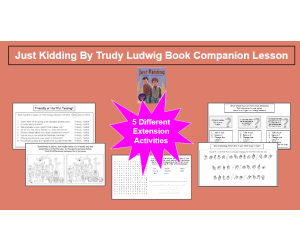
Just Kidding by Trudy Ludwig SEL Companion Lesson
Special Resources, Social Emotional Learning (SEL), Social Skills, Special Education Needs (SEN), Grade 3, 4, 5, Worksheets & Printables, Worksheets
In this resource, students will read a book (or listen to the book) titled Just Kidding by Trudy Ludwig, Illustrated by Adam Gustavson. Then they will be able to do 5 different engaging activities. Teachers can plan this for 5 different centers or partner work with packets or even homework. It is up to the teacher or school counselor how they would like to conduct this resource. The key concepts are knowing the difference between hurtful and friendly teasing. This is a very important concept to teach early on as students try out different types of humor. Unintentionally or not, student may hurt other students' feelings based on their words, tone, and topic of teasing. It is also important to teach about "off limit" topics such as appearance, grades, athleticism, family members, etc. In this resource there are five different extension activities. They are; a word search with a secret message, a What Would You Do? questionnaire, a sign language secret message, a Find 10 Differences related to sports (I have added this because many teasing scenarios-friendly or hurtful-are often around sports activities and athleticism, a sorting activity about friendly or hurtful teasing, This activity can be used as a 5 centers activity whereas groups rotate from one center to another every 5 minutes (or as your time allows) or you can staple the activities (handouts) together to have partners complete and work together or you could send as homework after reading the story in class. Regardless, the extension activities will enhance the students' perspective of this very important concept of knowing the difference between hurtful and friendly teasing. If you enjoy this product and would like to access other book companion products, please check out these resources: https://teachsimple.com/product/better-than-you-by-trudy-ludwig-sel-companion-lesson (From Better Than You by Trudy Ludwig) https://teachsimple.com/product/my-secret-bully-by-trudy-ludwig-an-sel-companion-lesson (From My Secret Bully by Trudy Ludwig) https://teachsimple.com/product/do-you-speak-fish-an-sel-book-extension-activity (From Do You Speak Fish by DJ Corchin) https://teachsimple.com/product/hands-off-harry-by-rosemary-wells-book-extension-game-and-handout (From Hands Off Harry by Rosemary Wells)
Author Jennifer Moyer Taylor
Tags Just Kidding By Trudy Ludwig, Companion Lessons, SEL, Social-emotional Learning, School Counseling, Teasing, Character Education, Special Education
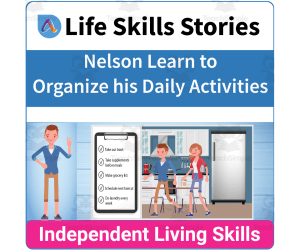
Functional Life Skills: Nelson Learn to Organize His Daily Activities
Special Resources, Social Emotional Learning (SEL), Special Education Needs (SEN), Speech Therapy, Life Skills, Grade 10, 11, 12, Activities, Worksheets & Printables, Worksheets
In "Nelson Learn to Organize His Daily Activities," Nora imparts the benefits of maintaining a list to track daily tasks and events, breaking it down into easy-to-follow steps. This Functional Life Skills tool offers students the chance to: • Receive a detailed walkthrough on creating a list, complete with guidance on materials and tips for remembering to check the list regularly. • Understand the significance of having a list and how it can positively impact one's daily routine. • Explore various items that can be added to the list, such as personal hygiene, household chores, and volunteer commitments. • Grasp the idea that crafting a list represents a small yet crucial step toward leading a more organized life. • Engage in interactive discussions and questions that reinforce their comprehension of the narrative and its core concepts. • Benefit from real-life instances and age-appropriate visual aids, such as illustrations and diagrams , enhancing the utility of this conversational story as a resource for teaching social narratives. • Find comfort in the simple, straightforward language of this social narrative, perfectly tailored for high school students and adults with intellectual disabilities, offering crystal-clear expectations. The story includes seven (7) reading comprehension questions and answers to reinforce and measure the student's understanding of the Functional Life Skills contained in the story! This life skills story will assist high school students and young adults in developing the necessary independent living skills to become more independent at school, at home, and in their communities. This story is designed to be used by special education teachers, occupational therapists, speech therapists, ABA therapists, registered behavior technicians (RBT), parents, supported living coaches, and life skills teachers to teach their students valuable life skills. In addition to interactive instruction, this resource is ideal for hands-on and community-based learning, defining, setting, and measuring IEP goals. Related Products for Developing Independent Living Skills The Value of a Bank Account How to Create a Monthly Budget How to Create a Shopping List How Credit Cards Work Level 1 Grocery Shopping Money Math Level 1 Clothes Shopping Money Math Level 1 Reading Menus Money Math Engage your special education class with this highly interactive High School Functional Life Skills Story! It's printable, easy to use, and ready to hand out! A PDF file with six(6) pages. Color and black-and-white versions of each page are available for this pdf resource.
Author Adulting Life Skills Resources
Tags Adulting On The Spectrum, Independent Living Skills, Resource For Supported Living Coach, Resource For Speech Therapists, Summer Life Skills Activities, Resource For ABA Therapists, Resource For Supported Services, Special Education Teachers, Social And Emotional Learning, Life Skills For Autistic Teens And Adults

Anger Triggers Worksheet
Special Resources, Social Emotional Learning (SEL), Special Education Needs (SEN), Social Skills, Not Grade Specific, Worksheets & Printables, Worksheets
This worksheet is for children to think about times that they have been angry and what it was that caused the anger. The idea of this is then to then encourage a conversation about how they could avoid this in the future. Identifying triggers that make you angry is beneficial for several reasons: Self-awareness: Recognizing your anger triggers increases self-awareness. It allows you to understand the specific situations, events, or behaviors that provoke your anger. This awareness helps you anticipate and prepare for potential triggers, allowing you to respond in a more controlled and constructive manner. Emotional regulation: When you can identify your anger triggers, you gain greater control over your emotional responses. Knowing what sets off your anger gives you an opportunity to develop strategies and coping mechanisms to manage your anger effectively. You can implement relaxation techniques, practice deep breathing, or engage in activities that help you calm down before anger escalates. Relationship improvement: Understanding your anger triggers can improve your relationships with others. It allows you to communicate your triggers and boundaries to the people around you, helping them understand what might provoke your anger. This shared knowledge promotes healthier communication, reduces misunderstandings, and can lead to more respectful and considerate interactions. Problem-solving: Identifying anger triggers helps you identify patterns and underlying issues that may contribute to your anger. It enables you to address and resolve those issues more effectively. By identifying triggers, you can also explore alternative solutions or behaviors that can prevent or mitigate anger-inducing situations. Personal growth: Recognizing anger triggers provides an opportunity for personal growth and self-reflection. It allows you to explore the root causes of your anger and examine any underlying beliefs, values, or past experiences that may contribute to your reactions. This self-reflection can lead to personal insights, growth, and the development of healthier coping strategies. Health and well-being: Unmanaged anger can have detrimental effects on physical and mental health. By identifying triggers, you can take proactive steps to minimize or avoid situations that lead to anger. This, in turn, can reduce stress, improve overall well-being, and contribute to better physical and emotional health. Clipart images courtesy of Kari Bolt Clip Art Included is 1 PDF printable worksheet
Author SEN Resource Source
Tags Anger, Triggers, Emotions, Behavior Management, SEN, Printable Identifying Triggers Worksheets, Identifying Triggers Activity, Printable Anger Triggers Worksheet, Mental Health Triggers Worksheet
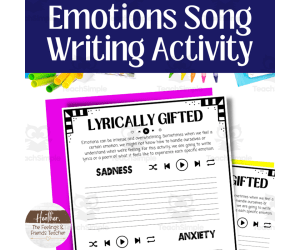
Emotions Song Writing Printable Activity For Emotional Reflection in Students
Special Resources, Social Emotional Learning (SEL), Grade 4, 5, 6, Worksheets, Worksheets & Printables
The Emotions Song Writing Printable Activity for Emotional Reflection in Students A thoughtful and exciting teaching tool designed with the aim of fostering self-understanding and emotional awareness among upper elementary to middle school students . This resource merges music, creative writing, and emotional reflection - forming an exceptional developmental exercise that's engaging for young learners. Study Focus & Purpose Geared towards Grade 4 to Grade 6 students studying Special Resources, the focus of this activity is on Social Emotional Learning. It presents a unique method for students to explore their feelings by crafting their own songs or poems about various emotions. The activity doesn't only encourage creativity but also promotes cognitive introspection as students reflect on particular instances when they've experienced these sentiments. Framing of The Activity Page Structure: Split into 6 pages, each featuring two different emotions such as excitement or sorrow; pupils write based on circumstances that gave rise to these feelings or factors that trigger them. Purpose: This task intends not just to enhance learners' understanding of individual emotions but also offers an opportunity for constructive communication regarding personal experiences. Versatility of Use: School Settings: Utilized in multiple settings ranging from individual sessions where educators can lend support during lyric creation or during morning meetings which gives an engaging start to the day. For group activities focused on emotional identification, the exercise aids in encouraging open dialogue amongst peers helping build a supportive learning environment. Art Clubs:Incorporated into their curriculum giving another dimension to artistic expression while impacting children's mental wellbeing positively. Also perfect as an ice-breaker activity at back-to-school time – gently easing reintroductions while promoting self-expression through poetry and songwriting! Structure of Printable Worksheet Every printable page includes dedicated sections where pupils pen down their 'lyrical masterpieces', shaping it into a physical memento of their thoughts at a specific point in time. Distribution: The worksheet is professionally prepared with an attention to educational relevance and effectiveness. It's perfect for educators and can be easily downloaded as PDFs, making distribution easy across varied mediums – be it classroom handouts, virtual learning platforms or printed workbooks in a homeschooling setting. Discover the impact of music-infused social-emotional learning with these unique worksheets!
Author The Feelings and Friends Teacher
Tags Emotional Reflection, Music Therapy, Creative Writing, Social Emotional Learning, Self-expression, Printable Emotional Check In Worksheet
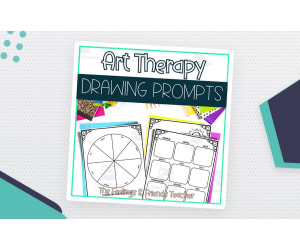
Art Therapy Drawing Worksheets – 97 Prompts
Special Resources, Social Emotional Learning (SEL), Social Skills, Not Grade Specific, Worksheets & Printables, Worksheets
These art therapy worksheets are just the thing you need for any elementary school counseling lesson! Not only are they engaging, but they are the perfect way to support students as they allow those who may struggle with verbal communication be able to express themselves through drawing! This resource includes 97 different prompts that focus on different topics such as trauma, anxiety, emotions, coping skills, self-esteem and more. The pre-made worksheets can help your students with a more concrete visual of the prompt and is perfect to use in individual and small group counseling sessions. A google slides presentation and bulleted list of each drawing prompt is perfect for tailoring to each student's specific needs. The presentation and drawing list is even perfect to use in push-in lessons or as a small group activity! Using art or drawing as a therapeutic tool helps students explore and process complex feelings in a safe and creative way. Younger students typically don't have the language needed to process their emotions, so this resource will help to bridge the gap and break that barrier! These worksheets help to guide students with prompts that explore various social emotional skills, and with so many different methods of delivery included, you are sure to reduce prep time! What's Included? ❤️ Google Slides Presentation With Each Prompt ❤️ Bulleted List of Drawing Prompts ❤️ 97 Drawing Prompts ❤️ Pre-Made Worksheets Some Ideas for Use Are: ⭐ Individual Lessons ⭐ Small Groups ⭐ Push-In Lessons ⭐ Social Emotional Morning Meetings ⭐ Emotions Check-In Activity ⭐ Icebreakers ⭐ SEL warm ups
Author The Feelings and Friends Teacher
Tags Art Therapy, Drawing Prompts, Social Emotional Learning, Art Therapy Drawing, Counseling Worksheets, Art Therapy Worksheets, Counseling Prompts, Sel
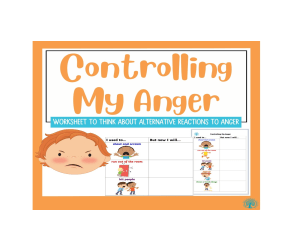
Controlling My Anger Worksheet
Special Resources, Social Emotional Learning (SEL), Social Skills, Special Education Needs (SEN), Not Grade Specific, Worksheets, Worksheets & Printables
Anger sparks are inevitable for children, but reacting constructively takes mindfulness and skill-building. This reflective worksheet helps students evaluate previous poor responses to anger and cement more positive alternatives going forward through pictures and writing. The page features illustrations of common yet unhealthy anger reactions like hitting, screaming, throwing toys, hurting others, running away and having a tantrum. These visual cues remind children of counterproductive habits they may relate to personally. Beside each problematic scenario, space is provided for students to jot healthier choices they pledge to enact next time they feel similarly frustrated. Options like take deep breaths, squeeze a stress ball, count to 10, or politely ask for help are prompted as examples. Articulating go-to regulation tactics makes them concrete tools to access independently. Finally, children illustrate their own vision of ideal anger management, for example walking away calmly or taking space to breathe. These sketches become motivational reminders that discipline over reactions is within their control if using wise coping methods. Guiding students to evaluate past anger responses and cement constructive alternatives is pivotal learning for childhood development and classroom harmony. This straight-forward worksheet establishes that interpersonal growth through relatable visualization and reflective writing. Wonderful eye catching visuals are courtesy of Kari Bolt Clipart
Author SEN Resource Source
Tags Behavior, Calming Strategies, Behavior Support, Classroom Management

Functional Life Skills: Alexa Learns the Importance of Empathy
Special Resources, Social Emotional Learning (SEL), Special Education Needs (SEN), Speech Therapy, Life Skills, Grade 11, 12, Activities, Worksheets & Printables, Worksheets
In Alexa Learns the Importance of Empathy and Active Listening, Austin teaches Alexa how to use the importance of communicating. The use of this Functional Life Skills resource will allow students to engage in: • This essential life skills story covers active listening techniques to improve communication skills. • Understanding and using empathy to connect with others and understand their perspective is included in this story. • The story provides tips to develop social skills, including building and maintaining friendships and relationships. • The interactive dialog and questions engage learners and reinforce their understanding of the story and the concepts. • The real-world examples, and age-appropriate visual aids, such as illustrations and diagrams , make this conversational story an excellent resource for teaching social narratives. • This social narrative's simple and direct language sets clear expectations, making it ideal for high school students and adults with intellectual disabilities. The story includes seven (7) reading comprehension questions and answers to reinforce and measure the student's understanding of the Functional Life Skills contained in the story! This life skills story will assist high school students and young adults in developing the necessary independent living skills to become more independent at school, at home, and in their communities. This story is designed to be used by special education teachers, occupational therapists, speech therapists, ABA therapists, registered behavior technicians (RBT), parents, supported living coaches, and life skills teachers to teach their students valuable life skills. In addition to interactive instruction, this resource is ideal for hands-on and community-based learning, defining, setting, and measuring IEP goals. Related Products for Developing Independent Living Skills How to Create an Emergency Exit Plan How to Create a Medication List How to Create a Supplement List Understanding and Tracking Allergies How to Read a Prescription Label How to Create a Strong Password What to do When the Doorbell Rings Engage your special education class with this highly interactive High School Functional Life Skills Story! It's printable , easy to use, and ready to hand out! A PDF file with five(5) pages. Color and black-and-white versions of each page are available for this pdf resource.
Author Adulting Life Skills Resources
Tags Adulting On The Spectrum, Life Skills For Autistic Teens And Adults, Functional Self-Care Resources, Summer Life Skills Activities, Resource For Speech Therapists, Special Education Teachers, Social And Emotional Learning, Autism Visual Aid Life Skills, Autism Life Skills Stories, Life Skills Activities For High School Students

Kindergarten Health: Unit 7
P.E. & Health, Life Studies, Physical Education, Health, Special Resources, Life Skills, Social Emotional Learning (SEL), Social Skills, Kindergarten, Teacher Tools, Lesson Plans, Worksheets & Printables, Worksheets
For Kindergarten Health there are seven standards that need to be taught to achieve healthy habits! Unit 1 Personal Health Unit 2 Growth and Development Unit 3 Nutrition and Physical Activity Unit 4 Substance Use and Abuse Unit 5 Injury/ Violence Prevention Control and Safety Unit 6 Prevention/Control of Disease Unit 7 Environmental Consumer Health These units can be taught out of order. They are only numbered for your convenience. Discover the comprehensive and engaging Kindergarten Health: Unit 7, a top-notch digital educational package designed to help you educate young minds about essential health concepts, habits, and practices. Focused on Environmental Consumer Health, this unit equips students with the knowledge to stay safe from sun exposure and appreciate the role healthcare workers play in their community. This fun-filled material offers interactive activities like cut-and-paste worksheets where children can learn about dressing appropriately for sun protection. They'll also get introduced to sunscreen usage for additional safety measures. With 12 insightful pages adhering to Common Core Standards, Kindergarten Health: Unit 7 is an indispensable resource for educators seeking high-quality content on environmental consumer health topics tailored towards kindergarten learners. Maximize your kindergarten instruction by exploring all seven units of the Kindergarten Health series by Teach Simple. Give your students a solid foundation in understanding personal wellbeing essentials while keeping them informed about current facts concerning Covid-19. Students will cut, paste, and decide how to best protect our bodies from the sun. They will also learn about health care workers in our community and how they keep us safe. There are a total of 12 pages included in this unit for Kindergarten Health. There are seven units that cover all the health requirements for Kindergarten. Here are the links to other health units: Kindergarten Health: Unit 1 Personal Health Kindergarten Health: Unit 2 Growth and Development Kindergarten Health: Unit 3 Nutrition and Physical Activity Kindergarten Health: Unit 4 Substance Use and Abuse Kindergarten Health: Unit 5 Injury / Violence Prevention Control and Safety Kindergarten Health: Unit 6 Prevention / Control of Disease Kindergarten Health: Unit 7 Enviromental Consumer Health You can also teach your students about keeping yourself safe by studying about the Coronavirus, where and when it started and facts that plagued our world with this virus. Kindergarten Health: Covid 19 / Coronavirus Facts This unit meets Common Core Standards.
Author K-5 Treasures
Tags Health Units, Health Worksheets, Worksheets On Health, Kindergarten Health, Personal Health, Healthy Habits, Healthy Foods, Healthy Kids, Elementary Health

Kindergarten Health: Unit 4
P.E. & Health, Life Studies, Health, Physical Education, Special Resources, Life Skills, Social Emotional Learning (SEL), Social Skills, Kindergarten, Teacher Tools, Lesson Plans, Worksheets & Printables, Worksheets
For Kindergarten Health there are seven standards that need to be taught to achieve healthy habits! Unit 1 Personal Health Unit 2 Growth and Development Unit 3 Nutrition and Physical Activity Unit 4 Substance Use and Abuse Unit 5 Injury/ Violence Prevention Control and Safety Unit 6 Prevention/Control of Disease Unit 7 Environmental Consumer Health These units can be taught out of order. They are only numbered for your convenience. Through using this Kindergarten Health: Unit 4, students will explore and learn to identify daily healthy habits. Included in this unit : * Students will identify what is safe or unsafe in a household, which includes medications, cleaning supplies, and household appliances. * Students will cut, sort, and paste these harmful or safe substances into categories. * Understanding who can and who cannot give you medications is another thing that students will learn. * Teachers will help students to role play situations that may be unsafe and how to handle these situations and learn how to say no. Students will identify safe and unsafe substances in a household and learn who can give them medication. Furthermore, there are activities to help kids learn how to just say no in difficult situations. There are a total of 9 pages included in this unit for Kindergarten Health. There are seven units that cover all the health requirements for Kindergarten. Here are the links to other health units: Kindergarten Health: Unit 1 Personal Health Kindergarten Health: Unit 2 Growth and Development Kindergarten Health: Unit 3 Nutrition and Physical Activity Kindergarten Health: Unit 4 Substance Use and Abuse Kindergarten Health: Unit 5 Injury / Violence Prevention Control and Safety Kindergarten Health: Unit 6 Prevention / Control of Disease Kindergarten Health: Unit 7 Enviromental Consumer Health You can also teach your students about keeping yourself safe by studying about the Coronavirus, where and when it started and facts that plagued our world with this virus. Kindergarten Health: Covid 19 / Coronavirus Facts This unit meets Common Core Standards.
Author K-5 Treasures
Tags Health, Health Worksheets, Kindergarten Health, Kids Health, Health Units, Healthy Habits, Healthy Eating, Elementary Health, Healthy Food, Kinder Health
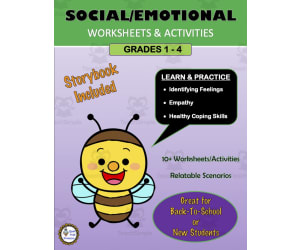
School Anxiety: Social/Emotional Learning Activities
Special Resources, ELA, Social Emotional Learning (SEL), Special Education Needs (SEN), Social Skills, Writing, Creative Writing, Reading, Language Development, Vocabulary, Preschool, Grade 1, 2, 3, 4, Activities, Worksheets & Printables, Worksheets
School Anxiety: Social/Emotional Learning Activities School Anxiety: Social/Emotional Learning Activities is an excellent tool for educators. It presents a vast collection of appealing, informative, and efficient learning materials to assist students in mastering their social/emotional skills. The flexibility of this resource makes it useful in either entire class or small study group scenarios, and it's equally suitable for homeschooled children who need help managing anxieties. This toolkit is tailored towards learners from Kindergarten through Grade 4. It spans diverse educational areas including Language Arts, Social Emotional Learning (SEL), Social Skills, Creative Writing, and Vocabulary. Bee Brave Betty Narrative & the Worksheets A standout feature is Bee Brave Betty. This captivating story revolves around Betty the bee with school anxiety. Alongside are real-life scenarios mirroring everyday situations encountered by children - an effective method to teach lessons on recognizing emotions and appropriate responses. Facial Expression Cards: Seven different facial expression cards aid learners in identifying various emotions within themselves and others. Matching Exercises: In these exercises students link matching facial expressions with emotion words based on relatable scenarios experienced by bees. Written Responses: Students get opportunities to express their personal experiences regarding specific emotions. Multifaceted Incorporation of Activities Different activities woven into this resource further enrich its value. For example: Learners acquire strategies on how young ones can deal with nervousness or any other negative sentiments via cut-and-paste activities associating these feelings with healthy coping mechanisms. Creative writing prompts explore one’s emotional journey while constructing narratives about bees’ feelings using the Wheel Of Emotions. There are exercises for letter writing towards a bee-friend expressing sentiments anonymously, promoting empathy and honing formal communication styles. Bee Brave Badges and Certificates The toolkit highlights the importance of self-paced learning in managing emotions but also commemorates victories along these journeys through 'Bee Brave' badges and certificates. These are given out when brave responses are demonstrated by learners in real situations causing significant emotional reactions. All content is available in both color and monochrome, providing educators flexibility based on their printing needs. With such diverse materials supporting differentiated instruction for better reach among your students, this resource could prove to be an essential addition to your teaching arsenal.</p
Author Quail Trail Products
Tags School Anxiety, Social Emotional Learning, Empathy, Coping Skills, Creative Writing

10 Mindfulness SEL Coloring Pages
Special Resources, Life Skills, Social Emotional Learning (SEL), Special Education Needs (SEN), Not Grade Specific, Coloring Pages, Worksheets, Worksheets & Printables
In this product, you will get 10 mindfulness coloring pages. There is something for everyone in this product. The images are; panda, sun & nature scene, sports, sloth, relax, breathe, monster friends, sea turtle, brain, and the peace symbol. These are great for the young and old and everyone in between. Use these as a way to calm down students at the end of a lively lesson or to use them as a brain break. In my practice as a full-time school counselor for grades kindergarten through 8th grade, I can honestly say I have used these with kindergarten through 8th grade. These are even appropriate for high schoolers. I have used them for small groups, after a guidance lesson, in a social emotional discussion with a large group of students to help them stay centered on the topic and one on one with students. These could also be used when students finish their work, during quiet time, used in a calm down corner or reset corner in the classroom or as extra activities for the classroom. I have put on some soothing music as well while students mindfully color these handouts. If you are interested in other products from my store, please feel free to visit: https://teachsimple.com/contributor/jennifer-moyer-taylor You may also be interested in my other mindfulness and SEL coloring pages and SEN coloring pages with these high quality resources: https://teachsimple.com/product/coping-skills-sel-coloring-sheets These are coping by coloring sheets for students to reflect on different coping skills they can use when they need to calm down and have big feelings or emotions. There is a picture of a teddy bear, beach ball, butterfly and umbrella. It also has a handout you can send home with students on a variety of coping skills to try out and see which ones work for them.
Author Jennifer Moyer Taylor
Tags Mindfulness, Mindfulness Coloring, Social-emotional Learning, School Counseling, Fun Stuff, Sel Coloring Pages, Sen Coloring Pages, Sel, Printables

Emotions and Coping Skills Challenge For Early Elementary Students
Special Resources, Social Emotional Learning (SEL), Grade 2, 3, 4, 5, 6, Worksheets & Printables, Worksheets
Incorporating feelings and coping skills is exactly what this fun class challenge does! This A-Z challenge is a great review activity that helps students to identify various feelings and coping skills by using the alphabet. Students are encouraged to get creative (especially for harder letters like X and Z) and see if they can come up with different types of emotions and calming strategies. This can be a great assessment tool as well if you have emotions/coping skill based groups, or have students who struggle with identifying various emotional states or appropriate coping skills! To spice things up in your small group lessons, you can have students race to see how many they can think of in a short amount of time with a little friendly competition. This activity is simple, but helps students to think about what they have learned and how to see what creative ways they can think of to calm themselves! This activity is no prep, simply print and go, to make sure you have time to actually accomplish the important things! Ideas for Use: ⭐Individual Lessons ⭐Push-In Lessons ⭐Group Lessons ⭐Class Challenges ⭐Students that may struggle with identifying emotions/coping skills
Author The Feelings and Friends Teacher
Tags Coping Skills , Emotions Worksheet, Coping Skills Worksheet, Emotions And Feelings, Coping Skills Challenge, Small Group Activity, School Counseling, Social Emotional Learning

Job Resource - A Checklist for an Excellent First Day at Work
Special Resources, Resources for Teachers, Social Emotional Learning (SEL), Special Education Needs (SEN), Speech Therapy, Life Skills, Grade 10, 11, 12, Activities, Worksheets & Printables, Worksheets
This Job Resource is a Checklist for an Excellent First Day at Work, essential for a successful transition into the workplace. The job resource promotes independence and confidence by guiding students through their first day of work. First-time job workers can simplify the first-day jitters with a clear, step-by-step checklist. This comprehensive checklist ensures a smooth start to the work day by covering important tasks like introductions and office navigation. The checklist also encourages effective communication and social interactions with colleagues. Equip students with the skills and knowledge they need to transition into the workforce successfully. Boost self-esteem by helping students feel prepared and in control on their first day. This job resource was created to empower teens and adults with autism and related disabilities to thrive in a professional setting by effectively utilizing time management and communication skills. This life skills resource will assist high school students and young adults in developing the necessary independent living skills to become more independent at school, at home, and in their communities. This story is designed to be used by special education teachers, occupational therapists, speech therapists, ABA therapists, registered behavior technicians (RBT), parents, job coaches, employment specialists, supported living coaches, and life skills teachers to teach their students valuable life skills. In addition to interactive instruction, this resource is ideal for hands-on and community-based learning, defining, setting, and measuring IEP goals. Related Products for Developing Independent Living Skills How to Create an Emergency Exit Plan How to Create a Medication List How to Create a Supplement List Understanding and Tracking Allergies How to Read a Prescription Label How to Create a Strong Password What to do When the Doorbell Rings Engage your special education class with this highly interactive High School Functional Life Skills Resource! It's printable, easy to use, and ready to hand out! A PDF file with one (1) page.
Author Adulting Life Skills Resources
Tags Adulting On The Spectrum, Independent Living Skills, IEP Goal-Oriented Skills, Community-Based Instruction, Autism Reading Comprehension, Life Skills For Autistic Teens And Adults, Autism Safety Resources, Autism Visual Aid Life Skills, Autism Social Narratives
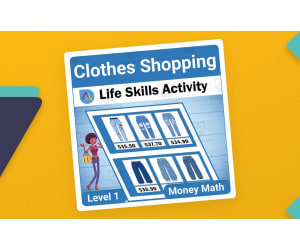
Money Math Life Skills Worksheet: Clothes Shopping Level 1
Special Resources, Life Studies, Creative Arts, Art, Social Emotional Learning (SEL), Special Education Needs (SEN), Life Skills, Finance, Math, Money, Grade 7, 8, 9, Activities, Worksheets & Printables, Worksheets
Clothes Shopping Money Math Level 1 teaches middle school students with special needs how to budget for buying clothes. This 60-question worksheet covers calculating costs of pants, shirts, dresses, shoes, skirts, and accessories. Use this independent living skills activity one-on-one or in special education classes. It reinforces money math abilities needed for the community and features step-by-step instructions, real-world examples, and ideas for personalized implementation based on your student's needs and IEP goals. The interactive format engages students through word problems, answer options, and provided solutions. Print this activity for an easy-to-use resource that aids in developing essential life skills for increased independence at home and school. Pair it with our full series of practical money math worksheets on reading menus, grocery shopping, and more.
Author Adulting Life Skills Resources
Tags Life Skills Money Math, Interactive Math Problems, Independent Living Skills, IEP Goal-Oriented Skills, Autism Resource For Parent , Adulting On The Spectrum, Social And Emotional Learning, Life Skills For Teens, Life Skills For Adults, Autism And Money Skills, Basic Math Clothing Shop
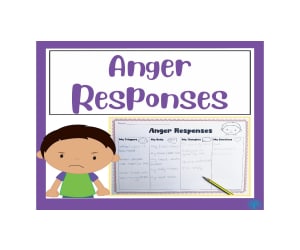
Responses to Anger Worksheet
Special Resources, Social Skills, Social Emotional Learning (SEL), Special Education Needs (SEN), Not Grade Specific, Worksheets, Worksheets & Printables
Handling anger constructively is an essential emotional intelligence skill. This insightful worksheet strengthens abilities to manage frustration by analyzing personalized anger triggers and typical reactions when seeing red. Featuring sections on triggers, physical cues, thought patterns, accompanying emotions beyond mad, and common rage responses and calming strategies, it cultivates self-awareness around outbursts. The worksheet prompts children to engage in a reflective process, encouraging them to identify their unique anger triggers. By recognizing these triggers, children gain insight into the specific situations or circumstances that evoke their emotional responses, paving the way for a more informed understanding of their own emotional landscape. In addition to pinpointing triggers, the worksheet invites children to consider the physical manifestations of anger. This aspect promotes a mind-body connection, helping children become attuned to the bodily sensations associated with their emotions. Through this awareness, they can develop strategies for managing and coping with the physical aspects of anger. Assessment tools aid in discerning destructive versus healthy outlets when emotions boil over. Teachers can incorporate it alongside lessons on empathy, respect or conflict resolution. Counselors may utilize it in sessions exploring temper issues. Parents can discuss it at home when tensions escalate. In essence, the Responses to Anger Worksheet serves as a valuable companion for educators, parents, or caregivers seeking to nurture emotional intelligence in children. By fostering self-awareness and providing a structured framework for reflection, this resource empowers children to navigate and understand their responses to anger in a constructive and informed manner.
Author SEN Resource Source
Tags Anger, Anger Management, Behavior Support, Aggression, Self-regulation, Impulse Control, Coping Skills, Social-emotional Learning, Counseling Worksheets
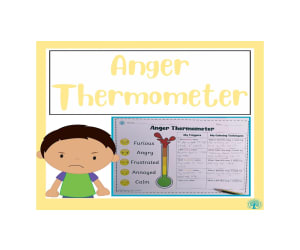
Anger Thermometer Worksheet
Special Resources, Social Emotional Learning (SEL), Social Skills, Special Education Needs (SEN), Not Grade Specific, Worksheets, Worksheets & Printables
Identifying escalating levels of anger within themselves is an important skill for children’s healthy social-emotional development. This creative “anger thermometer” worksheet provides a visual scale for students to evaluate their internal frustration, paired with critical reflection questions to facilitate de-escalation at each phase. The worksheet features a color-coded thermometer bar ranging from “I’m calm” in green up to “I’m furious!” in hot red. Five stages of anger are delineated including calm, annoyed, frustrated, angry, and furious. At each level, students first give examples of small provocations that would trigger those feelings personally. Writing specific anger sparks builds self-awareness of their own “boiling points”. Next, children self-strategize the best ways they can healthily soothe themselves at each anger level before boiling over. Recommendations like take deep breaths, squeeze a stress ball, walk away or tell the teacher are included. Articulating go-to regulation tactics cements them as concrete tools kids can independently access. Guiding children to accurately gauge anger cues in themselves and intervene with appropriate calming methods before losing control is essential for their development and classroom harmony. This anger thermometer worksheet establishes that routine skillfully through relatable visualization and reflective writing. It helps keep students’ inner temperature in check! Included in this resource is 1 PDF printable worksheet
Author SEN Resource Source
Tags Anger, Emotions, Feelings, Behavior, Behavior Support, Calming Strategies

Describing My Feelings Worksheet Set
Special Resources, Social Emotional Learning (SEL), Social Skills, Special Education Needs (SEN), Not Grade Specific, Worksheets, Worksheets & Printables
Identifying and verbalizing emotions is essential yet challenging for young children’s healthy development. This set of 20 illustrated printable worksheets helps students advance self-awareness by examining common feelings in depth one by one. With 2 different versions of the worksheet featuring both boys and girls, children investigate their own experiences feeling various emotions. The wide-ranging worksheet set covers feelings like happiness, sadness, worry, anger, frustration, annoyance, fear, embarrassment, excitement and disappointment. Each page displays a child’s blank face ready to be drawn by students showing that feeling visually. They then respond to prompts describing a time they felt that way, associated thoughts they remember, and any physical reactions in their body. Analyzing the internal and external aspects of varied emotions builds children’s “feelings vocabulary” exponentially. Writing personal examples cements comprehension further, allowing kids to relate back to their own illustrations later as reminders. Sorting pages by intensity levels (high/medium/low energy emotions) teaches activation regulation skills too. With 10 diverse feelings covered, these interactive worksheets expansively grow children’s emotional intelligence. Kids become experts decoding their own ever-changing inner world while building empathy for what classmates experience too. This resource includes 20 worksheets showing 10 different emotions - 10 worksheets with boy faces on and 10 with girl faces.
Author SEN Resource Source
Tags Emotions, Feelings, SEL, Self-awareness
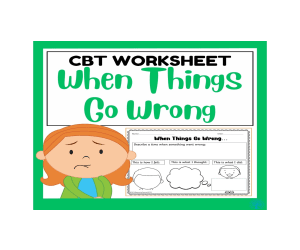
When Things Go Wrong Worksheet
Special Resources, Social Emotional Learning (SEL), Special Education Needs (SEN), Not Grade Specific, Worksheets & Printables, Worksheets
This a worksheet for children to reflect on a time in their life when things went wrong or did not go the way they had hoped. Children can think about how it made them feel, what it made them think and in turn how these feelings and thoughts came out in their actions. This can also lead to further discussion about whether their actions were appropriate and how they may do things differently in the future. Reflecting on times when things went wrong can be helpful for a child in several ways: * Learning from mistakes: By reflecting on past experiences, children can identify what went wrong and understand the reasons behind it. This reflection helps them learn from their mistakes and make better decisions in the future. * Building resilience: Reflecting on challenges and setbacks can teach children that it's normal to encounter difficulties in life. They can develop resilience by recognising that they have the strength to overcome obstacles and bounce back from failures. * Developing problem-solving skills: Reflecting on past failures allows children to analyse different aspects of a situation and brainstorm alternative solutions. This process helps them develop critical thinking and problem-solving skills, enabling them to approach future challenges more effectively. * Building self-awareness: Reflecting on their own experiences helps children gain a deeper understanding of themselves, their strengths, weaknesses, and emotions. This self-awareness can lead to improved self-confidence and self-esteem. * Fostering growth mindset: Reflecting on failures can promote a growth mindset, where children understand that intelligence and abilities can be developed through effort and learning. They learn to see setbacks as opportunities for growth and improvement rather than personal shortcomings. It is important to guide and support children during this reflection process, emphasising the lessons learned and encouraging a positive outlook. This worksheet can be linked with ideas of cognitive behavioral therapy. Cognitive behavioural therapy can be helpful for children in many ways. It can help children to understand and cope with their emotions in a more constructive way. It can also be used to teach children healthy coping strategies for managing their anger. Additionally, it can help children to develop better self-awareness and self-management skills. Included is a PDF printable worksheet with a version for both girls and boys
Author SEN Resource Source
Tags CBT, SEN, Anger, Emotions