Literary Terms Lesson for Literary Criticism
A literary-terms vocabulary lesson package teaching 16 terms related to Literary Criticism through a slide presentation, guided notes, a creative-writing application task, and multiple assessment options.
1,764 resources
Explore sub-categories
16 sub-categories · 1,764 resources
A literary-terms vocabulary lesson package teaching 16 terms related to Literary Criticism through a slide presentation, guided notes, a creative-writing application task, and multiple assessment options.
A literary-terms vocabulary lesson package teaching 23 terms related to Narrative Concepts through a slide presentation, guided notes, a creative-writing application task, and multiple assessment options.
A literary-terms vocabulary lesson package teaching 13 terms related to Points of View through a slide presentation, guided notes, a creative-writing application task, and multiple assessment options.
A literary-terms vocabulary lesson package teaching 10 terms related to Sound Devices through a slide presentation, guided notes, a creative-writing application task, and multiple assessment options.
A literary-terms vocabulary lesson package teaching 11 terms related to Theatre & Drama through a slide presentation, guided notes, a creative-writing application task, and multiple assessment options.
A Rainbow Horizons novel study for 'Little House on the Prairie' by Laura Ingalls Wilder, integrating reading comprehension, vocabulary/language, spelling, grammar, and creative writing across chapter-grouped assignments.
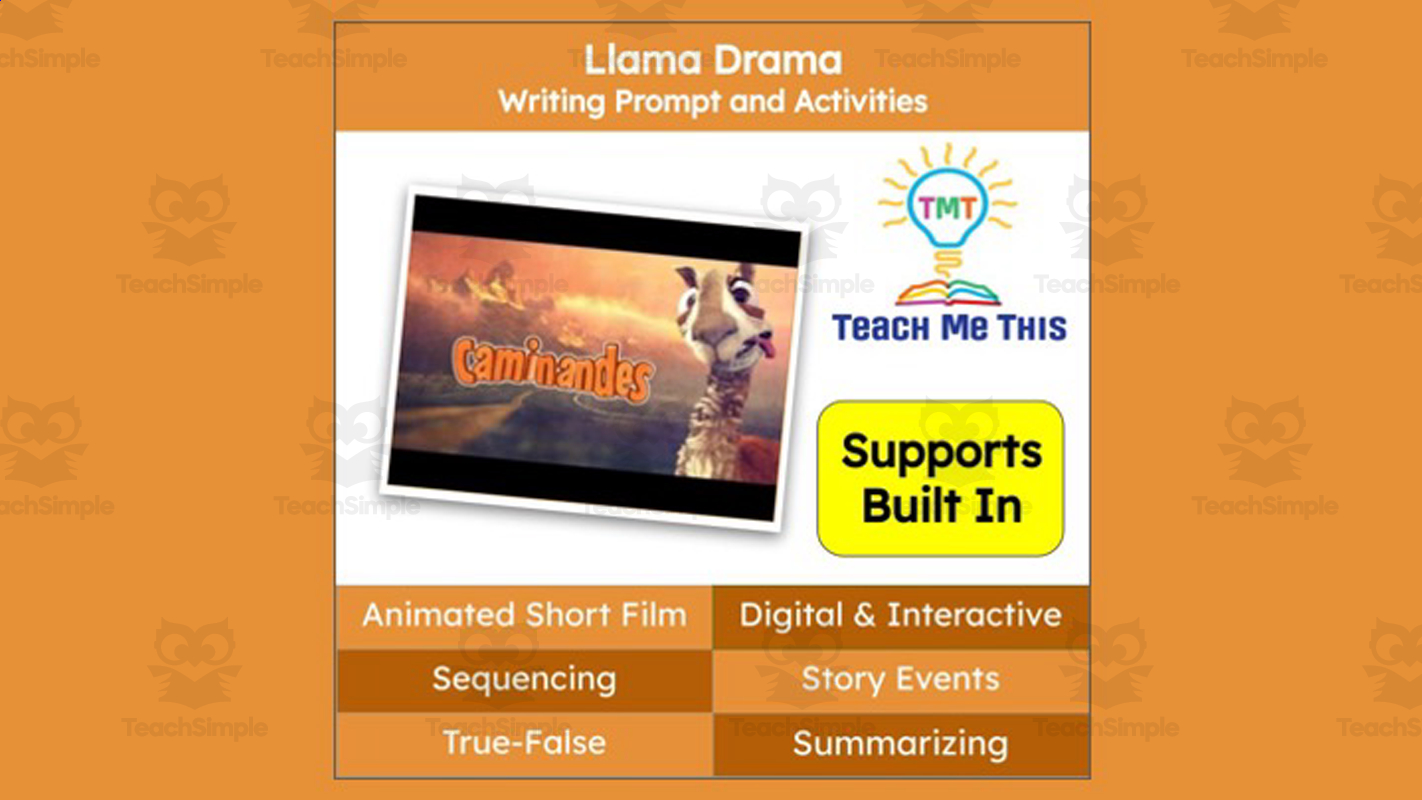
An interactive PowerPoint writing/reading activity built around an animated short film 'Llama Drama', teaching sequencing, true/false comprehension, and summarizing.
A cross-curricular unit teaching students how author Louisa May Alcott drew on her own life to write 'Little Women', combining reading comprehension, creative writing, vocabulary, and math (fractions/word problems) practice.
A 146-page reproducible activity book teaching creative writing (prose and poetry) techniques such as story structure, description, character development, point of view, figurative language, letter/editorial writing, and poetic forms.
An editable digital slideshow of weekly creative-writing prompts for March, intended to be assigned via Google Classroom for students to write directly on the slides.
Reproducible reading and writing practice worksheets for grades 3-4, covering reading comprehension, homophones/homographs, and writing skills.
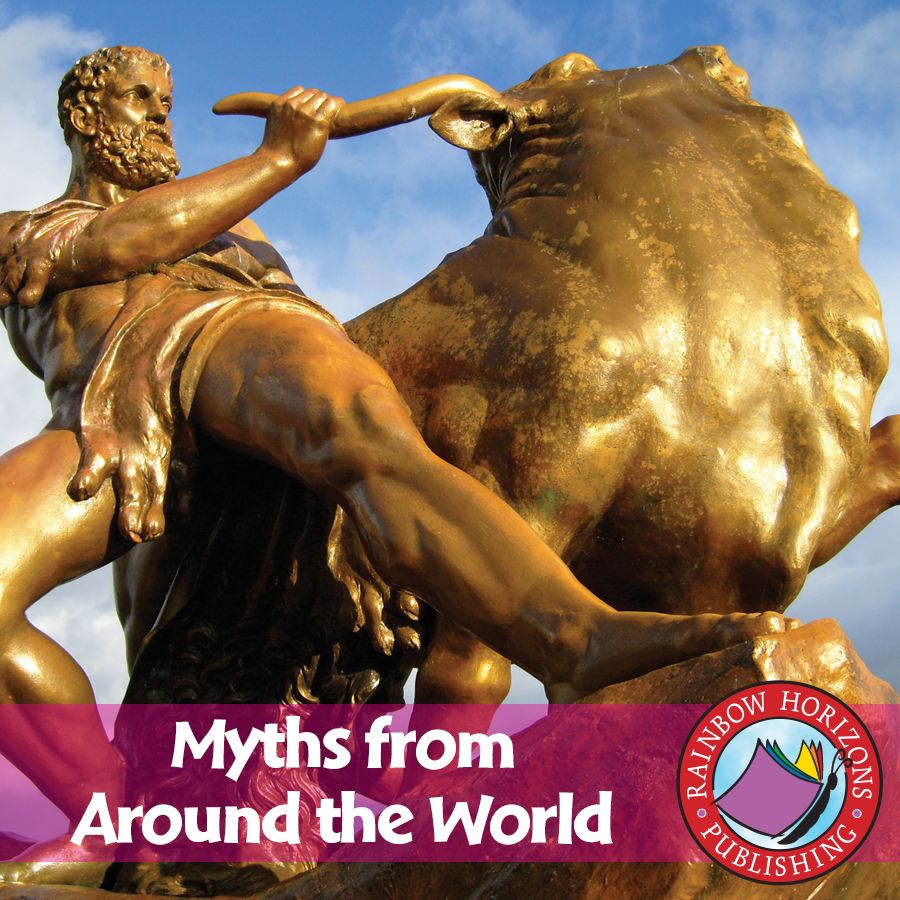
A comprehensive multi-part mythology unit teaching students about Greek, Roman, Norse, and Native American mythology through structured lessons, a contract-based major group project, optional enrichment lessons, and a supplementary collection of myth texts.
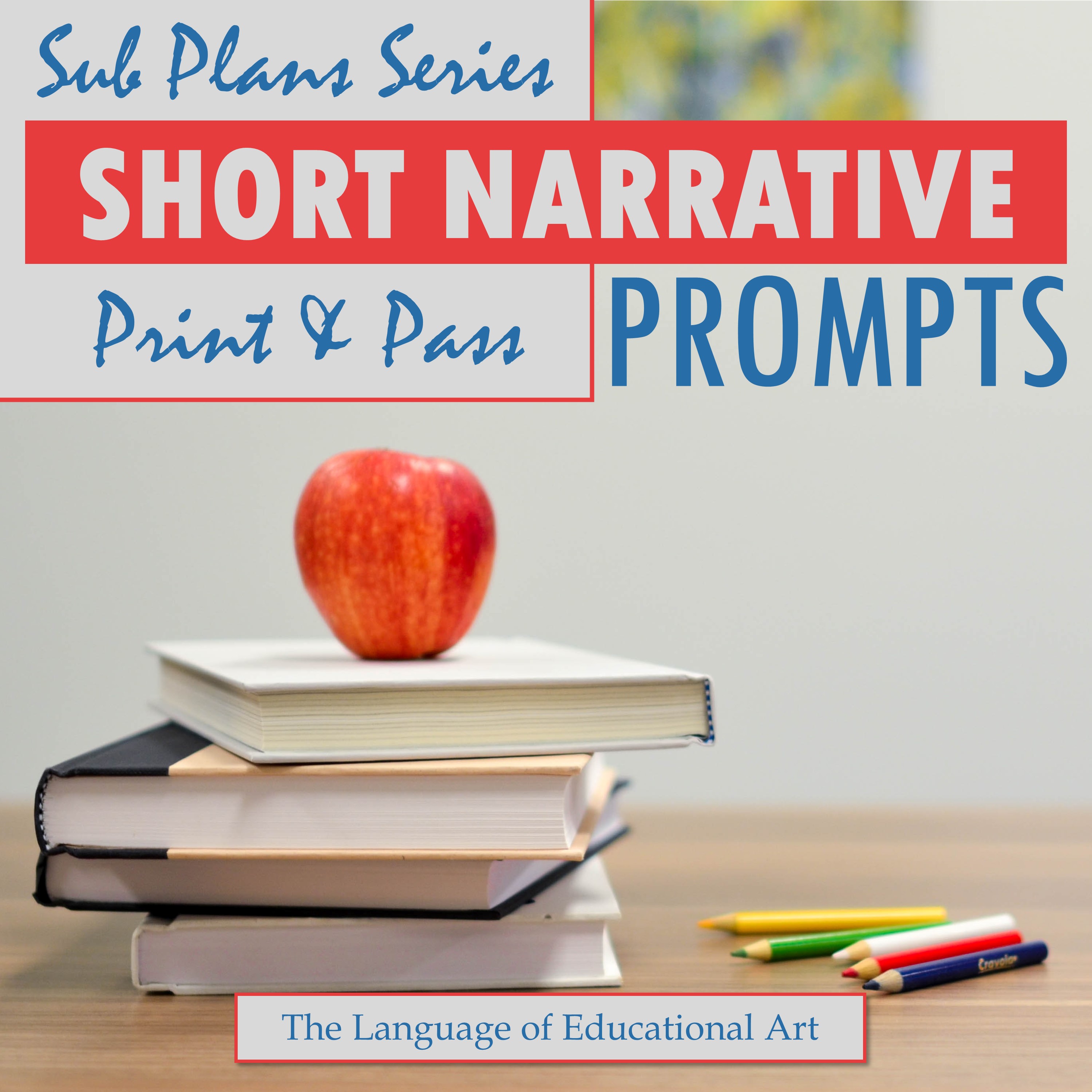
Ready-made substitute-teacher plans built around narrative writing prompts, for use when the regular teacher is absent.
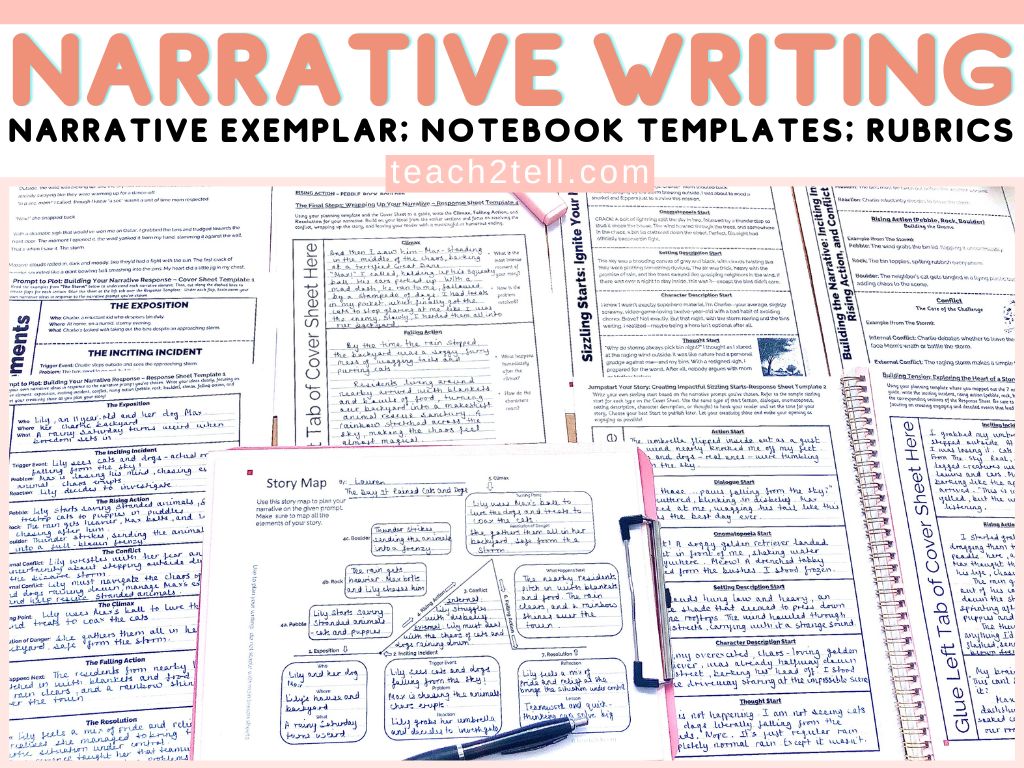
An interactive-notebook unit teaching narrative writing structure (exposition and the seven plot elements) through comprehension questions, story-map templates, and guided drafting.
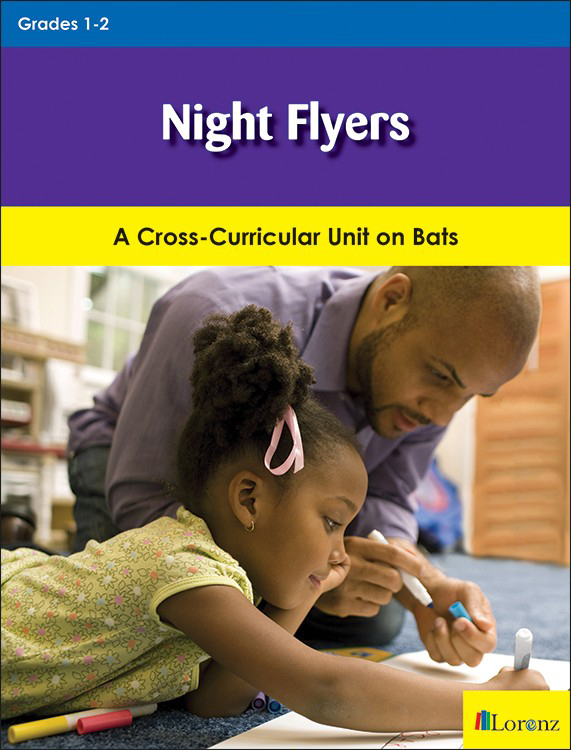
Teach students facts about bats (that they are mammals, use echolocation, are helpful and not dangerous) and correct common misconceptions, while building reading comprehension, vocabulary, math, and creative writing skills across cross-curricular worksheets.
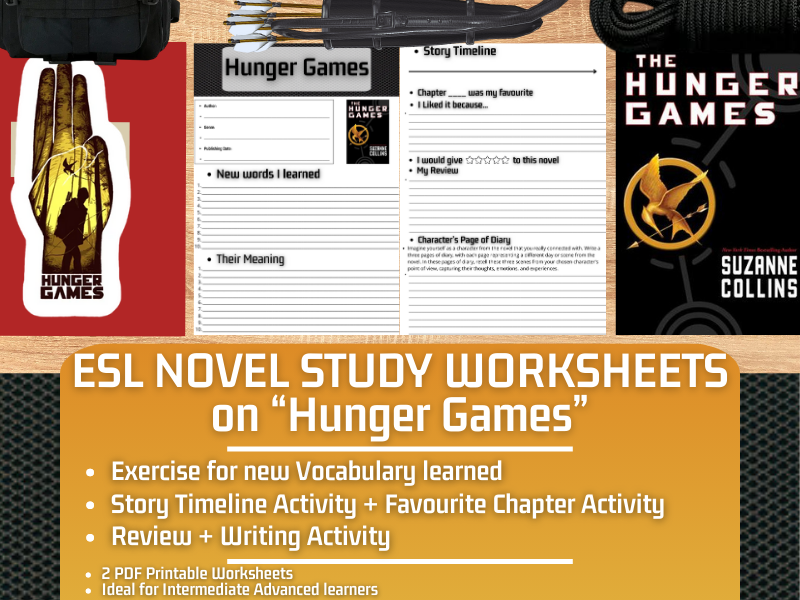
Short ESL-oriented post-reading novel study worksheet for "The Hunger Games" by Suzanne Collins, prompting students to record basic book facts, complete two fill-in lists, and write a character-perspective diary.
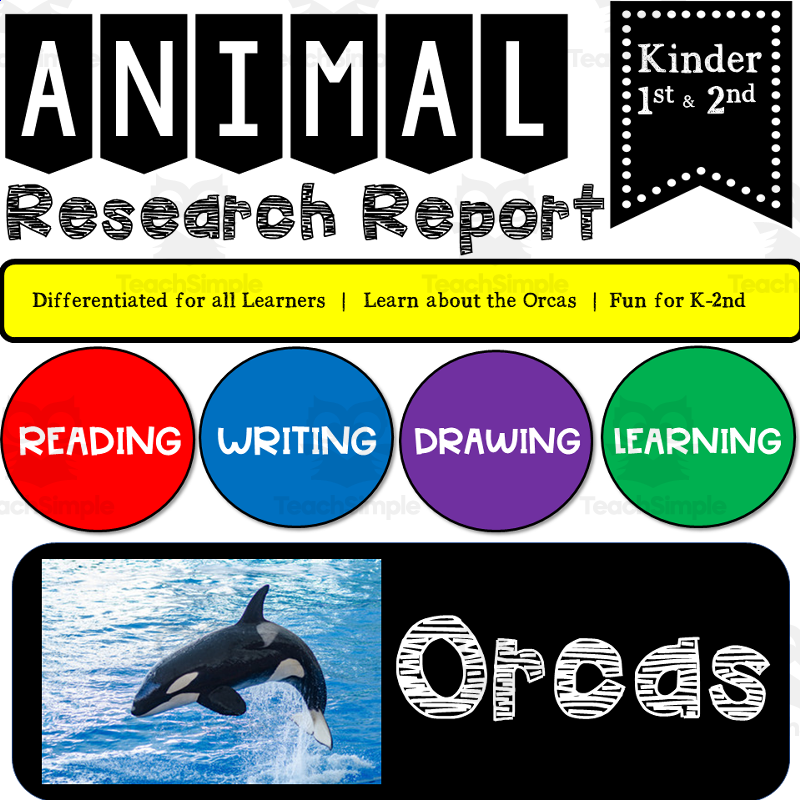
A differentiated K-2 animal research and writing project that has students read informational text about orcas and then organize and write facts about the animal's habitat, food, characteristics, and other interesting facts.
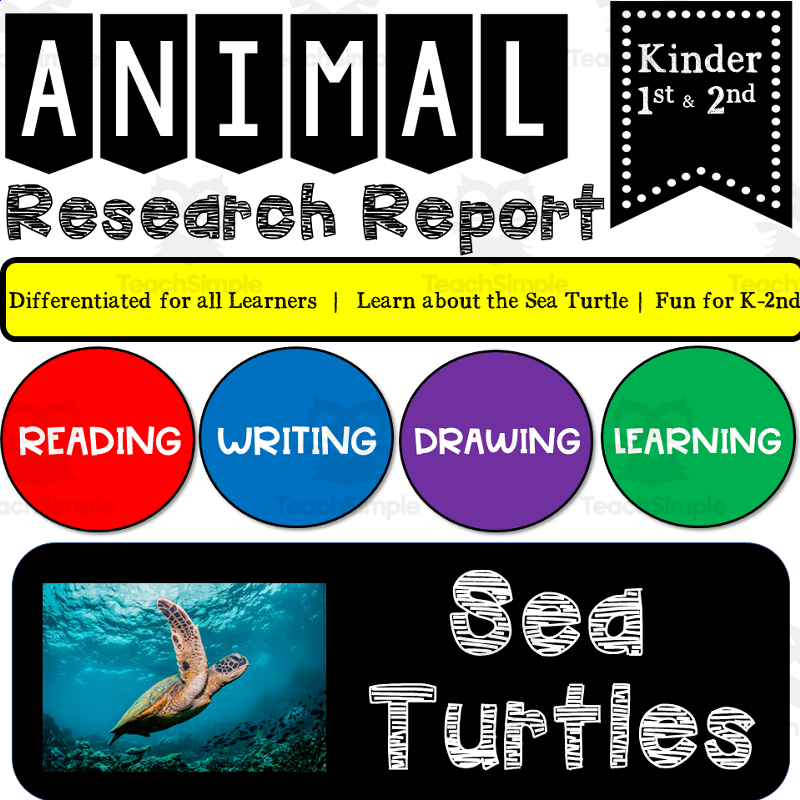
A differentiated K-2 animal research and writing project that has students read informational text about sea turtles and then organize and write facts about the animal's habitat, food, characteristics, and other interesting facts.
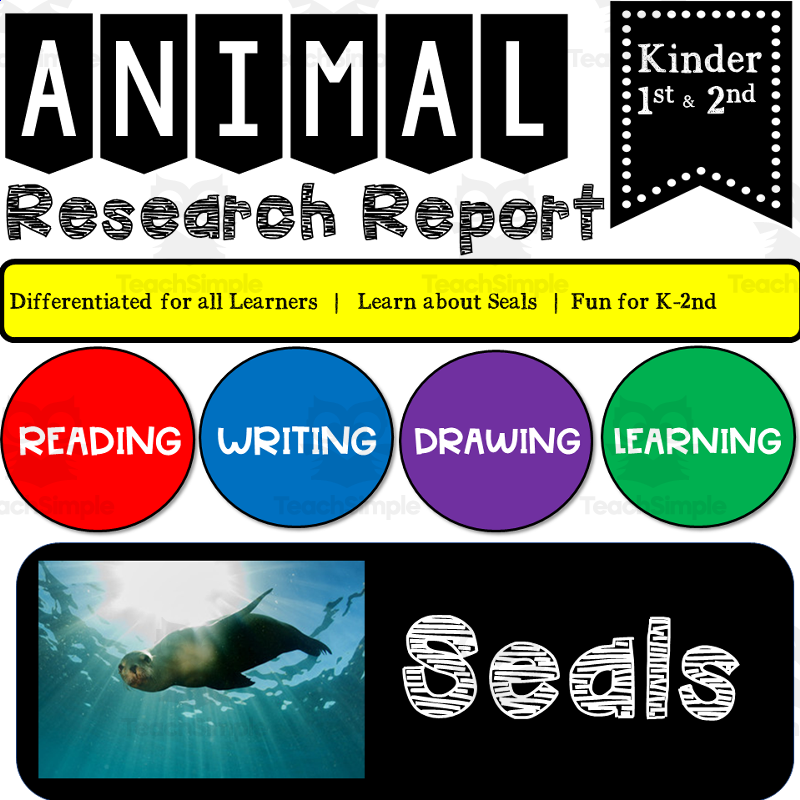
A differentiated K-2 animal research and writing project that has students read informational text about seals and then organize and write facts about the animal's habitat, food, characteristics, and other interesting facts.
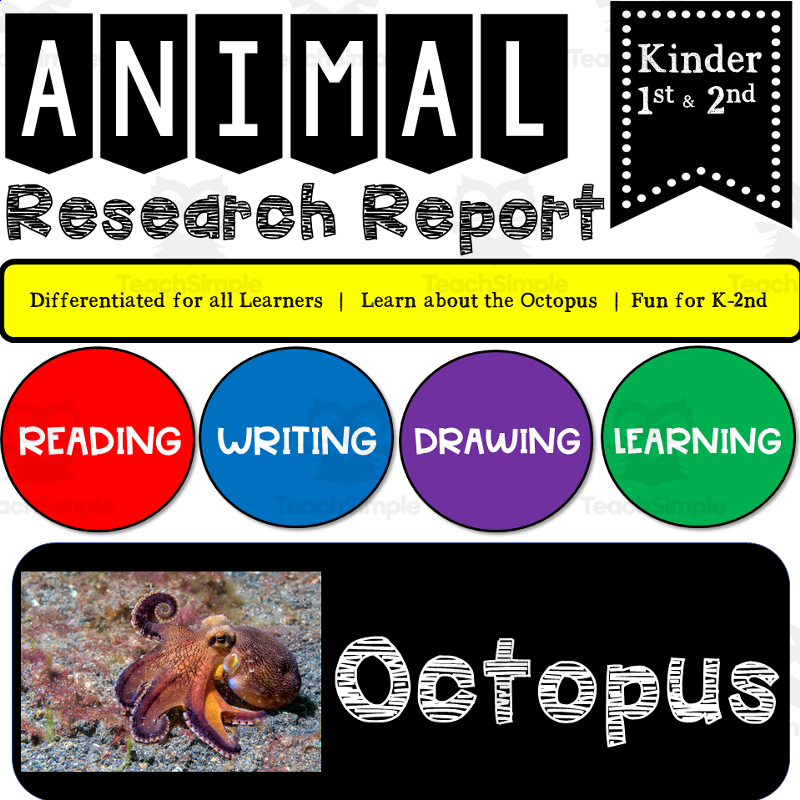
A differentiated K-2 animal research and writing project that has students read informational text about octopuses and then organize and write facts about the animal's habitat, food, characteristics, and other interesting facts.
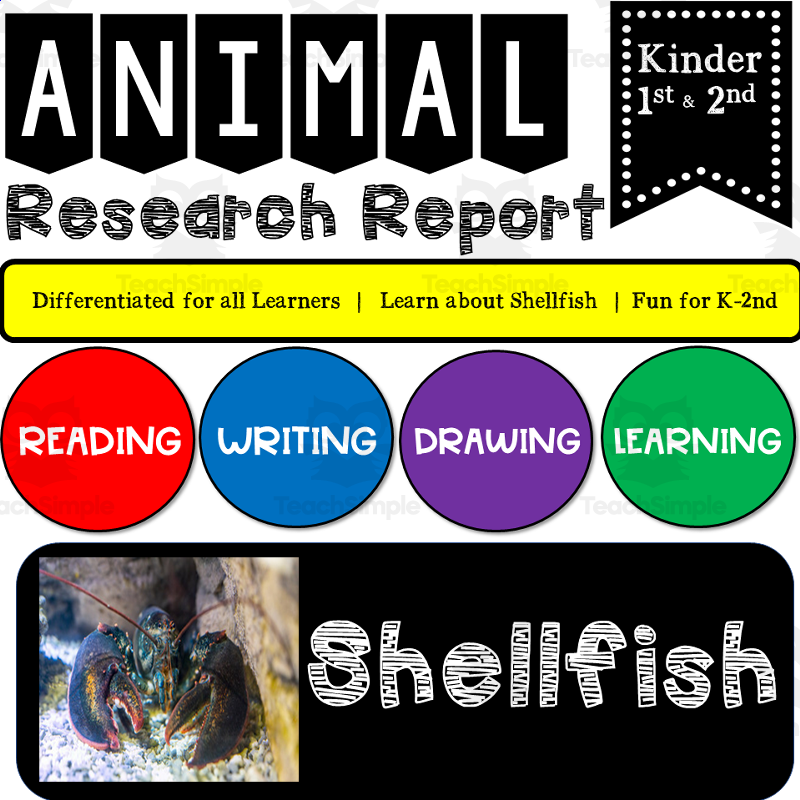
A differentiated K-2 animal research and writing project that has students read informational text about shellfish and then organize and write facts about the animal's habitat, food, characteristics, and other interesting facts.
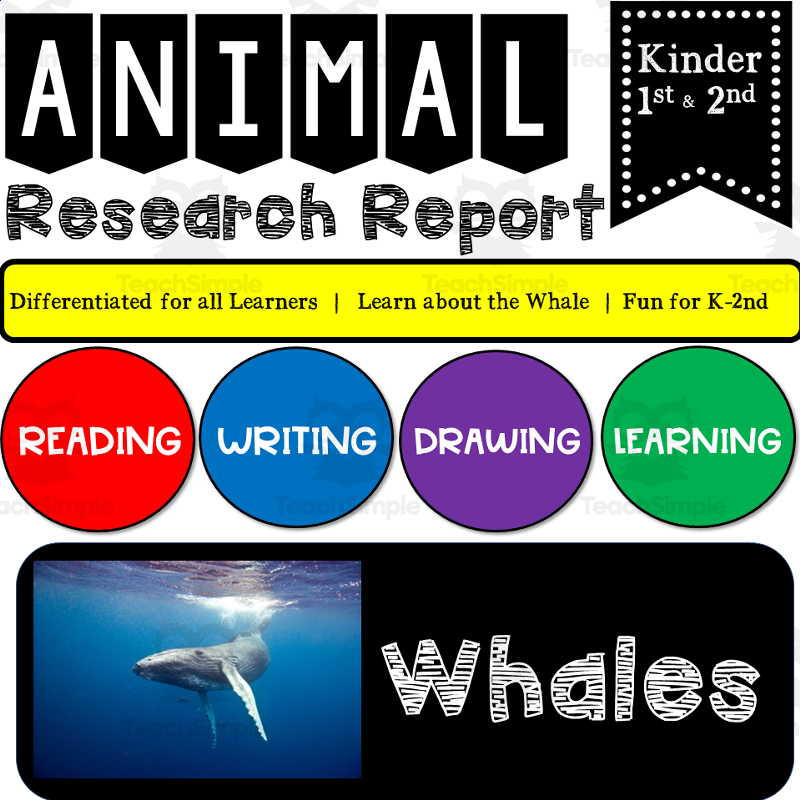
A differentiated K-2 animal research and writing project that has students read informational text about whales and then organize and write facts about the animal's habitat, food, characteristics, and other interesting facts.
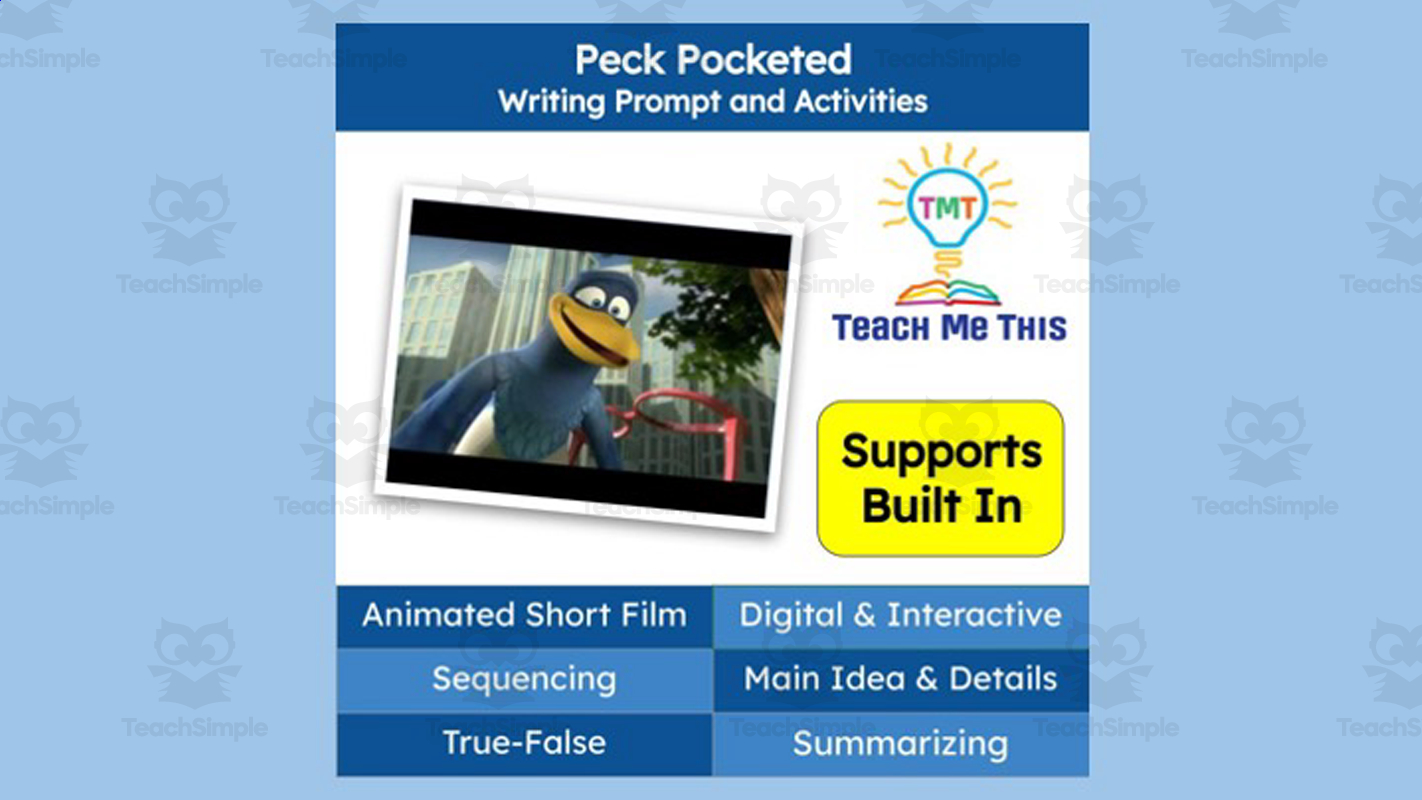
An interactive slide-deck writing activity built around an animated short film about a bird ('Peck Pocketed') that steals items from a woman's purse to build a nest.
This fun and easy to use pumpkin themed writing activity is a great way for students to practice their comparing, sequencing, and poem writing skills!