



3,904 products added recently
Page 82 - 2nd Grade Activities
Boost your second graders' enthusiasm with activities that combine fun and education. These resources cover various subjects and promote critical thinking and collaboration. Use them to enrich your lessons and keep students actively involved in their learning journey.

 Show filters

Adding 7 Song (Lyric Music Video)
Math, Addition and Subtraction, Addition, Numbers, Preschool, Kindergarten, Grade 1, 2, 3, Songs, Activities
This song is a great way for students to learn and practice adding 7. The addition facts 1-15 are all included, so kids will be able to get a lot of practice with this important skill. The song is catchy and easy to learn, so your students will be sure to enjoy it.
Author Have Fun Teaching
Tags Counting

Finger Puppets - Goldilocks and the Three Bears - Fairy Tale
ELA, Literature, Kindergarten, Preschool, Grade 1, 2, 3, 4, Activities
Finger Puppets - Goldilocks and the three Bears - Fairy Tale With this material, you get craft templates for finger puppets for the story "Goldilocks and the three Bears". Perfect for language lessons at primary school. The students deal creatively with the story by coming up with suitable dialogues and acting out the story. The special thing about the finger puppets is that the characters show different emotions by turning the finger puppets or change according to the narrative. The finger puppets are suitable for language lessons in grades 1, grades 2, grades 3, grades 4, grades 5 and grades 6. The finger puppet templates are available in two versions: one in color and one in black and white. You can decide for yourself whether you want to use the time-saving or printer-friendly version. The students can design the black and white templates themselves, for example. With the colored templates, you can quickly create a finger puppet set that you can give to the students to play with. To store it in the binder, the students can make a bag. For the finger puppet show, I have also added suitable backdrops. The students can also design and use their backdrops for their finger puppet show. Teaching Ideas: The finger puppets can be used in various ways in the classroom: Students use the finger puppets during a book presentation to bring the characters to life and practice retelling. Students act out dialogues between the main characters of the fairy tale. The students use the finger puppets in assigned roles while reading. They take turns playing with the different characters. The students continue to tell the story with the finger puppets or come up with dialogues for gaps within the story. The students design the finger puppets in color or cut, fold and make the colored templates into finger puppets. Best regards, Doreen Blumhagen - Die Relitante
Author Die Relitante
Tags Fairy Tale, Finger Puppets, Language Lessons, Primary School, Goldilocks And The Three Bears

Wonderful Wizard of Oz Foldable Mini-Book Set Grade 1 2 3 ELA
ELA, Language Development, Reading, Grade 1, 2, 3, Worksheets & Printables, Crafts, Activities, Projects, Centers
Inspire your young learners for the love of reading through this Wonderful Wizard of Oz Foldable Mini-Book Set ! This purposefully made set of foldable mini-books of a well-loved classic is made for young learners in Grades 1, 2 and 3, as well as homeschoolers and ESL/EFL learners. Inside this set are the following: 1. Wonderful Wizard of Oz Colored mini-book 2. Wonderful Wizard of Oz Black and white mini-book with story tracing activities 3. Wonderful Wizard of Oz Picture-fill mini-book for sequencing test or exercise 4. Wonderful Wizard of Oz Black and white mini-book for story re-tell and writing exercise 5. Wonderful Wizard of Oz Blank mini-book pages for story re-tell, writing and drawing exercises 6. Wonderful Wizard of Oz Sample lesson plan Each mini book is created in 3 paper sizes ensuring your freedom to choose what best suit your classroom needs. This set is designed to be used in reading classes, reading strategies, reading projects, homework and reading centers. This can also be a perfect supplement for your subplan!
Author It's Teacher L
Rating
Tags Mini-book, Wizard Of Oz, Reading Project, Reading Centers, ELA Reading
Number & Operations: Board Game for 3rd-5th - MAC Software
Math, Numbers, Common Core, Grade 3, 4, 5, Activities, Games
Number & Operations: Board Game for 3rd-5th - MAC Software The Number & Operations: Board Game for 3rd-5th - MAC Software is an educational resource designed to make learning math fun and engaging. Developed in line with the Common Core State Standards and aligning with STEM initiatives, this tool is beneficial for students in grades three through five. This interactive board game includes: 16 multiple-choice questions A healthy competition environment that fosters team-building A creative approach to making mathematical concepts tangible All of these contents are tailored according to guidelines from the National Council of Teachers of Mathematics (NCTM), ensuring adherence to approved curriculum standards. Versatility of Use This software-based tool offers teachers a flexible means of implementation. It can be used during: Whole group instruction: An entertaining way to review number and operations. Smaller group activities within class time. The game could also serve as supplementary material assigned for individual study or homework if necessary. Innovative Approach Towards Learning . Learners will appreciate the innovative approach embodied by this game-based learning aid — moving beyond traditional textbook instruction towards a more engaging experience that caters effectively to varied student learning styles. The software comes packed in a Zip file specifically designed for easy installation on any MAC device without hitches. This product works remarkably well as an imaginative teaching aid supporting educators in their mission to inspire their pupils' growth in math proficiency while fostering understanding, along with an appreciation for numbers and operations included within grade-appropriate curricula. Remote Learning Appropriate With the application being software-based, it can be readily accessed even during remote learning situations where physical resources may not be available. Consider this product as your ally in creating diverse pathways towards successful math comprehension among your students.
Author Classroom Complete Press
Tags Board Game, Numbers, Operations, Digital Math, Math Games

DOMINÓ GAME OF MULTIPLICACION | Lego Themed
Math, Multiplication and Division, Division, Grade 3, 4, 5, 6, Activities, Games
GENERAL INTRODUCTION OF THE TOPIC: Multiplication is one of the operations that many children fear because they have to memorize a lot of operations, but don't worry anymore because this time we bring you these fantastic domino tiles with which your children can practice multiplication in a fun and fun way. didactics SCIENTIFIC BASIS: It has been proven that through play, children learn better, so for that reason on this occasion we bring you this domino game with which your children can play and learn multiplication. INFORMATION ABOUT THIS PRODUCT: Please now read the following product information carefully so that you know what it is about and make the decision to download it now. 1. Product name: The title of this product is "24 dominoes of multiplication from 1 to 12" 2. Number of pages: This document is made up of 6 pages, on each page you will find 4 dominoes, so in the end you will have 24 dominoes available. 3. Is it editable or not? It is not editable. 4. Theme: Multiplication from 1 to 12. 5. Document version: PDF document, A4 size. 6. Color or white/black: Available in colors. 7. Aimed at children of ages: For children from 7 to 12 years old. SECONDARY INFORMATION ABOUT THIS PRODUCT: 8. Area: Math. 9. Keywords: multiplication, domino, domino game, puzzle, multiplication games . 10. How do I print it? Print this document in A4 format. In colors. 11. How to apply it in class? Apply it in groups of 2 to 3 children. 12. Will you need extra elements to use this sheet? Yes, you will need scissors. 13. Standards: It was not developed based on any specific standard. 14: Answer key: It does not contain an attached answer key. 15. Variations in its application: You can use this resource in multiple ways, it all depends on the creativity of the teacher or learning guide. This file is for personal use only. It is not allowed to be resold or shared with others.
Author EDITORIAL LAURA EDUCA
Tags Domino, Domino Puzzle, Puzzle, Math Game, Free Resource

Syllable Division Phonics Game
ELA, Language Development, Phonics, Grade 1, 2, 3, Activities, Games
This resource is a Syllable Division Phonics Game. Students will learn six different ways for syllables to be divided. You'll be able to print these rules for student reference. This game can be played with or without the game board. Directions are included for the different ways to play.
Author Literacy Life
Tags Phonics, Syllables, Literacy Center, Task Cards, Game Board

Easy Word Searches (PDF)
ELA, Language Development, Resources for Teachers, Vocabulary, Spelling, Numbers, Early Math, Math, Shapes, ESL, Grade 2, 3, 4, 5, Worksheets & Printables, Worksheets, Teacher Tools, Centers, Activities, Word Searches
Wordsearch Series This wordsearch series is designed for students in grades 2–5. Each set of wordsearches is built around a clear vocabulary theme, helping students develop word recognition, improve spelling, and boost topic-related understanding through engaging visual puzzles. Every wordsearch also includes a fun hidden shape for students to guess—adding an interactive twist to traditional vocabulary practice. These wordsearches are student-friendly, classroom-ready, and perfect for integrating into literacy warmups, seasonal units, fast-finisher tasks, or home learning extensions. Each puzzle reinforces themed vocabulary in a playful, structured format that keeps learners motivated. Easy Word Search Word List 1. Colors Red, Blue, Yellow, Green, Pink, Black, White, Orange 2. Animals Dog, Cat, Cow, Fish, Bird, Frog, Ant, Duck 3. Weather Sun, Rain, Snow, Wind, Cloud, Storm, Cold, Hot 4. Numbers One, Two, Three, Four, Five, Six, Seven, Eight 5. Shapes Circle, Square, Triangle, Heart, Star, Oval, Diamond, Rectangle 6. School Book, Pen, Desk, Bag, Paper, Bell, Glue, Crayon PDF Version Other versions will appear here when available. Follow the store for the lastest on new products. How to Use These Wordsearches These wordsearches are ideal for: Morning work or early finisher bins Vocabulary centers or anchor activities Holiday or seasonal review lessons Independent literacy stations or take-home enrichment Each puzzle includes a themed word list and a shaped grid for students to complete. Word directions may vary (horizontal, vertical, diagonal), and answer keys are included for easy checking. Optional vocabulary challenges or writing tasks can be added to extend the learning experience. Whether you're reviewing key vocabulary, exploring a seasonal topic, or offering fun literacy practice, these wordsearches provide a flexible and engaging tool to support vocabulary growth in grades 2–5. More Easy Themed Products CROSSWORDS FULL CATALOG OF DOWNLOAD LINKS HERE Themed Word Search Links Addition PDF Animals PDF Around the Home PDF Birthday PDF Candy PDF Christmas PDF Cinco de Mayo PDF Clothes PDF Colors PDF Days and Months PDF Division PDF Earth Day PDF Easter PDF Easy Word Searches PDF Fall PDF Father's Day PDF Food PDF Geography (Set 1) PDF Geography (Set 2) PDF Geography (Set 3) PDF Graduation PDF Health PDF History (Set 1) PDF History (Set 2) PDF History (Set 3) PDF Human Body PDF Kindness PDF Life Skills PDF Mother's Day PDF Multiplication PDF Science Word Searches (Set 1) PDF Science Word Searches (Set 2) PDF Science Word Searches (Set 3) PDF Shapes PDF Social Skills PDF Spring PDF Sports PDF St. Patrick's Day PDF Subtraction PDF Summer PDF Thanksgiving PDF Transport PDF Valentine's Day PDF Winter PDF Wordsearches in Depth Structure Each wordsearch is crafted around a focused sub-theme and includes a visual puzzle shaped like a related object (e.g., balloon, gift, snowman). Students complete each puzzle using the provided themed word list, strengthening both content knowledge and spelling skills in a highly engaging format. Each completed set includes: A shaped wordsearch puzzle with 10 vocabulary words A student instruction guide with search directions (horizontal, vertical, diagonal) An answer key for teacher support or student self-checking A Did You Know? fact connected to the theme for enrichment or discussion Themes Included The wordsearches cover a wide range of fun, age-appropriate themes, including: Seasons & Holidays (e.g., Halloween, Easter, Valentine’s Day) Math Concepts (e.g., Addition, Number Words) Everyday Topics (e.g., Animals, Weather, School) Special Units (e.g., Health, Earth Day, Sports, Kindness) Each topic is selected to reflect students’ real-life experiences and interests while reinforcing literacy skills and content understanding in a playful, visual way. For similar downloads and other frees, do check out Cored Group on TeachSimple.
Author Cored Education
Rating
Tags Vocabulary, Spelling, Colors, Animals, Numbers, Weather, Shapes, Easy Activities, Easy Word Searches, Word Searches

Division Word List Posters (PDF)
ELA, Language Development, Resources for Teachers, Vocabulary, Spelling, Numbers, Early Math, Math, Division, Multiplication and Division, Grade 2, 3, 4, 5, Worksheets & Printables, Worksheets, Teacher Tools, Centers, Activities, Posters, Classroom Decor
Word List Poster Series This word list poster series is designed for students in grades 2–5. Each printable focuses on a clear, kid-friendly theme and features 8 target vocabulary words with short, student-friendly meanings or fun facts. The clean layout works as both an anchor chart and a write-in sheet, giving students a quick, visual reference they can revisit during centers and independent work. These posters are student-friendly, classroom-ready, and perfect for warmups, vocabulary walls, sub plans, or take-home reference. Display a single poster to support the day’s lesson, or group several to build a themed wall across your unit. Note: Each poster is a companion piece to its matching themed product in the series—pair it with the corresponding maze, wordsearch, or activity pack for a consistent set of 8 focus words. Division Word List 1. Basic Division Two, Three, Four, Five, Six, Seven, Eight, Nine 2. Dividing by 3 and 4 One, Three, Five, Six, Seven, Eight, Nine, Ten 3. Dividing by 5 and 6 Two, Three, Four, Six, Seven, Eight, Nine, Ten 4. Dividing by 7 and 8 One, Two, Four, Five, Six, Seven, Eight, Nine 5. Dividing by 9 and 10 Two, Three, Four, Five, Six, Seven, Eight, Nine 6. Larger Division Numbers Eleven, Twelve, Thirteen, Fourteen, Fifteen, Sixteen, Seventeen, Eighteen PDF Version Other versions will appear here when available. Follow the store for the lastest on new products. How to Use These Word List Posters Perfect for: Morning work or early-finisher bins Vocabulary centers or anchor walls Holiday/seasonal review lessons Independent stations, sub plans, or take-home reference More Division Themed Products CROSSWORDS WORD SEARCHES MAZES FULL CATALOG OF DOWNLOAD LINKS HERE Themed Word List Posters Links Addition PDF Animals PDF Around the Home PDF Birthday PDF Candy PDF Christmas PDF Cinco de Mayo PDF Clothes PDF Colors PDF Days and Months PDF Division PDF Earth Day PDF Easter PDF Easy Word List Posters PDF Fall PDF Father's Day PDF Food PDF Geography (Set 1) PDF Geography (Set 2) PDF Geography (Set 3) PDF Graduation PDF Health PDF History (Set 1) PDF History (Set 2) PDF History (Set 3) PDF Human Body PDF Kindness PDF Life Skills PDF Mother's Day PDF Multiplication PDF Science (Set 1) PDF Science (Set 2) PDF Science (Set 3) PDF Shapes PDF Social Skills PDF Spring PDF Sports PDF St. Patrick's Day PDF Subtraction PDF Summer PDF Thanksgiving PDF Transport PDF Valentine's Day PDF Winter PDF Word List Posters in Depth Structure Each poster is built around a focused sub-theme and presents 8 target words with short, student-friendly meanings or fun facts. The clean A4 portrait layout works as an anchor chart on your board or as a student reference at desks. These posters are designed as companion pieces to the matching themed products (mazes, wordsearches, activity packs), so the same vocabulary stays visible across your unit. Each poster set includes: A themed word list poster with 8 words + brief meanings/facts A clean, high-contrast layout for easy printing and display Space that can double as write-in/draw-to-show-meaning during centers Themes Included Seasons & Holidays (e.g., Halloween, Easter, Valentine’s Day) Everyday Topics (e.g., Animals, Weather, School) Math & Science Connections (e.g., Number Words, Simple Machines) Special Units (e.g., Health, Earth Day, Sports, Kindness) Each topic reflects real-life experiences and interests while strengthening vocabulary recognition and content understanding in a clear, visual way. Easy extensions (optional) Sketch it: students draw a quick icon for each word Sort it: group words by category (e.g., actions, objects) Star it: highlight “I already know” vs. “I’m learning” words Match it: point to examples in a reading, video, or picture set Say it: brief oral definition or example sentence during share-out Differentiation tips Pre-teach 2–3 anchor words; add the rest later in the week Offer picture cues or gestures for emerging readers/ELLs Let students choose 4 of 8 to focus on first, then build up Color-code by part of speech or concept family for quick scanning For similar downloads and other frees, do check out Cored Group on TeachSimple.
Author Cored Education
Rating
Tags Vocabulary, Spelling, Division, Math, Division Activities, Math Posters, Math Word Lists, Division Word Lists, Word Lists, Posters

Jugglers Reading Comprehension Passage - Cored Ed Encyclopedia
ELA, Reading Comprehension, Reading, Language Development, History, Social Studies, Geography, Pre-Reading, Vocabulary, Spelling, Grade 2, 3, 4, 5, Worksheets & Printables, Worksheets, Teacher Tools, Centers, Activities, Writing Prompts, Assessments, Quizzes and Tests, Quizzes, Lesson Plans
This Jugglers reading comprehension with lesson plan includes: Visualization (on the front cover) Start your lesson by taking a minute to think and share something about the topic. Read the script aloud (slowly), perhaps prepare some music or sound effects. Student close their eyes and let their imaginations wander. Students open their eyes, read the question aloud and give them a few minutes to complete. Ask a few students to share or keep answers until the end to compare with what they learn in the passage. Quick pause—thousands of Cored Education products are included with your TeachSimple membership. Download links and encyclopedia index available here. Pre-Reading Trivia Students will write down one thing they already know about the subject and then read five more facts and discuss. These facts are fun, and the students will enjoy learning about the subject before reading more. Give 1 minute for students to write what they already know (no pressure—best guess is fine). Read the five facts together. After each fact, do ask a student for their opinion, was it surprising? Set a purpose by asking students to highlight/underline one fact they want to learn more about during the reading. Reading Passage The text is a high-interest reading passage with set paragraphs, roughly three to four paragraphs long. It contains a variety of themes about the topic, anywhere from history to technology. The passage is between 250 and 350 words in length. First, ask students to look at the headings and see what they’ll learn about today. What do they know about the topic/heading? First read options: Teacher read-aloud (best for support). Partner reading (paragraph by paragraph). While reading, students underline important details, and vocabulary words they think may come up in the questions section. Mixed Questions The first question page contains four multiple-choice questions, each with a choice of four answers, and three written response questions that require a sentence or two from the student. Students complete the mcqs first independently, then review quickly as a class. For the 3 written responses, try to get students giving the answer with some form of evidence: “I think ___ because the text says ___.” If students get stuck, send them back to check the passage. Vocabulary Questions Practice seven key words from the text in this section across two activities. First section is scrambled words where students will unscramble three words given a clue for each. The second section is a word to meaning matching activity. Before starting, have some students read out words they underlined in the passage. Ask students to say the word and read aloud the sentence(s) around each word. Ask students to do scrambled words and the matching exercise in pairs then go through answers as a class. For the scrambled spelling task, get four pairs to come up to the board and write the words for extra practice with the other student reading out the clue. For the matching task, prompt students to give full sentences: “I matched ___ with ___ because ___.” Creative Writing In this question, the student will be required to write a five to eight sentence paragraph on a question related to the topic. Before starting, ask students write down 3 key ideas they are going to include in their piece. Ask students for ideas to share around the class to help those struggling. Pro writing expectations: 5–8 sentences At least 2 facts or details from the passage At least 2 vocabulary words from the previous page Students read their paragraphs while classmates listen for facts and vocabulary words. Extension Activities This page is optional for fast finishers or to take home. There are several activities, each one requiring a different skill. Do some, do none, do all, completely optional - but you will feel reassured knowing every possibility is planned for. Includes summary writting question and additional facts. Answer Key There are answers for the multiple-choice questions, written response questions have sample answers, vocabulary answers and if there is a summary question then a sample summary will be provided as well. Lesson Plan Included Customized lesson plan for this lesson is included. Lesson Snapshot Title: Jugglers Genre: Nonfiction (informational text) Subject: Reading (Informational Text) / Social Studies / Arts Primary Topic: Juggling across history and repeating patterns Estimated Guided Reading Level (A–Z): S What This Lesson Teaches Best Traces juggling through time and places (ancient Egypt, China, Greece/Rome, Europe, and today). Uses a historical example (an Egyptian tomb painting) to explain evidence of early juggling and what it suggests about audiences. Highlights performance skills jugglers show—control, timing, courage—and how crowds can understand the act “without any words.” Explains change over time: juggling’s reputation in Europe after the Roman Empire weakened, and how modern circuses brought it into the spotlight. Emphasizes the repeating pattern at the heart of juggling (throw, wait, catch, repeat) and connects it to learning rhythm with patience. Learning Goals Describe what the Egyptian tomb painting shows and why the passage calls it an early picture of toss juggling. Explain how juggling was used to impress or amaze people in different cultures mentioned in the text. Describe how some people in Europe viewed jugglers later and explain what the skill did instead of disappearing. Identify the basic juggling pattern named in the passage and explain why it matters. Compare where a juggler might perform today (stage, circus ring, sidewalk) and explain what stays the same. Key Vocabulary From the Text tomb — a place where someone is buried. audiences — groups of people watching a performance. festivals — celebrations with events and crowds. rhythm — a steady beat or timing pattern. wrongdoing — doing something people believe is wrong. FULL CATALOG OF DOWNLOAD LINKS AND ENCYCLOPEDIA INDEX HERE
Author Cored Education
Rating
Tags Vocabulary, Reading Comprehension, Reading Passages, Lesson Plans, Ela Lesson Plans, Reading Comprehension Lesson Plans, Pre-reading, Social Studies Lesson Plans, History, Geography
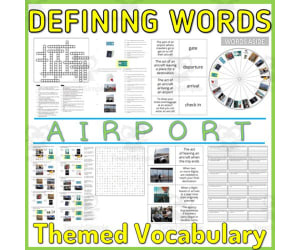
Reading Writing Games | Word Definitions 2
Special Resources, ELA, Special Education Needs (SEN), Speech Therapy, Reading, Reading Comprehension, Language Development, ESL, Writing, Handwriting, Vocabulary, Grade 2, 3, 4, 5, Activities
This series of PDF resources focuses on identifying noun concepts, with engaging visualizations ( pictures and graphic arrangements ) of vocabulary by topic. The activity materials in this assignment are designed to help students develop their vocabulary and reading comprehension skills through interactive activities and real-life examples. It includes clear definitions of words from common categories and can also serve as discussion prompts to encourage critical and analytical thinking, deepen your understanding of the language, and improve your communication skills . This resource is designed to be accessible and engaging to all students . Ideal for teaching English as a Second Language and intervention sessions on learning difficulties. Clear and concise language, visual aids and interactive activities help students easily understand and remember information, integrating visual and kinesthetic elements. You can choose from a variety of worksheets that suit your student's level, interests, and printing preferences. Each category topic includes : 2 sets of Flash cards ( definition sentence / image, image / definition sentence ) 2 sets of Flash cards ( definition word / phrase, definition phrase / word ) 3 Anagram strings ( mixed letters of single words or in definition text ) 1 Crossword ( word definition ) 2 sets of linked activities Draw a Line ( definition / image, image / definition ) 2 sets of matching activities Draw a line ( word / definition, definition / word ) 2 series of Quizzes ( definition / image, image / definition ) 2 series of Quizzes ( word / definition, definition / word ) 3 Wheels of Fortune ( words, definitions, images ) 1 Word Search page for ( word definition ) 2 Writing Boards ( words, definitions ) 2 Blank Boards ( words, definitions ) * Use as-is or create your own board games, like Snap, Memory, Match to Sample, and Knowledge Races . Distribute it as morning exercises, quiet time and focus activities, independent workbooks, or fun homework . 48 PDF Pages
Author WORDS ASIDE
Tags Esl, Word Defining, Semantics, Word Search, Anagram, Flash Cards, Centers, Crossword, Categories, Words Aside
Shape Song (MP3)
Math, Geometry, Preschool, Kindergarten, Grade 1, 2, 3, Songs, Activities
This Shape Song is a great resource for teaching students about shapes, including shape names and recognition. The catchy song will make learning fun and easy for students of all ages.
Author Have Fun Teaching
Tags Shapes
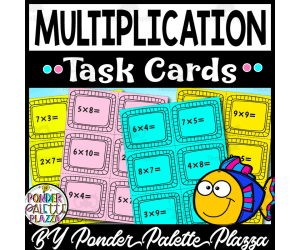
Multiplication Task Cards - 102 Cards
Math, Multiplication and Division, Multiplication, Numbers, Early Math, Grade 1, 2, 3, 4, 5, Worksheets & Printables, Task Cards, Lesson Plans, Teacher Tools, Assessments, Activities, Centers
Get ready to tackle multiplication like never before with this set of 102 Multiplication Task Cards! Covering facts from 1 to 10, these cards make math engaging, interactive, and (dare we say) fun. Paired with 17 worksheets for extra practice, this resource is a one-stop shop for multiplying mastery. Whether your students are newbies to the times tables or seasoned number ninjas, there’s something here for everyone. Ways to Use Math Centers: Let students rotate through engaging tasks at their own pace. Partner Work: Pair up for a multiplication duel—friendly competition encouraged! Independent Practice: Perfect for students who need extra reinforcement. Homework or Sub Plans: Easy to assign and guaranteed to keep learning on track. Games and Challenges: Use the cards for timed quizzes or scavenger hunts. Advantages Comprehensive Coverage: Every fact from 1x1 to 10x10, so no number feels left out. Interactive Learning: Keeps students engaged and motivated. Flexible Use: Cards and worksheets can adapt to individual or group settings. Boosts Confidence: Helps students master multiplication without the math drama. With this resource, your students won’t just learn multiplication—they’ll multiply their confidence, speed, and accuracy. Math class just got an upgrade!
Author Ponder Palette Plazza
Tags Math Worksheets, Task Card, Task Cards, Multiplication, Multiplication Task Cards, Multiplication Worksheets, Multiplication Activities, Math Task Cards
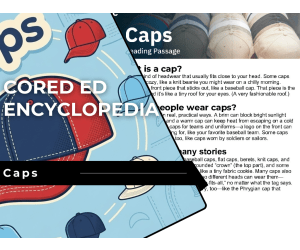
Caps Reading Comprehension Passage - Cored Ed Encyclopedia
ELA, Language Development, Resources for Teachers, Reading Comprehension, Reading, Pre-Reading, Creative Writing, Writing, Strategies, Common Core, Grade 2, 3, 4, 5, Worksheets & Printables, Worksheets, Teacher Tools, Centers, Activities, Writing Prompts, Assessments, Tests, Quizzes and Tests, Quizzes
This caps reading comprehension contains the following: Pre-Reading Trivia Students will write down one thing they already know about the subject and then read five more facts and discuss. These facts are fun, and the students will enjoy learning about the subject before reading more. Reading Passage The text is a high-interest reading passage with set paragraphs, roughly three to four paragraphs long. It contains a variety of themes about the topic, anywhere from history to technology. The passage is between 250 and 350 words in length. Mixed Questions The first question page contains four multiple-choice questions, each with a choice of four answers, and three written response questions that require a sentence or two from the student. Creative Writing In this question, the student will be required to write a five to eight sentence paragraph on a question related to the topic. Extension Activities This page is optional for fast finishers. If there are five to ten minutes left at the end of the lesson, the student can choose one of three activities, each one requiring a different skill. Answer Key There are answers for the multiple-choice questions and three written response questions have sample answers. FULL CATALOG OF DOWNLOAD LINKS AND ENCYCLOPEDIA INDEX HERE Cored Ed Encyclopedia Overview The Cored Ed Encyclopedia is a weekly series of lessons that you can pick up and use right away. These short readings fit into whatever time you have available. Each one includes a warm-up, a reading, and a set of questions, but it’s flexible — you can do just the reading, the full lesson, or skip the writing section if you need to. Each lesson focuses on a single topic so students don’t get lost. The writing is clear but never childish, making it perfect for grades two through five. Topics range from animals and science to history, inventions, and everyday things. No matter the level of the student, everyone should take away at least one new idea or fact from each lesson. The materials are easy to print, easy to explain, and require no setup. They work well for whole-class teaching, partner work, or independent study.
Author Cored Education
Rating
Tags Vocabulary, Spelling, Reading Comprehension, Reading Passages, Cored Encyclopedia, Facts, Reading, Creative Writing, Caps, Pre-reading

Abstract Nouns Activity
Grammar, Language Development, ELA, Grade 2, 3, 4, 5, 6, 7, 8, 9, 10, 11, 12, Activities
Activity Introduction An amazing activity designed for the students to learn more about languages. Abstract Nouns Do you enjoy learning English? Which topic do you like the most Grammar, writing, reading, spelling, comprehension, vocabulary or phonics? Have you ever tried to learn any other language? If yes, tell us more about it? How many languages are spoken in the world? What do you think the most interesting one? Can you say Hello in Spanish, French or even Japanese? You can give it a try! Can you name the countries that speaks Portuguese? How many countries speaks Dutch? What is the less spoken language in the whole world? Would you like to learn a new language someday? If yes, which language will you choose? Abstract Nouns Activity The activity is perfect for encouraging the researching skills for the students, while learning more about world languages. Abstract Nouns This friendly designed worksheet is suitable for students at school, homeschooling, and as a group activity. Instructions Make an abstract noun of the following. The first one is an example. Format Available in a PDF format.
Author Educational Voice
Tags Abstract Nouns Activity, Abstract Nouns, Abstract Noun Activity, Nouns Activity, Noun Activity, Abstract Nouns Facts, Abstract Nouns Facts For Kids, Noun, Nouns, Nouns Facts

Guided Reading Level L - Building the Perfect Plate (with Lesson Plan)
ELA, Resources for Teachers, Reading Comprehension, Reading, Science, Life Sciences, Health, P.E. & Health, Pre-Reading, Language Development, Grade 1, 2, 3, Worksheets & Printables, Worksheets, Teacher Tools, Centers, Activities, Literacy Readers, Quizzes, Quizzes and Tests, Assessments
This Guided Reading Book - Building the Perfect Plate (Level L) with lesson plan includes: Guided Reading Color Label (front cover x1) This is a quick way to match the book’s demands to what students can generally handle.. The overall goal is to use the level/color to pick books for several smaller groups. To qualify for a certain level, a student is expected to read a book from that level with about 90–94% accuracy. If a student is consistently accurate and understands, move up a level. If the student is struggling at that level, drop down and add more support. Each student will improve at completely different rates, but it is generally one of the best ways to check progress across the class. DOWNLOAD THE CATALOG TO VIEW ALL GUIDED READING BOOKS AVAILABLE (SORTED LEVELS A-Z) Pre-Reading Question (x1) Teacher asks the prompt aloud, can be while showing the cover or first page. Students share what they already know, or make educated guesses from the cover. Prompt them to use the target vocabulary. Write some of their responses on the board to look back at during the reading. Vocabulary Words (x5) Introduce the five words, best doing it one at a time. Start by saying it, while students repeat and then see if anyone knows what it means before reading further. Read through the meaning and try to briefly connect each word to a picture or gesture so it’s meaningful. Ask students to flip through the book pages and point to where they see each of the vocabulary words. While reading the book pause upon coming across one of the vocab words or read the sentence twice to make sure students understand the word has appeared. Optional: Ask students to raise hands whenever they see/hear one of the new words. Guided Reading Pages (x10) Check the book snapshot (below) for: primary topic - do you need to prep extra reading or intro materials on this? what is taught best - decide on 1-2 bullets to focus on, use the prompt or words provided here for best results. learning goals - what you are checking for students to be able to do after the session, elicit answers using prompts or words provided. key vocabulary (see section above). questions overview - so you know what is coming up and if you need to prep extra materials to assist understanding. Run the lesson You may have already looked at a few of the pages together, but you can show them some of the pictures again first to set meaning. Depending on how much time you have and how familiar your students are with guided reading class, you may want to read the book aloud first with the group first. Students whisper or partner read, while you listen in. If time, do it as a group, one student reading a page each. Use the guided page’s prompts to coach: “Check the picture / does it make sense?” “Point under the words / try the first sound” “Reread the sentence smoothly”. Try to focus more on one student per session (rotating every time), so you can work out if they are ready to move up or need to move down a level. Comprehension Questions (back cover x3) This is your way to check that students didn’t just say the words, but actually understood the text. First, let students answer by pointing to the page/picture and saying a short sentence. After any answer, follow with: “Show me where you found that in the text.” In bigger groups, have partners answer first (10–20 seconds), then call on 2–3 students to share. Differentiation tips: Emerging speakers/struggling readers: oral + pointing On-level: oral in a full sentence Higher: one written sentence or draw + label Book Snapshot Title: Building the Perfect Plate Genre: Nonfiction (Informational) Subject: Health / Science (Nutrition) Primary Topic: Building a balanced meal with food groups Estimated Guided Reading Level (A–Z): L What This Book Teaches Best Balanced meals and food groups: A balanced meal starts with a plan to fill a plate with different types of “fuel,” and each food group has a special job for the body. Portions for healthy choices: Vegetables should take up the largest portion (with a goal of filling half the plate), and grains should fill about one-quarter of the plate. Nutrition reasons behind choices: The text explains benefits such as vitamins and minerals, fiber and long-lasting energy, calcium and vitamin D, and why water is the best drink choice. Choosing variety and whole foods: Different vegetable colors represent different nutrients, and eating whole fruit is better than drinking juice because it contains more fiber. Healthy habits and kitchen safety: Washing hands with warm water and soap for twenty seconds helps prevent the spread of germs before touching ingredients. Learning Goals Students will explain what the text says a balanced meal provides for the body. Students will identify which food group should take up the largest portion of the plate and describe why. Students will describe what the text says about whole grains and why they are the best choice. Students will explain how fruits, dairy (or fortified alternatives), and water support health using details from the text. Students will use the text to describe a recommended protein portion size. Students will describe the kitchen safety step the text gives to prevent germs from spreading. Key Vocabulary From the Text nutrients — helpful parts of food that keep your body healthy. portion — the amount of food you eat at one time. fortified — extra vitamins added to make food healthier. hydration — having enough water in your body. digest — break down food so your body can use it. Discussion Prompts Pre-reading question: What foods do you think belong in a balanced meal? Comprehension questions: According to the text, what should take up the largest portion of the plate? Why does the text say whole grains are the best choice? What does the text say you should do before touching ingredients to stop germs from spreading? Printing Tips 1. Best Printing Method (Recommended) “Booklet” Printing (Best if Available) If your printer or PDF viewer supports Booklet Printing , use this. Settings to use: Print mode: Booklet Paper size: Letter or A4 (either works) Orientation: Landscape Print on both sides: Yes Flip on: Short edge Scaling: Fit to printable area Booklet subset: First test: Front sides only Then: Back sides only This will automatically: Pair pages correctly Put the cover on the outside Align everything for folding After printing, fold in half and staple along the spine . 2. If “Booklet” Printing Is NOT Available You can still print this correctly with manual duplex printing . Step-by-step: Open the PDF. Choose Print . Set: Orientation: Landscape Pages per sheet: 1 Print on both sides: Yes Flip on: Short edge Print all pages . Because each PDF page already contains two facing book pages, the result will still fold cleanly into a book. Thousands of Cored Education products are included with your TeachSimple membership. Download links and encyclopedia index available here.
Author Cored Education
Rating
Tags Reading Comprehension, Reading Passages, Reading, Guided Reading, Guided Reading Lesson Plan, Guided Reading Activity, Pre-reading, Vocabulary, Health Lesson Plans, Food
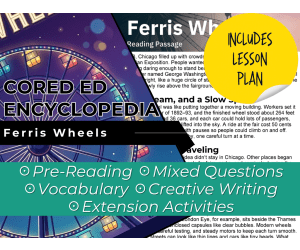
Ferris Wheels Reading Comprehension Passage - Cored Ed Encyclopedia
ELA, Reading Comprehension, Reading, Science, Technology, Language Development, Social Studies, History, Pre-Reading, Writing, Grade 2, 3, 4, 5, Worksheets & Printables, Worksheets, Teacher Tools, Centers, Activities, Writing Prompts, Assessments, Quizzes and Tests, Quizzes, Lesson Plans
This Ferris wheels reading comprehension with lesson plan includes: Visualization (on the front cover) Start your lesson by taking a minute to think and share something about the topic. Read the script aloud (slowly), perhaps prepare some music or sound effects. Student close their eyes and let their imaginations wander. Students open their eyes, read the question aloud and give them a few minutes to complete. Ask a few students to share or keep answers until the end to compare with what they learn in the passage. Quick pause—thousands of Cored Education products are included with your TeachSimple membership. Download links and encyclopedia index available here. Pre-Reading Trivia Students will write down one thing they already know about the subject and then read five more facts and discuss. These facts are fun, and the students will enjoy learning about the subject before reading more. Give 1 minute for students to write what they already know (no pressure—best guess is fine). Read the five facts together. After each fact, do ask a student for their opinion, was it surprising? Set a purpose by asking students to highlight/underline one fact they want to learn more about during the reading. Reading Passage The text is a high-interest reading passage with set paragraphs, roughly three to four paragraphs long. It contains a variety of themes about the topic, anywhere from history to technology. The passage is between 250 and 350 words in length. First, ask students to look at the headings and see what they’ll learn about today. What do they know about the topic/heading? First read options: Teacher read-aloud (best for support). Partner reading (paragraph by paragraph). While reading, students underline important details, and vocabulary words they think may come up in the questions section. Mixed Questions The first question page contains four multiple-choice questions, each with a choice of four answers, and three written response questions that require a sentence or two from the student. Students complete the mcqs first independently, then review quickly as a class. For the 3 written responses, try to get students giving the answer with some form of evidence: “I think ___ because the text says ___.” If students get stuck, send them back to check the passage. Vocabulary Questions Practice seven key words from the text in this section across two activities. First section is scrambled words where students will unscramble three words given a clue for each. The second section is a word to meaning matching activity. Before starting, have some students read out words they underlined in the passage. Ask students to say the word and read aloud the sentence(s) around each word. Ask students to do scrambled words and the matching exercise in pairs then go through answers as a class. For the scrambled spelling task, get four pairs to come up to the board and write the words for extra practice with the other student reading out the clue. For the matching task, prompt students to give full sentences: “I matched ___ with ___ because ___.” Creative Writing In this question, the student will be required to write a five to eight sentence paragraph on a question related to the topic. Before starting, ask students write down 3 key ideas they are going to include in their piece. Ask students for ideas to share around the class to help those struggling. Pro writing expectations: 5–8 sentences At least 2 facts or details from the passage At least 2 vocabulary words from the previous page Students read their paragraphs while classmates listen for facts and vocabulary words. Extension Activities This page is optional for fast finishers or to take home. There are several activities, each one requiring a different skill. Do some, do none, do all, completely optional - but you will feel reassured knowing every possibility is planned for. Includes summary writting question and additional facts. Answer Key There are answers for the multiple-choice questions, written response questions have sample answers, vocabulary answers and if there is a summary question then a sample summary will be provided as well. Lesson Plan Included Customized lesson plan for this lesson is included. Lesson Snapshot Title: Ferris Wheels Genre: Nonfiction (Informational Text) Subject: Social Studies (History) / Science & Technology / Reading (Informational Text) Primary Topic: Origins, design, and purpose of Ferris wheels Estimated Guided Reading Level (A–Z): P What This Lesson Teaches Best Explains the origin story of the first Ferris wheel at the 1893 Chicago world’s fair and why people wanted a daring new attraction. Uses clear facts and measurements (about 264 feet/80 meters , 36 cars , ride cost and time) to build informational reading skills. Shows how Ferris wheels spread to new places and why they’re also called “observation wheels” (because looking is part of the fun). Compares past and present Ferris wheels, including modern wheels built for slow sightseeing like the London Eye with enclosed capsules. Highlights how modern wheels rely on strong steel, careful testing, and steady motors for smooth turns. Learning Goals Students will describe why the 1893 world’s fair crowd wanted something “brand-new” to see. Students will identify key details about the first Ferris wheel (height, number of cars, ride time, and cost). Students will explain why Ferris wheels are also called “observation wheels” using evidence from the text. Students will describe how Ferris wheels spread to other places after Chicago, including the example in Vienna. Students will compare how some Ferris wheels are designed for thrills versus slow sightseeing today. Key Vocabulary From the Text Exposition — a huge fair where inventions and exhibits are shown. engineer — a person who designs and builds things. fairgrounds — the area where a fair is held. capsules — closed pods that carry riders on a wheel. skyline — the outline of a city’s buildings against the sky. FULL CATALOG OF DOWNLOAD LINKS AND ENCYCLOPEDIA INDEX HERE
Author Cored Education
Rating
Tags Vocabulary, Reading Comprehension, Reading Passages, Lesson Plans, Ela Lesson Plans, Reading Comprehension Lesson Plans, Pre-reading, Science Lesson Plans, Social Studies Lesson Plans, History

My 5 Senses Pop-Up Board Grade 1 2 3 ELA Science
ELA, Reading, Reading Comprehension, Science, Life Sciences, Human Body, Grade 1, 2, 3, Activities, Projects
Explore a fun and meaningful way of learning about our senses with this “My 5 Senses Pop-Up Board” and integrated ELA and Science project! Perfect for Grades 1, 2, 3, homeschoolers, and EFL / ESL learners, these pop-up boards are designed to let students have a hands-on practice with topics about 5 senses, body parts, practice writing / speaking sentences using “I can...” and other related lessons. This resource is made to help learners improve their vocabulary skills, reading and writing skills, creative skills and improve their comprehension skills about the topics. This set includes the following: -5 Senses Pop-Up Board with this contents: 5 senses: Touch smell sight hear taste -2 pop-up designs -2 genders choices -6 colored board design -6 black and white board design This “My 5 Senses Pop-Up Board” is a supplemental tool for teaching and learning about 5 senses and is an amazing integration of ELA and science subjects in any curriculum. This can also be used as an assessment tool as a project that can be used as an inclusion for students' portfolio and a cute addition to your classroom display!
Author It's Teacher L
Tags Body, Senses, Pop-up Board, ELA Project, Science Project
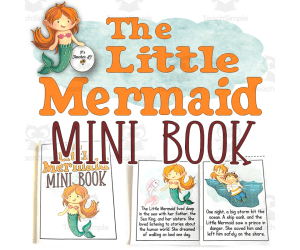
The Little Mermaid Fairy Tale Foldable Mini Book Grade 1 2 3 ELA
ESL, Language Development, ELA, Literary Devices, Literature, Reading Comprehension, Reading, Handwriting, Writing, Grade 1, 2, 3, Activities, Centers, Crafts, Projects, Assessments, Teacher Tools, Literacy Readers
Explore the fun sea of learning through the classic tale of The Little Mermaid through this engaging and meaningful The Little MermaidMini Book Activity Pack made for Grades 1, 2, and 3 students, homeschoolers, and EFL/ESL learners. The mini books included in this set are ideal for reading centers, reading classes, reading comprehension exercises, fairy tale units, writing exercises, story telling and re-telling, supplemental assessment tool, ELA projects, and so much more! What’s Inside: • The Little MermaidStory Mini Book– for story retelling, reading and reading comprehension practice • The Little MermaidStory Mini BookTrace & Read Pages– handwriting practice and motor skills exercise • The Little MermaidMini BookSequencing Booklet– sequencing and sorting exercise, story retelling and reading practice • The Little MermaidMini BookRetell & Reflect Pages– retell practice, creativity and imagination development • The Little MermaidMini BookBlank Create-a-Story Templates– story telling, supporting creative and imaginative thinking skills • The Little MermaidMini BookTeacher Guide + Sample Lesson Plan
Author It's Teacher L
Rating
Tags The Little Mermaid, Fairy Tale Units, ELA Projects, Reading Comprehension, Reading Centers

U.S. Civil War Activity Packet for Elementary Grades
Social Studies, History, History: USA, Grade 2, 3, 4, 5, Activities
Civil War - This " U.S. Civil War Activity Packet for Elementary Grades " is no prep required - so the packet is great as printable worksheets for a Civil War or history unit or extra work or sub plans. Some of these activities are more advanced for Grades 4 and 5 while others work best for Grades 2 and 3 or for learners who might need more help. Please note that not all activities in this packet will meet your class' particular levels, but there should be enough variation in the resources from your high flyers to those that are more challenged.
Author KP Classroom
Tags Civil, War, Confederate, Activity, Printable
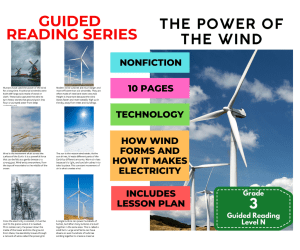
Guided Reading Level N - The Power of the Wind (with Lesson Plan)
ELA, Resources for Teachers, Reading Comprehension, Reading, Social Studies, Geography, Earth and Environmental Sciences, Science, Physics, Technology, Grade 2, 3, 4, Worksheets & Printables, Worksheets, Teacher Tools, Centers, Activities, Literacy Readers, Quizzes, Quizzes and Tests, Assessments, Lesson Plans
This Guided Reading Book - The Power of the Wind (Level N) with lesson plan includes: Guided Reading Color Label (front cover x1) This is a quick way to match the book’s demands to what students can generally handle.. The overall goal is to use the level/color to pick books for several smaller groups. To qualify for a certain level, a student is expected to read a book from that level with about 90–94% accuracy. If a student is consistently accurate and understands, move up a level. If the student is struggling at that level, drop down and add more support. Each student will improve at completely different rates, but it is generally one of the best ways to check progress across the class. DOWNLOAD THE CATALOG TO VIEW ALL GUIDED READING BOOKS AVAILABLE (SORTED LEVELS A-Z) Pre-Reading Question (x1) Teacher asks the prompt aloud, can be while showing the cover or first page. Students share what they already know, or make educated guesses from the cover. Prompt them to use the target vocabulary. Write some of their responses on the board to look back at during the reading. Vocabulary Words (x5) Introduce the five words, best doing it one at a time. Start by saying it, while students repeat and then see if anyone knows what it means before reading further. Read through the meaning and try to briefly connect each word to a picture or gesture so it’s meaningful. Ask students to flip through the book pages and point to where they see each of the vocabulary words. While reading the book pause upon coming across one of the vocab words or read the sentence twice to make sure students understand the word has appeared. Optional: Ask students to raise hands whenever they see/hear one of the new words. Guided Reading Pages (x10) Check the book snapshot (below) for: primary topic - do you need to prep extra reading or intro materials on this? what is taught best - decide on 1-2 bullets to focus on, use the prompt or words provided here for best results. learning goals - what you are checking for students to be able to do after the session, elicit answers using prompts or words provided. key vocabulary (see section above). questions overview - so you know what is coming up and if you need to prep extra materials to assist understanding. Run the lesson You may have already looked at a few of the pages together, but you can show them some of the pictures again first to set meaning. Depending on how much time you have and how familiar your students are with guided reading class, you may want to read the book aloud first with the group first. Students whisper or partner read, while you listen in. If time, do it as a group, one student reading a page each. Use the guided page’s prompts to coach: “Check the picture / does it make sense?” “Point under the words / try the first sound” “Reread the sentence smoothly”. Try to focus more on one student per session (rotating every time), so you can work out if they are ready to move up or need to move down a level. Comprehension Questions (back cover x3) This is your way to check that students didn’t just say the words, but actually understood the text. First, let students answer by pointing to the page/picture and saying a short sentence. After any answer, follow with: “Show me where you found that in the text.” In bigger groups, have partners answer first (10–20 seconds), then call on 2–3 students to share. Differentiation tips: Emerging speakers/struggling readers: oral + pointing On-level: oral in a full sentence Higher: one written sentence or draw + label Book Snapshot Title: The Power of the Wind Genre: Nonfiction (informational science text) Subject: Science (Energy/Earth Science) Primary Topic: How wind forms and how it makes electricity Estimated Guided Reading Level (A–Z): N What This Book Teaches Best Defines wind as the movement of air across Earth’s surface and describes wind as a breeze or a strong gust. Explains the cause of wind : the sun heats Earth unevenly, warm air rises, and cool air moves in to replace it. Shows how people have used wind over time, comparing traditional windmills (grinding grain, pumping water) to modern wind turbines. Describes how a wind turbine works, including blades spinning a shaft connected to a generator that makes electricity. Connects wind energy to sustainability by explaining wind farms , offshore wind farms , and wind energy as a clean, renewable resource. Learning Goals Students will explain what wind is using details from the text. Students will describe how the sun’s heating of Earth helps create wind. Students will describe how traditional windmills used wind to help people. Students will explain how wind turbines change wind’s motion into electricity. Students will describe what a wind farm is and why offshore wind farms can capture strong winds. Students will explain why wind energy is described as renewable and clean in the text. Key Vocabulary From the Text movement — going from one place to another. gust — a short, strong burst of wind. turbines — big machines with blades that spin in wind. generator — a machine that makes electricity. renewable — can be used again and won’t run out. Discussion Prompts Pre-reading question: Where have you seen wind do work, like moving something or making power? Comprehension questions: What does the text say creates wind? Comprehension questions: How did traditional windmills use wind to help people? Comprehension questions: How does a wind turbine turn wind into electricity, according to the text? Printing Tips 1. Best Printing Method (Recommended) “Booklet” Printing (Best if Available) If your printer or PDF viewer supports Booklet Printing , use this. Settings to use: Print mode: Booklet Paper size: Letter or A4 (either works) Orientation: Landscape Print on both sides: Yes Flip on: Short edge Scaling: Fit to printable area Booklet subset: First test: Front sides only Then: Back sides only This will automatically: Pair pages correctly Put the cover on the outside Align everything for folding After printing, fold in half and staple along the spine . 2. If “Booklet” Printing Is NOT Available You can still print this correctly with manual duplex printing . Step-by-step: Open the PDF. Choose Print . Set: Orientation: Landscape Pages per sheet: 1 Print on both sides: Yes Flip on: Short edge Print all pages . Because each PDF page already contains two facing book pages, the result will still fold cleanly into a book. Thousands of Cored Education products are included with your TeachSimple membership. Download links and encyclopedia index available here.
Author Cored Education
Rating
Tags Reading Comprehension, Reading Passages, Reading, Guided Reading, Guided Reading Lesson Plan, Guided Reading Activity, Pre-reading, Geography, Science Lesson Plans, Technology
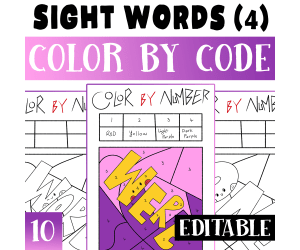
Sight Word Editable Color By Code Worksheet Activity For 1st Grade (4)
ELA, Creative Arts, Art, Language Development, Pre-Reading, Grammar, Reading, Spelling, Kindergarten, Preschool, Grade 1, 2, 3, Worksheets & Printables, Worksheets, Activities
Cute Sight Words Coloring pages Worksheet Activities For Morning Work (4) / Digital Resources / Cute Sight Word Practice Coloring Pages / Mice Coloring Sheets: ⭐ Introducing our adorable Cute Sight Words Editable Color by Code activity set, created to attract young learners from Preschool to 3rd grade! This engaging teaching resource makes acquiring crucial sight words a fun adventure. This set's vivid and beautiful design is likely to instill a love of studying in your young children. ⭐ Each worksheet has been carefully designed to promote creativity and skill development. It includes a large number of customizable sight words, allowing you to personalize the activities to each child's specific learning needs. Children will improve their reading abilities while having fun as they color and identify words. Whether you're a parent, teacher, or homeschooler, these Cute Sight Words Color by Code activities are an excellent way to improve early reading skills. ⭐ Prepare to see the pleasure of learning grow in young brains as a result of our instructive and enjoyable resource. Order your collection today and go off on a colorful adventure through the world of sight words. What you Will Get: You will Get A zip File, there are a total of 10 Coloring Worksheets (10 Pages). For similar or other resources, visit my store!
Author Lapiiin Art Activities
Tags Color By Sight Words, Sight Words, Color By Number, Color By Math, Sight Words Practice, Sight Words Worksheets, Kindergarten, 1st Grade, Digital Resources, Morning Work
NO PRINT Map My Language Map Skills Water Park Virtual Trip
Special Resources, Speech Therapy, Preschool, Grade 1, 2, 3, 4, 5, Activities
NO PRINT Map My Language Map Skills Water Park Virtual Trip An inventive teaching tool that prompts elementary school students to immersive learning via mapping. It concentrates on meaningful skill development and captivates students with an alluring virtual water park theme. This versatile resource caters to different teaching scenarios like whole group instruction, small group break-outs, or individual tasks. It's interactive attributes accommodate various learning approaches and settings, both in-person and remote. Resource Features Focuses on life skills through a virtual map with diverse exercises condensed into 5 pages. Covers areas such as,executive functions for planning/decision-making, semantic reasoning for verbal expression advancement, auditory comprehension suitable to multiple learning types, memory-enhancing activities for cognitive abilities improvement, and concentration-enhancing tasks for focus betterment among learners. Packed with multiple interactive features: fillable boxes, checkable boxes, movable circles providing rich user interaction. Annotatable with Adobe Reader Comment Tool or Platform Tools. Includes recommendations specific to Teletherapy depending on the chosen digital platform utilized. Incorporated Activities The module encourages relational vocabulary building while facilitating divergent thinking problem-solving abilities through deductive reasoning leading up to decision making tasks as well as sequencing events verbally - all central components of evolving executive functions of young minds. The content covers topics like time estimation and inferential thinking skills enhancement along with opportunities for sentence formulation practice using descriptive vocabulary.. Multidisciplinary Approach & Bonus Element: Educational implementation strategies including provisions for multiple interactions (E.g., location finding on the map) aiding learners build familiarity non-verbal nuances while offering engagement options to improve screen-time productivity. A bonus feature in the module is the articulation activities , aimed at mixed groups and fundamental to speech therapy within regular classroom set up. This opens doors for technology-led special resource interventions across diverse forums ranging from public institutions to home-schooling. To conclude, NO PRINT Map My Language Map Skills Water Park Virtual Trip forms an appealing and interactive learning method for children to develop life-skills tying back with a virtual trip theme that is pleasant and engaging.
Author Intrepid Speech Therapy Materials
Tags Interactive Learning, Life Skills, Mapping, Virtual Trip, Executive Functions
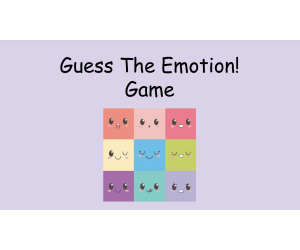
Guess The Emotion! SEL Game
Special Resources, Life Skills, Grade 3, 4, 5, Activities, Games
In this product, you will get instructions and 32 different feeling cards that are a part of a "guess the emotion" game. Each group will receive a stack of cards with an emotion written on it. On the cards students will be given the directions to either act out, draw, fill in the blank (like Hangman), or sculpt to express a feeling. The Google Slides will explain directions as well as contain the 32 cards on 8 slides. Materials needed: Small bit of clay such as play doh or clay. Dry erase board or paper, dry erase marker or pencil. Have fun! Once you download the pdf, click on the image and it will prompt you to make a copy, click "yes" and you will have access to my slide presentation. This game is beneficial for students to increase their social emotional learning. It is great for them to regulate and express their emotions in a friendly manner. The emotions included in this game are: Angry Peaceful Surprised Happy Shy Worried Chill Shocked Energetic Proud Scared Disappointed Bored Tired Excluded Annoyed Silly Grateful Relaxed Furious Embarrassed Grumpy Guilty Left Out Confident Hopeful Stressed Nervous Disgusted Awkward Brave Loved
Author Jennifer Moyer Taylor
Tags Feelings, Social-emotional Learning, SEL, School Counseling, Emotions, Special Education, Game, Guess The Feelings, Guess The Feeling

Rhode Island State Flipbook (Capital, Bird, Flower, Flag, Animal)
Creative Arts, Art, Social Studies, ELA, History, History: USA, Geography, Reading, Reading Comprehension, Grammar, Language Development, Spelling, Writing, Research, Grade 2, 3, 4, Activities, Projects
Need an engaging, hands-on way to teach and review the state of Rhode Island and its symbols? Look no further than this flipbook research project! Perfect for elementary teachers and homeschoolers alike, this LOW PREP resource covers five of Rhode Island's major symbols—its capital, bird, flower, flag, and animal—and more through an interactive, cross-curricular activity . It contains two printing options: one that requires cutting and one that doesn't. It also contains two design options: one with pictures and one without. In total, there are four flipbooks. A GREAT ADDITION TO YOUR: Rhode Island, Northeast region, or U.S. states unit study or review Writing lessons or centers Social studies or history class ...or just for fun! ELEMENTS INCLUDE: 37 PDF pages Instructions for 4 easy-to-assemble flipbooks 2 printing options (cutting and no cutting) 2 design options (pictures and without pictures) 7 topics (Rhode Island's state capital and other facts, state bird, state flower, state flag, state animal, state map, and KWL) Help your students become experts in all things Rhode Island! Whether you're looking for an introduction to the state or an assessment of prior knowledge, this resource has something for everyone. CROSS-CURRICULAR SUBJECTS COVERED: Art (drawing and coloring) English language arts Geography Grammar History Reading Research Science Social studies Spelling Writing Are you interested in helping your students become experts in other U.S. states? From Alabama to Wyoming, you can explore each state and its major symbols—its capital, bird, flower, flag, and animal—through cross-curricular activities. Each day's lesson plan appeals to different types of learners: curated videos (visual and auditory), reading passages (reading), research report pages (writing), interactive notebook and other activities (kinesthetic), and more. Click on the link to my profile to learn more about my 5-day units, including Rhode Island!
Author Heather Huhman
Tags Rhode Island, Providence, Rhode Island State Bird, Rhode Island State Flower, Rhode Island State Flag, Rhode Island State Animal, Geography, Flipbook, Us States, United States