Writing & fine motor
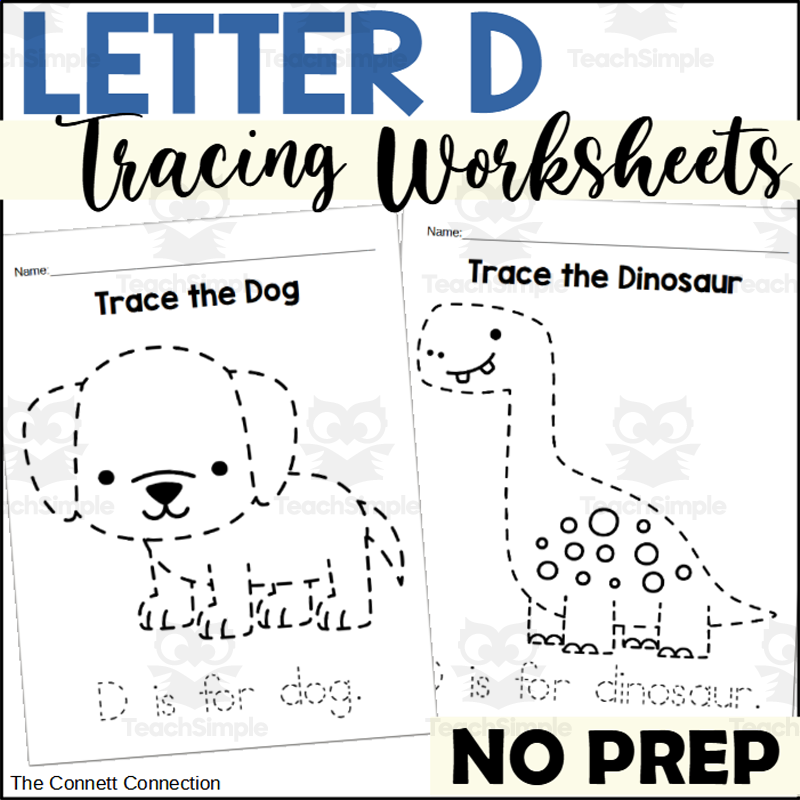
Letter D Tracing Worksheets
Letter D tracing worksheets pairing image tracing (dinosaur, donut, dog) with a 'D is for ___' sentence, for fine-motor and letter-sound practice.


Classroom resources
Browse by lesson focus
Choose the topic or kind of practice you need.
Showing 1801–1824 of 4233 resources

 Show filters
Letter D tracing worksheets pairing image tracing (dinosaur, donut, dog) with a 'D is for ___' sentence, for fine-motor and letter-sound practice.

Fine-motor handwriting/spelling practice for 1st Grade Dolch sight words using Q-tip dot-painting.
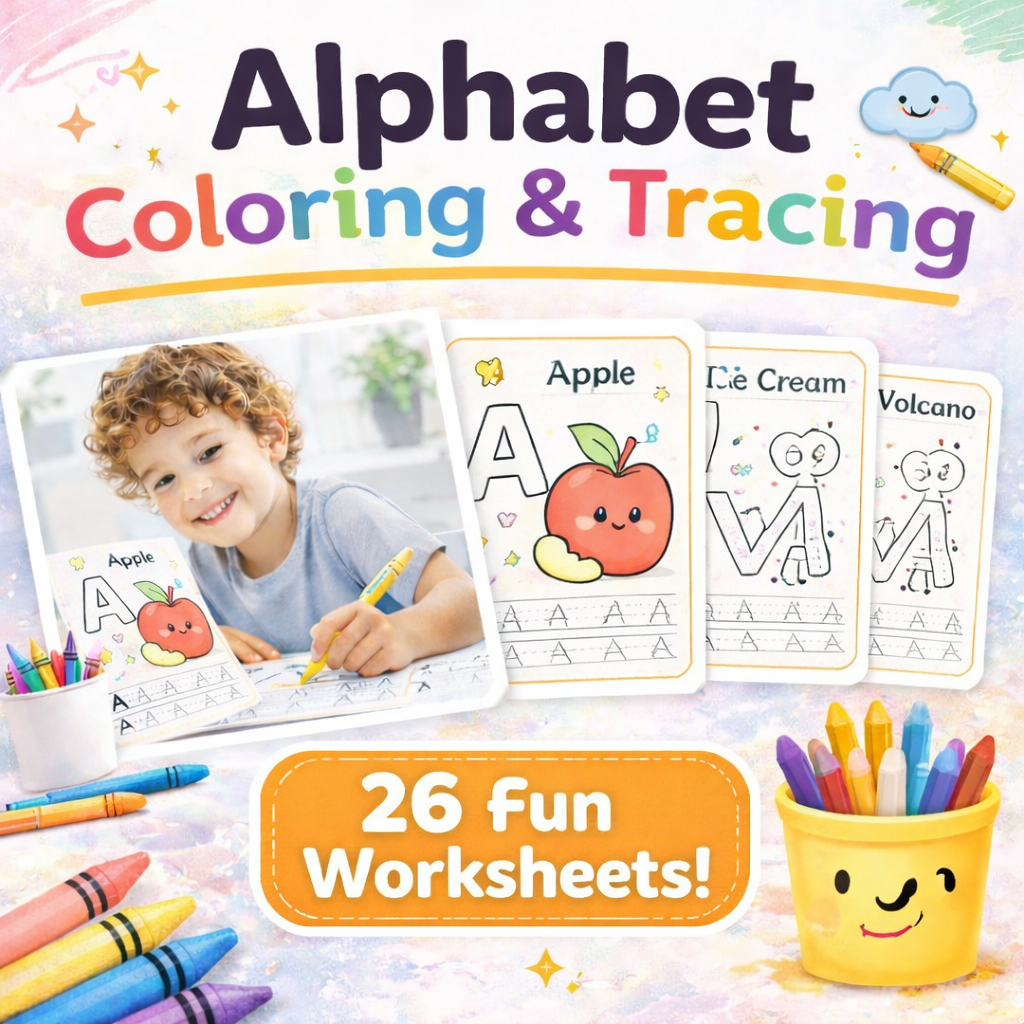
Help early learners practice letter tracing and letter-object association, combined with a coloring activity, across all 26 letters of the alphabet.

Give students repeated, low-prep practice recognizing, reading, and spelling the sight word 'that' in the context of short sentences.
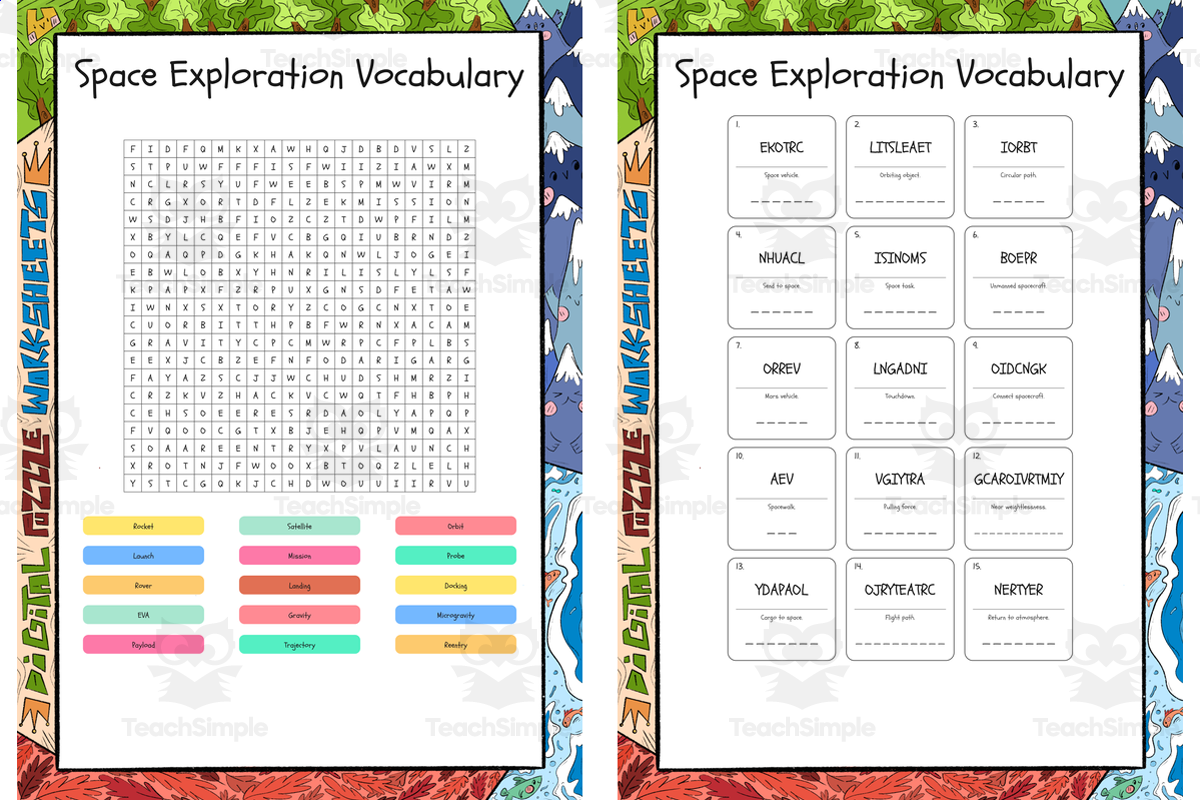
A three-activity vocabulary practice set (crossword, word scramble, word search) built around space-exploration terminology, created by a teacher for a 3rd/4th-grade space unit.

Build early reading fluency by having students repeatedly read short 3-sentence stories, then sequence cut-out pictures to match the story and trace key spelling words.

Practice letter recognition, distinguishing the letter T from other letters and between uppercase and lowercase forms.

An 'All About Me' get-to-know-you booklet that has students introduce themselves and practice expressive language, reasoning (because...) and pragmatic communication skills such as turn-taking and topic maintenance.
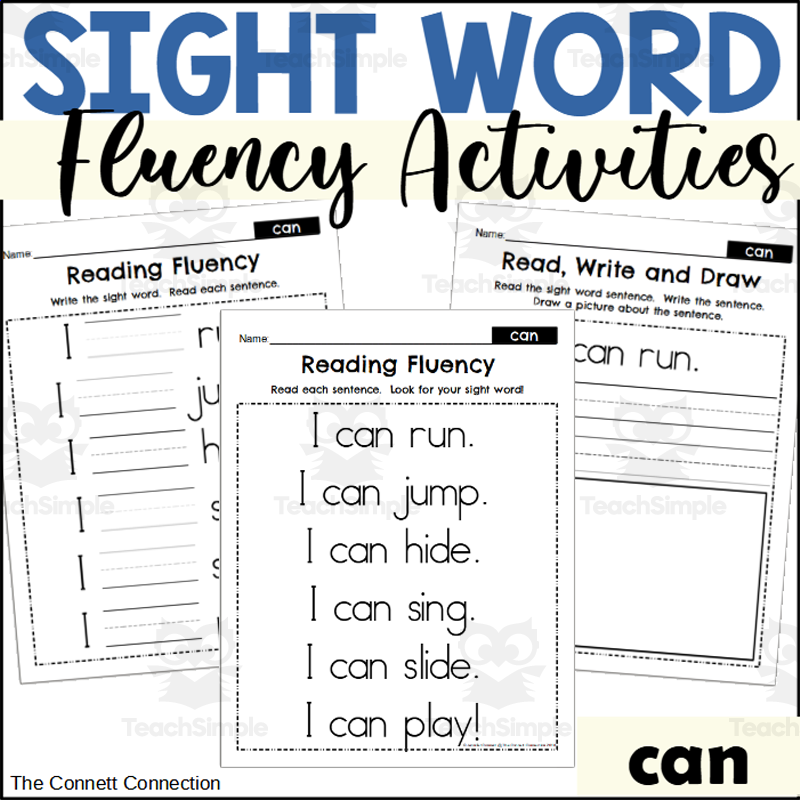
Sight word fluency practice for the target word "can": students read the word in context, recall it in a fill-in-the-blank passage, then copy a sentence using it and draw a picture.

Practice reading simple beginning-sound sentence strips for the letter S with supporting picture clues.
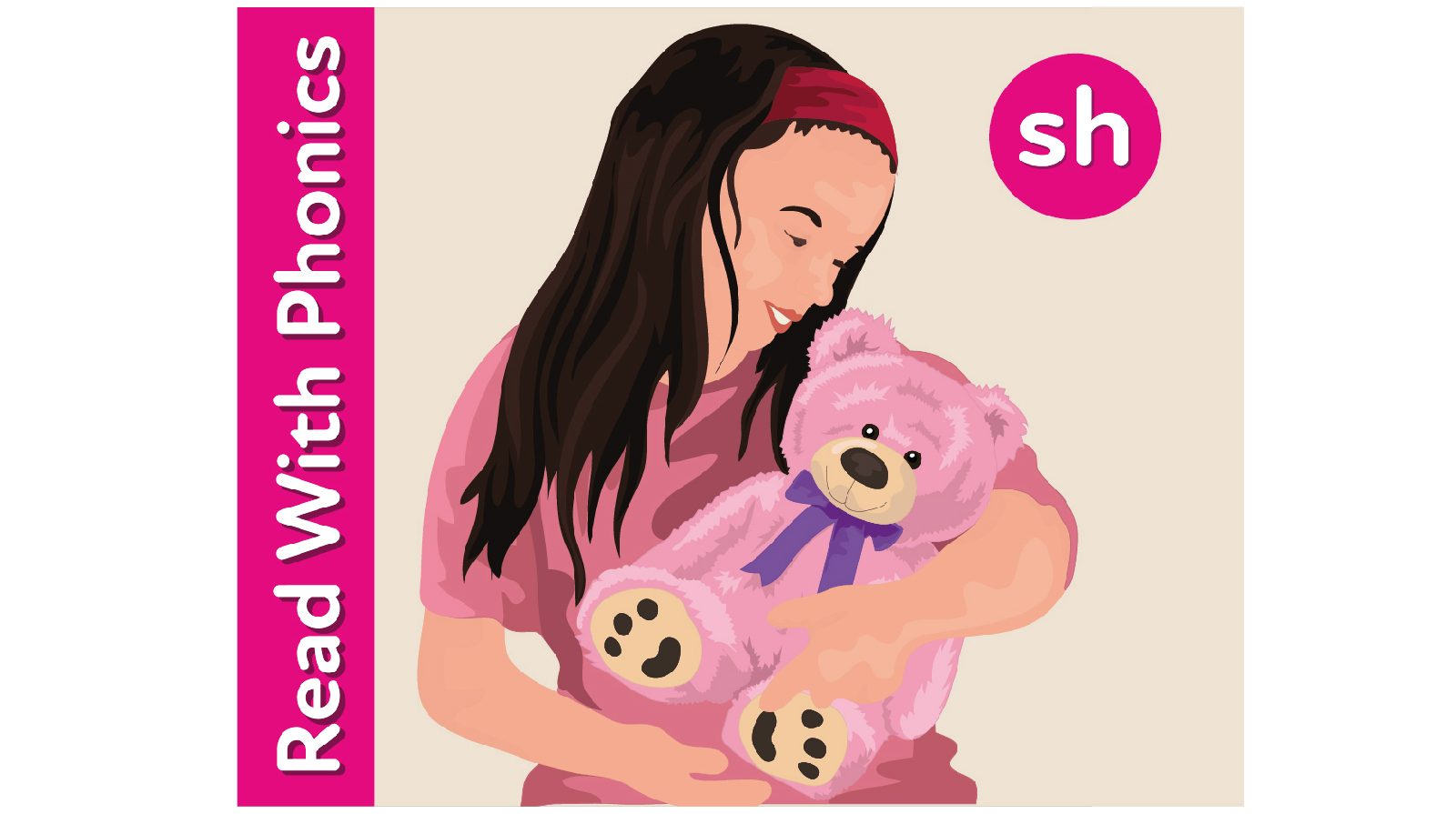
A phonics reading book from a graded reading scheme, teaching the 'sh' sound and words ending in 'y' through a short decodable story ('Kim at the Shop') plus a cut-and-paste sentence-building activity.
 Free download
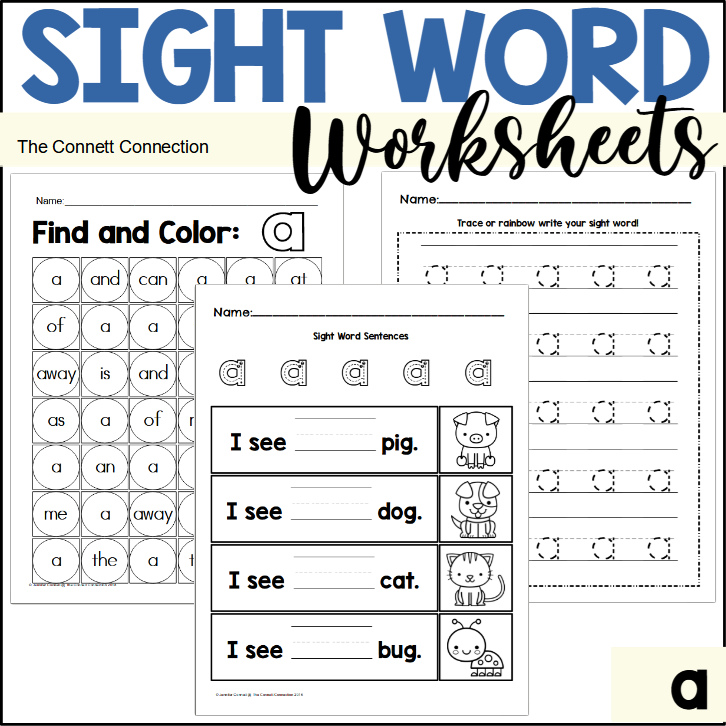
A dedicated practice packet for the single sight word 'a', covering recognition, spelling, sentence-building, and reading.
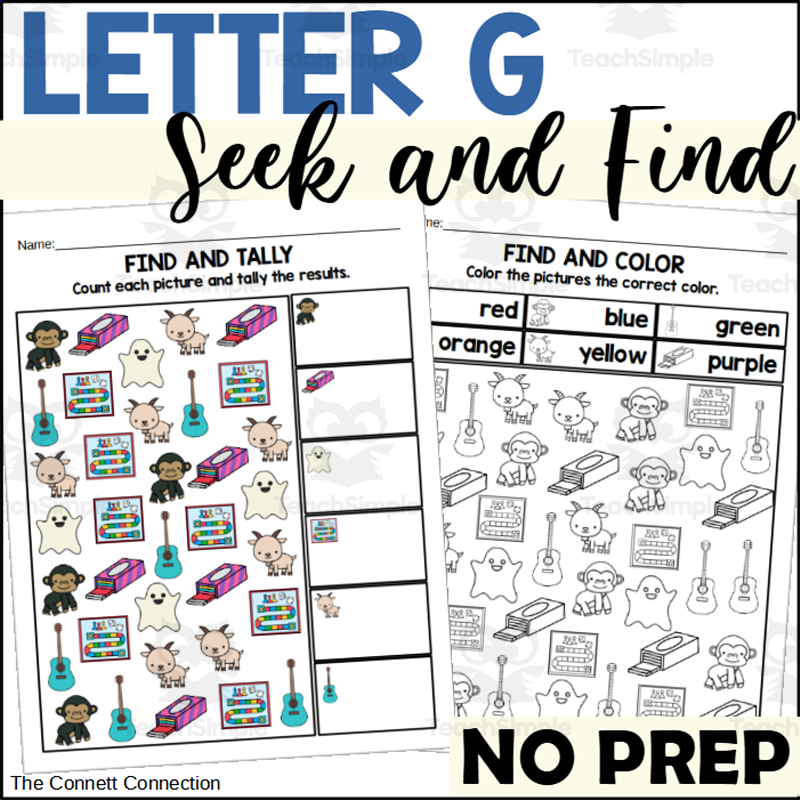
Build letter G word recognition combined with counting, color recognition, and fine motor practice through seek-and-find search activities.

Give students repeated, low-prep practice recognizing, reading, and spelling the sight word 'them' in the context of short sentences.

Help students practice counting forward and finding the missing number to complete a number sequence.
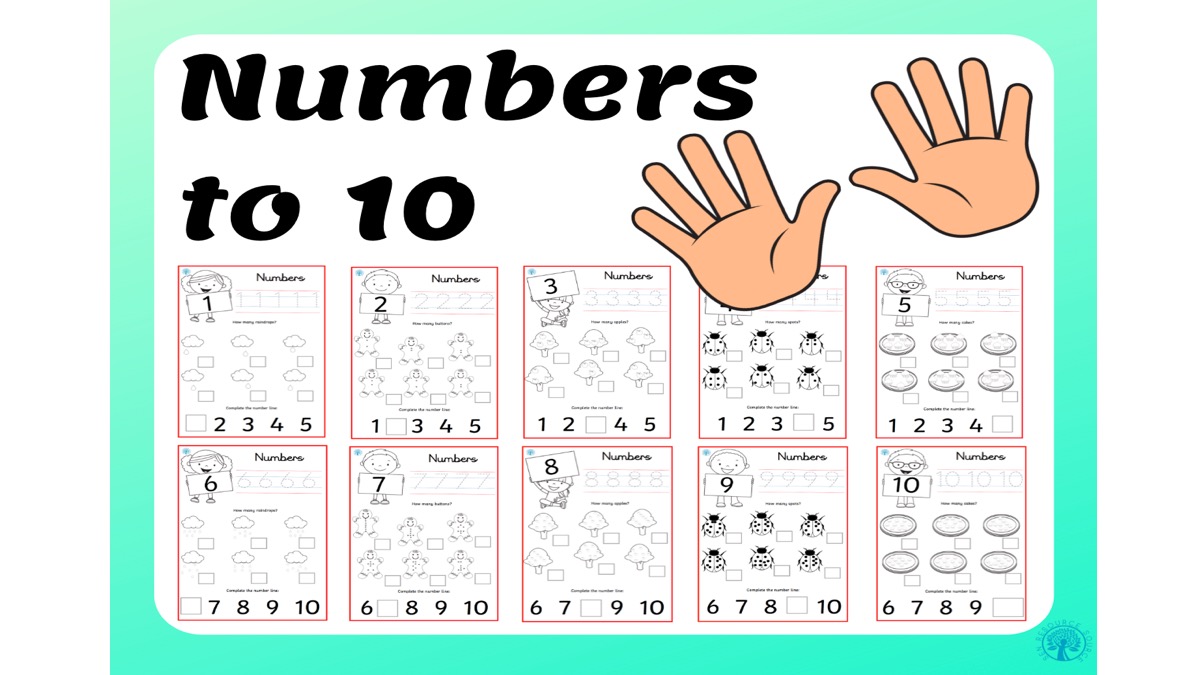
A set of number-recognition worksheets for numbers 1-10, giving students tracing, counting, and number-line practice.

Practice letter Y recognition and the beginning /y/ sound through train-themed sorting, tracing, and matching centers.

No-prep sight word fluency practice for the high-frequency word "help" — reading, filling in the blank, and reading/writing/drawing for beginning readers.
 Free download
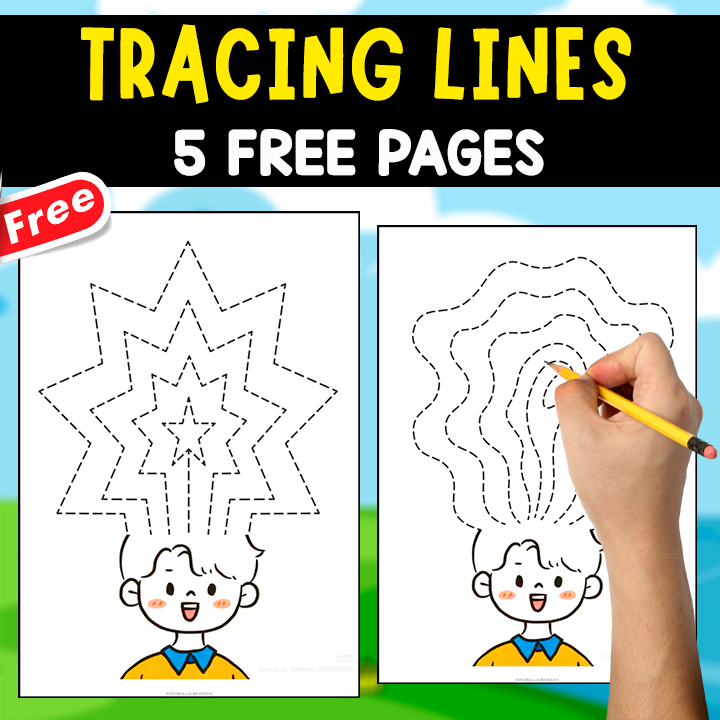
Line-tracing practice sheets to build pre-writing / fine motor control, per the file's own cover text ("TRACING LINES, 5 PAGES").
Build daily place-value/counting practice (ones building up to a ten) through a cumulative kindergarten counting-book activity.

Eight tracing pages split the numbers 1-10 into a 1-5 set and a 6-10 set, with each set repeated across four picture contexts: drawing apples on a tree, drawing dots on a die, drawing spots on a ladybird, and drawing a line to the matching number of fingers. Every page follows the same format — large numerals to trace followed by a hands-on quantity task — so students practice numeral formation and one-to-one counting correspondence together rather than as separate skills. The repetition across four picture themes for each number range is meant to reinforce the same counting skill in slightly different visual contexts rather than introduce new content on each page. For students who need more explicit stroke-by-stroke guidance before combining number formation with counting, number writing practice isolates the pencil path for each numeral.

An interactive alphabet story book that introduces vocabulary and an original short story built around words beginning with the letter Y, to support letter recognition and letter-sound practice.
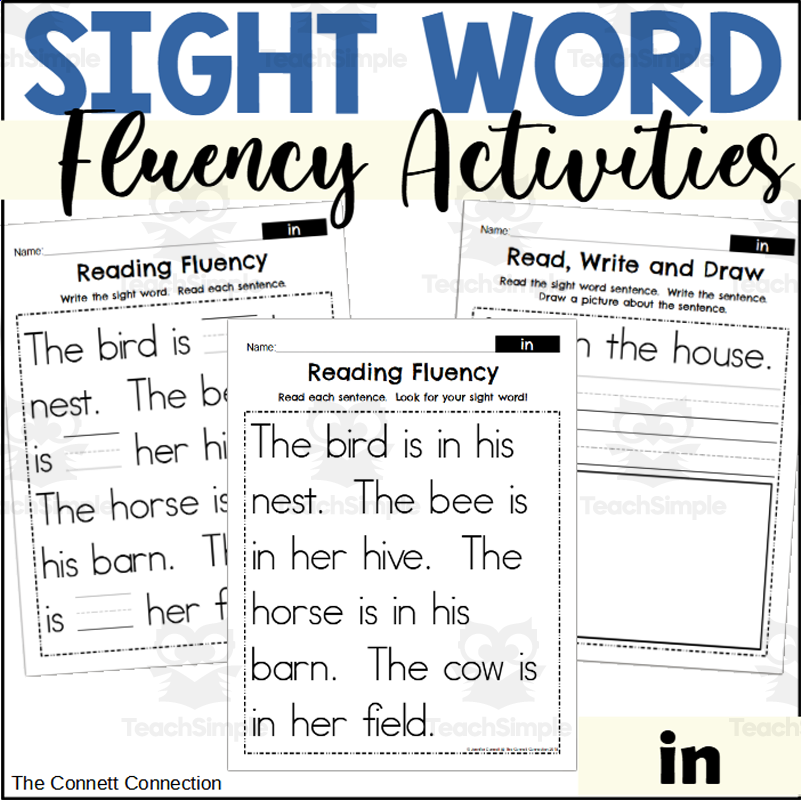
No-prep sight word fluency practice for the high-frequency word "in" — reading, filling in the blank, and reading/writing/drawing for beginning readers.

Give students hands-on task-card practice adding two numbers within a container/set and covering or clipping the correct sum.