Phonics & word readingFluency & read-aloud
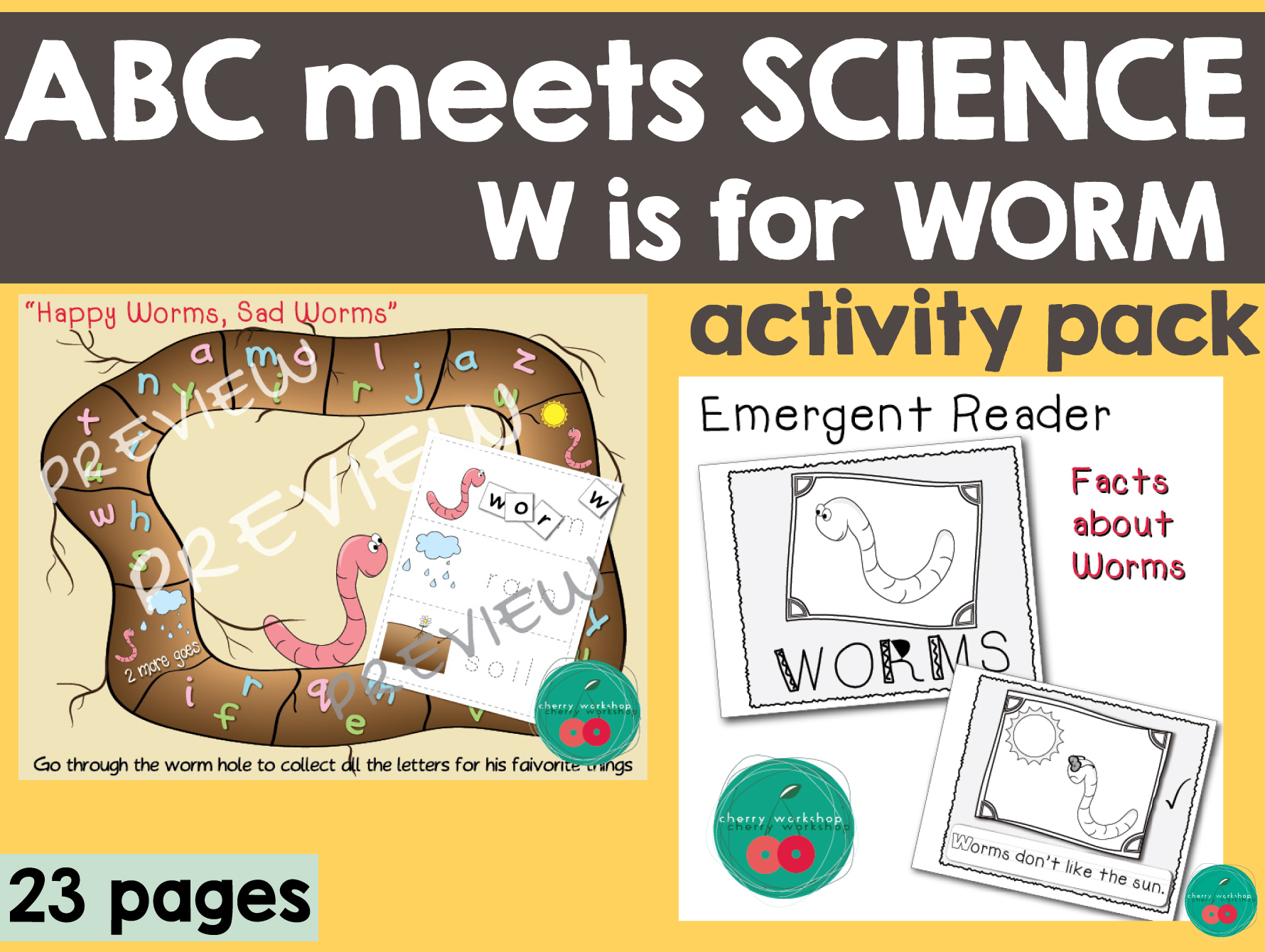
Brief Introduction to Worms
Early literacy/science unit introducing basic facts about worms through a story, song, finger play, and hands-on activities.




7,879 resources
Explore sub-categories
22 sub-categories · 7,879 resources
Early literacy/science unit introducing basic facts about worms through a story, song, finger play, and hands-on activities.
Introduce foundational DNA and genetics vocabulary (DNA, chromosomes, genes, genome, genotype, phenotype) via a short lecture slide deck.
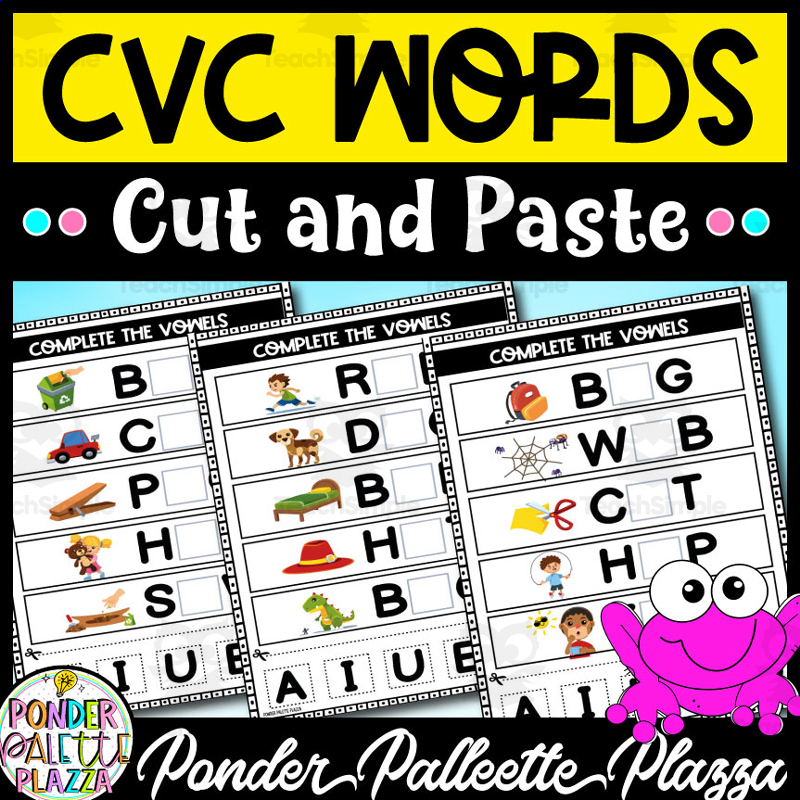
Phonics practice worksheet (second pack) where students complete CVC words by supplying the missing vowel.

A phonics activity packet teaching the word-ending consonant clusters -ast, -est, and -ash.
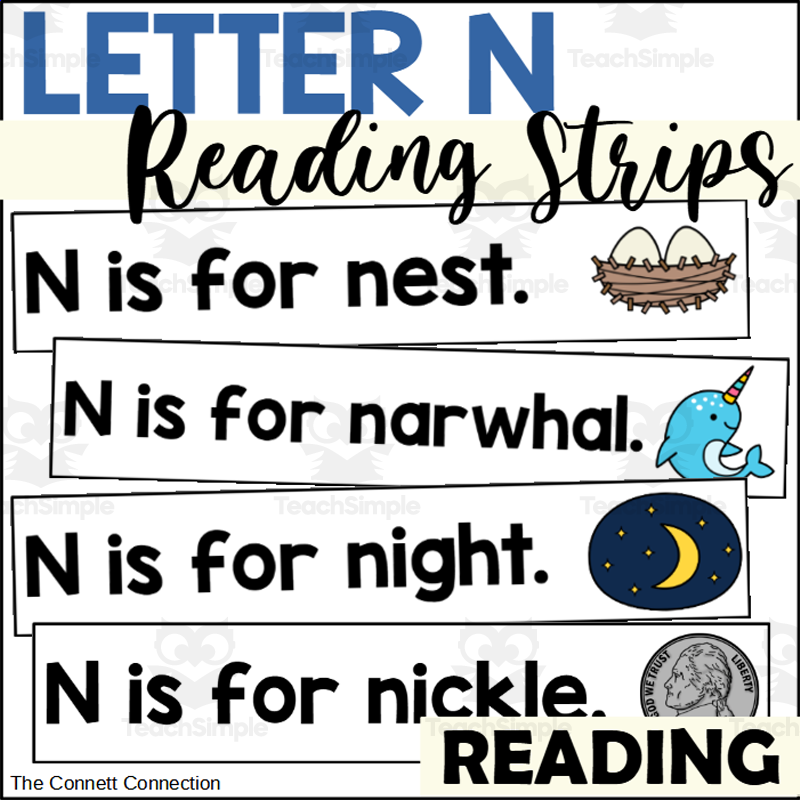
Practice reading simple sentences with the initial /n/ sound using picture-cued reading strips.

Sort diseases into communicable/non-communicable categories, review a personal hygiene chart, set and explain three personal health goals, practice proper handwashing steps and list situations requiring handwashing, read Covid-19 fact passages and define vocabulary (novel, infectious, immunity), and answer questions…
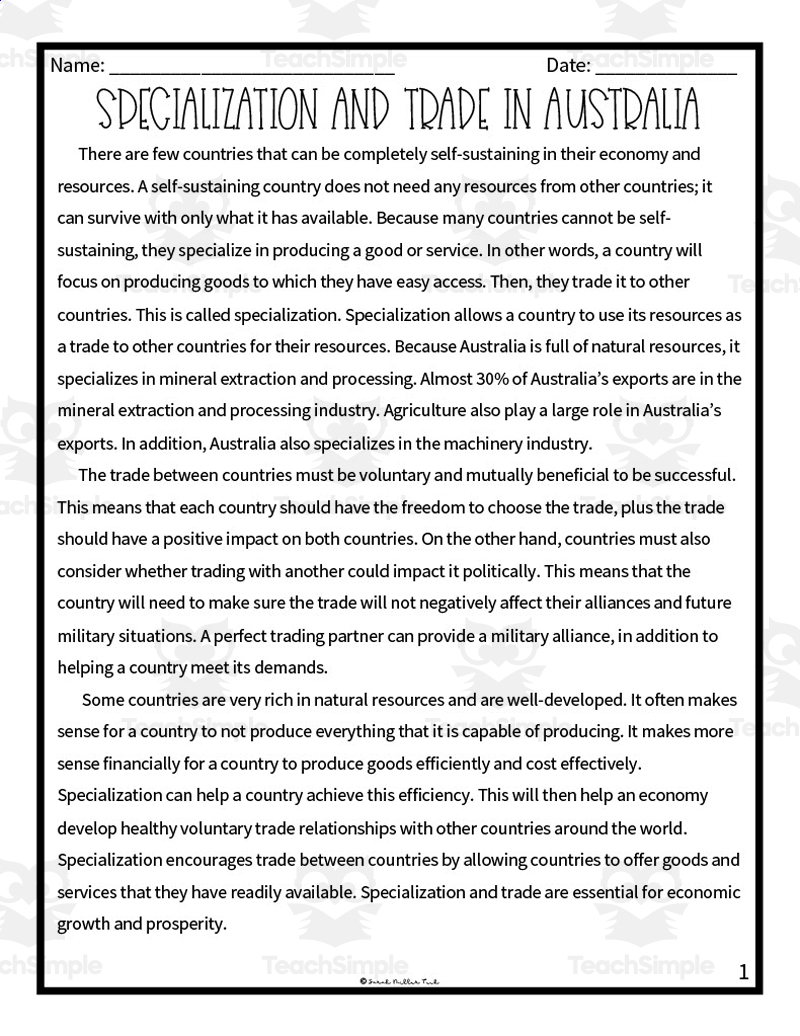
Read an informational passage, then complete a graphic organizer, vocabulary-matching activity, and multiple-choice comprehension questions based on the passage; an answer key with completed responses is included in the file.
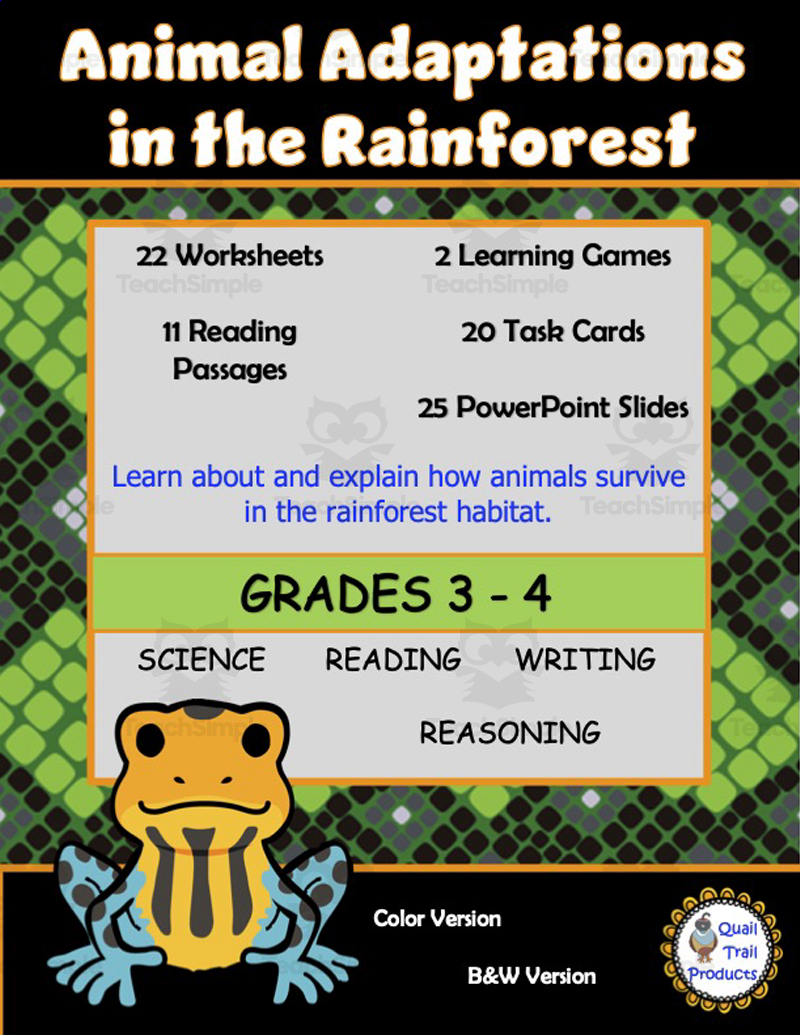
A four-part rainforest bundle opens with a slideshow covering what a habitat is, rainforest vocabulary (dewlap, echolocation, terrestrial, and similar terms), the four layers of rainforest trees, and the three types of adaptation (behavioral, physical, life cycle) illustrated through nine specific animals such as the toucan, sloth, and jaguar. A set of 20 numbered task cards then quizzes students on that same content through fill-in-the-blank, true/false, and riddle formats, each with a matching answer key, alongside a separate animal-picture card game with three small-group activities for practicing adaptation facts aloud. The largest component, an 82-page workbook, adds a K-W-L chart, vocabulary-matching and dictionary-guide-word worksheets, reading passages on eight rainforest animals plus three additional animals for a reasoning exercise, an opinion-writing assignment with a graphic organizer, and a word search and crossword puzzle. Reading comprehension, vocabulary, and opinion writing are woven throughout the science content, so the bundle functions as a combined ELA-and-science unit rather than a single-subject resource.
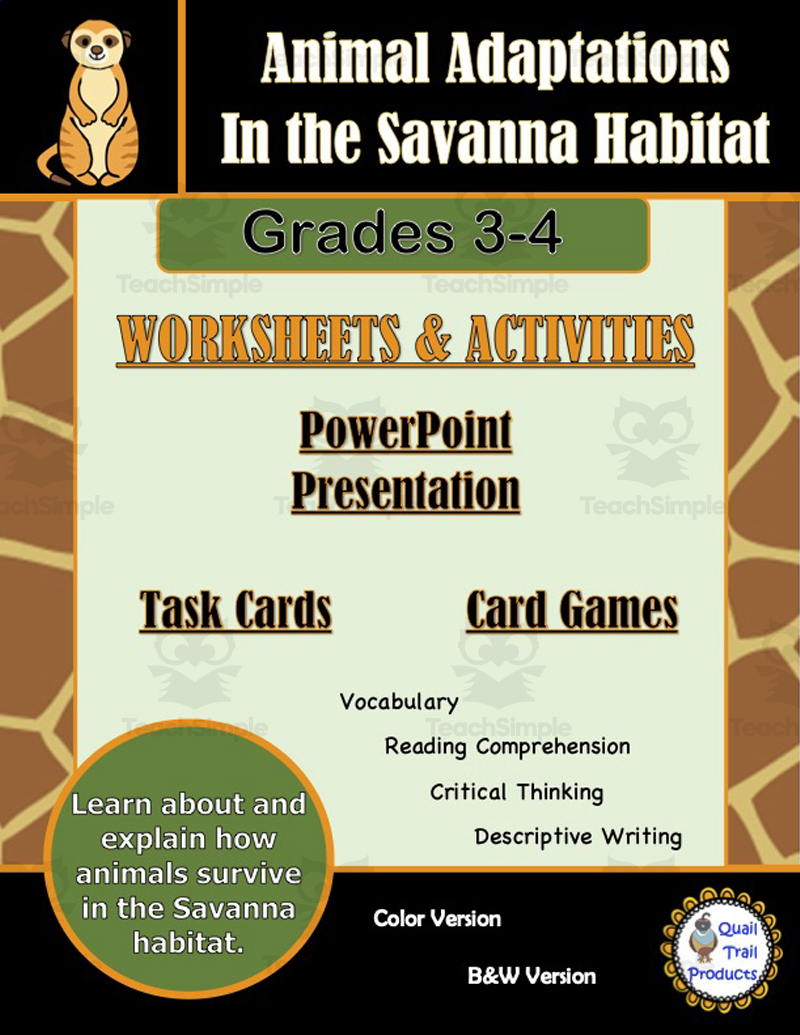
Read/view slide definitions of habitat and adaptation types, learn savanna vocabulary (arid, inselberg, plateau, propel, vast, etc.), and answer questions on accompanying task cards about specific animal adaptations.
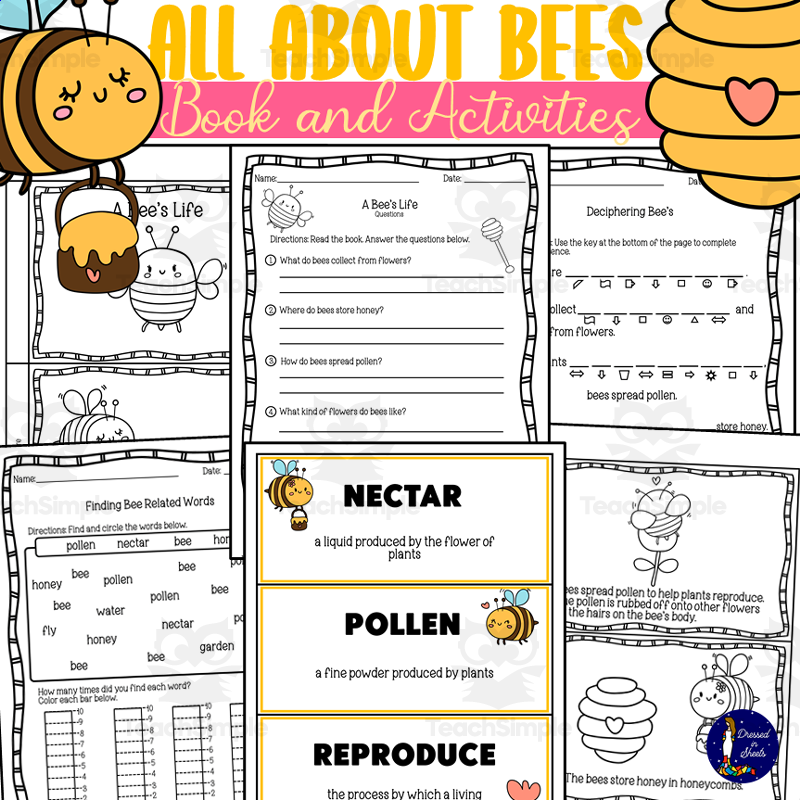
A mini cut-and-assemble emergent reader book about bees ('A Bee's Life') paired with comprehension, cloze/decoding, word search, and vocabulary activities.
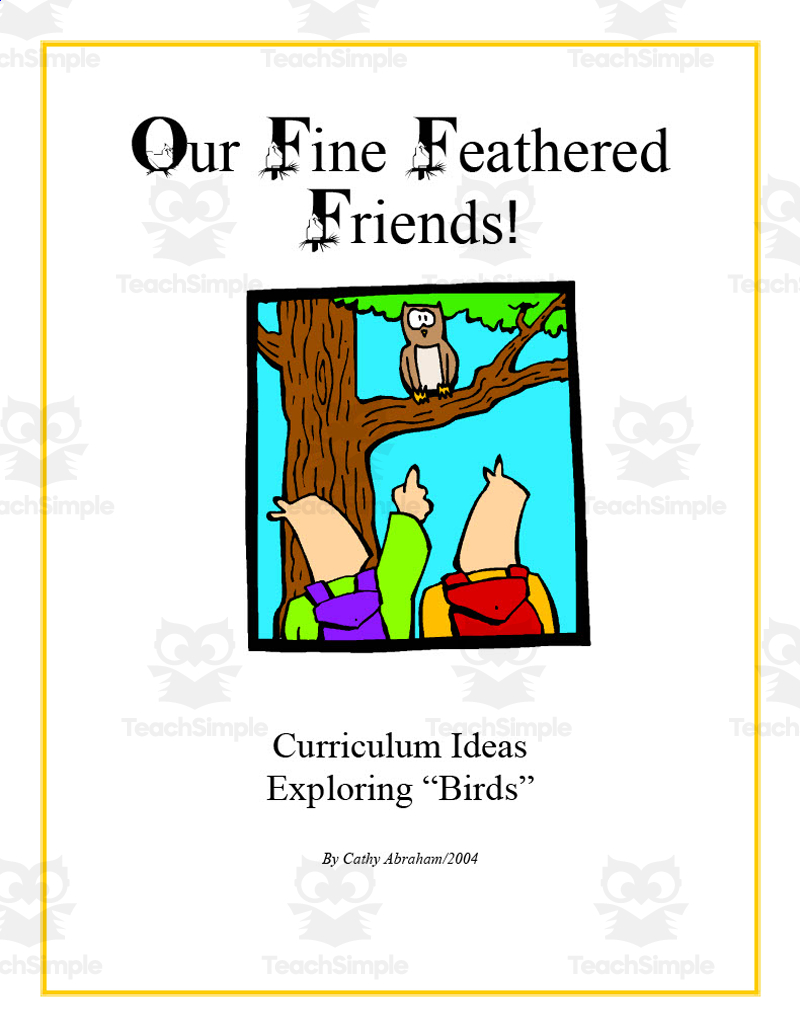
Students engage in sensory, art, cooking, and hands-on activities about birds (e.g., feather painting, birdseed sensory play) and are exposed to bird vocabulary and concepts guided by the teacher; a letter-of-the-week (N) and color review are also included.
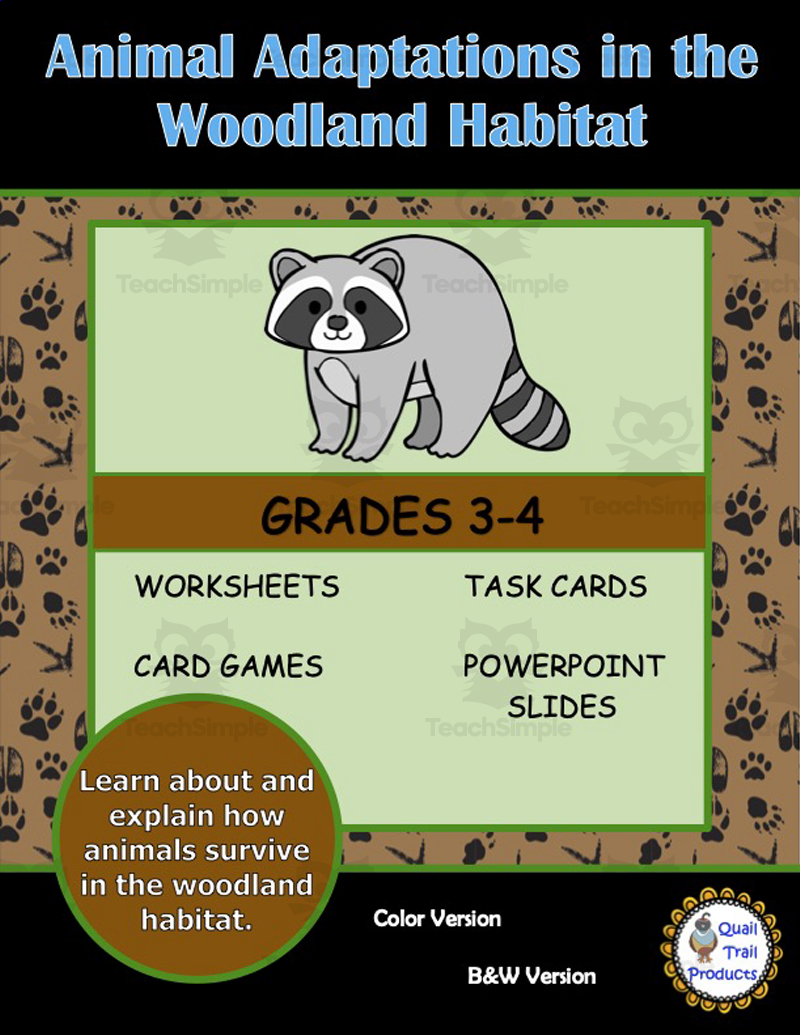
Read/view slide definitions of habitat and adaptation types, learn woodland vocabulary (crevice, nocturnal, omnivore, talon, etc.), and answer fill-in-the-blank, multiple-choice, and true/false task-card questions identifying which adaptation or animal is being described.

Complete a crossword (using clues about Civil War people/events/concepts), a word scramble, and a word search using Civil War vocabulary.
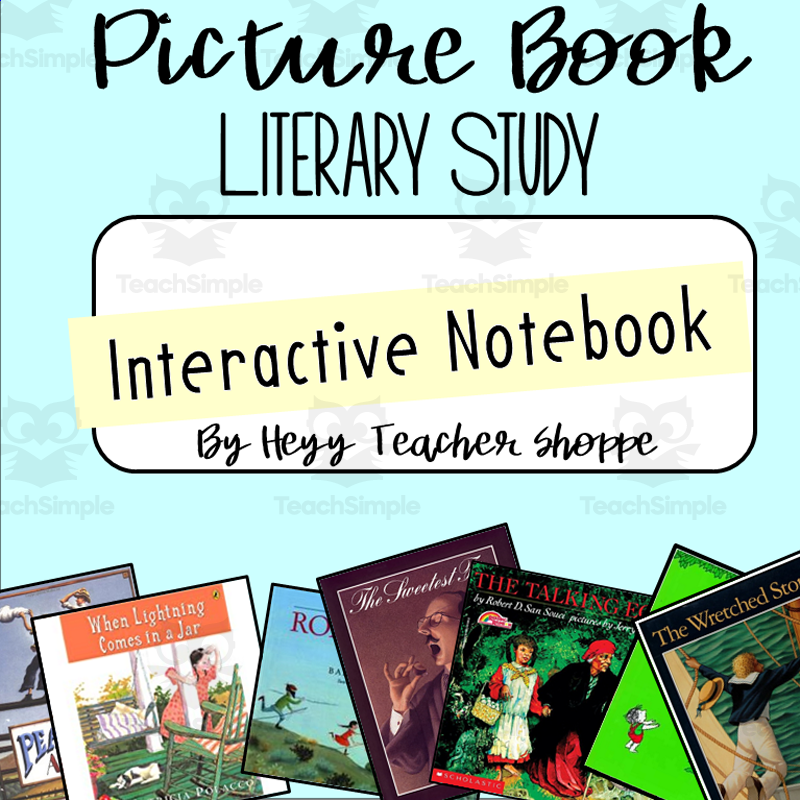
An interactive notebook unit teaching literary analysis skills (vocabulary, plot, characters, theme, inference, point of view, literary devices) using a student-selected picture book as a repeated mentor text.

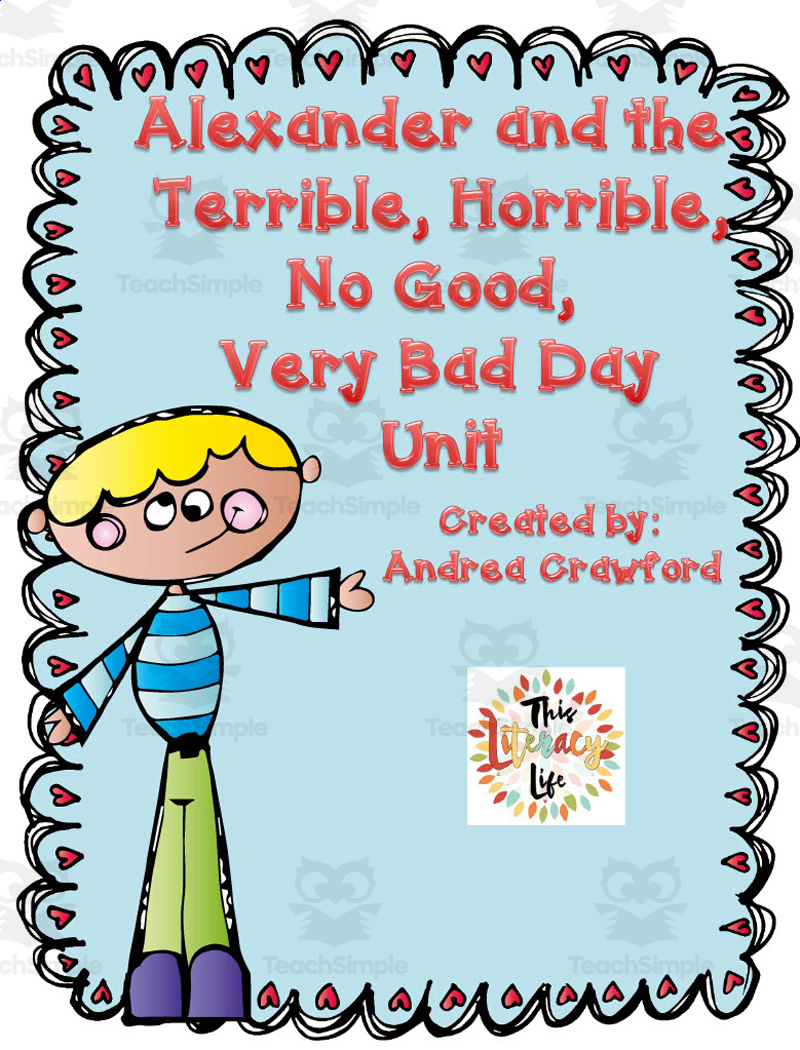
Literacy unit built around a class read-aloud of the book referred to as 'Alexander and the Bad Day', with before/during/after reading activities plus a personal-narrative writing and vocabulary component.
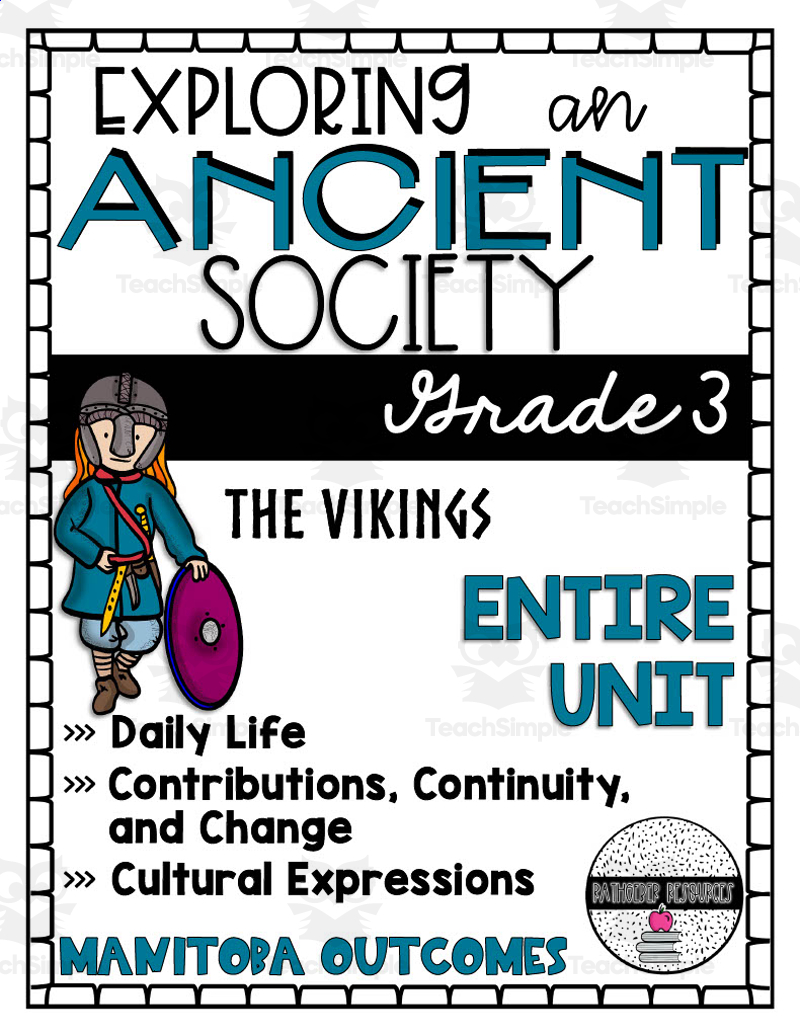
Choose or create a Viking name and record ideas in a graphic organizer throughout the unit; sort Viking myth-vs-fact statement cards and research to verify them, then design a poster; look up and record definitions of Viking-related vocabulary (blacksmith, pillage, fur, helmet, loom, invader, merchant, rune) and relate them to daily…
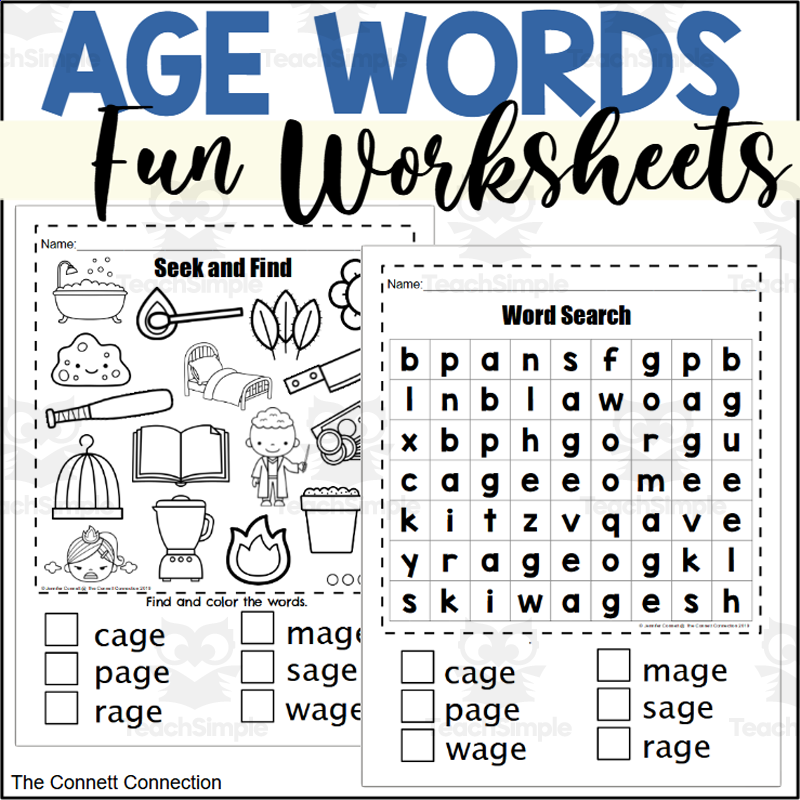
Provide engaging phonics practice with AGE-family CVCe (magic e / silent e) words through puzzle-style worksheets.
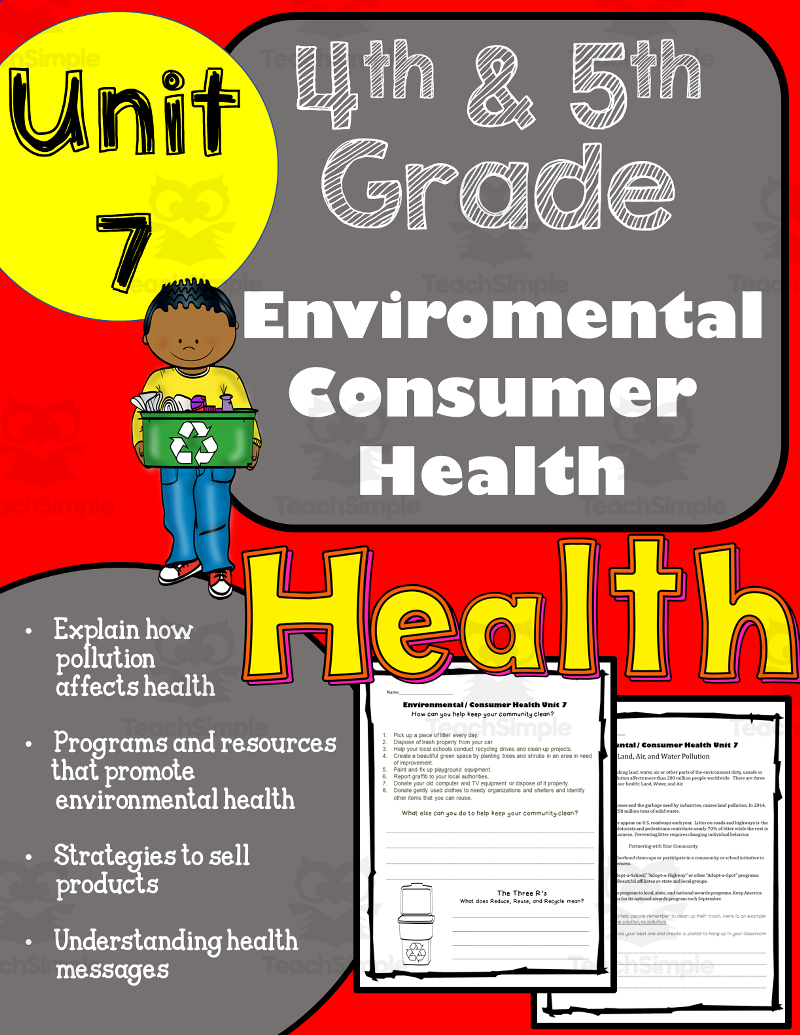
Read short informational passages on land, air, and water pollution; answer reflective short-answer and vocabulary questions; brainstorm and write anti-litter slogans and design a poster; research local waste/energy/water services; answer reflection questions on reduce/reuse/recycle and donating unwanted items.

Sequence story events in order, answer comprehension questions to build a snowman craft, label picture cards, and complete word/vocabulary activities.
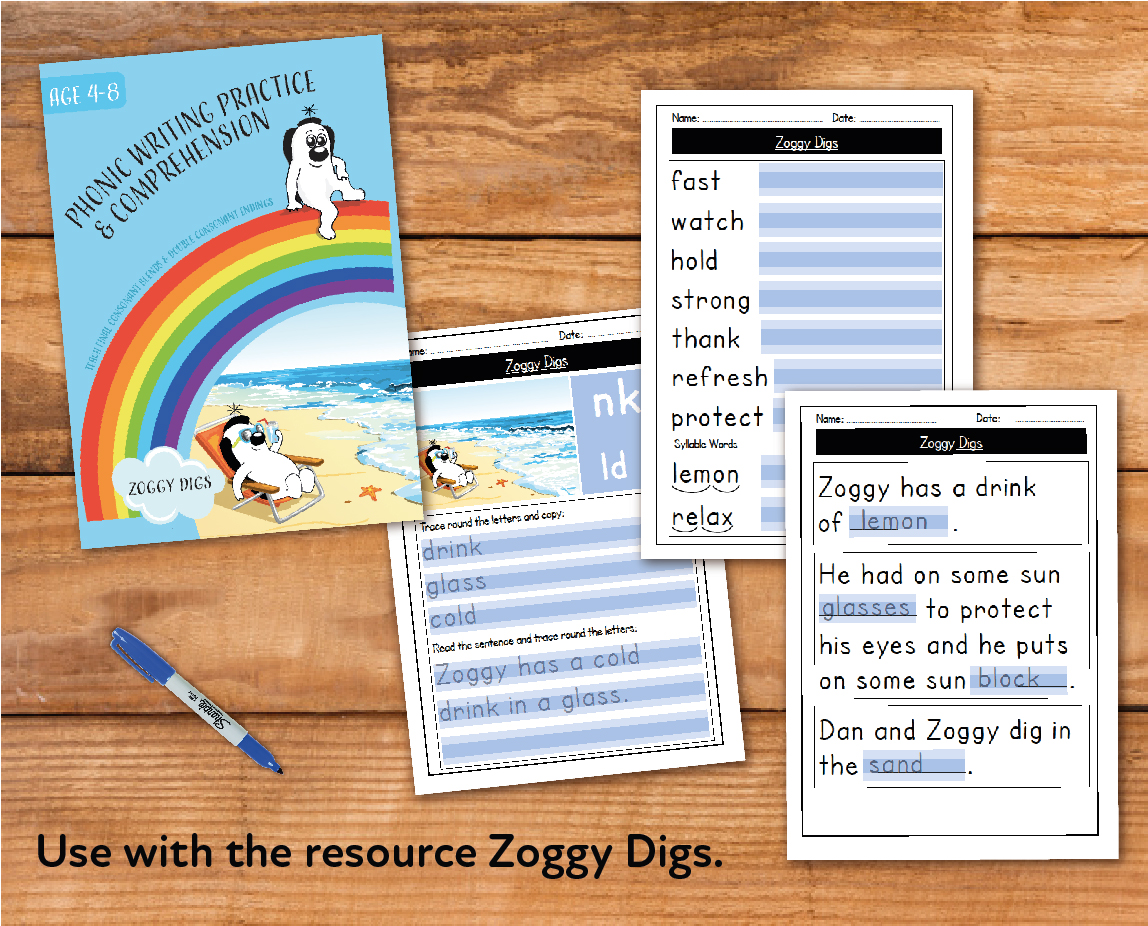
Phonics writing worksheet pack reinforcing the storybook 'Zoggy Digs' through consonant-ending tracing, word copying, sentence tracing, and cloze-style story recall.

Product Description The Phonics CVC words spin wheel for phonics single sounds or phase 2 is a great resource to use to encourage young children to read and simple word comprehension. This set of colorful spin wheels have been divided into sound groups. The CVC words only use the letters shown on the cover of the spin wheel. This product also includes…
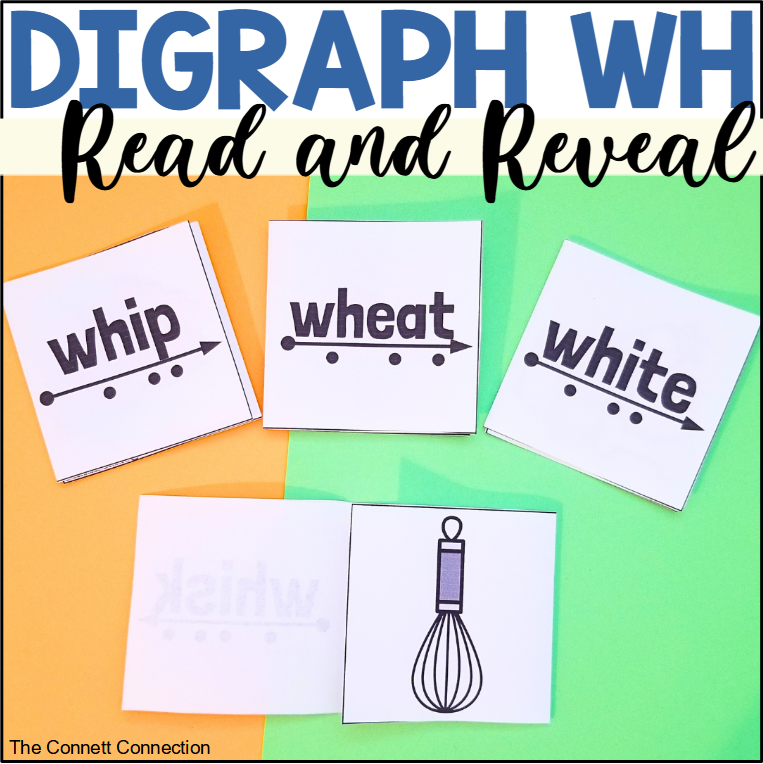
A set of self-checking, fold-and-reveal phonics cards for independent practice blending and reading words containing the WH digraph.
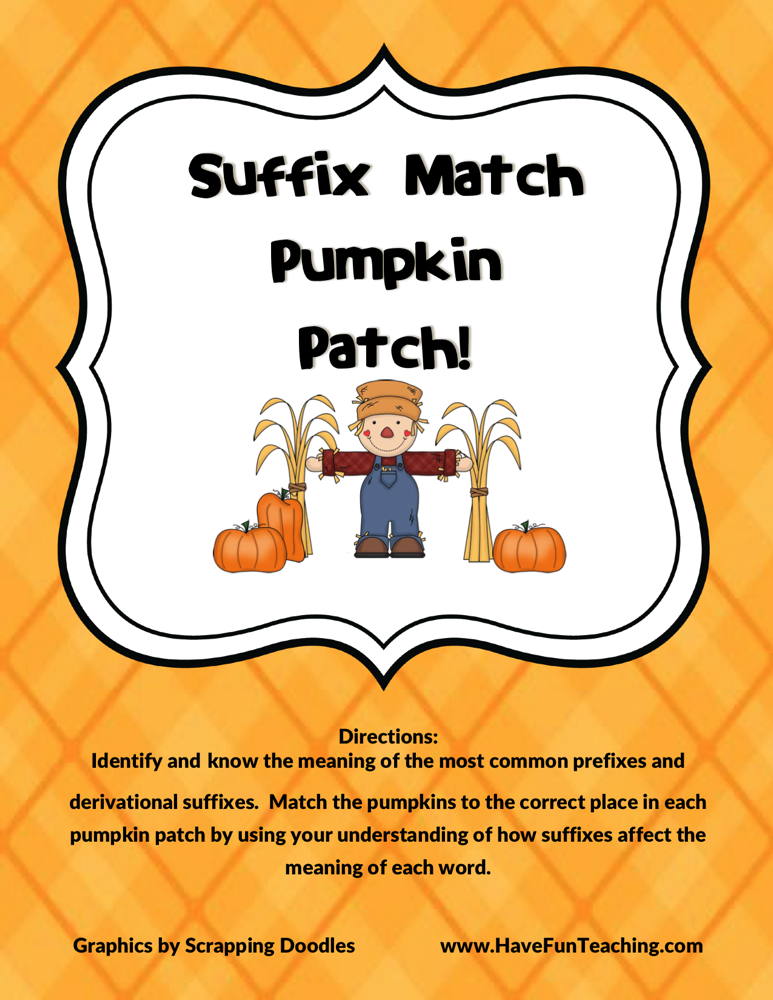
Match pumpkin pieces to the correct suffix meaning (e.g., '-er' = 'a person who...', '-ful' = 'full of...', '-less' = 'without...', '-ly' = 'to do in a ... manner', '-ness' = 'the state of being...') and match base words with their suffixed forms (e.g., announce/announcer, big/bigger, cheer/cheerful, hope/hopeless, poor/poorly,…