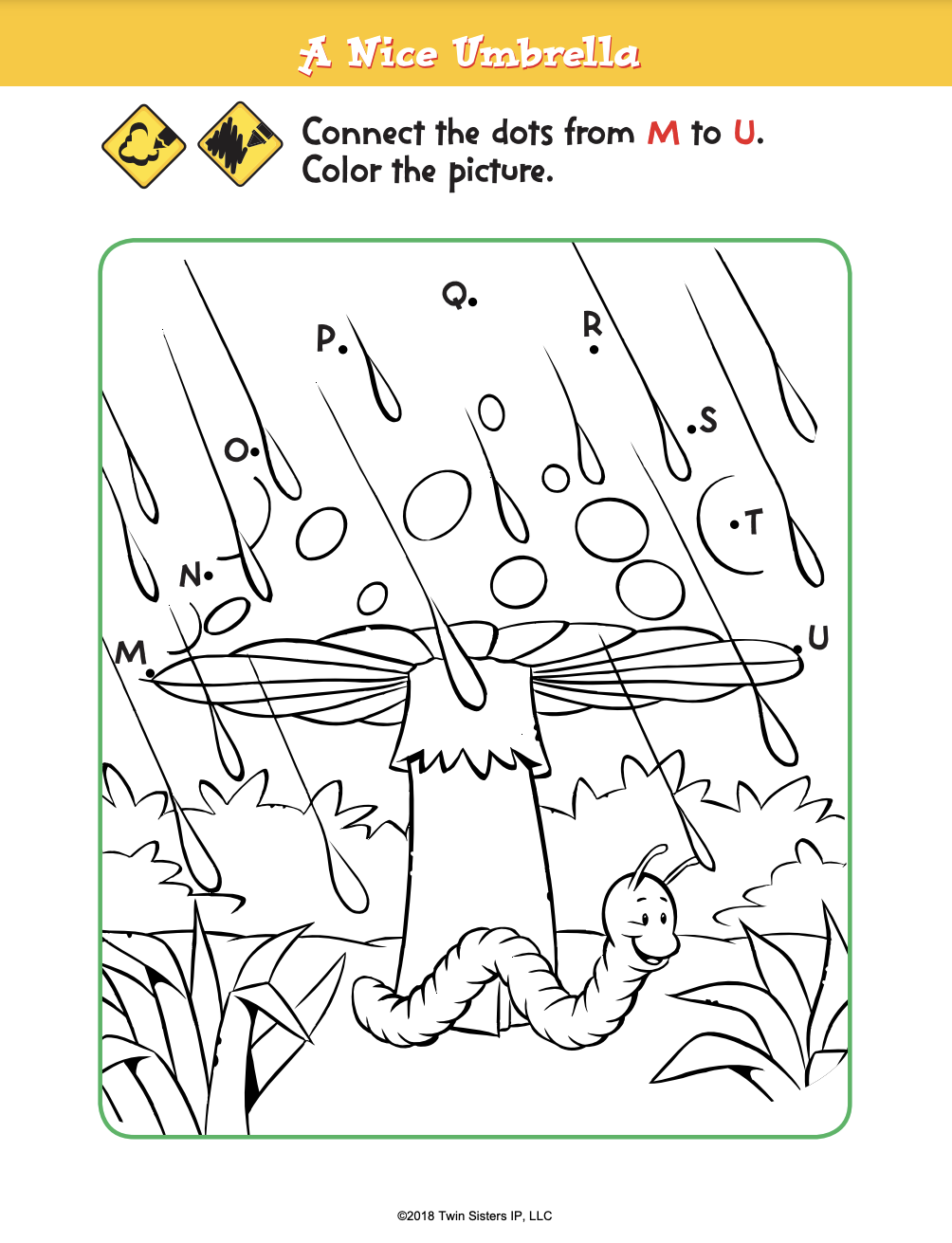
Alphabet Practice Sheets: Uppercase and Lowercase Letters R-Z
Alphabet practice worksheets teaching uppercase and lowercase letter recognition and formation for letters R-Z through tracing, writing, and picture-sound matching.


10,684 resources
Explore sub-categories
10 sub-categories · 10,684 resources
Alphabet practice worksheets teaching uppercase and lowercase letter recognition and formation for letters R-Z through tracing, writing, and picture-sound matching.

Insect-themed alphabet flashcards to help young students learn and match letters of the alphabet.
 Free download
Practice and check recognition/spelling of Fry's Sixth 100 Sight Words (words 1-20 of this free sample) through fill-in-the-blank sentences and flash-card style word drill.
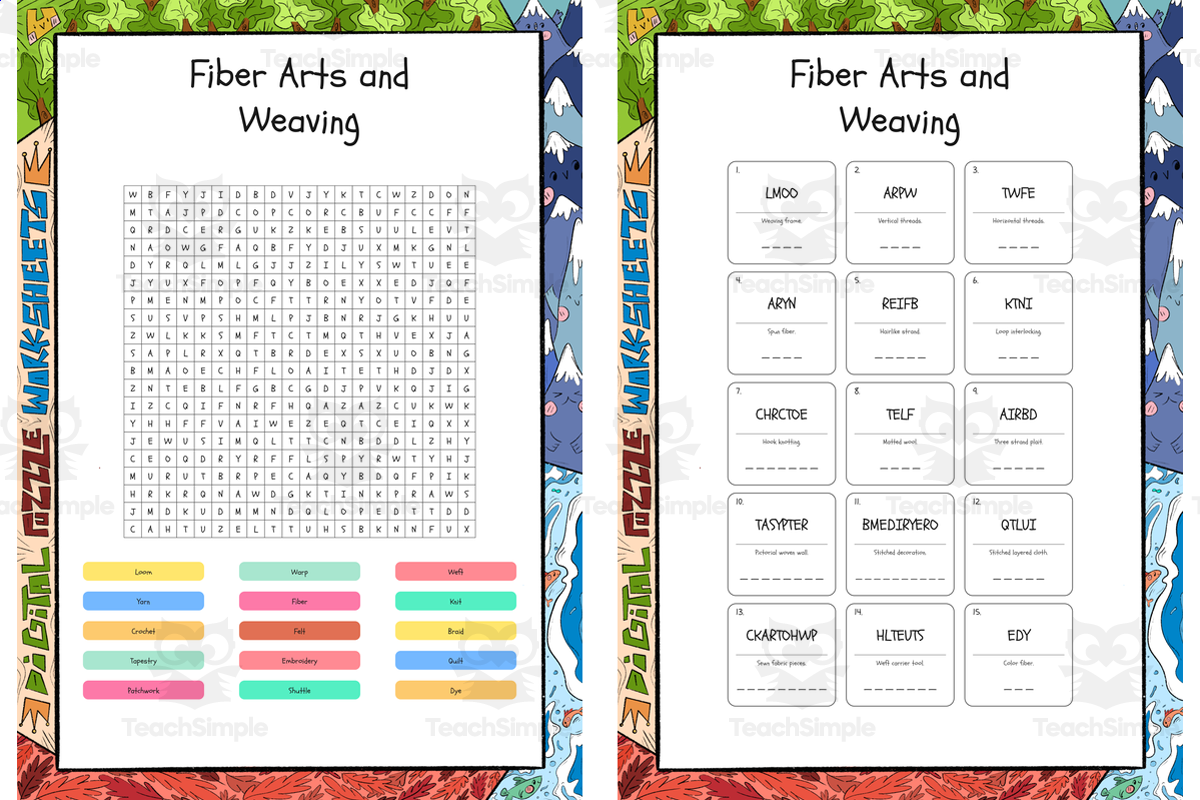
A vocabulary practice set teaching fiber-arts and weaving terminology (e.g. loom, warp, weft, tapestry, crochet) through puzzle formats.
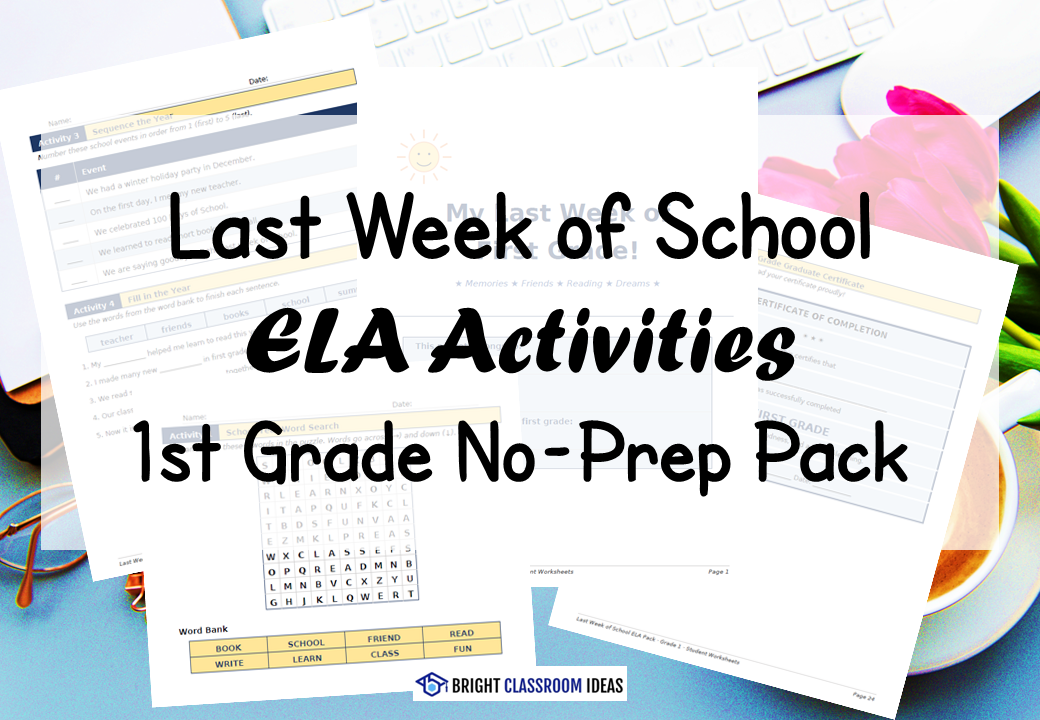
A no-prep, 5-day Grade 1 end-of-school-year ELA packet (teacher guide, student worksheets, and answer key as separate files) combining literacy skill review with reflective/celebratory last-week-of-school activities.

Build ESL/EFL reading comprehension, vocabulary, and writing skills using a nonfiction passage about food blogging.
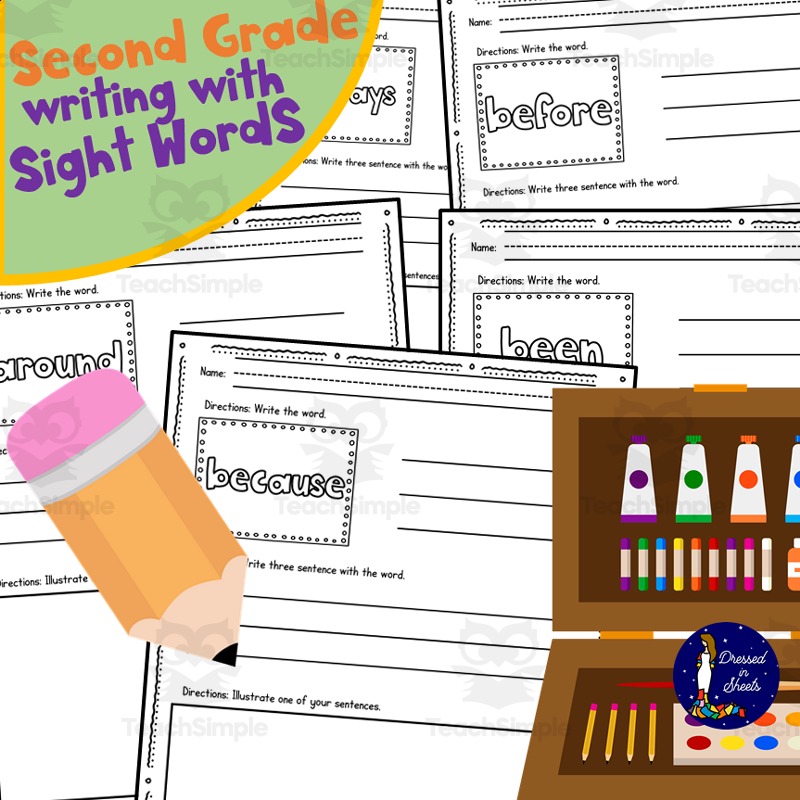
Practice writing Dolch sight words in original sentences and illustrating them.

Fill-in-the-blank sentence practice sheets that drill a set of sight words (Fry's 5th 100 words, Set 7 (words include done, English, road, half, ten, fly, gave, box, finally, wait, correct, oh, quickly, person, became, shown, minutes, strong, verb, stars, front, etc.)) in context.
 Free download
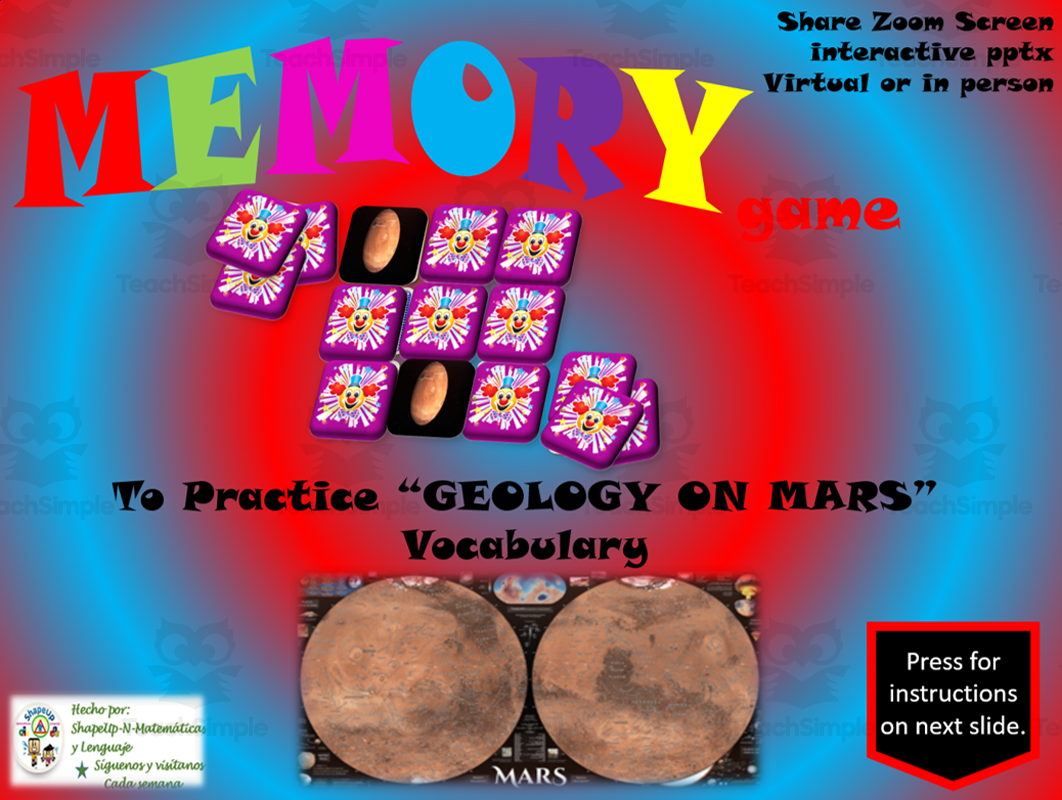
Interactive PowerPoint memory-matching game to practice grade 8 Mars-geology vocabulary.

Gives ESL/EFL teen learners a reading-comprehension and essay-writing practice activity built around an informational passage on the American Revolution (1775-1783).
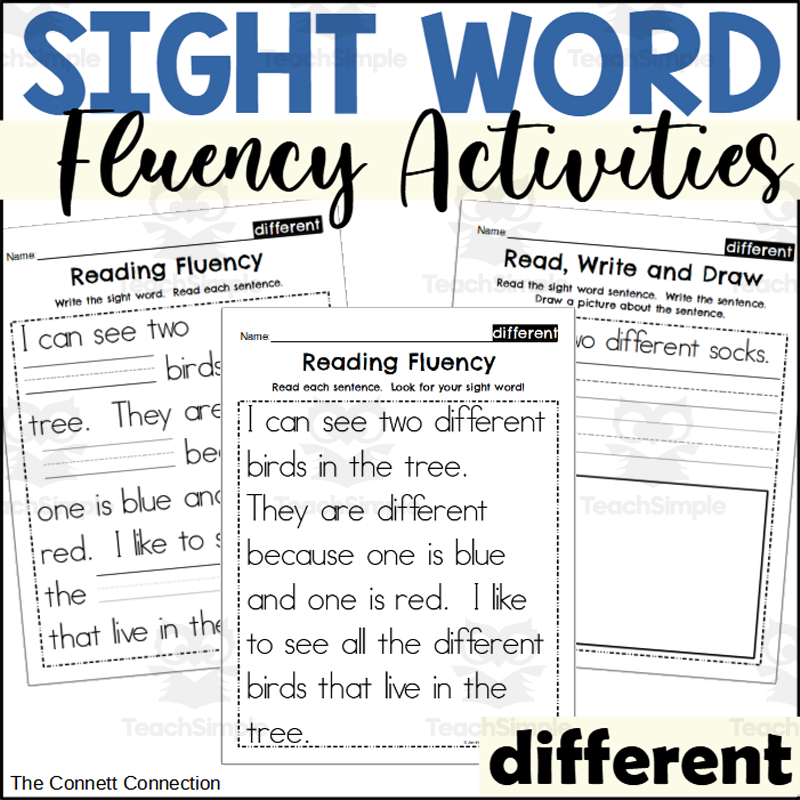
Sight word fluency practice for the target word "different": students read the word in context, recall it in a fill-in-the-blank passage, then copy a sentence using it and draw a picture.
 Free download
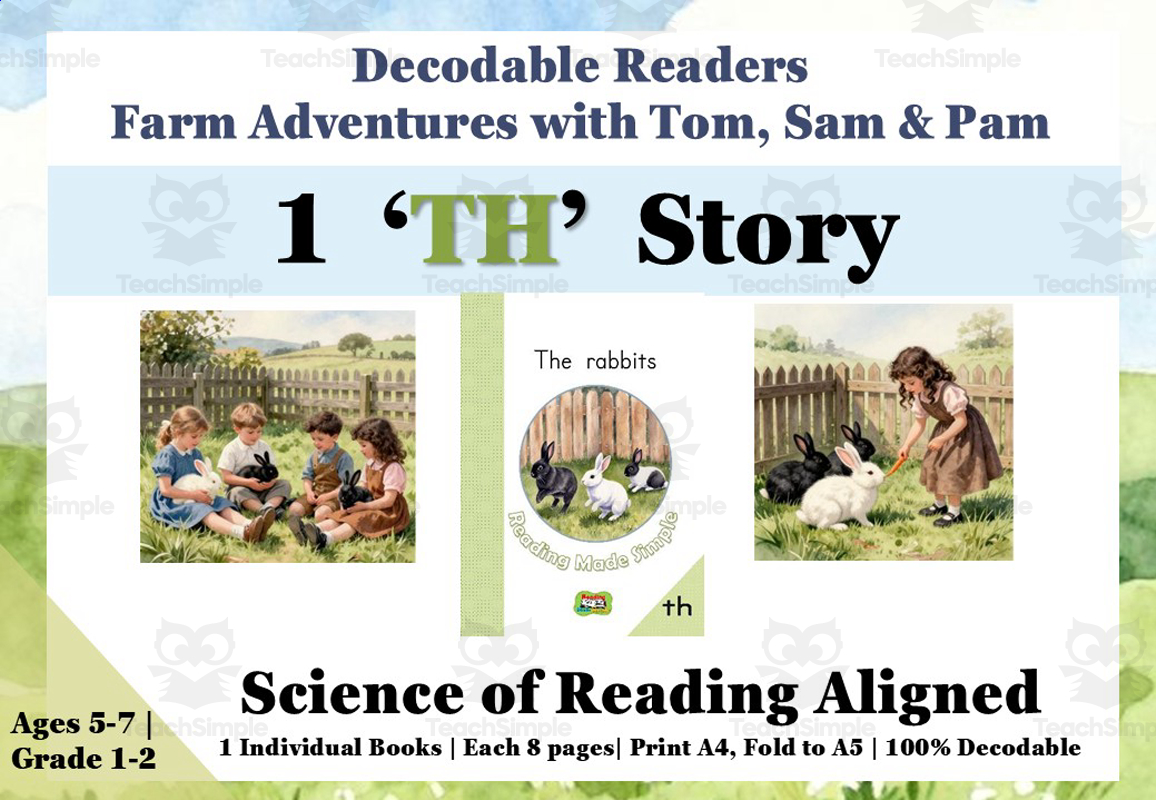
A decodable reader booklet giving beginning readers practice with the 'th' digraph in a short story.

Provides printable capital-and-lowercase letter outline templates covering all 26 letters of the alphabet for letter-recognition and letter-formation activities.

Provide uppercase and lowercase alphabet flashcards plus matching coloring pages to build letter recognition and letter-object association for early learners.
 Free download
Practice and check recognition/spelling of Fry's First 100 Sight Words (words 1-20 of this free sample) through fill-in-the-blank sentences and flash-card style word drill.
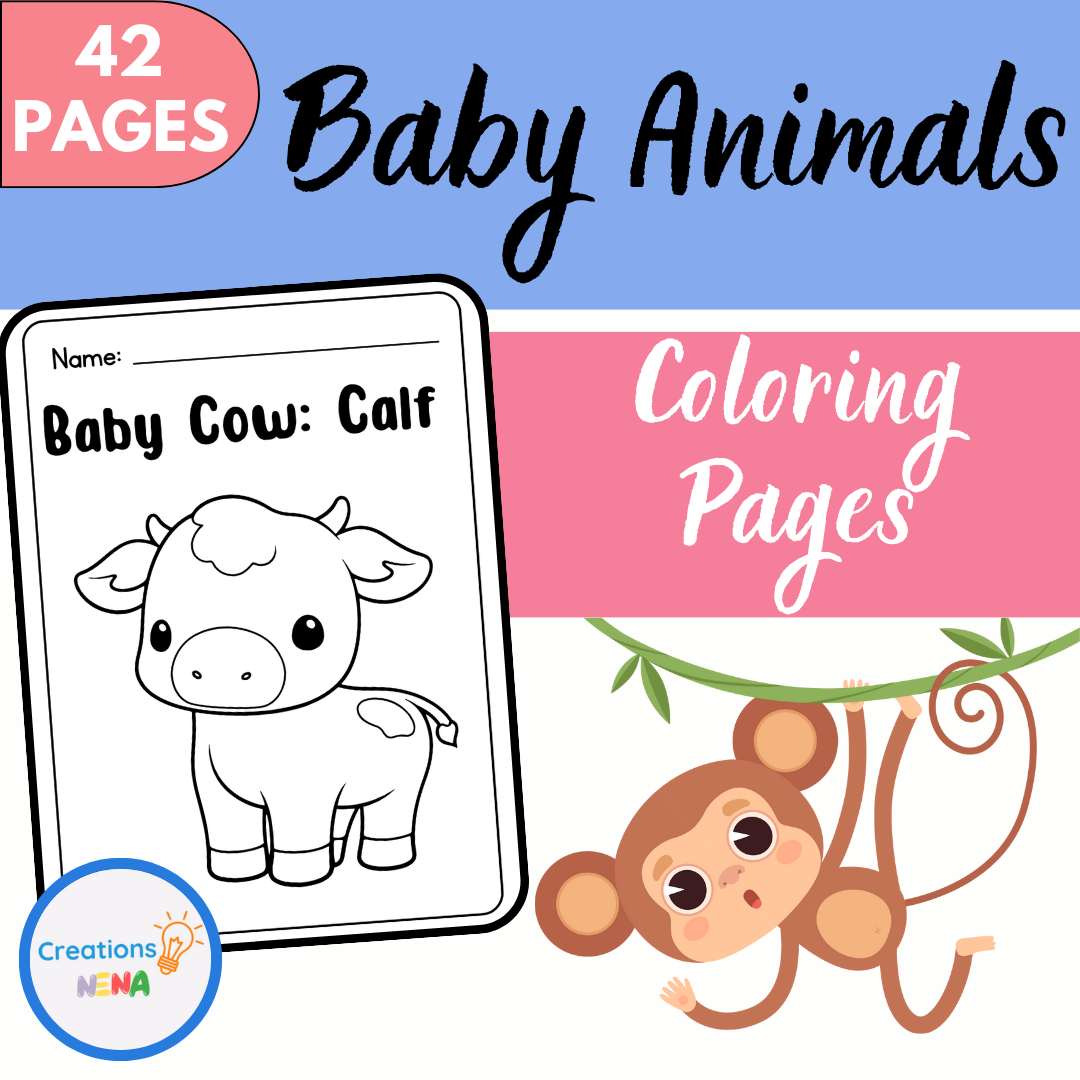
Give young students coloring practice while introducing vocabulary for baby-animal names (e.g. cub, kid, kitten, calf, joey).
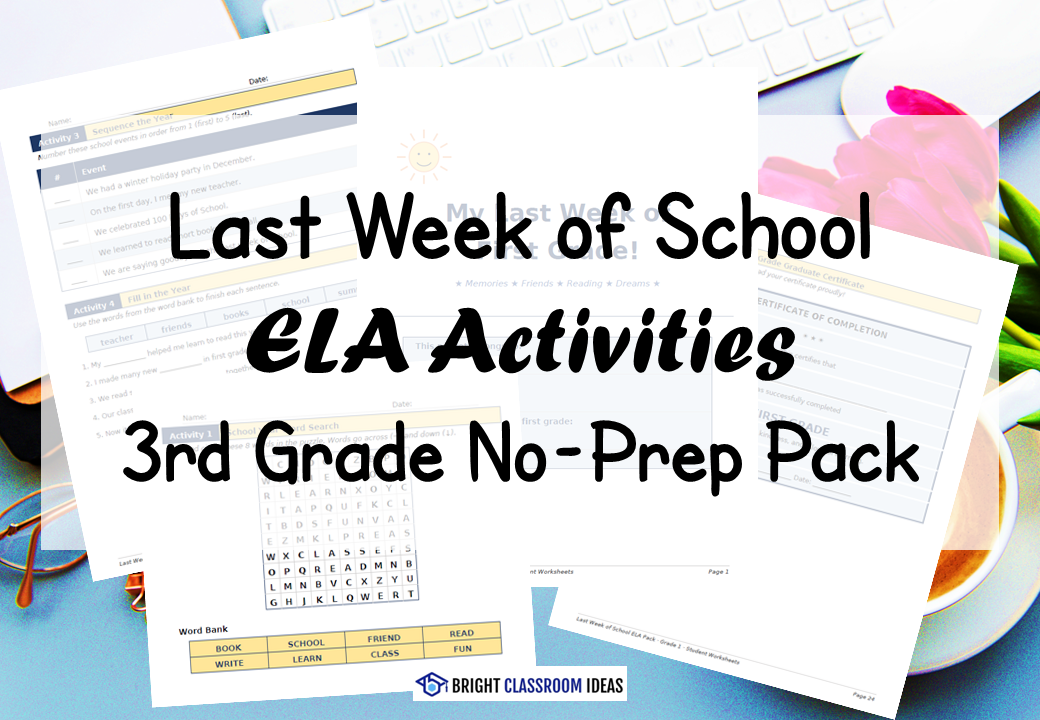
A no-prep, 5-day Grade 3 end-of-school-year ELA packet (teacher guide, student worksheets, and answer key as separate files) combining literacy skill review with reflective/celebratory last-week-of-school activities.
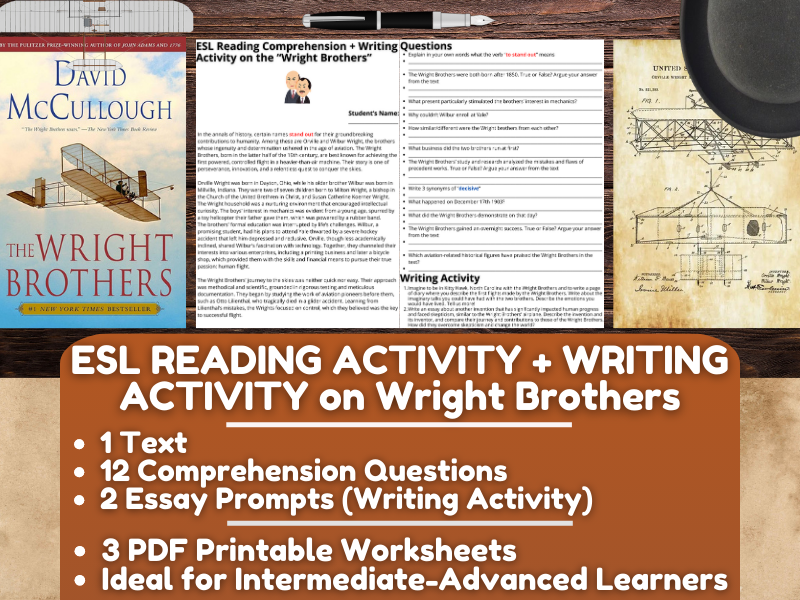
Give secondary-level ESL/EFL students reading-comprehension and writing practice using a short nonfiction passage about the Wright Brothers and the invention of powered flight.
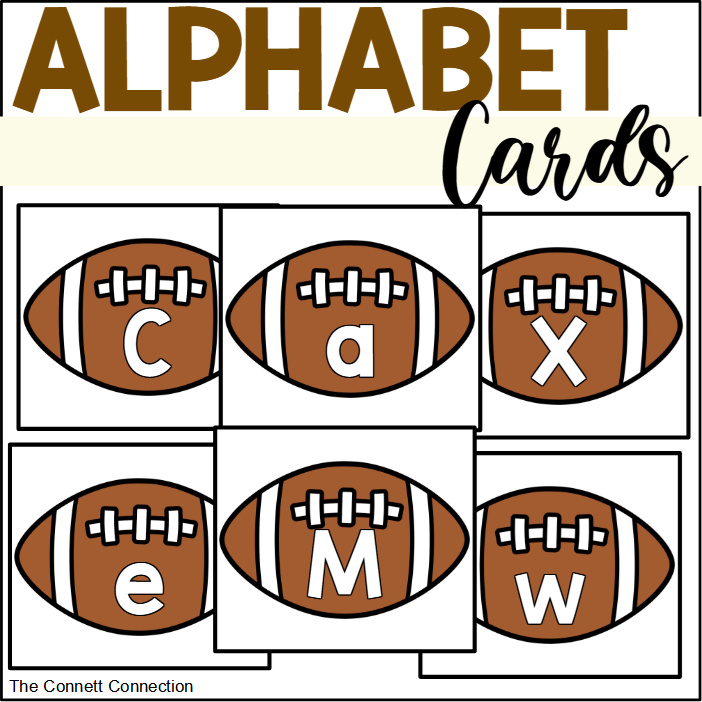
Football-themed alphabet flashcards/matching cards for uppercase and lowercase letter recognition.

Printable color-coded flashcards presenting Fry's fifth hundred high-frequency sight words (401-500) for reading/vocabulary practice.

This taboo speaking game is ideal for all of your students and is the perfect practice activity for your ESL students. This game is engaging for students and entices cooperative learning for them. This game includes weather vocabulary. There are 30 cards. Instructions are included.
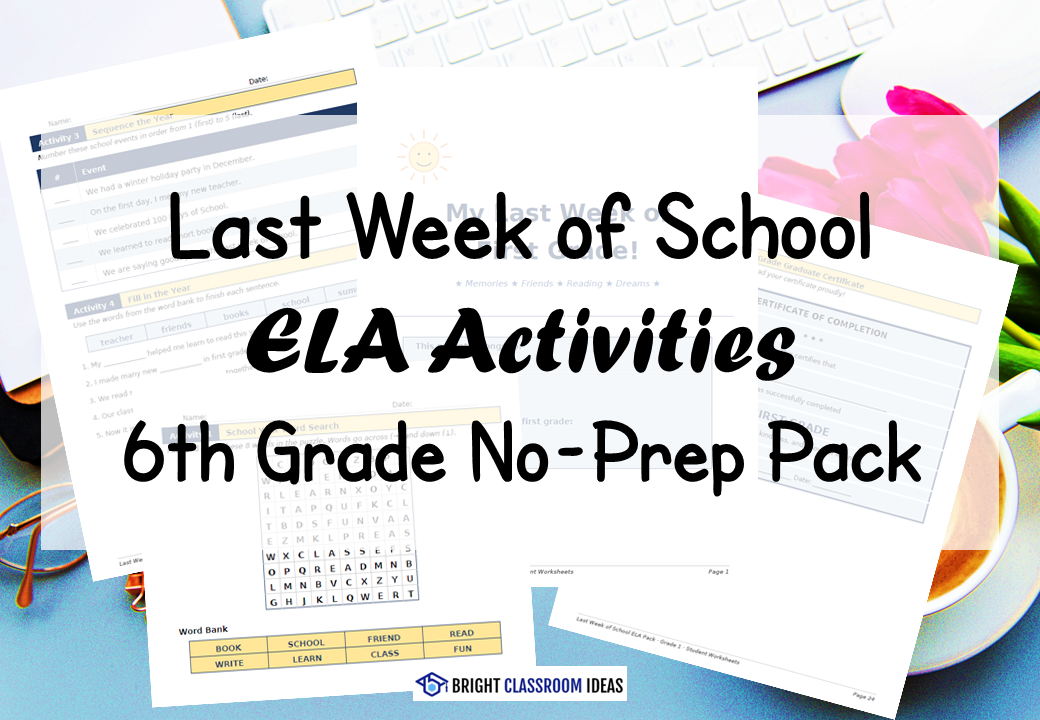
A no-prep, 5-day Grade 6 end-of-school-year ELA packet (teacher guide, student worksheets, and answer key as separate files) combining literacy skill review with reflective/celebratory last-week-of-school activities.

This Peter Pan reading introduces the character's literary background and the world of Neverland before moving into comprehension questions. Students explain details and vocabulary from the passage, then choose a writing response that asks for personal reflection or an opinion about growing up. Use discussion before drafting to help learners organize reasons and examples.

Sight word fluency practice for the target word "came": students read the word in context, recall it in a fill-in-the-blank passage, then copy a sentence using it and draw a picture.