Number practice
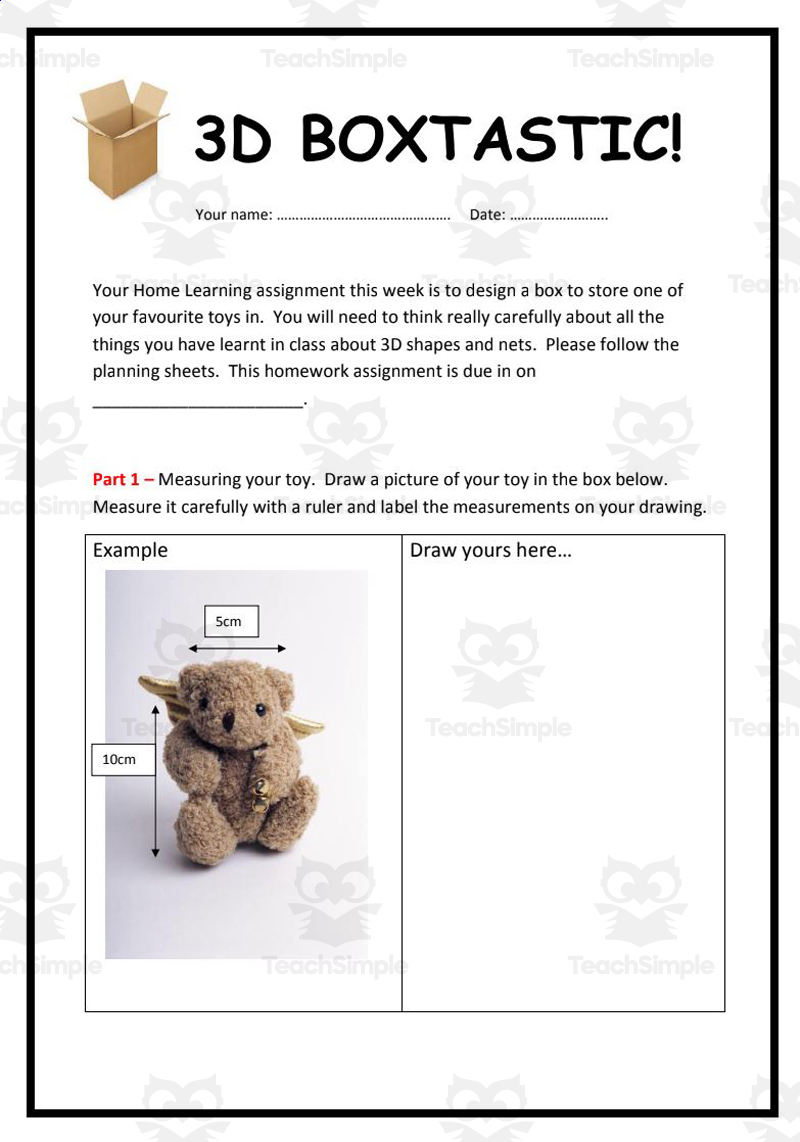
Math Project: 3D Boxtastic
A home-learning design project applying knowledge of 3D shapes and nets by having students design and build a box to store a favourite toy, integrating measurement.


Classroom resources
Browse by lesson focus
Choose the topic or kind of practice you need.
Showing 121–144 of 3189 resources

 Show filters
A home-learning design project applying knowledge of 3D shapes and nets by having students design and build a box to store a favourite toy, integrating measurement.
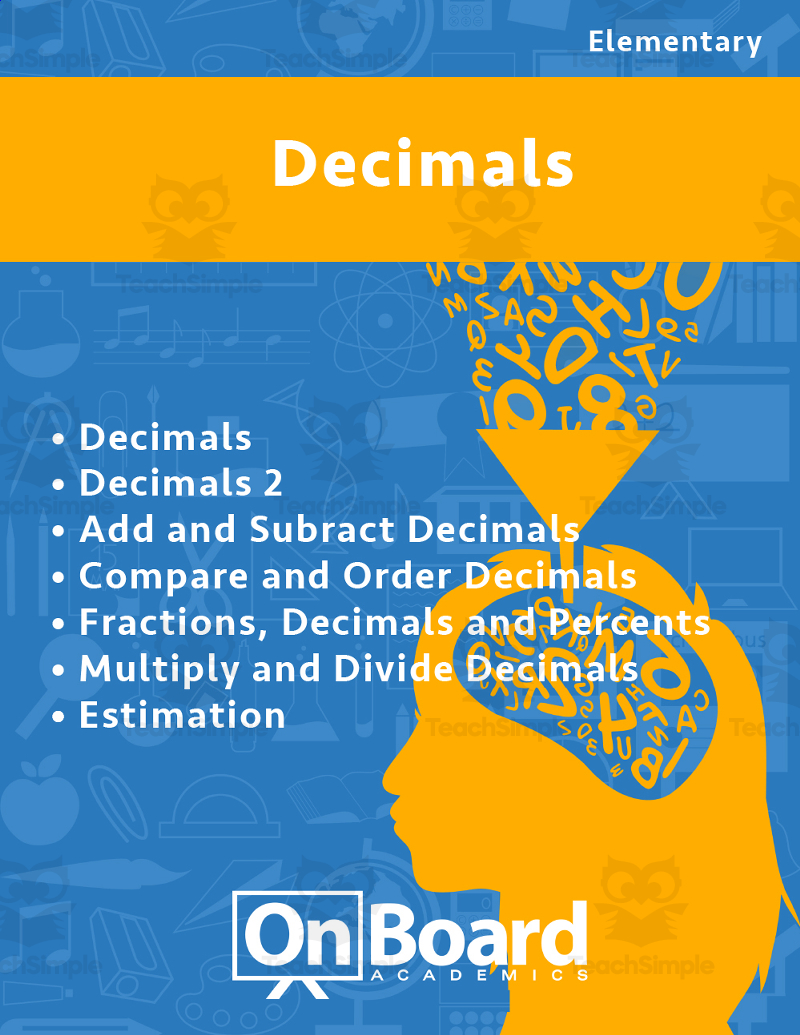
A 52-page decimals workbook covering a progression of decimal skills -- from basic decimal/money notation through comparing/ordering, fraction-decimal-percent conversion, and multiplying/dividing decimals -- usable as a standalone unit or supplementary material.

This financial literacy lesson uses information from Canada’s Consumer Price Index. Students: - watch a video and take notes to learn what the Consumer Price Index is, how it is calculated, and what it is used for - learn how to do a simplified inflation calculation (no compounding): This involves order of operations, fractions,…
A slideshow-based bingo game giving students practice adding and subtracting fractions, including mixed numbers, aligned to CCSS 5.NF.
A large collection (101 numbered activities) of applied math activities using real-life scenarios (family data, measurements, schedules, money, percentages) for upper-elementary/middle-school students.
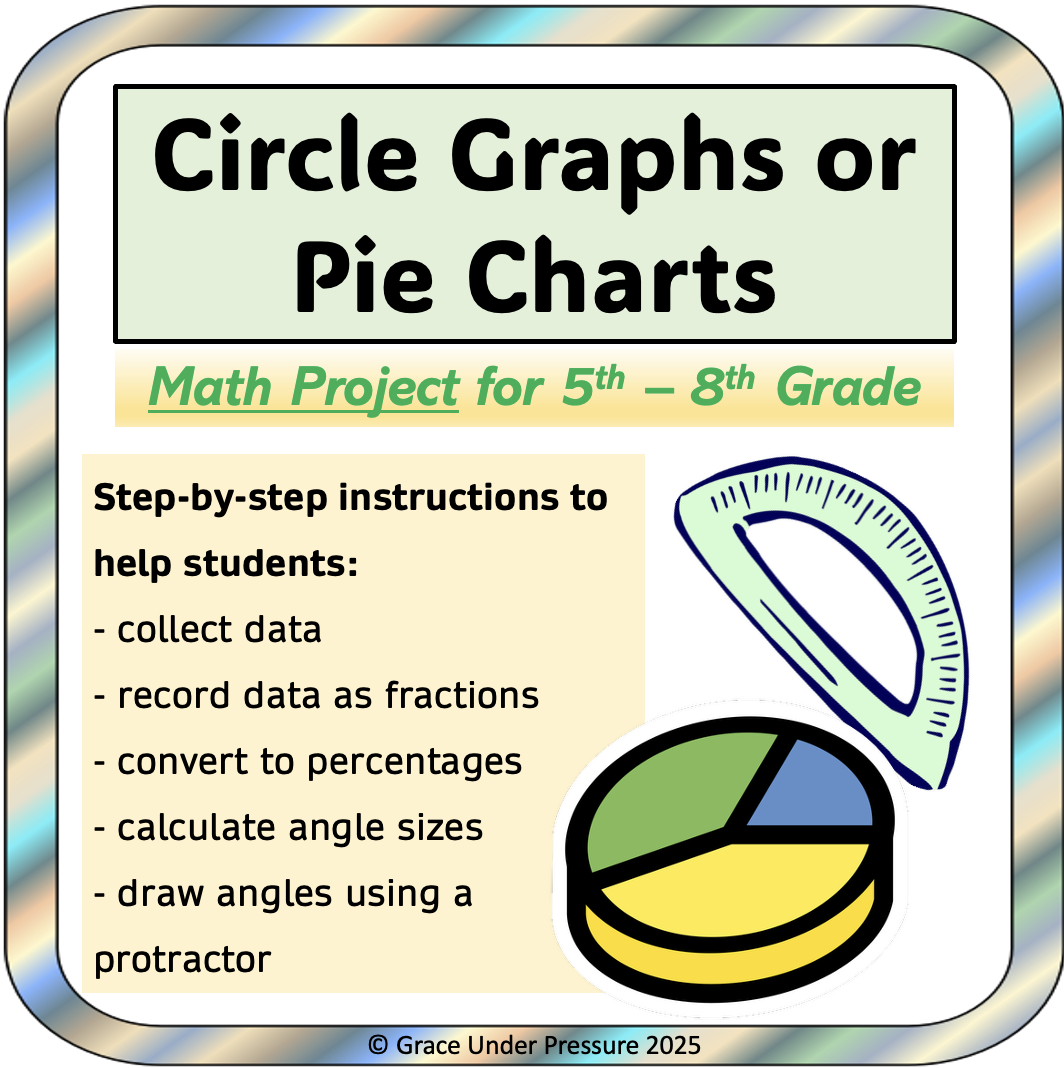
A six-answer survey question anchors this integrated math project, which has students poll exactly 25 people and tally the responses by hand. From there they convert each answer's tally into a fraction out of 25, an equivalent fraction out of 100, and a percent written as a decimal, following a worked example (4/25 = 16/100 = 16% = 0.16). The next step converts each decimal to a number of degrees by multiplying by 360, with a reminder that all six values must sum to 360 degrees before drawing begins. In the final step, students use a protractor aligned to the circle's center to plot each angle in turn, then add a title, color, and labels to complete their own hand-drawn circle graph.

Students practice algebra and related number skills through code puzzles, grids and other problem-solving activities. Topics include order of operations, exponents, integers, fractions, percents, graphing, and equations and inequalities . Worked guidance supports the exercises, and many activities use answers to reveal a message or complete a puzzle. Choose pages to follow your instruction and use the answer key to review both calculations and puzzle results.
A full-length, standards-aligned mock exam that mirrors the format of the Georgia Milestones Grade 8 Math assessment, giving students targeted practice in exponents/irrational numbers, linear functions, systems of equations, geometry, and statistics.
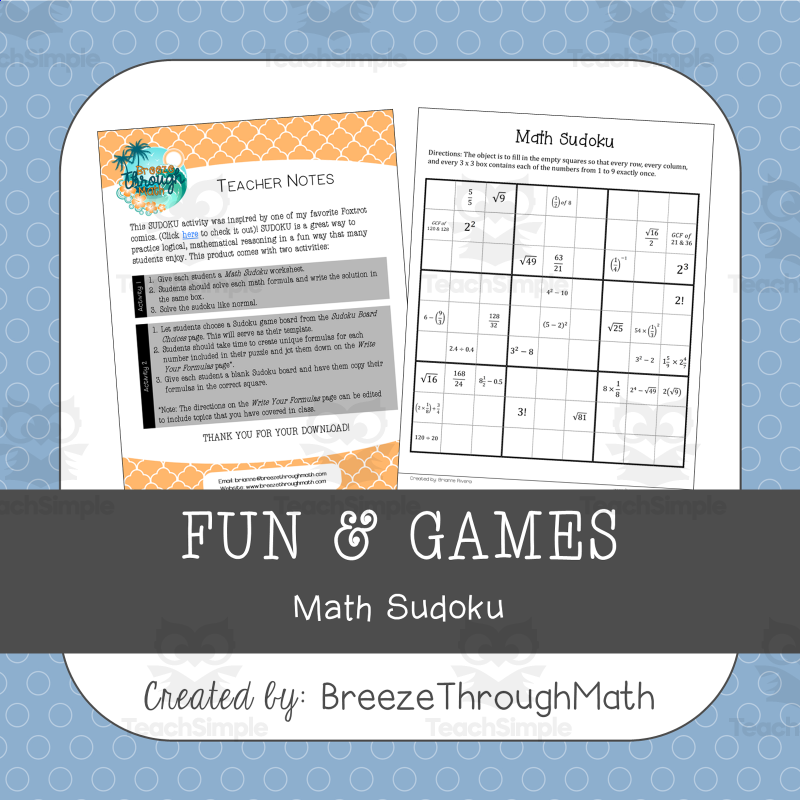
Students first evaluate expressions to uncover Sudoku digits, then apply row, column and box rules to complete the grid. The second activity turns them into puzzle writers, using planning pages to create expressions for digits one through nine. A solved example, board choices and teacher instructions support the transition from solving to designing; teachers can adapt the expression topics to recent math work.
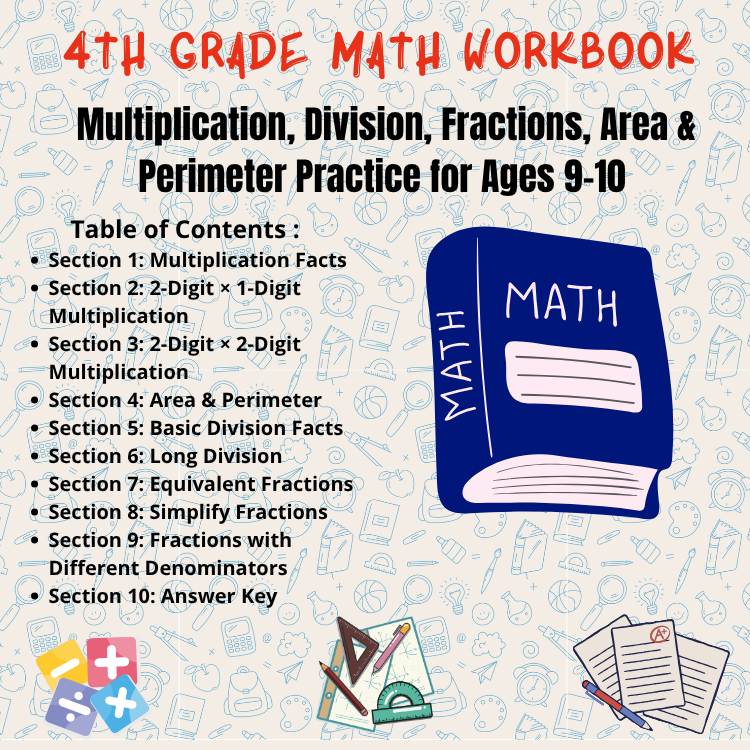
A 4th-grade math workbook of practice sections progressing through multiplication, division, area/perimeter, and fractions.
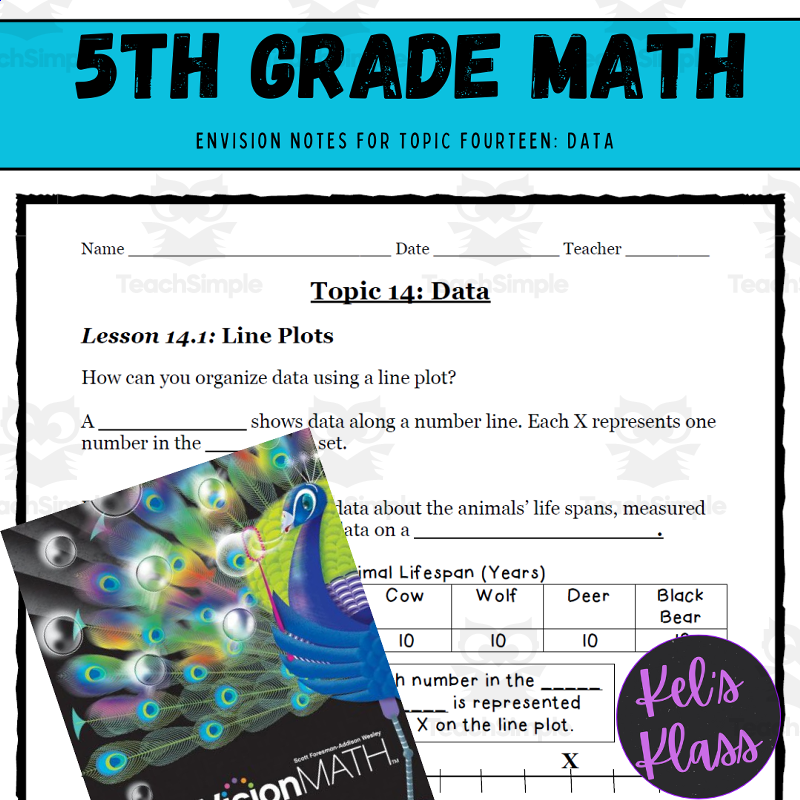
Teach and provide guided practice for organizing and interpreting data using line plots and frequency tables, including survey data and fractional measurement data, aligned to (but not excerpted from) the Envision Math Grade 5 Topic 14 curriculum sequence.

A 15-question, 115-point "Geometry Proofs Group Practice Test" bundles most of a first geometry course 's proof and construction topics into one collaborative assessment , from two-column triangle congruence proofs and CPCTC to compass-and-straightedge constructions of an angle duplicate, a perpendicular line, and a triangle's incenter,…
A full-length, standards-aligned mock exam that mirrors the format of the Georgia Milestones Grade 7 Math assessment, giving students targeted practice across proportions, equations, geometry, and probability.

Teach basic numeracy skills (place value, number comparison, and other core math topics) to students aged approximately 9-12, using cartoon characters and worked examples.
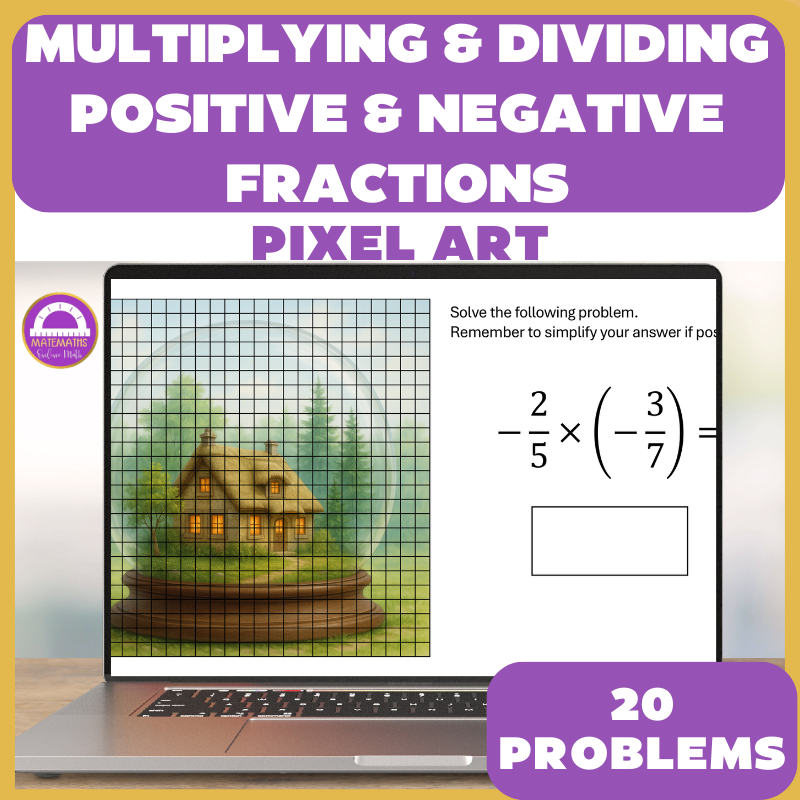
Give students practice multiplying and dividing positive and negative fractions.
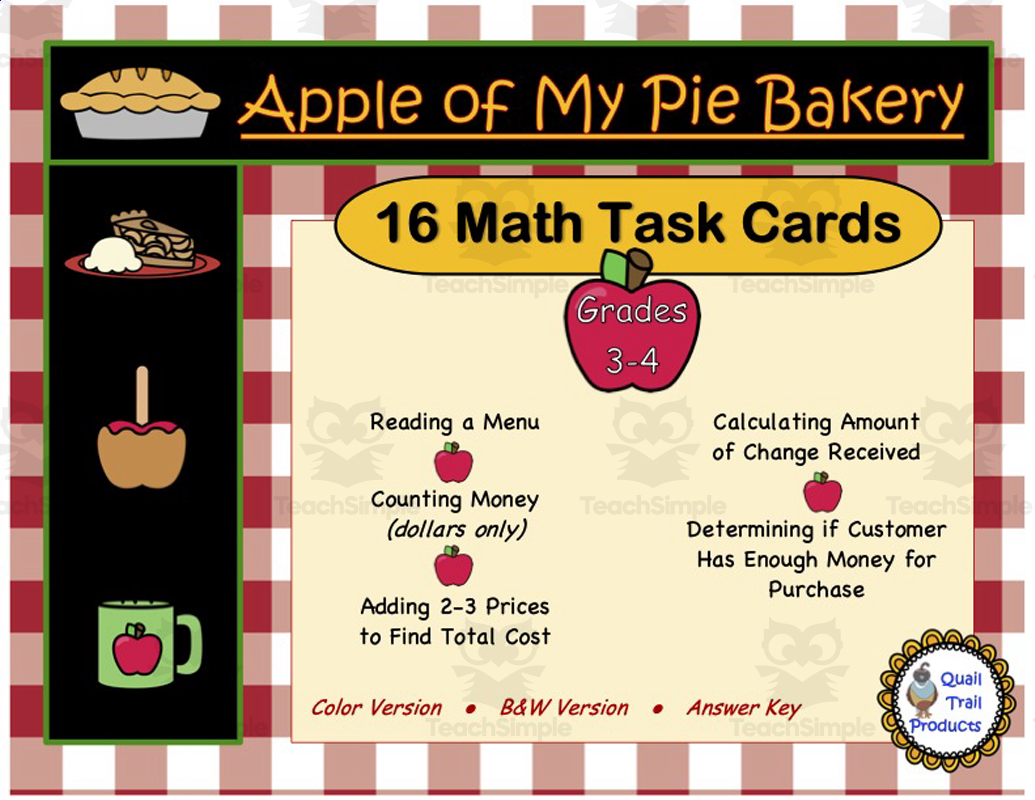
Provide apple-bakery themed math task cards for Grade 3-4 practice with money math and basic arithmetic.
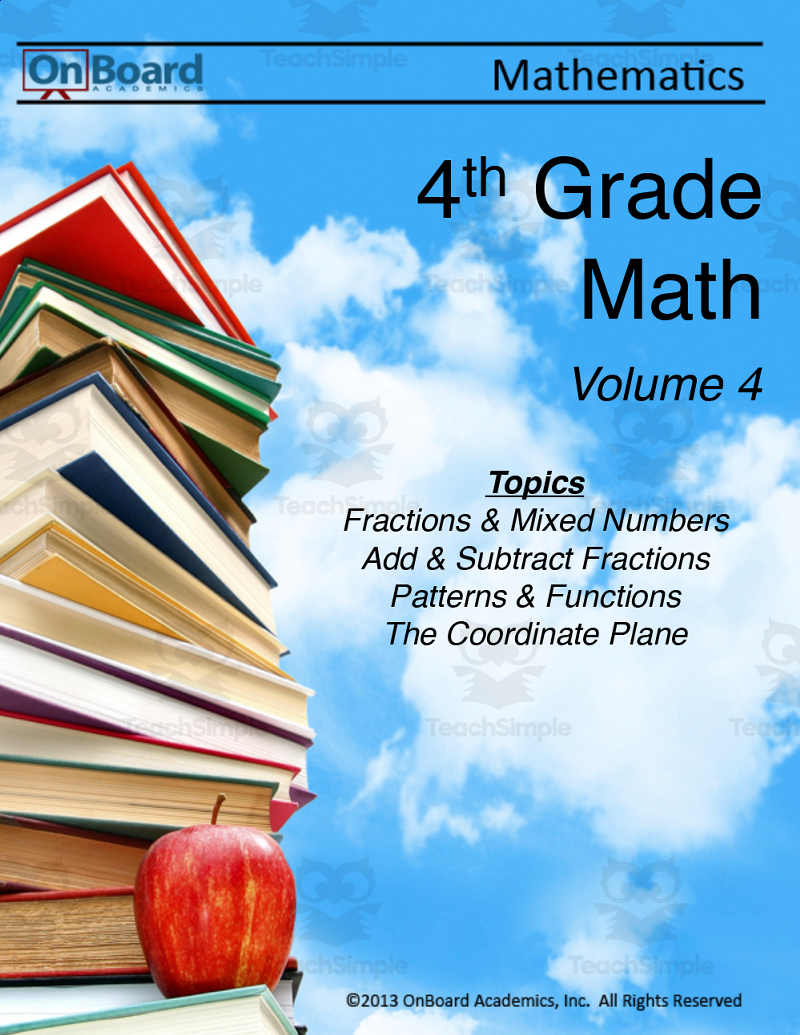
Grade 4 Math skill-practice workbook covering fractions and mixed numbers, adding and subtracting fractions, patterns and functions, the coordinate plane with worked examples, guided practice pages, and a short quiz at the end of each topic.
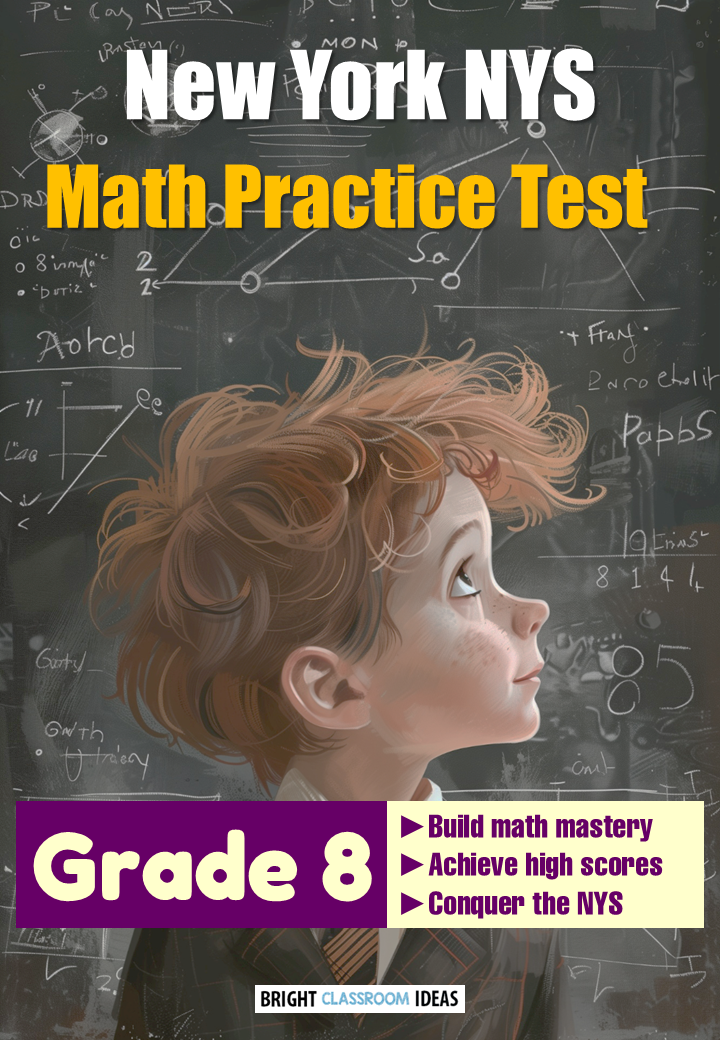
A New York State-aligned Grade 8 math practice test (full-length) preparing students for high school math, covering algebra foundations, functions, and geometry, with a scored answer key and teacher's guide.
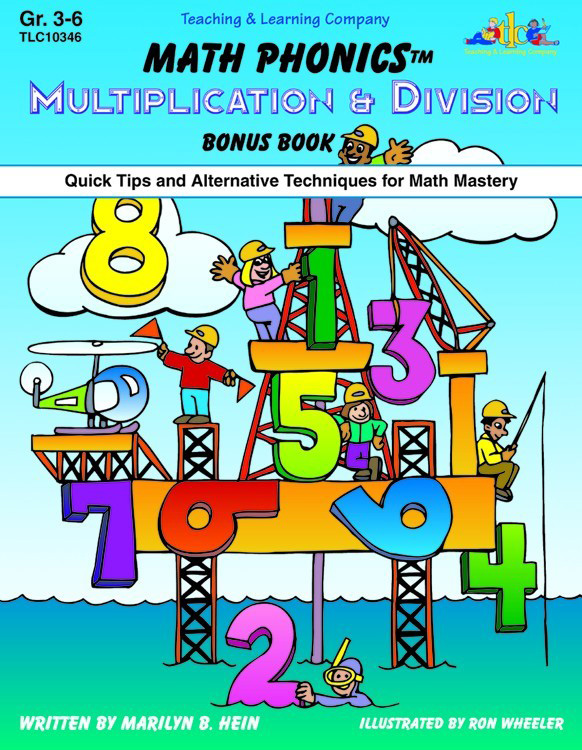
Provide teachers with a structured, multisensory ('Math Phonics') supplementary program of 10 lesson plans, worksheets, games, and flash cards for building multiplication and division facts fluency, building on an earlier base Math Phonics multiplication/division book.

Practice worksheet for 8th grade math standard 8.EE.A.1, teaching students to combine and simplify powers/integer exponents.
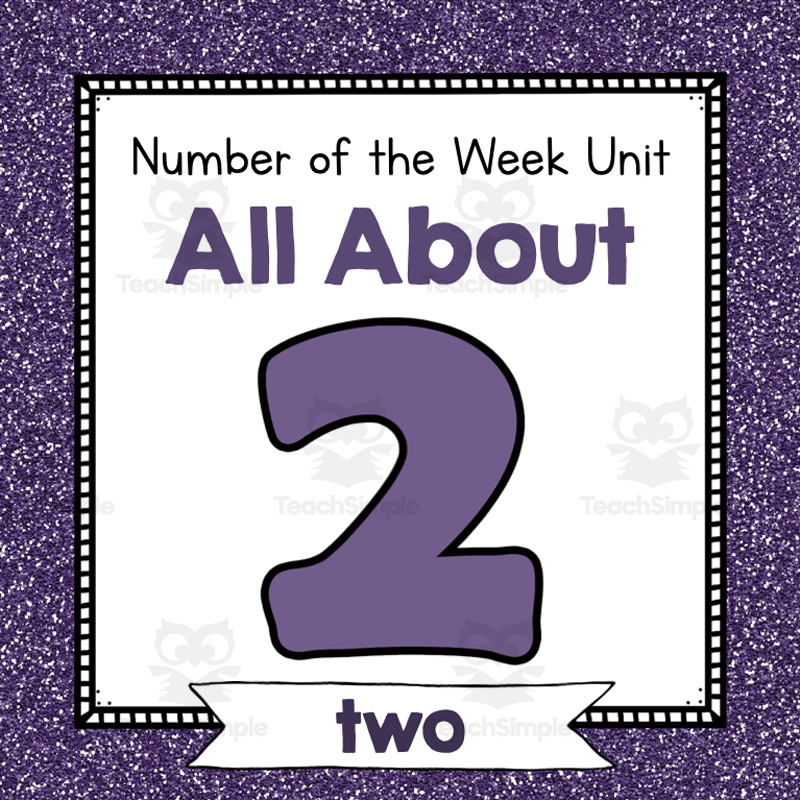
Teach and build number sense around the number 2 ('Two') through a mix of hands-on manipulatives and printable practice pages covering recognition, formation, and counting.
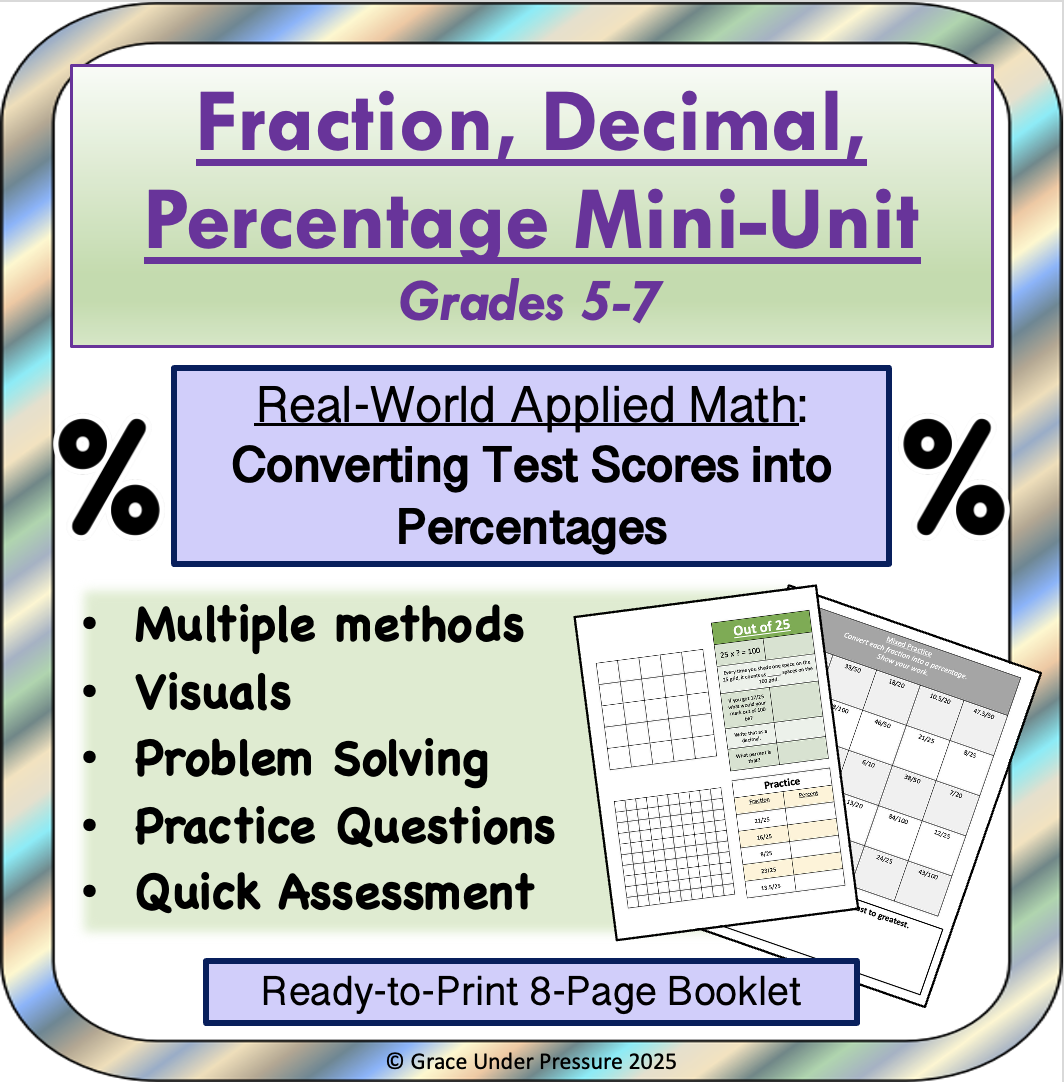
A booklet teaching students to convert test/assignment scores (fractions) into percentages and decimals using multiple methods (equivalent fractions to a denominator of 100, and long division).
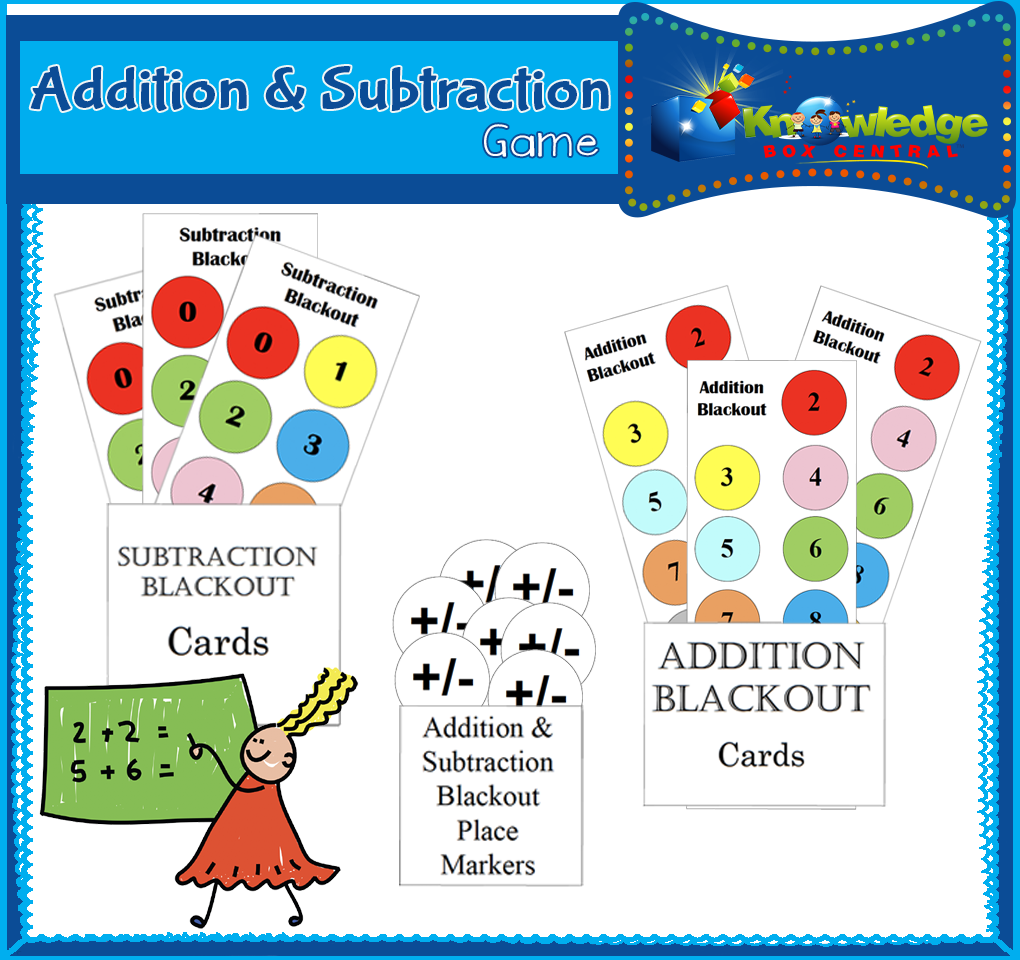
A printable 'Games Notebook' style resource providing a blackout-board game for practicing addition and subtraction facts.

Teach four Grade 6 algebra/geometry/measurement topics: solving simple equations, the coordinate plane, transformations on the coordinate plane, and customary units of measure.