



3,911 products added recently
Page 9 - Special Educational Needs Activities
Support your students with special educational needs through activities designed to address various learning styles and abilities. This collection includes sensory play, social skills development, and adaptive learning exercises. By incorporating these activities into your teaching, you can create an inclusive environment that meets the needs of all learners.

 Show filters

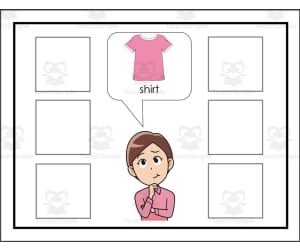
Help Sophia Find the Items: Things You Wear
Special Resources, Special Education Needs (SEN), Speech Therapy, Life Skills, Math, Early Math, Science, Basic Science, Kindergarten, Preschool, Grade 1, 2, Activities
Why we sort by FEATURE - FUNCTION - CLASS Teaching children to sort or group items by feature, function, and classification is important for several reasons: Cognitive development: Sorting and grouping require children to think critically and make connections between items based on their characteristics. This helps to develop their cognitive abilities and improve their problem-solving skills. Organization: Sorting and grouping items based on their features, function, or classification can help children to organize information and make sense of their environment. This can improve their memory and make it easier for them to retrieve information later. Language development: Sorting and grouping can also help to develop children's language skills by providing them with the vocabulary to describe different features, functions, and classifications. This can improve their ability to communicate effectively and express their ideas clearly. Mathematical skills: Sorting and grouping can also help to develop children's mathematical skills, such as counting, categorizing, and comparing. This can lay the foundation for more complex mathematical concepts later on. This activity involves sorting clothing items based on their features, functions, and classes - the items in this activity are commonly seen as "girl" clothes. The learners will be presented with a collection of various clothing items such as shirts, pants, jackets, sweaters, and so on. The objective of the activity is to categorize these items based on their unique features, functions, and classes. To begin the activity , the instructor will introduce the concept of feature, function, and class, providing examples and a brief description of each. The learners will then be given a set of clothing items and asked to sort them into categories based on FEATURE- describing something 'the shirt is red' 'things with zippers' FUNCTION - what it is used for 'wear a coat when it is cold' CLASS - a category 'all shirts' or 'all socks' *For example, the learners could sort clothing items based on the feature of long sleeves, the function of keeping warm, or the class of pants. Overall, teaching children to sort and group items by feature, function, and classification can provide them with a range of cognitive, organizational, language, and mathematical benefits that can support their development in various areas. This activity is easy to create - Print and laminate all cards, cut out the individual sorting cards and velcro to the corresponding activity mat. You can hole punch the mats and put them in a binder for many years of teaching and learning. Enjoy, IFIO girl I'll Figure It Out
Author IFIO girl - I'll Figure It Out
Tags Vocabulary, Clothes For Seasons, Visual Discrimination, Features, Sorting, Occupational Therapy, Tasked Based Teaching, Ablls-r, Feature, Function And Class

Help Monica Sort Clothing - feature, function and Class
Special Resources, Special Education Needs (SEN), Speech Therapy, Life Skills, Math, Early Math, Kindergarten, Preschool, Grade 1, 2, 3, 4, Activities
This activity involves sorting clothing items based on their features, functions, and classes - the items in this activity are commonly seen as "girl" clothes. The learners will be presented with a collection of various clothing items such as shirts, pants, jackets, sweaters, and so on. The objective of the activity is to categorize these items based on their unique features, functions, and classes. To begin the activity , the instructor will introduce the concept of feature, function, and class, providing examples and a brief description of each. The learners will then be given a set of clothing items and asked to sort them into categories based on FEATURE- describing something 'the shirt is red' 'things with zippers' FUNCTION - what it is used for 'wear a coat when it is cold' CLASS - a category 'all shirts' or 'all socks' *For example, the learners could sort clothing items based on the feature of long sleeves, the function of keeping warm, or the class of pants. By completing this activity , the learners will improve their critical thinking and analytical skills as they learn to categorize and classify objects based on different criteria. They will also develop their knowledge and understanding of clothing items and their unique features, functions, and classes. Have hands on fun expanding the learners imagination and mind! This activity is easy to create and assemble - print, laminate and velcro the individual cards onto the activity - Three hole punch and place in a binder for years of teaching and learning. I'll Figure It Out IFIO girl
Author IFIO girl - I'll Figure It Out
Tags Sort Clothing, Sort By Function, Sort By Feature, Visual Discrimination, Early Learning, Girl Clothes, Sort Girl Clothes, ABLLS-R B, Autism, Special Needs

Double Entry Information / Data Boards BUNDLE
Special Resources, Special Education Needs (SEN), Speech Therapy, Math, Early Math, Kindergarten, Preschool, Grade 1, 2, Activities, Worksheets & Printables, Worksheets
A rich BUNDLE collection of DOUBLE ENTRY BOARDS with various fun blackline illustrations to work on visual perception, reasoning and data management skills . There are various versions included, so you as a teacher or therapist can choose the ones that interest your student the most : 1 . Blank spots . 2 . Spacecraft spots . 3 . U F O spots . 4 . Ghost spots . 5 . Dinosaur spots . 6 . Monster spots . 7 . Robot spots . 8 . Submarine spots . Use these data boards to develop cognitive and perceptual skills . - Color / circle / tick / X the right image . - Place cubes, coins or small cards on the correct spot . - Point at the correct spot, as a response to oral instructions . - Point at the correct spot, as a response to written instructions . - Point at the correct spot, as a response to drawn instructions . - Make match to sample boards with smaller colored cards . - Use as craft material basis, combining language and reasoning skills with hands on art ! There is a variety of element data combinations ( numbers, shapes, colors ) to differentiate levels of difficulty . Your visual or written data / instructions can also be placed on the white / blank top margin, as headlines . These are great Basic Math and Occupational Therapy essential resources ! They can work great for Speech and Language Therapy and SPED sessions too . 8 pdf books with black and white illustrations to practice visual data management in a fun way . 240 pages included to choose from . For more pdf materials on numeracy, basic math and pictorial / manipulative approach to math and reasoning learning, you can click WORDS ASIDE .
Author WORDS ASIDE
Tags Data, Monster, Dinosaur, Robot, Mats, Worksheets, Double Entry Boards, Attention, Premath, Words Aside
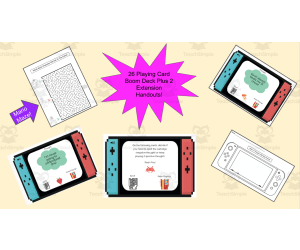
SEL Boom Cards-Eject or Keep Play ?-With Handouts
Special Resources, Life Studies, Social Emotional Learning (SEL), Special Education Needs (SEN), Social Skills, Speech Therapy, Life Skills, Grade 1, 2, 3, 4, Activities
SEL Boom Cards- Eject or Keep Play?-With Handouts The SEL Boom Cards teaching resource offers 24 engaging task cards with audio. The deck is designed to assist students in grades 1-4 in visualizing the concept of positive and negative thinking using a game cartridge analogy. When faced with negative thoughts, students learn to 'eject'. On the contrary, they should continue 'playing' when nurturing positive ones. Fascinating Game -Themed Images The deck portrays this essential life skill through captivating video- game -themed images on each card. A voice-over on every card eliminates reading needs for easy usage and comprehension. The first two cards even feature amusing gaming background sounds for added excitement and appeal. Easy Access & Implemention To access these resources instantly, educators simply need to download the provided PDF and click on the image. These versatile tools can be implemented in various learning environment settings like whole class instruction or small group activities that support social emotional learning. New Educational Handouts Updated! A handout involving writing an affirmative statement prompted by 'play' instruction from switch found updated within product content is sure to enhance student engagement beyond digital interaction - reinforcing their mastery over positive visualization techniques more robustly. The second handout includes navigating an illustrative Mario Bros themed maze which not only promotes cognitive development but also provides entertainment breaking usual boredom. In order to use these Boom Cards within classroom settings or as homework assignments effectively; it's essential for adults supervising learners must have a Boom Learning account owing privacy/security reasons provided upon purchase given Fast Pins codes. For quicker comprehension check-ups, teachers could encourage learner autonomy by offering self-grading assignments and monitoring their progress more accurately by opting for premium account features via a free trial - if desired. Specialization SEL Boom Cards are highly recommended while teaching modules of Social Emotional Learning (SEL), Special Education Needs (SEN), Social Skills training, Speech Therapy exercises, & Life Skills development. These cards contribute effectively to comprehensive studies involving cognitive appreciation and holistic character development of students..
Author Jennifer Moyer Taylor
Tags SEL, Boom Cards, Positive Thinking, Negative Thinking, Social Emotional Learning
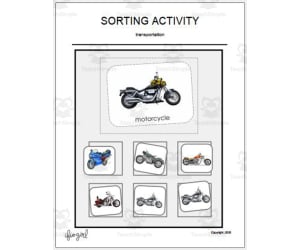
Sorting Activity: Transportation - Non-identical items LARGE Pictures
Special Resources, Special Education Needs (SEN), Speech Therapy, Math, Early Math, Kindergarten, Preschool, Grade 1, 2, 3, 4, 5, 6, Activities
This is a 28 page downloadable transportation sorting activity. In this fun and engaging activity, children will be asked to sort pictures of different modes of transportation. The activity is designed to help children develop their sorting and categorization skills while learning about various modes of transportation. The activity includes different modes of transportation, such as bikes, cars, boats, and motorcycles. Each mode of transportation is represented by six non-identical pictures. The learner will be presented with a set of cards that includes pictures of different modes of transportation. Their task is to sort the pictures by placing all the cards of the same mode of transportation together. For example, if the learner is given a picture of a car and a boat, they will be presented with 12 individual cards - 6 non-identical pictures of a car and 6 non-identical pictures of a boat. They will be asked to sort these pictures by placing all the cars together and all the boats together. The activity can be made easy by sorting clearly different modes of transportation such as cars and boats, or it can be made more challenging by sorting a bike and a motorcycle that may look similar. This activity is not only fun but also beneficial for children's cognitive development. Sorting and categorization skills are important for children's cognitive growth, and this activity is a great way to enhance those skills while also teaching children about different modes of transportation. This activity can be assembled as a • Binder activity • File folder activity • Coil bound activity book • Or used as task cards This sorting activity was made so the teacher could create and rearrange the activity easily for the various different learners. IFIO girl I'll Figure It Out
Author IFIO girl - I'll Figure It Out
Tags Sorting Large Pictures, Sorting Activity, Visual Discrimination, Sorting Transportation, Grouping, ABLLS-r, Problem Solving, Categorizing, Autism, Task Based Learning
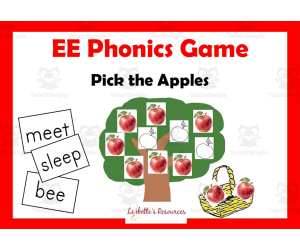
Long Vowel EE Phonics Game: Pick the Apples
ELA, Language Development, Phonics, Special Education Needs (SEN), Special Resources, Grade 1, 2, Activities, Games
Pick the Apples: ee Phonics Game Give early readers a hands-on way to master the "ee" long vowel sound with this print-and-play phonics game. Designed for children who are ready to move from single-sound decoding into vowel digraphs, "Pick the Apples" turns repeated practice into a game children genuinely want to play. How to play: Each player has a tree baseboard covered in ten blank apples. Word cards and two "bad apple" cards are scattered face down on the table. Players take turns choosing a card: land on a word card and read it correctly, and you get to pick an apple from your tree and place it in your basket. Pick a bad apple, and you miss a turn. The first player to clear all ten apples from their tree wins. How it helps: The 16 target words — see, bee, week, feed, been, feet, tree, free, seen, sleep, green, steep, meet, sweet, seed — are all built around the "ee" spelling of the long vowel sound, with no competing spelling patterns to confuse a child who's only just meeting this grapheme. That tight focus is what makes the game so effective for building genuine fluency rather than lucky guessing. How to use: This is a 4-page download: print onto card, cut out the trees, apple cards and word cards, and you're ready to go. No laminating or special equipment required, though laminating will extend the cards' lifespan for repeated classroom use. Who is it for? Suitable for one-to-one phonics intervention, small guided reading groups, or home tutoring, the game works well as a fluency-building activity once "ee" has been introduced, or as a revision tool later on. It pairs naturally with any structured synthetic phonics scheme and requires no prior knowledge of this resource's parent programme to use.
Author Lilibette's Resources
Rating
Tags Long Vowels, Long Vowel Ee, Phonics Games, Phonics, Home Education, Intervention, Special Needs
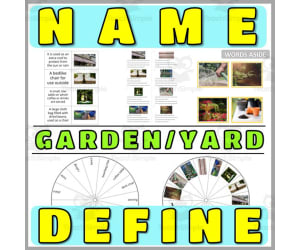
Concept Nouns Naming and Definitions 19
Special Resources, ELA, Language Development, Vocabulary, ESL, Special Education Needs (SEN), Grade 2, 3, 4, 5, Activities, Games
This series of PDF BUNDLE resources focuses on identifying noun concepts, with engaging visualizations ( pictures and graphic arrangements ) of vocabulary by topic. The activity materials in this assignment are designed to help students develop their vocabulary and reading comprehension skills through interactive activities and real-life examples. It includes clear names and definitions of words from common noun categories and can also serve as discussion prompts to encourage critical and analytical thinking, deepen your understanding of the language, and improve your communication skills . This resource is designed to be accessible and engaging to all students . Ideal for teaching English as a Second Language and intervention sessions on learning difficulties. Clear and concise language, visual aids and interactive activities help students easily understand and remember information, integrating visual and kinesthetic elements. You can choose from a variety of worksheets that suit your student's level, interests, and printing preferences. Each category topic includes : 2 sets of Flash cards ( definition sentence / image, image / definition sentence ) 2 sets of Flash cards ( definition word / phrase, definition phrase / word ) 3 anagram strings ( mixed letters of single words or in definition text ) 1 Crossword ( word definition ) 2 sets of linked activities Draw a Line ( definition / image, image / definition ) 2 sets of matching activities Draw a line ( word / definition, definition / word ) 2 series of Quizzes ( definition / image, image / definition ) 2 series of quizzes ( word / definition, definition / word ) 3 Wheels of Fortune ( words, definitions, images ) Search page for 1 word ( word definition ) 2 writing boards ( words, definitions ) 2 blank boards/artboards ( words, definitions ) Various puzzles and word games for naming noun concepts as well . * Use as-is or create your own board games, like Snap, Memory, Match to Sample, and Knowledge Races . Distribute it as morning exercises, quiet time and focus activities, independent workbooks, or fun homework . 65 PDF Pages
Author WORDS ASIDE
Tags Esl, Word Defining, Semantics, Word Search, Anagram, Flash Cards, Centers, Crossword, Definitions, Writing Expository

e or ee? Phonic Game
Special Resources, ELA, Special Education Needs (SEN), Language Development, Phonics, Reading, Spelling, Kindergarten, Preschool, Activities, Games
This "e or ee?" Phonic Game is a listening game to help the child hear the "ee" sound in words, as different to the "e" sound, since some children have real difficulty hearing this new sound. This is a simple oral game for 2 players, designed to develop the ability to hear the sounds as separate in words, without the need to worry about text yet. No reading or spelling is required at this stage — it's purely a hearing game. No die is needed; each player simply builds a tower of coloured beads as they correctly identify the "ee" sound in a word. These children may have auditory processing difficulties, of which there are growing numbers. With recognition of their needs and timely intervention, many can survive school. Sadly, without it, they may soon fall behind. If you have a child who cannot easily hear the graphemes in words, find or make a game to help. This is one such game you can use. Background to why I made this game One of my pupils has a speech delay. When I introduced him to "ee", he tried to sound out the words by saying "e" instead. It was as if "ee" was a foreign sound to him. So I devised this game to help him hear the "ee" sound in words he already uses frequently. After playing it a few times, he happily sounded out words to read and spell with the "ee" sound. Who can use the "e or ee?" Phonic Game? Anyone teaching a child who has difficulty learning to read words with /ee/, trying instead to say /e/. It's especially useful for children with speech delay or auditory processing difficulties who need extra support hearing this distinction before they're ready to decode it in print. What is included? 1 PDF containing the full game, base boards, picture cards, bead counters, and instructions for making and playing.
Author Lilibette's Resources
Rating
Tags Phonic Games, Phonics, Games, Auditory Processing, Reading Made Simple, E Or Ee

Colorful Semantics - What Like, Who to, How and When Cards
Special Resources, ELA, Special Education Needs (SEN), Speech Therapy, Language Development, Phonics, Writing, Kindergarten, Preschool, Grade 1, 2, Activities
Colorful Semantics is a Speech and Language therapy technique which uses color coded cards to help children to learn the important elements of a sentence,and how to join them together in the correct order. Colorful semanticsbreaks down sentences into their thematic roles and then color codes them to help children to learn the important elements of a sentence,and how to join them together in the correct order. The approach initially has 4 key color codes: subject is orange, verb is yellow, object is green and place is blue. As children progress in their understanding there are further stages for adverbs, adjectives and time. This set includes the black for ‘who to’ and ‘who with’, red for ‘what like’, purple for ‘how. and brown for ‘when’, this is to be used with children who have the basic concepts of sentence structure and are beginning to progress to more complex sentences. Colorful semantics is perfect for use with young children learning correct sentence formation or in specialist settings with children with special educational needs. This resource can be used as a learning aid during whole class literacy or on a small group or 1:1 basis. This resource is 5 sets of colour coded cards for what like, who to, who with, how and when. There are 332 cards in total. Children can use these cards to plan sentences either to then speak aloud or to write down. Clipart images courtesy of Kari Bolt Children’s Illustrator
Author SEN Resource Source
Tags Colorful Semantics, Early Writing, Sentence Structure, Phonics
Independent Living Skills: How to Create an Emergency Exit Plan
Special Resources, Creative Arts, Art, Life Studies, Social Emotional Learning (SEL), Special Education Needs (SEN), Life Skills, Grade 10, 11, 12, Activities, Worksheets & Printables, Worksheets
This Special Education life skills activity teaches high school students how to create an Emergency Exit Plan by identifying their house's primary and secondary exits, emergency exits, and safe locations outside. The use of this Independent Living Skills resource will allow students to engage in the following: • How to identify the primary, secondary, and emergency exits at home. • Learn when to consider emergency exits instead of main exits • Ways to communicate with family during an emergency • Identifying a safe meeting place in emergencies • Choosing the safest exit in an emergency • Make sure your home has an emergency exit plan There are 16 reading comprehension questions in this Independent Living Skills resource! This activity will assist high school students in developing the necessary life skills to become more independent at school, at home, and in their communities. A great place to use this handout is in special education classes or one-to-one settings, such as ABA therapy, speech therapy, occupational therapy, and Registered Behavior Technician (RBT) sessions. High school students working on independent living would benefit significantly from this activity for defining, setting, and measuring IEP goals. In addition to interactive instruction, this resource is ideal for hands-on and community-based learning. Engage your special education class with this highly interactive High School Independent Living Skills Activity! This activity contains step-by-step instructions, questions, and answers that reinforce learning, age-appropriate graphics, real-world examples, and ideas for implementation. This is the perfect special education activity for grade 10, grade 11, grade 12, and autism life skill centers . This special education life skills handout was designed to assist teens and adults with difficulties developing independent living skills. It's a printable, easy-to-use activity ready to hand out! Related Products for Developing Independent Living Skills How to Read a Basic Pay Stub How to Schedule an Appointment How to Fill Out a Job Application How to Create a Strong Password A PDF with eight unique pages. Color and black-and-white versions of each page are available for this pdf resource.
Author Adulting Life Skills Resources
Tags Special Education, Autism Safety Resources, Interactive Safety Lessons, Independent Living Skills, IEP Goal-Oriented Skills, Life Skills For Autistic Teens And Adults, Adulting On The Spectrum, Social And Emotional Learning, Life Skills For Teens, Life Skills For Adults

Safety Life Skills: Alexa Learn How to Respond When the Doorbell Rings
Special Resources, Social Emotional Learning (SEL), Special Education Needs (SEN), Speech Therapy, Life Skills, Grade 10, 11, 12, Activities, Worksheets & Printables, Worksheets
Safety Life Skills: Alexa Learn How to Respond When the Doorbell Rings: Developed for use in adult education as well as grades 10, 11, and 12, it seamlessly covers relevant subtopics, which include: Social Emotional Learning Special Education Needs (SEN) Speech Therapy Life Skills. This tool employs a captivating story where Austin shares home safety tips with his sister Alexa on how to react when someone rings the doorbell. It emphasizes determining who is at your doorstep before opening it—an important lesson about never welcoming strangers without verification. Ideal Use for Various Groups: Educators teaching Social Narratives to high school students or young adults transitioning towards becoming more independent at home. Special Education teachers or therapists dealing with speech issues. Aba Therapists and Registered Behavior Technicians (RBT). Instructors focused on life skills education and promoting independent living among learners. The end of each narrative poses seven reading comprehension questions related to Safety Life Skills learned from each passage. This practical pattern measures students' progress effectively while fostering essential independent living skills in them. The tool aligns perfectly with IEP goal setting, making it a valuable asset for hands-on and community-based learning environments alike. Digital Format Benefits: The resource comes in a printable PDF format, ensuring quick distribution and hands-on experience. This format works perfectly well for interactive instruction sessions. Creating an Emergency Exit Plan. Keeping track of Allergies. Understanding Prescription Labels . Basically, Safety Life Skills: Alexa Learn How to Respond When the Doorbell Rings is an invaluable educational tool for educators yearning to instill much-needed life skills into their students. The engaging narratives and interactive activities are conveniently encapsulated in a printable five-page PDF worksheet, allowing learning anywhere at any time. An Aid for Special Education Teachers & Therapeutic Experts This resource has proven helpful not only among special education teachers but also among therapeutic experts like occupational therapists or speech therapists who work with intellectually disabled high school students or adults. A PDF file with (7)seven pages. Color and black-and-white versions of each page are available for this pdf resource.
Author Adulting Life Skills Resources
Tags Safety Skills, Home Security, Doorbell Etiquette, Stranger Danger Awareness, Independent Living
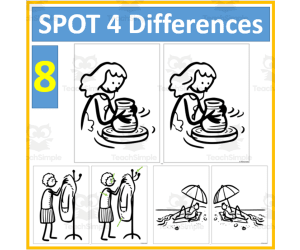
Spot Four Differences Series |8|
Special Resources, Special Education Needs (SEN), Speech Therapy, Math, Early Math, Not Grade Specific, Worksheets & Printables, Flashcards, Activities, Games, Worksheets
Spot Four Differences Series |8| is an engaging 16-page educational resource for teachers and homeschool educators. This PDF features 58 diversified themes presented in three versions per theme. Learners compare original images with slightly altered versions and spot four differences between them, developing visual perception and critical thinking skills. The series includes horizontal and vertical mirror view variants to add complexity. Answer keys provide self-checking. Black-and-white illustrations serve as coloring pages, promoting creativity. Real-world scenarios retain academic value across grade levels. Apart from developing perception, concentration, and thinking abilities, this versatile resource has multiple classroom applications. Integration opportunities exist in special education, speech therapy, foreign language instruction, and early math. The universal themes and distance learning-friendly PDF format facilitate adaptable implementation for whole group, small group, or individual sessions. With emphasis on boosting focus, creativity, and critical analysis, Spot Four Differences Series |8| aptly complements well-rounded education for pre-K through middle school students. Its flexibility makes it especially beneficial for special needs and speech therapy.
Author WORDS ASIDE
Tags Premath, Visual Perception, Cognitive Skills, Math Stations, Language, Attention, Concentration, Fun, Coloring, Words Aside

Double Entry Information Mats/Boards | premath data practice| ROBOT
Special Resources, Special Education Needs (SEN), Speech Therapy, Math, Early Math, Preschool, Grade 1, 2, Activities, Games
Double Entry Boards | Pre-Math Data Practice Resource Engage young learners in building cognitive and perceptual skills with this fun robot-themed double entry board resource. Students will love interacting with the entertaining robot illustrations while practicing vital early math concepts like color and shape recognition, visual perception, and data management. Use these printable double entry boards in small groups, centers , or individual practice. Have students circle, X, tick, or color the correct robot spot in response to your oral, written, or picture instructions. Extend the activity by placing cubes, coins, or small cards on the spots. Differentiate by adjusting the number, shape, and color combinations displayed on each board. Utilize these materials to enhance math lessons, occupational therapy sessions, or speech-language sessions. The versatile boards allow students with special needs to actively participate alongside peers. Modify as needed by changing the instructional format or board details. Print, laminate, and reuse year after year! With engaging, robot-themed illustrations, this resource offers a multisensory way for early learners to build vital logic, reasoning, and data management skills. Fun for the whole class!
Author WORDS ASIDE
Tags Math, Robot, Data, Reasoning, Premath, Following Instructions, Occupational Therapy, Task Cards, Words Aside, Centers
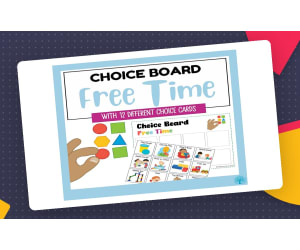
Free Time Choice Board – Self-Directed Activities
Special Resources, Social Emotional Learning (SEL), Special Education Needs (SEN), Life Skills, Not Grade Specific, Activities
Unstructured free time can often overwhelm students who struggle flexibly shifting activities or communicating needs. This customizable choice board resource empowers children (especially those with special needs) to independently yet judiciously self-direct preferred stimulating or calming leisure activities. The foundation consists of a blank choice board grid displaying 8 picture box spaces per page. The accompanying word/image deck contains 12 illustrated free time option cards to slip into designated boxes. Fun yet constructive categories include: play dough, outside play, read a book, board games , home corner, draw or color, lego, train set, marble run, paint, toy animals or dressing up. Teachers and students collaboratively select which personalized options suit that child’s sensory needs and interests to feature, rotating items over time. To use teachers can laminate and put velcro on the back of the cards so they can be easily moveable and reusable. This scaffolds executive functioning skills for children who struggle voicing decisions or pivoting tasks. Having appropriate, appealing activities identified prevents aimless wandering or overstimulation during open-ended periods. It builds students’ self-awareness around constructive leisure pursuits that actually recharge them as individuals. Customizable, portable and visual, these choice cards nurture time/emotion regulation skills with student autonomy! This resource includes 2 PDF printable pages The wonderful and eye catching clipart images are courtesy of Kari Bolt Clip Art
Author SEN Resource Source
Rating
Tags Choice Board, Choices, Regulation, SEN, Autism, Free Time

SEL Stress Management Game + Coloring Pages
Special Resources, Social Emotional Learning (SEL), Special Education Needs (SEN), Social Skills, Life Skills, Grade 3, 4, 5, 6, Activities, Games, Worksheets & Printables, Worksheets, Coloring Pages
In this resource, you will get an engaging game like Apples To Apples. There are 36 strategy cards and 18 situation cards. This is an SEL game. Each person takes a turn with being the judge like Apples to Apples. It is important to make enough sets for the number of groups who will be playing. for example, I recommend at least 3-5 people playing together for each group. So if there are 20 students, then create at least 5 different sets of the cards, Then follow the directions for the game below: First, everyone gets 5 strategy cards. There is no revealing the cards to other players. Then one person is chosen to be the "judge" for the first round. I usually pick the oldest person to make it fair. The judge reveals the card to all and even can read the card out loud. The the other players choose one of their strategy cards to handle that particular situation. Then the judge decides which one they would use. Important; there is not right or wrong here, just what one person would do in that situation. Next the next player goes (usually counter clockwise) to who will be the judge. The person will reveal the situation and the other players will play their strategy card. Play as long as time allows. Next, you can print off the mindfulness coloring sheets for students to color and reinforce the idea or coloring mindfully when they are upset, frustrate, need some time alone, etc. There is a way to change the word and position of the word in the mindfulness coloring sheet. These are SEL coloring pages. For more SEL resources and products, please visit my SEL store at: https://teachsimple.com/contributor/jennifer-moyer-taylor I am a full-time school counselor who works with kindergarten through 8th graders. My products are "kid tested, kid approved"!
Author Jennifer Moyer Taylor
Rating
Tags Apples To Apples, Games, Stress Management, Social Skills, Social Emotional Learning, School Counseling, SEL, SEL Coloring Pages, Special Education

Sorting Activity: Around the Home - Non-Identical items
Special Resources, Life Studies, Special Education Needs (SEN), Speech Therapy, Life Skills, Math, Early Math, Home Economics, Kindergarten, Preschool, Grade 1, 2, 3, 4, 5, 6, 7, Activities
Introducing Sorting Around The Home activity - This activity aims to help young learners understand the concept of sorting common items that belong in the home. The activity involves a set of cards with pictures of various household items, such as a bed, couch, glass, cup, refrigerator, television, table, fork, spoon, bathtub, chair. Each sorting card has a picture of an item in the home For example "bed" - the learner is given 6 individual cards of that same object but not identical and ask to sort or group. This activity can be conducted individually or in a group setting, allowing learners to learn from each other and collaborate as they work through the sorting process. It is also a fun and engaging way for learners to develop their sorting skills, which can have practical applications and helps to develop their cognitive skills, communication skills, and creativity. The pictures in this activity are large and clear of distractions which is helpful for the learner who struggles with visual attention. It was also created so the teacher/therapist could easily rearrange the sorting pictures to adapt to various learners. It can also be used with a learner and his/her communication device. "show me bed" "what is this?" "find the spoon". So many ways this activity can be adapted to your needs. This activity is easy to assemble and to create - Print all pages and laminate. Velcro the sorting mats and the individual sorting cards. This activity can be coil bound or three hole punched and placed in a binder or used with book rings for many years of teaching and learning. • Binder activity • File folder activity • Coil bound activity book • Or task cards Happy teaching- I'll Figure It Out IFIO girl
Author IFIO girl - I'll Figure It Out
Tags Sorting Activity, Sorting Around The Home, Sorting Non-identical Items, Visual Discrimination, ABLLS-R B8, Home Items, Autism, Occupational Therapy, Visual Attention, Critical Thinking

June Reward Buddy - Dinosaur
Special Resources, Resources for Teachers, Classroom Management, Special Education Needs (SEN), Grade 3, 4, 5, 6, Activities
June Reward Buddy - Dinosaur The June Reward Buddy - Dinosaur is a classroom management tool designed to encourage and motivate students towards achieving behavior management goals. This tool adds enjoyment to the learning environment and can be deployed across Grades 3 through 6. Reward System Your Reward Buddy is built piece by piece, offering satisfaction for the students. This physical representation of good behavior gives children a tangible item they can associate with their progress. Furthermore, not only do they get to watch it grow throughout their learning journey, but they also get to name it each month, adding an extra element of fun! This resource encourages: individual accountability within group dynamics the establishment of basic values such as reward-for-effort & good behavior. Note: The pieces required for building up your Reward Buddy are earned through consistent display of positive behavioral choices. What's Included? This set includes everything you need to establish your own Reward Buddy system: Physical components necessary for assembly purposes; Inspiring visual aids related to choosing behavioral targets and incentives; Mentor Text options; Reward-Buddy prompts that facilitate interaction even further. This tool provides versatile adaptability suiting numerous subjects. Yet shines most serving Special Resources & Teacher Resources, particularly catering needs within Special Education Programs & Classroom Management scenarios. Become efficient at making activities unique & engaging all around year!
Author Penguin Teacher Store
Tags Classroom Management, Behavior Rewards, Special Education, Student Motivation, Interactive Learning
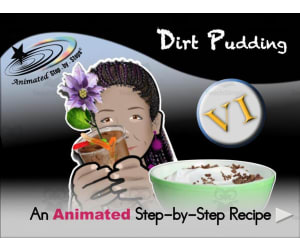
Animated Recipe: Dirt Pudding VI
Special Resources, Special Education Needs (SEN), Kindergarten, Preschool, Grade 1, 2, Activities
Animated Recipe: Dirt Pudding VI This innovative, specialized teaching resource offers an immersive, multi-sensory learning experience. With our 18 slides of animated content, we turn making dirt pudding into a fun lesson on essential skills. This tool is best suited for preschoolers to grade 2 students and also valuable for educators supporting Special Education Needs (SEN) students. Interactive and Actionable Learning The Dirt Pudding recipe is designed to be interactive and actionable. Not only does it teach learners how to follow instructions but also helps instill important vocabulary through context. Each slide encompasses a sequence of animations that exemplify the concepts read in the text. Visually Impaired Support Features Carefully designed high contrast graphics help focus attention Built-in movement through animations reduces visual clutter Auditory learners benefit from added sound effects offering an additional source of information High contrast text (white or yellow on black) ensures maximum readability for visually impaired students 'Safe zone' tethered to page numbers provides consistent locational reference enhancing switch training processes Versatile Classroom Integration You can accommodate this teaching tool in whole class instruction using an interactive whiteboard or via computer monitors or tablets during small group activities. It presents flexibility by permitting incorporation into classroom activities as well as assigning engaging homework tasks which facilitates seamless integration into your existing curriculum plans. To conclude: "Animated Recipe: Dirt Pudding VI", combines educational goals with entertaining tasks ensuring a conducive environment for faster learning without losing any element of fun along the way!
Author Bloom Resources
Tags Animated Recipe, Dirt Pudding, Multi-sensory Learning, Interactive Teaching Resource, Visual Aids, Cartoon Dirt
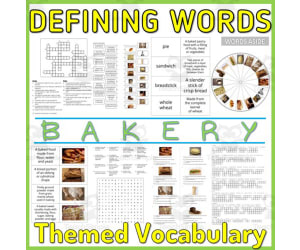
Reading Writing Games | Word Definitions 3
Special Resources, ELA, Special Education Needs (SEN), Speech Therapy, Reading, Reading Comprehension, Language Development, ESL, Writing, Handwriting, Vocabulary, Grade 2, 3, 4, 5, Activities
This series of PDF resources focuses on identifying noun concepts, with engaging visualizations ( pictures and graphic arrangements ) of vocabulary by topic. The activity materials in this assignment are designed to help students develop their vocabulary and reading comprehension skills through interactive activities and real-life examples. It includes clear definitions of words from common categories and can also serve as discussion prompts to encourage critical and analytical thinking, deepen your understanding of the language, and improve your communication skills . This resource is designed to be accessible and engaging to all students . Ideal for teaching English as a Second Language and intervention sessions on learning difficulties. Clear and concise language, visual aids and interactive activities help students easily understand and remember information, integrating visual and kinesthetic elements. You can choose from a variety of worksheets that suit your student's level, interests, and printing preferences. Each category topic includes : 2 sets of Flash cards ( definition sentence / image, image / definition sentence ) 2 sets of Flash cards ( definition word / phrase, definition phrase / word ) 3 Anagram strings ( mixed letters of single words or in definition text ) 1 Crossword ( word definition ) 2 sets of linked activities Draw a Line ( definition / image, image / definition ) 2 sets of matching activities Draw a line ( word / definition, definition / word ) 2 series of Quizzes ( definition / image, image / definition ) 2 series of Quizzes ( word / definition, definition / word ) 3 Wheels of Fortune ( words, definitions, images ) 1 Word Search page for ( word definition ) 2 Writing Boards ( words, definitions ) 2 Blank Boards ( words, definitions ) * Use as-is or create your own board games, like Snap, Memory, Match to Sample, and Knowledge Races . Distribute it as morning exercises, quiet time and focus activities, independent workbooks, or fun homework . 42 PDF Pages
Author WORDS ASIDE
Tags Esl, Word Defining, Semantics, Word Search, Anagram, Flash Cards, Centers, Crossword, Category Vocabulary, Words Aside

Emoji Game-Played like Apples to Apples (No reading required!)
Special Resources, Social Emotional Learning (SEL), Special Education Needs (SEN), Social Skills, Preschool, Grade 1, 2, 3, Activities, Games
In this resource you will receive a very engaging and fun game played like Apples to Apples. There are 30 different emoji cards and 90 different person, place, thing, event cards. There is no reading required. Anyone over 5 can easily play this game. Directions: One person is the "judge" first. I usually choose the oldest in the group. The judge turns over one of the emoji cards. The other players choose one of their person, place, thing, event cards that best fits with that particular emoji. The judge then decides which one is best and the person who put down that card in the pile wins the emoji and also gets a point. The game continues as the next person clockwise is now the "judge". Each player needs to have 5 person, place, thing, event cards at all times. If they played a card, then on the next round they get another person, place, thing, event card. The discarded/used cards go back in the person, place, thing, event card pile to be replayed in future rounds. There are directions in this product. Uses: This game is great to play for indoor recess, centers , community building, etc. Because this is fully editable, you can choose which emojis you want and which person, place, thing, event cards you want. You can add or delete any of the pictures. You know your students best. I would recommend copying one set for each group of students playing. I also recommend using card stock and laminate for durability. Some of the emojis represented are party, cook, excited, mad, disgusted, poopy, yummy, hot, icy cold, steaming mad, laughing, crying, scared, etc. Some of the situations are disneyland, ziplining, broken window, darth vader, alien, smelly socks, super hero, minecraft person, candy, ice cream truck, the dentist, getting a shot, arcade, go carts, legos, smores, baseball, touchdown, and many more! You will be downloading a pdf with the link to the Google Slides . You will be prompted to "make a copy". Click "yes". And then enjoy!!!
Author Jennifer Moyer Taylor
Tags Emojis, Sel, Social-emotional Learning, Fun, Activity, Apples To Apples, Indoor Recess, Centers, Feelings, School Counseling
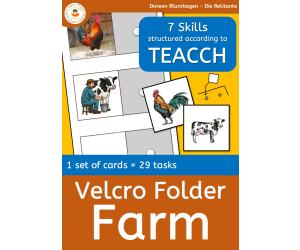
TEACCH Farm – File Folder Tasks for Special Education
Montessori, Special Resources, Special Education Needs (SEN), Speech Therapy, Life Skills, Elementary, Pre-K, Early Learning, Centers, Activities
TEACCH Farm – File Folder Tasks for Special Education This resource includes 29 structured file folder tasks based on the TEACCH approach . It is designed for students who need clear structure, visual support, and predictable routines . The farm theme uses familiar animals to support learning in a calm and structured way. All tasks are low-verbal and focus on independent work . Students complete matching, sorting, and assigning tasks using Velcro cards. A special feature of this resource is that all 29 tasks use the same set of cards . This reduces preparation time and helps keep materials organized. Who this resource is for Students in special education Students with autism spectrum disorder (ASD) Nonverbal or minimally verbal learners Preschool and early elementary students Students working with structured work systems What is included 29 structured file folder tasks (A4 format) One reusable set of Velcro cards Folder cover pages for organization Card storage templates Optional distractor cards for differentiation A teacher guide with setup instructions and usage ideas Skills addressed The tasks are grouped into 7 learning areas : Work routine Step-by-step task completion and independent work Visual perception Matching identical images, mirror images, shadows, drawings, and details Image recognition Matching real photos and illustrations Understanding simple picture meaning Language skills Initial sounds Syllables Word to picture matching Simple sentence understanding Auditory perception Listening to words or sentences and matching images Optional use with recordable talking pens or AAC tools Pre-math skills Quantities up to 3 Patterns Size comparison Spatial direction Categorization Sorting farm animals by features, food, size, or characteristics How to use Print and laminate the task pages and cards. Add Velcro dots. Place the pages in a folder or binder. The tasks can be used in: Independent work stations One-to-one instruction Structured classroom routines Therapy or support sessions Learning goals Support independent work Strengthen visual perception Practice early language and pre-academic skills Provide clear structure and predictability This resource is intended for structured learning environments .
Author Die Relitante
Rating
Tags Autism, TEACCH, Preschool, Kindergarten, Special Education, File Folder Task, Visual Structure, Independent Work, Matching Activities, Farm

Independent Living Skills - The Importance of a Roommate Agreement
P.E. & Health, Special Resources, Creative Arts, Art, Life Studies, Health, Special Education Needs (SEN), Social Skills, Speech Therapy, Life Skills, Grade 10, 11, 12, Activities, Worksheets & Printables, Worksheets
The Importance of a Roommate Agreement is a comprehensive independent living skills worksheet created for teens and adults who require additional life skills training to transition into adulthood. This life skills worksheet covers how to handle common conflicts that occur among roommates, including: - How to split rent and utilities - When household bills are due - Overnight guests policies - Scheduling quiet hours - Chores assignment There are a total of 43 reading comprehension questions in this Functional Life Skills resource! This activity will assist high school students in developing the necessary life skills to become more independent at school, at home, and in their communities. A great place to use this handout is in special education classes or one-to-one settings, such as ABA therapy, speech therapy, job coaches, occupational therapy, and Registered Behavior Technician (RBT) sessions. High school students working on independent living would benefit significantly from this activity for defining, setting, and measuring IEP goals. In addition to interactive instruction, this resource is ideal for hands-on and community-based learning. Engage your special education class with this highly interactive High School Functional Life Skills Activity! This activity contains step-by-step instructions, questions, and answers that reinforce learning, age-appropriate graphics, real-world examples, and ideas for implementation. This is the perfect special education activity for grade 10, grade 11, grade 12, and autism life skill centers . This special education life skills handout was designed to assist teens and adults with difficulties developing independent living skills. It's a printable, easy-to-use activity ready to hand out! Related Products for Developing Independent Living Skills How to Read a Basic Pay Stub How to Fill Out a Job Application How to Create a Shopping List How Credit Cards Work How to Create a Monthly Budget How to Schedule an Appointment How to Prepare for a Job Interview Home Repair Service Agreement How to Complete a Boarding Pass Auto Repair Service Agreement A PDF with 21 unique pages. Color and black-and-white versions of each page are available for this pdf resource.
Author Adulting Life Skills Resources
Tags Independent Living Skills, IEP Goal-Oriented Skills, Autism Resource For Parent , Life Skills For Autistic Teens And Adults, Adulting On The Spectrum, Social And Emotional Learning, Financial Literacy

Spot Four Differences Series |6|
Special Resources, Special Education Needs (SEN), Speech Therapy, Math, Early Math, Not Grade Specific, Worksheets & Printables, Flashcards, Activities, Games, Worksheets
Spot Four Differences Series |6| offers educators 58 intricate black-and-white illustration sets to stimulate students' visual perception and concentration. This versatile resource can be used for individual assignments, small groups, or whole-class activities in diverse settings like special education, occupational therapy, speech therapy, and more. The 16-page PDF provides answer keys for self-checking. It includes mirrored and altered images to increase cognitive demand. The illustrations cover relatable themes like everyday life to spark conversations. As primarily screen-viewable flashcards , this packet facilitates efficient distance learning with low printing costs and prep time. Educators can access other math, early math, and Special Education Needs resources in the Spot Four Differences Series. With simplicity and flexibility, this innovative combination of fun and learning unleashes students' potential.
Author WORDS ASIDE
Tags Visual Perception, Concentration Skills, Special Education Teaching, Occupational Therapy, Speech Therapy, Attention, Group Work, Fun, Centers, Words Aside

NUMBER SENSE POSTERS ACTIVITY CARDS: number '3' trace dot paint count
Special Resources, Special Education Needs (SEN), Math, Early Math, Numbers, Place Value, Kindergarten, Preschool, Grade 1, Worksheets & Printables, Flashcards, Activities
Number Sense Posters and Activity Mats: Number '3' Trace, Dot, Paint, Count This 42-page teaching resource helps preschool to grade 1 students develop essential number sense skills focused on the number 3. Students trace, dot, paint, and count representations of the numeral 3 in various engaging ways. For example, number posters depict 3 as symbols, objects, dice, fingers, and more to appeal to diverse learning styles. Tracing activities build fine motor skills while exploring number forms. Dot-to-dot worksheets allow collaborative or individual practice. Creativity awakens through number painting on activity mats using art materials or math manipulatives. Implement this comprehensive PDF in whole groups, small groups, centers, or as homework. The reusable activities suit diverse settings like classrooms, specialized programs, or homeschools. This resource builds number recognition, counting skills, fine motor skills, and creativity around the number 3.
Author WORDS ASIDE
Tags Numeracy, Arithmetic, Math, Coloring, Mats, Numbers, Dot To Dot, Tracing, Posters, Words Aside