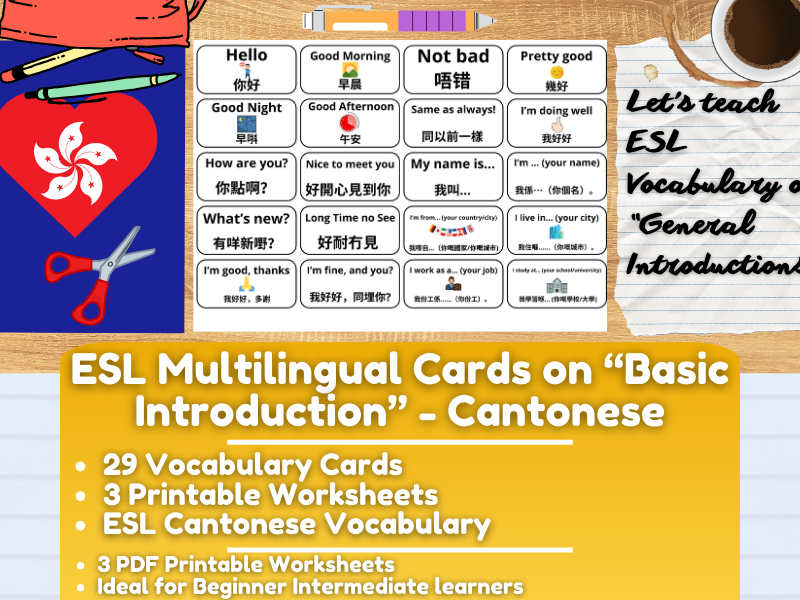
ESL Multilingual Vocabulary Flashcards - Introductions - Cantonese
Give beginner ESL students a bilingual English-Cantonese vocabulary reference for greetings, introductions, and basic small-talk phrases.


19,642 resources
Explore sub-categories
15 sub-categories · 19,642 resources
Give beginner ESL students a bilingual English-Cantonese vocabulary reference for greetings, introductions, and basic small-talk phrases.
 Free download
Give young students practice writing numbers, based on the cover title 'WRITE THE NUMBER — 20 EXERCISES.'
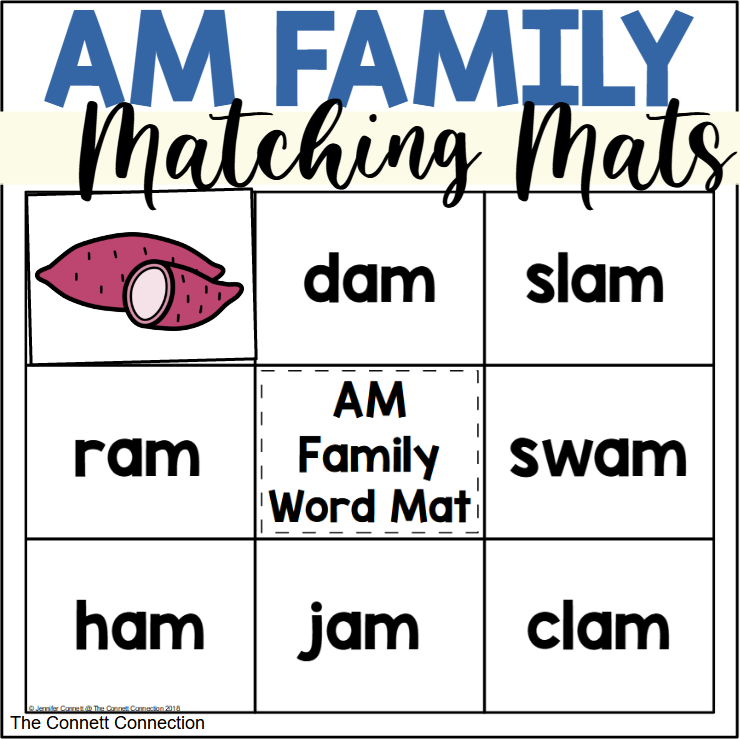
Matching-mat activity for reading AM-word-family words and sentences in context.
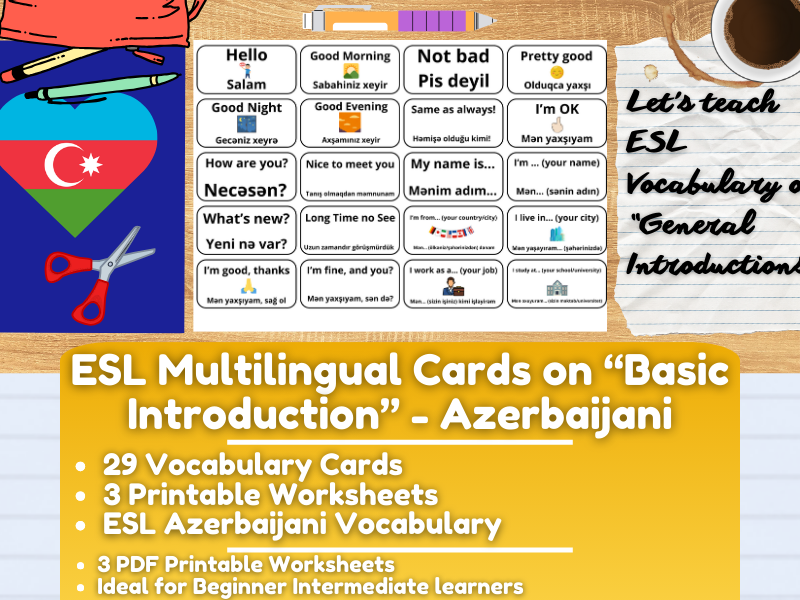
Give beginner ESL students a bilingual English-Azerbaijani vocabulary reference for greetings, introductions, and basic small-talk phrases.
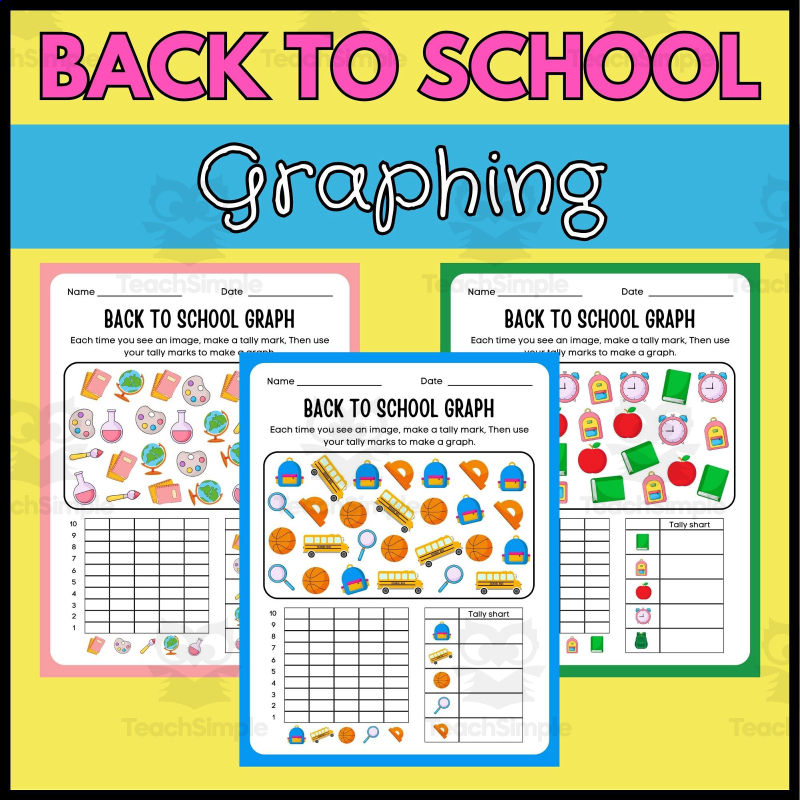
Practice collecting data with tally marks and representing it on a bar graph.
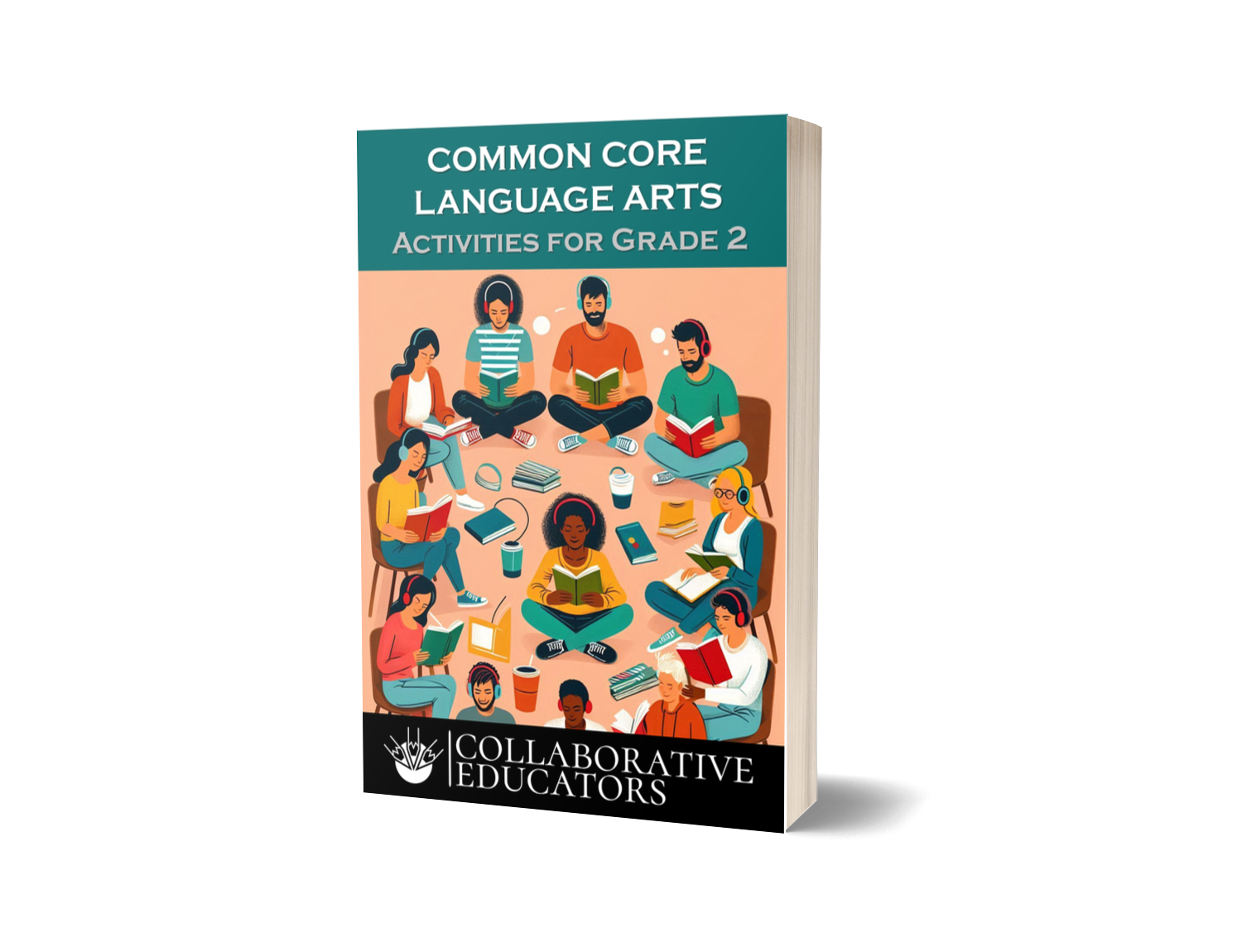
A Grade 2 Common Core language arts practice worksheet covering reading literature comprehension, plus vocabulary and grammar/mechanics exercises.
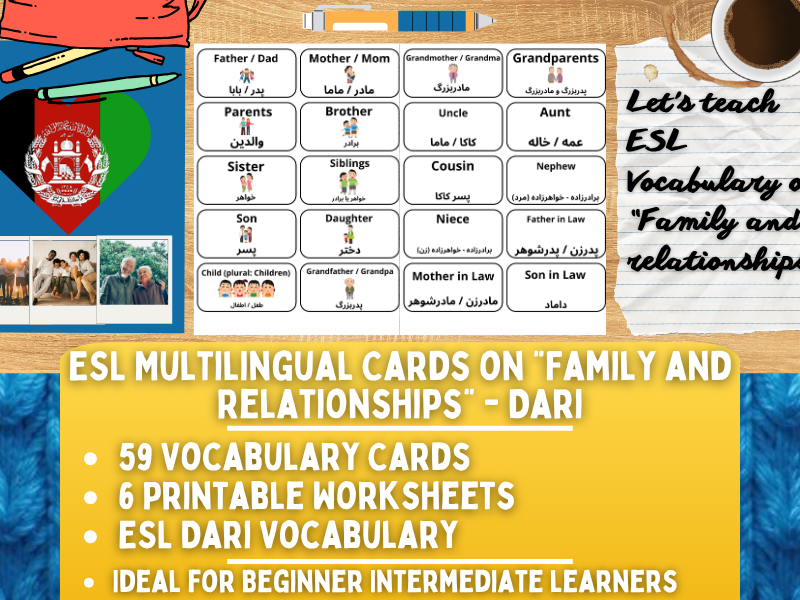
Give beginner ESL students a bilingual English-Dari vocabulary reference for family member and relationship terms.
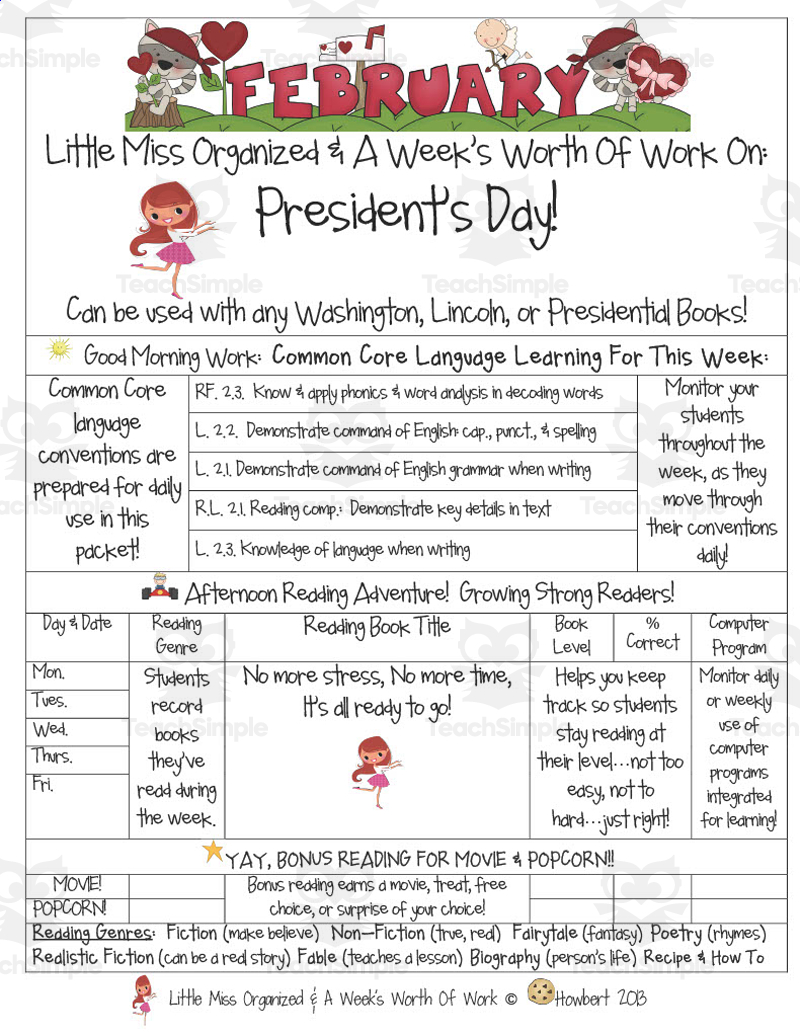
Build 2nd-grade reading and language skills (phonics/decoding, grammar, punctuation, parts of speech) through a week-long Presidents' Day themed packet.
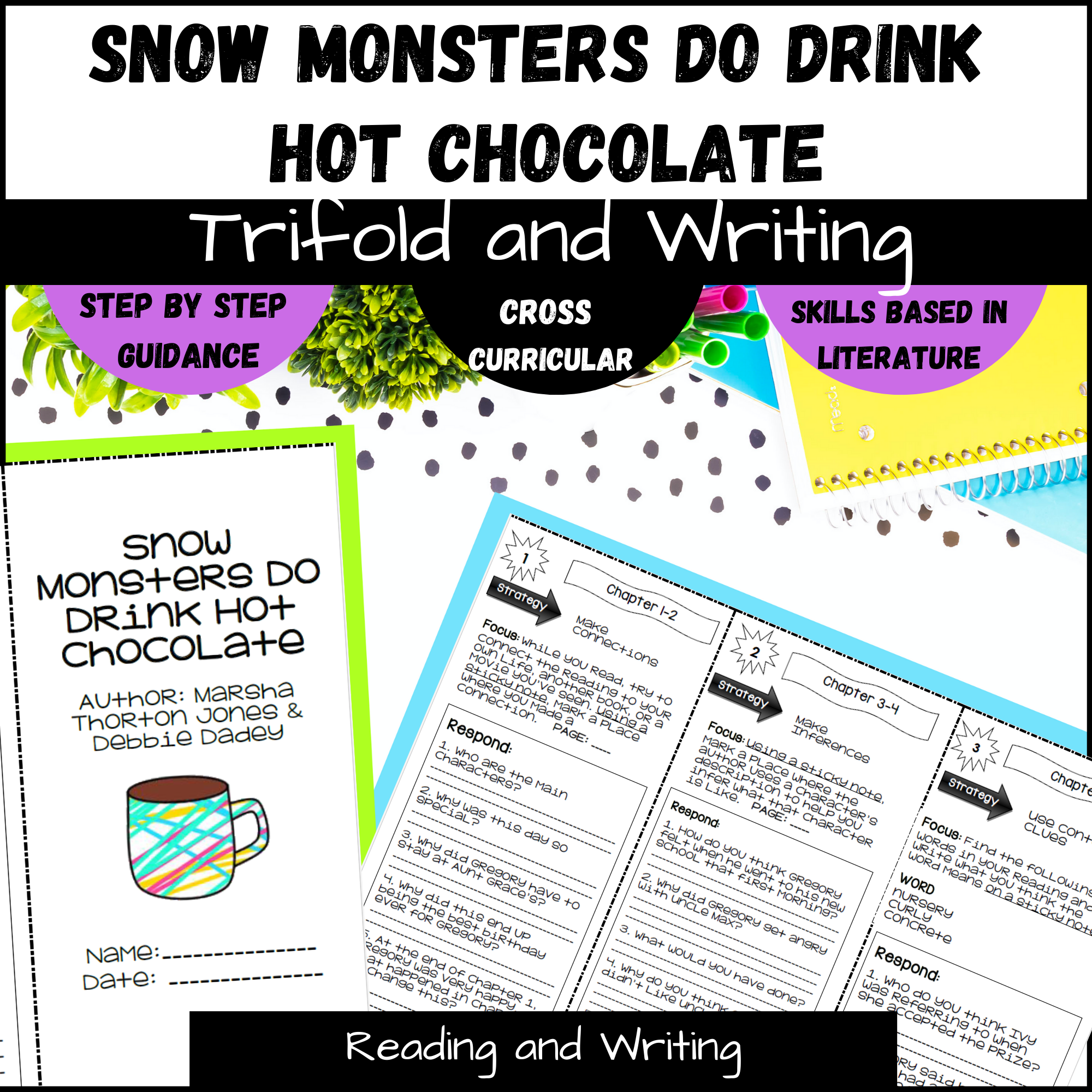
A fold-up (trifold pamphlet) book-report/reading-response activity keyed to the novel "Snow Monsters Do Drink Hot Chocolate" by Marsha Thorton Jones & Debbie Dadey, teaching five reading strategies (making connections, using context clues, making inferences, creating images/visualization, and evaluation) across five reading sections of the book.
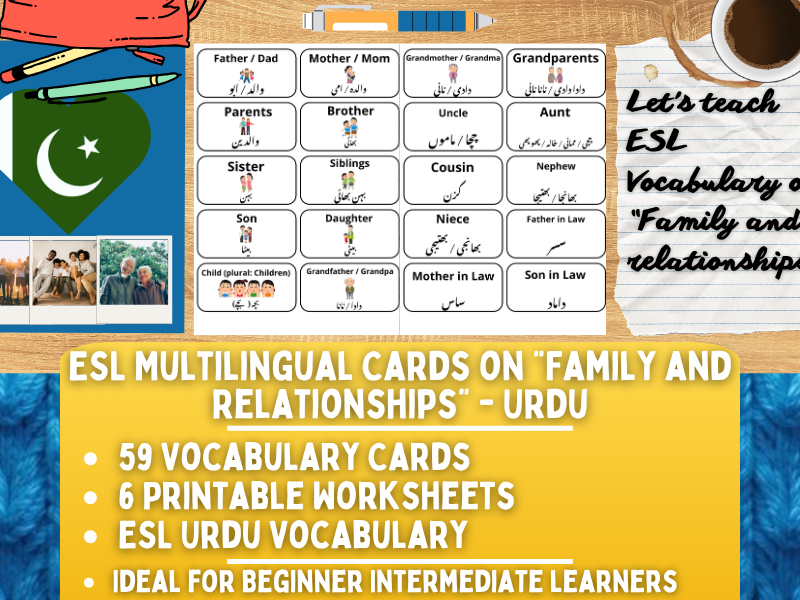
Give beginner ESL students a bilingual English-Urdu vocabulary reference for family member and relationship terms.
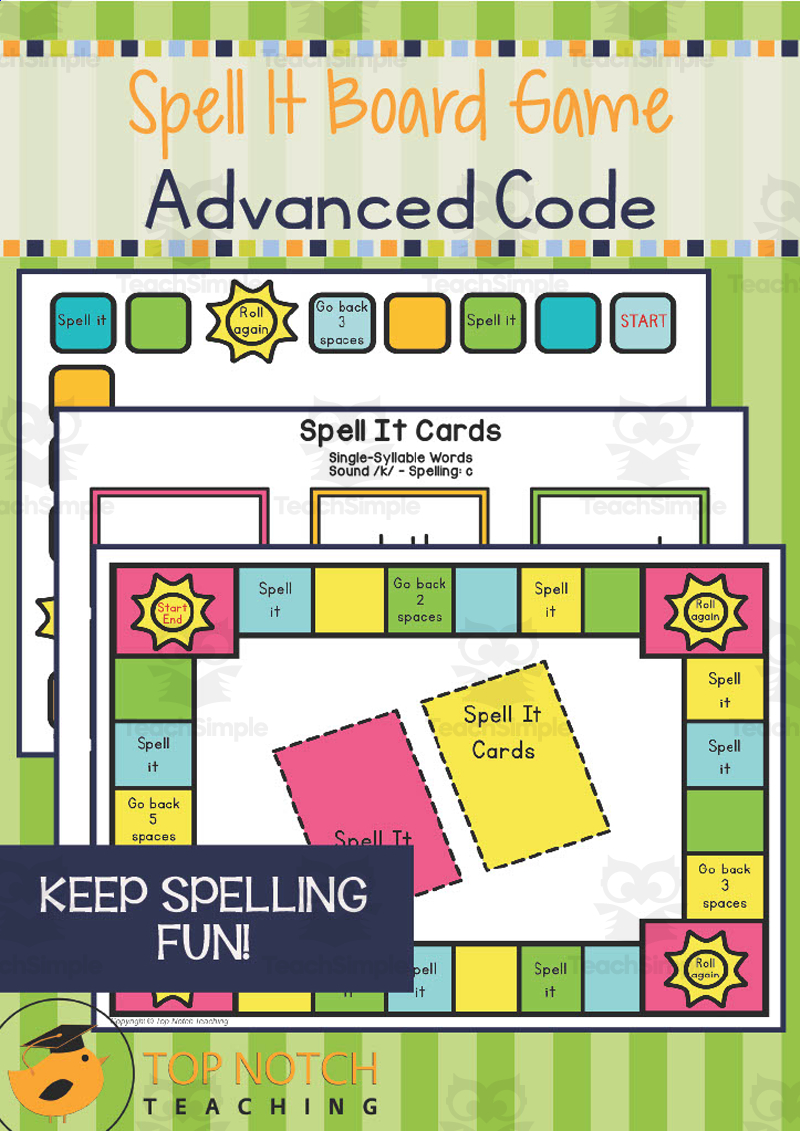
A printable board game that gives students oral spelling practice for advanced-code phonics patterns (multiple spellings of the same sound), covering both single-syllable and multisyllabic words.
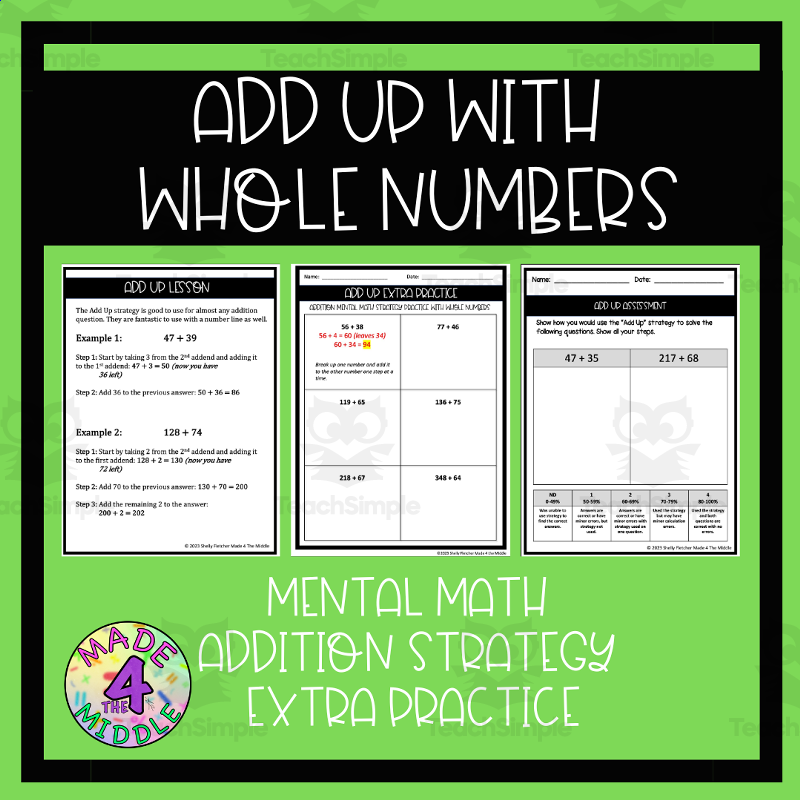
Add Up Whole Numbers Addition Strategy Extra Practice Struggling to find ways to build students' mental math skills beyond Number Talks? This teaching resource provides an informative written tutorial on the "Add Up" strategy, plus an extra 5-question practice worksheet with an exemplar and answer key.
 Free download
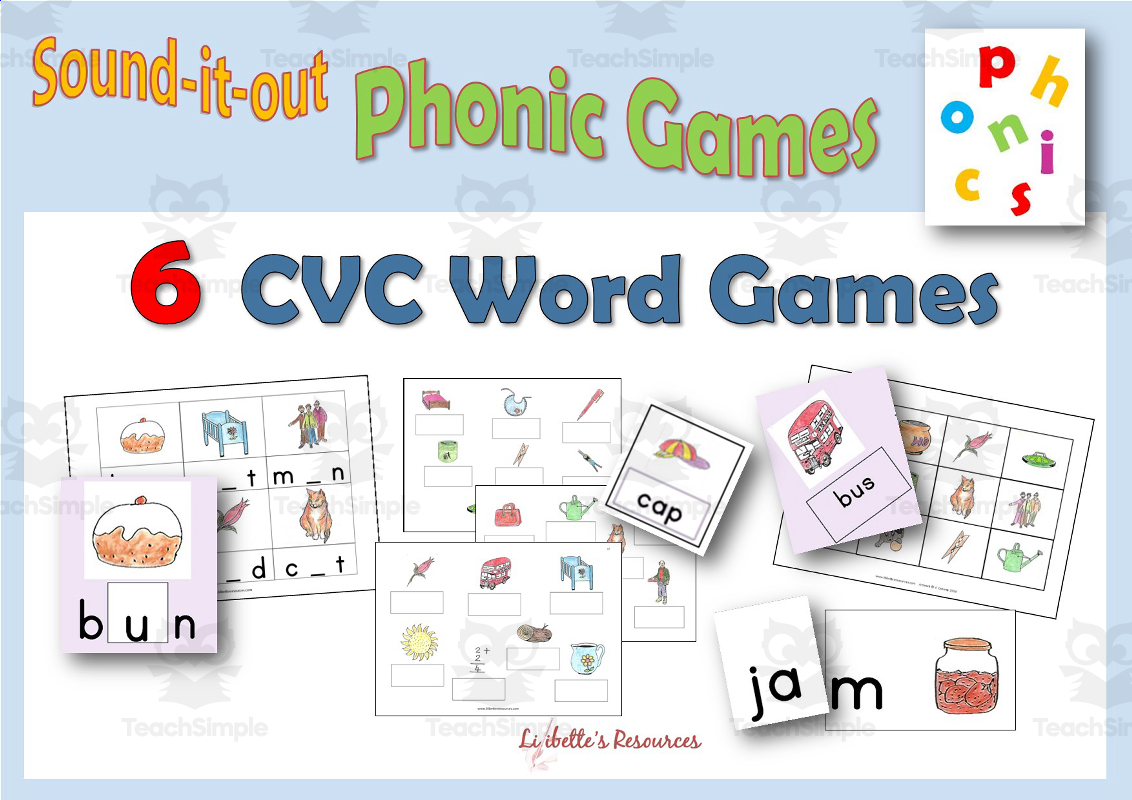
Teach blending of CVC words with short vowel sounds through six vowel-focused phonics board games.
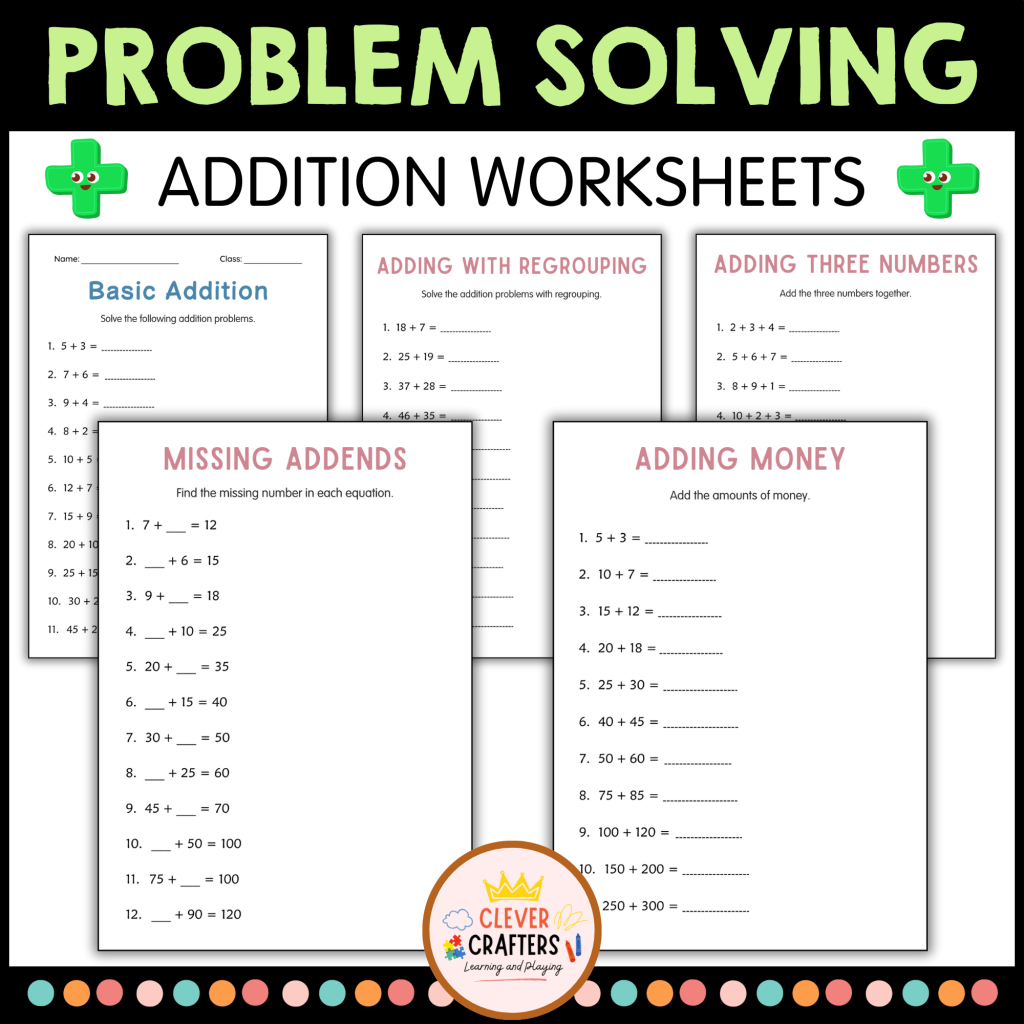
Addition-skills worksheet packet giving students practice with basic addition, missing addends, adding three numbers, regrouping, adding money amounts, and adding decimals.

A Jeopardy-style review game (PowerPoint and Google Slides versions) plus printable task cards covering setting, characters, plot, and theme of the novel The Giver, playable in whole group, small group, or distance-learning settings.
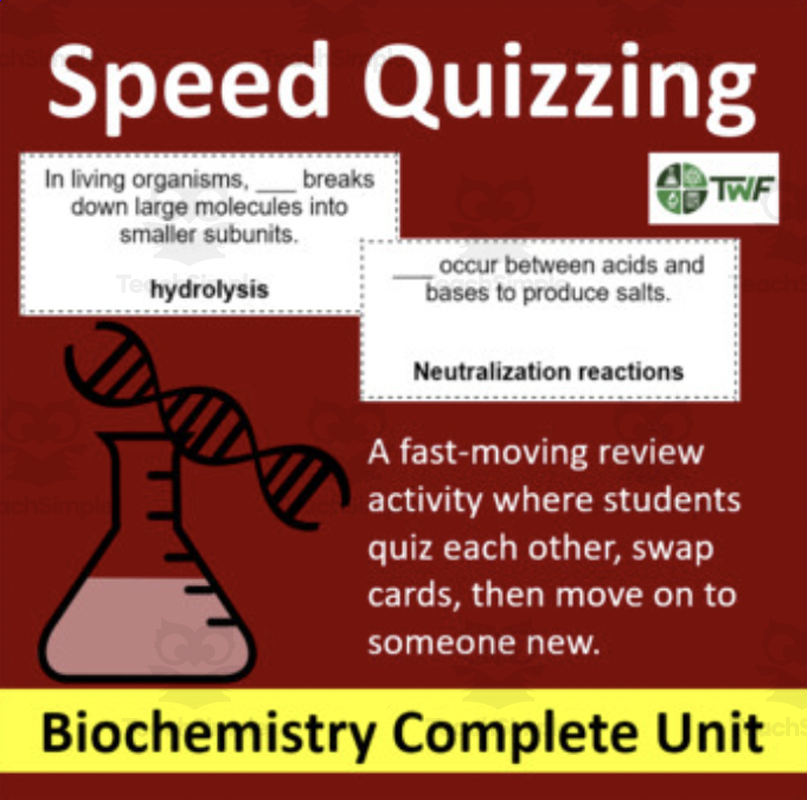
Self-paced, partner-based review activity for high school chemistry/biology students to reinforce biochemistry vocabulary and concepts (organic compounds, chemical reactions, carbon, hydrocarbons, carbohydrates, proteins, lipids, DNA/RNA, enzymes) via a speed-quizzing flashcard format
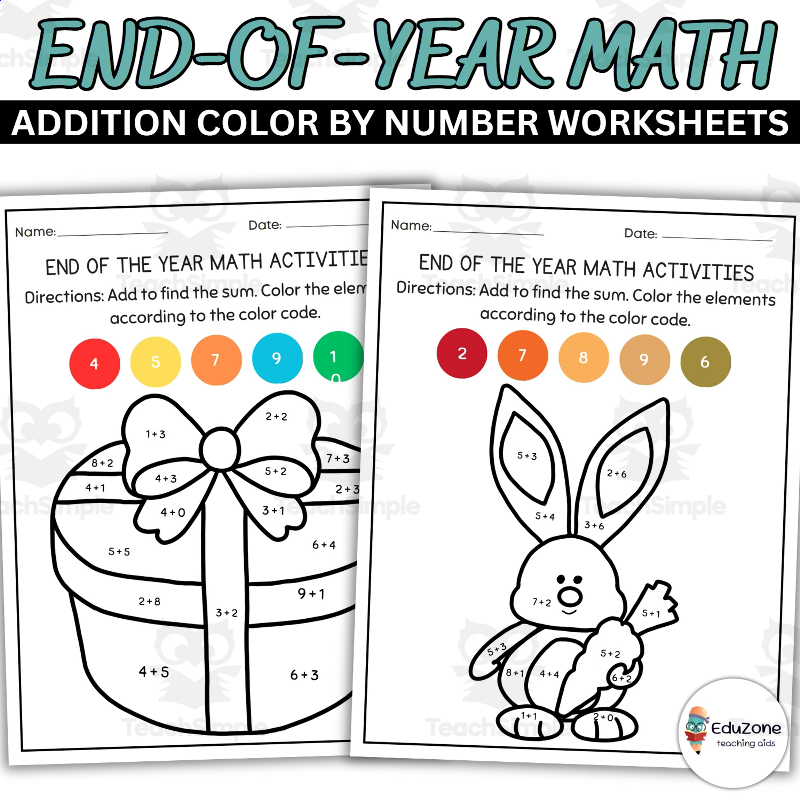
Combine basic addition practice with a color-by-number coloring activity, framed as an end-of-year/summer themed math activity.
 Free download
Flashcard-style addition practice cards with sums up to 20, printed two cards per page.
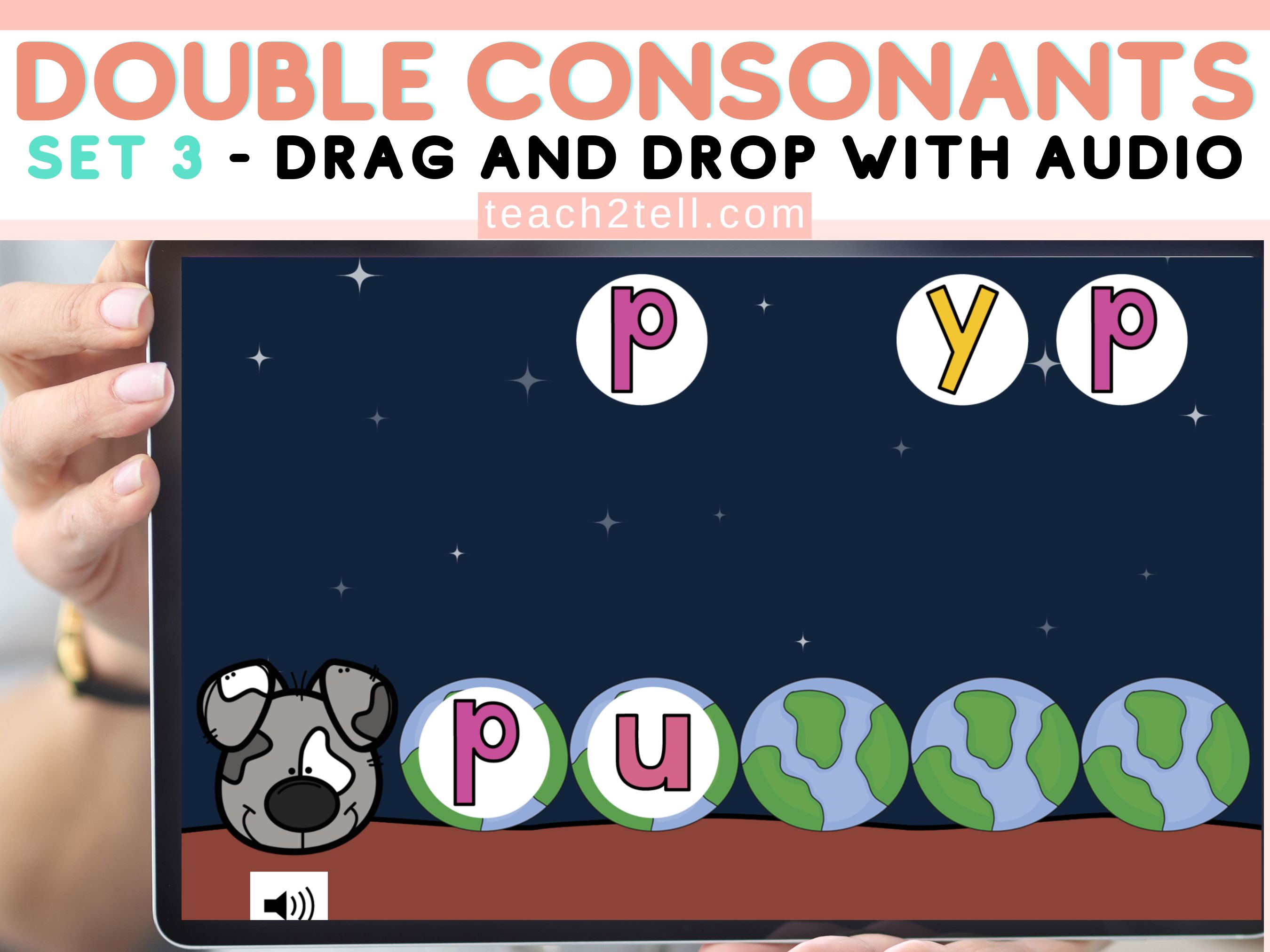
A Science of Reading-aligned digital Boom Cards deck (Set 3 of a series) to reinforce spelling of double-consonant words through a drag-and-drop letter activity with audio support.
 Free download
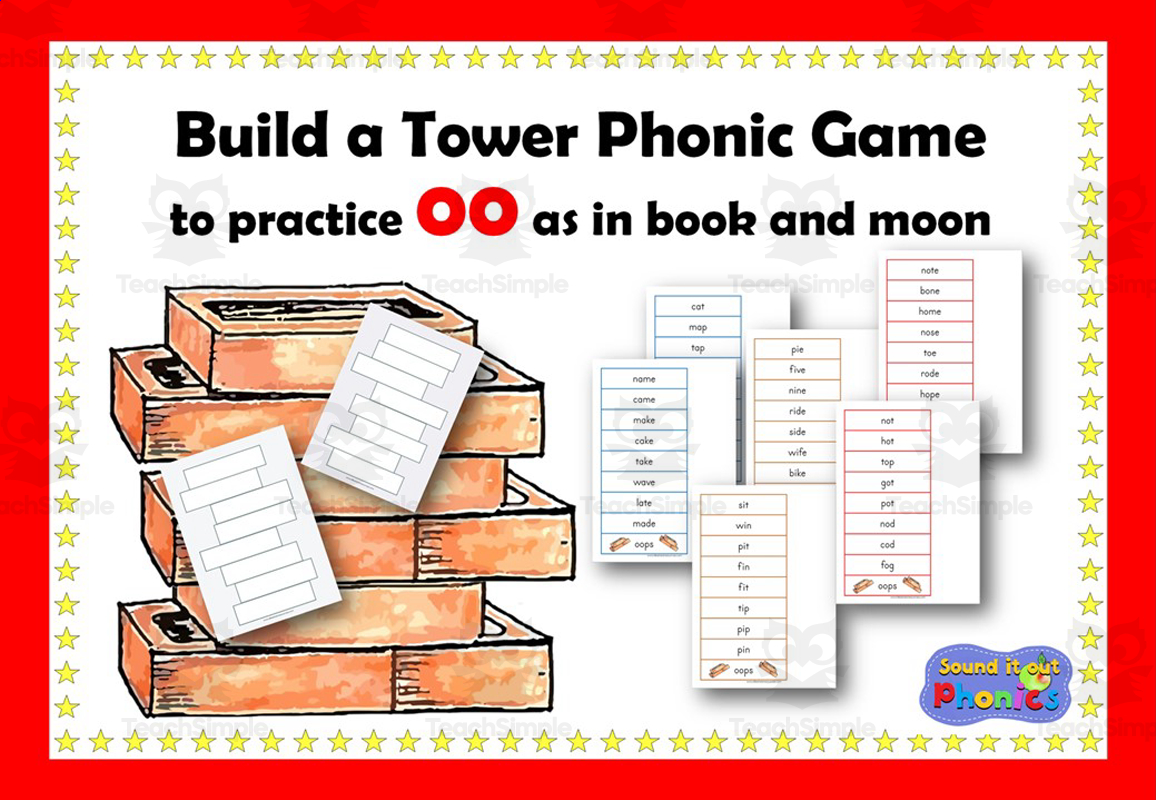
A phonics board-style game that gives students practice reading words containing the 'oo' sound (both long, as in 'moon', and short, as in 'book').
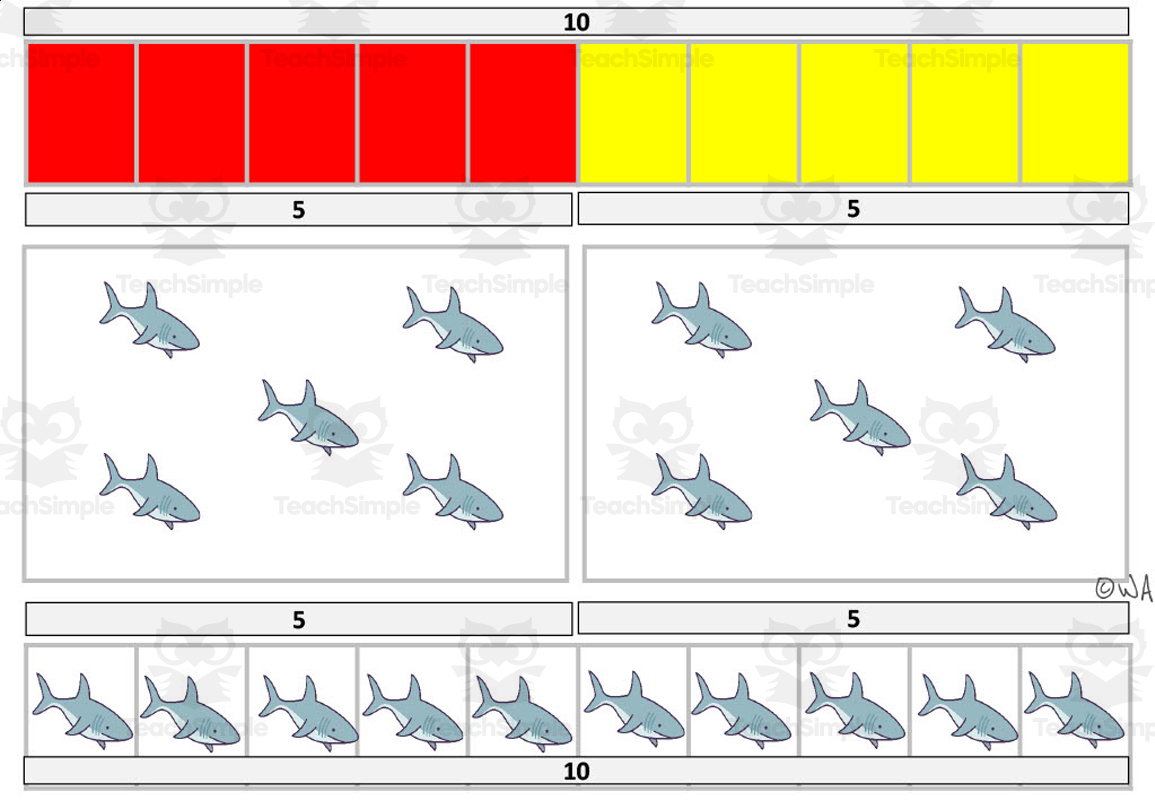
Give students practice making 10 using the specific addition pair 5+5 with printable mats.

Phonics practice for blending initial consonant sounds into words, presented through sample sentences and an overview of a UK phonics reading-scheme book series.
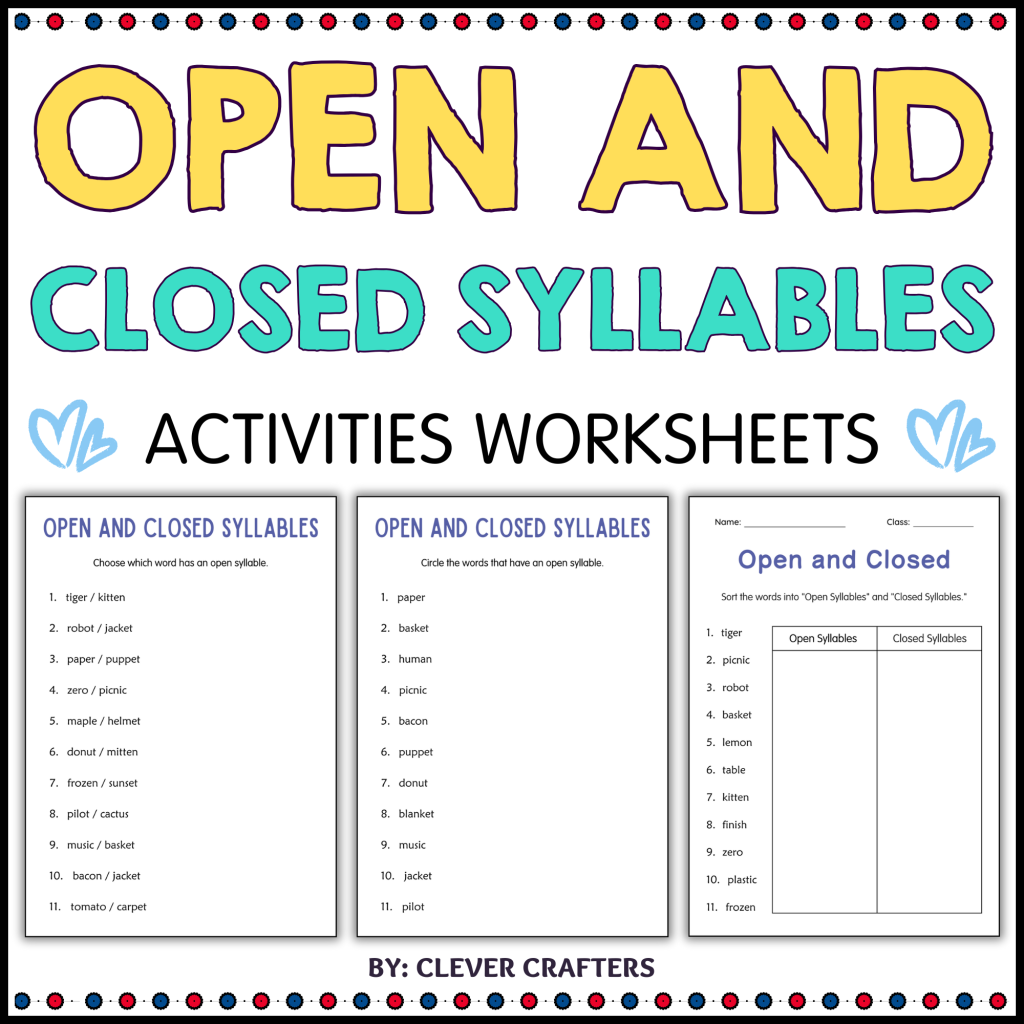
Practice recognizing and distinguishing open syllables from closed syllables for phonics/decoding.
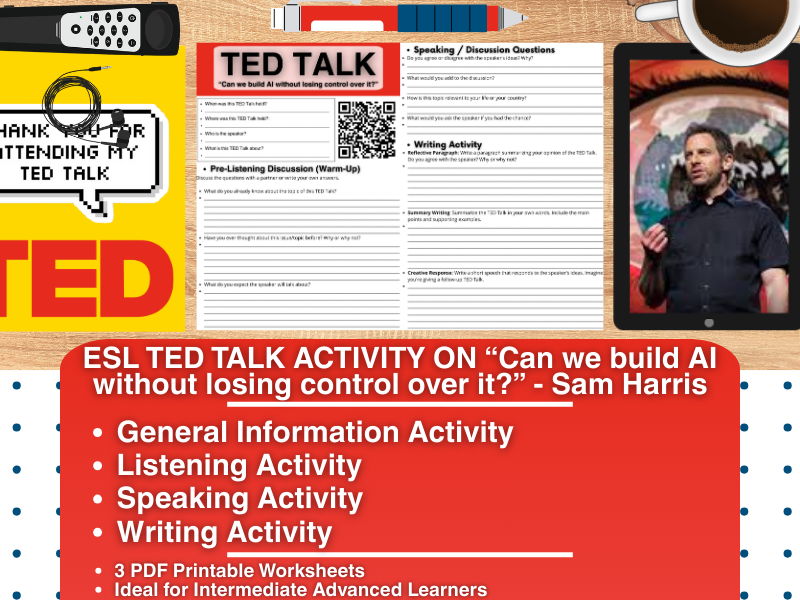
Use Sam Harris’s talk about AI control for listening, vocabulary, discussion, and writing practice. Students begin with background and warm-up questions, record unfamiliar words and key points while listening, then discuss the ideas. Three writing prompts offer a reflective response, a summary, or a creative follow-up speech.