
Forces, light & electricity
Force and Motion Activity Packet
A multi-topic activity packet teaching force and motion concepts (force, motion, friction, and related math) for elementary science.


Classroom resources
Browse by lesson focus
Choose the topic or kind of practice you need.
Showing 25–48 of 101 resources

 Show filters
A multi-topic activity packet teaching force and motion concepts (force, motion, friction, and related math) for elementary science.

Guide students through a hands-on friction experiment comparing the pulling force needed to move a wooden block across different surfaces, then reflect on results.
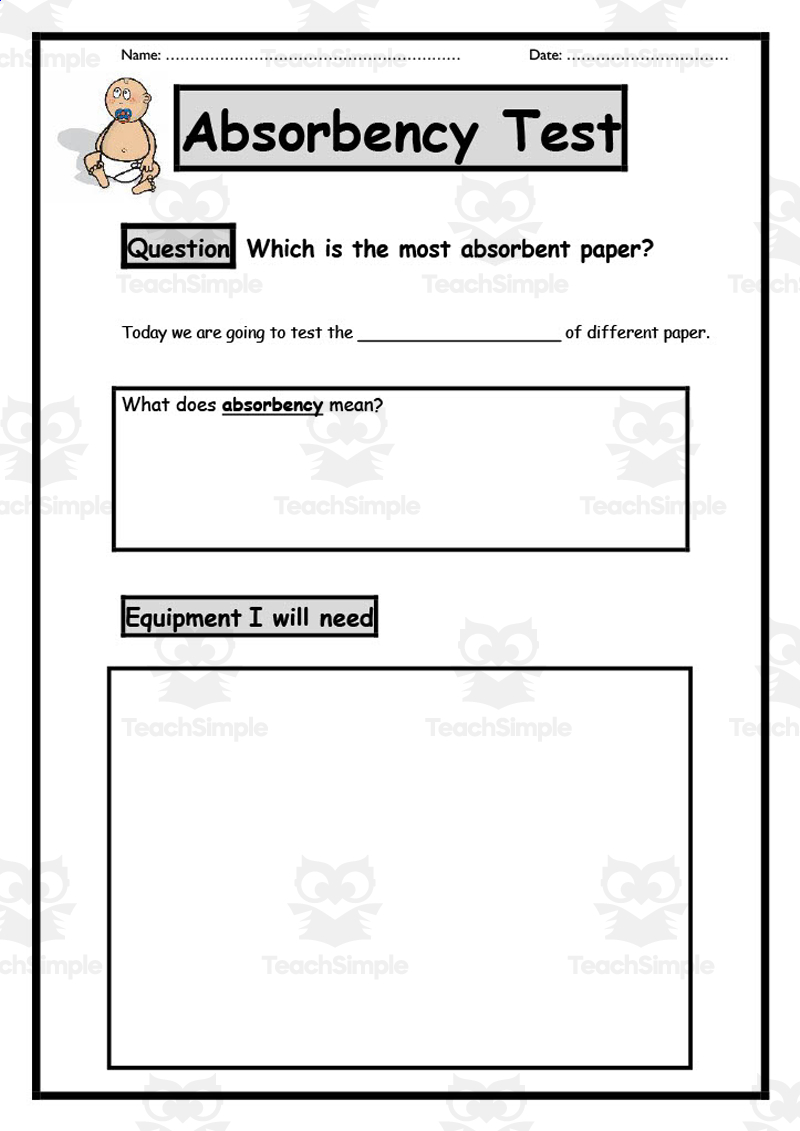
Guide students through a hands-on science experiment testing the absorbency of different types of paper, recording predictions, method, results, and a conclusion.
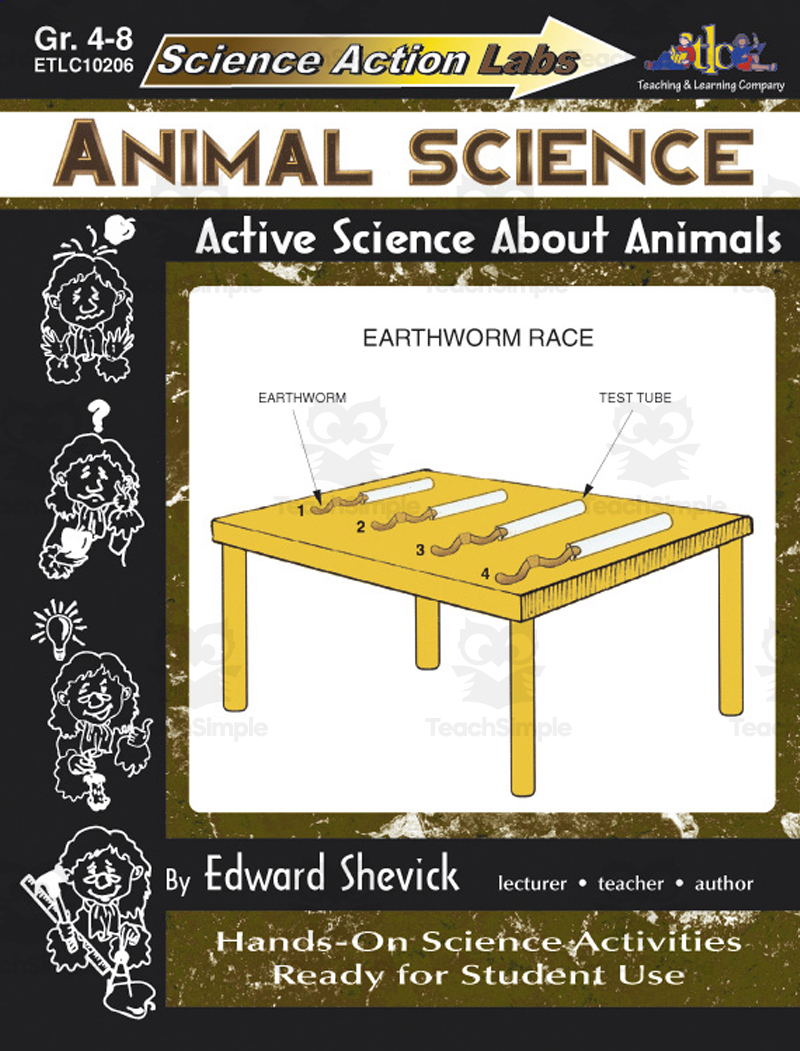
Teach animal science/zoology concepts (animal habitats, comparative anatomy, insect and fish biology, bird and mammal traits, animal reproduction) through hands-on experiments and observation labs.
Provide hands-on science experiments and activities across physical, earth, and life science topics for grades 5-6, supplementing the (U.S.) National Science Education Standards.
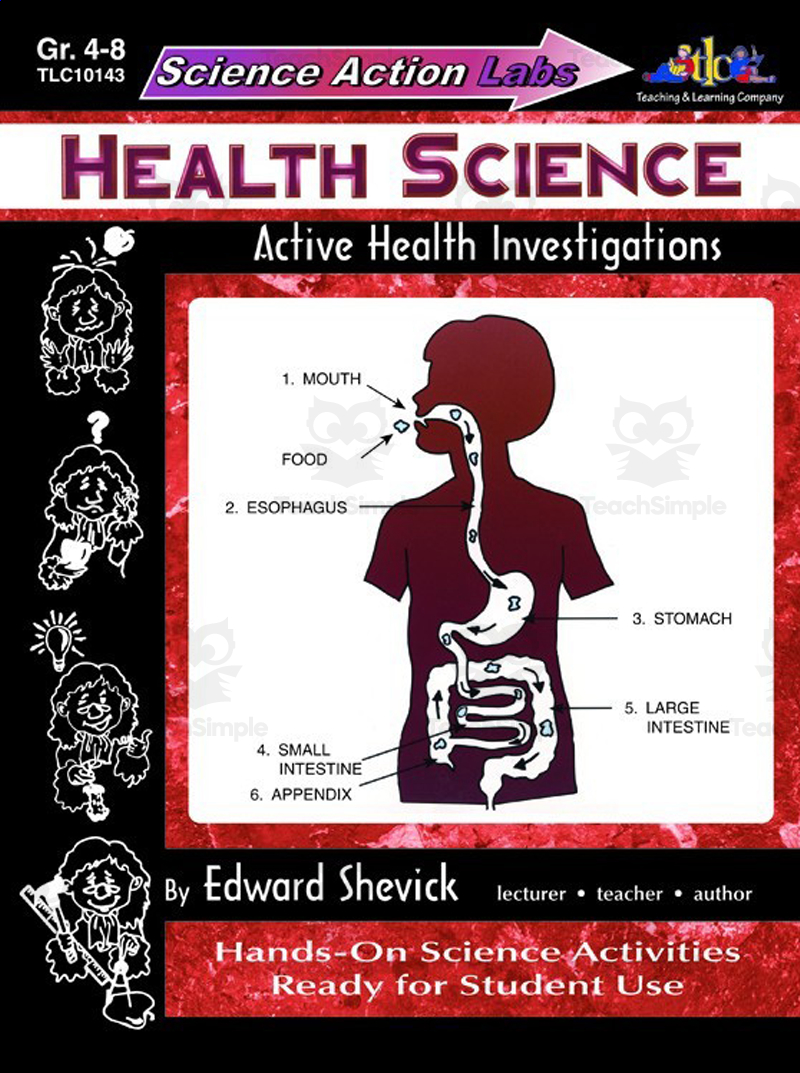
Teach human body/health science concepts (body systems, growth, heredity, circulation, respiration, digestion, nutrition, skin, bones, muscles, senses, brain, and substance-safety topics like alcohol and tobacco) through hands-on activities.
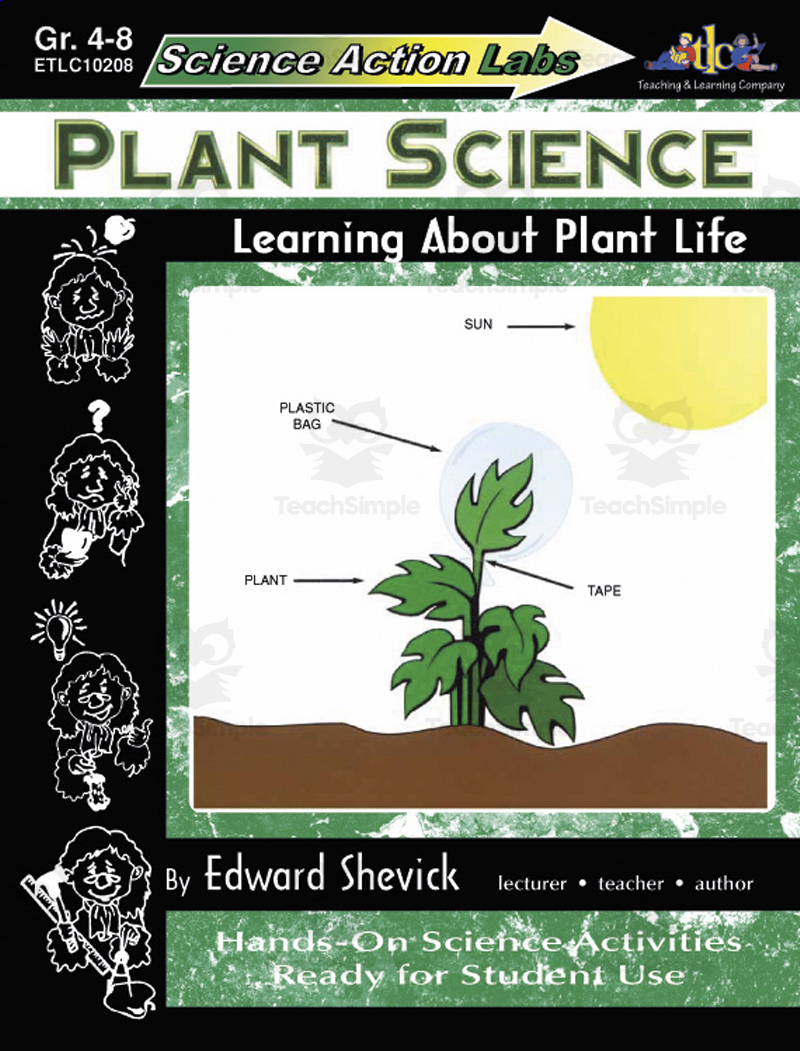
Teach plant science/botany concepts (characteristics of living things, seeds, flowers/pollen, leaves, plant cells, trees, plant classification, and plant survival) through hands-on experiments.
A 90-minute Grade 6 biology lesson plan teaching the process of photosynthesis through explanation, a simple experiment, and a worksheet.

Teach air-science concepts (air pressure, gas properties, breathing/respiration in humans/animals/plants, Bernoulli's principle, carbon dioxide, barometers, siphons) through hands-on hypothesis-driven experiments framed around Newton's scientific method.
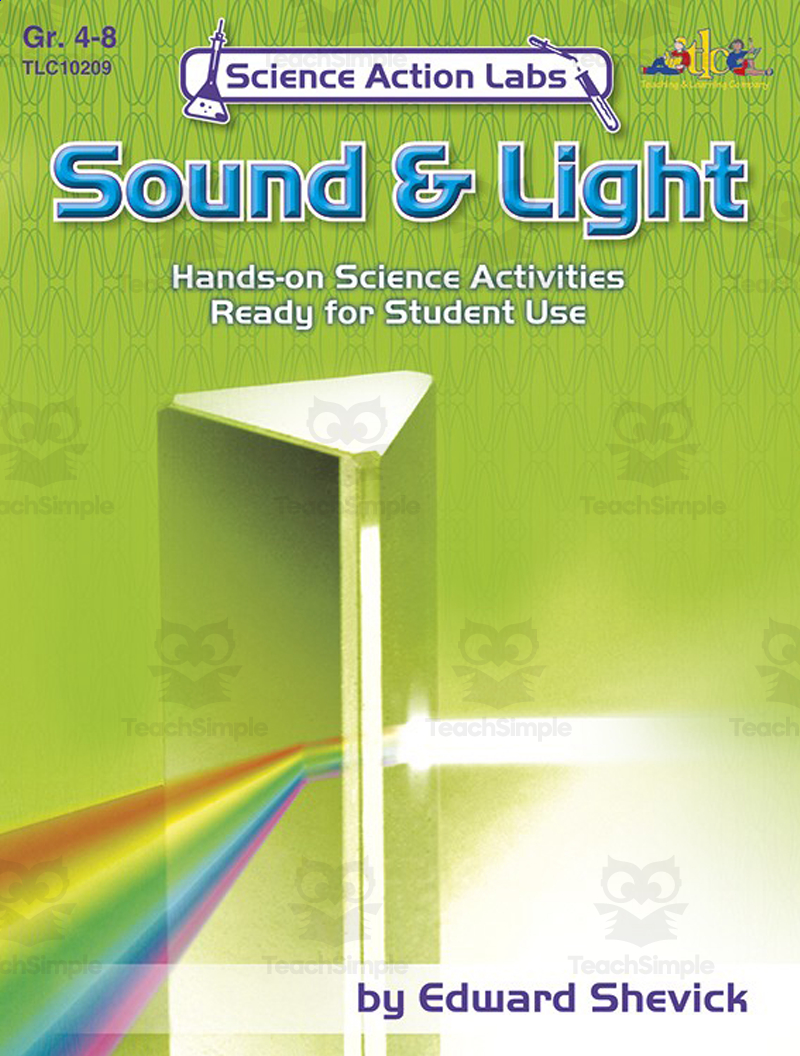
A hands-on physical-science workbook of lab activities exploring sound and light concepts (e.g. mirrors, sound waves, rainbow lab) for classroom demonstration or individual student use.
Teach the concept of life cycles (specifically caterpillar-to-butterfly metamorphosis) as one chapter/topic within a broader life-science workbook.
Reinforce elementary/upper-elementary science concepts in solids, liquids and gases (matter, atoms, molecules, physical properties, states of matter and their changes) (grades 4-6) through reproducible worksheets, hands-on activities, and teacher background material.
Reinforce elementary/upper-elementary science concepts in planet Earth (composition, crust/plates, minerals, rocks, weathering/erosion, mountain building, soil and soil conservation, earthquakes/volcanoes) (grades 4-6) through reproducible worksheets, hands-on activities, and teacher background material.
Teach elementary students the basics of static electricity through a set of simple, safe hands-on experiments.
A grade 4-5 plant-science teaching unit combining overhead-projector student notes with hands-on discovery worksheets and optional enrichment activities covering seeds, roots, stems, leaves, flowers, plant needs, and the plant life cycle.
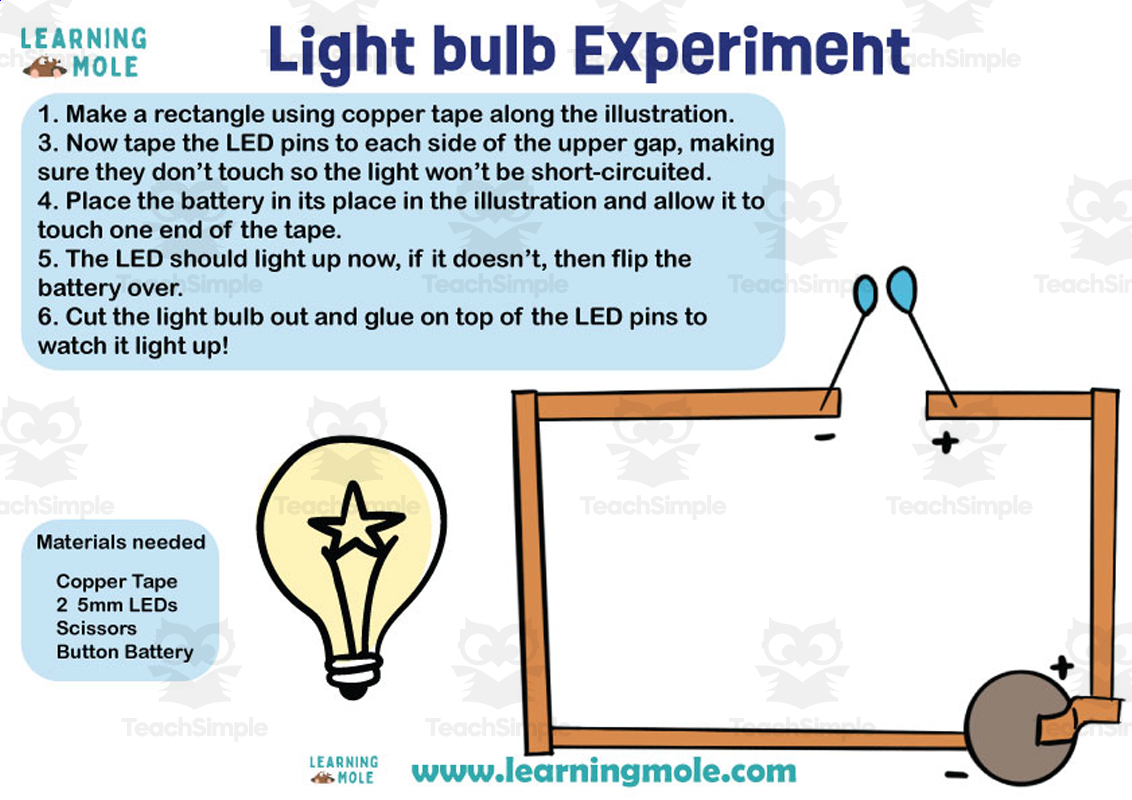
Guide students through a hands-on STEM circuit-building experiment: lighting an LED using copper tape and a button battery.
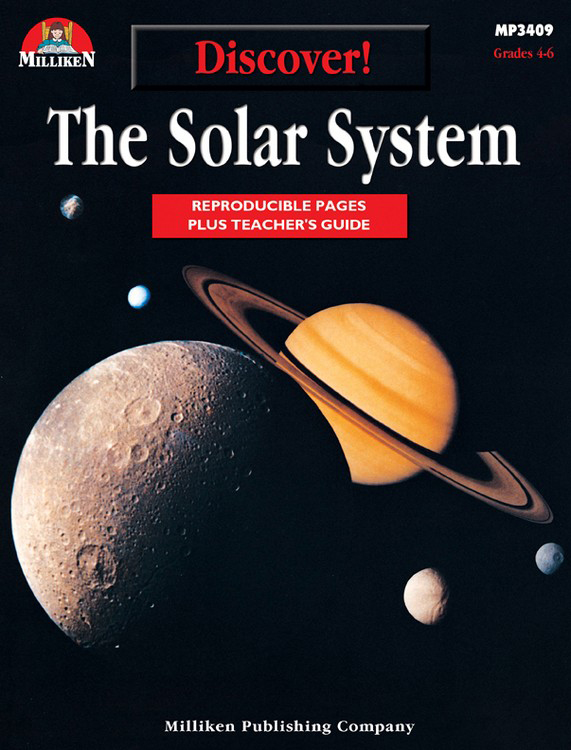
Reinforce elementary/upper-elementary science concepts in the solar system (orbits, the sun, the moon and its phases, inner and outer planets, seasons, day and night) (grades 4-6) through reproducible worksheets, hands-on activities, and teacher background material.
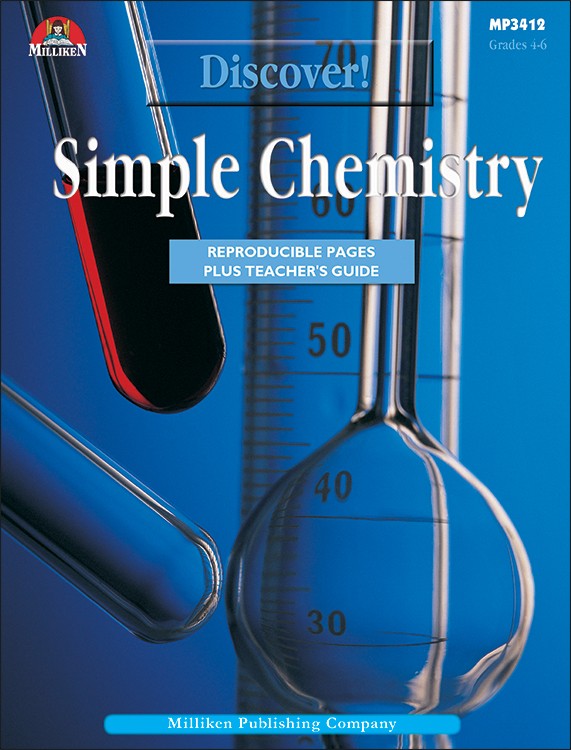
Reinforce elementary/upper-elementary science concepts in simple chemistry (atomic symbols/structure, periodic table, matter, elements/compounds/mixtures, acids/bases, solvents/solutions, oxidation, gases) (grades 4-6) through reproducible worksheets, hands-on activities, and teacher background material.

Reinforce elementary/upper-elementary science concepts in weather (Earth's uneven heating, water cycle, humidity, weather maps, wind, day/night) (grades 4-6) through reproducible worksheets, hands-on activities, and teacher background material.
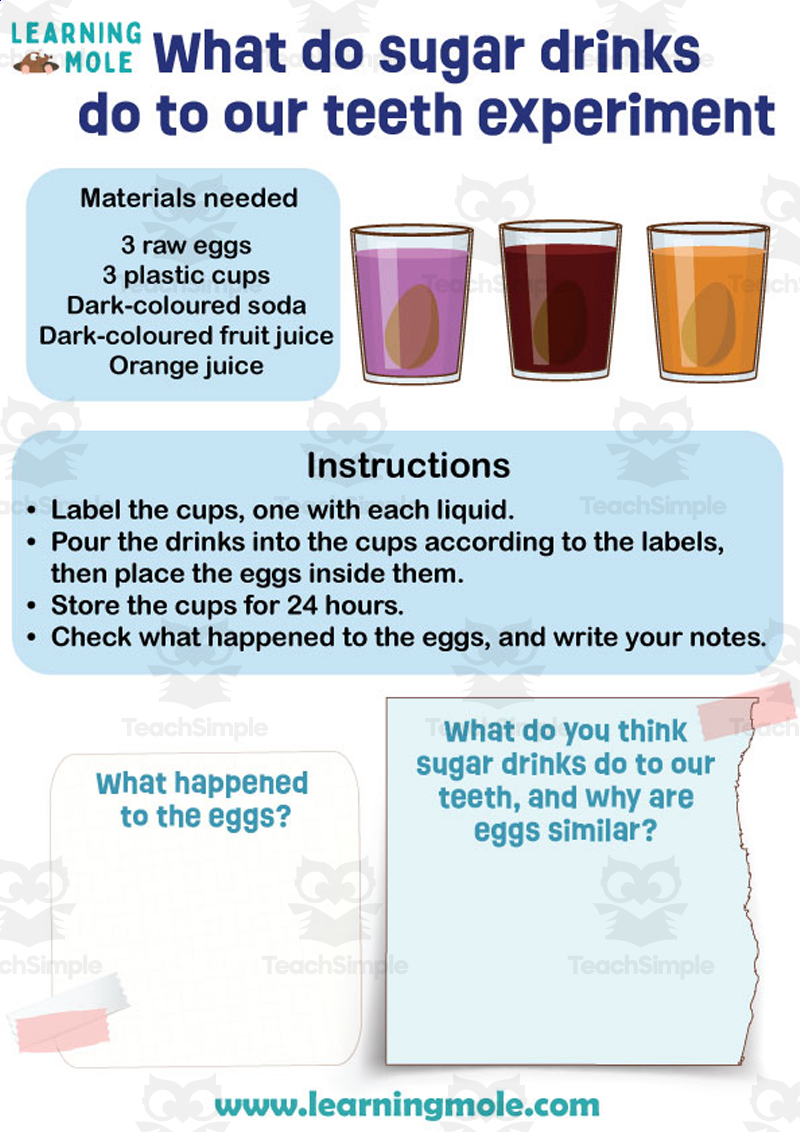
Run a simple hands-on experiment showing the effect of sugary/acidic drinks on tooth-like material (eggshell) to teach about dental health.

Reinforce elementary/upper-elementary science concepts in oceanography (mapping the oceans, water characteristics, ocean floor, currents, waves, tides, ocean life, underwater exploration) (grades 4-6) through reproducible worksheets, hands-on activities, and teacher background material.
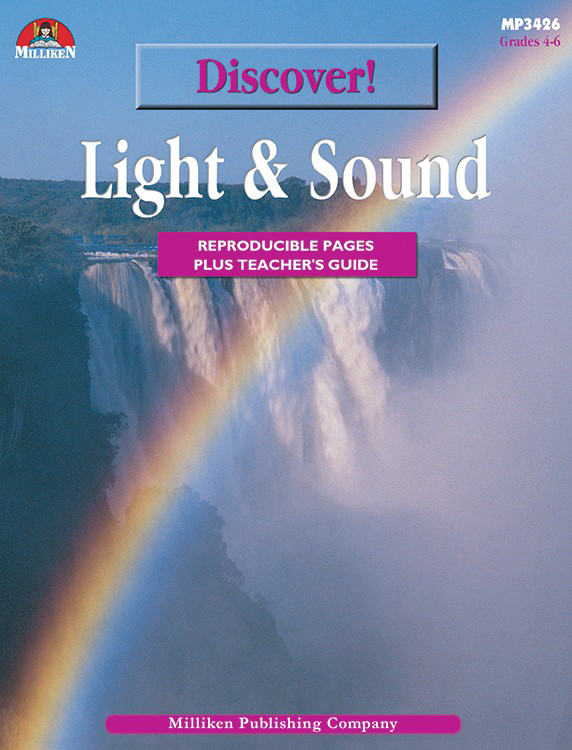
Reinforce elementary/upper-elementary science concepts in light and sound (nature of light, reflection, refraction, transparency/opacity, color/spectrum) (grades 4-6) through reproducible worksheets, hands-on activities, and teacher background material.
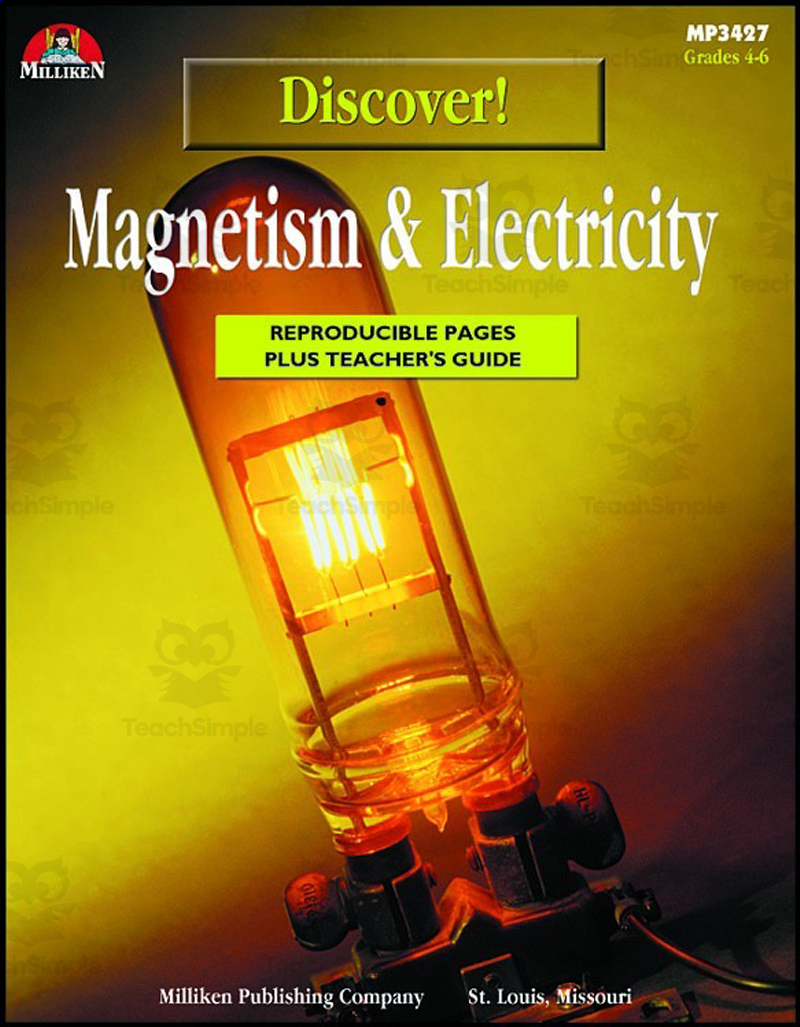
Reinforce elementary/upper-elementary science concepts in magnetism and electricity (magnetic force/poles, compasses, electromagnets, circuits, conductors/insulators, static and current electricity) (grades 4-6) through reproducible worksheets, hands-on activities, and teacher background material.
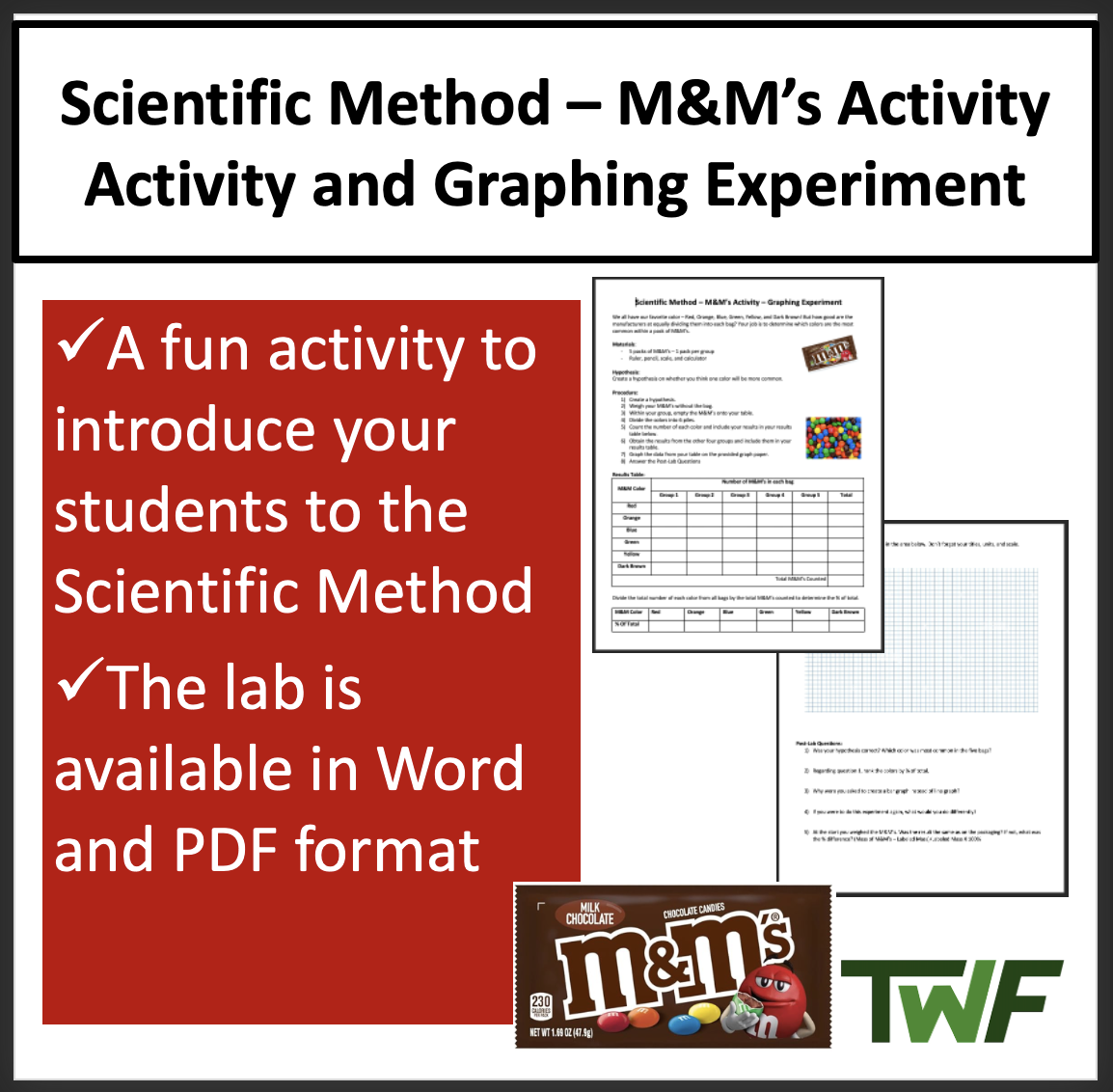
The M&M activity connects a color-count investigation with graphing and a results write-up. A companion lesson introduces the scientific-method steps through student slides and a completed teacher version. Provide the sample materials and model recording data before groups compare their findings.