Living things & ecosystems
10 Amazing Cell Projects for Grades 4-5
Provide 10 differentiated, hands-on/creative project options for upper-elementary students to demonstrate understanding of cell structure and function.




Classroom resources
Prepare your fifth-grade students for middle school science with projects that stimulate interest and ingenuity. Activities include exploring chemical reactions, studying ecosystems, and investigating human biology. By integrating these projects into your lessons, you can nurture scientific inquiry and readiness for more complex studies.
Browse by lesson focus
Choose the topic or kind of practice you need.
Showing 1–24 of 34 resources

 Show filters
 Provide 10 differentiated, hands-on/creative project options for upper-elementary students to demonstrate understanding of cell structure and function.
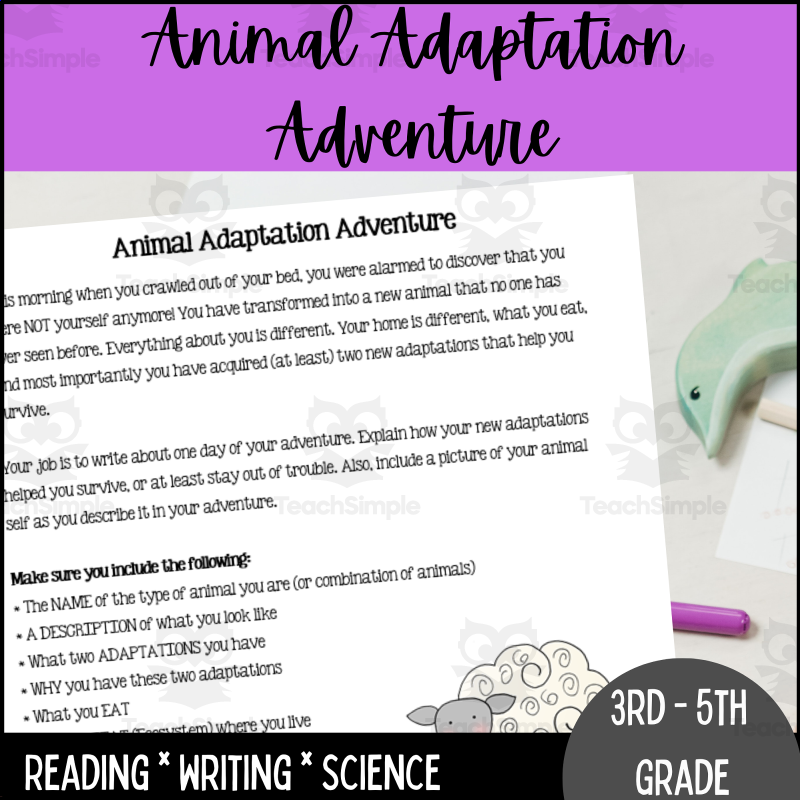
A science-and-writing project where students research animal habitats, ecosystems, and survival adaptations, then invent and write about their own new creature that has transformed from the student.
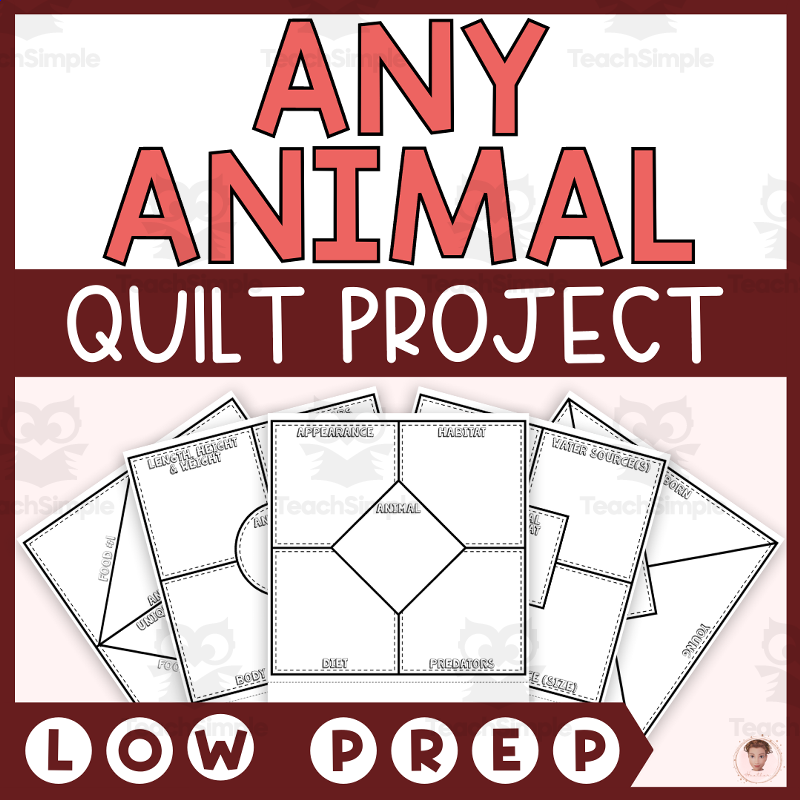
Animal Research Project-Based Learning Resource The Animal Research Project-Based Learning resource is a versatile educational tool, created primarily for teachers and homeschoolers.

Provide a culminating, choose-your-own-animal research project so students can apply and demonstrate what they know after an animal unit, covering classification, diet type, habitat, adaptations, food chain, and life stages.
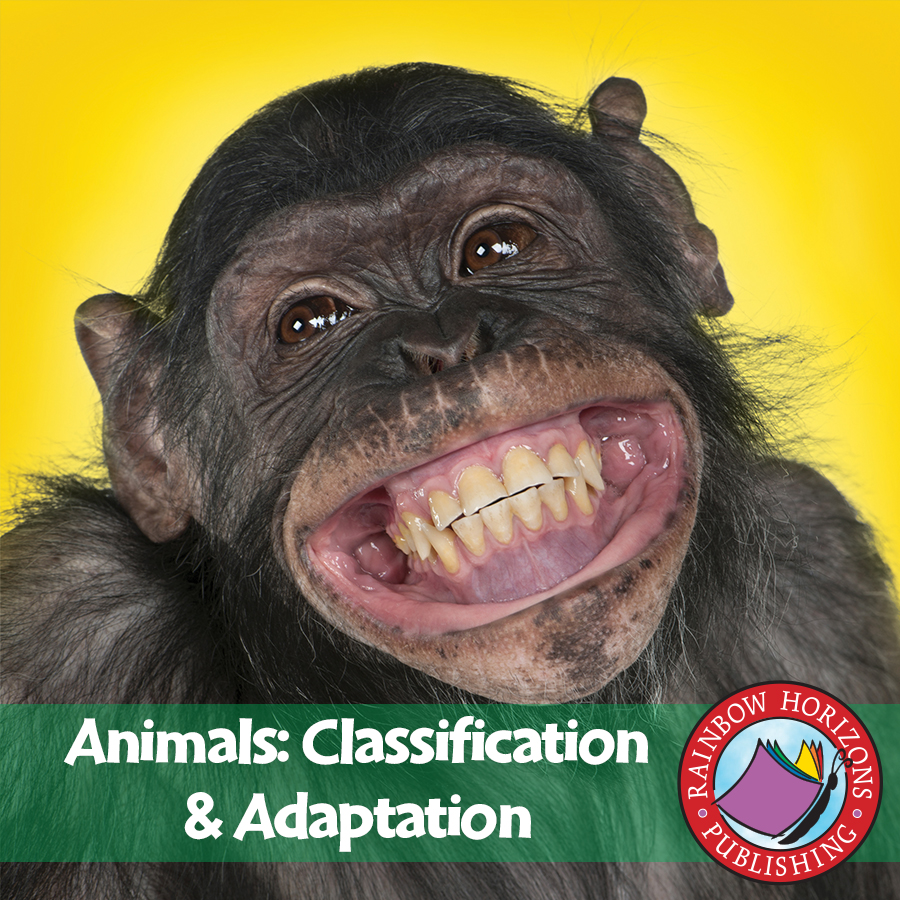
Animals: Classification & Adaptation Gr. 4-6 A comprehensive teaching resource designed to spark students' interest in the animal kingdom. It is tailored for grades 4-6, aligning seamlessly with science curriculum objectives.
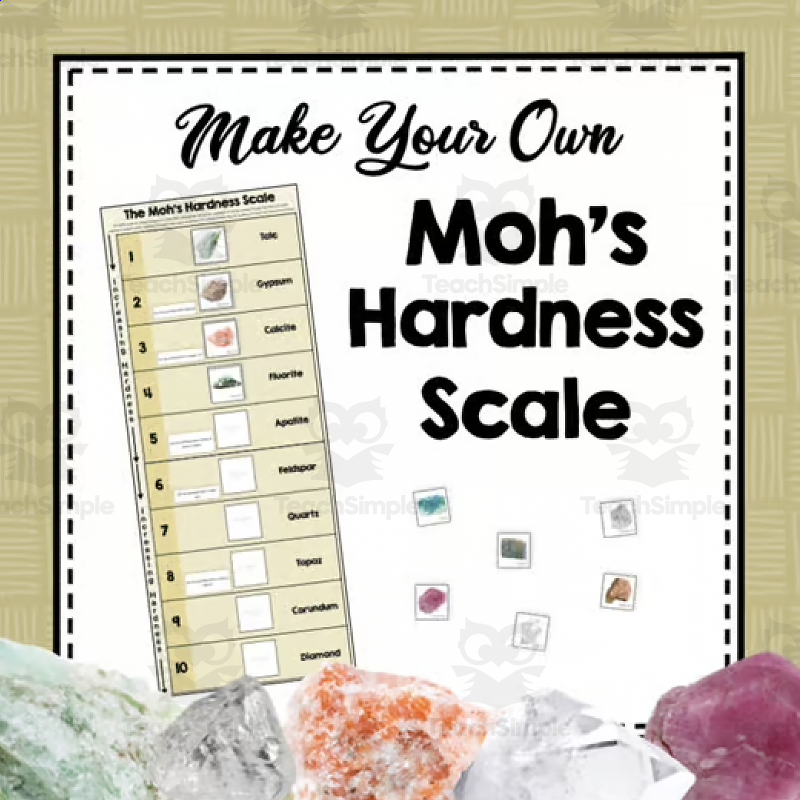
Help your students make their own "Moh's Hardness Scale" as they learn about classifying minerals by their hardness. This hands-on project is a perfect supplementary activity to enhance your study of geology and rocks.
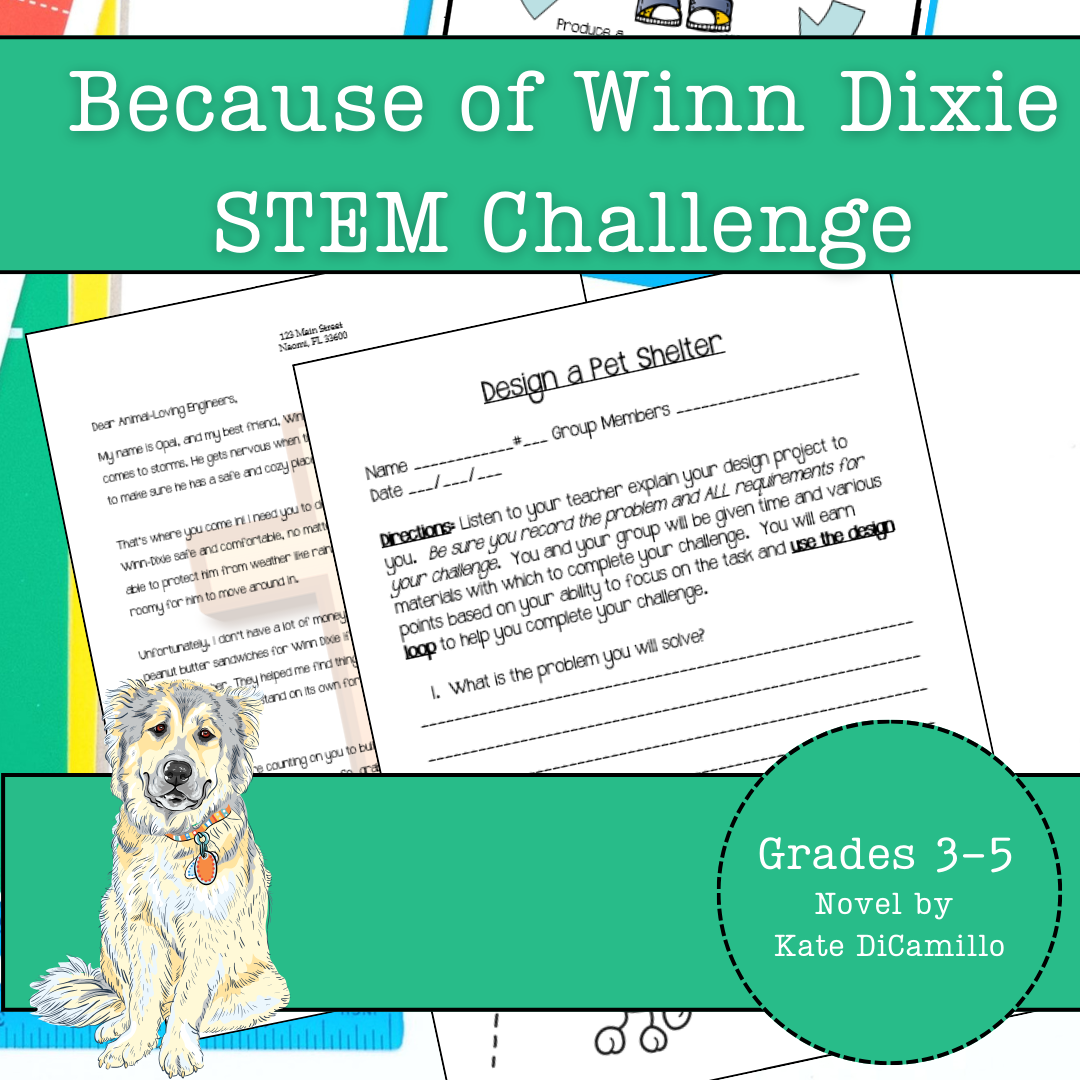
A STEM design-challenge project connected to the novel Because of Winn-Dixie, in which students engineer a pet-friendly shelter for the character Winn-Dixie using the engineering design loop.
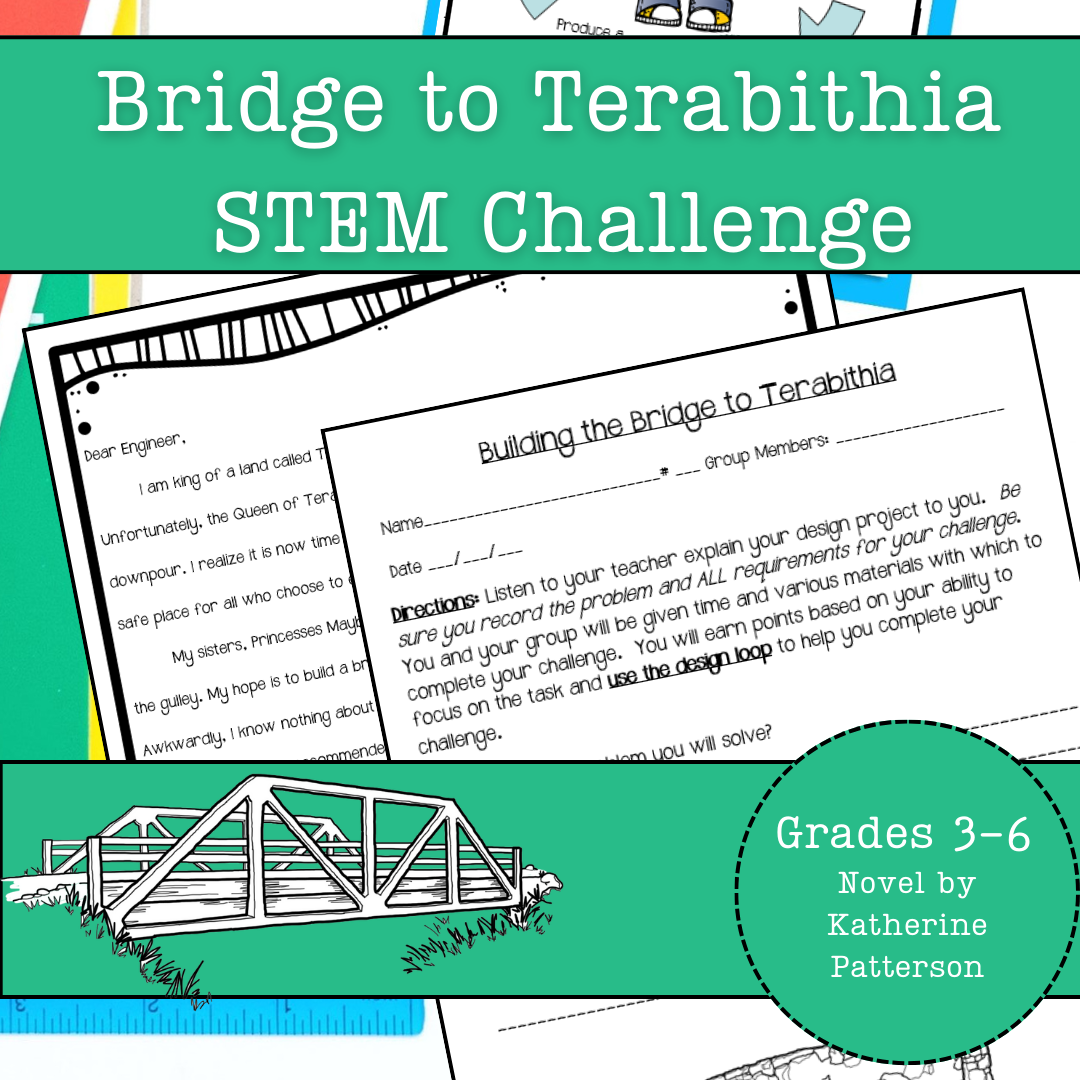
Bring literature to life with this exciting STEM activity inspired by Bridge to Terabithia! This challenge sparks creativity and problem-solving as students plan and construct a bridge for King Jesse as he plans to make entrance to…
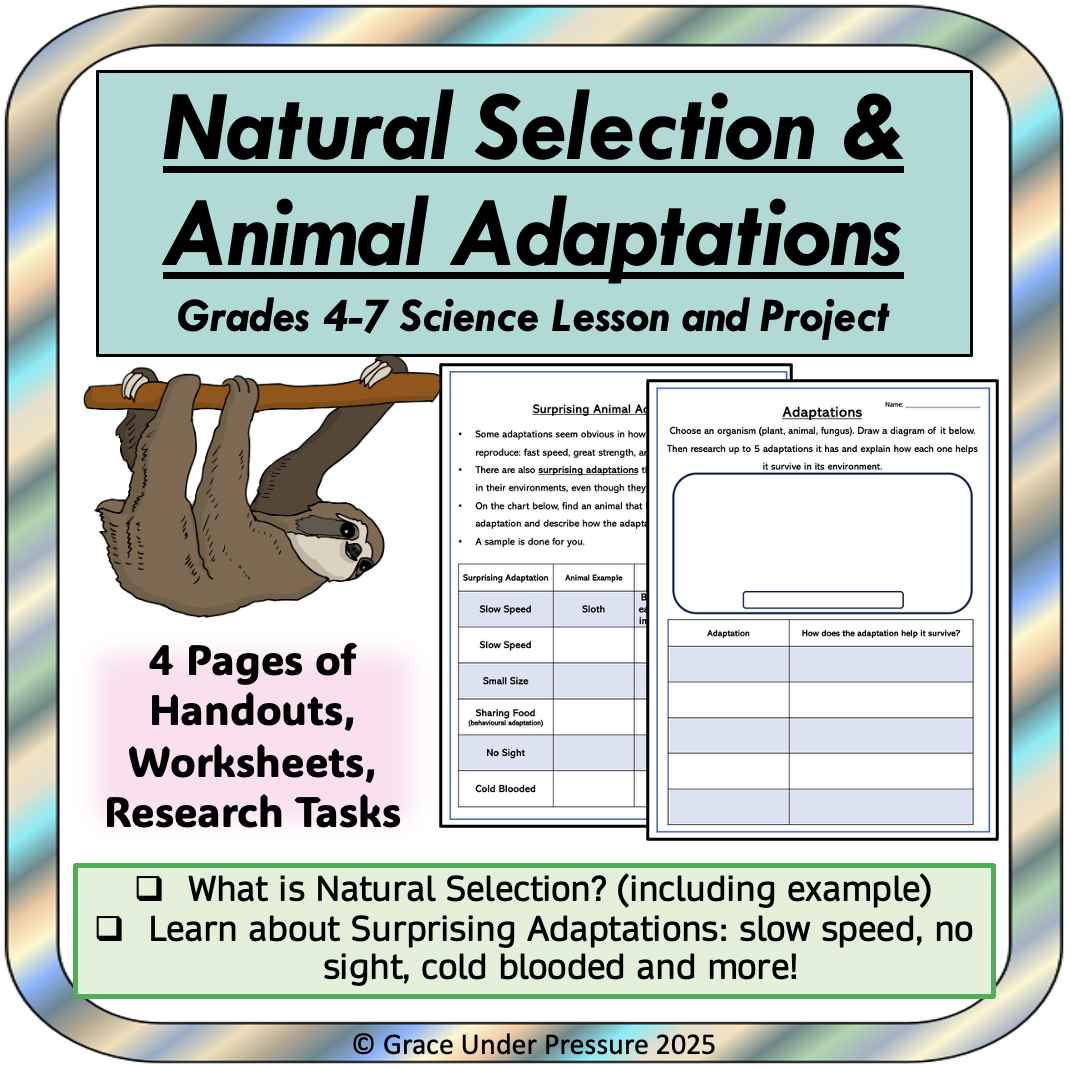
A science lesson and research project teaching students about natural selection, animal adaptations, and evolution at a grade-appropriate level.
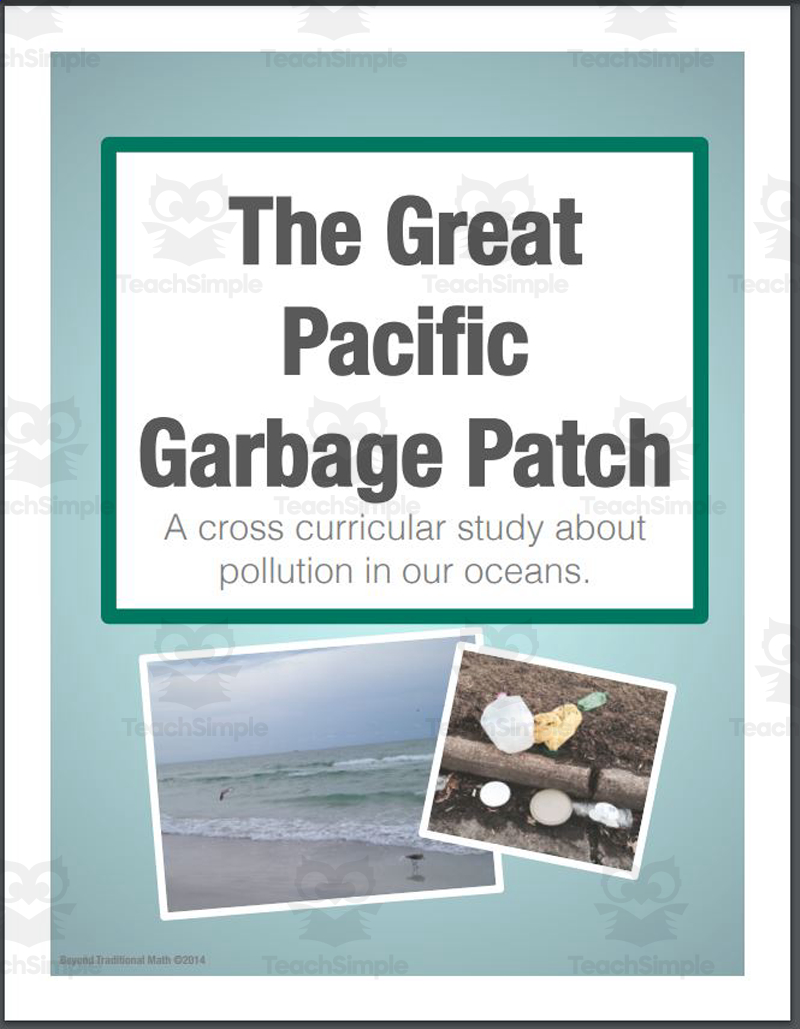
Make Earth Day impactful with this cross-curricular unit focusing on the Great Pacific Garbage Patch. Through reading, writing, math, and science, upper elementary students explore this major but little-known environmental issue.
A two-part electricity unit: Part I is direct-instruction notes and 7-9 worksheets/assignments on electricity fundamentals; Part II is a role-play class project where students debate which type of power plant a fictional town should build.

A STEAM activity combining art, science, and engineering: students build a coin-based spinner and collect/analyze data on how long it spins.
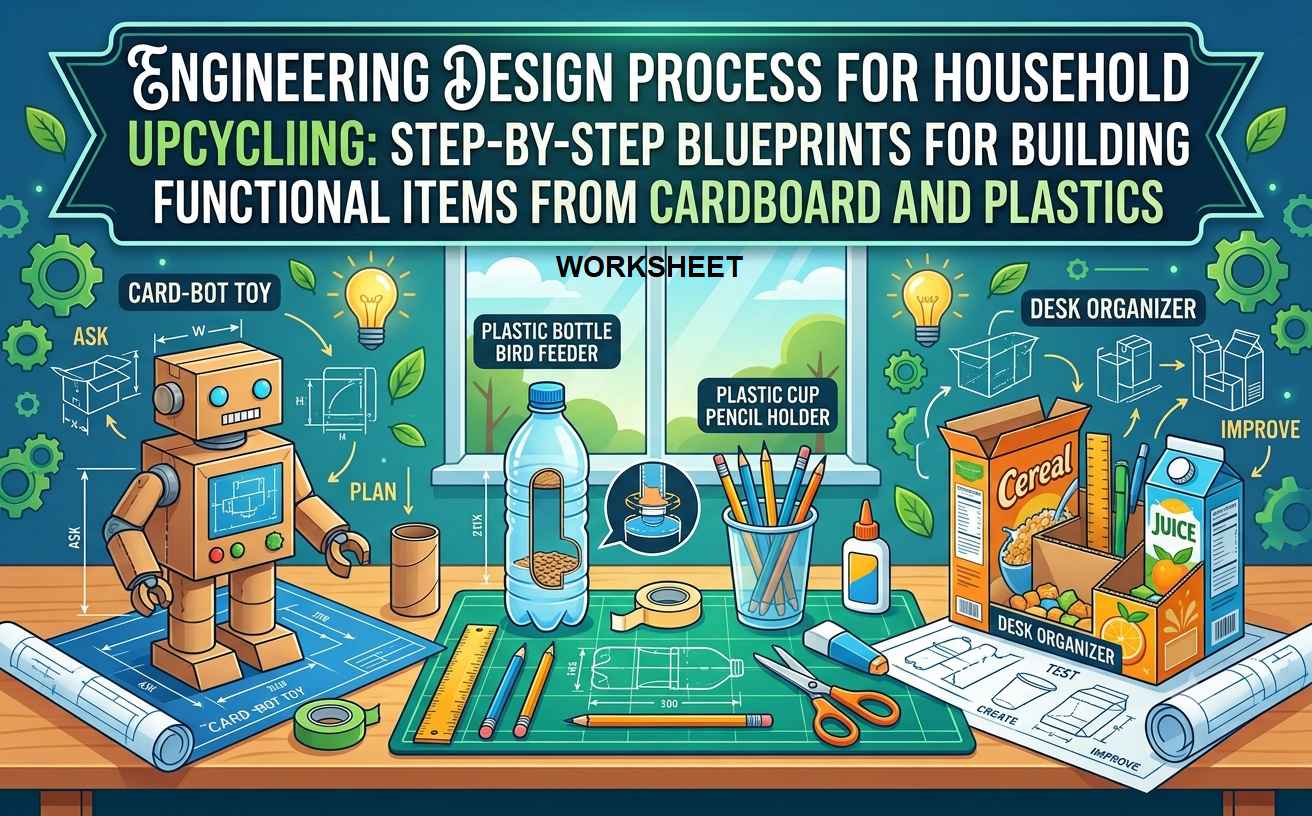
Transform your students from consumers into creators with this complete, no-prep STEM curriculum! Are you looking for an engaging, hands-on project that teaches real-world engineering skills without breaking the budget?
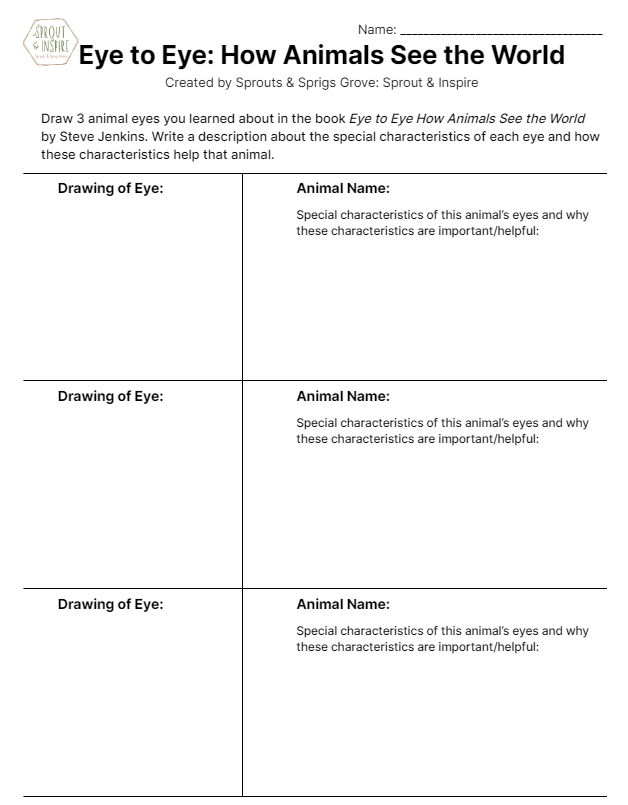
A homeschool/co-op-friendly lesson plan built around the picture book 'Eye to Eye: How Animals See the World' by Steve Jenkins, guiding a child through discussion, reading, drawing, and video activities to learn about different animal eye designs and functions, then create and present a model of an animal's eye.
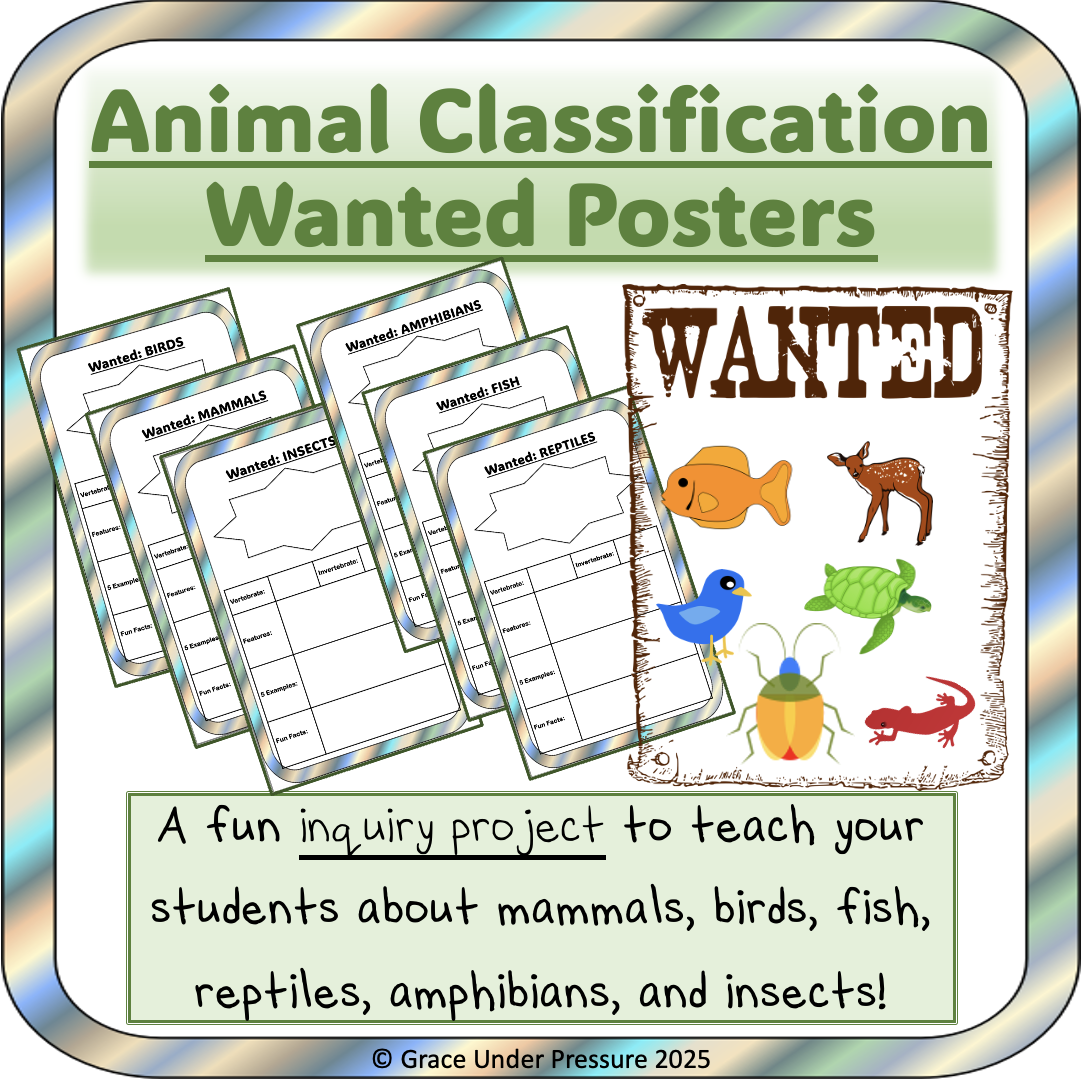
This elementary science project is a fun and interactive way for your students to learn about animal classes- different types of animals and how we can tell them apart by their unique features! Students can work independently or in small groups to research six animal classes: mammals, reptiles, fish, amphibians, birds, and insects. They…
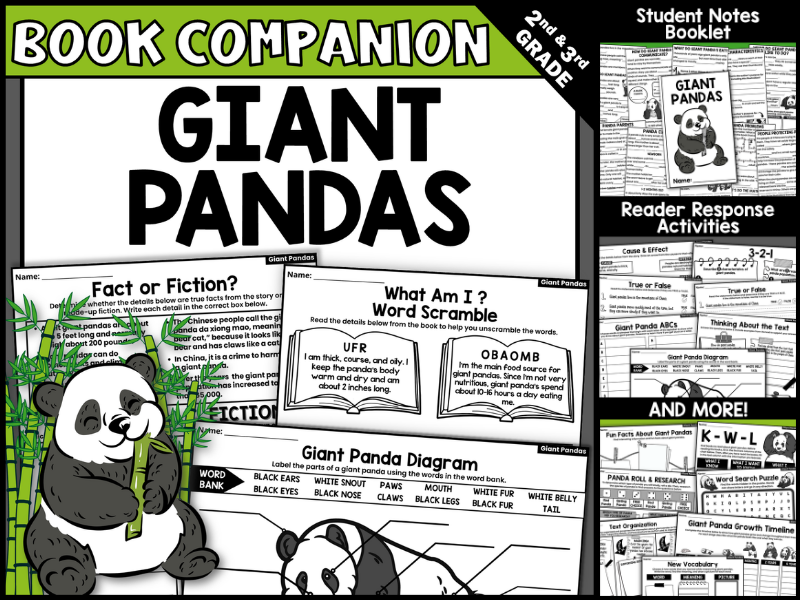
Complete interactive read-aloud/book-companion resource for the nonfiction picture book Giant Pandas by Gail Gibbons, offering print-and-go comprehension, vocabulary, and research activities to use alongside a read-aloud of the book.
Incorporate Real World Engineering & Discovery into Your Science Classroom with a Comprehensive Simple Machines STEM Unit. Tired of trying to teach students about abstract concepts like force, work, and mechanical advantage in physics…
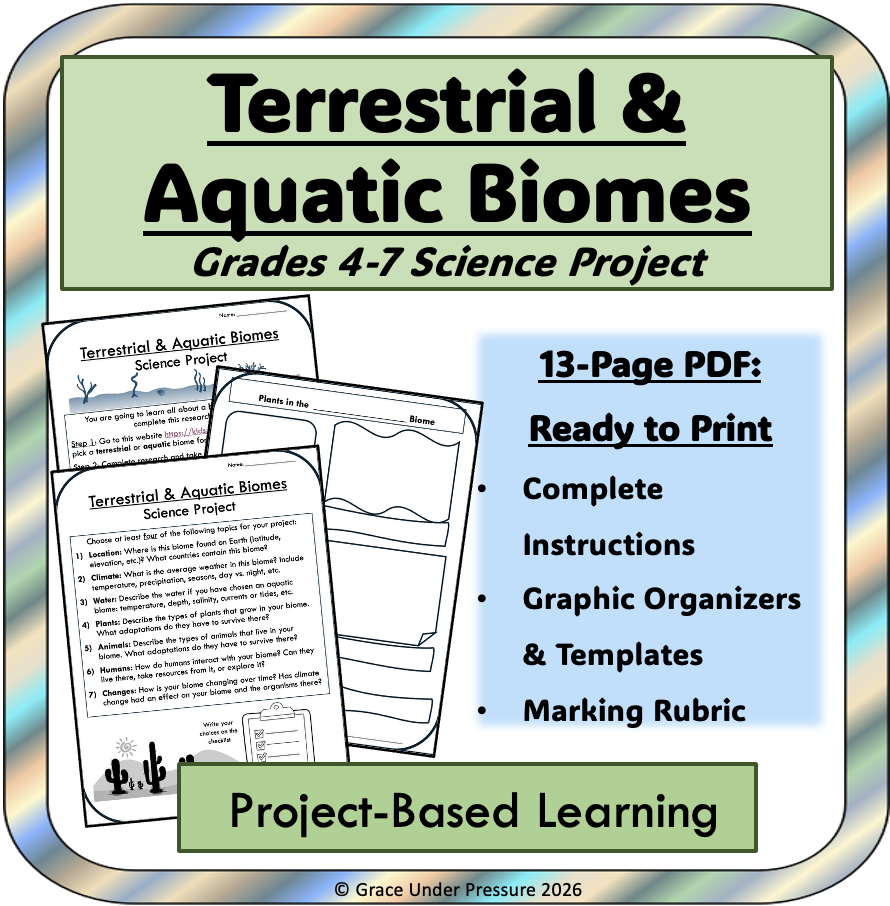
Here is a ready-to-go terrestrial and aquatic biomes science research project for your students in 4th, 5th, 6th or 7th grade. Each student will choose a terrestrial or aquatic biome, complete focused research about it, and create an…
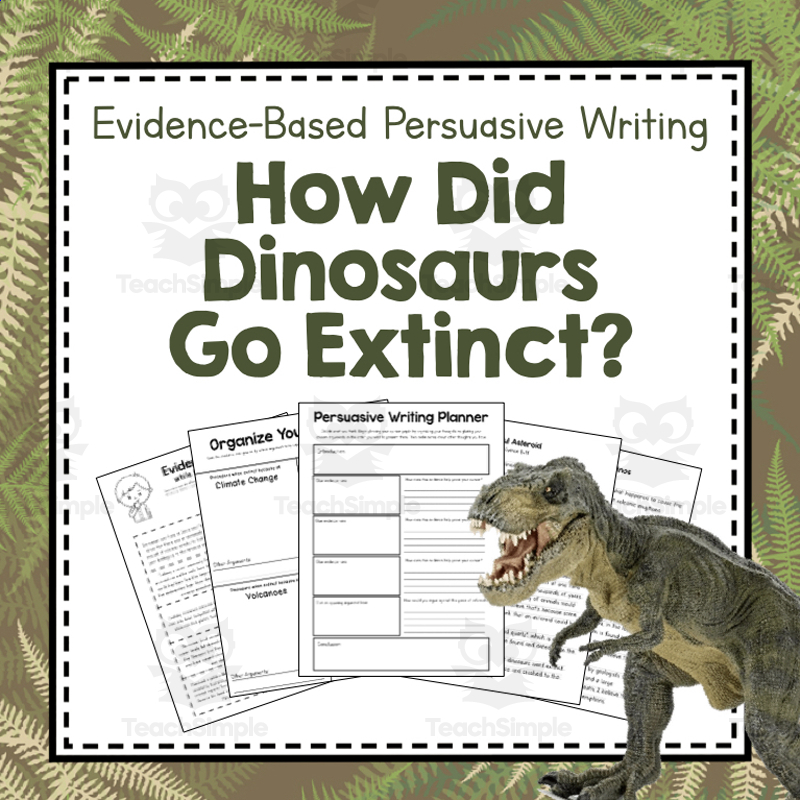
How Did the Dinosaurs Go Extinct? | Persuasive Writing Pack The How Did the Dinosaurs Go Extinct? | Persuasive Writing Pack is an interactive educational resource designed primarily for students in grades 3 to 5.
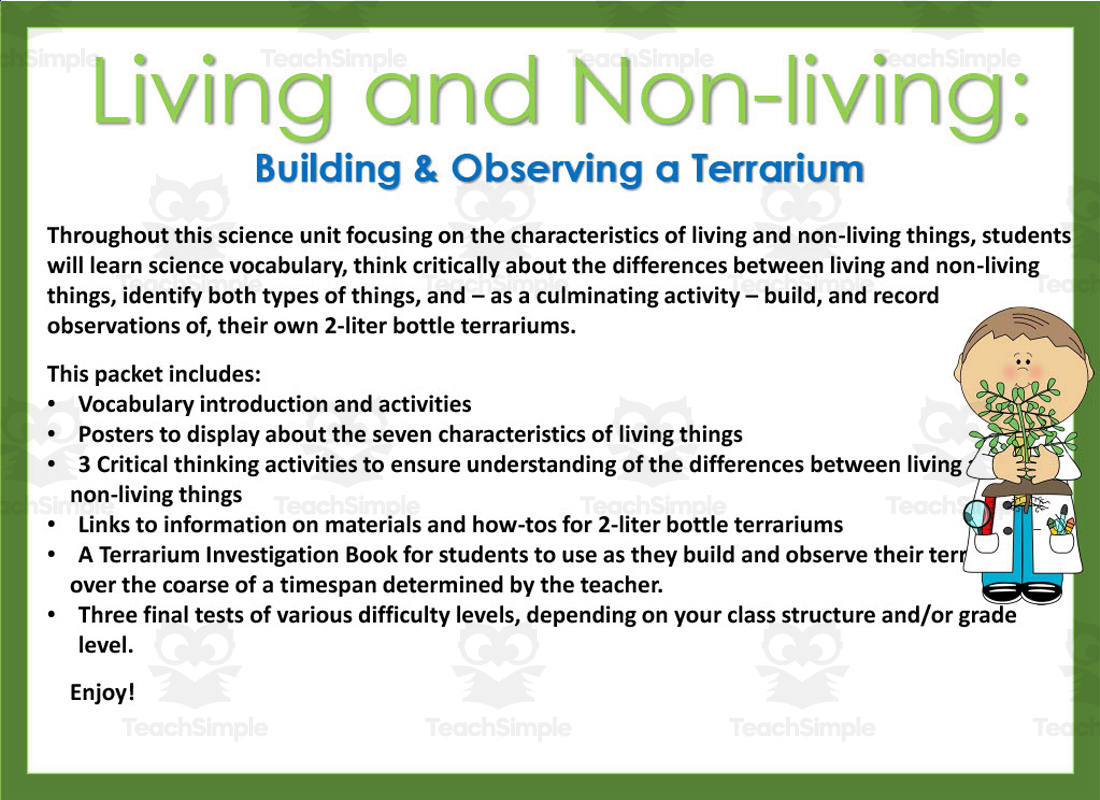
A science unit teaching the characteristics that distinguish living from non-living things through vocabulary work, critical-thinking activities, and a hands-on terrarium-building and observation project.
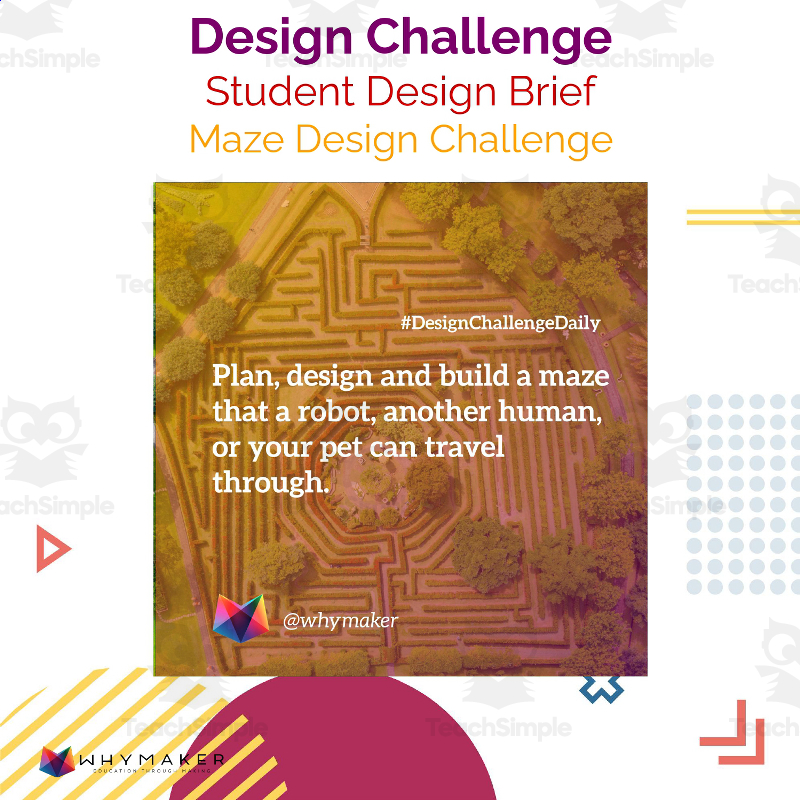
Guide students through a STEM engineering-design-challenge process to plan, build, and test a physical maze.

A STEM design-challenge activity (WhyMaker Design Challenge) where students identify a real problem in their own life and invent a physical solution using upcycled/craft materials.

As springtime approaches and the school year approaches its end, we begin talking about a few important topics and celebrations with our students.

Savanna Biome Activity engages students to research, write, and illustrate the unique wildlife found in African savanna ecosystems. Students brainstorm examples of savanna animals while the teacher records responses.