3,942 products added recently
Page 56 - Assessments by Subject
Access a variety of assessments designed for specific subject areas, ensuring that you evaluate the skills and knowledge most pertinent to your curriculum. This collection includes tools for art, ELA, math, science, social studies, and more. Provide meaningful feedback by utilizing subject-focused assessments.
Texas STAAR Practice Tests Bundle for Grade 6
Math, ELA, Grade 6, Assessments, Teacher Tools, Tests, Quizzes and Tests, Worksheets & Printables
Prepare your students for success with this Grade 6 STAAR Practice Tests Bundle . This focused resource includes Math and Reading practice tests designed to mirror the real STAAR exam. It helps students build confidence and strengthen essential skills before test day. The bundle includes two full practice tests with realistic STAAR-style questions. Students practice math skills such as ratios, expressions, and problem solving, as well as reading comprehension, analysis, and evidence-based responses. The format helps students become familiar with test expectations. Each test includes an answer key for quick and easy grading. All materials are printable and ready for classroom use. This bundle can be used by teachers for full exam simulations, small group intervention, review sessions, and test preparation. Additionally, it is effective for subplans, evaluation days, and homework. Students gain proficiency in both areas while increasing their test-taking confidence and endurance. Simply print and utilize. This Grade 6 STAAR bundle helps students feel confident and prepared for success while simplifying test preparation.
Author Bright Classroom Ideas Marketplace
Rating
Tags Texas, Staar, State Test, Math, Ela, Reading
Earth Science Reading Passage: Cleaning Wasterwater (Fillable PDF)
Science, ELA, Reading, Reading Comprehension, Strategies, Resources for Teachers, Earth and Environmental Sciences, Earth Sciences, Environmental Science, Grade 6, 7, 8, 9, Writing Prompts, Worksheets & Printables, Centers, Activities, Teacher Tools, Assessments, Quizzes and Tests, Quizzes, Tests
Science Reading Comprehension Passages and Questions: Cleaning Wastewater (Fillable PDF) This very engaging earth science reading passage about Cleaning Wastewater . It is designed to bridge the gap between science and literacy through strengthening reading comprehension and sparking scientific curiosity in middle school students. The passage blends English Language Arts skills with accurate science content that supports NGSS classroom practice. Ideal for interdisciplinary learning in ELA and Science. Suitable for Grade 9 review, too! These worksheets are designed as fillable PDFs , which means students can type their answers directly into the document on any computer or tablet . Each page includes highlighted text fields that show them exactly where to type! Student Tasks for The Passage: 5 multiple-choice questions targeting main idea, key details, inference, vocabulary in context, and use of evidence 5 vocabulary matching items with clear, student-friendly definitions 5 text-based questions that require citing specific lines or facts 1 summary prompt that asks students to condense central ideas accurately Full answer key for every section Available Formats for this Resource PDF Word Docs Google Docs FULL CATALOG OF DOWNLOADING LINKS HERE Product Details Length: 4 pages total Grades: 6–8, also suitable for Grade 9 review Use cases: close reading, stations, homework, intervention, test prep, and sub plans Standards support: reinforces informational-text skills and supports NGSS-style sense making through observation, modeling, and clear use of claim, evidence, and reasoning Why Teachers Choose This Set Authentic science content paired with rigorous literacy practice Consistent task structure across all passages for easier planning and smoother student routines Clear, age-appropriate writing that builds confidence without oversimplifying Other Science Reading Collections you May find in the store: 1. Astronomy & Space Science 2. Volcanoes, Rocks, & Mountains 3. Rock Cycle, Soil, & Sinkholes 4. Mars, Glaciers, & Antarctica 5. Water Cycle, Acid Rain, & Wastewater 6. Insects, Animals, & Ecosystems 7. Bioluminescence & Insects 8. Animal Skin, Cats, & T. Rex 9. Human Body and Senses 10. Health & Applied Bioscience 11. Waves, Light, & Imaging 12. Electricity & Energy 13. Motion & Materials 14. Chemistry and Materials Science Use this set to reinforce ELA skills in science, to add literacy to your lessons, and to support independent work. The passages strengthen main idea, evidence use, vocabulary in context, inference, cause and effect, and summary writing. With ready-to-use assessments and complete answer keys, you can provide focused practice that is simple to run and fast to review.
Author Middle & High School - CORED Education
Rating
Tags Middle School, Reading Comprehension, Reading Strategies, ELA, Centers, Reading Passage, Assessments, Vocabulary, Environmental Science
Science Reading Comprehension Passage: Fingerprints. SAMPLE
Science, ELA, Reading, Reading Comprehension, Strategies, Resources for Teachers, Grade 6, 7, 8, 9, Writing Prompts, Worksheets & Printables, Centers, Activities, Teacher Tools, Assessments, Quizzes and Tests, Quizzes, Tests
This is a free passage sample from the complete resource. The full version includes everything needed for a complete reading comprehension activity: the passage, multiple-choice questions, short-answer questions, vocabulary matching, a summary-writing task, and a detailed answer key. Download the complete passage resource by clicking on the following links: PDF Fillable PDF Word Docs Google Docs Science Reading Comprehension Passage and Questions: Fingerprints (PDF) This very engaging science reading passage is about fingerprints and how they are used to solve crimes . It explains that fingerprints are unique, permanent patterns formed by friction ridges on the skin. It describes how investigators find and develop latent prints left behind by sweat and natural skin oils, compare ridge details, and use modern tools such as AFIS and live-scan devices to search and record fingerprints. The passage also explains why fingerprint evidence can be strong when it is collected, documented, and compared carefully. This passage is designed to bridge the gap between science and literacy through strengthening reading comprehension and sparking scientific curiosity in middle school students. The passage blends English Language Arts skills with accurate science content that supports NGSS classroom practice. Ideal for interdisciplinary learning in ELA and Science. Suitable for Grade 9 review, too! Student Tasks for The Passage: 5 multiple-choice questions targeting main idea, key details, inference, vocabulary in context, and use of evidence 5 vocabulary matching items with clear, student-friendly definitions 5 text-based questions that require citing specific lines or facts 1 summary prompt that asks students to condense central ideas accurately Full answer key for every section FULL CATALOG OF DOWNLOADING LINKS HERE Product Details Length: 4 pages total Grades: 6–8, also suitable for Grade 9 review Use cases: close reading, stations, homework, intervention, test prep, and sub plans Standards support: reinforces informational-text skills and supports NGSS-style sense making through observation, modeling, and clear use of claim, evidence, and reasoning Why Teachers Choose This Set Authentic science content paired with rigorous literacy practice Consistent task structure across all passages for easier planning and smoother student routines Clear, age-appropriate writing that builds confidence without oversimplifying Other Science Reading Collections you May find in the store: 1. Astronomy & Space Science 2. Volcanoes, Rocks, & Mountains 3. Rock Cycle, Soil, & Sinkholes 4. Mars, Glaciers, & Antarctica 5. Water Cycle, Acid Rain, & Wastewater 6. Insects, Animals, & Ecosystems 7. Bioluminescence & Insects 8. Animal Skin, Cats, & T. Rex 9. Human Body and Senses 10. Health & Applied Bioscience 11. Waves, Light, & Imaging 12. Electricity & Energy 13. Motion & Materials 14. Chemistry and Materials Science Use this set to reinforce ELA skills in science, to add literacy to your lessons, and to support independent work. The passages strengthen main idea, evidence use, vocabulary in context, inference, cause and effect, and summary writing. With ready-to-use assessments and complete answer keys, you can provide focused practice that is simple to run and fast to review.
Author Middle & High School - CORED Education
Rating
Tags Middle School, Reading Comprehension, Reading Strategies, ELA, Centers, Reading Passage, Assessments, Vocabulary, Technology
Origins of Constitution- Vocabulary Development, Notetaker, Assessment
Social Studies, Government, Grade 7, 8, 9, 10, Assessments, Teacher Tools
The Origins of the Constitution- Vocabulary Development, Notetaker, Assessment is a comprehensive 44-page editable lesson developed to give students from grades 7-10 a thorough understanding of the origins of the United States Constitution within its historical context. Our foundational principles spring from deep roots in Ancient Greece and the Roman Republic, Enlightenment thinkers such as John Locke and Baron de Montesquieu, English law,, such as the Magna Carta, the formation of Parliament, the Petition of Rights, the English Bill of Rights, colonial laws, such as the Mayflower Compact, the Toleration Act, freedom of religion for all in Rhode Island, the Virginia Statute for Religious Freedom, as well as the Iroquois Confederacy. Students will read a short text and complete two assignments for it-- a graphic organizer and K.I.M. Vocabulary Development, which includes 16 terms: government, constitution, tyrannical, oppressive, democracy, separation of powers, republic, representative government, divine rights, natural rights, social contract, consent, legislative branch, executive branch, and judicial branch. The Resource includes: a forced copy link to the Google Doc Hyperlinked Table of Contents About this Resource-a reference guide of the resource for the teacher Essential Question- 5 Guiding Questions- How did Ancient Greek democracy and Roman republicanism influence the foundational principles of the U.S. Constitution? What Enlightenment ideas from philosophers like John Locke and Montesquieu are reflected in the Constitution? In what ways did the government of the Iroquois Confederacy contribute to the development of American democratic principles? How did English law and colonial governments influence the formation of the Constitution? How did early American experiences with governance shape the principles found in the Constitution? A detailed lesson plan with objectives and learning targets aligned to the Common Core Standards Understanding Essential Terms for the Origins of the Constitution The Origins of the Constitution Reading The Origins of the Constitution Graphic Organizer K.I.M. Vocabulary for Essential Terms of the Origins of the Constitution and Key The Origins of the Constitution Study Guide and Key The Origins of the Constitution Test and Key Check out my other United States Constitution Resources at my store- Intentional Teaching and Learning
Author Intentional Teaching and Learning
Tags Origins, Constitution, Ancient Influences, Enlightenment Thinkers, Vocabulary Development, Magna Carta, Iroquois Confederacy, Toleration Act, English Bill Of Rights, Virginia Statute Of Religious Freedom
Multiplication Task Cards - 102 Cards
Math, Multiplication and Division, Multiplication, Numbers, Early Math, Grade 1, 2, 3, 4, 5, Worksheets & Printables, Task Cards, Lesson Plans, Teacher Tools, Assessments, Activities, Centers
Get ready to tackle multiplication like never before with this set of 102 Multiplication Task Cards! Covering facts from 1 to 10, these cards make math engaging, interactive, and (dare we say) fun. Paired with 17 worksheets for extra practice, this resource is a one-stop shop for multiplying mastery. Whether your students are newbies to the times tables or seasoned number ninjas, there’s something here for everyone. Ways to Use Math Centers: Let students rotate through engaging tasks at their own pace. Partner Work: Pair up for a multiplication duel—friendly competition encouraged! Independent Practice: Perfect for students who need extra reinforcement. Homework or Sub Plans: Easy to assign and guaranteed to keep learning on track. Games and Challenges: Use the cards for timed quizzes or scavenger hunts. Advantages Comprehensive Coverage: Every fact from 1x1 to 10x10, so no number feels left out. Interactive Learning: Keeps students engaged and motivated. Flexible Use: Cards and worksheets can adapt to individual or group settings. Boosts Confidence: Helps students master multiplication without the math drama. With this resource, your students won’t just learn multiplication—they’ll multiply their confidence, speed, and accuracy. Math class just got an upgrade!
Author Ponder Palette Plazza
Tags Math Worksheets, Task Card, Task Cards, Multiplication, Multiplication Task Cards, Multiplication Worksheets, Multiplication Activities, Math Task Cards
Guided Reading Level L - All About Horses (with Lesson Plan)
ELA, Resources for Teachers, Reading Comprehension, Reading, Science, Language Development, Life Sciences, Animals, Pre-Reading, Vocabulary, Grade 2, 3, 4, Worksheets & Printables, Worksheets, Teacher Tools, Centers, Activities, Literacy Readers, Quizzes, Quizzes and Tests, Assessments, Lesson Plans
This Guided Reading Book - All About Horses (Level L) with lesson plan includes: Guided Reading Color Label (front cover x1) This is a quick way to match the book’s demands to what students can generally handle.. The overall goal is to use the level/color to pick books for several smaller groups. To qualify for a certain level, a student is expected to read a book from that level with about 90–94% accuracy. If a student is consistently accurate and understands, move up a level. If the student is struggling at that level, drop down and add more support. Each student will improve at completely different rates, but it is generally one of the best ways to check progress across the class. DOWNLOAD THE CATALOG TO VIEW ALL GUIDED READING BOOKS AVAILABLE (SORTED LEVELS A-Z) Pre-Reading Question (x1) Teacher asks the prompt aloud, can be while showing the cover or first page. Students share what they already know, or make educated guesses from the cover. Prompt them to use the target vocabulary. Write some of their responses on the board to look back at during the reading. Vocabulary Words (x5) Introduce the five words, best doing it one at a time. Start by saying it, while students repeat and then see if anyone knows what it means before reading further. Read through the meaning and try to briefly connect each word to a picture or gesture so it’s meaningful. Ask students to flip through the book pages and point to where they see each of the vocabulary words. While reading the book pause upon coming across one of the vocab words or read the sentence twice to make sure students understand the word has appeared. Optional: Ask students to raise hands whenever they see/hear one of the new words. Guided Reading Pages (x10) Check the book snapshot (below) for: primary topic - do you need to prep extra reading or intro materials on this? what is taught best - decide on 1-2 bullets to focus on, use the prompt or words provided here for best results. learning goals - what you are checking for students to be able to do after the session, elicit answers using prompts or words provided. key vocabulary (see section above). questions overview - so you know what is coming up and if you need to prep extra materials to assist understanding. Run the lesson You may have already looked at a few of the pages together, but you can show them some of the pictures again first to set meaning. Depending on how much time you have and how familiar your students are with guided reading class, you may want to read the book aloud first with the group first. Students whisper or partner read, while you listen in. If time, do it as a group, one student reading a page each. Use the guided page’s prompts to coach: “Check the picture / does it make sense?” “Point under the words / try the first sound” “Reread the sentence smoothly”. Try to focus more on one student per session (rotating every time), so you can work out if they are ready to move up or need to move down a level. Comprehension Questions (back cover x3) This is your way to check that students didn’t just say the words, but actually understood the text. First, let students answer by pointing to the page/picture and saying a short sentence. After any answer, follow with: “Show me where you found that in the text.” In bigger groups, have partners answer first (10–20 seconds), then call on 2–3 students to share. Differentiation tips: Emerging speakers/struggling readers: oral + pointing On-level: oral in a full sentence Higher: one written sentence or draw + label Book Snapshot Title: All About Horses Genre: Nonfiction (informational) Subject: Life Science / Reading (Informational Text) Primary Topic: Horse body parts, needs, and behaviors Estimated Guided Reading Level (A–Z): L What This Book Teaches Best Key animal facts about horses (they are strong animals, mammals, and live outdoors in grassy areas). How horse body parts help them (mane and tail; tail swishes away flies). What horses need to stay healthy (they eat plants and drink a lot of water). How horses move (trot with “diagonal pairs,” and gallop as the fastest way to move with hooves off the ground). Special horse behaviors and life stages (sleeping while standing; a baby horse is a foal). Learning Goals Students will identify key facts about horses (habitat, body traits, and needs) from the text. Students will explain how a horse uses its tail based on details in the book. Students will describe what horses eat and how they graze using evidence from the text. Students will compare two horse movements (trot and gallop) using information from the book. Students will explain how a horse can sleep while standing without falling over. Students will describe what a foal is and what it can do soon after being born. Key Vocabulary From the Text mammal — an animal that breathes air with lungs. herbivores — animals that eat only plants. grazing — eating grass little by little over time. diagonal — slanted, from one corner to the opposite corner. hooves — the hard feet of a horse. Discussion Prompts Pre-reading question: What do you think a horse needs to stay healthy outdoors? Comprehension questions: What does the text say a horse uses its tail for? How does the text describe a trot? What is a foal, and what can it do within an hour of being born? Printing Tips 1. Best Printing Method (Recommended) “Booklet” Printing (Best if Available) If your printer or PDF viewer supports Booklet Printing , use this. Settings to use: Print mode: Booklet Paper size: Letter or A4 (either works) Orientation: Landscape Print on both sides: Yes Flip on: Short edge Scaling: Fit to printable area Booklet subset: First test: Front sides only Then: Back sides only This will automatically: Pair pages correctly Put the cover on the outside Align everything for folding After printing, fold in half and staple along the spine . 2. If “Booklet” Printing Is NOT Available You can still print this correctly with manual duplex printing . Step-by-step: Open the PDF. Choose Print . Set: Orientation: Landscape Pages per sheet: 1 Print on both sides: Yes Flip on: Short edge Print all pages . Because each PDF page already contains two facing book pages, the result will still fold cleanly into a book. Thousands of Cored Education products are included with your TeachSimple membership. Download links and encyclopedia index available here.
Author Cored Education
Rating
Tags Reading Comprehension, Reading Passages, Reading, Guided Reading, Guided Reading Lesson Plan, Guided Reading Activity, Pre-reading, Science Lesson Plans, Life Science, Animals
Candy Reading Comprehension Passages and Questions Word
ELA, Language Development, Resources for Teachers, Vocabulary, Spelling, Reading Comprehension, Reading, Early Math, Math, Common Core, Grade 2, 3, 4, 5, Worksheets & Printables, Worksheets, Teacher Tools, Centers, Activities, Assessments, Tests, Quizzes and Tests, Word Problems, Writing Prompts
Themed Reading Comprehension Passages Series - Candy This reading comprehension series is built for grades 2 to 5 and keeps things simple, clear, and easy to use. Every title follows a fun, kid-friendly theme and comes with two passage levels, one written for grades 2 to 3 and a more challenging version for grades 4 to 5. Students then work through a mix of follow-up pages that check understanding in different ways: multiple-choice questions, short written responses, scrambled words, a quick summary, and a theme-based word problem. Answer keys are included, so prep stays minimal. Each resource also comes in nine classroom-friendly formats, so you can choose what fits your setup: print or digital, editable or ready to go, and even self-grading options. Because the layout stays consistent, it is easy to plug into whole-class lessons, small groups, literacy centers, morning work, fast finisher tubs, sub plans, or home learning. It is a straightforward way to build comprehension, practice reading skills in context, and strengthen written responses without adding extra steps for you. Candy Lesson List Note: This product has titles different to those in the rest of the themed series. 1. Candy Types 2. Candy Flavors 3. Candy Shapes and Colors 4. Candy Ingredients 5. Candy Fun Facts WORD VERSION Fully editable worksheet-style pages, so you can tweak text, add instructions, and adapt for your class. Other versions are available in the links list below or in the full catalog. How to Use These Lessons Perfect for: Morning work or early-finisher bins Guided reading blocks or comprehension warmups Literacy centers or small-group rotations Holiday/seasonal review lessons Independent stations, sub plans, or take-home enrichment More Candy Themed Products CROSSWORDS WORDSEARCHES MAZES FULL CATALOG OF DOWNLOAD LINKS HERE Themed Reading Links Addition Animals Around the Home Birthday FORMATS: -FORMAL ASSESSMENT VERSION -PRESENTABLE PDF -PPT -SLIDES - PDF -FILLABLE PDF -WORD -FORMS -DOCS SUPPLEMENTARY MATERIALS (COMING SOON): -VISUAL READING PASSAGE VIDEO -GUIDED LEARNING VIDEO -LESSON PLANS Candy FORMATS: -FORMAL ASSESSMENT VERSION -PRESENTABLE PDF -PPT -SLIDES -PDF -FILLABLE PDF -WORD -FORMS -DOCS SUPPLEMENTARY MATERIALS (COMING SOON): -VISUAL READING PASSAGE VIDEO -GUIDED LEARNING VIDEO -LESSON PLANS Christmas Cinco de Mayo Clothes Colors Days and Months Division Earth Day Easter Easy Mazes Fall Father's Day Food Geography (Set 1) Geography (Set 2) Geography (Set 3) Graduation Health History (Set 1) History (Set 2) History (Set 3) Human Body Kindness Life Skills Mother's Day Multiplication Science (Set 1) Science (Set 2) Science (Set 3) Shapes Social Skills Spring Sports St. Patrick's Day Subtraction Summer Thanksgiving Transport Valentine's Day Winter Free One Lesson Themes Chinese New Year Lunar New Year Halloween Pink Shirt Day Independence Day Juneteenth President's Day Groundhog Day Readings in Depth Structure Each resource is built around a focused sub-theme within the broader topic. Students read two leveled passages (Grades 2–3 and Grades 4–5), then move through a short, consistent sequence of activities that checks understanding and keeps momentum: multiple-choice, brief written responses, a scrambled-words review, a compact summary task, and a light theme-linked word problem. The flow is predictable for students, but varied enough to feel fresh across topics. Each completed resource includes: Two differentiated reading passages (lower and upper level) A multiple-choice comprehension page Short written-response questions A scrambled-words or quick vocabulary check A brief summary activity A simple, theme-connected word problem Answer keys for fast marking and easy self-checking Nine classroom-friendly formats, including print, editable, digital, and self-grading options Themes Included These readings span a wide range of age-appropriate, high-interest topics, such as: Seasons and celebrations Real-world science and nature Community, character, and life skills Everyday high-frequency themes students already enjoy Each title connects to familiar experiences while strengthening comprehension, vocabulary in context, and clear written expression. Easy extensions (optional): Read twice: first for gist, second to highlight key details Write two “right there” questions and swap with a partner Create a 3-bullet fact list or mini mind map Turn the summary into a 3-sentence retell using sequence words Add one extra math question connected to the topic Compare the two levels: what details appear in both? Differentiation tips: Pre-teach 2–3 key words with quick examples Offer sentence starters for written responses Use partner reading: one reads aloud, one tracks evidence Allow highlighting or underlining before answering questions Provide a shorter chunking option for students who need breaks Encourage confident readers to justify answers with a quoted detail For similar downloads and other frees, do check out Cored Group on TeachSimple.
Author Cored Education
Rating
Tags Vocabulary, Spelling, Candy, Candy Activities, Writing Prompts, Word Problems, Reading Comprehension, Candy Reading, Candy Passages, Reading Passages
Measurement: Lengths & Weights - Pre-Assessment & Teach the Skill - FLASH-PC
Math, Measurements, Common Core, Grade 3, 4, 5, Assessments, Teacher Tools
Measurement: Lengths & Weights - Pre- Assessment & Teach the Skill (FLASH-PC) A comprehensive tool designed to aid educators in teaching critical concepts related to lengths and weights. Ideal for students of 3rd, 4th, and 5th grades. The features include: Well-rounded lesson plans and pre- assessment activities. Tailored content that aligns with Common Core State Standards and National Council of Teachers of Mathematics' goals. The ability to fit into STEM initiatives – Bridging theoretical knowledge with real-world applications. Inclusive Features An inclusive feature includes a Spanish voice-over and text option, alongside the English default, ideal for ESL students or those studying Spanish as an additional language. It also offers multiple math tools integrated into the student interface making learning interactive while fostering independent critical thinking abilities amongst learners. Versatile Usage Scenarios This product can be used during group discussions or individual learner-centric sessions, incorporated as stimuli during homework assignments or retrieval practice exercises – reinforcing consistent learning whilst emphasizing memory recall. In Conclusion... In short, Measurement: Lengths & Weights - Pre- Assessment & Teach the Skill (FLASH-PC) makes understanding measurements enjoyable within an engaging digital format aligned to national teaching standards. It is indeed a resourceful tool that makes Mathematics not only palatable but delightful too!
Author Classroom Complete Press
Tags Software (PC)
Electronics Reading Comprehension Passage - Cored Ed Encyclopedia
ELA, Reading Comprehension, Reading, Science, Technology, Pre-Reading, Language Development, Physics, Writing, Vocabulary, Grade 2, 3, 4, 5, Worksheets & Printables, Worksheets, Teacher Tools, Centers, Activities, Writing Prompts, Assessments, Quizzes and Tests, Quizzes, Lesson Plans
This electronics reading comprehension with lesson plan includes: Visualization (on the front cover) Start your lesson by taking a minute to think and share something about the topic. Read the script aloud (slowly), perhaps prepare some music or sound effects. Student close their eyes and let their imaginations wander. Students open their eyes, read the question aloud and give them a few minutes to complete. Ask a few students to share or keep answers until the end to compare with what they learn in the passage. Quick pause—thousands of Cored Education products are included with your TeachSimple membership. Download links and encyclopedia index available here. Pre-Reading Trivia Students will write down one thing they already know about the subject and then read five more facts and discuss. These facts are fun, and the students will enjoy learning about the subject before reading more. Give 1 minute for students to write what they already know (no pressure—best guess is fine). Read the five facts together. After each fact, do ask a student for their opinion, was it surprising? Set a purpose by asking students to highlight/underline one fact they want to learn more about during the reading. Reading Passage The text is a high-interest reading passage with set paragraphs, roughly three to four paragraphs long. It contains a variety of themes about the topic, anywhere from history to technology. The passage is between 250 and 350 words in length. First, ask students to look at the headings and see what they’ll learn about today. What do they know about the topic/heading? First read options: Teacher read-aloud (best for support). Partner reading (paragraph by paragraph). While reading, students underline important details, and vocabulary words they think may come up in the questions section. Mixed Questions The first question page contains four multiple-choice questions, each with a choice of four answers, and three written response questions that require a sentence or two from the student. Students complete the mcqs first independently, then review quickly as a class. For the 3 written responses, try to get students giving the answer with some form of evidence: “I think ___ because the text says ___.” If students get stuck, send them back to check the passage. Vocabulary Questions Practice seven key words from the text in this section across two activities. First section is scrambled words where students will unscramble three words given a clue for each. The second section is a word to meaning matching activity. Before starting, have some students read out words they underlined in the passage. Ask students to say the word and read aloud the sentence(s) around each word. Ask students to do scrambled words and the matching exercise in pairs then go through answers as a class. For the scrambled spelling task, get four pairs to come up to the board and write the words for extra practice with the other student reading out the clue. For the matching task, prompt students to give full sentences: “I matched ___ with ___ because ___.” Creative Writing In this question, the student will be required to write a five to eight sentence paragraph on a question related to the topic. Before starting, ask students write down 3 key ideas they are going to include in their piece. Ask students for ideas to share around the class to help those struggling. Pro writing expectations: 5–8 sentences At least 2 facts or details from the passage At least 2 vocabulary words from the previous page Students read their paragraphs while classmates listen for facts and vocabulary words. Extension Activities This page is optional for fast finishers or to take home. There are several activities, each one requiring a different skill. Do some, do none, do all, completely optional - but you will feel reassured knowing every possibility is planned for. Includes summary writting question and additional facts. Answer Key There are answers for the multiple-choice questions, written response questions have sample answers, vocabulary answers and if there is a summary question then a sample summary will be provided as well. Lesson Plan Included Customized lesson plan for this lesson is included. Lesson Snapshot Title: Electronics Genre: Nonfiction (Informational Text) Subject: Science (Technology/Physical Science) / Reading (Informational Text) Primary Topic: How electronics evolved to carry signals Estimated Guided Reading Level (A–Z): Q What This Lesson Teaches Best Defines electrons as tiny charged particles and explains that electronics guides them to carry a message (a “signal”), not just power devices. Traces a clear timeline of inventions : early radio parts → vacuum tubes → transistor (1947) → integrated circuits on silicon chips. Explains how devices can amplify signals (making a small signal stronger), using the vacuum tube and transistor examples. Shows how engineering changes over time led to smaller, more powerful technology , with chips holding millions (even billions) of transistors. Learning Goals Students will describe how electrons moving through wires can carry a message. Students will explain how vacuum tubes helped make radio signals stronger. Students will identify how the transistor differed from vacuum tubes (material used, size, and power use). Students will describe what integrated circuits are and why they allow devices to stay small. Students will summarize how electronics changed from early inventions to modern chips. Key Vocabulary From the Text electrons — tiny charged particles that move through wires. signal — a message carried through a device. vacuum — space with most air removed. transistor — a smaller part that can switch and amplify signals. semiconductor — a material used instead of a vacuum for a transistor. FULL CATALOG OF DOWNLOAD LINKS AND ENCYCLOPEDIA INDEX HERE
Author Cored Education
Rating
Tags Vocabulary, Reading Comprehension, Reading Passages, Lesson Plans, Ela Lesson Plans, Reading Comprehension Lesson Plans, Pre-reading, Science Lesson Plans, Technology, Physics
SAMPLE Social Studies Reading Passage: Understanding Phobias
ELA, Reading, Reading Comprehension, Strategies, Resources for Teachers, Social Studies, Psychology, Grade 6, 7, 8, 9, Writing Prompts, Worksheets & Printables, Centers, Activities, Teacher Tools, Assessments, Quizzes and Tests, Quizzes, Tests
This is a free passage sample from the complete resource. The full version includes everything needed for a complete reading comprehension activity: the passage, multiple-choice questions, short-answer questions, vocabulary matching, a summary-writing task, and a detailed answer key. Download the complete passage resource by clicking on the following links: PDF Fillable PDF Word Docs Google Docs Understanding Phobias: Social Studies Reading Comprehension Passage (PDF) This resource introduces a unique Social Studies reading comprehension passage with questions about Facing fears and Understanding Phobias. The passage is carefully designed to bridge the gap between social studies and literacy through strengthening reading comprehension and sparking knowledge curiosity in middle school students. Each passage blends English Language Arts skills with accurate social studies content . Ideal for interdisciplinary learning in ELA and Social Studies. Suitable for Grade 9 review, too! Student Tasks throughout the passage: 5 multiple-choice questions targeting the following skills: main idea, key details, inference, vocabulary in context, and use of evidence 5 vocabulary matching items with clear, student-friendly definitions 5 text-based questions that require citing specific lines or facts 1 summary prompt that asks students to condense central ideas accurately Full answer key for every section FULL CATALOG OF DOWNLOADING LINKS HERE Other Social Studies Reading Comprehension Collections You May Find in the Store: 1. Ancient Civilizations 2. Early Empires and Trade Networks 3. The Founding of the United States 4. Language, Culture, and Meaning 5. Psychology and Society 6. Global Festivals and Traditions 7. Extreme Environments and People 8. Food, Culture, and Preservation 9. Global Food Customs 10. Media, Communication, and Popular Culture 11. Human Impact on the Environment 12. Civic Action and Social Change 13. Fashion, Society, and Power 14. People, Places, and Unusual Histories Product Details: Length: 5 pages Grades: 6–8, also suitable for Grade 9 review Use cases: close reading, stations, homework, intervention, test prep, and sub plans Why Teachers Choose This Passage: Authentic social studies content paired with rigorous literacy practice Consistent task structure for easier planning and smoother student routines Clear, age-appropriate writing that builds confidence without oversimplifying Use this passage to reinforce ELA skills in social studies, to add literacy to your lessons, and to support independent work. The passage strengthens main idea, evidence use, vocabulary in context, inference, cause and effect, and summary writing. With ready-to-use assessments and complete answer keys, you can provide focused practice that is simple to run and fast to review.
Author Middle & High School - CORED Education
Rating
Tags Middle School, Reading Comprehension, Reading Strategies, ELA, Centers, Reading Passage, Assessments, Vocabulary, Social Studies, Pschology
"Zane and the Hurricane" Novel Study Vocabulary Activities
ELA, Literature, Reading, Language Development, Vocabulary, Grade 4, 5, 6, Worksheets & Printables, Novel Studies, Activities, Teacher Tools, Assessments, Worksheets
Zane and the Hurricane Novel Study Vocabulary Activities An essential tool for educators teaching the novel Zane and the Hurricane by Rodman Philbrick. Practical for grades 4th through 6th, this resource enhances literature, reading, and vocabulary comprehension in language arts subjects. Vocabulary Focused Activities: Match words to definitions. Crossword puzzles centered around new vocabulary. Use quotes from the book to deduce word meanings with context clues. Making learning Interactive: Categorize similar words together Determine which word doesn't belong in a set Sentence writing using newly learned words Synonym/ Antonym practice exercises to internalize new terms effectively Note:The resource comes complete with six different quizzes reinforcing previously learned vocabulary concepts, ensuring understanding at varied points of instruction and providing practical ways for students to demonstrate their comprehensive grasp on new language concepts introduced through story chapters. Evaluation & Versatility: Included answer keys make it convenient for teachers to assess student's progress. The flexible nature of these activities allows them to fit perfectly in various settings- be it group class participation or individual homework assignments improving reader engagement with subject matter beyond just written comprehension. Inclusions: Teacher’s guide Activity sheet packages (including vocabularies) Quizz options--> Answer Keys--> An ideal educational tool, Zane and the Hurricane Novel Study Vocabulary Activities , enriches students' verbal communication skills effectively within an engaging curricular context originally centered around Rodman Philbrick's narrative Western Australias masterpiece, Zane & The Hurricane.
Author Creatively Gifted
Tags Vocabulary Development, Novel Study, Vocabulary Activities, Language Arts, Reading Comprehension, Hurricane Vocabulary
Reading Comprehension on Cells, Reproduction, Genetics (Fillable PDF)
ELA, Reading, Reading Comprehension, Language Development, Common Core, ESL, Biology, Life Sciences, Science, Nature & Plants, Grade 5, 6, 7, Worksheets, Worksheets & Printables, Assessments, Teacher Tools, Tests, Quizzes and Tests, Diagrams, Centers, Activities
Reading Passages on Cells, Reproduction and Genetics for Life Science (Biology) Part 1 - Cells, Reproduction, Genetics Reading Passage 1: Cells Reading Passage 2: Cell Parts & Functions Reading Passage 3: Reproduction & Growth of Cells Reading Passage 4: Genetics Reading Passage 5: DNA Reading Passage 6: Uses of Genetics FILLABLE PDF VERSION Worksheet-style pages, but with type-in answer boxes so students can complete and save their work digitally. Other versions are available in the links list below or in the full catalog. Snapshot Title: Title not stated Genre: Nonfiction Subject: Science / Life Science Primary Topic: Cells, heredity, DNA, and genetics. Estimated Guided Reading Level (A–Z): V What This Teaches Best Introduces Cell Theory and explains the difference between prokaryotes and eukaryotes. Teaches the major parts of plant and animal cells and explains what each organelle does. Explains mitosis, meiosis, fertilization, and how new organisms begin. Builds a strong foundation in heredity through dominant and recessive genes, purebreds, hybrids, and Punnett Squares. Extends learning into DNA, genetic engineering, cloning, and selective breeding. Learning Goals Students will describe the main ideas of Cell Theory. Students will explain the functions of major cell parts in plant and animal cells. Students will compare mitosis and meiosis. Students will use genetics vocabulary to explain how traits are inherited. Students will describe how DNA acts like instructions for cells. Students will identify ways genetics is used in breeding, cloning, or genetic engineering. FULL CATALOG OF DOWNLOAD LINKS HERE Grade 5/6 Links: Physical Science Part 1 - Physical and Chemical Properties Google Docs/Slides/Forms PDF PPT Word Free Supplementary Pack Accompanying Videos Physical Science Part 2 - Motion and Energy Google Docs/Slides/Forms PDF PPT Word Free Supplementary Pack Accompanying Videos Physical Science Part 3 - Electricity and Magnets Google Docs/Slides/Forms PDF PPT Word Free Supplementary Pack Accompanying Videos Life Science Part 1 - Cells, Reproduction and Genetics Google Docs/Slides/Forms PDF PPT Word Free Supplementary Pack Accompanying Videos Life Science Part 2 - Human Body Systems Google Docs/Slides/Forms PDF PPT Word Free Supplementary Pack Accompanying Videos Life Science Part 3 - Plant Parts and Ecosystems Google Docs/Slides/Forms PDF PPT Word Free Supplementary Pack Accompanying Videos Earth Science Part 1 - Plate Tectonics and Rock Cycle Google Docs/Slides/Forms PDF PPT Word Free Supplementary Pack Accompanying Videos Earth Science Part 2 - Ocean Exploration and Natural Resources Google Docs/Slides/Forms PDF PPT Word Free Supplementary Pack Accompanying Videos Earth Science Part 3 - Weather and Solar System Google Docs/Slides/Forms PDF PPT Word Free Supplementary Pack Accompanying Videos For similar products and other frees, do check out Cored Group on TeachSimple .
Author Cored Education
Rating
Tags Science, Elementary, Reading, Comprehension, Vocabulary, Answers, Physics, Physical Science, Common Core, Reading Passages
UK/Aus Spelling Context Clues Practice Questions - Year 4-5 (PPT)
ELA, Language Development, ESL, Common Core, Resources for Teachers, Vocabulary, Grade 3, 4, Quizzes and Tests, Teacher Tools, Tests, Assessments, Presentations, Activities
THIS IS THE UK/AUS ENGLISH SPELLING VERSION. CHECK THE CATALOG FOR THE ORIGINAL AMERICAN ENGLISH VERSION. Context Clues Vocabulary Practice MCQS ELA MCQS Overview: In this series of lessons, students will embark on an engaging journey to explore the grammar skills that make our language vibrant and expressive. These lessons are crafted to help students identify, comprehend, and effectively apply language arts skills in both writing and speech. This UK/Aus English version is especially useful for schools, teachers, and families working with British-based spelling and language conventions. It is a helpful option for classrooms using UK curriculum expectations, international programmes influenced by British English, or any setting where learners need to practise the correct capitalisation and punctuation forms for that version of English. Context Clues Overview: Includes: Definitions or Restatements Synonyms Antonyms or Opposites Examples or Explanations PPT Version This is the PPT editable and interactive version. There is a fillable answer sheet at the end. This download is available in GOOGLE Docs, GOOGLE Forms, GOOGLE Slides. PDF, PPT, WORD, check the links below for more details. FULL CATALOG OF DOWNLOAD LINKS HERE ELA Review Questions Overview Each review test includes three answer choices for every question, which helps keep things simple and manageable for students. The layout is clear and easy to follow, so students can focus on the questions instead of figuring out what to do. A few pictures are included on each test to make the pages feel a little more inviting and less overwhelming. A review sheet is also included, giving students a chance to go back over many of the main skills covered in the resource. Introduction or Example Sheet Each topic comes with an introduction or example sheet to look at before students begin. This gives students a clear starting point and helps them feel more prepared. It also lets them see what to expect before moving into the main work. For many students, it is a helpful way to quickly refresh the key ideas before they start practicing on their own. Full Answer Keys Full answer keys are included to make marking and checking work faster and easier. Sample responses are also provided where needed, especially for open-ended tasks. This can be a real time-saver on busy days and makes the resource more practical to use. Everything is there to help make planning, teaching, and checking student work feel a little more straightforward. For similar downloads and other frees, do check out Cored Group on TeachSimple.
Author Cored Education
Rating
Tags Elementary, Answers, Ccss, Common Core, Tests, Test Prep, Assessment, Grade 3, Grade 4, Vocabulary
Unplugged Algorithms & Coding Logic
Resources for Teachers, Classroom Management, Community Building, STEM, Technology, Science, Computer Science, Engineering, Special Resources, Special Education Needs (SEN), Homeschool Curriculum, Homeschool Templates, Grade 2, 3, 4, 5, 6, Worksheets & Printables, Workbooks, Worksheets, Word Searches, Teacher Tools, Lesson Plans, Quizzes and Tests, Quizzes, Tests, Assessments
Ditch the screens and ignite critical thinking! Are you looking for a way to teach foundational coding skills without increasing screen time? This comprehensive 41-page curriculum, Unplugged Algorithms & Coding Logic: Zero Screen Time Edition , is your all-in-one solution for bringing computational thinking to life in your elementary classroom or homeschool setting. Based on the powerful pedagogy of embodied cognition , this unit transforms abstract concepts into tangible, kinesthetic activities. Students won't just learn about coding; they will become the computer! By physically walking through mazes, performing "Code Dances," and debugging physical sequences, they will build a deep, intuitive understanding of the logic that powers all technology. What's Inside This 41-Page Power-Packed Unit? Phase 1: Core Content & Theory Guide: A robust guide for educators explaining the "why" behind the method. It covers the core pillars of computational thinking: Algorithms & Sequencing: The basic "recipe" for all code. Iteration (Loops): The power of repeating actions efficiently. Conditional Logic ("If/Then"): The fundamentals of decision-making in code. Systematic Debugging: Turning errors into powerful learning opportunities. Phase 2: The Student Workbook (10 Worksheets): A progressive series of 10 engaging worksheets that translate theory into practice. Students will solve puzzles, navigate paper mazes, and identify patterns in a fun, game-like format. Includes a final "Master Programmer" comprehensive challenge! Phase 3: Visuals & Teacher Resources: Everything you need to teach with confidence! Classroom Visuals: Clear, printable flowcharts and diagrams for looping and conditional logic. Comprehensive Answer Key: Detailed solutions and logical explanations for every problem. Teacher Implementation Guide: Expert advice on differentiating for grade levels (2nd-5th), managing kinesthetic activities, and unique methods for assessing student mastery without traditional tests. This isn't just a set of worksheets; it's a transformative approach to teaching 21st-century skills. Perfect for the Hour of Code, STEM centers, a full computer science unit, or for any educator wanting to build resilient, logical, and creative problem-solvers. Keywords for SEO: Unplugged coding, coding without a computer, computational thinking, STEM, STEAM, hour of code, elementary coding, 2nd grade, 3rd grade, 4th grade, 5th grade, algorithms, loops, if/then logic, debugging, kinesthetic learning, embodied cognition, screen-free activities, homeschool curriculum, computer science fundamentals, problem-solving, logic puzzles. Why Parents/Schools Love It: Promotes Screen-Free Learning: Addresses the widespread concern over excessive screen time by teaching vital tech skills in a completely offline, hands-on way. Kinesthetic & Engaging for All Learners: By using physical movement ("Human Robot" protocol) and tactile puzzles, it captures the attention of all students, especially active learners who struggle with passive instruction. Builds Real Foundational Skills: This is not just fluff. It teaches the core logic (sequencing, loops, conditionals, debugging) that forms the backbone of all programming languages, setting students up for future success. Fosters a "Growth Mindset" toward Errors: The entire unit, especially the debugging module, frames mistakes as puzzles to be solved, not failures. The motto "The Bug is a Teacher, Not a Failure" (page 33) is a powerful tool for building resilience. Comprehensive & Teacher-Friendly: It's a "print and go" resource. With a teacher's guide, student worksheets, visual aids, and a full answer key, it saves educators valuable prep time. Target Student Grade Levels : Based on the content, language, and the explicit "Modulating Rigor" guide on page 40, target: Primary Target: 2nd Grade through 5th Grade The resource is brilliantly designed for differentiation across this range: For 2nd - 3rd Graders: The activities on sequential logic, basic loops ("Code Dances"), and relative direction are perfectly suited. The focus is on concrete, physical actions. For 4th - 5th Graders: The curriculum challenges them with more complex concepts like nested loops (Worksheet 9), compound conditional logic ("Else If"), and writing more precise, efficient algorithms. Copyright/Terms of Use: This Book was copyrighted by Syed Hammad Rizvi. This resource is for personal and single classroom use only. You may not alter, redistribute, or sell any part of this resource. In other words, you may not put it on the Internet where it could be publicly found and downloaded. If you want to share this resource with colleagues, please purchase additional licenses from Teachsimple. Thank you for respecting these terms of use. This product is happily brought to you by Syed Hammad Rizvi
Author Creative Book Store
Rating
Tags UnpluggedCoding, ComputationalThinking, STEM, STEAM, CodingForKids, HourOfCode, ComputerScience, KidsWhoCode, LearnToCode, STEMEducation
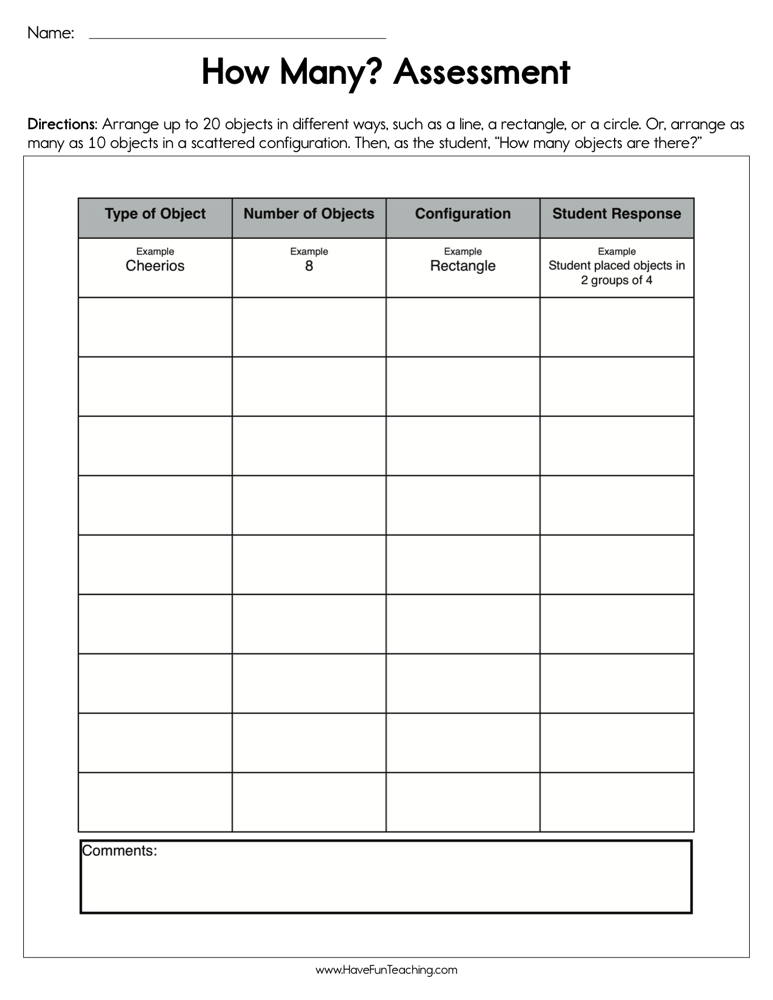
English Assessment
ELA, Reading, Reading Comprehension, Writing, Grade 9, 10, 11, 12, Teacher Tools, Assessments
English Assessment A comprehensive teaching resource designed to meet the demands of standardized testing mandates and provide educators with an essential tool for boosting students' English comprehension skills. It carries the intrinsic value of training in test item creation making it an excellent asset for educators. Resource Features Over 100 multiple-choice and matching exam questions that resemble those in standardized literature tests. A variety of reading selections, offering a well-rounded learning experience. Authors include Lorraine Hansberry, Kate Chopin, Emily Dickinson and Edgar Allan Poe among others. An array of American and Cherokee poetry plus selections of criticism supplementing texts by known authors. Beyond literary comprehension itself, this teaching aid also serves to fortify knowledge on key English concepts: Literary terms enquiry Understanding archetypal themes -Designing personal narratives, Verb tense cognition, Addition: Coordinating conjunctions utilization. Crafted for versatile usage, this resource can be implemented across various scenarios such as whole-group sessions or small-group projects- suitable not only for classroom settings but also distance learning environments. The product spreads across a document file allowing accessibility either via print-outs or digital sharing during online lessons. Suitable primarily for Grade 9 through Grade 12 students studying Language Arts with a concentration on Writing & Comprehension skills improvement. Conclusion: Whether you’re an educator tasked with school instruction or catering to home-schooled learners’ needs - this resource paves way for shaping confident readers, apt at navigating complex textual landscapes.
Author The Education Lab
Tags Standardized Testing, Exam Preparation, English Comprehension, Literature Analysis, Teaching Resource
Science Reading Comprehension Passage. Stars of Many Sizes (Word)
Science, ELA, Reading, Reading Comprehension, Strategies, Resources for Teachers, Space, Earth and Environmental Sciences, Grade 6, 7, 8, 9, Writing Prompts, Worksheets & Printables, Centers, Activities, Teacher Tools, Assessments, Quizzes and Tests, Quizzes, Tests
Science Reading Comprehension Passages and Questions: Stars of Many Sizes (Word) This very engaging science reading passage about Stars of Many Sizes is designed to bridge the gap between science and literacy through strengthening reading comprehension and sparking scientific curiosity in middle school students. The passage blends English Language Arts skills with accurate science content that supports NGSS classroom practice. Ideal for interdisciplinary learning in ELA and Science. Suitable for Grade 9 review, too! Student Tasks for The Passage: 5 multiple-choice questions targeting main idea, key details, inference, vocabulary in context, and use of evidence 5 vocabulary matching items with clear, student-friendly definitions 5 text-based questions that require citing specific lines or facts 1 summary prompt that asks students to condense central ideas accurately Full answer key for every section Available Formats for this Resource PDF Fillable PDF Google Docs FULL CATALOG OF DOWNLOADING LINKS HERE Product Details Length: 4 pages total Grades: 6–8, also suitable for Grade 9 review Use cases: close reading, stations, homework, intervention, test prep, and sub plans Standards support: reinforces informational-text skills and supports NGSS-style sense making through observation, modeling, and clear use of claim, evidence, and reasoning Why Teachers Choose This Set Authentic science content paired with rigorous literacy practice Consistent task structure across all passages for easier planning and smoother student routines Clear, age-appropriate writing that builds confidence without oversimplifying Other Science Reading Collections you May find in the store: 1. Astronomy & Space Science 2. Volcanoes, Rocks, & Mountains 3. Rock Cycle, Soil, & Sinkholes 4. Mars, Glaciers, & Antarctica 5. Water Cycle, Acid Rain, & Wastewater 6. Insects, Animals, & Ecosystems 7. Bioluminescence & Insects 8. Animal Skin, Cats, & T. Rex 9. Human Body and Senses 10. Health & Applied Bioscience 11. Waves, Light, & Imaging 12. Electricity & Energy 13. Motion & Materials 14. Chemistry and Materials Science Use this set to reinforce ELA skills in science, to add literacy to your lessons, and to support independent work. The passages strengthen main idea, evidence use, vocabulary in context, inference, cause and effect, and summary writing. With ready-to-use assessments and complete answer keys, you can provide focused practice that is simple to run and fast to review.
Author Middle & High School - CORED Education
Rating
Tags Middle School, Reading Comprehension, Reading Strategies, ELA, Centers, Reading Passage, Assessments, Vocabulary, Environmental Science, Space
Goal Setting & Financial Independence Planners
Economics, Social Studies, Math, Statistics, Money, Order Of Operations, ELA, Reading, Strategies, Reading Comprehension, Life Skills, Grade 6, 7, 8, 9, 10, 11, 12, Teacher Tools, Assessments, Lesson Plans, Quizzes and Tests, Quizzes, Tests, Worksheets & Printables, Workbooks, Worksheets, Word Searches
With "Goal Setting & Financial Independence: The Architect's Blueprint", you will turn your students from passive consumers to future architects of their own financial success. Unlike most personal finance worksheets, this curriculum is designed specifically for high school and advanced middle school (Grades 8-11) students and provides them with the respect and knowledge necessary to thrive in today's economy. Say goodbye to condescending advice and oversimplified budgeting. The Curriculum explores the psychology of wealth, the mathematics of compound interest, and the strategic frameworks of top-level corporate strategists and investors. Budgeting as you know it is redefined as Strategic Resource Allocation, and students learn how to be the Chief Financial Officer (CFO) of their own life. Your students will get to create real-world cases, work through 10 detailed worksheets and find themselves on the road to implementing action plans that will help them achieve their goals. Subjects Discussed Are: The Psychology of Creating Goals and Identifying Habits Time-Money Relationship: The Impact of Compounding(72) Budgeting for Success through the Zero-Based Method Learning About Your Paycheck (Gross vs Net Income), FICA Tax/Withholdings/W-4? Difference between Good and Bad Debt, Credit, Amortization Teenage Investing: Roth Individual Retirement Accounts (IRAs), Index Funds & Dollar Cost Averaging (DCA) Evaluating Career and College Return on Investment Asymmetrical Risk - How to Build Human Capital through Entrepreneurship. TEENS AND THE FIRE MOVEMENT - Financially Independent Retire Early. This resource provides : educators with a comprehensive curriculum complete with four chapters covering the key principles of Personal Finance, Financial Literacy and Basic Money Management as well as a Student Workbook containing ten worksheets designed to allow students to create their own personal financial blueprint through multiple scenarios, calculations and reflection questions. The Teacher Resources (Visual Aids) are designed to provide educators with visual representations of the key topics covered in each of the four chapters so that the students can better understand these concepts through the use of anchor charts and an Answer Key for all objective type questions, along with a grading rubric for the subjective type questions. This resource can be used in various academic settings including: Personal Finance Classes/Electives, Economics Classes, Life Skills, Career Readiness Courses and Homeschool Co-Ops. This resource has been created to allow educators to design a complete instructional program that will give students the most valuable lesson they will ever learn and that is how to achieve Financial Independence. Keywords: Financial literacy; Personal Finance; High School; Middle School; Life Skills; Economics; Investing for Teens; Budgeting Worksheet; Goal Setting; Compound Interest; FIRE Movement; Career Readiness; College ROI; Digital resource; Printable; PDF; Curriculum; Homeschool; Case Study Method. Educational Benefits For Parents And Schools-Alike: More Than Just Basics: They will not only learn how to balance a check book, but will also learn about many other advanced financial strategies and 21st Century Financial Concepts relating to Investments, Career Return on Investment Analysis, and the Psychology of Wealth Building. Rigorous & Respectful; Curriculum uses behavioral economics and psychology to build a sophisticated vocabulary with a work related context, assumes that teenagers are intelligent individuals and builds and creates a database of excited students. Turn Key: Provides a detailed curriculum and 10 student assignment work sheets; Free Power Point Presentation; Student Manual; Teacher Manual; Complete Answer Key; complete Grading Rubric The "do-it-yourself" or upload method provides zero prep time for the instructor. Action-oriented & Practical: Students learn all of the aspects of financial literacy through case studies and hands-on experience with developing and developing their own personal goals, personal budgets, and long-term financial plans. Based on the analysis done : on the stated criteria, the cover lists the suggested audience to be Grades 8-11. This is an accurate portrayal of the grades as they apply to target audience. Grades 8 and 9: The concepts of goal-setting, identity-based habits, zero-based (simple) budgeting, and receiving a first paycheck all apply directly to this age group and may provide challenges (some, yet, not many); however, the material has enough scaffolding (additional content and/or support) to be very effective. Grades 10 and 11: This represents the best fit. These students are considering securing part-time employment, intending to save money for an automobile, or making major decisions concerning attending college or entering into the workforce. The worksheets provided on the topics "ROI (Return on Investment) Comparison of College vs. Career," "Dynamics of Debt," and Roth IRA will be extremely relevant and pertinent to these students. High School teachers of Personal Finance, Economics, and Life Skills. Instructors of Career and Technical Education (CTE). Parents who choose to home school and desire to use the material as a strong, legitimate financial curriculum. Middle School teachers of students that are classified as advanced or are placed into gifted programs. Terms of Use and Copyright: This book is copyrighted by Syed Hammad Rizvi. It is intended for use only by the individual or a single school classroom. No part of this resource may be altered, re-distributed or resold. In other words, you cannot post on the internet in a public place so that it can be found and downloaded. If you would like to share this resource with colleagues, please purchase additional licenses from Teachsimple to do so. Thank you for abiding by our terms of use. Syed Hammad Rizvi, thanks for bringing your amazing product.
Author Creative Book Store
Rating
Tags FinancialLiteracy, PersonalFinance, HighSchoolTeacher, LifeSkills, Investing, Budgeting, TeacherResources, FinancialEducation, Economics, CareerReadiness
Saving Electricity Campaign: Social Studies Reading Passage (PDF)
ELA, Reading, Reading Comprehension, Strategies, Resources for Teachers, Social Studies, Sociology, Grade 6, 7, 8, 9, Writing Prompts, Worksheets & Printables, Centers, Activities, Teacher Tools, Assessments, Quizzes and Tests, Quizzes, Tests
Saving Electricity Campaign: Social Studies Reading Comprehension Passage (PDF) This resource introduces a unique Social Studies reading comprehension passage with questions about Saving Electricity Campaign. The passage is carefully designed to bridge the gap between social studies and literacy through strengthening reading comprehension and sparking knowledge curiosity in middle school students. Each passage blends English Language Arts skills with accurate social studies content . Ideal for interdisciplinary learning in ELA and Social Studies. Suitable for Grade 9 review, too! Student Tasks throughout the passage: 5 multiple-choice questions targeting the following skills: main idea, key details, inference, vocabulary in context, and use of evidence 5 vocabulary matching items with clear, student-friendly definitions 5 text-based questions that require citing specific lines or facts 1 summary prompt that asks students to condense central ideas accurately Full answer key for every section Available Formats for this Resource: Fillable PDF Word Docs Google Docs FULL CATALOG OF DOWNLOADING LINKS HERE Social Studies Reading Comprehension Collection Links: 1. Ancient Civilizations PDF Fillable PDF Word Docs Google Docs 2. Early Empires and Trade Networks PDF Fillable PDF Word Docs Google Docs 3. The Founding of the United States PDF Fillable PDF Word Docs Google Docs 4. Language, Culture, and Meaning PDF Fillable PDF Word Docs Google Docs 5. Psychology and Society PDF Fillable PDF Word Docs Google Docs 6. Global Festivals and Traditions PDF Fillable PDF Word Docs Google Docs 7. Extreme Environments and People PDF Fillable PDF Word Docs Google Docs 8. Food, Culture, and Preservation PDF Fillable PDF Word Docs Google Docs 9. Global Food Customs PDF Fillable PDF Word Docs Google Docs 10. Media, Communication, and Popular Culture PDF Fillable PDF Word Docs Google Docs 11. Human Impact on the Environment PDF Fillable PDF Word Docs Google Docs 12. Civic Action and Social Change PDF Fillable PDF Word Docs Google Docs 13. Fashion, Society, and Power PDF Fillable PDF Word Docs Google Docs 14. People, Places, and Unusual Histories PDF Fillable PDF Word Docs Google Docs Product Details: Length: 5 pages Grades: 6–8, also suitable for Grade 9 review Use cases: close reading, stations, homework, intervention, test prep, and sub plans Why Teachers Choose This Passage: Authentic social studies content paired with rigorous literacy practice Consistent task structure for easier planning and smoother student routines Clear, age-appropriate writing that builds confidence without oversimplifying Use this passage to reinforce ELA skills in social studies, to add literacy to your lessons, and to support independent work. The passage strengthens main idea, evidence use, vocabulary in context, inference, cause and effect, and summary writing. With ready-to-use assessments and complete answer keys, you can provide focused practice that is simple to run and fast to review.
Author Middle & High School - CORED Education
Rating
Tags Middle School, Reading Comprehension, Reading Strategies, ELA, Centers, Reading Passage, Assessments, Vocabulary, Social Studies, Sociology
Conjunctions Practice Questions - Grade 3-4 Grammar (PDF)
ELA, Language Development, ESL, Grammar, Common Core, Resources for Teachers, Grade 3, 4, Worksheets & Printables, Worksheets, Quizzes and Tests, Teacher Tools, Tests, Assessments
Conjunctions Grammar Practice MCQS ELA MCQS Overview: In this series of lessons, students will embark on an engaging journey to explore the grammar skills that make our language vibrant and expressive. These lessons are crafted to help students identify, comprehend, and effectively apply language arts skills in both writing and speech. Accompanied by free supplementary materials available for all topics, each lesson builds on the previous one, offering a balanced mix of direct instruction, interactive group activities, and independent practice. Through fun and creative tasks, students will learn to recognize grammar within sentences, understand their function, and use them to enrich their own writing and speech. Conjunctions Overview: Includes: Correlative Conjunctions Coordinating Conjunctions Subordinating Conjunctions Mistake Finding PDF Version This is the PDF uneditable version. This download is available in GOOGLE Docs, GOOGLE Forms, GOOGLE Slides. PDF, PPT, WORD, check the links below for more details. FULL CATALOG OF DOWNLOAD LINKS HERE Grade 3/4 Links: Adjectives Google Docs Google Forms Google Slides PDF PPT Word Free Supplementary Materials Pack Adverbs Google Docs Google Forms Google Slides PDF PPT Word Free Supplementary Materials Pack Conjunctions Google Docs Google Forms Google Slides PDF PPT Word Free Supplementary Materials Pack Nouns Google Docs Google Forms Google Slides PDF PPT Word Free Supplementary Materials Pack Pronouns Google Docs Google Forms Google Slides PDF PPT Word Free Supplementary Materials Pack Verbs Google Docs Google Forms Google Slides PDF PPT Word Free Supplementary Materials Pack Sentence Structure Google Docs Google Forms Google Slides PDF PPT Word Free Supplementary Materials Pack Present Tense Google Docs Google Forms Google Slides PDF PPT Word Free Supplementary Materials Pack Past Tense Google Docs Google Forms Google Slides PDF PPT Word Free Supplementary Materials Pack Future Tense Google Docs Google Forms Google Slides PDF PPT Word Free Supplementary Materials Pack Context Clues Google Docs Google Forms Google Slides PDF PPT Word Free Supplementary Materials Pack Defining Words Google Docs Google Forms Google Slides PDF PPT Word Free Supplementary Materials Pack Fill the Blanks Google Docs Google Forms Google Slides PDF PPT Word Free Supplementary Materials Pack Homophones Google Docs Google Forms Google Slides PDF PPT Word Free Supplementary Materials Pack Synonyms Google Docs Google Forms Google Slides PDF PPT Word Free Supplementary Materials Pack ELA Review Questions Overview Questions have three answer choices. There are a handful of pictures on each test for aesthetic purposes, as well as a review sheet covering most of the topics covered in the product. Introduction or Example Sheet Each topic will include an introduction or example sheet to go through first with your students. Full Answer Keys Full answer keys and sample responses are provided so no matter how busy you are, you know you're covered! In the Supplementary Pack Interactive Ice Breakers: Fun, hands-on activities that get students thinking about adjectives right from the start. Guided Practice: Teacher-led exercises that reinforce the day’s lesson, ensuring students can confidently identify and use adjectives. Group and Partner Tasks: Collaborative activities that allow students to work together to solve problems, categorize adjectives, and create descriptive sentences. Independent Worksheets: Structured worksheets that provide individual practice and help solidify understanding of key concepts. Exit Tasks: Quick, reflective activities at the end of each lesson that assess understanding and encourage students to apply what they’ve learned. For similar downloads and other frees, do check out Cored Group on TeachSimple.
Author Cored Education
Tags Elementary, Answers, Ccss, Common Core, Grammar, Tests, Test Prep, Assessment, Grade 3, Grade 4
Farms and Food: Guided Reading Level N with Lesson Plan
ELA, Resources for Teachers, Reading Comprehension, Reading, Science, Language Development, Geography, Social Studies, Life Sciences, Technology, Grade 2, 3, 4, Worksheets & Printables, Worksheets, Teacher Tools, Centers, Activities, Literacy Readers, Quizzes, Quizzes and Tests, Assessments, Lesson Plans
This Farms and Food (level n) guided reading book with lesson plan includes: Guided Reading Color Label (front cover x1) This is a quick way to match the book’s demands to what students can generally handle.. The overall goal is to use the level/color to pick books for several smaller groups. To qualify for a certain level, a student is expected to read a book from that level with about 90–94% accuracy. If a student is consistently accurate and understands, move up a level. If the student is struggling at that level, drop down and add more support. Each student will improve at completely different rates, but it is generally one of the best ways to check progress across the class. DOWNLOAD THE CATALOG TO VIEW ALL GUIDED READING BOOKS AVAILABLE (SORTED LEVELS A-Z) Pre-Reading Question (x1) Teacher asks the prompt aloud, can be while showing the cover or first page. Students share what they already know, or make educated guesses from the cover. Prompt them to use the target vocabulary. Write some of their responses on the board to look back at during the reading. Vocabulary Words (x5) Introduce the five words, best doing it one at a time. Start by saying it, while students repeat and then see if anyone knows what it means before reading further. Read through the meaning and try to briefly connect each word to a picture or gesture so it’s meaningful. Ask students to flip through the book pages and point to where they see each of the vocabulary words. While reading the book pause upon coming across one of the vocab words or read the sentence twice to make sure students understand the word has appeared. Optional: Ask students to raise hands whenever they see/hear one of the new words. Guided Reading Pages (x10) Check the book snapshot (below) for: primary topic - do you need to prep extra reading or intro materials on this? what is taught best - decide on 1-2 bullets to focus on, use the prompt or words provided here for best results. learning goals - what you are checking for students to be able to do after the session, elicit answers using prompts or words provided. key vocabulary (see section above). questions overview - so you know what is coming up and if you need to prep extra materials to assist understanding. Run the lesson You may have already looked at a few of the pages together, but you can show them some of the pictures again first to set meaning. Depending on how much time you have and how familiar your students are with guided reading class, you may want to read the book aloud first with the group first. Students whisper or partner read, while you listen in. If time, do it as a group, one student reading a page each. Use the guided page’s prompts to coach: “Check the picture / does it make sense?” “Point under the words / try the first sound” “Reread the sentence smoothly”. Try to focus more on one student per session (rotating every time), so you can work out if they are ready to move up or need to move down a level. Comprehension Questions (back cover x3) This is your way to check that students didn’t just say the words, but actually understood the text. First, let students answer by pointing to the page/picture and saying a short sentence. After any answer, follow with: “Show me where you found that in the text.” In bigger groups, have partners answer first (10–20 seconds), then call on 2–3 students to share. Differentiation tips: Emerging speakers/struggling readers: oral + pointing On-level: oral in a full sentence Higher: one written sentence or draw + label Book Snapshot Title: Farms and Food Genre: Nonfiction (informational) Subject: Life Science / Agriculture Primary Topic: How food is grown and gets to consumers Estimated Guided Reading Level (A–Z): N What This Book Teaches Best Explains how healthy soil supports plant growth and why the earth is tested before planting begins. Describes how farms use sunlight, water, and irrigation systems to give crops the moisture they need. Shows how machinery (like tractors and plows) helps farmers prepare land and work large areas efficiently. Introduces major farm products (grains, root vegetables, fruit from orchards, milk, eggs, chicken) and how they are produced or collected. Traces the farm-to-table pathway through harvest (including a combine harvester for grains) and transport , including keeping food at the correct temperature to stay fresh and safe. Learning Goals Students can describe how the book says soil helps plants grow and why soil is tested before planting. Students can explain how irrigation helps crops get the correct amount of moisture. Students can identify ways farm machinery is used during the growing season, including pulling a plow to prepare ground for seeds. Students can describe at least three kinds of foods the book names and how each comes from farms. Students can explain what a combine harvester does during harvest, based on the text. Students can describe why the text says food is kept at the correct temperature during travel. Key Vocabulary From the Text consumed — eaten by people. irrigation — bringing water to crops using systems. machinery — large machines used to do farm work. orchards — places where fruit trees are grown. distribution — delivering goods to different places. Discussion Prompts Pre-reading question: What steps do you think food goes through before it reaches your dinner table? Comprehension questions: Why does the book say the earth is tested before planting begins? Comprehension questions: What does the text say a combine harvester does during harvest? Comprehension questions: According to the text, why is food kept at the correct temperature during travel? Printing Tips 1. Best Printing Method (Recommended) “Booklet” Printing (Best if Available) If your printer or PDF viewer supports Booklet Printing , use this. Settings to use: Print mode: Booklet Paper size: Letter or A4 (either works) Orientation: Landscape Print on both sides: Yes Flip on: Short edge Scaling: Fit to printable area Booklet subset: First test: Front sides only Then: Back sides only This will automatically: Pair pages correctly Put the cover on the outside Align everything for folding After printing, fold in half and staple along the spine . 2. If “Booklet” Printing Is NOT Available You can still print this correctly with manual duplex printing . Step-by-step: Open the PDF. Choose Print . Set: Orientation: Landscape Pages per sheet: 1 Print on both sides: Yes Flip on: Short edge Print all pages . Because each PDF page already contains two facing book pages, the result will still fold cleanly into a book. Thousands of Cored Education products are included with your TeachSimple membership. Download links and encyclopedia index available here.
Author Cored Education
Rating
Tags Reading Comprehension, Reading Passages, Reading, Guided Reading, Guided Reading Lesson Plan, Guided Reading Activity, Pre-reading, Science Lesson Plans, Geography, Life Science
Smart Shopping & Consumer Decision-Making Scenarios
Social Studies, Economics, Special Resources, Life Skills, Resources for Teachers, Classroom Management, Community Building, Research, Math, Money, Grade 6, 7, 8, 9, 10, 11, 12, Worksheets & Printables, Workbooks, Worksheets, Word Searches, Teacher Tools, Assessments, Lesson Plans, Quizzes and Tests, Quizzes, Tests
Today’s students need to have the skills to be critical thinkers and smart consumers in this digital world! This complete and ready-to-teach Financial Literacy unit goes into more detail than just budgeting; it investigates the reasons we purchase things. Students will learn about how advertisements and marketing strategies are designed to influence our impulse purchases, as well as identify any cognitive biases they may experience while shopping online or in stores. This 42-page unit will give any teacher a wealth of material for their high school or advanced middle school level classes in Economics, Personal Finance, Life Skills, or Business. This unit will help students develop practical skills that will allow them to make effective purchasing decisions and turn them from passive consumers to financially literate decisions makers throughout their lives! WHAT IS CONTAINED IN THIS UNITS BUNDLE? Resource Features Three (3) Holiday-Themed Sections: PART I - Instructional Guide and Student Reference Comprehensive, in-depth look at the basic principles of modern-day consumerism. This section was designed for you to use as an instructional tool or to provide to your students as a reading resource. Topics include: 1) The Psychological Aspects of Sales (Anchoring, Artificial Scarcity, Decoy Pricing) 2) Determining the Value of Products (Cost-Per-Use vs. Selling Price and Identifying Brand Taxes) 3) Digital Grocery Shopping (Unmasking the effects of Surveillance Capitalism, Hyper-Targeted Advertising, and Social Media Influencer Marketing) 4) The Mathematics of Selling (Identification of risks associated with frictionless transactions and using models of subscription services and Buy Now, Pay Later (BNPL) services for consumers). PART II - Engaging Student Workbook with 10 hands-on activities Hands-on, applicable worksheets that allow students to apply what they have learned through real-world situations. The activities include: 1) The Mathematics of Value (Unit Pricing and Effect of Shrinkflation) 2) Advertising Architecture and Cognitive Bias 3) Navigating the Trick of Discounting (Buy One, Get One Quantity versus Percent Off) 4) Opportunity Cost and Compounding Interest 5) Digital Literacy: E-Commerce Reviews Audit 6) Subscription Economics and Micropayments 7) Total Cost of Ownership (TCO) 8) Brand Premiums, Peer Influence, and Social Currency 9) Ethical Consumption and Lifecycle of Fast Fashion 10) Capstone Project: A final project-based learning activity that requires students to take everything they have learned and create a complete buying decision for two laptops, using all their newly gained knowledge. Section 3: Easy to Locate Teacher Resources, Visual Aids, and Scaffolded Worksheets - Everything a Teacher Needs to Effectively Teach and Save Time in Preparation Visual Aids to Assist in Instruction: A set of three powerful visual aids for The Five-Stage Consumer Decision Model, The Value vs. Durability Matrix, and A Deconstruction of Marketing Manipulation. Detailed Answers to All Workbook Questions: Complete answer guide with explanations for all workbook problems. Assessment Rubric for the Grading of Worksheets: Detailed, criteria-based rubrics included with the grading of each worksheet as well as the final capstone project. These teacher aids are: Appropriate for High School Personal Finance, Economics, or Business Classes Appropriate for Middle School (7-8) Life Skills/Financial Literacy Units Suitable for Use as Homeschool Curriculum Materials A Natural Fit for Real World Math Application and Critical Thinking Practice Centers This material will help prepare your students for a lifetime of financially responsible decisions – download this must-have, captivating and timely resource today! What Parents/Schools Appreciate About It: Provides Real-Life Financial Armor: Well-designed, contemporary education develops essential key consumer driven skills to successfully navigate our high tech digital marketplace, including: the psychology of consumerism incl. the influence of social media marketing; optimism; impulse buying; subscriptions and renewal traps. Critical Thinking Development, Not Just Mathematics: The curriculum includes both Consumer Psychology - to help students understand why they might feel pressure to purchase something and Independent Decision-Making Skills - so they can make rational, independent decisions. Complete Ready to Use Package: The Unit includes everything you need for a complete unit to teach money management, including: teacher's guide; student's worksheets; capstone project; visual examples, answer keys with rubrics; and will save you at least 20+ hours of planning. Very Engaging and Relevant: The Unit's teaching examples include video games, sneaker releases, fast fashion retail, and social media influencers that will connect with teenagers and keep their attention. The intended audience for this material is: Due to the advanced vocabulary that is used (pedagogical methodology, cognitive infrastructure, asymmetrical information) as well as the entirety of the concepts themselves. Primary Target: High School Students (Grades 9-12): this resource would fit in perfectly with classes such as Personal Finance, Economics, Business and Marketing, and Life Skills Secondary Target: Advanced Middle School Students (Grades 7-8): The concepts will be developmentally appropriate for this age group; however, they may require more teacher support and scaffolding to fully understand the theoretical aspects. The workbook will be perfectly developed to match their experience. Terms of Use/Copyright: This book is copyrighted by Syed Hammad Rizvi and may only be used for personal use and in your own classroom. You cannot modify, redistribute or sell this resource. In other words, you cannot upload this document to a website that anyone could find and download. If you wish to share this resource with other teachers, then you will need to purchase a different license through Teachsimple to do so. Thank you for your cooperation with these terms of use. This product was created with great joy by Syed Hammad Rizvi.
Author Creative Book Store
Rating
Tags FinancialLiteracy, PersonalFinance, LifeSkills, Economics, MoneyManagement, TeachersOfInstagram, Homeschool, CriticalThinking, ConsumerMath, SmartShopping
Zero-Waste Lifestyle Tracking & Habit Builder Journals
Science, Resources for Teachers, Life Sciences, Earth and Environmental Sciences, Earth Sciences, Environmental Science, Geology, Nature & Plants, STEM, Biology, Grade 6, 7, 8, 9, 10, 11, 12, Teacher Tools, Worksheets & Printables, Workbooks, Worksheets, Word Searches, Assessments, Lesson Plans, Quizzes and Tests, Quizzes, Tests
Turn your classroom into an environmental science lab with the help of this awesome 41-page Zero Waste Lifestyle Tracking and Habit Builder Journal! This is a project-based learning resource for grades 4–8 that is aligned to the standards! Looking for a real world environmentally focused way to teach environmental science to your students that isn't just a bunch of recycling posters? A complete curriculum journal combining current neuroscience research, ecology theory and hands-on data collection will give your students everything they need to consider themselves true environmental scientists - and it begins with measuring their own lives! This resource is not just one big stack of worksheets but rather, it is a fully scaffolded 3-phase academic journal developed with university seminar style rigor and middle school classroom style accessibility. Your students won’t just learn about the environment; they’ll measure it, analyze it and make changes to it! CONTENTS (41 Pages, Print & Digital Ready): Phase 1 — Core Content & Theory (4 chapters): 1. The Anatomy of Waste explains what happens throughout the lifespan of waste items, including Lifecycle Assessment (LCA), the impact of microplastics in our world today, which items go in the landfill, which items can be incinerated, and how long it takes for a plastic fork to travel 450 years into our future 2. The Neuroscience of Habit Building discusses how our brains form habits based on the basal ganglia of the brain, how we can rebuild/rewire our habits scientifically through neuroplasticity, and the three parts of the habit loop (cue-routine-reward) 3. The Zero-Waste Hierarchy introduces the four elements of a zero-waste lifestyle: Refuse, Reduce, Reuse, Rot (Composting) and Recycle. This chapter includes a real-world example of how one school significantly reduced their waste by over 90% using these four proven methods 4. Data-Driven Stewardship teaches your students to think like a marine biologist and meteorologist by showing them how to track and analyze their own local environmental data. After each chapter is a fill-in-the-blank review of the chapter, called the Scholar's Review. Phase 2: 10Worksheet Workbook for Students (Research Lab Style) Personal Waste Audit 24-Hour (Data Collection Protocols: Empirical) Material Lifecycle Analysis of Material (From Raw Extraction To Disposal) Biochemistry of Composting (Green And Brown Materials, Aerobic And Anaerobic Decomposition) Single Use Plastic Substitution Matrix (Cost/Benefit Analysis) Water and Energy Footprint Calculation (Embedded Energy And Water Load Calculation; Shower Each Year; Cost Of Water To Make Cotton Shirt) Redesign Challenge For Circular Economy (Planned Volatility, Upcycling, Extended Producer Responsibility) Food Waste Economics (FIFO Pantry System, Estimate Of $780 Of Food Waste Per Year, What Is A Food Standard For A Non-Food Waste Item?) Fast Fashion Footprint (Cost To Wear, Use Of Micro-Plastics, Philosophy Of Wardrobe) Supermarket Packaging Detective (Identifying Greenwashing, Multi-Layered Packages, Bulk Purchasing) Zero-Waste Habit Builder (Keystone Priming, 30-Day Tracking Plan, Write Manifesto For A Zero Waste Life) PHASE 3—Teacher Resources and Visuals: Three professionally designed SVG diagrams (Zero Waste Hierarchy, Linear vs. Circular Economy, Sustainability Habit Loop) Complete Answer Key with example answers and teacher rubric notes 4 week pacing guide with weekly objectives, activities, teacher roles and homework 100-point assessments rubric across four categories of data collection, behavioural design, critical thinking and communication Five extension activities (Trash Jar Challenge, Community Waste Mapping, Letter Writing Campaign to Corporations, Do-It-Yourself Repairs Workshop, Composting Science Experiment; if possible please use a separate document per activity) Strategies for differentiating instruction for Grades 4-5, Grade 8/Gifted, IEP/504 and ELL students CONNECTING TO CURRICULUM: This journal ties into Next Generation Science Standards (NGSS), Common Core English Language Arts (informational text analysis, evidence based writing) and Common Core Mathematics (percentages, projections, data analysis). This journal combines many subjects — environmental science, behavioral psychology, economics and persuasive writing — into one connected whole. USAGE IDEAS: Great as a 4-week stand-alone unit or as part of an after-school environmental club, summer enrichment program or reinforcement through integration into existing science, health or social studies curricula. Assign user digitally (fillable PDF) or in print. DIGITAL DOWNLOAD — PRINT & GO! REASONS PARENTS/SCHOOLS LOVE THE RESOURCE: Merging Science, Psychology, and Real-World Mathematics – Instead of merely reading about the environment, kids actually conduct real waste audits, calculate their water footprints, and use their own personal data to perform real-world food waste economics analysis – helping them to take abstract concepts and move towards making those concepts their own, and thus, real. Tremendous Support For Teachers From Day One – Each of the resources, including a complete 4-Week Pacing Guide, example responses in the Answer Key, a 100-point Assessment Rubric, and a variety of differentiation strategies to accommodate ALL learners (IEP/504, ELL, Gifted) provides teachers with no-prep stress! Building Lasting Habits, Not Just Raising Awareness – This journal is based on neuroscience principles, specifically the Habit Loop framework, which teaches kids HOW behavior changes within the brain — therefore they can establish long-term environmental habits to implement after the conclusion of the unit. No Eco-Anxiety – Only Eco-Empowerment – Constructivist pedagogy does not endorse guilt-based teaching practices to educate/expose students to environmental issues. Instead, students are encouraged to view themselves as environmental scientists, thereby creating a sense of worth/empowerment as opposed to being seen as passive victims of "climate doom"; hence, all resources provided in this unit have been designed with both emotional safety and motivation in mind. Cross-Curricular and Standards-Aligned Value – When you purchase this journal as a single resource, you are actually replacing multiple separate resources. This one journal covers multiple areas of study related to environmental science, data analysis, persuasive writing, behavioral psychology, economics, and systems thinking — therefore you are maximizing the instructional value and curriculum alignment of numerous subject areas! TARGET GRADES/CLASSES: On evaluating for the content type's level of complexity, the level of language used, the level of math skill needed; and how to teach the content using scaffolding: Primary Target 6th, 7th, and 8th grades (Middle School, our primary audience) Science classes; Environmental Science/ Earth Science Health and Wellness Classes Social Studies/Civics (Circular economy, EPR Policy) ELA Classes (Persuasive writing, Informational text) Secondary Target 5th Grade (Upper Elementary, with teacher scaffolded materials to be used; will require the use of Phase 3 differentiation strategies). 4th Grade (Will require major support in accordance with Phase 3 differentiation, as mentioned in Section 2) 9th Grade (High School, Environmental Science as a remedial unit or an introductory unit) Special Programs Gifted/Honors programs (Students in 8th grade, extension Activities) IEP/504 Accommodations (explicitly provide support through IEP/504) ELL Programs (provide bilingual glossary strategies) Environmental clubs (5th through 9th grade) STEM/STEAM programs Best Audience Targets: Middle School Science teachers (6th to 8th grade) Environmental Science Teachers Parents of Students 10 - 14 taking homeschool classes School Librarians purchasing Sustainability books for their library collection After School Program Coordinators Eco-Conscious Parents with Interest in Supplement Learning Your use of this Resource Agreement: Copyright (or Terms of Use) Copyright is held by Syed Hammad Rizvi. You may use this resource for your personal and classroom use only, but may not alter, sell or redistribute any component of this resource, nor place any part of this resource on a publicly available website. You can only share this resource with your coworkers by purchasing additional licenses from Teachsimple. Thank you for complying with all copyright guidelines and restrictions. Syed Hammad Rizvi is proud to provide you with this resource.
Author Creative Book Store
Rating
Tags ZeroWasteEducation, EnvironmentalScience, SustainabilityEducation, ZeroWasteLifestyle, EcoEducation, GreenEducation, ClimateEducation, EnvironmentalLiteracy, SustainabilityLessons, ZeroWasteCurriculum
Sentence Structure Practice Questions - Grammar Grade 5-6 (PPT)
ELA, Language Development, ESL, Grammar, Common Core, Resources for Teachers, Grade 5, 6, 7, Quizzes and Tests, Teacher Tools, Tests, Assessments, Activities
Sentence Structure Grammar Practice MCQS ELA MCQS Overview: In this series of lessons, students will embark on an engaging journey to master the language arts skills that make communication effective and expressive. These lessons are designed to help students recognize, understand, and apply key grammar, vocabulary, and writing conventions in both their writing and speech. Each lesson builds upon the previous one, providing a structured blend of direct instruction, interactive group activities, and independent practice. With engaging tasks and thought-provoking questions, students will explore sentence structure, word choice, punctuation, and grammar rules to strengthen their understanding of English language conventions. Accompanied by free supplementary materials covering all topics, this series ensures a well-rounded and enjoyable learning experience. Through practice and exploration, students will develop the skills needed to analyze language, construct clear sentences, and express themselves with confidence. Sentence Structure Overview: Sentences Clauses Phrases Predicates Additional Practice PPT Version This is the PPT editable and interactive version. There is a fillable answer sheet at the end. This download is available in GOOGLE Docs, GOOGLE Forms, GOOGLE Slides. PDF, PPT, WORD, check the links below for more details. FULL CATALOG OF DOWNLOAD LINKS HERE Grade 5/6 Links: Capitalization & Punctuation Google Docs Google Forms Google Slides PDF PPT Word Free Supplementary Materials Pack Adjectives Google Docs Google Forms Google Slides PDF PPT Word Free Supplementary Materials Pack Nouns Google Docs Google Forms Google Slides PDF PPT Word Free Supplementary Materials Pack Pronouns Google Docs Google Forms Google Slides PDF PPT Word Free Supplementary Materials Pack Verbs Google Docs Google Forms Google Slides PDF PPT Word Free Supplementary Materials Pack Prefixes & Suffixes Google Docs Google Forms Google Slides PDF PPT Word Free Supplementary Materials Pack Sentence Structure Google Docs Google Forms Google Slides PDF PPT Word Free Supplementary Materials Pack Subject Verb Agreement Google Docs Google Forms Google Slides PDF PPT Word Free Supplementary Materials Pack Tenses Google Docs Google Forms Google Slides PDF PPT Word Free Supplementary Materials Pack Context Clues Google Docs Google Forms Google Slides PDF PPT Word Free Supplementary Materials Pack Defining Words Google Docs Google Forms Google Slides PDF PPT Word Free Supplementary Materials Pack Fill in the Blanks Google Docs Google Forms Google Slides PDF PPT Word Free Supplementary Materials Pack Homophones Google Docs Google Forms Google Slides PDF PPT Word Free Supplementary Materials Pack Synonyms Google Docs Google Forms Google Slides PDF PPT Word Free Supplementary Materials Pack ELA Review Questions Overview Questions have three answer choices. There are a handful of pictures on each test for aesthetic purposes, as well as a review sheet covering most of the topics covered in the product. Introduction or Example Sheet Each topic will include an introduction or example sheet to go through first with your students. Full Answer Keys Full answer keys and sample responses are provided so no matter how busy you are, you know you're covered! In the Supplementary Pack Interactive Ice Breakers: Engaging warm-up activities that introduce students to key ELA concepts, such as quick capitalization corrections and punctuation challenges. Guided Practice: Structured teacher-led exercises that reinforce grammar and punctuation rules, helping students identify and apply them correctly in sentences. Group and Partner Tasks: Collaborative activities where students work together to edit sentences, correct capitalization, and improve punctuation through peer discussion and teamwork. Independent Worksheets: Carefully designed worksheets that provide focused practice, allowing students to apply learned concepts and refine their skills independently. Exit Tasks: Quick assessments at the end of each lesson, prompting students to reflect on what they’ve learned and apply their knowledge in writing and editing tasks. For More Like This For similar downloads and other frees, do check out Cored Group on TeachSimple.
Author Cored Education
Tags Elementary, Answers, Ccss, Common Core, Grammar, Tests, Test Prep, Assessment, Grade 5, Grade 6
Reading Comprehension Fiction Set 3 Sample: Funland (Slides)
ELA, Reading, Language Development, Spelling, Common Core, Children’s Literature, Literature, Reading Comprehension, Creative Writing, Writing, Grade 4, 5, Teacher Tools, Presentations, Assessments, Tests, Quizzes and Tests, Activities
Reading Comprehension Passages Fiction Set 3 Sample Overview No prep reading comprehension lessons, with enjoyable stories and topics. Each lesson has a blend of post-reading activities. Mixed questions to check overall understanding. Vocabulary activities, plus a writing section. Lessons also contain a bonus extension exercise at the end. Some you may like, some you may not, either way they are there if you wish to use them. Full answer keys are provided. Passage Included 5.Funland: Not such a fun day at Funland for the author in this story. Slides Version This is the Slides editable and fillable version. This download is available in GOOGLE Docs, GOOGLE Forms, GOOGLE Slides. PDF, PPT, WORD. FULL CATALOG OF DOWNLOAD LINKS HERE Grade 4/5 Links Fiction Set 1 - Animals Google Docs Google Forms Google Slides PDF PPT Word Guided Reading Materials Fiction Set 2 - Family Google Docs Google Forms Google Slides PDF PPT Word Guided Reading Materials Fiction Set 3 - Friends Google Docs Google Forms Google Slides PDF PPT Word Guided Reading Materials Fiction Set 4 - School Google Docs Google Forms Google Slides PDF PPT Word Guided Reading Materials Fiction Set 5 - Sports Google Docs Google Forms Google Slides PDF PPT Word Guided Reading Materials Nonfiction Set 1 - Birds Google Docs Google Forms Google Slides PDF PPT Word Guided Reading Materials Nonfiction Set 2 - Insects Google Docs Google Forms Google Slides PDF PPT Word Guided Reading Materials Nonfiction Set 3 - Mammals Google Docs Google Forms Google Slides PDF PPT Word Guided Reading Materials Nonfiction Set 4 - Nature Google Docs Google Forms Google Slides PDF PPT Word Guided Reading Materials Nonfiction Set 5 - Sea Animals Google Docs Google Forms Google Slides PDF PPT Word Guided Reading Materials Reading Passages Overview Each passage is especially written for Grade 4-5 students, including key vocabulary required for this age group. Topics are varied and are accompanied by colorful graphics. Topics are meant to educate, yet entertain the modern student. These passages are perfect for the modern classroom. Whereas textbooks can become outdated in no time, any changes to technology or the world will result in updates to this product. Mixed Questions The mixed questions section of each lesson includes a variation of five comprehension, vocabulary and math questions. In addition, key reading strategies are frequently covered including cause & effect, summarizing, compare & contrast and making conclusions. Two or three of the questions will be MCQs and other questions will require a written response of some kind. Full answers and example responses appear at the end of the lesson. Spelling & Vocab Each reading passage contains a variety of words and phrases designed for Grade 4-5 students. Spelling and vocab activities provide the opportunity to build fluency with these words. As it can become quite mundane doing the same activities over and over, each lesson in a set will contain a different spelling and vocab activity . Activities include: spelling games, sentence match-ups, mixed-up text and decoding words from the lesson. Writing Prompts Writing prompts are designed to continue the theme or lessons learned in the story. Students are persuaded to write in a variety of ways and each prompt includes several cues to help. As with the spelling/vocab section, writing prompts will vary. This includes research pieces, reading responses, poetry and creative writing prompts. Full Answer Keys Full answer keys and sample responses are provided so no matter how busy you are, you know you're covered! Mixed question answers provide evidence from the text, math questions contain the relevant workings. Answers are designed for use by the teacher, but also suitable as a handout to the student. Just for Fun Each lesson will have a bonus extension exercise. This is something fun to extend the lesson with. You can find these at the end of each lesson, titled Just for Fun. Just for Funs are optional. Some you may like, some you may not. Either way, they are there to do with as you wish. For similar downloads and other frees, do check out Cored Group on TeachSimple.
Author Cored Education
Tags Elementary, Reading, Comprehension, Vocabulary, Answers, Ccss, Common Core, Spelling, Writing, Passages