



3,990 products added recently
Page 8 - ELA Graphic Organizers
Enrich your English Language Arts instruction with graphic organizers that aid in understanding and organizing literary elements, writing structures, and vocabulary. This collection includes story maps, essay planners, and vocabulary webs. By integrating these tools, you can facilitate deeper engagement with texts and improve communication skills.

 Show filters


Personal Identity Chart – Self-Reflection Tool
ELA, Writing, Creative Writing, Social Emotional Learning (SEL), Not Grade Specific, Teacher Tools, Graphic Organizers
Identity Chart : A Unique Creative Writing Activity for Personal Exploration This is a novel approach to engage your students in self-reflection and creative writing with the Identity Chart. This flexible and adaptable graphic organizer is perfect for students across all grade levels, empowering them to explore their distinctive qualities and learn more about themselves. The Identity Chart is a valuable asset that can be effortlessly integrated into your curriculum, making it an ideal choice for back-to-school icebreakers, remote learning, or merely improving your students' creative writing abilities. Encourage Your Students to Delve Deeply into Self-Awareness The Identity Chart is an insightful activity that invites students to respond to a range of questions about themselves, fostering introspection and self-discovery. The chart comprises four separate categories, tailored to guide students through various facets of their identity. By engaging with these questions, your students will acquire a profound understanding of their personal values, strengths, passions, and aspirations. Customizable Microsoft Word Document for Personalization As an educator, you recognize the significance of adapting your teaching materials to cater to the distinct needs of your students. That's why the Identity Chart is provided in a customizable Microsoft Word file format, enabling you to modify the activity to accommodate your specific classroom demands. Add, delete, or alter questions, categories, and prompts to design the perfect identity exploration activity for your students. Seamless Integration into Your Current Curriculum The Identity Chart is crafted to be a versatile instrument that can be easily incorporated into your lesson plans. Utilize it as an engaging back-to-school activity to facilitate students getting acquainted with one another and establishing classroom rapport. Alternatively, include the Identity Chart in your remote learning program to cultivate a sense of connection and understanding among students who may be learning from a distance. The possibilities are boundless with this adaptable and dynamic creative writing resource. Unlock the Power of Creative Writing and Self-Reflection Creative writing is an influential tool that can aid students in developing their communication skills, fostering critical thinking, and promoting emotional intelligence. By merging self-reflection with creative writing, the Identity Chart allows your students to express themselves in a significant and personal manner. As they delve into their own identities, they will not only enhance their writing skills but also foster a more robust sense of self-awareness and personal growth. The Identity Chart is an indispensable resource for educators seeking to inspire self-discovery and creative writing in their students. Its customizable format, broad grade range applicability, and ease of integration into your curriculum render it an essential addition to any classroom. Don't miss the chance to nurture personal growth, creativity, and self-awareness in your students – incorporate the Identity Chart into your teaching repertoire today.
Author Cogjogger
Rating
Tags Identity Chart, Graphic Organizers, Creative Writing, Identity Diagram, Chart, Self-reflection
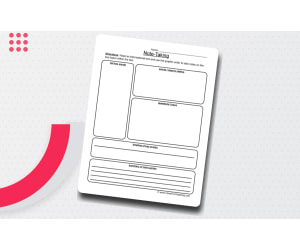
Informational Text Note-Taking Worksheet
ELA, Reading, Grade 2, 3, 4, 5, Teacher Tools, Graphic Organizers, Worksheets & Printables, Worksheets
This Informational Text Note-Taking Worksheet is a great way for students to summarize any text. It's simple and easy to use, and it will help students take great notes.
Author Have Fun Teaching
Tags Note Taking, Summarizing, Note Worksheet
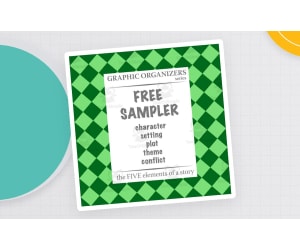
FREE: The FIVE Elements of a Story Graphic Organizers
ELA, Reading, Reading Comprehension, Language Development, Pre-Reading, Writing, Not Grade Specific, Teacher Tools, Graphic Organizers
This is a FREE sample of our Graphic Organizers Series: The FIVE Elements of a Story. In this sample, you can enjoy a selection of 10 custom graphic organizers for Character, Setting, Plot, Theme, and Conflict. These graphic organizers can be used in any classroom, for any grade, and with any student. Use these graphic organizers to help students gain an understanding of the five elements of a story. Each graphic organizer comes with instructions on how to use them. Character Graphic Organizers: Character Map - Write the name of the character in the middle circle. Then, describe the character’s actions in the top left square; what the character says and how they speak in the top right square; the character’s feelings in the bottom left square; and what the character looks like in the bottom right square. Character Comparison - Use the Venn Diagram to compare two characters from the story. Write the names of each character in the overlapping circles. Write any differences the characters have with one another in the outside circles. Write any similarities the characters have in the middle of both circles. Setting Graphic Organizers: Setting Stage - Draw the setting that the story takes place in on the stage in this graphic organizer. Be sure to illustrate the time and place that the story takes place in. Also include the environment of the story, and try to show the tone or mood that the setting creates for the story. Elements of Setting - Place + Time + Environment + Mood = Setting in this Graphic Organizer. Describe the Place that the story takes place in the top left box. Then, describe the Time in the top right box. Then, describe the Environment in the bottom left box. Finally, describe the Mood in the bottom right box. Plot Graphic Organizers: Plot Pyramid – Complete this classic Plot Pyramid graphic organizer by writing the Introduction of the story in the bottom left box. Then, describe the Rising Action, followed by the Climax of the story. Finish up with the Falling Action and the Resolution or Conclusion of the story. Storyboard – Illustrate the plot or an event from the story. Draw or describe in detail each stage in the plot or in an event that takes place in the story. Remember, the order of plot development is: Introduction, Rising Action, Climax, Falling Action, and Resolution/Conclusion. Theme Graphic Organizers: Theme Chart – First identify the main characters, main conflict, and theme of the story. Then, breakdown the theme of the story by first writing down the beginning of the theme. Follow this by writing the development of the theme, then the climax of the theme. Finish off with the resolution of the theme. Theme Identifier – Get help identifying the Theme of a story by answering the questions. Start off by describing what happens in the story. Then, identify the most important event in the story. Explore the characters by identifying how they change and what they learn. Finally, determine what the author is trying to tell you. Conflict Graphic Organizers: Conflict Dissection – Complete this graphic organizer by filling in each quadrant. In the first box, identify the characters of the story. In the next box, identify the time and place of the story. In the third box, identify the problem that takes place in the story. In the last box, identify the solution to the problem. Conflict Type Chart – In the first column, find examples from the story that shows Character against Character. In the second column, find examples of Character against Nature. In the third column, find examples of Character against Self. And finally, in the fourth column, find examples of Character against Society.
Author Ibby Resources
Tags Study, Skills, Character, Setting, Plot, Theme, Conflict, Literary, Device
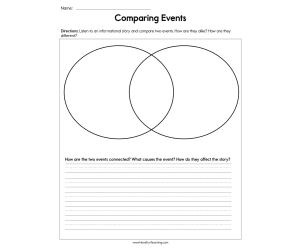
Comparing Events Worksheet
ELA, Reading, Preschool, Grade 1, 2, Teacher Tools, Graphic Organizers, Worksheets & Printables, Worksheets
This resource is great for helping students compare and contrast two events. The worksheet provides space for students to list the similarities and differences between the two events.
Author Have Fun Teaching
Tags Cause And Effect, Compare And Contrast

Limerick Poetry – Posters & Graphic Organizers
ELA, Literature, Poetry, Grade 1, 2, 3, Graphic Organizers, Teacher Tools
This resource is a set of learning posters and graphic organizers for limerick poetry writing. There is a poster to teach about limerick poetry. They will write a limerick poem with a variety of different templates to choose from. This pairs well with your poetry unit in English class. You may also love to print these off and use in a center activity. This resource can be accessed through: PowerPoint Google slides PDF
Author Good Human Project
Rating
Tags Poetry, Graphic Organizers, Writing Poems, Limerick Poetry, Language Arts Unit, Limerick Poems Template

Acrostic Poetry Writing | Posters & Graphic Organizers
ELA, Literature, Poetry, Grade 1, 2, 3, Graphic Organizers, Teacher Tools
This resource is a set of blank templates for acrostic poetry writing. There are a variety of templates and some of them come with space for students to illustrate a picture. This pairs well with your poetry unit in English class. You may also love to print these off and use in a center activity. This resource can be accessed through: PowerPoint Google slides PDF
Author Good Human Project
Tags Poetry, Poems, Acrostic Poems, Writing Templates, Graphic Organizers

Sentence Stretcher Graphic Organizer (Editable in Google Docs)
ELA, Writing, Grade 1, 2, 3, Graphic Organizers, Teacher Tools
Students struggle writing sentences that contain a subject, predicate and details. This graphic organizer ensures that their sentence includes a subject When?, Who?, Is Doing What?, Where? and Why? This resource can be used with students' original sentences or based a story they have read. This resource has two different styles, both editable in Google Docs. Included is a printable PDF file as well as an editable Google Doc. This way you can share the organizer with your class and they can use it digitally. You can also make changes if you please. Or just print out the style that suits your class the best.
Author Roombop
Tags Writing, Sentence Stretcher, Google Docs, Improve Writing, Graphic Sentence, Graphic In A Sentence
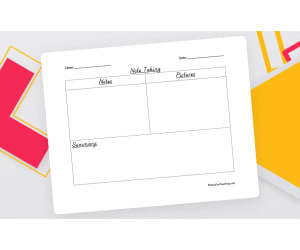
Note Taking and Summarizing Graphic Organizer
ELA, Reading, Grade 2, 3, 4, 5, 6, Teacher Tools, Graphic Organizers, Worksheets & Printables, Worksheets
This graphic organizer is a great way for students to take notes and summarize a story. It is a helpful tool for teachers who want their students to be engaged and understand the story.
Author Have Fun Teaching
Tags Note Taking, Summarizing, Story Summary Graphic Organizer, Writing A Summary Graphic Organizer, Summarizing Graphic Organizers, Graphic Organizer Notes, Note Graphic Organizer, Note Taking Organizer, Graphic Organizers For Note Taking

Super-Completely and Totally the Messiest Book Companion Activities fo
ELA, Reading, Reading Comprehension, Literature, Grade 2, 3, 4, Teacher Tools, Graphic Organizers, Worksheets & Printables, Novel Studies, Activities, Worksheets
This picture book companion is a complete supplemental resource for the book Super-Completely and Totally the Messiest!, by Judith Viorst. With 30 print-and-go reading activities to choose from, this resource is ideal for customizing learning to your student's specific needs and academic abilities. Students will investigate characters, identify story elements, determine the theme, practice plotting story events, compare & contrast, make predictions, inferences, & connections, answer questions that require them to think beyond the text, and much more! Students will love the engaging and fun activities, and you will appreciate the time saved hunting for high-level resources to teach reading concepts that students frequently struggle with. The activities provided are designed to enable students to apply higher-level thinking skills, encourage them to provide text evidence to support their thinking, and challenge them to express their own thoughts and/or perspectives. ⭐️This Resource Includes:⭐️ ◾ Making Predictions: Before reading the book, students will make predictions about the text. ◾ Story Elements: Students fill in the boxes with words & pictures to represent the story elements. ◾ Sequencing: Students will retell & illustrate the important parts of the story. ◾ Summary: Students complete the Somebody, Wanted, Because, But, So graphic organizer and write a summary of the story. ◾ Story Event Sort: Students will describe a scene or event from the story that fits into each of the categories & explain how the event made them feel & how it relates to the category. ◾ Cause & Effect (simplified): Students are given either the cause or effect and will cut & match up cause & effect cards, then paste them in the correct boxes (ANSWER KEY included). ◾ Cause & Effect: Students cut & match up cause & effect cards, then paste them in the correct boxes (ANSWER KEY included). ◾ Making Inferences: Students use clues & schema to make inferences while reading the story. ◾ Making Connections: Students make connections to an event from the story. ◾ Character Inside & Out (Sophie): Students include details from the story to describe what the character says, thinks, does, and feels. ◾ Character Inside & Out (Olivia): Students include details from the story to describe what the character says, thinks, does, and feels. ◾ Character Feelings (Sophie): Students describe how the character's feelings change throughout the story & give examples of the events that cause them to feel the way they do. ◾ Character Feelings (Olivia): Students describe how the character's feelings change throughout the story & give examples of the events that cause them to feel the way they do. ◾ Character Change (Sophie): Students will explain how the character changed from the beginning to the end of the story and describe the events that caused the change to happen. ◾ Character Change (Olivia): Students will explain how the character changed from the beginning to the end of the story and describe the events that caused the change to happen. ◾ Character Summary: Students summarize the main character of the story. ◾ Connecting With Characters: Students choose a character from the story that they most like and write about the qualities that make them like the character. ◾ Sketch a Scene From the Story: Students will draw a scene from the story and explain why it's important to the plot. ◾ Setting Influences the Plot: Students will draw a scene from the story that takes place in one of the settings and write about what happened there and why it was important to the plot. ◾ Problem & Solution: Students answer questions related to the problem & solution in the story. ◾ Theme: Students answer the questions to determine which theme best fits the story and provide text evidence to support their choice. ◾ Thinking About the Text: Students will answer the questions about the story & include examples from the text to support their answers. ◾ Before & After: Imagining that Sophie learns how to be neat and tidy, students will draw a picture of what Sophie's room looked like before and draw a picture of what her room looks like after. ◾ Wait... There's More!: Students will write about what happens next in the story. ◾ Compare & Contrast: Students compare and contrast Sophie and Olivia. ◾ Vocabulary Crossword Puzzle: Students use the clues to fill in the puzzle. Words can go across or down. Letters are shared when the words intersect (ANSWER KEY included). ◾ More Mess: Students will use the patterns in the story to add more ways that Sophie is probably messy and draw pictures to go along with their examples. ◾ Book Review: Students will color in the stars to rate how much they enjoyed the book and draw a new cover & their favorite character from the story. Then, they will explain why other kids should or should not read it. 💡Need ideas for different ways you can implement these activities? ◾ Focus on different reading skills each day for targeted instruction, and have students complete a corresponding printable to check for understanding. ◾ During centers, students can independently read the story again and complete an activity that reviews a previously taught concept. ◾ Work with students on a reading concept they struggle with during guided reading or strategy groups. ◾ Students work with a partner or in literature circles to complete additional reading activities. This resource is for extension read-aloud activities only. The book is not included. ⭐️You may also like: ⭐ TEXT SET #1: "The Importance of Friendship" ◾ A Weekend With Wendell Read Aloud Book Companion Activities for IRA ◾ First Come the Zebra Read Aloud Book Companion Activities for IRA ◾ This is Our House Read Aloud Book Companion Activities for IRA ◾ Horace and Morris But Mostly Dolores Read Aloud Book Companion Activities for IRA ◾ The Old Woman Who Named Things Read Aloud Book Companion Activities for IRA TEXT SET #3: "Finding Your Way in a New Place" ◾ Grandfather Counts Read Aloud Book Companion Activities for IRA ◾ The Have a Good Day Cafe, Read Aloud Book Companion Activities for IRA ◾ Roses for Gita Read Aloud Book Companion Activities for IRA ◾ Mango, Abuela, and Me, Read Aloud Book Companion Activities for IRA ◾ Home at Last Read Aloud Book Companion Activities for IRA TEXT SET #7: "Exploring Narrative Nonfiction" ◾ Cactus Hotel Read Aloud Book Companion Activities for IRA ◾ A Log's Life Read Aloud Book Companion Activities for IRA ◾ Salmon Stream Read Aloud Book Companion Activities for IRA ◾ Think of an Eel Read Aloud Book Companion Activities for IRA ✨Be sure to check out my storefront here: https://teachsimple.com/contributor/creatively-gifted
Author Creatively Gifted
Tags IRA, Picture Book Activities, Read Aloud Lessons, Interactive Read Aloud Activities, Elementary Reading, Reading Comprehension, Fountas And Pinnell IRA, Caring For Each Other Text Set, Family, Second Grade, Super-completely And Totally The Messiest, Super Completely And Totally The Messiest

Problem and Solutions Graphic Organizer Worksheet
ELA, Reading, Grade 2, 3, 4, 5, Teacher Tools, Graphic Organizers, Worksheets & Printables, Worksheets
This resource is a great way for your students to practice identifying the problem and solution within a text. The graphic organizer worksheet can be used with any type of text and can be a helpful tool for your students as they learn to identify the problem and solution.
Author Have Fun Teaching
Tags Story Elements, Problem And Solution Graphic Organizers, Characters Setting Problem Solution Graphic Organizer
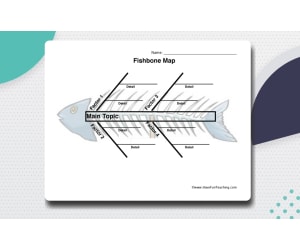
Fishbone Graphic Organizer
ELA, Reading, Grade 2, 3, 4, 5, 6, Teacher Tools, Graphic Organizers, Worksheets & Printables, Worksheets
This Fishbone Graphic Organizer can help students organize details as they read independently to determine the main idea. This could be a helpful tool for students who need extra support with comprehending text.
Author Have Fun Teaching
Tags Main Idea, Note Taking

Who What When Where Why Summary Graphic Organizer Worksheet
ELA, Social Studies, Reading, Grade 2, 3, 4, Teacher Tools, Graphic Organizers, Worksheets & Printables, Worksheets
This Who What When Where Why Summary Graphic Organizer Worksheet is a great way for your students to think about the information they have just learned. It can help them organize their thoughts and remember what they have learned.
Author Have Fun Teaching
Tags Note Taking, Story Elements, What Is A Summary Worksheet
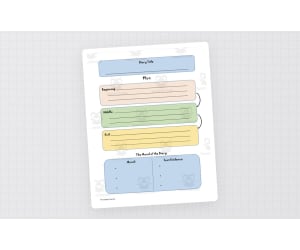
Moral of the Story Graphic Organizer
ELA, Reading, Grade 2, 3, 4, 5, Teacher Tools, Graphic Organizers
This resource is a Moral of the Story Graphic Organizer . Students can use this graphic organizer when they are reading a text. It allows students to write out the plot of the story. At the bottom, students will write what they think is the moral of the story and they can provide text evidence to support it. This can be printed in color or black and white.
Author The Language of Learning
Tags Story Elements, Plot, Moral Of The Story, Reading, Graphic Organizer

Story Elements Reading Graphic Organizer Worksheet
ELA, Reading, Grade 2, 3, 4, Teacher Tools, Graphic Organizers, Worksheets & Printables, Worksheets
This graphic organizer will help your students to identify and understand the key elements of a story. By filling out this worksheet , your students will be actively engaged in analyzing the story and thinking about its different parts. This is a great way to get your students reading and thinking critically about what they read!
Author Have Fun Teaching
Tags Story Elements, Reading Organizer, Plot Development Graphic Organizer, Graphic Organizer Elements Of A Story, Elements Of The Story Graphic Organizer, Elements Of Story Worksheet
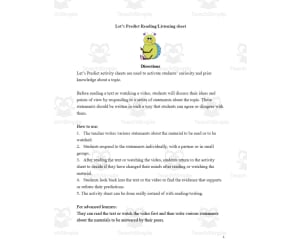
Let's Predict Activity Sheet
ELA, Reading, Grade 2, 3, 4, 5, Teacher Tools, Graphic Organizers
Let's Predict Activity Sheet: An Effective Resource for Teaching Prediction Skills "Let's Predict Activity Sheet" is a valuable resource designed for young learners belonging to Grades 2 through 5. This tool aims to enhance the pivotal reading and comprehension skills, focusing majorly on teaching Language Arts, specifically Reading. The activity sheet is offered in a user-friendly Microsoft Word document, making it an easy-to-use instrument for educators. The four-page document encompasses intriguing tasks geared towards promoting forward-thinking – an indispensable trait required for advanced-level comprehension in reading or initiating videos. A Lifeline For Educators As educators are well-aware that the ability to predict aids students to actively participate in texts. Hence, the "Let's Predict Activity Sheet" comprises three diversified activities that seamlessly direct students into forming predictions pertaining to what they may encounter next. It provides them with an opportunity to link ideas from their everyday lives or past knowledge into their present course content. Versatility Of The Resource This resource could be effectively used in different situations - you can include it during whole-group class discussion encouraging debates among your students around their predictions; You can make it part of small group work where each student contributes and expands on their collective thoughts; You can assign it as homework offering role-play scenarios based on the task at hand. This enables your learners' curiosity to rise as they mentally equip themselves for what lies ahead - fostering attention skills while enhancing vocabulary simultaneously! In Conclusion: If you are seeking resources that address prediction skills within core educational domains, do consider incorporating the 'Let’s Predict Activity Sheet' in your curriculum. Beyond serving its main purpose, this tool also offers a novel way of amplifying student engagement leading to interactive learning sessions!
Author Golden Promise
Tags Reading Comprehension, Predicting, Language Arts, Activity Sheet, Interactive Learning
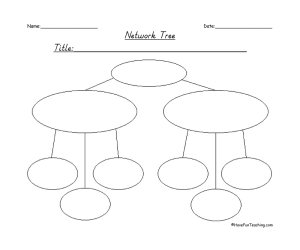
Story Elements Network Tree Graphic Organizer
ELA, Reading, Grade 2, 3, 4, 5, 6, Teacher Tools, Graphic Organizers, Worksheets & Printables, Worksheets
This graphic organizer is perfect for helping students to remember the important story elements in any story. This will help to ensure that your students are able to remember the important details in any story that they read.
Author Have Fun Teaching
Tags Story Elements, Graphic Organizer Tree

Cinderella Retelling – Picture Sequencing & Writing
ELA, Reading, Reading Comprehension, Preschool, Grade 1, 2, 3, Teacher Tools, Graphic Organizers
This resource is a story retelling for Cinderella. Students will cut and paste (in order) 6 pictures representing the story. They will paste these pictures into a mini booklet with lines for them to write a sentence or two. There are 2 graphic organizers to retell the story. Finally, there is a blank writing page that students can use to rewrite the story in their own words.
Author Good Human Project
Rating
Tags Story Retelling, Graphic Organizers, Comprehension Practice, Sequence Of Events, Plot, Retell A Story Graphic Organizer
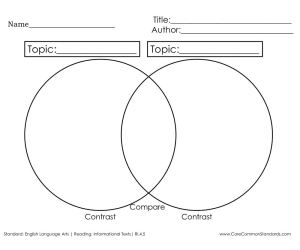
Compare and Contrast Topics Graphic Organizer Worksheet
ELA, Reading, Grade 3, 4, 5, Teacher Tools, Graphic Organizers, Worksheets & Printables, Worksheets
to brainstorm and organize their thoughts and ideas. This graphic organizer will help your students compare and contrast two topics. The Venn diagram will help them brainstorm and organize their thoughts and ideas. This is a great way to help your students learn how to compare and contrast two topics.
Author Have Fun Teaching
Tags Compare And Contrast, Compare And Contrast Sheet, Compare Contrast Worksheets
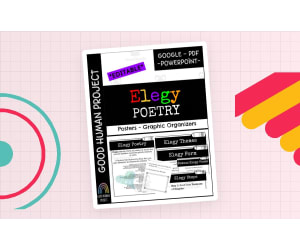
Elegy Poetry Writing – Posters & Graphic Organizers
ELA, Literature, Poetry, Grade 1, 2, 3, Graphic Organizers, Teacher Tools
Elegy Poetry Writing posters and graphic organizers introduce students to elegy poetry in a creative way. With informative posters , students explore features, famous examples, and tips for writing their own elegy poems. Then, they use the graphic organizers to brainstorm and draft original elegies. This resource covers elegy poetry comprehensively, from understanding the conventions to publishing a polished piece. It can be used in language arts classes, reading groups, or writing workshops for independent practice. Students gain literacy skills as they read and analyze sample elegies. By the end, they feel equipped to write personal and emotive elegies. This versatile resource has engaging visuals suitable for whole-class instruction, small groups, or individual work. Offered as a PowerPoint, Google slides , or printable PDF, it integrates smoothly into diverse learning environments.
Author Good Human Project
Rating
Tags Posters, Graphic Organizers, Elegy, Poetry Writing, Poems, How To Write Elegy Poem, Elegy Poetry, Elegy Poem Format, Famous Elegy Poems, How To Write An Elegy Poem, How To Write An Elegy, How To Write A Elegy, How To Write A Elegy Poem
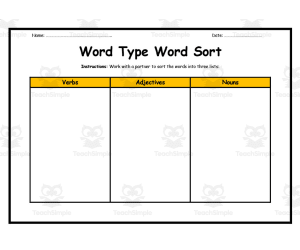
Word Type Word Sort Worksheet
ELA, Grammar, Grade 2, 3, Teacher Tools, Graphic Organizers, Worksheets & Printables, Worksheets
Word Type Word Sort Worksheet The Word Type Word Sort Worksheet is a practical tool for grades 2 and 3 designed to facilitate recognition and understanding of verbs, adjectives, and nouns. This language arts resource is particularly beneficial for mastering grammar skills or providing additional practice. This resource comprises a two-page printable: The first sheet provides a graphic organizer with three columns: 'verbs', 'adjectives', and 'nouns'. The second page contains thirty words that students need to categorize accurately by cutting them out and pasting them into the matching column on the graphic organizer. Versatile Teaching Tool This worksheet can be used in many different teaching scenarios: Print multiple copies for individual student use, as homework or class work under teacher guidance. Laminate select copies to make reusable sheets ideal for small group exercises or reading center activities. Velcro dots can be attached to these cut-outs allowing students to physically sort words into their appropriate categories. Promoting Active Learning & Cooperative Skills This grammar-focused worksheet promotes active learning through hands-on materials that foster self-motivated discovery leading towards deeper comprehension of these key language concepts – verbs, adjectives, nouns. As an added benefit during small group collaborative work this tool also supports peer interaction promoting cooperative learning strategies essential in our interconnected social world. We aim at Teach Simple ! To maximize utility from our offerings whilst ensuring the holistic development of your pupils! Therefore we strongly recommend incorporating the Word Type Word Sort Worksheet into your teaching repertoire today! Provide a fresh word bank with this noun, verb, and adjective worksheet .
Author Elementary Resources 4 U
Tags Word Type, Word Sort, Verbs, Adjectives, Nouns

"To Be or Not to Be" Hamlet Soliloquy Analysis
ELA, Literature, Grade 9, 10, 11, 12, Graphic Organizers, Worksheets & Printables
A soliloquy Analysis of Hamlet's famous soliloquy. Includes a link to a video, handouts, and an answer key.
Author Educate and Create
Tags Hamlet, Soliloquy, Literary Analysis, Shakespeare, To Be Or Not To Be

Beginning, Middle, and End Worksheet
ELA, Reading, Preschool, Kindergarten, Grade 1, Teacher Tools, Graphic Organizers, Worksheets & Printables, Worksheets
This worksheet is perfect for helping students to identify the beginning, middle, and end of a story. By writing out what happens at each stage of the story, students will be able to better understand the flow and overall structure of the story. This is a great resource for teachers who are looking to help their students improve their reading comprehension skills.
Author Have Fun Teaching
Tags Sequencing, Summarizing, Begining Middle And End, Middle And End, Kids First Middle End Template, Beginning Middle And End Worksheets

Bilingual Narrative Writing Graphic Organizer
ELA, Writing, Not Grade Specific, Teacher Tools, Graphic Organizers
This resource is a Bilingual Narrative Writing Graphic Organizer . This resource comes in Spanish and English. These worksheets will help students brainstorm and develop ideas before composing their narrative writing piece.
Author Creatively Mrs. B
Tags Bilingual, Spanish, Graphic Organizer, Narrative Writing, Back To School, Graphic Organizer For Writing A Narrative, Narrative Essay Organizer, Narrative Writing Graphic Organizer Pdf, Narrative Graphic Organizer 5th Grade
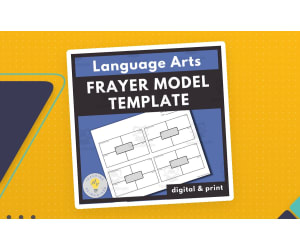
Frayer Model Templates Editable, Digital, & Printable | Vocabulary Set
ELA, Language Development, Vocabulary, Not Grade Specific, Worksheets, Worksheets & Printables, Graphic Organizers, Templates
Frayer models are a great way for students to learn and apply new vocabulary words. Use these templates with a class novel or assign them to students to use with independent reading material. This set includes both pre-made versions and blank, editable versions so that you can adjust them to fit your class' abilities and needs. ✏️ Vocabulary sets are pre-labeled with the following sections: Word (centered) Part of Speech and Definition Connection (can be synonyms or anything related) Picture Sentence ✏️ What's Included: 5 variations - Google slide deck - Vocabulary Set, 8 slides - Google slide deck - Blank models, 8 slides - Google slide deck - Blank models (4 per page) - Printable PDF - Vocabulary Labels Set of 8 - 1 page front and back - Printable PDF - Blank models (Set of 8) Common Core Standards: Determine or clarify the meaning of unknown and multiple-meaning words and phrases Use glossaries or beginning dictionaries, both print and digital, to determine or clarify the precise meaning of key words and phrases. Identify real-life connections between words and their use (e.g., describe people who are friendly or helpful). Acquire and use accurately grade-appropriate general academic and domain-specific words
Author Teaching Reimagined
Tags Frayer Model, Editable, Vocabulary Square, Graphic Organizer, Language Arts, Digital Printable