



3,945 products added recently
Page 10 - 2nd Grade Lesson Plans
Enhance your second-grade classroom with lesson plans that build on foundational skills and introduce new concepts. These activities promote critical thinking and creativity across subjects. Implement these plans to keep your students motivated and progressing confidently.

 Show filters


Number & Operations: Addition & Subtraction - Learn the Skill - PC Software
Math, Numbers, Common Core, Kindergarten, Preschool, Grade 1, 2, Teacher Tools, Lesson Plans
Number & Operations: Addition & Subtraction - Learn the Skill - PC Software This is an excellent resource for educators aiming to take a comprehensive and effective approach to teaching mathematics, focusing on number operations and addition/subtraction. Designed with relevance in mind, offering curriculum-based content alongside real-world word problems for enhanced learning experience. Loaded with practical math tools that can assist students during their lessons or solving problems independently. Suitably fits multiple settings such as whole classroom interactions, small group studies or individualized homework assignments. A special feature of this software is its inclusivity—with both English and Spanish voice over options complemented by respective textual content—thus catering to even multilingual classrooms or homeschool contexts. The software caters to early education grade levels ranging from Preschool up through Grade 2. It aims at making foundational math more engaging while focusing on numbers which pave way for advanced mathematical understanding later. bolted list"> In accordance with modern educational standards, the material meets Common Core State Standards criteria and also aligns well with STEM initiatives written according to NCTM. This ensures that whether you're teaching young learners at an early age or older kids needing reinforcement in essential numeracy skills this tool aligns well with your goals ensuring balanced cognitive development fittingly meeting key educational requirements Upon purchase: You'll find one zip file containing all necessary PC software for quick download ensuring easy accessibility across most computer systems within school environments as well as homeschooling contexts without hassles. In conclusion, if you’re looking towards enhancing pupils’ abilities extensively touching upon key areas like number operations–addition/subtraction whilst keeping education engaging then “Number & Operations: Addition & Subtraction- Learn the Skill-PC Software” is a recommended resource.
Author Classroom Complete Press
Tags Addition, Subtraction, Math Lesson, Digital Math, Operations

Pony Express: History - Hands On
Social Studies, History, History: USA, Grade 1, 2, 3, 4, Teacher Tools, Lesson Plans
Pony Express: History - Hands On A comprehensive teaching resource designed to engage students actively in learning about an exciting period of American history. Primarily developed for first to fourth graders. This educational tool encompasses subjects like: Social Studies with specific focus on U.S. History. What makes it special? The initiative seamlessly integrates various mediums and practices such as poems, music, games , discussions, arts and creative writing activities. It shifts from traditional passive learning techniques encouraging participation that enhances learning outcomes. Simulating the historical era: In this module focusing on the Pony Express era, students get involved in: - Creating their own petitions—a popular recourse in old times. - Participating in enactments involving Pony Rider puppets representing an actual Pony Express ride. - Involving themselves in a relay race—a tangible demonstration of real-life pony express team's challenges. Reinforcing through sharing: After processing these experiential lessons about history through fun-filled means like a museum exhibit for sharing with friends or family—this package bolsters knowledge retention. All-in-one PDF package includes: - total of 34 readily printable pages serving varying functions across different group sizes. Bolster your active and experiential learning journey using Pony Express: History - Hands On!.
Author Classroom Complete Press
Tags Social Studies, Pony Express, Puppets, American History, Poems

Phonics & Early Literacy with Themed Story Builders
STEM, Classroom Management, Resources for Teachers, Community Building, Science, Basic Science, Inventors, Theories, Special Resources, Social Emotional Learning (SEL), Kindergarten, Preschool, Homeschool Curriculum, Homeschool Templates, Grade 1, 2, 3, Teacher Tools, Assessments, Lesson Plans, Literacy Readers, Quizzes and Tests, Quizzes, Tests, Worksheets & Printables, Workbooks, Worksheets
Do your students get bored by phonics drills? Do you have beginning readers who sound out words well, but do not understand what they read? Phonics & Early Literacy With Themed Story Builders will connect the dots between mechanical decoding and creating a love for books and reading! 39 pages of the most complete literacy program curriculum for Kindergarten through 1st and 2nd grade. The program is rooted in the Science of Reading offers a unique method for teaching phonics skills through a new way of creating stories. This program also provides the student opportunities to develop vocabulary, syntax and comprehension while expressing his/her own creativity and imagination. Constrained Narrative Architecture (CNA) Method not only moves students beyond rote memorization when learning how to decode word lists, but also teaches students how to build themed stories using the newly-acquired phonics skills. Once students have created a complete themed story, they will have an understanding of the phonics rules used in the story, plus vocabulary, syntax and comprehension. What You're Getting with This Resource Without Preparation That Has An Immediate Impact on Teaching!? PHASE ONE: Theoretical Foundations & Core Content for the Teacher- This guide provides an educator with an understanding of the neuroscience behind our methodology. The educator will learn the "why" of Orthographic Mapping, Cognitive Load Theory, Narrative Scaffolding, and other elements to become a more experienced and knowledgeable teacher. PHASE TWO: Student Workbook- The student workbook consists of 10 fun thematic worksheets and each worksheet will provide the student with a story background that aligns to the specific sequential skill provided on the worksheet, and offers the student an adventure in phonics. PHASE THREE: Teacher Resource Package- The teacher resource package consists of pedagogical diagrams, full comprehensive answer key, and a teacher implementation guide with pacing suggestions. The 10 Themed Adventure Worksheets Cover the Following Skills in a Sequence: 1. The Alpine Forest (Short Vowels & CVC Words) 2. Deep Sea Discovery (Consonant Digraphs; sh, ch, th, wh) 3. The Clockwork City (Initial Consonant Blends: L, R, S) 4. Dino-Valley Dig (CVCe Words- “Magic e”) 5. Starlight Space Station (Long Vowel Teams- ai, ee, ea, oa, ue) 6. The Whispering Willow Farm (R-Controlled Vowels- ar, er, ir, or, ur) 7. The Weather Wizards (Diphthongs; ou, ow, oi, oy) 8. The Great Mountain Train (Hard/Soft 'c'/ 'g') 9. The Midnight Toy Shop (Syllable Segmentation) 10. The Enchanted Castle (Cumulative Review/Creative Story Building) This is ideal for large group instruction, small group intervention, structured literacy centers, or an effective homeschool phonics program. It will stop the continual slaughter of expected reading enjoyment and create skilled independent readers now! Search for: phonics programs, science of reading, early literacy, kindergarten reading programs, first grade phonics programs, second grade literacy programs, decodable activities, reading intervention programs, story building worksheets, fill-in-the-blank worksheets, structured literacy center materials, homeschool phonics programs, constant vowel, constant e, constant combination sounds, and constant blends of vowel sounds. The reason why parents and schools are happy is because the curriculum is based on scientific principles, known as the "Science of Reading." This means that the curriculum teaches children to read the right way and progresses from the recognition of the individual sounds to being able to read smoothly and understand what they are reading. Phonics becomes fun instead of boring since this curriculum substitutes the traditional rote phonics drills with engaging themed activities. Children become so involved in creating an imaginative story with dinosaurs or by creating a real-life story about a space station that they do not even realize they are really learning important phonics skills. True comprehension of what to read is developed because this resource requires students to select the word that completes a sentence so that it will make sense. This develops the child’s ability to read for meaning as opposed to simply reading out loud. This resource is designed to be easily differentiated as the teacher’s guide contains suggestions for helping struggling readers (such as those with dyslexia) and those working at an advanced level, making it suitable for all students in a diverse classroom or homeschool environment. This resource is comprehensive and ready to be implemented right away, as it includes not only the worksheets that are used in the program, but also has a complete teacher’s guide, student activities to use with the worksheets, and an answer key. Everything you need! Target Audience Review: According to the explicit scope and sequencing outlined on pages 7 & 8 that outline students working through CVC words all the way to multisyllabic words, the following summarizes how this PDF has been developed for: - Primary Target Students: Kindergarten (approx. age 5) - 1st Grade (approx. age 6) and 2nd grade (approx. age 7). - Primary Buyers: K-2 Classroom Teachers, Home School Parents, Literacy Specialists, Reading Interventionists and Tutors. Phase 1 of the theoretical component of the PDF is especially beneficial to these users as it will allow them to show the product's educational merit by demonstrating that the research supports the Science of Reading. Copyright & Terms of Use: This Author's work is licensed to Syed Hammad Rizvi. This product has been created for personal use/by you and one other teacher in the same place. You cannot alter, redistribute or make this product available for sale. You may not upload this product onto any website unless you would like to lose your copyright ownership of the work. Again, please respect the above license agreement and do not share this product with your colleagues, if they would like access, please help them out by purchasing a license from Teachsimple. Thank you very much for your understanding, I appreciate it! As usual this product is provided as a free service, thanks for being apart of my business!
Author Creative Book Store
Rating
Tags Phonics, Scienceofreading, Earlyliteracy, Structuredliteracy, Reading, Literacy, Teachertiptuesday, Kindergarten, Firstgrade, Secondgrade

I WONDER - What Is The Smallest Vertebrate In The World Video
STEM, Animals, Life Sciences, Science, Biology, Grade 1, 2, 3, 4, 5, 6, 7, 8, Lesson Plans, Teacher Tools
Video Introduction Animal kingdoms are full of fascinating wonders to learn. This video is designed for the students to learn more about animals in different countries. I WONDER - What Is The Smallest Vertebrate In The World | Animated Video Lesson Do you like animals? what is your favorite one? Do you own a pet? If yes, tell us more about it, like what its name? And what do you like most about it? What are the animal kingdoms? Can you write down the characteristics of each animal class like mammals, birds, reptiles, amphibian, fish and mollusks. Do you know that some animals can sing, can you name any of them? What is the largest and the smallest mammal in the world? What is the largest and the smallest bird in the world? What is the largest and the smallest fish in the world? I WONDER - What Is The Smallest Vertebrate In The World | Animated Video Lesson The video is perfect for encouraging the researching skills for the students, while learning more about these fantastic animals. I WONDER - What Is The Smallest Vertebrate In The World | Animated Video Lesson This friendly designed video is suitable for students at school, homeschooling, and as a group activity. Format Available in MP4 format.
Author Educational Voice
Tags What Is The Smallest Vertebrate In The World, What Is The Smallest Vertebrate In The World Video, Smallest Vertebrate In The World, Smallest Vertebrate In The World Video, Smallest Vertebrate In The World Facts
Erosion Reading Comprehension Passage - Cored Ed Encyclopedia
ELA, Reading Comprehension, Reading, Science, Technology, Language Development, Social Studies, Earth and Environmental Sciences, Geography, Life Sciences, Grade 2, 3, 4, 5, Worksheets & Printables, Worksheets, Teacher Tools, Centers, Activities, Writing Prompts, Assessments, Quizzes and Tests, Quizzes, Lesson Plans
This erosion reading comprehension with lesson plan includes: Visualization (on the front cover) Start your lesson by taking a minute to think and share something about the topic. Read the script aloud (slowly), perhaps prepare some music or sound effects. Student close their eyes and let their imaginations wander. Students open their eyes, read the question aloud and give them a few minutes to complete. Ask a few students to share or keep answers until the end to compare with what they learn in the passage. Quick pause—thousands of Cored Education products are included with your TeachSimple membership. Download links and encyclopedia index available here. Pre-Reading Trivia Students will write down one thing they already know about the subject and then read five more facts and discuss. These facts are fun, and the students will enjoy learning about the subject before reading more. Give 1 minute for students to write what they already know (no pressure—best guess is fine). Read the five facts together. After each fact, do ask a student for their opinion, was it surprising? Set a purpose by asking students to highlight/underline one fact they want to learn more about during the reading. Reading Passage The text is a high-interest reading passage with set paragraphs, roughly three to four paragraphs long. It contains a variety of themes about the topic, anywhere from history to technology. The passage is between 250 and 350 words in length. First, ask students to look at the headings and see what they’ll learn about today. What do they know about the topic/heading? First read options: Teacher read-aloud (best for support). Partner reading (paragraph by paragraph). While reading, students underline important details, and vocabulary words they think may come up in the questions section. Mixed Questions The first question page contains four multiple-choice questions, each with a choice of four answers, and three written response questions that require a sentence or two from the student. Students complete the mcqs first independently, then review quickly as a class. For the 3 written responses, try to get students giving the answer with some form of evidence: “I think ___ because the text says ___.” If students get stuck, send them back to check the passage. Vocabulary Questions Practice seven key words from the text in this section across two activities. First section is scrambled words where students will unscramble three words given a clue for each. The second section is a word to meaning matching activity. Before starting, have some students read out words they underlined in the passage. Ask students to say the word and read aloud the sentence(s) around each word. Ask students to do scrambled words and the matching exercise in pairs then go through answers as a class. For the scrambled spelling task, get four pairs to come up to the board and write the words for extra practice with the other student reading out the clue. For the matching task, prompt students to give full sentences: “I matched ___ with ___ because ___.” Creative Writing In this question, the student will be required to write a five to eight sentence paragraph on a question related to the topic. Before starting, ask students write down 3 key ideas they are going to include in their piece. Ask students for ideas to share around the class to help those struggling. Pro writing expectations: 5–8 sentences At least 2 facts or details from the passage At least 2 vocabulary words from the previous page Students read their paragraphs while classmates listen for facts and vocabulary words. Extension Activities This page is optional for fast finishers or to take home. There are several activities, each one requiring a different skill. Do some, do none, do all, completely optional - but you will feel reassured knowing every possibility is planned for. Includes summary writting question and additional facts. Answer Key There are answers for the multiple-choice questions, written response questions have sample answers, vocabulary answers and if there is a summary question then a sample summary will be provided as well. Lesson Plan Included Customized lesson plan for this lesson is included. Lesson Snapshot Title: Erosion Genre: Nonfiction (Informational Text) Subject: Science (Earth Science) / Reading (Informational Text) Primary Topic: How erosion moves Earth materials and changes land Estimated Guided Reading Level (A–Z): N What This Lesson Teaches Best Clearly distinguishes weathering (breaking rock apart in place) from erosion (moving pieces away). (Reading Passage, p. 3) Explains multiple forces that cause erosion— water, wind, waves, ice, and gravity —and what they do to Earth’s surface. (p. 3) Shows how rivers reshape land over time, including how moving water and sediment can help carve deep valleys (Colorado River/Grand Canyon example). (p. 3) Introduces sediment and connects erosion to deposition , explaining how new landforms can build up (beaches, river deltas). (p. 3) Connects science to real-world problem solving by describing ways people can slow soil loss (trees, terraces, keeping plants on soil). (p. 3) Learning Goals Students will explain how erosion is different from weathering using the text’s definitions. Students will identify forces that can cause erosion (water, wind, waves, ice, gravity). Students will describe how rivers move sediment and can change riverbeds and valleys over time. Students will explain what sediment is and how deposition happens when sediment settles. Students will describe at least two ways people can help soil “stay home,” based on the passage. Key Vocabulary From the Text weathering — breaking rock apart where it sits. erosion — moving soil and rock to a new place. sediment — tiny bits of soil and rock that travel. deposition — when sediment settles and builds up land. terraces — steps that slow water on a steep slope. FULL CATALOG OF DOWNLOAD LINKS AND ENCYCLOPEDIA INDEX HERE
Author Cored Education
Rating
Tags Vocabulary, Reading Comprehension, Reading Passages, Lesson Plans, Ela Lesson Plans, Reading Comprehension Lesson Plans, Pre-reading, Geography, Earth Science, Science Lesson Plans
Electronics Reading Comprehension Passage - Cored Ed Encyclopedia
ELA, Reading Comprehension, Reading, Science, Technology, Pre-Reading, Language Development, Physics, Writing, Vocabulary, Grade 2, 3, 4, 5, Worksheets & Printables, Worksheets, Teacher Tools, Centers, Activities, Writing Prompts, Assessments, Quizzes and Tests, Quizzes, Lesson Plans
This electronics reading comprehension with lesson plan includes: Visualization (on the front cover) Start your lesson by taking a minute to think and share something about the topic. Read the script aloud (slowly), perhaps prepare some music or sound effects. Student close their eyes and let their imaginations wander. Students open their eyes, read the question aloud and give them a few minutes to complete. Ask a few students to share or keep answers until the end to compare with what they learn in the passage. Quick pause—thousands of Cored Education products are included with your TeachSimple membership. Download links and encyclopedia index available here. Pre-Reading Trivia Students will write down one thing they already know about the subject and then read five more facts and discuss. These facts are fun, and the students will enjoy learning about the subject before reading more. Give 1 minute for students to write what they already know (no pressure—best guess is fine). Read the five facts together. After each fact, do ask a student for their opinion, was it surprising? Set a purpose by asking students to highlight/underline one fact they want to learn more about during the reading. Reading Passage The text is a high-interest reading passage with set paragraphs, roughly three to four paragraphs long. It contains a variety of themes about the topic, anywhere from history to technology. The passage is between 250 and 350 words in length. First, ask students to look at the headings and see what they’ll learn about today. What do they know about the topic/heading? First read options: Teacher read-aloud (best for support). Partner reading (paragraph by paragraph). While reading, students underline important details, and vocabulary words they think may come up in the questions section. Mixed Questions The first question page contains four multiple-choice questions, each with a choice of four answers, and three written response questions that require a sentence or two from the student. Students complete the mcqs first independently, then review quickly as a class. For the 3 written responses, try to get students giving the answer with some form of evidence: “I think ___ because the text says ___.” If students get stuck, send them back to check the passage. Vocabulary Questions Practice seven key words from the text in this section across two activities. First section is scrambled words where students will unscramble three words given a clue for each. The second section is a word to meaning matching activity. Before starting, have some students read out words they underlined in the passage. Ask students to say the word and read aloud the sentence(s) around each word. Ask students to do scrambled words and the matching exercise in pairs then go through answers as a class. For the scrambled spelling task, get four pairs to come up to the board and write the words for extra practice with the other student reading out the clue. For the matching task, prompt students to give full sentences: “I matched ___ with ___ because ___.” Creative Writing In this question, the student will be required to write a five to eight sentence paragraph on a question related to the topic. Before starting, ask students write down 3 key ideas they are going to include in their piece. Ask students for ideas to share around the class to help those struggling. Pro writing expectations: 5–8 sentences At least 2 facts or details from the passage At least 2 vocabulary words from the previous page Students read their paragraphs while classmates listen for facts and vocabulary words. Extension Activities This page is optional for fast finishers or to take home. There are several activities, each one requiring a different skill. Do some, do none, do all, completely optional - but you will feel reassured knowing every possibility is planned for. Includes summary writting question and additional facts. Answer Key There are answers for the multiple-choice questions, written response questions have sample answers, vocabulary answers and if there is a summary question then a sample summary will be provided as well. Lesson Plan Included Customized lesson plan for this lesson is included. Lesson Snapshot Title: Electronics Genre: Nonfiction (Informational Text) Subject: Science (Technology/Physical Science) / Reading (Informational Text) Primary Topic: How electronics evolved to carry signals Estimated Guided Reading Level (A–Z): Q What This Lesson Teaches Best Defines electrons as tiny charged particles and explains that electronics guides them to carry a message (a “signal”), not just power devices. Traces a clear timeline of inventions : early radio parts → vacuum tubes → transistor (1947) → integrated circuits on silicon chips. Explains how devices can amplify signals (making a small signal stronger), using the vacuum tube and transistor examples. Shows how engineering changes over time led to smaller, more powerful technology , with chips holding millions (even billions) of transistors. Learning Goals Students will describe how electrons moving through wires can carry a message. Students will explain how vacuum tubes helped make radio signals stronger. Students will identify how the transistor differed from vacuum tubes (material used, size, and power use). Students will describe what integrated circuits are and why they allow devices to stay small. Students will summarize how electronics changed from early inventions to modern chips. Key Vocabulary From the Text electrons — tiny charged particles that move through wires. signal — a message carried through a device. vacuum — space with most air removed. transistor — a smaller part that can switch and amplify signals. semiconductor — a material used instead of a vacuum for a transistor. FULL CATALOG OF DOWNLOAD LINKS AND ENCYCLOPEDIA INDEX HERE
Author Cored Education
Rating
Tags Vocabulary, Reading Comprehension, Reading Passages, Lesson Plans, Ela Lesson Plans, Reading Comprehension Lesson Plans, Pre-reading, Science Lesson Plans, Technology, Physics
I WONDER - What Is A Shooting Star | Animated Video Lesson
Space, Earth and Environmental Sciences, Science, Grade 1, 2, 3, 4, 5, 6, 7, 8, Lesson Plans, Teacher Tools
Video Introduction An amazing video designed for the students to learn more about space facts. I WONDER - What Is A Shooting Star | Animated Video Lesson Do you like reading about space? If yes, what is your favorite topic? What do you know about our solar system? What is the smallest planet in our solar system? What is the biggest planet in our solar system? What is the hottest planet in our solar system? And what is the coldest one? Do you think there are aliens? If yes, what do you think they look like? What do they eat and how they speak to each other? Where do they live? What is a galaxy? And what is a milky way? Have you recently saw a shooting star? If yes, tell us more about it, like when did it happen and where? What is a blackhole? Can a blackhole gets bigger by time? Do you like counting the stars? What do you think a star is made of? I WONDER - What Is A Shooting Star | Animated Video Lesson The video is perfect for encouraging the researching skills for the students, while learning more about the fantastic space. I WONDER - What Is A Shooting Star | Animated Video Lesson This friendly designed video is suitable for students at school, homeschooling, and as a group activity. Format Available in MP4 format.
Author Educational Voice
Tags What Is A Shooting Star, What Is A Shooting Star Video, Shooting Star, Shooting Star Facts, Shooting Star Facts For Kids, Shooting Star Video, Shooting Star Video For Kids, Space, Space Video

Measurement: Measuring Weight - Practice the Skill 3 - MAC Software
Math, Measurements, Common Core, Kindergarten, Preschool, Grade 1, 2, Teacher Tools, Lesson Plans
Measurement: Measuring Weight - Practice the Skill 3 for MAC Measurement: Measuring Weight - Practice the Skill 3 is an innovative educational software that enhances students' understanding and ability to measure weight. Be it a classroom or home-schooling setting, this resource designed for preschool through grade two students makes mastering critical math skills an engaging process. Main Features: The software houses dynamic activities like timed drills wherein measurements need to be converted by leveraging relevant formulas, thereby reinforcing their comprehension on measuring weight. The learning material aligns with Common Core State Standards and National Council of Teachers of Mathematics (NCTM). Incorporates several integrated math tools fostering interactive learning experiences, simplifying the concept and practice of measuring weight. Languages Supported: English(Default) Spanish(Optional) . This feature facilitates dual language learning along with supporting ESL (English as Second Language) students or use cases needing cross-cultural educational adaptations. Diverse Usage in Different Scenarios: This versatile tool can be employed in multiple ways within any teaching method such as whole-group instruction or small group instructions. Besides classroom instruction, it also aids individual student homework assignments bolstering reinforcement of in-class lessons. All software components are conveniently packaged into one zip file ensuring a seamless setup process upon application within your instruction workflow. In conclusion, whether you're a public teacher seeking resources fitting curriculums standards or parents home-schooling their kids seeking efficient solutions — Measurement: Measuring Weight - Practice The Skill 3's design will cater to all due to its highly functional features.
Author Classroom Complete Press
Tags Math Lesson Plan, Measurement Lesson Plan, Math Skills, Measurement Practice, Digital Math

All About Earning Money | Animated Math Video Lesson
, Grade 2, 3, 4, 5, Lesson Plans, Teacher Tools
All About Earning Money | Animated Math Video Lesson Are you looking for an engaging way to teach your students about earning money? The All About Earning Money animated math video lesson is here to simplify the process. Carefully crafted for learners in grades 2 through 5, this resource turns a complex subject matter into an easy-to-understand concept. It's a perfect tool for teachers, both those of traditional public schools and homeschoolers alike. The 9-minute video offers ample time to break down the steps of earning money in an enjoyable way that resonates with young minds. Using clear visual and audible explanations, it brings abstract concepts to life—helping your students attain a better grasp of this crucial life skill. With its interactive design, the video keeps learners engaged from start to finish using more than just textbook content. This encourages active learning and promotes retention—an integral aspect of effective teaching. Possibilities are Endless The possibilities are endless when it comes to its application both in and out of classroom settings. The video can be used as part of your daily lessons during whole-group instruction or as support material during small group activities where you want focus on individual needs or differentiated instruction strategies. Homeschoolers can use it as a reliable standalone tool while parents could use it assist their children with homework tasks or supplementary learning at home. Note: versatility extends even into usage as this resource is delivered as one MP4 file that can be played on just about any digital device—computer, laptop or smart display—which makes adding it into different teaching platforms hassle-free! An Inspiring Tool! "The All About Earning Money animated math video lesson does not merely teach—it inspires! It helps inspire positive discussions around earning money which plays a crucial role in fostering financial literacy from an early age—but without burdening young minds with complicated jargon or methodologies." Say goodbye the struggle of second guessing if your method is effective enough because this unique resource got you covered! Turn learning about earning money into an exciting venture with this math video lesson, and help your students get a head start on becoming financially conscious individuals. It's an essential tool in today's modern classroom, bringing learning to life with animation and interaction at its best.
Author Educational Voice
Tags Earning Money, Math Video, Animated Lesson, Financial Literacy, Engaging Learning

Number & Operations: Grouping Objects & Number Lines - Practice the Skill 3 - MAC Software
Math, Number Lines, Common Core, Kindergarten, Preschool, Grade 1, 2, Teacher Tools, Lesson Plans
Teaching Resource Title: Number & Operations: Grouping Objects & Number Lines - Practice the Skill 3 - MAC Software Aspiring to create an encompassing and practical learning experience for preschool, kindergarten, and early elementary-level students (grades 1 and 2), this software – developed specifically for Mac devices - blends the essentials of number operations into a single platform. Core subjects included in this teaching resource are Mathematics and Sub-subjects that focus on Number Lines. The heart of this resource lies in understanding two fundamental concepts – Grouping Objects and the use of Number Lines. It navigates students through a chapter mini that offers curriculum -based content majorly through practice activities which have been designed as timed drills. A crucial element is the completion of number lines by the students themselves. Accompanying these drills are valuable math tools designed to enhance learning efficiency. This software leaps over language barriers offering voice-over instruction coupled with text not only in English but also Spanish, aiding bilingual learners or those striving to be. Fulfilling Common Core State Standards demonstrates how aligned this teaching asset is with today’s educational needs while adhering strictly to guidelines set forth by The National Council of Teachers of Mathematics (NCTM). The tool's relevance does not stop there; it steps into STEM initiatives appealing broad-base learners. This invaluable classroom component proves versatile enough for whole group engagement when projected onto smart boards or individual computer stations during class time. Small group intervention sessions could utilize it effectively during targeted mathematic instructions or even as homework assignments due to its user-friendly interface made accessible at home on student’s own computer systems. The entire package comes in one simple zip file keeping organization easy meanwhile getting you started quickly without any fuss! Whether used as part larger lesson plans or standalone supplemental material, “Number & Operations: Grouping Objects & Number Lines - Practice the Skill 3” provides ample opportunities for creative incorporation into any educator’s strategy thereby consolidating young learner's math skills.
Author Classroom Complete Press
Tags Math Lesson Plan, Digital Math, Number Lines, Grouping Objects, Operations

Groundhog Day 2-Hour Lesson Plan for Elementary School
Science, Social Studies, Grade 2, 3, 4, 5, Lesson Plans, Teacher Tools, Worksheets & Printables
🌤️ Groundhog Day Lesson Plan & Activities (Grades 2–5) Bring Groundhog Day to life with this engaging, cross-curricular lesson plan! Students will explore the science, tradition, and fun behind this popular February celebration — while practicing reading, writing, math, and critical thinking skills. Perfect for upper elementary classrooms looking to combine holiday fun with real learning . 🧾 What’s Included Complete 120-minute lesson plan Printable student worksheet (15 sections + answer key) Vocabulary list and misconceptions guide Differentiation notes for Grades 2–5 Family letter for at-home connection Craft and activity ideas (puppets, graphs, games, and more) Assessment rubric and extension projects 🏫 How It Works in the Classroom Use this resource for: Whole-group science or social studies lessons Literacy centers or seasonal enrichment Substitute plans or February celebrations Interactive lessons that mix fact vs. fiction , reading comprehension , and hands-on learning No prep required—just print and teach! Students will investigate whether Punxsutawney Phil can really predict the weather, explore hibernation and habitats, and reflect on the difference between tradition and scientific truth . 📚 Standards & Learning Goals Understand tradition vs. science Identify animal adaptations and hibernation Practice data, graphing, and measurement Strengthen reading comprehension and informational writing Develop critical thinking through evidence-based discussion Aligned with: NGSS (Animal Behavior, Weather), Common Core ELA (RI, W, SL), and basic math standards for graphing and data interpretation. 💛 Why Teachers Love It ✅ Covers multiple subjects in one engaging lesson ✅ Includes hands-on, creative, and digital-friendly options ✅ Promotes critical thinking with fact vs. opinion activities ✅ Differentiation built in for Grades 2–5 and ELL students ✅ Family letter connects classroom learning to home This resource saves prep time and sparks student curiosity — a favorite February activity that teachers use year after year! Make Groundhog Day meaningful and fun — download this complete lesson plan today and celebrate with science, literacy, and creativity combined!
Author Bright Classroom Ideas Marketplace
Rating
Tags Groundhog, Day, Lesson, Plan, Worksheet, Festival

I WONDER - What Age Was The Oldest Cat In The World | Animated Video
Biology, Life Sciences, Science, Animals, STEM, Grade 1, 2, 3, 4, 5, 6, 7, 8, Lesson Plans, Teacher Tools
Video Introduction Animal kingdoms are full of fascinating wonders to learn. This video is designed for the students to learn more about animals in different countries. I WONDER - What Age Was The Oldest Cat In The World | Animated Video Lesson Do you like animals? what is your favorite one? Do you own a pet? If yes, tell us more about it, like what its name? And what do you like most about it? What are the animal kingdoms? Can you write down the characteristics of each animal class like mammals, birds, reptiles, amphibian, fish and mollusks. Do you know that some animals can sing, can you name any of them? What is the largest and the smallest mammal in the world? What is the largest and the smallest bird in the world? What is the largest and the smallest fish in the world? I WONDER - What Age Was The Oldest Cat In The World | Animated Video Lesson The video is perfect for encouraging the researching skills for the students, while learning more about these fantastic animals. I WONDER - What Age Was The Oldest Cat In The World | Animated Video Lesson This friendly designed video is suitable for students at school, homeschooling, and as a group activity. Format Available in MP4 format.
Author Educational Voice
Tags What Age Was The Oldest Cat In The World, What Age Was The Oldest Cat In The World Video, The Oldest Cat In The World, The Oldest Cat In The World Facts, The Oldest Cat In The World Facts For Kids, The Oldest Cat In The World Video
Back to School ELA Review for 2nd Grade | 20 Daily Lessons
ELA, Grade 2, Assessments, Teacher Tools, Lesson Plans, Worksheets & Printables
Make the first month of school easier with this 2nd grade back to school ELA review designed to revisit essential first grade reading, grammar, phonics, vocabulary, and writing skills. With 20 structured daily lessons plus 16 print-and-play literacy games, this resource helps second graders rebuild confidence, establish routines, and prepare for Grade 2 learning. Each daily lesson follows a predictable four-part rhythm— Read & Think, Language & Grammar, Word Work, and Write About It —with skills spiraling from foundational review into more complex reading and language practice. What’s Included This second grade ELA review includes a complete back-to-school literacy system: ✅ 20 daily ELA review lessons ✅ 40 pages of daily student lessons ✅ Short fiction and nonfiction passages ✅ Reading comprehension questions ✅ Grammar and language review ✅ Phonics and word work practice ✅ Vocabulary activities ✅ Daily writing prompts ✅ Primary-ruled writing lines with dashed midlines ✅ 16 print-and-play literacy games and activities ✅ Partner and small-group games ✅ Literacy center activities ✅ Complete answer key for all 20 days ✅ Teacher guide ✅ 20-day pacing overview ✅ Four-week planning guide ✅ Differentiation ideas ✅ Game preparation directions ✅ Game-to-skill quick-reference map ✅ Class progress record sheet ✅ Family letter for home-school connection ✅ Student reflection ✅ Reading Star Award The student workbook contains 20 daily lessons plus 16 print-and-play games , with daily practice in reading, grammar, word work, and writing. The complete answer key provides answers for all 20 days, organized by section for faster checking, while allowing reasonable student wording for open writing and reflection tasks. How It Works in the Classroom Use this 2nd grade back to school ELA review as a first-month literacy routine, morning work option, whole-group warm-up, independent review, intervention support, or skills refresher. Each day follows the same student-friendly structure: 📖 Read & Think — Students read a short passage and answer comprehension questions ✏️ Language & Grammar — Students review a focused Grade 1 language skill 🔤 Word Work — Students practice phonics, vocabulary, spelling patterns, and word knowledge 📝 Write About It — Students complete a short writing task connected to the day’s passage A full lesson is designed to take about 15–25 minutes , with earlier days providing lighter review and later lessons combining skills. Use the resource for: ⭐ Back-to-school ELA review ⭐ Second grade morning work ⭐ First grade skills review ⭐ Beginning of year literacy practice ⭐ Reading comprehension review ⭐ Grammar warm-ups ⭐ Phonics and word work ⭐ Literacy centers ⭐ Partner practice ⭐ Small groups ⭐ Early finishers ⭐ Intervention and reteaching ⭐ Formative assessment ⭐ Homework or home practice The 20-Day Pacing at a Glance chart on page 6 of the Teacher Guide visually maps each day’s reading, language, and word-work focus. Students move from main idea, complete sentences, and short vowels into inference, cause and effect, compare and contrast, author’s purpose, text features, fact and opinion, point of view, context clues, summarizing, editing, and mixed review. For a four-week routine, teachers can assign workbook lessons Monday through Thursday and use Friday for a game, literacy center rotation, catch-up, or additional practice. Standards & Learning Goals This second grade literacy review revisits essential Grade 1 learning across five major ELA strands: 📚 Reading Comprehension — main idea, key details, character, setting, sequence, retell, inference, cause and effect, compare and contrast, author’s purpose, text features, fact and opinion, point of view, context clues, making connections, and summarizing ✏️ Grammar & Language — complete sentences, nouns, verbs, adjectives, capitalization, end marks, plural nouns, pronouns, past-tense verbs, subject-verb agreement, commas in a series, sentence types, common and proper nouns, comparative adjectives, combining sentences, apostrophes, expanding sentences, and editing 🔤 Phonics & Word Work — short vowels, digraphs, beginning blends, long vowels, word families, compound words, contractions, prefixes, suffixes, and syllables 💬 Vocabulary — synonyms, antonyms, context clues, multiple-meaning words, shades of meaning, prefixes, suffixes, and word relationships 📝 Writing — complete sentences, short responses, sequence writing, retelling, comparison writing, opinion writing, summaries, personal connections, expanded sentences, creative continuation, and reflection Across the 20 days, students practice reading skills through short passages while applying increasingly sophisticated Grade 1 review skills. The workbook includes targeted lessons on main idea, key details, character, setting, sequence, retell, inference, cause and effect, compare and contrast, author’s purpose, text features, fact and opinion, point of view, context clues, summarizing, and making connections. Word work progresses from short vowels and digraphs into blends, long-vowel spelling patterns, compound words, contractions, prefixes, suffixes, synonyms, antonyms, context clues, and shades of meaning. Why Teachers Love It ✨ One predictable routine every day. The consistent four-part structure helps students know what to expect while building independence. ✨ Review multiple ELA skills without overwhelming students. Reading, grammar, word work, vocabulary, and writing are divided into manageable daily practice. ✨ Get 20 days of ready-to-use review. The pacing is already mapped for a smooth first month of second grade. ✨ Build comprehension with varied skills. Students practice everything from main idea and key details to inference, author’s purpose, point of view, text features, fact and opinion, and summarizing. ✨ Strengthen phonics and vocabulary. Practice includes short and long vowels, digraphs, blends, word families, compound words, contractions, prefixes, suffixes, synonyms, antonyms, and context clues. ✨ Differentiate for a wide range of readers. The Teacher Guide includes practical support for below-level students, on-level learners, above-level students, and multilingual learners. ✨ Add hands-on practice with 16 literacy games. Activities include: Noun, Verb & Adjective Sort Contraction Match Rhyme & Family Match Roll-a-Long-Vowel Word Sight Word BINGO Sight Word Roll & Read Digraph Sort Same & Opposite Match Reading Road Race Main Idea Baskets End Mark Sort Sentence Building Tiles Fix-It Cards Sequence Cards Sight Word Four-in-a-Row Syllable Sort The Game → Skill Quick Map on page 9 of the Teacher Guide clearly pairs each game with its targeted skill, including parts of speech, contractions, long vowels, Grade 2 sight words, digraphs, antonyms, main idea and details, sentence building, editing, sequence, and syllables. ✨ Prep once and reuse the games. Print game pages on cardstock, laminate boards and cards, cut apart reusable pieces, and store activities in labeled bags for repeated literacy-center use. ✨ Use built-in differentiation. Below-level students can receive repeated read-aloud support and reduced question loads, while above-level students can extend writing and explain comprehension evidence. ✨ Monitor progress without adding another assessment. Daily pages can function as low-stakes formative checks, and the Class Record Sheet shown on page 10 of the Teacher Guide provides space to track progress across four weeks and note skills to revisit. ✨ Save time checking work. The included answer key provides organized answers for all 20 lessons. ✨ Support home-school connection. A ready-to-send family letter explains the daily ELA routine and offers simple ideas for supporting literacy at home. Give your students a confident, structured start to second grade with this 2nd grade back to school ELA review . Download it to review first grade skills, establish a predictable literacy routine, strengthen reading and writing confidence, and keep students engaged with 20 daily lessons plus 16 print-and-play games. Perfect for teachers searching for second grade morning work , first grade skills review, beginning of year ELA activities, 2nd grade literacy centers, reading comprehension practice, grammar review, phonics activities, vocabulary practice, sight word games, first month of school activities, or a complete back-to-school literacy review.
Author Bright Classroom Ideas Marketplace
Rating
Tags Daily, Assessment, Lesson, Ela, Back To School, Reading, Writing, Grammar

All About Raccoons | Animal Science Unit
, Preschool, Grade 1, 2, 3, Lesson Plans, Teacher Tools
Embark on a captivating journey into the world of raccoons with this extensive animal resource collection tailored for elementary school teachers. Immerse your students in a rich curriculum designed to foster a deep understanding of these fascinating creatures, from pre-K through 2nd grade. This unit study offers an array of resources to enrich your animal science lessons. Real photos, non-fiction articles, arts and crafts, worksheets, and writing activities form a diverse toolkit, ensuring a comprehensive exploration of raccoons. Delve into the teacher resources, where you'll discover thought-provoking discussion questions, inspiring project and activity ideas, a curated book list, and links to related videos. The printables include visually appealing posters on animal classification, types of eaters, life cycles, and species. Collectible animal cards, vocabulary strips with definitions, a native habitat map, and 12 high-quality photographs further enhance the learning experience. A treasure trove of worksheets covers topics such as animal adaptations, habitats, life cycles, vocabulary words, eating habits, and animal anatomy. The reading material comprises nonfiction articles provided in two differentiated reading levels, accompanied by comprehension questions. Additionally, a fictional story about a child naturalist studying raccoons in two reading levels and charming bookmarks featuring the animal add literary dimensions to the exploration. Unlock diverse writing opportunities with templates ranging from a full-page blank booklet for young students to nature journal covers and animal report planners in two levels. Engage students in creative expression with adorable crafts, including animal photo cut-outs, art outlines for in-depth projects, jointed paper crafts, paper bag puppets, masks, footprint cut-outs, and coloring pages. Wrap up the educational adventure with two interactive games—a macro-photo guessing game and a memory game—to review raccoons' behaviors, physical characteristics, and habitat. To make the most of this resource, carefully study the materials and tailor the experience to your classroom, ensuring an enriching and enjoyable exploration of raccoons.
Author Simply Schoolgirl
Tags Animal Science, Animals, All About Animals, Cross-curricular Units
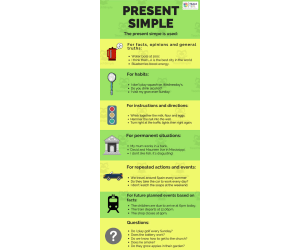
Present Simple | Beginner Lesson Plan
ELA, Grammar, Grade 2, 3, 4, 5, Teacher Tools, Lesson Plans
Present Simple ESL and EFL lesson plan for A1 beginner English students.. This TEFL resource is ready to use and includes a number of materials, such as flashcards, activities, conversation topics, and writing drills. Created to raise language proficiency, the lesson plan dives into the basic use of the present tense in a variety of situations. Covering aspects from forming positive, negative, and interrogative sentences to understanding subject-verb agreement it equips ESL students with the knowledge and confidence to use the tense accurately in every day discussions. With the inclusion of activities, exercises, and real-life examples, this lesson plan strengthens language concepts and establishes a solid foundation in the basics of English grammar. This lesson plan include: Flash cards A warm-up activity Main usage exploration Construction details Rules, along with any exceptions Illustrative examples Two closed exercises One open exercise Revision exercise Writing exercises Chatterbox, a recurring feature in our course books encouraging conversation Activity , such as a game, quiz, puzzle, etc., to conclude the class The lesson plan is available in PDF with 30 ready to print pages and one digital access file. Answer key included. A part of it is on Google Apps. The answer key is also included for reference.
Author TEAM TEFL
Tags Present Simple, Grammar Exercise, Verb Tenses, Subjects, Habits
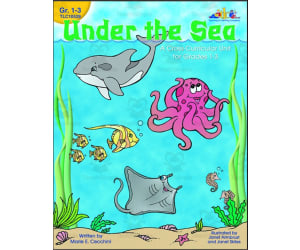
Under the Sea: A Cross-Curricular Unit for Grades 1-3
Science, Life Sciences, Animals, Grade 1, 2, 3, Teacher Tools, Lesson Plans
Starfish, sand, seashells, fish and more‚ students will dive right in as they learn more about the ocean and the inhabitants that live there. This cross-curriculum thematic resource has it all including bulletin board ideas, math activities, science experiments, riddles, worksheets, crafts, clip art and snack ideas.
Author Classroom Complete Press
Tags Under The Sea, Science Riddles, Ocean Sounds, Sea Animals Activity, Animal Unit, Under The Sea Lesson Plans Elementary, 3 By The Sea
Life Cycle & Plant Science Observation Journals
Science, Life Sciences, Nature & Plants, Earth Sciences, Earth and Environmental Sciences, Environmental Science, Geology, Research, Resources for Teachers, Classroom Management, Homeschool Curriculum, Grade 1, 2, 3, 4, 5, 6, Worksheets & Printables, Workbooks, Worksheets, Word Searches, Teacher Tools, Lesson Plans, Quizzes and Tests, Quizzes, Tests, Assessments
Turn your elementary science class into a dynamic botany lab with this complete and ready to use Plant Life Cycle and Science Observation Unit! This complete resource is specifically designed for students in the 2nd, 3rd, and 4th grades, and it provides everything you need to complete a challenging, experiential investigation of the plant kingdom, beyond traditional worksheets. Your students will be excited to move from being passive observers to being active scientists, as this entire unit is based on a constructionist learning model. By creating Plant Science Observation Journals, students will have the opportunity to measure, draw pictures, create hypotheses, and document their findings through each stage of the life cycle of the plant. The four major stages of development (germination, photosynthesis, pollination) will be fully addressed through hands-on experiences. THE 40-PAGE RESOURCE INCLUDES THE FOLLOWING ELEMENTS: PHASE 1: Teacher's Guide for Core Content & Theory - A deep-dive into the botanical theory and pedagogy behind the unit and includes interesting case studies, such as the Methuselah Palm (estimated to be 2000 years old), which will help teachers teach this unit confidently. PHASE 2: Student Workbook with 10 Activities - The student activities are organized sequentially to build upon previously learned materials. The following activities are included within the student workbook: Seed Anatomy and Germination Photosynthesis Factory Root Systems and Soil Science Transport Highway (Stems, Xylem, Phloem) Leaves and Transpiration Flower Anatomy Pollinators and Ecological Partnerships Seed Dispersal and Plant Adaptation and Survival Tactics Final Activity: The Botanist's Field Journal - Students will apply all they have learned about plants to a plant they will observe and describe using their Field Journal as a reference. Stage 3: Reference Material and Key Visuals Printable visual anchors – Clear diagrams with good contrast showing the life cycle of flowering plants, the process of photosynthesis and the anatomy of seeds. These would be great for display in the classroom or for student folders. 4-week teacher's guide to use the unit – This is a step by step overview of how to introduce this unit to your class and also includes Journaling Tips as well as Differentiation Strategies for English Language Learners and advanced students. Comprehensive Answer key – A complete answer to each of the activities included in the unit. This makes assessments simple and clear. This unit is suitable for public school teachers and parents teaching their children at home, as well as science curriculum developers who want a high-quality, exciting and standards-compliant (NGSS) science resource. KEYWORDS: Plant life cycle Plant science Botany Observation journal Photosynthesis Germination Pollination Seed dispersal STEM NGSS Elementary Science 2nd grade 3rd grade 4th grade Home school Science unit Printable worksheets Teacher guide Answer key. Why do teachers and parents love it?: This is not simply a series of worksheets but an entire 40-page curriculum unit with everything included. By using this curriculum unit, teachers and parents are able to save countless hours of research and preparation. The curriculum goes beyond basic memorization and gives students actual scientific skills that they will use their whole lives. Through the use of observation and measuring (i.e., the roots of the plant), making hypotheses, and journaling, students learn to think like scientists. The teacher guide includes specific strategies for helping both English language learners and advanced/gifted students, so the curriculum can be used in any classroom. The content is scientifically accurate and uses the proper terms (e.g., cotyledon, gravitropism), and the hands-on activities, real-world case studies, and clear diagrams will keep students engaged. Audience for the Classes: The classes are designed for students who are in Primary Grades 3-4. There are forty-two pages of instructional material in the PDF that detail content, vocabulary and an education guide for these grade levels. The worksheets are appropriate and the content will encourage student achievement and challenge their ability level. Students can also be successful completing the theoretical components at some level to improve their educational growth from their beginning point. The students who are in Grade 1 will be able to use this unit with more instruction from their teachers, also as a grade level review and will be able to compete with but at an acceptable level. The differentiation guide that is included in the PDF will enable the teacher to supports all the students to be successful. Copyright and Terms of Use: Copyright initiated by Syed Hammad Rizvi, meaning only the user can use this resource in a personal manner or in one classroom. No one may change, distribute, or sell to anyone (including on the Internet) any part of this resource. If you would like to share this resource with other educators, you can purchase additional licenses through Teachsimple. Thank you for abiding by these terms of use. This product is sincerely created by Syed Hammad Rizvi
Author Creative Book Store
Rating
Tags Science, STEM, Biology, Education, LifeScience, NatureStudy, PlantScience, Botany, PlantLifeCycle, LifeCycleOfAPlant

Number & Operations: Grouping Objects & Number Lines - Learn the Skill - MAC Software
Math, Number Lines, Common Core, Kindergarten, Preschool, Grade 1, 2, Teacher Tools, Lesson Plans
Number & Operations: Grouping Objects & Number Lines - Learn the Skill MAC Software is a routine-driven teaching tool created to support educational endeavors of teachers and homeschoolers. Directed at preschool, kindergarten, and first- and second-grade environments, this robust yet accessible resource explores foundational principles of math. In focusing specifically on number lines and grouping objects, as part of the broader study area of Number & Operations, it approaches real-world scenarios through problem-solving tasks. With a 'learn-the-skill' segment that connects clearly to skill-based tasks from regular life occurrences, it not only sharpens basic numeric skills but also aids in developing critical thinking abilities when steeling learners for practical applications of math. This software includes accessible math tools in an easy-to-use interface enabling students to interact with mathematical concepts effectively. It aids in fostering not just prowess, but also confidence with numbers. It's noteworthy that this bilingual resource- default voice-over being English accentuated by text along with Spanish as an additional language voice-over makes it ideal for multilingual classrooms. The learning aid follows recognized academic systems such as Common Core State Standards, STEM initiatives, and NCTM standards; assisting in creating crucial landmarks for numeric proficiency from early grade levels on. The software package comes as a single downloadable zip file compatible exclusively with MAC devices/systems enhancing user-friendliness exponentially. In terms of planning resources flexibility that caters well across instructing formats – be they collective lessons within classroom setups or private tutoring sessions at home or homework assignments requiring hands-on interactive study aids. There's ease-of-use fused into every facet thus making this specific teaching software instrumental when charting paths towards math fluency among young learners!
Author Classroom Complete Press
Tags Numbers, Number Lines, Operations, Digital Math, Math Skills
I WONDER - Are Sugars Carbohydrates | Animated Video Lesson
Biology, Life Sciences, Science, Human Body, STEM, Grade 2, 3, 4, 5, 6, 7, 8, Lesson Plans, Teacher Tools
Video Overview The human body is full of fascinating wonders to learn. This video is created to help the students recognize the anatomy and the job of the human body. I WONDER - Are Sugars Carbohydrates | Animated Video Lesson Every part and organ in our human body is vital so let's see how important they are. Have you ever imagined how we look like if we didn't have a skeleton? Did you know that because we have our amazing muscles we can stand! Do you know how many teeth do we have? Have you ever wondered about the food journey inside our body? Can you name all the glands in our body? Why do we have skin? Our nervous system is really good at sending signals. Can you tell us more about it? Are you really good at Mathematics, painting, or any other thing? You should really thank your brain about it! The famous five senses are really doing a great work? Can you explain how every sense works? I WONDER - Are Sugars Carbohydrates | Animated Video Lesson The video is perfect for encouraging the researching skills for the students, while learning more about our fantastic human body. I WONDER - Are Sugars Carbohydrates | Animated Video Lesson This friendly designed video is suitable for students at school, homeschooling, and as a group activity. Format Available in MP4 format.
Author Educational Voice
Tags Are Sugars Carbohydrates, Are Sugars Carbohydrates Video, Sugars, Sugar, Sugars Facts, Sugars Facts For Kids, Sugars Video, Sugars Video For Kids, Carbohydrates, Carbohydrates Facts

Curriculum Math Tools - Stopwatch Tool - FLASH-MAC
Math, Algebra, Grade 1, 2, 3, 4, 5, 6, 7, 8, Lesson Plans, Teacher Tools
Curriculum Math Tools - Stopwatch Tool - FLASH-MAC The Curriculum Math Tools - Stopwatch Tool for Mac (FLASH-MAC) is a teaching resource designed to help educators enhance the understanding of complex mathematical concepts amongst learners. This tool aligns with recognized educational standards like the National Council of Teachers of Mathematics (NCTM), Common Core, and STEM. This versatile software caters primarily to Grade 1 through Grade 8 and perfectly supplements subjects like Algebra. Whether you're a public school teacher or a homeschooling parent, this is an ideal solution for you. Easy Installation The software comes as a compact ZIP file compatible with Mac operating systems. It ensures convenience whether you're conducting classes in schools on institution computers or facilitating learning from home on your device. Focusing on Five Strands of Mathematics Number & Operations Algebra Geometry Measurement Data Analysis & Probability You can conveniently incorporate this stopwatch tool into exercises related to any or all these five strands making learning comprehensive yet engaging. Versatility that offers variety The stopwatch caters not only to whole group instruction but also facilitates small group activities and individual tasks such as homework assignments. It effectively eliminates potential barriers during exploration and comprehension while simultaneously improving proficiency among students. In essence, if high-quality math-based teaching resources are what you need – ready, accessible whether traditionally taught or remotely facilitated – then Curriculum Math Tools' Stopwatch Tool- FLASH MAC just might be your best bet! Your journey towards fun, engaging and effective teaching is just a ZIP file away!
Author Classroom Complete Press
Tags Math Tools, Math Assessment, Algebra, Stopwatch, Math Curriculum

Measurement: Measuring Time - PC Software
Math, Time, Kindergarten, Preschool, Grade 1, 2, Teacher Tools, Lesson Plans
Measurement: Measuring Time - PC Software A resourceful product aimed to make time concepts easier to understand and impart for preschool, kindergarten, Grade 1, and Grade 2 educators. Features: Pre- assessment tool: Helps teachers gauge students' basic understanding of the subject matter. Outcome-based lesson plans: Serve as strong teaching strategies that are concise yet thorough. Real-world word problems:Add practicality to lessons helping students connect theory with real-life scenarios. Timed drill activities:Increase student engagement by improving quick thinking and logical reasoning skills. Creative Learning Components: The Memory Match Game & Board Game - Enhance children's assessment competencies through fun learning techniques The Spinner Game - A creative/testing methodology for children's learning progression. Tailored Language Support : This software offers English voiceover and text standardly, but it also provides Spanish voiceover and text competently addressing bilingual educational needs. This thoughtful integration boosts its usability beyond specific demographics. Aids Teaching : We provide a comprehensive teacher guide for successful integration into lesson structures. Notably there are printable reinforcing materials available serving traditional learning methodologies fostering holistic teaching support for both educators & students alike. This intuitive software makes teaching aspects of Measurement notably simple with interactive tools complementing curriculum-driven techniques broadly suitable in varied class formats as well as homework assignments.This promotes adaptive learners rooted in today's digital age.
Author Classroom Complete Press
Tags Math Lesson Plan, Measuring Time, Time Lesson Plan, Digital Math, Digital Clock

Number & Operations: Fractions - Practice the Skill 1 - FLASH-MAC
Math, Fractions, Grade 1, 2, Teacher Tools, Lesson Plans
FLASH-MAC: A Comprehensive Fractions Teaching Resource FLASH-MAC is an essential resource for educators focusing on fractions in their teaching curriculum . This tool is perfect for students in grades 1 and 2, offering a deep understanding of the fractions component within Number and Operations. Timed Drills & Practical Applications The program shines with its timed drill activities, which provide students with practical applications of the concepts they learn. Students are encouraged to identify the fraction that corresponds to a shaded shape, enhancing their understanding of visual representation and numerical application - crucial components of mathematical reasoning. Flexible Learning Modalities A whole group discussion, Breakout sessions or small group activities, Independent work during class sessions, Homework assignments. Inclusive Language Options & Hands-On Learning Tools In line with promoting inclusivity, FLASH-MAC offers voice over options and text translation in both English and Spanish. Additionally, hands-on math tools are included for tactile learners who benefit from physical manipulation during their educational experience. Note:This resource aligns perfectly well with both STEM initiatives as well as being written to NCTM guidelines which assure adherence to quality educational standards. Homeschooling & Public School Application > This software serves as an exceptional additional source not just for public school teachers planning lessons on fractions under Number & Operations module but also for homeschoolers ensuring comprehensive education without any gaps left in mathematical literacy. Compatibility Important: This product comes bundled as a software file specifically designed for Mac users, ensuring digital accessibility without technological barriers.
Author Classroom Complete Press
Tags Software (Mac)
I WONDER - How Does Camouflage Help Animals | Animated Video Lesson
STEM, Animals, Life Sciences, Science, Biology, Grade 1, 2, 3, 4, 5, 6, 7, 8, Lesson Plans, Teacher Tools
Video Introduction Animal kingdoms are full of fascinating wonders to learn. This video is designed for the students to learn more about animals in different countries. I WONDER - How Does Camouflage Help Animals | Animated Video Lesson Do you like animals? what is your favorite one? Do you own a pet? If yes, tell us more about it, like what its name? And what do you like most about it? What are the animal kingdoms? Can you write down the characteristics of each animal class like mammals, birds, reptiles, amphibian, fish and mollusks. Do you know that some animals can sing, can you name any of them? What is the largest and the smallest mammal in the world? What is the largest and the smallest bird in the world? What is the largest and the smallest fish in the world? I WONDER - How Does Camouflage Help Animals | Animated Video Lesson The video is perfect for encouraging the researching skills for the students, while learning more about these fantastic animals. I WONDER - How Does Camouflage Help Animals | Animated Video Lesson This friendly designed video is suitable for students at school, homeschooling, and as a group activity. Format Available in MP4 format.
Author Educational Voice
Tags How Does Camouflage Help Animals, How Does Camouflage Help Animals Video, Animals Camouflage, Animals Camouflage Facts, Animals Camouflage Facts For Kids, Animals Camouflage Video, Animals Camouflage Video For Kids
High Frequency Sight Words: Boxed Words - FLASH-PC
ELA, Language Development, Vocabulary, Grade 1, 2, Teacher Tools, Lesson Plans
High Frequency Sight Words: Boxed Words - FLASH-PC The High Frequency Sight Words: Boxed Words - FLASH-PC is a learning resource designed to equip educators with the necessary tools for teaching Dolch Sight Words. It aims at providing engaging and rewarding activities for students in Grades 1 and 2. This resource deeply integrates curriculum-based concepts; featuring an array of teaching aids aimed at mastering high-frequency sight words. The core feature being the Boxed Words. These activities promote active student involvement, simplifying the task of rooting language arts basics into young learners. To ensure better understanding, versatile printables are also provided for reinforcement through repetitive practice. The learning needs of visual learners are catered to with Dolch sight word flash cards—perfect for quick review sessions or fun learning snapshots throughout the day. Packed as well within this rich resource trove are graphic organizers—excellent tools promoting systematic exploration of vocabulary growth while honing logical thinking skills. An interactive feature includes ready-made digital exercises designed to invoke curiosity and maintain student engagement—a perfect consideration for center rotations or small group assignments. With its software (PC) format, it is an efficient take-home material allowing seamless integration into independent learning exercises! In a nutshell, the High Frequency Sight Words: Boxed Words-FLASH PC serves as not just another lesson plan but an experiential toolkit packed with diverse approaches celebrating multiple learning styles amongst Grade 1 & 2 pupils—with a keen focus on enhancing their Language Arts proficiency particularly around Vocabulary subarea. Note: Homeschoolers would find this comprehensive resource extremely beneficial too, as it's adaptable enough to allow personalization according to each learner's unique needs—guaranteeing daily individualized learning experiences for every child.
Author Classroom Complete Press
Tags Software (PC)