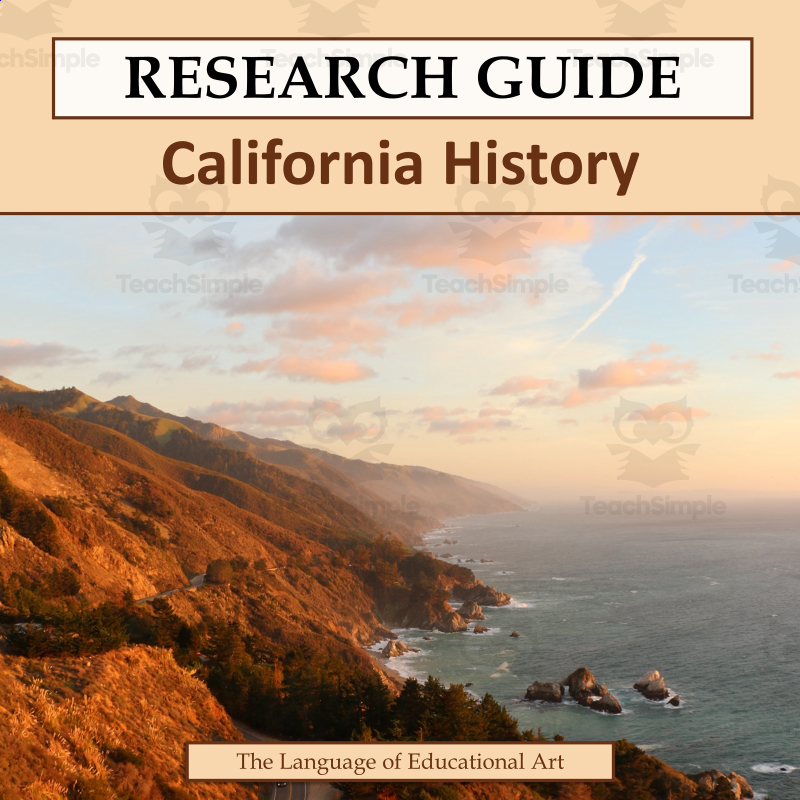
California History Research Guide
Scaffolded research-essay guide walking middle/high school students through researching and writing a 5-paragraph MLA-style essay on an important figure in California history, with rubric and peer-review support.
Classroom resources
Browse by lesson focus
Choose the topic or kind of practice you need.
Scaffolded research-essay guide walking middle/high school students through researching and writing a 5-paragraph MLA-style essay on an important figure in California history, with rubric and peer-review support.
Begin with general questions about California missions, then investigate one selected mission through guided prompts covering its early history and founding, the materials used to build it, the duties of Junipero Serra and the missionaries, everyday mission life, agriculture and industry, the roles and treatment of Native Americans, and how the site compares to how it looks today. Four vocabulary pages plus a blank vocabulary template ask students to define and illustrate mission-specific terms such as mission, convert, missionaries, territory, ranches, communities, agriculture, and adobe. Illustration and collage pages let students draw or assemble images of their chosen mission, and the packet closes with a resources/bibliography section, an editing checklist, and a 100-point rubric.

A speech-language/literacy book companion for 'Can I Be Your Dog?' providing teacher-led shared-reading supports and student worksheets built around the theme of pets, targeting letter identification, vocabulary (core words), sentence structure, and comprehension.
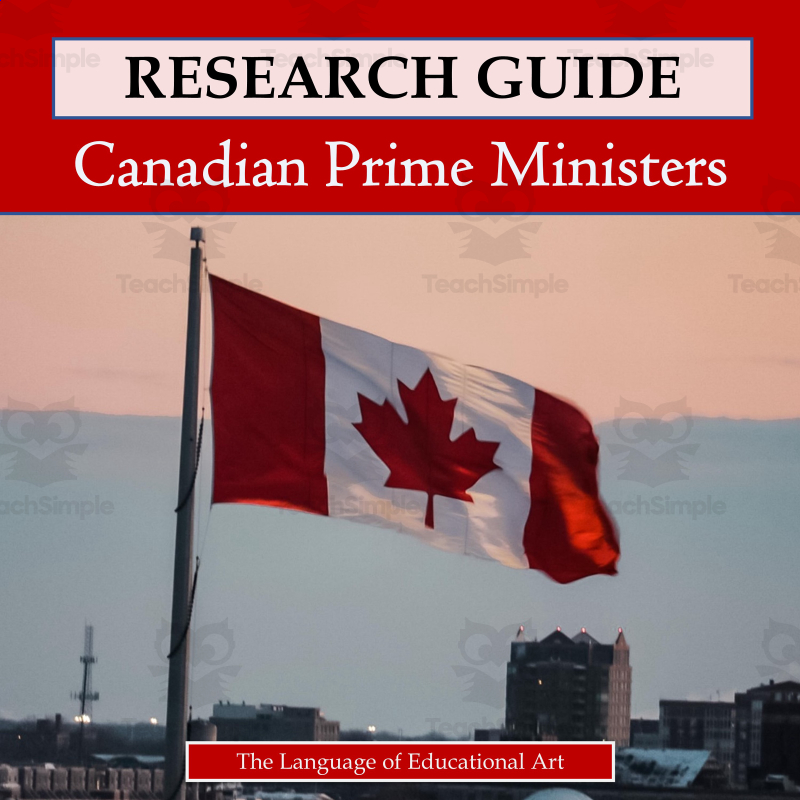
The Canadian Prime Ministers Essay Research Guide enables students to conduct research on a significant Canadian Prime Minister and write an informative essay.
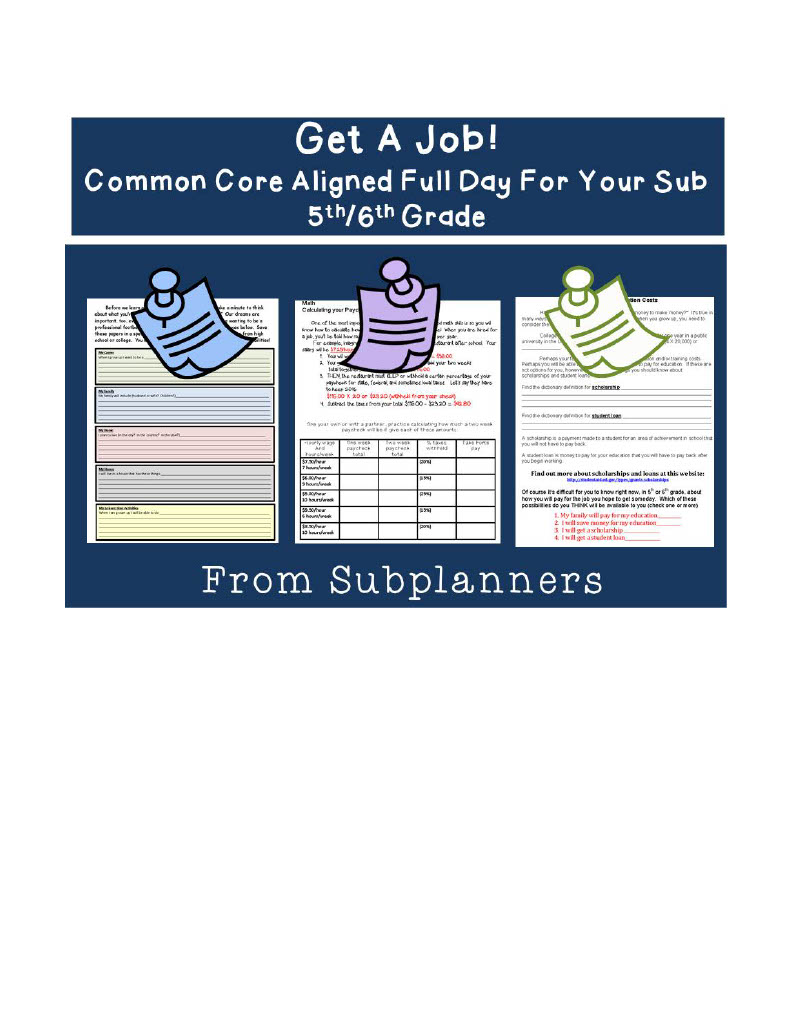
A full-day substitute-teacher lesson-plan packet on career exploration for grades 5-6, including morning/afternoon group activities, independent reading response, and career-research writing.
Unlock Your Students' Potential Using The Ultimate Career Exploration And Resume Builder Unit Are you finding it difficult to have your students honour their value by turning their life experiences into an exciting and valuable resume to…
Second day of the week-long community-workers unit: students continue researching their chosen career using a new source and continue the math/reading/writing routine.
Third day of the unit: students identify a real community member in their chosen career, begin drafting a letter requesting a real math problem from that person, and practice using a peer's job-related question in a class game.
Fourth day of the unit: students work independently to finalize their letter to a real community worker (including a student-created math problem and solution) ahead of a Friday sharing/presentation.
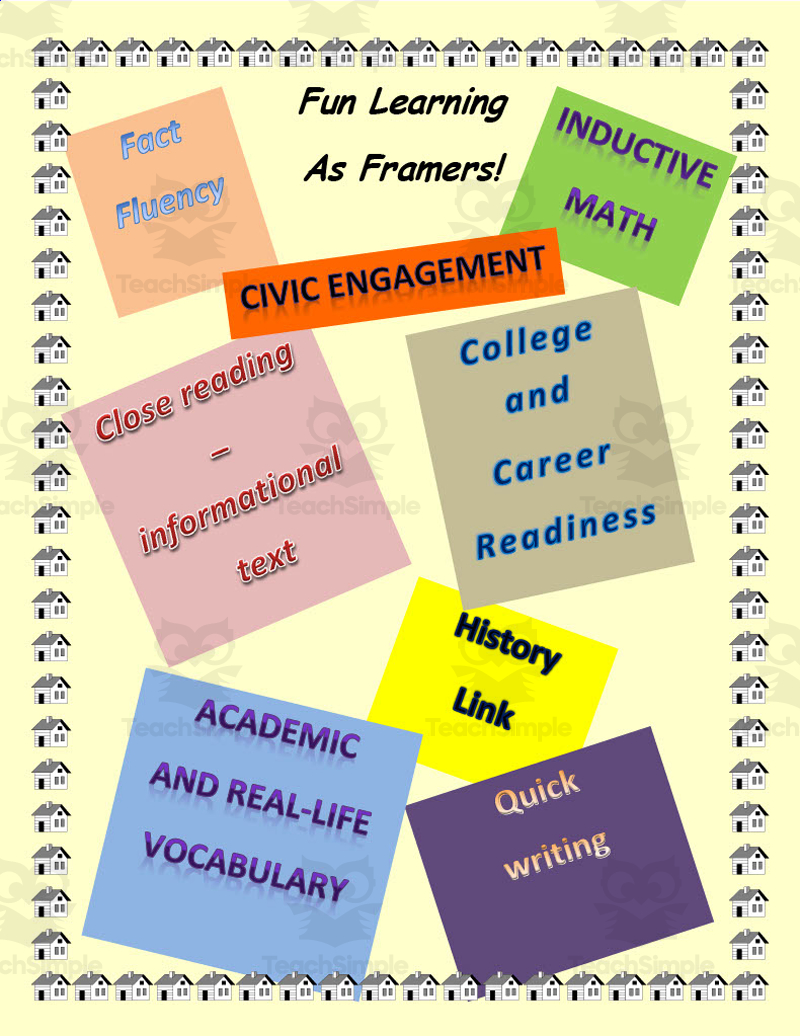
Combined, week-long version of the community-workers unit: ties career exploration to inductive multiplication/division fact fluency and word problems, close reading of Chippewa/Ojibwe tribal history, and daily writing, culminating in a 'Future Me' poster and letters to real community workers.
Combined, week-long version of the framing-workers unit: pairs a 'Self-Employed Framer' real-world measurement/word-problem scenario with Native American (Ottawa/Chippewa) building history, inductive multiplication/division fact fluency (progressing across the week, e.g. x6 to x7 per the intro), and a culminating art/writing project.
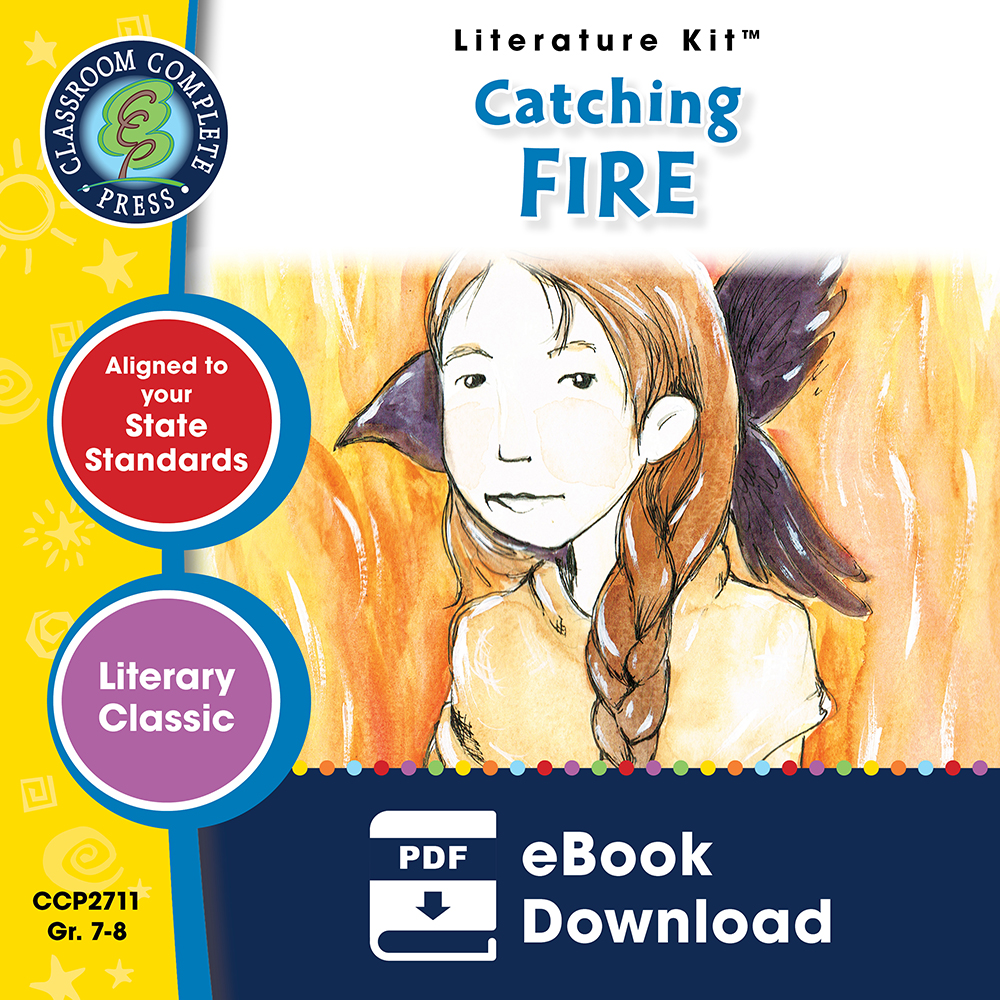
A literature kit for teaching Suzanne Collins' novel Catching Fire to grades 7-8, built around Bloom's Taxonomy critical-thinking skill levels, with chapter questions, vocabulary, and writing tasks.
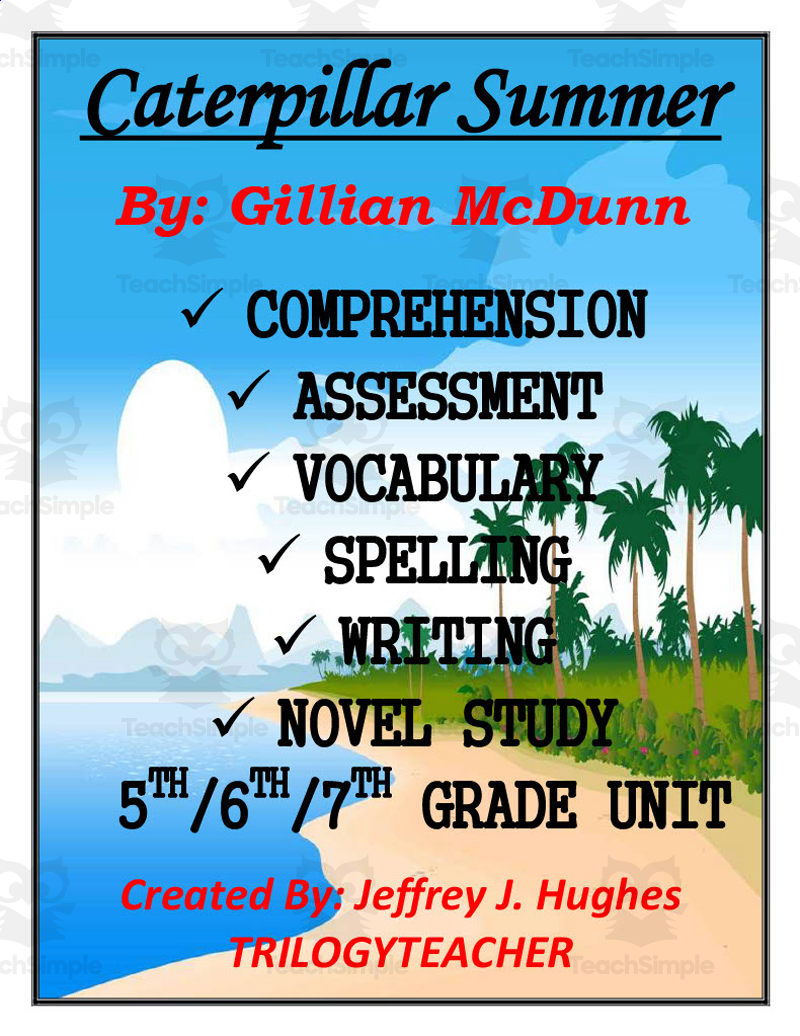
A comprehensive novel study unit for Caterpillar Summer by Gillian McDunn, covering comprehension, vocabulary, spelling, figurative language, and writing across 20 chapter-based lessons for grades 5-7.
A year-long series of daily micro-lessons ("Celebrate Everyday") giving students a short warm-up/wrap-up activity tied to a notable day or observance in February.
The Celebrate Everyday January: A Micro-Learning Deck | Digital Mini Lessons resource is a 100-slide download that exposes your students to daily lessons that include writing prompts for each day in January.
A year-long series of daily micro-lessons ("Celebrate Everyday") giving students a short warm-up/wrap-up activity tied to a notable day or observance in July.
The Celebrate Everyday May: A Micro-Learning Deck | Digital Mini Lessons resource is a 98-slide download that exposes your students to daily lessons that include writing prompts for each day in May.
A year-long series of daily micro-lessons ("Celebrate Everyday") giving students a short warm-up/wrap-up activity tied to a notable day or observance in November.
A year-long series of daily micro-lessons ("Celebrate Everyday") giving students a short warm-up/wrap-up activity tied to a notable day or observance in October.
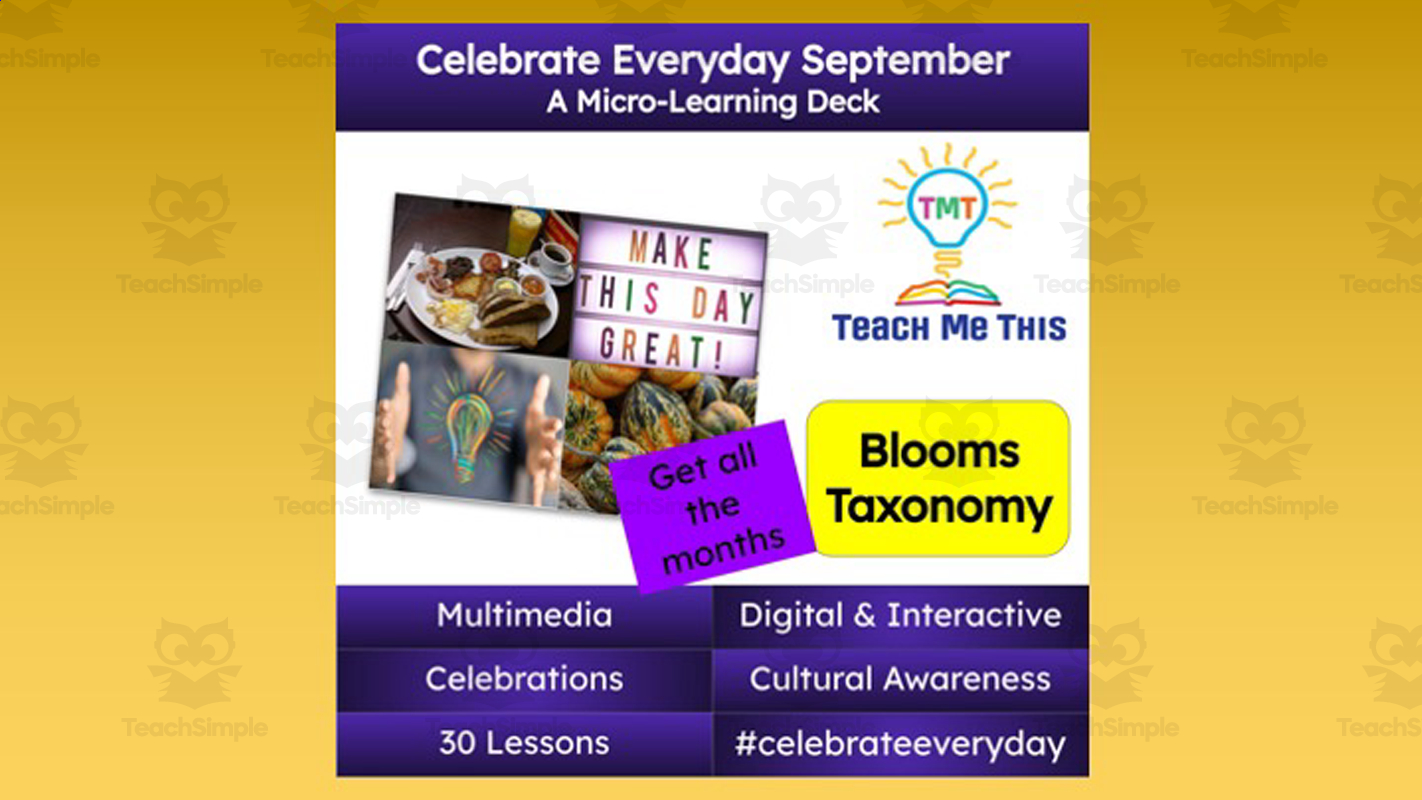
A year-long series of daily micro-lessons ("Celebrate Everyday") giving students a short warm-up/wrap-up activity tied to a notable day or observance in September.
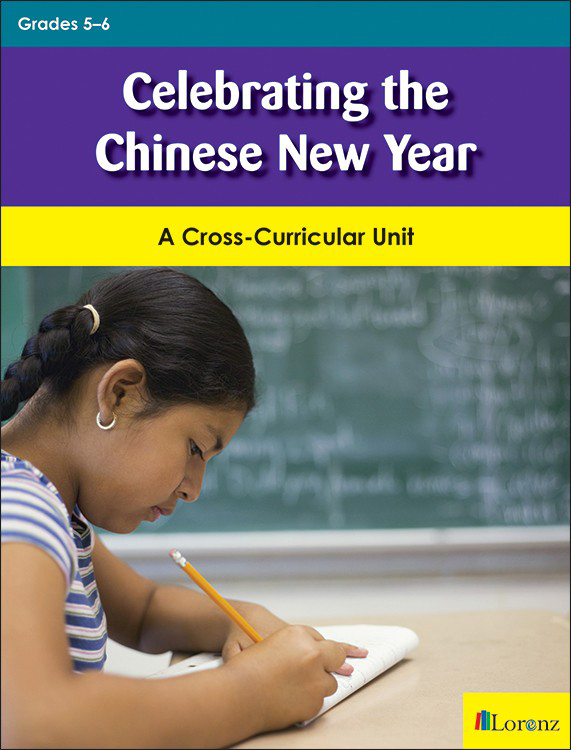
Celebrating the Chinese New Year: A Cross-Curricular Unit An enriching and comprehensive educational resource tailored for grade 5 and 6 students, offering a vibrant introduction to Chinese New Year customs and festivities in unique…
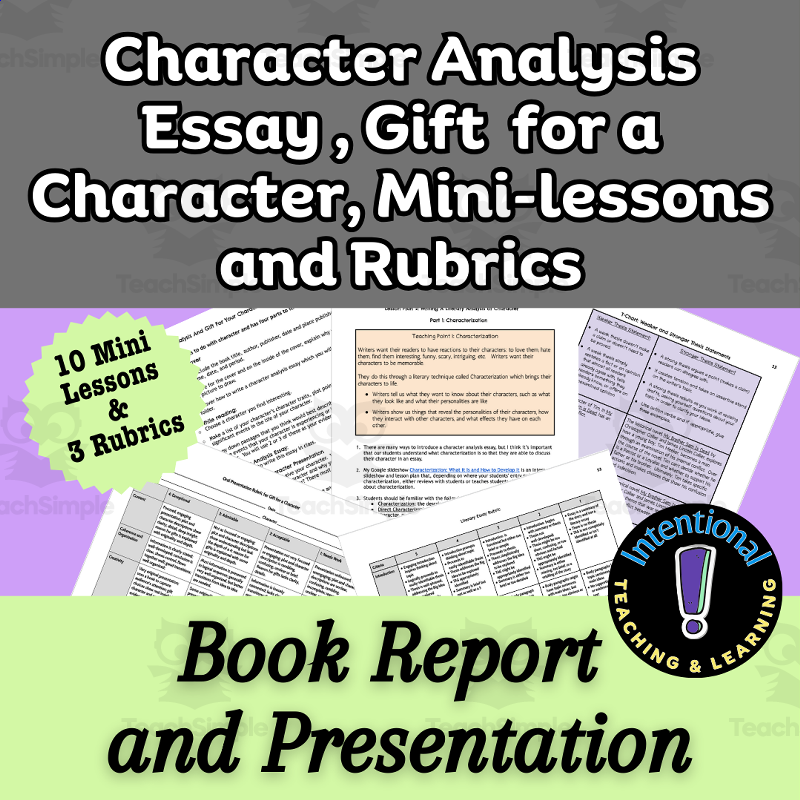
Teach middle/high school students to write a literary character analysis essay and design an original oral presentation about a character from a novel they read.
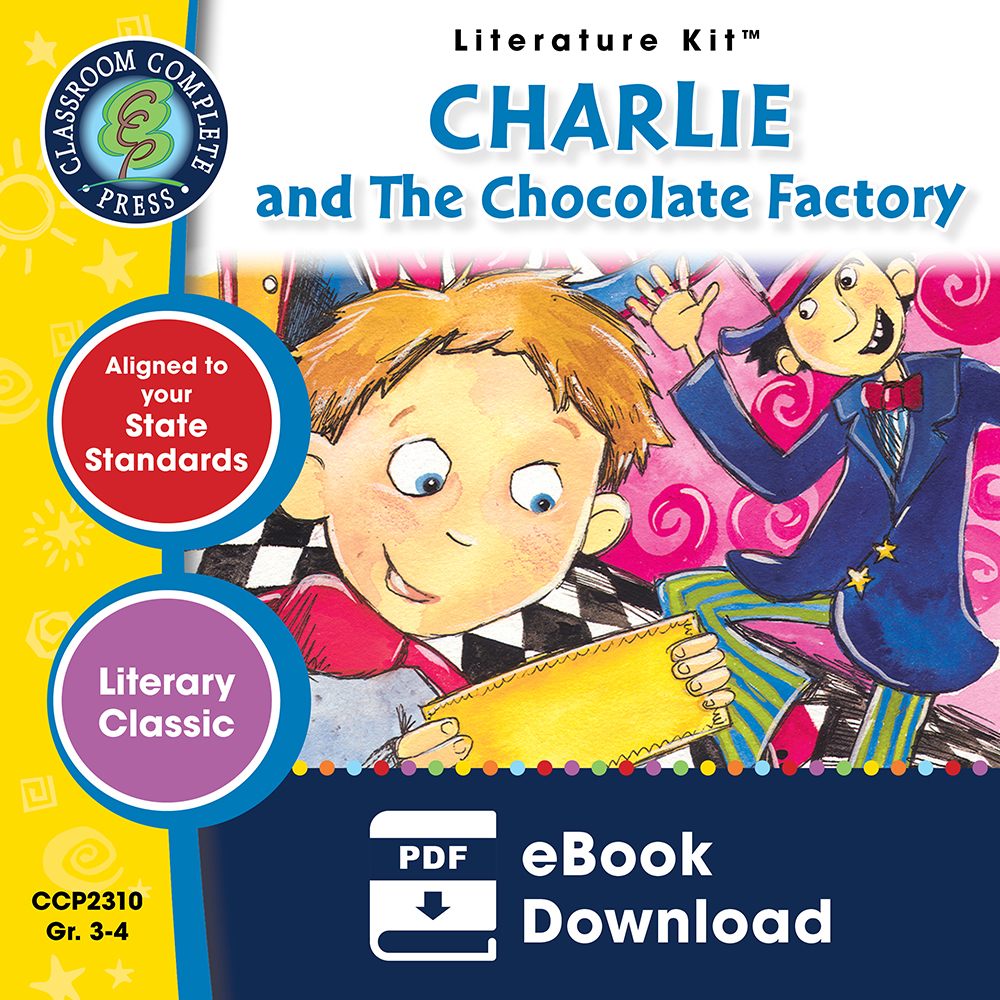
Provide a comprehensive grades 3-4 literature kit for teaching Roald Dahl's novel 'Charlie and the Chocolate Factory', covering chapter comprehension, vocabulary, and critical thinking skills across Bloom's Taxonomy levels.
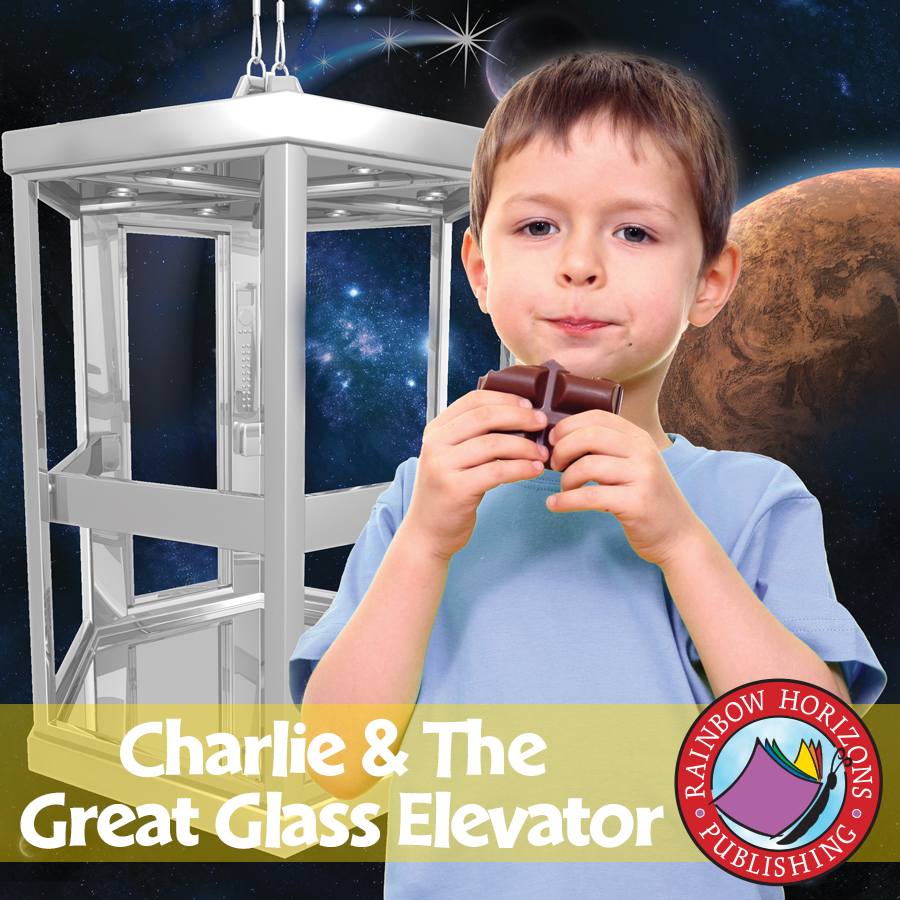
Provide a structured grades 4-7 novel study for Roald Dahl's 'Charlie and the Great Glass Elevator' (sequel to 'Charlie and the Chocolate Factory'), integrating reading comprehension, vocabulary, spelling, grammar, and writing.