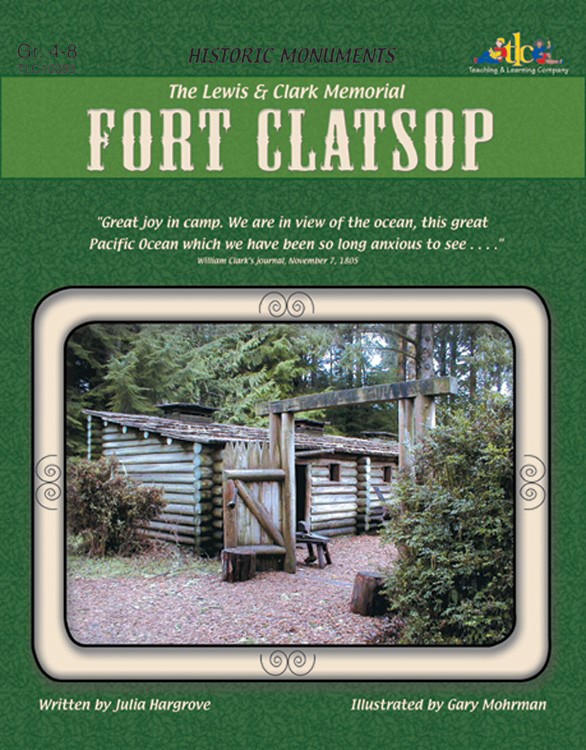
Lewis & Clark Memorial: Fort Clatsop: Historic Monuments Series
Lewis & Clark Memorial: Fort Clatsop: Historic Monuments Series This comprehensive resource is ideally suited for Grade 4 to Grade 8 History classes with a focus on US history.




6,023 resources
Explore sub-categories
18 sub-categories · 6,023 resources
Lewis & Clark Memorial: Fort Clatsop: Historic Monuments Series This comprehensive resource is ideally suited for Grade 4 to Grade 8 History classes with a focus on US history.
Interactive micro-learning deck teaching about the Lewis and Clark Expedition (Corps of Discovery) for reading comprehension.
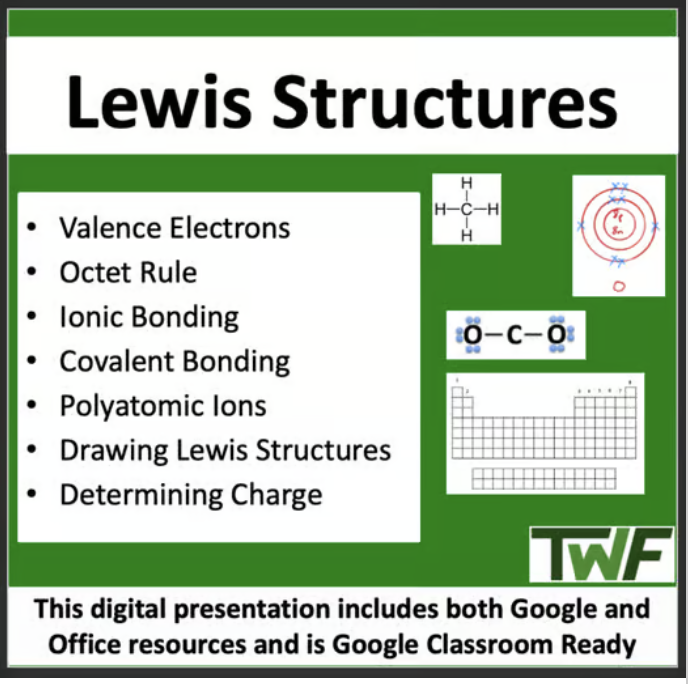
Senior chemistry lesson teaching how to draw Lewis structures: valence electrons, the octet rule, ionic and covalent bonding, polyatomic ions, and determining charge.

A scaffolded research-essay resource guiding high school students through selecting an LGBTQ historical figure ('trailblazer'), researching their biography and legacy, and writing a 5-paragraph MLA-formatted research essay.
Substitute/emergency lesson plan using a narrative reading passage about lemurs to teach reading comprehension plus cross-curricular math, geography, and vocabulary content.

In-depth teacher background/theory guide on plant biology (seed anatomy, germination, root systems, photosynthesis) paired with embedded fill-in-the-blank student journal prompts and classroom experiment suggestions, intended to support a plant life-cycle observation unit.
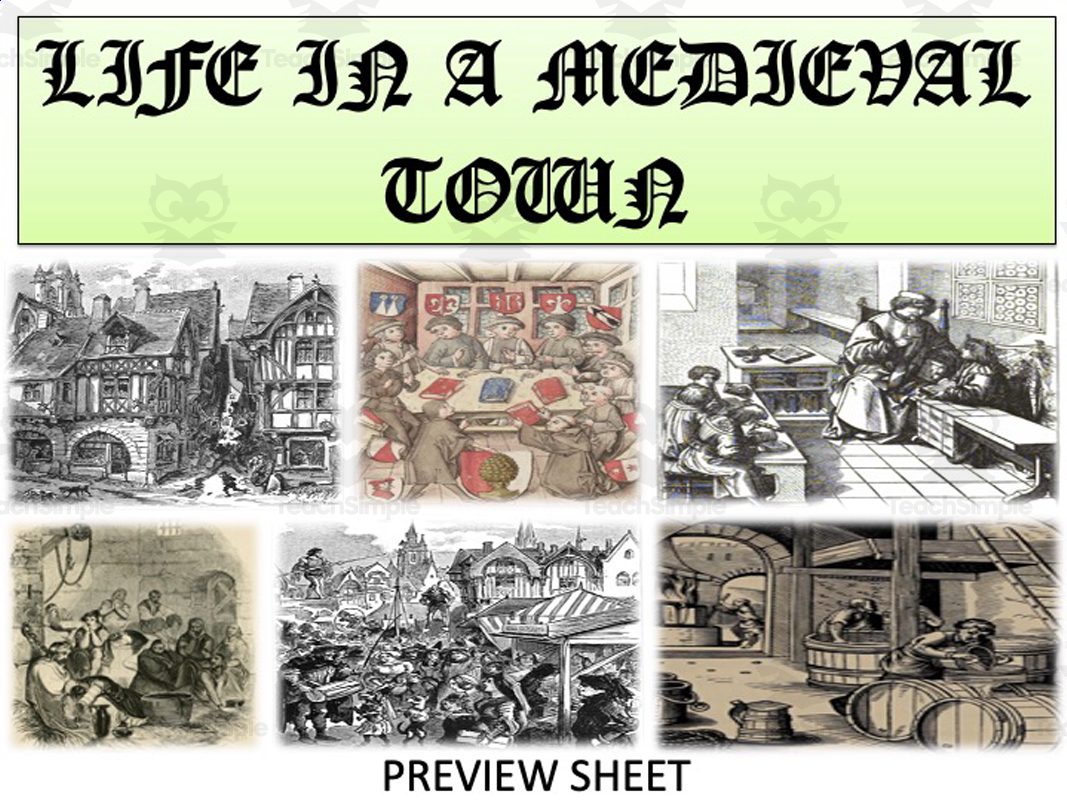
Teach middle/high school students about daily life in medieval European towns, including their growth, buildings, food, law, guilds, government, entertainment, children, and dangers.
A 42-page reflective journal/workbook for adults (adaptable for high-school/college age) that provides structured lessons and writing prompts for building emotional intelligence, self-awareness, and high-performance personal habits.
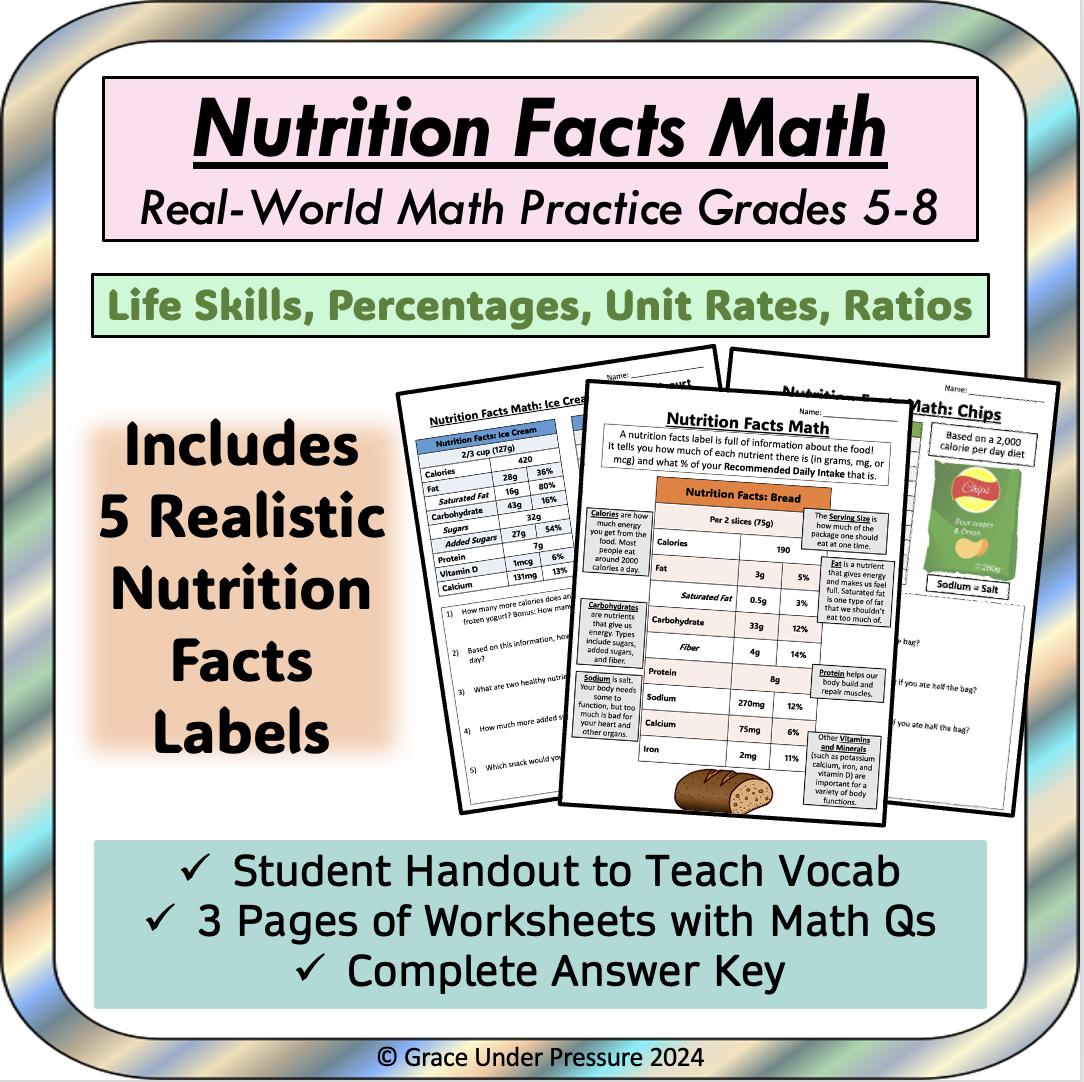
Teach students to read a nutrition facts label and apply percentage, ratio, and unit-rate math skills to real-world food choices.

A personal-finance lesson that teaches the concept of 'lifestyle creep' (standard of living rising with income) through a comparative story of two earners, then has students analyze and calculate related one-time and recurring expenses.
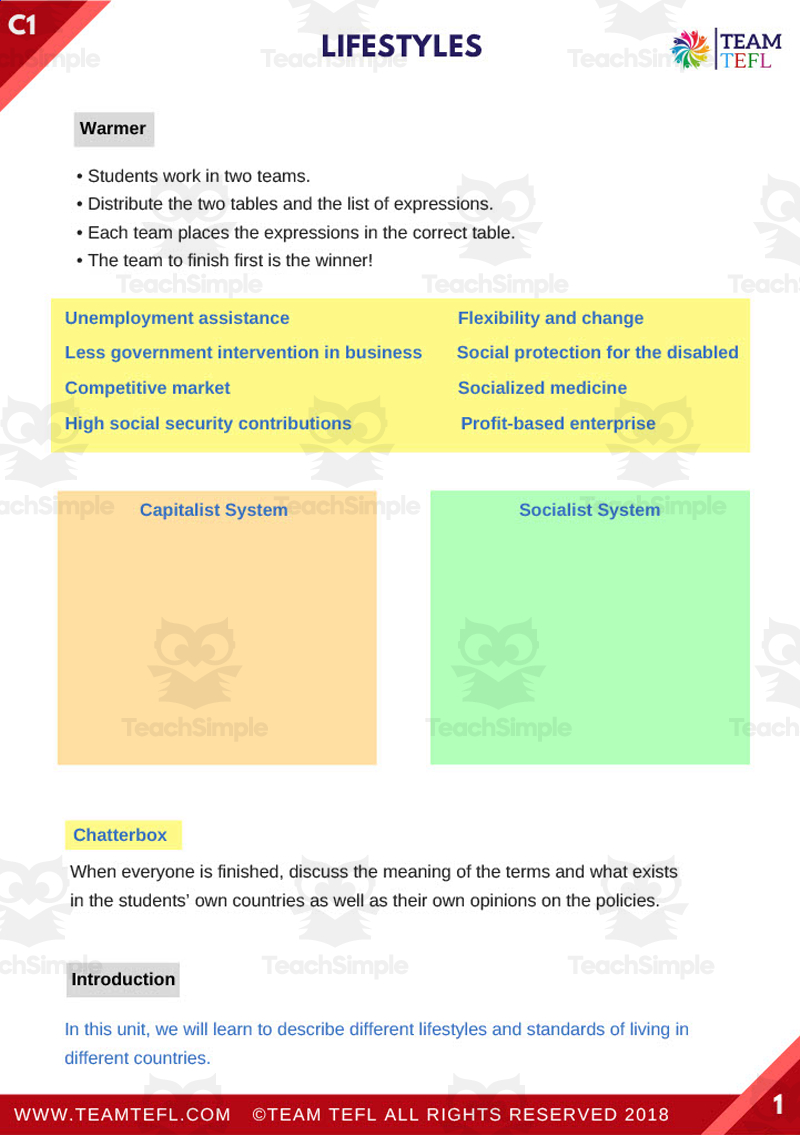
Teach advanced (C1-level) ESL students vocabulary, reading, listening, and writing skills around the topic of lifestyles (e.g. urban, rural, sustainable, minimalist, nomadic, healthy, sedentary, self-sufficient, luxury) and related socio-economic/political systems.

Teach upper-intermediate (B2-level) ESL students vocabulary, grammar, reading, listening, and writing skills around the topic of lifestyles (e.g. healthy, minimalist, sustainable, digital nomad, sedentary, luxury, urban).
A two-volume elementary science resource teaching that light is a form of energy, covering natural vs. artificial light sources and light's characteristics (reflection, refraction, absorption, transparent/translucent/opaque materials), reinforced with comprehension questions, drama-style 'sentences to act', research, and a visual dictionary.
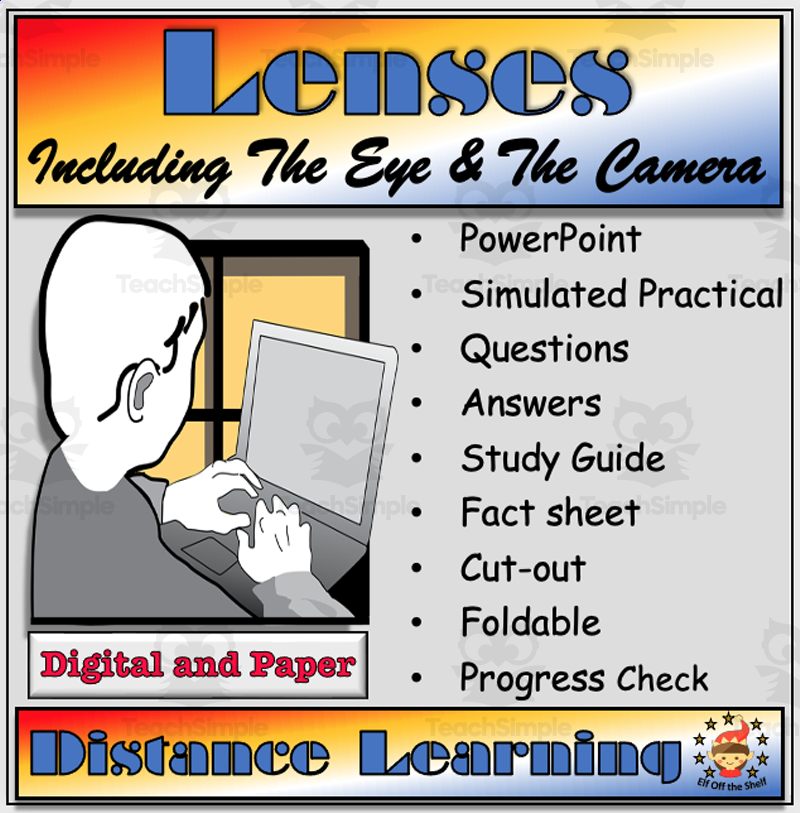
A multi-part distance-learning/homeschool pack teaching middle-school students about lenses, refraction, how the human eye sees, and how pinhole and modern cameras work, delivered via an animated PowerPoint lesson plus supporting printable worksheets, fact sheets, a crossword, and cut-outs.
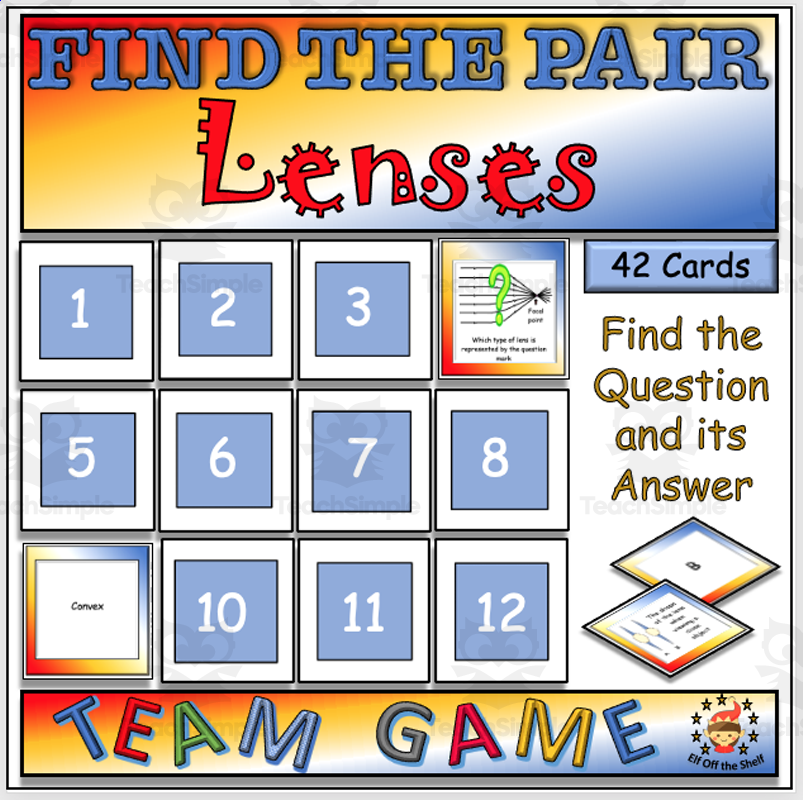
The Light - Lenses, The Eye, the Pinhole Camera and the Camera Find the Pair Game for Middle School is an educational resource that combines learning with interactive gaming.
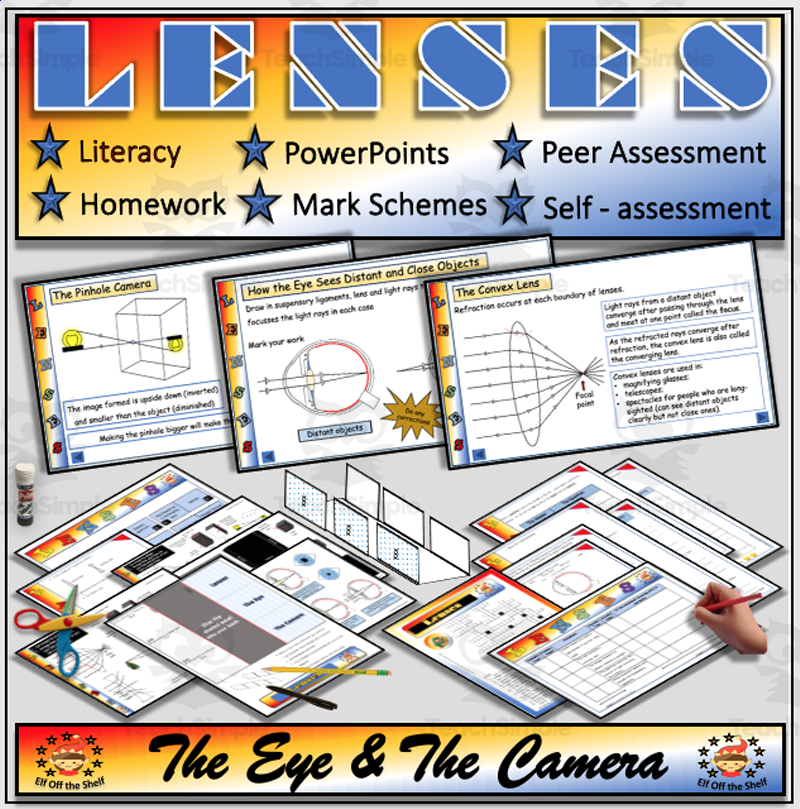
The Light - Lenses, The Eye, The Pinhole Camera and The Camera Fully Resourced Lesson for Middle School This comprehensive tool is crafted specifically to help educators in delivering a well-rounded experience on optics to middle school…
Teaches how light reflects off plane mirrors (transparent/translucent/opaque materials, luminous/non-luminous objects, angle of incidence equals angle of reflection, periscopes) as a self-directed distance-learning physics pack.
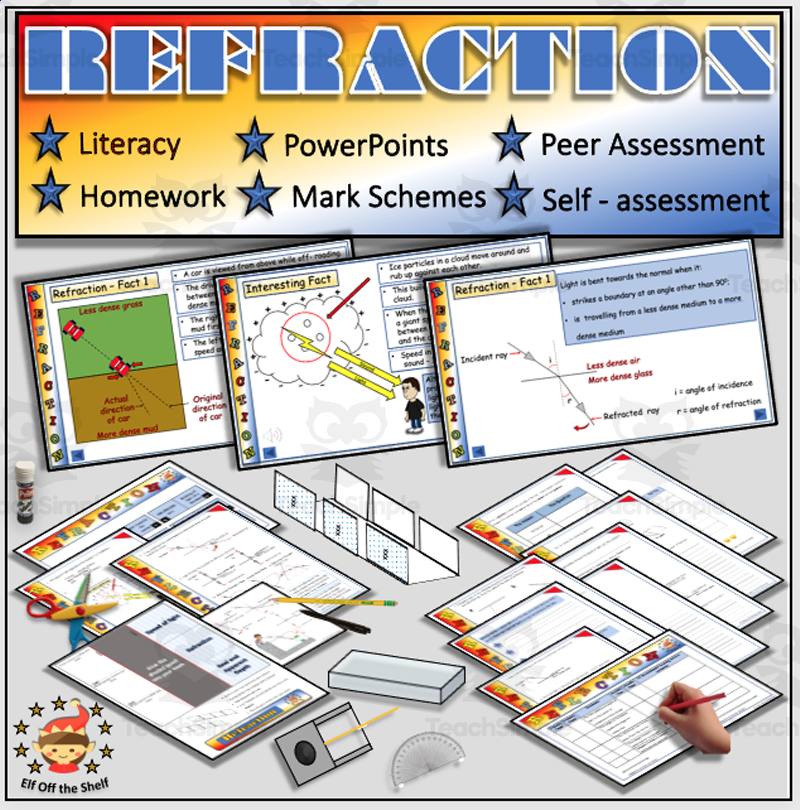
<h3>The Light- Refraction Explained - Fully Resourced Lesson for Middle School</h3> This comprehensive teaching resource focuses on the intriguing phenomenon of light refraction, tailored to learners from grades 5 through 9.
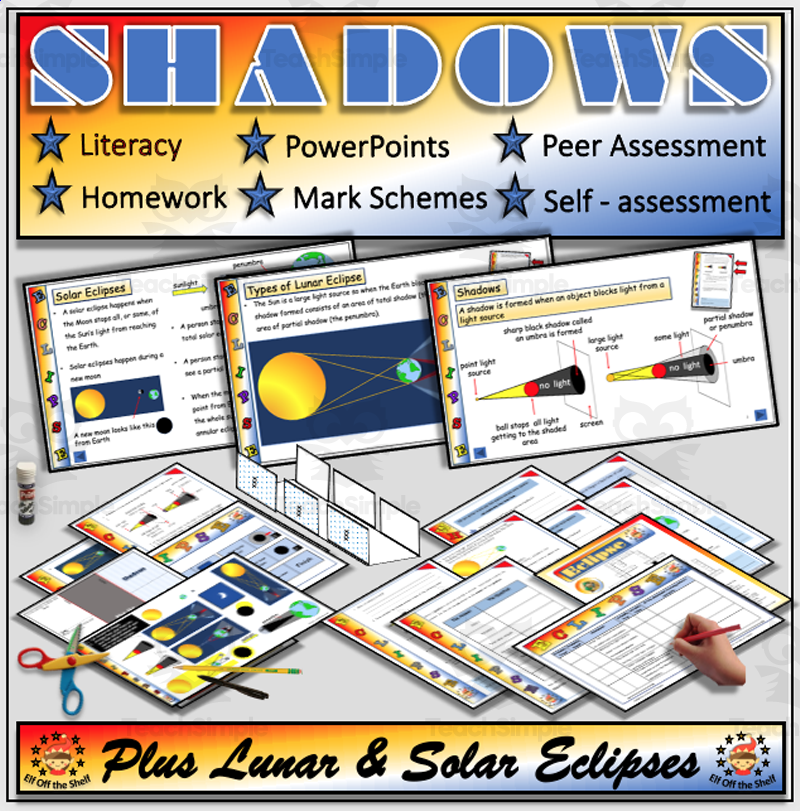
A fully resourced middle-school lesson bundle teaching shadows and lunar/solar eclipses, combining a main presentation with a large set of printable activities.
Teaches how shadows form (umbra/penumbra) and how lunar and solar eclipses (total, partial, penumbral, annular) occur, as a self-directed distance-learning middle-school physics pack.
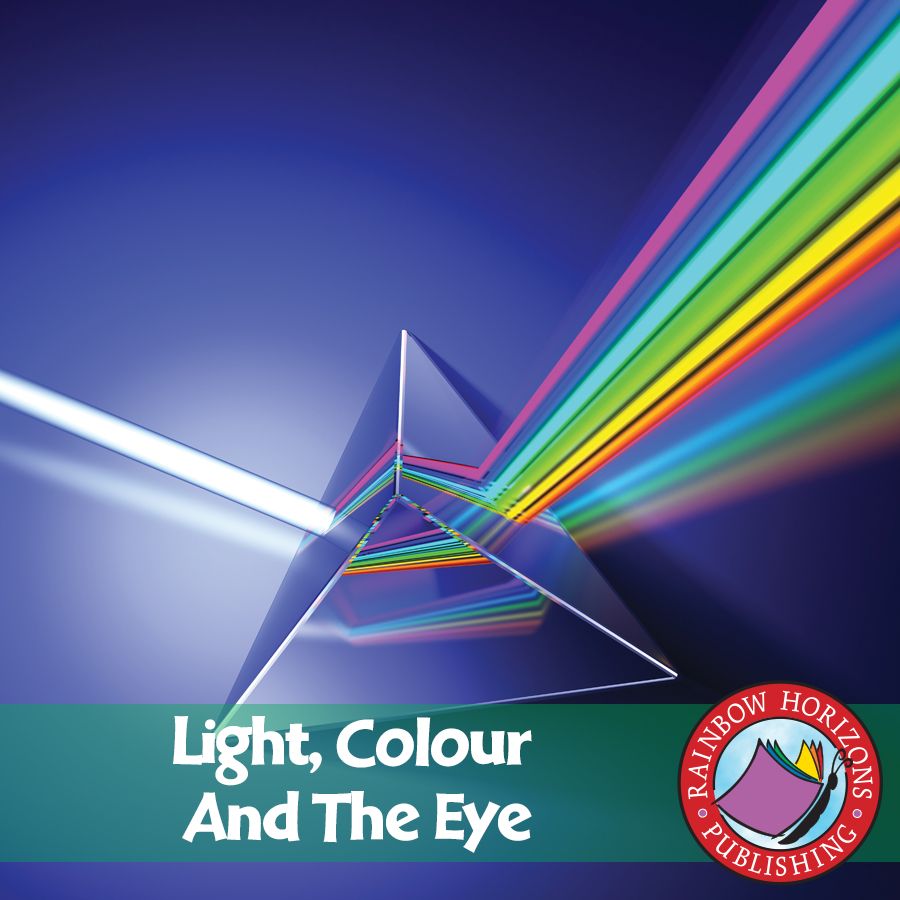
A full two-part science teaching unit (Light and Colour; The Human Eye) for grades 4-6 that combines overhead notes with hands-on activities covering luminous/illuminated objects, transparent/translucent/opaque materials, the light spectrum, reflection, refraction, colour/pigments, eye anatomy, and optical illusions.

Theater-themed planning ideas range from preschool crafts and pretend play to more advanced youth-theater guidance. The collection includes scenery and puppet ideas, a mixed-up fairy-tale script, vocabulary lists, poems, and directing notes. Select activities for your group’s age and experience; the full collection extends beyond preschool-level work.
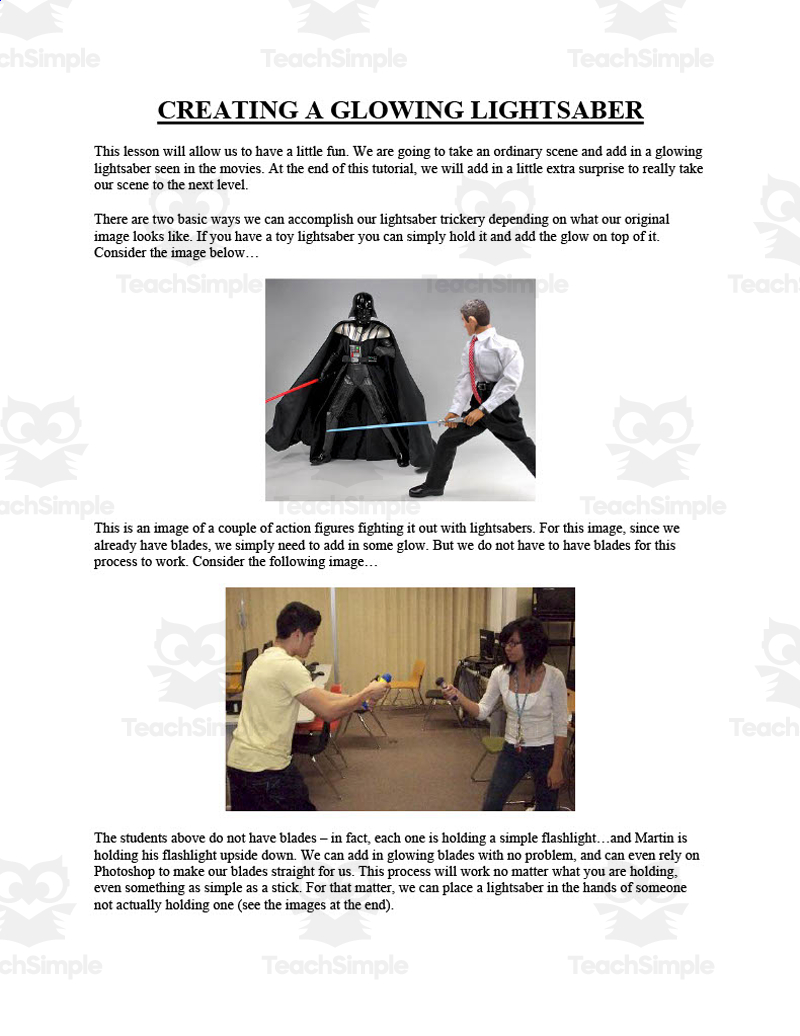
Students will work with digital tools in the Lightsaber Photoshop Activity . Students will take an ordinary scene and add in a glowing lightsaber. Step by step directions are included.
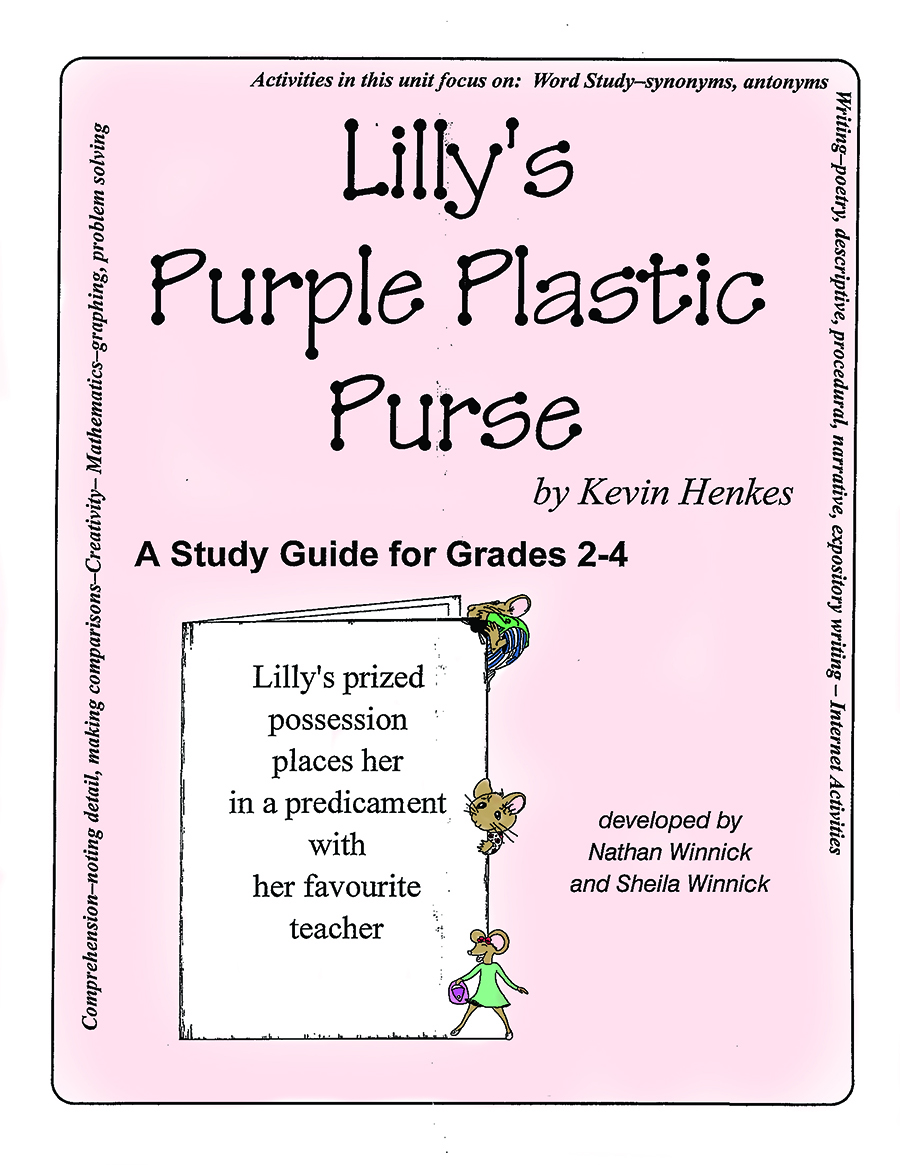
Lilly's prized possession places her in a predicament with her favourite teacher. Activities in this unit focus on: word study - synonyms and antonyms; writing - poetry, descriptive, procedural, narrative, expository writing, and internet…