W.5.6 Fifth Grade Common Core Lesson
This lesson can help your students produce and publish writing using technology, including the Internet. It can also help them interact and collaborate with others.
Classroom resources
Browse by lesson focus
Choose the topic or kind of practice you need.
This lesson can help your students produce and publish writing using technology, including the Internet. It can also help them interact and collaborate with others.
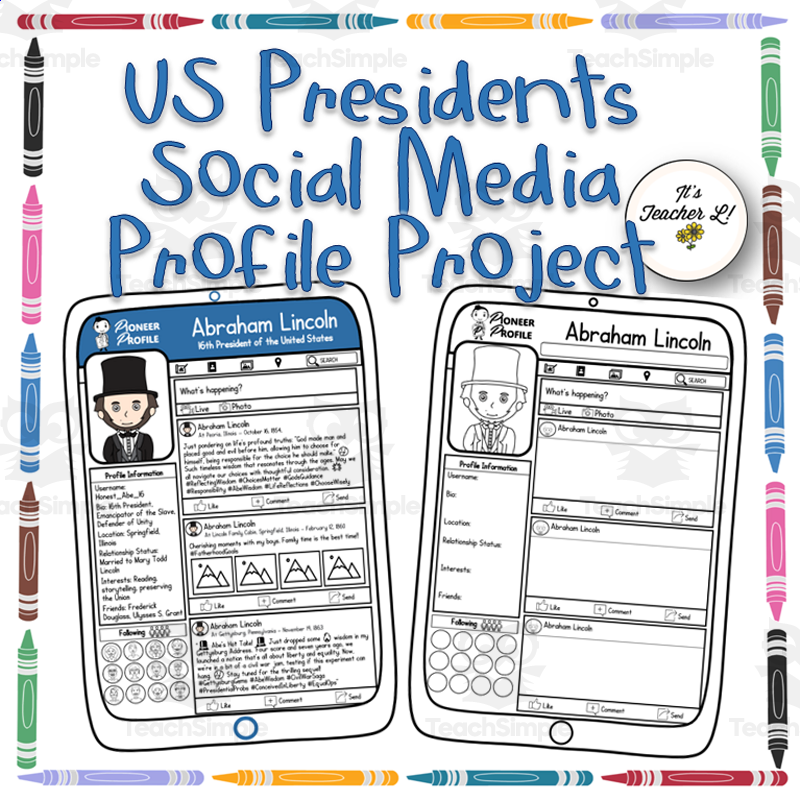
Have students research a chosen U.S. president and creatively synthesize that research into a fictional social media profile, practicing research, writing, and presentation skills.
A descriptive-writing project for older students: teaches historical background on 19th/20th-century patent 'health tonics' and elixirs, then has students design and describe their own fictional tonic advertisement using descriptive writing.
Use an animated short story about pigeons as a stimulus for reading-comprehension and writing skills practice.
Teach students to incorporate vivid setting descriptions, character development, and dialogue into creative/narrative writing, using picture-based writing prompts.
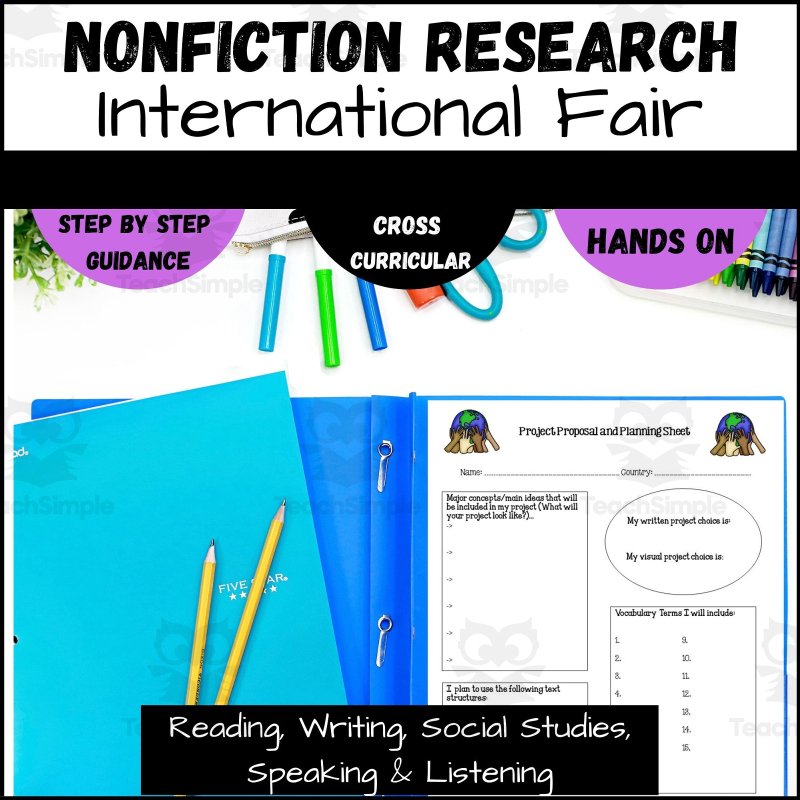
A multi-week nonfiction research project in which students research a country other than the United States and build a booth exhibit for a class-hosted 'International Festival,' assessed across reading, writing, social studies, and speaking/listening.
A creative-writing and art activity where students design their own original superhero, plan a narrative through structured graphic organizers, and present the finished story as a comic strip.
Short activity introducing students to a variety of digital tools for producing and publishing writing.
Teach the five phases of informative/expository writing (research and brainstorming, main ideas and support, introduction and conclusion, draft/edit/revise, final draft) using a Habitats-themed set of activities.
Teach the five phases of informative/expository writing (research and brainstorming, main ideas and support, introduction and conclusion, draft/edit/revise, final draft) using a Back-to-School-themed set of activities.
Teach the five phases of informative/expository writing (research and brainstorming, main ideas and support, introduction and conclusion, draft/edit/revise, final draft) using a Skeletal System-themed set of activities.
Teach the five phases of informative/expository writing (research and brainstorming, main ideas and support, introduction and conclusion, draft/edit/revise, final draft) using a Natural Disaster-themed set of activities.
Teach the five phases of informative/expository writing (research and brainstorming, main ideas and support, introduction and conclusion, draft/edit/revise, final draft) using a Arctic-themed set of activities.
Teach the five phases of informative/expository writing (research and brainstorming, main ideas and support, introduction and conclusion, draft/edit/revise, final draft) using a Pirate-themed set of activities.
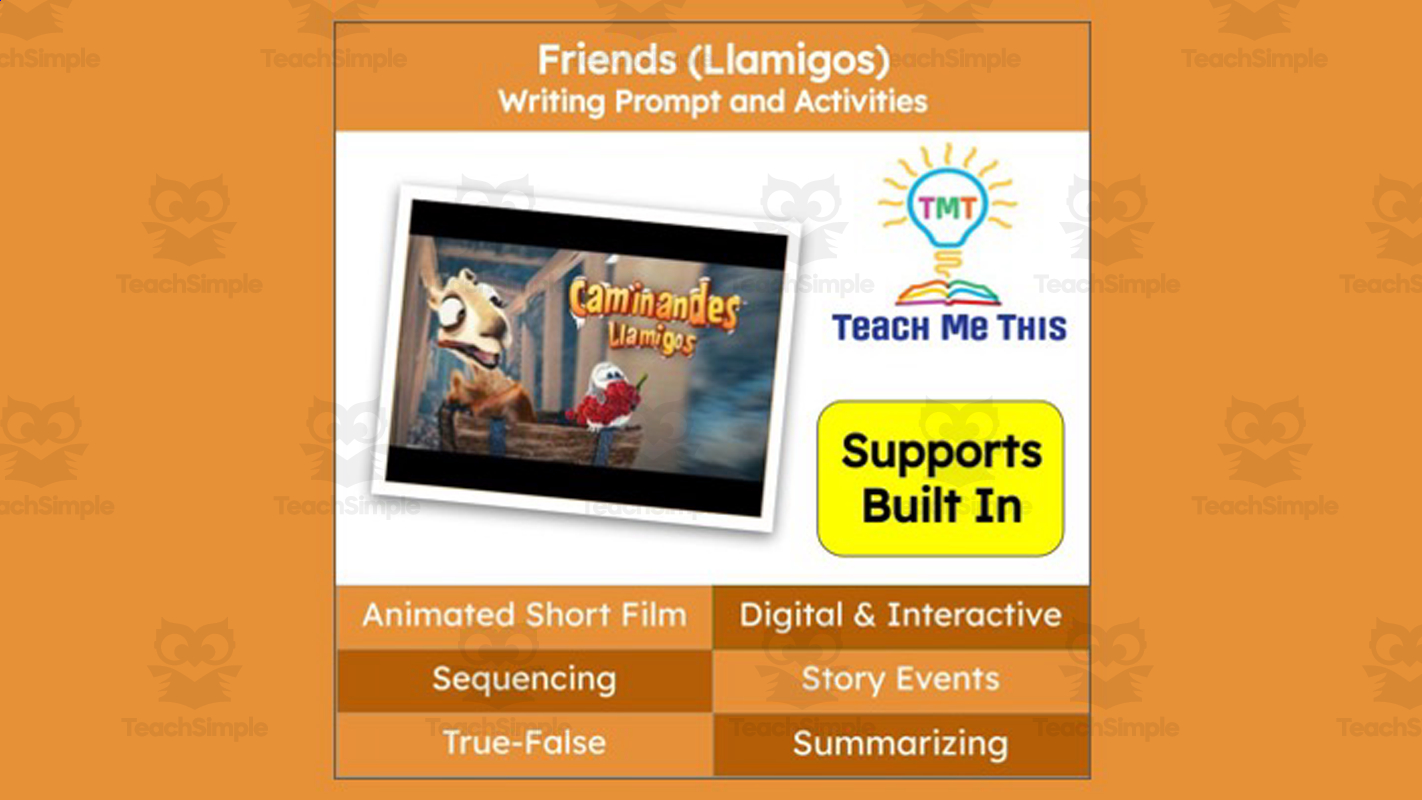
Develop narrative writing and reading-comprehension skills using a short animated film about two llama friends as a shared text.
Wraps up the 'An Alien Wrote my Expository Essay' course with a narrative conclusion that recaps the writing strategies taught across the course (idea generation, reasons, transitions, hooks, conclusions).
Middle/high school vocabulary resource ('The Language of Educational Art') that introduces 35 SAT-style vocabulary words through daily bell-ringer slideshow activities, intended to culminate in a fantasy narrative writing assignment using the words.
Lesson 11 of a Tempest unit: a guided essay-writing/revision lesson exploring the theme of power across the play, scene by scene, to prepare students for an analytical essay.
Provides 50 quote-based writing prompts (one per slide) for high-school students to practice quick/timed journal or essay-style writing and build writing stamina.
Build middle/high school students' SAT-level academic vocabulary through daily bell-ringer word study (Book 3), building toward a tragedy narrative writing assignment.
Build middle/high school students' SAT-level academic vocabulary through daily bell-ringer word study (Book 4), building toward a realistic fiction narrative writing assignment.
Build middle/high school students' SAT-level academic vocabulary through daily bell-ringer word study (Book 1), building toward a science fiction narrative writing assignment.
Lesson 12 of a Tempest unit: a second guided essay-writing/revision lesson, this time exploring the theme of slavery across the play through the characters of Prospero, Caliban, and Ariel.
A guided-essay-writing lesson (PETAL paragraph method) for GCSE English Literature students studying JB Priestley's 'An Inspector Calls', built around Pearson Edexcel GCSE (9-1) English Literature Component 1 assessment objectives (AO1-AO4). This unit (5) is an Act 1 assessment focused on the essay question: 'In what ways does JB…