
Plants
Botany: What Plants Need to Grow
A slide presentation and worksheet set teaching young students what plants need to grow (water, light, nutrients, warmth) and why plants matter.


Classroom resources
Browse by lesson focus
Choose the topic or kind of practice you need.
Showing 25–48 of 182 resources

 Show filters
A slide presentation and worksheet set teaching young students what plants need to grow (water, light, nutrients, warmth) and why plants matter.
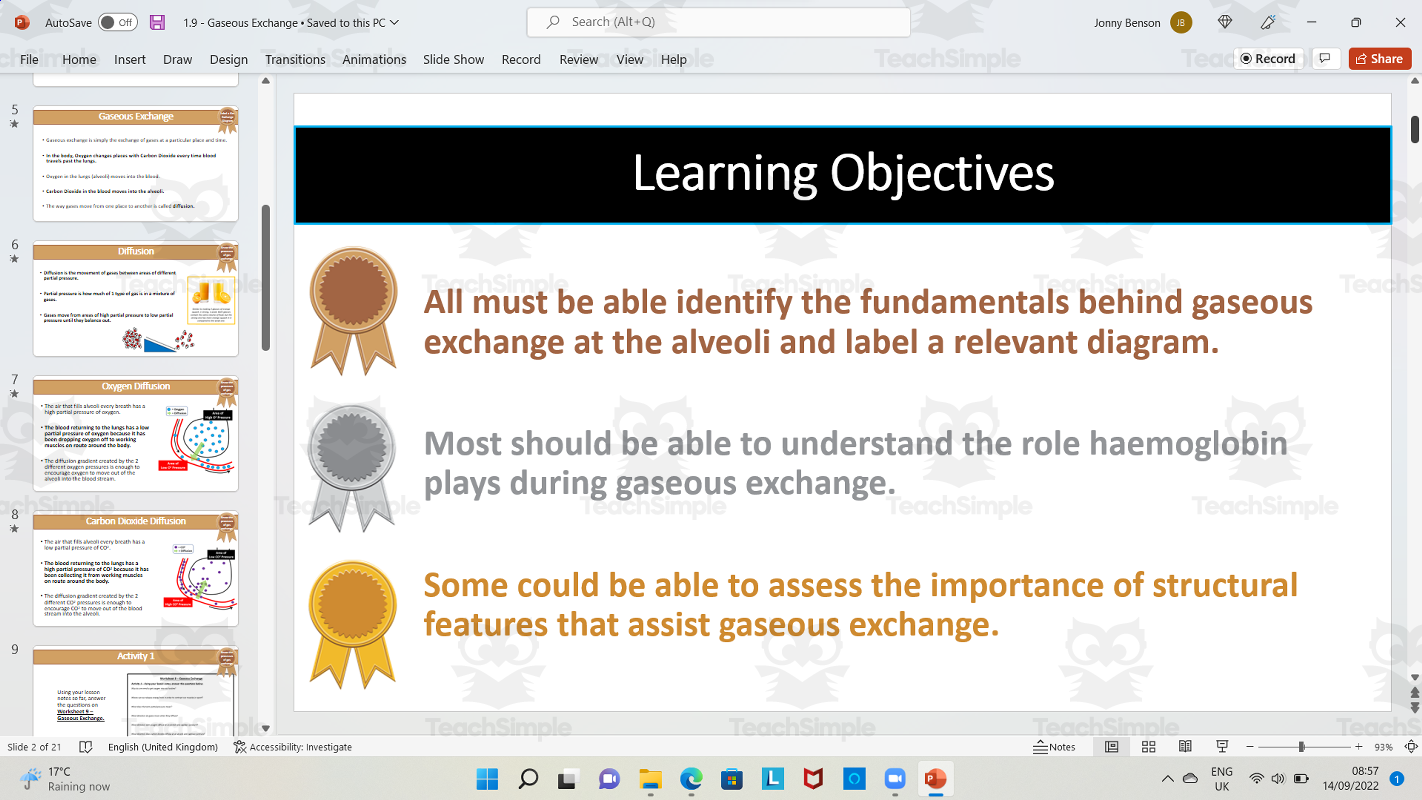
Teach GCSE-level PE Anatomy & Physiology students about gaseous exchange in the human body: diffusion at the alveoli and the role of haemoglobin.

A Jeopardy-style review game covering classification of living things (vertebrates vs invertebrates, body systems, structures, and plants).

Cornell-notes style presentation reviewing blood cell types and covering ABO/Rh blood typing and transfusion compatibility, part 3 of a blood unit for high school Anatomy & Physiology/Biology.
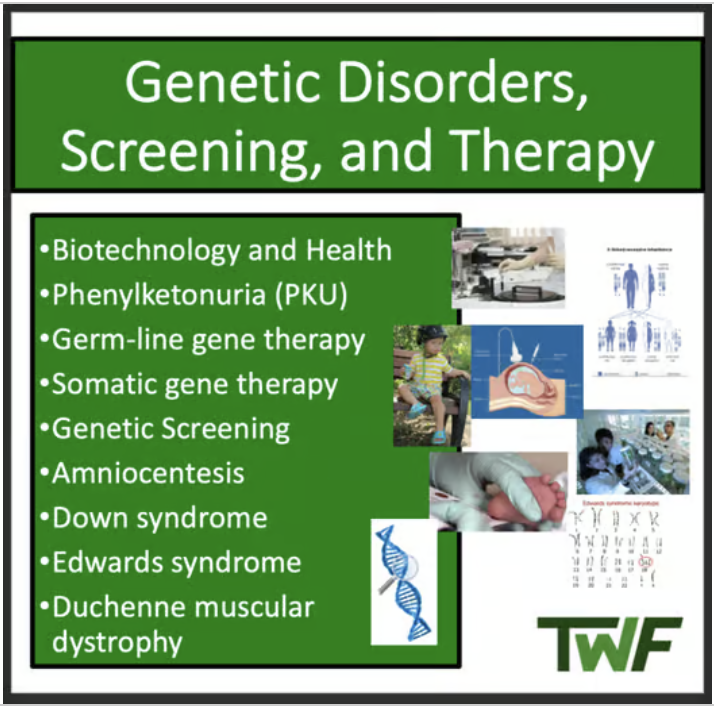
A senior high-school biology lesson presentation covering biotechnology and genetic disorders/screening/therapy topics (PKU, gene therapy, genetic screening, amniocentesis, Down syndrome, Edwards syndrome, Turner syndrome, Duchenne muscular dystrophy), provided as a complete teacher version and a blank-note-taking student version.

Three PowerPoint note-taking presentations covering the female reproductive system, male reproductive system, and the menstrual cycle for a high school Anatomy/Physiology or Biology class.
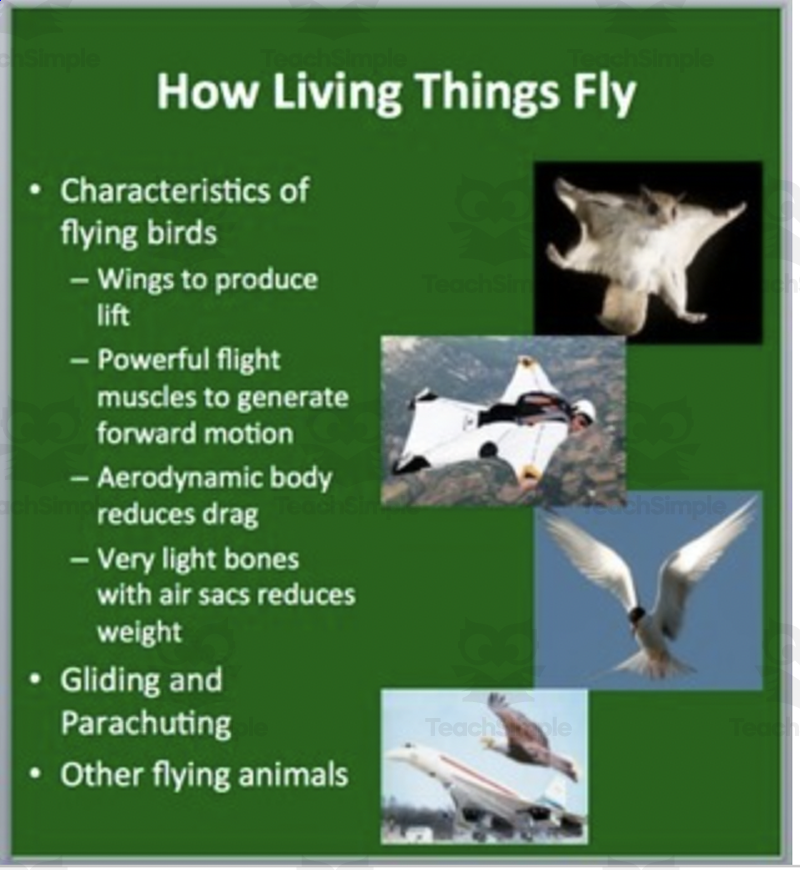
Lesson explaining how living things (primarily birds, plus gliding/parachuting animals) achieve flight through aerodynamic adaptations.

Use the slide notes to guide students through digestive structures and their roles. Organ headings and short explanations give learners a framework for their own notes, while opening review-style questions provide a way to begin discussion. A separate earthworm dissection lab offers a practical comparison with another animal’s digestive anatomy.

An introductory-level biology lesson on cell membrane structure/function and types of membrane transport (passive vs. active), geared toward students unfamiliar with the topic, including osmosis and guided Thinking Map opportunities.

This PowerPoint presentation is a good beginning to any discussion of blood in the human body. Filled with diagrams and pictures to enhance learning this EDITABLE PowerPoint is great for Cornell style note taking skills for students of any level including English Learners, as well as more advanced students.
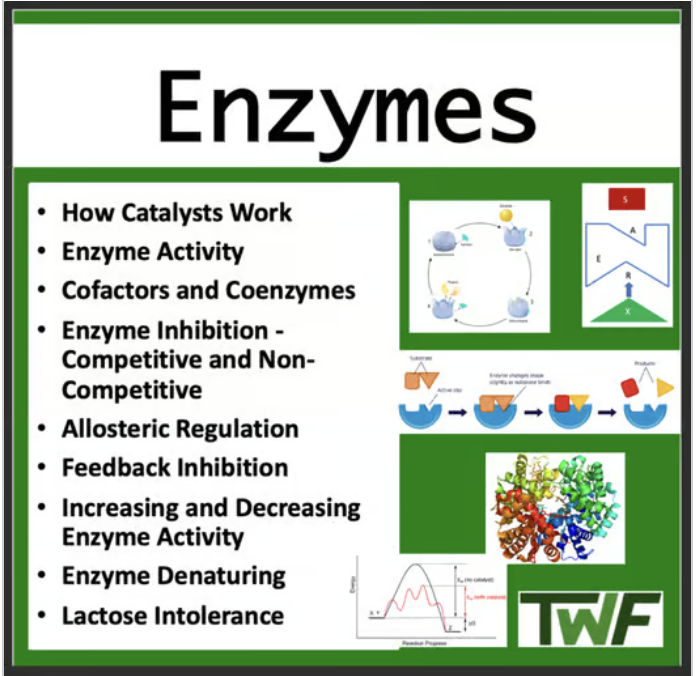
A senior high school biology lesson on enzymes covering catalysis, enzyme activity, cofactors/coenzymes, competitive and non-competitive inhibition, allosteric regulation, feedback inhibition, factors affecting enzyme activity, denaturing, and lactose intolerance, provided as teacher and student slide decks.
Teach middle school students (grades 6-8) how cells generate energy through cellular respiration and how it connects to photosynthesis.

Teach high school Anatomy & Physiology/Biology students the structures of the heart as the second part of a cardiovascular system unit.

A senior/high-school biology lesson package on cell membrane structure and transport mechanisms, covering the membrane as a boundary, the fluid mosaic model, passive transport (diffusion, facilitated diffusion, osmosis), and active transport (phagocytosis, pinocytosis, exocytosis) and water balance.

Use the four note presentations to introduce a cardiovascular topic and pause for students to recall an answer before revealing the explanation. The files cover blood vessels, heart structures, physiology, and disorders, with review questions connecting the topics. For a separate practical follow-up, sheep heart dissection lab offers a specimen-based activity.
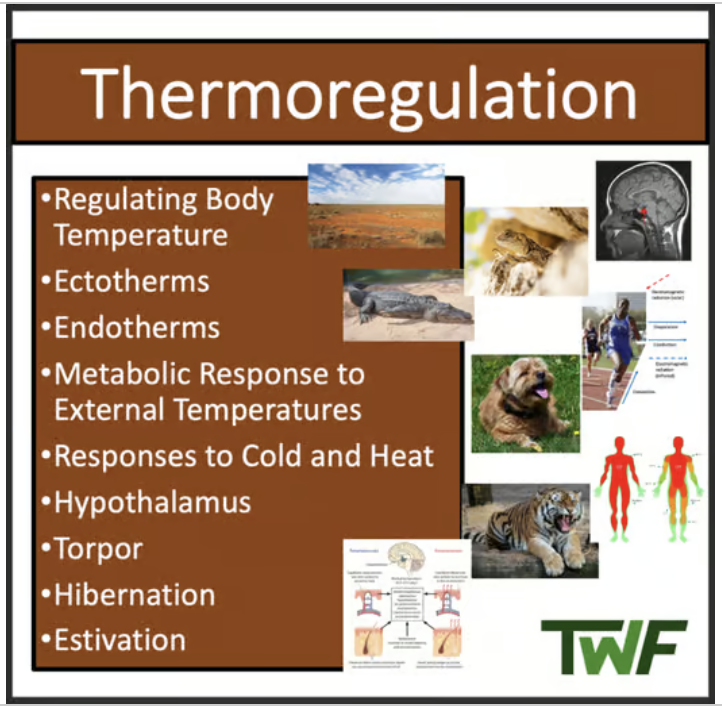
A senior high-school biology lesson package teaching how animals regulate internal body temperature (thermoregulation), covering ectotherms, endotherms, and related physiological responses.

A high-school biology lesson package covering aerobic cellular respiration from the Krebs (citric acid) cycle through the electron transport chain (ETC), including a review of glycolysis/pyruvate oxidation, the role of O2, the proton gradient and chemiosmosis, ATP synthase, and uncoupling of the ETC.

A high-school biology lesson bundle teaching cellular respiration, glycolysis (the 10 steps), the net reaction of glycolysis, and pyruvate oxidation.

Teach the seven functions of the human skeleton (movement, attachment, protection, production of blood cells, mineral storage, shape, support) and how each applies in sporting performance, as part of a GCSE PE anatomy & physiology unit.

Senior high school biology lesson teaching homeostasis, negative/positive feedback control systems, and the body's regulation of physiological set points.
Teaches elementary students about the savanna habitat and how savanna animals use behavioral, physical, and life-cycle adaptations to survive in a flat, arid, transitional-zone environment.

A no-prep, multimedia 'micro-learning' slide deck teaching students about African elephant biology, habitat, and behavior as part of an animal science unit.
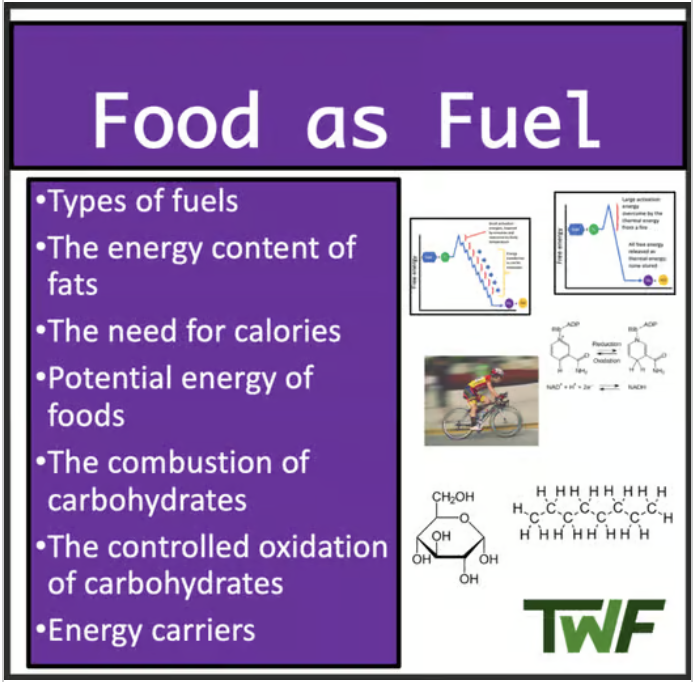
Senior high school biology lesson on food as an energy source: fuel types, caloric content of macronutrients, and the (controlled) oxidation/combustion of carbohydrates.

A full-year package of PowerPoint lecture notes covering major human body systems for an Anatomy & Physiology (or Biology) course.