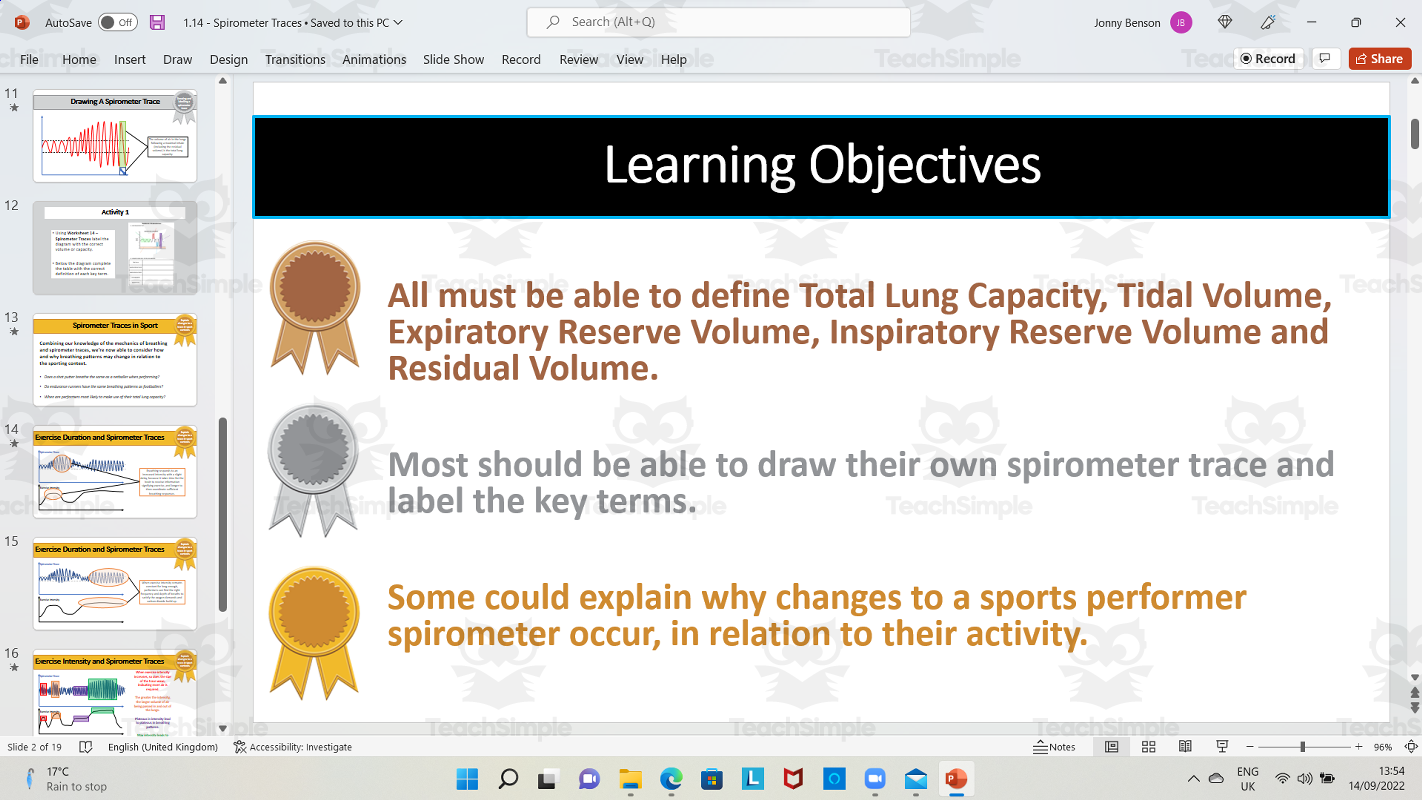
Spirometer Tracing
Spirometer Tracing - A Comprehensive Teaching Resource Spirometer Tracing is an engaging teaching resource for grade 9 to 11 science teachers.




Classroom resources
Browse by lesson focus
Choose the topic or kind of practice you need.
Showing 169–182 of 182 resources

 Show filters
 Spirometer Tracing - A Comprehensive Teaching Resource Spirometer Tracing is an engaging teaching resource for grade 9 to 11 science teachers.
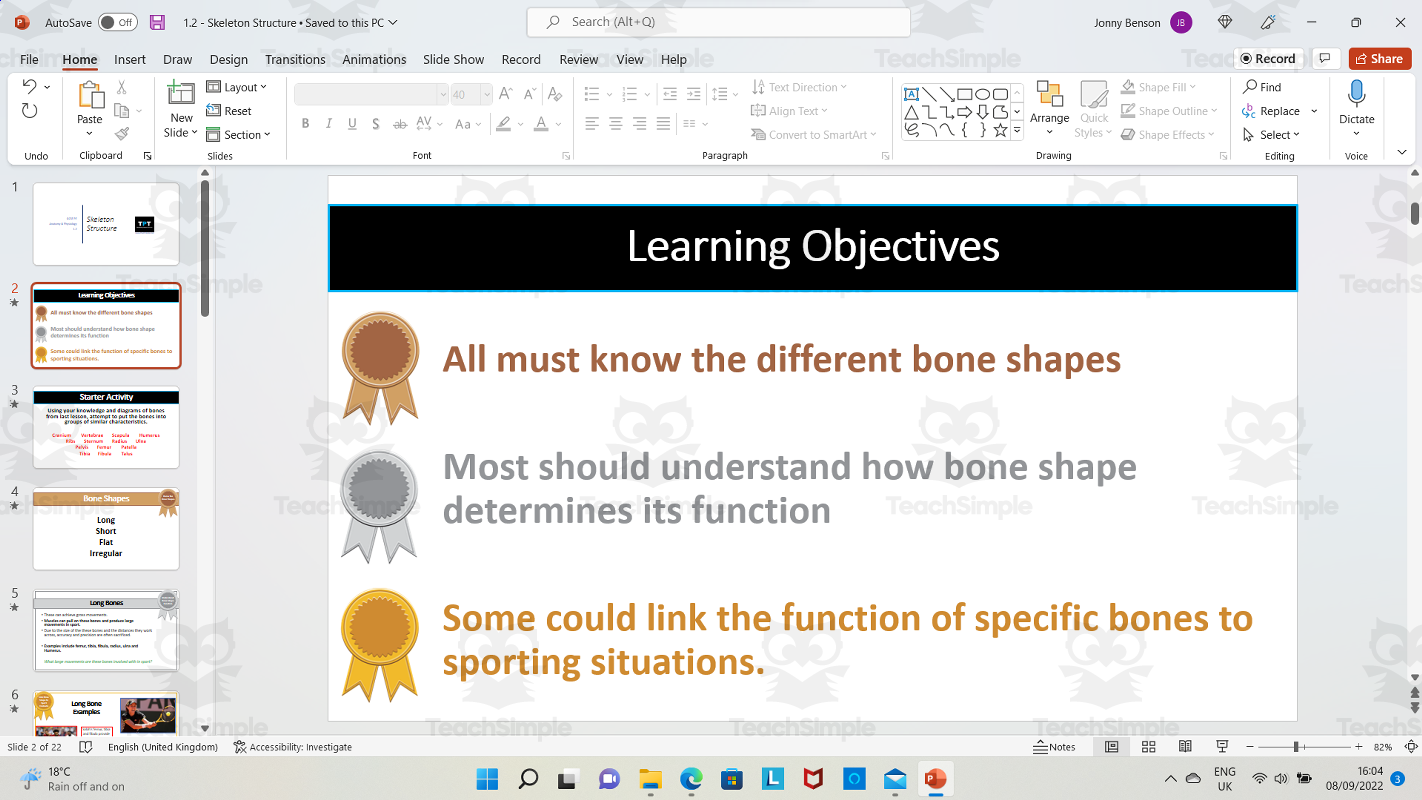
A GCSE PE (UK secondary anatomy & physiology) lesson presentation teaching the four bone shape classifications (long, short, flat, irregular) and how bone shape relates to function and range of movement in sport.
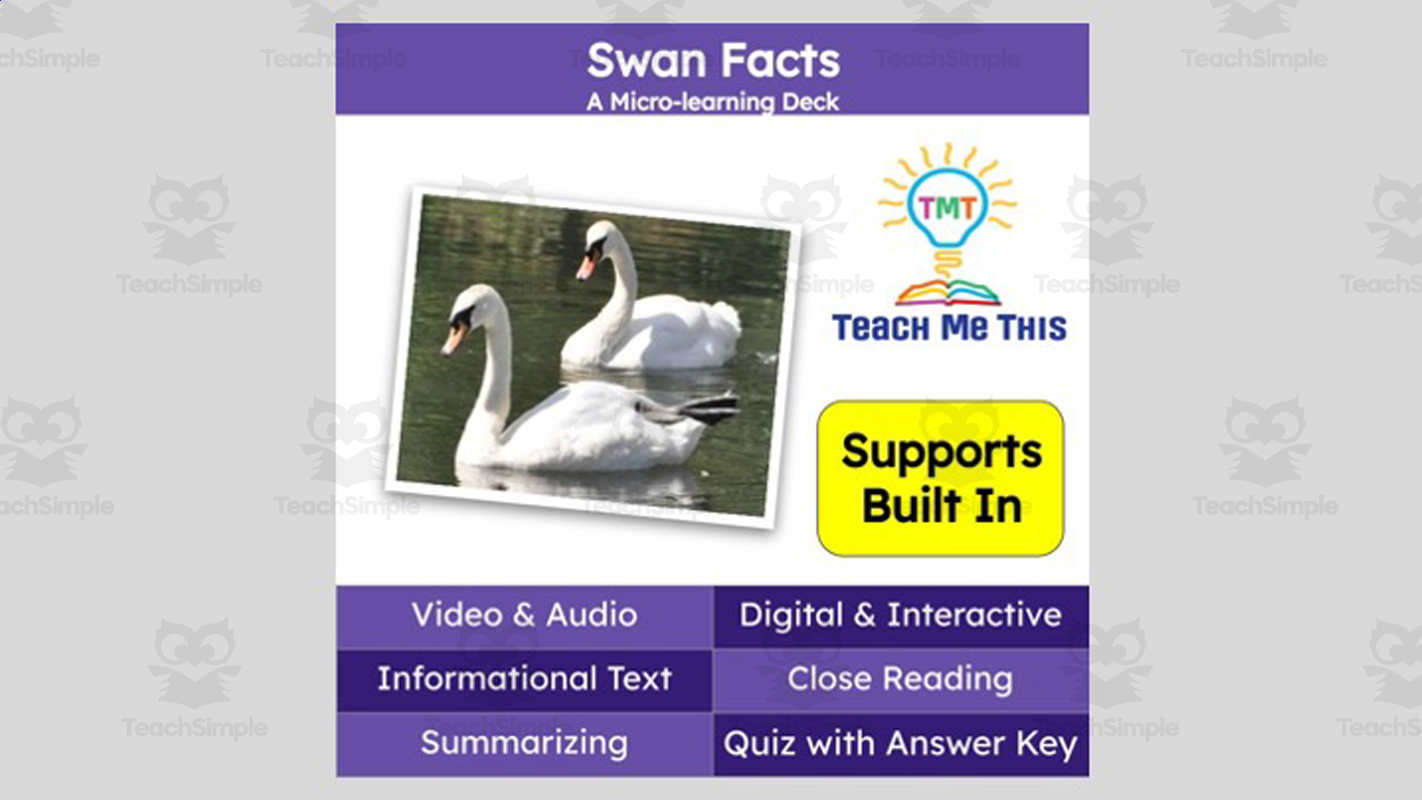
Interactive multimedia PowerPoint lesson deck teaching facts about swans (breeding behaviors, habitats) through video, an audio-supported reading passage, and reflection activities.
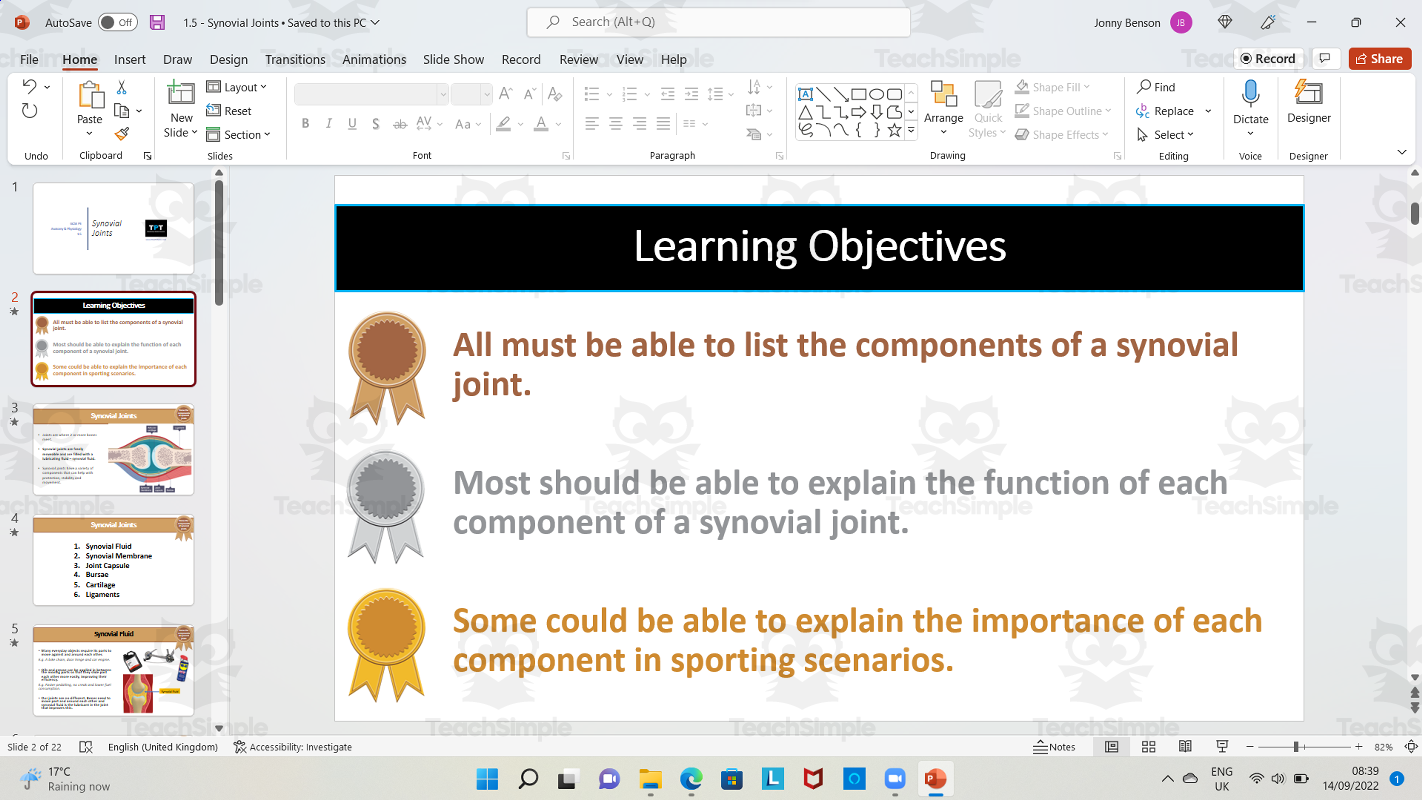
Teach the structure, components, and sporting function of synovial joints for a GCSE PE Anatomy & Physiology course.

The Cardiac Cycle (Systole and Diastole) Lesson Plan This lesson plan provides an in-depth guide through the complex world of cardiovascular function, simplifying various elements of the heart's activity for 9th and 10th-grade science…

Teach a science lesson on biodiversity: what it is, why it matters ecologically/socially/economically, at-risk species categories, and keystone species, via slides plus supporting worksheets.
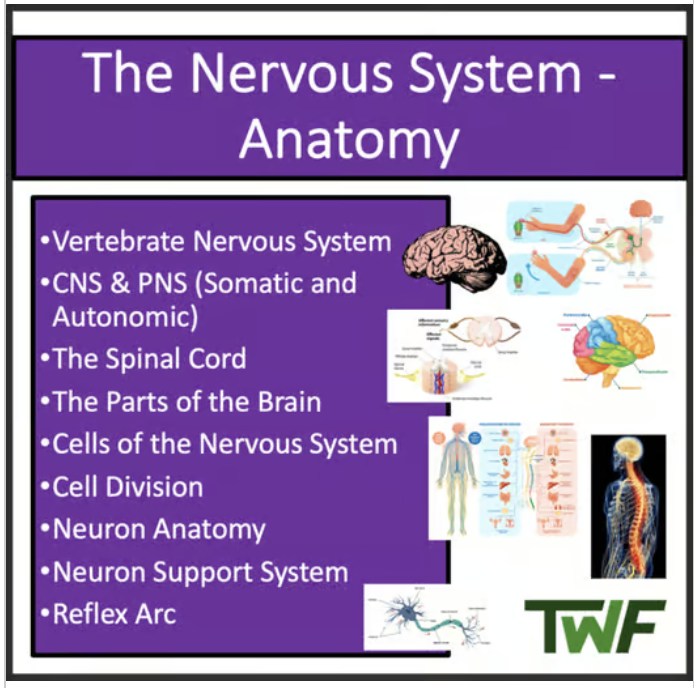
The Nervous System - Anatomy - Senior High School Biology lesson Your lesson covers the anatomy and structure of the nervous system. In order, the lesson teaches; CNS & PNS (Somatic and Autonomic), the Spinal Cord, the Parts of the Brain…
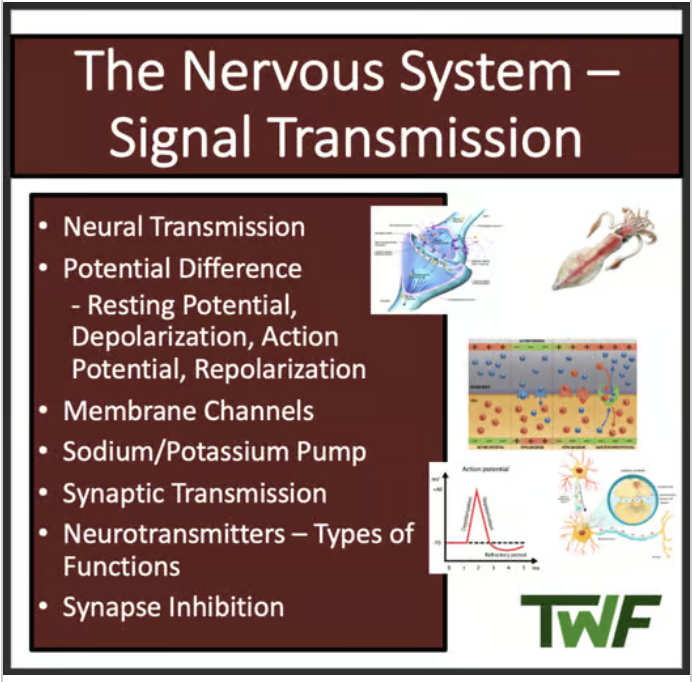
The Nervous System - Signal Transmission - Senior High School Biology lesson Your lesson covers the function of the nervous system specifically, signal transmission.
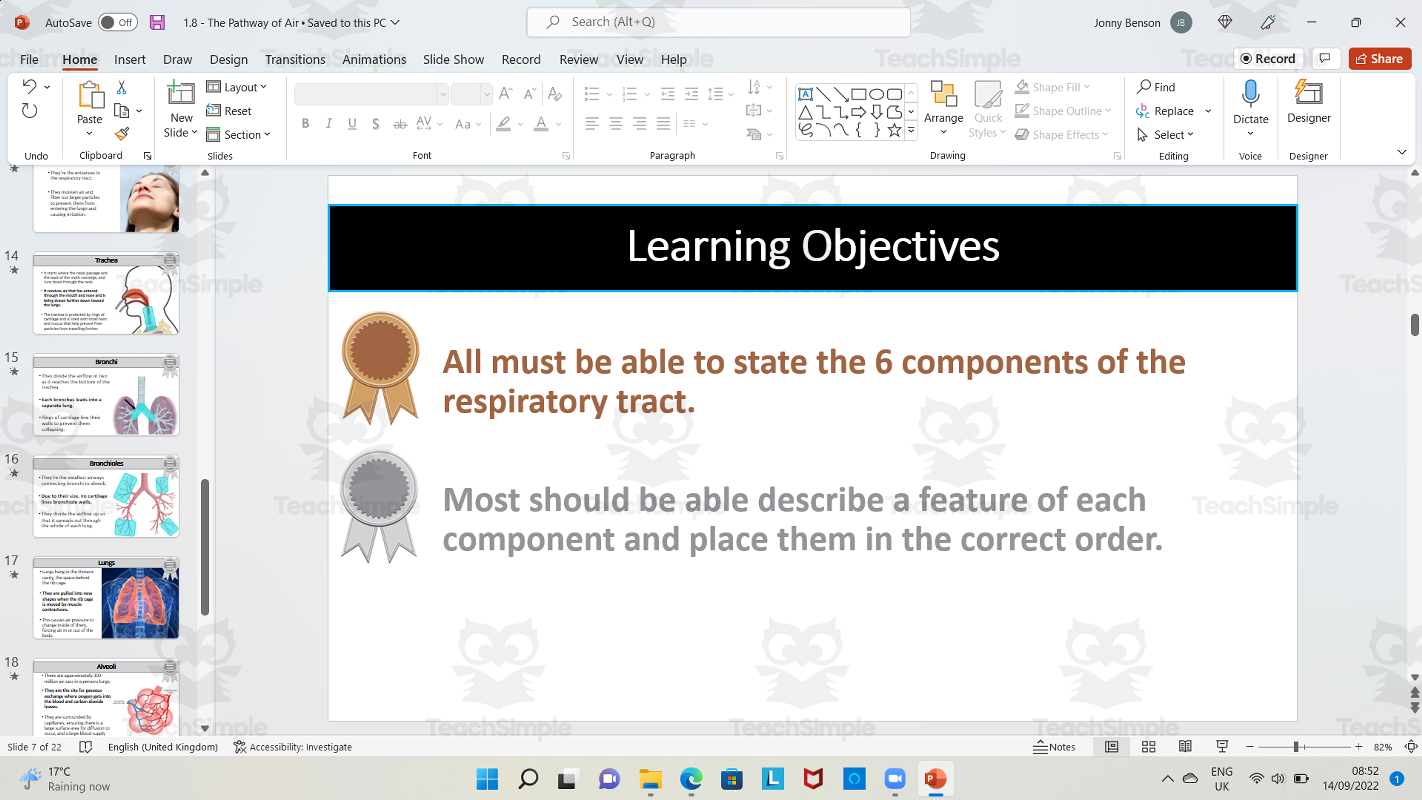
A GCSE PE (UK) PowerPoint lesson teaching the 6 components of the respiratory tract and the pathway air takes into the body, as part of an Anatomy & Physiology / Cardiorespiratory System unit.

Compare hinge and ball-and-socket joints by examining their structures, movement and body examples. The presentation then connects joint actions with sporting movements, including flexion, extension, abduction, adduction, rotation and plantar flexion. Review the activity prompts and prepare response materials before teaching; a later anatomy lesson can use the separately linked sheep heart dissection lab when that topic fits the course.

Unicellular and Multicellular Organisms - PowerPoint Lesson A comprehensive resource for educators in the upper elementary and middle school grade levels.
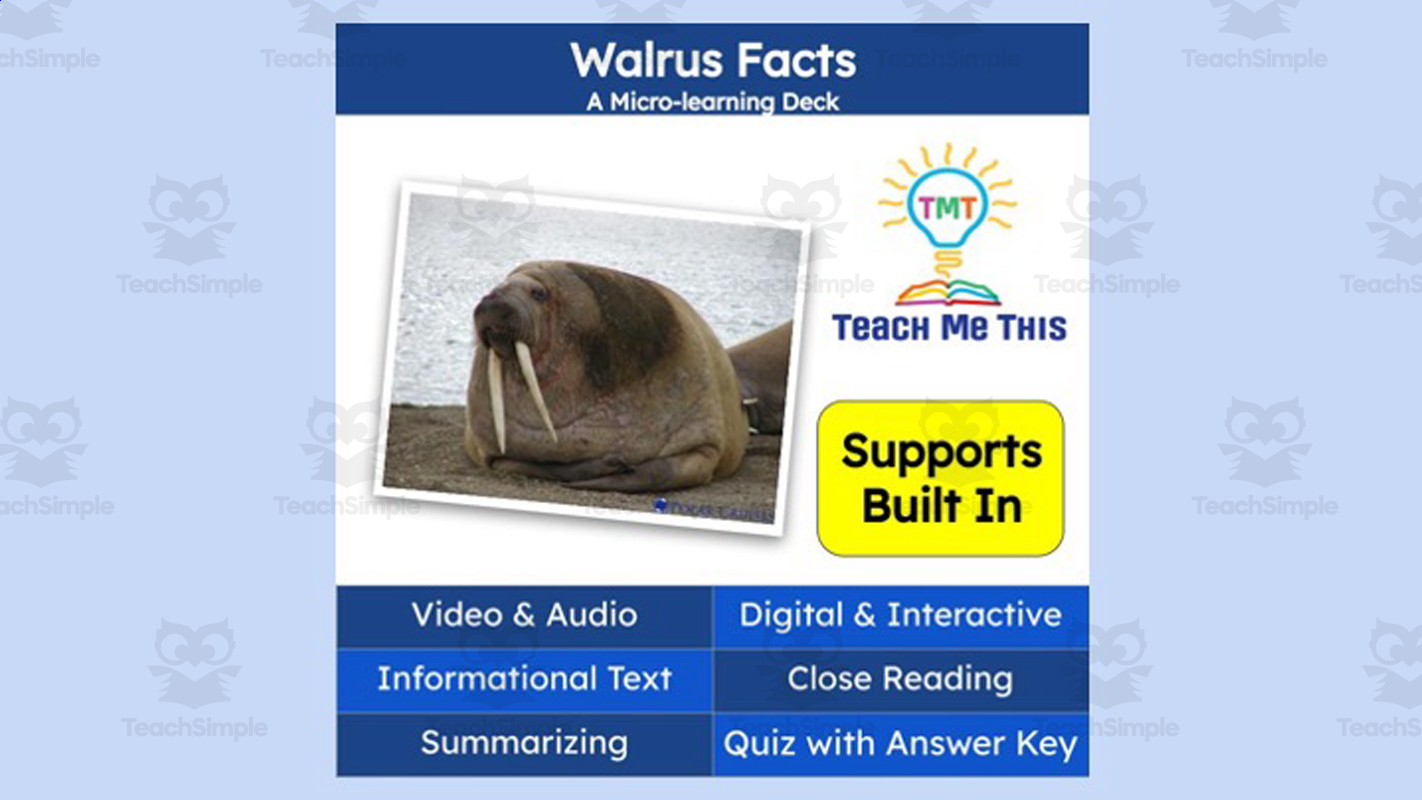
Teach students biology and behavior facts about walruses (habitat, physical characteristics, feeding, adaptations) through video, an audio-supported reading passage, and interactive review activities.

An adapted book slide deck introducing watermelon life cycle vocabulary (seed, germination, vining, flowering, fruit) for early learners / special education students.
A self-paced, video- and text-based micro-learning science lesson teaching factual content about zebras (habitat, stripes/camouflage, behavior, physical traits) for middle/high school students.