
Histology Tissues Notes PowerPoint Package
Present notes on human tissue types (epithelial, connective, and others) as part of a high-school biology histology/tissues unit.
Editable


3,560 resources
Explore sub-categories
16 sub-categories · 3,560 resources
Present notes on human tissue types (epithelial, connective, and others) as part of a high-school biology histology/tissues unit.
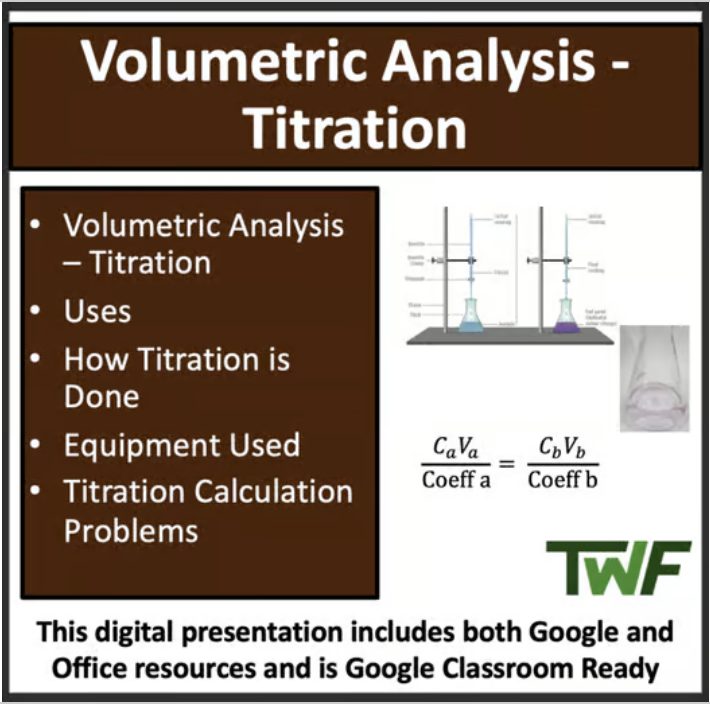
A senior chemistry lesson teaching volumetric analysis (titration): its uses, procedure, equipment, and calculation problems, delivered as a slide presentation with a companion student handout.
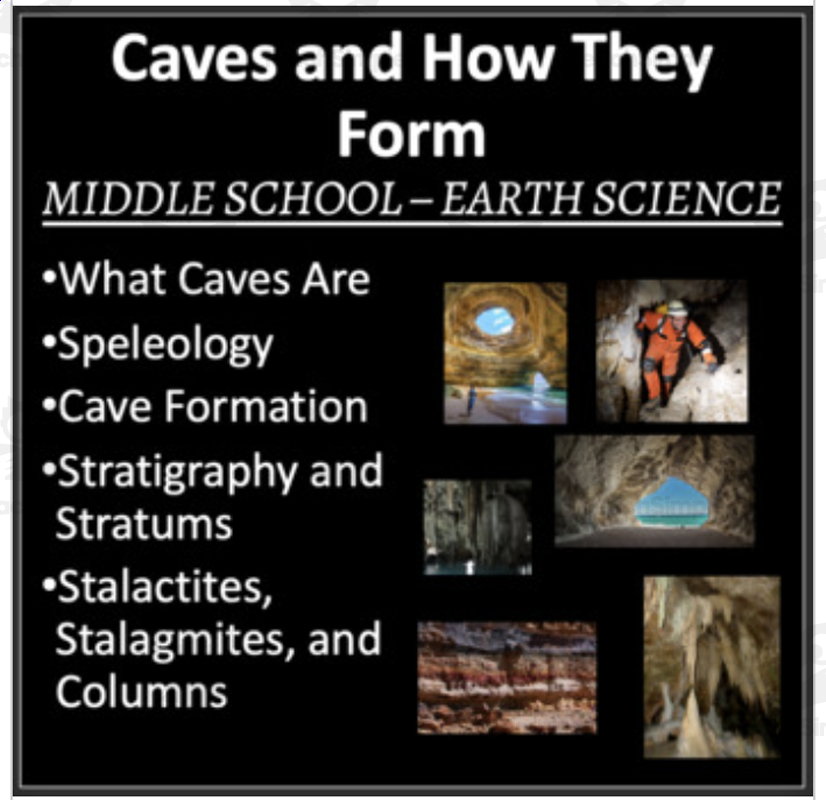
A middle-school Earth-science lesson teaching how caves form, covering what caves are, speleology, cave formation via weathering/erosion/deposition, stratigraphy, and cave features (stalactites, stalagmites, columns), delivered as a slide presentation with an auto-graded exit ticket and embedded videos.
A 50-minute French-language PowerPoint lesson providing practice asking and answering questions describing hair color/style in French, centered on the phrase 'il est comment' (what is he/she like).
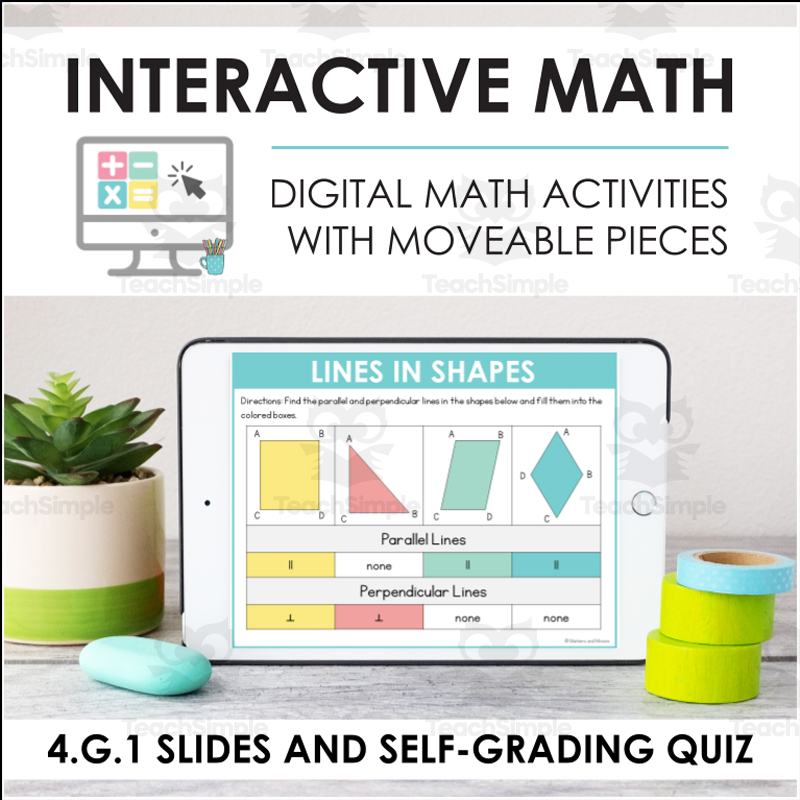
Interactive digital slide deck plus a linked self-grading Google Form quiz for classifying lines, rays, and angles (CCSS 4.G.1).
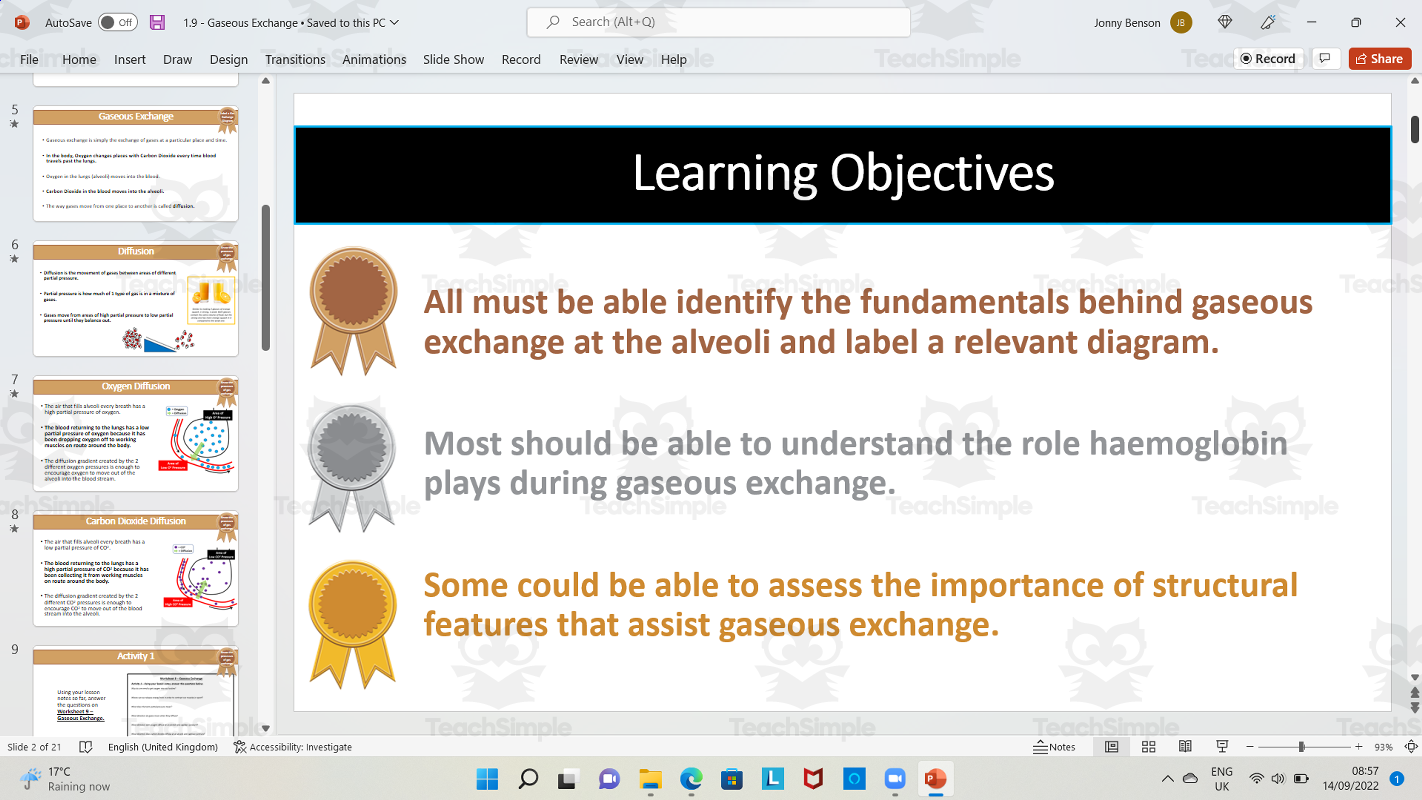
Teach GCSE-level PE Anatomy & Physiology students about gaseous exchange in the human body: diffusion at the alveoli and the role of haemoglobin.
 Free download
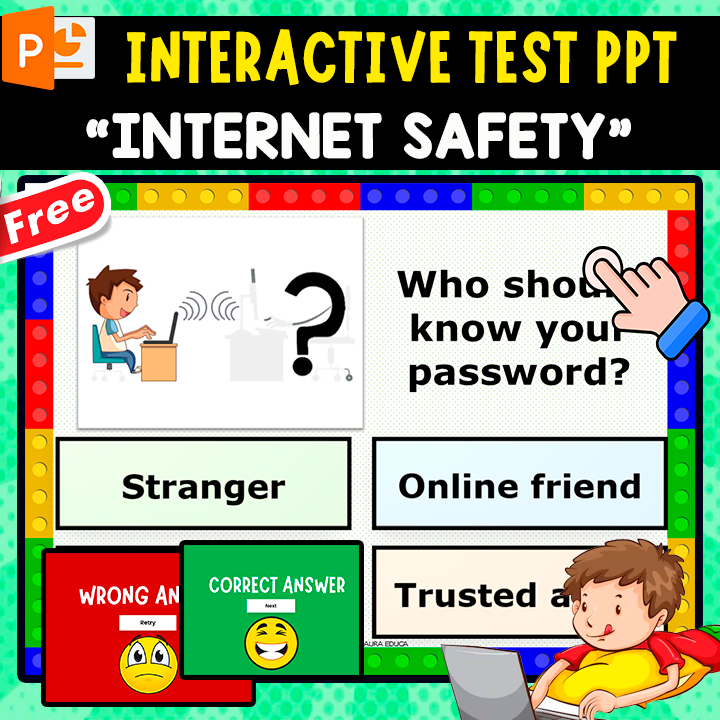
An interactive PowerPoint quiz game teaching internet-safety basics (privacy, passwords, strangers online, cyberbullying, trusted websites).
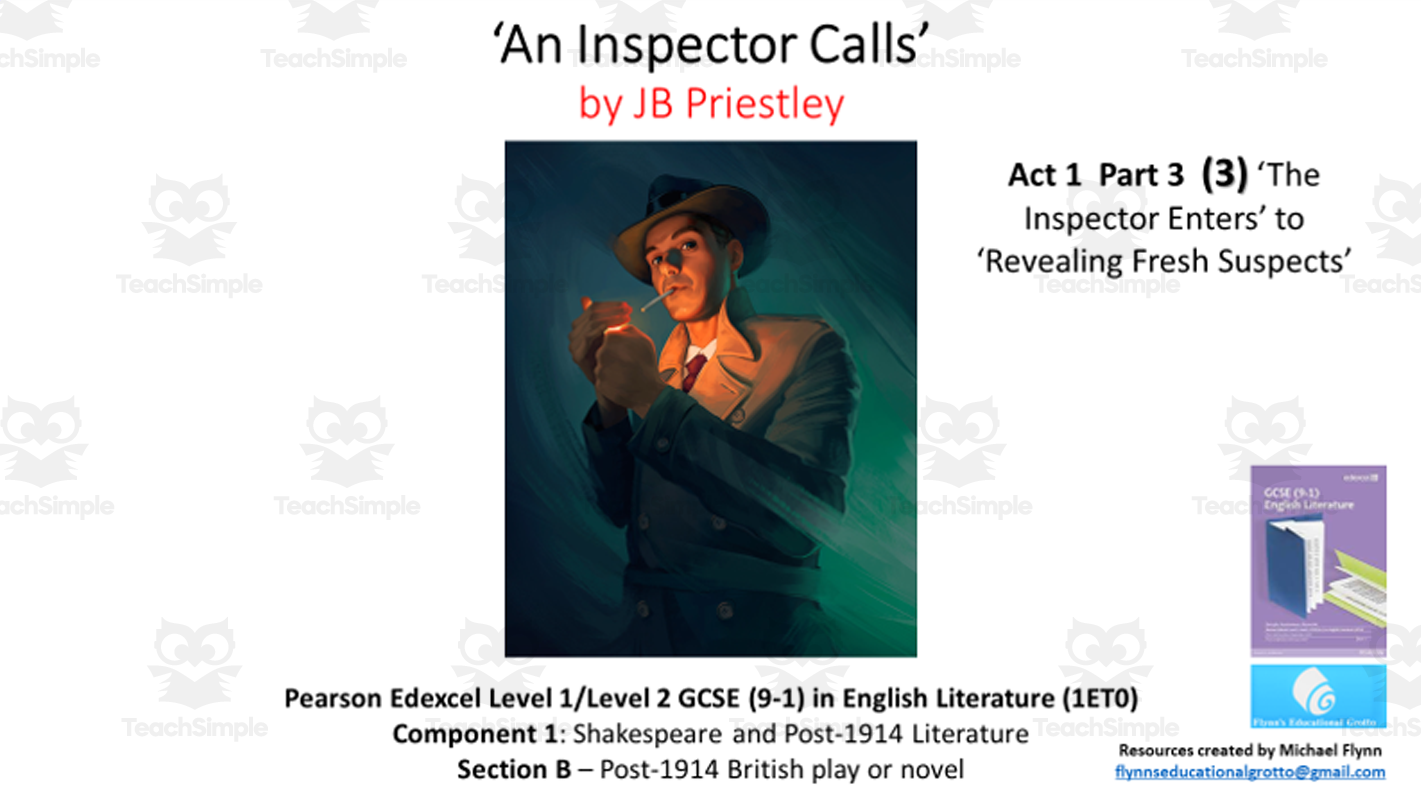
A GCSE English Literature PowerPoint lesson analytically reading 'An Inspector Calls' Act 1 Part 3, from the Inspector's entrance to revealing fresh suspects (Mr Birling's confession about firing Eva Smith, and the Inspector implicating other family members), framed around the concept of being human.
 Free download
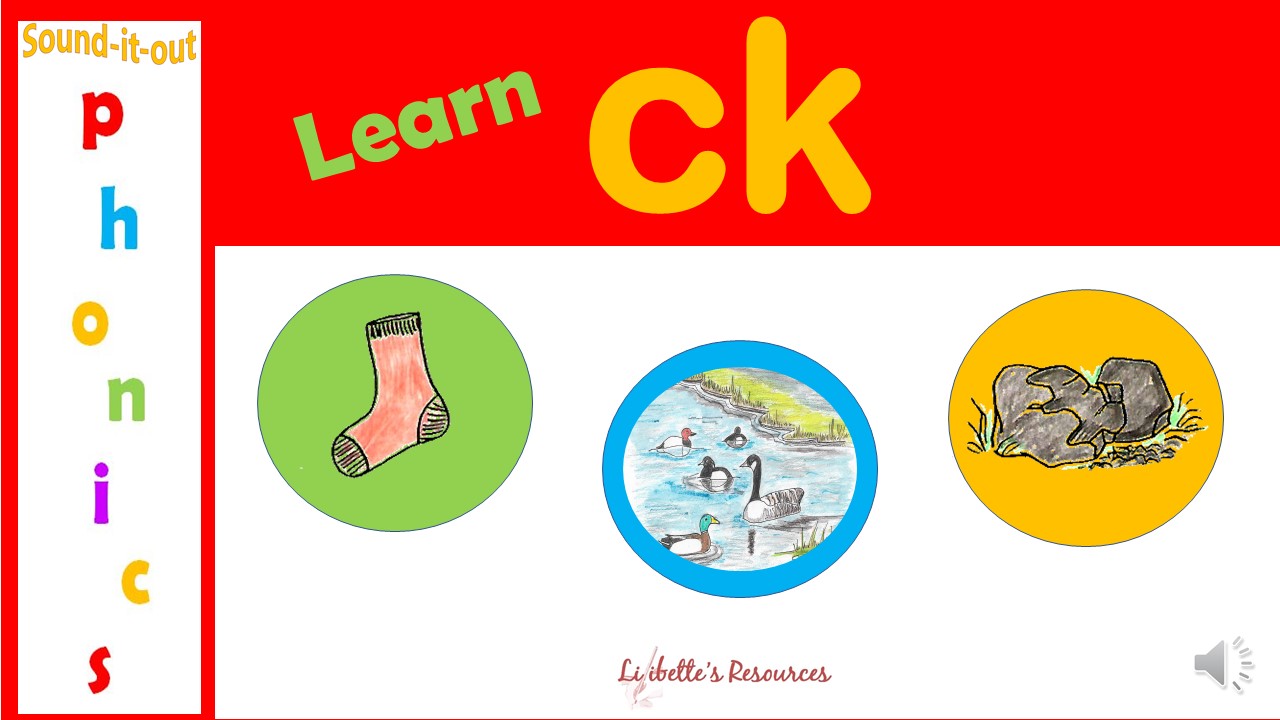
Teach the 'ck' digraph through phonics sound-letter drills, word-picture matching, word building, and a board game reinforcing ck words.
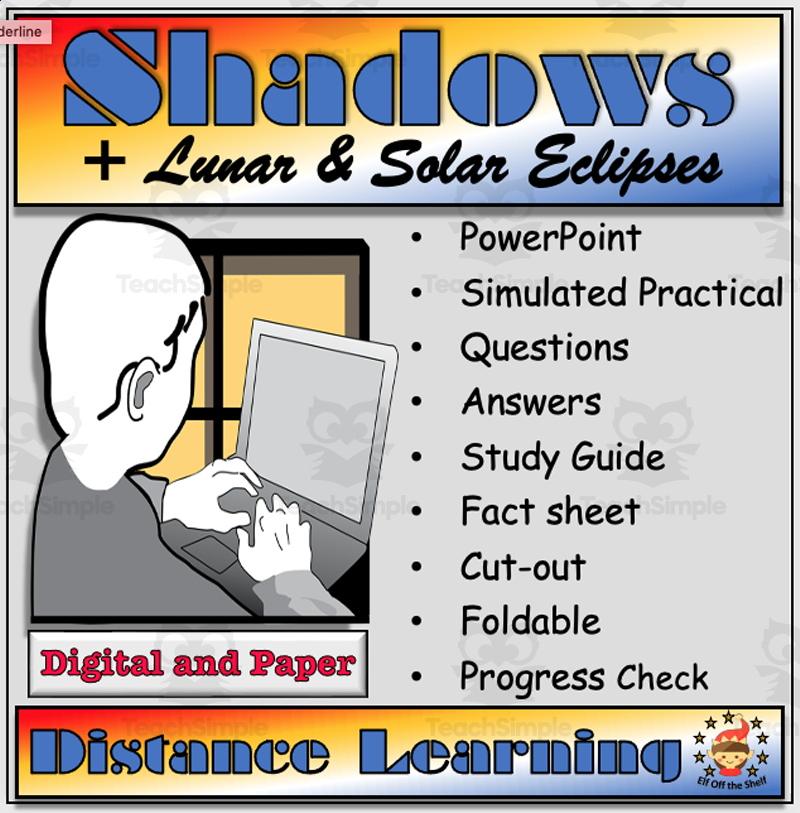
Teaches how shadows form (umbra/penumbra) and how lunar and solar eclipses (total, partial, penumbral, annular) occur, as a self-directed distance-learning middle-school physics pack.

Provide a unit-length lecture presentation on abnormal psychology, covering the history, definition, and diagnosis of psychological disorders, beginning with anxiety disorders.
A micro-learning slide deck teaching the figurative-language idiom "Two Wrongs Don't Make a Right" through a video lesson, an audio-supported reading passage, and comprehension practice.
 Free download
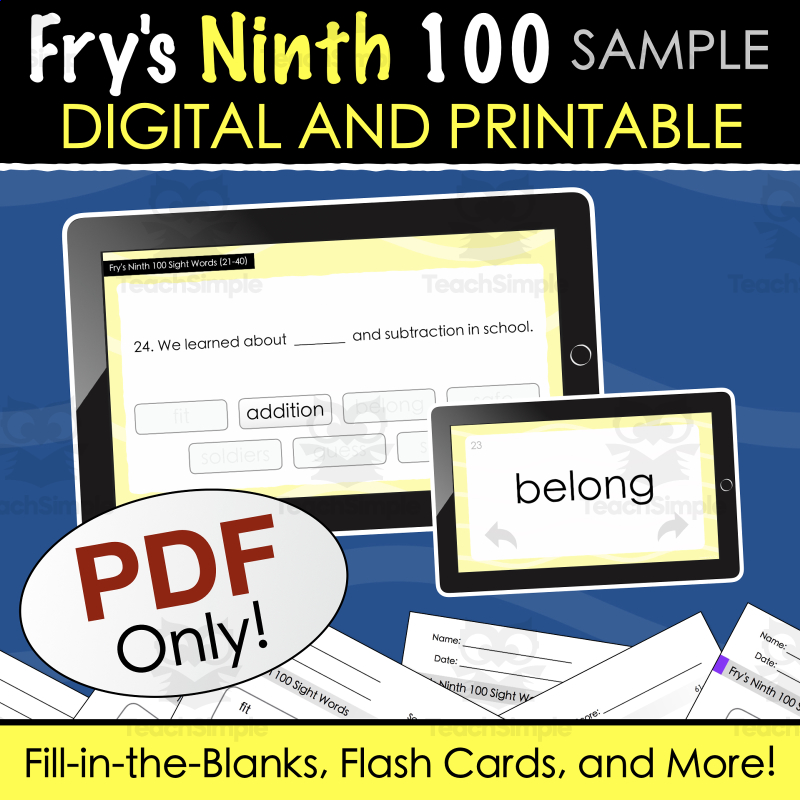
Practice and check recognition/spelling of Fry's Ninth 100 Sight Words (words 1-20 of this free sample) through fill-in-the-blank sentences, digital self-check slides, and flash-card style word drill.
Teach self-sustainability skills for coping with setbacks, rejection, and difficult emotions.
 Free download
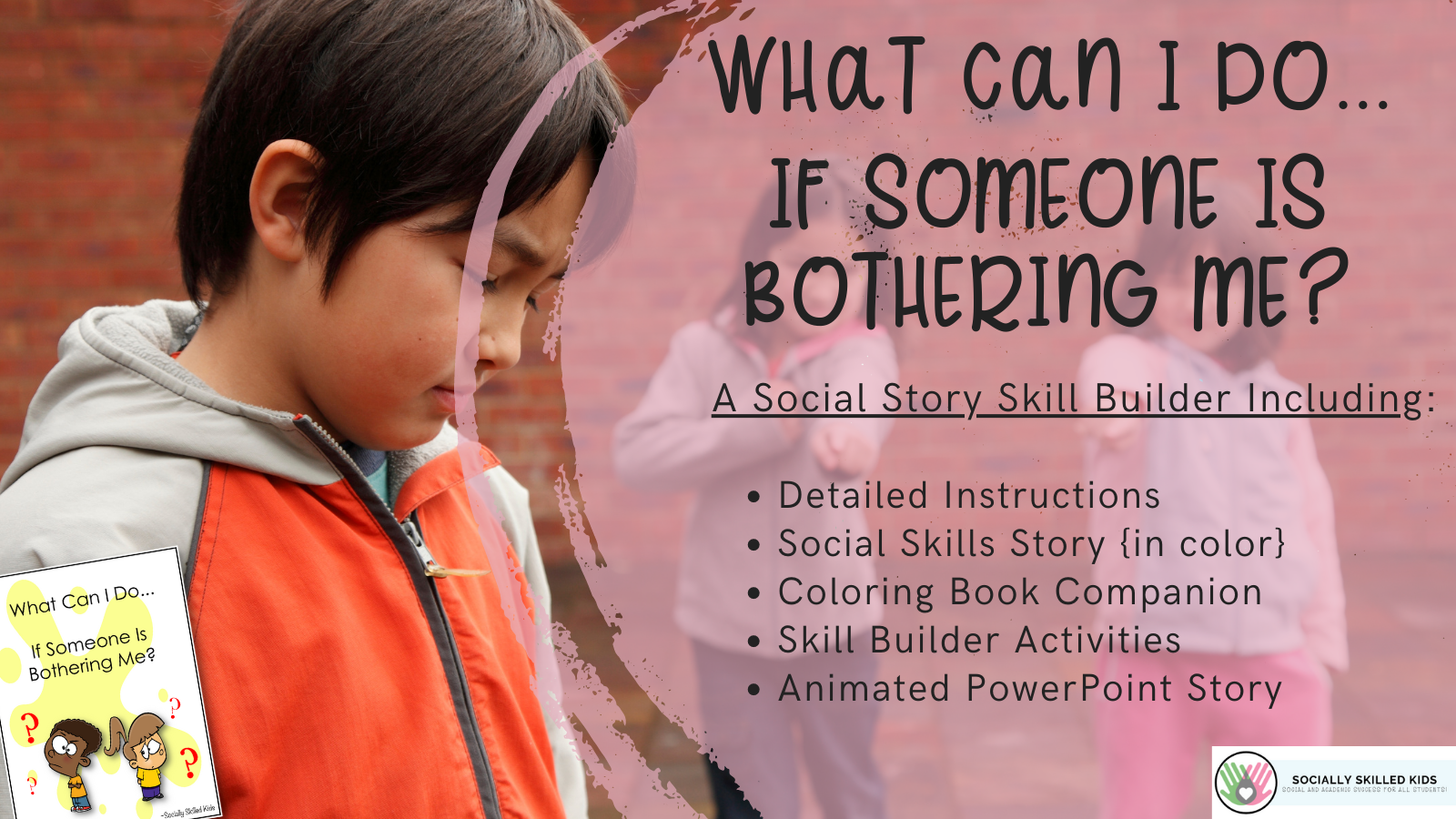
Teaches students appropriate strategies for responding when someone is bothering them, contrasting acceptable coping responses with unacceptable reactions.

Informational slide deck profiling 20 Chinese landmarks (e.g. Great Wall of China, Forbidden City, Mount Everest) for social studies/geography instruction.
 Free download
A bilingual (Spanish/English) informational slide deck presenting facts about Peru's history, geography, culture, food, tourism, and a fun fact.
 Free download
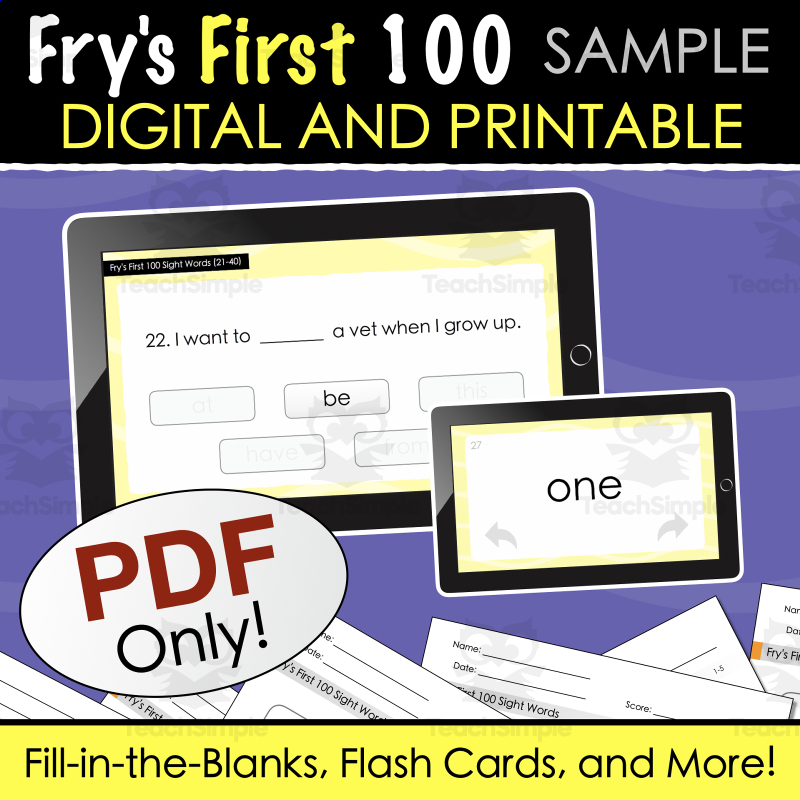
Practice and check recognition/spelling of Fry's First 100 Sight Words (words 1-20 of this free sample) through fill-in-the-blank sentences, digital self-check slides, and flash-card style word drill.

Teach students what an informative essay is and how to write one (thesis statement, outline, sources) via an interactive Google Slides activity accessed through a link in this PDF.
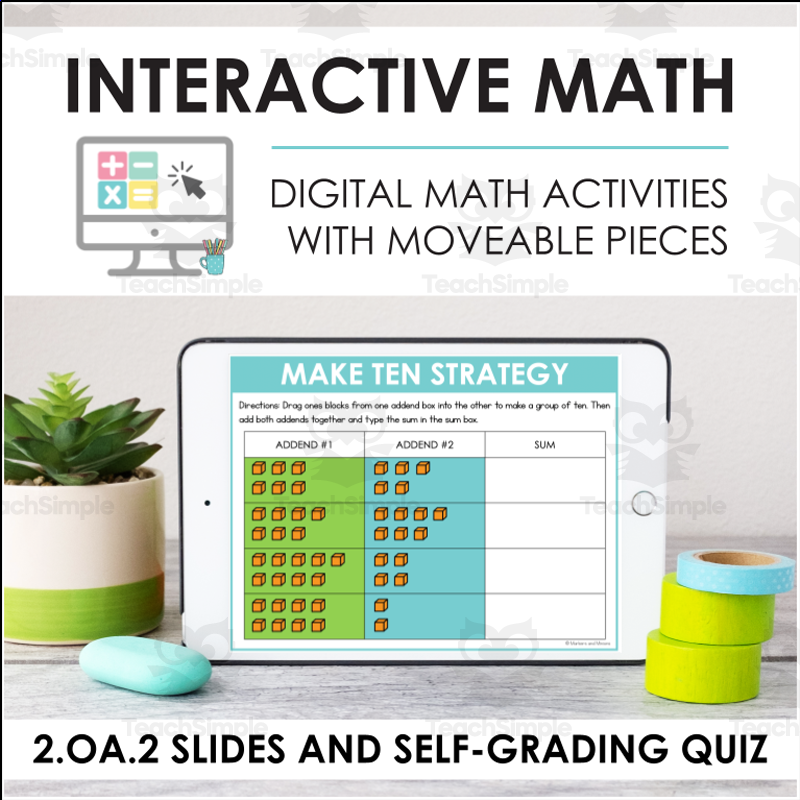
Digital Math for 2.OA.2 - Addition and Subtraction Within 20 (Slides + Self-Grading Quiz) This innovative teaching resource is designed to enhance the learning outcomes of Grade 2 students in Mathematics, specifically Algebra. It includes engaging slides that offer review, practice, and enrichment of math concepts. The digital nature of this resource…

An interactive science micro-learning deck teaching what weather is, how it differs from climate, and the factors (heat, air pressure, wind, moisture) that produce weather, using a video-lesson slide, close-reading passage, vocabulary, and quick-write.

Teach the history and development of atomic theory (Democritus, Aristotle, Dalton, and later models) via guided fill-in-the-blank notes paired with a PowerPoint presentation.

Provides small-group/station-based measurement activities practicing comparative length and size vocabulary and non-standard-unit measuring, available as print pages or digital Google Slides/Seesaw activities.

Provide a whole-class Jeopardy-style review game for practicing regular French -ER verbs in the present tense.