Reading & writing
Printable Adverbs of Time Grammar Worksheets for Grade 1, 2, 3
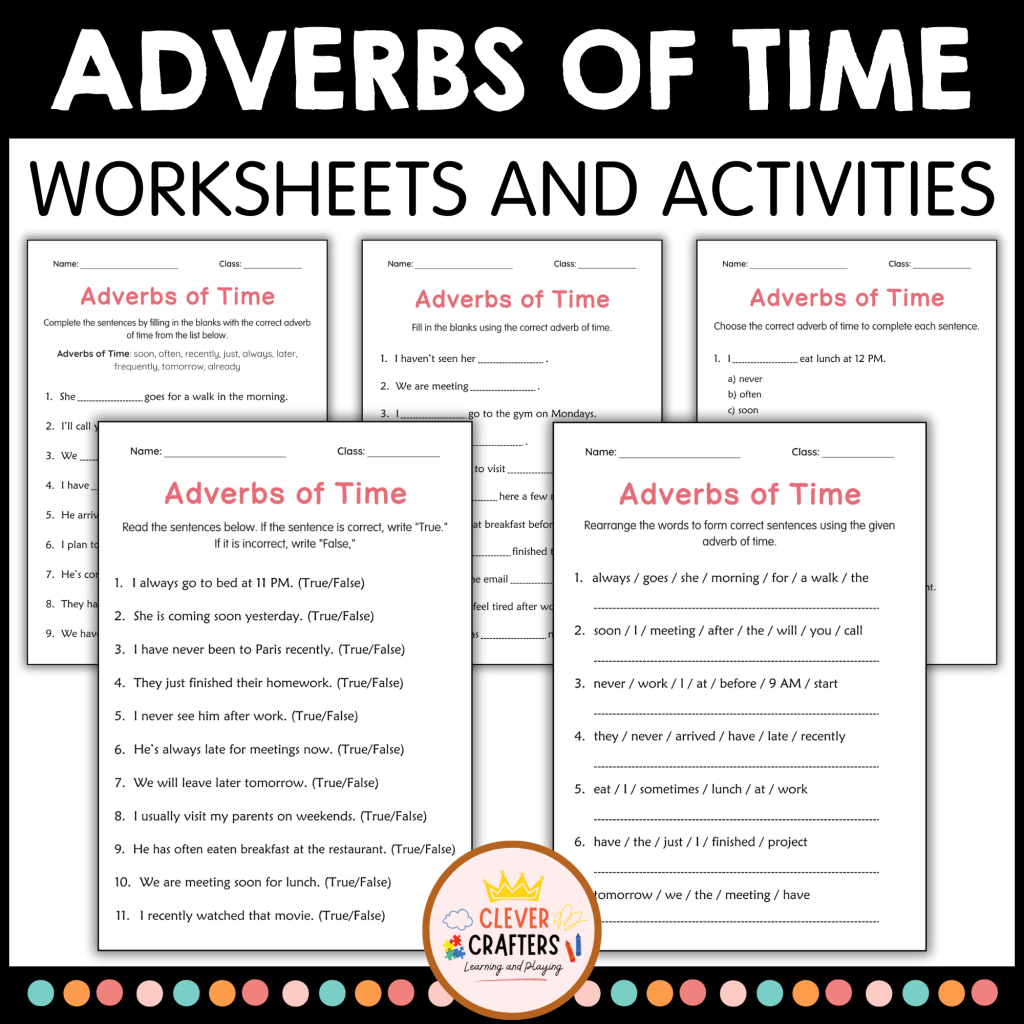
Introduction This set of Adverbs of Time Worksheets helps learners understand how adverbs of time are used to describe when an action happens.




Classroom resources
Browse by lesson focus
Choose the topic or kind of practice you need.
Showing 7897–7920 of 9958 resources

 Show filters
 Introduction This set of Adverbs of Time Worksheets helps learners understand how adverbs of time are used to describe when an action happens.

Boost Handwriting Skills with Printable Alphabet Tracing Templates Help children build handwriting skills with this set of printable alphabet tracing templates.
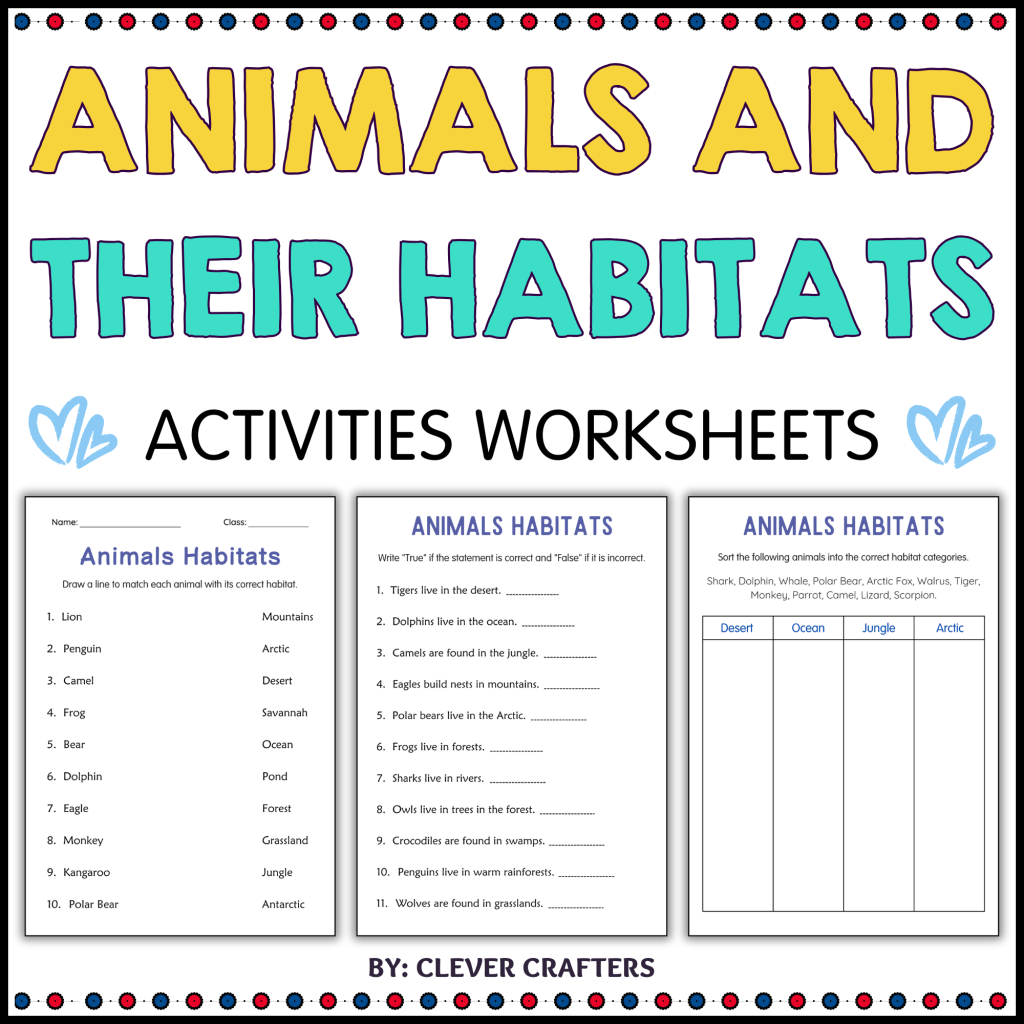
Introduction This Animals and Their Habitats worksheet set helps young learners understand where animals live and how different environments support their survival.
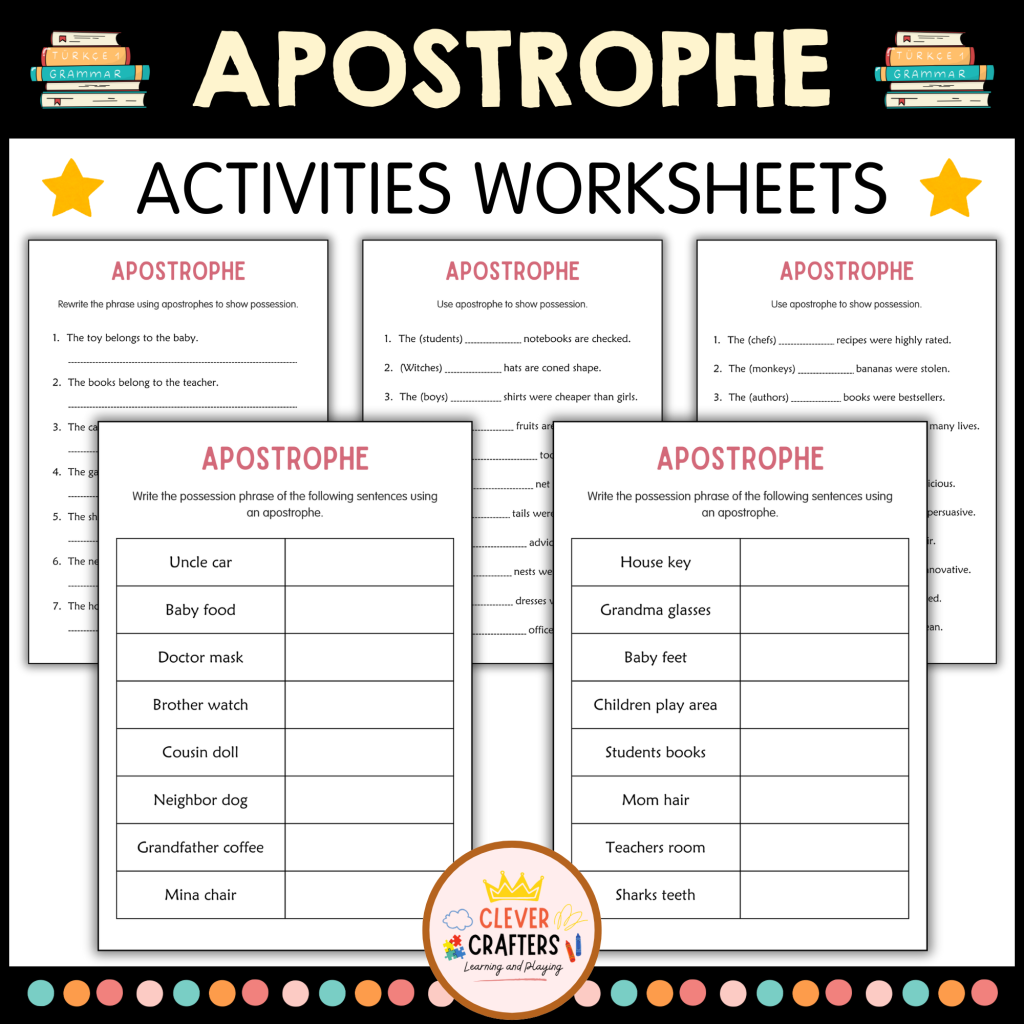
Introduction This set of Apostrophe worksheets helps students understand the correct use of apostrophes to show possession. Through a variety of engaging and structured activities, learners practice converting phrases into possession forms…
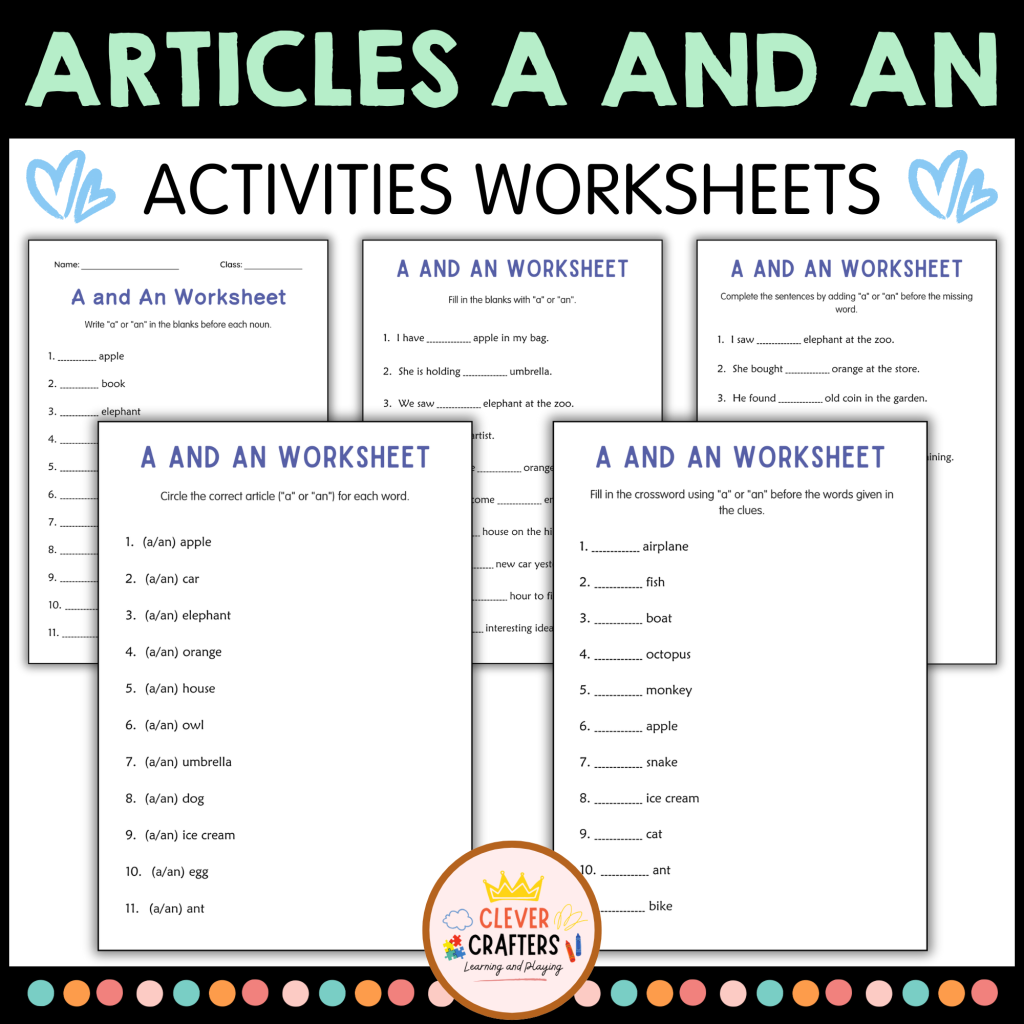
Introduction This worksheet pack helps students learn how to correctly use “a” and “an” in sentences. Through simple and engaging activities, learners practise choosing the right article based on the beginning sound of a word.
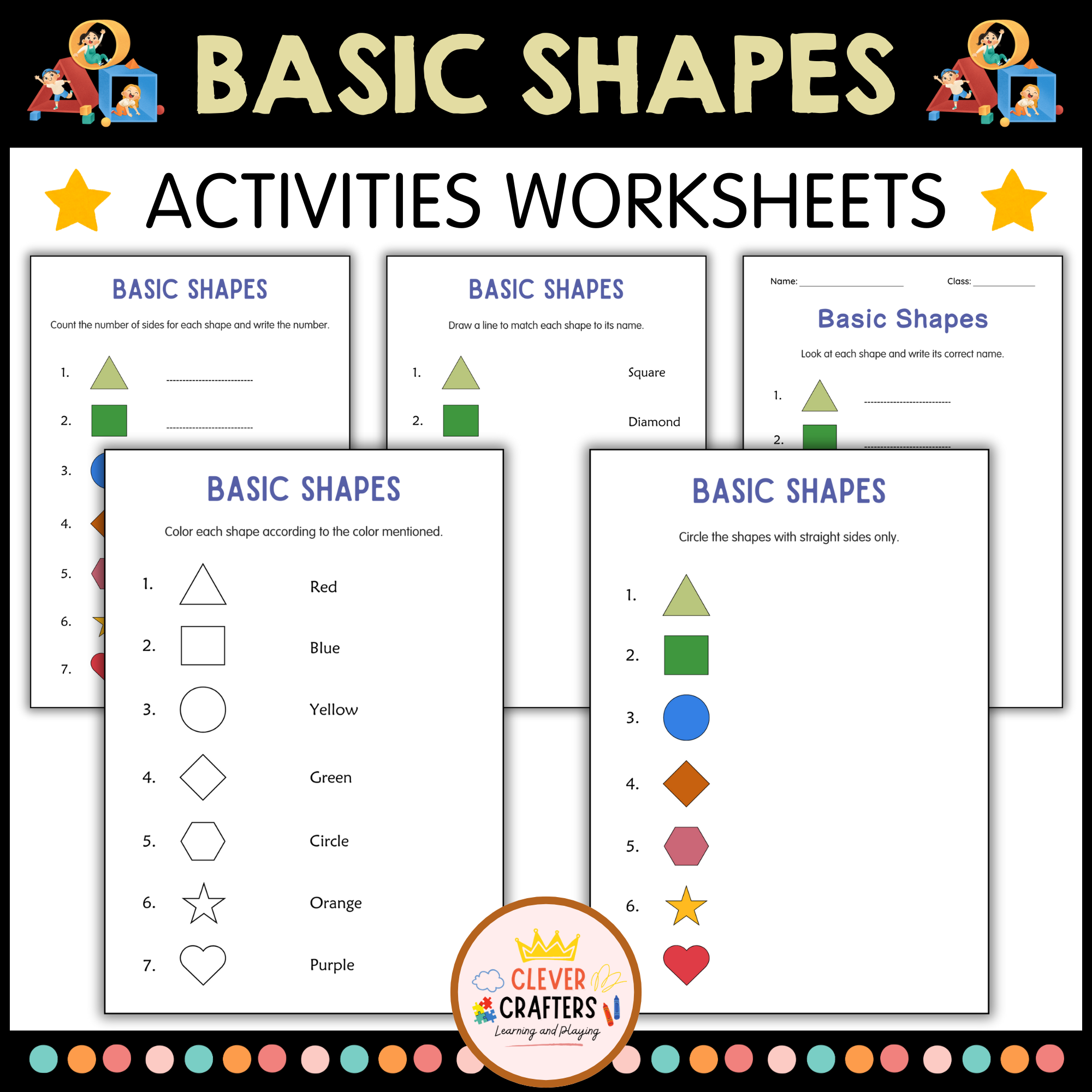
Introduction This set of 7 engaging Basic Shapes Activity Worksheets is designed to help young learners recognize, name, and work with a variety of 2D shapes.
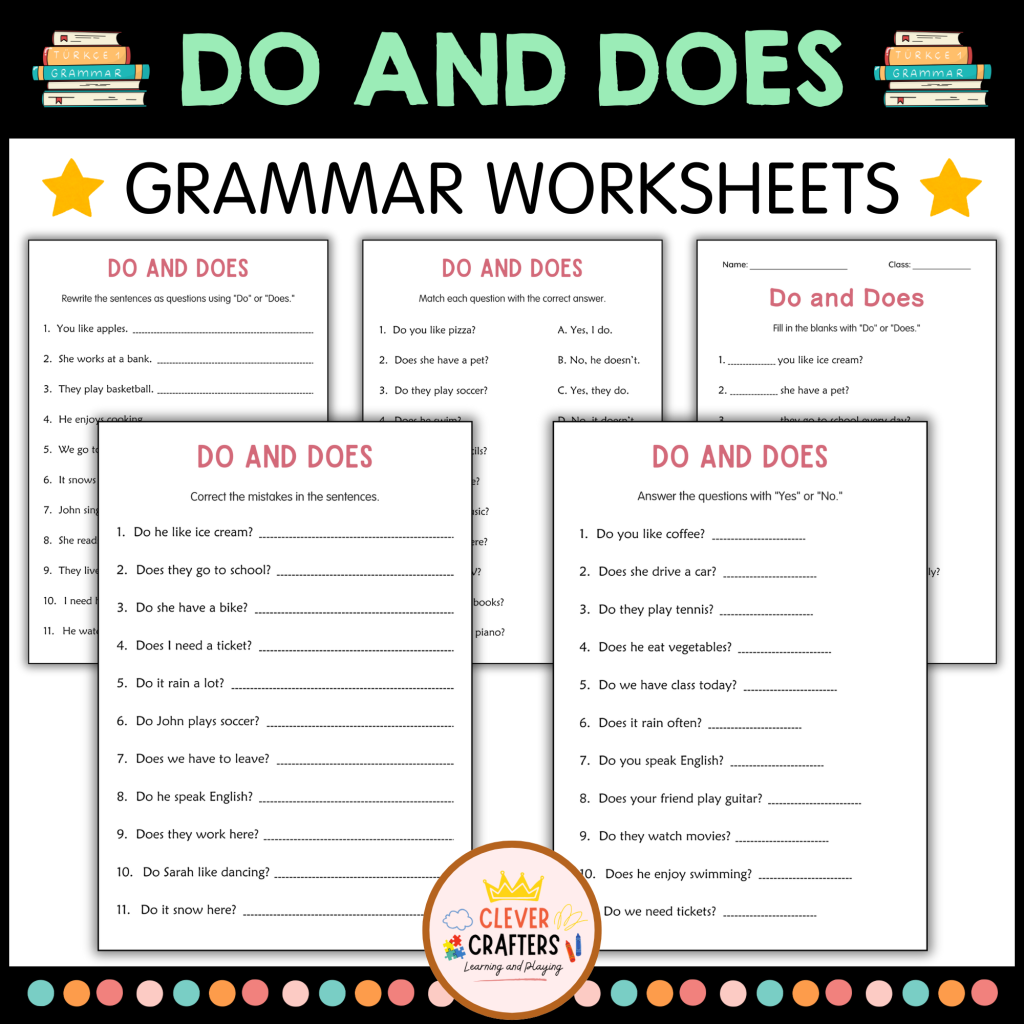
Introduction This set of Do and Does worksheets helps students understand how to correctly use auxiliary verbs in present simple questions and sentences.
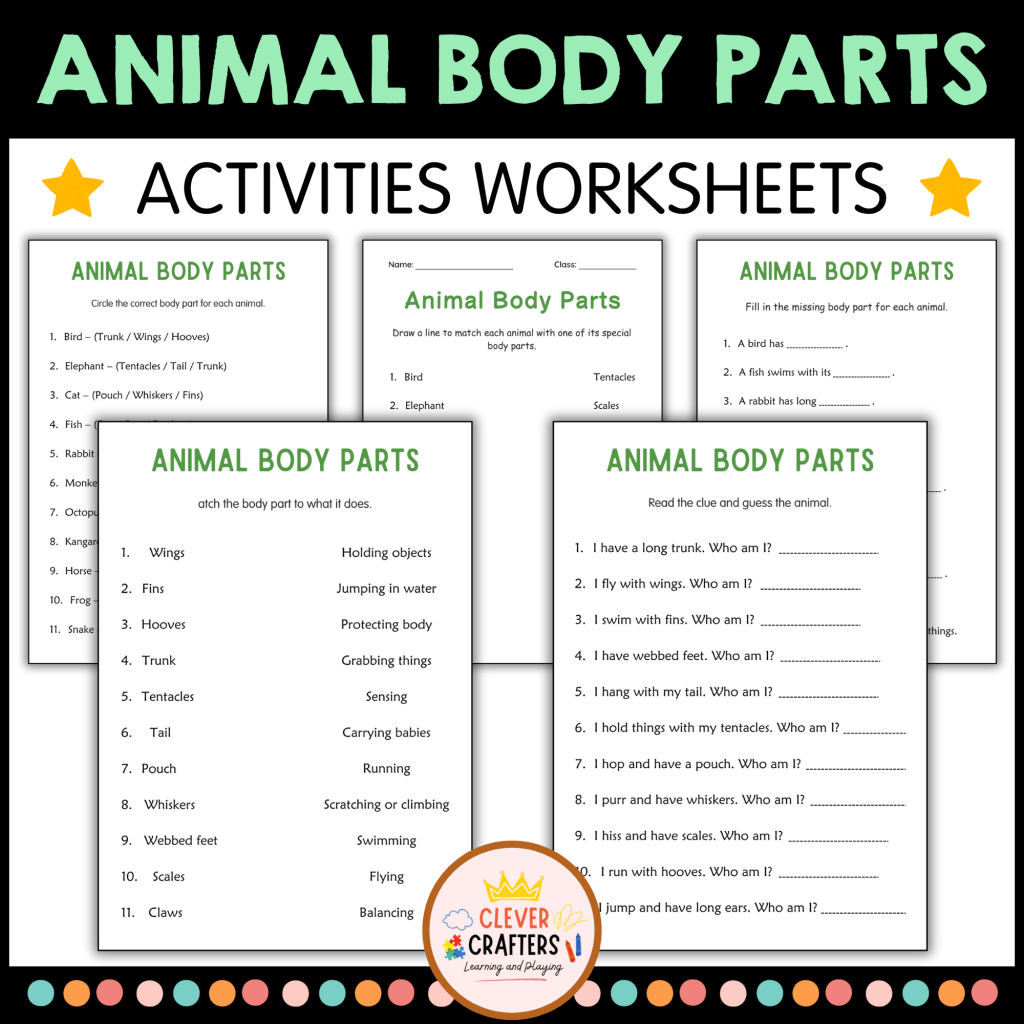
Connect animal body parts with the actions they help an animal perform. Matching, sentence completion, movement-and-sensing sorting and riddles ask students to use both names and functional clues, followed by true-or-false practice. Discuss examples orally before independent work, allowing learners to explain alternatives when a clue fits several animals or a structure serves multiple purposes.
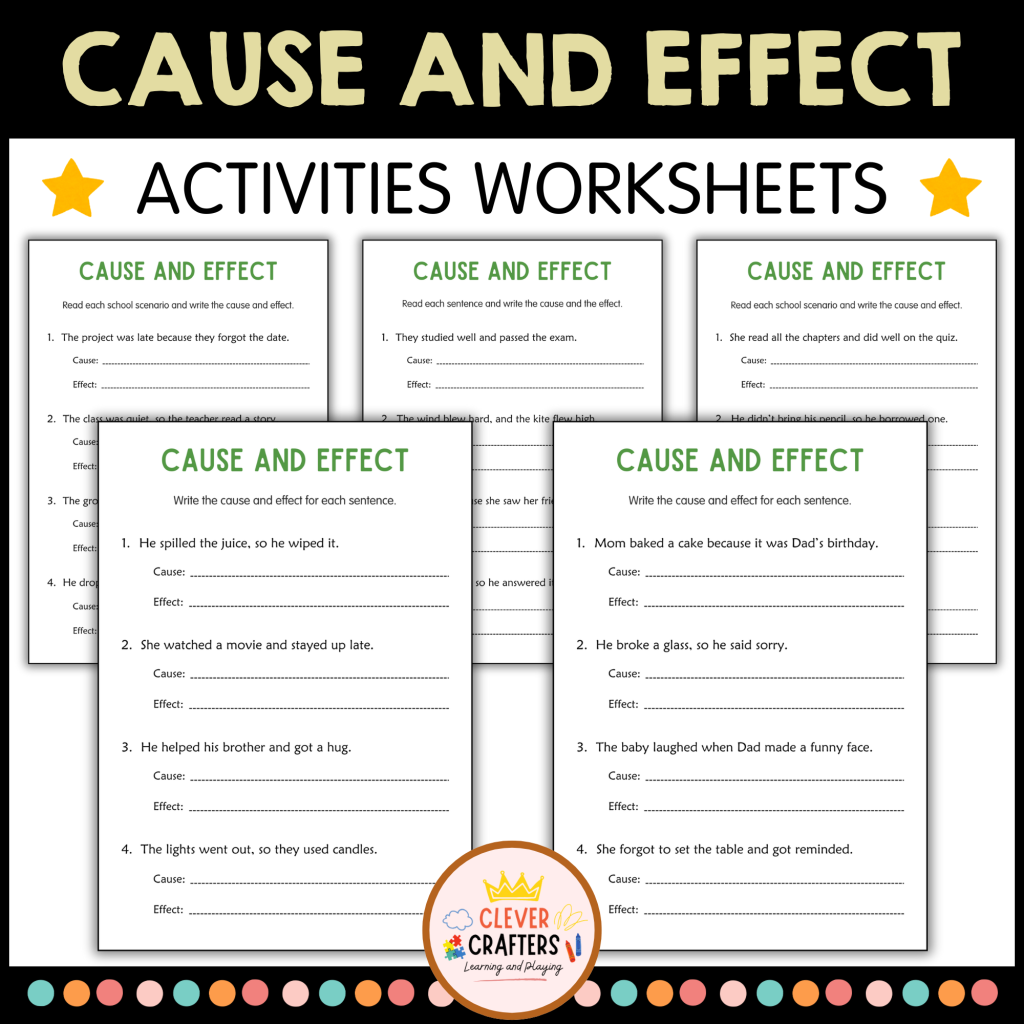
Reading/grammar worksheet set teaching identification of cause-and-effect relationships in sentences.
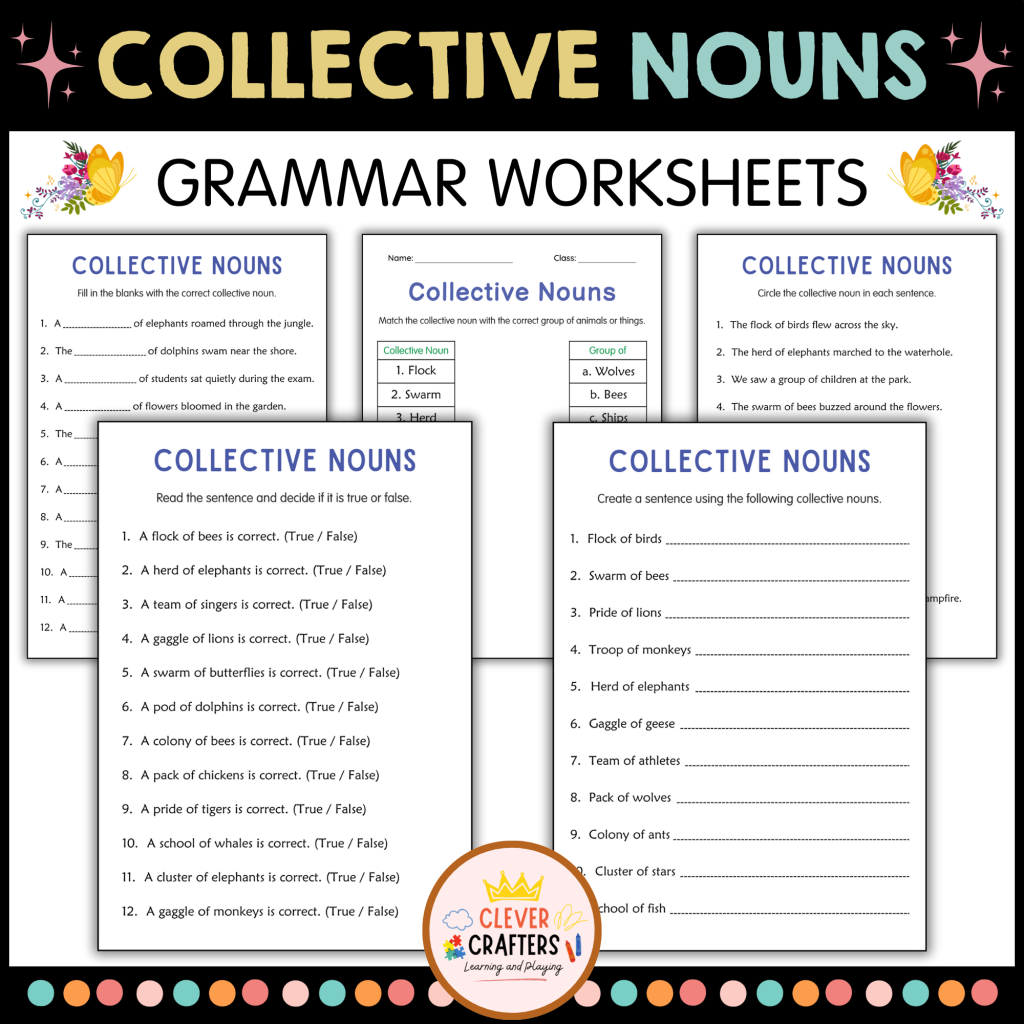
Introduction This worksheet pack helps students learn about collective nouns and how they are used to describe groups of people, animals, or things.
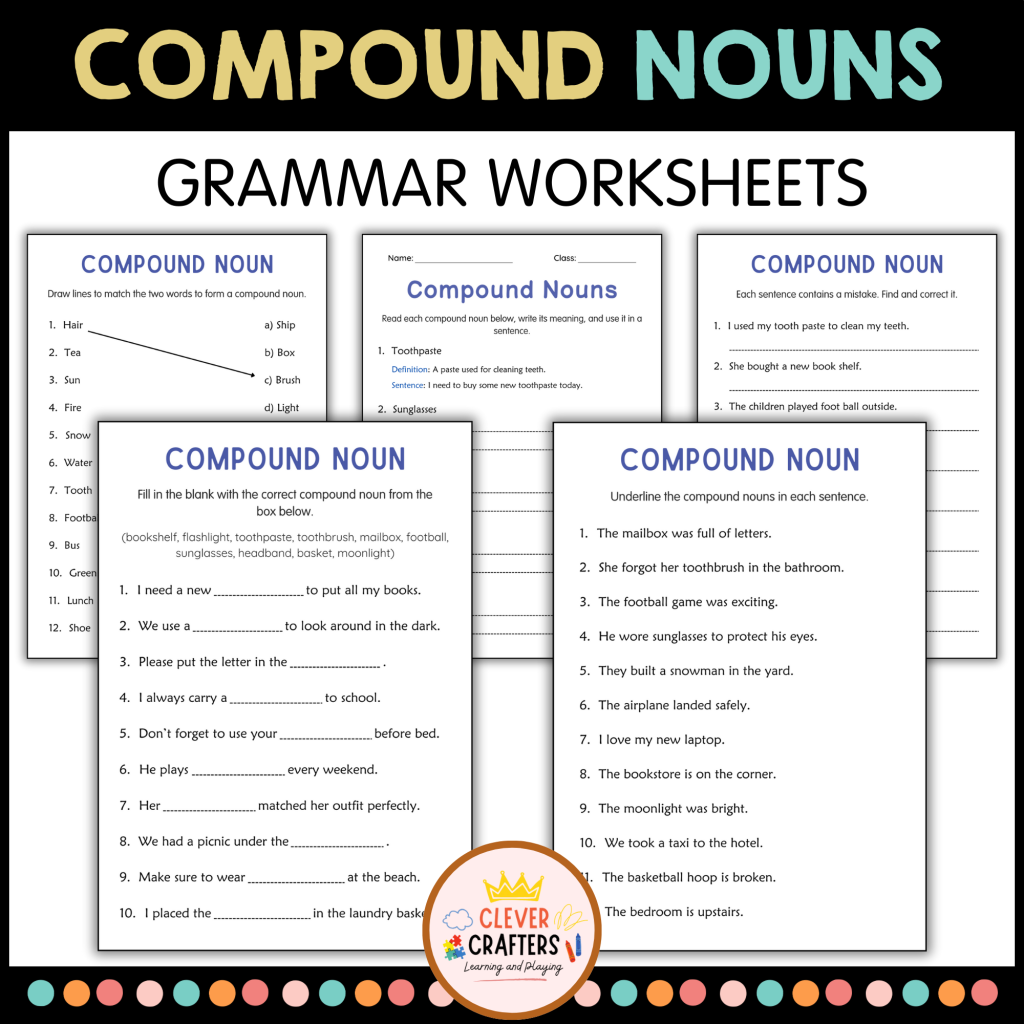
Students build compound nouns from familiar words, identify them in sentences and explain what the combined forms mean. Seven pages vary the work through matching, gap fills, spelling edits, sorting and original sentences. Model an example such as toothpaste, then use a dictionary to discuss accepted spellings and whether a proposed combination is a commonly used word.
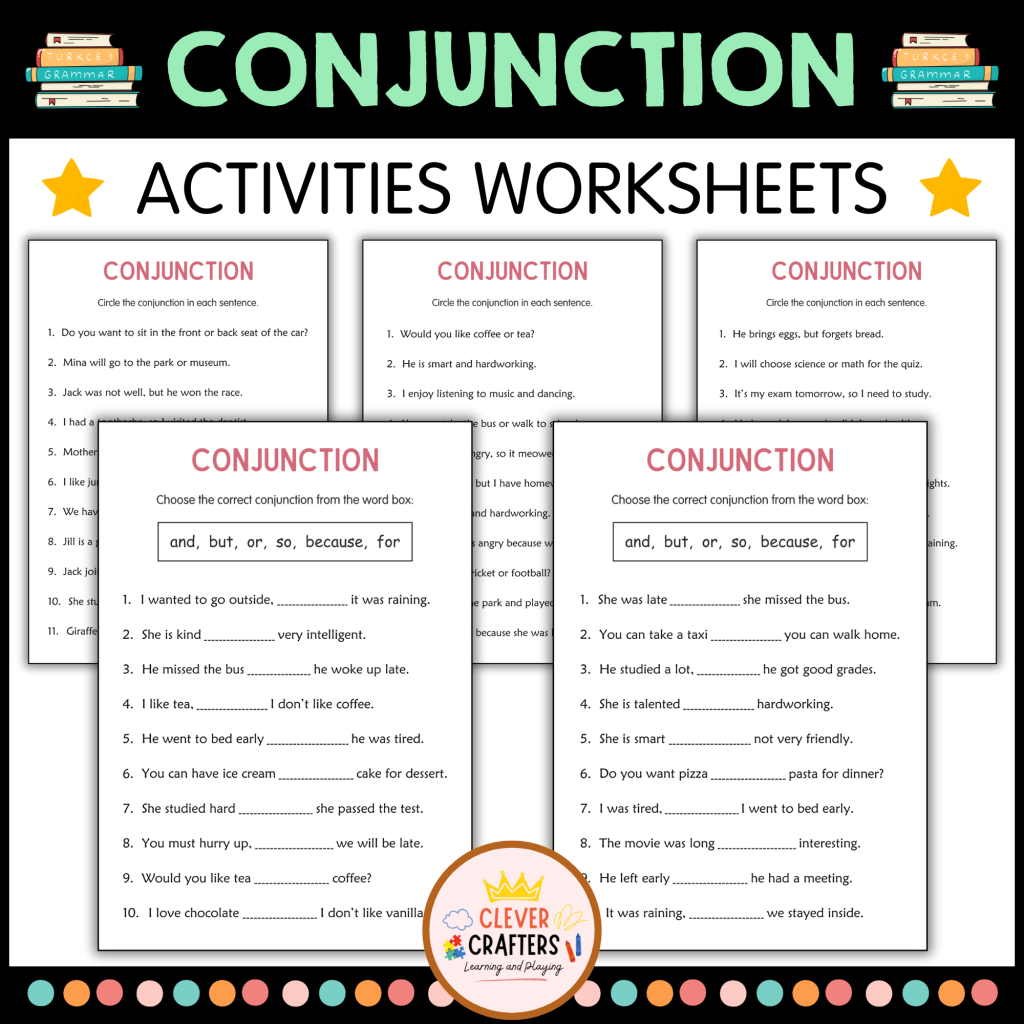
Introduction These conjunction worksheets are designed to give students extra practice with common connecting words like and, but, or, so, and because .
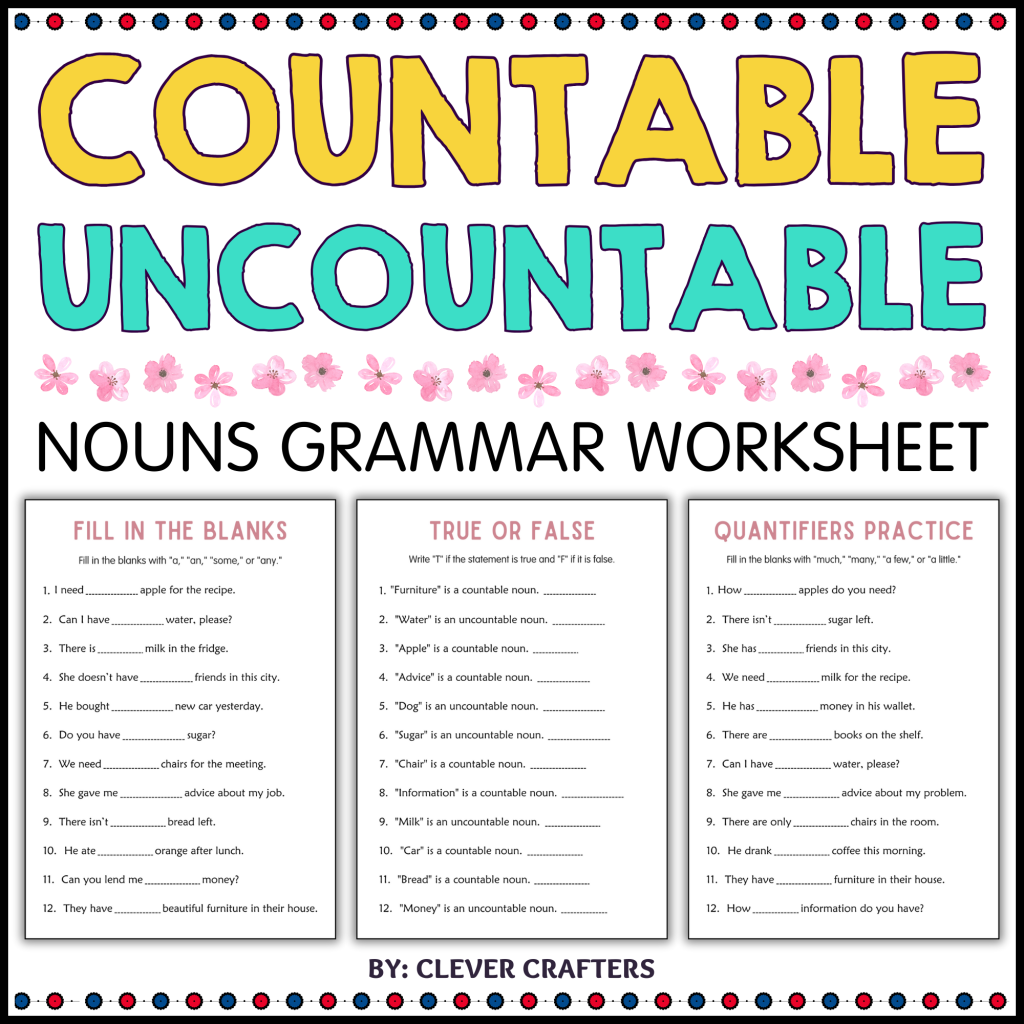
Introduction This worksheet pack helps students understand the difference between countable and uncountable nouns. Through simple grammar exercises, learners practise identifying nouns that can be counted and nouns that cannot be counted.
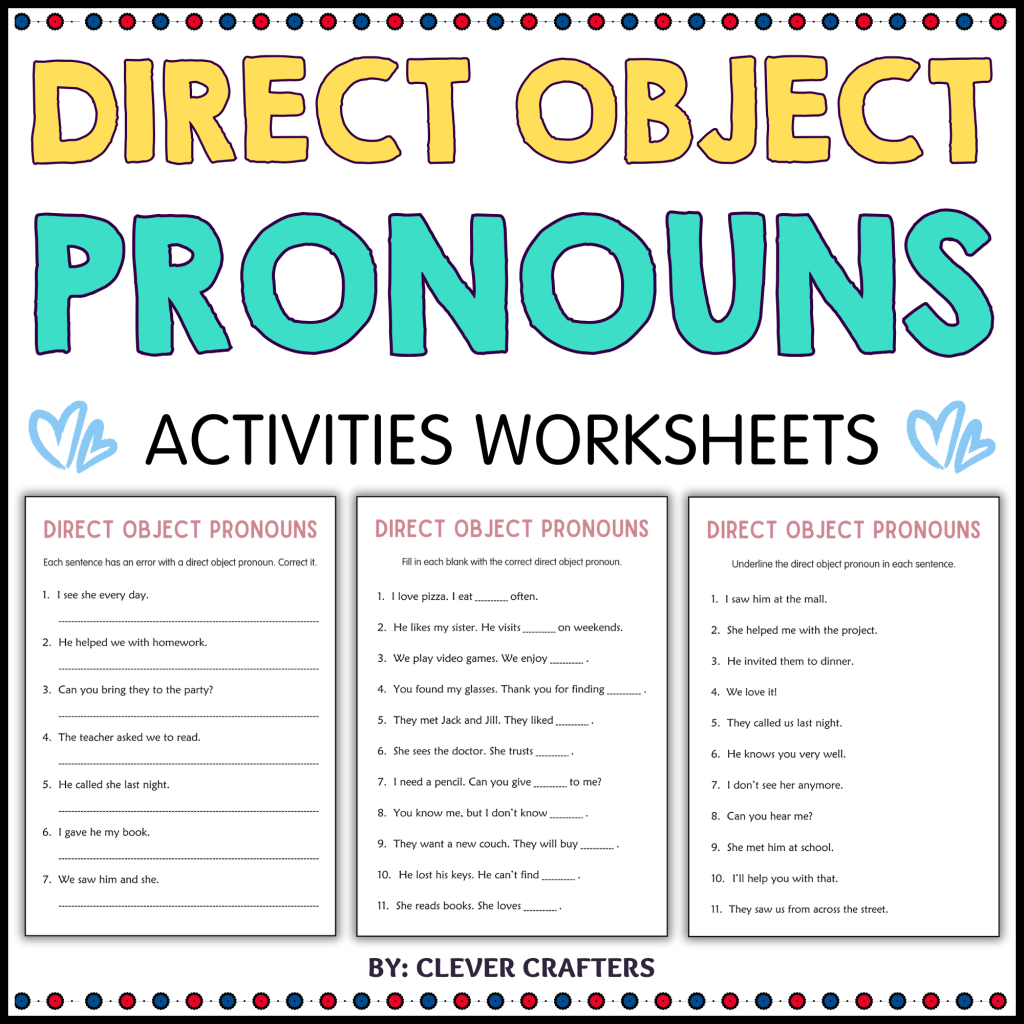
Seven worksheets practice direct-object pronouns through replacement, blank completion, sentence rewriting, error correction and underlining. Target forms include me, you, him, her, it, us and them. Students work with supplied sentences throughout; no separate original-composition prompt or multiple-choice answer bank is included.
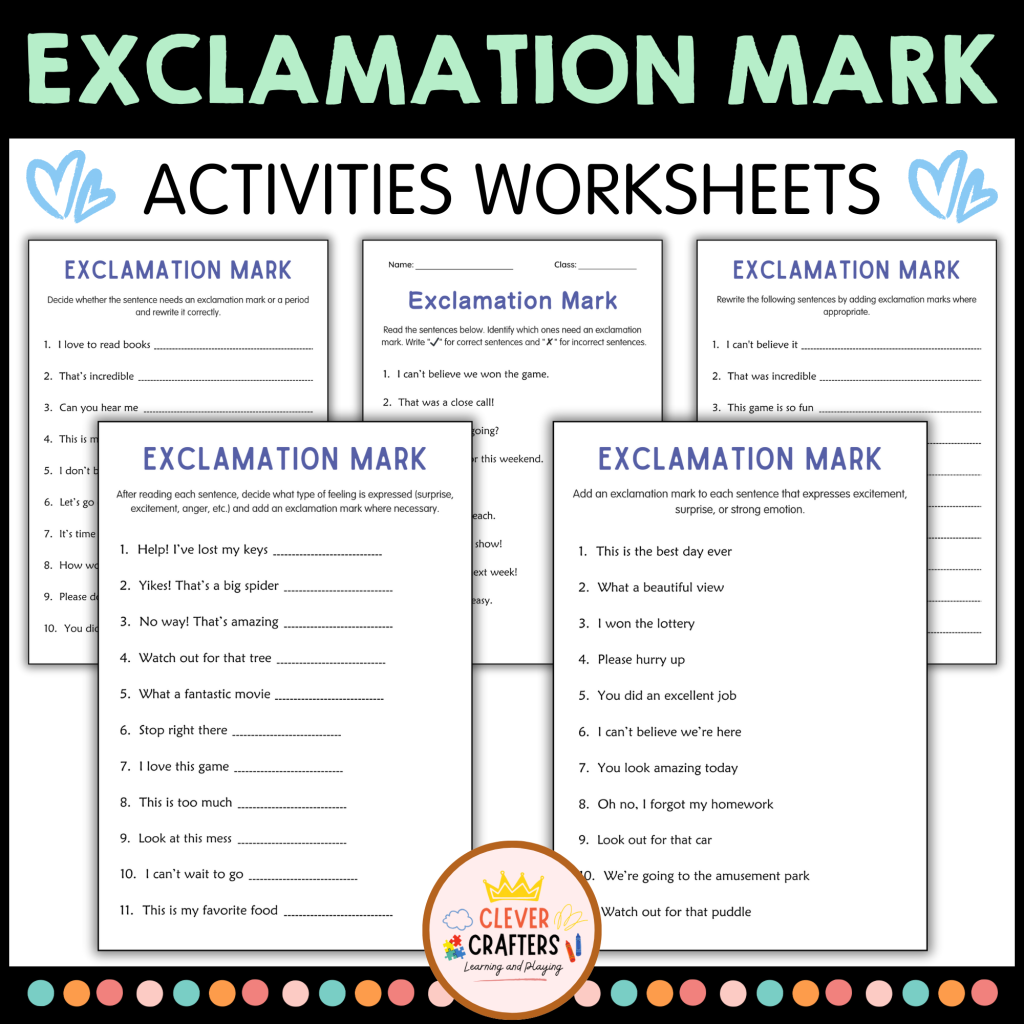
The six sheets vary the decision students make about exclamation marks: judging existing punctuation, choosing an ending, rewriting a sentence, and identifying the feeling behind it. Read selected sentences with different expression before students punctuate them, then ask learners to explain how their chosen mark fits the meaning they intended.
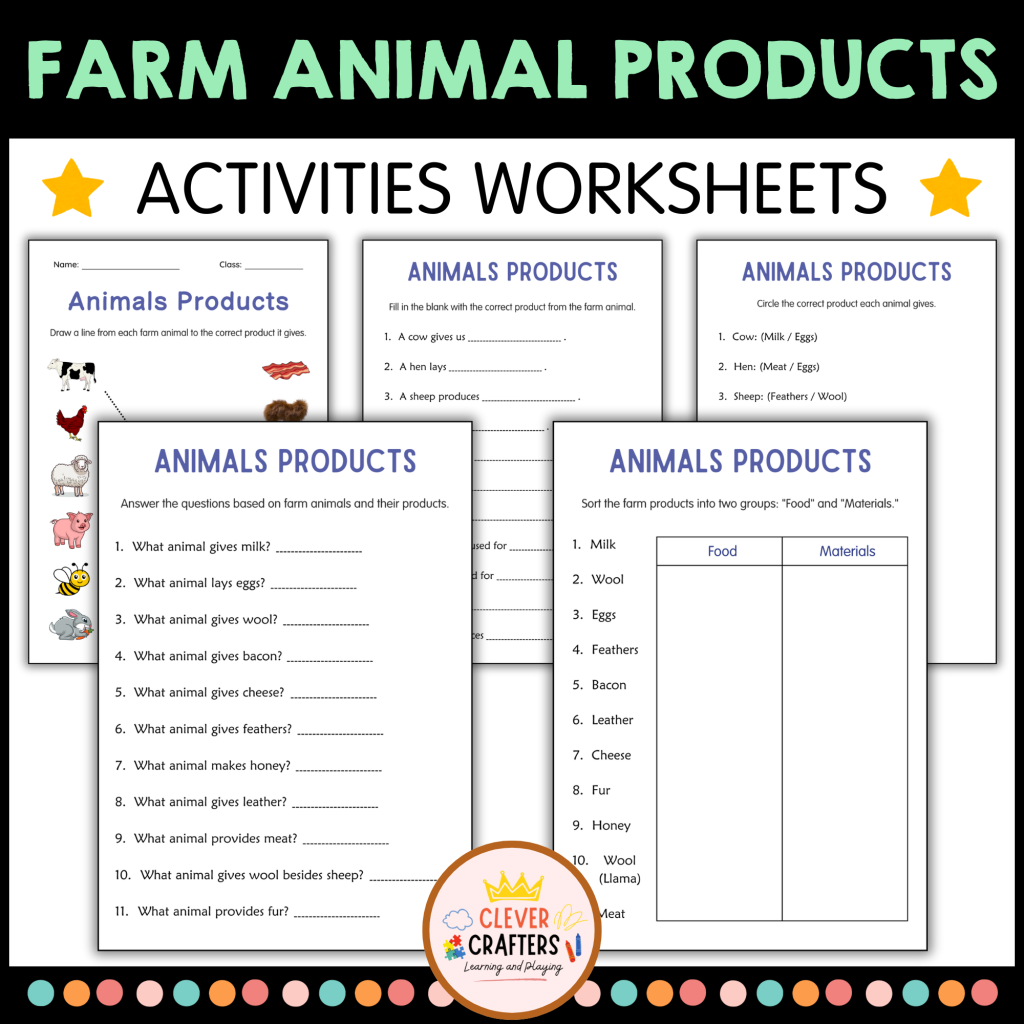
Science/vocabulary worksheet set teaching farm animals and the products they provide.
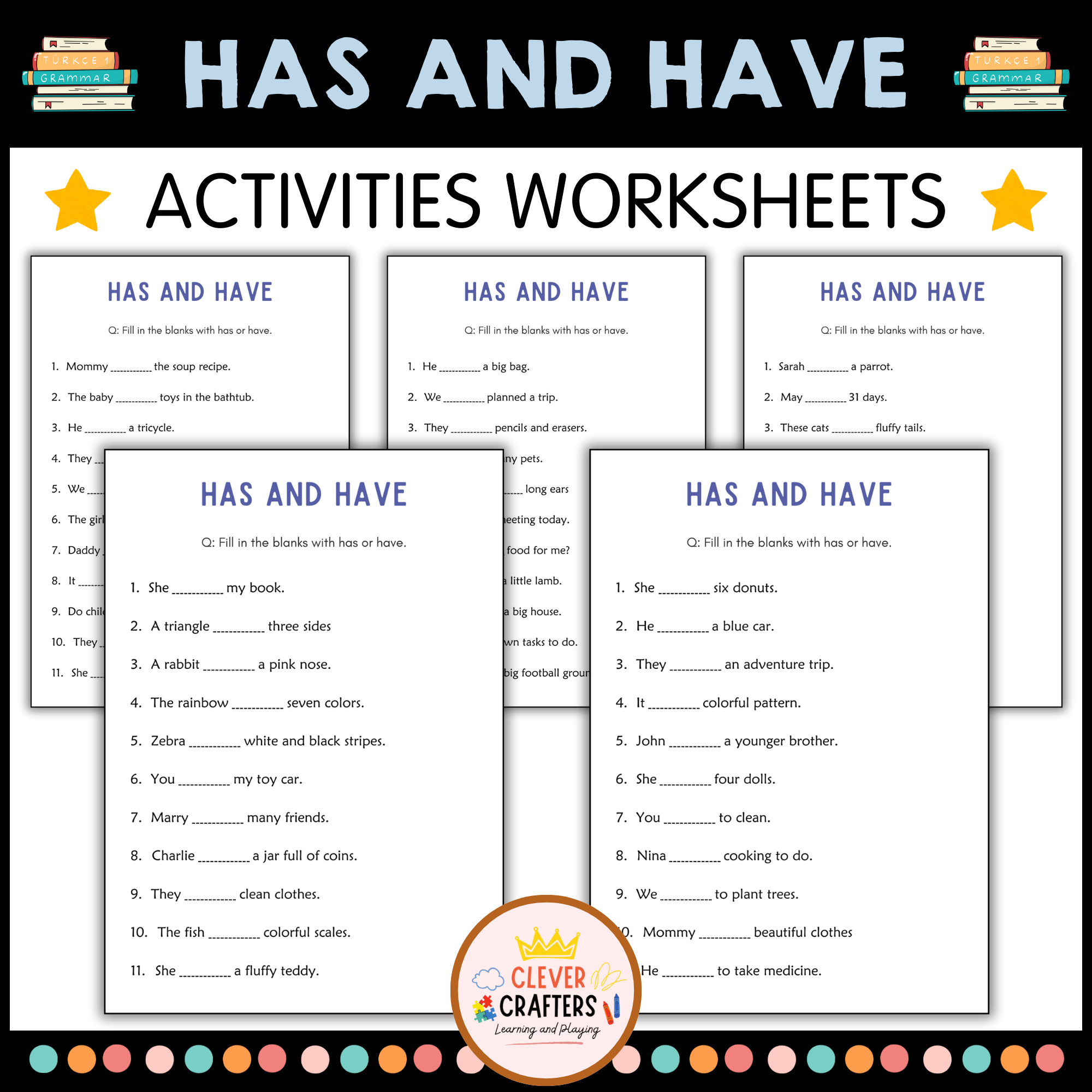
Choose has or have across eight fill-in-the-blank worksheets. The sentences use different subjects and contexts, including possession, obligation, and helping-verb forms. Ask students to identify the subject before choosing a form, then read the completed sentence aloud to check how the verb works in context.
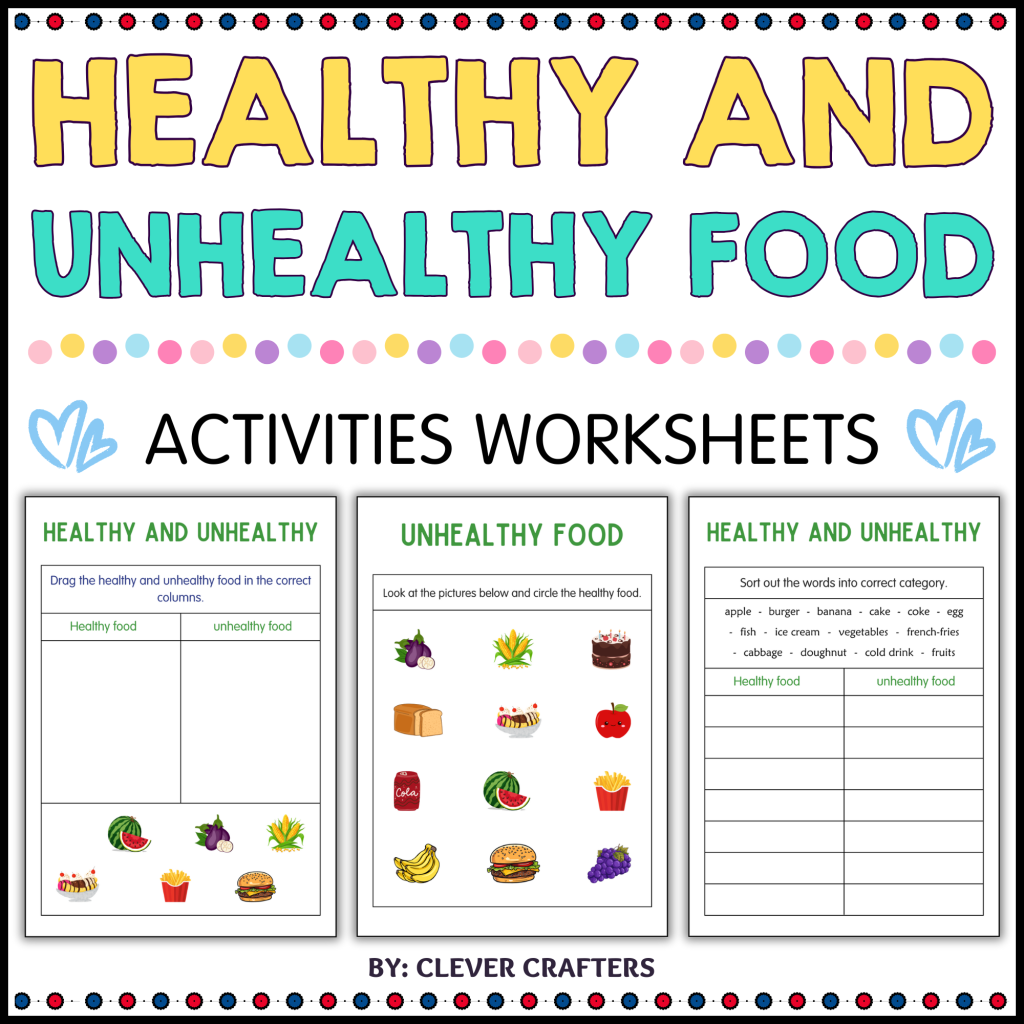
Use picture and word activities to discuss food choices with first-grade learners. Eight pages offer circling, labeling, word-list sorting and column matching under the resource’s Healthy and Unhealthy headings. Name unfamiliar foods before assigning a page and invite students to explain their choices. Select a format that fits the class’s reading level.
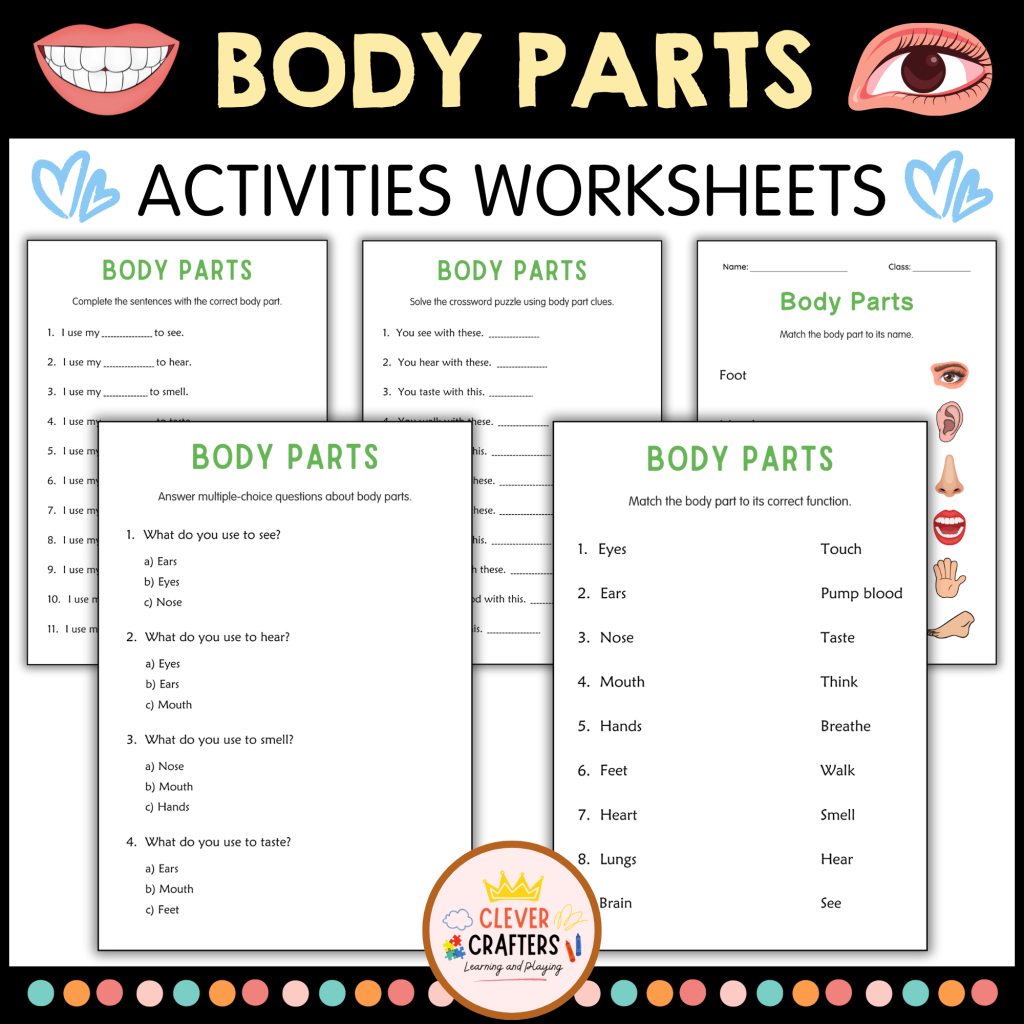
Science worksheet set teaching basic human body parts vocabulary and their functions.
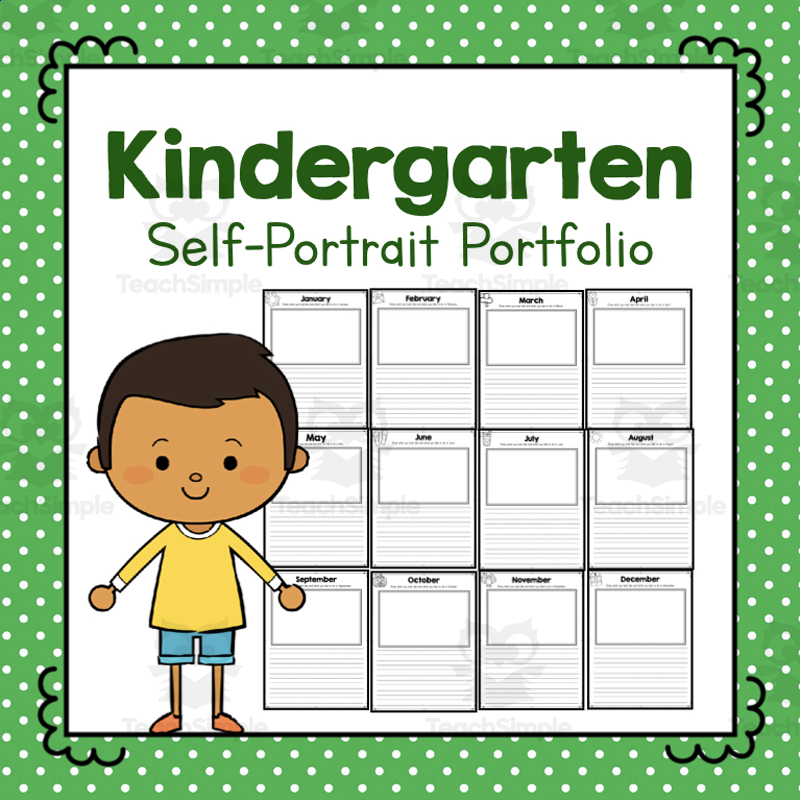
Printable Kindergarten Writing Portfolio: A Year-Round Keepsake This invaluable teaching resource is specifically tailored for educators working with young learners in preschool, kindergarten, and first grade.
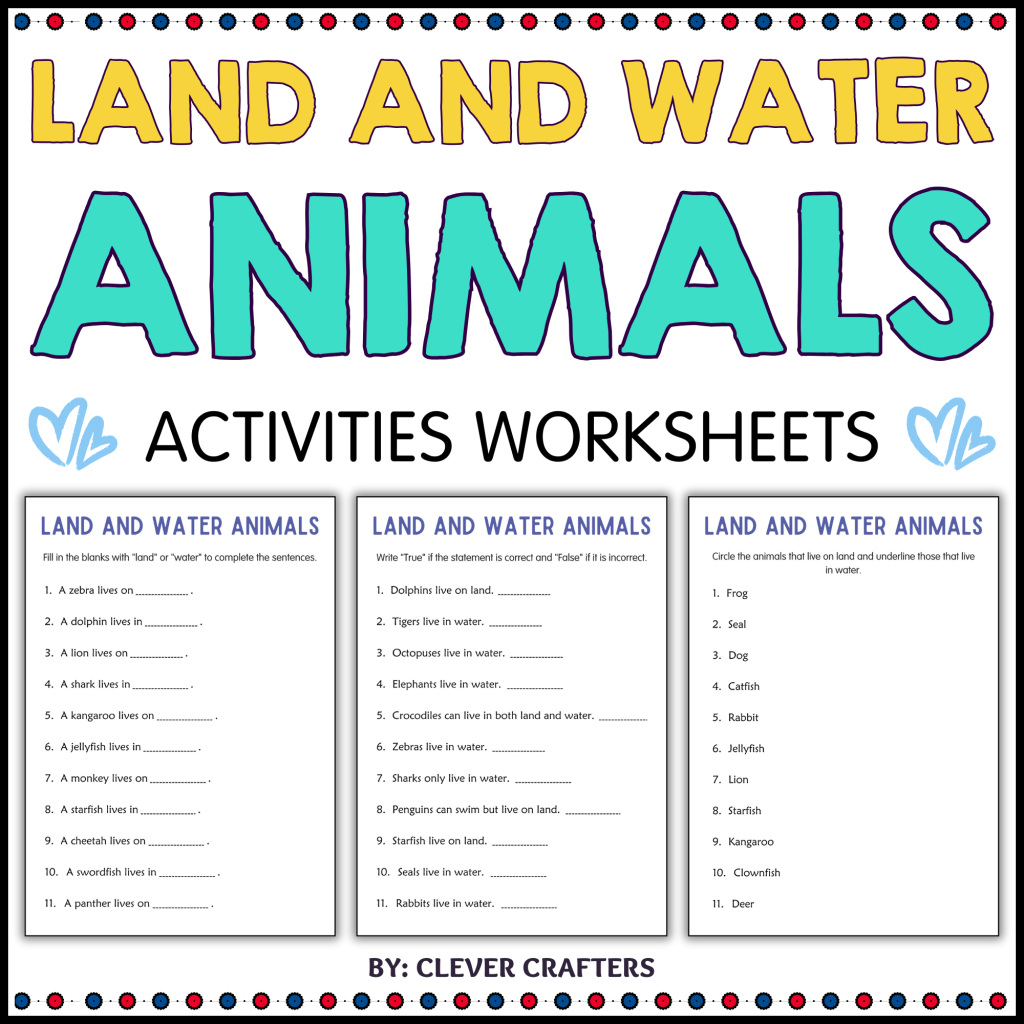
The seven worksheets revisit animals across several response formats, from grouping names to explaining a helpful adaptation. Use selected pages alongside examples from your habitat lesson and ask students to describe how an animal uses its environment. The adaptation page can extend the work beyond naming a location into explaining a feature.
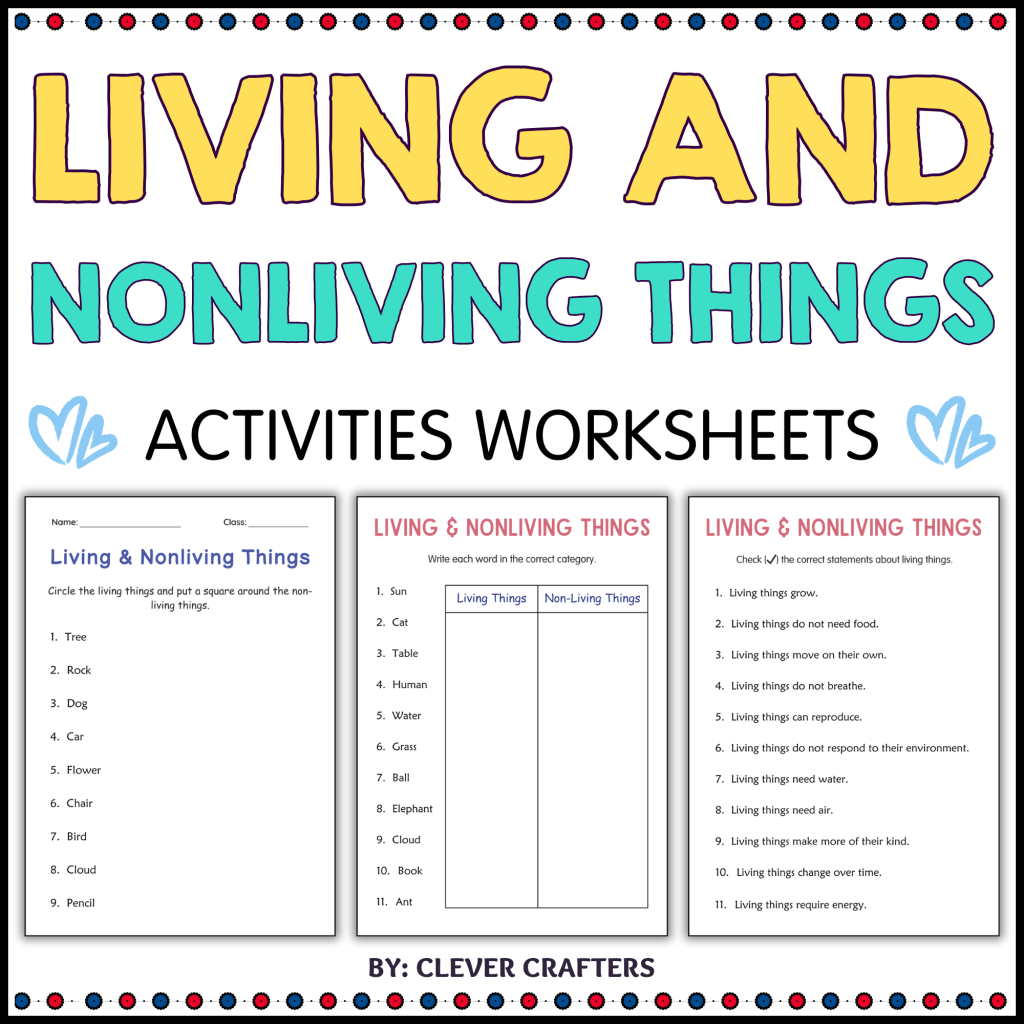
Introduction This set of Living and Nonliving Things Worksheets helps young learners understand the difference between living and non-living things.
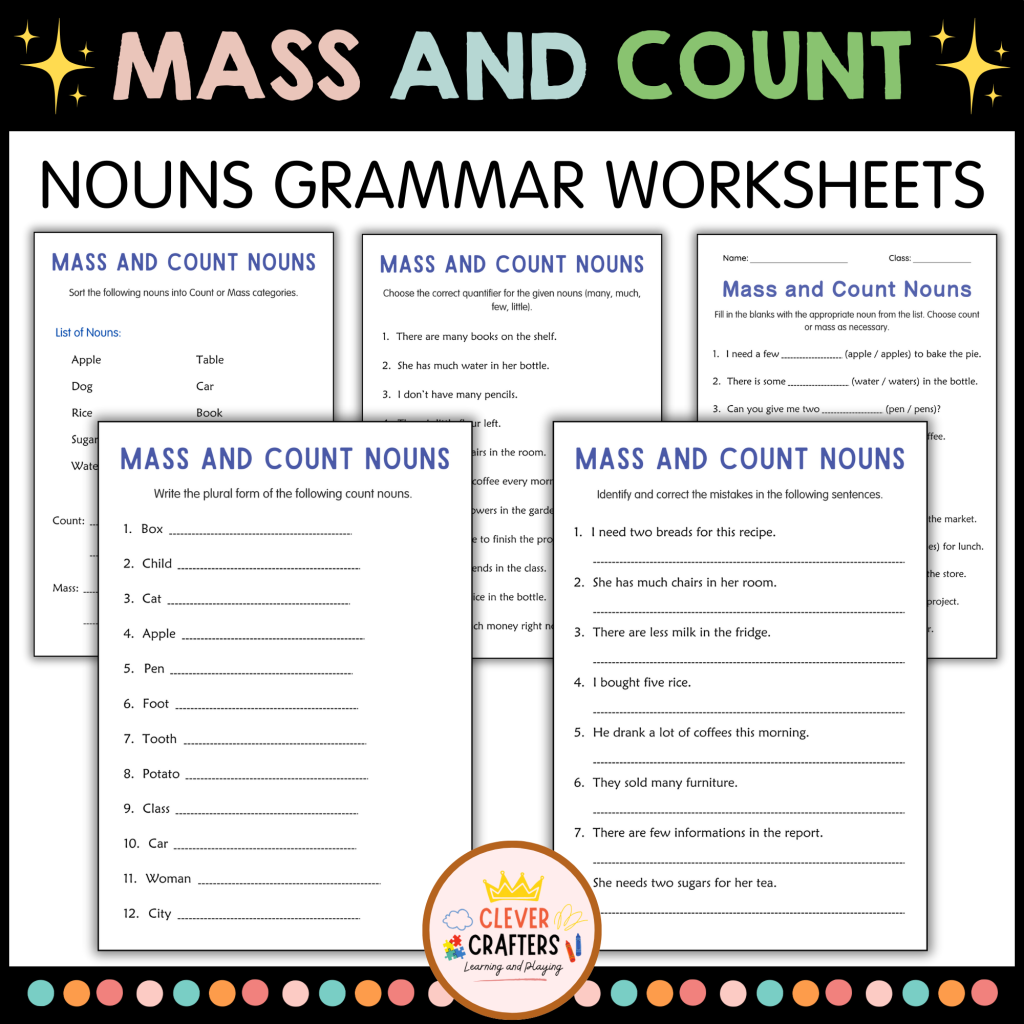
Students distinguish count nouns from mass nouns through sorting, sentence choices and error correction. Additional pages practice irregular plurals, quantity words and ways to make a mass noun countable using a container or unit. Establish the distinction with familiar examples first, then ask learners to explain why a quantifier or plural form fits a complete sentence.
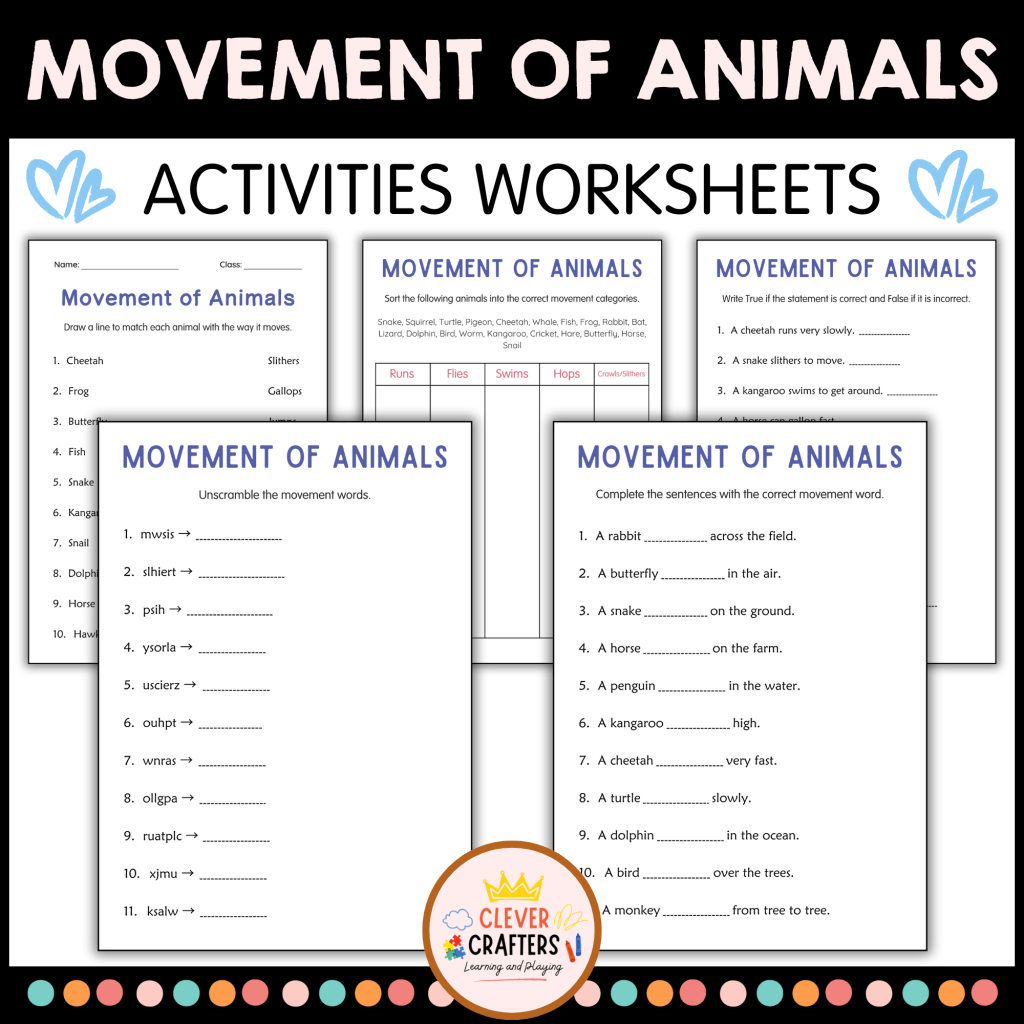
Students connect animals with movement words through matching, sorting, sentence completion and writing. True-or-false statements and an unscrambling page provide additional ways to revisit the vocabulary. Discuss familiar examples before the worksheets, and accept more than one movement category when a learner can explain how the animal moves in different situations.