Letters & early reading
Beginning Sounds | Phonics Practice Worksheet
Practice identifying beginning (initial) letter sounds of pictured objects.




Classroom resources
Browse by lesson focus
Choose the topic or kind of practice you need.
Showing 601–624 of 4321 resources

 Show filters
 Practice identifying beginning (initial) letter sounds of pictured objects.
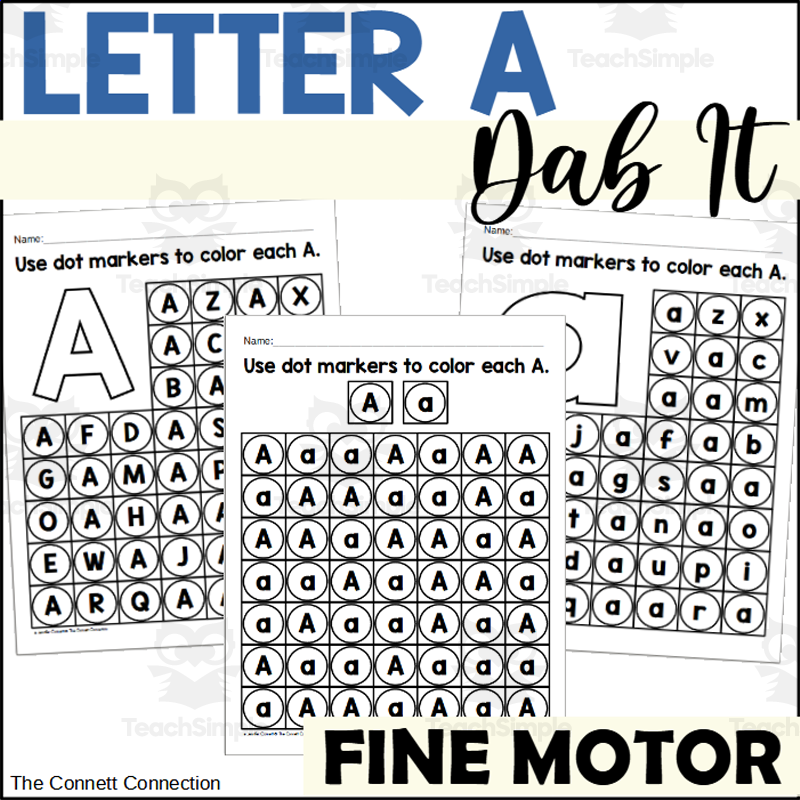
The first pages ask students to find uppercase or lowercase A among other letters. The mixed page then brings A and a together for recognizing both forms. Model comparing a target with a distractor before students begin marking the search pages.

A worksheet for practicing spelling consonant-vowel-consonant (CVC) words by matching words to pictures.

This worksheet is great for helping students identify the beginning sounds of words. It is a fun and interactive way for students to learn and practice their phonics skills.

Practice skip counting by 10s (10 to 100) using themed maze/path worksheets and posters, with an answer key.

This worksheet is a great way for students to practice identifying and using the beginning sounds of W, X, Y, and Z. This is an important skill for students to learn as it will help them with their reading and writing.
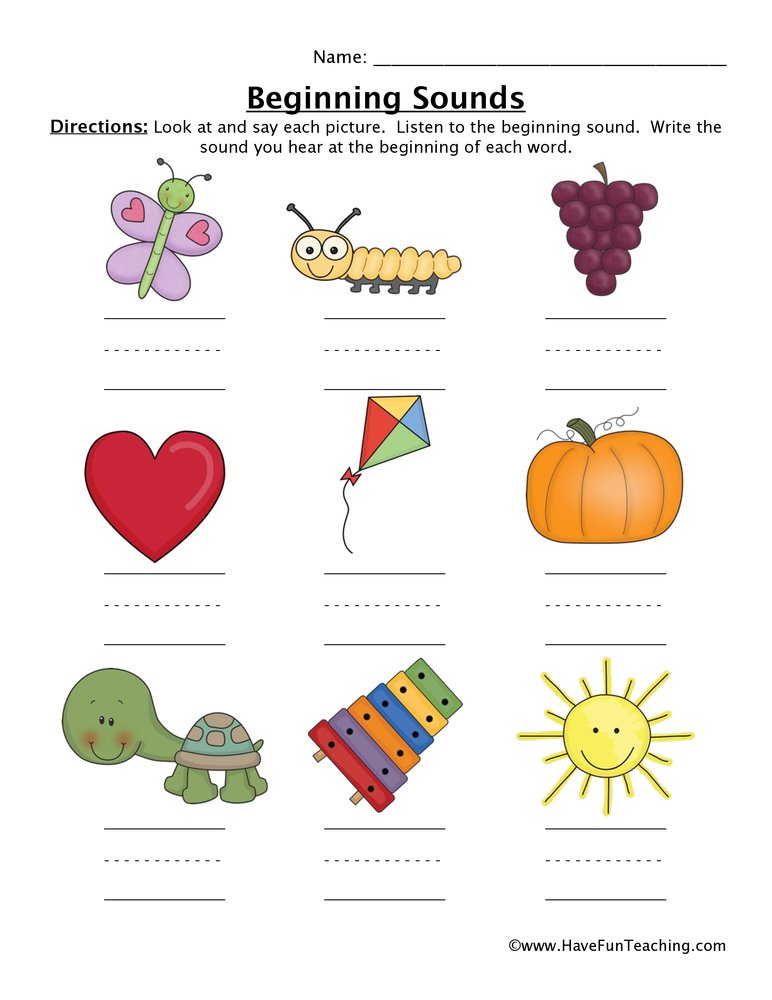
Practice identifying the beginning sound of pictured objects.
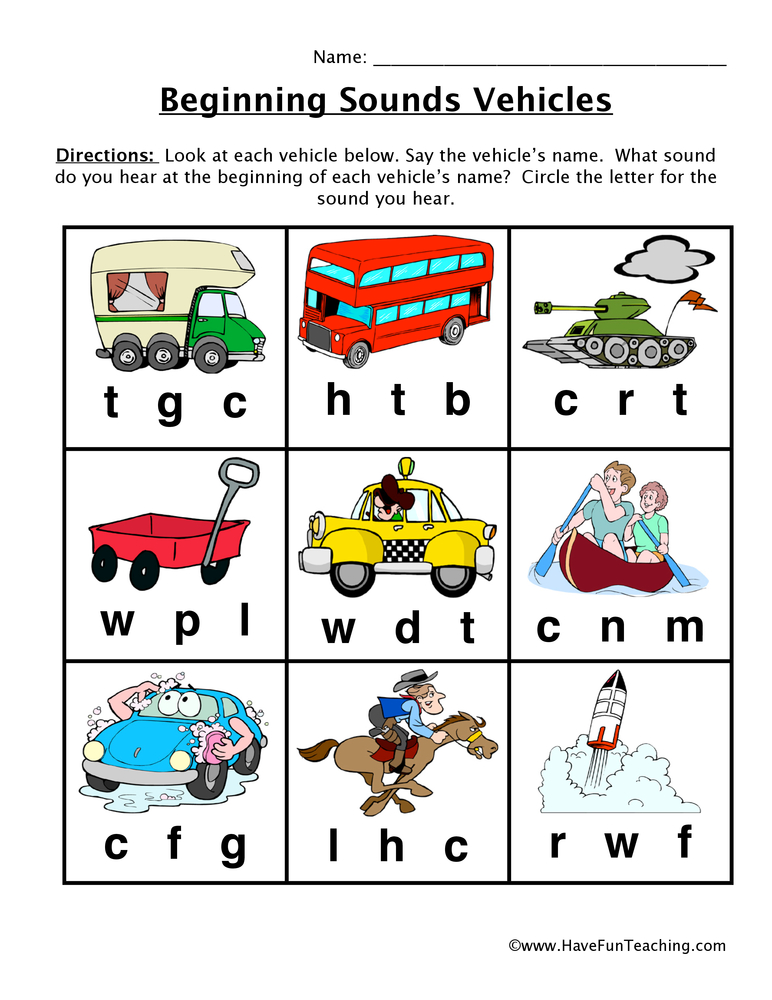
Practice identifying the beginning sound of pictured vehicles by circling the matching letter.

“Frank the Frog” repeats letter-F words in a short story about the character’s traits, fear, friend, food, and activities. Five questions check attention to details, with a completed page for review. Ask learners to point to a phrase in the story when explaining an answer.
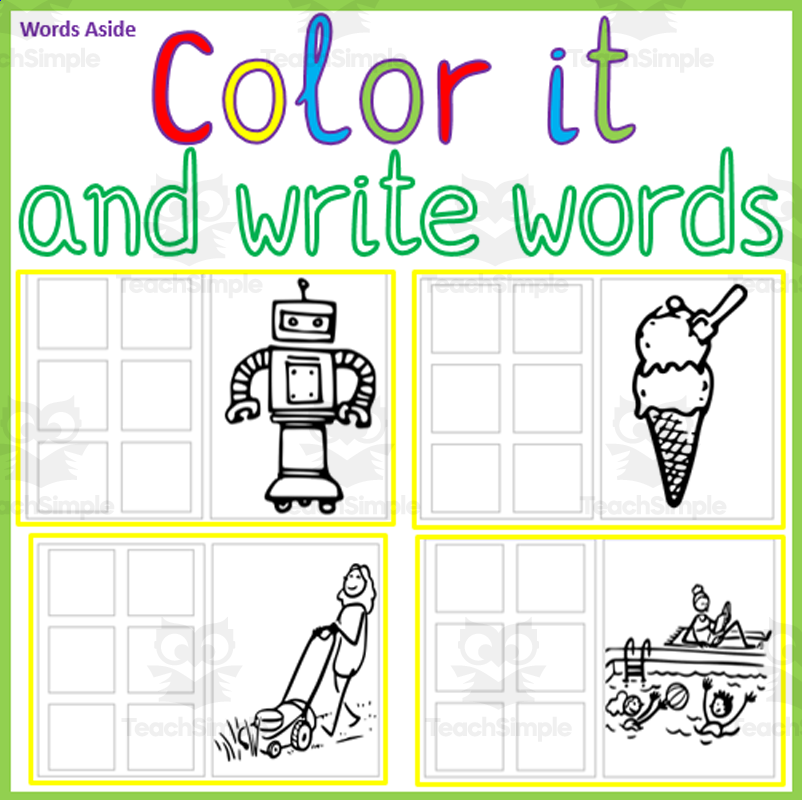
Color it and Write Words Worksheets Searching for easy and fun activity worksheets to use during centers or as morning work and independent practice? If your teaching focuses on developing prewriting, handwriting, premath and visual perception skills with a hint of fun, then this resource is perfect!
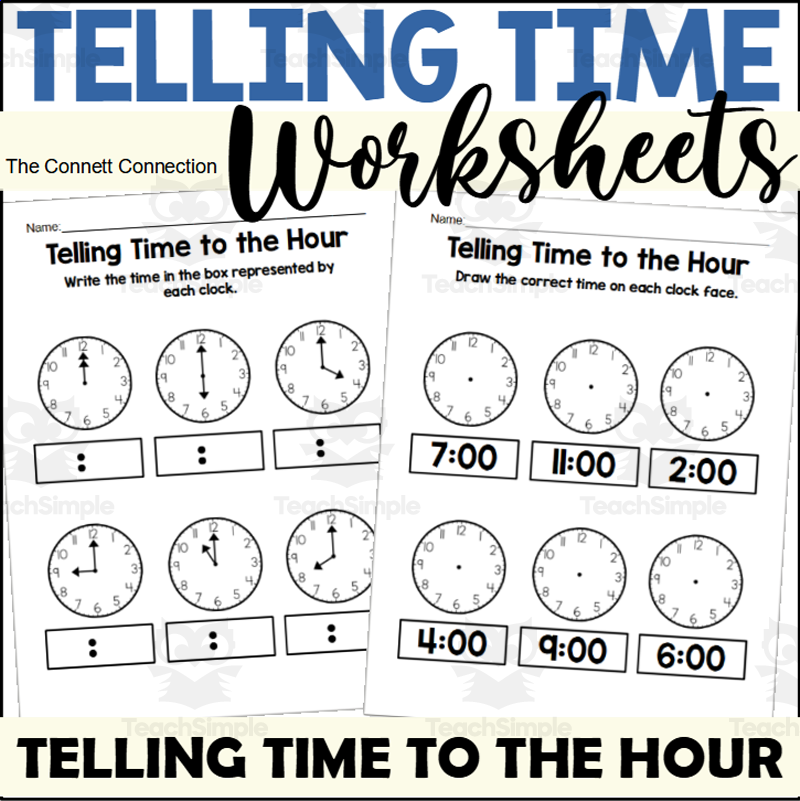
A set of posters and worksheets teaching students to read and draw analog clock times to the hour.

Compare CL and CR at the beginning of pictured words. Students identify the blend that matches each image, using familiar examples such as clock and crab. An answer page lists the matching words and blends, giving you a reference for reviewing responses after the activity.

This writing equations worksheet is a great way for students to subtract one from a given number. By writing equations and using pictures, students will be able to understand this concept better.
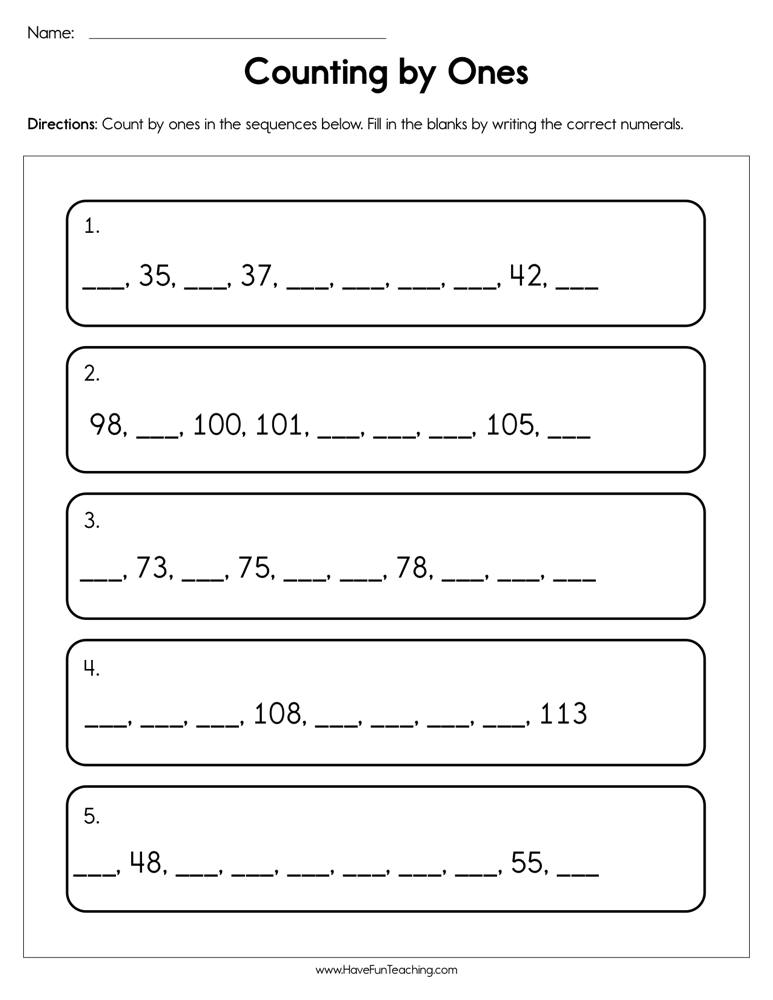
Worksheet for practicing counting by ones (sequential number order) by filling in missing numbers in sequences up to 113.
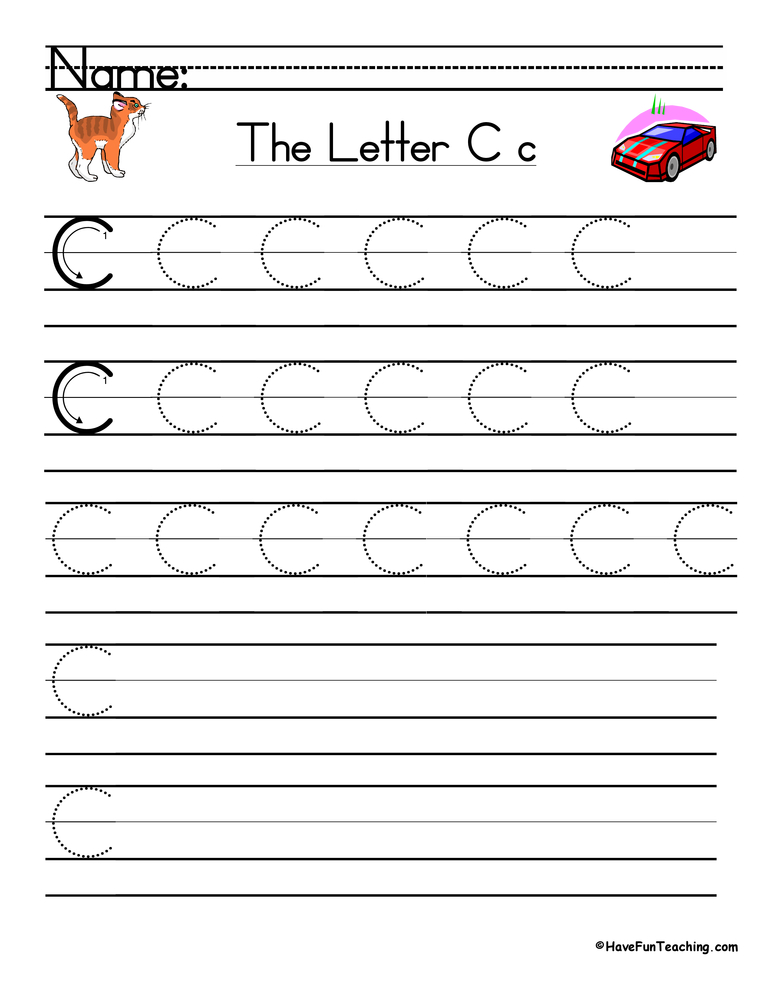
The pages give students repeated opportunities to form the open curve of C and c. Begin with tracing the models, then move to the independent writing spaces. Demonstrate the starting point and stroke direction before students practice keeping their letters consistent along a row.
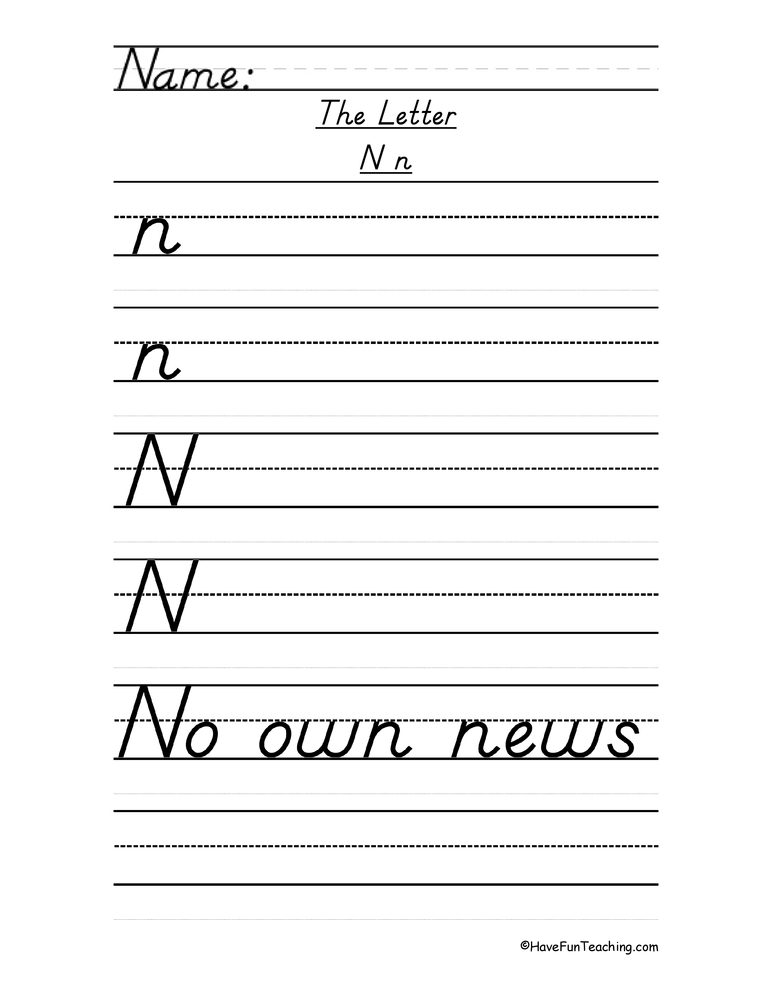
This D'Nealian handwriting practice worksheet is perfect for helping students trace and write the letter N. Building D'Nealian script handwriting skills has never been so easy and fun!

Compare long and short vowel sounds and notice letter changes between similar words. Students complete ten vowel-sound choices and examine six word pairs, with an answer key for checking. Saying each word aloud before marking an answer can help connect the letter pattern with the sound.
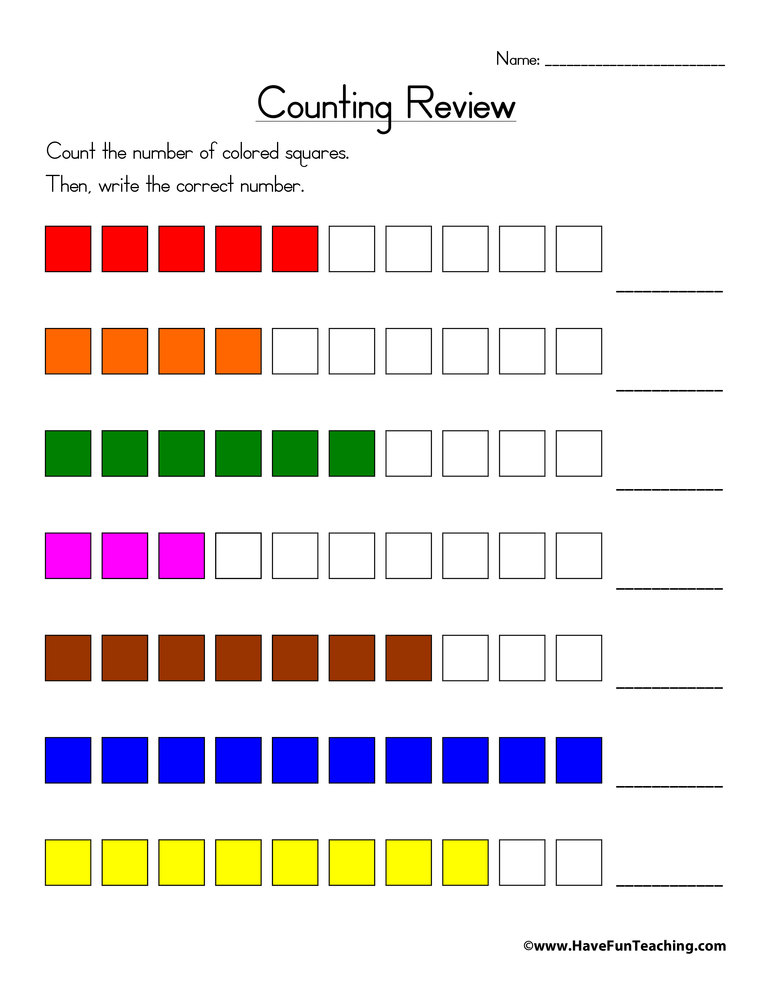
Practice counting colored squares/blocks and writing the correct number.
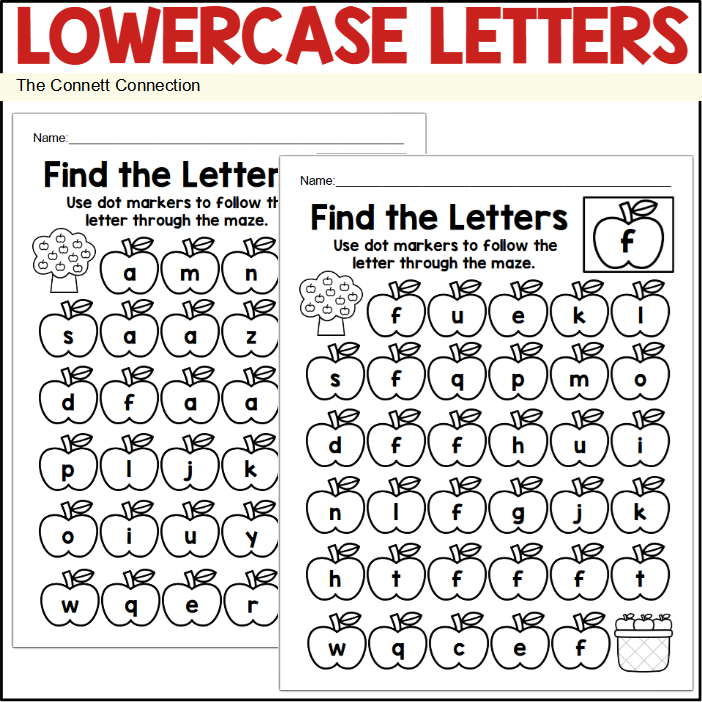
A set of apple/acorn-themed maze worksheets, one per lowercase letter of the alphabet, to help students recognize a specific target lowercase letter among distractor letters.
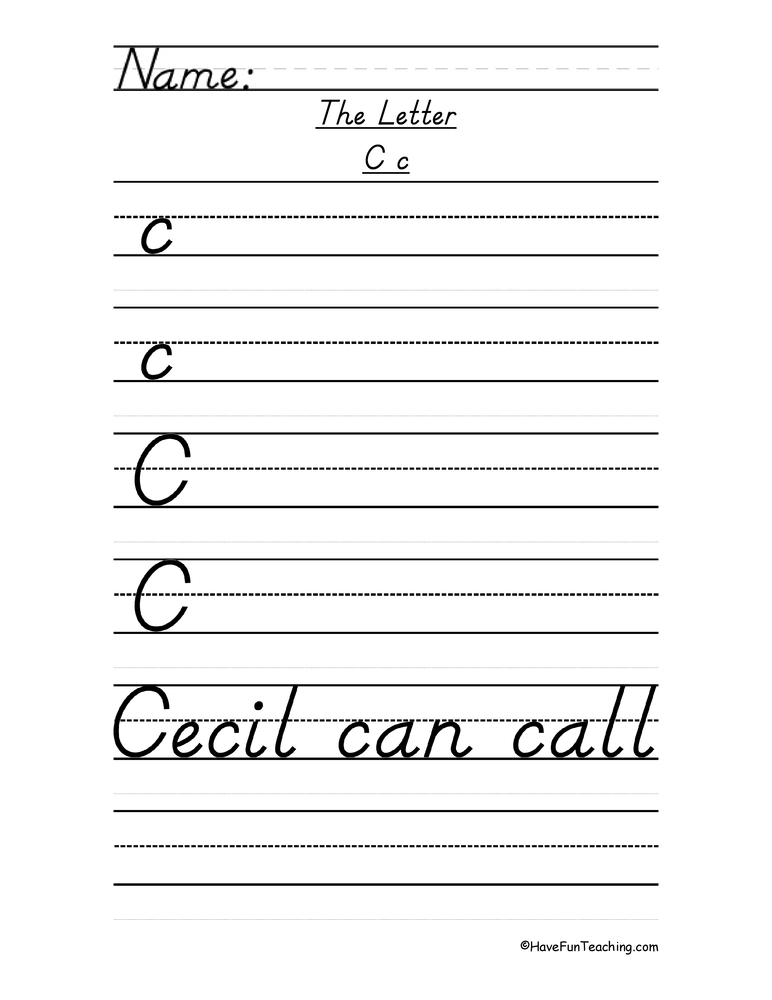
This D'Nealian handwriting practice worksheet is a great resource for students to build their skills. The letter C is traced and then written to help students form the letters correctly.
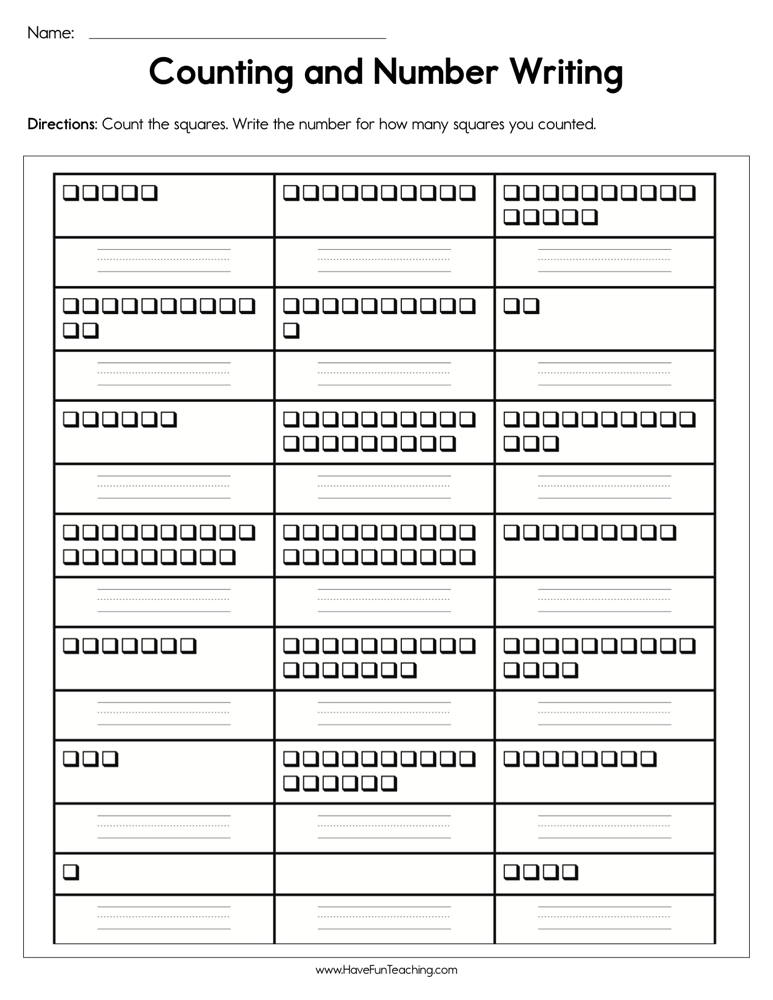
Worksheet for practicing counting objects and writing the corresponding numeral, up to 20.

Writing Subtraction Sentences Worksheets help students read word problems and write equations to solve them. This product is great for teachers who want to help their students learn how to solve word problems using equations.
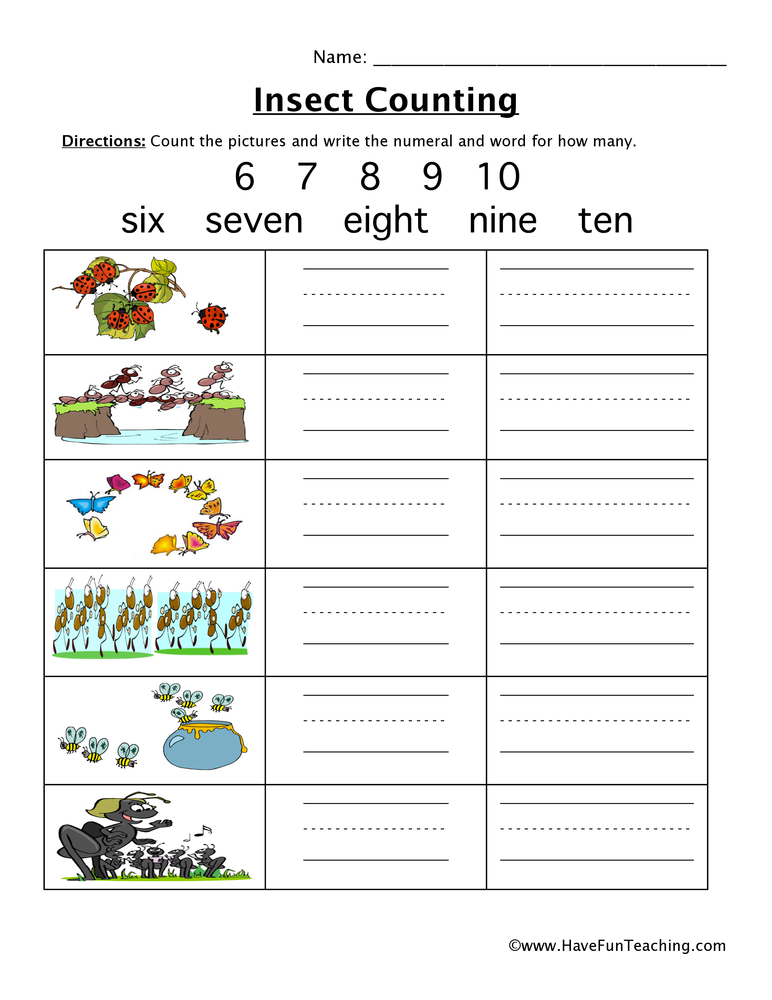
Counting worksheet practicing number recognition and one-to-one correspondence using insect pictures for numbers 6-10.

Listen for SM or SN at the beginning of each pictured word, circle the matching blend, and write it on the line. The examples include words such as smile, smoke, snake, and snail. A completed companion page supports checking the blend choices after students have named the pictures aloud.