Counting & shapes
Skip Counting Printables
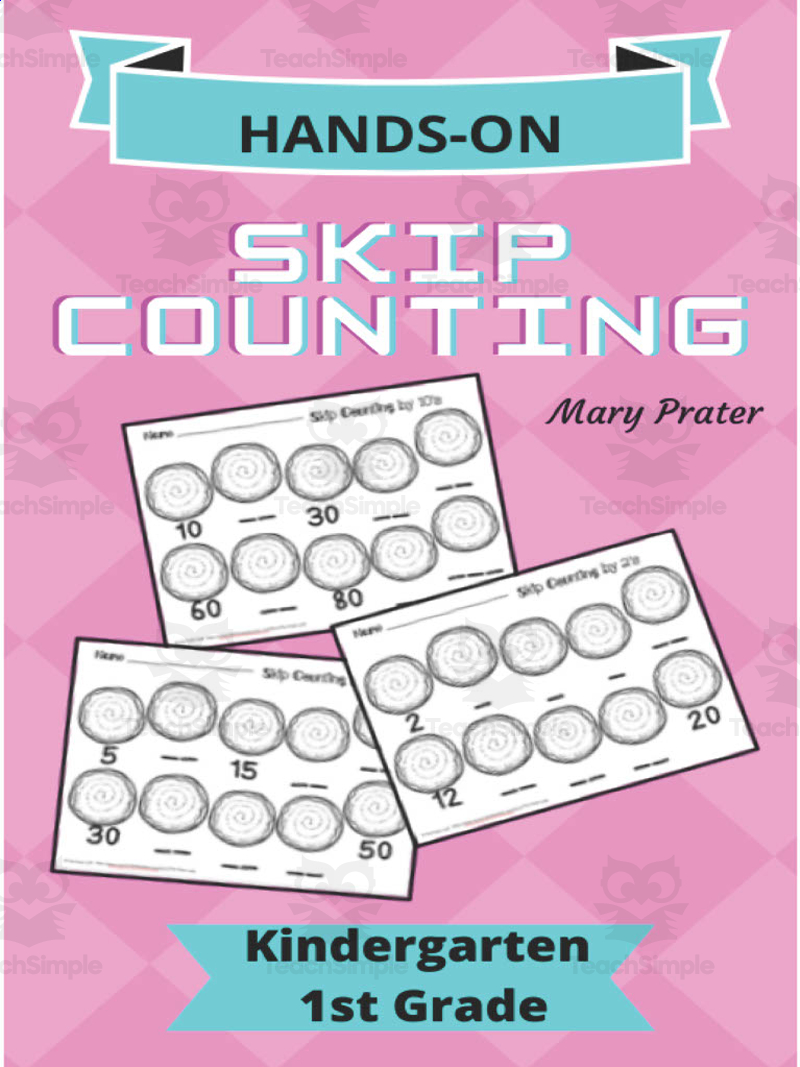
Practice skip counting by 2s, 5s, and 10s using a hands-on cookie-themed printable where students place small objects to count.


Classroom resources
Browse by lesson focus
Choose the topic or kind of practice you need.
Showing 1633–1656 of 4321 resources

 Show filters
Practice skip counting by 2s, 5s, and 10s using a hands-on cookie-themed printable where students place small objects to count.
Helps elementary students reflect on and self-monitor how much screen/device time they have versus non-screen activities, and understand risks of excessive screen use.

Practice identifying and counting nickels and pennies, and matching coins to their cent values.
A novel/book companion for 'Little Bear's Visit' by Else Holmelund Minarik, with chapter comprehension questions, a creative writing extension, author's purpose and character traits activities, and a true/false quiz.
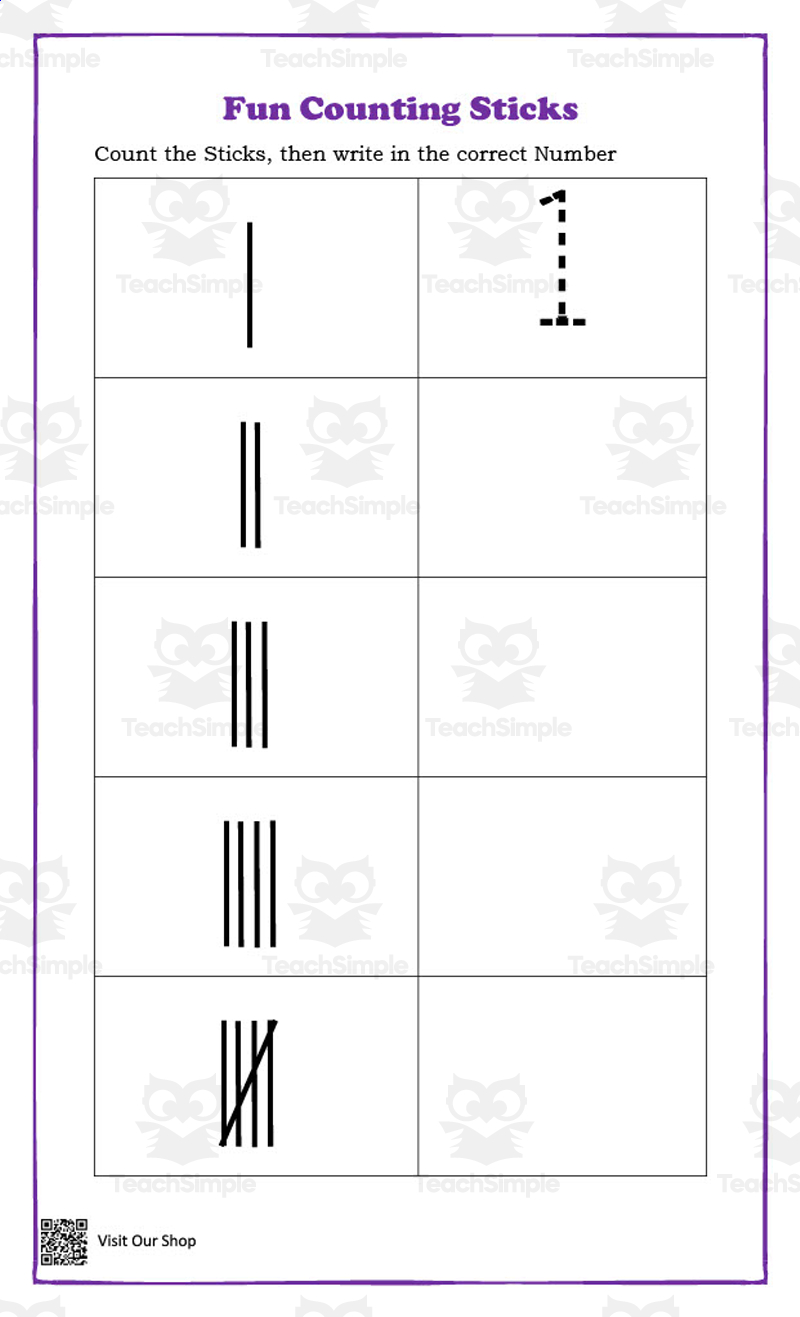
Build early number recognition and writing skills through counting sticks/items, and tracing numeral names.
Teaches Ancient Egypt basics (geography, pharaohs, pyramids, hieroglyphics, Egyptologists) through reading passages, a fictional story, and follow-up activities.
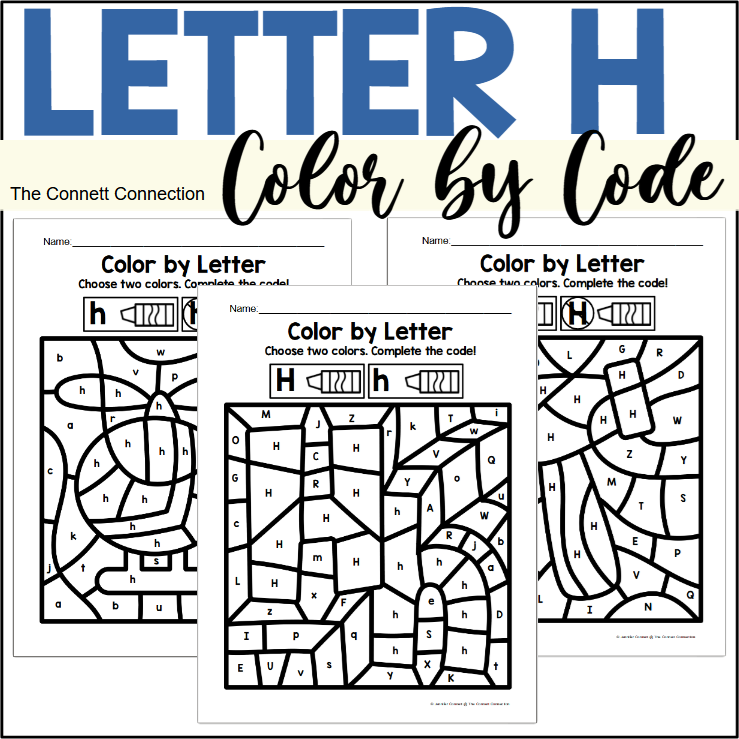
Practice letter H recognition using a color-by-letter-code activity with a hidden picture reveal.
 Free download
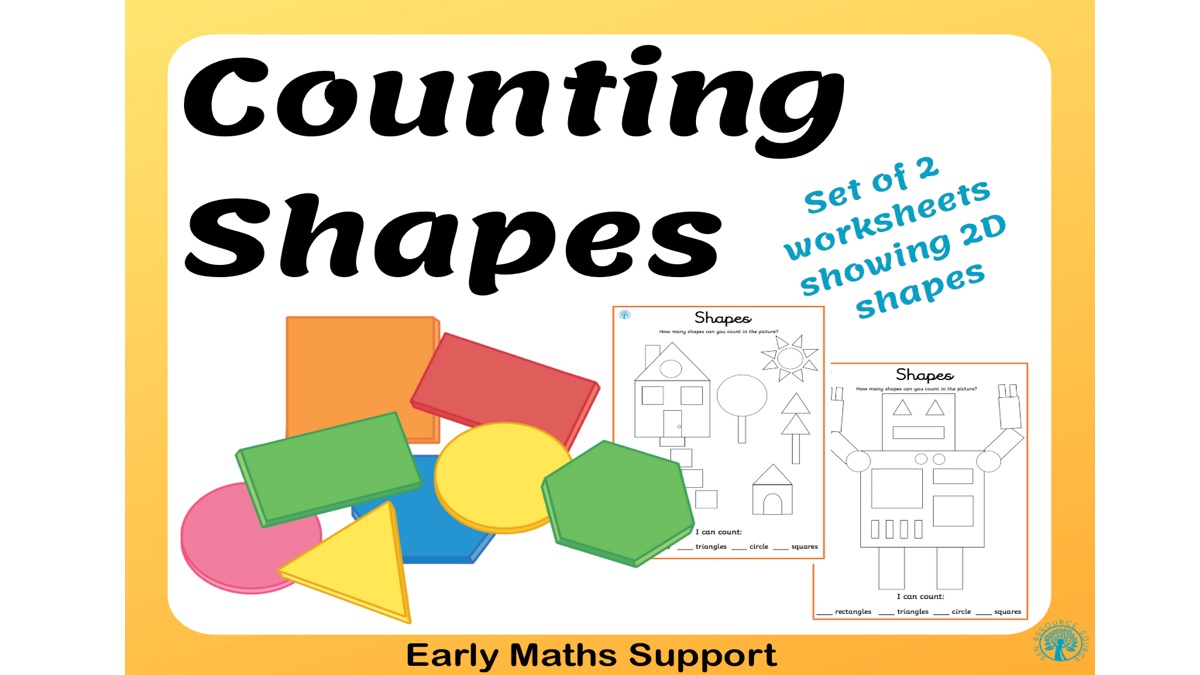
Practice identifying and counting basic 2D shapes (circles, squares, rectangles, triangles) hidden within a picture.
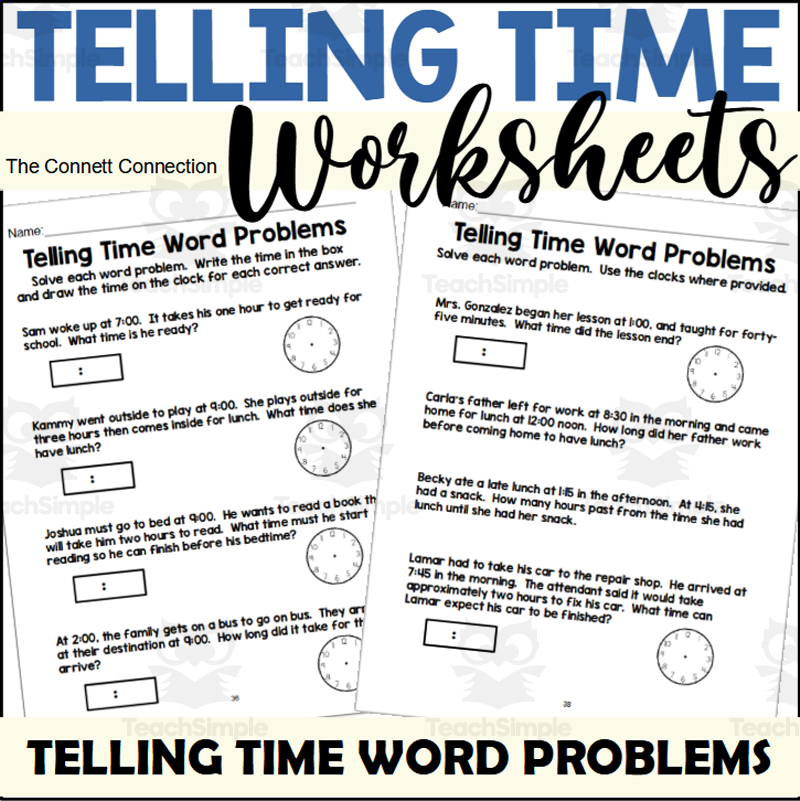
Analog time vocabulary opens the packet, defining o'clock, half past, quarter past, and quarter to with worked examples before moving into matching pages where students draw lines connecting spoken time phrases to analog clock faces and digital times. A dedicated page has students label seven daily activities, such as sunrise and lunchtime, with AM or PM based on the given time. The bulk of the resource is sixteen elapsed-time word problems spread across several pages, asking students to find a start time, end time, or duration from everyday scenarios like getting ready for school, running errands, and doctor's appointments, with a blank box provided to write each answer. Later problems increase in difficulty, moving from round numbers like nine o'clock plus three hours to less even calculations such as 8:28 versus a 9:00 arrival time or a 48-minute GPS estimate against a 10:15 appointment.
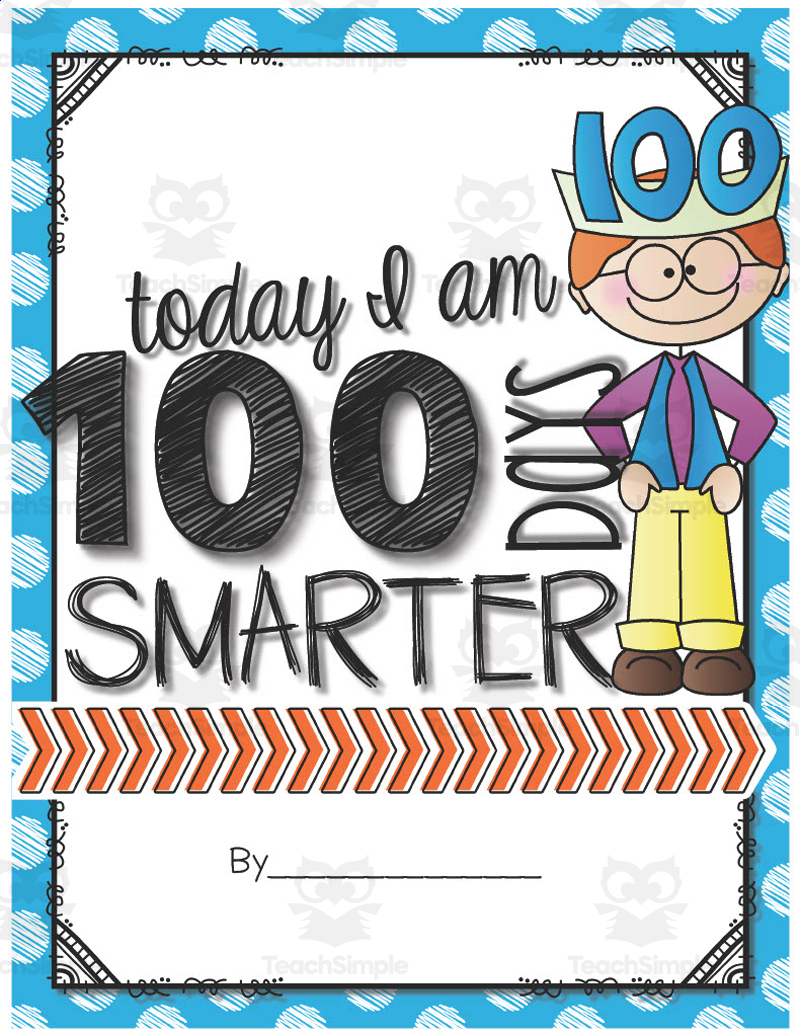
A set of 100th-day-of-school printables combining math fact practice (addition/subtraction facts to 100) with reflective '100 Things I...' list-writing prompts and a cut-and-count activity.
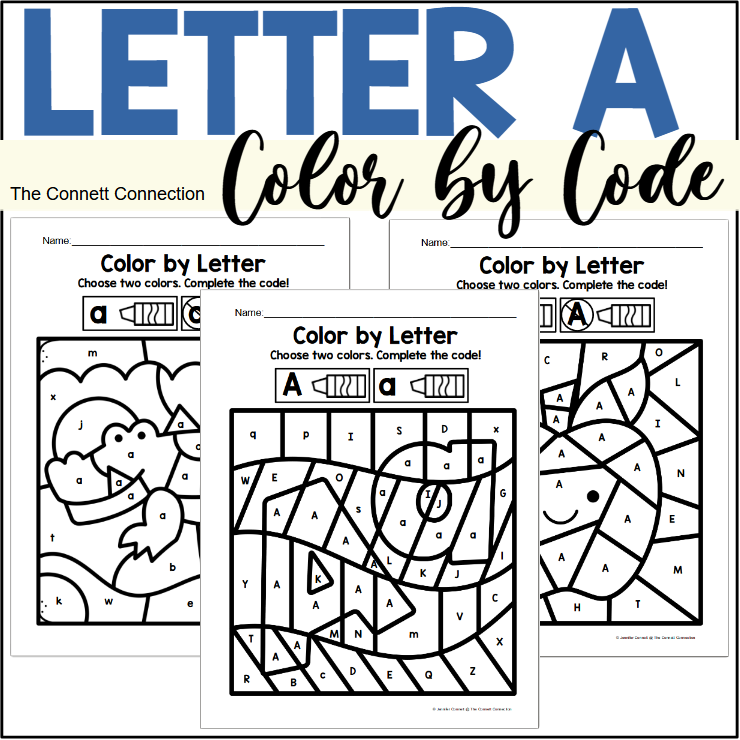
Practice letter A recognition through a color-by-code activity where students find and color occurrences of the letter A among distractor letters.
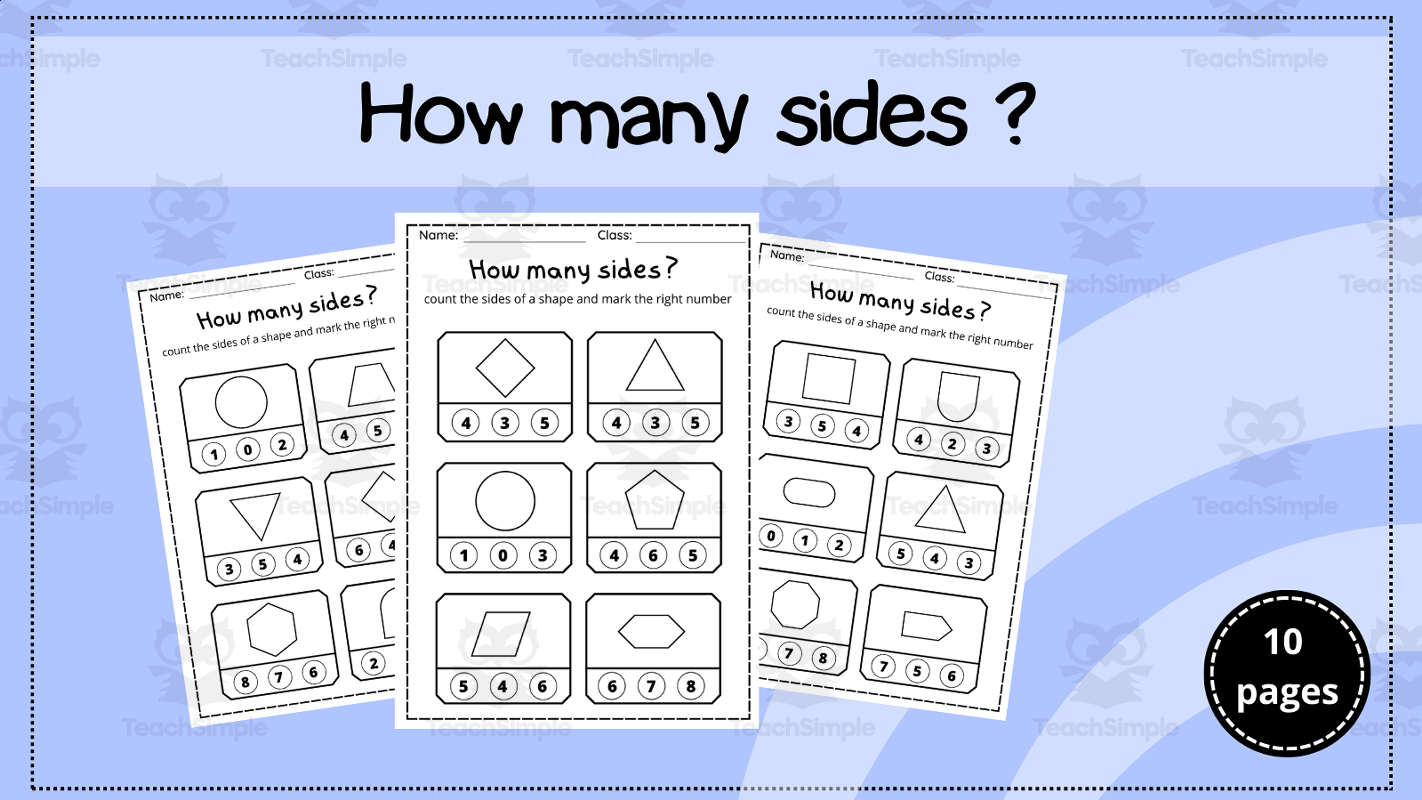
Practice counting the number of sides on shapes.

Practice recognizing and adding number combinations that equal a specified target sum.

Practices identifying words containing a specific short vowel sound (a, e, i, o, u) in the middle of the word.
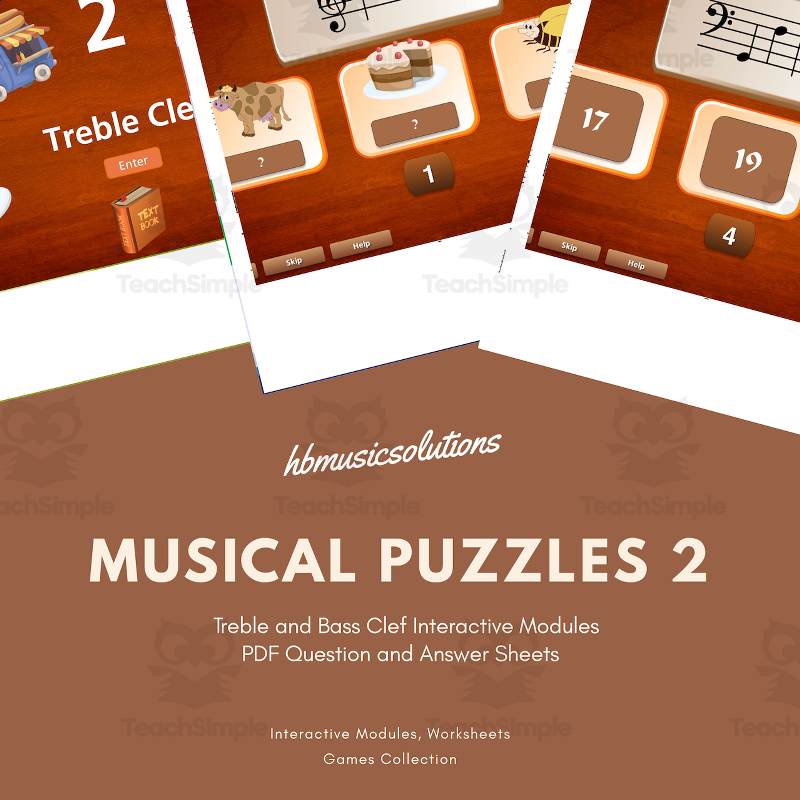
Practice reading and writing musical notes on the treble or bass clef staff by encoding/decoding words and solving short riddles/puzzles.

A phonics activity packet focused on short a and short e vowel sounds, using CVC words, aligned to Common Core RF.K.2 and RF.1.2 standards.
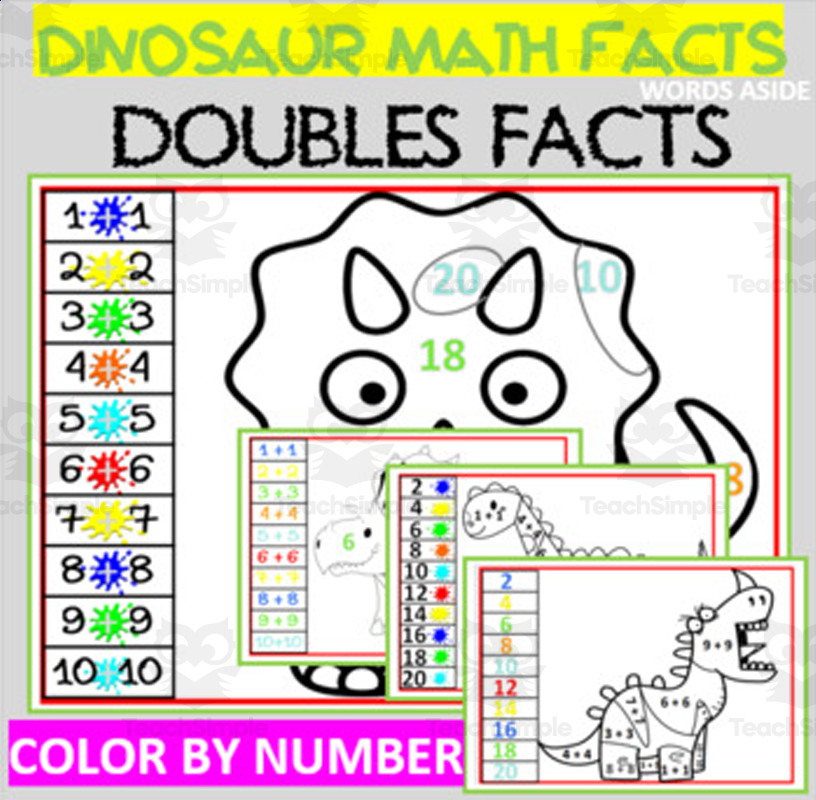
Practice addition doubles facts (e.g. 1+1 through 10+10) through a dinosaur-themed color-by-number activity to build mental math fluency.
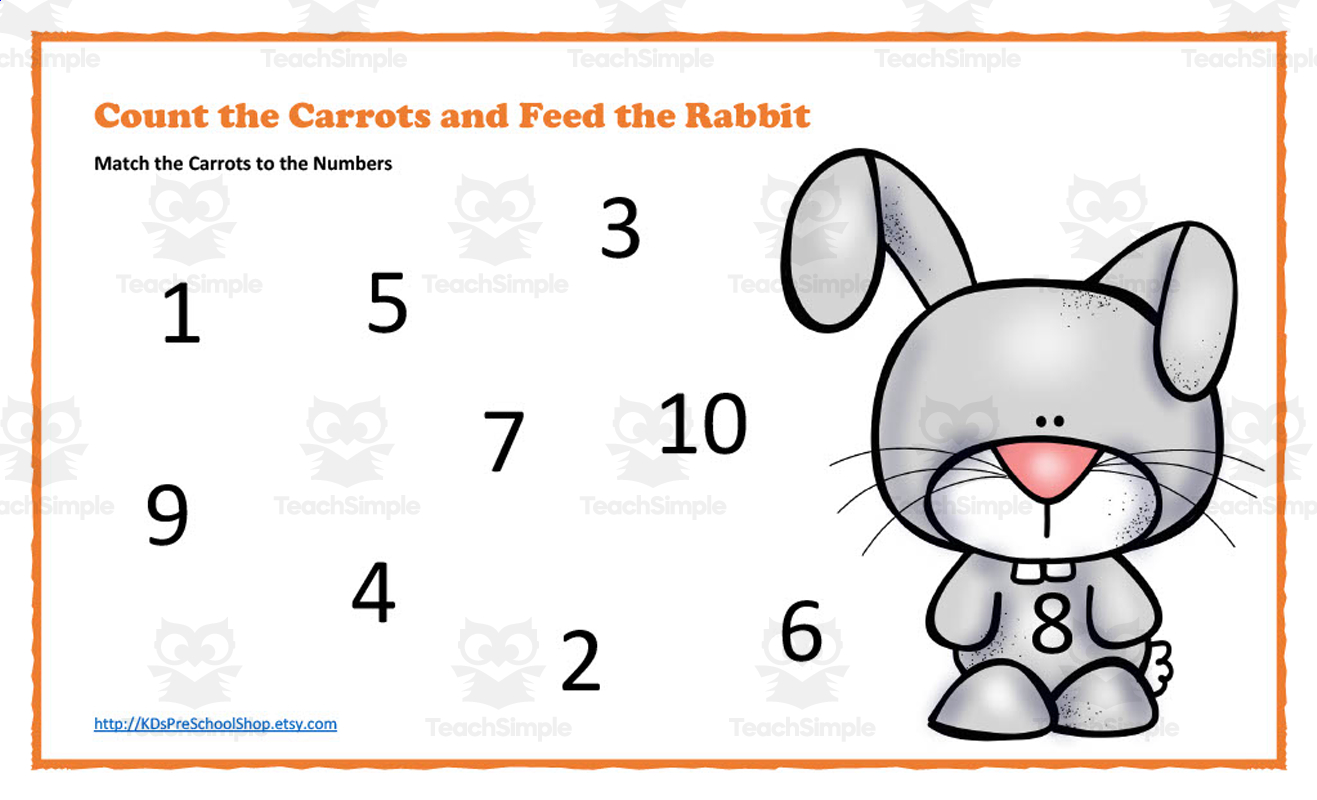
Provides number-matching practice pairing carrot quantities to numerals, rabbit themed.
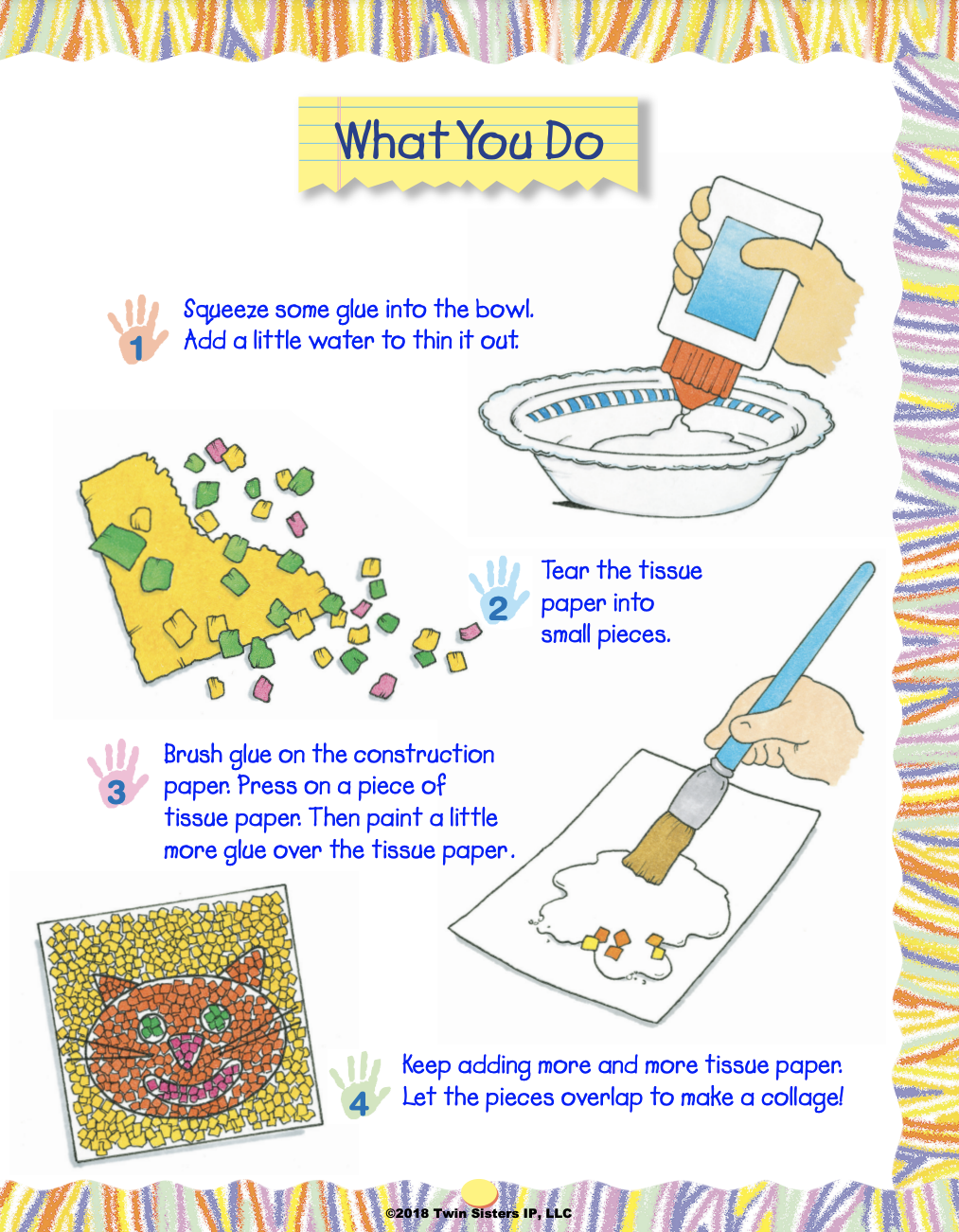
Guides young children through simple art and craft projects that build fine-motor and creative skills.
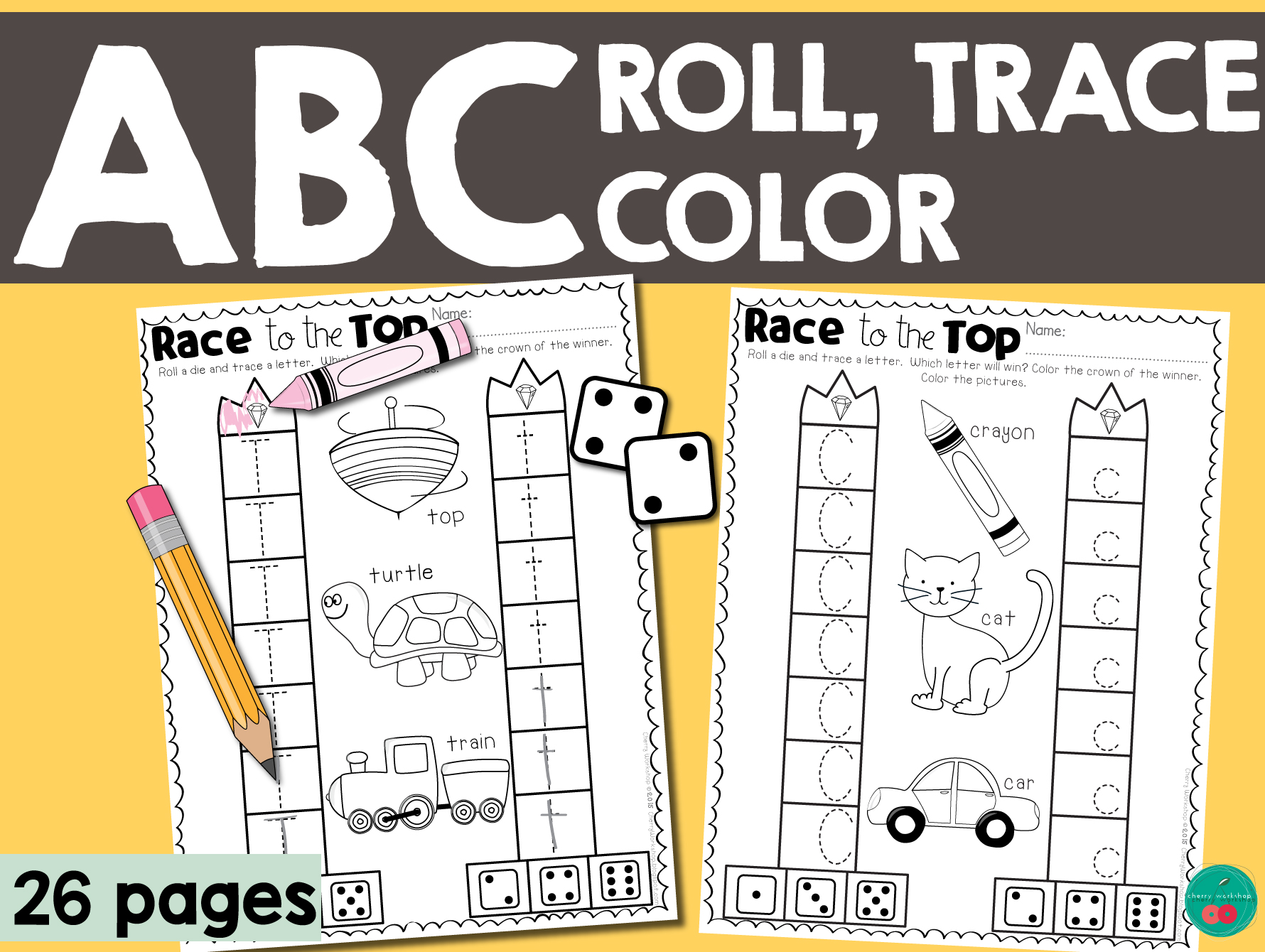
A dice-based letter-tracing race game where students trace letters and color related pictures.

A no-prep addition-facts practice craft where students solve sums, color-code a plant picture (flower/cactus) accordingly, then cut and fan-fold it into a two-image agamograph.
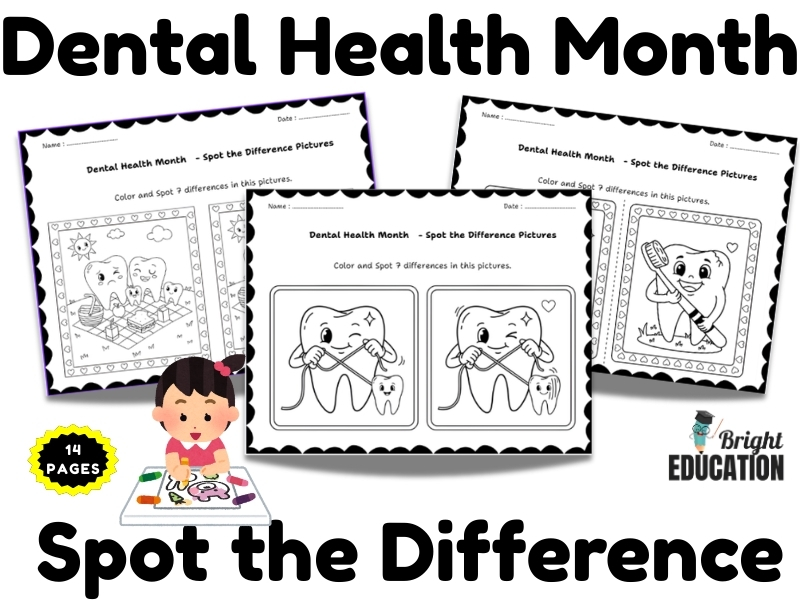
A visual discrimination activity where students compare two similar dental-health-themed pictures, spot differences, then color the pictures
Math center activities that help young learners practice decomposing the number ten into two addends (number bonds), aligned to standard K.OA.A.3.

A Cinderella-themed telling-time matching activity tied to story events.