Art, movement & wellbeing
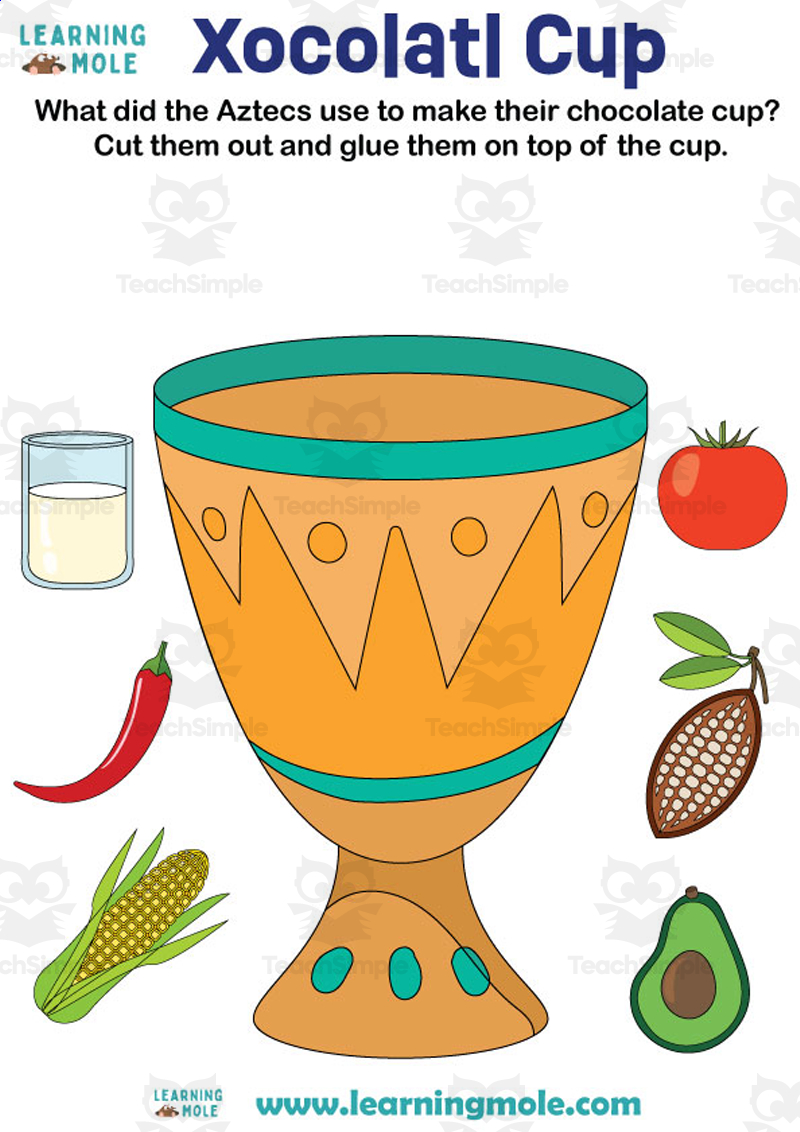
Aztec Chocolate Activity
A cut-and-paste craft activity teaching what ingredients the Aztecs used to make chocolate (a 'Xocolatl' cup).


Classroom resources
Browse by lesson focus
Choose the topic or kind of practice you need.
Showing 73–96 of 3209 resources

 Show filters
A cut-and-paste craft activity teaching what ingredients the Aztecs used to make chocolate (a 'Xocolatl' cup).

A multi-week research and writing project where students research a historical or family military veteran and produce an MLA-formatted 5-paragraph research essay, supported by companion presentations.
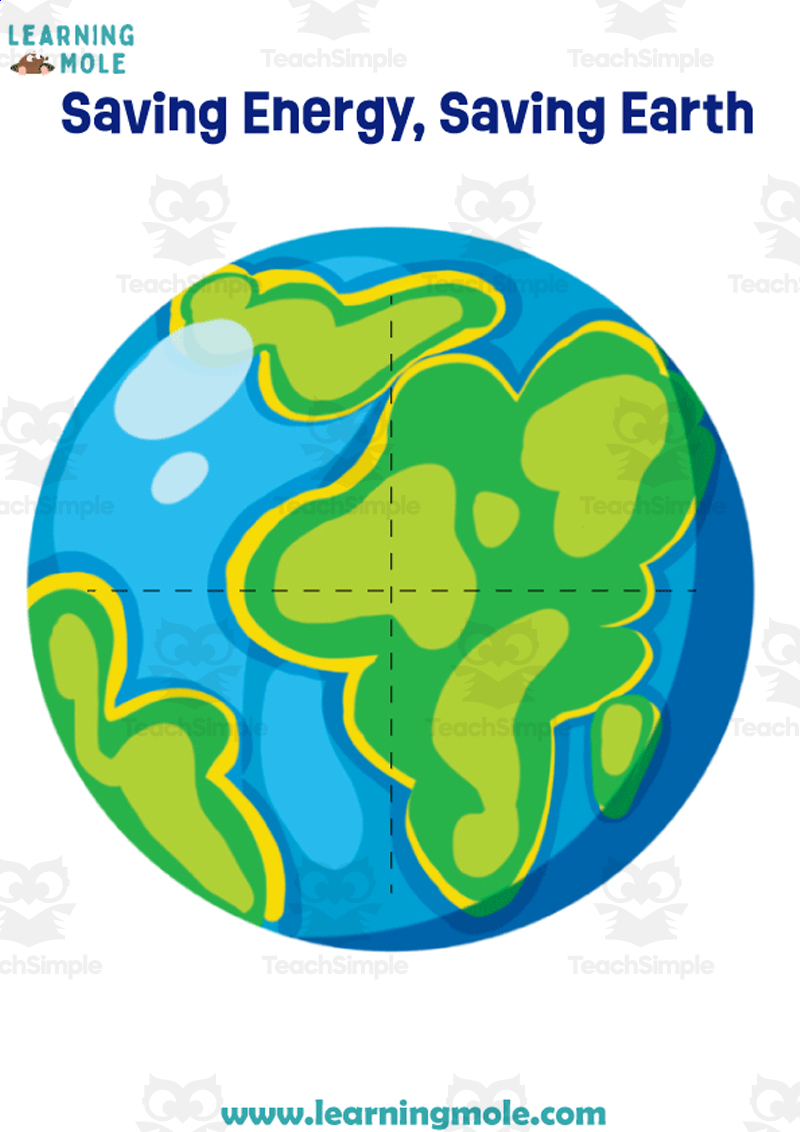
A cut-and-glue flip activity where students record energy-saving tips for icons representing different ways to save energy.

Ten heading labels cover Question, Research, Hypothesis, Experiment, Procedure, Data, Analysis, Conclusion, Materials and Results. They print two per page for cutting and arranging on a science fair display. Use the headings that match the project’s required sections.
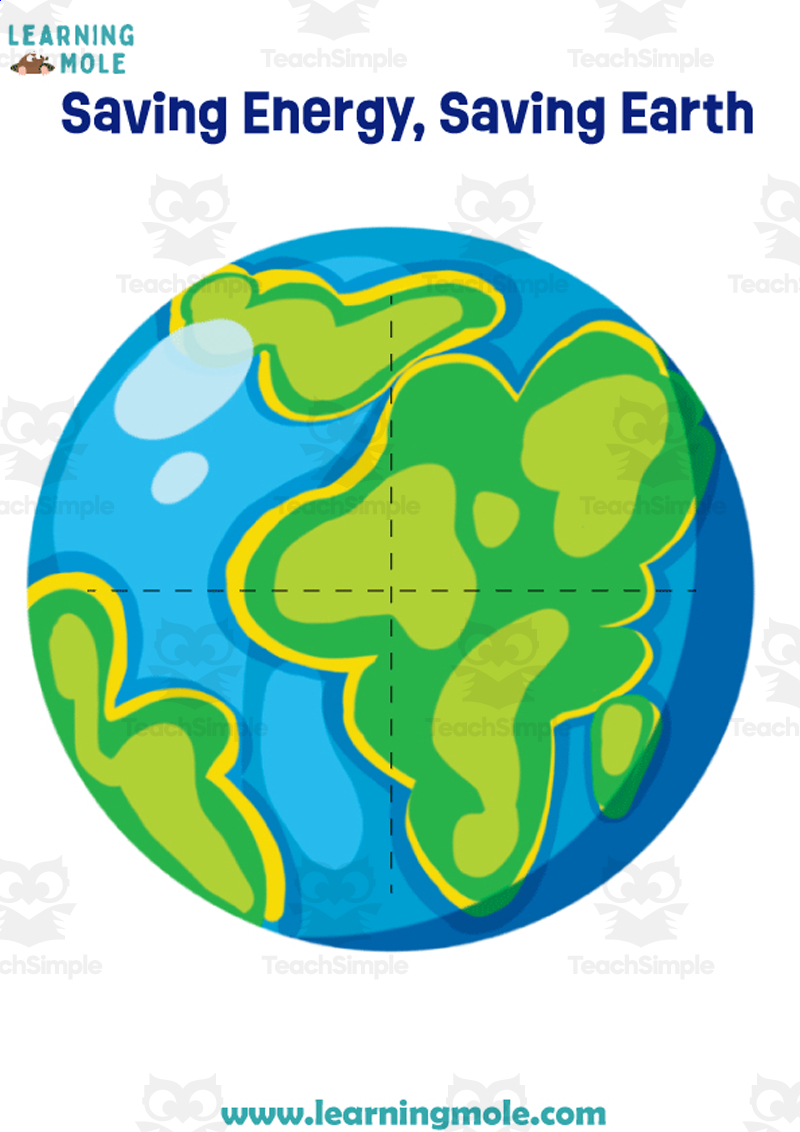
A cut-and-glue flip activity where students record energy-saving tips for icons representing different ways to save energy.

A descriptive-writing project for older students: teaches historical background on 19th/20th-century patent 'health tonics' and elixirs, then has students design and describe their own fictional tonic advertisement using descriptive writing.

A comprehensive 162-page teacher guide covering the US Constitution - Constitutional Convention, Preamble, Articles I-VII, Bill of Rights, and Amendments I-XXVII - through readings, activities, and games.
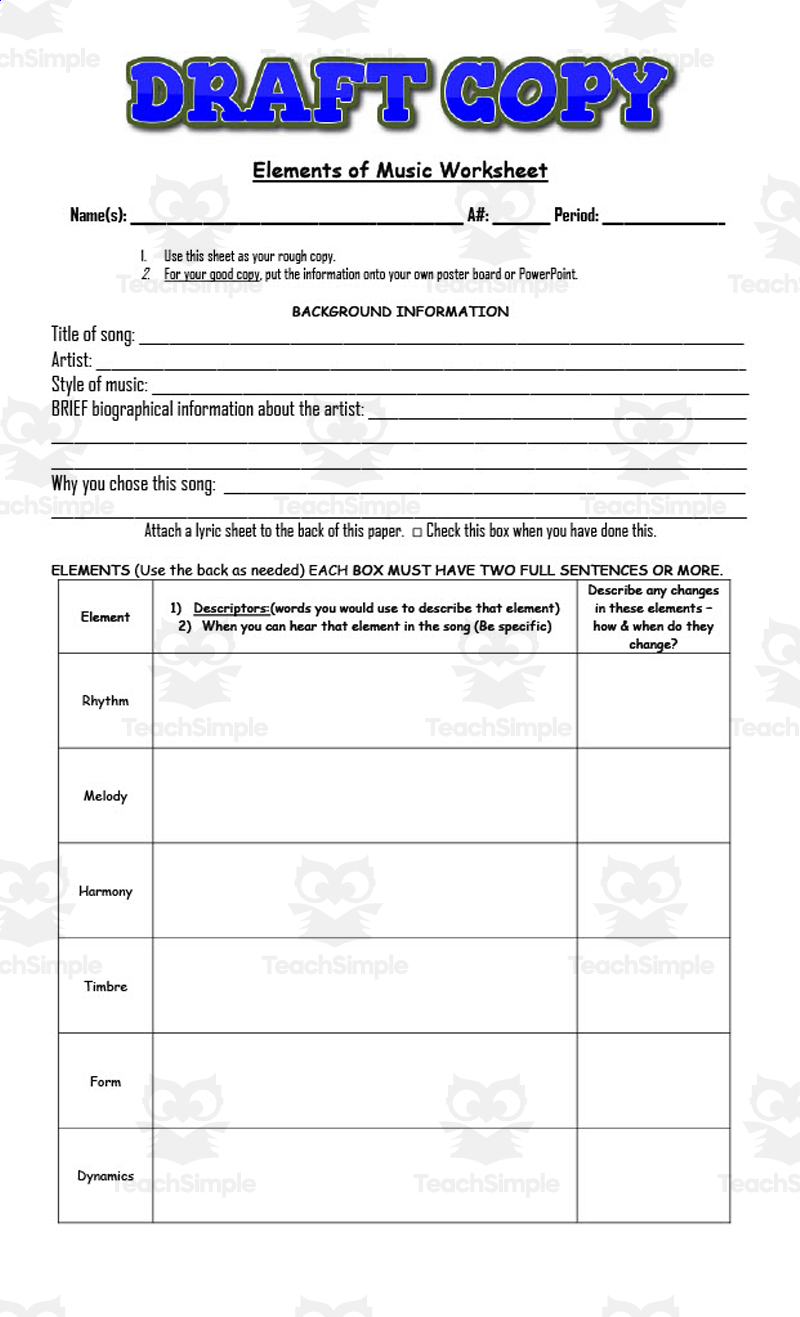
Have students create a presentation (poster or slideshow) analyzing the six elements of music as they appear in a popular song of the student's choice.

Provide a multi-part, multi-day solar-system project in which students research the planets, create infographics and comparisons, design a fictional city on an assigned planet, write in-role journal entries, and present findings.
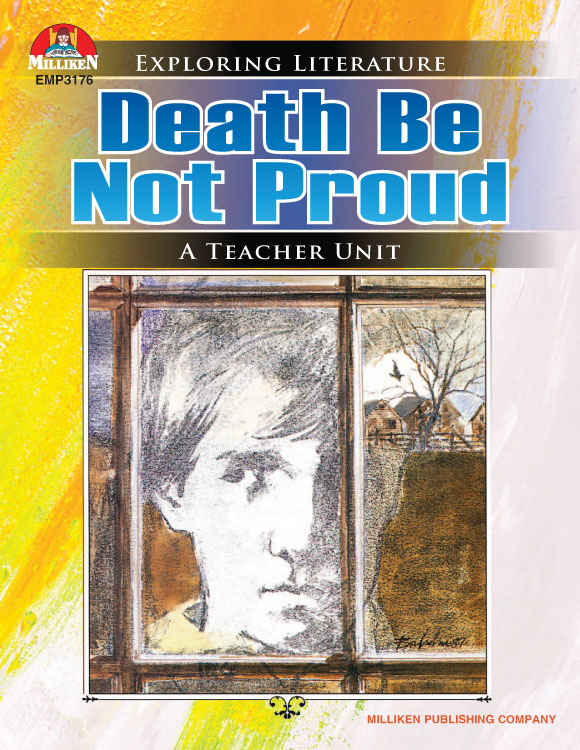
A comprehensive 8-unit literature teaching guide for John Gunther's memoir Death Be Not Proud, covering pre-reading discussion, study guides, vocabulary, discussion concepts, tests, and writing projects across the whole book.

An editable art lesson and project teaching the history, principles, and design process of logos, culminating in students designing a logo that represents their class, assessed with a rubric and self-reflection.
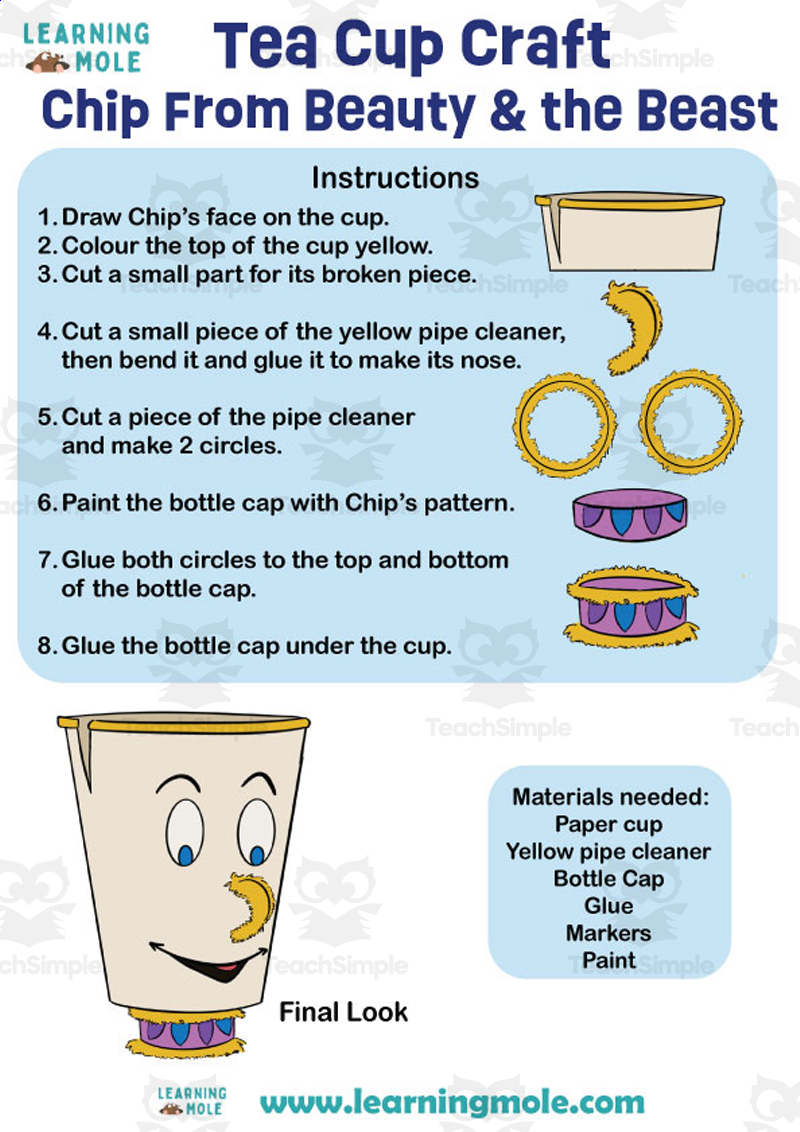
A step-by-step craft activity where students make a 'Chip' teacup character (from Beauty and the Beast) out of a paper cup, pipe cleaner, and bottle cap.

Guided notes, practice, and a hands-on data collection mini-project introducing scatter plots to meet CCSS.MATH.CONTENT.8.SP.A.1.
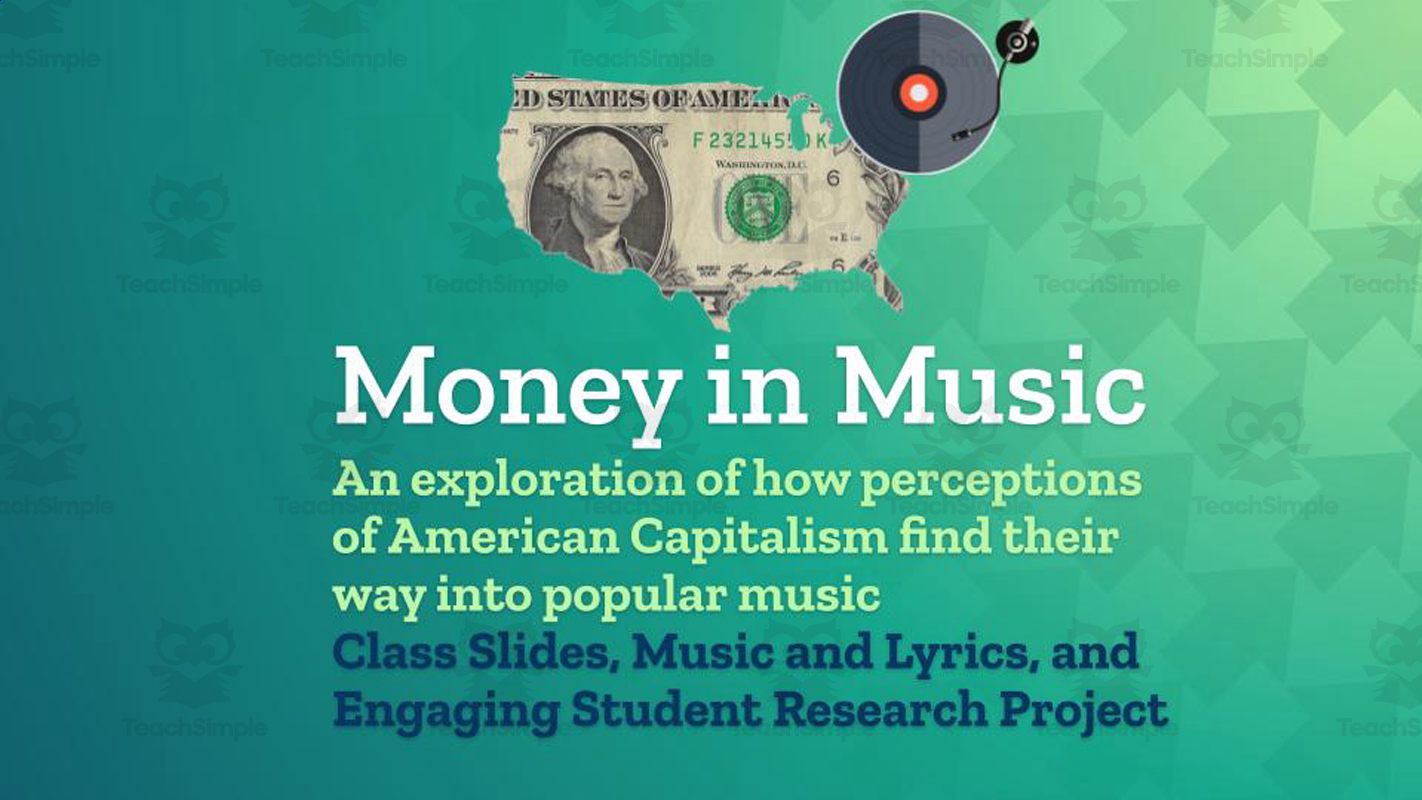
A social studies/psychology project resource teaching middle-to-high-school students to analyze how popular music reflects societal perceptions of money, wealth, and capitalism.

A multi-part science lesson on invasive species covering the difference between native and invasive species, the ecological effects of invasive species, methods of control (chemical, mechanical, biological), and a case study of the Small Asian Mongoose in Hawaii, designed as a video-supported, fill-in-the-blank guided-notes lesson with…
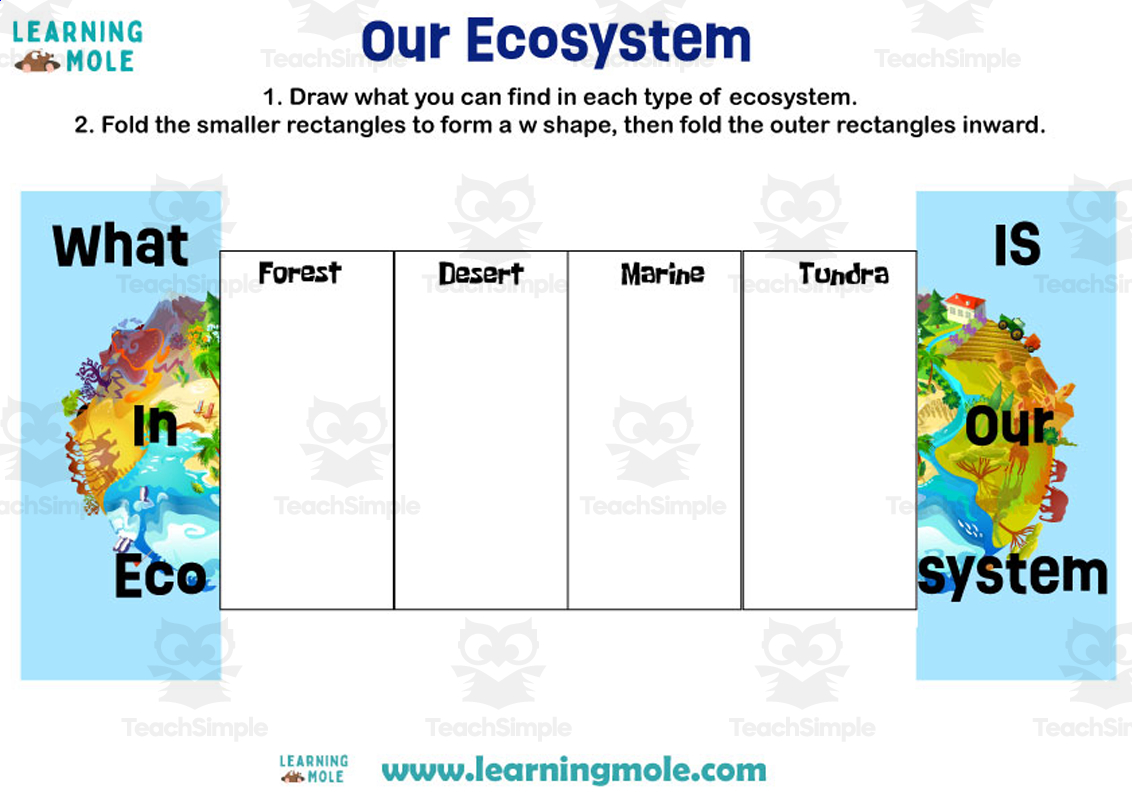
One-page STEM activity introducing four ecosystem types (forest, desert, marine, tundra) through a drawing-and-paper-craft task.
A high-school life-skills resource teaching time-management strategies - planning the day, prioritizing tasks, breaking down large projects, and using tools like the Eisenhower Matrix - through nonfiction reading passages and critical-thinking questions.
A research-essay project guide that walks students through researching and writing a 5-paragraph MLA-style informational essay about an important historical explorer.
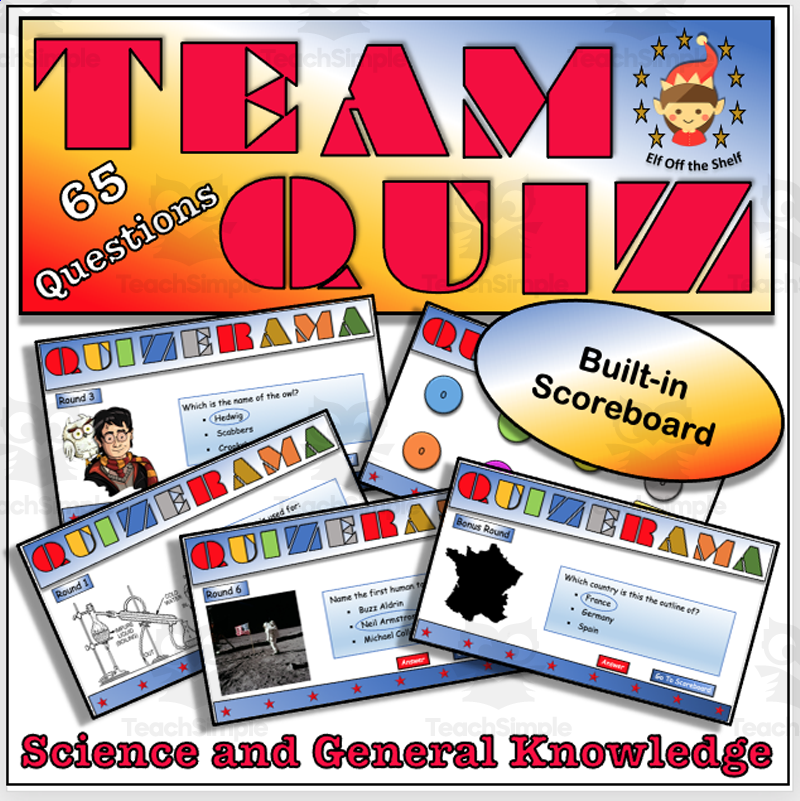
A team-based interactive trivia game (PowerPoint) combining science questions with general-knowledge questions, for use as an end-of-term activity or icebreaker.
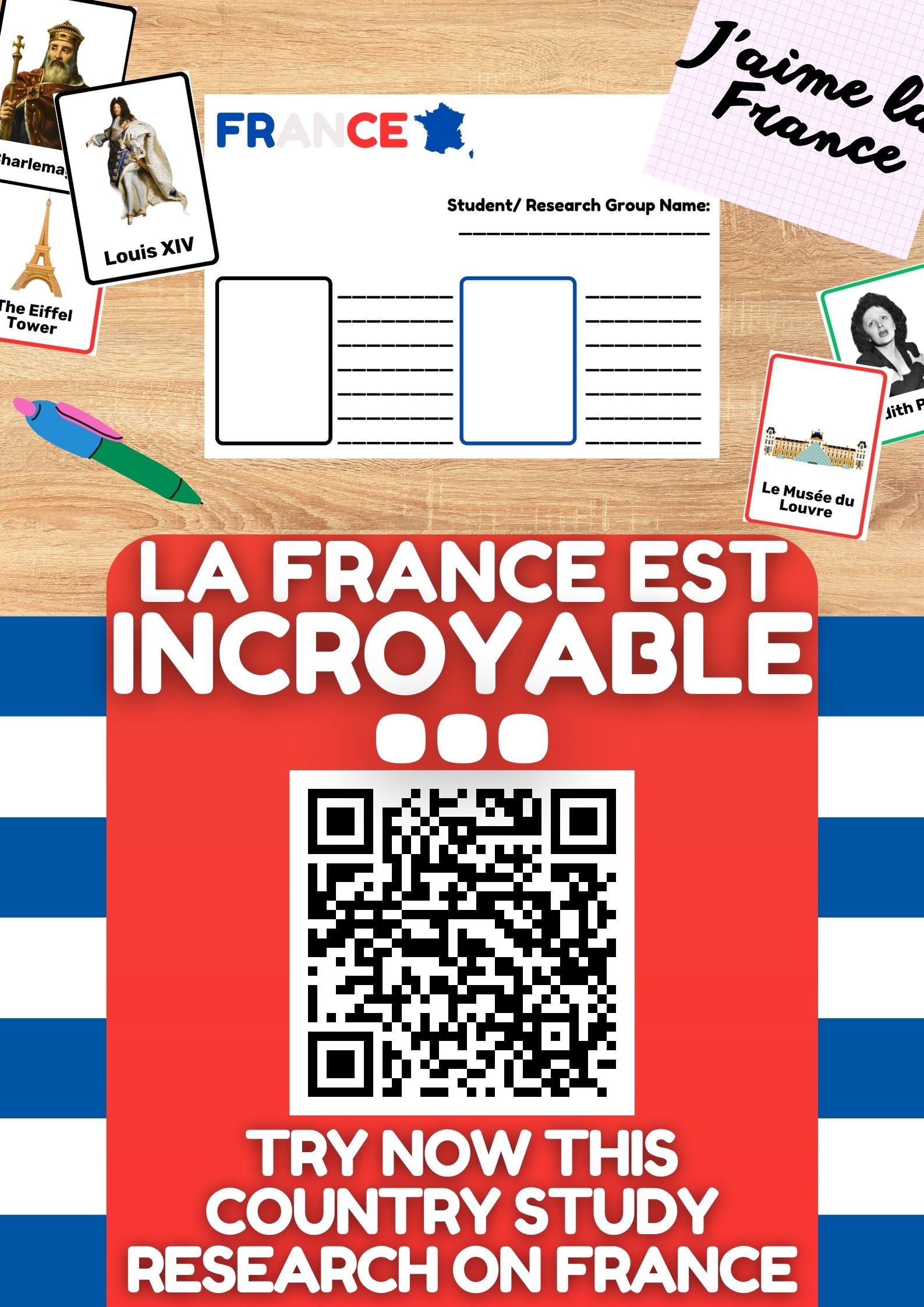
A research/discovery project introducing students to France through a set of topic cards covering its history, geography, economy, and culture.
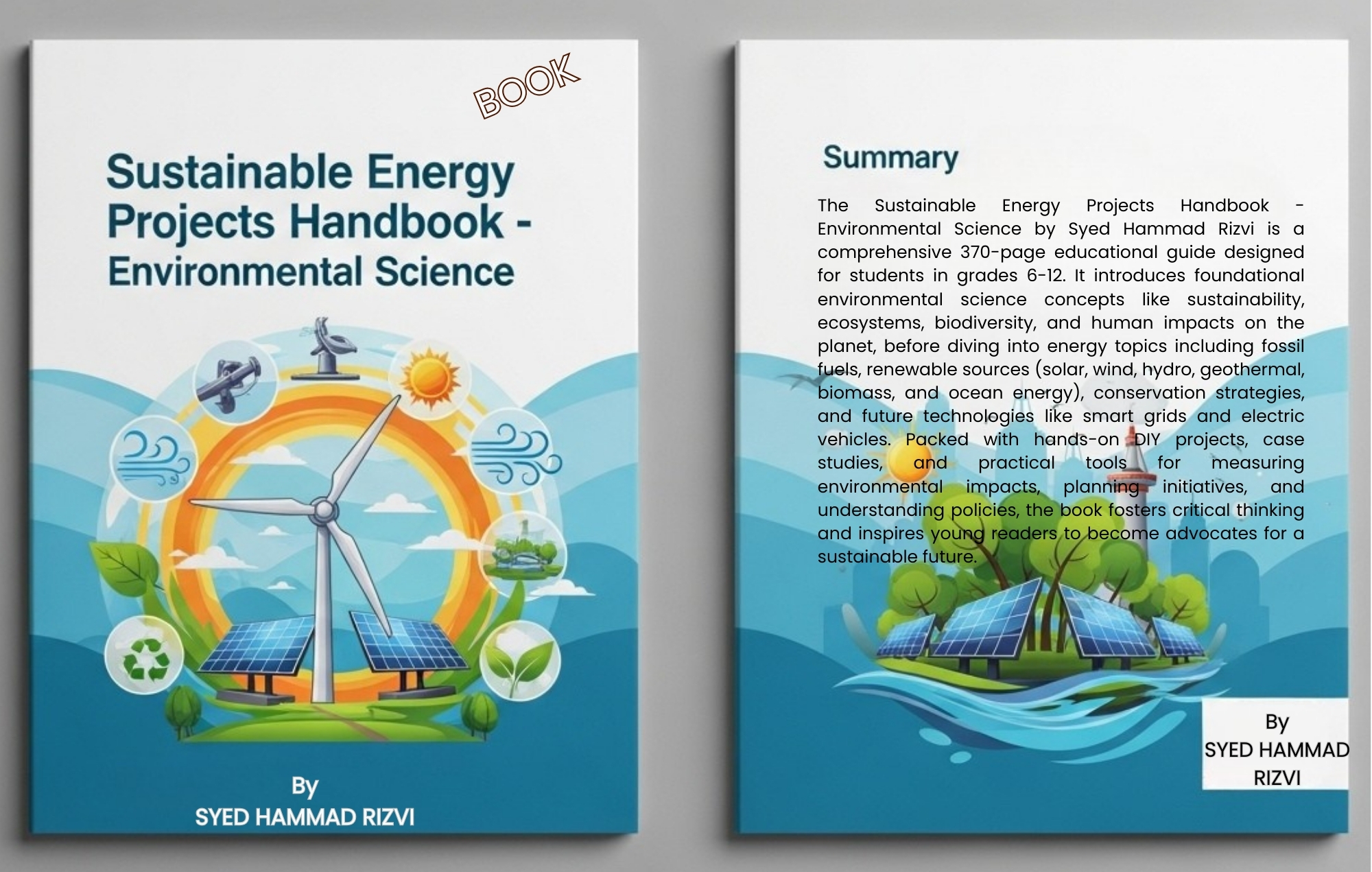
A 370-page environmental science textbook/handbook for grades 6-12 covering environmental science fundamentals, energy concepts, renewable energy technologies (solar, wind, hydro, geothermal, biomass, ocean), energy storage and grid systems, project planning, and environmental impact measurement, including DIY project instructions.
An 'I have, who has' vocabulary review game for nonfiction/informational text terms.

The lesson begins with two tomato plants treated differently in more than one way, prompting students to discuss why the conclusion is unreliable. Fill-in notes introduce independent, dependent, and controlled variables before students apply the terms to basketball, studying, and a derby-car scenario. A short review and model answers support the follow-up discussion.

A short cut-and-paste activity for students to identify which foods they think are sustainable.