
Counting & shapes
Sum Search Math Activity
Practice recognizing and adding number combinations that equal a specified target sum.
Answers included


Classroom resources
Browse by lesson focus
Choose the topic or kind of practice you need.
Showing 3169–3192 of 6055 resources

 Show filters
Practice recognizing and adding number combinations that equal a specified target sum.

Give students repeated practice reading, spelling, and using the sight word "off" to build sight-word recognition and reading fluency.
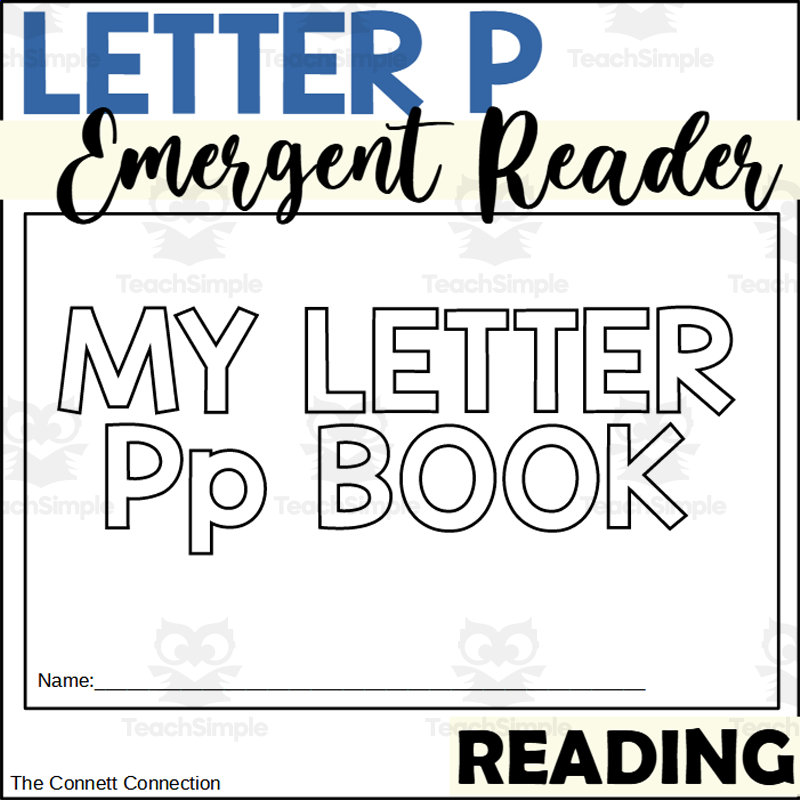
An emergent reader mini-book built around the sentence pattern "P is for ___" to build letter-sound recognition and early reading fluency for the letter P.
 Free download
A 26-page alphabet tracing minibook with an animals theme, for practicing letter formation through repeated-stroke tracing exercises.

Give students practice identifying, decomposing, and combining two-digit numbers by tens and ones (base ten place value).

Give students repeated practice reading, spelling, and using the sight word "most" to build sight-word recognition and reading fluency.
 Free download
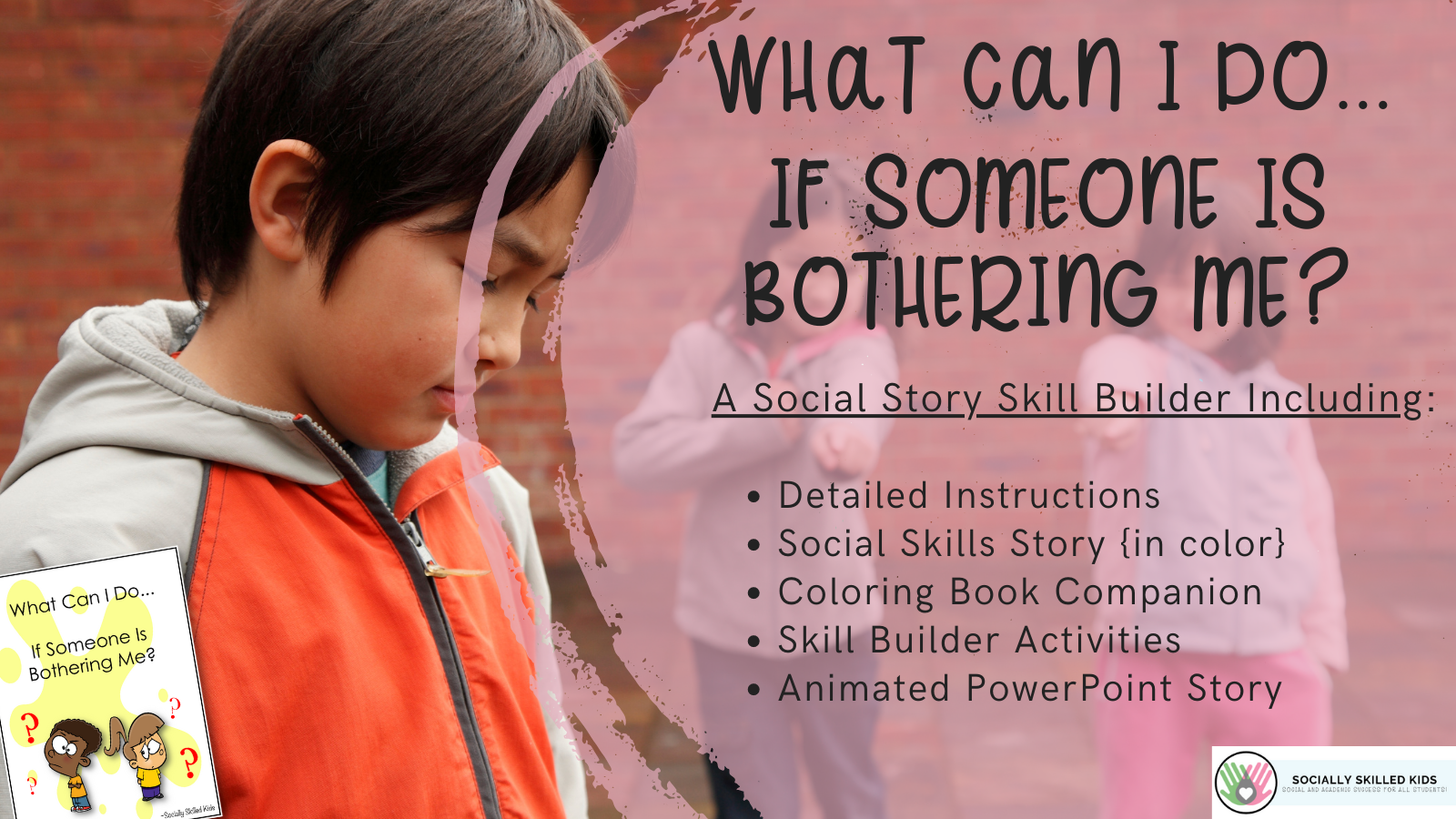
Teaches students appropriate strategies for responding when someone is bothering them, contrasting acceptable coping responses with unacceptable reactions.
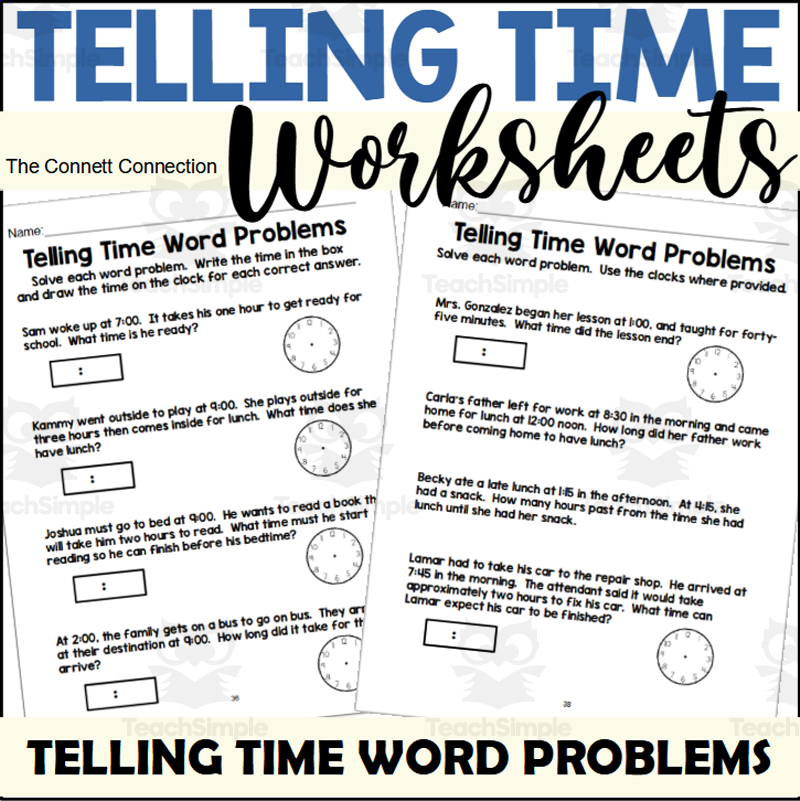
Analog time vocabulary opens the packet, defining o'clock, half past, quarter past, and quarter to with worked examples before moving into matching pages where students draw lines connecting spoken time phrases to analog clock faces and digital times. A dedicated page has students label seven daily activities, such as sunrise and lunchtime, with AM or PM based on the given time. The bulk of the resource is sixteen elapsed-time word problems spread across several pages, asking students to find a start time, end time, or duration from everyday scenarios like getting ready for school, running errands, and doctor's appointments, with a blank box provided to write each answer. Later problems increase in difficulty, moving from round numbers like nine o'clock plus three hours to less even calculations such as 8:28 versus a 9:00 arrival time or a 48-minute GPS estimate against a 10:15 appointment.
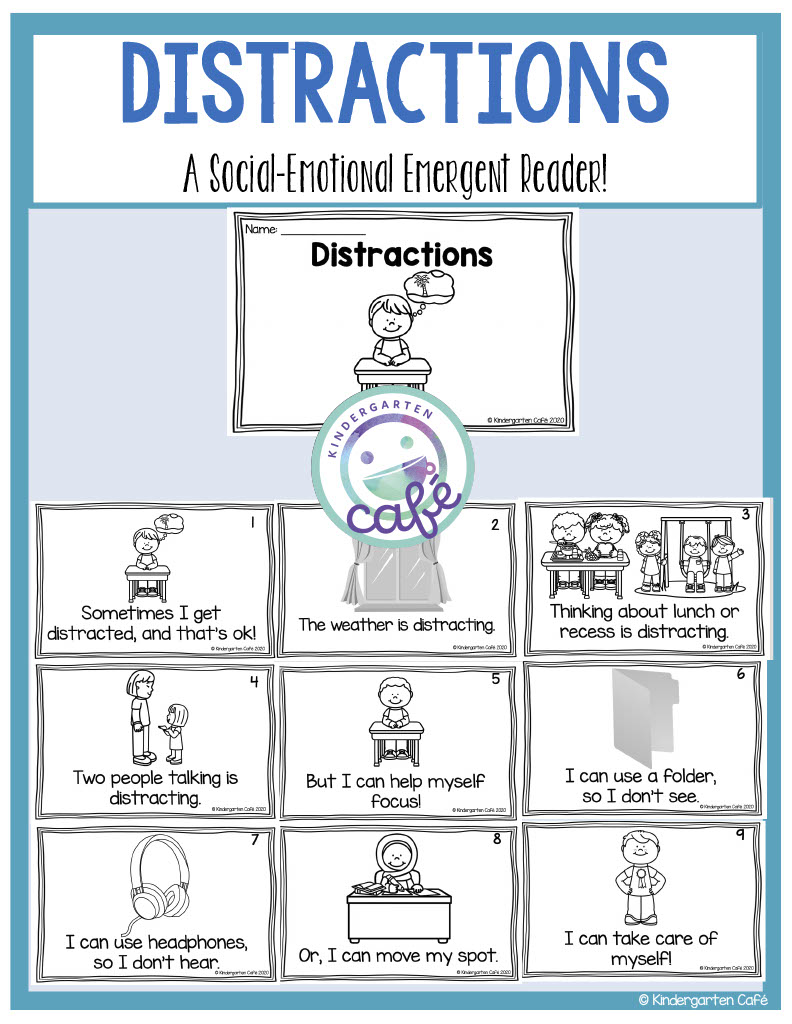
A black-and-white social-emotional emergent reader that helps young students recognize common classroom distractions and learn self-regulation strategies to refocus.

Give students repeated practice reading, spelling, and using the sight word "oil" to build sight-word recognition and reading fluency.

This Elkonin Box Worksheet is a great way for students to practice writing CVC words. By correctly filling in each Elkonin box, students will be able to read and write longer words. This resource is perfect for any teacher looking to help their students improve their literacy skills.
 Free download
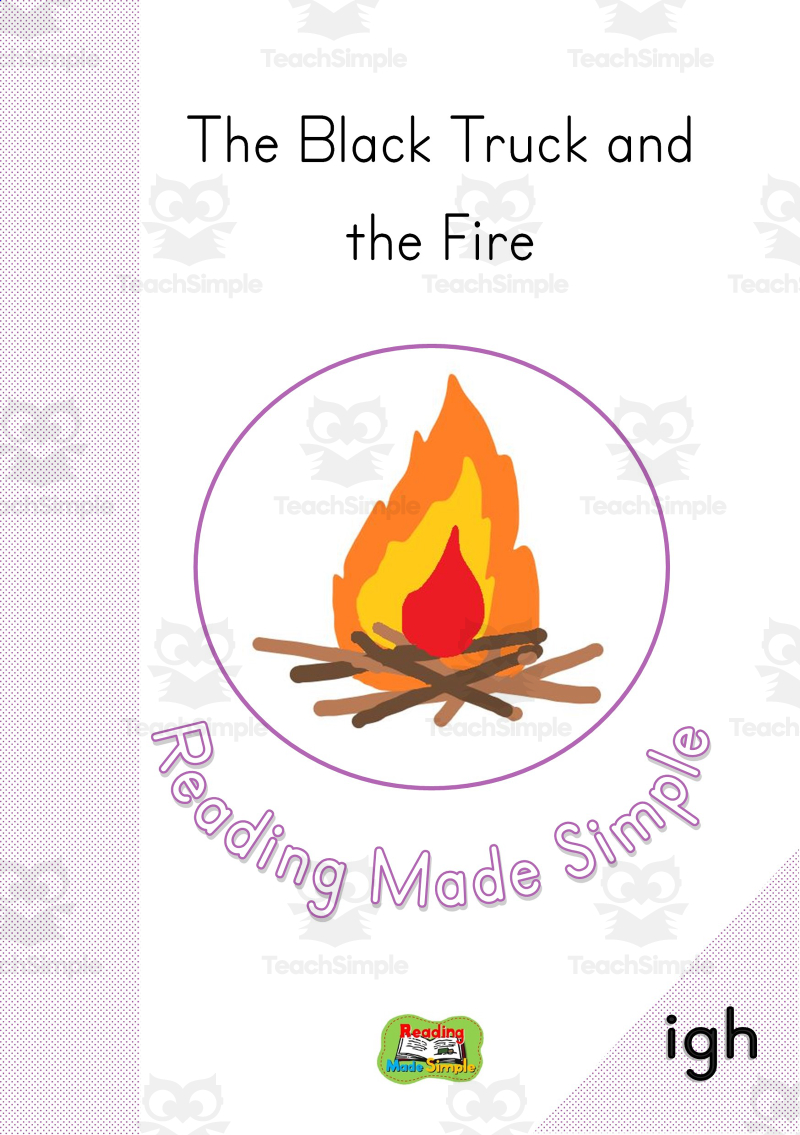
A decodable early-reading storybook ('The Black Truck and the Fire') for practicing the 'igh' phonic sound and building reading fluency through a controlled-vocabulary story.
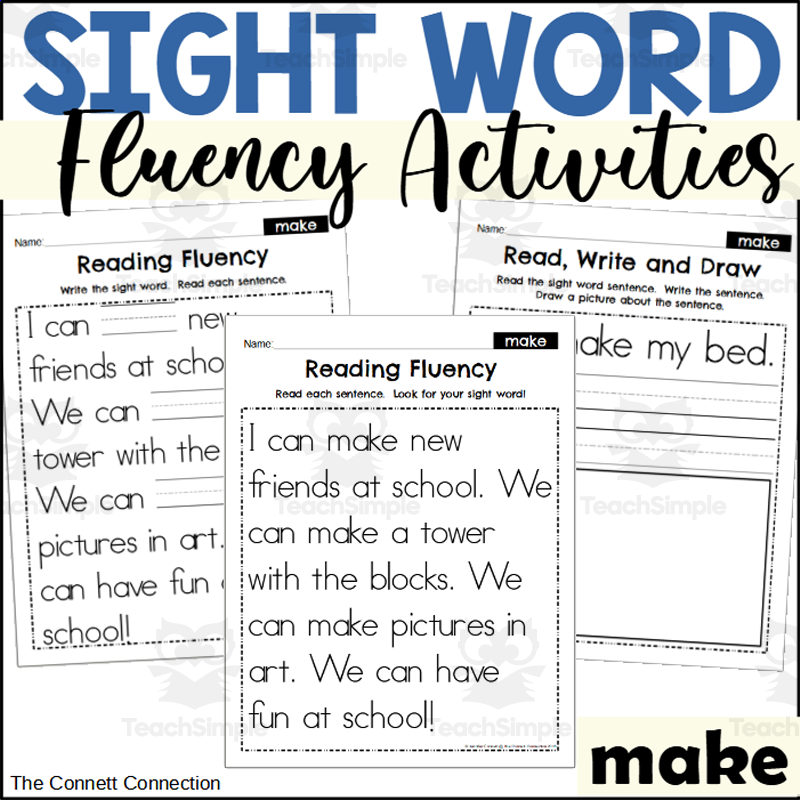
Sight-word reading fluency practice for the target word "make": students read a short repeated-word passage, complete a cloze (fill-in-the-blank) version of the same passage, then read, write, and illustrate one more sentence using the word.
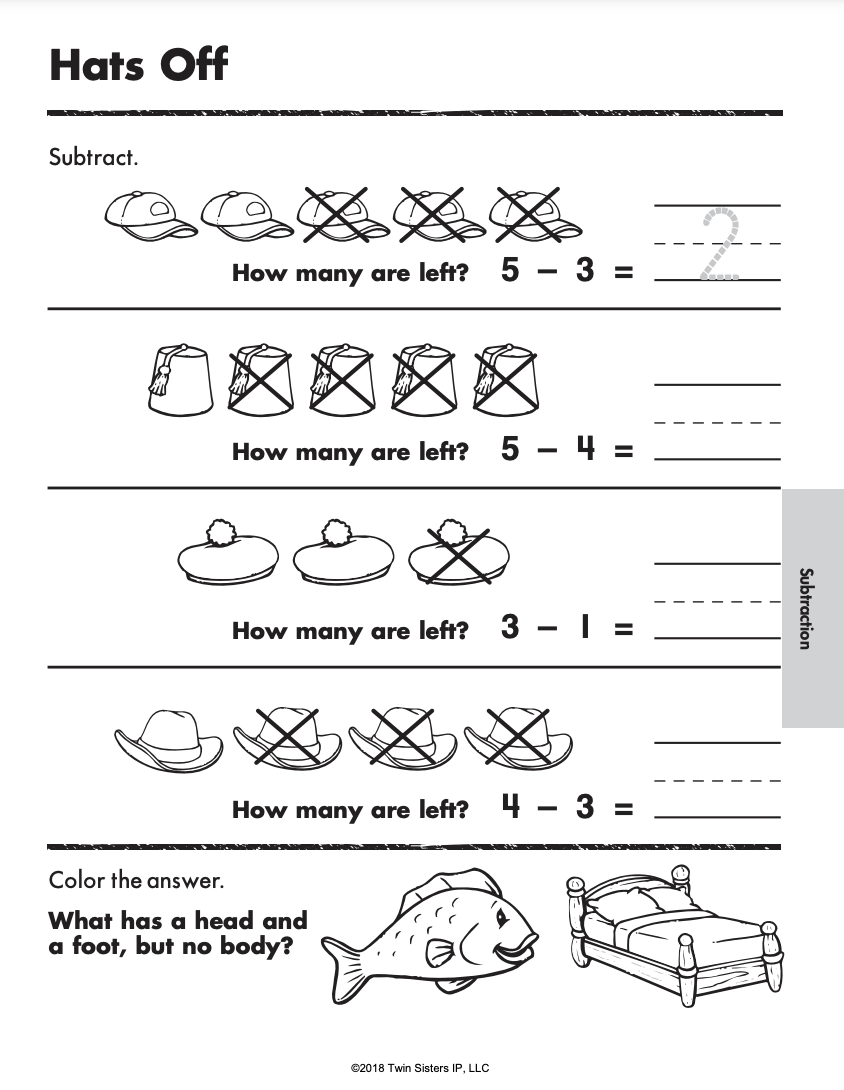
Get-ready workbook of subtraction fact practice pages (facts within 1-18) with picture-based and cross-out subtraction activities and riddles.

Give students repeated, low-prep practice reading, recognizing, and spelling the single target sight word "play" in context.

Give students repeated practice reading, spelling, and using the sight word "old" to build sight-word recognition and reading fluency.

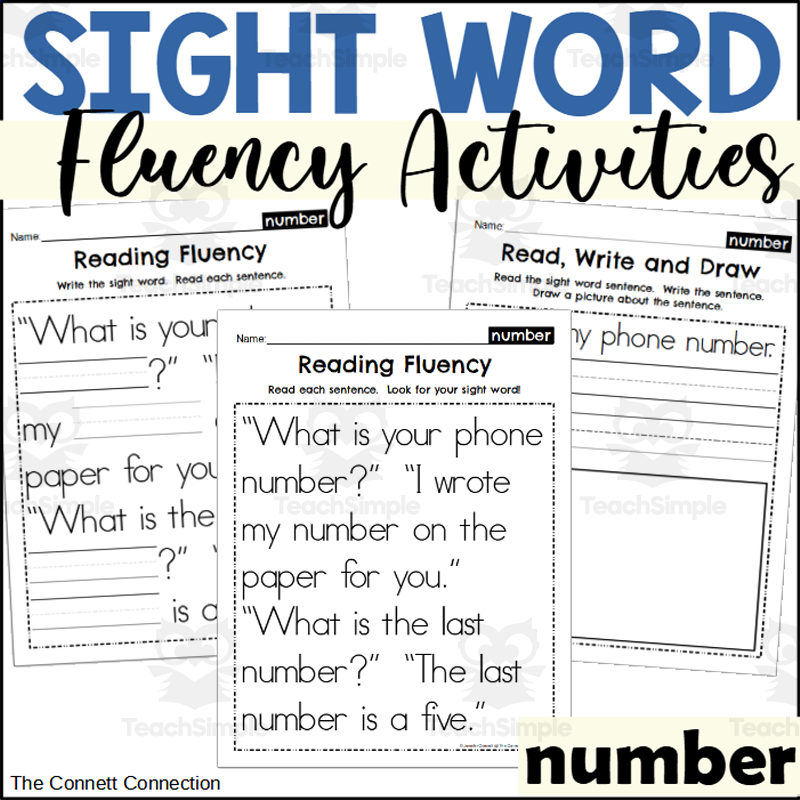
Give students repeated practice reading, spelling, and using the sight word "number" to build sight-word recognition and reading fluency.
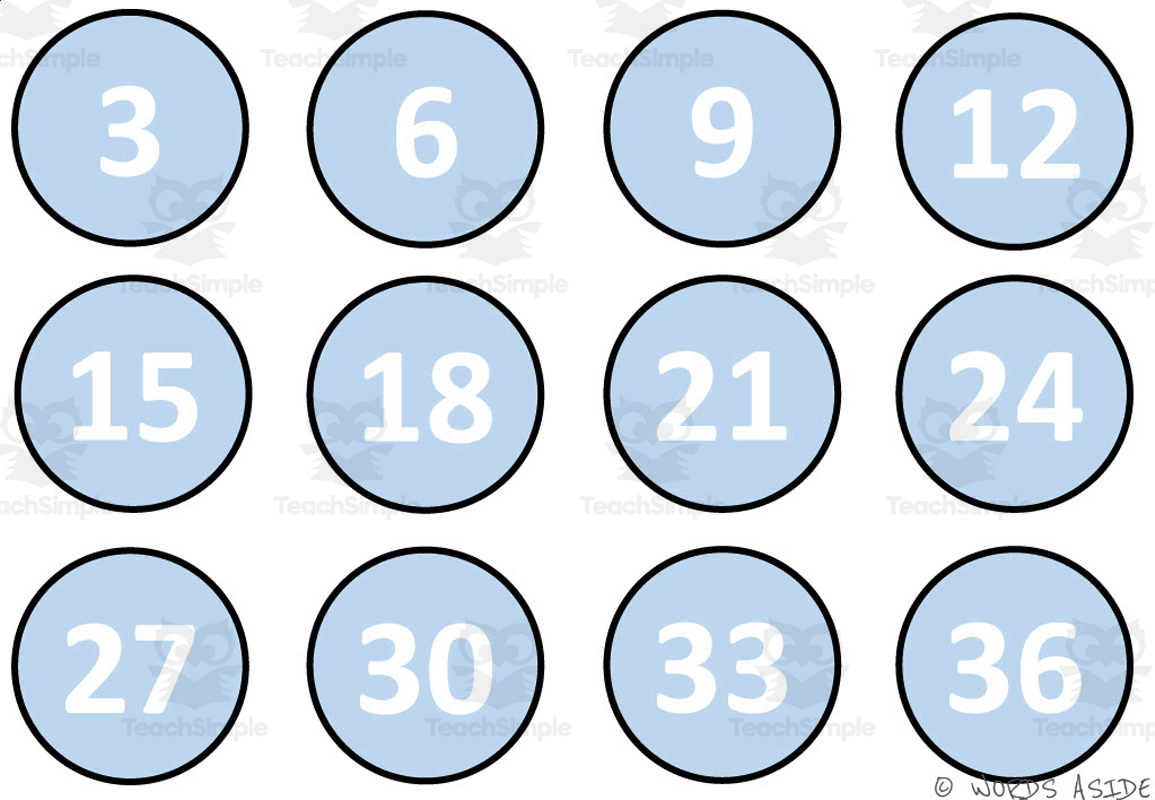
Printable practice mats for skip counting by 3s from 3 to 36, for early math number-sequence recognition

Sight word reading and writing fluency practice for the single target sight word "who", using repeated exposure of the word across short decodable sentences.

A one-word sight-word reading fluency practice packet for the target word "well", giving students repeated exposure to the word in context through reading, writing, and a short response activity.
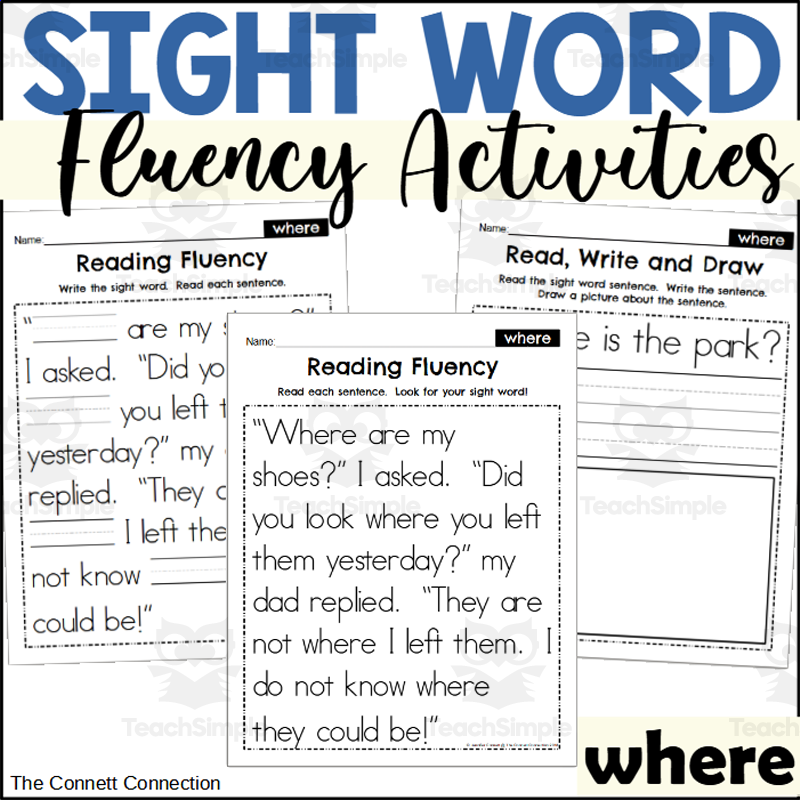
Sight word reading and writing fluency practice for the single target sight word "where", using repeated exposure of the word across short decodable sentences.
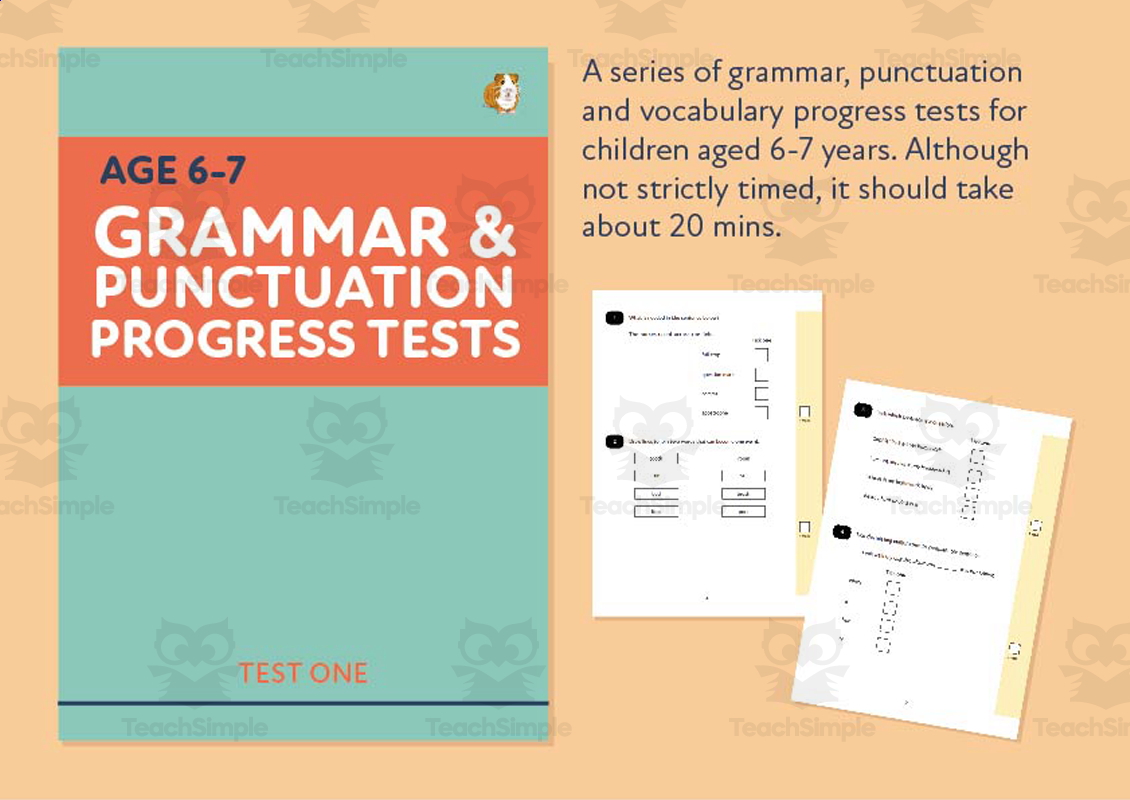
Give Key Stage 1 (age 6-7) pupils a practice English grammar, punctuation and spelling test modelled on the UK national curriculum assessment format (Paper 1).

Sight word reading and writing fluency practice for the single target sight word "will", using repeated exposure of the word across short decodable sentences.