3D Objects Posters, Geometry Math Decor in Pastel Rainbow Design
A set of classroom wall posters (in a Pastel Rainbow color design, plus a black-and-white version) naming 3D geometric shapes and listing each shape's vertex/face/edge counts.
Classroom resources
Browse by lesson focus
Choose the topic or kind of practice you need.
A set of classroom wall posters (in a Pastel Rainbow color design, plus a black-and-white version) naming 3D geometric shapes and listing each shape's vertex/face/edge counts.
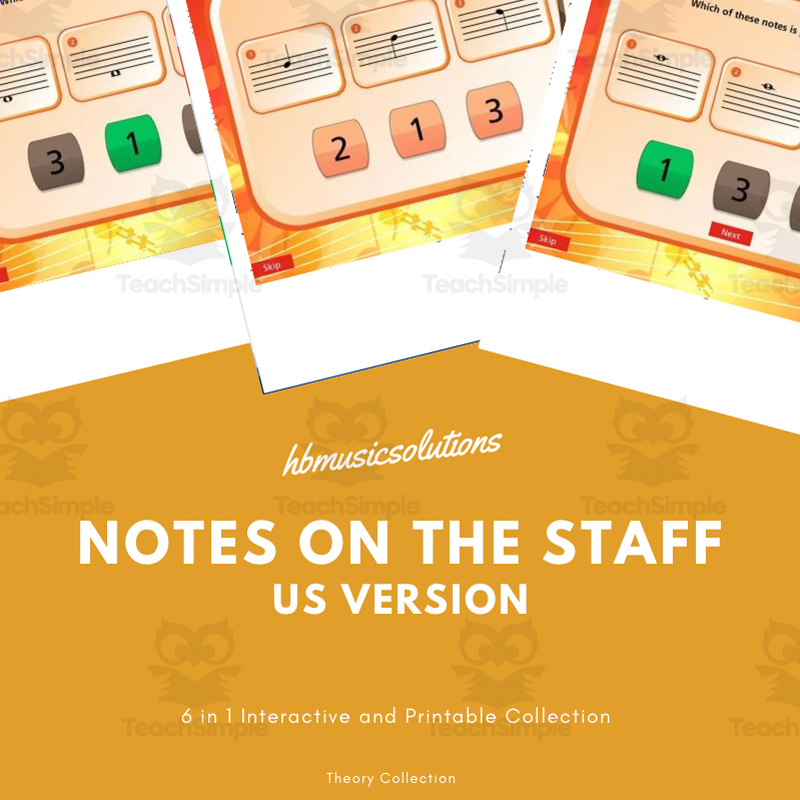
Teach beginner students to write music notes correctly on the staff, including stem direction and ledger lines.
A set of single-phrase action-verb posters (one 'to ___' verb per page/poster) for classroom display and vocabulary building; continues the volume 1/2 verb set with additional verbs.
Reading-comprehension and activity unit on Light and Sound for grades 1-5, part of the Classroom Complete Press 'Hands-On' science series (single-topic chapter excerpt of a larger multi-topic book).
Classroom poster set that displays 2D shape names and, on a second poster, each shape's number of sides and corners, for math/geometry classroom decor.
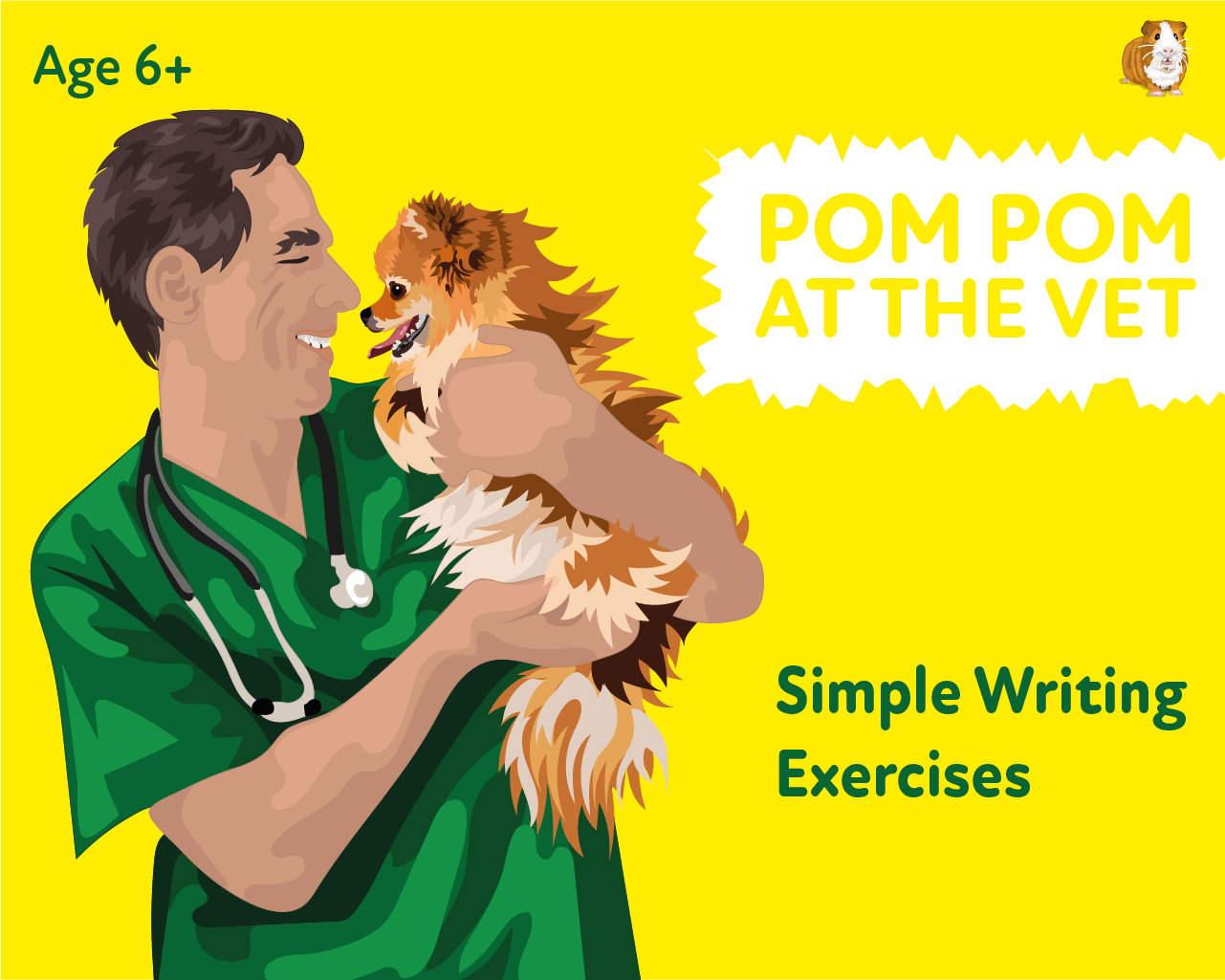
A vocabulary, sequencing, and creative-writing activity set at a veterinary clinic, including a simple money/addition exercise using a mock invoice.
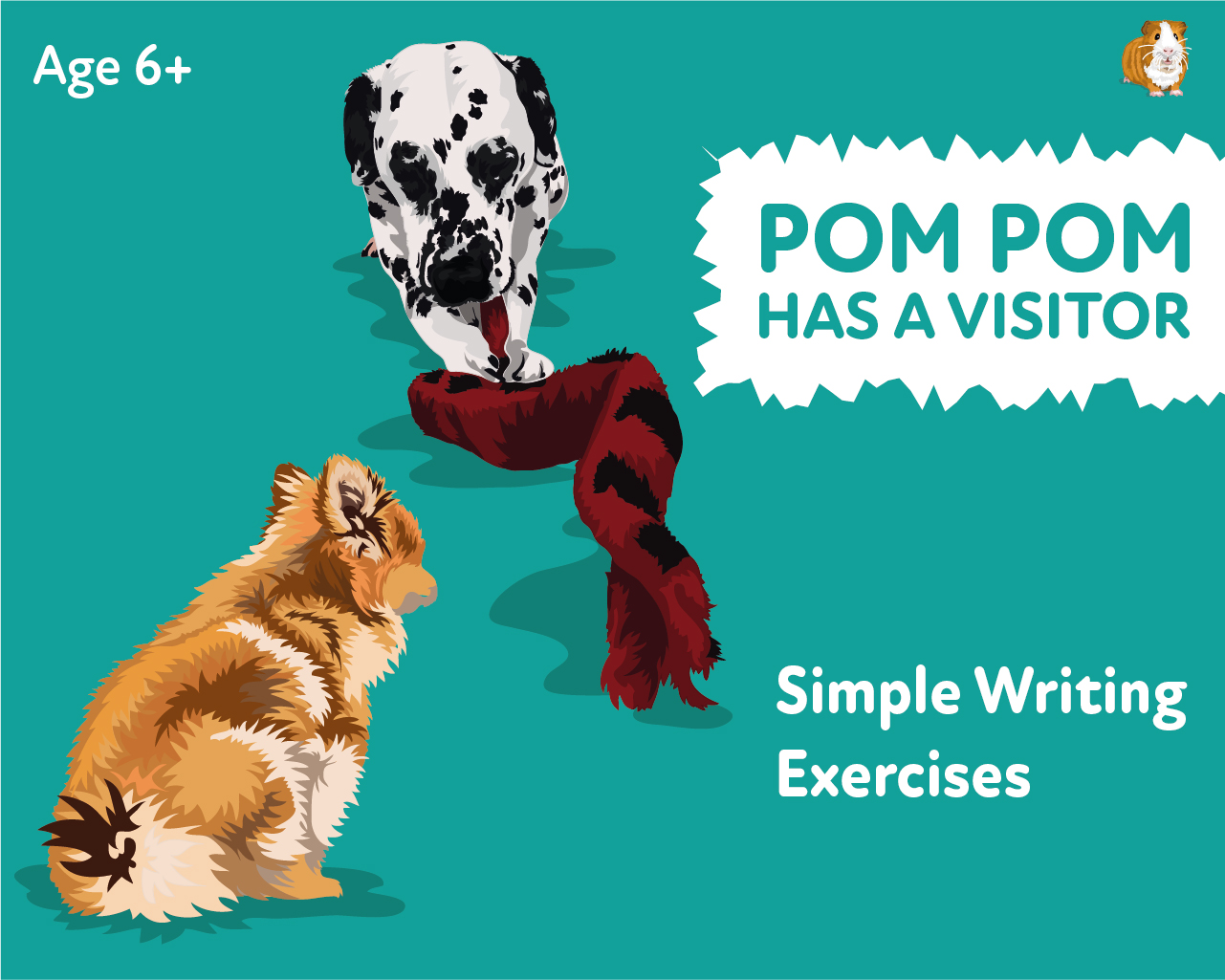
A vocabulary and creative-writing activity about hosting a visiting dog (the 'naughty dog') for a weekend stay, covering routines, misbehavior, and eventual good behavior.
Provides bulletin-board display pieces stating classroom behavior rules.
Reading-comprehension and activity unit on Energy for grades 1-5, part of the Classroom Complete Press 'Hands-On' science series (single-topic chapter excerpt of a larger multi-topic book).
Classroom poster set that displays 2D shape names and, on a second poster, each shape's number of sides and corners, for math/geometry classroom decor.
A daily fact-fluency drill and self-scoring practice book for basic addition and subtraction facts, building speed and accuracy over time.
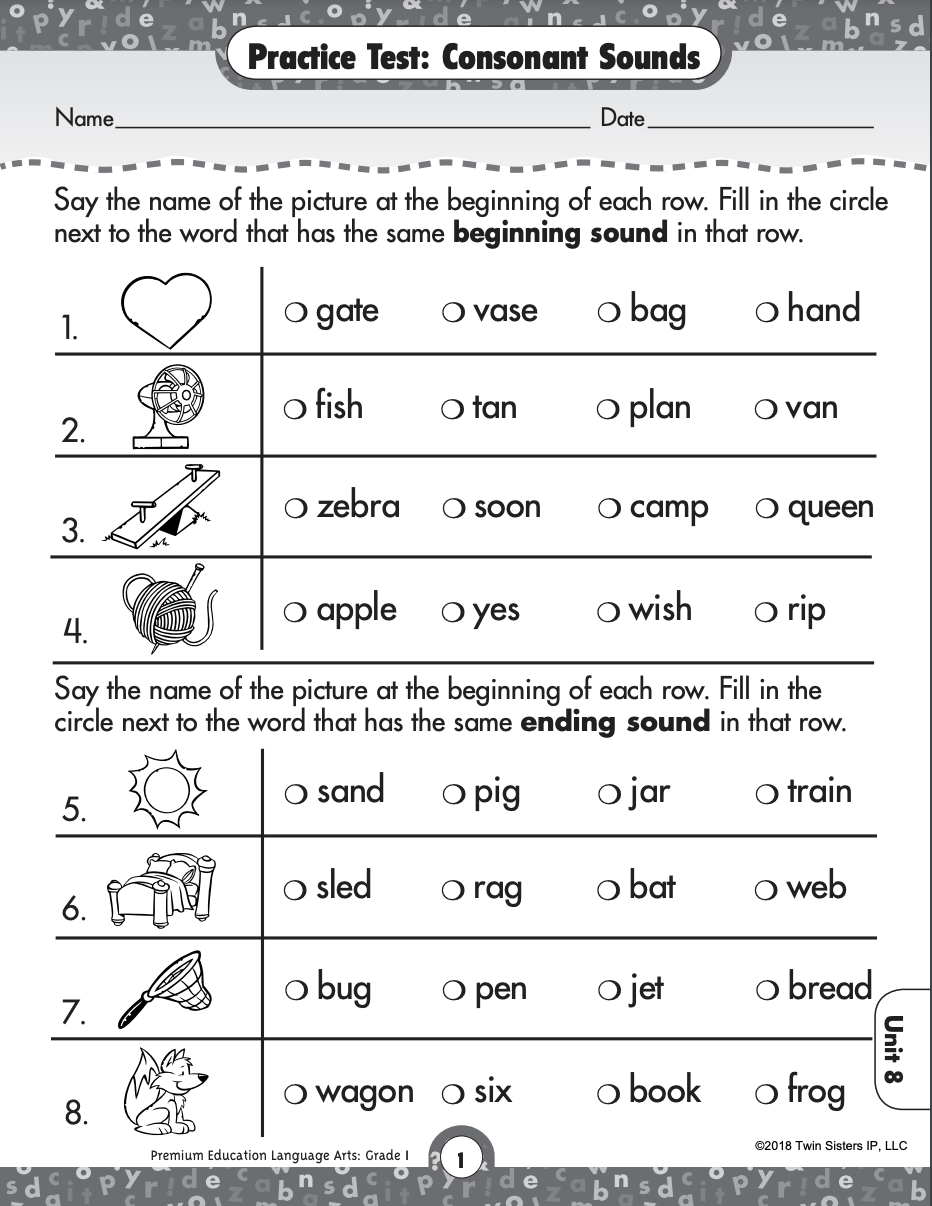
The packet combines picture-supported sound questions with text-based vocabulary, reading, and grammar tasks. Use one skill section at a time to see how students apply what they have learned, rather than assigning every page in one sitting. Name the pictured items together when introducing the sound tasks, then discuss selected responses after students work.
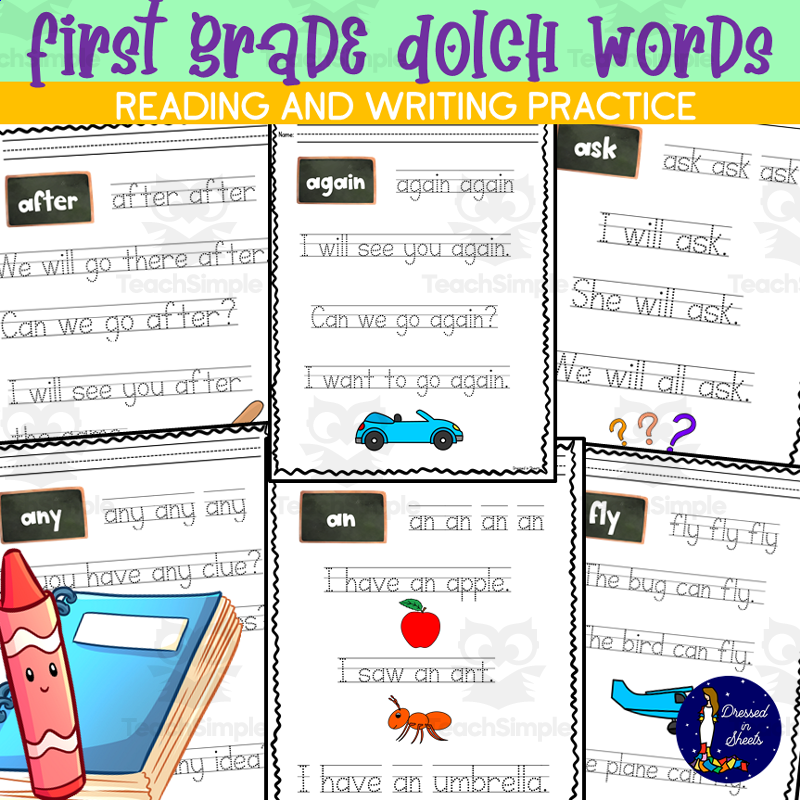
Build reading fluency and handwriting for first grade Dolch sight words through reading them in context and writing practice
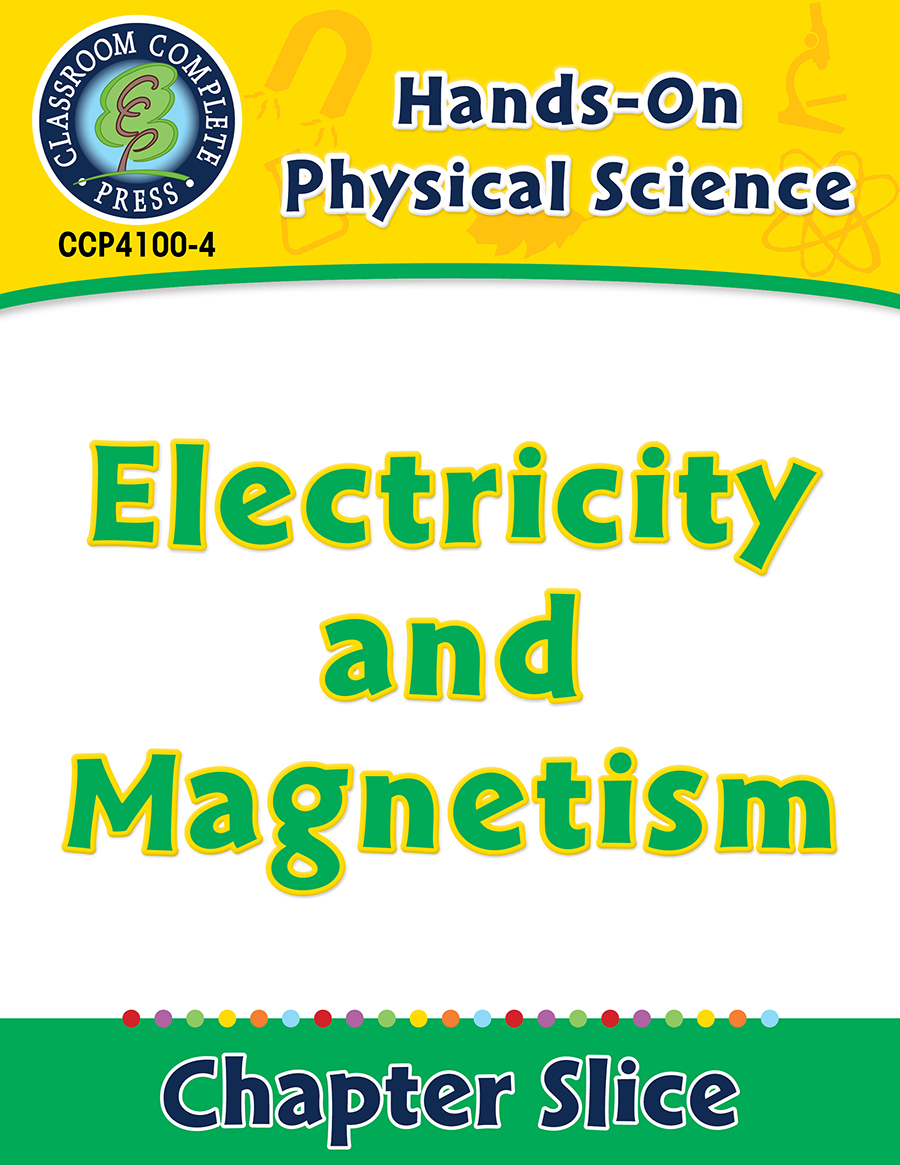
Reading-comprehension and activity unit on Electricity and Magnetism for grades 1-5, part of the Classroom Complete Press 'Hands-On' science series (single-topic chapter excerpt of a larger multi-topic book).
Practice decomposing two-digit numbers into tens and ones.
Daily subtraction fact-fluency practice, organized into fact-family sections by subtrahend pair, with weekly quizzes and answer keys.
Builds student mastery of basic addition facts (sums 0-18) through strategy-based instruction rather than rote memorization.
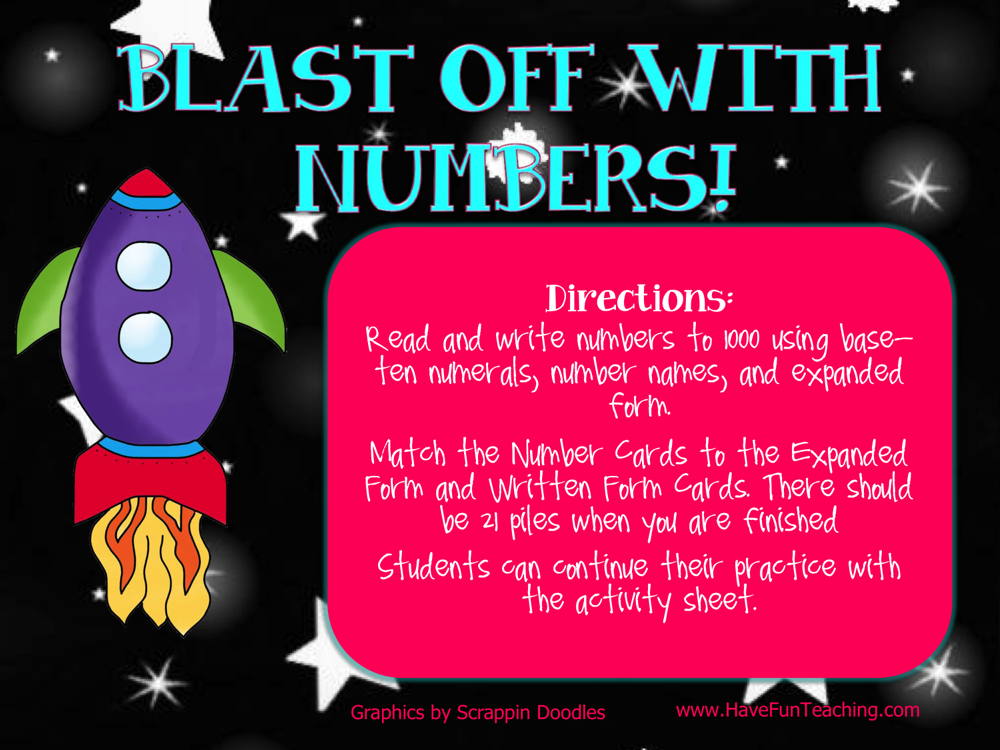
A matching activity for practicing base-ten numerals, number names (word form), and expanded form for numbers up to 1000.
Home-practice tool for mastering 100 first-grade Fry sight words through a take-home, parent-signed pass-off system
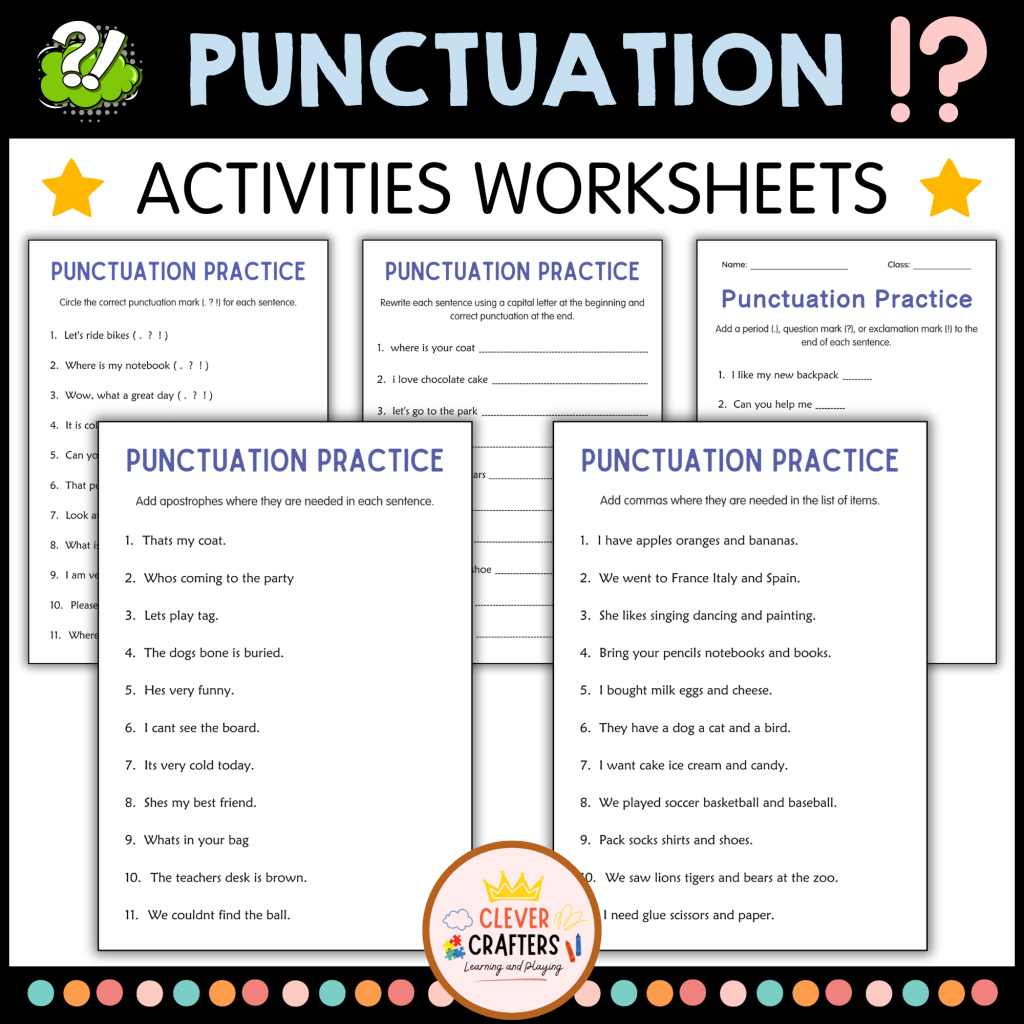
Practice end punctuation, capitalization, comma usage in lists, and apostrophe usage in everyday sentences.
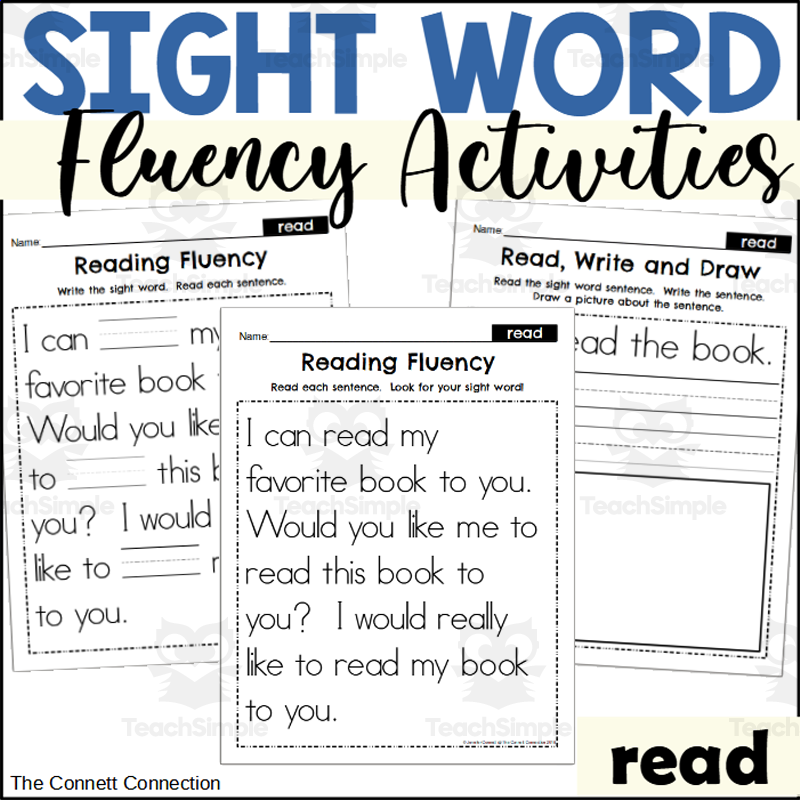
Give students repeated, low-prep practice reading, recognizing, and spelling the single target sight word "read" in context.
Hands-on tracing practice for first grade Dolch sight words to build spelling and fine motor skills
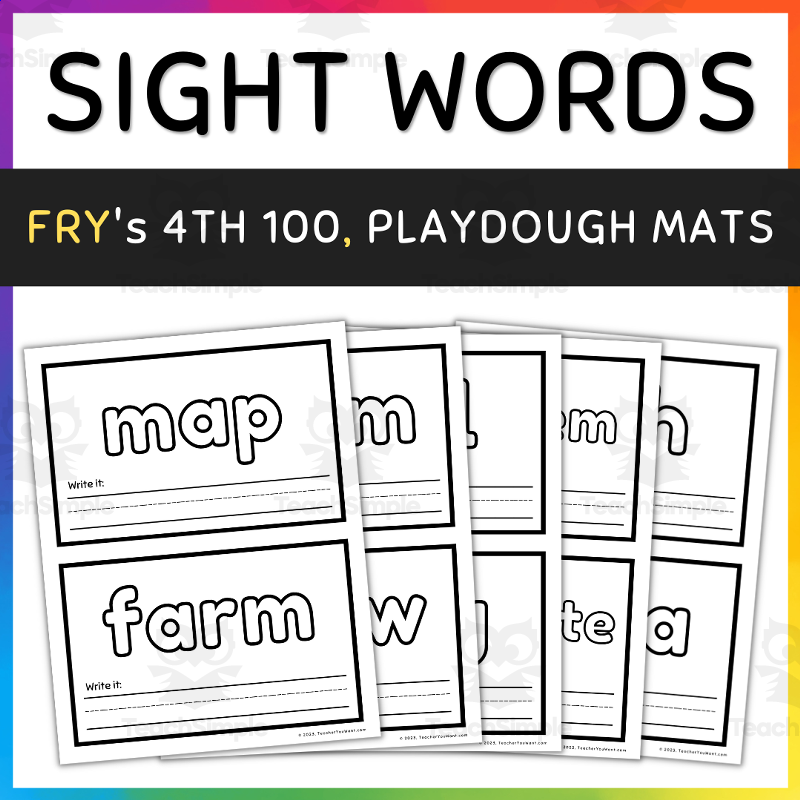
Provides one hands-on writing/tracing mat per sight word from Fry's 4th hundred word list, for multisensory (e.g. playdough) practice forming each word, evidenced by repeated 'Write it: ' page headers across a 50-page PDF.
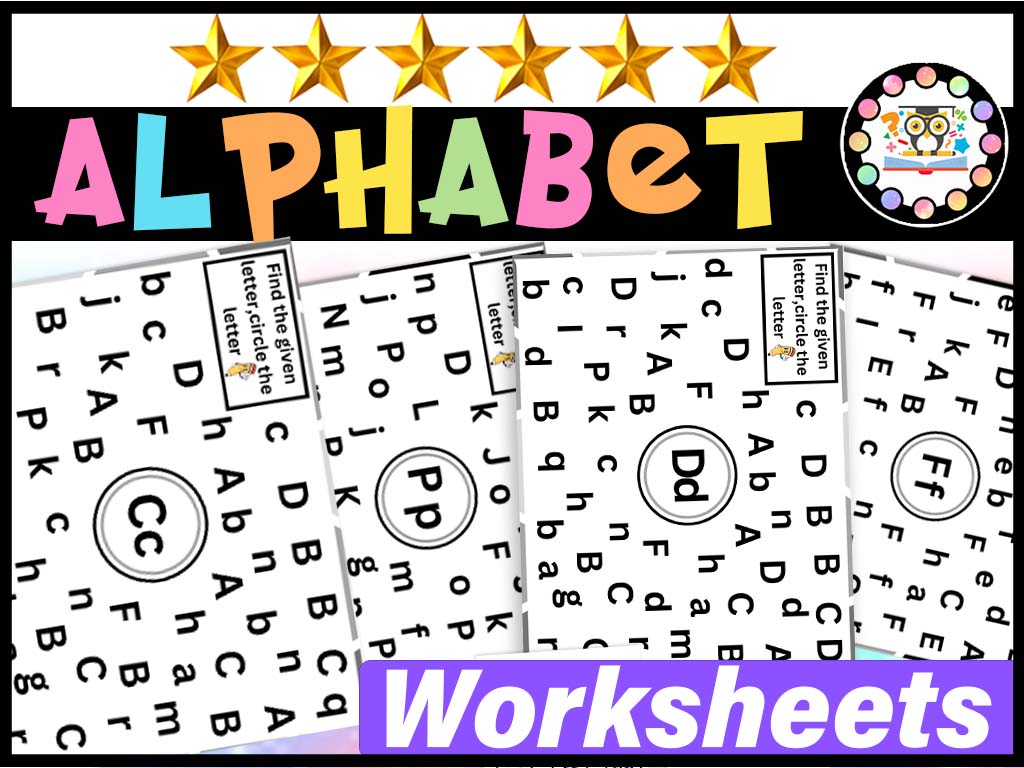
One page is dedicated to each letter of the alphabet, A through Z, repeating the same instruction on every page: "Find the given letter, circle the letter." Each page scatters letters across the grid in a mix of uppercase and lowercase forms, mixing the target letter with visually similar distractors (for example, the page for D also scatters several B's) so students must attend closely to letter shape rather than general appearance. The worksheets progress in the same order as the alphabet, giving a consistent, repeatable format for practicing one letter at a time across all twenty-six letters.