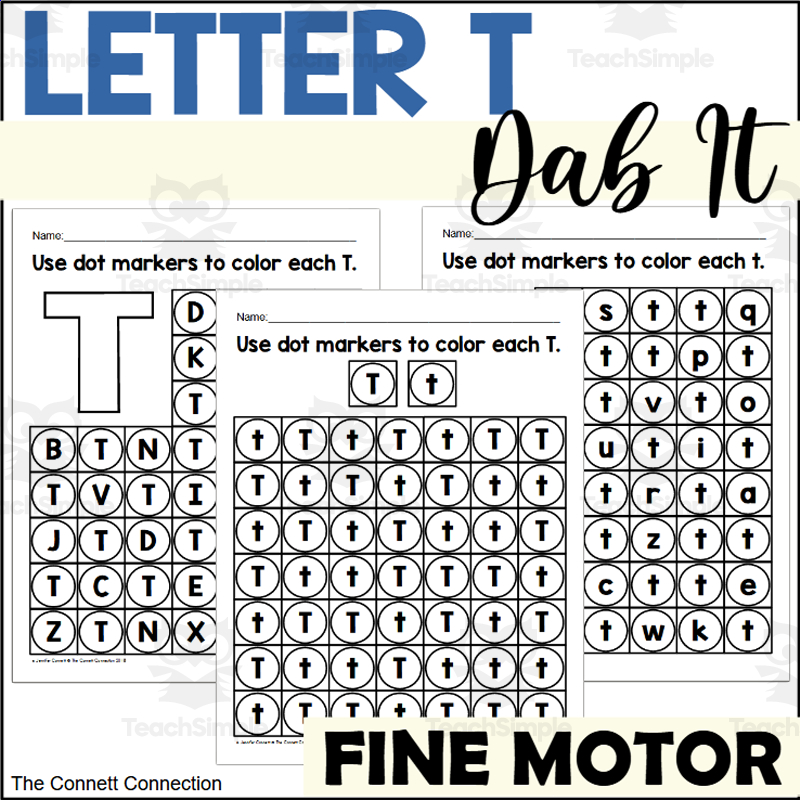
Letter T Dab It Worksheets
Practice letter recognition, distinguishing the letter T from other letters and between uppercase and lowercase forms.


12,840 resources
Explore sub-categories
14 sub-categories · 12,840 resources
Practice letter recognition, distinguishing the letter T from other letters and between uppercase and lowercase forms.
 Free download
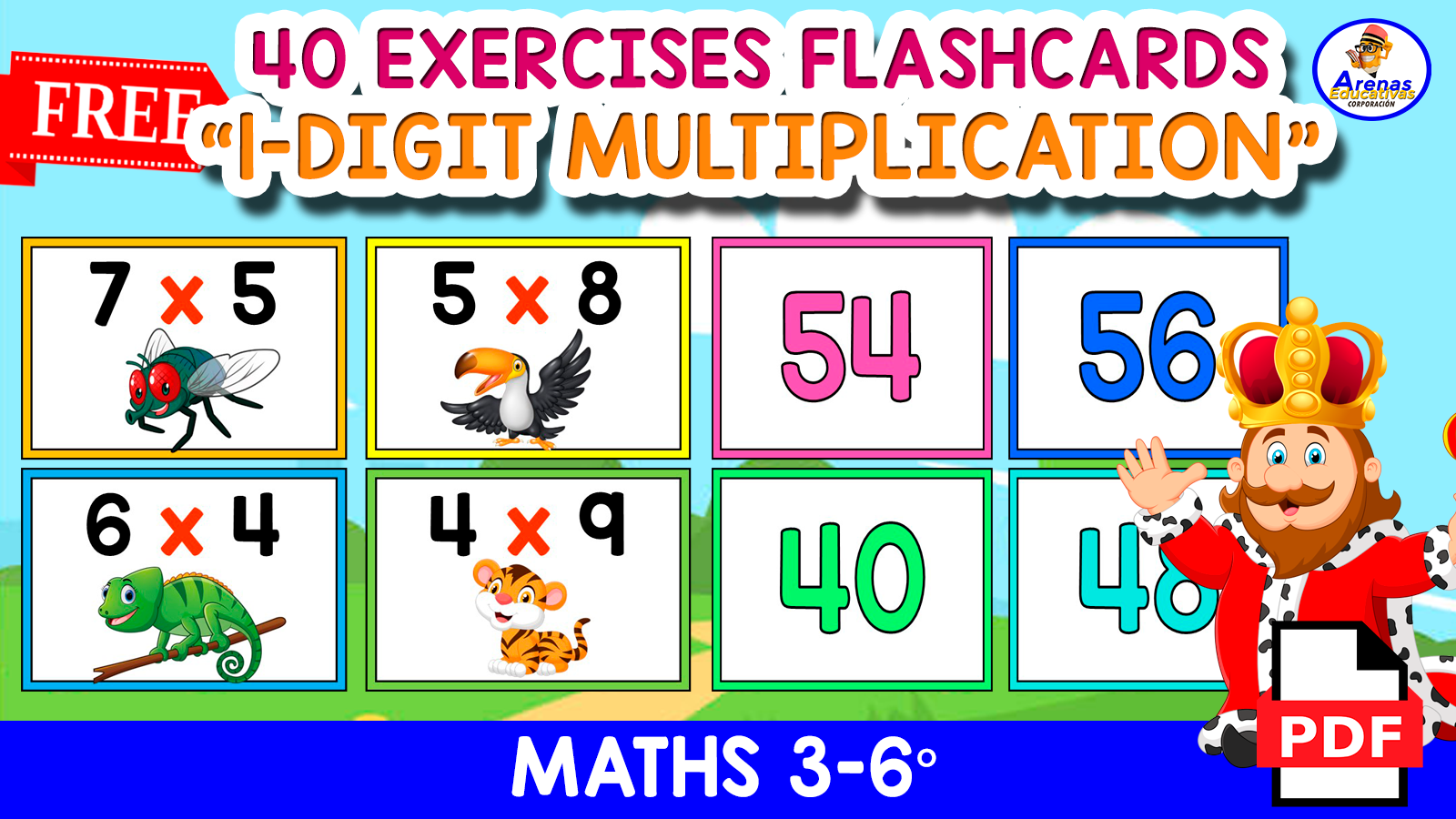
Practice multiplication facts (up to factor 12) using flashcards, animal theme.
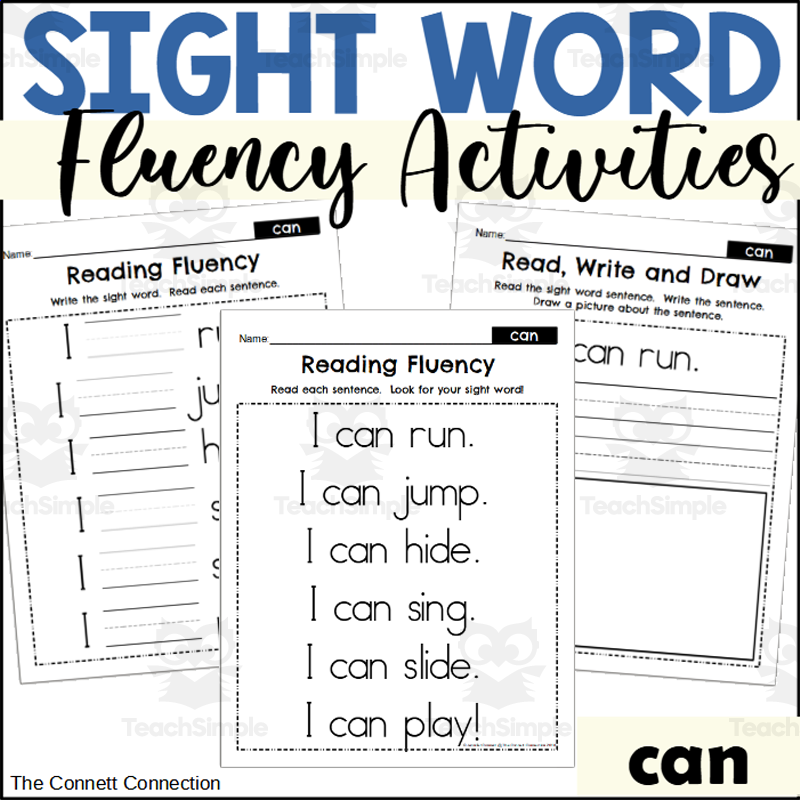
Sight word fluency practice for the target word "can": students read the word in context, recall it in a fill-in-the-blank passage, then copy a sentence using it and draw a picture.
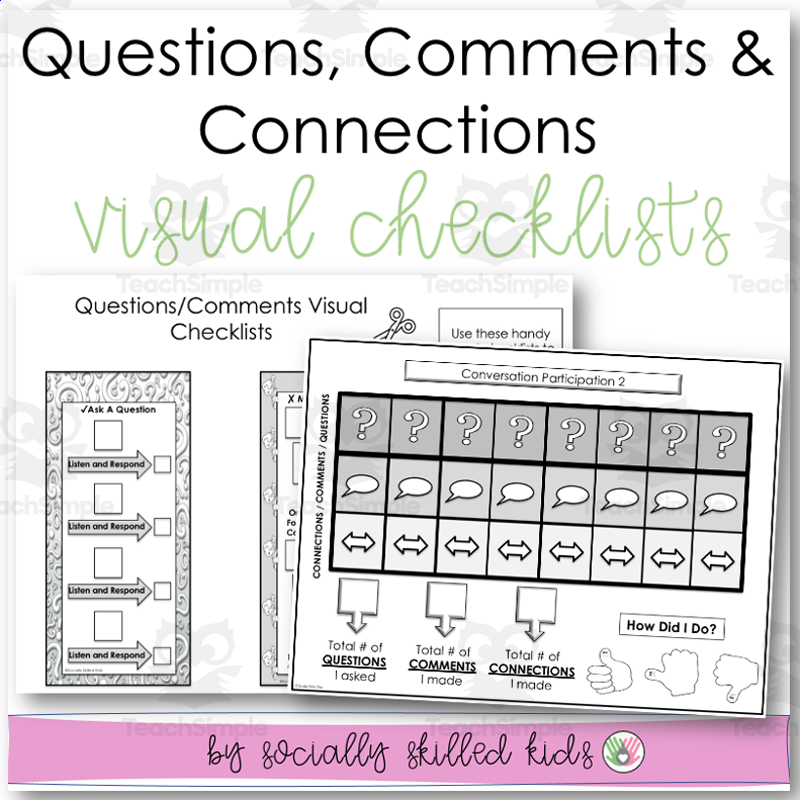
A speech-therapy resource teaching students to ask questions and make comments during conversation, with visual checklists and practice worksheets for follow-up questions/comments/connections.
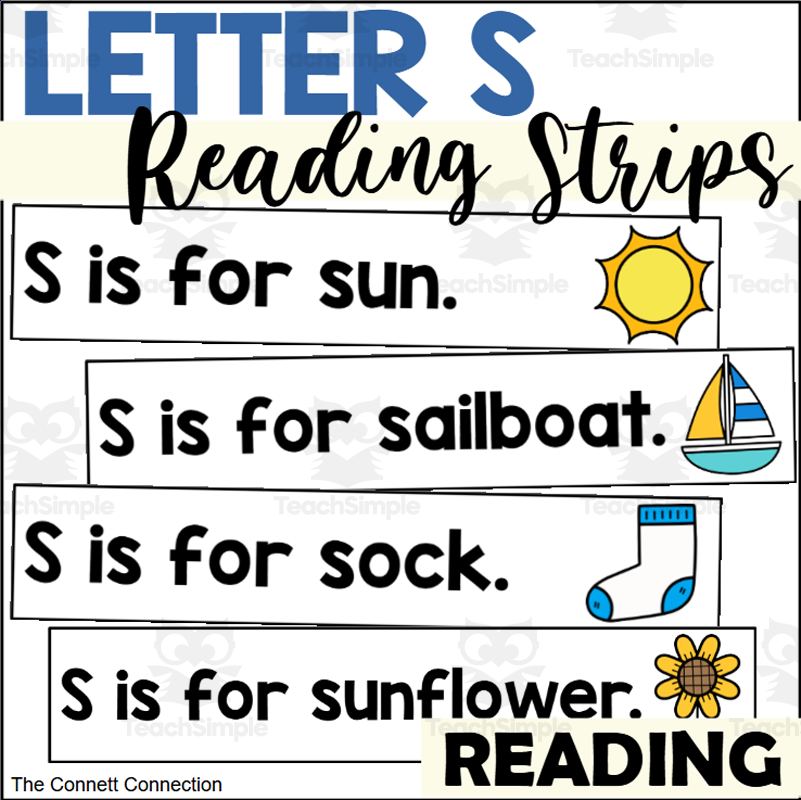
Practice reading simple beginning-sound sentence strips for the letter S with supporting picture clues.
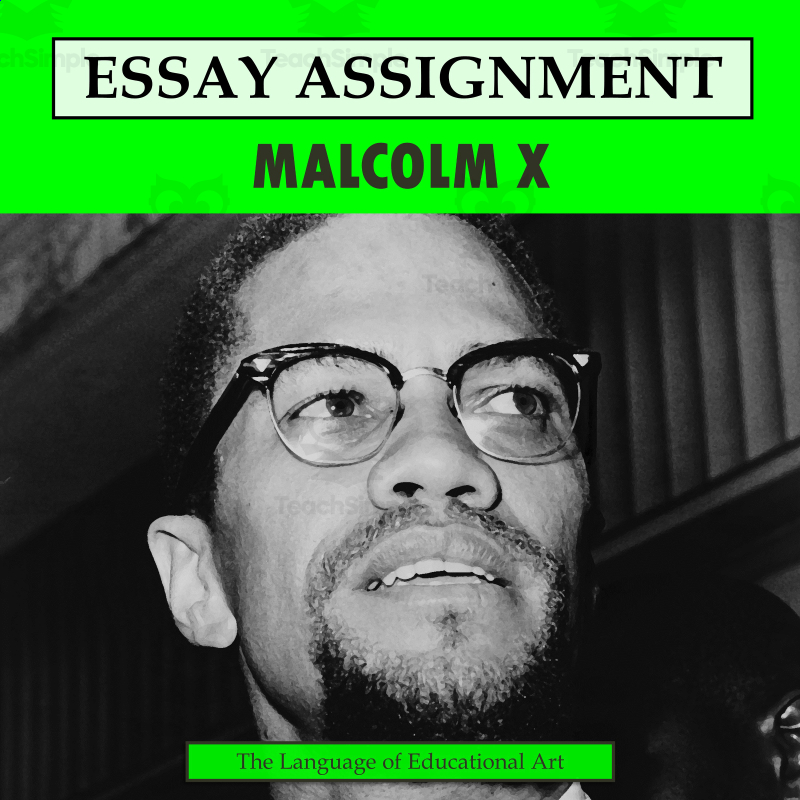
Guides students to research the life of Malcolm X and produce a structured, MLA-cited biographical research essay.
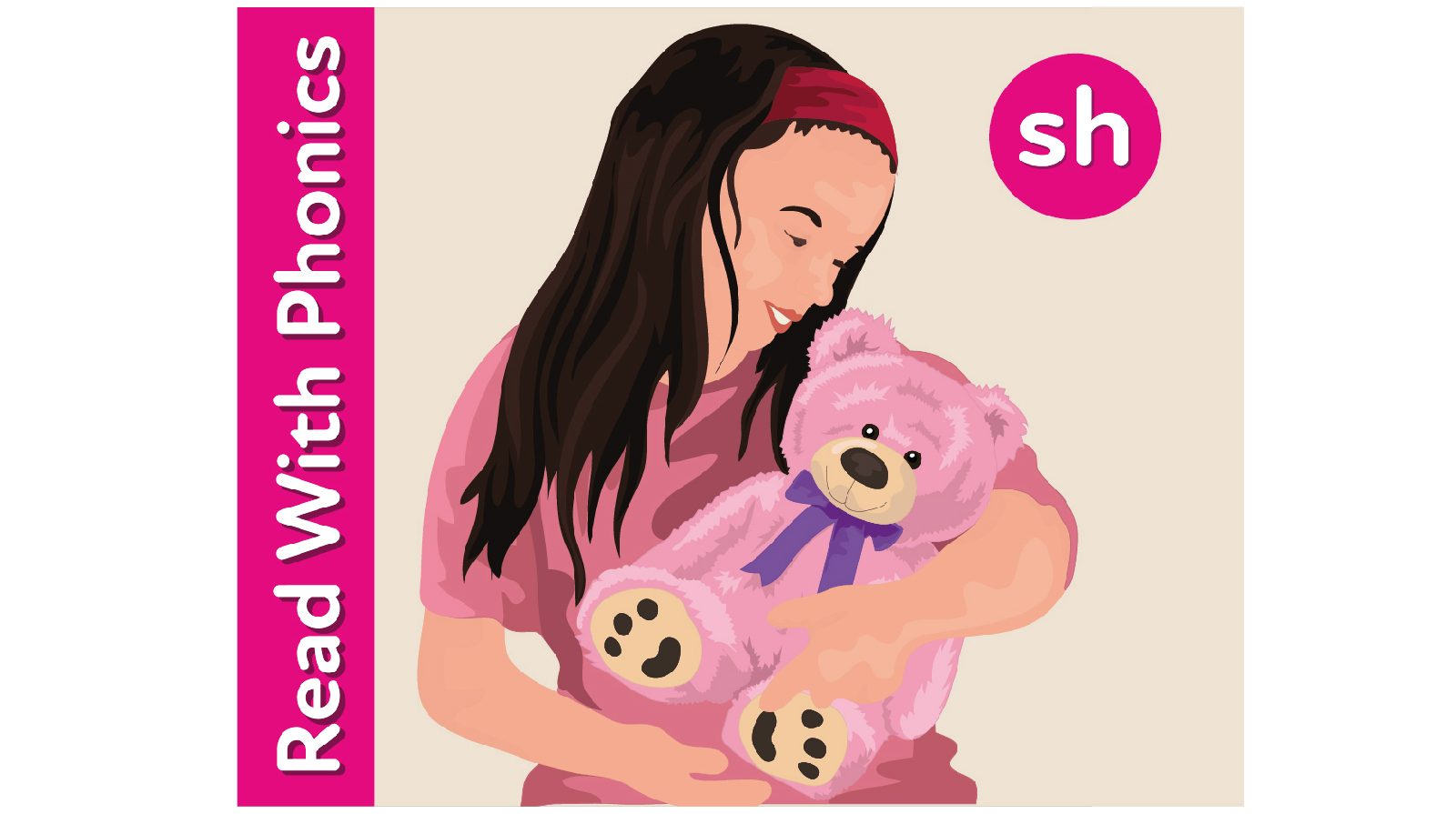
A phonics reading book from a graded reading scheme, teaching the 'sh' sound and words ending in 'y' through a short decodable story ('Kim at the Shop') plus a cut-and-paste sentence-building activity.
 Free download
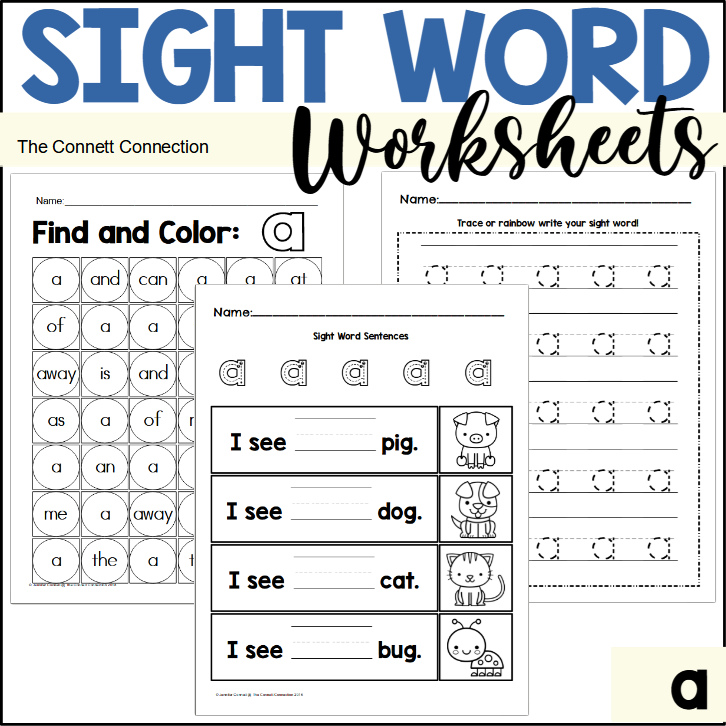
A dedicated practice packet for the single sight word 'a', covering recognition, spelling, sentence-building, and reading.
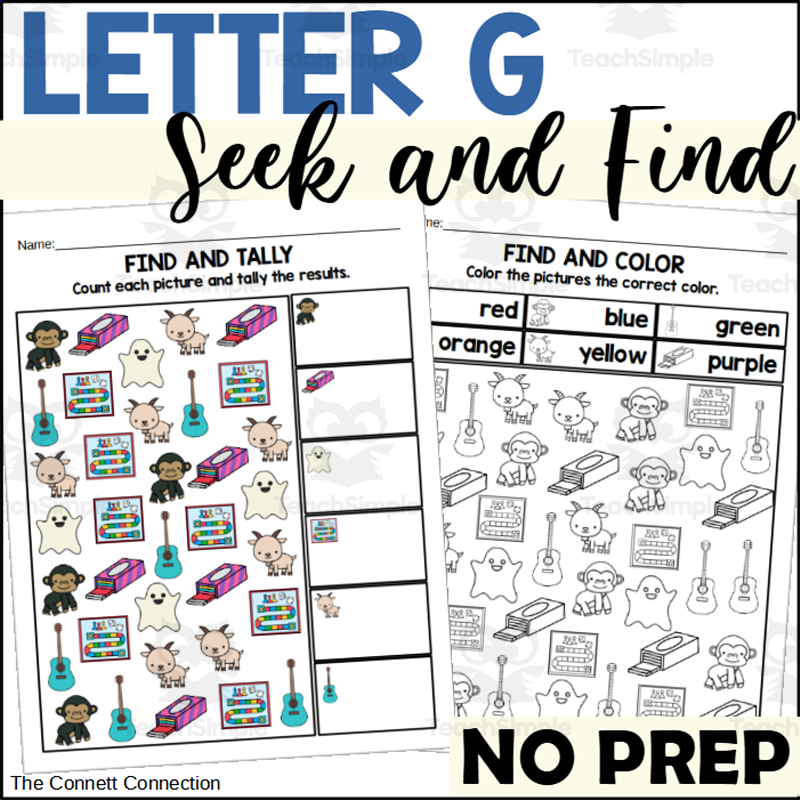
Build letter G word recognition combined with counting, color recognition, and fine motor practice through seek-and-find search activities.

Give students repeated, low-prep practice recognizing, reading, and spelling the sight word 'them' in the context of short sentences.
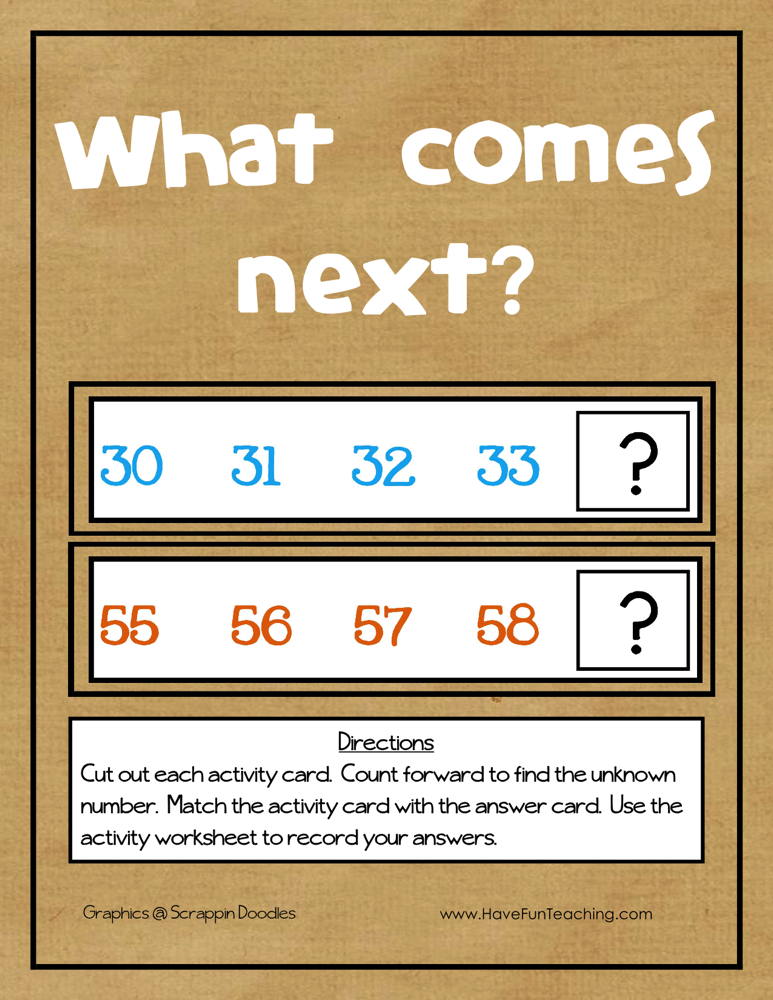
Help students practice counting forward and finding the missing number to complete a number sequence.

Music/rock-star themed grammar worksheets practicing complete vs. incomplete sentences, subjects and predicates, and the four sentence types (declarative, imperative, exclamatory, interrogative).

Guides students to research the life of Mark Twain and produce a structured, MLA-cited biographical research essay.
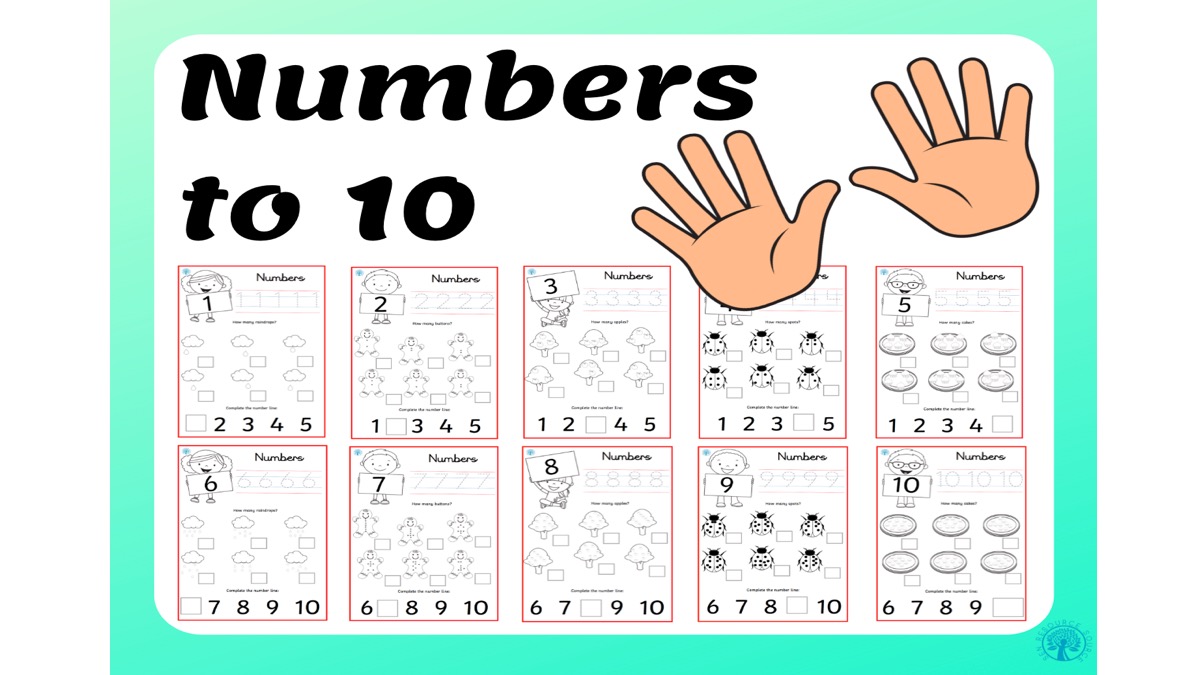
A set of number-recognition worksheets for numbers 1-10, giving students tracing, counting, and number-line practice.
 Free download
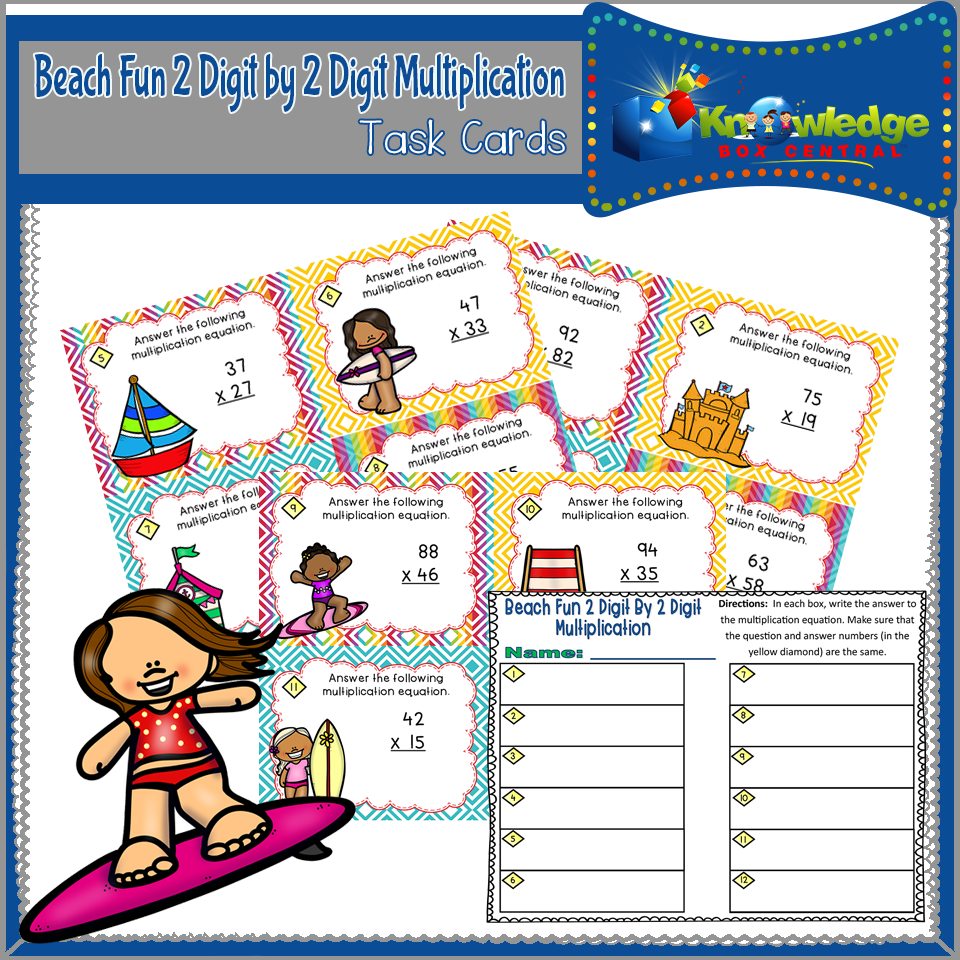
Provide practice multiplying two 2-digit numbers using a set of numbered task cards with a matching response sheet and answer key.

Novel study guide for 'We Were Liars' by E. Lockhart, guiding students through pre-reading research, vocabulary building, discussion questions, and literary analysis.
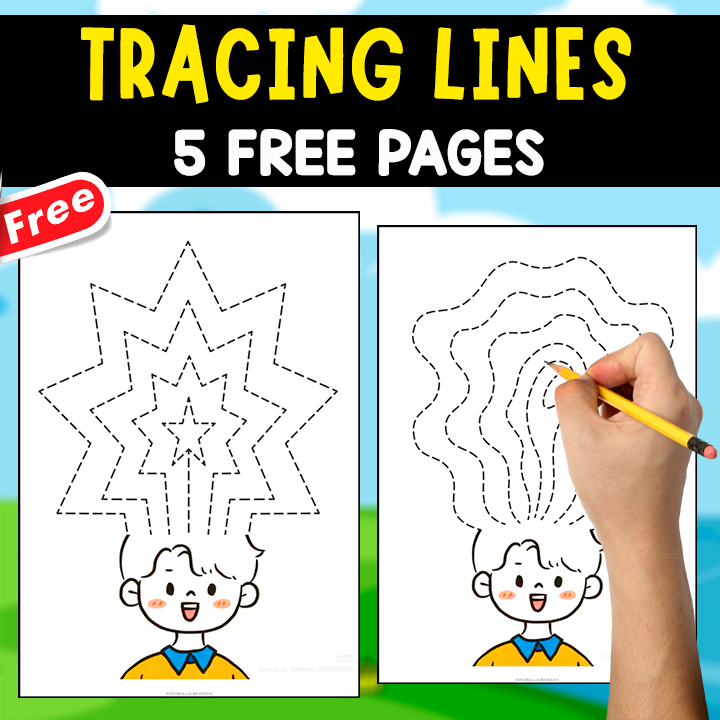 Free download
Line-tracing practice sheets to build pre-writing / fine motor control, per the file's own cover text ("TRACING LINES, 5 PAGES").
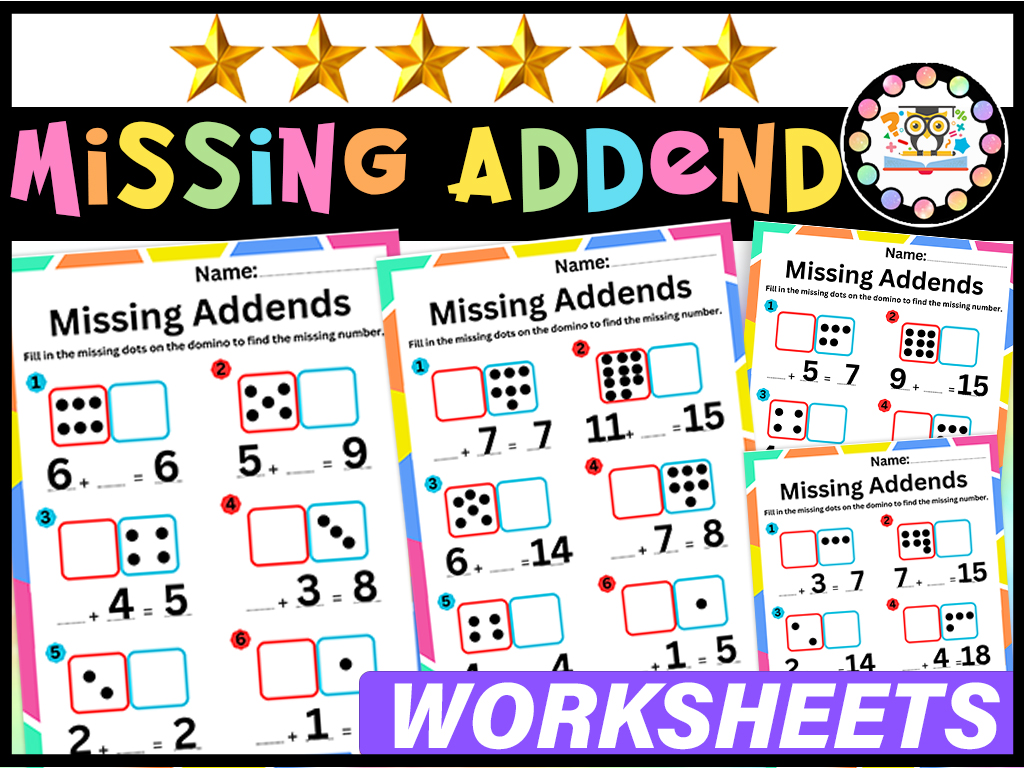
Give students practice finding a missing addend in addition equations using domino dot images as a visual/concrete support.
Build daily place-value/counting practice (ones building up to a ten) through a cumulative kindergarten counting-book activity.

Guides students through independent biographical research on Jason Reynolds and a structured 5-paragraph research-essay assignment (thesis-driven introduction, early-life paragraph, exploring Reynolds’ most significant literary achievements, analyzing Reynolds’ legacy and influence on young adult literature, conclusion, and works cited…

Eight tracing pages split the numbers 1-10 into a 1-5 set and a 6-10 set, with each set repeated across four picture contexts: drawing apples on a tree, drawing dots on a die, drawing spots on a ladybird, and drawing a line to the matching number of fingers. Every page follows the same format — large numerals to trace followed by a hands-on quantity task — so students practice numeral formation and one-to-one counting correspondence together rather than as separate skills. The repetition across four picture themes for each number range is meant to reinforce the same counting skill in slightly different visual contexts rather than introduce new content on each page. For students who need more explicit stroke-by-stroke guidance before combining number formation with counting, number writing practice isolates the pencil path for each numeral.

Assess student understanding of home electrical safety practices covered in a companion PowerPoint lesson.
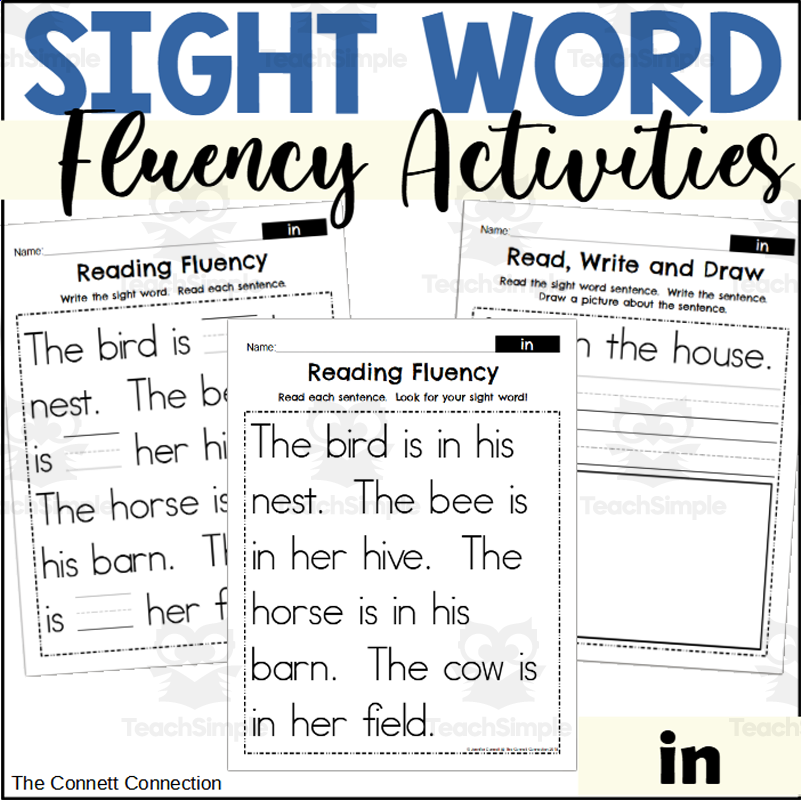
No-prep sight word fluency practice for the high-frequency word "in" — reading, filling in the blank, and reading/writing/drawing for beginning readers.
Teach elementary students (Elementary Grade 5 | Middle School Grade 6) character-building and social skills through short lessons and guided practice pages, organized into categories such as respect/responsibility, citizenship, and manners.