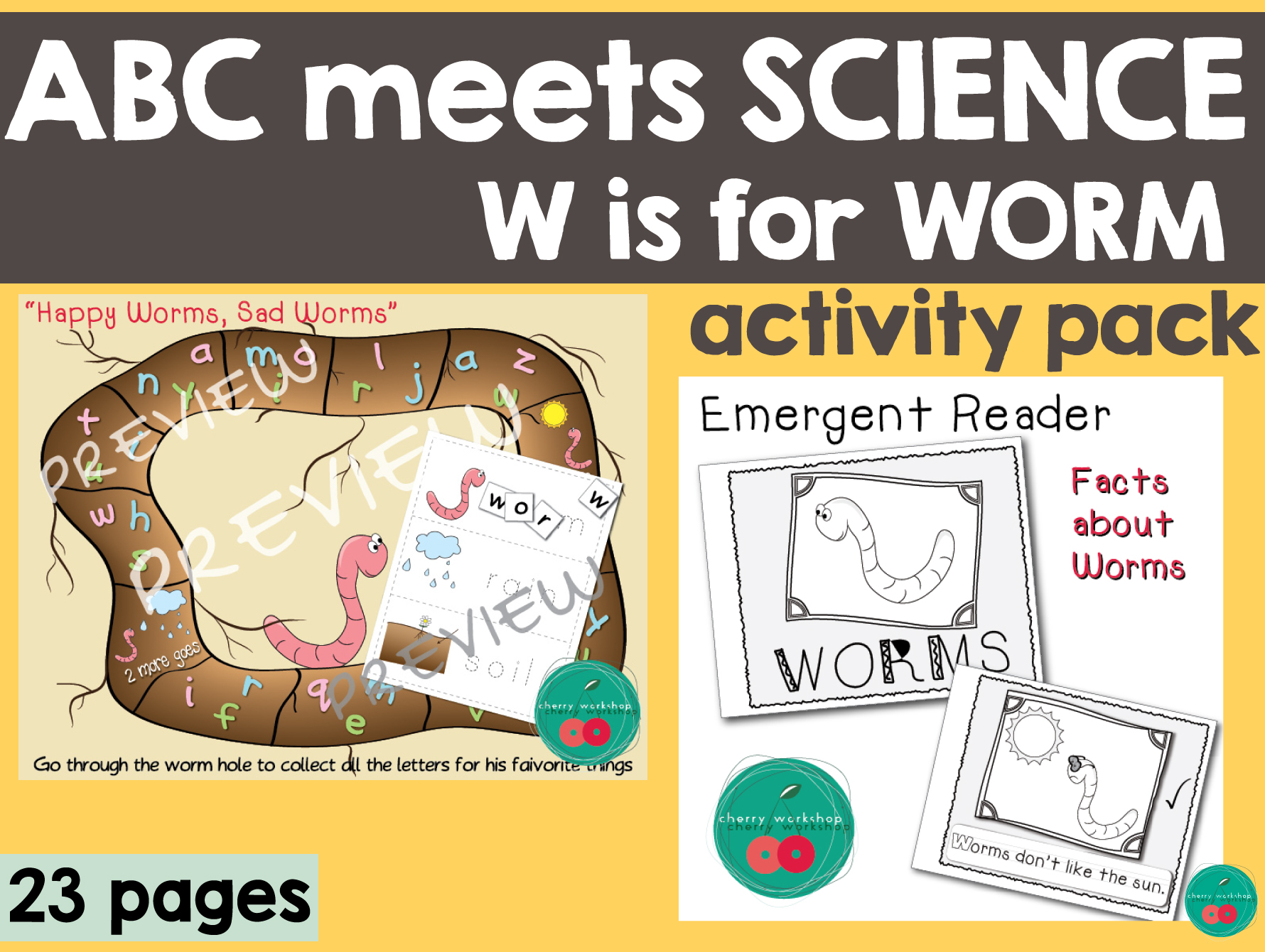
Brief Introduction to Worms
Early literacy/science unit introducing basic facts about worms through a story, song, finger play, and hands-on activities.


10,684 resources
Explore sub-categories
10 sub-categories · 10,684 resources
Early literacy/science unit introducing basic facts about worms through a story, song, finger play, and hands-on activities.
Introduce foundational DNA and genetics vocabulary (DNA, chromosomes, genes, genome, genotype, phenotype) via a short lecture slide deck.
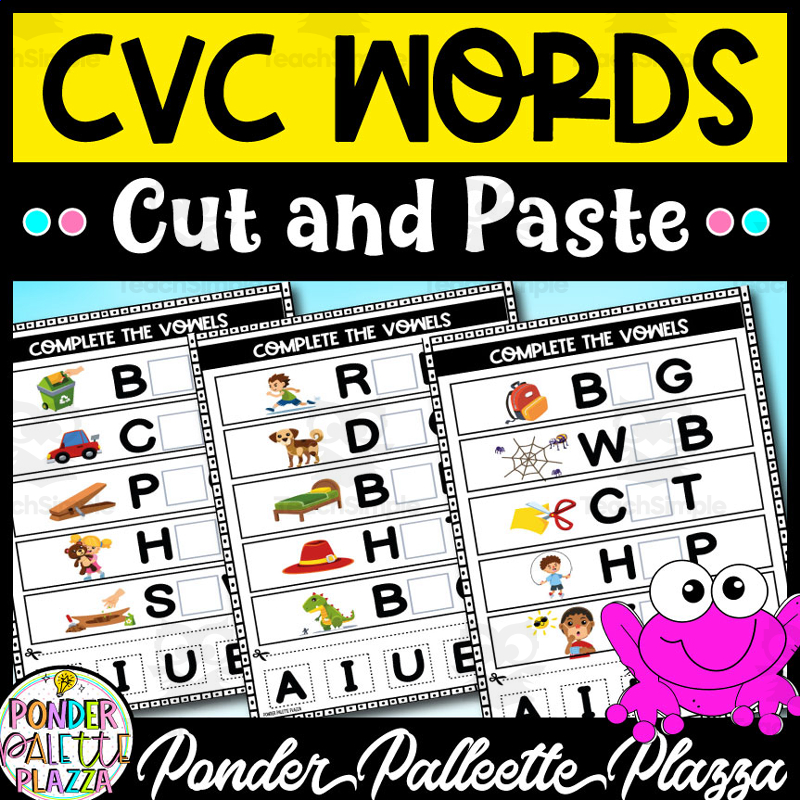
Phonics practice worksheet (second pack) where students complete CVC words by supplying the missing vowel.

A phonics activity packet teaching the word-ending consonant clusters -ast, -est, and -ash.
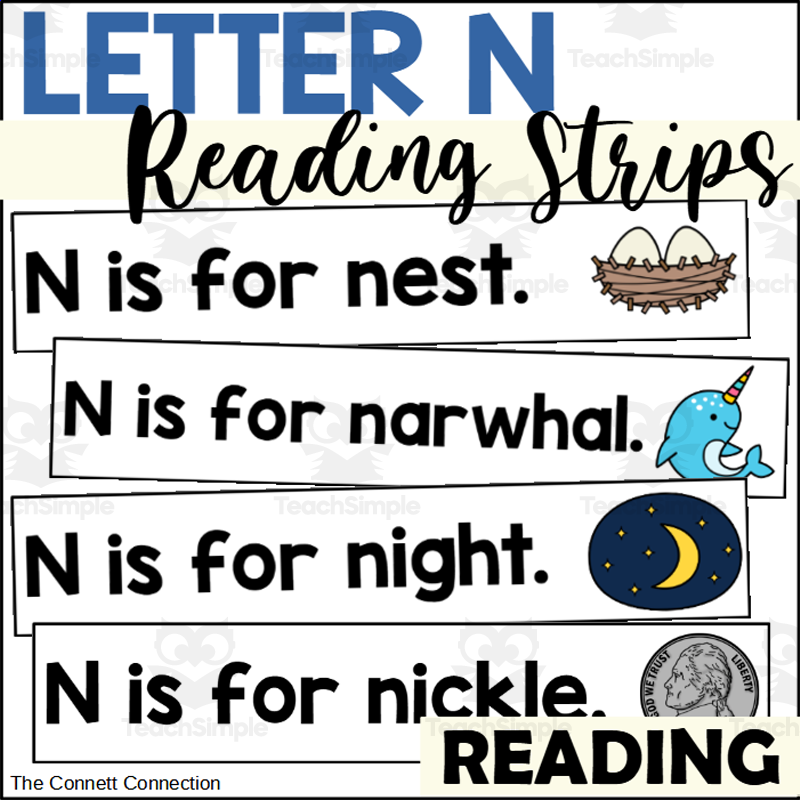
Practice reading simple sentences with the initial /n/ sound using picture-cued reading strips.

Teach 3rd graders about disease prevention and control: communicable vs. non-communicable disease, personal hygiene, and how viruses (including coronavirus/COVID-19) spread.
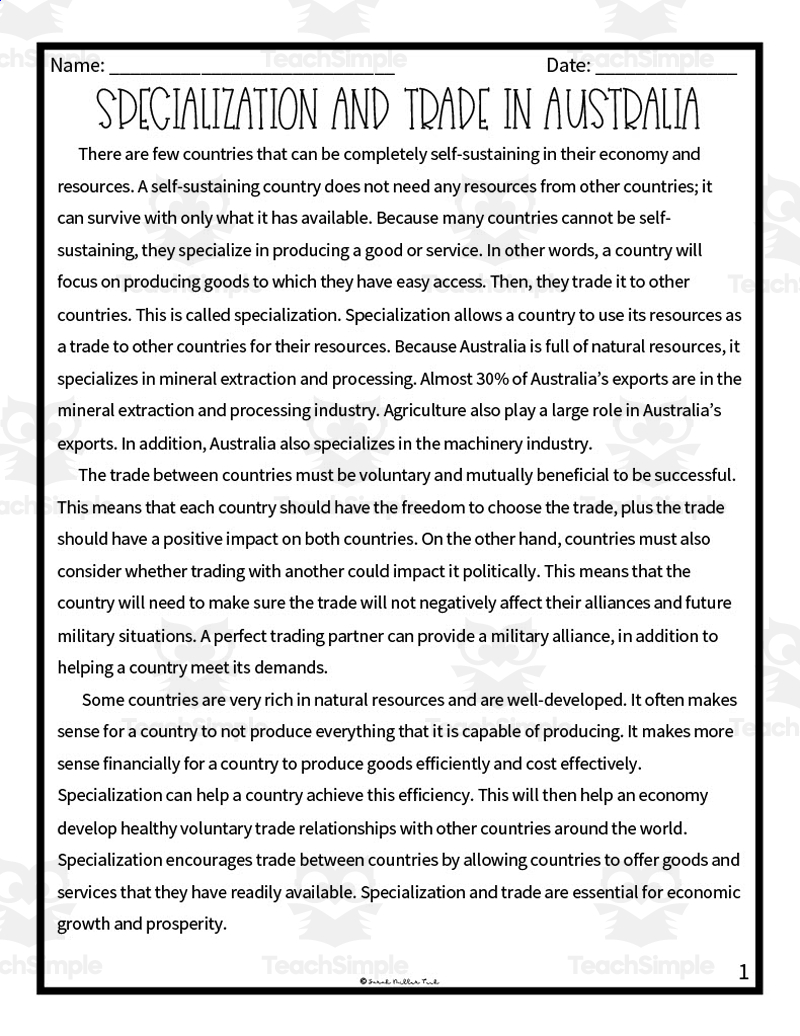
Teach students about specialization and trade in Australia (mineral extraction/processing, agriculture, machinery industries) through a nonfiction reading passage on specialization and trade/economics.
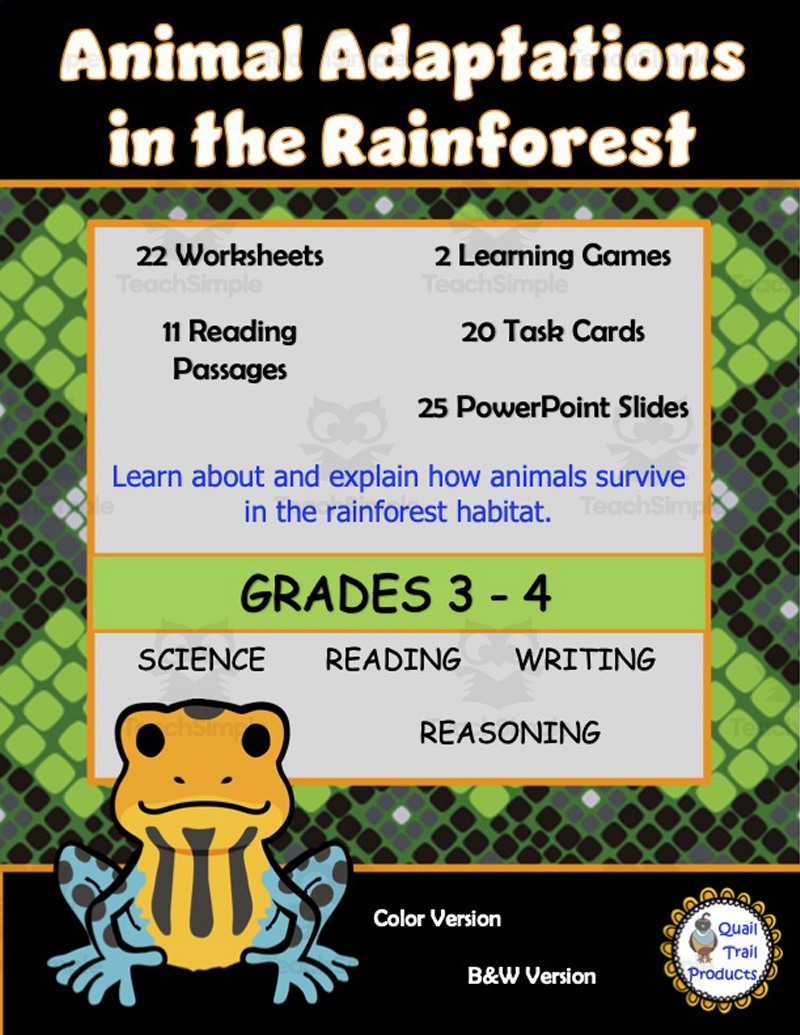
A four-part rainforest bundle opens with a slideshow covering what a habitat is, rainforest vocabulary (dewlap, echolocation, terrestrial, and similar terms), the four layers of rainforest trees, and the three types of adaptation (behavioral, physical, life cycle) illustrated through nine specific animals such as the toucan, sloth, and jaguar. A set of 20 numbered task cards then quizzes students on that same content through fill-in-the-blank, true/false, and riddle formats, each with a matching answer key, alongside a separate animal-picture card game with three small-group activities for practicing adaptation facts aloud. The largest component, an 82-page workbook, adds a K-W-L chart, vocabulary-matching and dictionary-guide-word worksheets, reading passages on eight rainforest animals plus three additional animals for a reasoning exercise, an opinion-writing assignment with a graphic organizer, and a word search and crossword puzzle. Reading comprehension, vocabulary, and opinion writing are woven throughout the science content, so the bundle functions as a combined ELA-and-science unit rather than a single-subject resource.
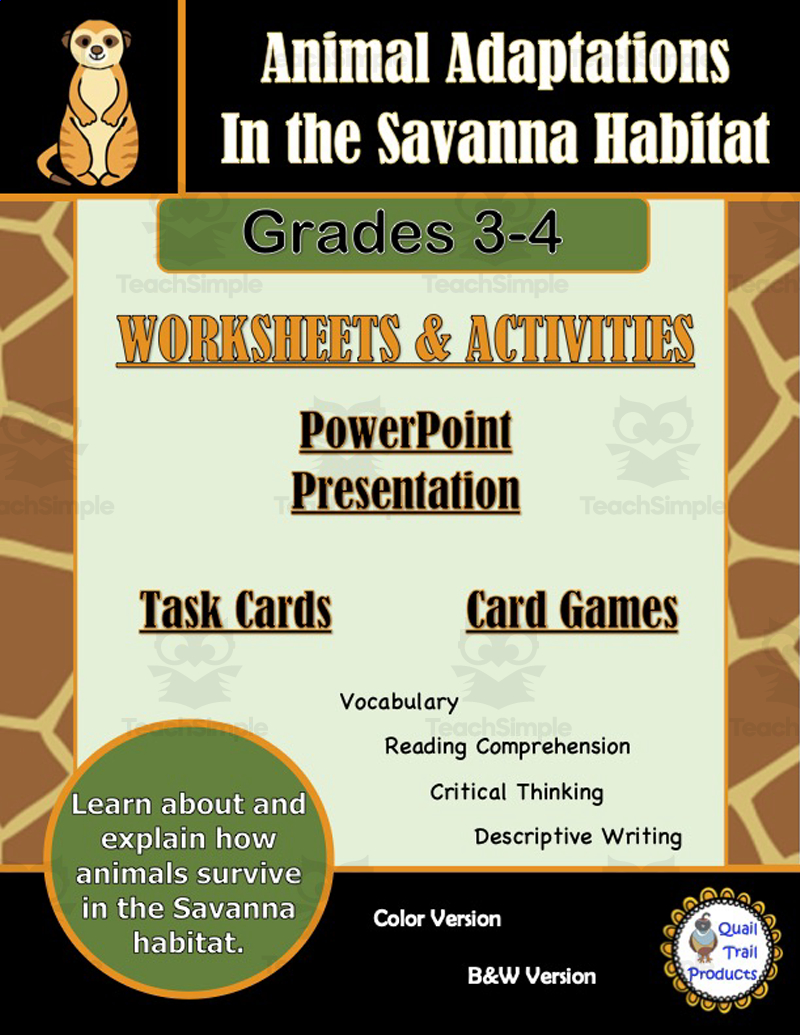
Teaches elementary students about the savanna habitat and how savanna animals use behavioral, physical, and life-cycle adaptations to survive in a flat, arid, transitional-zone environment.
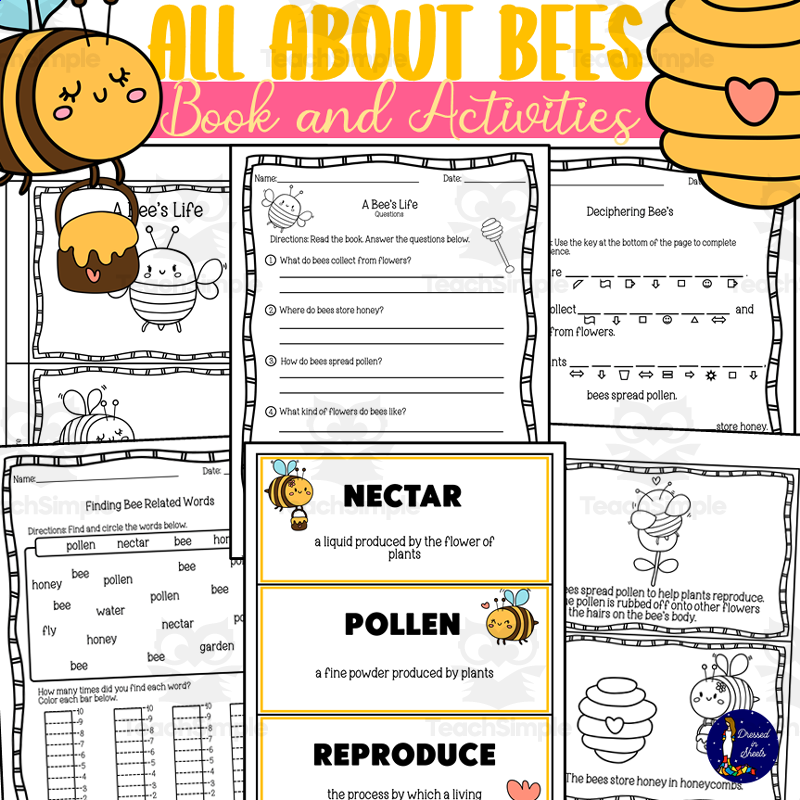
A mini cut-and-assemble emergent reader book about bees ('A Bee's Life') paired with comprehension, cloze/decoding, word search, and vocabulary activities.
A preschool curriculum/unit-planning packet of ideas and activities for a classroom unit on birds.
Teaches elementary students about the woodland habitat and how specific woodland animals (woodpecker, raccoon, white-tailed deer, black bear, skunk, great horned owl, porcupine, red fox, camel, snapping turtle, narwhal) use behavioral, physical, and life-cycle adaptations to survive.

A vocabulary-reinforcement puzzle set on the American Civil War, covering terms like Union, Confederacy, slavery, abolition, Lincoln, Davis, Gettysburg, emancipation, and reconstruction.
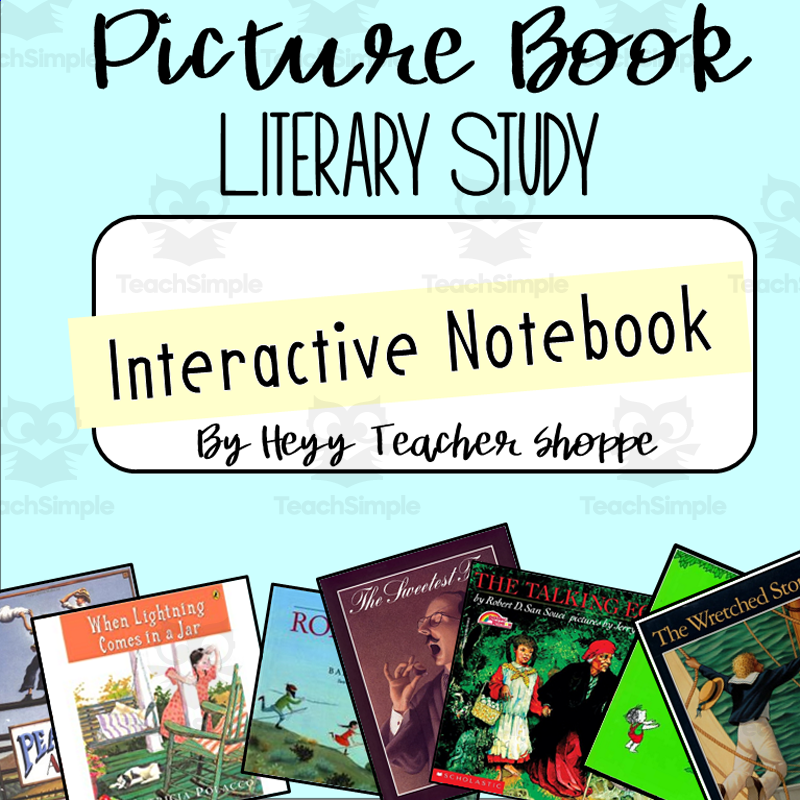
An interactive notebook unit teaching literary analysis skills (vocabulary, plot, characters, theme, inference, point of view, literary devices) using a student-selected picture book as a repeated mentor text.

A detective/case-file-themed literary analysis unit built around Edgar Allan Poe's short story 'The Cask of Amontillado', teaching close reading, character analysis, and textual-evidence-based argument writing.
Literacy unit built around a class read-aloud of the book referred to as 'Alexander and the Bad Day', with before/during/after reading activities plus a personal-narrative writing and vocabulary component.
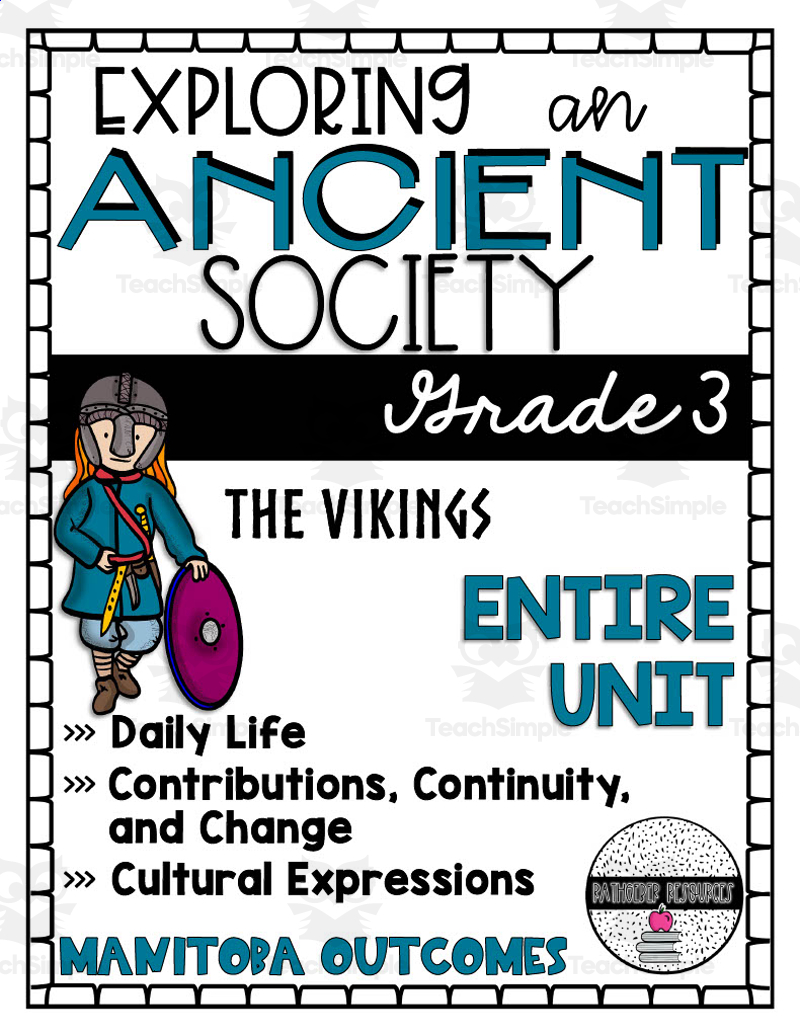
A Grade 3 social studies unit exploring the ancient society of the Vikings, covering daily life, contributions/continuity/change, and cultural expressions through informational readings, vocabulary, myth-vs-fact analysis, and creative/role-play activities.
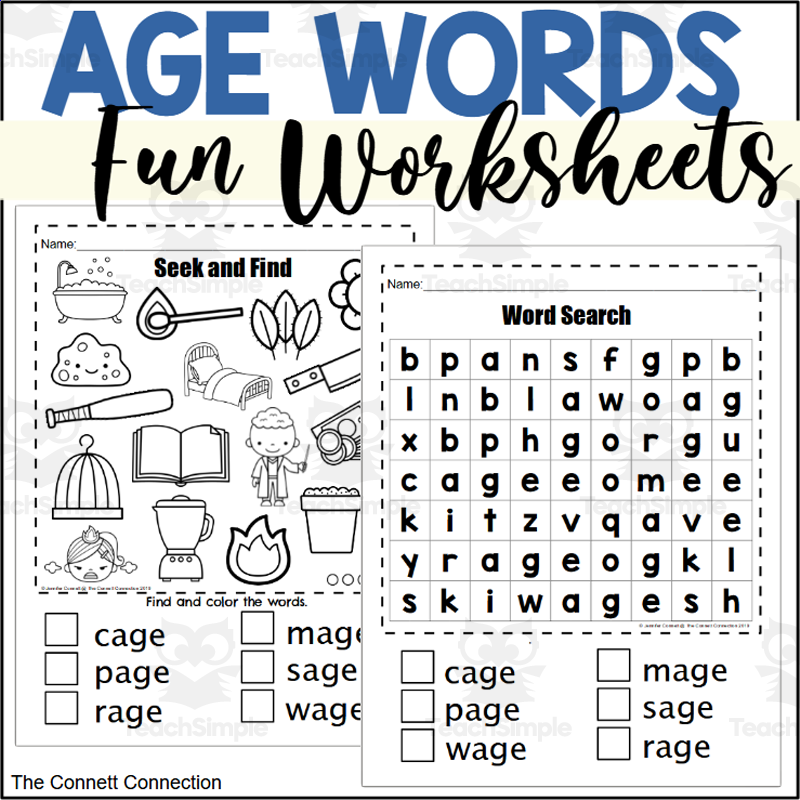
Provide engaging phonics practice with AGE-family CVCe (magic e / silent e) words through puzzle-style worksheets.
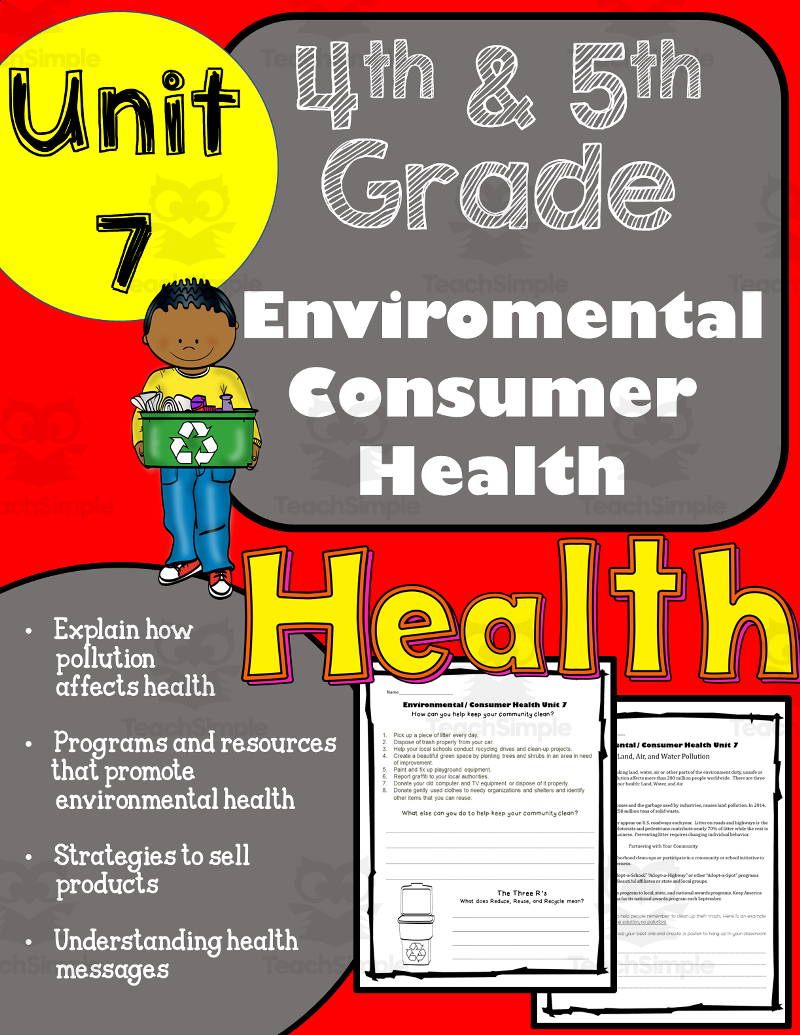
Teach 4th/5th grade students about environmental and consumer health topics, primarily how land, air, and water pollution affect health, and what community/individual actions (reduce, reuse, recycle; local programs) can address it. Unit intro also lists advertising/consumer topics (strategies to sell products, understanding health…

An interactive reading response packet built around the picture book The Biggest Snowman Ever by Steven Kroll, for early-finisher or reading-station practice during the winter season.
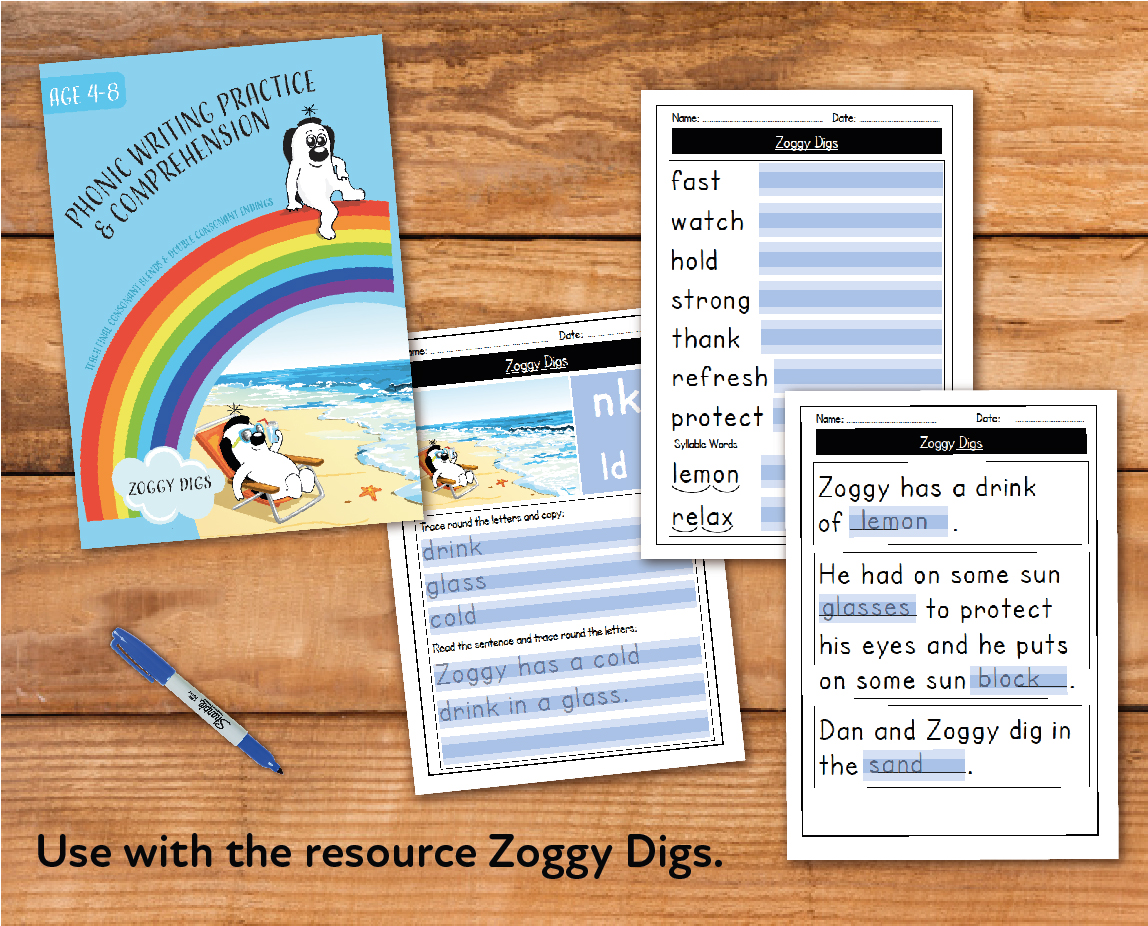
Phonics writing worksheet pack reinforcing the storybook 'Zoggy Digs' through consonant-ending tracing, word copying, sentence tracing, and cloze-style story recall.

Product Description The Phonics CVC words spin wheel for phonics single sounds or phase 2 is a great resource to use to encourage young children to read and simple word comprehension. This set of colorful spin wheels have been divided into sound groups. The CVC words only use the letters shown on the cover of the spin wheel. This product also includes…
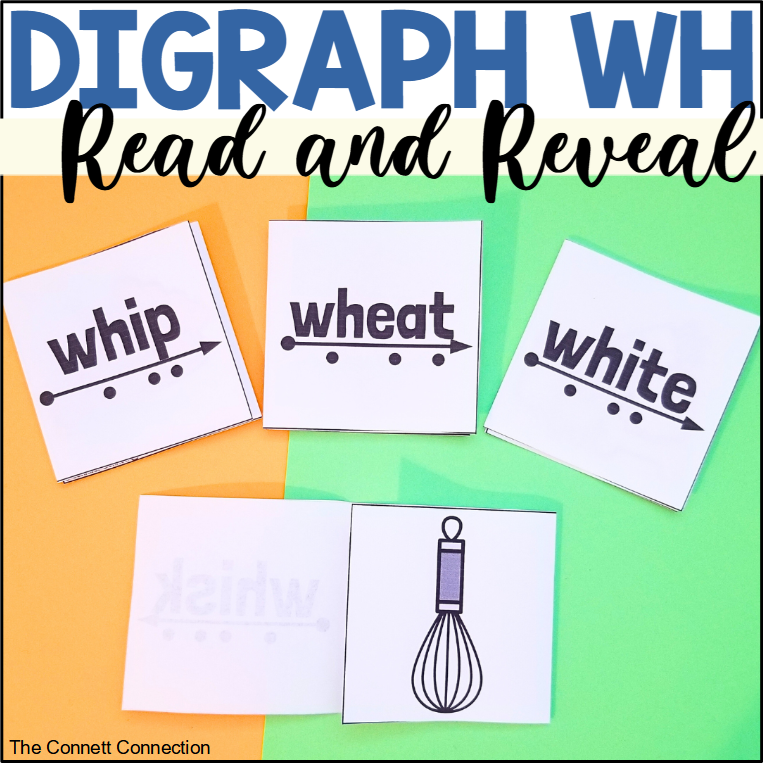
A set of self-checking, fold-and-reveal phonics cards for independent practice blending and reading words containing the WH digraph.
A vocabulary/grammar matching activity that has students identify common suffixes and their meanings using a pumpkin-patch visual theme.