 Free download
 Writing & response
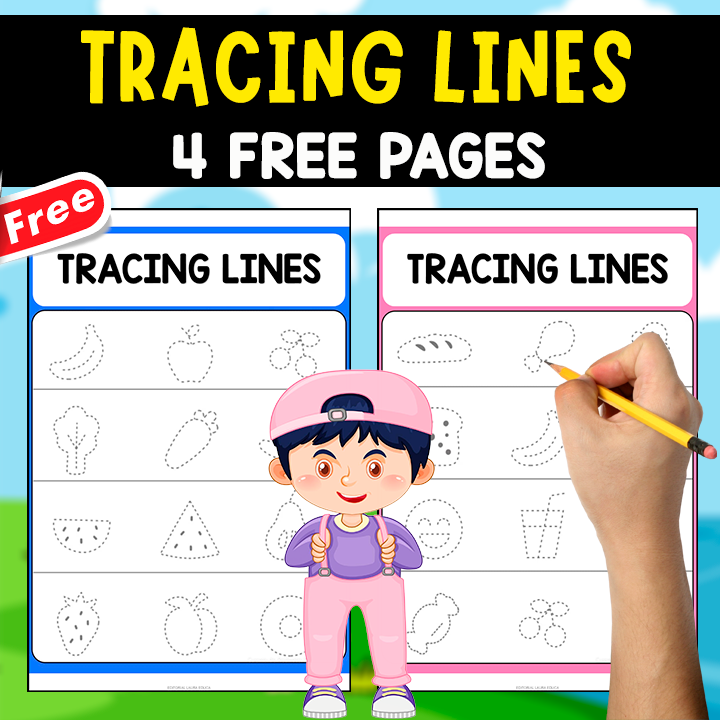
TRACING LINES EXERCISES | 4 FREE WORKSHEETS
Line-tracing practice sheets to build pre-writing / fine motor control, per the file's own cover text ("TRACING LINES, 4 PAGES").




7,879 resources
Explore sub-categories
22 sub-categories · 7,879 resources
Free download Line-tracing practice sheets to build pre-writing / fine motor control, per the file's own cover text ("TRACING LINES, 4 PAGES").
 Free download
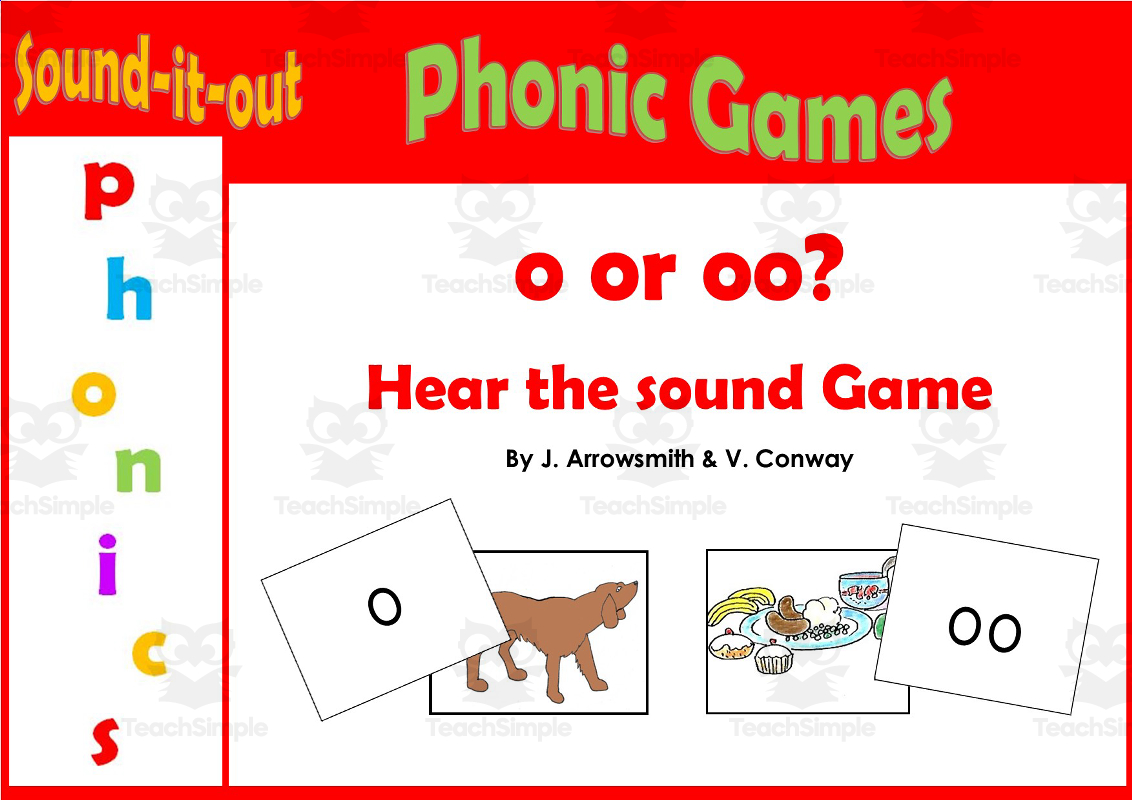
 An oral listening game (no reading/text required) to help a child distinguish the 'o' sound from the 'oo' sound in spoken words, aimed at children with auditory processing difficulties.
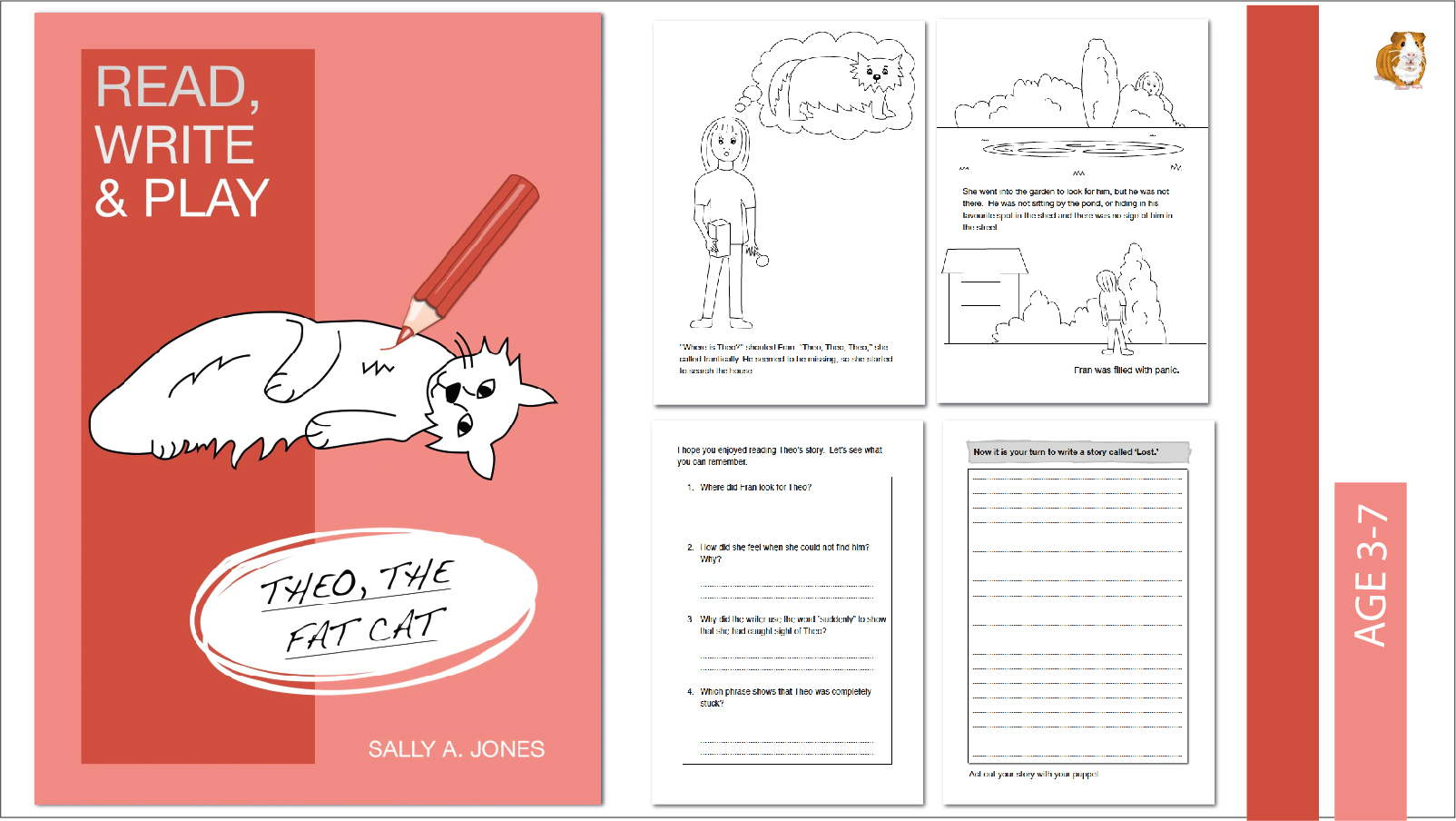
A UK-published 'read, write, and play' reading comprehension pack built around the story 'Theo the Fat Cat', about a cat who gets stuck in a hedge, ending with a stick-puppet craft and including a printed answer key.
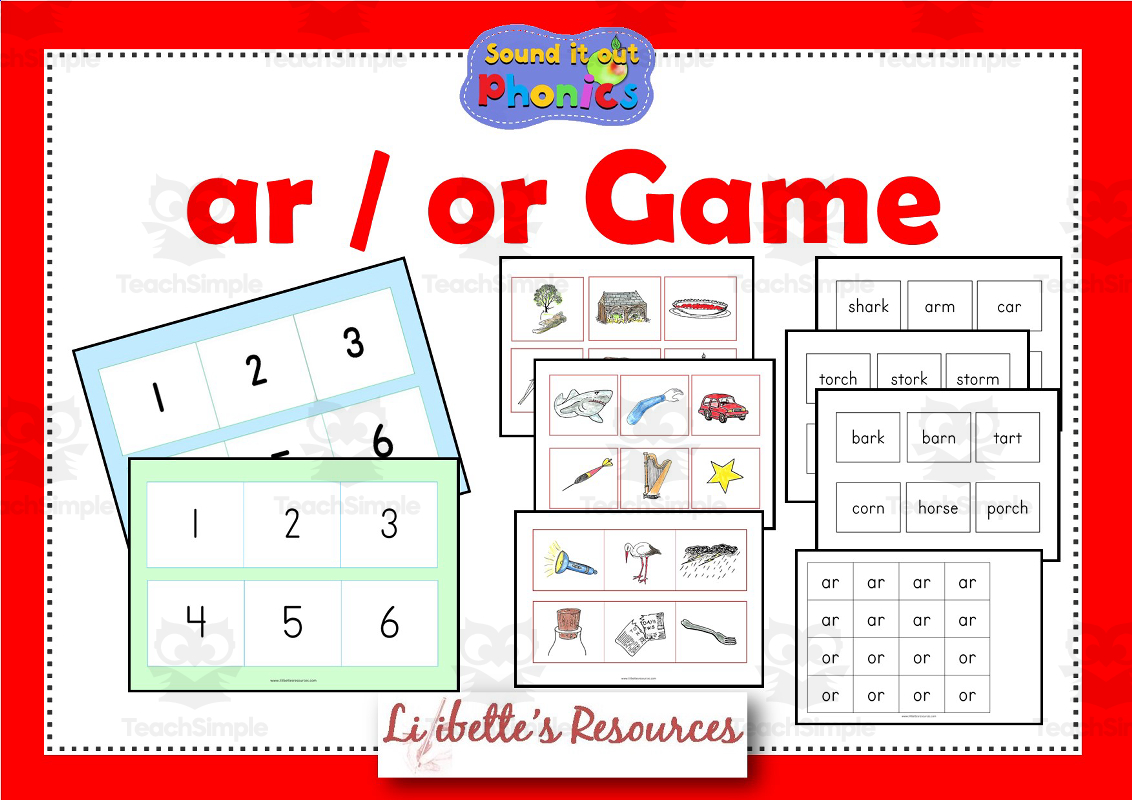
A phonics matching/card game (Level 1) that helps children hear and distinguish the 'ar' and 'or' sounds in words.
 Free download
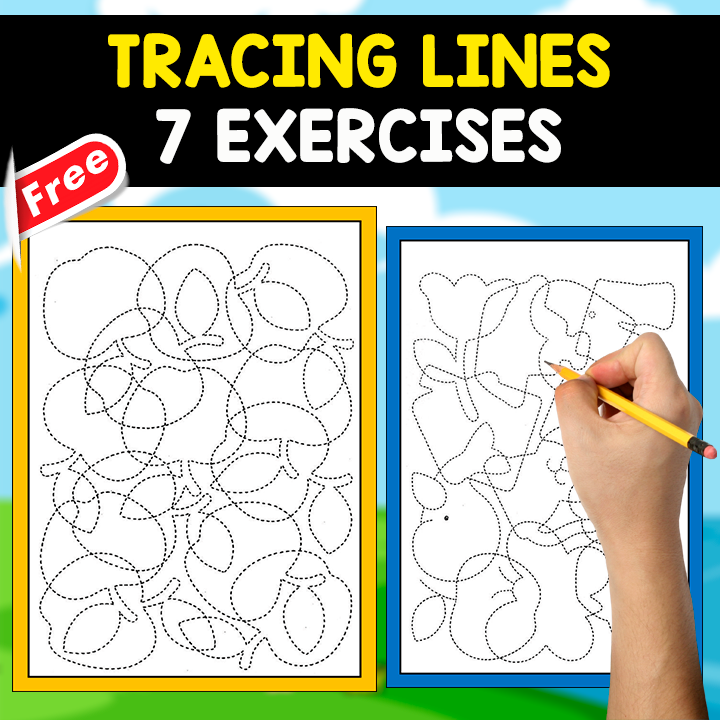
 Line-tracing practice sheets to build pre-writing / fine motor control, per the file's own cover text ("TRACING LINES, 7 EXERCISES").
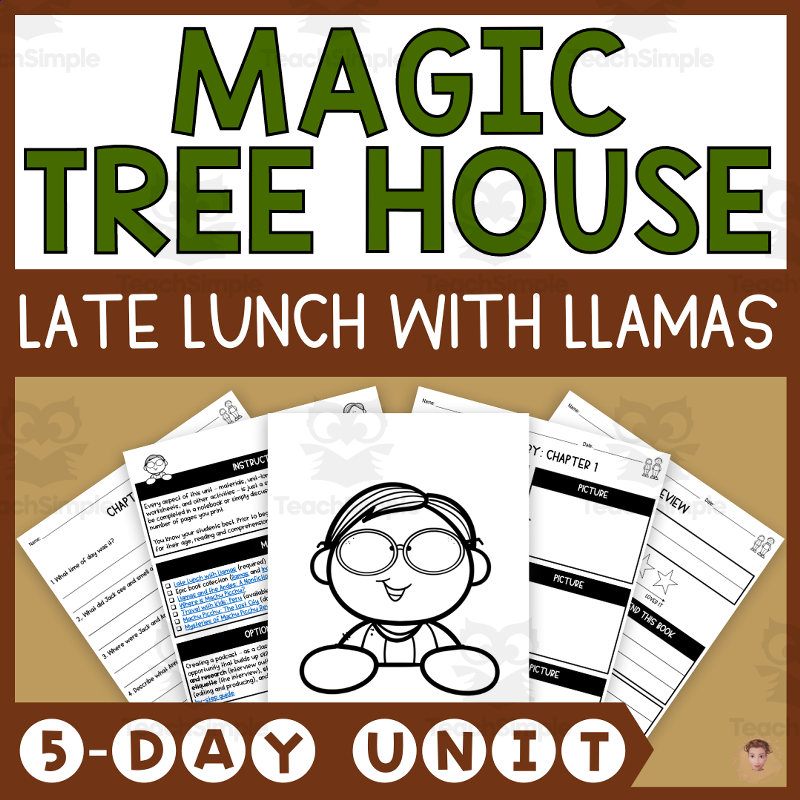
Students read or listen to two chapters per day, complete pre-reading and KWL worksheets, answer chapter comprehension quizzes, learn and illustrate vocabulary words per chapter, watch suggested videos, and complete related art/craft activities (draw a condor, draw a llama, draw Machu Picchu, a Machu Picchu craft, a coloring pack).
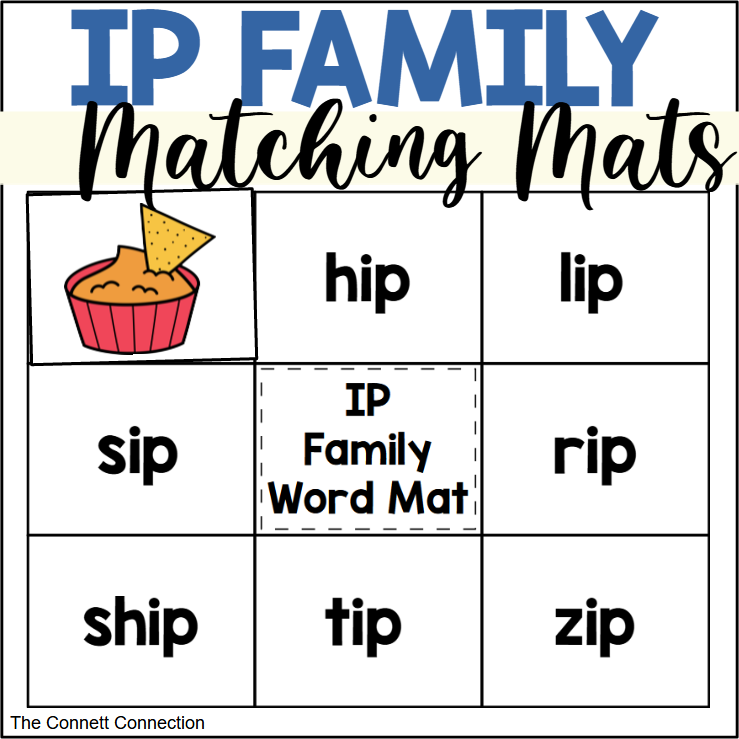
A phonics center activity teaching the -ip word family (CVC/CCVC pattern) through word and sentence matching mats.
 Free download
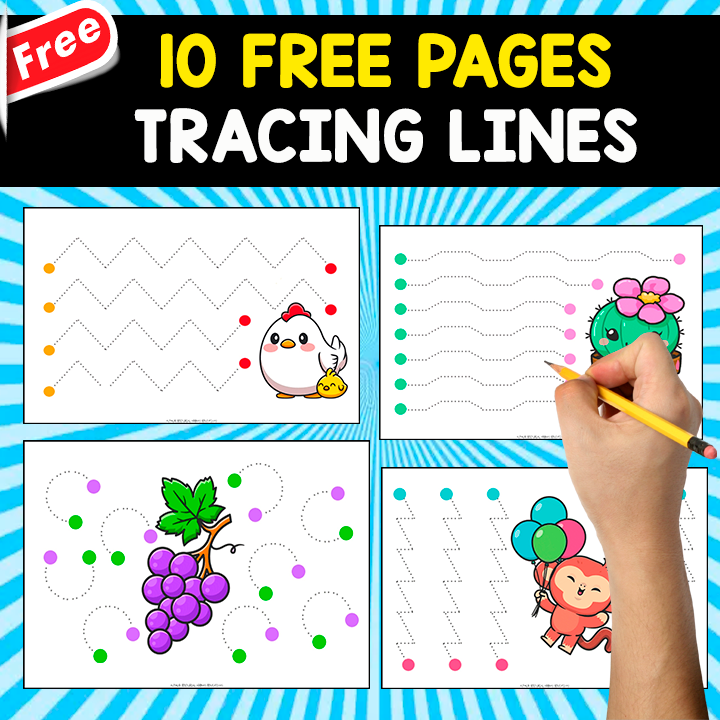
 Trace lines on each worksheet page.
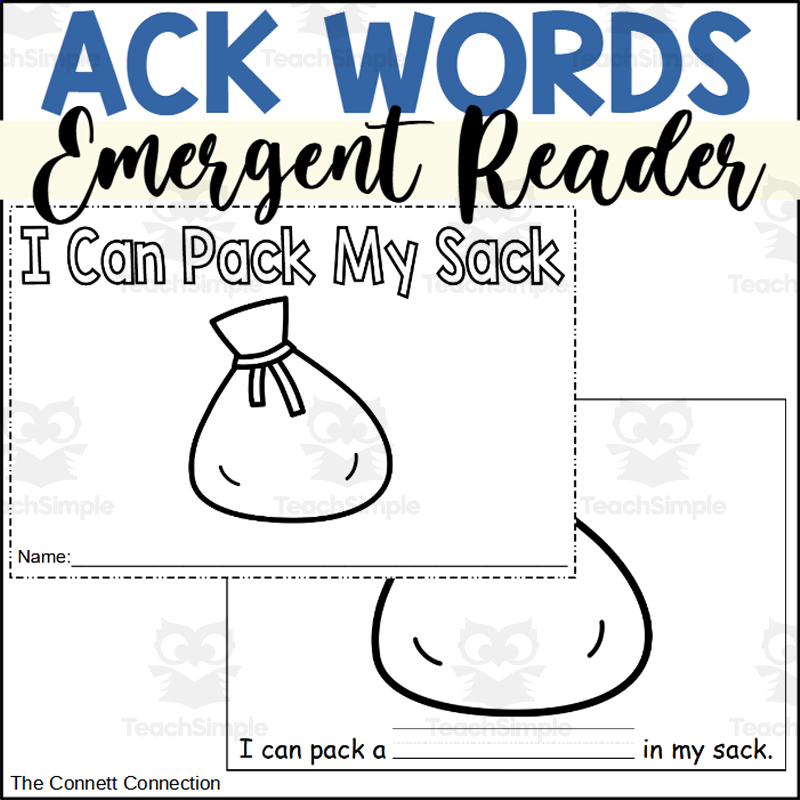
Provide an emergent reader booklet focused on ACK words to support early reading practice.
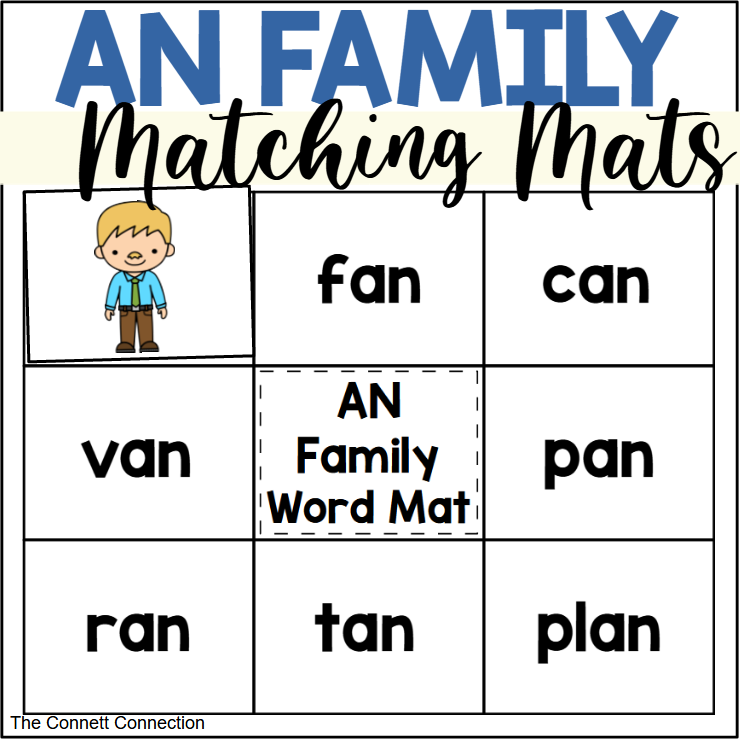
Practice reading and matching AN word-family words and sentences using cut-out matching mats.
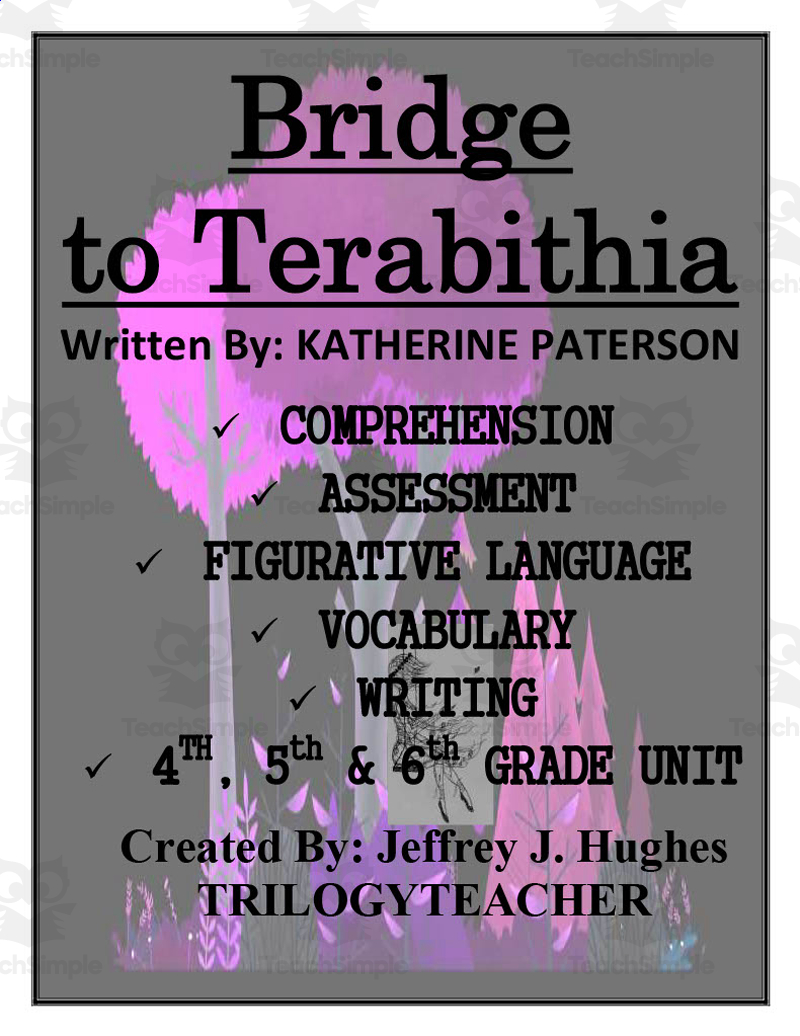
A comprehensive 220-page novel study unit for 'Bridge to Terabithia' covering reading comprehension, vocabulary in context, figurative language, and writing across 13 chapter-based lessons for grades 4-6.
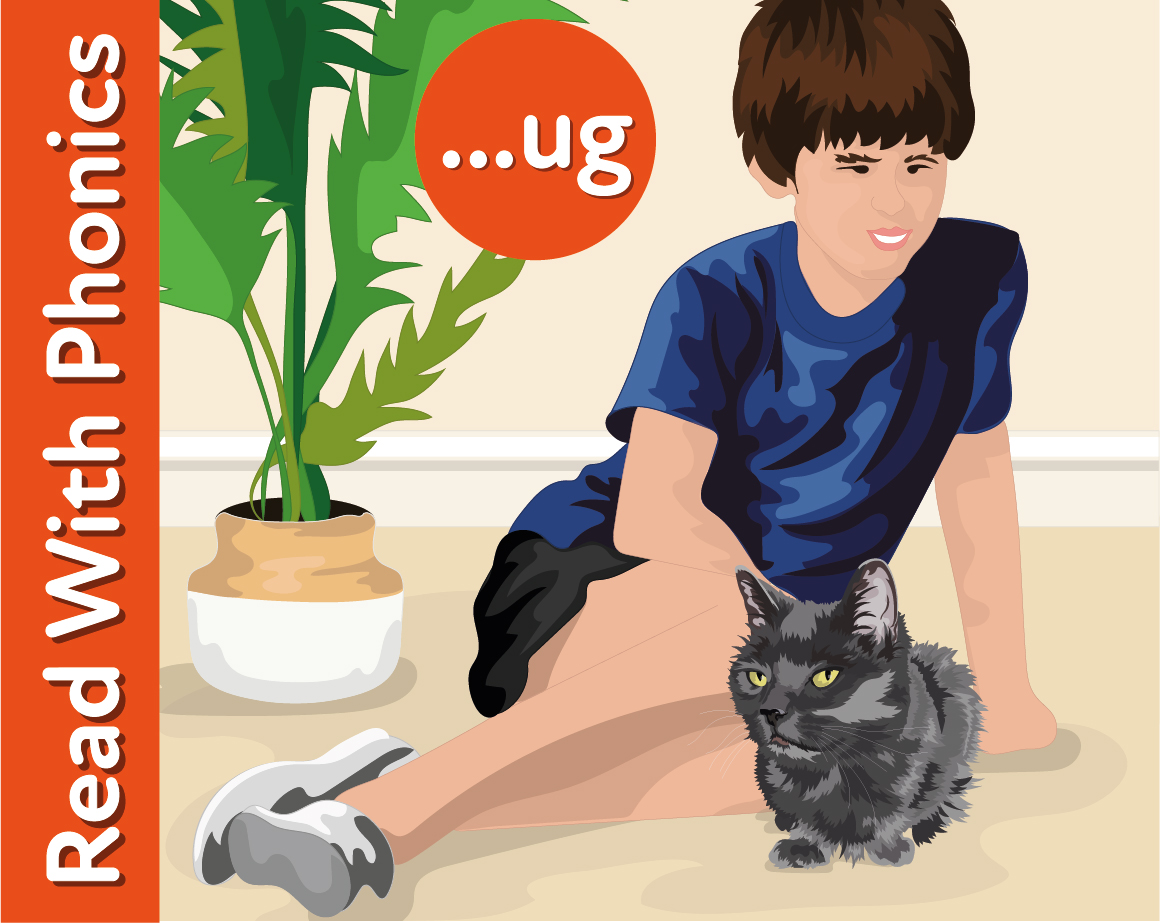
A cut-and-assemble phonics mini-book that reinforces the 'ug' word family (hug/rug/dug/bug/jug) through a fill-in-the-blank sentence activity and a sequenced story book.
Complete a wide range of generic (book-agnostic) reading-response worksheets tied to a novel of the teacher's/student's choice: pre-reading predictions, vocabulary lookup, character mapping/analysis, Venn diagram comparisons, making connections/inferences/predictions, questioning, visualizing, cause and effect, plot/setting/theme…
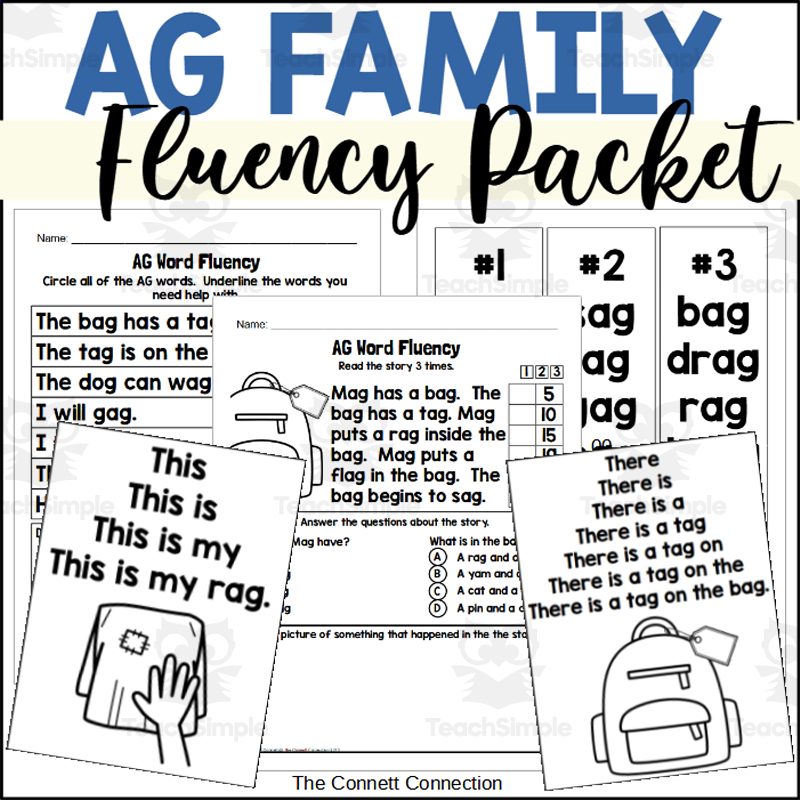
A set of fluency-building activities giving students practice reading AG-family words and sentences in isolation and in a short decodable story with comprehension questions.
 Free download
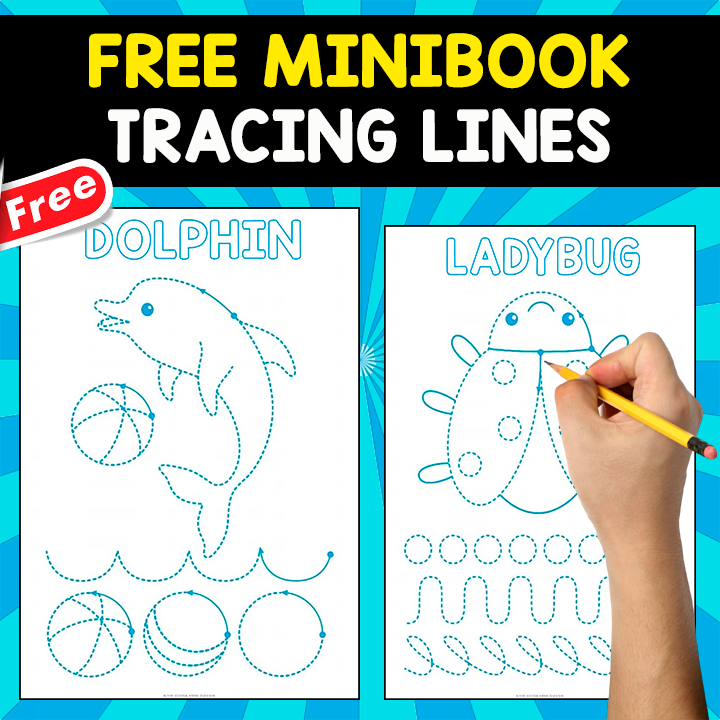
 Trace the printed outline lines of each pictured object with a pencil or crayon.
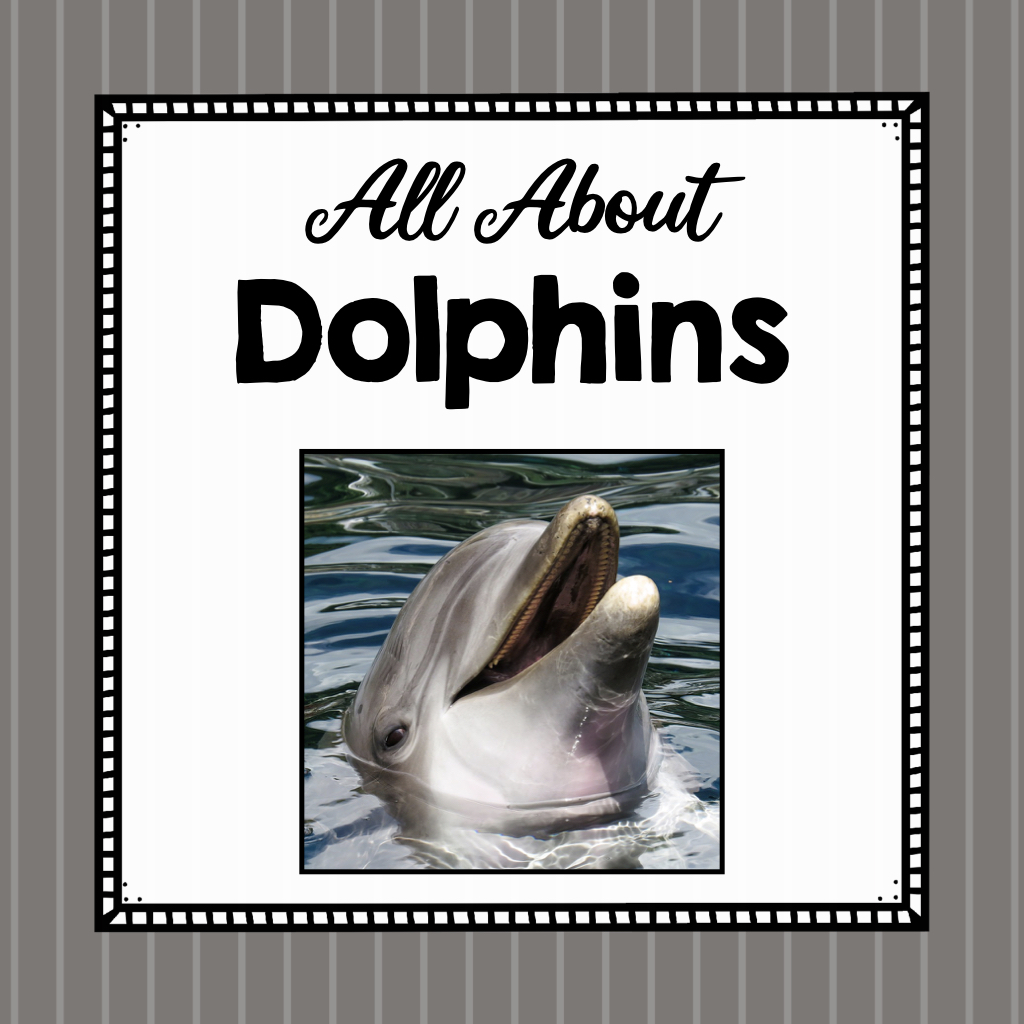
A cross-curricular animal science unit on dolphins: a preview file, a full lesson-plan/activity PDF, and a description document covering mammal classification, dolphin species, and the dolphin life cycle, plus a nonfiction reading passage.

An 11-slide digital 'micro-learning deck' teaching about Native American Day through a reading passage, close reading, and summarizing activities, centered on a Devils Tower informational text.
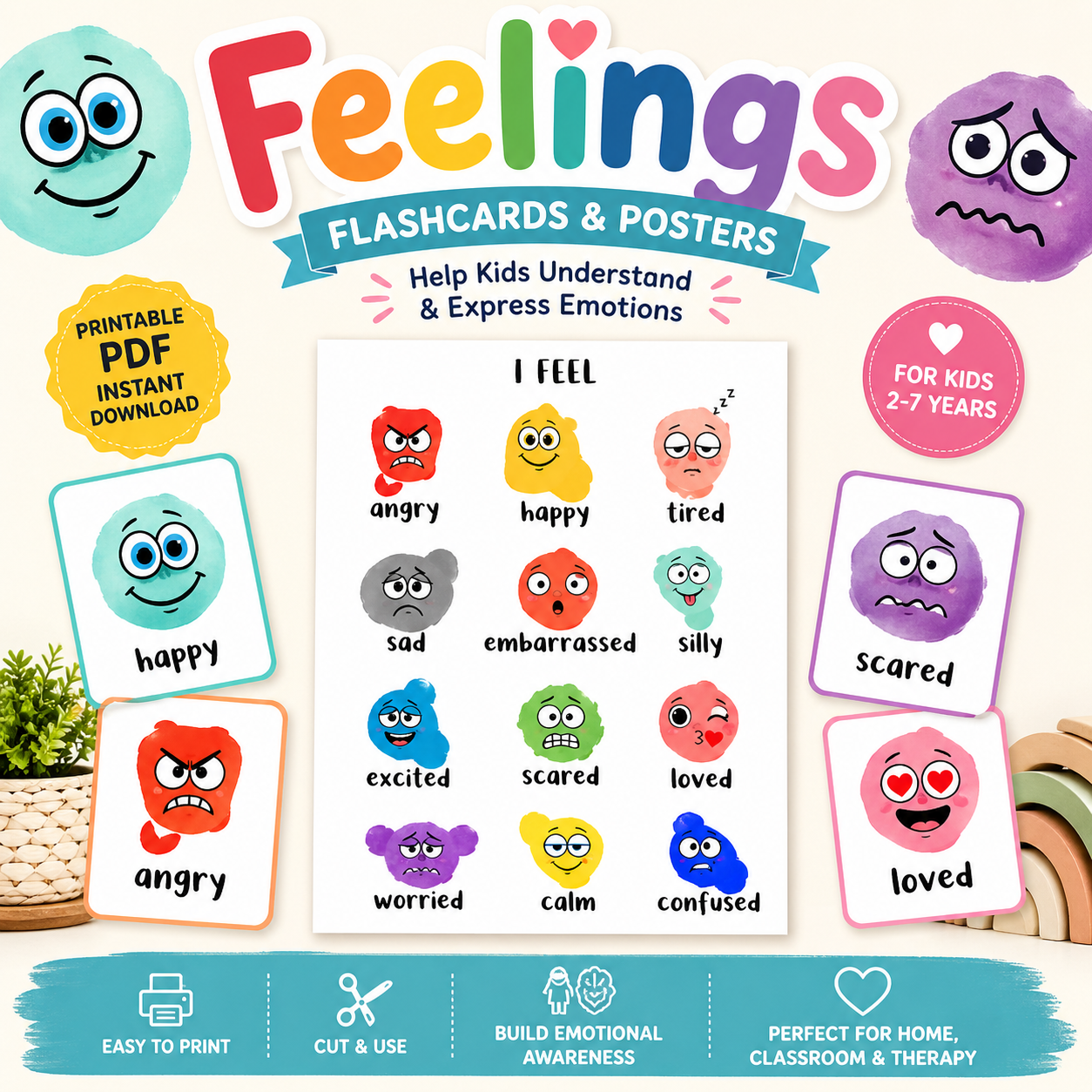
Feelings vocabulary flashcards paired with a 'Today I Feel...' check-in activity.
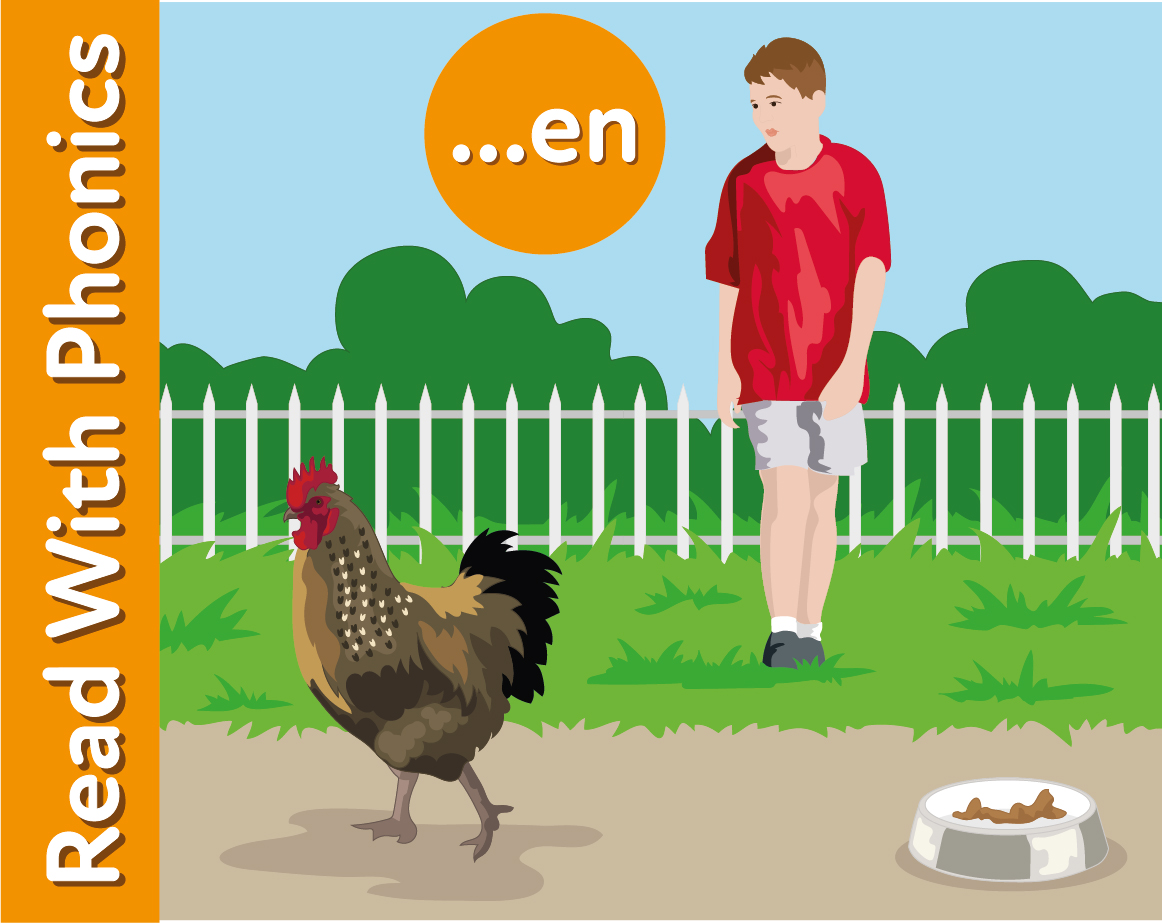
A cut-and-assemble phonics mini-book that reinforces the 'en' word family (ben/hen/den/pen/ten) through a fill-in-the-blank sentence activity and a sequenced story book.

Digital Boom Cards deck teaching the phonics sounds s, a, t, p, i, n through click-and-drag online activities.
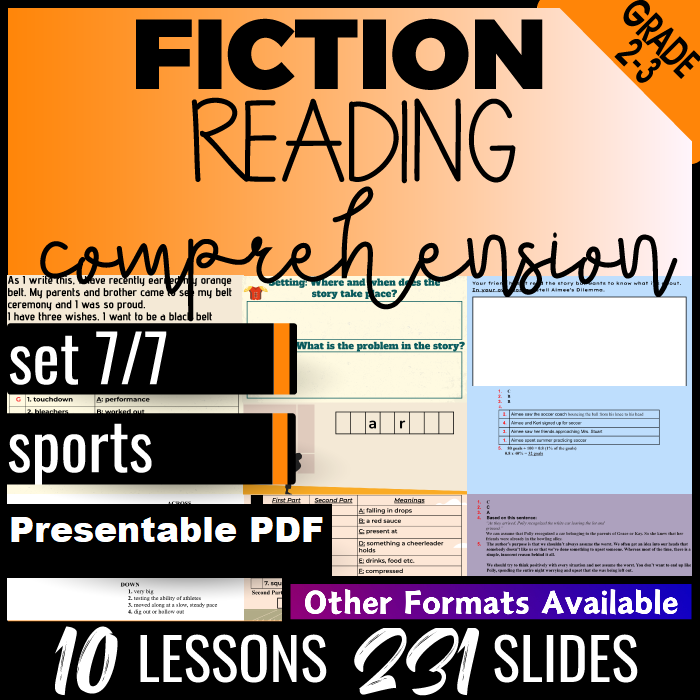
Gives grade 2-3 students short fiction stories built around sports and team situations, each paired with comprehension questions and, per the series' established pattern, vocabulary and writing activities.

An activity guide (by Hannah Griggs, 'More Than Just Reading') for Beatrix Potter's 'The Tale of Peter Rabbit,' combining discussion questions, letter/word writing practice, hands-on crafts, and a printable board game.
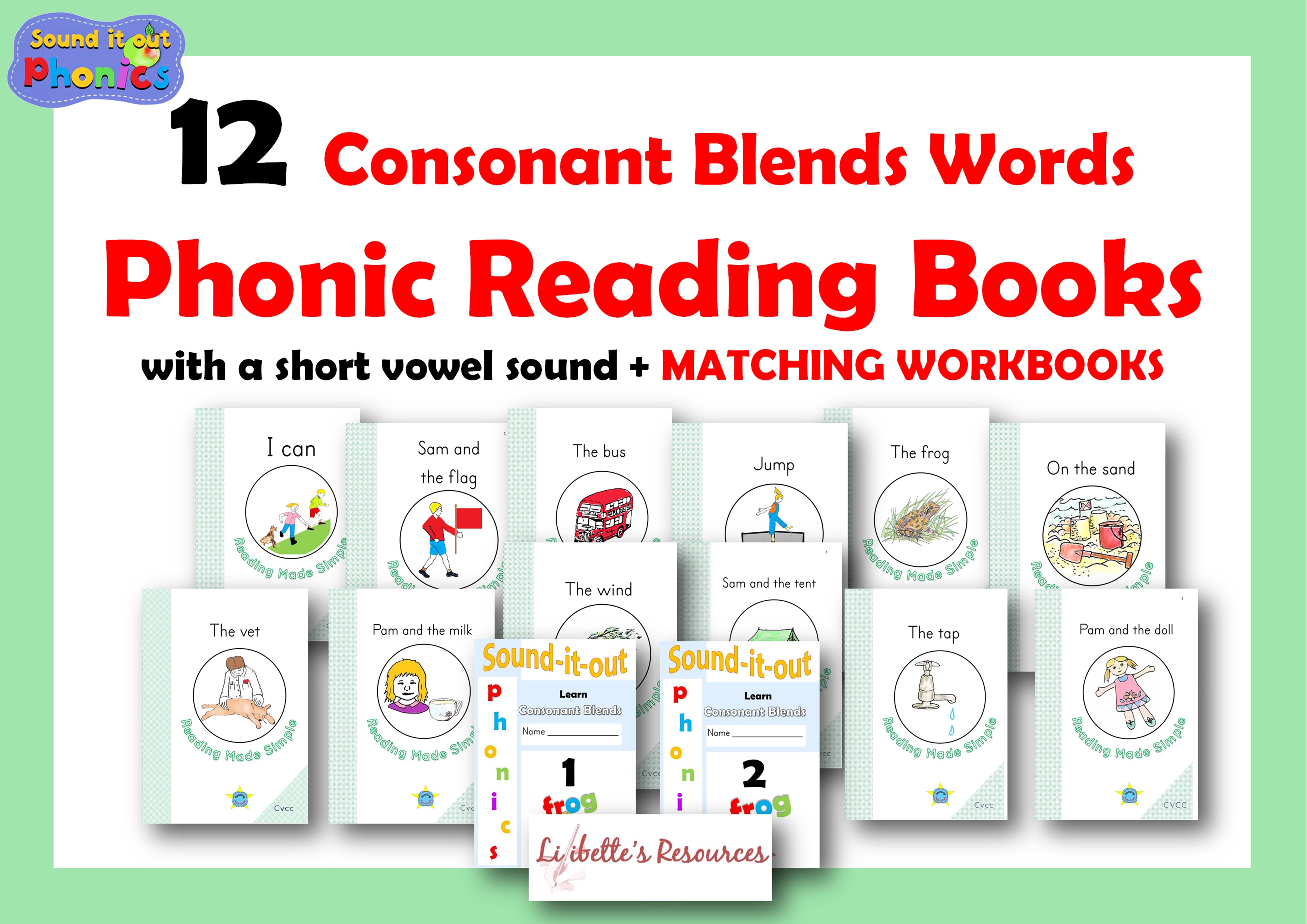 Free download
 A pack of 12 decodable phonic reading books plus 2 matching phonic workbooks introducing consonant blend (CCVC) words with a short vowel sound, from the 'Reading Made Simple' synthetic phonics scheme, intended as the step after children can already sound out and blend CVC words.
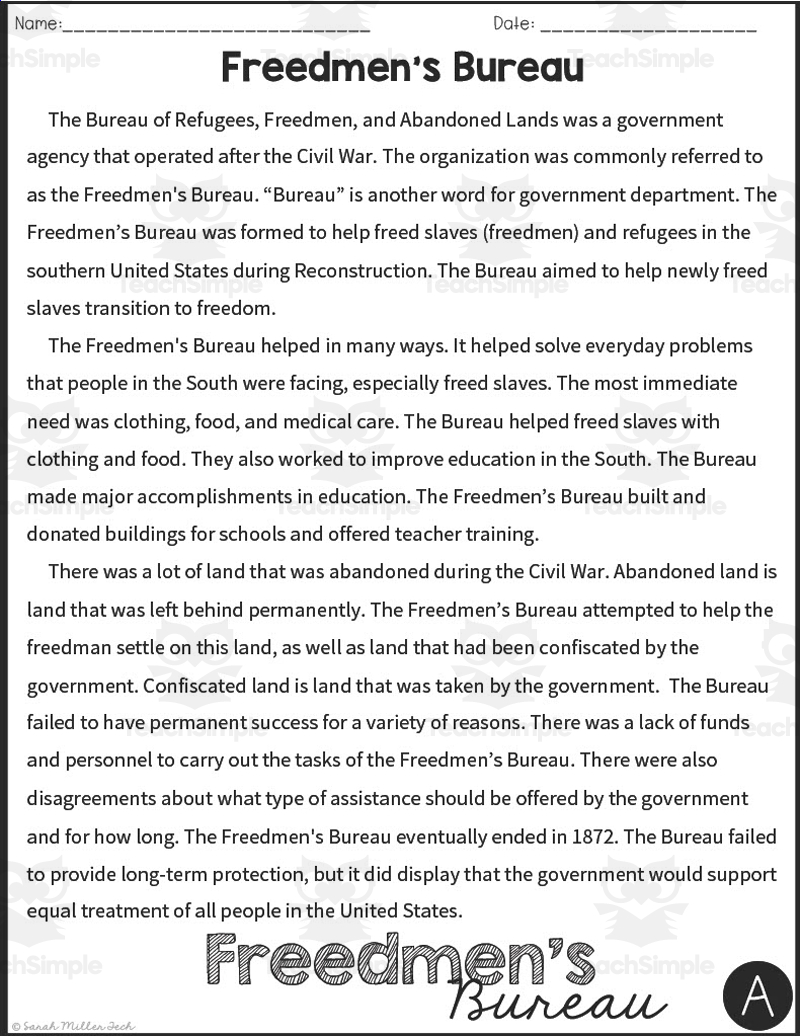
Read one of two leveled versions (A = higher reading level, B = lower) of the passage, then complete a graphic organizer, multiple-choice comprehension questions, and short-answer/vocabulary items about the passage.