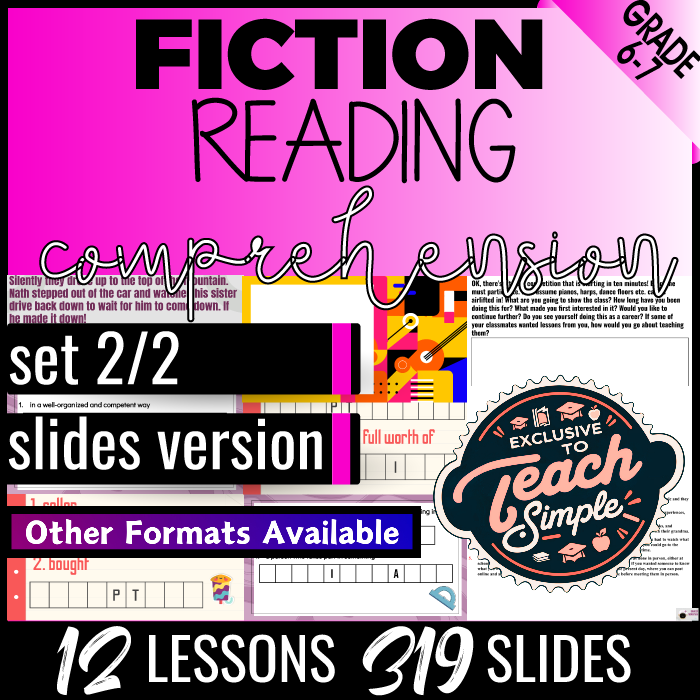
Reading Comprehension Passages Fiction Set 2 (Google Slides)
Give upper-elementary/middle-school students (Grade 6-7) short original fiction passages to read for comprehension, paired with vocabulary and follow-up activities.
7,879 resources
Explore sub-categories
22 sub-categories · 7,879 resources
Give upper-elementary/middle-school students (Grade 6-7) short original fiction passages to read for comprehension, paired with vocabulary and follow-up activities.
Students complete drill, practice, and review exercises within each of the seven topic sections (sentence types and joining sentences with and/but/or, capitalization rules, punctuation including quotation marks and addresses, abbreviations, nouns/verbs/pronouns/adjectives, vocabulary skills like…
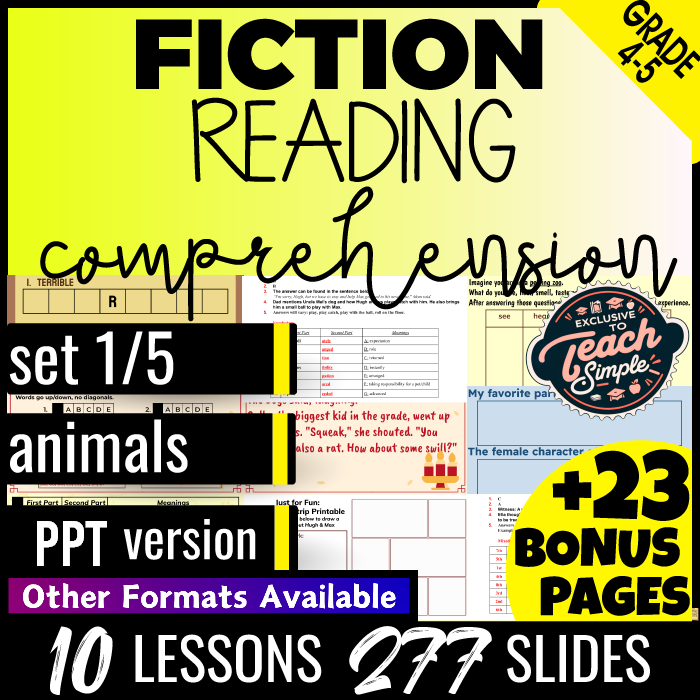
Present the same set of short fiction reading passages as slide decks, with follow-up comprehension questions and an answer key, for grade 4-5 reading practice.
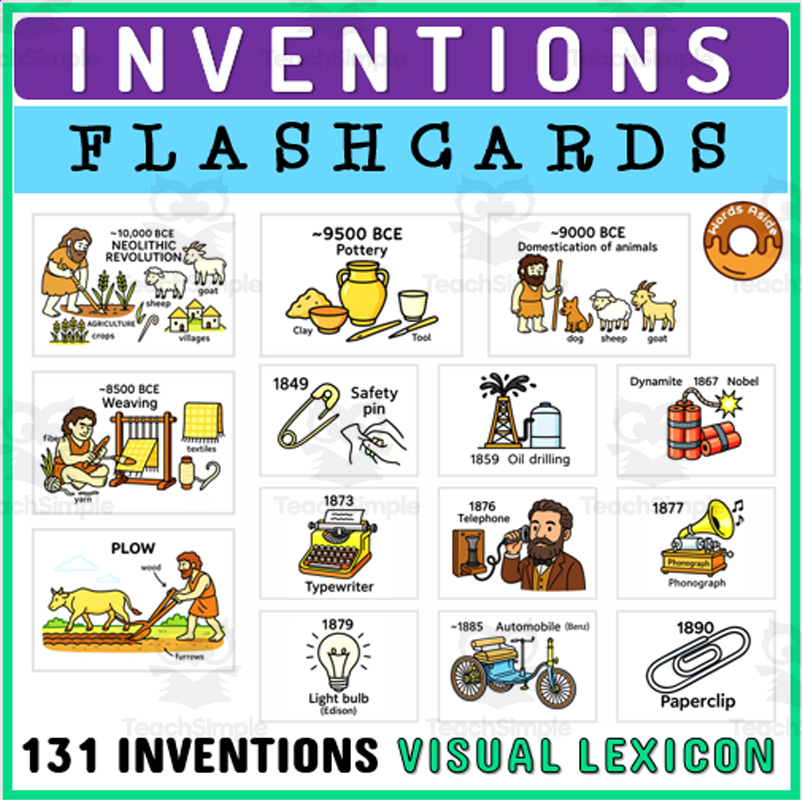
A printable flashcard set covering major inventions and discoveries across world history, from prehistoric stone tools to 2020s technology, for building historical/scientific vocabulary.
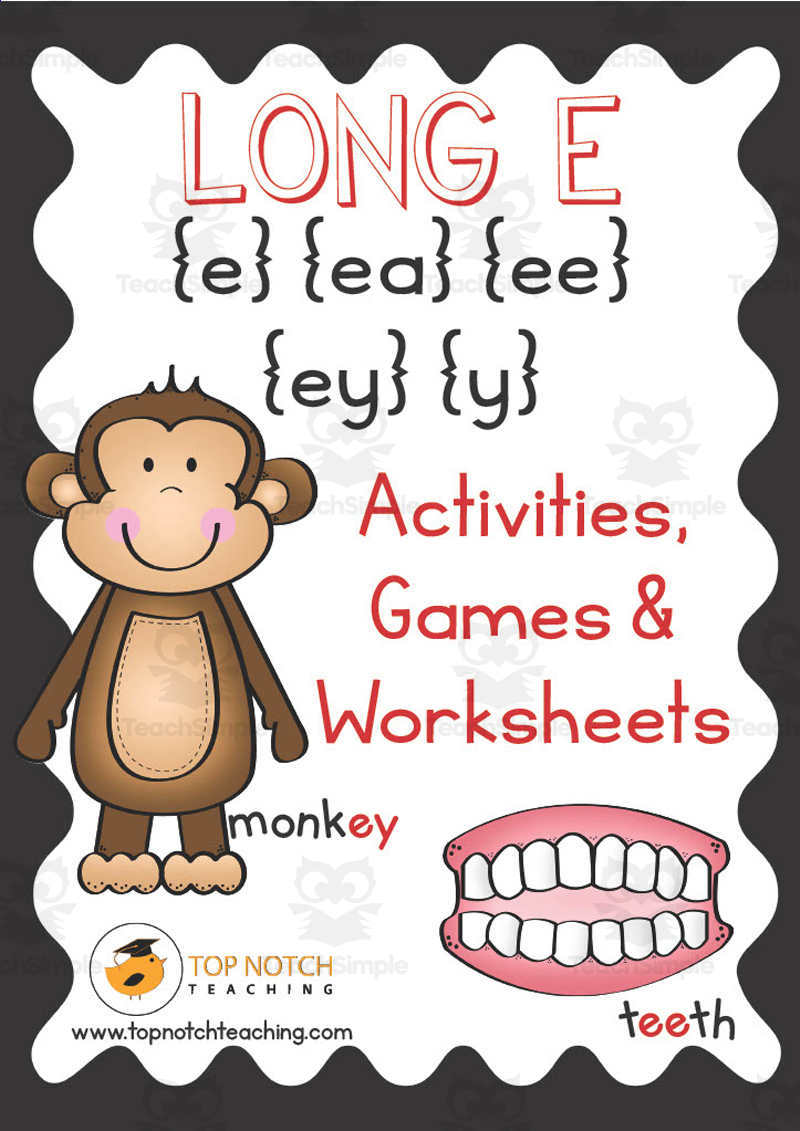
Teach and give practice with the long E sound (spellings e, ea, ee, ey, y) through posters, worksheets, and games.
Read a short fiction passage, answer a set of mixed comprehension questions, match vocabulary words to their meanings, and complete a synonym/antonym or reflective writing activity.
Three PowerPoint reading-passage lessons teaching life-science concepts: food chains/webs, how organisms change environments, and how people change environments.
A micro-learning slide deck teaching the history of American streetcars (their rise, decline, and modern revival, using New Orleans as an example) through a video-lesson slot, an informational reading passage with an embedded interview quote, and comprehension activities.
Practice recognizing rhyming words, including in sentence context, to build phonics and vocabulary skills.
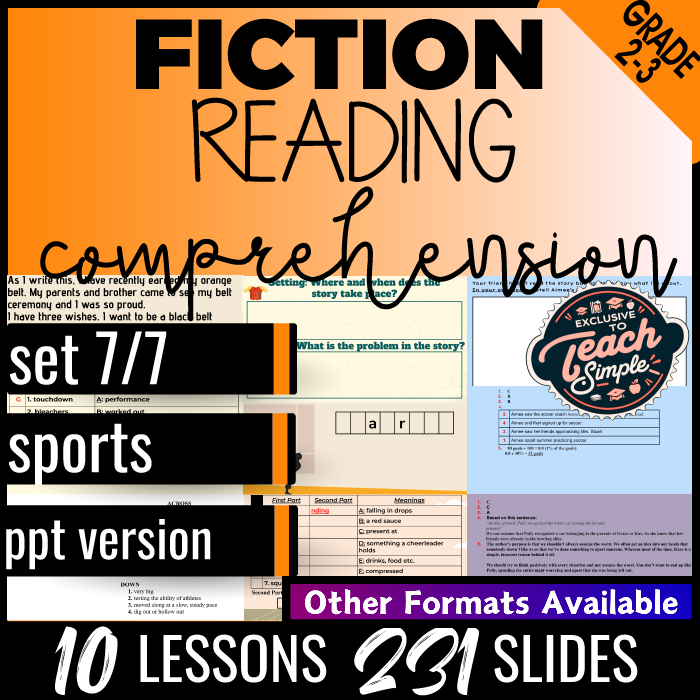
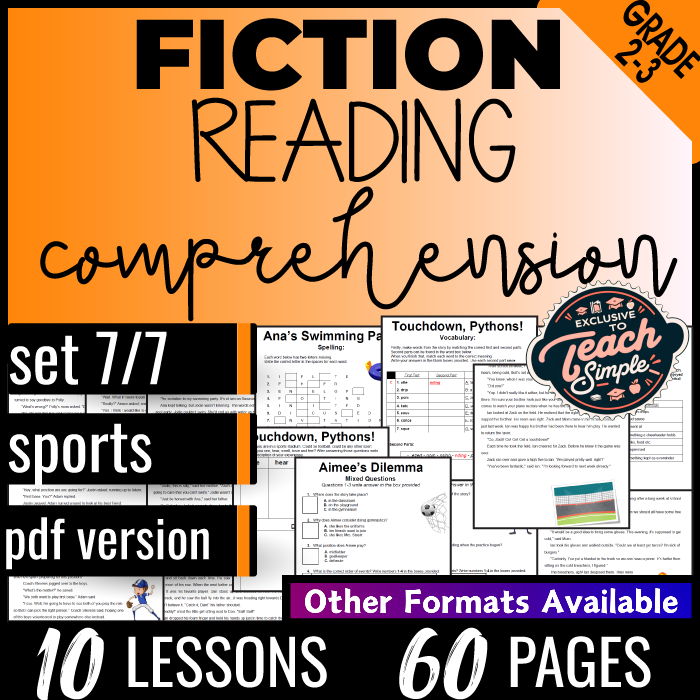
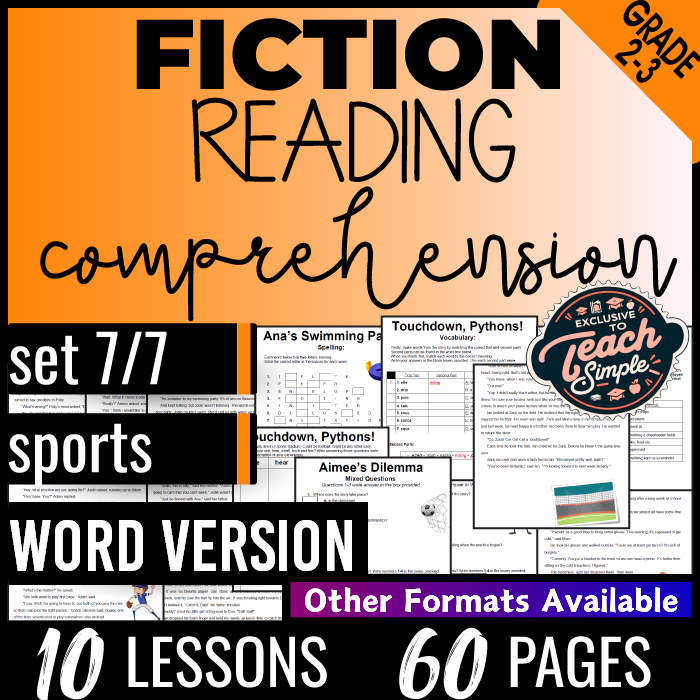
Gives grade 2-3 students short fiction stories built around sports and team situations, each paired with comprehension questions and, per the series' established pattern, vocabulary and writing activities.
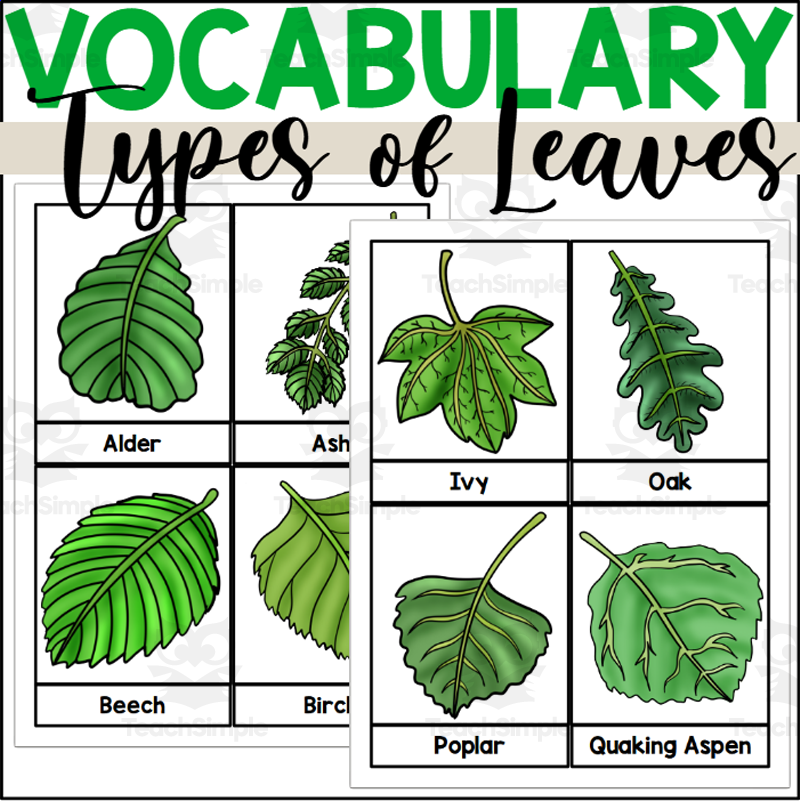
Teach the common names of 28 different tree leaves using image-based vocabulary flashcards.
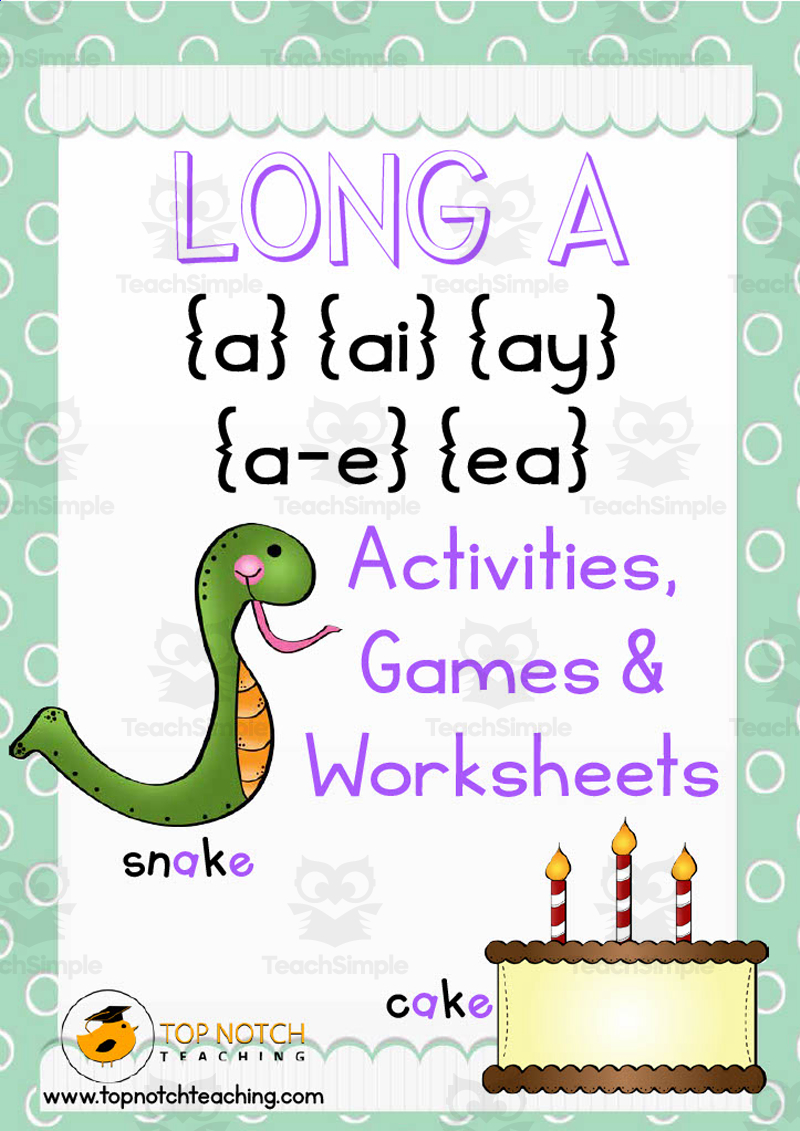
Teach and give practice with the long A sound (spellings a, ai, ay, a-e, ea) through posters, worksheets, and games.
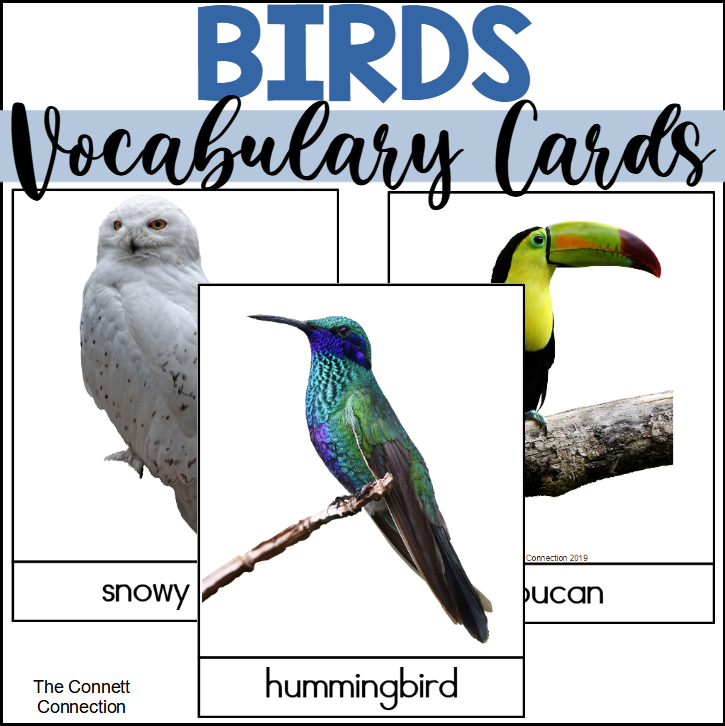
A set of picture flashcards teaching the common names of 44 different bird species, for early vocabulary/word-recognition instruction.
Follow along with the displayed slides/passage text, then answer multiple-choice comprehension questions.
Gives grade 2-3 students short fiction stories built around sports and team situations, each paired with comprehension questions and, per the series' established pattern, vocabulary and writing activities.
Category Vocabulary Cards | Real Photos includes 82 pages of color real PHOTOS make up for approximately 240 individual vocabulary items . You can print / scroll them as a thematic vocabulary book / dictionary . You can use this as a match to sample material resource . Ideal as a narration resource or writing visual prompt…
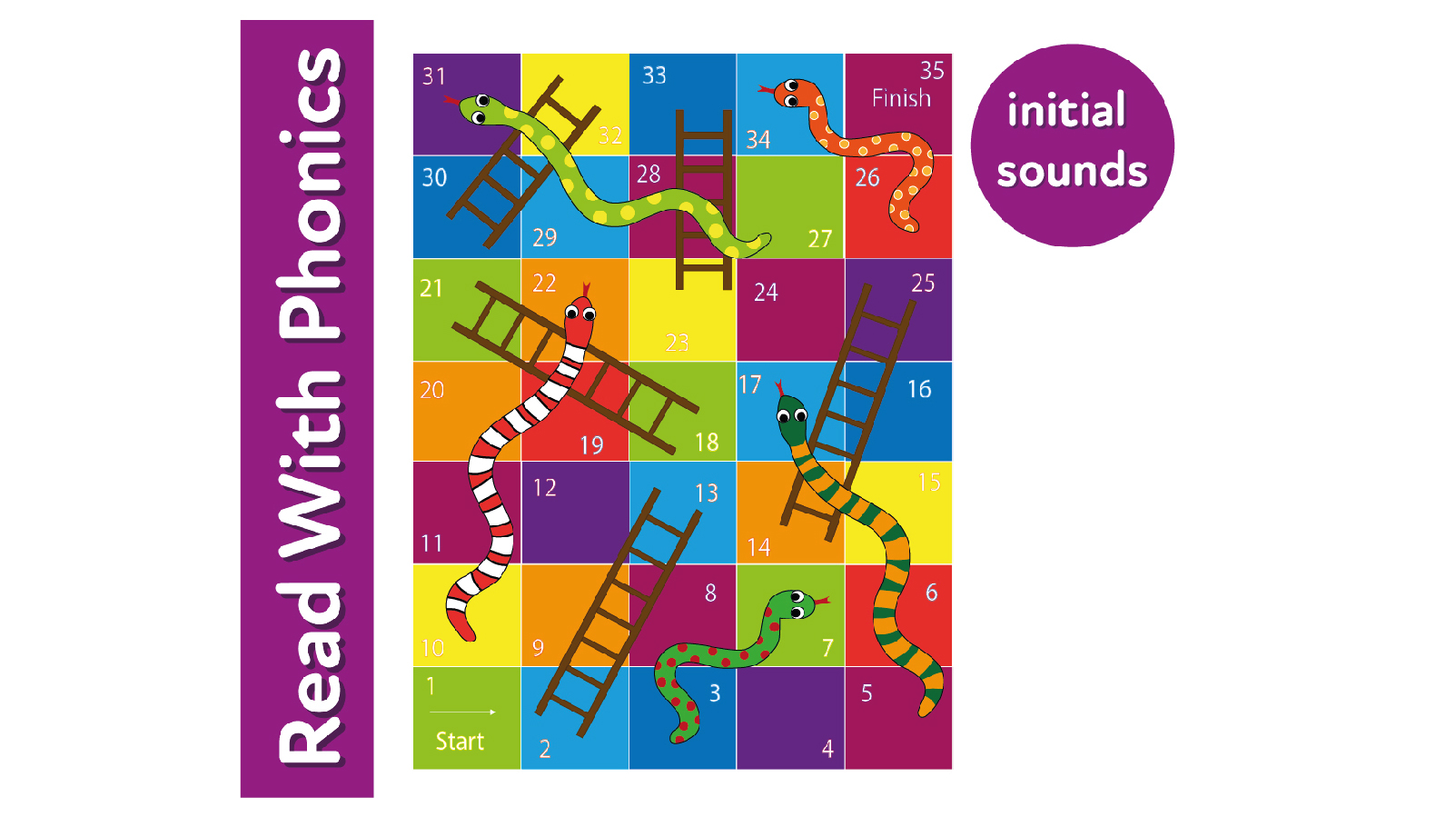
A snakes-and-ladders board game adapted to reinforce reading of three- and four-letter words.
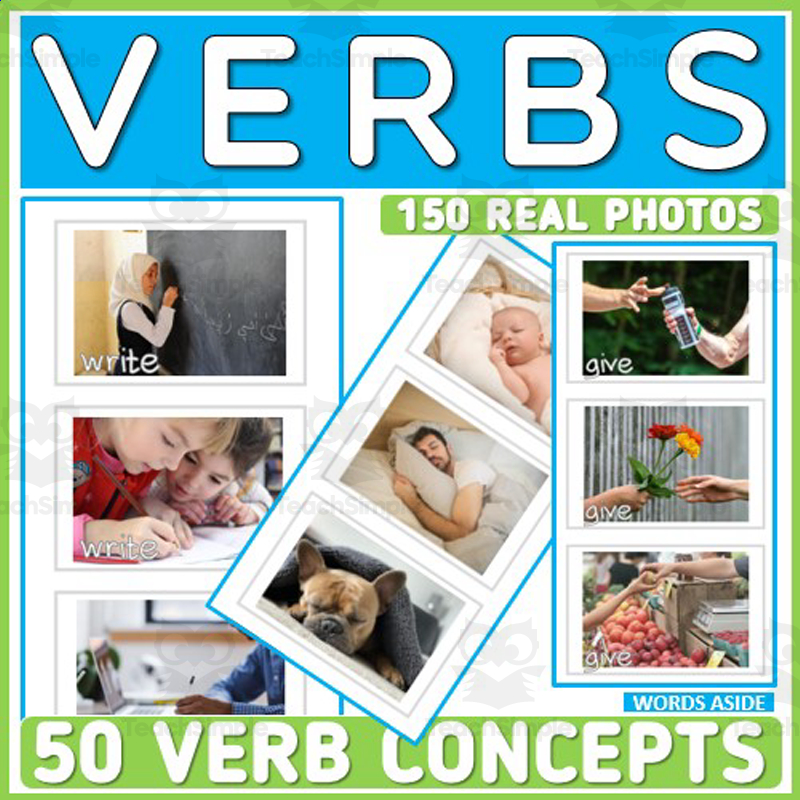
Vocabulary Verbs In educational and intervention settings, photo cards are essential . They help kids comprehend and remember action vocabulary by using pictures .
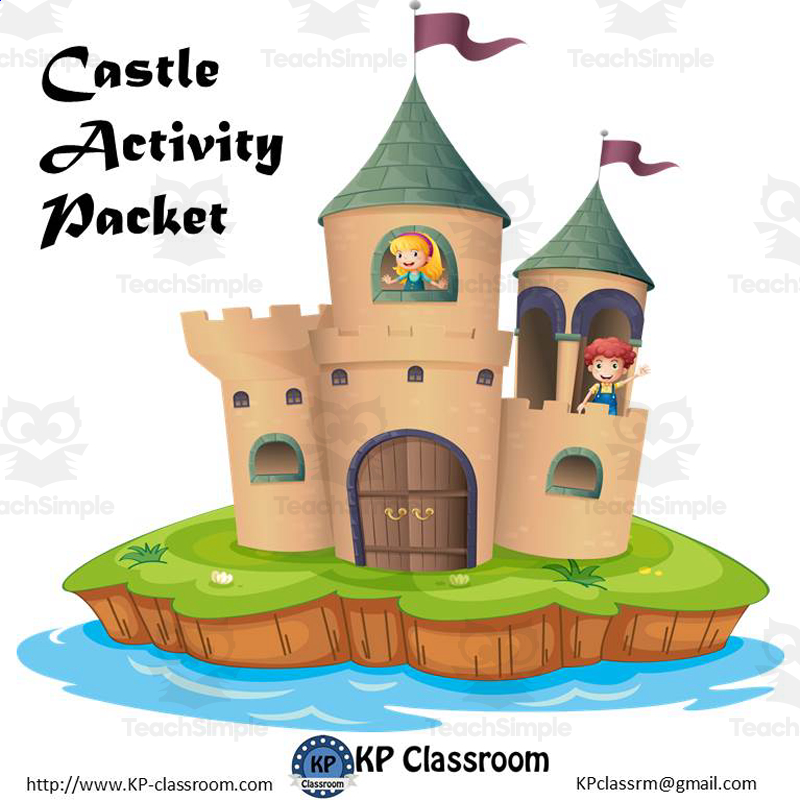
A cross-curricular literacy and math activity packet using nonfiction and narrative (King Arthur/Sword in the Stone) texts about castles and the Middle Ages to build reading comprehension, vocabulary, and basic math/logic skills.
A multi-syllabic word-reading card game (playable as Snap, 'Hot Shots', or a board game) for practicing decoding of longer words, including homophones and spelling-pattern sorts.
A phonics-based reading scheme (part of an 8-book course) teaching sound blending, word building, and sentence construction with cut-out word cards.
Gives grade 2-3 students short fiction stories built around sports and team situations, each paired with comprehension questions and, per the series' established pattern, vocabulary and writing activities.
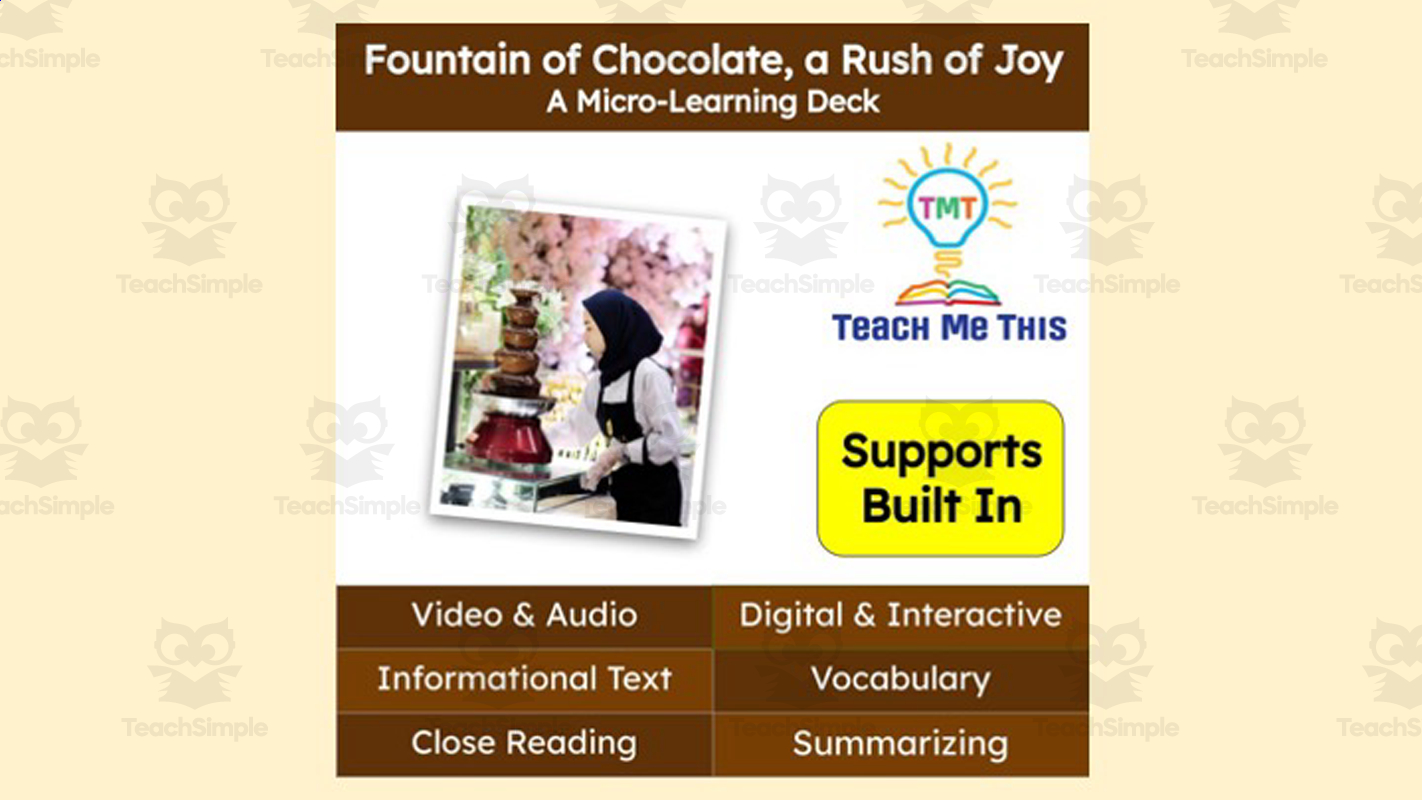
A digital micro-learning slide deck building reading comprehension, vocabulary, and summarizing skills through an informational text about a chocolate fountain caterer.
Students add vocabulary, content, and self-selected words to notebook pages as they read decodable texts or complete Breaking the Big Words lessons, building a personal word bank organized by syllable type/pattern for later reference during writing.