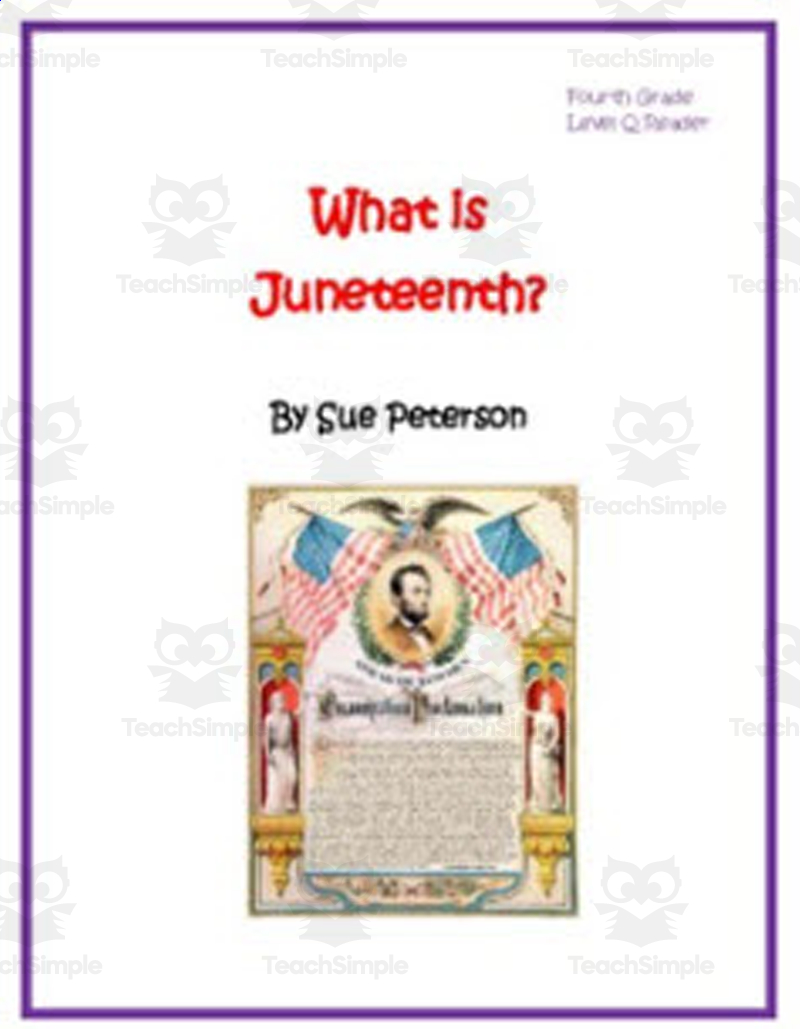
What is Juneteenth?
A fourth-grade leveled reading passage (Level Q) explaining the history and significance of Juneteenth, paired with vocabulary study and comprehension practice.
7,879 resources
Explore sub-categories
22 sub-categories · 7,879 resources
A fourth-grade leveled reading passage (Level Q) explaining the history and significance of Juneteenth, paired with vocabulary study and comprehension practice.
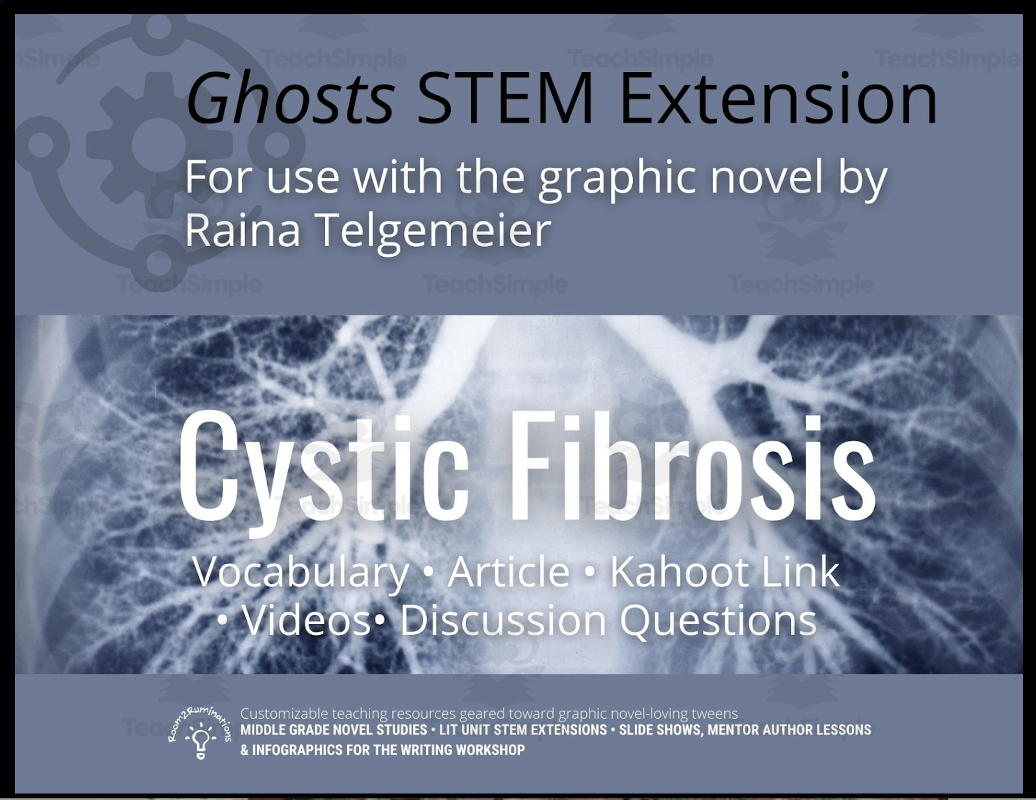
Per the resource's own description page: learn scientific vocabulary terms/definitions, play a linked Kahoot game, read a kid-friendly article about the disease, watch a linked BrainPop video and a video of a child with cystic fibrosis, and answer discussion questions.
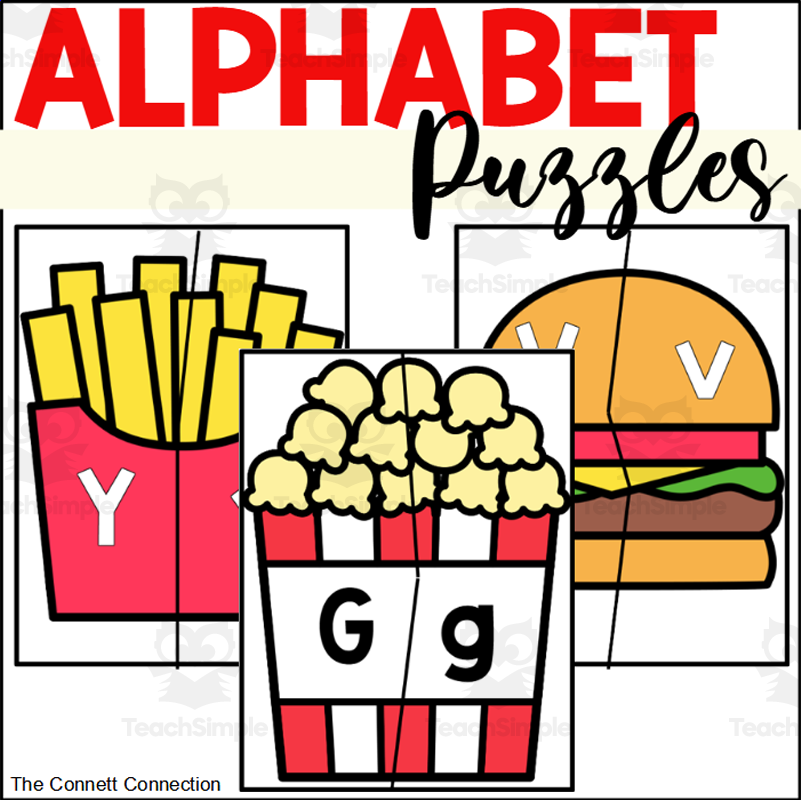
Provide fast-food themed two-piece alphabet puzzles pairing uppercase and lowercase letters for letter identification and early phonics practice
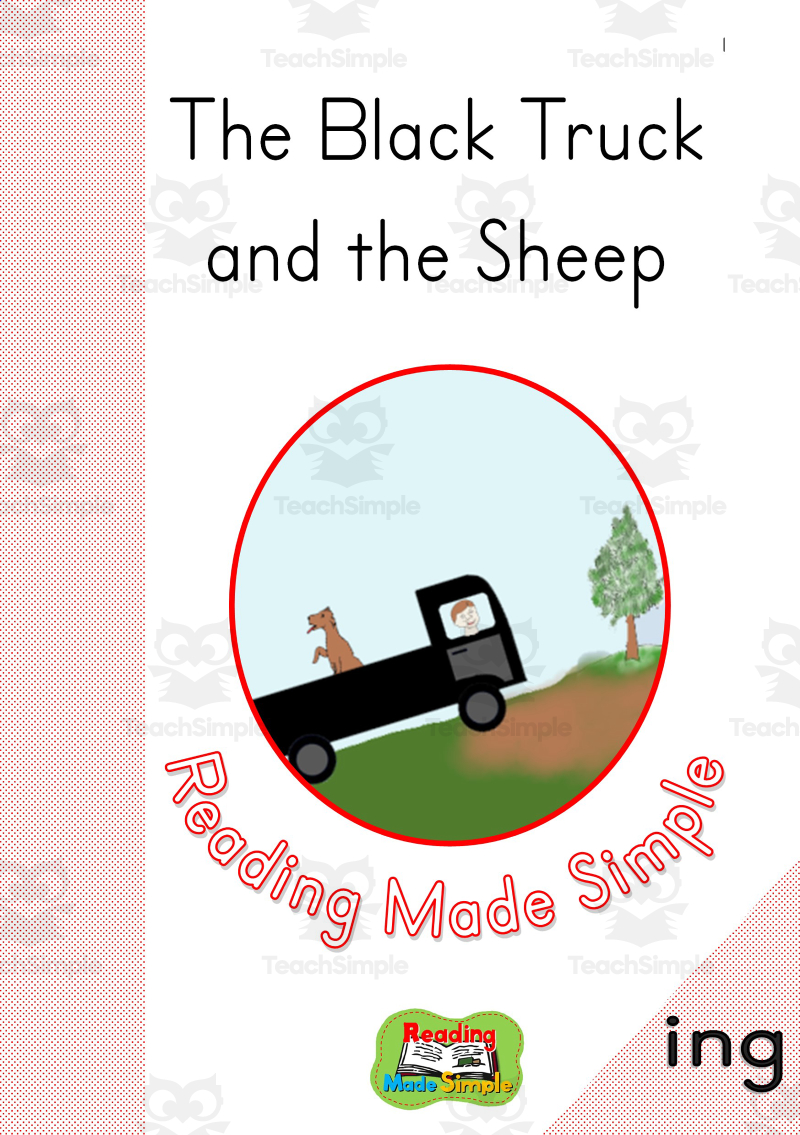
Decodable phonics reader practicing the 'ing'/final 'ng' sound through a story of a boy feeding sheep, while revising sight words, part of the Reading Made Simple program.
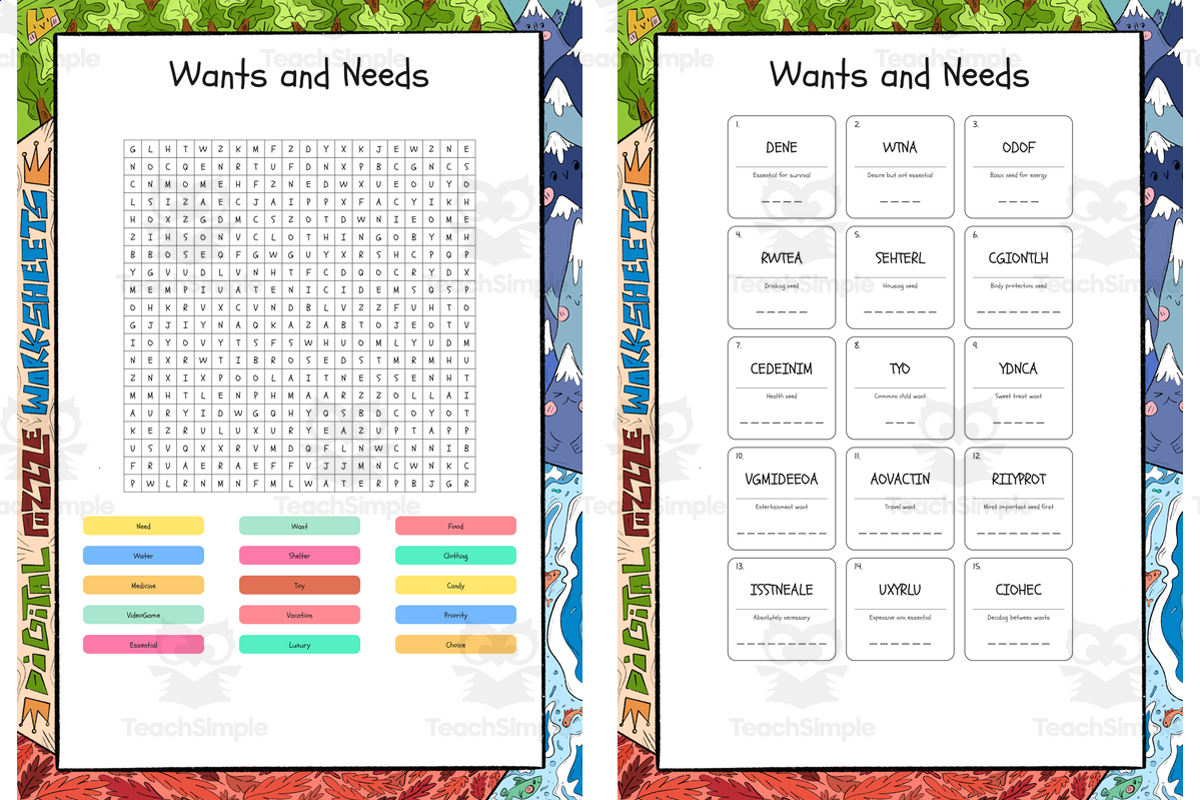
Students explore necessities, desires, priorities and choices through a word search, definition scramble and crossword. Completed versions of all three puzzles support checking vocabulary before a discussion of meaning. Ask learners to justify a need-or-want classification and consider how a person’s circumstances can change whether a particular item is essential.
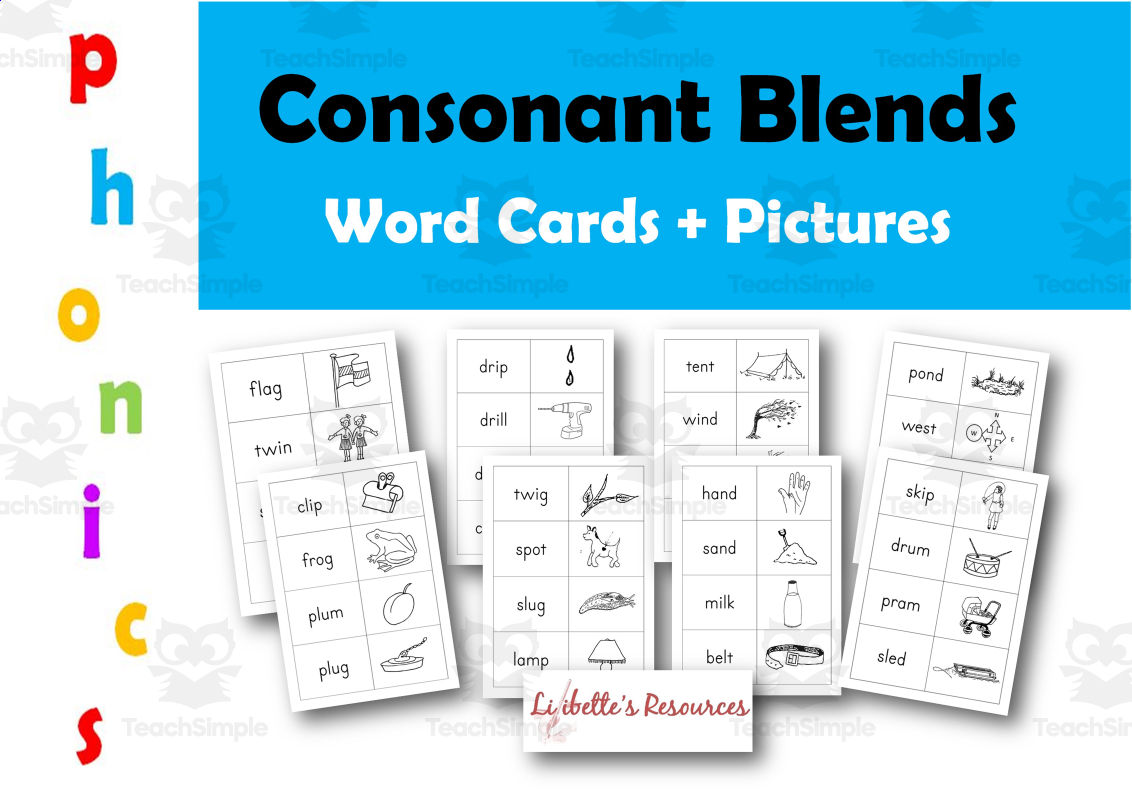
Provide flashcards for practicing words containing initial and final consonant blends paired with a short vowel sound, for at-home or classroom phonics practice.
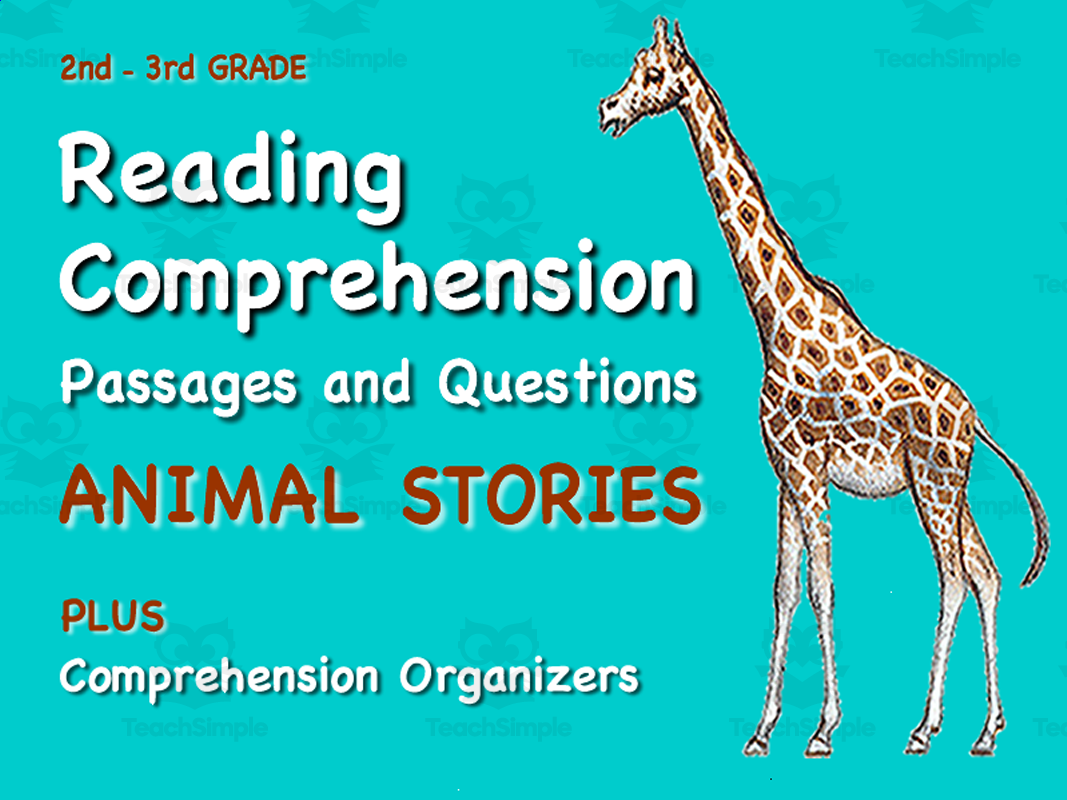
Read each animal story and answer multiple-choice comprehension questions about it; complete main idea, timeline/event, and summarize graphic organizers.
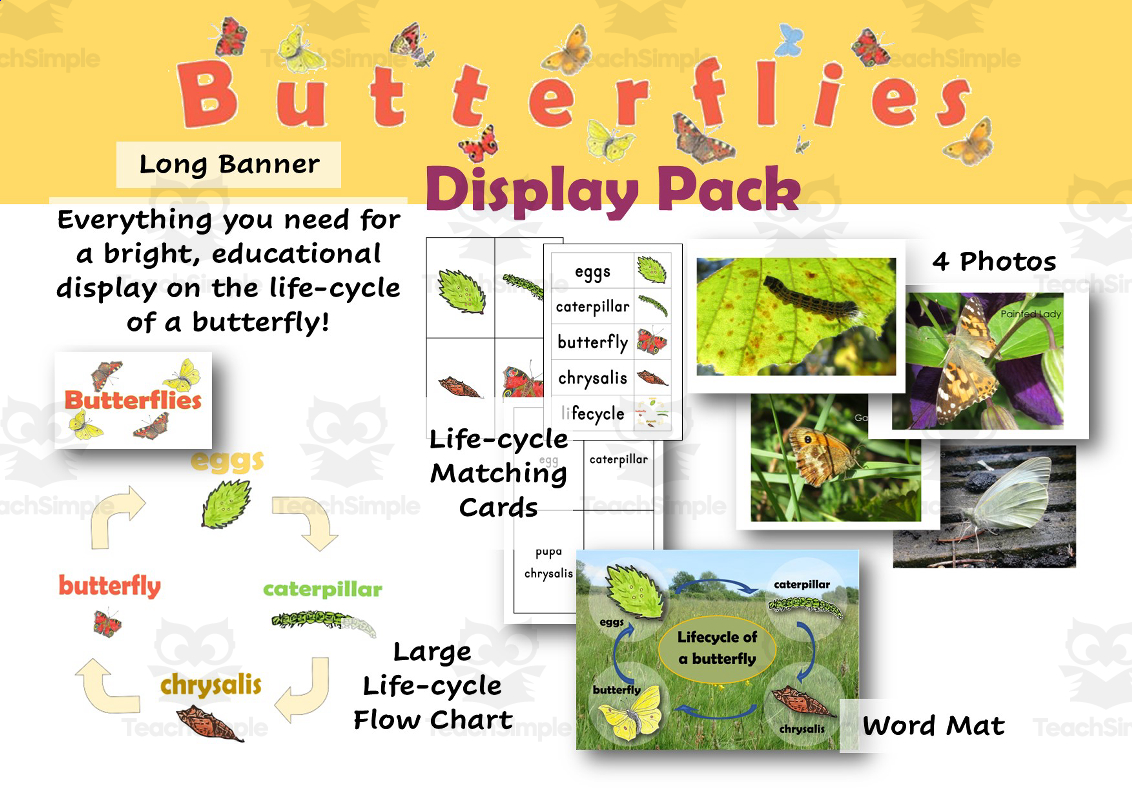
A classroom display pack of butterfly life-cycle materials: a banner, flow chart, poster, and vocabulary cards for a butterfly life-cycle unit.
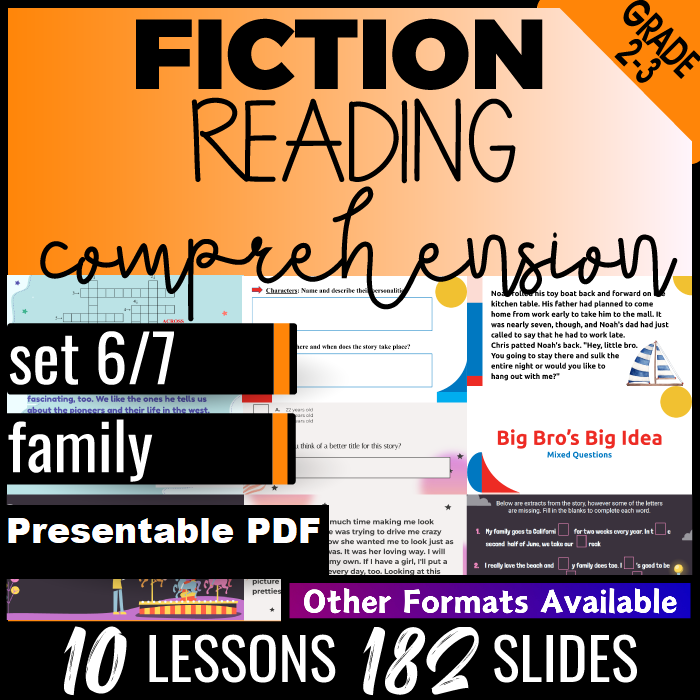
Gives grade 2-3 students short fiction stories about family situations, each paired with comprehension questions, a vocabulary activity, a timed read-aloud, and a summary/writing task.
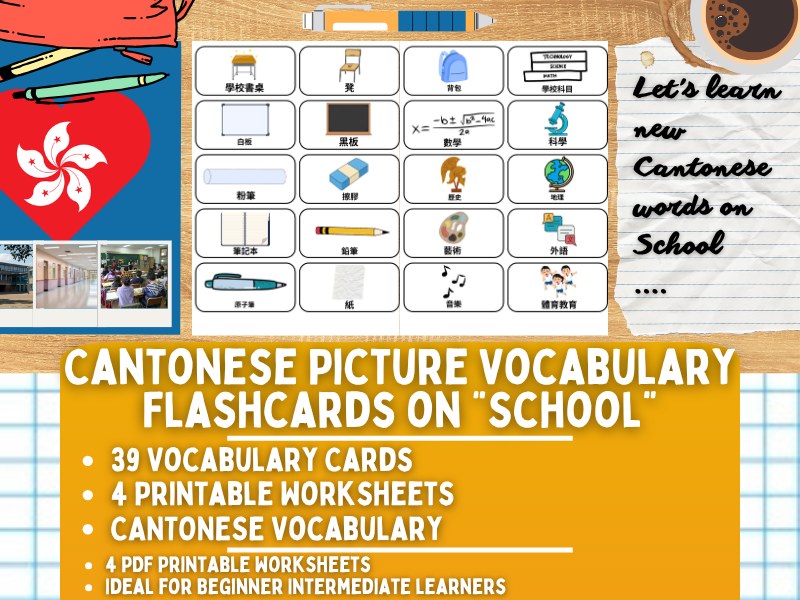
Use the picture/word flashcards to learn and practice school-themed Cantonese vocabulary (objects, subjects, people, places and routines).
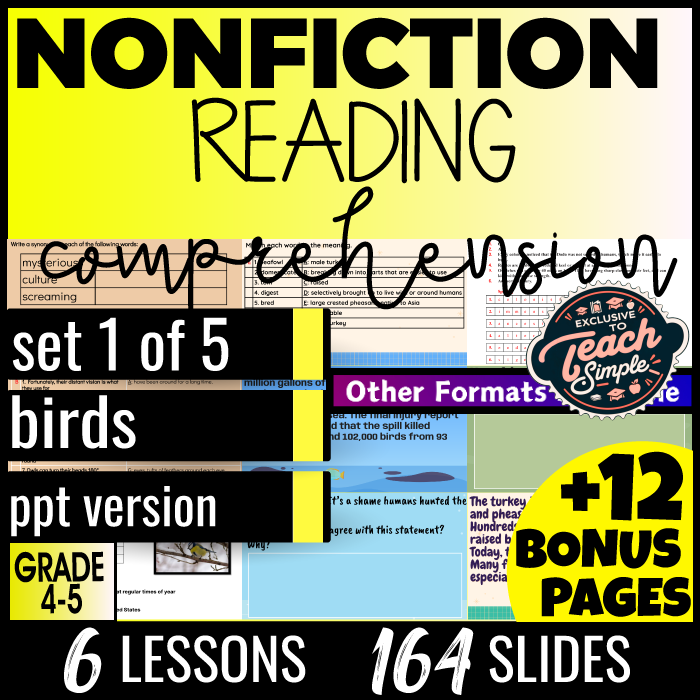
A set of six no-prep nonfiction reading comprehension lessons about birds (No Fly Zone/flightless birds, Ostrich, Chickadees, The Owl, Turkeys, Oil Spill), delivered as separate PowerPoint slide decks (one per lesson), for grade 4-5 readers.
A full-day emergency substitute teacher lesson plan packet for 4th grade combining social studies, reading, writing, and math around the theme of great explorers (Neil Armstrong, Lewis and Clark, Robert Ballard).
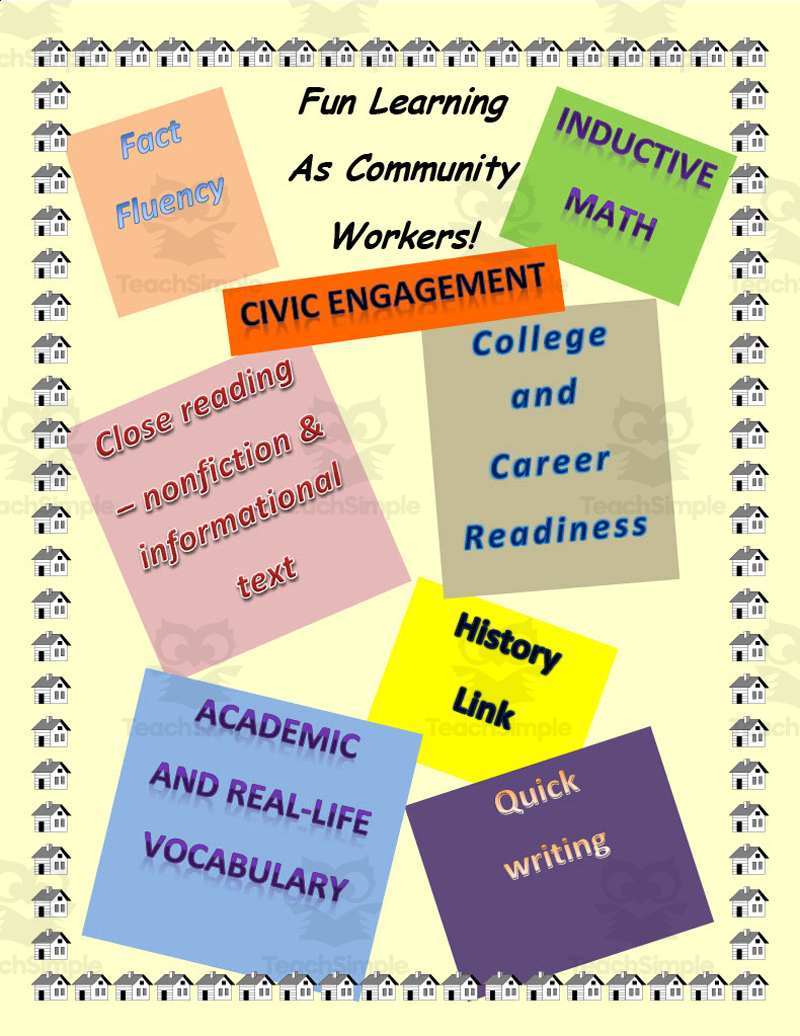
Third day of the unit: students identify a real community member in their chosen career, begin drafting a letter requesting a real math problem from that person, and practice using a peer's job-related question in a class game.
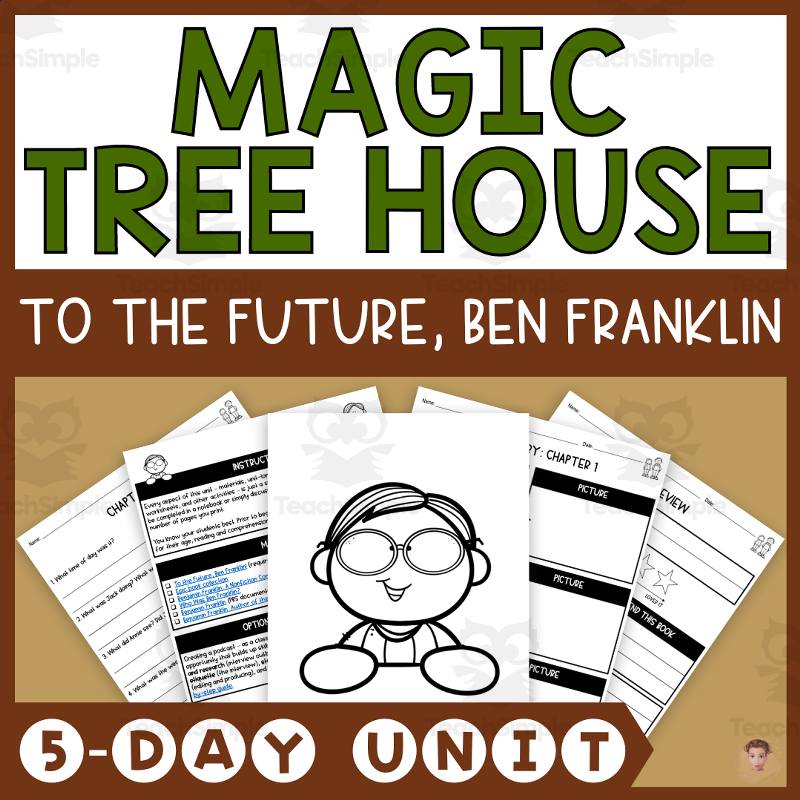
Read two chapters per day (independently or aloud), watch a related video, complete a chapter quiz and vocabulary words, fill out a KWL worksheet across the week, and do a related daily activity (e.g., draw historic Philadelphia, write a constitution, kite/electricity experiment).
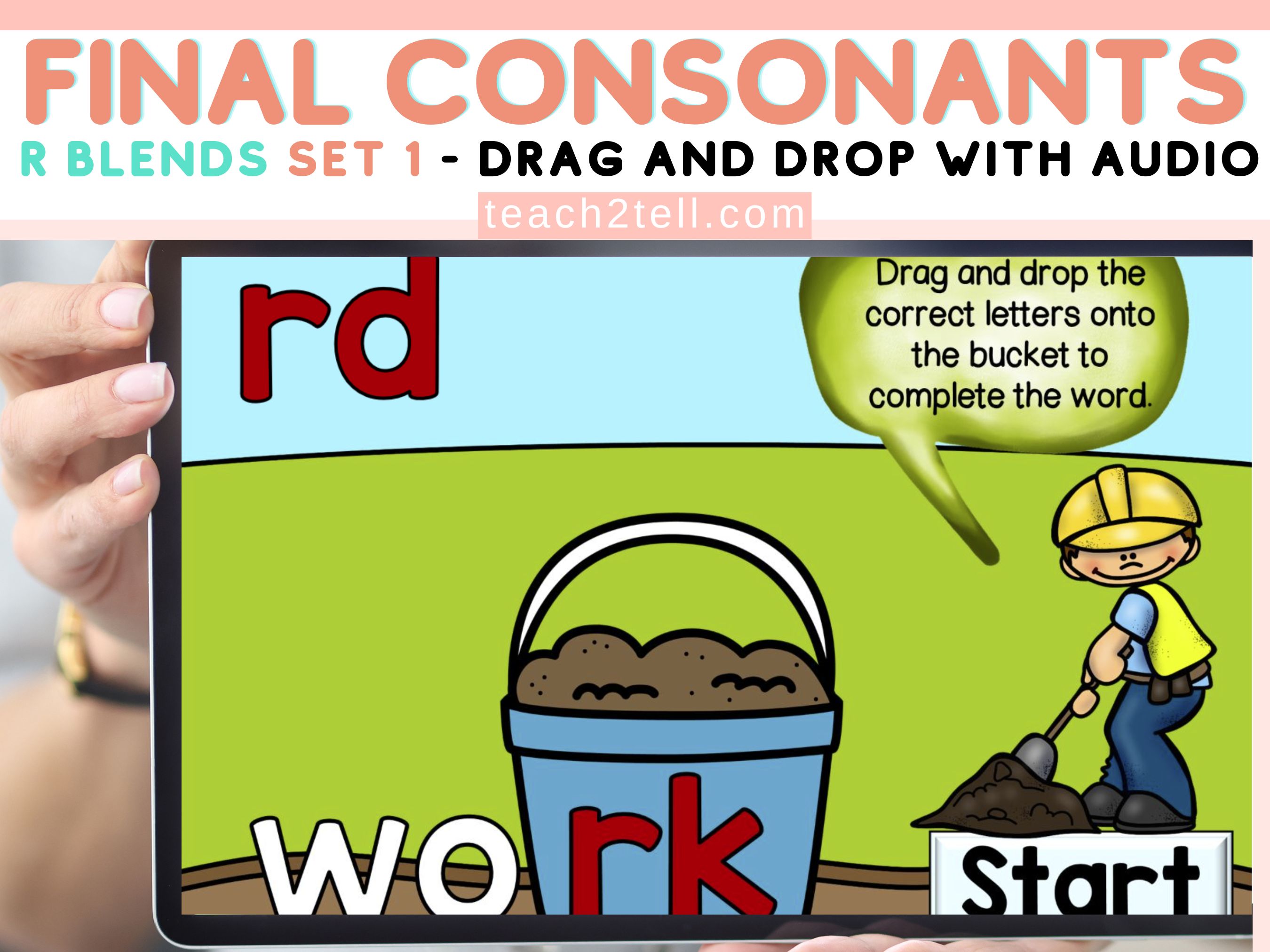
Give students practice spelling and reading words ending in rd, rf, rk, and rl through a self-checking digital drag-and-drop deck.
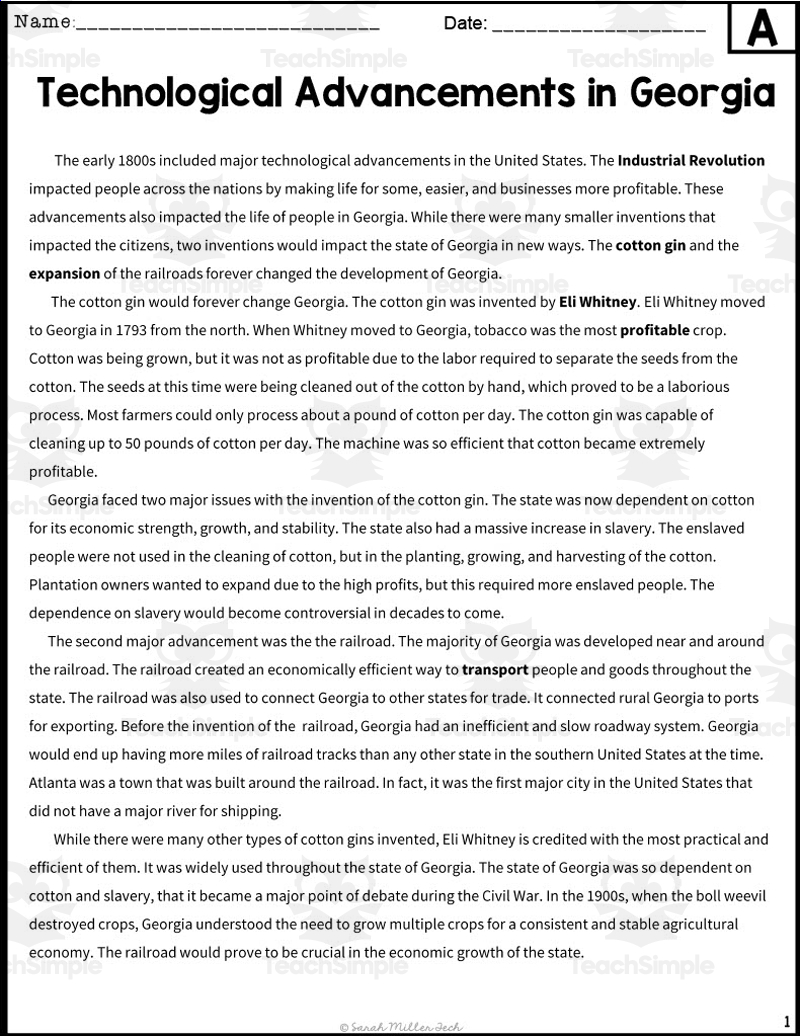
Students read leveled informational passages (two levels, marked A and B), answer multiple-choice comprehension questions, complete a vocabulary-matching activity (terms include Eli Whitney, Transport), and fill in a graphic organizer identifying a main idea and three supporting details/events.
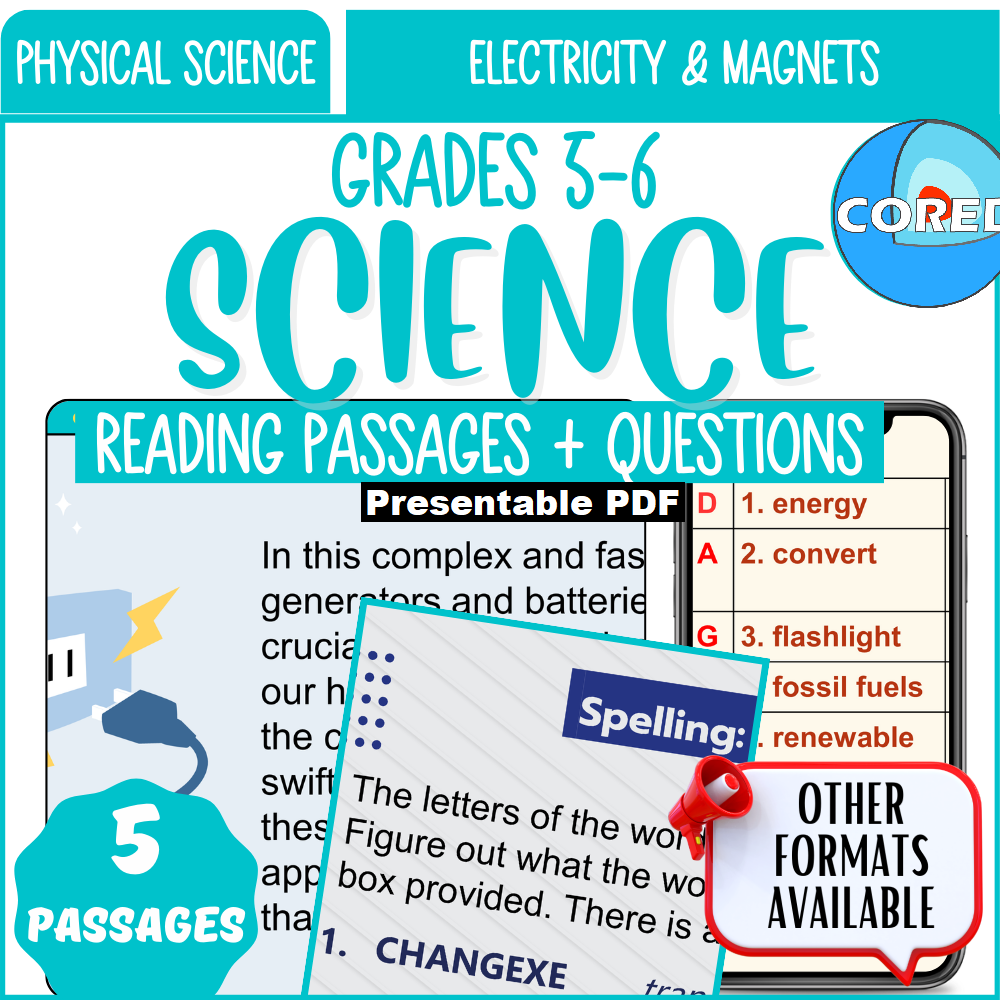
Follow along with the displayed slides/passage text and diagrams, then answer multiple-choice comprehension questions (including circuit-calculation questions).
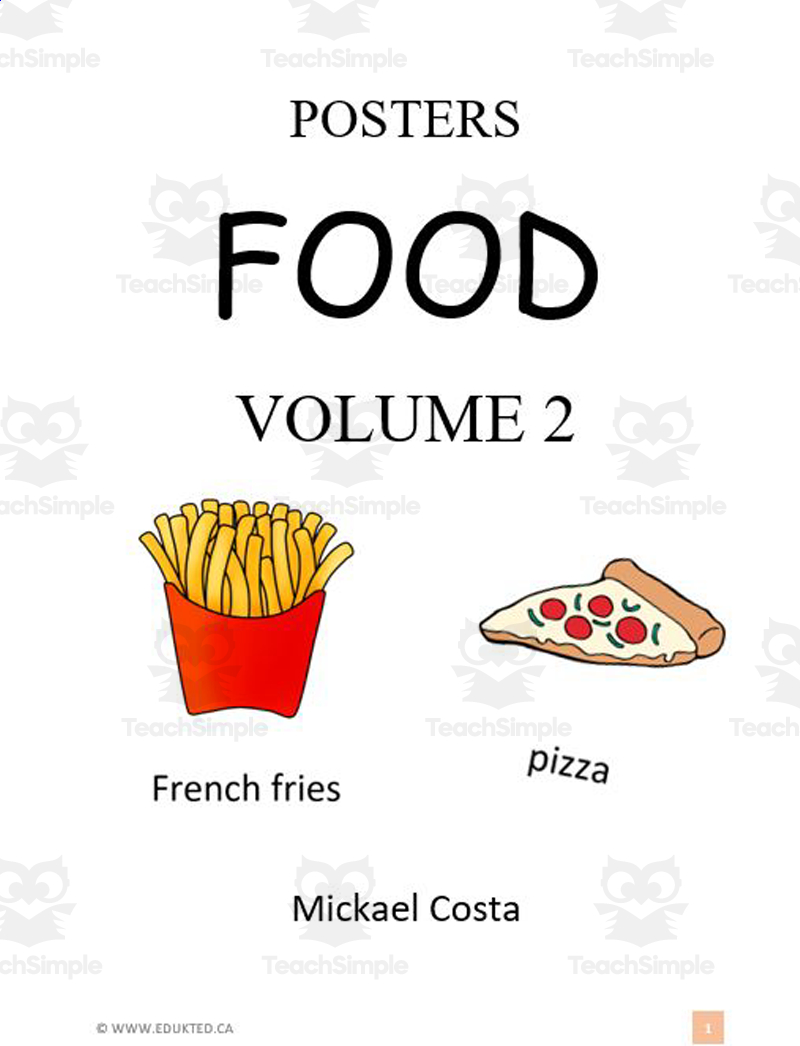
A set of single-word food-vocabulary posters (one food item per page/poster) for classroom display and vocabulary building; continues the volume 1 set with more items, including several French pastry/dish names.
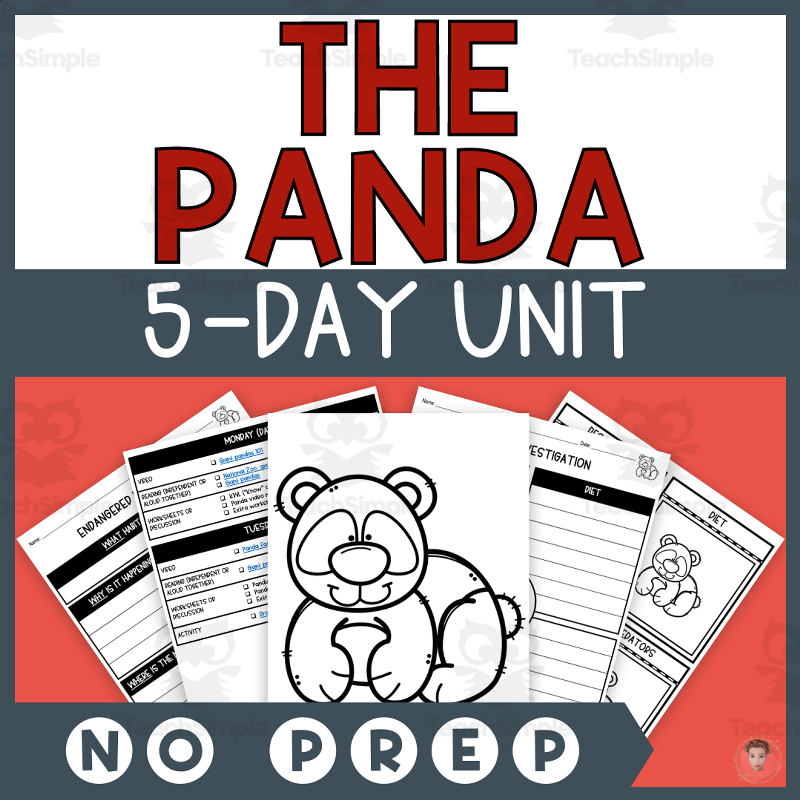
A 5-day homeschool/co-op unit study on endangered animals, focused on giant pandas, combining videos, readings, and worksheets.
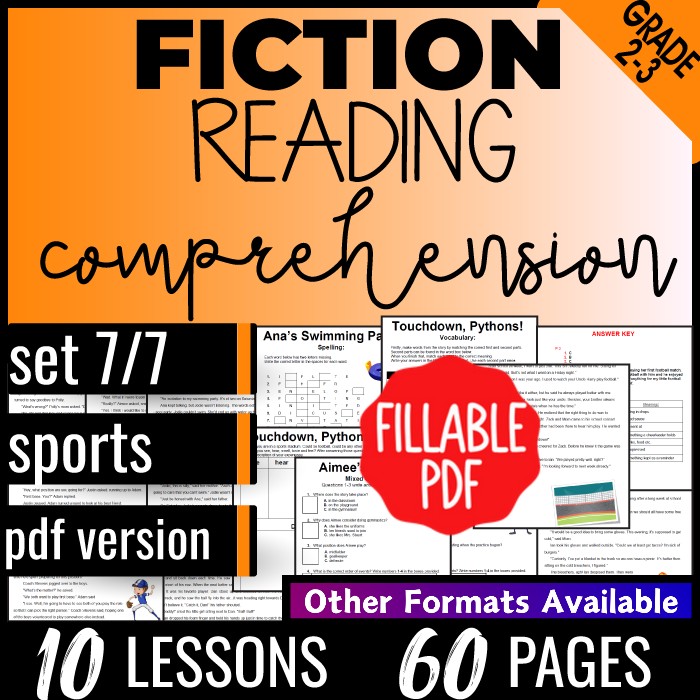
Gives grade 2-3 students short fiction stories built around sports and team situations, each paired with comprehension questions and, per the series' established pattern, vocabulary and writing activities.
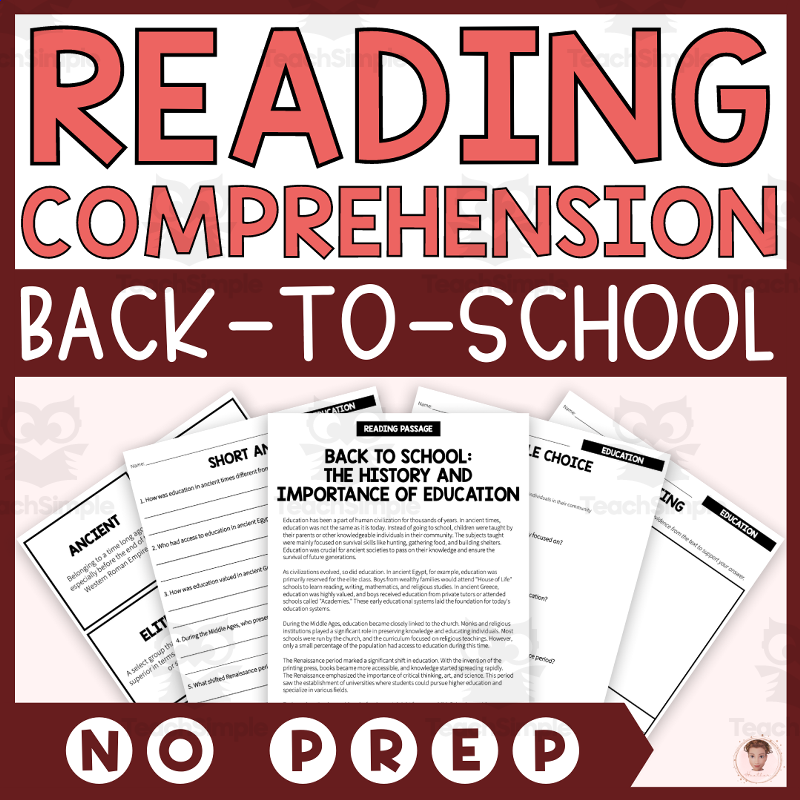
A back-to-school themed nonfiction reading comprehension packet on the history of education (ancient times through today), pairing a passage with vocabulary study, multiple-choice and short-answer assessments, a writing prompt, a hands-on diorama activity, and a complete answer key.
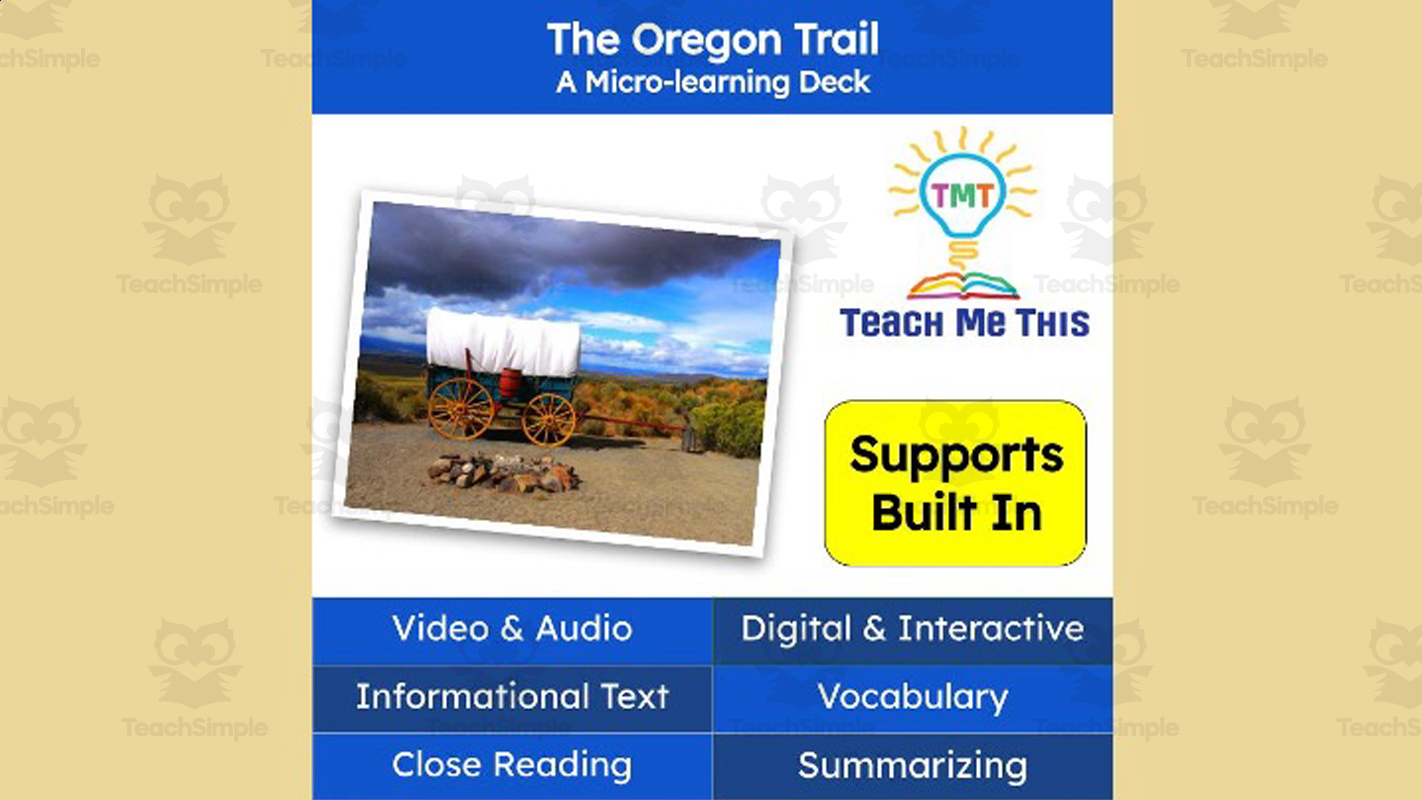
A no-prep digital micro-learning slide deck teaching about the Oregon Trail through video, an audio-supported reading passage, close reading, and a summary writing task.
Read a fiction or nonfiction passage, complete a vocabulary matching activity, answer four text-based comprehension questions, and respond to a rigorous multi-paragraph writing prompt supporting a claim with cited textual evidence.
A set of fold-and-play 'cootie catcher' (fortune teller) games that give students practice reading, writing, and spelling VCC, CVCC, and CCVC consonant-blend words.