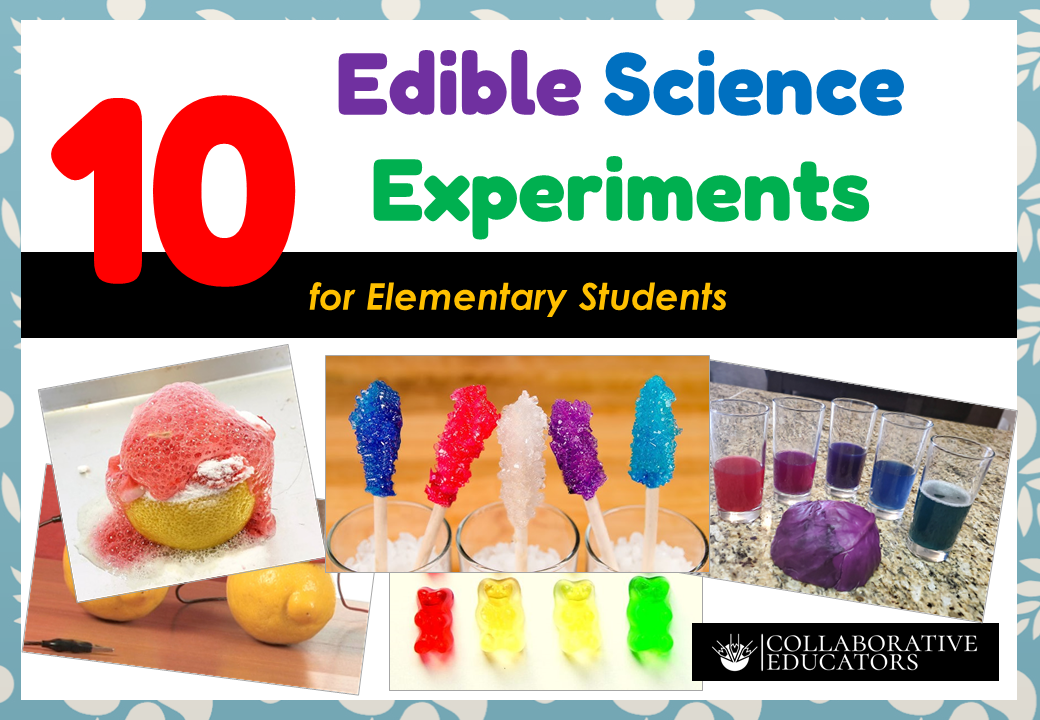
10 Edible Science Experiments for Elementary Students
An edible/hands-on science activity guide presenting 10 kitchen-based experiments that teach science concepts (e.g., density, acid-base reactions) through food-safe materials.
Classroom resources
Browse by lesson focus
Choose the topic or kind of practice you need.
An edible/hands-on science activity guide presenting 10 kitchen-based experiments that teach science concepts (e.g., density, acid-base reactions) through food-safe materials.
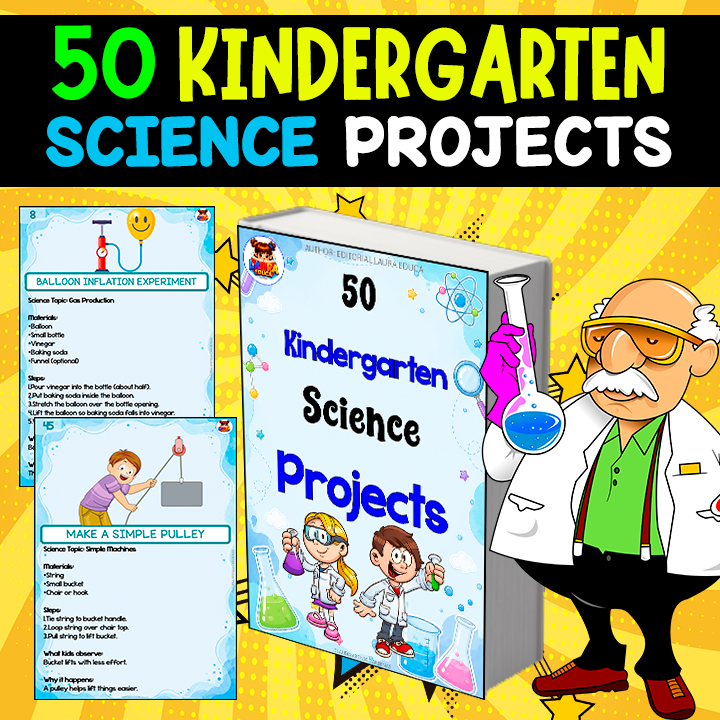
Provides a book of hands-on kindergarten science experiments (title states 50; at least 26 are visible before text truncation) covering topics such as color mixing, weather, buoyancy, chemical reactions, magnetism, plant growth, states of matter, sound, and light, each with a materials list, numbered steps, an observation prompt, and a…
These fun low-prep STEM experiments will get your students building, designing, and learning about science, technology, engineering, and math in a co-operative way! They are great hands-on learning activities.
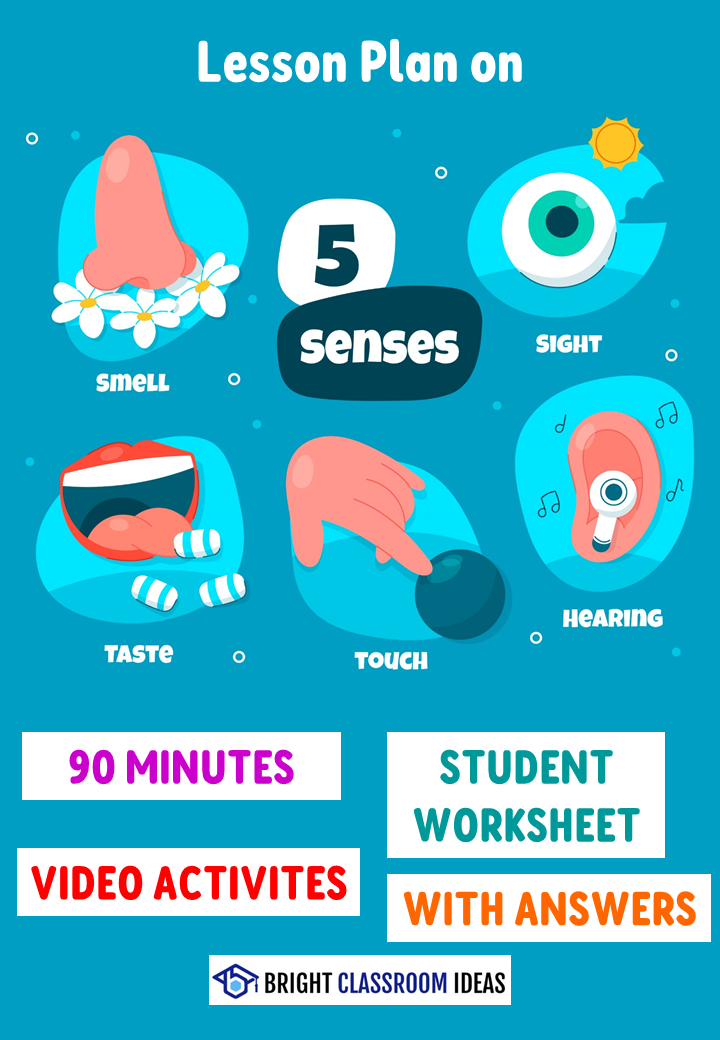
90-minute SEL-integrated lesson teaching the five senses to Grades 1-3, combining a video, guided discussion, five small-group hands-on activities (one per sense), and an SEL reflection circle.
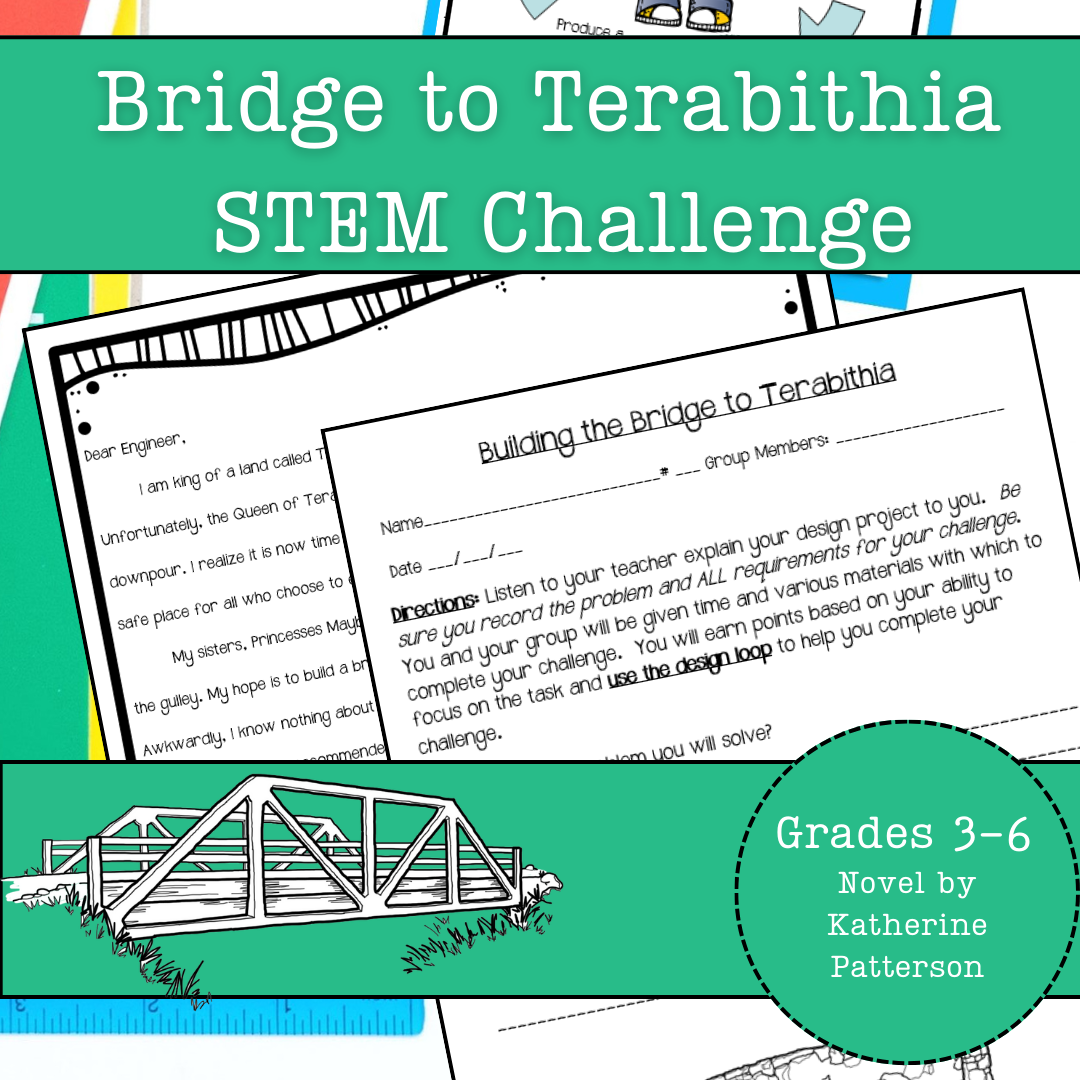
Bring literature to life with this exciting STEM activity inspired by Bridge to Terabithia! This challenge sparks creativity and problem-solving as students plan and construct a bridge for King Jesse as he plans to make entrance to…
A 47-page teacher resource book of hands-on design and technology lessons for young children, organized into sections with teacher notes, worksheets, and extension activities.
With the Design and Technologies book, teachers will be able to explore a range of hands-on concepts and activities for students to complete.
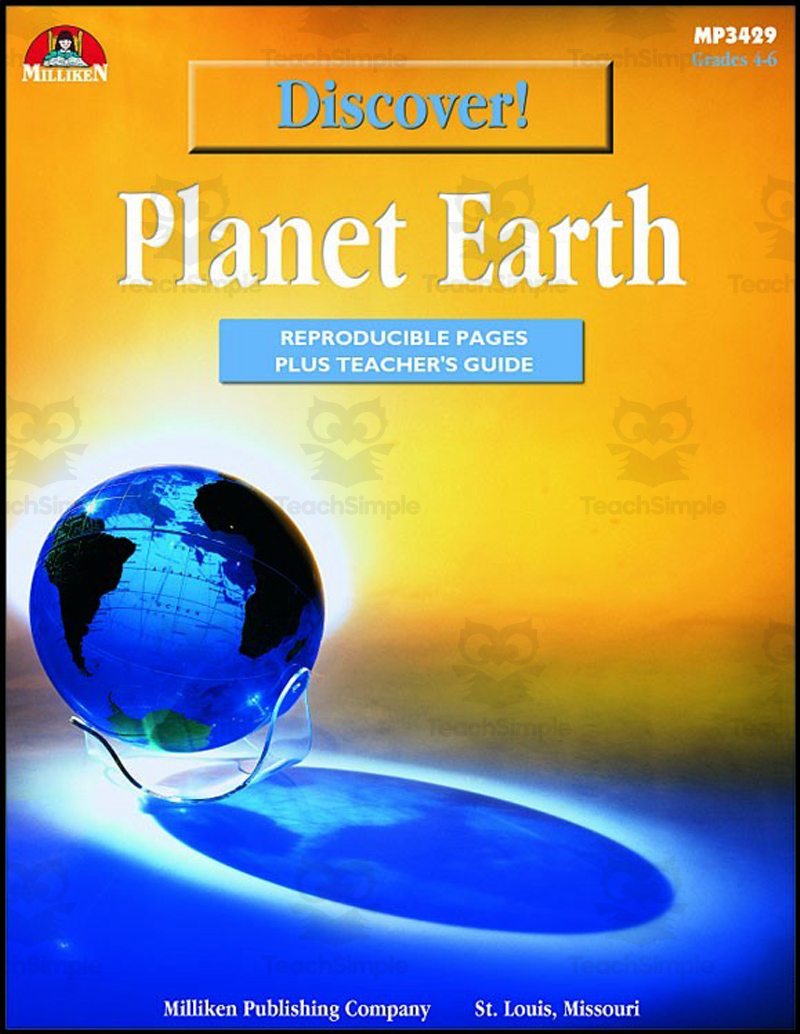
Reinforce elementary/upper-elementary science concepts in planet Earth (composition, crust/plates, minerals, rocks, weathering/erosion, mountain building, soil and soil conservation, earthquakes/volcanoes) (grades 4-6) through reproducible worksheets, hands-on activities, and teacher background material.
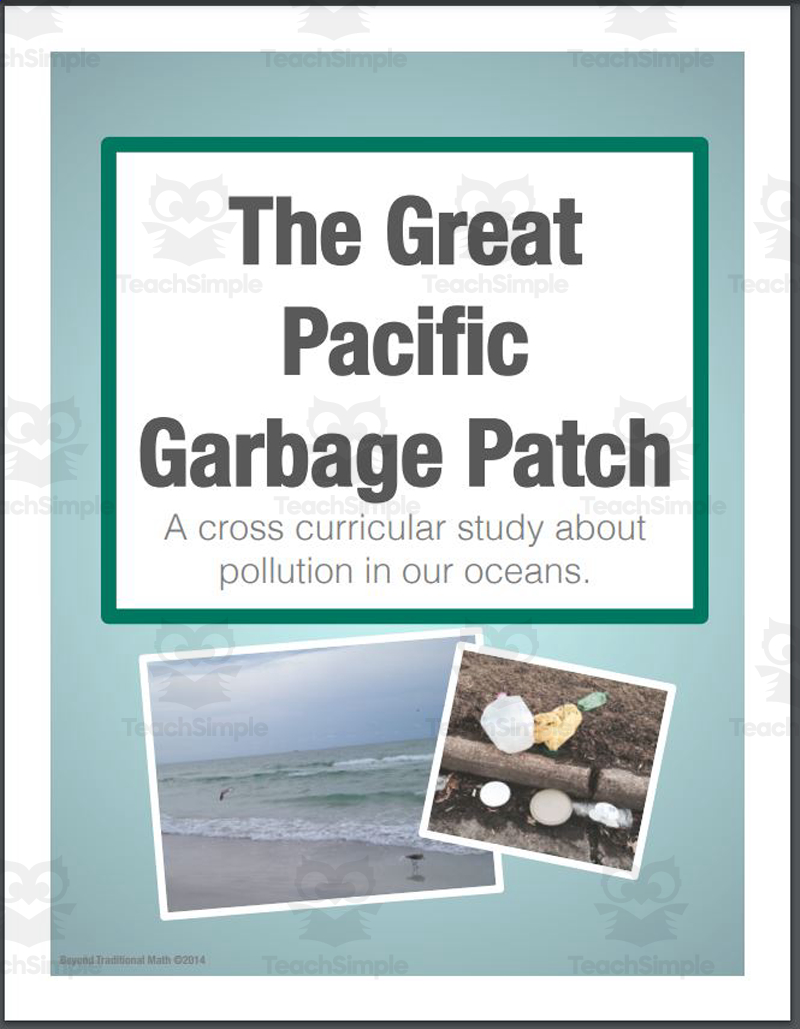
Make Earth Day impactful with this cross-curricular unit focusing on the Great Pacific Garbage Patch. Through reading, writing, math, and science, upper elementary students explore this major but little-known environmental issue.
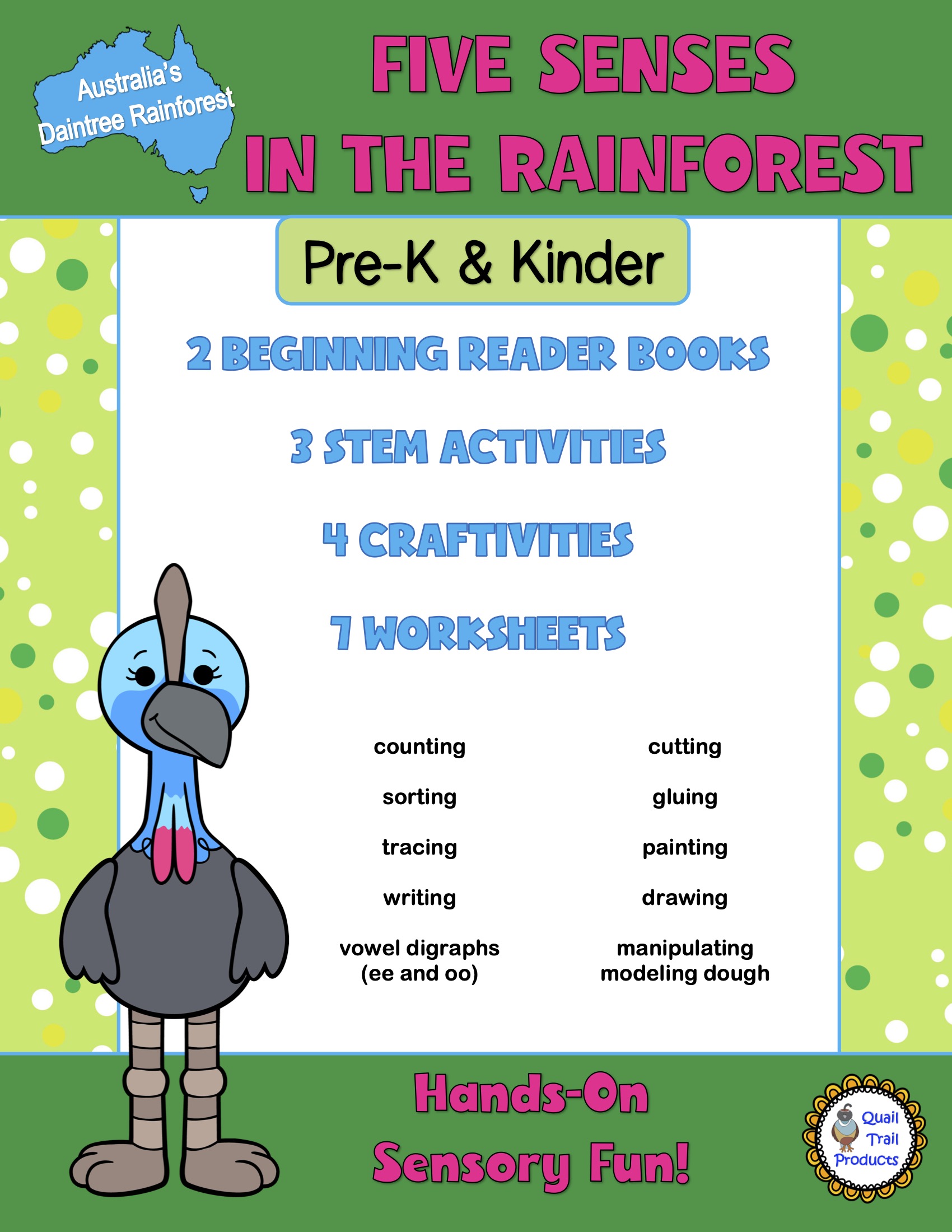
Australia’s Daintree rainforest is the perfect destination for Pre-K and kindergarten learners to focus on their five senses. Within the pages of this product your learners will be invited to explore the rainforest biome through sensory…
Provide a collection of hands-on science experiments/demonstrations (chemical reactions, physical science, sensory play) for elementary students to try with adult-supplied household materials.
Introduce elementary students to basic chemistry concepts through 20 hands-on chemical-reaction experiments with explanations of the underlying science.
A hands-on science activity teaching students how magnets interact with objects and with each other, through sorting, task cards, and recording observations.
Deliver a complete, NGSS-aligned Grade 3 science curriculum for a full 36-week school year across 10 units (Forces & Motion, Weather & Climate, Life Cycles, Ecosystems, Traits & Inheritance, Engineering Design, Earth Systems, Habitats, Natural Hazards, and Review & Capstone Projects), built on the 5E instructional model (Engage,…
A full 36-week, 10-unit NGSS-aligned Grade 4 science curriculum built on the 5E instructional model (Engage, Explore, Explain, Elaborate, Evaluate), covering energy, waves, Earth's processes, fossils, plant/animal structures, weathering and erosion, engineering, electricity, and a capstone.
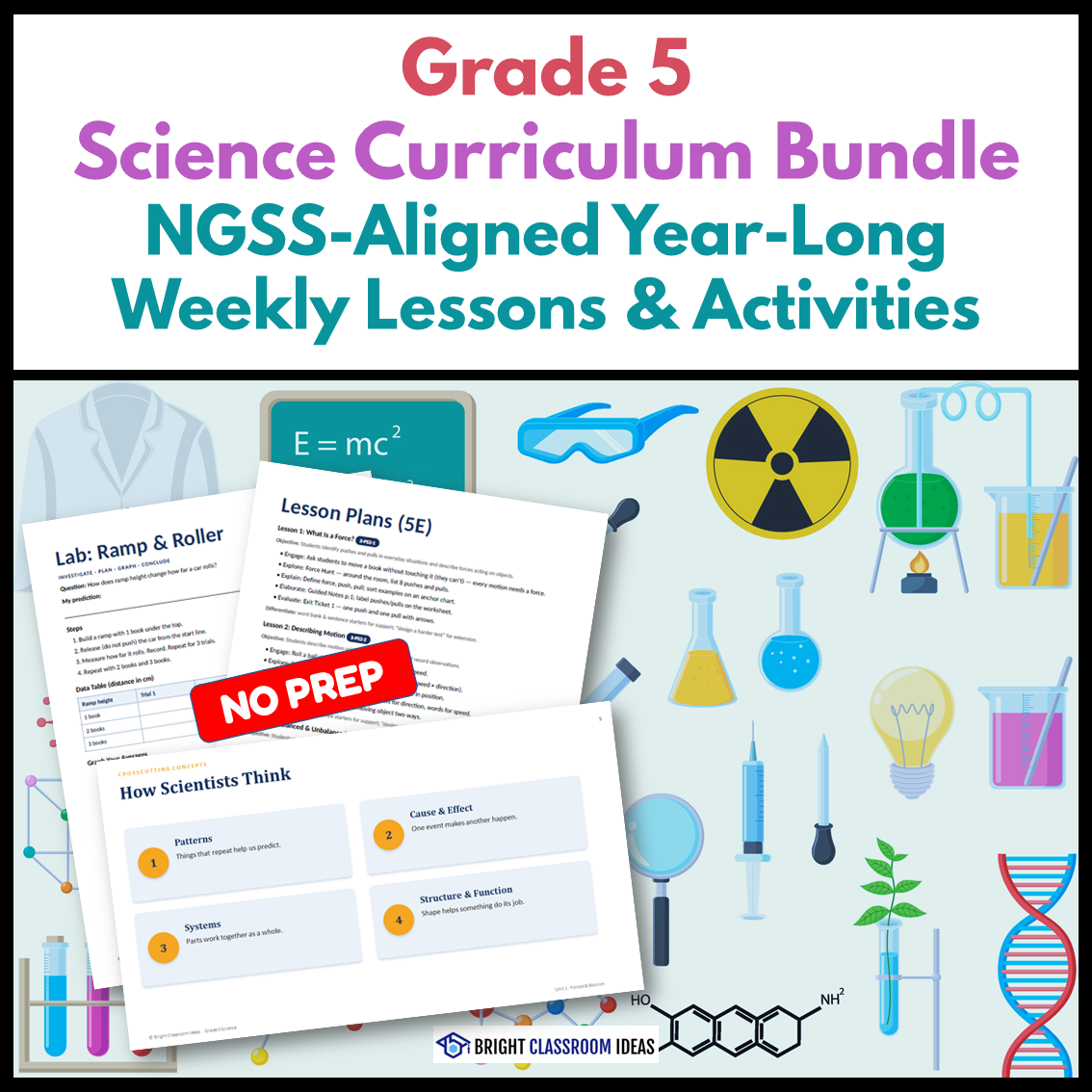
A full-year, NGSS-aligned Grade 5 science curriculum (Bright Classroom Ideas) covering 10 units across 36 weeks, built around the 5E instructional model (Engage, Explore, Explain, Elaborate, Evaluate).
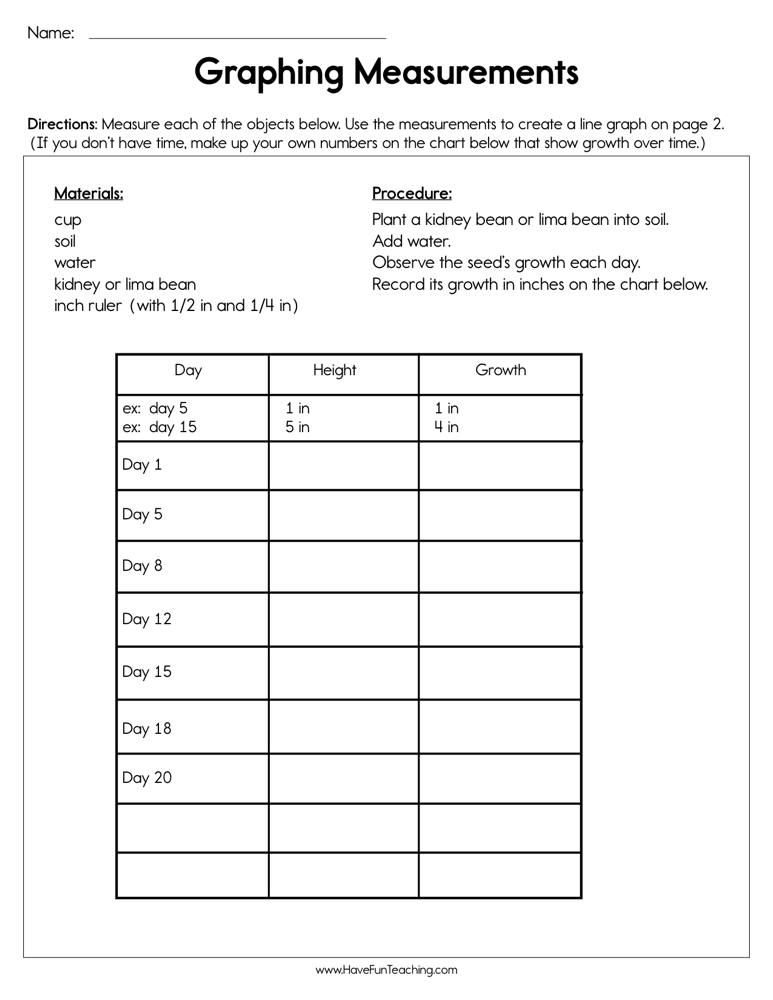
This Graphing Measurements Worksheet is a great way for students to measure the objects below and create a line graph that shows growth over time.
An IB Primary Years Programme (PYP) unit planner and resource set for the 'How the World Works' transdisciplinary theme, built around the central idea that curiosity about nature leads to discoveries, focused on weather and seasons.
A 90-minute Grade 3-5 science lesson plan teaching what a solar eclipse is and its types via video, demonstration, and a hands-on model activity.
A full two-part science teaching unit (Light and Colour; The Human Eye) for grades 4-6 that combines overhead notes with hands-on activities covering luminous/illuminated objects, transparent/translucent/opaque materials, the light spectrum, reflection, refraction, colour/pigments, eye anatomy, and optical illusions.
Teach basic forms of energy (light, heat, solar) to grades 4-6 through two structured lesson plans, an animated PowerPoint, station-based activities, printable worksheets, and a test.
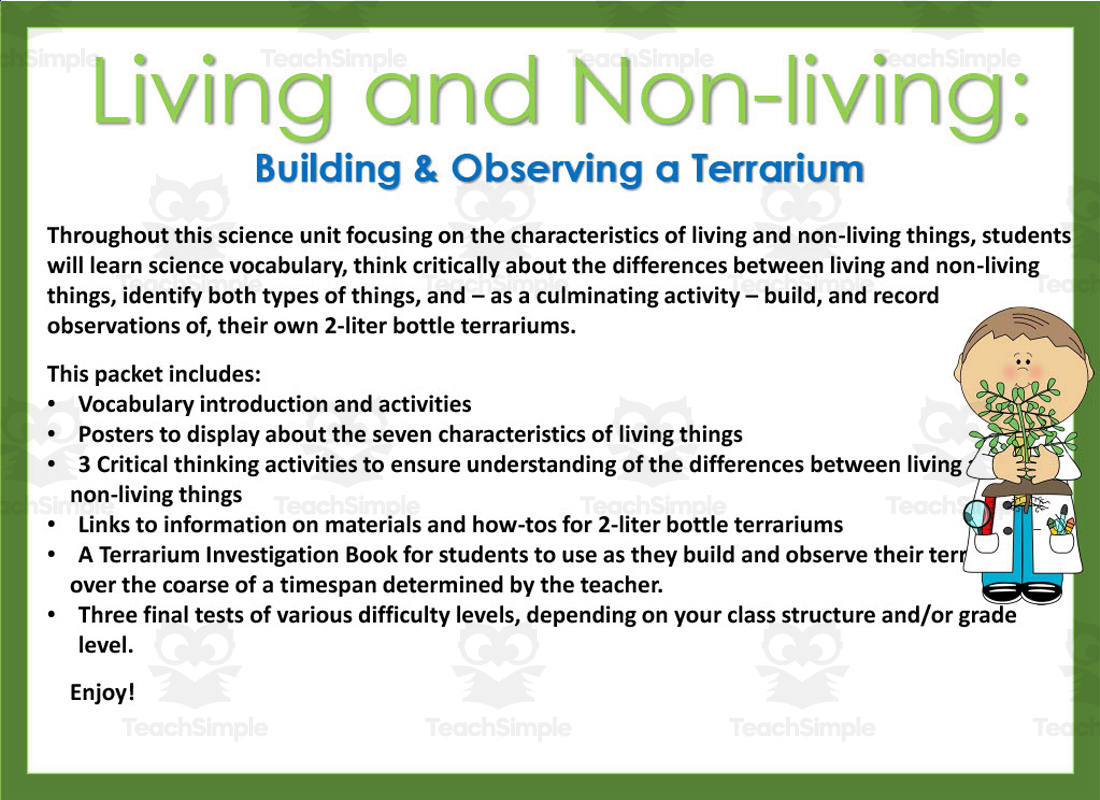
A science unit teaching the characteristics that distinguish living from non-living things through vocabulary work, critical-thinking activities, and a hands-on terrarium-building and observation project.
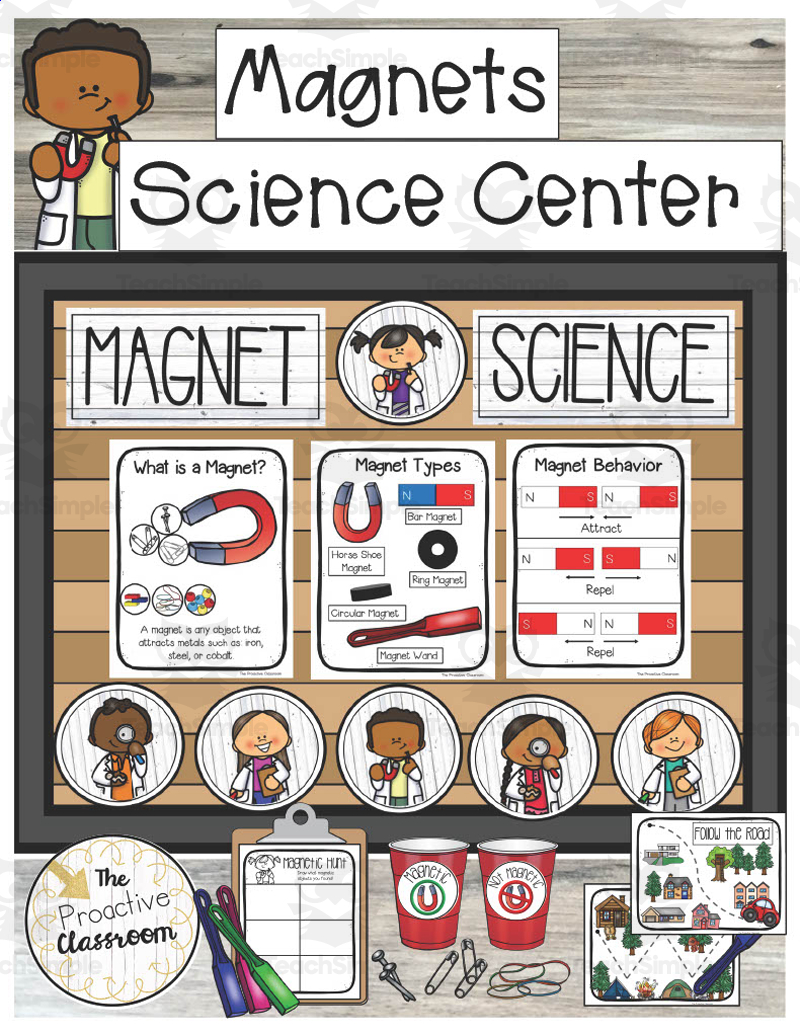
Hands-on science center teaching early magnetism concepts: magnetic vs. non-magnetic objects, types of magnets, poles, and attract/repel behavior.
Teaching science to our elementary students opens them up to a whole new world of interests, but with a whole new take! They get to learn about the weather and its changes. They get to learn about animals and their offspring.