Reading & language games
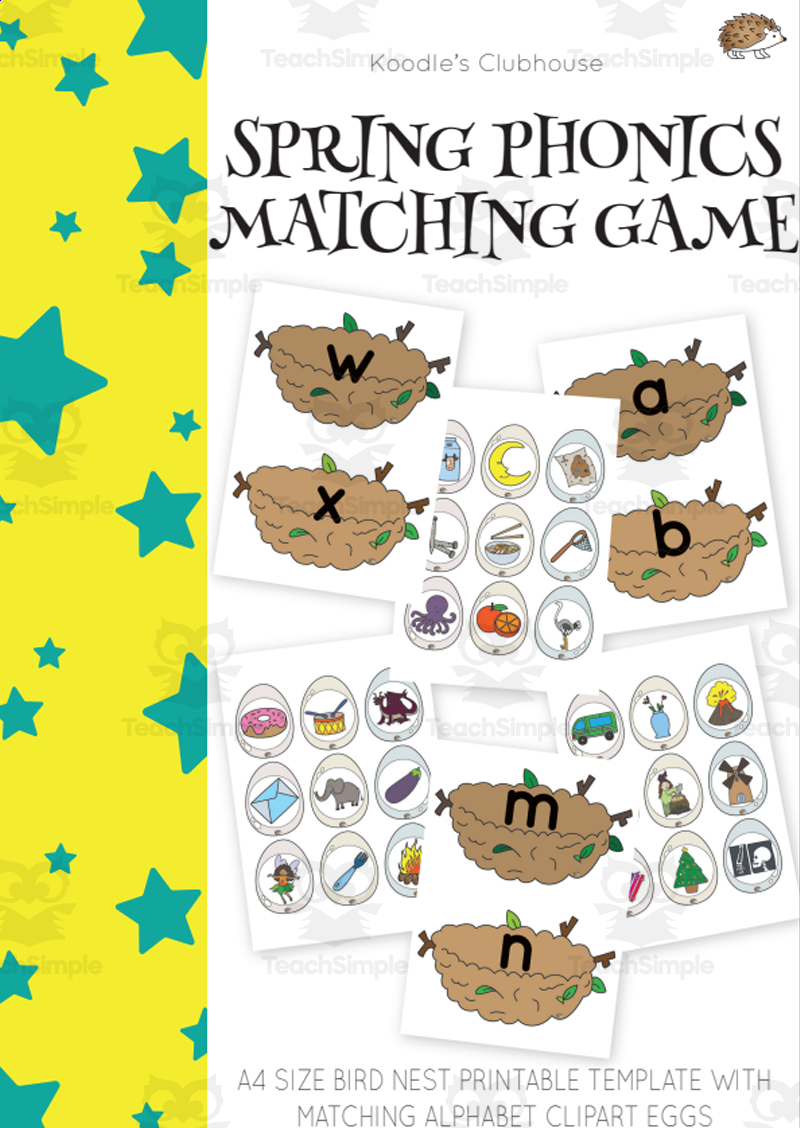
Spring Bird Nest Phonics Matching Game
Match alphabet-clipart eggs to the correct lowercase-letter bird nest; cards can also be used as flashcards or floor/wall alphabet tiles.




Classroom resources
Browse by lesson focus
Choose the topic or kind of practice you need.
Showing 1177–1200 of 1233 resources

 Show filters
 Match alphabet-clipart eggs to the correct lowercase-letter bird nest; cards can also be used as flashcards or floor/wall alphabet tiles.
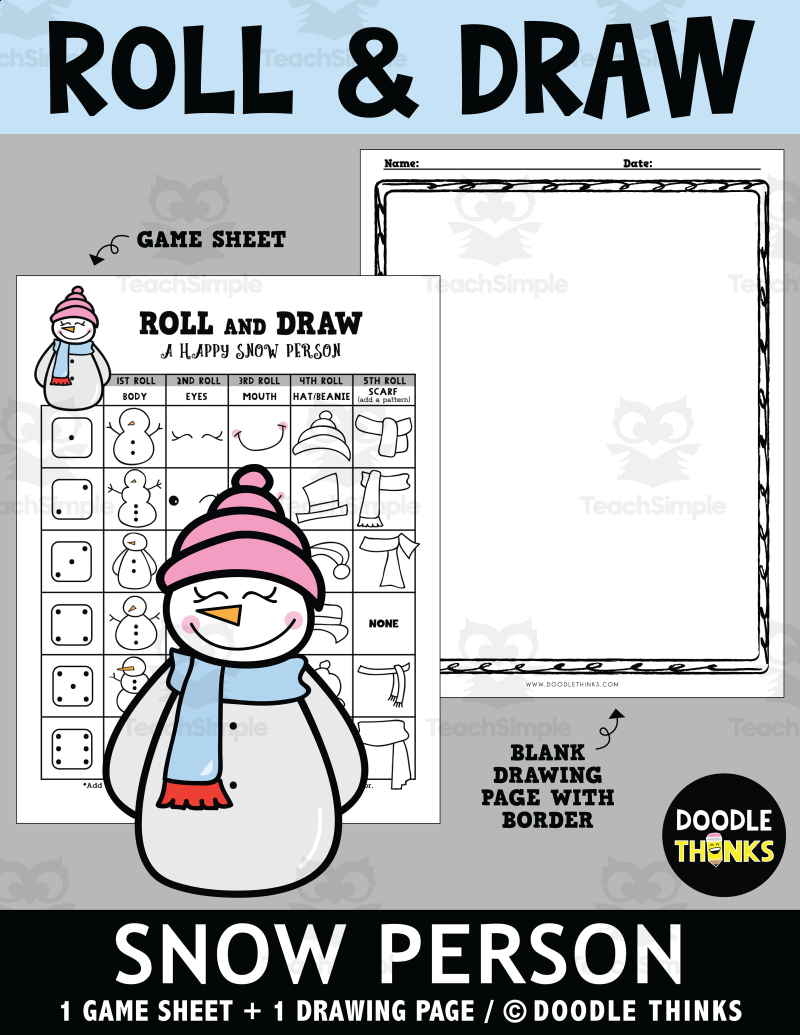
A low-prep dice-based drawing game where students draw a happy snow person by combining features determined by five sequential die rolls.
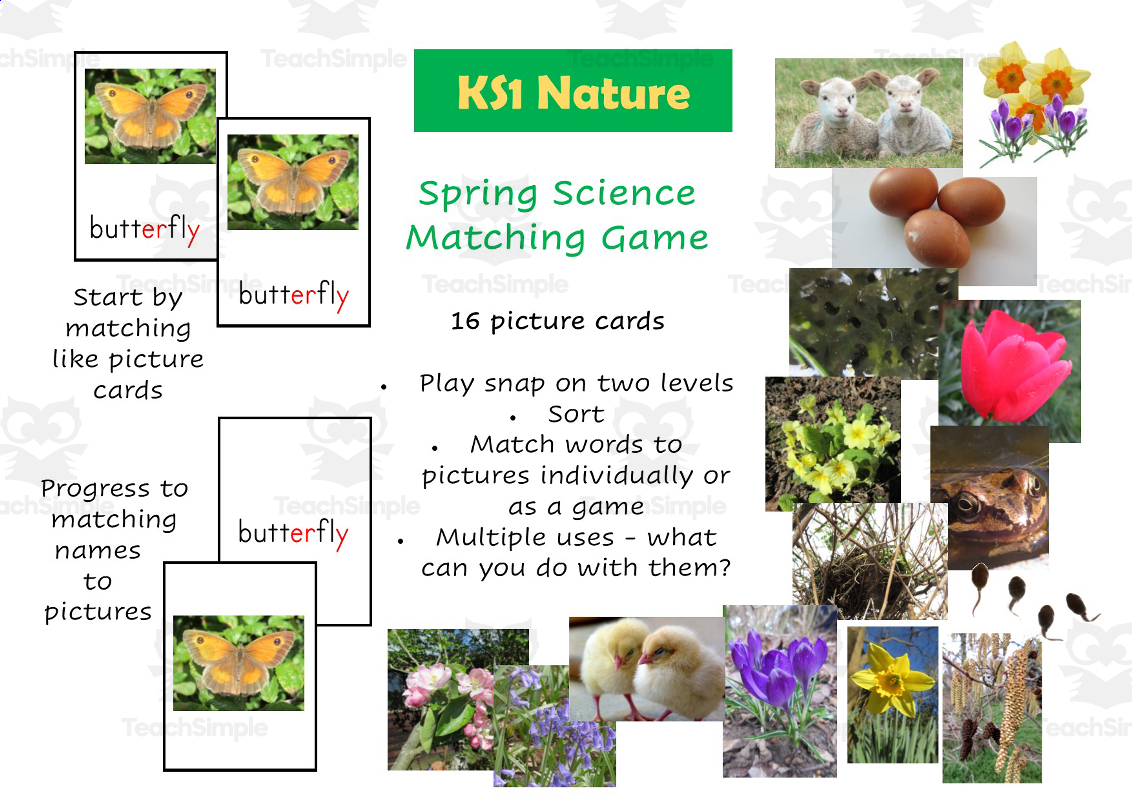
Play Snap with printed picture/word cards: in the easy version, match identical picture-plus-word cards and say the word aloud to win the pair; in the harder version, match word-only or picture-only cards without the paired clue.
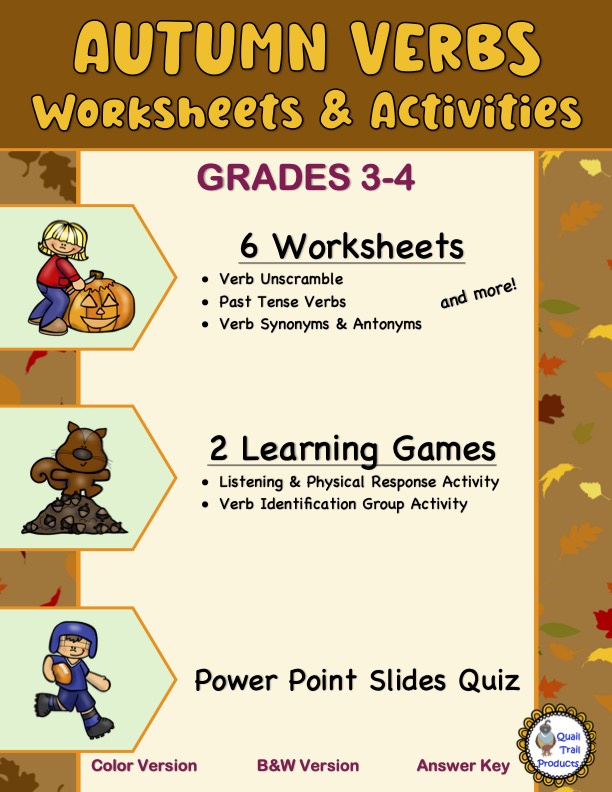
Circle the verb that matches a picture; unscramble scrambled verbs and write them; write the past tense of a pictured verb; write synonyms and antonyms for given verbs; write sentences using Fall-themed words and circle the verbs; play a Simon-says-style listening/physical-response verb game and a group picture-verb identification game;…
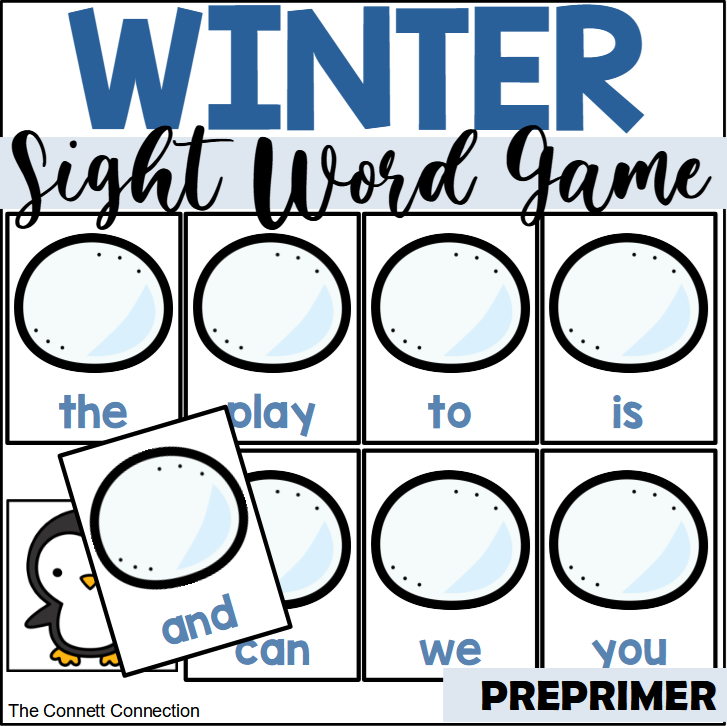
Read aloud a short poem ('Where's the Penguin? Little penguin, little penguin, let's play seek and find! Which snowball are you hiding behind?'), then read/recognize sight word cards arranged in a pocket chart or on a tabletop to guess which word card is hiding one of three penguin cards.
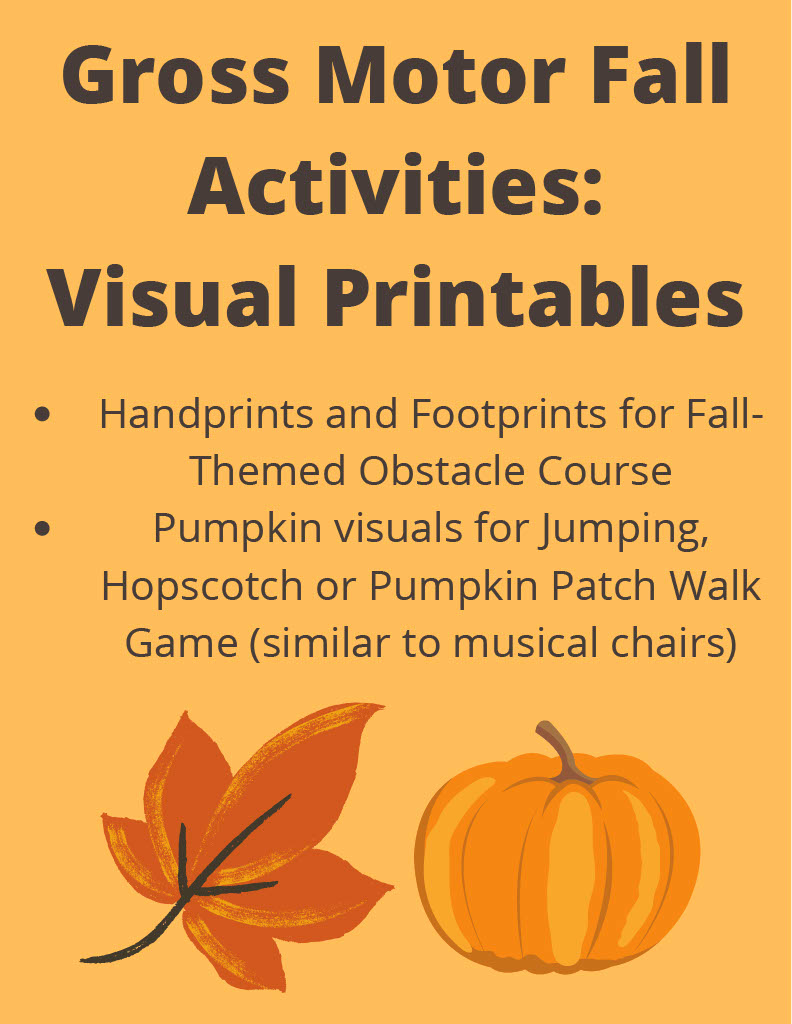
Students use the printed handprint/footprint visuals as floor markers for a fall-themed obstacle course, and use the pumpkin visuals for a jumping, hopscotch, or musical-chairs-style 'pumpkin patch walk' game.
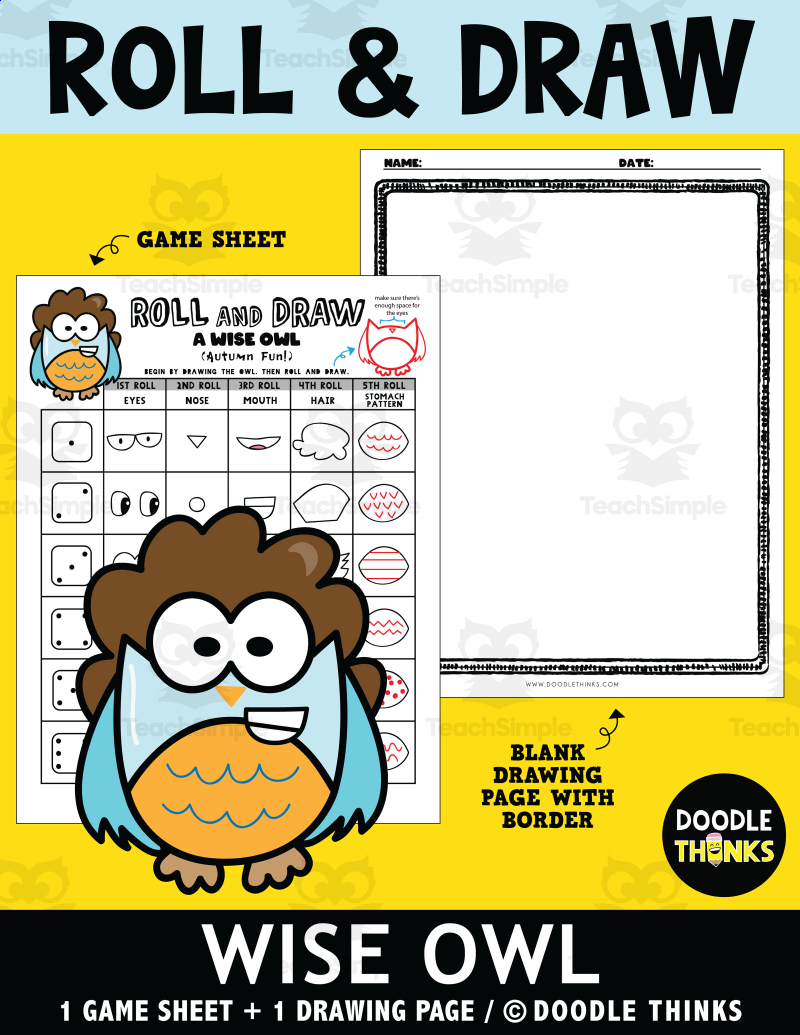
Student rolls a die for each column on the chart and draws the corresponding feature option onto their own paper to build a unique wise owl drawing, then adds details, a background, and color.
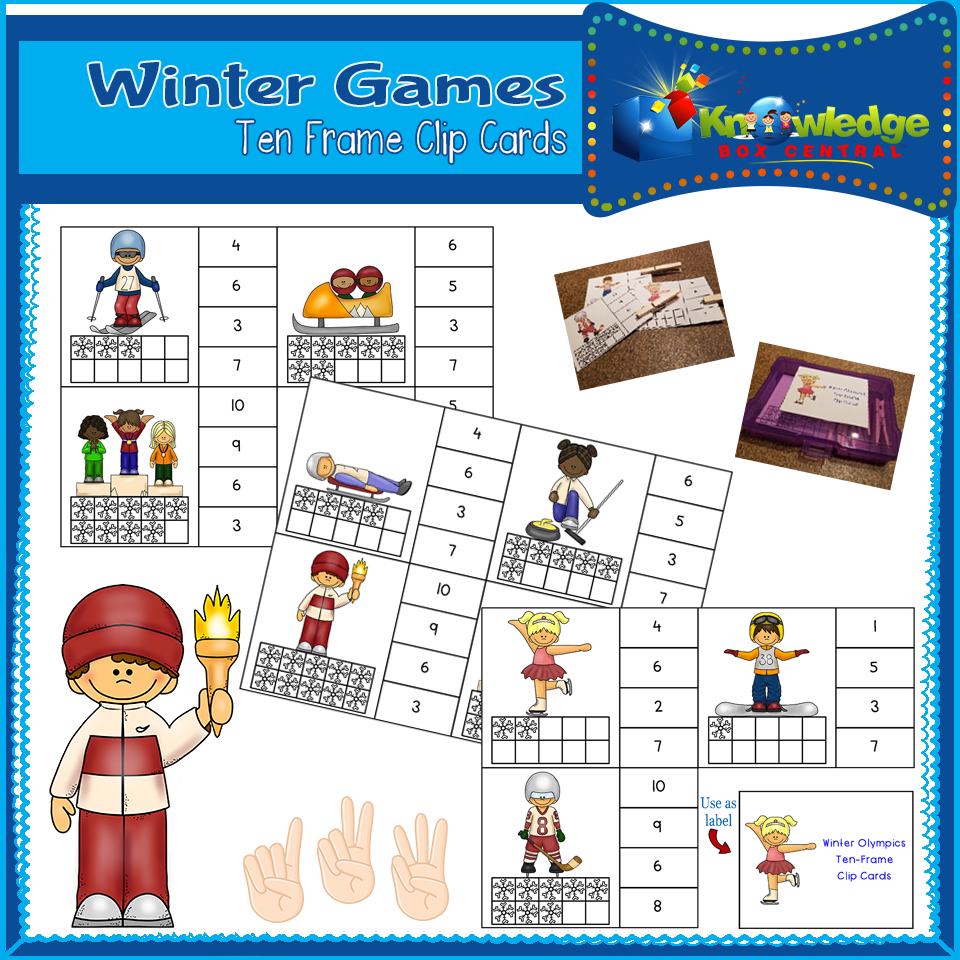
Count the snowflakes shown in a ten-frame on the left side of each clip card, find the matching number on the right side, and attach a clothespin (clip) to that number.
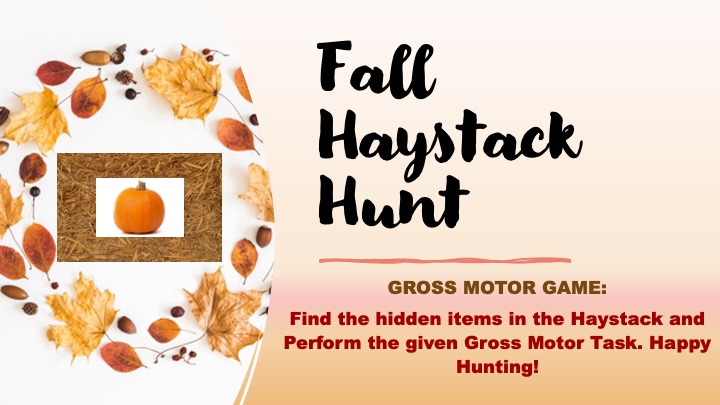
Students click on piles of hay to find a hidden object (pumpkin, turkey, apple, acorns, sweet potato, leaf, grapes), retrying on wrong piles, and perform the revealed gross motor task (e.g., march in place 10 sec, 5 giant steps backwards, wall squats 8x, jump 3x, crawl 10ft, 5 giant steps sideways, spin around 5x).
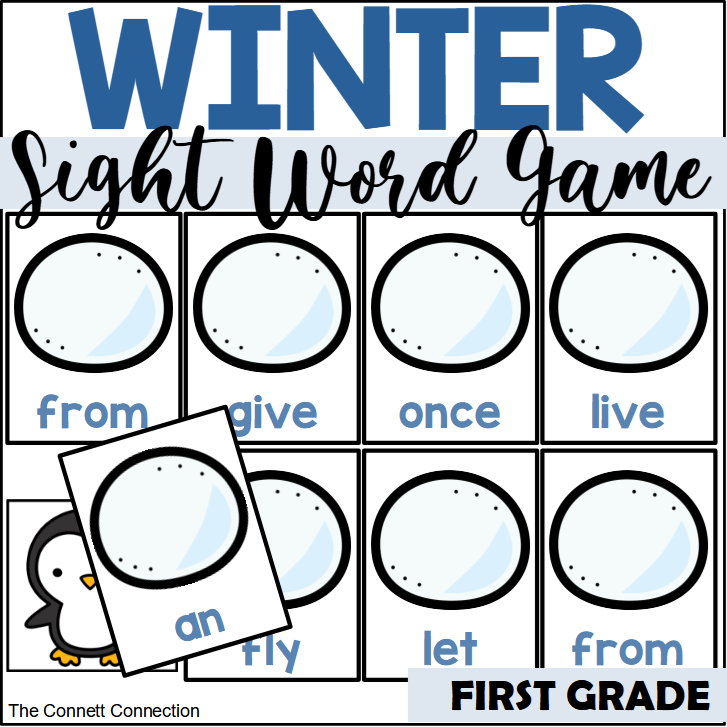
Read aloud a short poem ('Where's the Penguin? Little penguin, little penguin, let's play seek and find! Which snowball are you hiding behind?'), then read/recognize sight word cards arranged in a pocket chart or on a tabletop to guess which word card is hiding one of three penguin cards.
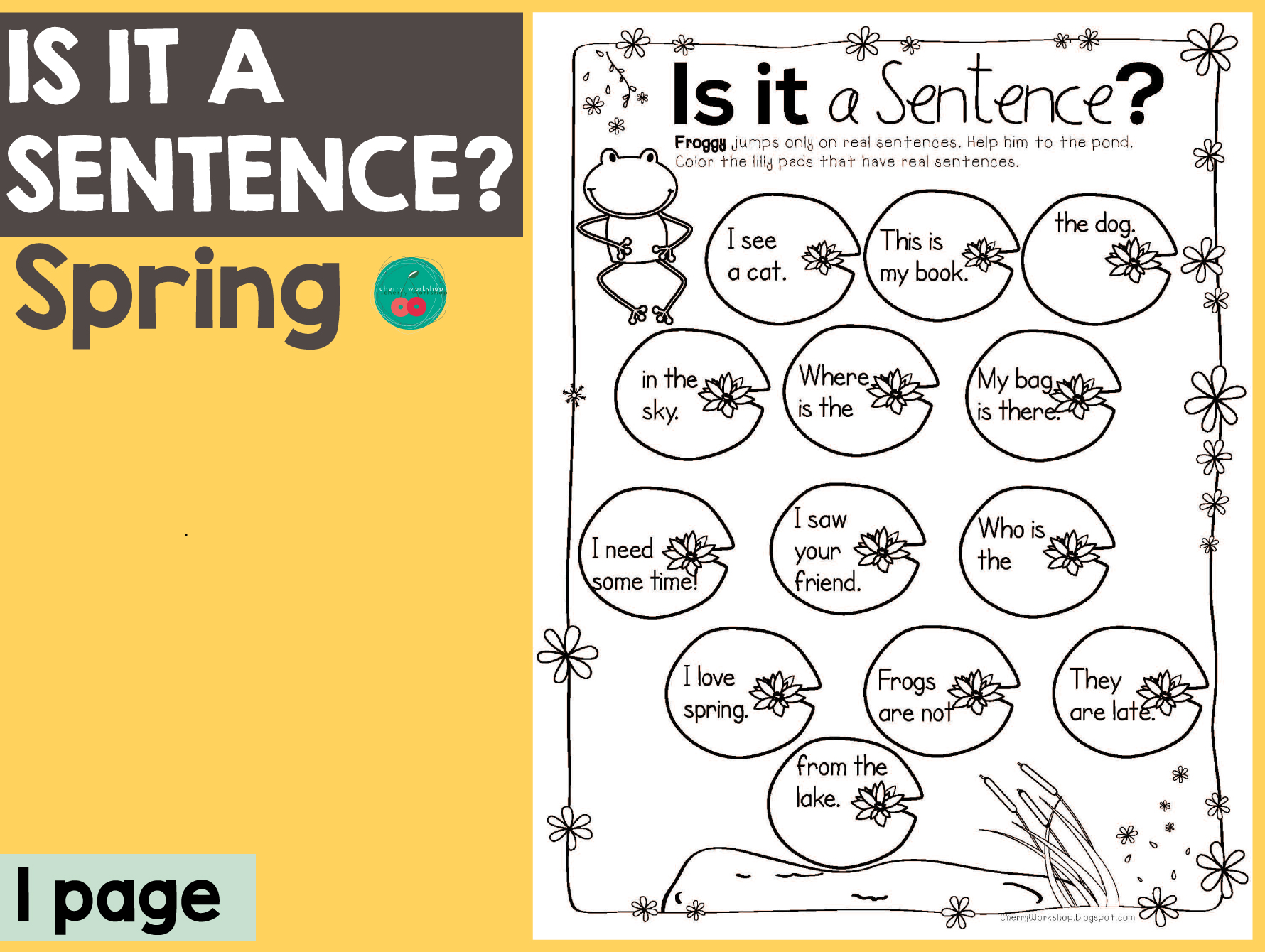
Read each phrase on a lily pad and color the lily pads that contain a real, complete sentence to help a frog reach the pond.
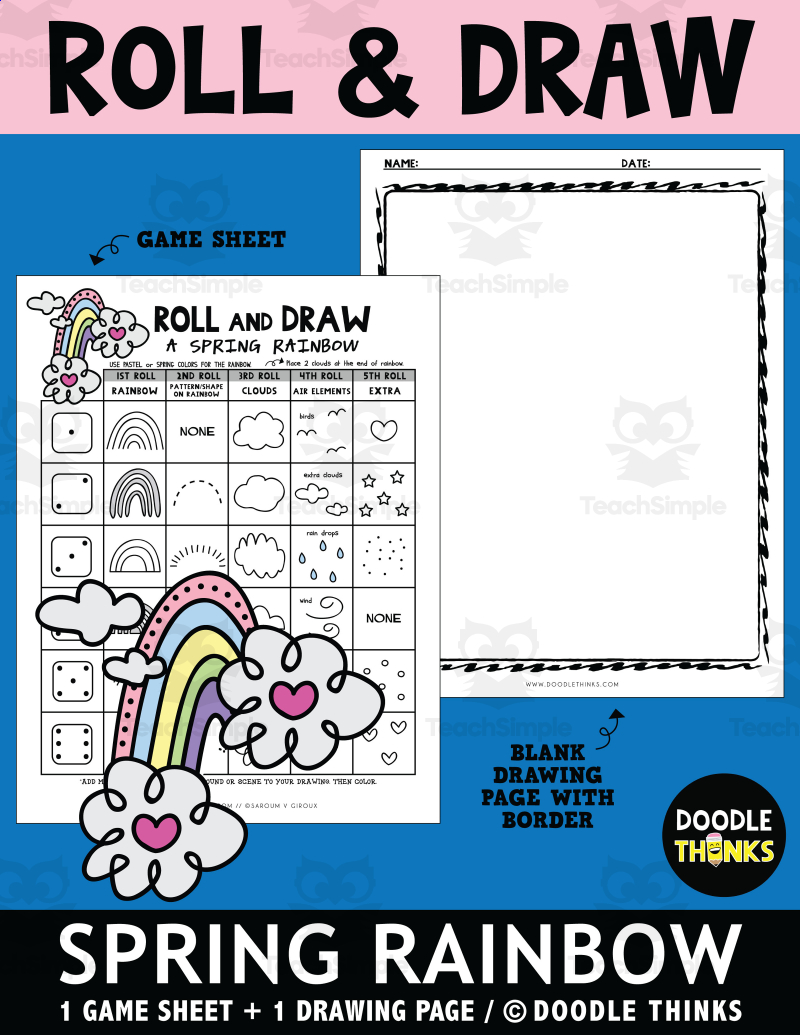
A low-prep dice-based drawing game where students draw a spring rainbow scene by combining features determined by five sequential die rolls.
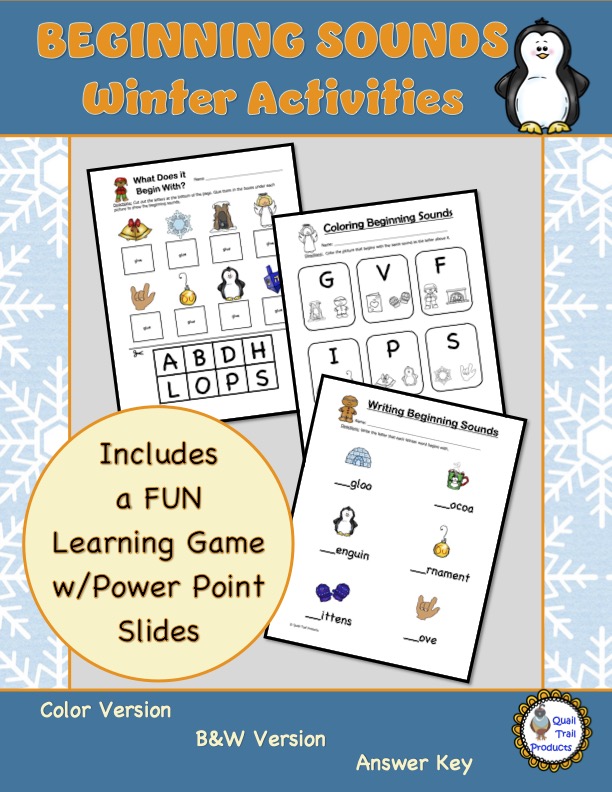
in the slideshow, decide whether a letter matches a picture's beginning sound (thumbs up/down); complete beginning-sound matching worksheets and hands-on games
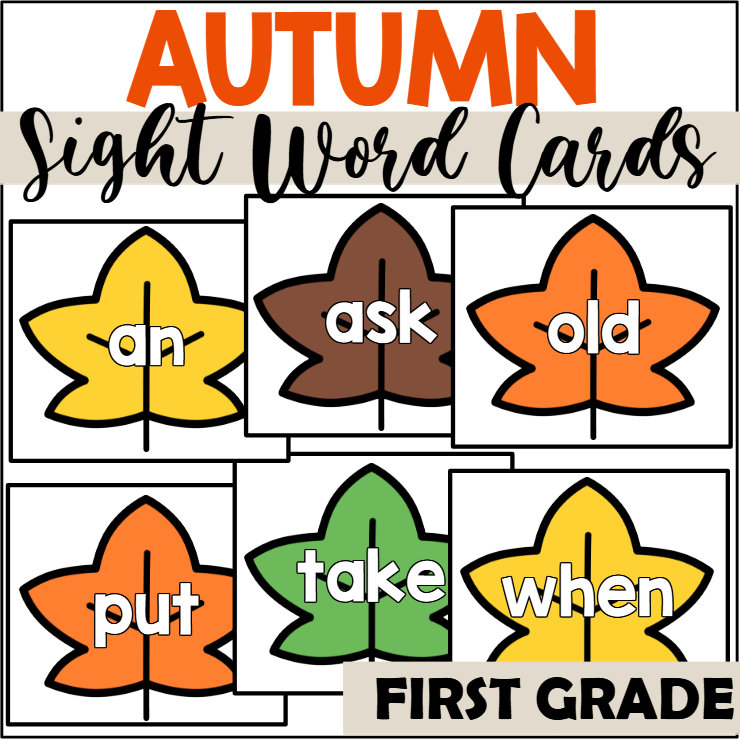
Students read/practice each printed sight word card (one leaf card per word) in games or center activities; specific game format is not described beyond the card set itself.
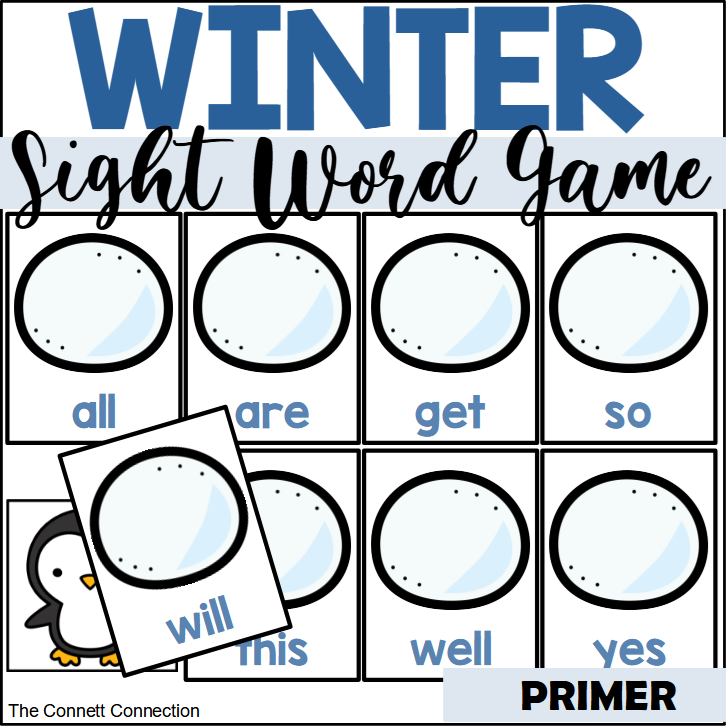
Read aloud a short poem ('Where's the Penguin? Little penguin, little penguin, let's play seek and find! Which snowball are you hiding behind?'), then read/recognize sight word cards arranged in a pocket chart or on a tabletop to guess which word card is hiding one of three penguin cards.
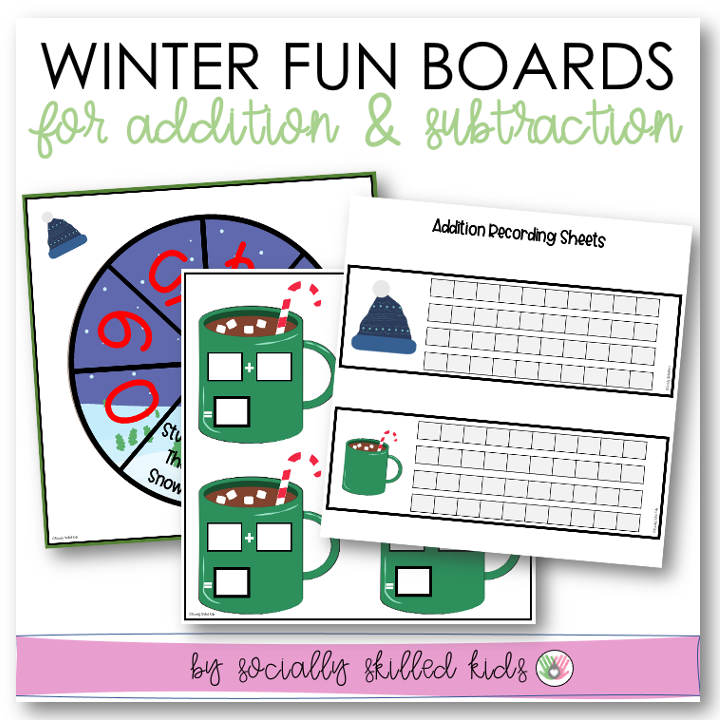
Students spin a winter-themed spinner to generate two numbers, write them into boxes on a practice board (using a dry-erase marker or pencil), and compute the sum or difference; a 'Stuck In The Snow' spin space adds a game twist requiring a re-spin.
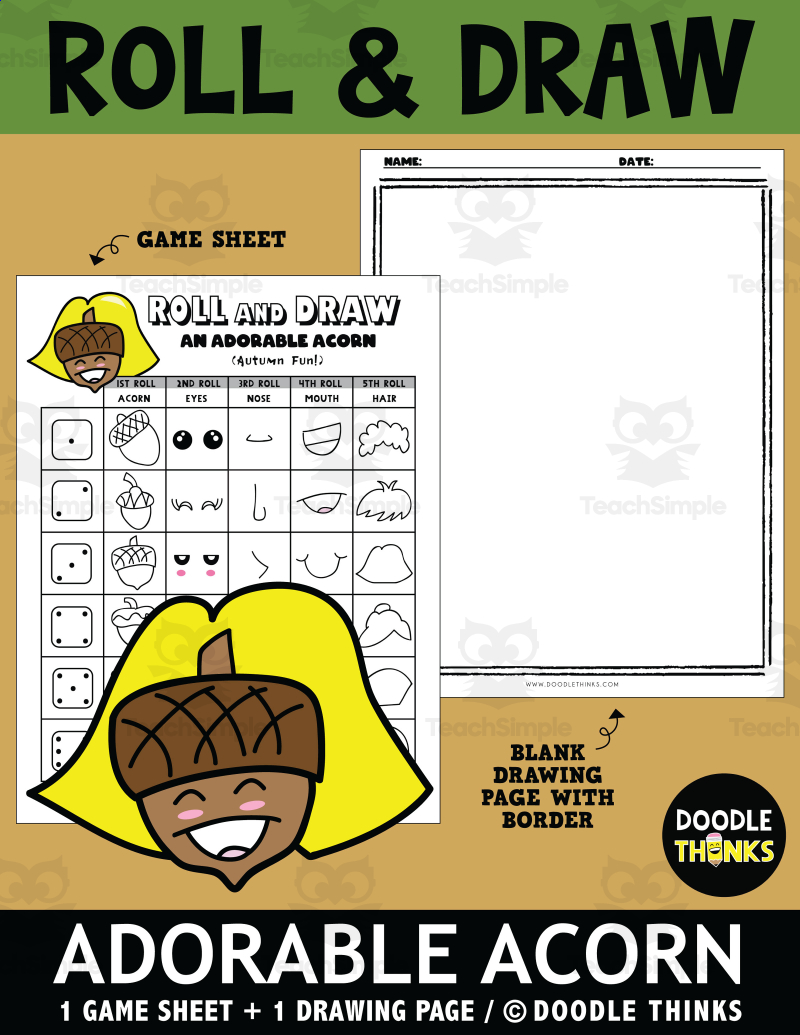
Student rolls a die for each column on the chart and draws the corresponding feature option onto their own paper to build a unique acorn drawing, then adds details, a background, and color.
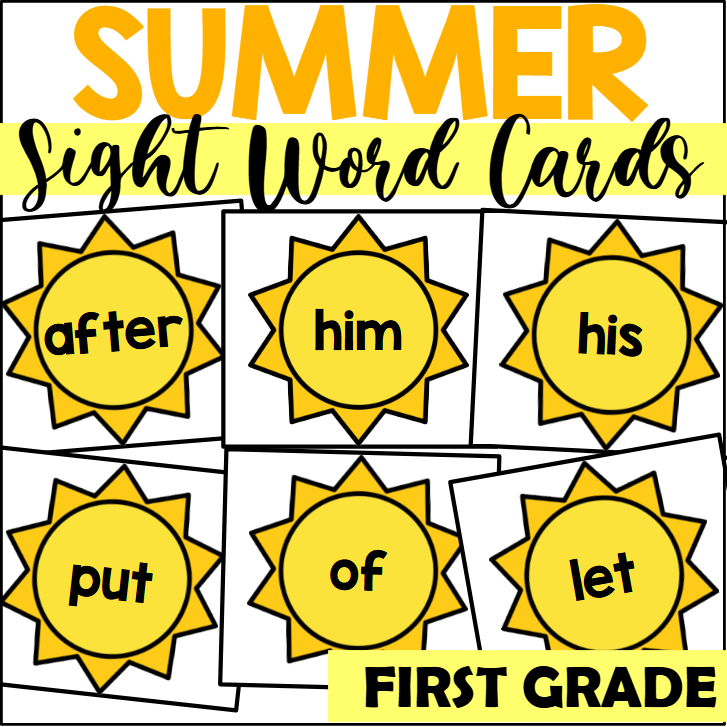
Use the sight word cards for reading practice/games such as a literacy center or classroom game (specific activity format not stated in file text).
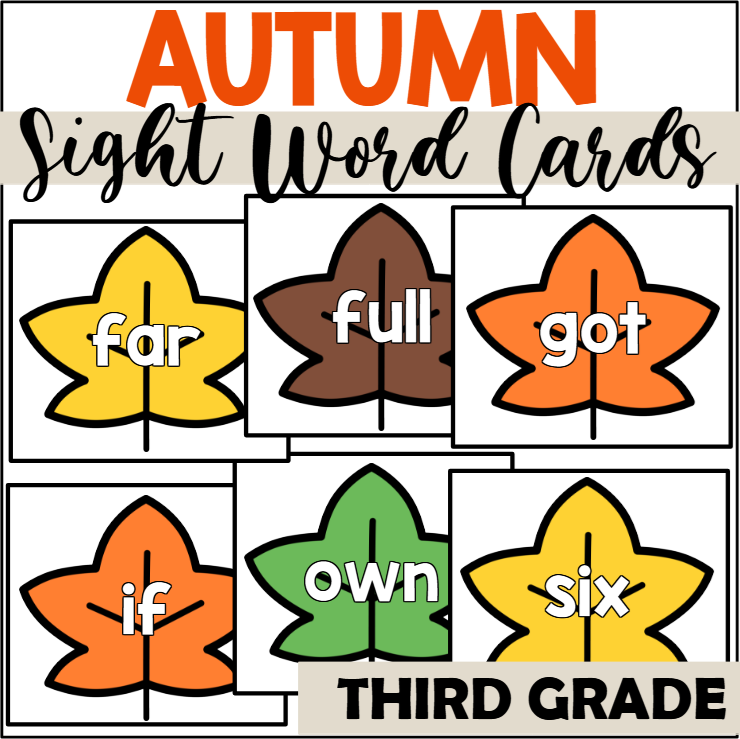
Students read/practice each printed sight word card (one leaf card per word) in games or center activities; specific game format is not described beyond the card set itself.
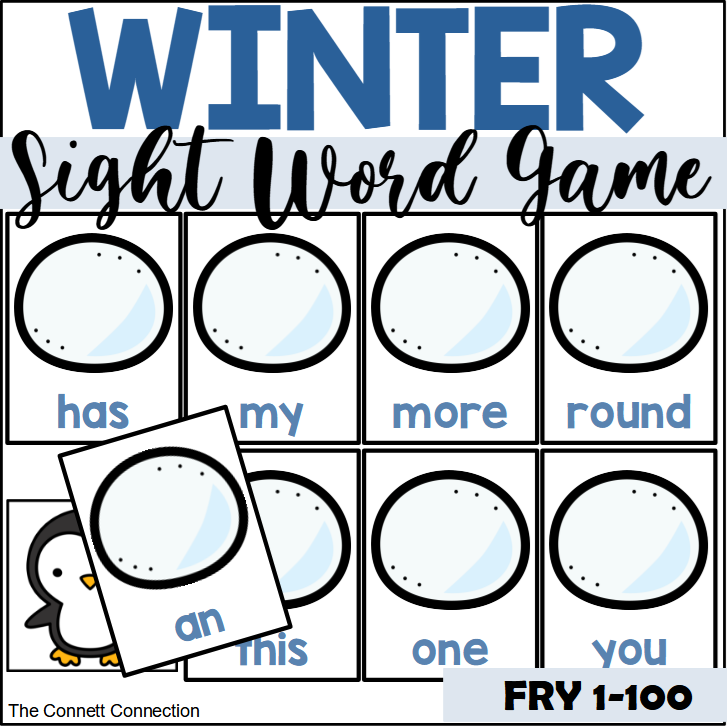
Read aloud a short poem ('Where's the Penguin? Little penguin, let's play seek and find! Which snowball are you hiding behind?'), then read/recognize sight word cards arranged in a pocket chart or on a tabletop to guess which word card is hiding one of three penguin cards.
Students label picture cards, play a memory matching game, connect items that go together, sort items into categories, identify antonyms, identify synonyms, and compare same-and-different picture pairs, using 24 fall-themed picture cards (acorns, apples, autumn, candies, cobwebs, costume, corn, chestnuts, dinner…
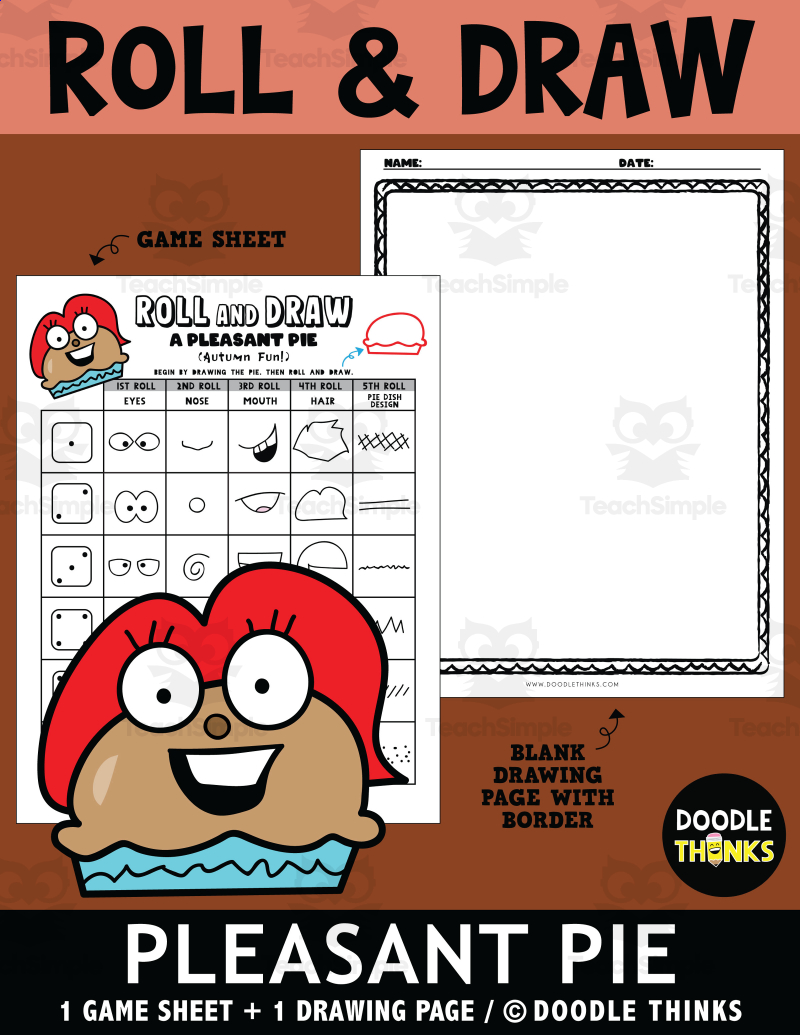
Student rolls a die for each column on the chart and draws the corresponding feature option onto their own paper to build a unique pie (given a face) drawing, then adds details, a background, and color.
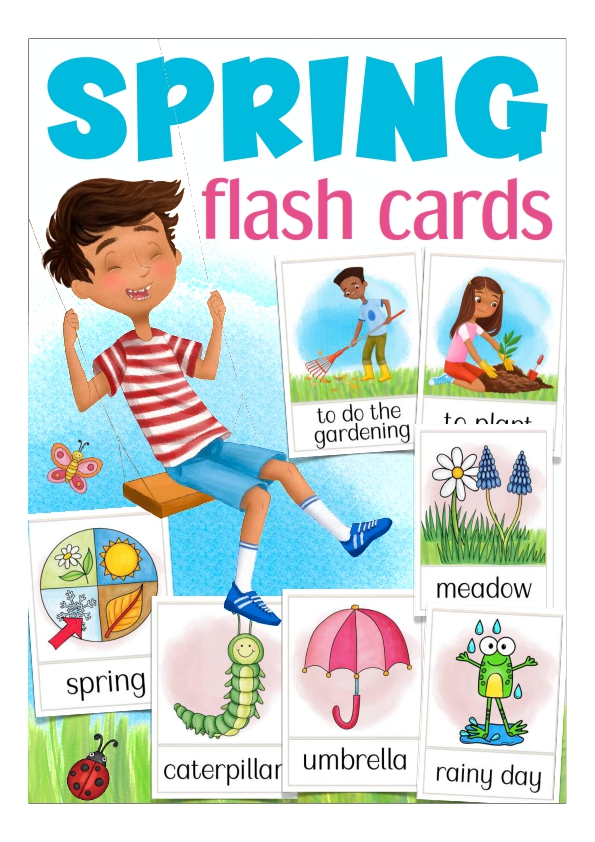
Learn and practice the vocabulary by viewing/naming word-and-picture flash cards; teacher-suggested activities include speaking/listening drills, copying words, dictation, sorting cards by characteristic, the 'Stop & Swap' partner activity, and pantomime guessing games.
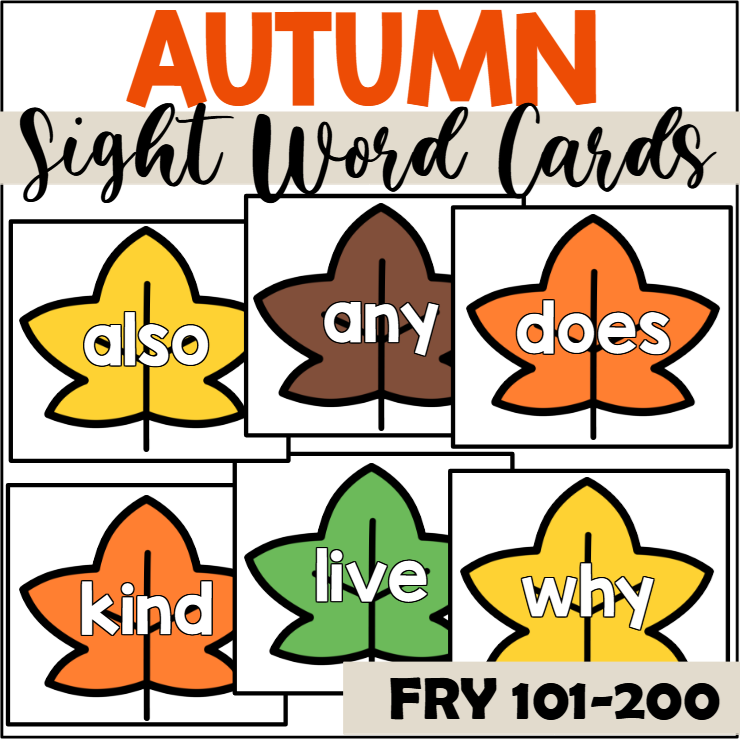
Students read/practice each printed sight word card (one leaf card per word) in games or center activities; specific game format is not described beyond the card set itself.