Statue of Liberty: Historic Monuments Series
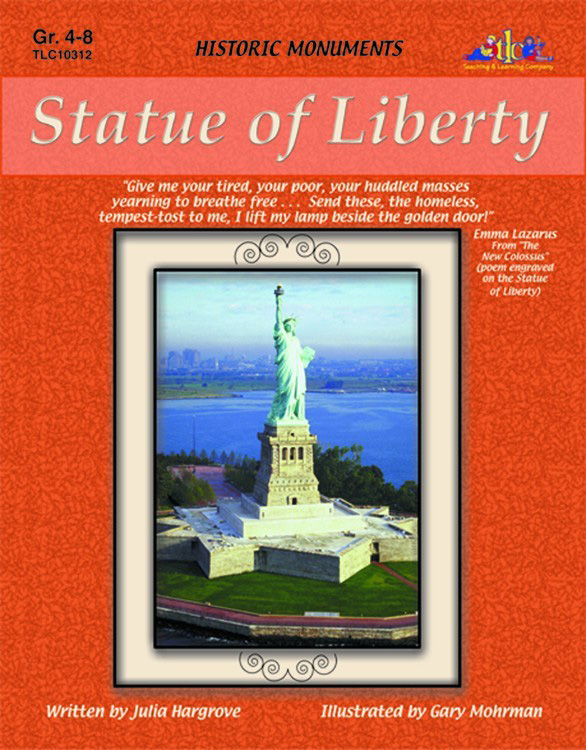
Teach the history of the Statue of Liberty and connect it to broader themes of immigration and American identity through readings, activities, and research projects.
Classroom resources
Browse by lesson focus
Choose the topic or kind of practice you need.
Teach the history of the Statue of Liberty and connect it to broader themes of immigration and American identity through readings, activities, and research projects.
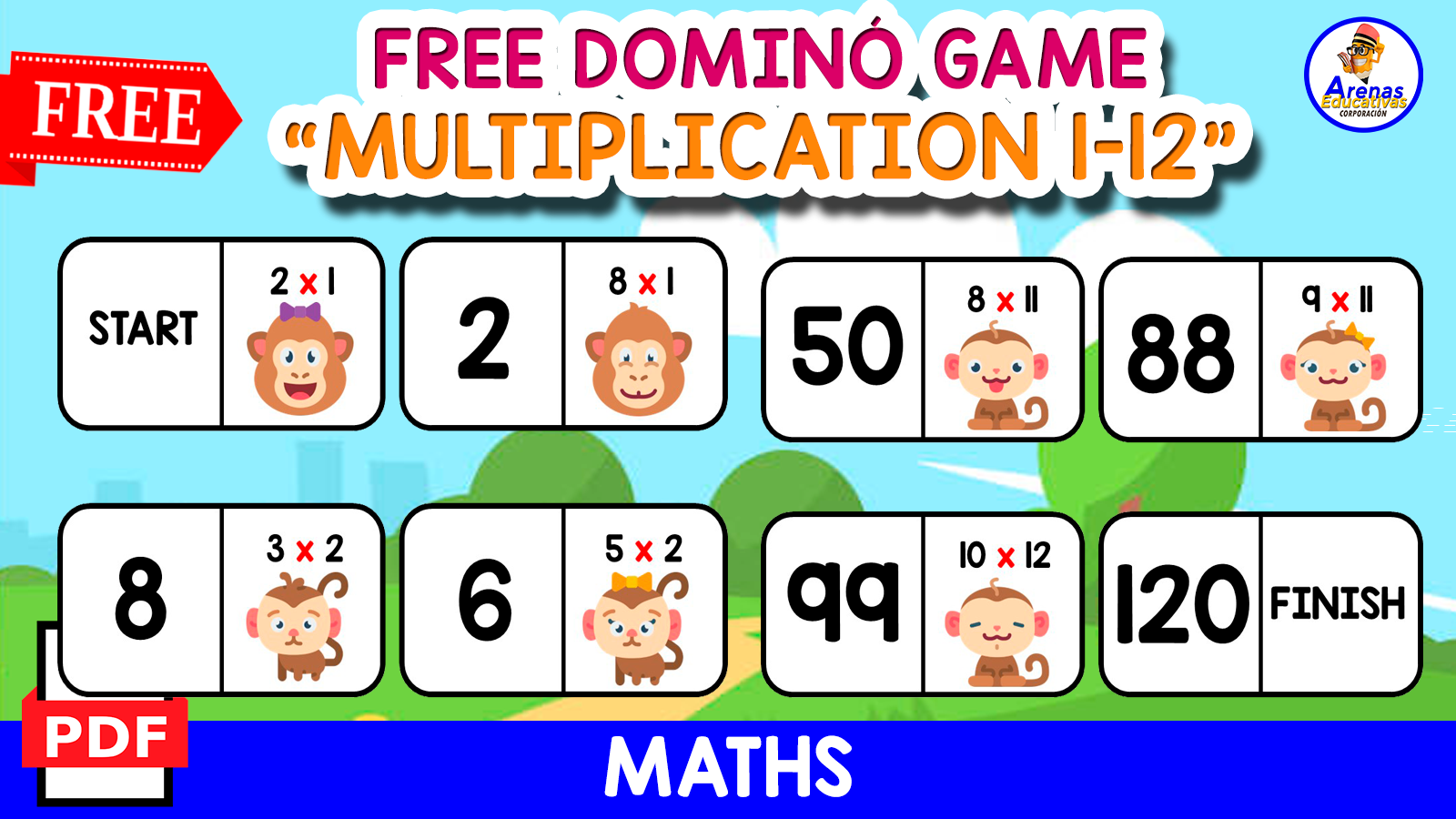
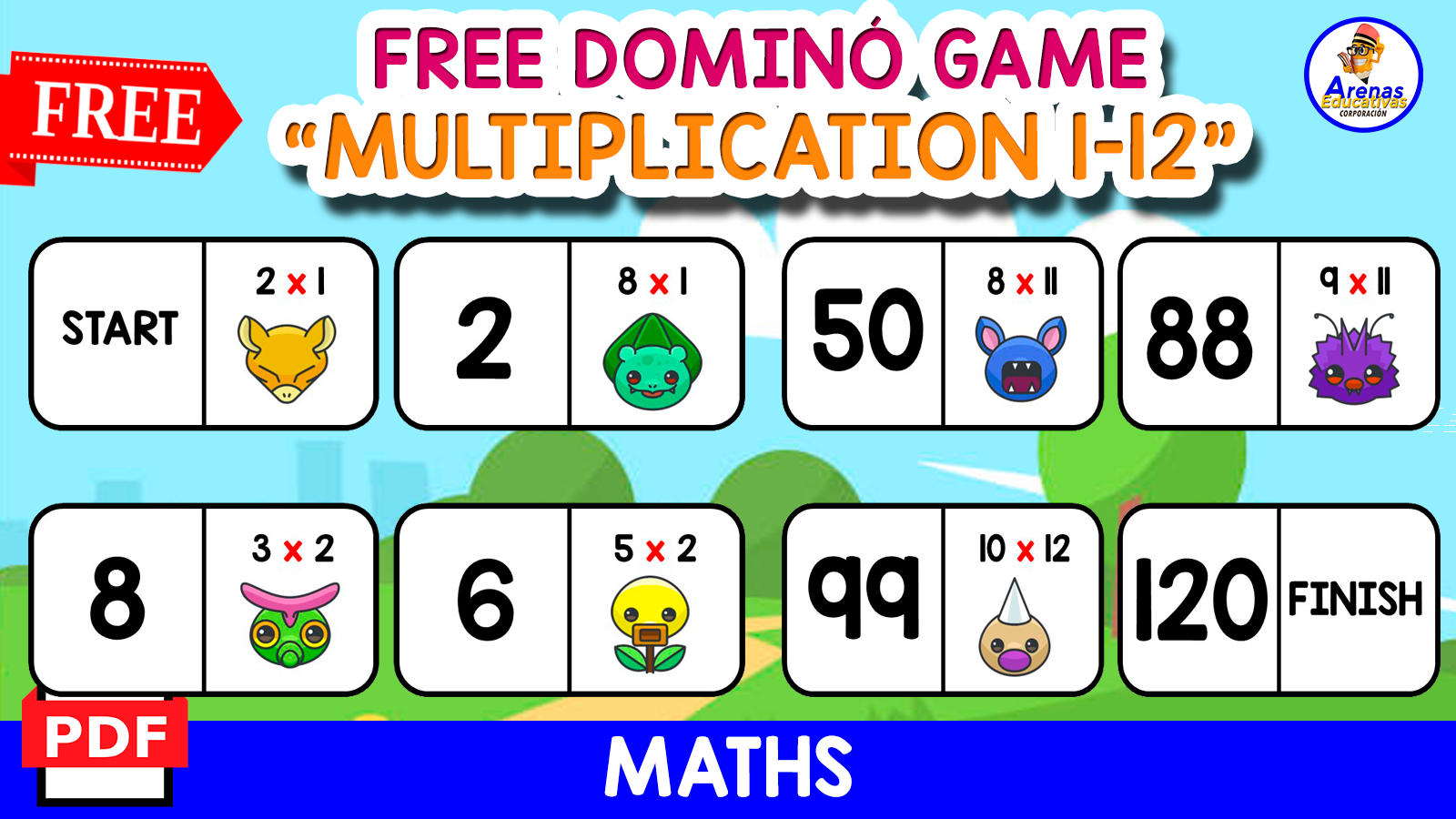
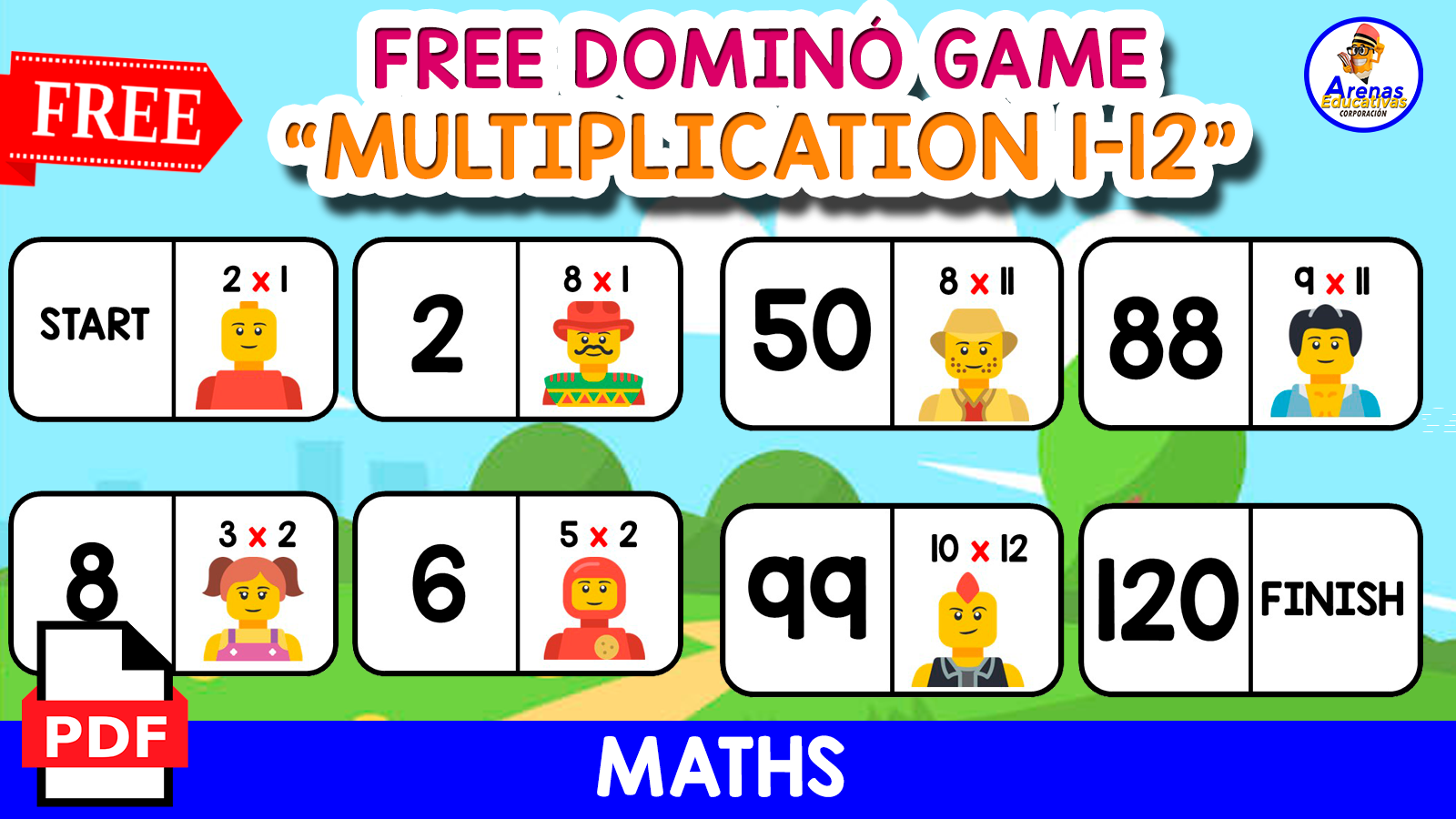
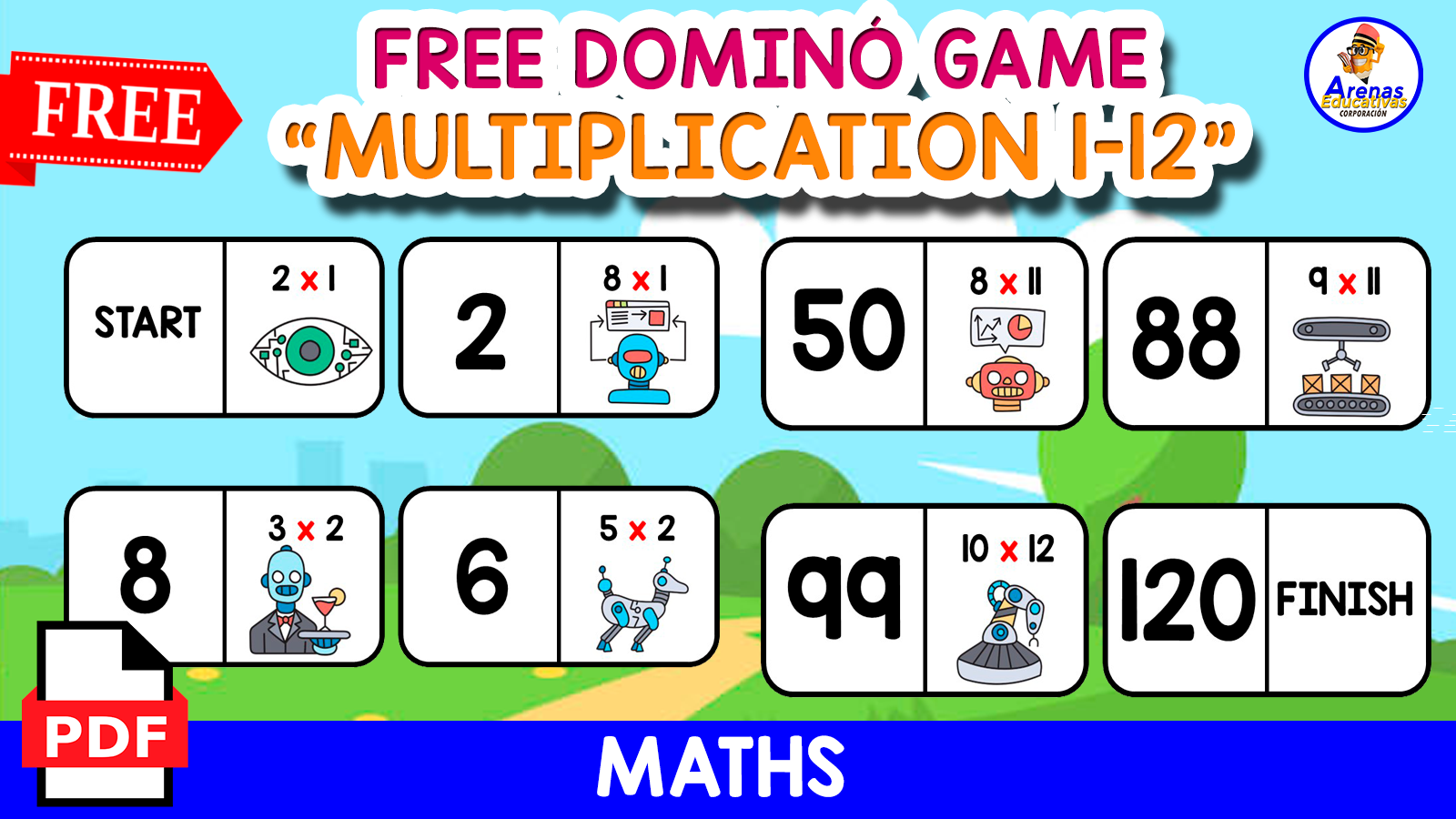
Domino-style matching game for practicing multiplication facts (times tables 1 through 12).
Give students hands-on practice matching multiplication facts through a printable domino-style game.
Domino-style matching game for practicing multiplication facts (times tables 1 through 12).
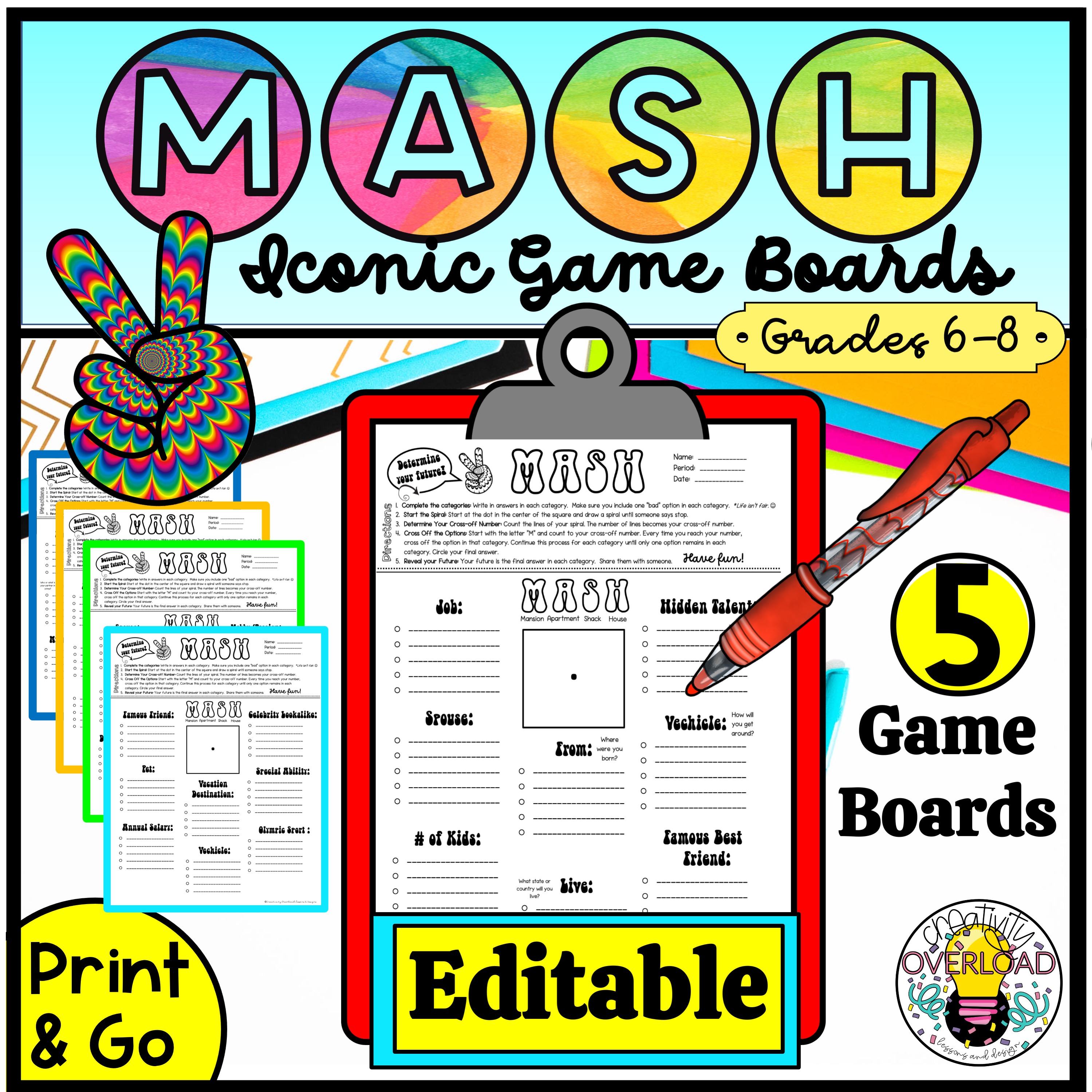
A back-to-school icebreaker game (MASH) that helps students share preferences/predictions about their future while following multi-step written directions.
Quiz-Quiz-Trade peer-tutoring game (Level 1: whole numbers only, no variables) for identifying whether a numeric expression is written in standard, expanded, or exponential form.
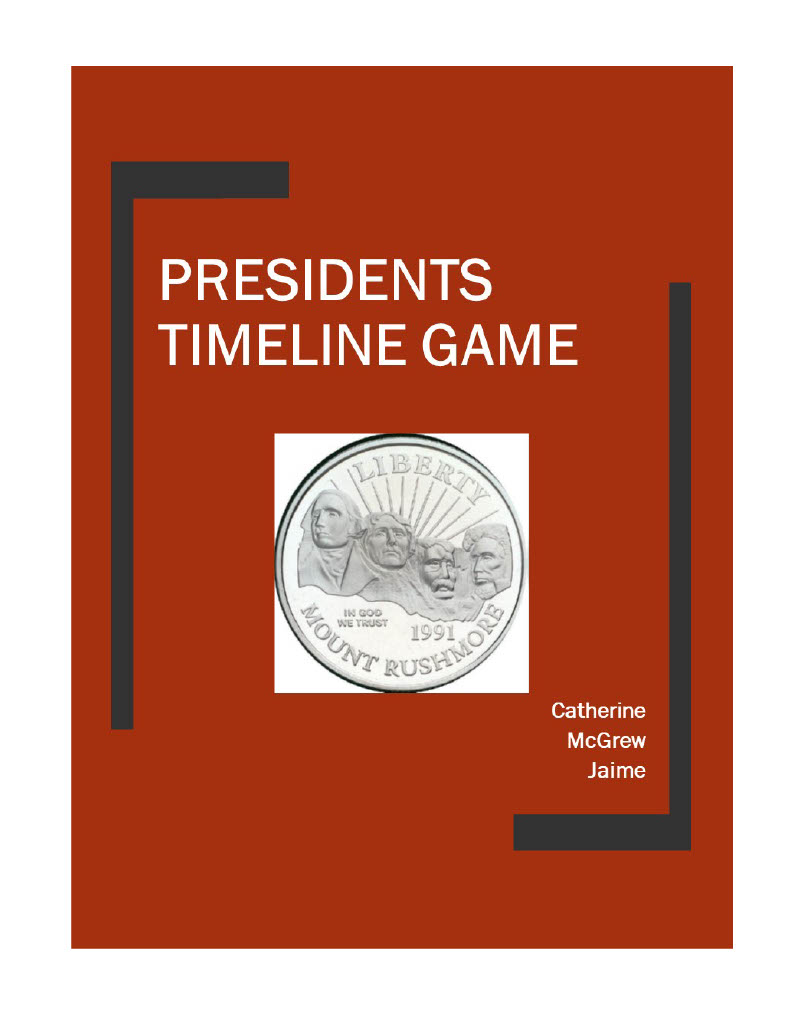
A card-based classroom game teaching the chronological sequence of U.S. presidents and key historical events tied to their terms, played by placing event cards in correct chronological order
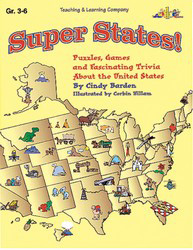
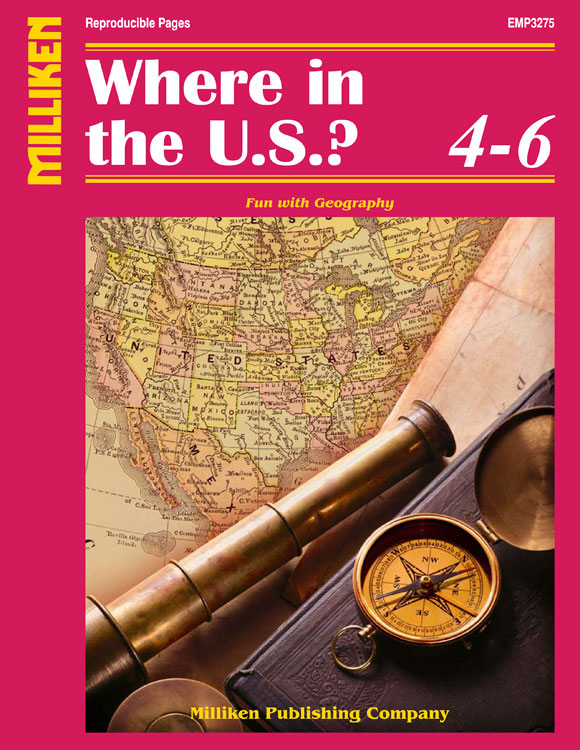
A comprehensive state-by-state U.S. geography resource covering all 50 states plus Washington D.C., combining fun-fact pages with self-contained games and puzzles to teach state geography, history, and trivia.
Practice multiplication facts using a domino-style matching game where each tile's answer connects to the next problem.
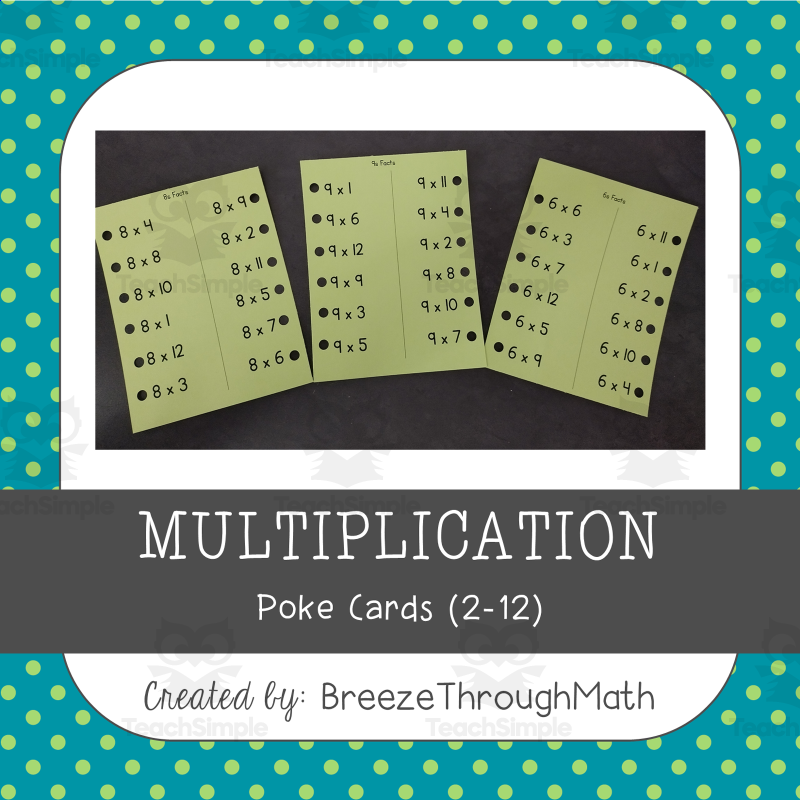
Give students a partner-based fluency drill game for multiplication facts 2 through 12 using a 'poke card' format in place of traditional flash cards.
A U.S. geography practice workbook of games and puzzles giving students additional practice locating U.S. states, cities, and geographical features.
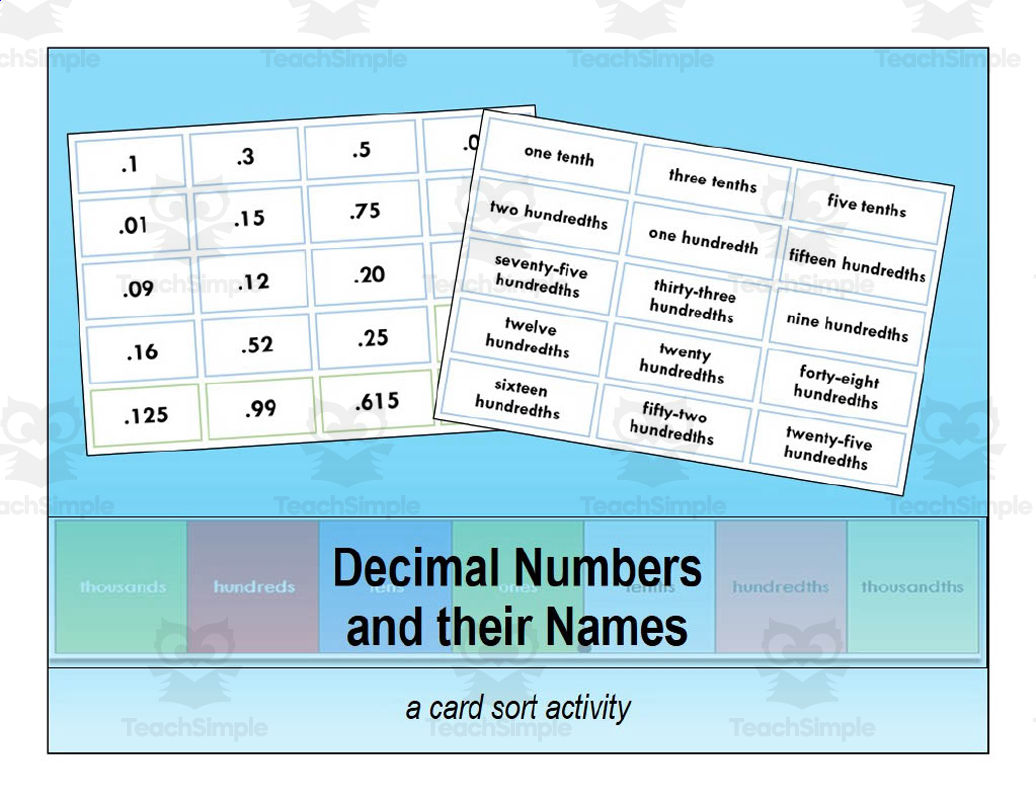
Teach students to say/read decimal numbers by their correct place-value names (e.g. '.5' as 'five tenths'), up to the thousandths place, via a card sort or memory game.
A Jeopardy-style review game covering classification of living things (vertebrates vs invertebrates, body systems, structures, and plants).
An escape-room style review lesson for the KS3 current electricity module, letting students revise current, voltage, resistance, conductors/insulators, and series/parallel circuits before finishing the topic or before exams.
Fantasy-narrative escape-room lesson (Lesson 3 of 4) teaching multiplication and division through a guided puzzle adventure involving a trickster dragon.
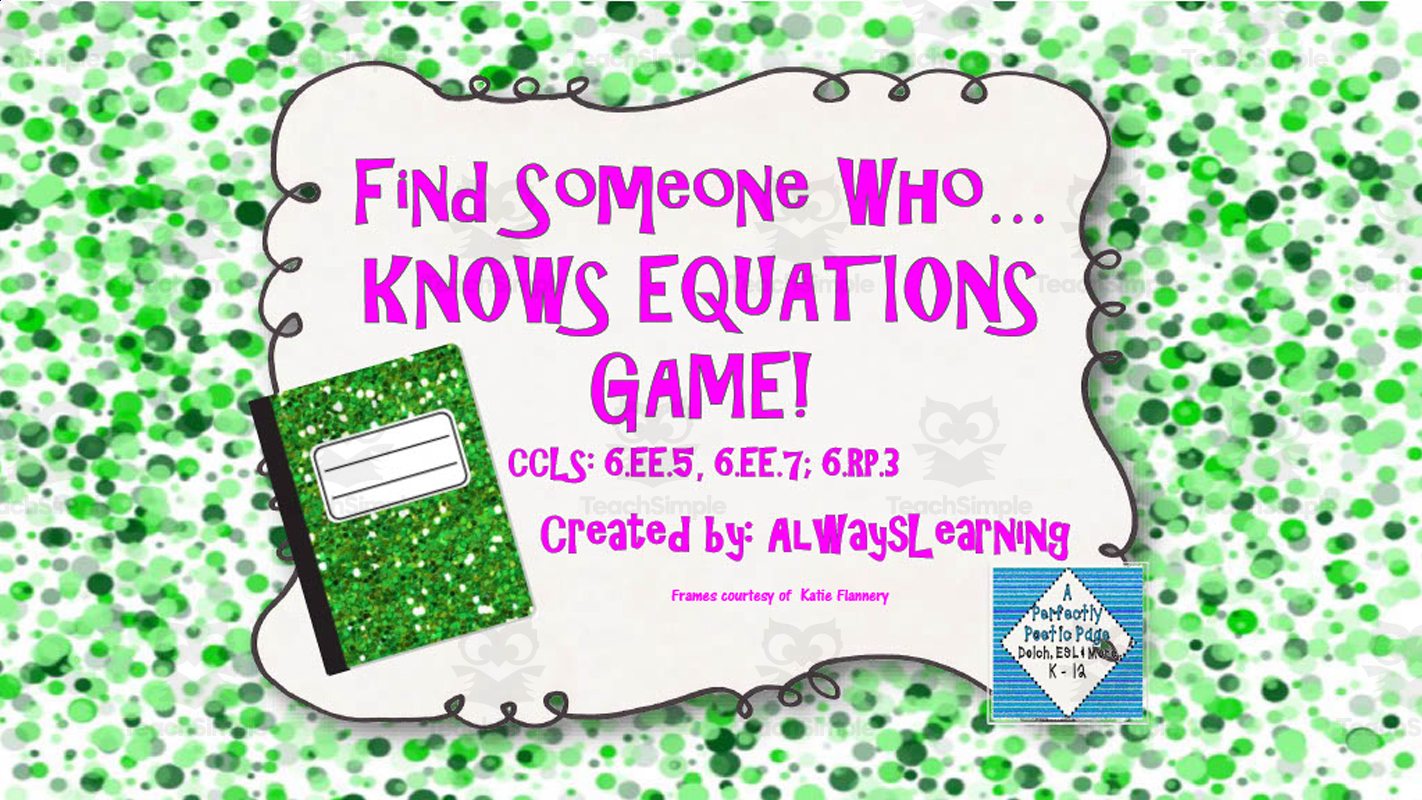
A 'Find Someone Who' bingo-style math game reinforcing solving one-step and two-step linear equations.
Division Dash is an engaging Quiz -Quiz-Trade game that helps 3rd-6th grade students interpret the meaning of whole number division. This resource includes 36 ready-to-use cards with division number sentences and explanations.
Review and reinforce a middle-school unit on states of matter, change of state, mixtures, and separating mixtures through an escape-room-style puzzle activity.
Provide a dice-based strategy game for practicing perimeter of regular and irregular polygons, encouraging students to notice number-theory strategy (divisibility by number of sides).
Build English vocabulary related to zoo animals, facilities, and visiting a zoo, using a fictional zoo map, mock tickets, and picture flash cards; also models several classroom activities for using picture cards to teach vocabulary.
A Quiz-Quiz-Trade partner card game combining academic vocabulary instruction ('sheltered language' strategy for ELL students) with math practice interpreting division of a whole number by a unit fraction, aligned to CCSS 5.NF.B.7.B.
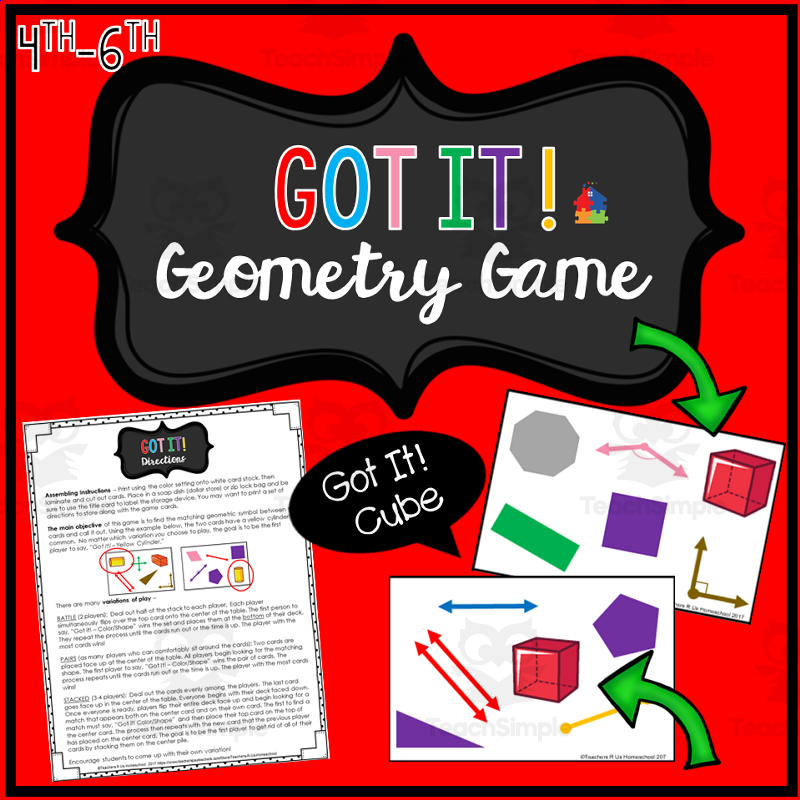
A print-and-play matching card game that has students identify and name 2D/3D geometric shapes and related terms (points, lines, angles) to review or introduce geometry vocabulary.
Domino-style matching game for practicing multiplication facts (times tables 1 through 12).
End-of-year Grade 6 math review packet reviewing ratios/rates/percents and negative numbers/the number system, with worksheets, an answer key, a teacher's guide, and games, positioned as a transition to middle school math.