Brother Is Always Playing Games - Reading Comprehension Worksheet
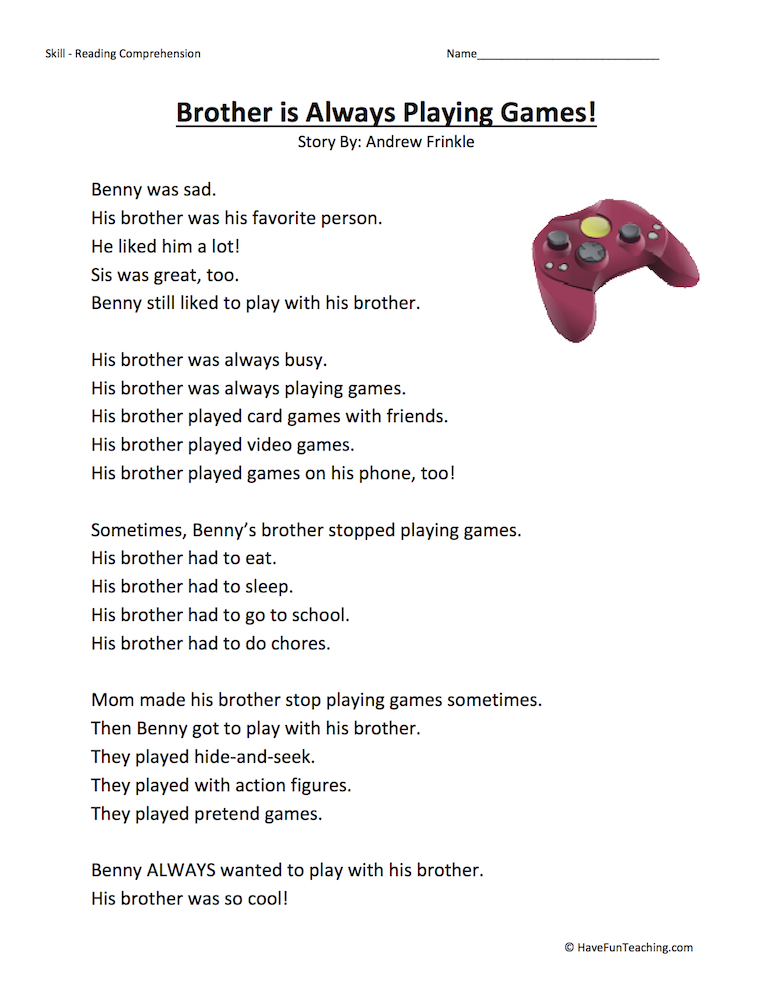
This resource is great for helping your students build their reading comprehension skills. The worksheet is about two brothers, one of whom always wants to play games .
Classroom resources
Browse by lesson focus
Choose the topic or kind of practice you need.
This resource is great for helping your students build their reading comprehension skills. The worksheet is about two brothers, one of whom always wants to play games .
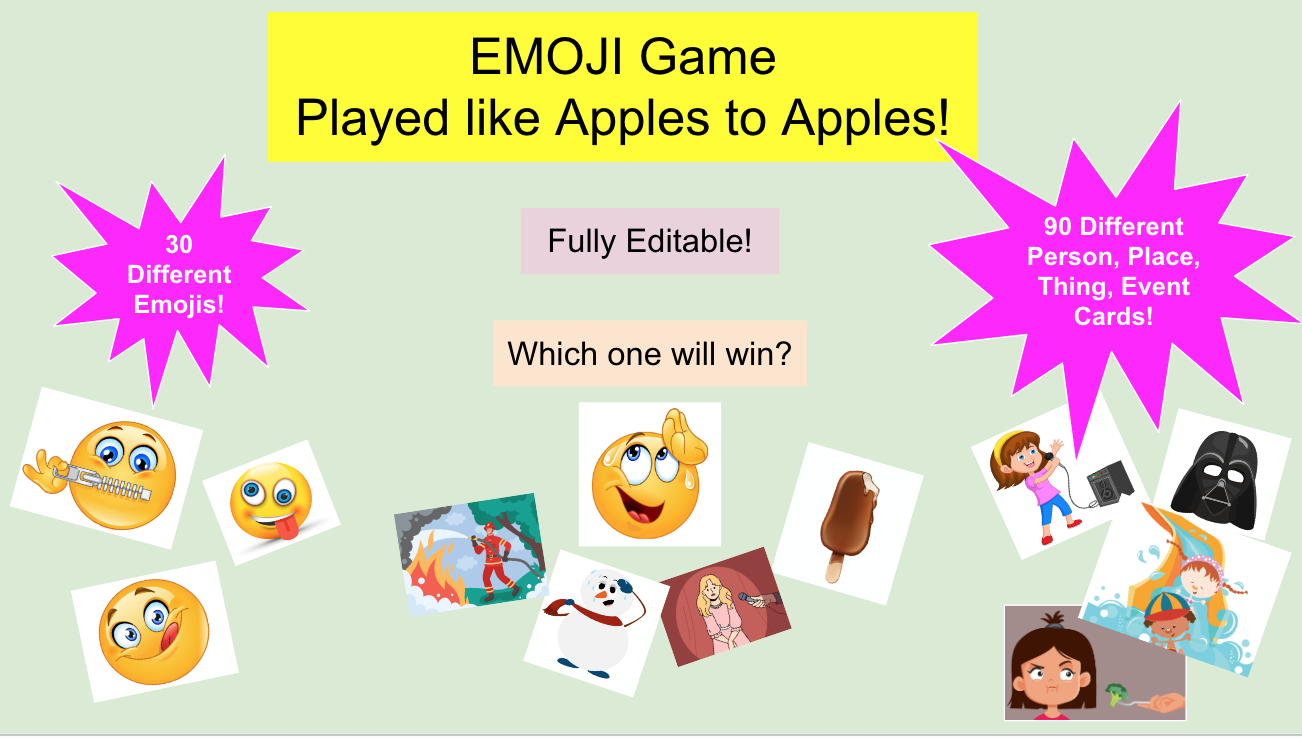
In this resource you will receive a very engaging and fun game played like Apples to Apples. There are 30 different emoji cards and 90 different person, place, thing, event cards. There is no reading required. Anyone over 5 can easily play this game. Directions: One person is the "judge" first. I usually choose the oldest in…
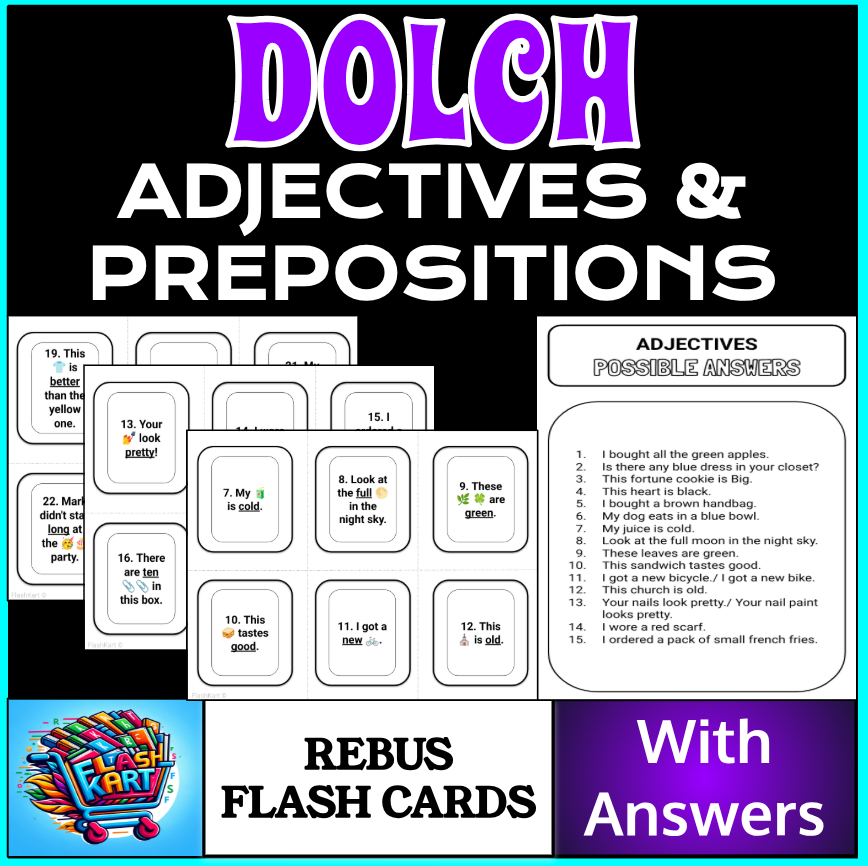
Read rebus sentences where some words are replaced by small pictures/emoji and the underlined words are Dolch sight words (prepositions in one flashcard set, adjectives in a second set); use as flashcards for practice/games.
Take a themed bag home (e.g. Chicka Chicka Boom Boom, Down by the Bay, Pete the Cat, Brown Bear Brown Bear, Iggy Peck Architect, The Very Hungry Caterpillar, At the Pond, Elephant and Piggie, Paddington Bear, and one more), read or have a book read with a family member, and complete a paired activity such as sorting/matching…
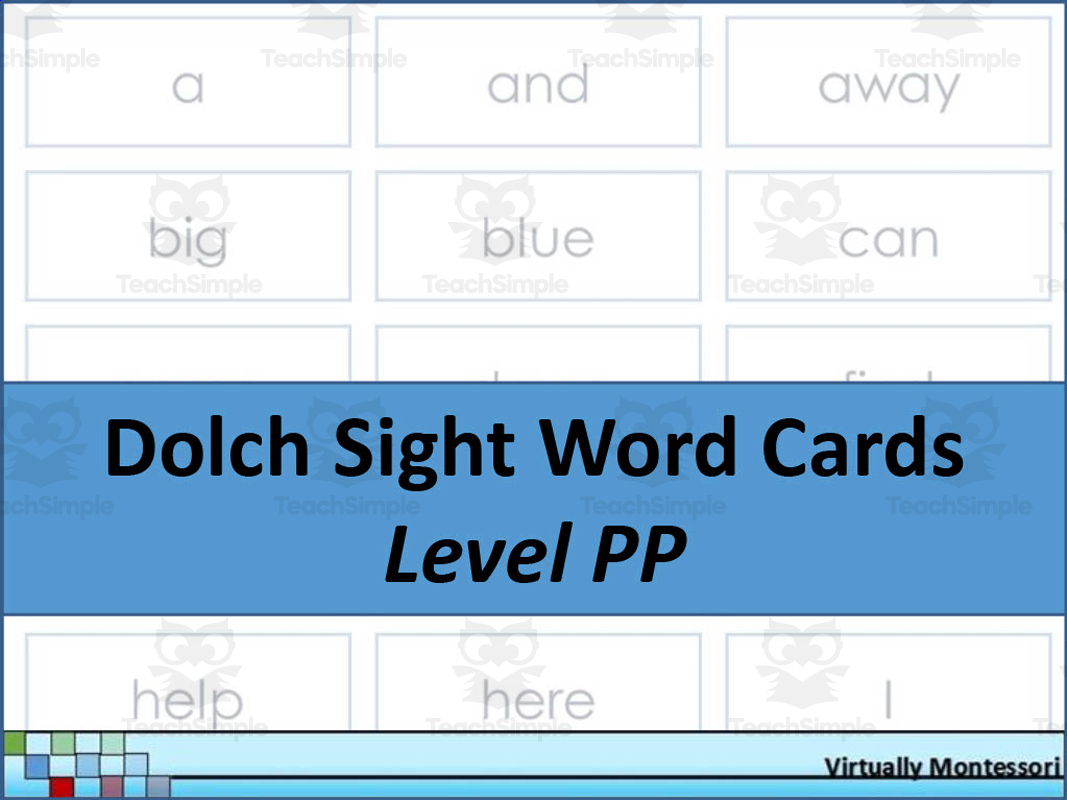
Use printed, laminated, cut cards to practice and review sight words individually or via a memory-matching game with a partner.
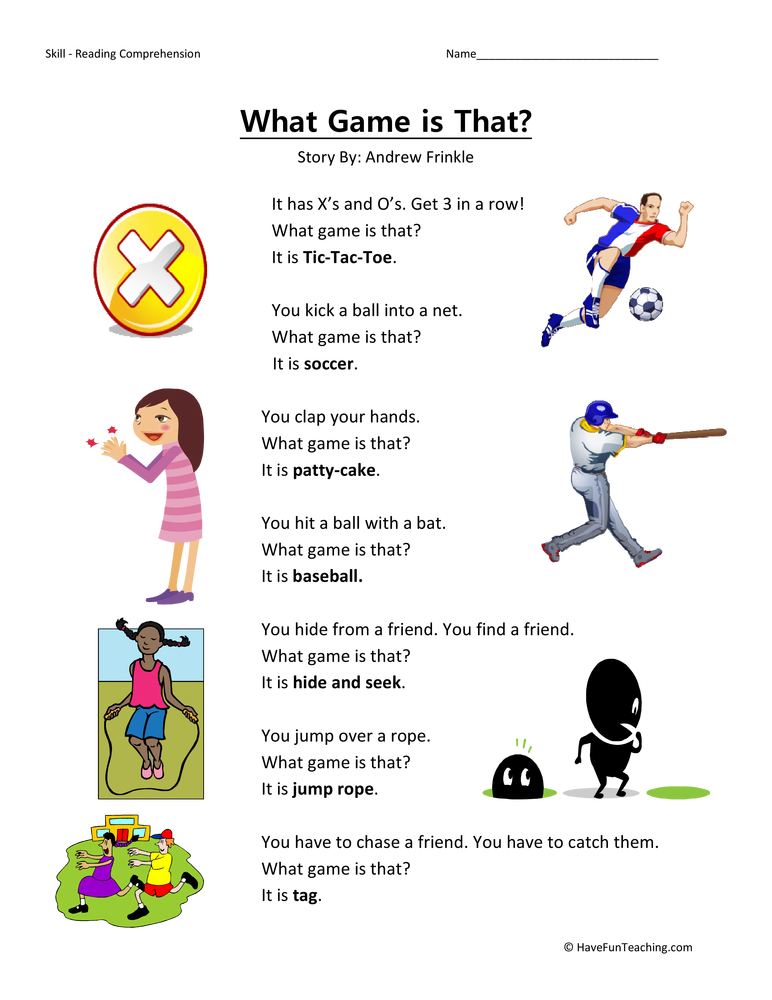
This What Game is That Reading Comprehension Worksheet is a great way to help your students build their reading comprehension skills. By reading clues about different games , they will be able to practice and improve their skills. This is a great resource for any teacher looking to help their students improve their reading…
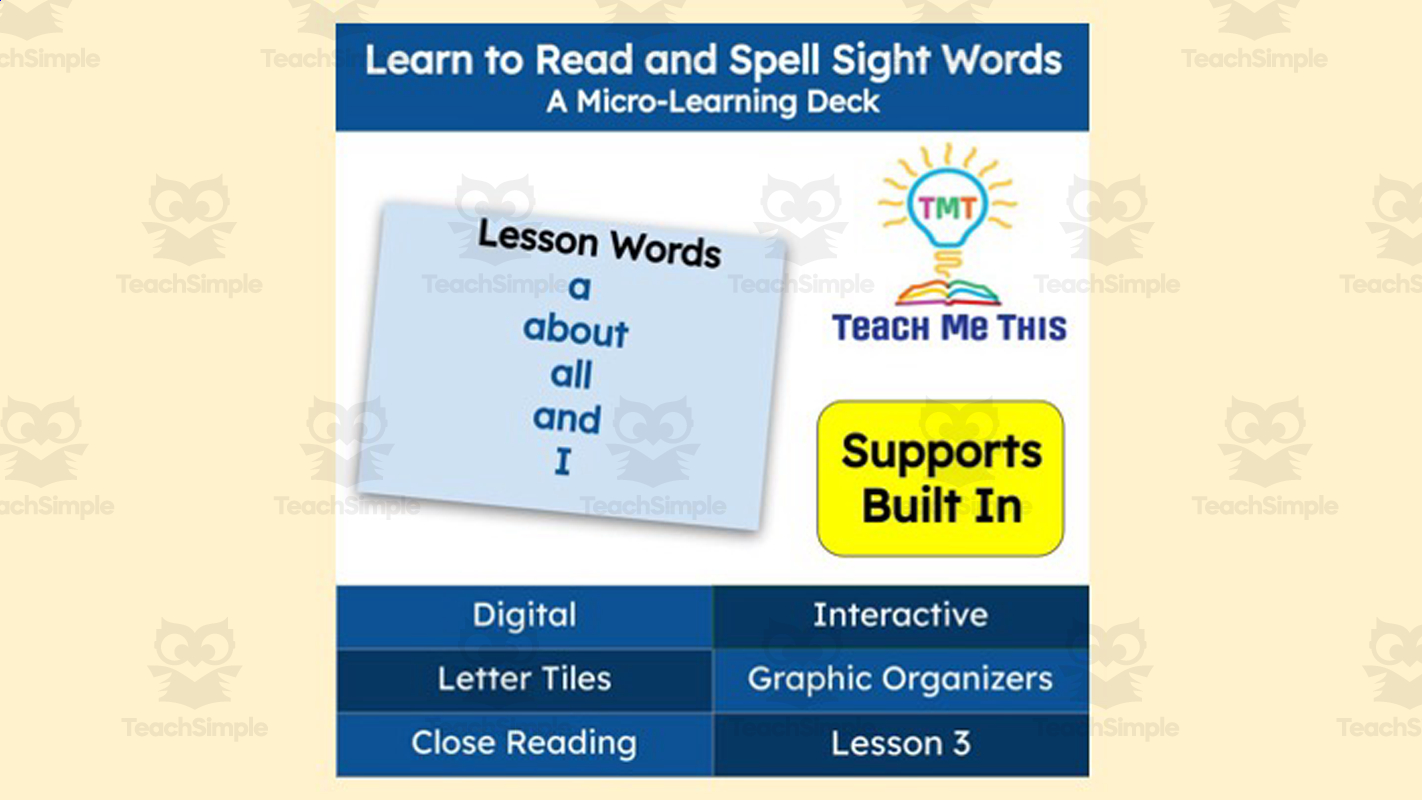
For each target word (a, about, all, and, I), the learner writes the word in the air and on a whiteboard, spells it with letter tiles, types or writes it, reads it in a short sentence, plays a memory-match game with word pairs, and fills in missing words in sentences from a word bank.
Read and trace/write each sight word in the air and on a whiteboard, spell it with digital letter tiles, type or write it, play a memory-match game pairing identical words, fill in a missing word in a sentence from a word bank (close reading), and write a sentence using each word.
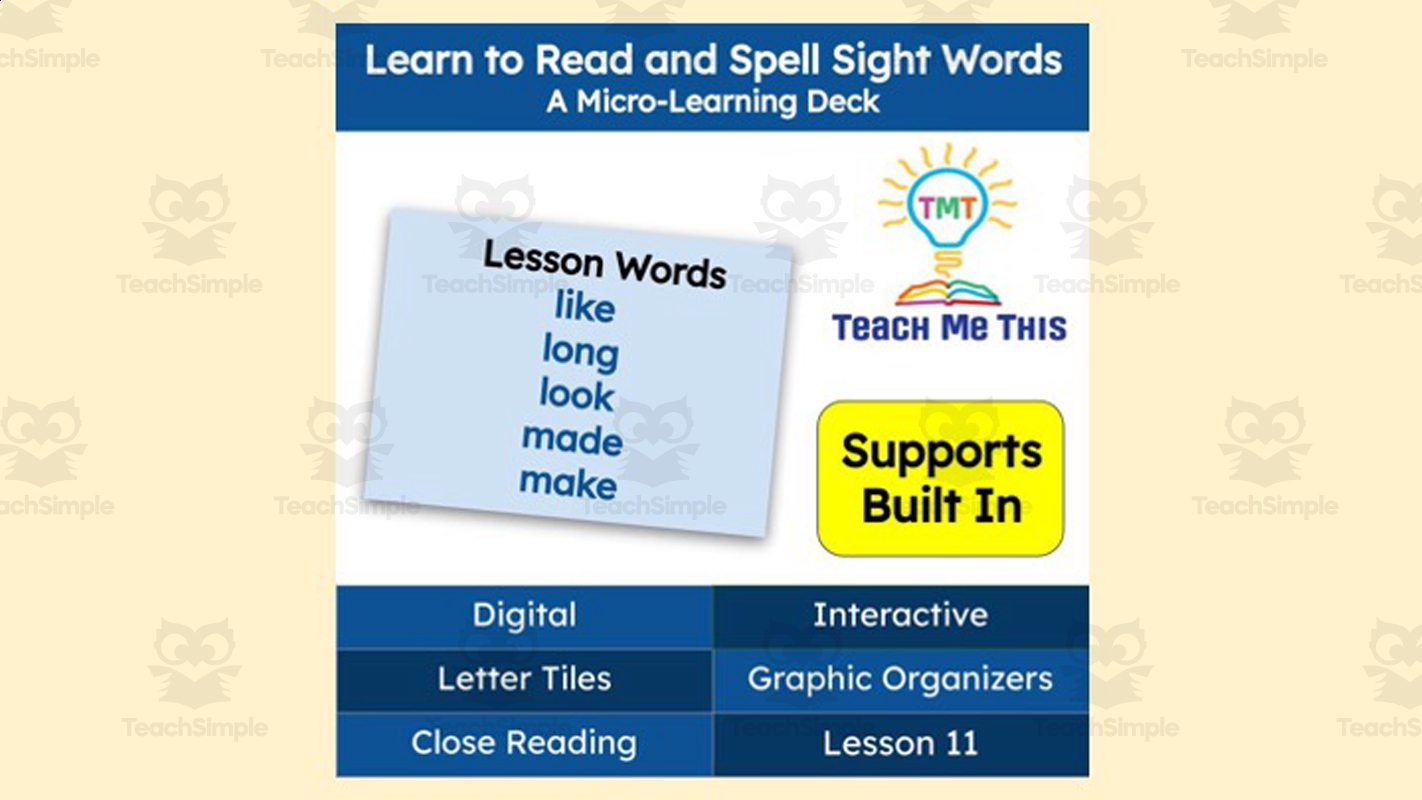
For each target word (like, long, look, made, make), the learner writes the word in the air and on a whiteboard, spells it with letter tiles, types or writes it, reads it in a short sentence, plays a memory-match game with word pairs, and fills in missing words in sentences from a word bank.
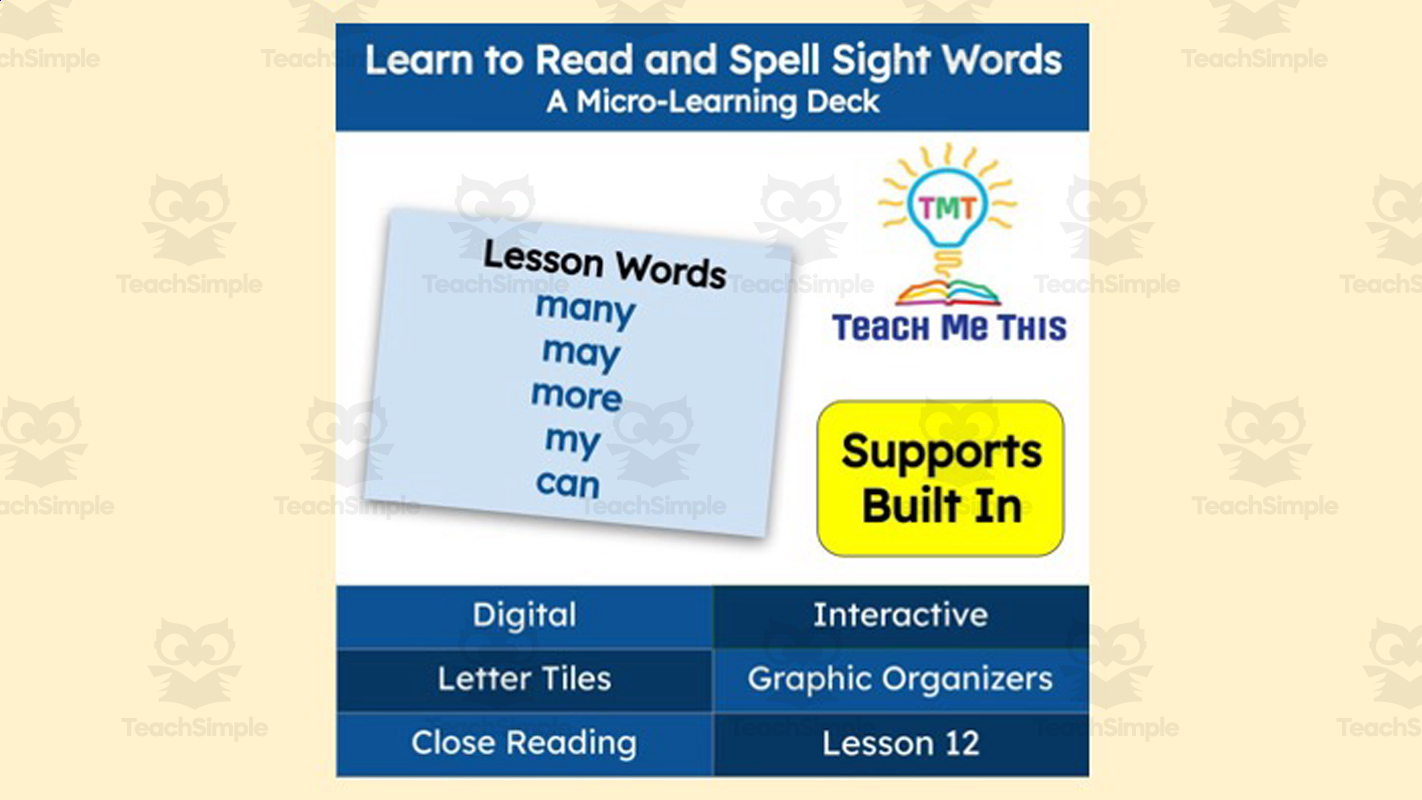
For each target word (many, may, more, my, can), the learner writes the word in the air and on a whiteboard, spells it with letter tiles, types or writes it, reads it in a short sentence, plays a memory-match game with word pairs, and fills in missing words in sentences from a word bank.
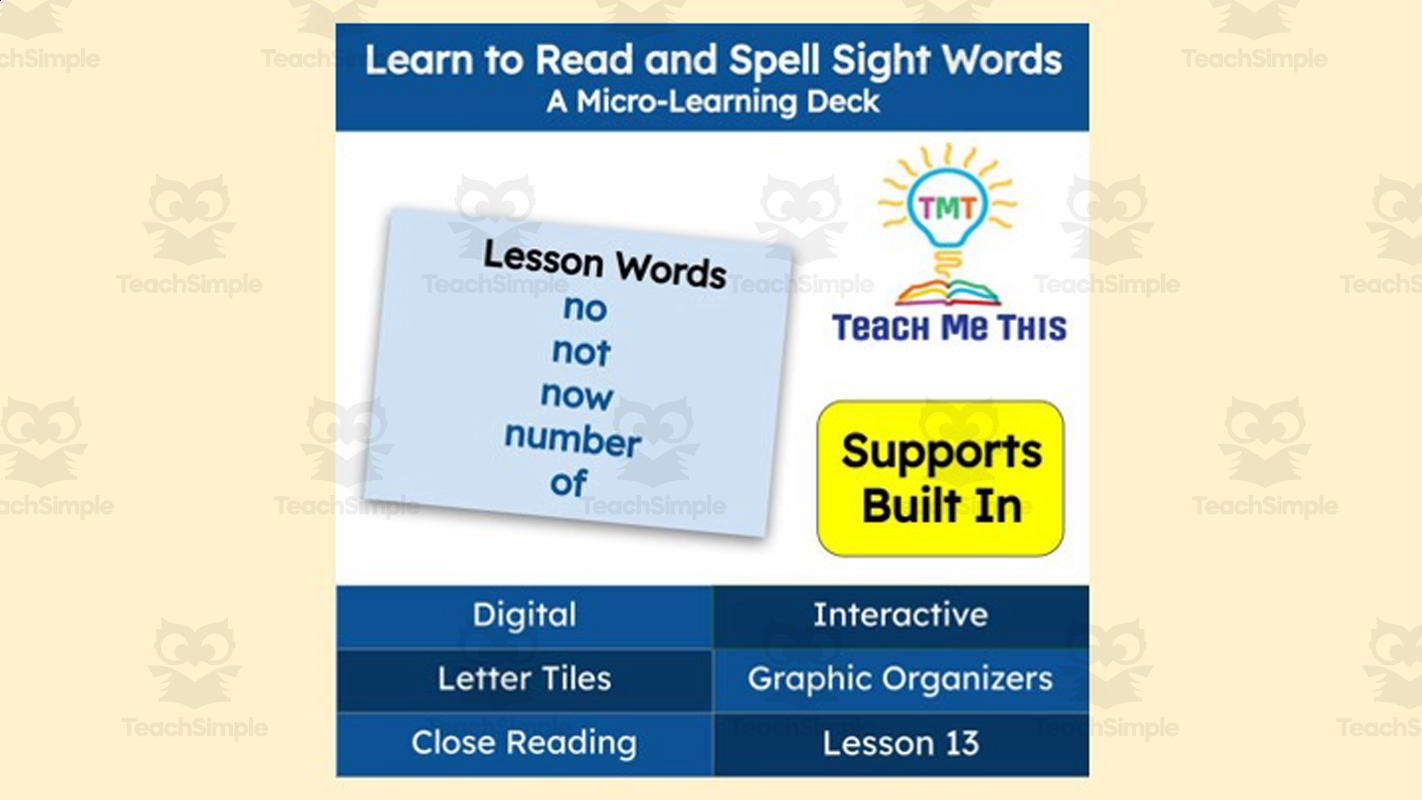
For each target word (no, not, now, number, of), the learner writes the word in the air and on a whiteboard, spells it with letter tiles, types or writes it, reads it in a short sentence, plays a memory-match game with word pairs, and fills in missing words in sentences from a word bank.
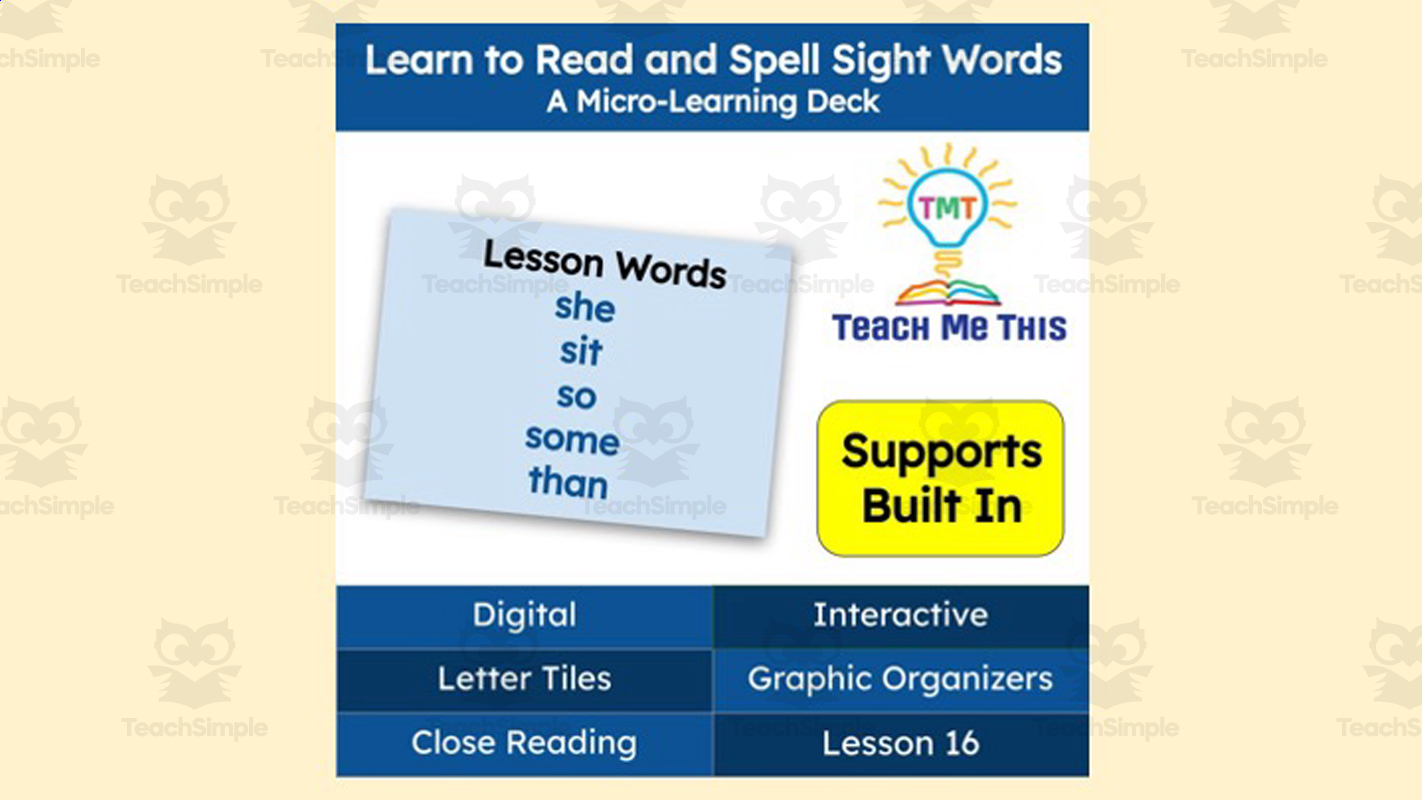
For each target word (she, sit, so, some, than), the learner writes the word in the air and on a whiteboard, spells it with letter tiles, types or writes it, reads it in a short sentence, plays a memory-match game with word pairs, and fills in missing words in sentences from a word bank.
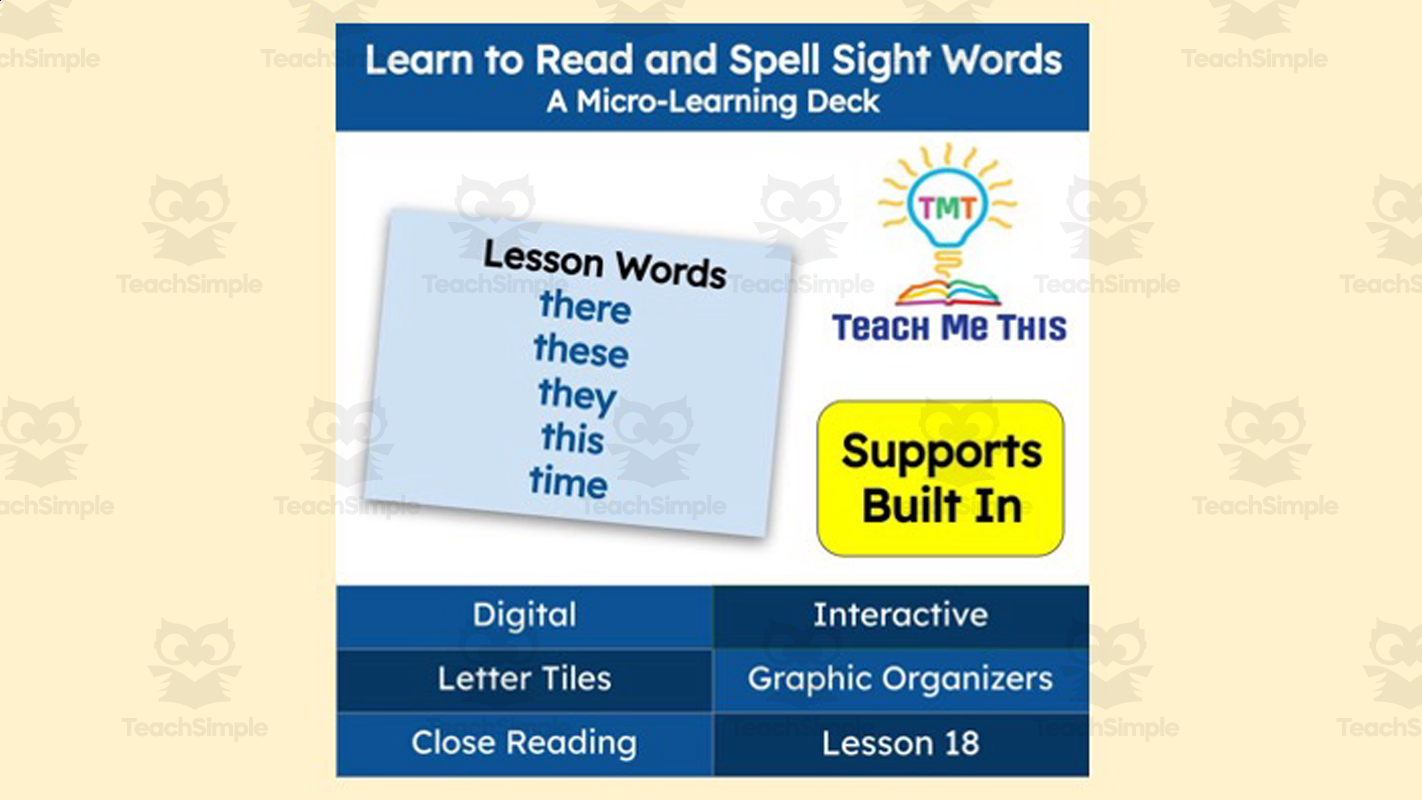
For each target word (there, these, they, this, time), the learner writes the word in the air and on a whiteboard, spells it with letter tiles, types or writes it, reads it in a short sentence, plays a memory-match game with word pairs, and fills in missing words in sentences from a word bank.
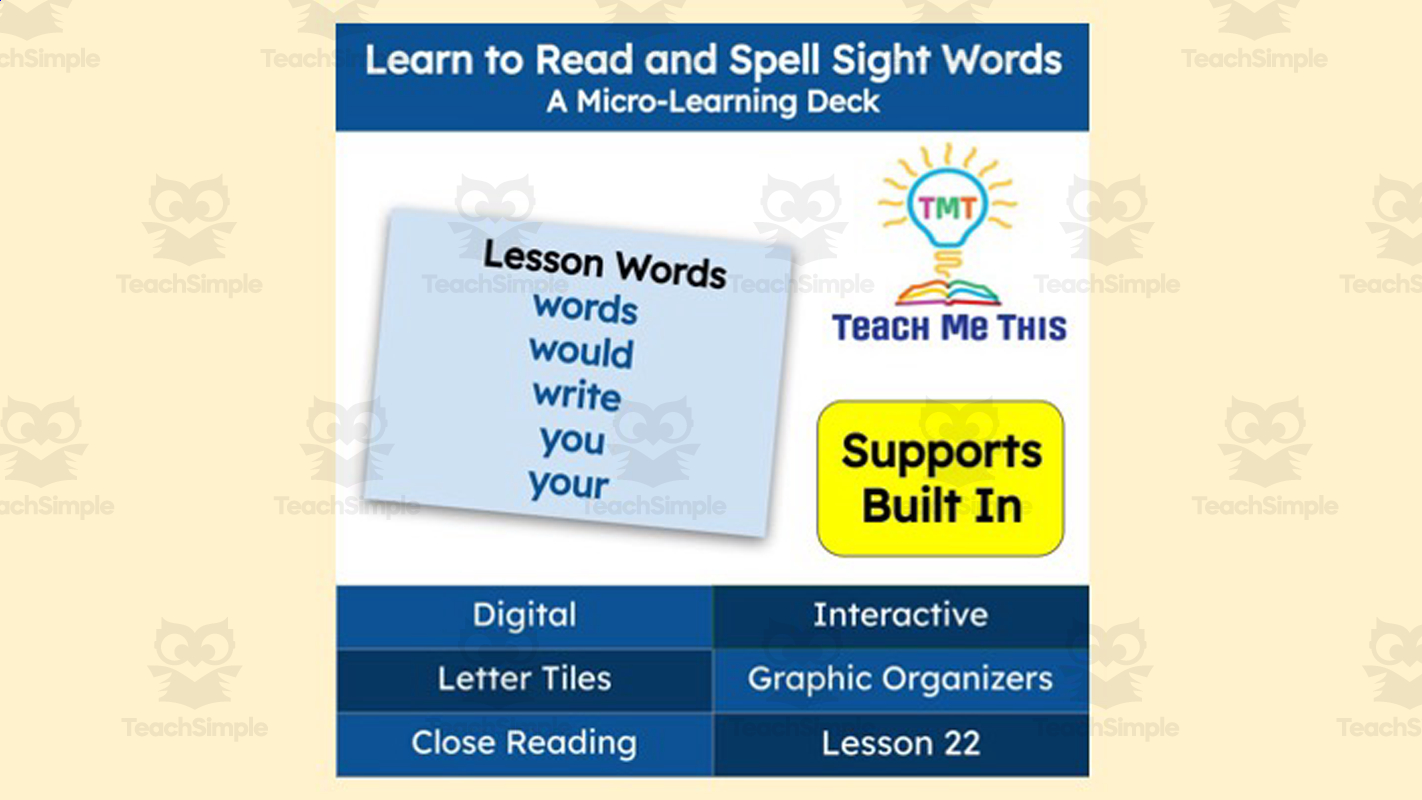
For each target word (words, would, write, you, your), the learner writes the word in the air and on a whiteboard, spells it with letter tiles, types or writes it, reads it in a short sentence, plays a memory-match game with word pairs, and fills in missing words in sentences from a word bank.
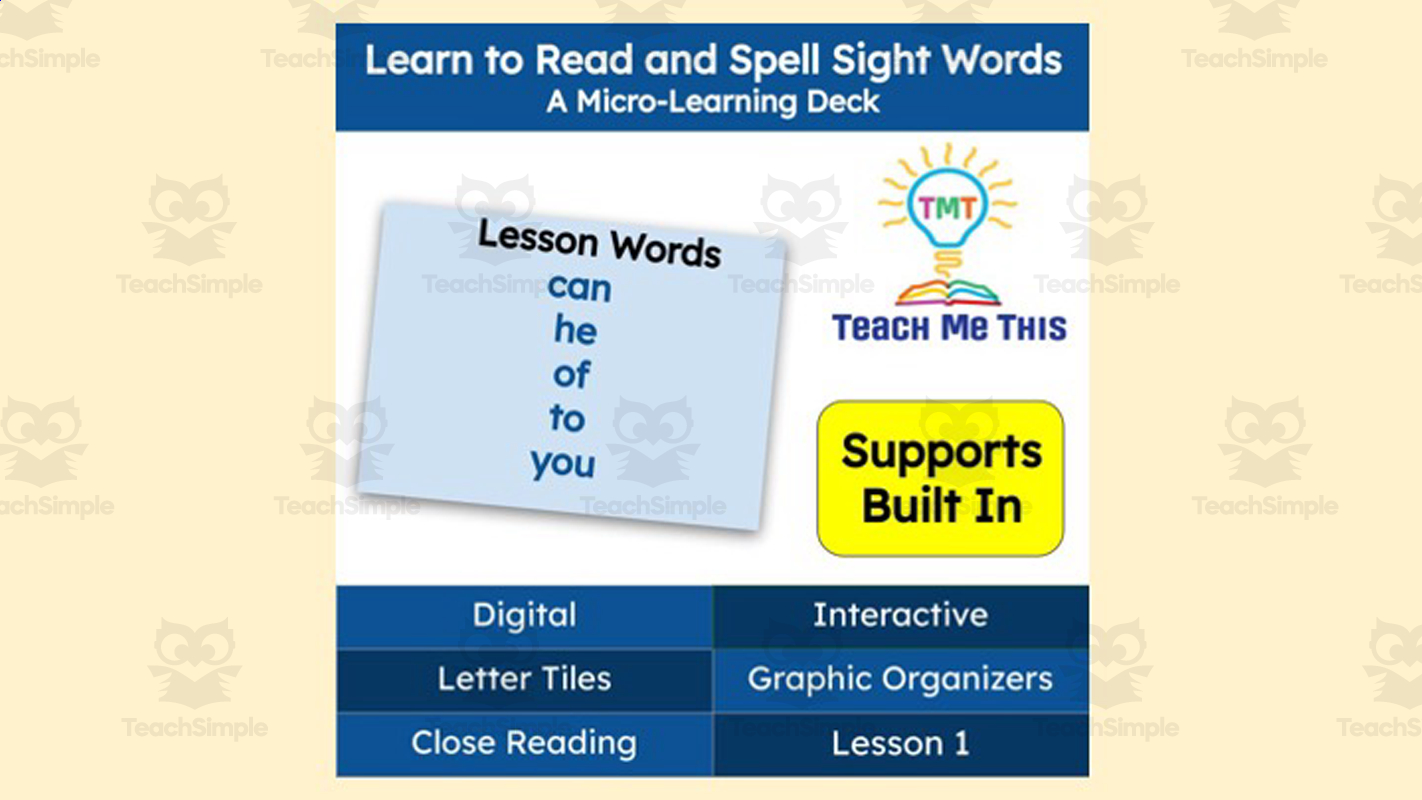
For each target word (can, he, of, to, you), the learner writes the word in the air and on a whiteboard, spells it with letter tiles, types or writes it, reads it in a short sentence, plays a memory-match game with word pairs, and fills in missing words in sentences from a word bank.
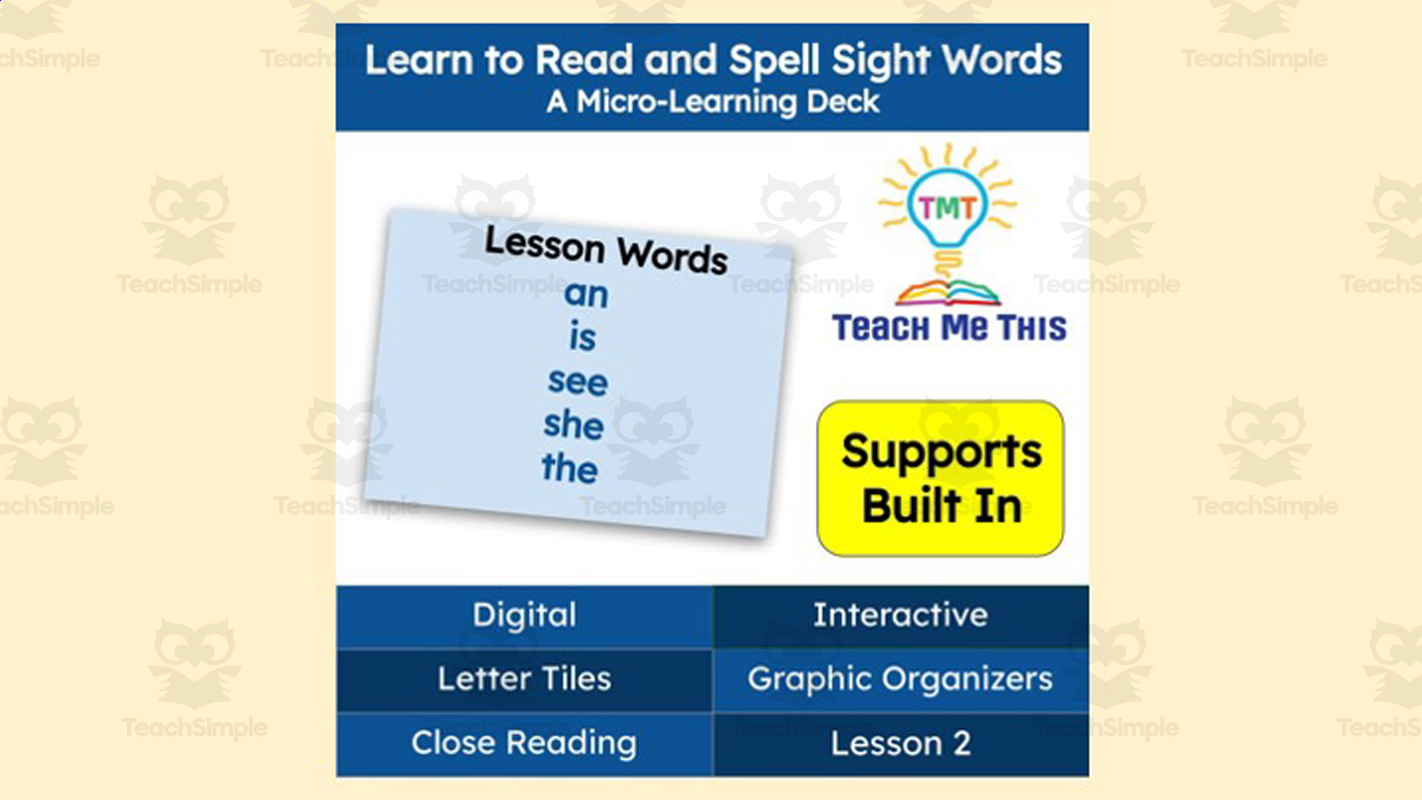
For each target word (an, is, see, she, the), the learner writes the word in the air and on a whiteboard, spells it with letter tiles, types or writes it, reads it in a short sentence, plays a memory-match game with word pairs, and fills in missing words in sentences from a word bank.
For each target word (but, by, called, can, come), the learner writes the word in the air and on a whiteboard, spells it with letter tiles, types or writes it, reads it in a short sentence, plays a memory-match game with word pairs, and fills in missing words in sentences from a word bank.
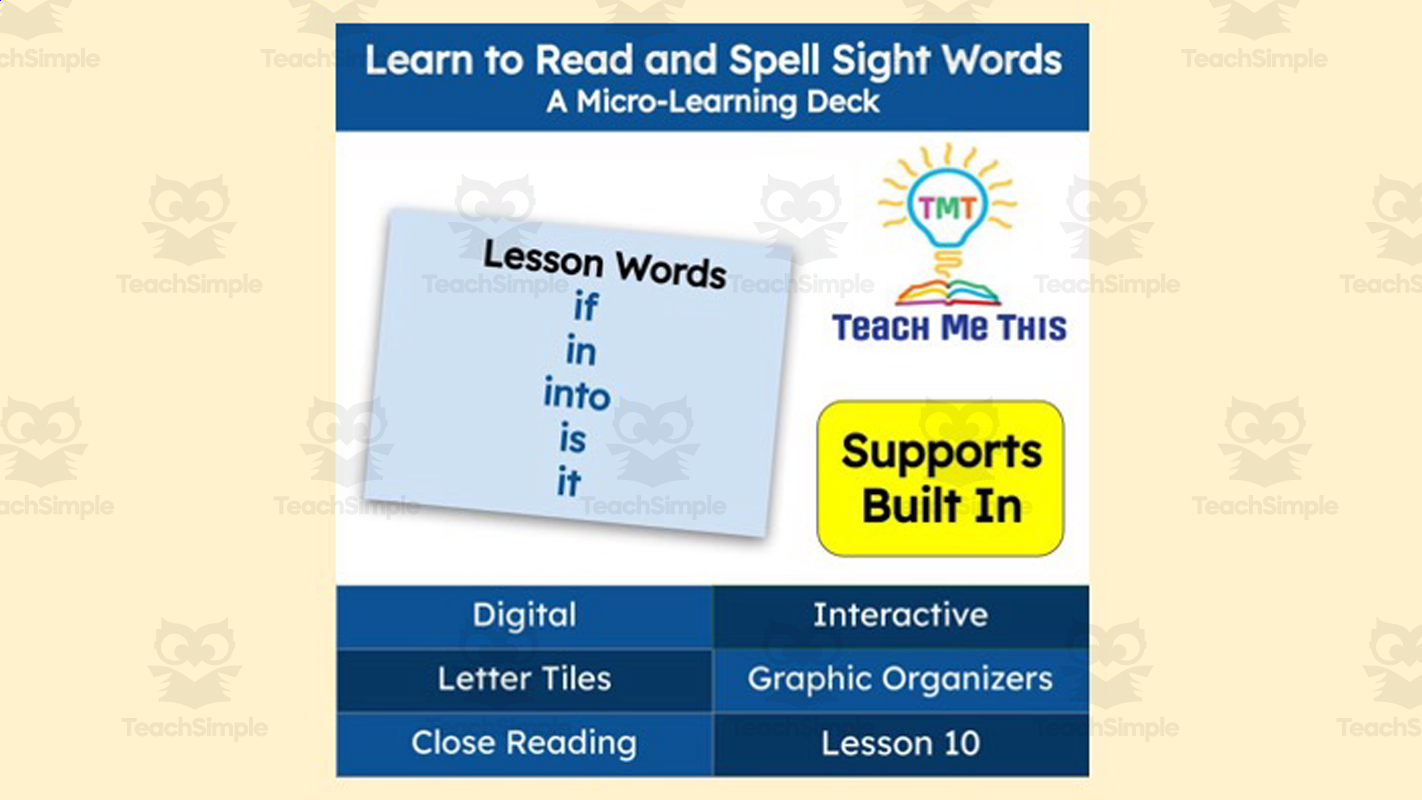
For each target word (if, in, into, is, it), the learner writes the word in the air and on a whiteboard, spells it with letter tiles, types or writes it, reads it in a short sentence, plays a memory-match game with word pairs, and fills in missing words in sentences from a word bank.
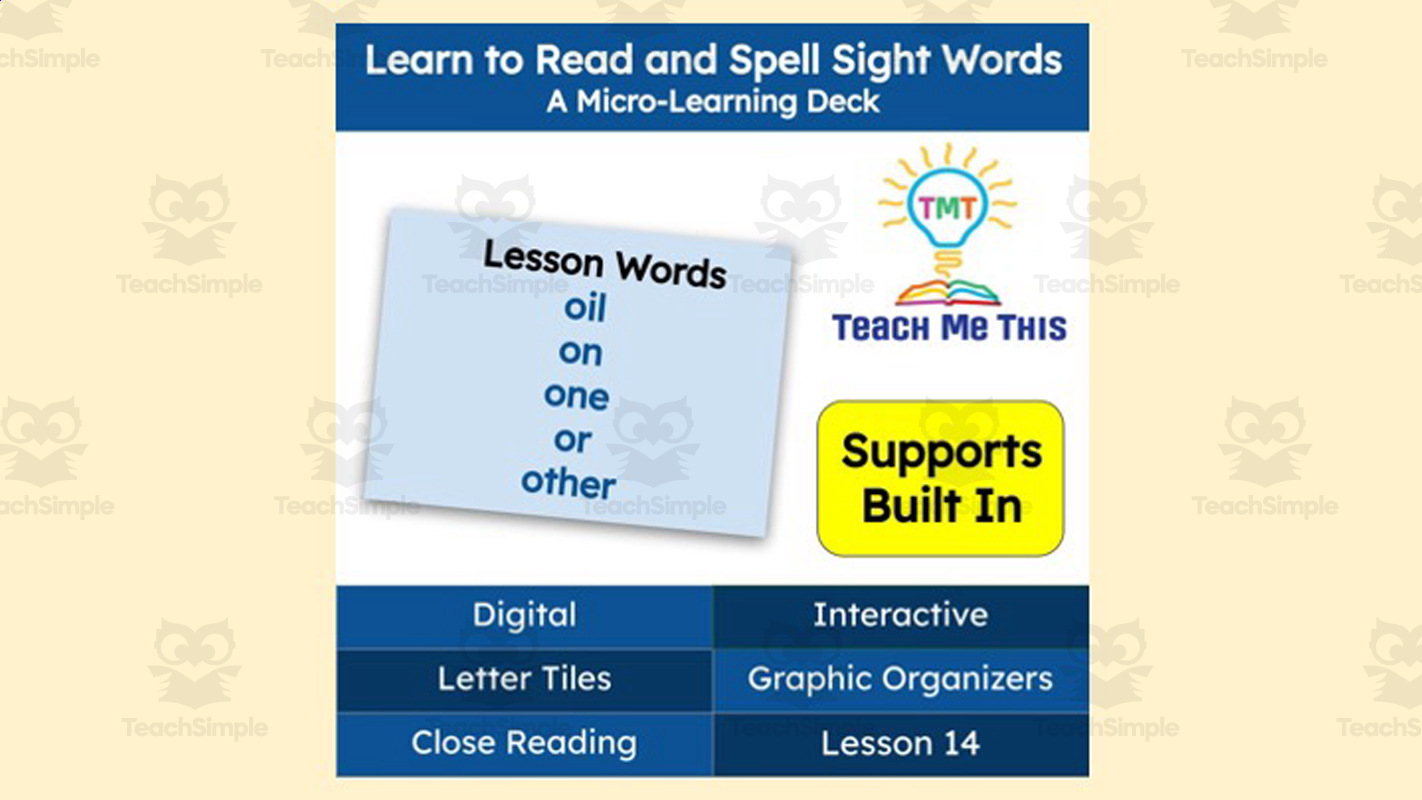
For each target word (oil, on, one, or, other), the learner writes the word in the air and on a whiteboard, spells it with letter tiles, types or writes it, reads it in a short sentence, plays a memory-match game with word pairs, and fills in missing words in sentences from a word bank.
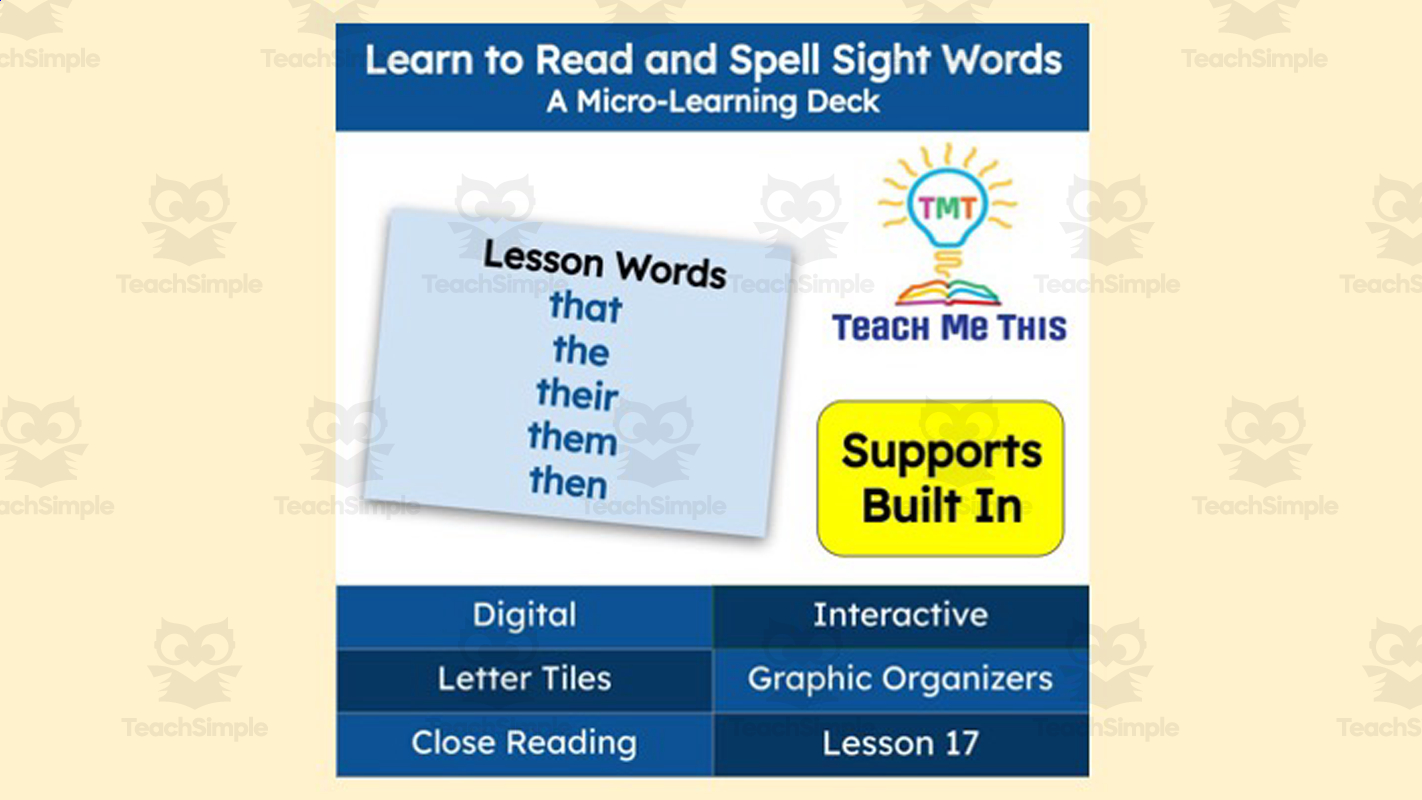
For each target word (that, the, their, them, then), the learner writes the word in the air and on a whiteboard, spells it with letter tiles, types or writes it, reads it in a short sentence, plays a memory-match game with word pairs, and fills in missing words in sentences from a word bank.
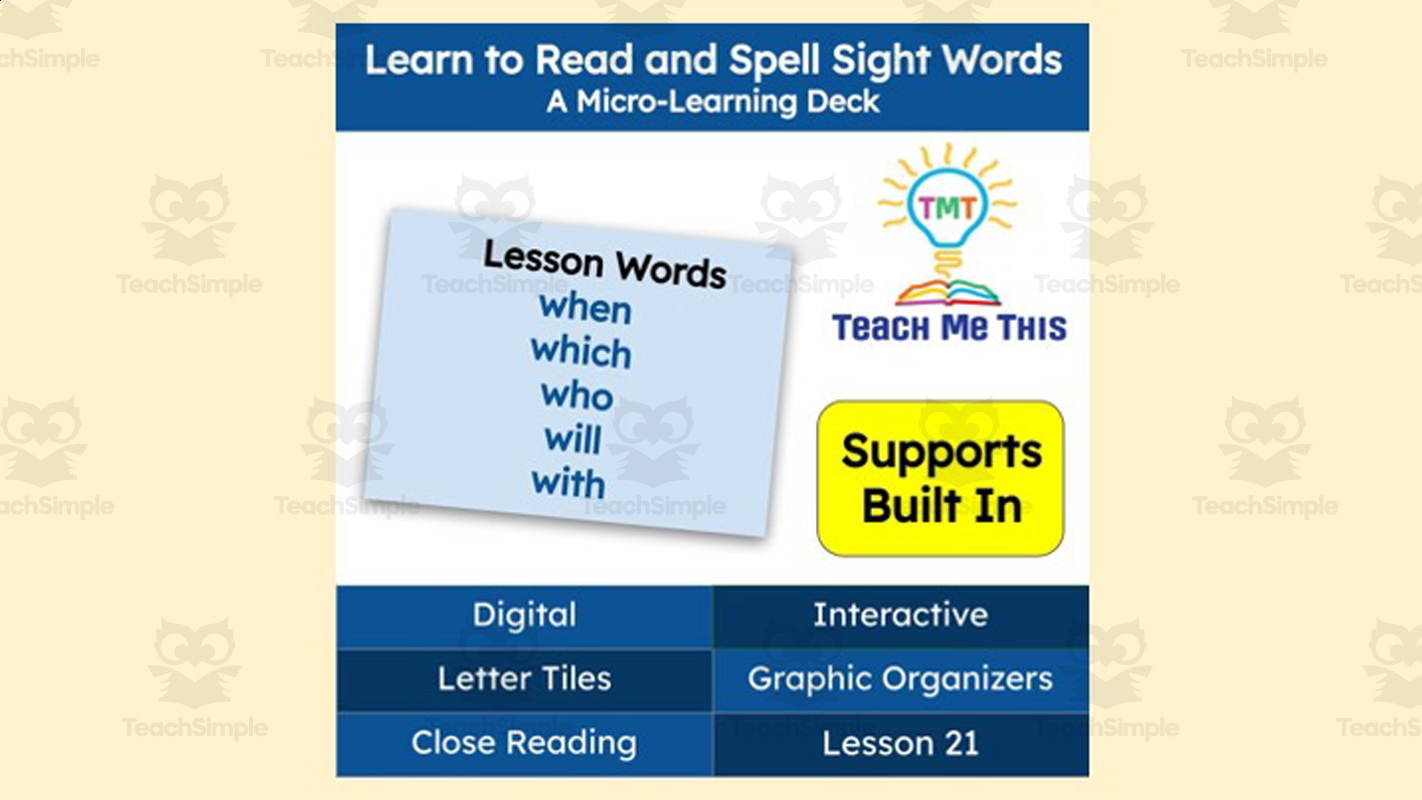
For each target word (when, which, who, will, with), the learner writes the word in the air and on a whiteboard, spells it with letter tiles, types or writes it, reads it in a short sentence, plays a memory-match game with word pairs, and fills in missing words in sentences from a word bank.