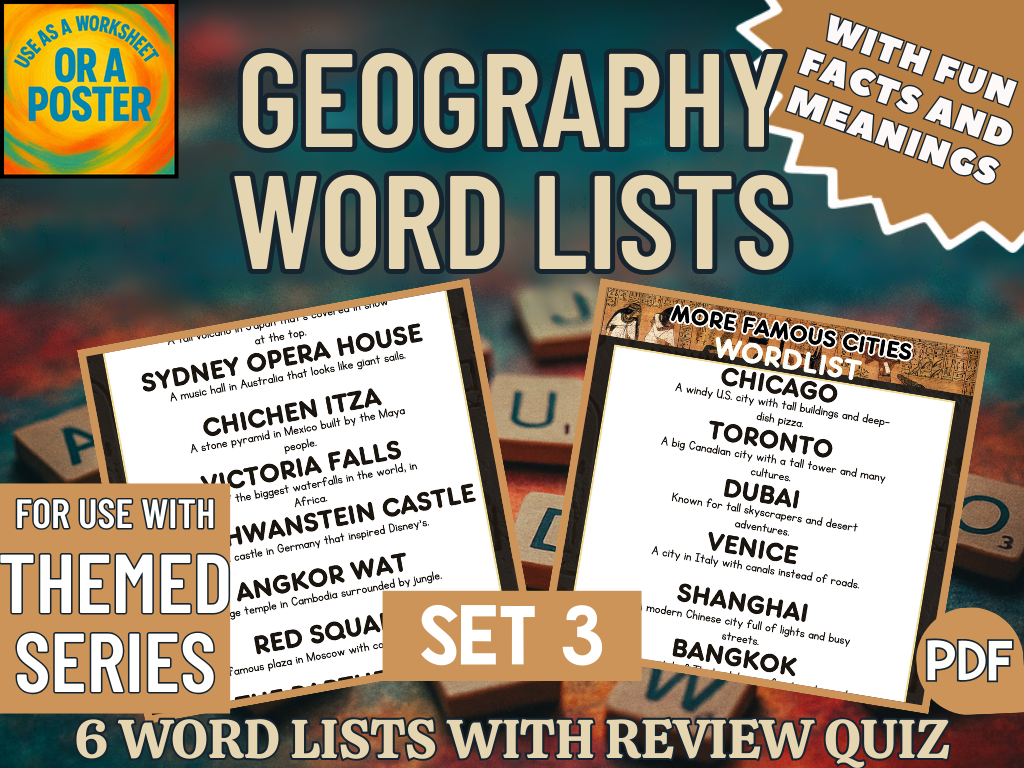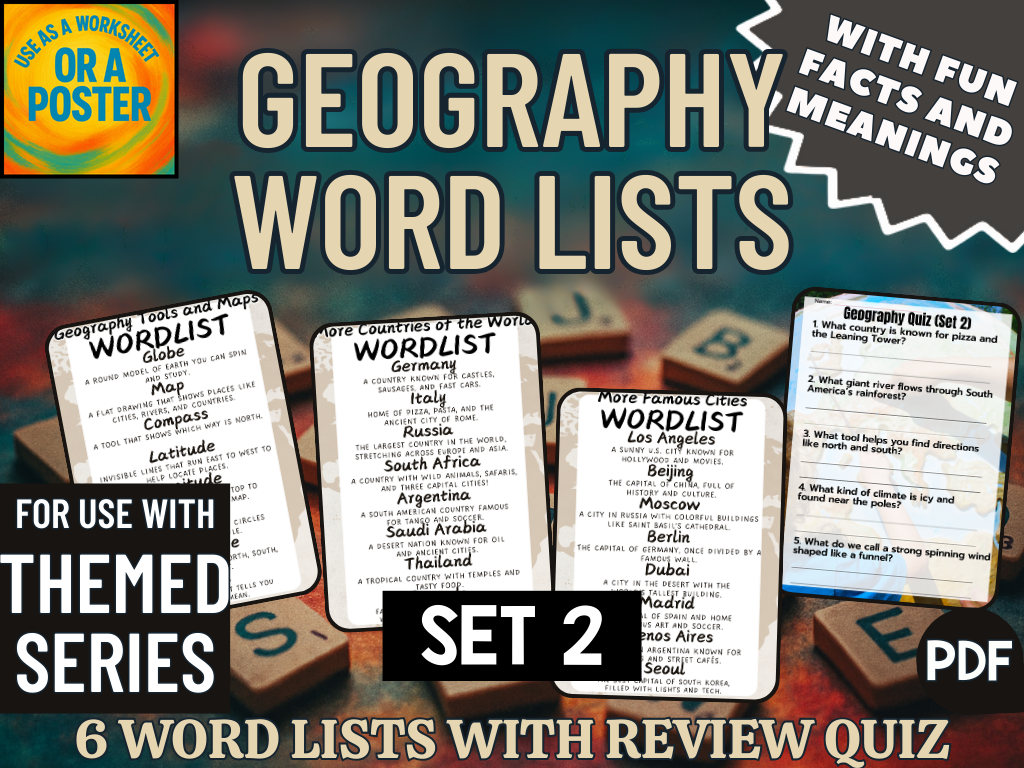
Geography Word List Posters - Set 2 (PDF)
Use the posters as a visual reference/anchor chart or write-in sheet during centers and independent work; complete a 5-question quiz recalling geography facts covered in the set (answers included).
Classroom resources
Browse by lesson focus
Choose the topic or kind of practice you need.
Use the posters as a visual reference/anchor chart or write-in sheet during centers and independent work; complete a 5-question quiz recalling geography facts covered in the set (answers included).
Make predictions and activate prior knowledge before reading, read a numbered-sentence short story at one of two difficulty levels, identify reading strategies used, answer creative questions and draw a response, make text-to-self connections, identify a favorite passage and critique the text's quality, create a multi-panel comic based…
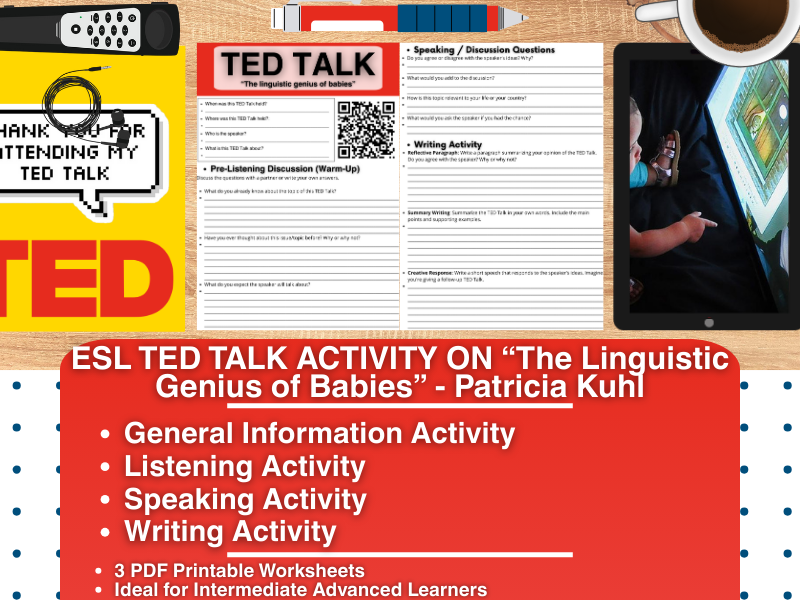
ESL/ELA worksheet activity built around the TED Talk "The Linguistic Genius of Babies", used to build listening comprehension, vocabulary, and writing skills.
Students research the subject using at least 3 sources, complete a biographical fact-organizer (place of birth, place(s) of residence, relevant family members, and related prompts) and a portrait-drawing activity with labeled achievement items, then draft, self/peer-check (using the included writing-tips checklist), and revise a…
Chapter-slice reading-comprehension teacher resource for grades 6-12 on personal hygiene, grooming and dental care, built around a Bloom's Taxonomy critical-thinking framework (title page, skills chart, and table of contents confirmed in file).
Use the posters as a visual reference/anchor chart or write-in sheet during centers and independent work; complete a 5-question quiz recalling geography facts covered in the set (answers included).
Students read the article, then answer 5 reading-comprehension questions (definitions and short recall) and 3 extension questions (research an allergy test, reflect on family allergies, and create a comic about EpiPen use).
Write a title/author cover for a story, draft writing on lined pages with an illustration box, and self-check the draft against a checklist (capital letters, punctuation, organization, does it make sense).
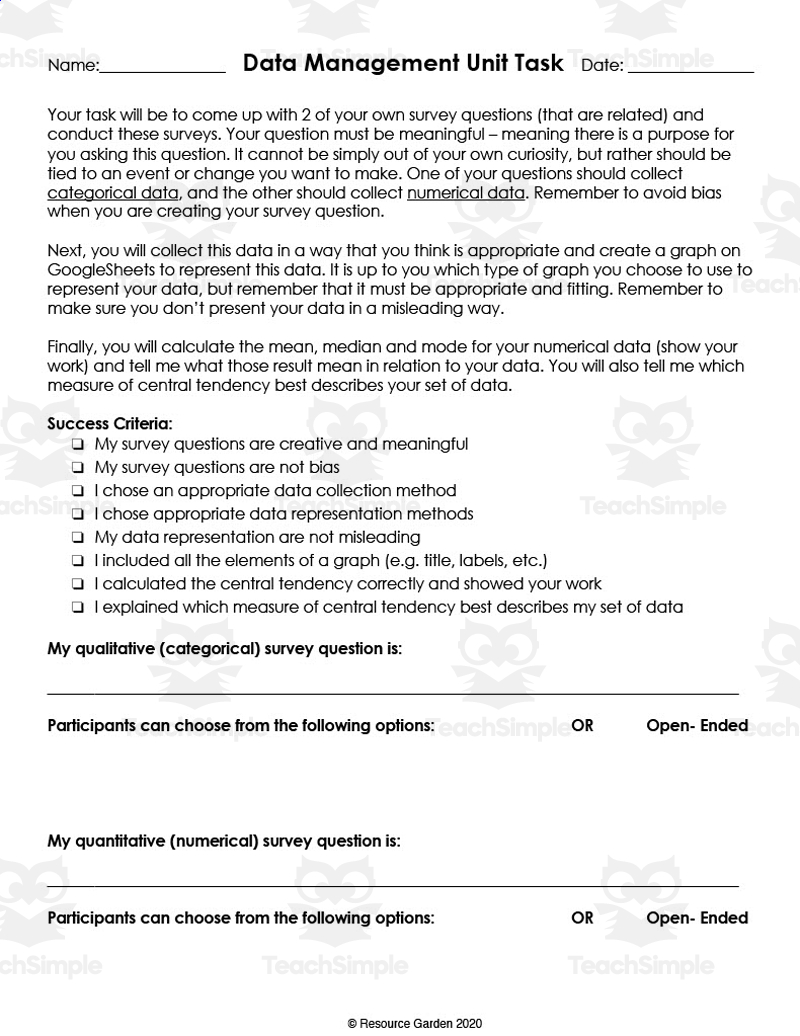
Write two related survey questions (one categorical, one numerical), conduct the surveys, graph the results in Google Sheets, calculate mean/median/mode for the numerical data, explain which measure best describes the data, and complete a self-assessment/rubric with a plan of action.
Chapter-slice reading-comprehension teacher resource for grades 6-12 on personal, community and travel safety, built around a Bloom's Taxonomy critical-thinking framework (title page, skills chart, and table of contents confirmed in file).
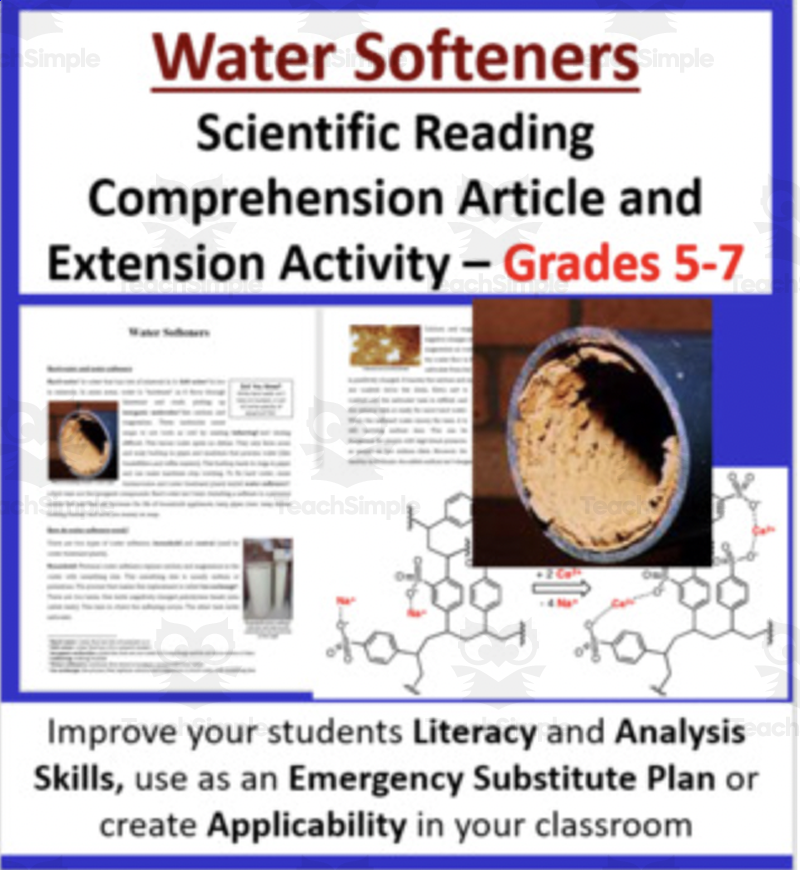
Students read the article on hard water and water softening (ion exchange process), then answer reading comprehension questions (what is hard water, how it forms, how it affects people, how household softeners work, how to identify hard water, classification from a suds test, and health risk for high blood pressure) and extension…
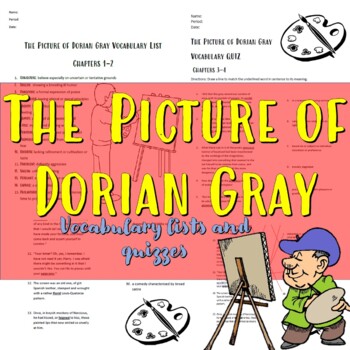
A set of vocabulary lists and matching quizzes tied to chapters of Oscar Wilde's The Picture of Dorian Gray, teaching advanced literary vocabulary in context.
Answer written research prompts (what is a plant, parts and functions of a plant, etc.), complete a vocabulary organizer (xylem, phloem, photosynthesis, etc. - define and illustrate), use a bibliography/resource-page template to cite sources, and complete a rubric/self-check editing-revising checklist.
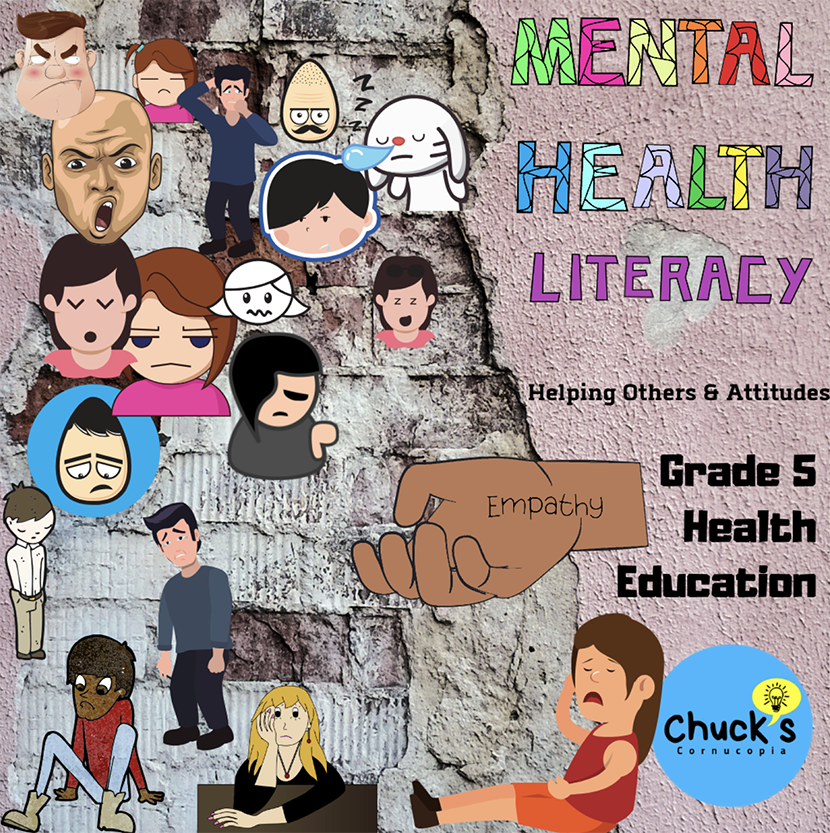
Students color a light bulb to represent positive mental health and write speech bubbles imagining reasons the other light bulbs (representing anxiety and depression) may be struggling, read about depression/anxiety symptoms and coping strategies, doodle in stress-relief page borders, draw something to brighten a gloomy room, write ways…
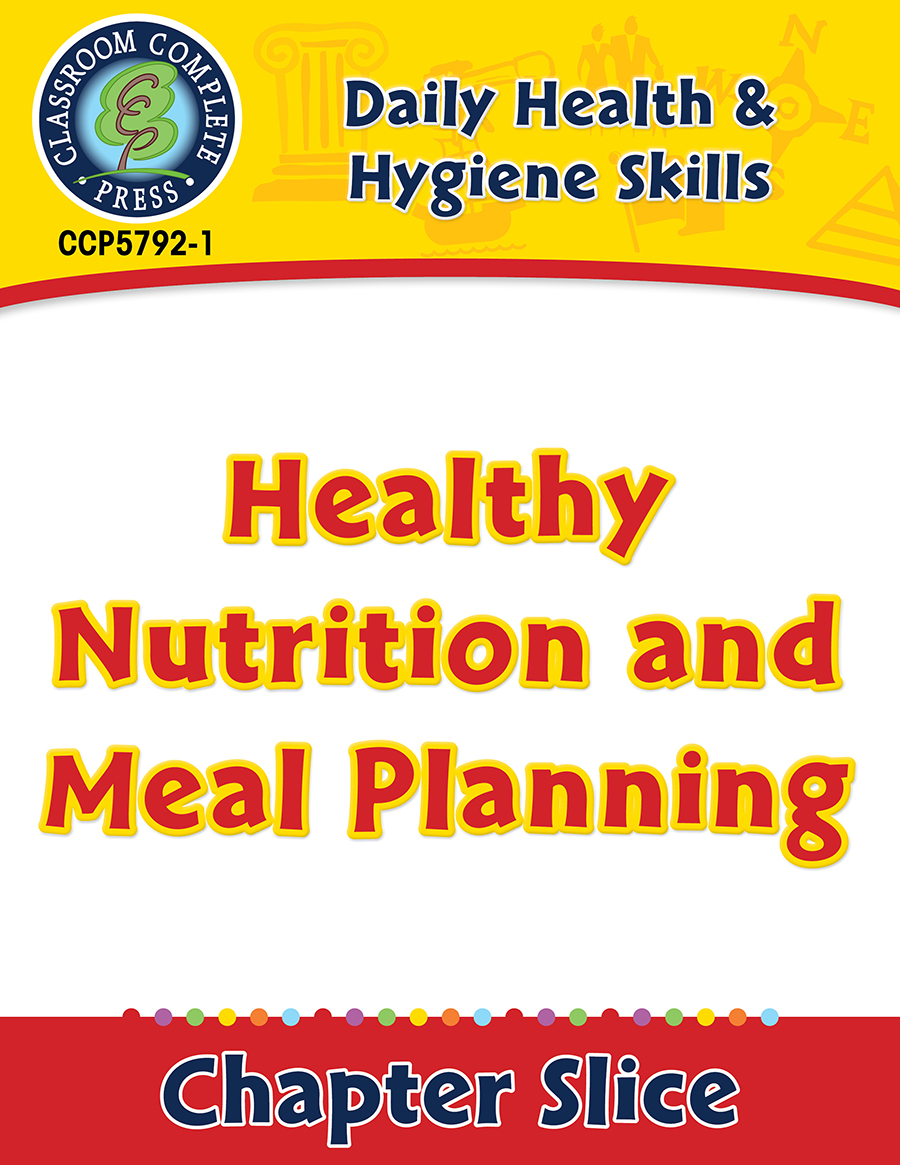
Chapter-slice reading-comprehension teacher resource for grades 6-12 on healthy nutrition and meal planning, built around a Bloom's Taxonomy critical-thinking framework (title page, skills chart, and table of contents confirmed in file).
Choose a 'favorite' topic prompt (movie, book, author, holiday, season, sport, food, celebrity, culture, cellphone app, time period, music artist, vacation, memory, social media influencer, or an open 'favorite ___') and write a short paragraph answering the guiding questions, then self-check using the proofreading checklist (capital…
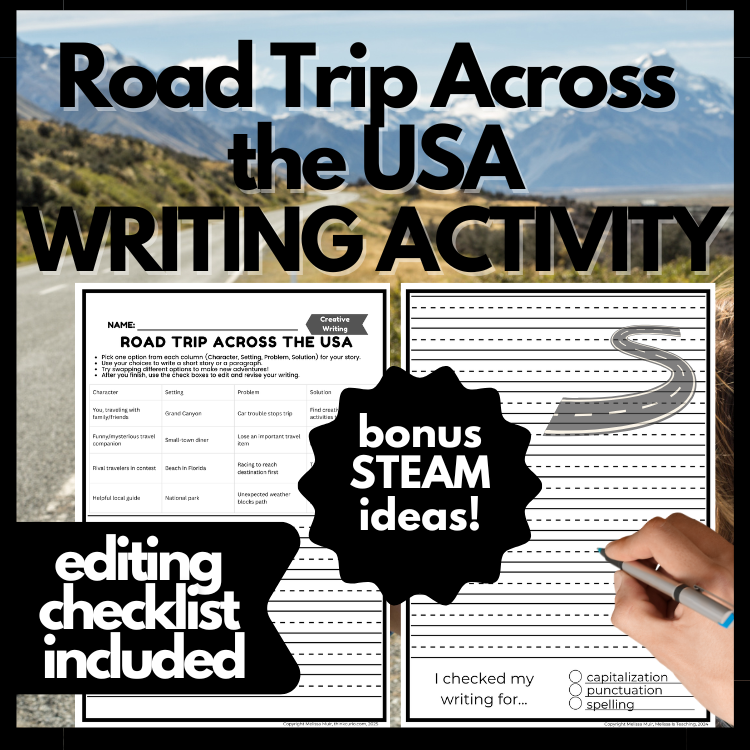
Pick one option from each column of a choice table (character, setting, problem, solution), write a short story or paragraph using those choices, then self-edit using a checklist.
Complete reading comprehension questions, hands-on experiments, a crossword, a word search, and a comprehension quiz related to life cycles.
Four remainder-interpretation strategies — Drop It, Use It, Add It, and Keep It — are each explained with teacher notes describing when to apply them, then practiced through a modeled example and a matching word problem that students solve and illustrate. A 'Match It' page has students pair word problems with their correct division model, a 'Write It' page asks students to compose and solve their own word problem for each of the four categories, and a six-question 'Test It' mastery check closes the booklet. A complete answer key follows, showing worked division and the correct strategy applied to every practice page and mastery-check question. The booklet is copyrighted by 'Teachers R Us,' 2016.
Chapter-slice reading-comprehension teacher resource for grades 6-12 on prescription and non-prescription drug use, built around a Bloom's Taxonomy critical-thinking framework (title page, skills chart, and table of contents confirmed in file).
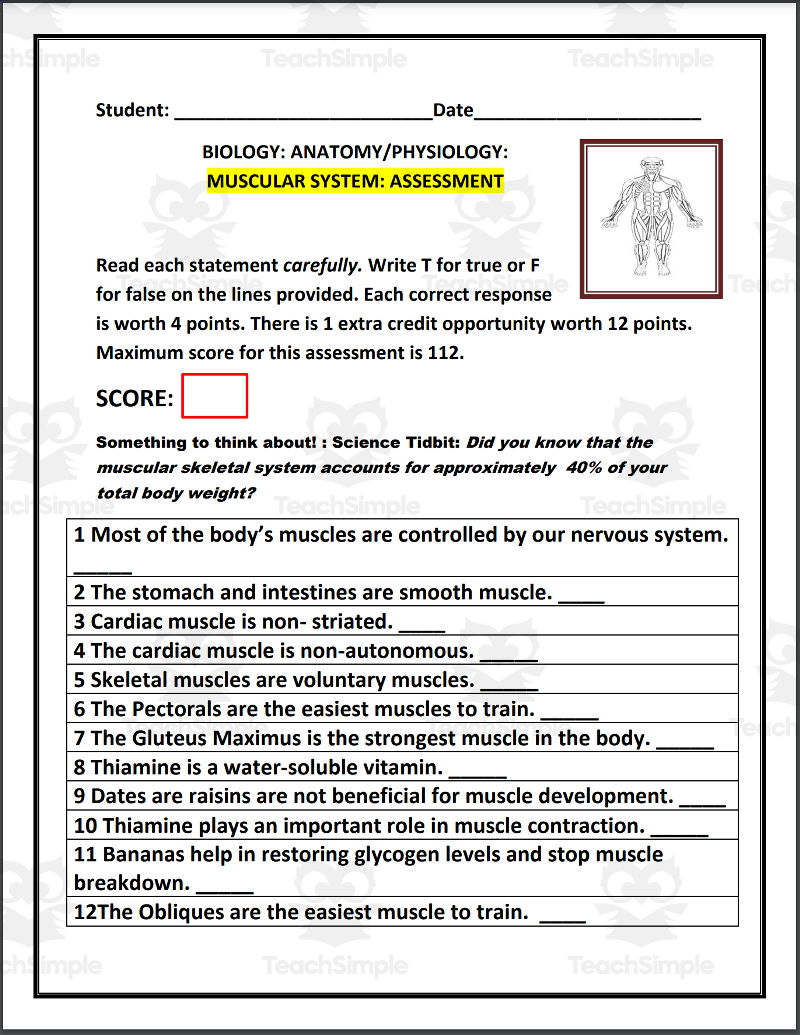
Students individually read 25 true/false statements about muscle anatomy and physiology (plus one extra-credit question) and mark each T or F on the lines provided.
Read a reading-comprehension passage on Transportation & Travel, complete related student handouts, a crossword, a word search, hands-on activities, and a comprehension quiz; teacher provides an assessment rubric and an EZ Easy Marking answer key.
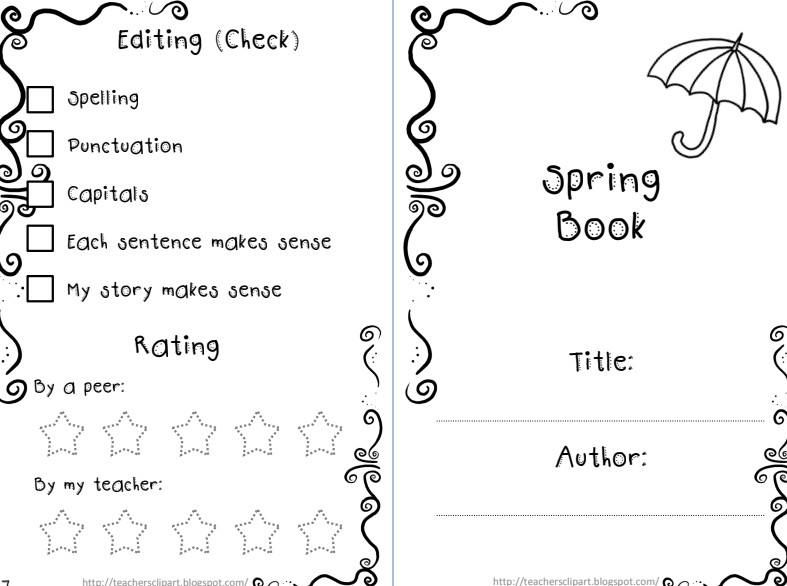
Write a seasonal story mini-book covering setting, characters, and an ending, using a provided word bank, then self/peer/teacher-check it against an editing checklist (spelling, punctuation, capitals, sense).
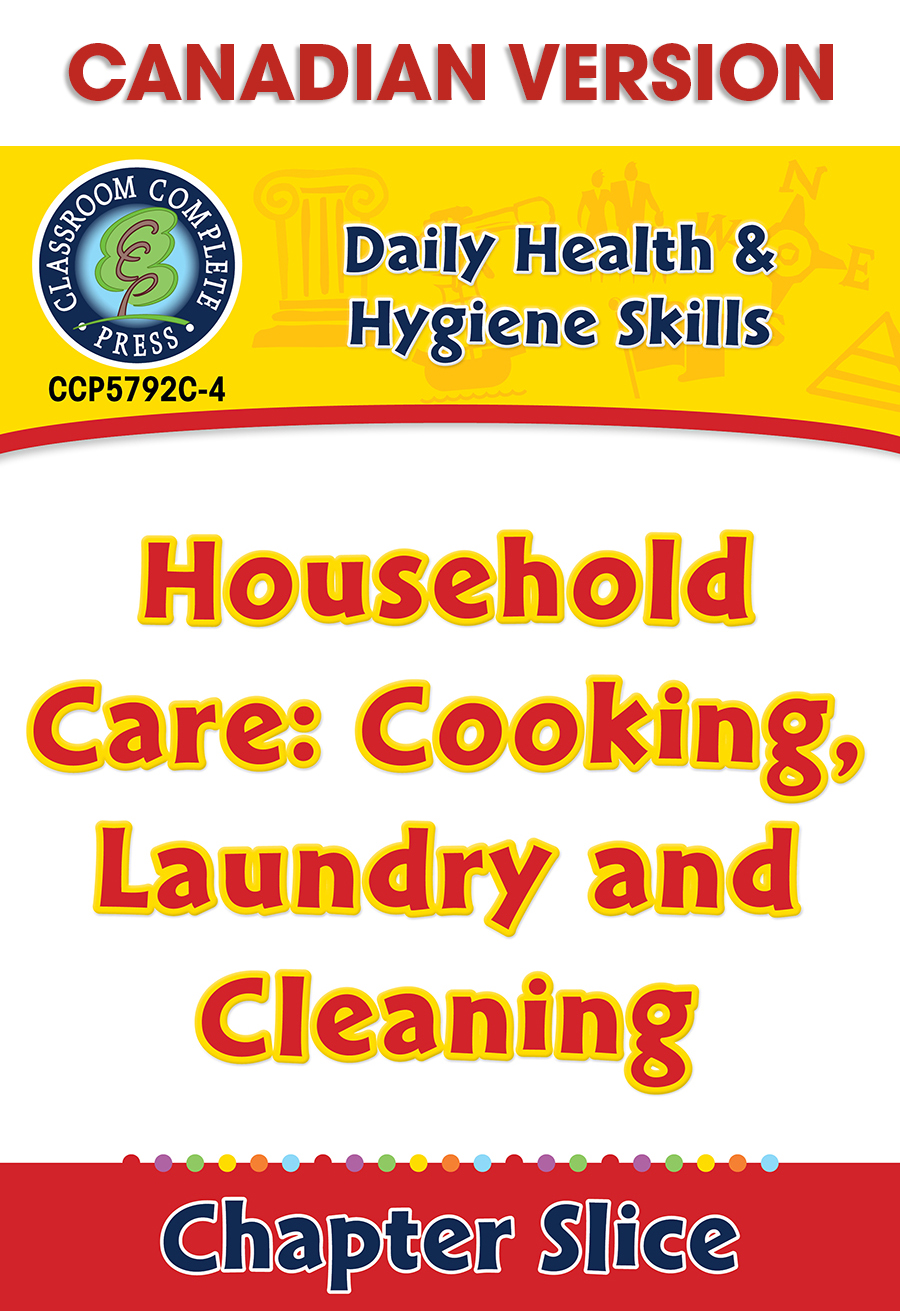
Chapter-slice reading-comprehension teacher resource for grades 6-12 on household care: cooking, laundry and cleaning, built around a Bloom's Taxonomy critical-thinking framework (title page, skills chart, and table of contents confirmed in file).