
Health 2nd Grade Unit 3: Nutrition and Physical Activity
Teaches 2nd-grade students the importance of healthy food choices and physical activity, as Unit 3 of a 7-unit Health curriculum series.
Answers included


2,743 resources
Explore sub-categories
17 sub-categories · 2,743 resources
Teaches 2nd-grade students the importance of healthy food choices and physical activity, as Unit 3 of a 7-unit Health curriculum series.
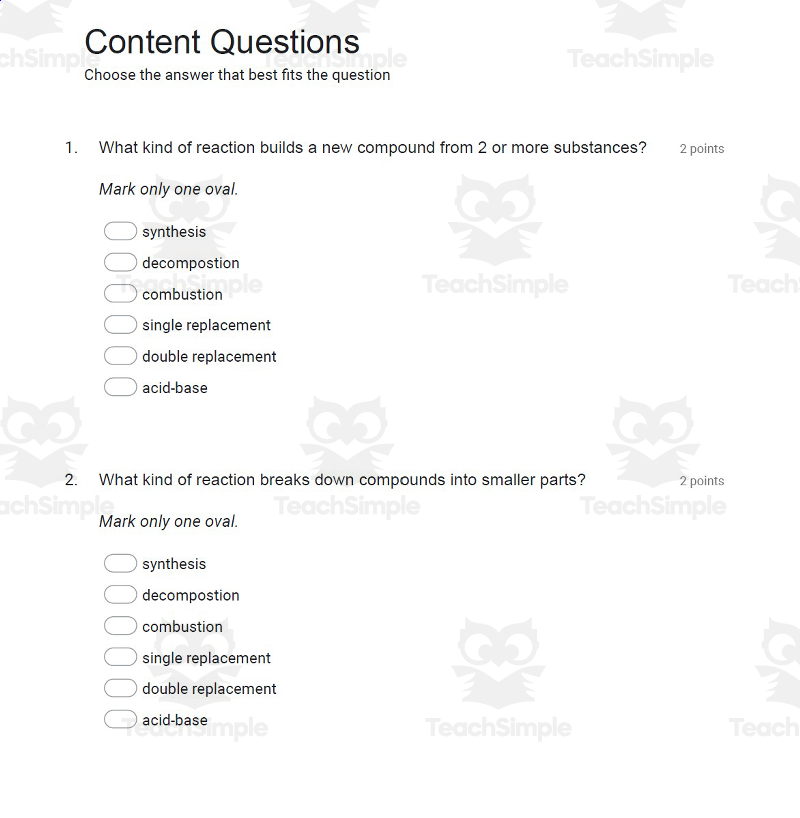
Assess student ability to balance chemical equations and identify reaction types (synthesis, decomposition, combustion, single/double replacement, acid-base) via a print/Google Forms test.
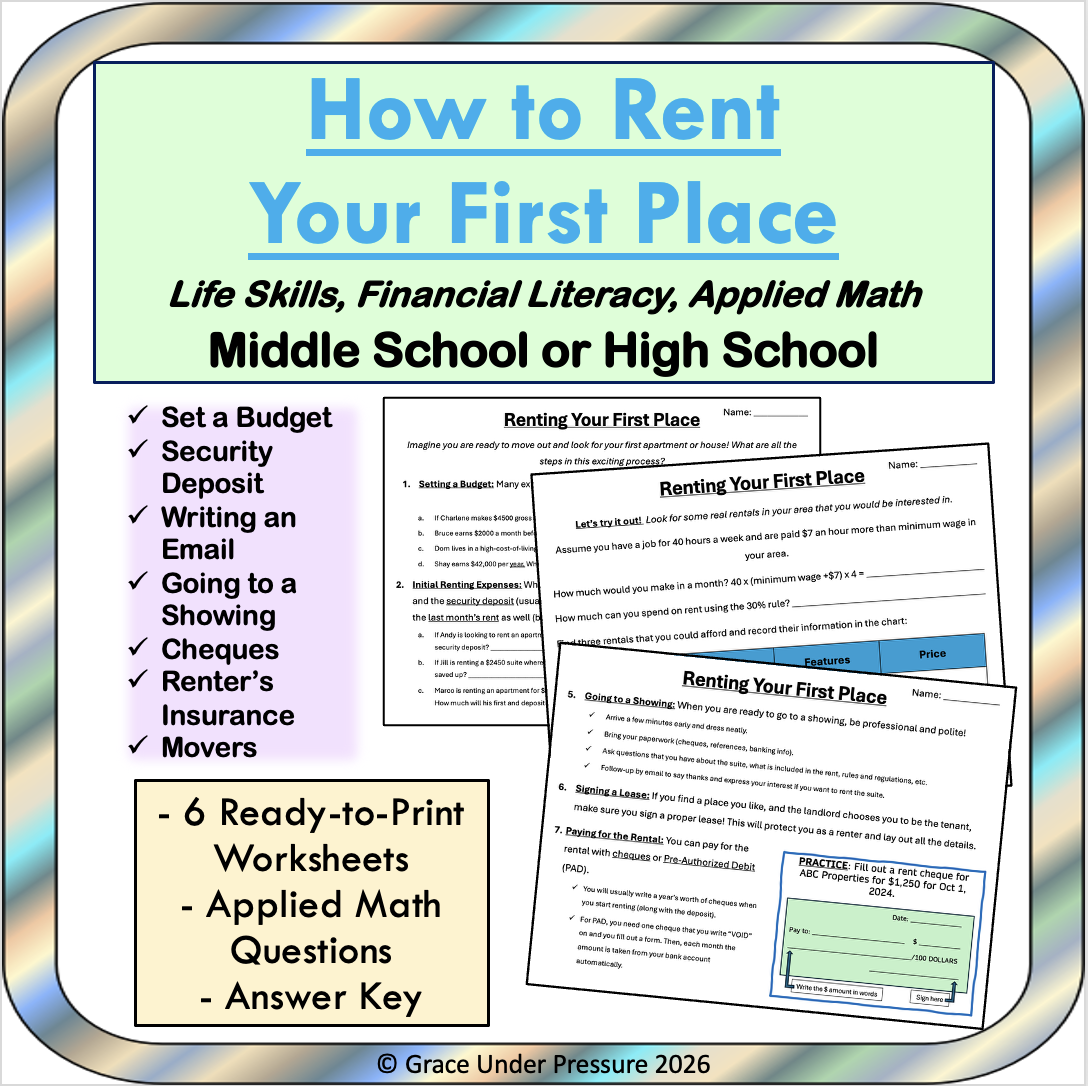
A life skills and applied math lesson that walks students through the real-world steps of renting their first apartment or house, combining financial literacy with percentage/arithmetic word problems.
A set of four standards-based mini-quizzes for 8th-grade math, assessing students' ability to compare and convert numbers written in scientific notation, aligned to CCSS 8.EE.A.3.
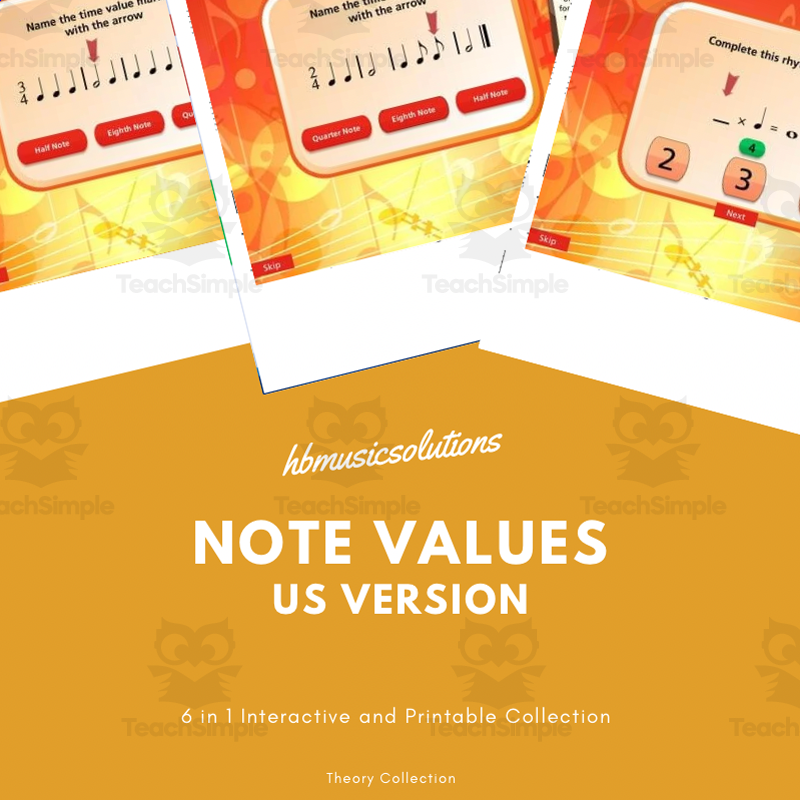
Teach beginner (Grade 1) students to name note values, spell them correctly, and count their beat values in basic notation.

Choose from twelve peer-evaluation forms for group tasks and presentations. Three group checklists score nine attributes for two, three or four members. Other pages provide Yes/No feedback, two written reflections, and numeric ratings with or without a reasoning line. General rating forms use 1–10 or 0–3; partner forms use 1–10 or 1–3 across five collaboration behaviors. The printable PDF includes a working link to a Google Doc that you can copy and edit.
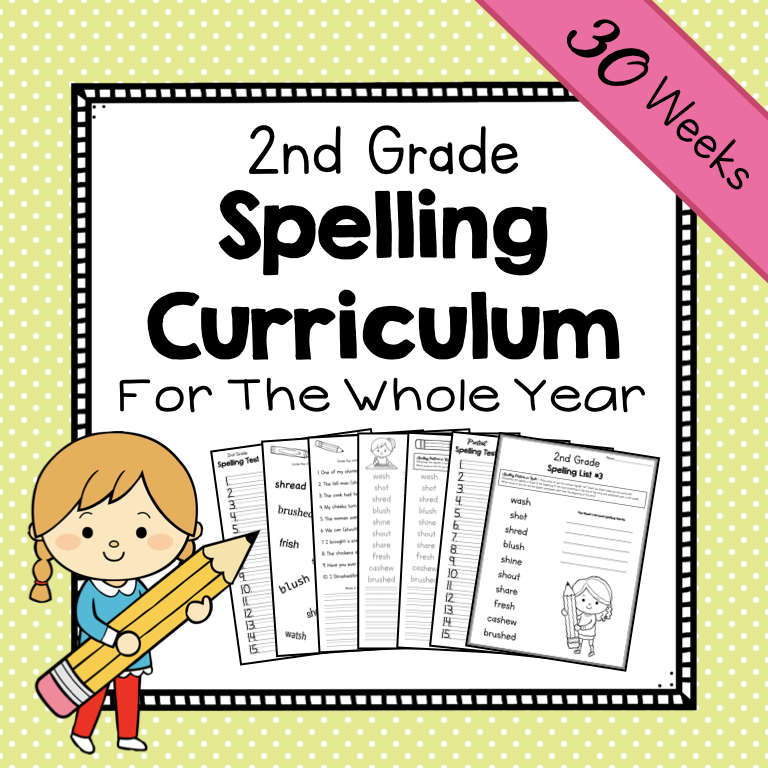
A year-long (30-week) Grade 2 spelling curriculum providing weekly spelling word lists, practice materials, and test templates organized by phonics patterns.
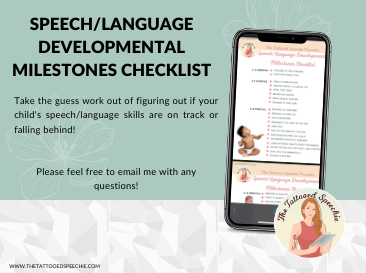
Track and identify typical speech/language developmental milestones for babies and toddlers from 0 to 36 months.
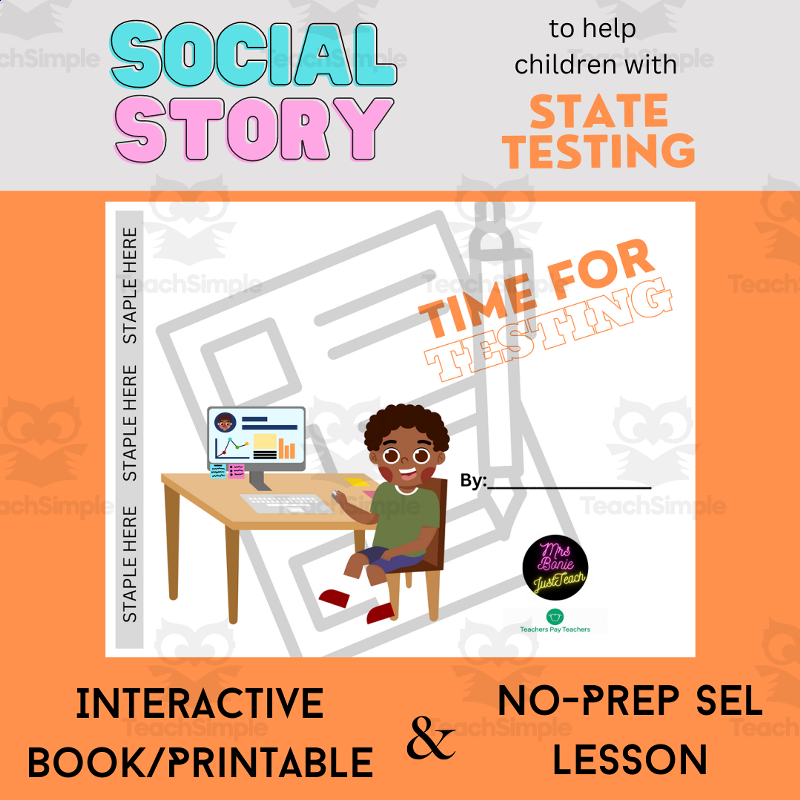
Help students (ages 7-12) recognize and manage test-anxiety feelings around state testing, through a personalized social story with self-reflection and coping-strategy activities.

A fully editable assessment on the science of sound and vibration, testing understanding of pitch, vibration, sound transmission, and how string length/tightness affects pitch.
A scaffolded writing resource guiding Grade 4-6 students through planning and drafting a 5-paragraph formal reflective essay about their elementary school experience, for the transition to middle school.

Provide Spanish vocabulary practice on the theme of medical center / diagnostic tests through a themed set of word puzzle activities (letter-unscramble, word matching, multiple-choice quiz, and a word-search/puzzle-style layout).
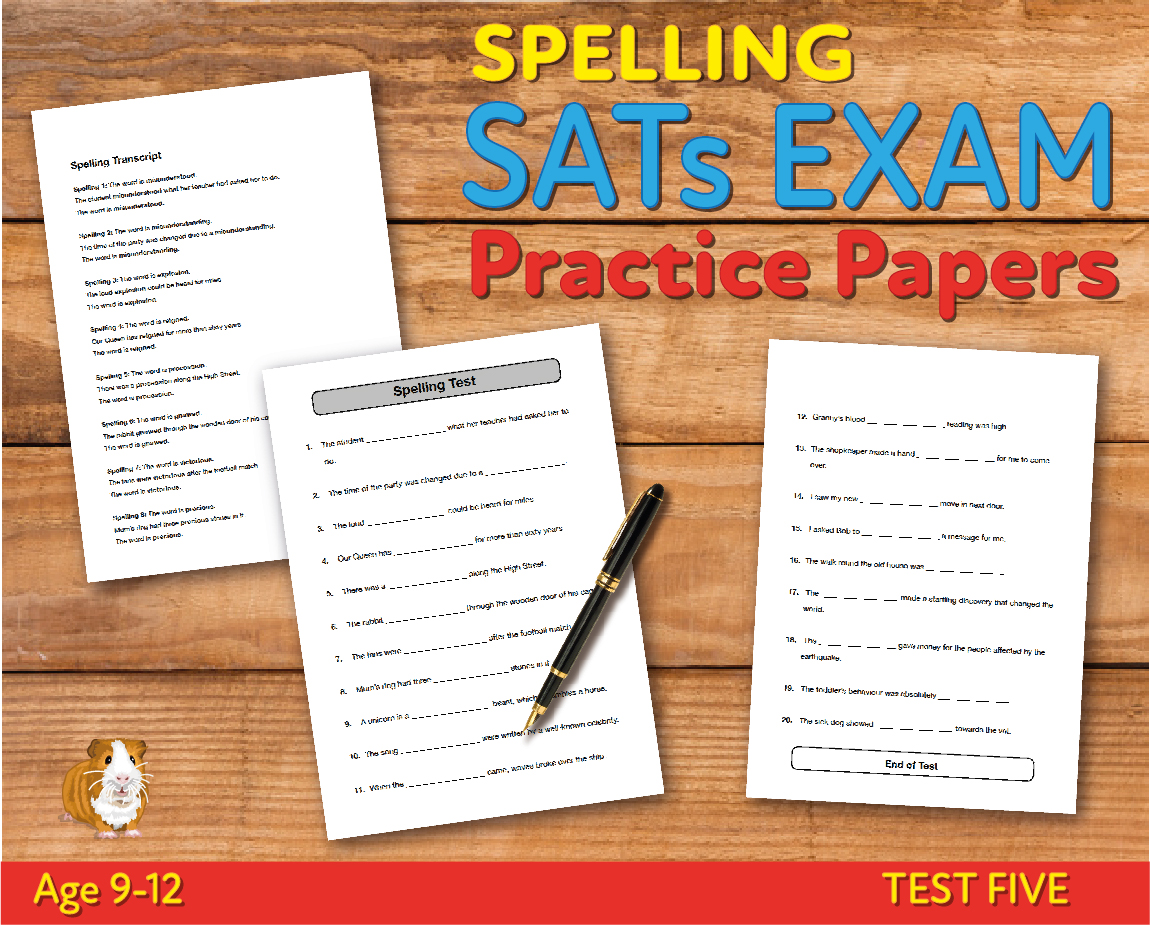
Give students aged 9-12 practice with a UK-style spelling test (modelled on Standardised Assessment Tests/Sats) covering patterns such as prefixes, suffixes, silent letters and homophones.
 Free download
Twenty emoji-inspired vocabulary words — angel, angry, cool, crazy, crying, happy, hear no evil, in love, kiss, poop, sad, scared, secret, see no evil, shocked, sick, sleepy, speak no evil, thinking, and wink — are introduced, practiced, and tested across five components. A digital vocabulary presentation reveals the complete word on the following page after students guess it from the emoji image, and a Wacky Words digital activity scrambles the letters of eight of those words for students to unscramble before the correct spelling appears. Four printable flash-card sets, with rounded or sharp corners at two support levels, cover all 20 words: Level 1 pairs pictures and words on each card, while Level 2 separates picture cards from word cards for matching. A printable vocabulary list and matching test round out the set. Because most components are digital slideshows or ready-to-print cards, little prep beyond printing and cutting is needed.
 Free download
A digital-and-printable resource that introduces, practices, and tests four specific prefixes (over-, pre-, re-, un-) through definitions, fill-in-the-blank sentences, and vocabulary review.
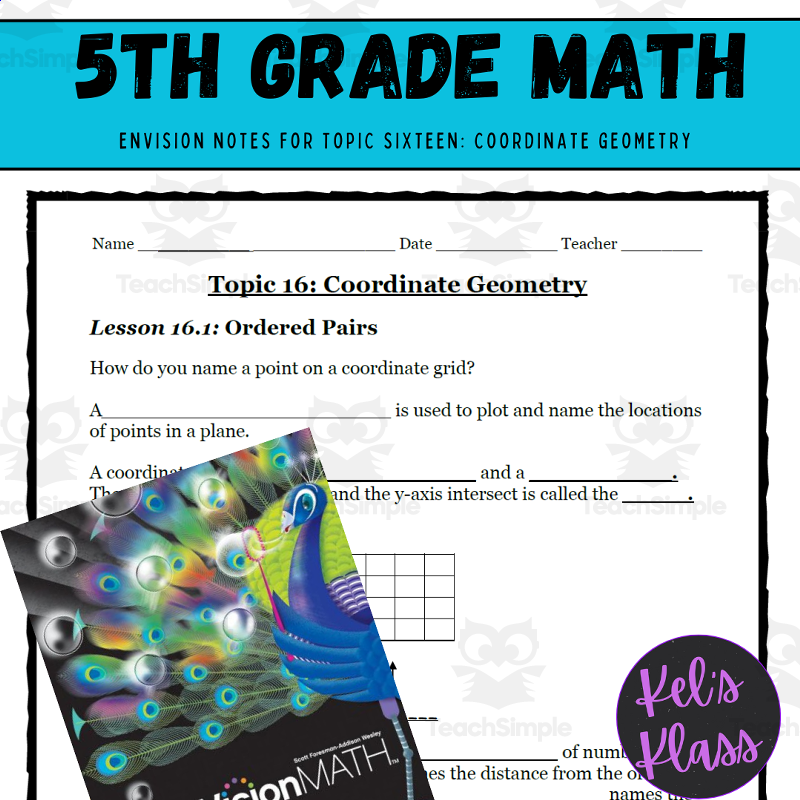
Complete guided-notes and quiz packet for Grade 5 Envision Math Topic 16, teaching coordinate-plane basics: plotting ordered pairs, finding distances between points, and using coordinate graphs to find and extend patterns.

Beginning-of-year Grade 3 math diagnostic assessment (39 questions across 14 skill strands spanning place value, addition/subtraction, word problems, foundations of multiplication/division, money, time, and more) with an answer key, teacher scoring tools, and follow-up practice, per the in-file Part 1-4 structure.

An ESL/ELA test worksheet assessing student mastery of the past simple tense, including irregular verb forms, negatives, and question formation.

A formative assessment rubric for PE teachers to score students' push-up form/skill acquisition consistently across classes.
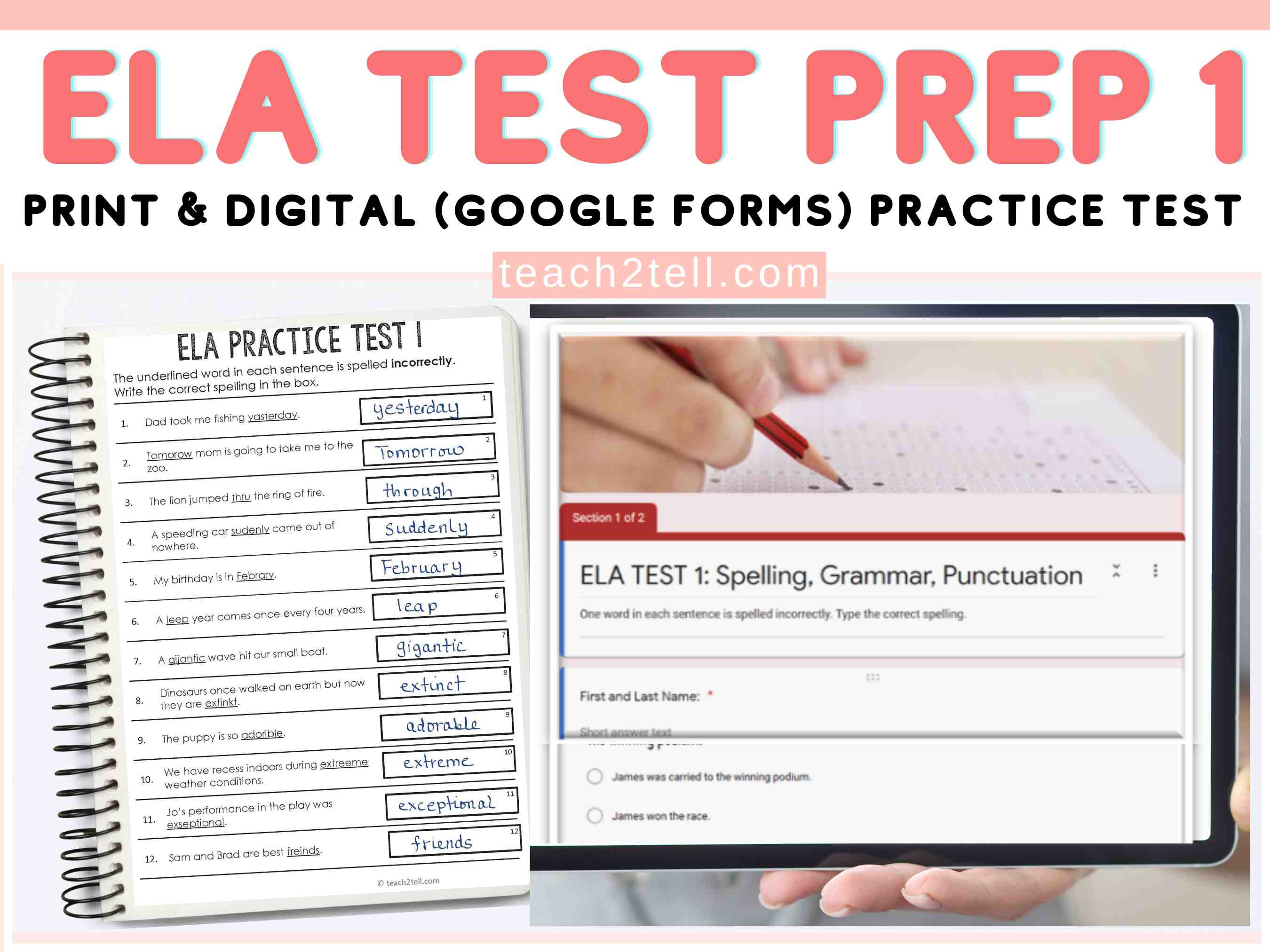
ELA practice test reviewing spelling, grammar, and punctuation in a standardized-test format.
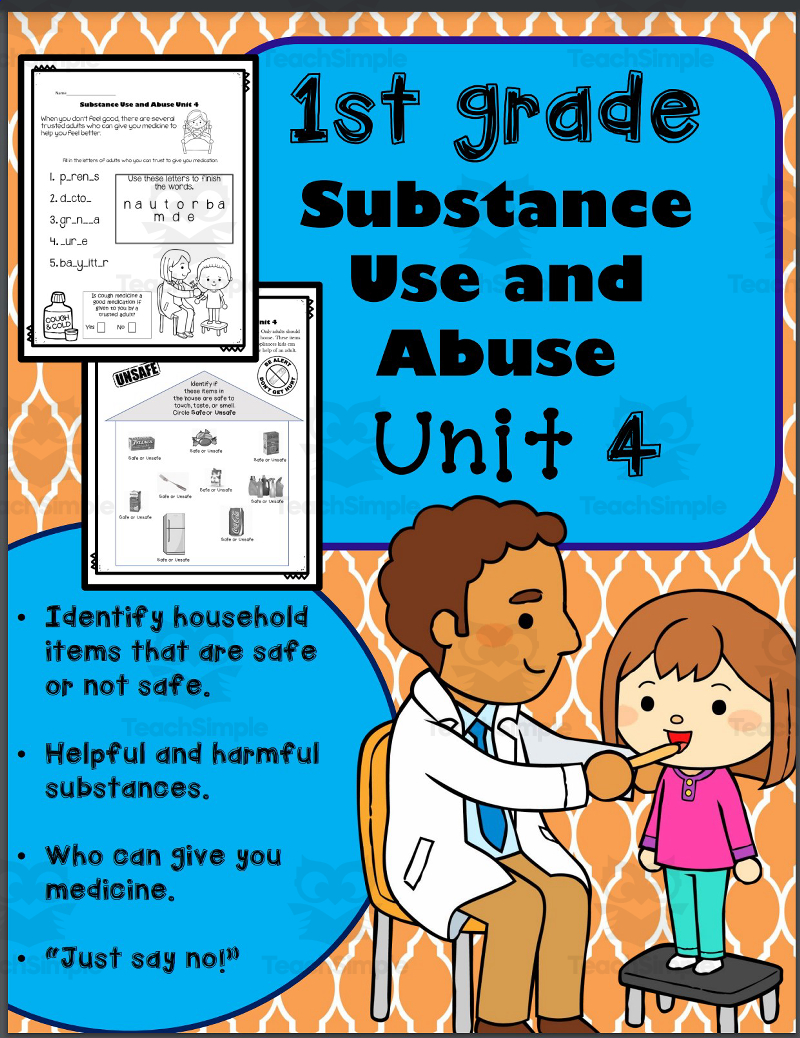
Teaches 1st-grade students to identify safe vs. unsafe household items, recognize which trusted adults may give medicine, and practice 'Just Say No' refusal strategies, as Unit 4 of a 7-unit Health curriculum series.
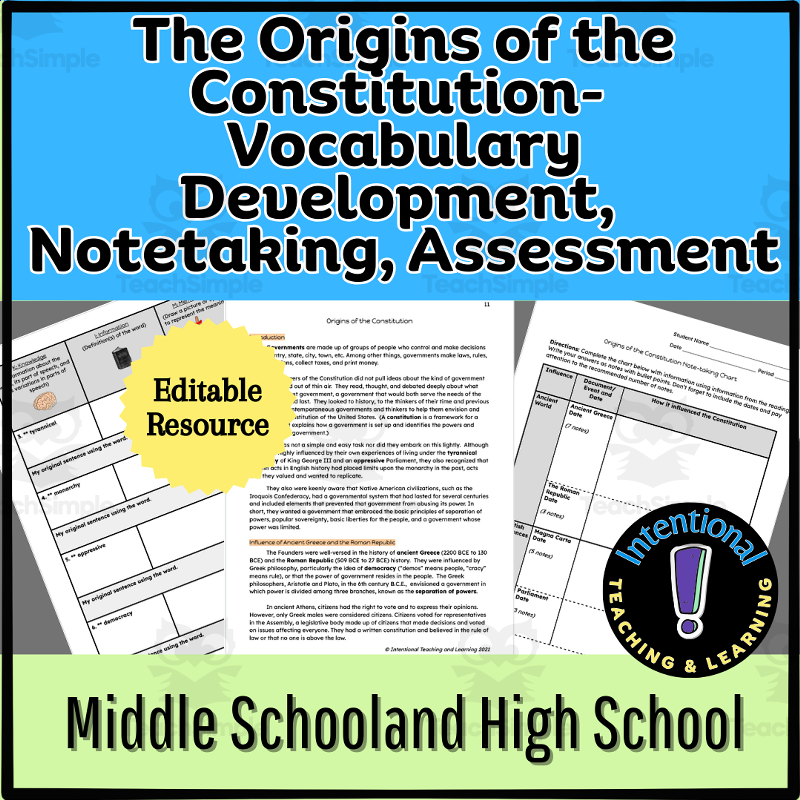
Teach the historical origins of the U.S. Constitution (Ancient Greek/Roman influences, Enlightenment philosophers, Iroquois Confederacy, English law) through a full lesson plan, vocabulary development, note-taking, and assessment package.

A Grade 3/4 unit covering personal hygiene, dental health, substance use, disease/illness, physical activity, and nutrition, aligned to the Manitoba Curriculum Framework for Active Healthy Lifestyles.
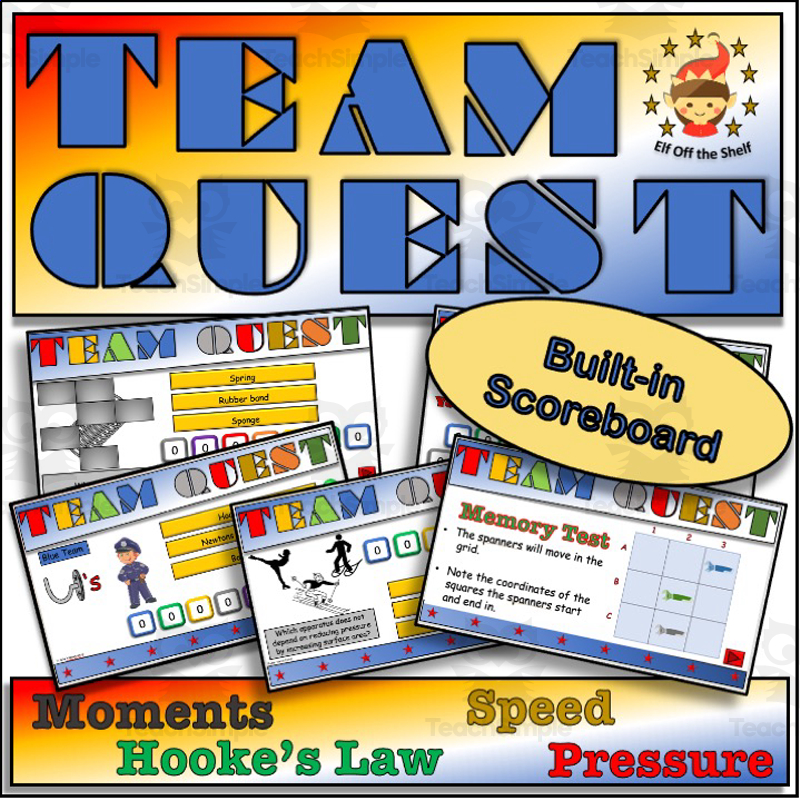
An interactive, animated PowerPoint quiz game reviewing physics topics (forces, moments, speed, pressure) for consolidating learning at the end of a module