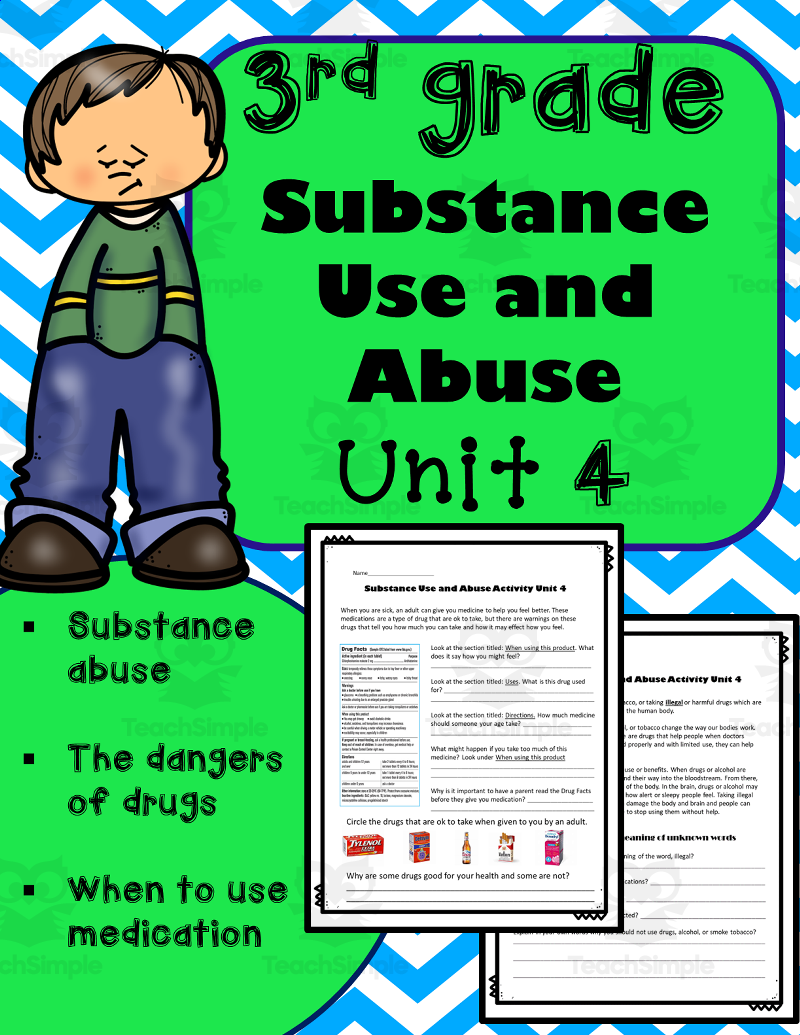
Health | 3rd Grade Unit 4: Substance Use and Abuse
Teach 3rd graders about substance use and abuse: the dangers of drugs, alcohol and tobacco, and when medication use is appropriate.
Answers included


Classroom resources
Browse by lesson focus
Choose the topic or kind of practice you need.
Showing 625–648 of 915 resources

 Show filters
Teach 3rd graders about substance use and abuse: the dangers of drugs, alcohol and tobacco, and when medication use is appropriate.
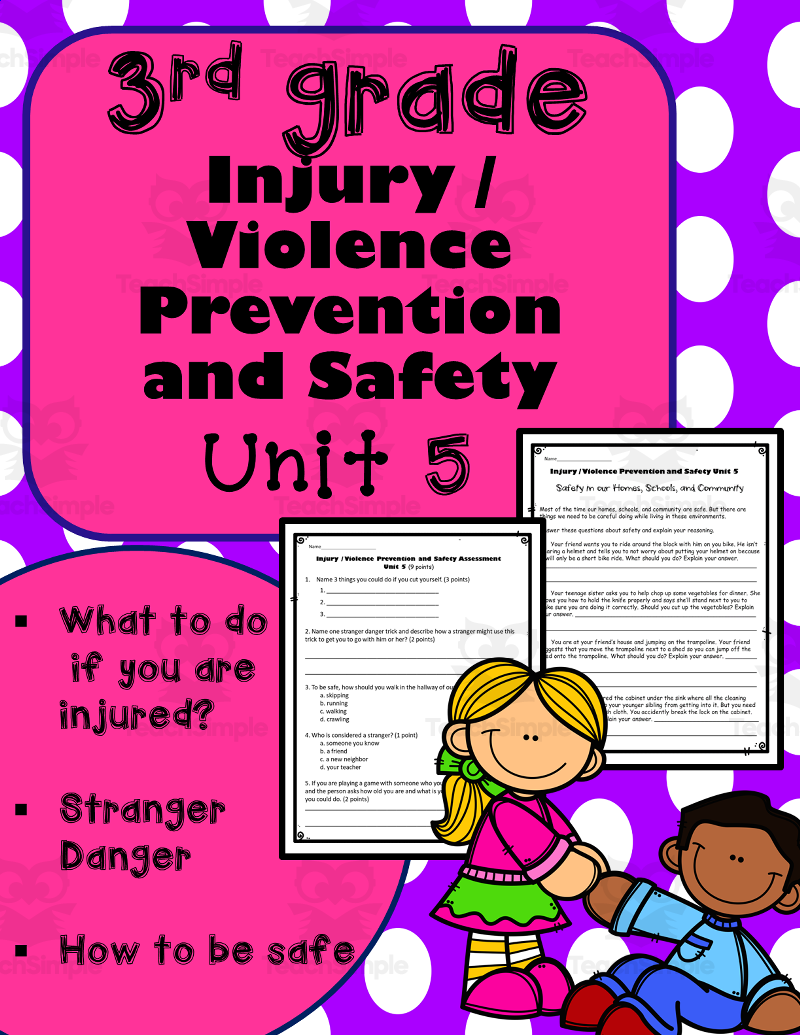
Teach 3rd graders how to respond to minor injuries, recognize and avoid stranger-danger tricks, and make safe decisions at home, school and in the community.

Teach 3rd graders about disease prevention and control: communicable vs. non-communicable disease, personal hygiene, and how viruses (including coronavirus/COVID-19) spread.
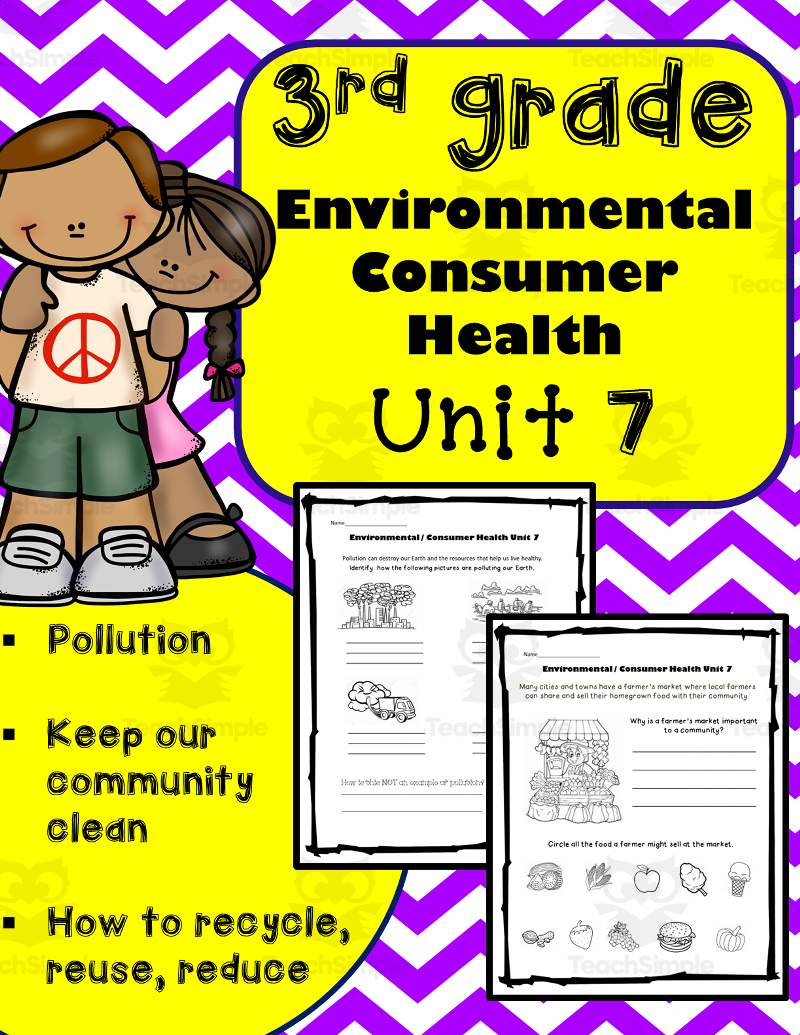
Teach 3rd graders about environmental and consumer health: pollution, keeping the community clean, the three R's (reduce, reuse, recycle), screen time vs. outdoor activity, and farmer's markets.
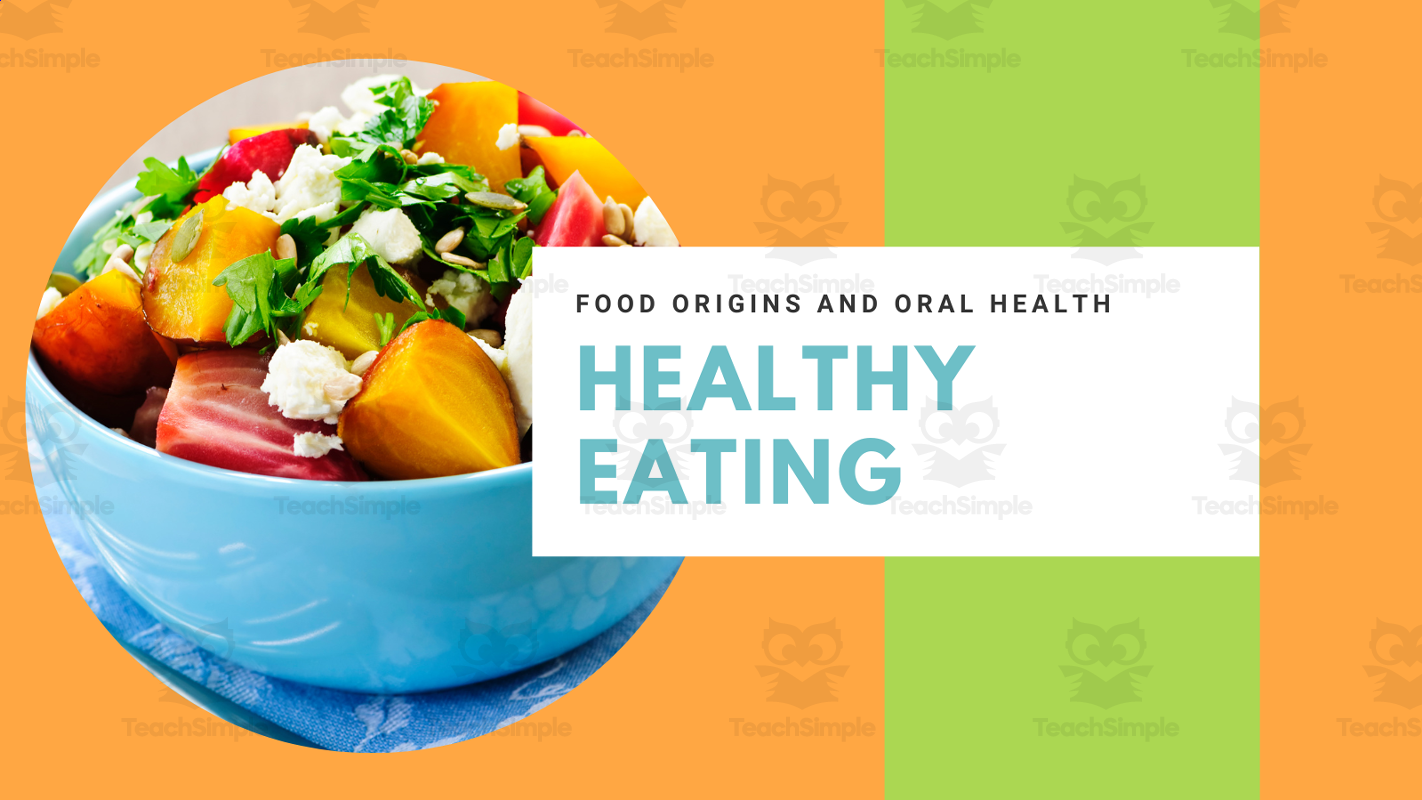
Teaches Grade 3 students where food comes from (processed vs. unprocessed) and how food choices affect oral health.
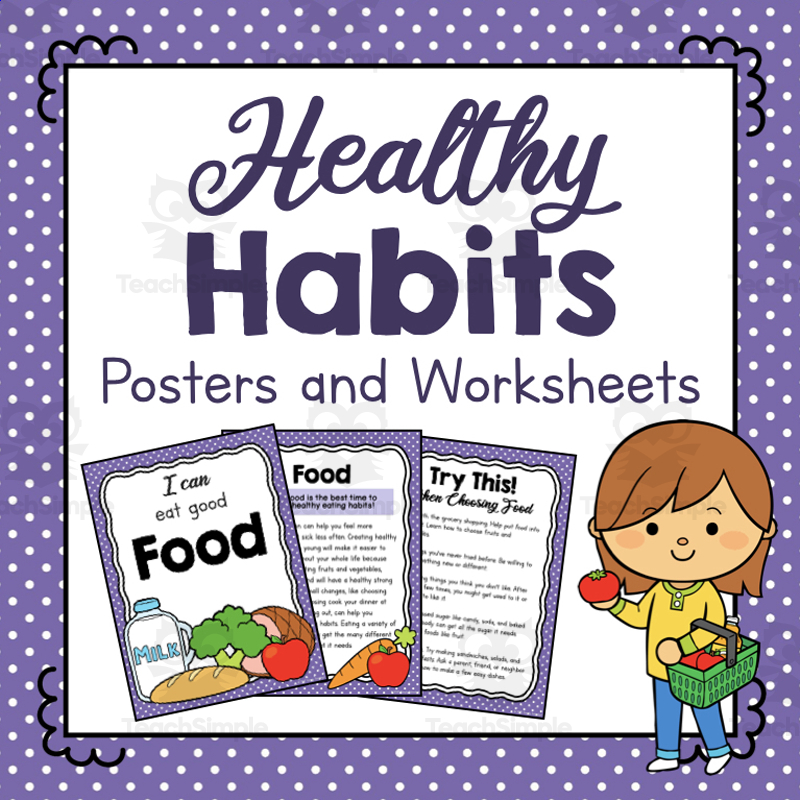
A health education resource teaching elementary students healthy habits across multiple topics (sleep, nutrition, hydration, hygiene, clean clothing, clean home, and more) through informational reading passages, 'I can' statement worksheets, and 'Try This!' actionable tip lists.

A Grade 3/4 unit covering personal hygiene, dental health, substance use, disease/illness, physical activity, and nutrition, aligned to the Manitoba Curriculum Framework for Active Healthy Lifestyles.

Hibernation: Badgers, Bears, Bats & Snakes Gr. 2-3 A comprehensive teaching resource ideally suited for second and third-grade teachers focusing on the science subject of Zoology.
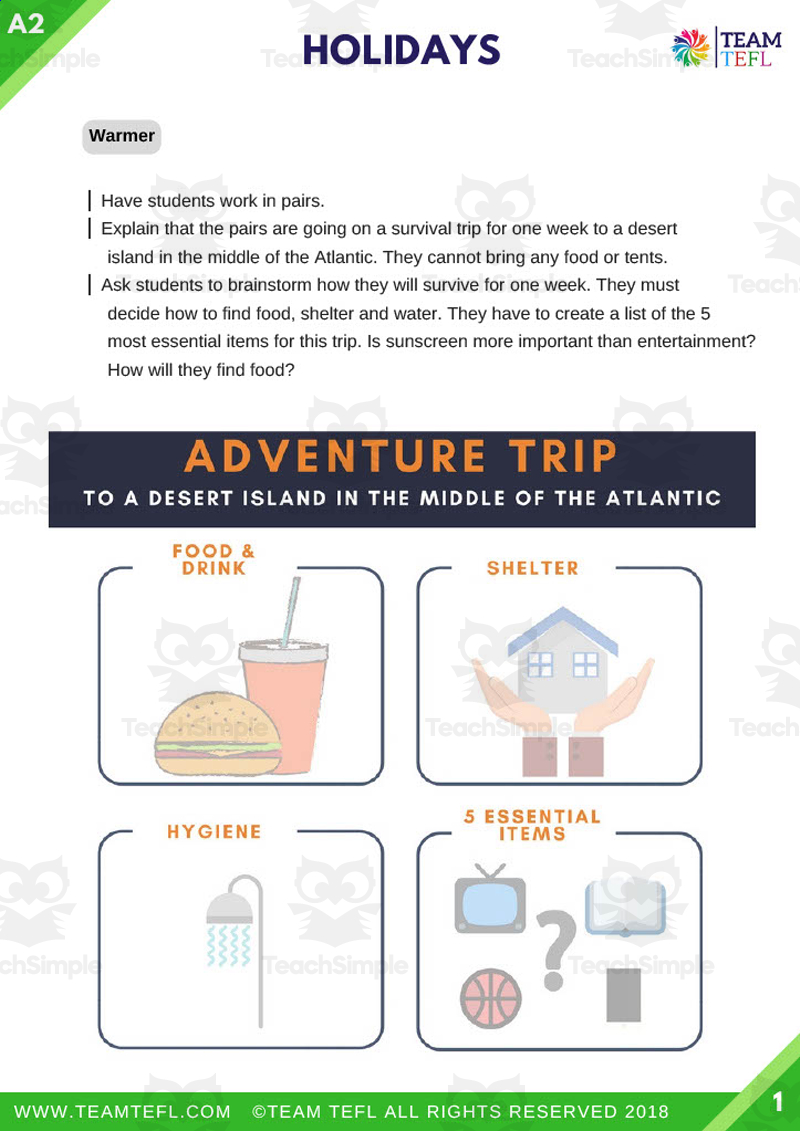
An ESL/ELL lesson plan bundle (CEFR level A2, 'pre-intermediate') teaching vacation/travel and accommodation vocabulary plus gerund grammar, through flash cards, a fill-in-the-blank narrative exercise, and a writing task.

Provide a 5-day novel-study companion for 'Magic Tree House #16: Hour of the Olympics', building comprehension, vocabulary, and background knowledge about ancient Greece and the Olympics.
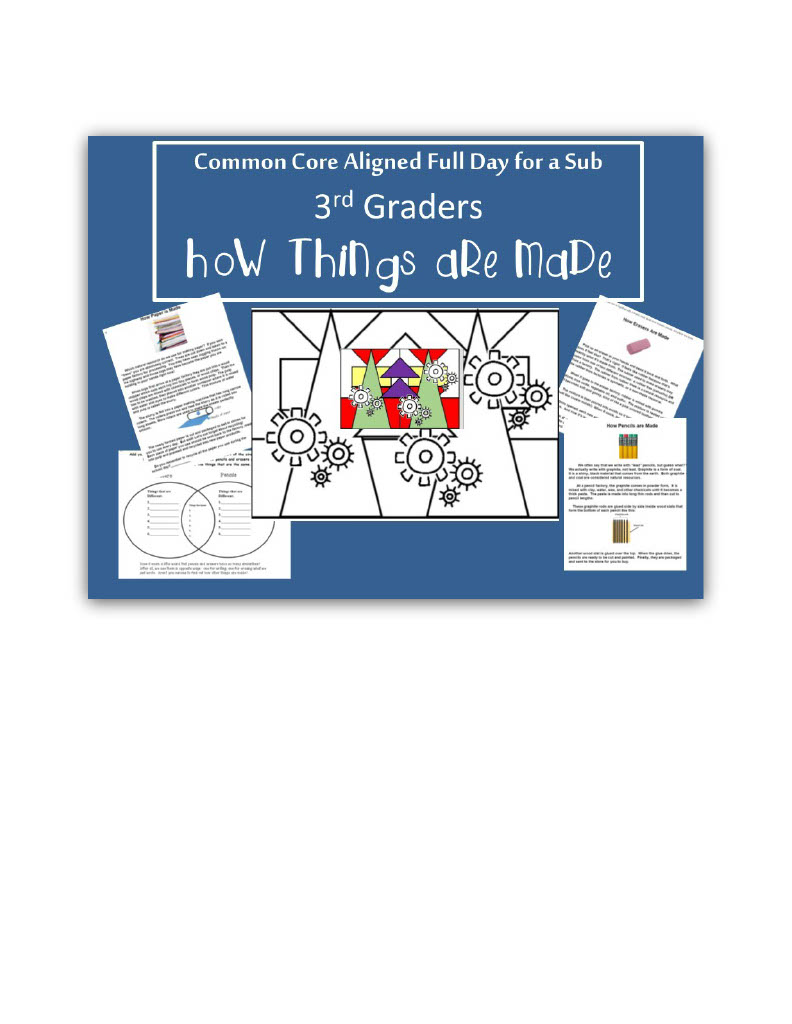
A full-day substitute teacher plan package for Grade 3 built around the theme of how everyday items are manufactured, combining reading comprehension, writing, math review, and vocabulary activities.
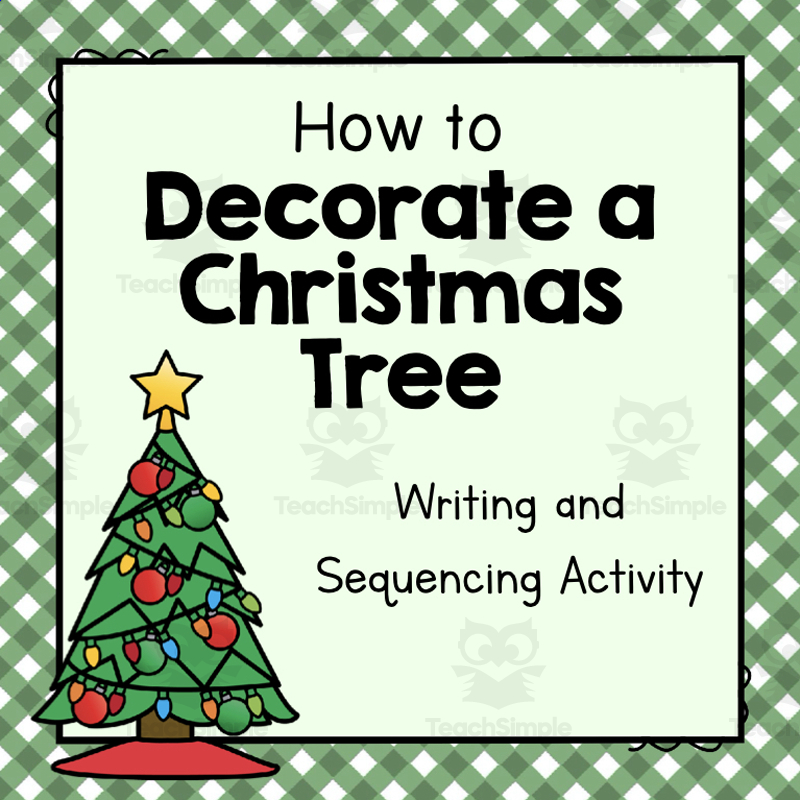
Teaches early writers to produce sequential 'how-to' expository writing about decorating a Christmas tree, using leveled models, checklists, and picture-sequencing supports.
Teaches early writers to produce sequential 'how-to' expository writing about growing a plant, using leveled models, checklists, and picture-sequencing supports.
Teaches early writers to produce sequential 'how-to' expository writing about making a valentine, using leveled models, checklists, and picture-sequencing supports.
Teaches early elementary writers how to compose a step-by-step 'how-to' (procedural/expository) piece using the everyday example of apple pie, with an emphasis on sequencing and transition words.
Teaches early elementary writers how to compose a step-by-step 'how-to' (procedural/expository) piece using the everyday example of caramel apples, with an emphasis on sequencing and transition words.
Teaches early elementary writers how to compose a step-by-step 'how-to' (procedural/expository) piece using the everyday example of lemonade, with an emphasis on sequencing and transition words.

Teaches early elementary writers how to compose a step-by-step 'how-to' (procedural/expository) piece using the everyday example of raking leaves, with an emphasis on sequencing and transition words.

Teaches early elementary writers how to compose a step-by-step 'how-to' (procedural/expository) piece using the everyday example of washing a dog, with an emphasis on sequencing and transition words.

How to Wrap a Gift | Writing and Sequencing Activity | Informational or Expository Writing This innovative resource provides an excellent solution for educators seeking to introduce their young learners to the world of sequential writing.

How to Write and Mail a Letter | Early Writing and Sequencing Activity | Informational or Expository Writing Discover the convenience of using the How to Write and Mail a Letter packet, an outstanding teaching resource for students in…

Overview I Hate Horrible Hairy Spiders. Write The Story. (7-11 years) is a versatile educational resource, specifically designed for children in grades 2 to 7.

An IB Primary Years Programme (PYP) unit planner and resource set for the 'How the World Works' transdisciplinary theme, built around the central idea that curiosity about nature leads to discoveries, focused on weather and seasons.

IB PYP - How We Express Ourselves - Sharing Through Stories Planner & Resources Addressing the vital and distinctive features of the IB Primary Years Programme, this resource provides an in-depth exploration into six Transdisciplinary…