resources by type
resources by grade
resources by subject
other resources

3,964 products added recently

Page 2 - Middle School Lesson Plans

Enhance your middle school curriculum with lesson plans that cater to the unique interests and challenges of adolescents. Covering multiple subjects, these resources encourage exploration and active participation. Utilize these plans to captivate students' minds and support their academic journey.

Relevant
alt down
Any Time
alt down
filter by
alt down
All File Types
alt down
filter nav Show filters
Sort by: Relevant
CLEAR
resources by type
Activities
down arrow
Classroom Decor
down arrow
Teacher Tools
up arrow
Anchor Charts
Assessments
Charts
DBQ's
Diagrams
Graphic Organizers
Lesson Plans
Literacy Readers
Outlines
Presentations
Quizzes and Tests
down arrow
Rubrics
Templates
Worksheets & Printables
down arrow
resources by grade
Early Learning
down arrow
Pre-K
down arrow
Elementary
down arrow
Middle School
up arrow
Grade 6
Grade 7
Grade 8
High School
down arrow
Adult Education
Not Grade Specific
resources by subject
Creative Arts
down arrow
ELA
down arrow
Holiday & Seasonal
down arrow
Life Studies
down arrow
Math
down arrow
P.E. & Health
down arrow
Social Studies
down arrow
Special Resources
down arrow
Science
down arrow
Foreign Languages
down arrow
Resources for Teachers
down arrow
other resources
Common Core
Homeschool Resources
down arrow
Montessori
Research
STEM
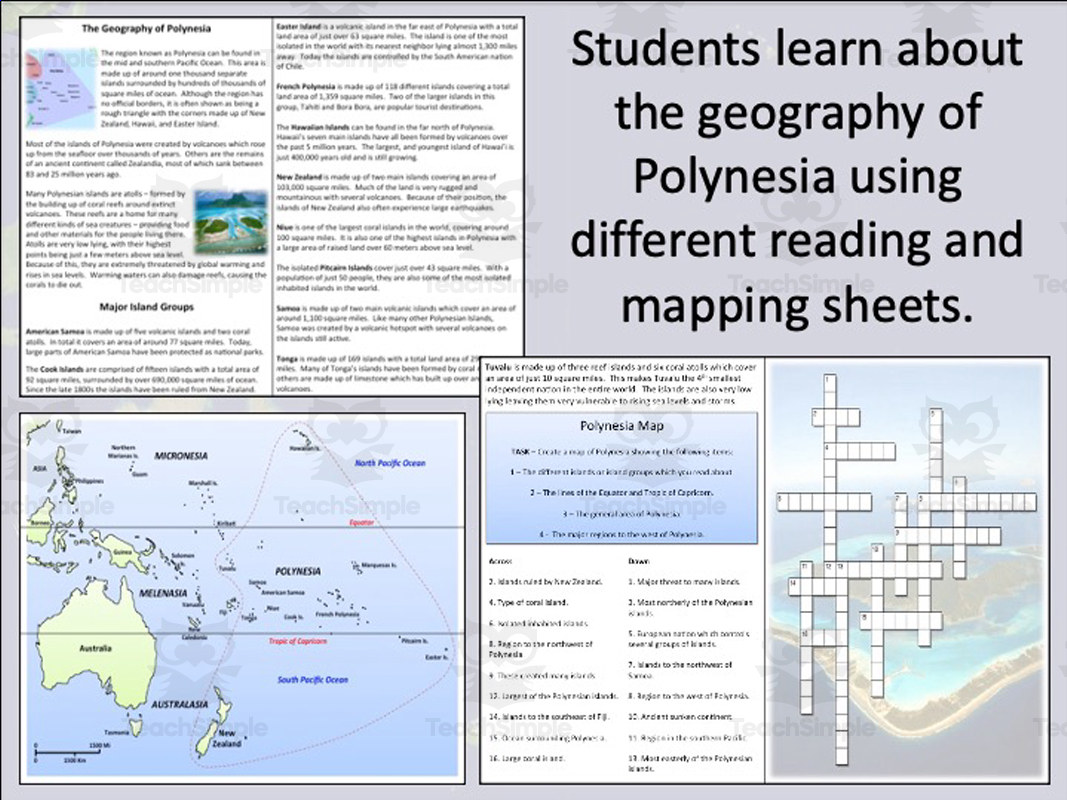
Country Study Presentation - Marshall Island - Geography - Oceania

Country Study Presentation - Marshall Island - Geography - Oceania
Social Studies, Economics, First Peoples (Native), Geography, History, Grade 7, 8, 9, 10, 11, 12, Teacher Tools, Lesson Plans, Presentations

Country Study Presentation - Marshall Island - Geography + Social Studies - Oceania Try this Teaching Resource on Marshall Islands ( Introductory Presentation Lesson - PDF Printable ), designed for Geography + Oceanian History ( Oceania - Pacific Ocean ) + Social Studies lessons. Suitable for Grades 7–12 (Middle school and High School students), this Introductory PDF Presentation offers a ready to use lesson that requires little to no preparation. Geography and Social Studies students will learn about Marshall Islands ’s geography, history, culture, language and economy — making it perfect for classroom instruction, homeschooling, or online learning. 📘 Teachers can find the following topics in this Social Studies and Geograhy Teaching resource ✅ Greetings in English + Marshallese ✅ Geography of Marshall Islands ( Oceania - Pacific Ocean ) – Key facts, borders, and an interactive Google Maps link to its location. ✅ Quick Facts – Population, capital city, currency and other essential details ( Oceania - Pacific Ocean ) ✅ Languages of Marshall Islands : English + Marshallese - introduction in the languages spoken + basic vocabuary ✅ History Overview – A concise summary of the most important events in the history of Marshall Islands ( Oceania - Pacific Ocean ) ✅ Geography & Environment – Details about the country’s land area, regions, and climate zones ( Oceania - Pacific Ocean ) ✅ Marshall Islands's Economy – paragraph on Marshall Islands ’s industries, exports, currency and economic strengths ( Oceania - Pacific Ocean ) ✅ Majuro – Explore the capital city of Marshall Islands , its famous landmarks, and cultural highlights. ✅ Other Major Cities – A map showcasing additional important cities in Marshall Islands ( Oceania - Pacific Ocean ) ✅ Marshall Islands's Culture & Traditions – A look at the customs and values that define Marshall Islands ( Oceania - Pacific Ocean ) ✅ Farewell in English + Marshallese 🎯 This Geography and Social Studies Teaching Resource can be perfect for: Geography classes Social Studies lessons World cultures units Country study projects Substitute teacher toolbox Digital learning In-class or online teaching 📂 Resource Details Format: PDF Digital Presentation Grade Levels: 7th–12th Grade ( Middle School and High School students ) Learning with Alan is an educational resource store created to help teachers, educators, and tutors reach their teaching goals while building a fun, engaging, and stimulating learning environment . Because learning should always be meaningful—and fun! 🎓✨ If you want to browse more of my Teaching Resources, click here Learning with Alan!!

Author Learning with Alan

Rating

Tags Social Studies, Geography, Country Study, Oceania, Pacific Ocean, Marshall Islands, Lesson, Introduction, Presentation, Activity

Ocean Plastic Pollution – Data Analysis & Advocacy Sheets

Ocean Plastic Pollution – Data Analysis & Advocacy Sheets
Science, Earth and Environmental Sciences, Earth Sciences, Environmental Science, Geology, Space, Life Sciences, Nature & Plants, STEM, Human Body, Grade 6, 7, 8, 9, 10, 11, 12, Worksheets & Printables, Workbooks, Worksheets, Word Searches, Teacher Tools, Assessments, Lesson Plans, Quizzes and Tests, Quizzes, Tests

This 55-page comprehensive, interdisciplinary curriculum will allow you to turn your classroom into an environmental action lab focused on ocean plastic pollution. Designed to bridge cutting-edge marine science with civic advocacy, it provides students with opportunities to move beyond passive learning and into actual environmental action based on evidence. The curriculum consists of three phases that take students through a complete educational process. In Phase 1, Theoretical Framework gives students all of the background knowledge necessary for them as citizens to become advocates for change through evidence-based advocacy strategies (i.e., the Coriolis Effect; chemical properties of polymers; biodegradability; accumulation and magnification of toxins in food webs; marine ecosystems) designed using science and basic tenets of physics & chemistry that are used in designing marine policies. In Phase 2, Application Phase, students have the opportunity to apply what they have learned through 10 worksheets that require analytical thinking skills (i.e., interpreting data sets; calculating numbers; ecological reasoning; evaluating corporations' environmental claims) in the creation of project proposals, respectively, regarding greenwashing, greenhouse gas emission reductions. In Phase 3, Instructional Materials, teacher support is provided (i.e., graphic organizers; rubric; answer keys with rational explanations; pacing guide; differentiation strategies, etc.) for successful implementation of the curriculum across disciplines. Students will have the opportunity to analyze real-world examples of ocean plastic pollution facts, including: the Great Pacific Garbage Patch, Henderson Island, Midway Atoll; develop a quantitative analysis of the rate of time it takes for PVC plastic to decompose; create maps showing the locations of the locations of plastic and non-plastic debris along ocean currents; analyze data related to the successful clean up of beaches and oceans and use such information in forming international legislation that seeks to eliminate as much plastic pollution as possible through public awareness campaigns such as "I Love My Ocean" public service announcements etc. Students compose policy memos formally addressed to elected representatives. The materials will help students build skills and competencies in the areas of data literacy, systems thinking, scientific writing, persuasive communication and authentic political agency through a pressing global issue — marine plastic pollution. Topics Covered: Environmental Science, Earth Science, Marine Biology, Chemistry (Polymer Science), Economics, Civics/Government, ELA (Persuasive Writing, Research), Mathematics (Data Analysis, Percent Calculations, Unit Conversions). You will get: Theoretical Resource: Four Chapters (Pgs. 1 - 10); Structured Worksheets for Students (10 Worksheets with 100+ Questions) (Pgs. 11 - 22); Three High Contrast Pedagogical Visual Diagrams (Lifecycle Flowchart, Bar Chart, Advocacy Framework); Complete Comprehensive Answer Keys for Each Question with Model Response; Graded Rubric (100 Point) for Final Policy Memo Project; Flexible Pacing Guide (20 days of Instruction in a 4 week period); Strategies for Differentiation for 3 Learner Profiles; Cross Curricular Activity Connection (Science, ELA, Math, C.S.S., Art); Teacher's Resource List (documentaries, interactive tools, essential readings); Final Note to Educators with Pedagogy Philosophy. Keywords: ocean plastic pollution, microplastics worksheet, marine debris, environmental science curriculum, ocean gyres lesson, bioaccumulation, biomagnification, greenwashing, single use plastics, Extended Producer Responsibility, policy memo project, STEM environmental education, data analysis science, middle school science, high school environmental science, science resources, civic advocacy project, ocean conservation, sustainability education, plastic pollution unit. PARENTS/TEACHERS ENJOY THIS CURRICULUM VERSION: Interdisciplinary - Covers Several Subjects with One Resource. This PDF Combines Science, Math Writing (ELA), Economics, Social Studies, & Civics into a Single Resource - Teachers Save Time By Not Having to Create Multiple Lesson Plans. Provides Cross-Curricular Value - Administrators/Parents Can Easily See Cross-Curricular Value of Lesson. Teaches Real-World Skills, Not Just Testing. Students Learn to Analyze Data Sets, Recognize Corporate Greenwashing, Develop Legislation &Write Policy Memos to Real See Elected Officials Using Many of the Same Skills That Will Benefit Them as They Enter College/Career &Participate In A Democratic Society. Ready for Implementation- Complete Answer Keys with Detailed Model Responses; Grading Rubric (100 Points), Pacing Guide (4 weeks); Differentiation Strategies for 3 Different Learner Profiles; Cross-Curricular Connections for This Curriculum Make Implementation Possible Immediately After Prep Work is Finished. Addresses An Urgent, Student-Motivating Issue. Ocean plastic pollution is one of the most obvious environmental crises our kids face; this curriculum connects with the concern they currently have & creates meaningful, engaging learning through rigorous science & civic engagement vs passive acknowledgment of a problem. Sufficiently Rigor for Advanced Students While Use Infrastructure to Support Struggling Learners - There Are Strategies for Supporting Struggling Readers, Advanced Learners Please Readers, English Language Learners Located In The Resource. TARGET STUDENT GRADE LEVELS : This PDF is appropriate for the following grade levels based on an in-depth study of various types of complexity factors: vocabulary (CPV), level of math (CPSM), level of writing (CPW), and level of conceptual depth (CPD). Primary Target Grades 7-10 Core Worksheets for Grades 7-8: Worksheets are intended for core subject teachers scaffolding; fill-in-the-blank and short answer sections of worksheets allow for guided reading. Independent Engagement for Grades 9-10: Students will have the ability to fully engage in all theoretical materials, perform calculations, write policy memorandums, and create advocacy campaigns. Secondary Target Grades 11-12 (AP Environmental Science/AP Language) Advanced students in all areas of study will benefit from the economic analysis, sections on international law, critique of greenwashing, and sections on writing policy briefs at college preparatory level. Also Appropriate for: Gifted/Advanced Programs (grades 6 and up) Environmental Clubs/Extracurricular Programs (all ages) College Level Environmental Science 101 (Community College Level) Adult Education/Homeschool (Middle School & High School Level) Copyright/Usage Terms : Despite being created by Syed Hammad Rizvi, this book belongs solely to him, and it may not be modified or sold without his consent. You are allowed to make copies for your use; however, you may not post or upload copies on-line or anywhere else that they would be available to the general public. If you wish to share this book with other educators, you can purchase additional copies of the same license from Teachsimple. By following these rules, you uphold the terms of use. This product has been lovingly produced with the help of Syed Hammad Rizvi

Author Creative Book Store

Rating

Tags OceanPlasticPollution, PlasticPollution, Microplastics, MarineDebris, EnvironmentalScience, MiddleSchoolScience, HighSchoolScience, ScienceTeacher, DigitalDownload, HomeschoolScience

Engineering Design Process for Household Upcycling

Engineering Design Process for Household Upcycling
Science, Basic Science, Inventors, Theories, Earth and Environmental Sciences, Earth Sciences, Environmental Science, Geology, Space, STEM, Homeschool Curriculum, Grade 3, 4, 5, 6, 7, 8, Worksheets & Printables, Workbooks, Worksheets, Word Searches, Teacher Tools, Assessments, Lesson Plans, Quizzes and Tests, Quizzes, Tests

Transform your students from consumers into creators with this complete, no-prep STEM curriculum! Are you looking for an engaging, hands-on project that teaches real-world engineering skills without breaking the budget? Dive into the "Engineering Design Process for Household Upcycling," a comprehensive, project-based learning (PBL) unit designed to turn everyday trash like cardboard boxes and plastic bottles into functional, load-bearing items. This isn't just another recycling craft. This rigorous curriculum guides 4th, 5th, and 6th-grade students through the authentic Engineering Design Process (EDP) . They will learn the material science of polymers and cardboard, draft orthographic blueprints, and apply principles of physics to build amazing items like a passive phone amplifier, a modular storage unit, a self-watering planter, and even a kinetic wind turbine! What's Included in This 35-Page All-in-One PDF? Part 1: In-Depth Instructional Text (Teacher's Guide): A detailed guide explaining the core concepts of material science, structural engineering, and each step of the EDP (Ask, Imagine, Plan, Create, Test, Improve) in the context of upcycling. Part 2: Printable Student Workbook (10 Worksheets): Ten carefully scaffolded worksheets that reinforce learning. Activities cover everything from blueprint basics and advanced joinery to data collection, troubleshooting, and a final capstone design challenge. Part 3: Teacher Resources & Visuals: Classroom Anchor Charts: Professional diagrams of the Engineering Design Process, a Material Science Matrix, and the Anatomy of a Blueprint. Comprehensive Answer Key: Complete answers for every knowledge check and worksheet question, saving you valuable prep time. Project Reflection Rubrics: Guidance for assessing student understanding and encouraging a growth mindset during the testing and iteration phases. This unit is perfect for STEM/STEAM labs, Earth Day activities, sustainability lessons, gifted and talented programs, or any teacher looking to integrate meaningful, hands-on engineering challenges into their classroom. Keywords: STEM, STEAM, Engineering Design Process, Project-Based Learning (PBL), Upcycling, Recycling Project, Earth Day, Sustainability, 4th Grade Science, 5th Grade Science, 6th Grade STEM, Middle School Engineering, Hands-On Learning, Critical Thinking, Cardboard Engineering, Plastic Bottle Projects, Printable Workbook, No-Prep, Homeschool Curriculum, After-School Club. Why Parents/Schools Love It: Turns Trash into Treasure (Zero-Cost Materials): This curriculum brilliantly uses common household waste like cardboard and plastic bottles, making it an incredibly affordable and accessible hands-on experience for any school or family. Teaches Authentic 21st-Century Skills: It goes far beyond simple crafts, teaching the real, iterative Engineering Design Process. Students learn critical thinking, problem-solving, spatial reasoning, and resilience in the face of failure. Comprehensive & "Print-and-Go": This is a complete, all-in-one unit. With an instructional guide, student worksheets, visual aids, and a full answer key, teachers can implement a high-quality engineering project with minimal prep time. Fosters Environmental Consciousness: The curriculum is built on a foundation of sustainability. It empowers students to see waste as a resource, teaching them practical ways to have a positive impact on their environment. Highly Engaging for All Learners: The hands-on building process and the creation of genuinely functional items (like a phone stand or a self-watering planter) capture students' imagination and provide a tangible sense of accomplishment. Target Audience : Based on the content's complexity, language, and stated goals, target: Grade Levels: 4th, 5th, and 6th Grade . The content is perfectly scaffolded for this upper-elementary to early-middle school range. Educator Types: Classroom Teachers (Grades 4-6) STEM/STEAM Lab Teachers Science Teachers Homeschooling Parents After-School Program Coordinators Gifted and Talented (GATE) Program Instructors Copyright/Terms of Use: This Book was copyrighted by Syed Hammad Rizvi. This resource is for personal and single classroom use only. You may not alter, redistribute, or sell any part of this resource. In other words, you may not put it on the Internet where it could be publicly found and downloaded. If you want to share this resource with colleagues, please purchase additional licenses from Teachsimple. Thank you for respecting these terms of use. This product is happily brought to you by Syed Hammad Rizvi

Author Creative Book Store

Rating

Tags STEM, STEAM, Engineering, EngineeringForKids, Upcycling, RecyclingProject, ProjectBasedLearning, HandsOnLearning, MaterialScience, EnvironmentalEducation

Percent Word Problems – Tipping & Gratuities Math

Percent Word Problems – Tipping & Gratuities Math
Life Studies, Home Economics, Special Resources, Life Skills, Math, Multiplication, Multiplication and Division, Percentages, Money, Grade 6, 7, 8, 9, Worksheets & Printables, Word Problems, Teacher Tools, Lesson Plans

Tipping is becoming more and more common and the amount you are expected to tip is increasing too. Make sure your students understand what tipping is and how to calculate a tip- useful life skills! Here’s a ready-to-print real-life percent math lesson for middle school students (in grades 6-9) or special education or life skills classes in a high school setting. Teach your class all about tipping culture and tips in both Canada and the United States. Why do people tip or give certain people a gratuity? What places do we tip? What places do we not? Has tipping been increasing recently ("tip-flation")? Show students how the math skills and concepts that they have been learning in class (percentages, decimals, division, fractions) can be useful in their everyday lives! How to Use: 1. The first page is a handout that you complete with your students (with fill-in-the-blanks) to teach them the ins and outs of tipping: where and when you do it, etc. 2. The second page teaches students two simple methods of calculating tips (using well-known percentage benchmarks OR multiplying the price by a percentage written in decimal form). Encourage your students to determine a third method they could use. 3. After that, there are 7 practice word problems of realistic tipping situations that your students can complete. From tipping for a meal to paying at a salon, or even calculating tax AND tip together, your students will get a lot of real-life practice completing these problems in small groups or own their own. 4. To finish, you can have a class discussion about tipping in general and what your students think about our system. What's Included: 6 Page PDF - Teacher Instructions - Handout with Fill-in-the-Blanks about Tipping - 3-Page Worksheet and Written Reflection - COMPLETE ANSWER KEY INCLUDED If you want more practice working with tips try these two products: Fractions for Calculating Taxes, Tips and Sales Percents for Calculating Taxes, Tips, and Sales

Author Grace Under Pressure

Rating

Tags Percent Word Problems, Tip, Tipping, Gratuity, How To Tip, How To Calculate A Tip, Financial Literacy, Life Skills, Personal Finance, Word Problems

The Bill of Rights Unit (and a Little About Amendments 11-27)

The Bill of Rights Unit (and a Little About Amendments 11-27)
Social Studies, Government, Grade 6, 7, 8, Lesson Plans, Teacher Tools, Crosswords Puzzles, Tests, Worksheets & Printables

The purpose of this 49-page mini-unit is for students in grades 6-12 to develop a clear understanding of what their rights are under the Constitution, particularly our rights under the Bill of Rights. Increasingly, Americans, especially students, are not able to name many of the rights we are entitled to in the Bill of Rights. They are well aware of Amendment 2 and parts of Amendment 1, and the “I plead the fifth” clause of Amendment 5, but they are woefully uninformed of the other rights that protect us. This mini-unit is designed to give students not only a complete understanding of these rights but opportunities to put their knowledge into practice through the various worksheets and a culminating project at the end of the unit, which is available separately in my store,, “A Great Good Place for Teachers,” called The Bill of Rights: A Project to Assess Knowledge and Understanding. The ultimate goal is for them to have a healthy and complete understanding of why these basic rights are so necessary for our democracy. This mini-unit is part of my unit: “Our Living Consitution” which is designed using the Into, Through, and Beyond model of lesson planning. The lessons in the Our Living Constitution unit can be used independently or as a supplement to what you already teach or as a whole. Here is a summary of what is in the unit. Check out my store: A Great Good Place for Teachers Here are the links Into Lessons: Creating Schema Lesson 1: Overview of the Constitution of the United States of America Lesson 2: Origins of the Constitution and Essential Terms Lesson 3: The Seven Principles of the Constitution Through Lessons: Learning the Content Lesson 4: The Preamble: The Goals of the Constitution (not included in Our Living Constitution) Lesson 5: The Three Branches of Government: Articles 1, 2, and 3 Lesson 6: How a Bill Becomes a Law Lesson 7: Federalism, Separation of Powers, and Checks and Balances Lesson 8: Articles 4, 5, 6, and 7 of the United States Constitution Lesson 9: The Bill of Rights Unit (and a Little About Amendments 11-27) Extras (from the Unit: Every Four Years… The Presidential Election) Lesson 10: What Are Your Political Viewpoints ? (not included in Our Living Constitution) Lesson 11: Major and Minor Political Parties (not included in Our Living Constitution) Lesson 12: A Brief History of Who Can Vote in the United States (not included in Our Living Constitution) Lesson 13: The Nuts and Bolts of the United States Presidential Election (not included in Our Living Constitution) Beyond Lessons: Summative Assessments The Consitution is a Living Document (not included in Our Living Constitution) The Bill of Rights Explained Project: A Project to Assess Knowledge and Understanding (not included in Our Living Constitution)

Author Intentional Teaching and Learning

Rating

Tags Civics, Government, Critical Thinking, Bill Of Rights, Amendments 11-27, Analysis, Test And Answer Key, Real-world Examples, Bill Of Rights Activity For Middle School, Constitutional Amendments 11 27 Summary, Bill Of Rights Printable For Students, Bill Of Rights Activity For High School, Amendments To The Constitution 11 27, Amendments Worksheet Bill Of Rights Answer Key, The Bill Of Rights Simplified, Amendment Summaries 11 27, Amendments 11-27 Simplified, Bill Of Rights Simple, Amendments 11 27 For Dummies, 27 Amendments Crossword Puzzle, Classroom Bill Of Rights, Teaching, Classroom, Constitution, Crossword Puzzles, American Government

Readiness Life Skills - Personal Responsibility Gr. 9-12+

Readiness Life Skills - Personal Responsibility Gr. 9-12+
Life Studies, Special Resources, Life Skills, Grade 6, 7, 8, 9, 10, 11, 12, Teacher Tools, Lesson Plans

Be personally responsible for your life. Be the owner of your decisions. Stand up for yourself. Accept others and how they view the world. Learn to change your perspective and think like others. Be authentic. Be your true self. Don't hide behind what others think or want. Get to know your characteristics and learn to love them. Be better at focusing on things. Be in control of your feelings and actions. Get to know how accountable you are. Can you be counted on? Can people rely on you? Where do you fall on this scale? There are 3 types of resilience. Which are you? Create a map of your inner self. Set up boundaries and learn when to say no. This will help you keep a healthy lifestyle. This resource is made up of reading passages, real-world activities, graphic organizers, and extension activities, like a crossword, word search and comprehension quiz. Combining high interest concepts with low vocabulary to make sure all learners understand the necessary skills required in life. Aligned to your State Standards. Written to Bloom's Taxonomy. This content is reproducible.

Author Classroom Complete Press

Rating

Tags Life Skills, Comprehension, Graphic Organizers, Reading Passage, Readiness, Personal, Responsibility

Tricky Graphs- Bias and Data: Bar Graph Worksheet Line Graph Worksheet

Tricky Graphs- Bias and Data: Bar Graph Worksheet Line Graph Worksheet
Math, Graphing, Life Skills, Special Resources, Grade 6, 7, 8, 9, Worksheets & Printables, Worksheets, Lesson Plans, Teacher Tools

Critical Thinking and Graphing and Media Literacy all in one! This middle grades math lesson for students in grades 6-9 helps teach your class about how graphs can be displayed in tricky and misleading ways. Your students will learn how to spot these biases and re-create the graphs in a more fair manner. This is real-life learning that will serve your students long past your graphing unit. It's a crucial life skill that is often not taught in school. Here’s a real-life math lesson that will be a great addition to your middle school graphing unit! Students are shown three unique and realistic graphs Each one presents information in a biased or misleading way. With step-by-step instructions, your students will be guided through the basics: 1) Carefully reading and interpreting each graph: the axes, the scales, the data that is included 2) Noticing any biases or manipulations that may be present 3) Determining what the author probably wanted to guide them to think when reading the initial graph On the second page for each situation, students are given extra information and tasked with re-creating the graph more fairly. Blank graphs (with scales and labels) are given to students; they will use the information provided in each table to create a new graph that displays the data in an accurate way. Reflection prompt questions are also included to stimulate discussion and students explaining their ideas in words. The misleading and biased scenarios include: Choosing a truncated vertical scale to overemphasize change Not plotting enough data points for the full picture Graphing an absolute amount when a rate would be more informative The three graphs include one bar graph and two line graphs. What's Included: 8 Page PDF Ready to Print and Use! Teacher Instructions 6 Worksheets: Two Pages each for Three Scenarios (including 15 questions and 3 graphs for students to create) Complete Answer Key

Author Grace Under Pressure

Tags Bar Graph Worksheet, Line Graph Worksheet, Bias, Data Collection, Data Presentation, Graphing, Graphing Worksheet, Critical Thinking, Life Skills, Media Literacy

Inflation Lesson – High School Financial Literacy

Inflation Lesson – High School Financial Literacy
Special Resources, Life Studies, Life Skills, Finance, Home Economics, Math, Percentages, Decimals, Grade 8, 9, 10, 11, 12, Lesson Plans, Teacher Tools, Worksheets & Printables, Worksheets

This Inflation: High School Financial Literacy Lesson can help develop financial literacy skills in high school students and show them how the math they learn in the classroom can be useful in everyday life. The resource offers a complete introduction to inflation and its implications. It's perfect for classrooms including consumer math, applied math, or financial literacy. The 2-page handout and worksheet incorporates real-world math scenarios enabling students to develop their financial understanding and strengthen their mathematical skills. Key topics covered include: Understanding inflation and why it may vary Learning what amount of inflation is desirable and how it is calculated Analyzing potential problems like decreased investment return when inflation is high or increased mortgage payments due to related interest rate hikes Math Skills Required: Calculating with percentages written in decimal form Grades to Use With: This lesson is designed for students in high school in grades 8-12 who have learned about calculating percentages using decimals. It can help your students meet standard CCSSMP4 (Model with Mathematics), making math more than just an abstract concept but a real world applicable practice. What's Included: This lesson is a user-friendly 5-page PDF: ready to print and use immediately. It includes a one-page handout with two versions – note-taking or pre-filled, allowing you to choose which is best for your students' engagement. Then, there is a worksheet with four different real world inflation math problems accompanied by an answer key to make marking a breeze. How to Use: The product fits various teaching arrangements from whole class learning to individual seat work or partner work. I would go through the handout with the whole class, do a sample problem on the board, and then allow my students to work in pairs or small groups to complete the worksheet. If you enjoy this financial literacy activity, check out others in my store: Household Budget Debit Cards vs Credit Cards Bank Statement and Credit Card Bill Practice Financial Literacy: Mortgage Effects When Interest Rates Rise

Author Grace Under Pressure

Rating

Tags Inflation, Financial Literacy, Percent, Budget, Personal Finance, Percentage, Finance, Real World Math, High School Financial Literacy, Applied Math

The Industrial Revolution (1760-1840)

The Industrial Revolution (1760-1840)
History: Europe, History, Social Studies, History: British, History: USA, History: Canada, High School, Middle School, Worksheets, Worksheets & Printables, Lesson Plans, Teacher Tools, Presentations

The Industrial Revolution, often categorized into the First Industrial Revolution and Second Industrial Revolution, marked a transitional phase in the global economy towards more extensive, efficient, and consistent manufacturing methods, following the Second Agricultural Revolution. Initiating in Great Britain circa 1760, the Industrial Revolution extended to continental Europe and the United States by approximately 1840. This shift involved moving from manual production techniques to machinery; novel chemical manufacturing and iron production methods; a greater reliance on water and steam power; the creation of machine tools; and the emergence of the mechanized factory system. Production significantly surged, leading to an unparalleled increase in both population and the pace of population growth. The textile sector was the pioneer in adopting modern manufacturing techniques, making textiles the leading industry regarding employment, output value, and capital investment. This handy ebook will help you teach your students about the Industrial Revolution. It contains facts, plenty of activities, the students' printable worksheet, and the relevant answer key at the end.

Author Bright Classroom Ideas Marketplace

Rating

Tags Industrial, Revolution, History, Modern, Europe, Britain, Social, Work

Are You An Optimist or Pessimist SEL presentation & Survey!

Are You An Optimist or Pessimist SEL presentation & Survey!
Special Resources, Life Skills, Social Emotional Learning (SEL), Social Skills, Grade 4, 5, 6, 7, 8, 9, 10, Teacher Tools, Lesson Plans, Worksheets & Printables, Presentations, Assessments

Are You An Optimist or Pessimist SEL Presentation Lesson Plan With Student Survey is a resource designed to bring educational lessons on optimism and pessimism directly into the classroom. Perfect for educators of grades 4 through 10, this tool is equally useful for both public school teachers employing enhanced teaching techniques and homeschooled students. This lesson plan revolves around a 20-slide PowerPoint presentation, offering clear guidance to students through each stage of the learning course. The content includes two embedded videos (located at slide numbers 9 and 10) which serve as visual aids to better understand the topic. The first segment features seven quick question image prompts intended to engage student thought processes - these can be conducted via stand-up/sit-down methods or simple hand raising. This is followed by an interactive survey where participants score their answers based on personal feelings, fostering open dialogue among peers about their choices. Detailed answer sheets are provided post-survey; these aim at easy comprehension by all participants, thus making life skill education seamless! The final slide inducts additional resources - links that guide students towards strategies employed for developing optimistic thinking over pessimistic attitudes. Furthermore, enjoyable GIFS strewn throughout ensure that sessions remain lively and engaging until the end! Note: This resource primarily uses Microsoft PowerPoint; ensuring a flawless backdrop for memorable lessons. Optimally designed for whole-class settings, small group discussions, individual activities or even homework assignments; its versatility makes it adaptable across various teaching scenarios needing minimal preparation beforehand (except printing survey documents). This is a wonderful lesson that students LOVE. They get to discover a bit about themselves as well as get to know the other students around them. For more products and resources like these to teach SEL and SEN lessons, please go to: https://teachsimple.com/contributor/jennifer-moyer-taylor You may also enjoy my lesson on introverts versus extroverts here: https://teachsimple.com/product/are-you-an-introvert-or-extrovert-lesson-with-kahoot-and-student-survey

Author Jennifer Moyer Taylor

Tags Optimism, Pessimism, Lesson Plan, SEL Presentations, Survey, School Counseling, SEL, Social Emotional Learning, Health, Social Skills

Coco Lesson Plan & Worksheets | Grades 4 - 6

Coco Lesson Plan & Worksheets | Grades 4 - 6
ELA, Social Emotional Learning (SEL), Special Resources, Grade 4, 5, 6, Lesson Plans, Teacher Tools, Worksheets & Printables

Coco Lesson Plan & Worksheets | Grades 4 - 6 Bring meaningful discussions, cultural learning, and literacy skills to your classroom with this engaging Coco Movie Study ! Inspired by Disney•Pixar’s beloved film, this resource helps students explore themes of family, memory, identity, and following their dreams while building comprehension, vocabulary, critical thinking, and social-emotional learning skills. With 30 ready-to-use activities, students stay engaged from beginning to end while making powerful personal connections to the story. What's Included 30 printable student activities Complete student workbook Detailed teacher guide and lesson plan Full answer key Comprehension questions Character analysis activities Theme and critical-thinking tasks Vocabulary and language exercises Cultural learning activities about Día de los Muertos Family tree diagram activities Flowchart reading activities Fraction and data-analysis practice Creative writing prompts Reflection and SEL activities Ofrenda design project Discussion questions and extension activities Students will explore: Family and remembrance Mexican culture and traditions Character development Inference and critical thinking Vocabulary development Story structure and summarizing Personal reflection and empathy Data interpretation and diagrams How It Works in the Classroom This Coco movie guide is designed for flexibility and can be used in: Whole-class movie studies ELA lessons Cultural awareness units SEL lessons Substitute plans Independent work Homeschool settings Small-group discussions After-movie reflection activities Students move through activities before, during, and after viewing the film. The resource includes comprehension tasks, character studies, vocabulary practice, cultural exploration, data-analysis activities, and creative response projects for a well-rounded learning experience. Standards & Learning Goals Students will: Summarize key events from the story Analyze character choices and motivations Explore themes of family, memory, and identity Develop cultural understanding of Día de los Muertos Strengthen vocabulary and language skills Practice inference and evidence-based thinking Read and interpret diagrams and data Apply fraction concepts Make meaningful personal connections through reflection Engage in creative writing and discussion This resource supports: English Language Arts Social-Emotional Learning (SEL) Cultural Literacy Critical Thinking Discussion and Speaking Skills Cross-Curricular Learning Beginning Math & Data Analysis Skills Why Teachers Love It ✅ No-prep printable resource ✅ Combines literacy, culture, SEL, and critical thinking ✅ Encourages respectful cultural understanding ✅ Promotes meaningful classroom discussions ✅ Includes answer key for easy grading ✅ Perfect for movie days with academic purpose ✅ Supports a wide range of learners ✅ Features creative, analytical, and reflective activities ✅ Easy to use for whole group, independent work, or sub plans ✅ Helps students connect personally to themes of family and remembrance Teachers love that this resource transforms a favorite movie into a rich educational experience while encouraging empathy, cultural awareness, and deeper thinking. Add this Coco Movie Study to your classroom today and help students strengthen literacy skills while exploring the powerful themes of family, culture, remembrance, and belonging. It's the perfect companion for meaningful movie-based learning!

Author Bright Classroom Ideas Marketplace

Rating

Tags Coco, Film, Movie, Guide, Lesson, Plan, Worksheet

The Wild Robot Lesson Plan, Worksheets & PowerPoint | Grades 3 - 6

The Wild Robot Lesson Plan, Worksheets & PowerPoint | Grades 3 - 6
ELA, Social Emotional Learning (SEL), Special Resources, Grade 3, 4, 5, 6, Lesson Plans, Teacher Tools, Worksheets & Printables

The Wild Robot Lesson Plan, Worksheets & PowerPoint | Grades 3 - 6 Bring science, social-emotional learning, and critical thinking together with this engaging, no-prep lesson inspired by The Wild Robot (2024)! Students explore animal adaptations, survival strategies, character growth, and the power of kindness while developing data analysis and reflection skills. Perfect for science units, SEL lessons, literature connections, substitute plans, and cross-curricular learning, this ready-to-use resource encourages students to think about survival, belonging, community, and how helping others can make a difference. ⭐ What's Included: ✔ Detailed Teacher Lesson Plan & Guide ✔ Student Worksheet Packet ✔ Complete Answer Key ✔ Animal Adaptation & Survival Activities ✔ Science Vocabulary Practice ✔ Character Growth & Reflection Questions ✔ Bar Graph & Pie Chart Data Analysis Activities ✔ Class Survey & Graphing Activity ✔ Discussion Questions & Teaching Notes 📚 Skills Covered: • Animal adaptations and survival strategies • Migration, hibernation, camouflage, and instinct • Character development and change • Reading and interpreting graphs and charts • Critical thinking and problem-solving • Social-emotional learning and empathy • Reflection and personal connections • Data collection and analysis 🎯 Learning Objectives: Students will: • Define adaptation and explain how animals survive in their habitats. • Identify survival strategies such as migration, hibernation, and camouflage. • Analyze how characters learn, grow, and respond to challenges. • Read and interpret bar graphs and pie charts. • Reflect on kindness, belonging, and community. • Connect scientific concepts to real-world animal behaviors. 🏫 Perfect For: • Grades 3–6 • Science & Life Science Units • Animal Adaptations Lessons • Social-Emotional Learning (SEL) • Literature Connections • STEM & Cross-Curricular Activities • Substitute Teacher Plans • Homeschool Learning ✨ Why Teachers Love It : • No-prep and easy to implement • Combines science and SEL in one engaging lesson • Supports multiple learning standards • Encourages meaningful discussion and reflection • Includes answer keys for quick grading • Works whether students have seen the film or not • Promotes empathy, resilience, and community-building Students will discover how animals survive in the wild while exploring powerful themes of friendship, kindness, adaptation, and belonging. This lesson creates meaningful connections between science concepts and social-emotional learning, making it a valuable addition to any upper elementary classroom.

Author Bright Classroom Ideas Marketplace

Rating

Tags Wild Robot, Movie, Film, Lesson, Plan, End Of Year, Worksheet, Ela, Sel

Composting Ratio & Soil Chemistry Trackers

Composting Ratio & Soil Chemistry Trackers
Science, Earth and Environmental Sciences, Earth Sciences, Environmental Science, Geology, STEM, Chemistry, Biology, Life Sciences, Nature & Plants, Grade 6, 7, 8, 9, 10, 11, 12, Worksheets & Printables, Workbooks, Worksheets, Word Searches, Writing Prompts, Teacher Tools, Lesson Plans, Quizzes and Tests, Quizzes, Tests

Transform your science class into a buzzing hub of discovery with this comprehensive, hands-on composting unit! This is not just a set of worksheets; it's a complete, multi-week STEM project that guides students through the fascinating "soil alchemy" of decomposition. Watch them go from passive learners to active scientists as they track, measure, and manage their very own compost ecosystem. Perfect for Earth Day, an environmental science unit, or a life science module, this resource makes complex chemistry and biology tangible and exciting. Students will master the critical Carbon-to-Nitrogen (C:N) ratio, learn to diagnose problems using sensory data (smell, temperature, texture), and witness the incredible transformation of waste into "black gold." This resource is fully aligned with Next Generation Science Standards (NGSS 5-LS2-1: Ecosystems) and seamlessly integrates science, math, and critical thinking. ► What's Included in this 40-Page Resource? Part 1: The Science of Soil Alchemy (11-Page Guide): A detailed, student-friendly reading guide that explains the core science behind composting, including: The roles of Carbon ("Browns") and Nitrogen ("Greens"). The "Microscopic Workforce" of bacteria, fungi, and microbes. The perfect C:N ratio and the practical "Rule of Thumb." Real-world case studies for problem-solving. Part 2: The Student Workbook (10 Differentiated Worksheets): Engaging activities that reinforce key concepts. Categorizing Organic Matter Mathematical Modeling of the 30:1 Ratio Thermodynamics of the Compost Pile Hydration and Aeration Dynamics Odor Diagnostics & Troubleshooting ...and 5 more in-depth worksheets! Part 3: Teacher Resources (Complete Support): Everything you need to implement this project with confidence. Instructional Visuals: Clear, printable diagrams explaining the C:N balance, the biological engine, and a diagnostic matrix. Teacher Implementation Guide: A step-by-step guide covering pedagogical hurdles, material sourcing, classroom safety, and scaffolding the lessons. Differentiation Strategies: Tips for supporting both tactile learners and analytically advanced students. Comprehensive Answer Key: Definitive answers for all 10 worksheets and observation scenarios. ► Ideal For: 4th, 5th, and 6th Grade Science Classes Middle School Environmental Science Electives Homeschool Co-ops and STEM Clubs Fulfilling NGSS 5-LS2-1 Requirements Empower your students with the knowledge to make a real-world environmental impact. Download now and start your composting adventure! Keywords: Composting, Soil Science, STEM Project, Environmental Science, Earth Day, NGSS Aligned, 5-LS2-1, Decomposition, Carbon Nitrogen Ratio, Biology, Chemistry, Life Science, Student Workbook, Hands-On Science, 4th Grade, 5th Grade, 6th Grade, Middle School Science. Why Parents/Schools Love It: Truly Hands-On, Real-World Science: This unit moves beyond textbook theory and allows students to engage in a long-term, tangible scientific experiment. They learn by doing, problem-solving, and seeing the direct results of their actions. Integrates Multiple Subjects (Cross-Curricular): It masterfully blends Science (biology, chemistry), Math (ratios, measurement, data analysis), and Language Arts (descriptive writing in observation logs), reinforcing learning across the curriculum. Teaches Sustainability and Environmental Stewardship: Students don't just learn about the environment; they learn a practical skill that reduces waste and benefits the planet. It fosters a sense of responsibility and empowerment. Comprehensive & Low-Prep for Teachers: This is a complete, "print-and-go" unit. The detailed teacher guide, visual aids, and full answer key mean educators can implement a high-quality, rigorous project with minimal preparation time. Aligned with Academic Standards: Its direct alignment with NGSS standards (specifically 5-LS2-1) is a huge selling point for schools and teachers who need to ensure their curriculum meets state and national requirements. Target Student Audience : Based on the content's language, the specific mention of a "5th-grade science class" in a case study, and the direct reference to NGSS Standard 5-LS2-1 , primary target audience is: 4th to 6th Grade Students. The material is perfectly scaffolded for this age range. It can also be easily adapted for 7th and 8th-grade middle school science, especially for students needing a more hands-on approach to chemistry and biology. Copyright/Terms of Use: This Book was copyrighted by Syed Hammad Rizvi. This resource is for personal and single classroom use only. You may not alter, redistribute, or sell any part of this resource. In other words, you may not put it on the Internet where it could be publicly found and downloaded. If you want to share this resource with colleagues, please purchase additional licenses from Teachsimple. Thank you for respecting these terms of use. This product is happily brought to you by Syed Hammad Rizvi

Author Creative Book Store

Rating

Tags Composting, SoilScience, Decomposition, EnvironmentalScience, STEM, ScienceEducation, Ecology, LifeScience, Biology, ChemistryForKids

All About Dinosaurs | Animated Animals Video Lesson

All About Dinosaurs | Animated Animals Video Lesson
Science, Life Sciences, Animals, Grade 3, 4, 5, 6, Lesson Plans, Teacher Tools

All About Dinosaurs | Animated Animals Video Lesson: A Must-Have Teaching Resource The product being discussed is 'All About Dinosaurs | Animated Animals Video Lesson', a teaching resource tailored for passionate educators in the pursuit of enlightening young minds. This fantastic tool leaps off traditional educational methods into innovative learning, utilizing animation to pique students’ curiosity and make the lesson more captivating. Challenges In Teaching Science Teaching Science often poses challenges in explaining complex concepts, but this is where our video lesson shines. Constructed on animated content about dinosaurs, it takes learners on an exciting journey of discovery across 11 minutes of rich knowledge nuggets. The video format doesn't just provide visual stimulus but also auditory learning opportunities - an ideal combination for modern students' varied learning styles. Purposeful Content Arrangement Each segment within the video has been methodically arranged to deliver information about dinosaurs in a way that isn't overwhelming. Instead, it's structured thoughtfully so that youngsters from Grade 3 through Grade 6 can easily digest each fact shared about these ancient creatures' intriguing existence. Versatile Use Cases This innovative teaching resource in MP4 format offers flexibility depending on your unique classroom or homeschooling environment's needs. Possible operations include: Whole group instruction session: As part of science topics introduction or zoology subtopics related to animals and their evolution over time. Disscusion Groups: Educators could compose smaller post-viewing discussion groups where pupils can share their impressions and learnings from the video. Homeschoolers or distance learners: Using this resource as an assignment will help deepen understanding when complemented with additional readings or exercises. Conclusion The 'All About Dinosaurs | Animated Animals Video Lesson' signifies not just another addition to your educational arsenal but a valuable ally towards making science lessons enjoyable yet profound experiences for grade school learners under your wing.

Author Educational Voice

Tags Dinosaurs, Animation, Science Education, Zoology, Interactive Learning

Country Study Presentation - Uganda - Geography - East Africa

Country Study Presentation - Uganda - Geography - East Africa
Social Studies, Economics, Geography, History, History: African, Grade 7, 8, 9, 10, 11, 12, Teacher Tools, Presentations, Lesson Plans

Country Study Presentation - Uganda - Geography + Social Studies - East Africa Try this Teaching Resource on Uganda (Introductory Presentation Lesson - PDF Printable), designed for Geography + African History (East Africa) + Social Studies lessons. Suitable for Grades 7–12 (Middle school and High School students), this Introductory PDF Presentation offers a ready to use lesson that requires little to no preparation. Geography and Social Studies students will learn about Uganda ’s geography, history, culture, language and economy — making it perfect for classroom instruction, homeschooling, or online learning. 📘 Teachers can find the following topics in this Social Studies and Geograhy Teaching resource ✅ Greetings in English + Swahili ✅ Geography of Uganda (East Africa) – Key facts, borders, and an interactive Google Maps link to its location. ✅ Quick Facts – Population, capital city, currency and other essential details. ✅ Languages of Uganda : English + Swahili - introduction in the languages spoken + basic vocabuary ✅ History Overview – A concise summary of the most important events in the history of Uganda (East Africa) ✅ Geography & Environment – Details about the country’s land area, regions, and climate zones. ✅ Uganda's Economy – paragraph on Uganda ’s industries, exports, currency and economic strengths (East Africa) ✅ Kampala – Explore the capital city of Uganda , its famous landmarks, and cultural highlights. ✅ Other Major Cities – A map showcasing additional important cities in Uganda (Eritrea Africa) ✅ Uganda's Culture & Traditions – A look at the customs and values that define Uganda (East Africa) ✅ Farewell in English + Swahili 🎯 This Geography and Social Studies Teaching Resource can be perfect for: Geography classes Social Studies lessons World cultures units Country study projects Substitute teacher toolbox Digital learning In-class or online teaching 📂 Resource Details Format: PDF Digital Presentation Grade Levels: 7th–12th Grade (Middle School and High School students) Learning with Alan is an educational resource store created to help teachers, educators, and tutors reach their teaching goals while building a fun, engaging, and stimulating learning environment . Because learning should always be meaningful—and fun! 🎓✨ If you want to browse more of my Teaching Resources, click here Learning with Alan!!

Author Learning with Alan

Rating

Tags Social Studies, Presentation, Africa, Uganda, East Africa, Country Study, Geography, History, Lesson, Swahili

6th Grade Science Diagnostic Assessment & Review System

6th Grade Science Diagnostic Assessment & Review System
Science, Grade 6, Assessments, Teacher Tools, Lesson Plans, Worksheets & Printables

Start the year with a clear picture of student readiness using this 6th grade beginning of year science assessment and targeted skills system. With a 48-question diagnostic worth 119 points , scoring and analysis tools, instructional grouping support, 11 targeted follow-up practice pages , and complete explained answer keys, this resource helps teachers move from assessment results to focused instruction without piecing together separate materials. Designed as a complete Assess → Analyze → Group → Review → Reteach system, this Grade 6 science resource emphasizes model interpretation, data analysis, graph reading, and scientific reasoning across Life Science, Earth & Space Science, Physical Science, and Scientific Practices . Students work with cells, body systems, classification, ecosystems, plate tectonics, atoms and molecules, energy transformations, forces and motion, experimental variables, and Claim-Evidence-Reasoning tasks. What’s Included This 6th grade science assessment and review system includes: ✅ 48-question beginning-of-year science diagnostic ✅ 119 total assessment points ✅ 4 major science strands ✅ Life Science questions ✅ Earth & Space Science questions ✅ Physical Science questions ✅ Scientific Practices questions ✅ Multiple-choice questions ✅ Short-answer questions ✅ Labeling activities ✅ Matching questions ✅ Diagram interpretation ✅ Data tables ✅ Multi-line graph reading ✅ Scientific scenarios ✅ Vocabulary-in-context questions ✅ Claim-Evidence-Reasoning (CER) tasks ✅ 13 labeling and diagram-interpretation items ✅ Detailed cell model ✅ Digestive system model ✅ Classification hierarchy ✅ Earth’s layers diagram ✅ Plate boundary models ✅ Moon phase interpretation ✅ Atomic structure model ✅ Molecule models ✅ Energy transformation system ✅ Distance-time graph ✅ Free-body force diagrams ✅ Experimental variables setup ✅ Answer recording sheet ✅ Quick-reference answer key ✅ Skill-by-skill scoring chart ✅ Strand analysis tool ✅ Secure, Developing, and Needs Support performance bands ✅ Individual Student Performance Profile ✅ Whole-class data tracker ✅ Suggested instructional groups ✅ 11 targeted follow-up science practice pages ✅ “Key Concept” refresher on every follow-up page ✅ “Extension” task for students who are Secure ✅ All-new follow-up practice with no repeated assessment questions ✅ Complete answer keys ✅ Suggested short-answer responses ✅ Completed visual and diagram answers ✅ Sample CER responses ✅ Short “why” explanation for every assessment item ✅ Partial-credit guidance Part 1 contains 48 mixed-format questions worth 119 total points . The Teacher Guide recommends two 45-minute sessions and specifically explains that the diagnostic emphasizes interpretation and reasoning through models, data, and graphs rather than isolated recall. The At-a-Glance chart on page 2 also identifies 13 labeling or diagram-interpretation items focused on cells, body systems, classification, Earth’s layers, plate boundaries, atomic structure, molecules, and energy systems. Part 2 turns student responses into actionable data with an answer recording sheet, quick-reference answer key, skill-by-skill scoring chart, strand analysis, performance bands, student profiles, a whole-class data tracker, and ready-made suggested instructional groups. Part 3 includes 11 ready-to-assign targeted follow-up pages with all-new practice. Each page includes a concise Key Concept refresher and an Extension task for students who are secure. Part 4 provides correct answers for all 48 questions, short explanations of why answers are correct, suggested responses for open-ended items, completed diagrams, sample CER responses, and partial-credit guidance. How It Works in the Classroom Use this 6th grade beginning of year science assessment during the first weeks of school to identify what students retained from earlier science learning and where middle school science instruction should begin. The resource follows a practical five-step system: 🔎 Assess — Students complete the 48-item mixed-format science diagnostic 📊 Analyze — Score by skill and strand to identify patterns and gaps 👥 Group — Form targeted instructional groups based on shared needs 📝 Review — Assign focused follow-up practice by strand and skill 🎯 Reteach — Use full answer keys, explanations, worked visuals, and model CER responses to support next steps The Assess → Reteach System chart on page 2 of Part 1 directly connects each step to the matching component of the four-part resource, creating a clear workflow from diagnostic assessment to targeted instruction. Use this resource for: ⭐ Beginning-of-year science assessment ⭐ 6th grade science diagnostic ⭐ Middle school science pre-assessment ⭐ Back-to-school science review ⭐ Science readiness check ⭐ Formative assessment ⭐ Small-group planning ⭐ Science intervention ⭐ Targeted reteaching ⭐ Data-driven instruction ⭐ Skill-based grouping ⭐ Independent follow-up practice ⭐ Science centers or stations ⭐ CER practice ⭐ Graph and data interpretation review ⭐ Middle school science reasoning practice The Scoring at a Glance chart on page 2 of Part 2 breaks the assessment into four strand totals: Life Science /36, Earth & Space Science /31, Physical Science /31, and Scientific Practices /21 , for 119 total points . It also defines three performance bands: Secure (80%–100%) , Developing (50%–79%) , and Needs Support (below 50%) . The Student Performance Profile on page 15 of Part 2 provides a one-page strand snapshot with space for strengths, focus areas, assigned Part 3 practice pages, and group placement. The Class Data Tracker on page 16 gives teachers a whole-class view of strand percentages so they can scan columns for class-wide gaps and rows for individual grouping needs. Standards & Learning Goals This sixth grade science diagnostic assessment reviews foundational concepts and scientific reasoning across four major strands: 🌱 Life Science — cell theory, cell structures, organelle functions, levels of organization, body systems, digestive system, interactions between body systems, classification, classification levels, kingdoms and groups, ecosystem energy flow, predator-prey data, photosynthesis, cellular respiration, and ecosystem CER reasoning 🌎 Earth & Space Science — Earth’s layers, plate boundaries, plate tectonics, evidence for tectonic movement, minerals, Mohs hardness, Earth system interactions, weather versus climate, climate graphs, Moon phases, inner and outer planets, and climate-trend CER reasoning ⚛️ Physical Science — kinetic theory, atomic structure, protons, neutrons, electrons, elements, compounds, chemical symbols, molecule models, physical and chemical changes, conservation of energy, energy transformations, motion graphs, net force, free-body diagrams, inertia, Newton’s first law, friction, and chemical-change CER reasoning 🔬 Scientific Practices — controlled experiments, independent and dependent variables, controlled variables, hypotheses, data tables, multi-line graphs, bar graphs, evaluating experimental design, drawing conclusions, and Claim-Evidence-Reasoning from data Students demonstrate understanding through varied science tasks rather than one question type. The diagnostic includes a six-part cell labeling task , organelle function analysis, body-system matching, a digestive path diagram, a classification ladder, predator-prey data, Earth’s four layers, three plate-boundary models, Mohs hardness data, Earth systems interactions, a temperature-over-time graph, Moon phases, an atom model, molecule models, an energy transformation chain, a cyclist distance-time graph, force diagrams, a dissolving-rate experiment, a two-line plant-growth graph, and a town energy-source bar graph. The Skill-by-Skill Scoring Chart on pages 11–13 of Part 2 helps teachers pinpoint specific gaps instead of relying only on one overall score. Skills include cell theory, organelle function, body systems, classification, ecosystem energy, Earth’s layers, plate boundaries, tectonic evidence, mineral identification, climate graphs, Moon phases, kinetic theory, atomic structure, elements and compounds, molecule models, energy transformations, motion graphs, net force, inertia, experimental design, variables, data interpretation, graph analysis, and CER conclusions. Why Teachers Love It ✨ Move beyond a single test score. Results can be analyzed by strand and individual skill, helping teachers see exactly where students are secure and where review is needed. ✨ Emphasize reasoning instead of isolated recall. The Teacher Guide explicitly centers model interpretation, data analysis, graph reading, and scientific reasoning—skills that matter as students transition into middle school science. ✨ Turn assessment data into an instructional plan. The scoring tools connect results to performance bands, student profiles, instructional groups, and targeted follow-up practice instead of leaving teachers with a stack of completed tests. ✨ Use visual and model-based questions to see student thinking. Students interpret cell structures, body systems, classification levels, Earth layers, plate boundaries, Moon phases, atoms, molecules, energy transformations, forces, and experimental setups. ✨ Assess deeper diagram interpretation. The diagnostic includes 13 labeling or diagram-interpretation items , giving students multiple opportunities to analyze scientific models and visual information. ✨ Support data-driven small groups. Part 2 includes ready-made suggested instructional groups that help teachers sort students by shared gaps and connect them to matching Part 3 practice. ✨ Differentiate with clear performance bands. Use Secure, Developing, and Needs Support ranges to guide enrichment, targeted practice, or foundational small-group reteaching. ✨ Assign only the review students need. The 11 targeted follow-up pages include: Cells & Body Systems Review Classification Review Ecosystems Review Earth’s Layers & Plate Tectonics Review Rocks & Minerals Review Weather & Space Review Atoms & Matter Review Energy Review Forces & Motion Review Experimental Design & Variables Review Graph Analysis Review The Practice Page Menu on page 2 of Part 3 directly matches common student difficulties to specific follow-up pages, making targeted assignment faster. ✨ Refresh key concepts before practice. Every targeted page includes a concise Key Concept section. For example, the Atoms & Matter page reviews subatomic particles, elements, compounds, mixtures, and kinetic theory before students begin the new practice tasks. ✨ Extend learning for students who are already secure. Every follow-up page includes an Extension task that pushes students beyond basic recall into explanation, prediction, or application. ✨ Use fresh follow-up practice instead of repeating the diagnostic. Part 3 explicitly provides all-new practice, allowing students to demonstrate understanding with new examples and situations. ✨ Build Claim-Evidence-Reasoning skills. The diagnostic includes CER tasks connected to ecosystem change, climate trends, chemical change, and data-based conclusions. Part 4 includes sample CER responses teachers can use when checking student reasoning. ✨ Make grading more manageable. Part 4 provides the correct answer, a short explanation of why, suggested responses for writing tasks, and guidance for awarding partial credit on multi-part items. ✨ Use completed diagrams for faster checking. The Completed Diagrams Quick View on page 2 of Part 4 identifies fully worked versions of the detailed cell, digestive system, classification ladder, Earth’s four layers, plate boundaries, atom model, molecule models, and energy system. ✨ Track individual student needs. The one-page Student Performance Profile gives teachers a place to record strand performance, strengths, focus areas, assigned practice, and group placement. ✨ See class-wide patterns quickly. The Class Data Tracker supports a whole-class view of Life, Earth, Physical, and Scientific Practices performance so teachers can identify common gaps and form groups more efficiently. ✨ Keep the instructional loop connected. Assessment, analysis, grouping, targeted review, reteaching, and answer support are designed as one coordinated system rather than disconnected activities. Start the year knowing what students understand and what they need next with this 6th grade beginning of year science assessment . Download this complete middle school science diagnostic and targeted review system to assess readiness, analyze results by strand and skill, create focused instructional groups, assign specific follow-up practice, and support reteaching with complete explained answer keys. Perfect for teachers searching for a 6th grade science diagnostic assessment , beginning-of-year science review, middle school science pre-assessment, back-to-school science assessment, sixth grade science review, Life Science review, Earth and Space Science review, Physical Science review, Scientific Practices assessment, cells and body systems, classification, ecosystems, plate tectonics, rocks and minerals, weather and climate, Moon phases, atoms and molecules, energy transformations, forces and motion, Newton’s laws, experimental design, variables, graph analysis, CER practice, science intervention, small-group science planning, data-driven instruction, or targeted science reteaching.

Author Bright Classroom Ideas Marketplace

Rating

Tags Science, Assessment, Diagnostic, Review, Back To School, Worksheet

Goal Setting & Financial Independence Planners

Goal Setting & Financial Independence Planners
Economics, Social Studies, Math, Statistics, Money, Order Of Operations, ELA, Reading, Strategies, Reading Comprehension, Life Skills, Grade 6, 7, 8, 9, 10, 11, 12, Teacher Tools, Assessments, Lesson Plans, Quizzes and Tests, Quizzes, Tests, Worksheets & Printables, Workbooks, Worksheets, Word Searches

With "Goal Setting & Financial Independence: The Architect's Blueprint", you will turn your students from passive consumers to future architects of their own financial success. Unlike most personal finance worksheets, this curriculum is designed specifically for high school and advanced middle school (Grades 8-11) students and provides them with the respect and knowledge necessary to thrive in today's economy. Say goodbye to condescending advice and oversimplified budgeting. The Curriculum explores the psychology of wealth, the mathematics of compound interest, and the strategic frameworks of top-level corporate strategists and investors. Budgeting as you know it is redefined as Strategic Resource Allocation, and students learn how to be the Chief Financial Officer (CFO) of their own life. Your students will get to create real-world cases, work through 10 detailed worksheets and find themselves on the road to implementing action plans that will help them achieve their goals. Subjects Discussed Are: The Psychology of Creating Goals and Identifying Habits Time-Money Relationship: The Impact of Compounding(72) Budgeting for Success through the Zero-Based Method Learning About Your Paycheck (Gross vs Net Income), FICA Tax/Withholdings/W-4? Difference between Good and Bad Debt, Credit, Amortization Teenage Investing: Roth Individual Retirement Accounts (IRAs), Index Funds & Dollar Cost Averaging (DCA) Evaluating Career and College Return on Investment Asymmetrical Risk - How to Build Human Capital through Entrepreneurship. TEENS AND THE FIRE MOVEMENT - Financially Independent Retire Early. This resource provides : educators with a comprehensive curriculum complete with four chapters covering the key principles of Personal Finance, Financial Literacy and Basic Money Management as well as a Student Workbook containing ten worksheets designed to allow students to create their own personal financial blueprint through multiple scenarios, calculations and reflection questions. The Teacher Resources (Visual Aids) are designed to provide educators with visual representations of the key topics covered in each of the four chapters so that the students can better understand these concepts through the use of anchor charts and an Answer Key for all objective type questions, along with a grading rubric for the subjective type questions. This resource can be used in various academic settings including: Personal Finance Classes/Electives, Economics Classes, Life Skills, Career Readiness Courses and Homeschool Co-Ops. This resource has been created to allow educators to design a complete instructional program that will give students the most valuable lesson they will ever learn and that is how to achieve Financial Independence. Keywords: Financial literacy; Personal Finance; High School; Middle School; Life Skills; Economics; Investing for Teens; Budgeting Worksheet; Goal Setting; Compound Interest; FIRE Movement; Career Readiness; College ROI; Digital resource; Printable; PDF; Curriculum; Homeschool; Case Study Method. Educational Benefits For Parents And Schools-Alike: More Than Just Basics: They will not only learn how to balance a check book, but will also learn about many other advanced financial strategies and 21st Century Financial Concepts relating to Investments, Career Return on Investment Analysis, and the Psychology of Wealth Building. Rigorous & Respectful; Curriculum uses behavioral economics and psychology to build a sophisticated vocabulary with a work related context, assumes that teenagers are intelligent individuals and builds and creates a database of excited students. Turn Key: Provides a detailed curriculum and 10 student assignment work sheets; Free Power Point Presentation; Student Manual; Teacher Manual; Complete Answer Key; complete Grading Rubric The "do-it-yourself" or upload method provides zero prep time for the instructor. Action-oriented & Practical: Students learn all of the aspects of financial literacy through case studies and hands-on experience with developing and developing their own personal goals, personal budgets, and long-term financial plans. Based on the analysis done : on the stated criteria, the cover lists the suggested audience to be Grades 8-11. This is an accurate portrayal of the grades as they apply to target audience. Grades 8 and 9: The concepts of goal-setting, identity-based habits, zero-based (simple) budgeting, and receiving a first paycheck all apply directly to this age group and may provide challenges (some, yet, not many); however, the material has enough scaffolding (additional content and/or support) to be very effective. Grades 10 and 11: This represents the best fit. These students are considering securing part-time employment, intending to save money for an automobile, or making major decisions concerning attending college or entering into the workforce. The worksheets provided on the topics "ROI (Return on Investment) Comparison of College vs. Career," "Dynamics of Debt," and Roth IRA will be extremely relevant and pertinent to these students. High School teachers of Personal Finance, Economics, and Life Skills. Instructors of Career and Technical Education (CTE). Parents who choose to home school and desire to use the material as a strong, legitimate financial curriculum. Middle School teachers of students that are classified as advanced or are placed into gifted programs. Terms of Use and Copyright: This book is copyrighted by Syed Hammad Rizvi. It is intended for use only by the individual or a single school classroom. No part of this resource may be altered, re-distributed or resold. In other words, you cannot post on the internet in a public place so that it can be found and downloaded. If you would like to share this resource with colleagues, please purchase additional licenses from Teachsimple to do so. Thank you for abiding by our terms of use. Syed Hammad Rizvi, thanks for bringing your amazing product.

Author Creative Book Store

Rating

Tags FinancialLiteracy, PersonalFinance, HighSchoolTeacher, LifeSkills, Investing, Budgeting, TeacherResources, FinancialEducation, Economics, CareerReadiness

Interpreting Deceptive News Graphs

Interpreting Deceptive News Graphs
Social Studies, Sociology, Economics, Science, Technology, Computer Science, Engineering, Resources for Teachers, Classroom Management, Community Building, Grade 6, 7, 8, 9, 10, 11, 12, Worksheets & Printables, Workbooks, Worksheets, Writing Prompts, Word Searches, Teacher Tools, Quizzes and Tests, Quizzes, Tests, Lesson Plans

In an age of constant media exposure and "fake news," are your students equipped to tell the difference between data and deception? This comprehensive, no-prep curriculum packet, "Interpreting Deceptive News Graphs: The Architecture of Visual Misinformation," empowers high school and early college students to become critical, data-literate consumers of information. Move beyond basic graph creation and dive deep into the world of visual rhetoric and statistical manipulation. This resource provides everything you need to teach students how to deconstruct, analyze, and question the data visualizations they encounter daily in the news and on social media. What's Included in this 42-Page PDF Resource? Part 1: In-Depth Introduction & Theory (10 Pages): A detailed guide for educators and advanced students covering the psychology of visual authority and the mechanics of deception. It breaks down complex topics into understandable concepts. Part 2: Student Workbook (18 Pages): Features 10 scaffolded worksheets, including a final Capstone Assessment. Each worksheet presents a realistic scenario of a misleading graph and uses targeted questions to guide students through the process of deconstruction and critical analysis. Part 3: Teacher Resources & Visuals (14 Pages): High-Resolution Visual Aids: Clear, concise diagrams comparing misleading vs. accurate graphs and a "Data Literacy Decision Tree" perfect for classroom projection or student handouts. Complete Answer Key: A full answer key for every question in the student workbook and knowledge verification sections, with detailed explanations to facilitate rich classroom discussions. Key Concepts Covered: Truncated Y-Axes & The Illusion of Crisis 3D Pie Charts & Perspective Distortion The ">100% Fallacy" in Pie Charts Inverted Y-Axes and Narrative Reversal Spurious Correlations with Dual Y-Axes Cherry-Picking Data & Manipulating Timeframes (X-Axis) Improper Data Grouping Logarithmic vs. Linear Scales Perfect for: Media Literacy Units High School English (Rhetorical Analysis) Social Studies, Government, & Civics Classes Statistics & Math (Real-World Applications) Journalism & Debate Clubs Homeschooling Curricula Give your students the 21st-century skills they need to navigate a data-saturated world. This resource turns them from passive consumers into sharp, critical thinkers. Download today and arm your students with the power of data literacy! Why Parents/Schools Love It: Builds Essential Critical Thinking Skills: Goes beyond simple math to teach students how to think critically about the world around them, a crucial skill for academics and life. Promotes Real-World Digital Citizenship: Directly addresses the challenge of online misinformation by giving students practical tools to analyze the news, social media posts, and advertisements they see every day. Comprehensive & Teacher-Friendly: This is a "plug-and-play" resource. The detailed explanations, worksheets, and complete answer keys save teachers valuable prep time. Highly Relevant & Engaging: Connects abstract statistical concepts to timely, real-world examples from politics, business, and media, making learning more meaningful and engaging for teenagers. Cross-Curricular Application: Its value isn't limited to one subject. It seamlessly integrates into Math, English, Social Studies, and Journalism curricula, making it a versatile and high-value resource for any school. Target Student Audience : Based on the vocabulary ("cognitive heuristics," "epistemology," "unimpeachable"), the complexity of the statistical concepts, and the real-world political and economic examples, target: Primary Target: High School Students (Grades 9-12) . This is a perfect fit for a variety of courses at this level. Secondary Target: Advanced Middle School (Grades 7-8) , specifically for gifted/talented programs or advanced math/social studies classes. Tertiary Target: Introductory College/University Courses (e.g., Communications 101, Intro to Journalism, First-Year Seminars) as a foundational unit on data literacy. Copyright/Terms of Use: This Book was copyrighted by Syed Hammad Rizvi. This resource is for personal and single classroom use only. You may not alter, redistribute, or sell any part of this resource. In other words, you may not put it on the Internet where it could be publicly found and downloaded. If you want to share this resource with colleagues, please purchase additional licenses from Teachsimple. Thank you for respecting these terms of use. This product is happily brought to you by Syed Hammad Rizvi

Author Creative Book Store

Rating

Tags MediaLiteracy, CriticalThinking, DataLiteracy, DigitalLiteracy, InformationLiteracy, 21stCenturySkills, Statistics, Rhetoric, DeceptiveGraphs, MisleadingData

Grade 8 Financial Literacy Reading Comprehension | 180 Daily Passages

Grade 8 Financial Literacy Reading Comprehension | 180 Daily Passages
ELA, Finance, Life Studies, Grade 8, Lesson Plans, Teacher Tools, Worksheets & Printables

Grade 8 Financial Literacy Reading Comprehension Curriculum | 180 Daily Personal Finance Activities Prepare students for real-world financial success with this comprehensive Grade 8 Financial Literacy Reading Comprehension Curriculum . This year-long resource combines engaging nonfiction reading passages with essential personal finance topics, helping students strengthen reading comprehension, critical thinking, vocabulary, and writing while building lifelong money management skills. What's Included ✔ 180 daily financial literacy reading passages ✔ 12 comprehensive financial literacy units ✔ Daily vocabulary development ✔ Reading comprehension questions for every lesson ✔ Critical-thinking writing prompts ✔ Charts, graphs, and financial data analysis activities ✔ Student Workbook ✔ Teacher's Guide with pacing, instructional strategies, and differentiation ✔ Complete Answer Key with model responses ✔ Diagnostic pre-assessment ✔ 12 unit quizzes ✔ Cumulative final exam ✔ Writing rubrics and assessment tools ✔ Print-and-go or digital learning flexibility How It Works in the Classroom This flexible curriculum is perfect for: • Bell ringers • Daily reading comprehension practice • Financial literacy instruction • Career readiness classes • Economics units • Advisory or homeroom • Independent practice • Homework • Sub plans • Small-group intervention Each daily lesson includes an engaging nonfiction reading passage, targeted vocabulary instruction, text-dependent comprehension questions, and an authentic writing activity. Many lessons also include charts or data for students to interpret, reinforcing analytical thinking and real-world financial literacy skills. Standards & Learning Goals Students will build knowledge in: Money Foundations • History of money and barter • Currency and exchange rates • Digital payments and cryptocurrency • Inflation, deflation, and central banking Careers & Income • Earned and unearned income • Wages, salaries, and paychecks • Self-employment and freelancing • Gig economy • Career exploration • Workplace readiness skills Budgeting & Saving • Budget creation • Needs vs. wants • Emergency funds • Financial goal setting • Smart spending habits Banking, Credit & Interest • Banking services • Credit and debt • Responsible borrowing • Simple and compound interest Investing & Consumer Skills • Investing basics • Building wealth • Smart shopping strategies • Advertising awareness Taxes, Insurance & Entrepreneurship • Taxes and government • Insurance and risk management • Entrepreneurship • Supply and demand • Economic decision-making Why Teachers Love It ⭐ Complete 180-day financial literacy curriculum ⭐ Integrates informational reading with real-world personal finance ⭐ Daily lessons require minimal prep ⭐ Builds financial literacy, vocabulary, reading, and writing skills together ⭐ Includes built-in assessments throughout the year ⭐ Supports differentiation for diverse learners ⭐ Includes answer keys for efficient grading ⭐ Flexible enough for whole-class, intervention, homework, or independent work ⭐ Engages students with relevant, real-world financial scenarios ⭐ Helps students develop lifelong financial decision-making skills Perfect For ✔ Grade 8 Financial Literacy ✔ Middle School Personal Finance ✔ Reading Comprehension Warm-Ups ✔ Career Readiness ✔ Economics Instruction ✔ Homeschool Curriculum ✔ Advisory Classes ✔ Life Skills Programs ✔ Independent Practice ✔ Year-Long Financial Literacy Curriculum If you're looking for Grade 8 financial literacy worksheets , personal finance reading comprehension passages , middle school financial literacy activities , economics reading comprehension , or a complete year-long personal finance curriculum , this resource provides everything you need to help students become confident readers, informed consumers, and financially responsible young adults. Download today and give students engaging, standards-aligned financial literacy lessons they can apply for years to come!

Author Bright Classroom Ideas Marketplace

Rating

Tags Financial, Literacy, Reading.writing, Comprehension, Ela, Worksheet, Yearlong, Curriculum, Full Year

Career Exploration Curriculum Grades 6–8 | Full Year Career Readiness

Career Exploration Curriculum Grades 6–8 | Full Year Career Readiness
Career, Life Studies, Grade 6, 7, 8, Lesson Plans, Teacher Tools, Worksheets & Printables

Career Exploration Curriculum Bundle | Full Year Career Readiness Curriculum for Grades 6–8 | Career Education, Financial Literacy & Employability Skills Help middle school students discover who they are, explore future careers, and build real-world life skills with this comprehensive Career Exploration Curriculum Bundle ! This full-year career readiness curriculum includes everything you need to teach meaningful, engaging career education for Grades 6–8 through 36 structured weekly lessons. Designed for middle school advisory, CTE, career readiness, counseling, homeroom, or elective classes, this curriculum guides students through self-discovery, career exploration, financial literacy, employability skills, entrepreneurship, and college and career planning. Every lesson follows a consistent, teacher-friendly format with ready-to-use student activities, presentations, assessments, and portfolio pieces that make implementation simple from the first week through the final capstone project. ⭐ What's Included Complete 36-Week Career Exploration Curriculum 36 weekly lessons (45–60 minutes each) 10 complete instructional units Teacher Implementation Guide Pacing Calendar Assessment Toolkit Teacher lesson scripts Student worksheets Reflection journals Answer keys Print and digital formats Instructional Units Knowing Yourself Career Clusters Workplace Skills Financial Literacy Technology Careers College & Career Pathways Career Research Employability Skills Job Readiness Entrepreneurship Capstone Bonus Resources Included Complete Lesson Presentation Slides Assessment Pack End-of-Year Assessment Portfolio Pack Career Portfolio Binder Pages Standards Alignment Guide Scaffolded Support Pack Sentence Frames Word Banks Emergency Sub Plans Career Cluster Deep-Dive Research Pack 🏫 How It Works in the Classroom This flexible career readiness curriculum can be used for: Career Exploration classes CTE programs Advisory periods Homeroom School counseling College & Career Readiness Middle school electives Life Skills courses Small groups Intervention Independent learning Each weekly lesson follows a consistent instructional routine that includes: Warm-up activity Direct instruction Guided practice Independent work Reflection Extension activities Support options for struggling learners Ready-to-use student worksheets Teacher guidance and answer keys Students build a year-long Career Portfolio containing interest inventories, strengths assessments, career research, financial literacy activities, résumés, cover letters, business plans, and personal reflections that document their growth throughout the course. 🎯 Standards & Learning Goals This curriculum aligns with multiple nationally recognized frameworks, including: ASCA Mindsets & Behaviors Career Ready Practices (CRP) Common Core State Standards (ELA & Mathematics) Throughout the year, students learn to: Identify personal interests, strengths, and values Explore all 16 Career Clusters Develop workplace communication skills Practice teamwork and leadership Improve financial literacy Research careers using reliable sources Create résumés and cover letters Complete job applications Practice interviewing skills Explore technology careers Build college and career plans Develop entrepreneurial thinking Complete a capstone business plan The included standards alignment guide maps every lesson to these frameworks, making it easy to document instructional alignment for administrators and districts. ❤️ Why Teachers Love It ✅ Complete year-long curriculum ✅ Ready-to-teach weekly lessons ✅ No-prep, print-and-go student activities ✅ Flexible for advisory, counseling, CTE, or electives ✅ Digital presentation slides included ✅ Built-in assessments and answer keys ✅ Student portfolio system for documenting growth ✅ Scaffolded support for diverse learners ✅ Emergency substitute lesson plans included ✅ Extension research activities ✅ National standards alignment ✅ Saves hours of lesson planning Whether you're teaching Career Exploration for the first time or updating an existing program, this Career Exploration Curriculum Bundle provides everything needed to help students build confidence, explore future opportunities, and develop the career readiness skills they'll use throughout high school and beyond. Download today and give your students a complete, engaging Career Exploration Curriculum that combines self-discovery, career planning, financial literacy, employability skills, and real-world readiness in one organized, year-long resource.

Author Bright Classroom Ideas Marketplace

Rating

Tags Career, Job, Work, Exploration, Yearlong, Full Year, Curricuclum

Country Study Presentation - Guinea Bissau - Geography - West Africa

Country Study Presentation - Guinea Bissau - Geography - West Africa
Social Studies, Economics, Geography, History: African, History, Grade 7, 8, 9, 10, 11, 12, Presentations, Teacher Tools, Lesson Plans

Country Study Presentation - Guinea Bissau - Geography + Social Studies - West Africa Try this Teaching Resource on Guinea Bissau (Introductory Presentation Lesson - PDF Printable), designed for Geography + African History ( West Africa ) + Social Studies lessons. Suitable for Grades 7–12 (Middle school and High School students), this Introductory PDF Presentation offers a ready to use lesson that requires little to no preparation. Geography and Social Studies students will learn about Guinea Bissau ’s geography, history, culture, language and economy — making it perfect for classroom instruction, homeschooling, or online learning. 📘 Teachers can find the following topics in this Social Studies and Geograhy Teaching resource ✅ Greetings in Guinea Bissau Creole + Portuguesse ✅ Geography of Guinea Bissau ( West Africa ) – Key facts, borders, and an interactive Google Maps link to its location. ✅ Quick Facts – Population, capital city, currency and other essential details. ✅ Languages of Guinea Bissau : Guinea Bissau Creole + Portuguese - introduction in the languages spoken + basic vocabuary ✅ History Overview – A concise summary of the most important events in the history of Guinea Bissau ( West Africa ) ✅ Geography & Environment – Details about the country’s land area, regions, and climate zones. ✅ Guinea Bissau's Economy – paragraph on Guinea Bissau ’s industries, exports, currency and economic strengths ( West Africa ) ✅ Bissau – Explore the capital city of Guinea Bissau , its famous landmarks, and cultural highlights. ✅ Other Major Cities – A map showcasing additional important cities in Guinea Bissau ( West Africa ) ✅ Guinea Bissau's Culture & Traditions – A look at the customs and values that define Guinea Bissau ( West Africa ) ✅ Farewell in Guinea Bissau Creole + Portuguese 🎯 This Geography and Social Studies Teaching Resource can be perfect for: Geography classes Social Studies lessons World cultures units Country study projects Substitute teacher toolbox Digital learning In-class or online teaching 📂 Resource Details Format: PDF Digital Presentation Grade Levels: 7th–12th Grade (Middle School and High School students) Learning with Alan is an educational resource store created to help teachers, educators, and tutors reach their teaching goals while building a fun, engaging, and stimulating learning environment . Because learning should always be meaningful—and fun! 🎓✨ If you want to browse more of my Teaching Resources, click here Learning with Alan!!

Author Learning with Alan

Rating

Tags Country Study, Social Studies, Geography, West Africa, Africa, Lesson, Presentation, Introduction, Guinea-Bissau, Activity

Country Study Presentation - Tuvalu - Geography - Oceania

Country Study Presentation - Tuvalu - Geography - Oceania
Social Studies, Economics, First Peoples (Native), History, Grade 7, 8, 9, 10, 11, 12, Teacher Tools, Presentations, Lesson Plans

Country Study Presentation - Tuvalu - Geography - Oceania Try this Teaching Resource on Tuvalu (Introductory Presentation Lesson - PDF Printable), designed for Geography + Oceanian History ( Oceania - Pacific Ocean ) + Social Studies lessons. Suitable for Grades 7–12 (Middle school and High School students), this Introductory PDF Presentation offers a ready to use lesson that requires little to no preparation. Geography and Social Studies students will learn about Tuvalu ’s geography, history, culture, language and economy — making it perfect for classroom instruction, homeschooling, or online learning. 📘 Teachers can find the following topics in this Social Studies and Geograhy Teaching resource ✅ Greetings in English + Tuvaluan ✅ Geography of Tuvalu ( Oceania - Pacific Ocean ) – Key facts, borders, and an interactive Google Maps link to its location. ✅ Quick Facts – Population, capital city, currency and other essential details ( Oceania - Pacific Ocean ) ✅ Languages of Tuvalu : English + Tuvaluan - introduction in the languages spoken + basic vocabuary ✅ History Overview – A concise summary of the most important events in the history of Tuvalu ( Oceania - Pacific Ocean ) ✅ Geography & Environment – Details about the country’s land area, regions, and climate zones ( Oceania - Pacific Ocean ) ✅ Tuvalu's Economy – paragraph on Tuvalu ’s industries, exports, currency and economic strengths ( Oceania - Pacific Ocean ) ✅ Funafuti – Explore the capital city of Tuvalu , its famous landmarks, and cultural highlights. ✅ Other Major Cities – A map showcasing additional important cities in Tuvalu ( Oceania - Pacific Ocean ) ✅ Tuvalu's Culture & Traditions – A look at the customs and values that define Tuvalu ( Oceania - Pacific Ocean ) ✅ Farewell in English + Tuvaluan 🎯 This Geography and Social Studies Teaching Resource can be perfect for: Geography classes Social Studies lessons World cultures units Country study projects Substitute teacher toolbox Digital learning In-class or online teaching 📂 Resource Details Format: PDF Digital Presentation Grade Levels: 7th–12th Grade (Middle School and High School students) Learning with Alan is an educational resource store created to help teachers, educators, and tutors reach their teaching goals while building a fun, engaging, and stimulating learning environment . Because learning should always be meaningful—and fun! 🎓✨ If you want to browse more of my Teaching Resources, click here Learning with Alan!!

Author Learning with Alan

Rating

Tags Social Studies, Country Study, Geography, Oceania, Pacific Ocean, Tuvalu, Presentation, Introduction, Lesson, Activity

Lilo & Stitch Lesson Plan & Worksheets | Grades 4 - 8

Lilo & Stitch Lesson Plan & Worksheets | Grades 4 - 8
ELA, Social Emotional Learning (SEL), Special Resources, Grade 4, 5, 6, 7, 8, Lesson Plans, Teacher Tools, Worksheets & Printables

Lilo & Stitch Lesson Plan & Worksheets | Grades 4 - 8 Bring the heartwarming message of ohana into your classroom with this engaging Lilo & Stitch Movie Study ! Based on Disney’s beloved animated film, this resource helps students explore themes of family, belonging, friendship, resilience, and personal growth while strengthening reading comprehension, vocabulary, critical thinking, and social-emotional learning skills. With 30 ready-to-use activities, students will connect deeply with the story while building meaningful academic and life skills. What's Included 30 student activities Printable student workbook Comprehensive teacher guide and lesson plan Complete answer key Reading comprehension questions SWBST (Somebody-Wanted-But-So-Then) summary activity Character analysis tasks Theme and inference activities Vocabulary development exercises Fact vs. opinion practice Figurative language and word meaning activities SEL reflection prompts Hawaiian culture and geography connections Pictograph and graph-reading activities Tally chart practice Grid map coordinate activities Acrostic poetry writing Creative postcard writing Personal reflection activities Students will explore: Family and belonging Friendship and acceptance Empathy and resilience Personal growth and change Hawaiian culture and traditions Identity and self-worth Problem-solving and perseverance Kindness and inclusion Community and support systems How It Works in the Classroom This Lilo & Stitch movie guide is designed for flexible classroom use and works well for: English Language Arts lessons Social-Emotional Learning (SEL) units Character education lessons Hawaiian culture studies Independent work Homeschool learning Substitute plans Small-group instruction Movie day enrichment Cross-curricular learning Students complete activities before, during, and after viewing the film. Lessons include comprehension practice, vocabulary development, character studies, theme analysis, graphing tasks, map activities, creative writing, and personal reflection opportunities. The included teacher guide provides a complete 90-minute lesson structure with differentiation options for multiple grade levels. Standards & Learning Goals Students will: Summarize key events using story structure Analyze character traits, emotions, and growth Explore the meaning of ohana and family relationships Make text-to-self and text-to-world connections Strengthen vocabulary and language skills Distinguish between fact and opinion Practice inference and critical-thinking skills Interpret pictographs and tally charts Apply grid coordinate skills Reflect on belonging, kindness, and inclusion Supports instruction in: English Language Arts Social-Emotional Learning (SEL) Character Education Reading Comprehension Vocabulary Development Geography & Culture Mathematics Critical Thinking Skills Why Teachers Love It ✅ No-prep printable resource ✅ Includes teacher guide and complete answer key ✅ Meaningful SEL and character education connections ✅ Encourages conversations about family, belonging, and empathy ✅ Integrates literacy, culture, and math skills in one resource ✅ Includes engaging graphing and map activities ✅ Supports higher-order thinking and inference ✅ Flexible for classroom, homeschool, and enrichment settings ✅ Encourages creativity through poetry and writing ✅ Makes movie-based learning purposeful and memorable Teachers love how this resource transforms a favorite Disney movie into a rich educational experience that encourages students to think deeply about relationships, resilience, and what it truly means to be part of a family. Through engaging literacy, SEL, and cross-curricular activities, students gain valuable academic and life skills while connecting with a story they love. Add this Lilo & Stitch Movie Study to your classroom today and help students explore friendship, family, belonging, and resilience through engaging activities that turn movie day into a meaningful learning experience they'll remember long after the credits roll.

Author Bright Classroom Ideas Marketplace

Rating

Tags Lilo, Stitch, Film, Movie, Guide, Lesson, Plan, Worksheet

Environment ESL Advanced Lesson Plan

Environment ESL Advanced Lesson Plan
ELA, Language Development, ESL, Not Grade Specific, Adult Education, High School, Middle School, Teacher Tools, Lesson Plans, Worksheets & Printables

Environment ESL Advanced Lesson Plan This informative English lesson plan helps students deepen their knowledge of environmental topics. Educators can implement the materials in whole group, small group, or individual settings. Students will read passages and listen to audio about the environment then demonstrate comprehension by completing exercises. Skills practiced include reading, listening, vocabulary, and grammar. Answer keys are provided for educators. With cross-curricular connections, the materials suit various learning styles. This versatile resource accessible via Google Apps challenges learners to grow their English proficiency. Implement the materials digitally or print for in-class use. The ESL lesson plan includes flashcards , a warmer, grammar rules, exercises, role-play, conversation, writing drill, activity, answers and an extra study that would be good to set as homework. There are 33+ pages and there are teachers notes to guide the teacher. Answers are included in the zip file. 3 PDFs with 11 ready to print pages and one digital access file 1 MP3 file

Author TEAM TEFL

Tags Environment, ESL, EFL, Language Arts, Audio