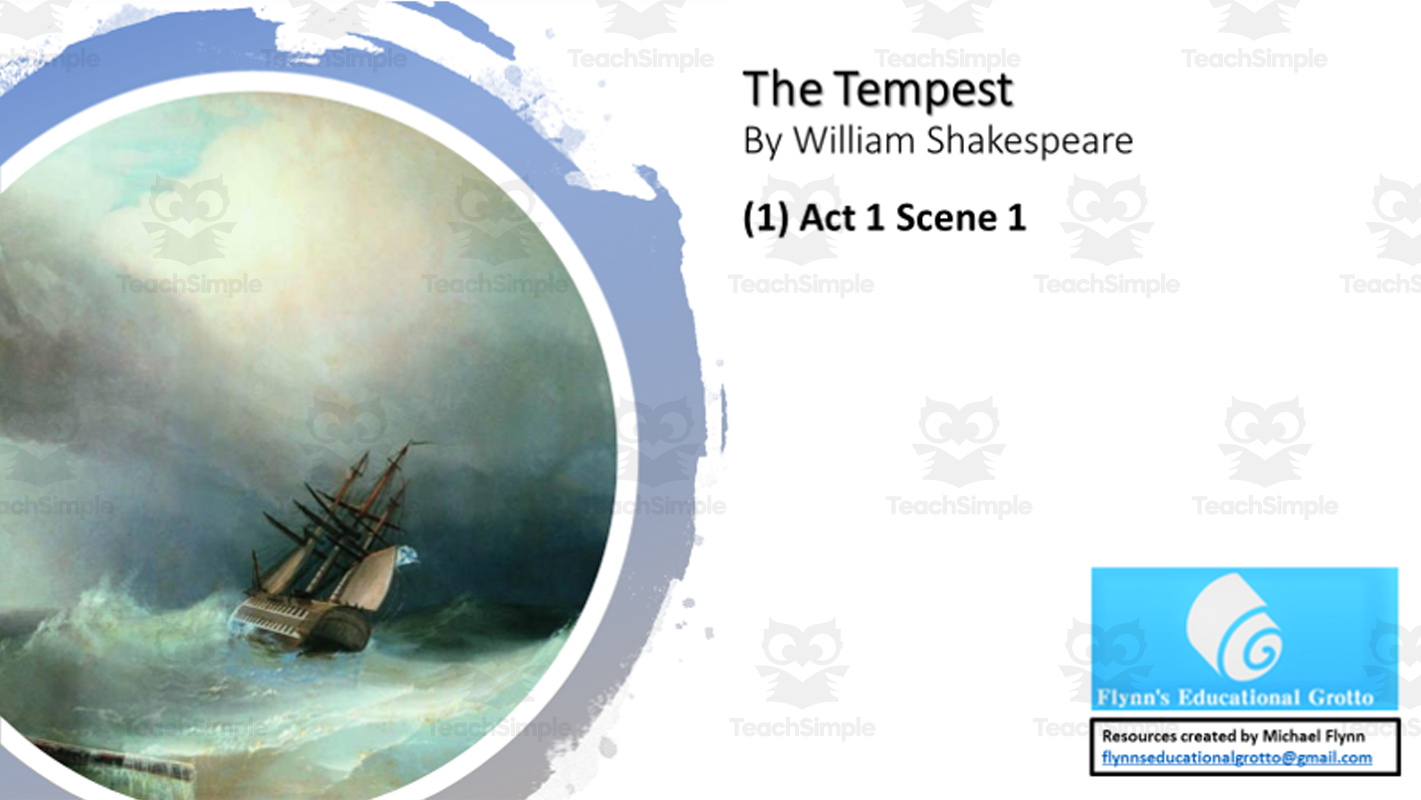
KS4 Literature: (1) ‘The Tempest’ – Act 1 Scene 1
Lesson 1 of a Tempest unit: an analytical close-reading of Act 1 Scene 1 (the opening shipwreck scene), building summary/analysis skills and introducing academic essay-writing technique.




Classroom resources
Browse by lesson focus
Choose the topic or kind of practice you need.
Showing 697–720 of 1323 resources

 Show filters
 Lesson 1 of a Tempest unit: an analytical close-reading of Act 1 Scene 1 (the opening shipwreck scene), building summary/analysis skills and introducing academic essay-writing technique.
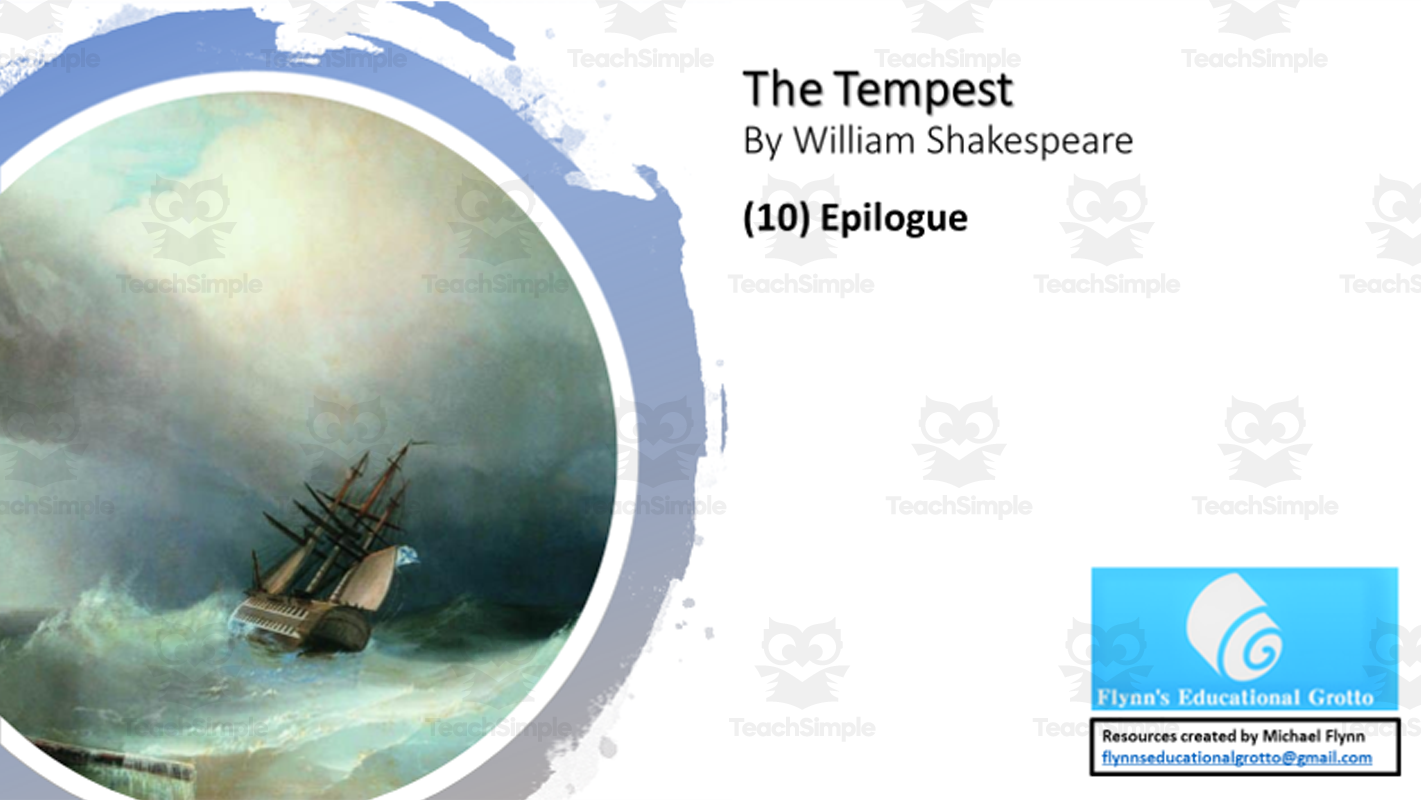
Lesson 10 of a Tempest unit: concludes the analytical reading of the play by examining the meaning and purpose of Prospero's closing epilogue.

Lesson 11 of a Tempest unit: a guided essay-writing/revision lesson exploring the theme of power across the play, scene by scene, to prepare students for an analytical essay.

Lesson 12 of a Tempest unit: a second guided essay-writing/revision lesson, this time exploring the theme of slavery across the play through the characters of Prospero, Caliban, and Ariel.

Guide KS4 secondary English literature students through an analytical, scene-by-scene reading of Act 1 Scene 2 of Shakespeare's The Tempest, focusing on the relationship between Prospero and his daughter Miranda and his servants Ariel and Caliban, and introducing the play's backstory (Prospero's overthrow, Ariel's imprisonment, Caliban's enslavement).

Guide KS4 secondary English literature students through an analytical reading of Act 2 Scene 1 of Shakespeare's The Tempest, examining the courtiers' differing reactions to being shipwrecked, Gonzalo's utopian 'commonwealth' speech, and the beginning of Antonio and Sebastian's murder plot against Alonso.
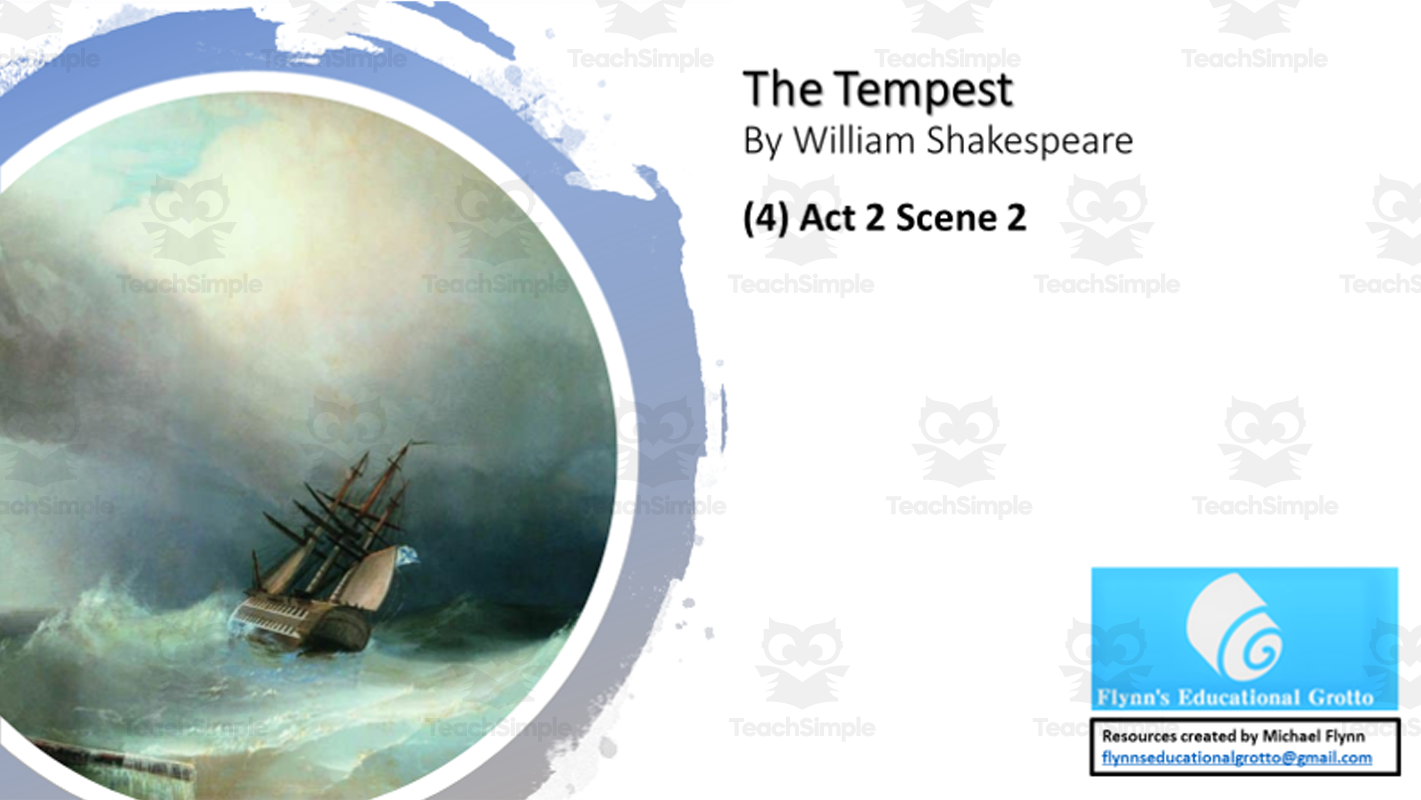
Guide KS4 secondary English literature students through an analytical reading of Act 2 Scene 2 of Shakespeare's The Tempest, focusing on the comic introduction of Trinculo and Stephano, Caliban's mistaken worship of Stephano as a god, and the beginnings of the murder plot against Prospero.
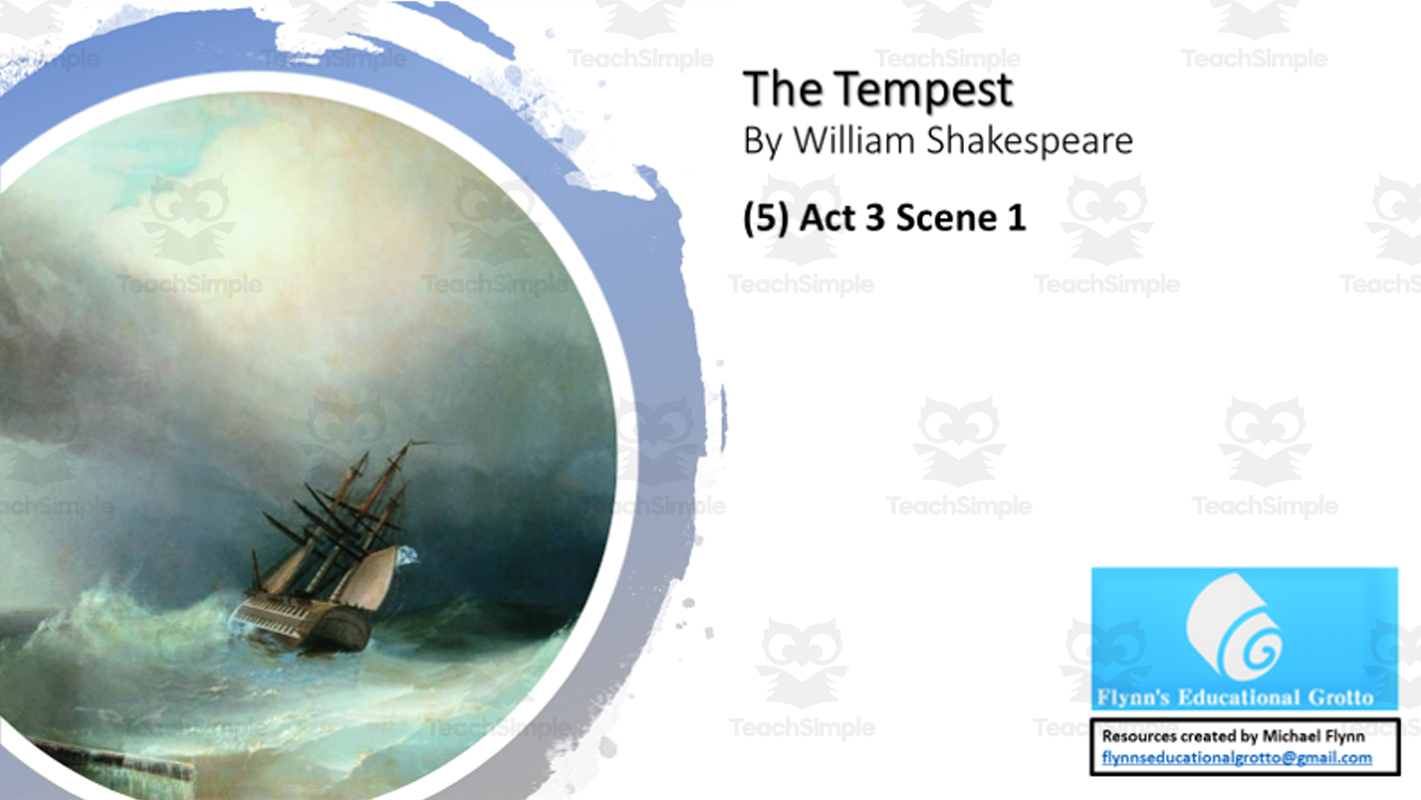
Guide KS4 secondary English literature students through an analytical reading of Act 3 Scene 1 of Shakespeare's The Tempest, focusing on the romance between Ferdinand and Miranda, the concept of love at first sight, and Prospero's secret manipulation of their courtship.
Guide KS4 secondary English literature students through an analytical reading of Act 3 Scene 2 of Shakespeare's The Tempest, teaching the literary concept of characterisation through four modern-day mini-scenario tasks and a linked video, then applying it to Caliban, Stephano and Trinculo's drunken plot to murder Prospero.

Guide KS4 secondary English literature students through an analytical reading of Act 3 Scene 3 of Shakespeare's The Tempest, teaching the literary concept of symbolism through several real-world examples before applying it to Prospero's illusory banquet and Ariel's harpy transformation confronting Alonso, Antonio and Sebastian.
Guide KS4 secondary English literature students through an analytical reading of Act 4 Scene 1 of Shakespeare's The Tempest, discussing the concept of slavery via a labeled diagram mapping which characters are enslaved to what (Ariel and Caliban to Prospero; Ferdinand to love; Prospero to isolation; Miranda to innocence, etc.), then applying it to…

Guide KS4 secondary English literature students through an analytical reading of Act 5 Scene 1, the final scene of Shakespeare's The Tempest, teaching a 'Six Paradigms of Human Conflict Resolution' framework (Win/Win, Win/Lose, Lose/Win, Lose/Lose, Win, Win/Win-or-No-Deal) before applying it to Prospero's forgiveness of his enemies, the reunion of Alonso…
KS4 Literature: 'The Tempest' - Complete Bundle (13x90 minute lessons) An expertly crafted teaching resource designed to bring the vibrant and enduring classic - William Shakespeare's 'The Tempest' to life in classrooms or homeschooling…
This L.4.2 Fourth Grade Common Core Lesson will help your students correctly use quotation marks in their writing to share their character's thoughts and feelings effectively.
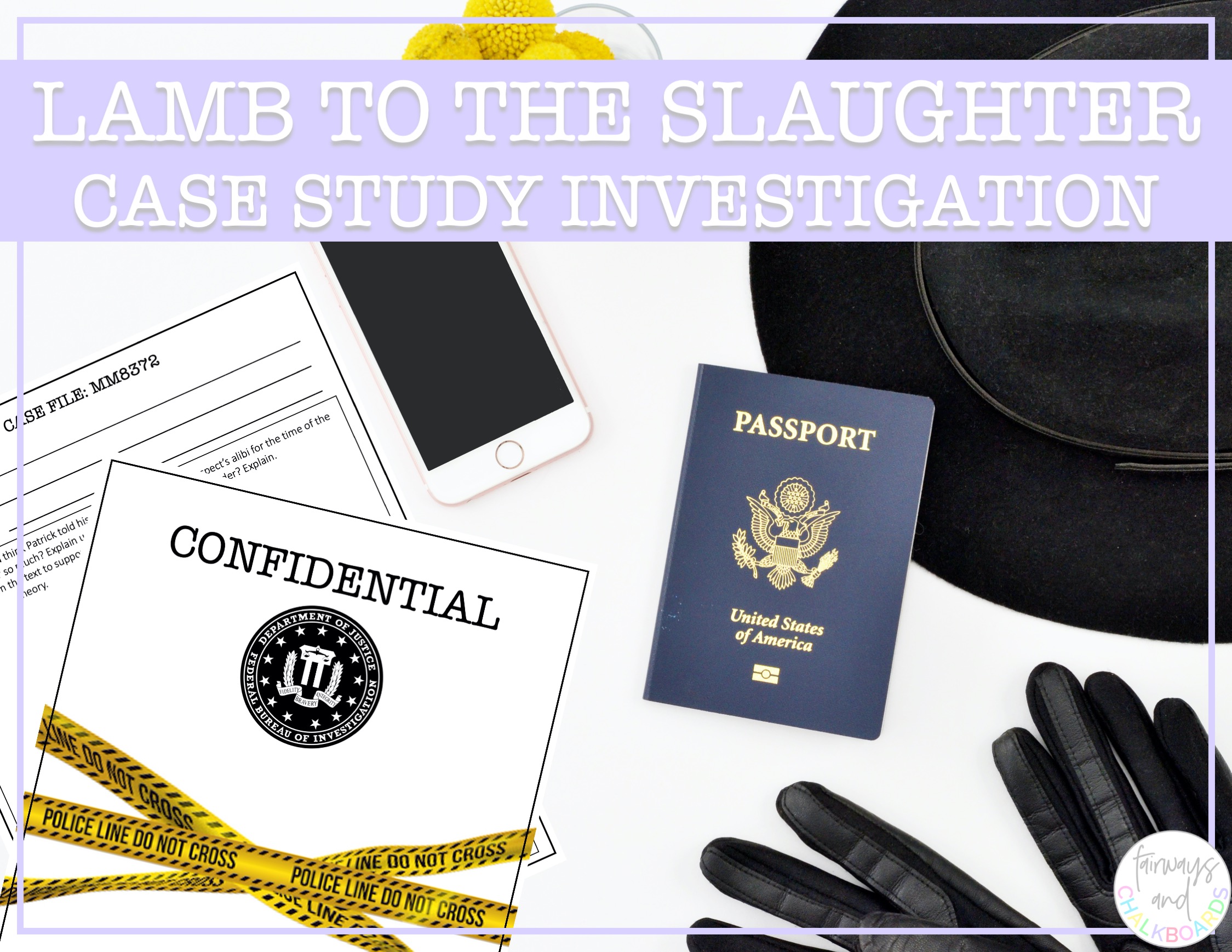
Bring Roald Dahl's classic, "Lamb to the Slaughter" to life for students with a case study and investigation of this cold case! Students become the detectives while close reading the text and completing literary analysis!
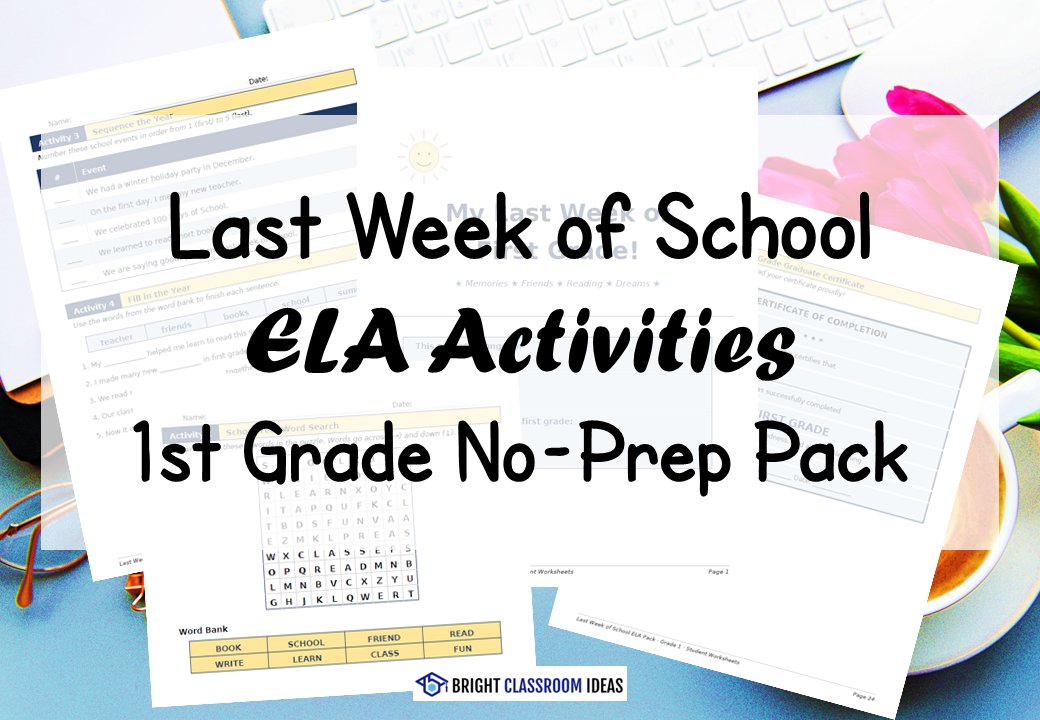
A no-prep, 5-day Grade 1 end-of-school-year ELA packet (teacher guide, student worksheets, and answer key as separate files) combining literacy skill review with reflective/celebratory last-week-of-school activities.
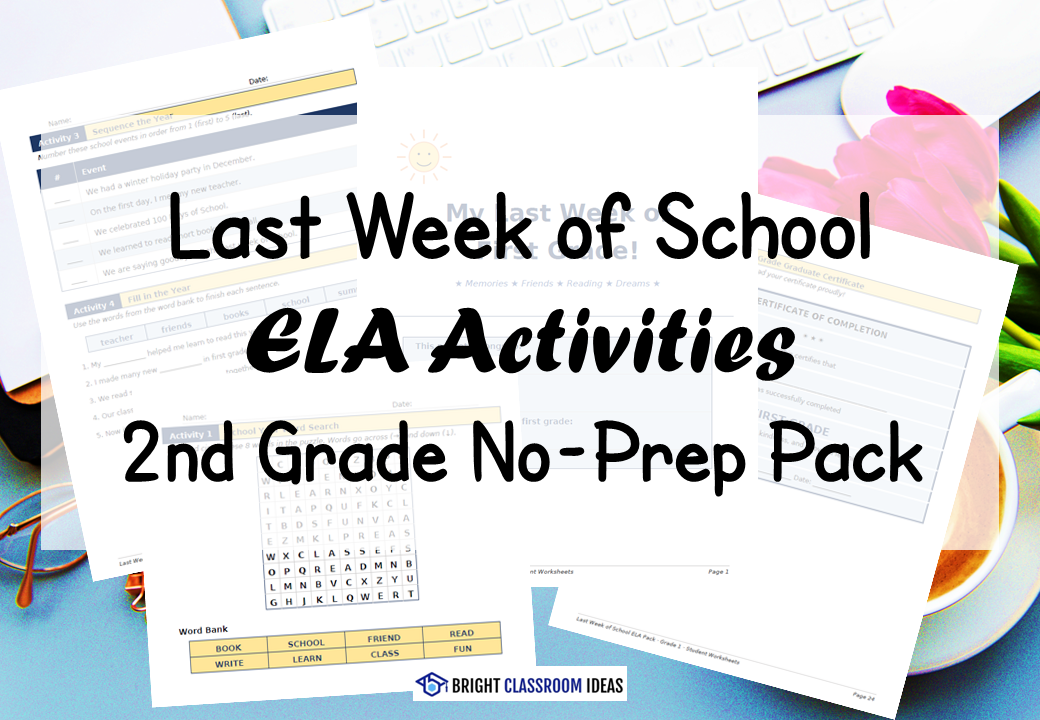
A no-prep, 5-day Grade 2 end-of-school-year ELA packet (teacher guide, student worksheets, and answer key as separate files) combining literacy skill review with reflective/celebratory last-week-of-school activities.
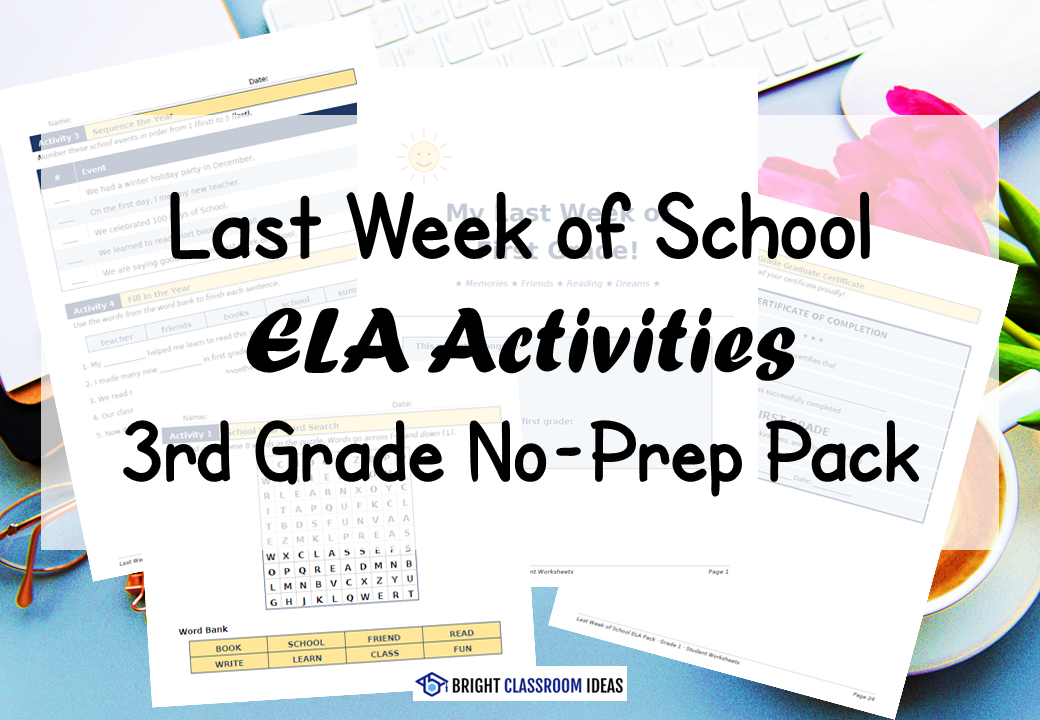
A no-prep, 5-day Grade 3 end-of-school-year ELA packet (teacher guide, student worksheets, and answer key as separate files) combining literacy skill review with reflective/celebratory last-week-of-school activities.
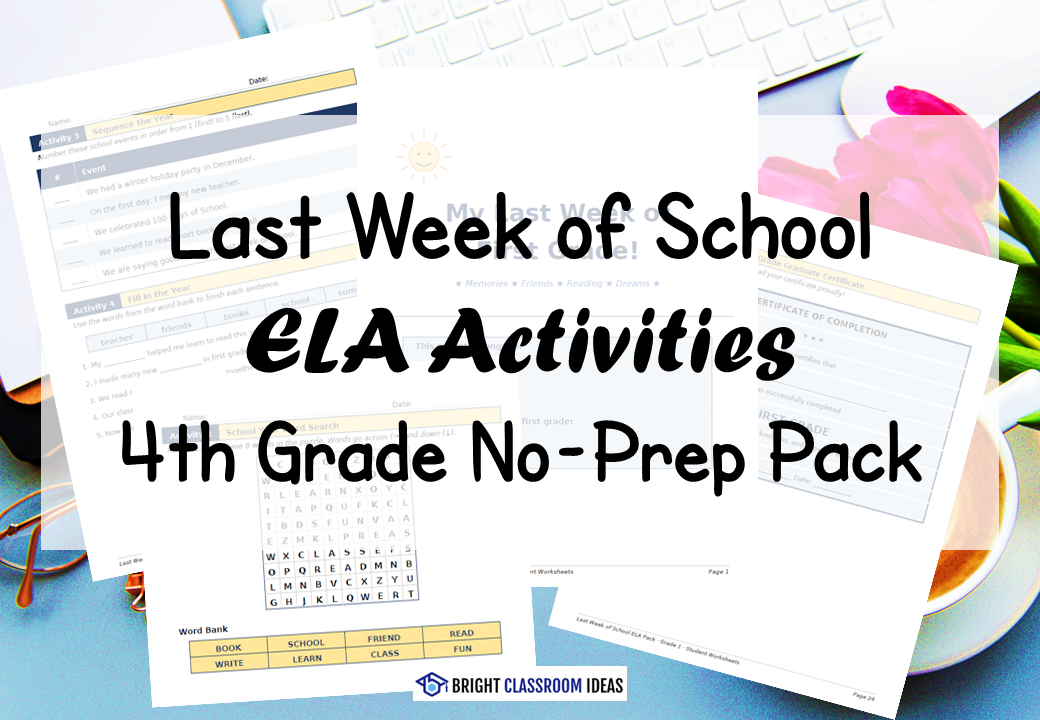
A no-prep, 5-day Grade 4 end-of-school-year ELA packet (teacher guide, student worksheets, and answer key as separate files) combining literacy skill review with reflective/celebratory last-week-of-school activities.
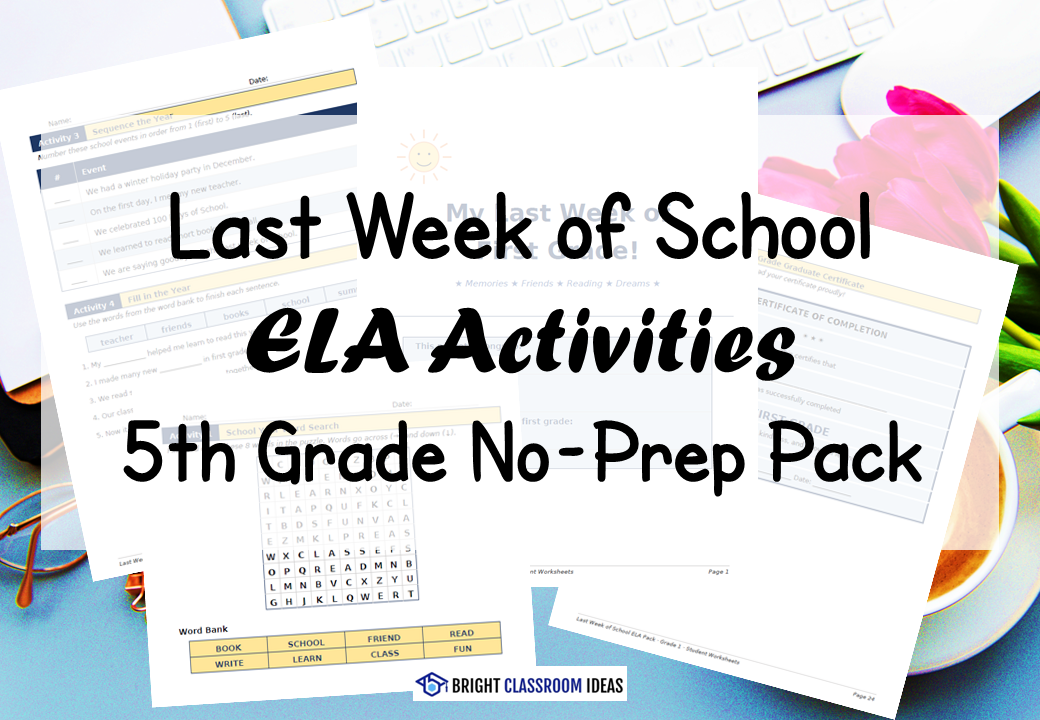
A no-prep, 5-day Grade 5 end-of-school-year ELA packet (teacher guide, student worksheets, and answer key as separate files) combining literacy skill review with reflective/celebratory last-week-of-school activities.
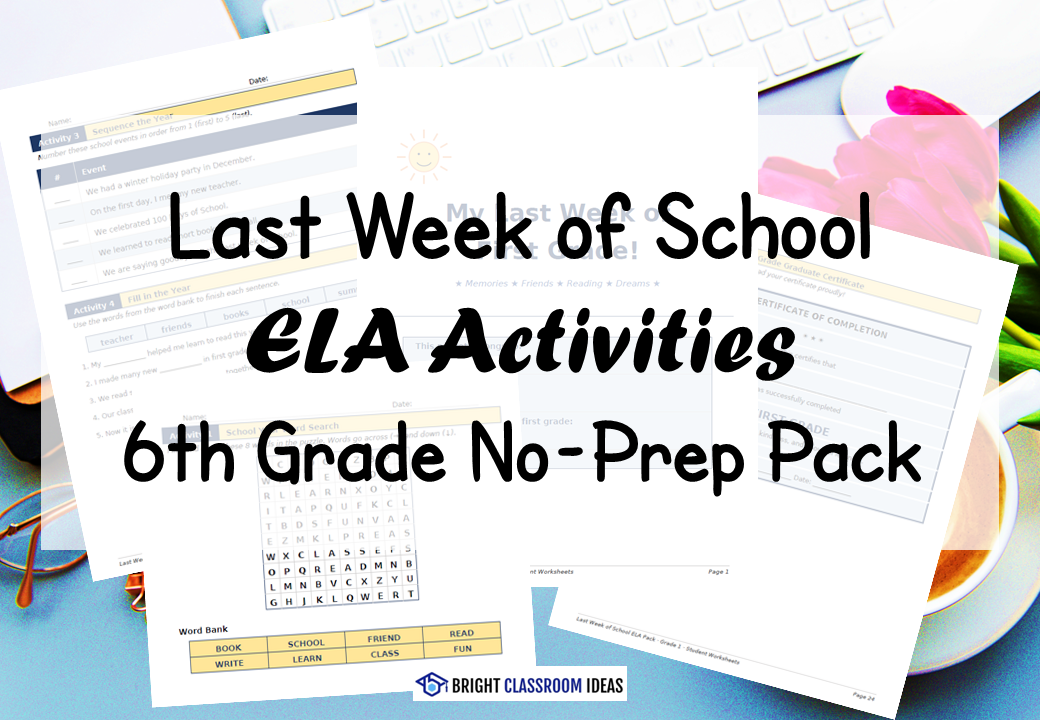
A no-prep, 5-day Grade 6 end-of-school-year ELA packet (teacher guide, student worksheets, and answer key as separate files) combining literacy skill review with reflective/celebratory last-week-of-school activities.
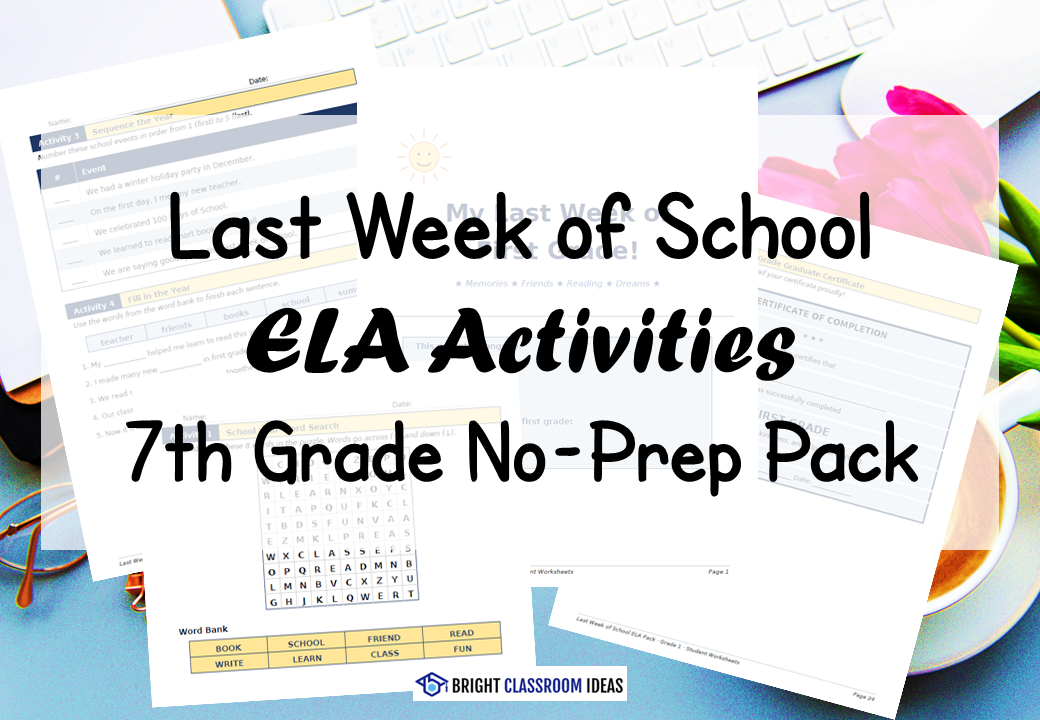
A no-prep, 5-day Grade 7 end-of-school-year ELA packet (teacher guide, student worksheets, and answer key as separate files) combining literacy skill review with reflective/celebratory last-week-of-school activities.
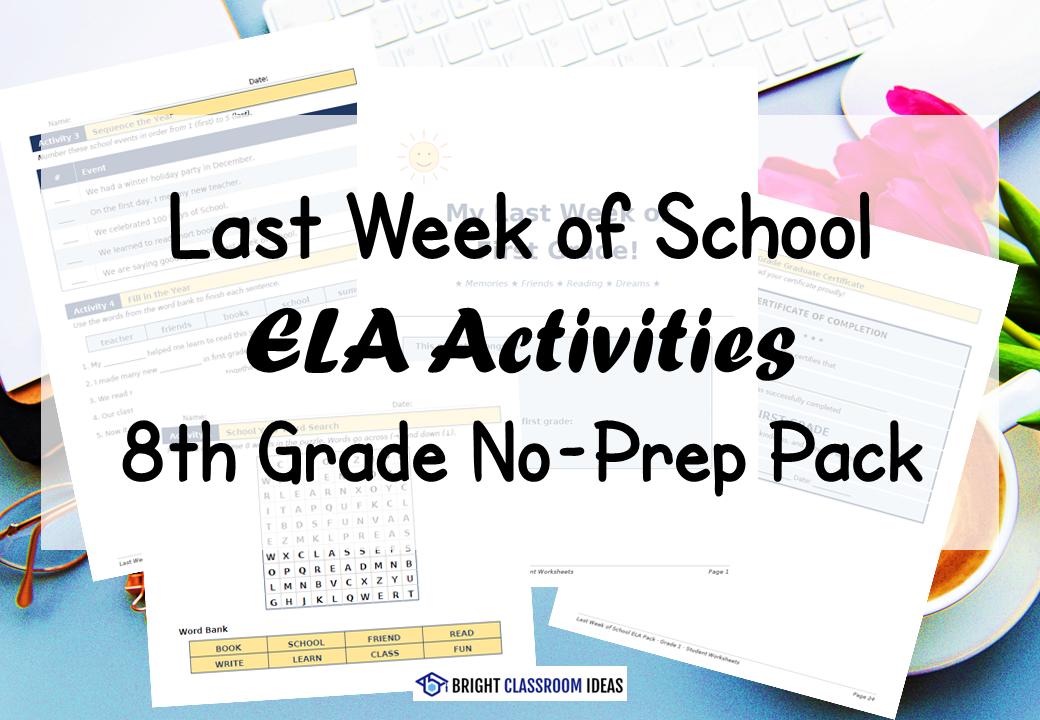
A no-prep, 5-day Grade 8 end-of-school-year ELA packet (teacher guide, student worksheets, and answer key as separate files) combining literacy skill review with reflective/celebratory last-week-of-school activities.
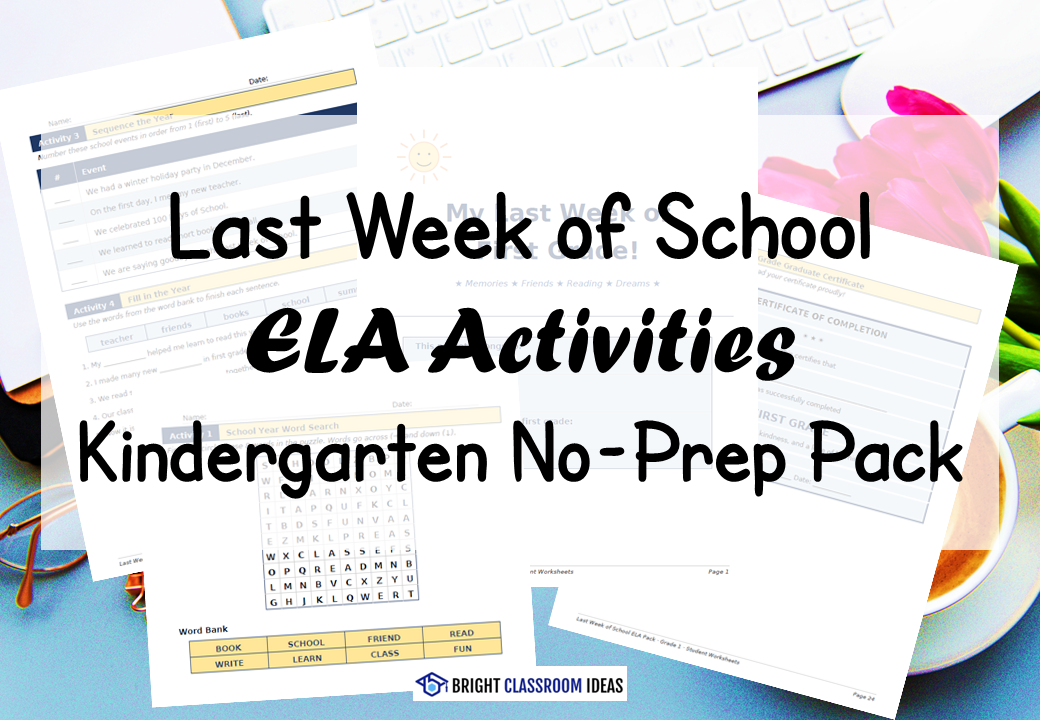
A no-prep, 5-day Kindergarten end-of-school-year ELA packet (teacher guide, student worksheets, and answer key as separate files) combining literacy skill review with reflective/celebratory last-week-of-school activities.