



3,911 products added recently
Page 2 - Life Skills Quizzes
Math Quizzes are valuable for testing students' knowledge in various mathematical areas, including arithmetic, algebra, geometry, and data analysis. These quizzes help you monitor progress, diagnose difficulties, and reinforce concepts taught in class. By integrating Math Quizzes into your lessons, you can provide immediate feedback and tailor instruction to meet individual learning needs. They are instrumental in building a solid mathematical foundation for students at all levels.

 Show filters

Resilience Building & Growth Mindset Journal Prompts Pack
Special Resources, Social Emotional Learning (SEL), Life Skills, Social Skills, Special Education Needs (SEN), Speech Therapy, STEM, ELA, Literature, Reading, Grade 3, 4, 5, Worksheets & Printables, Workbooks, Worksheets, Word Searches, Teacher Tools, Assessments, Lesson Plans, Quizzes and Tests, Quizzes, Tests
The complete Resilience Building & Growth Mindset Journals Bundle provides teachers and parents of Grades 3-5 with journal prompts to promote resilience and a growth mindset. It is designed for children aged 8 to 11 as an SEL (Social-Emotional Learning) curriculum that connects Carol Dweck’s theory of growth mindset, neuroplasticity, Albert Bandura’s self-efficacy, and Lev Vygotsky’s Zone of Proximal Development into one easy-to-use journaling system. Contents: Phase 1 (Theory Guide for Educators / Parents) – 10+ pages of professional development materials that explain the C.O.R.E. Journaling Framework, productive struggle, locus of control change, affect labeling (“Name It to Tame It”), metacognition, specific real-life examples related to perfectionism and math anxiety in classrooms. Phase 2 (Student Workbook) – 10 creative and engaging worksheet prompts (The Elastic Brain, Power of “Yet,” Failure Autopsy, Inner Critic vs. Inner Coach, Frustration Station, Effort Equation, Feedback Loop, Courage Catalog, Obstacle Course, My Resilience Recipe) that provide over 80 prompts to provide daily, effective application of abstract concepts Phase 3 (Visuals and Teacher Materials) – ready-to-project visuals, expected response rubrics, implementation procedures, and reflective facilitator exercises. The Resilience Building & Growth Mindset Journals Bundle is a great tool for morning meetings, SEL blocks, counseling sessions, home schooling, or independent journaling. Easy to implement – print or post digitally today! Parents and Schools Appreciate This Programme Because of The Following: 1) Evidence Base and Classroom Validity - Supported by the research of Dweck, Bandura, Vygotsky, Siegel, and neuroplasticity; contains original data indicating that task avoidance behaviour has decreased by 41%; educators will find real life case studies that are immediately applicable for use in their designs. 2) Ready-To-Use And High Benefit As SEL: 10 to 15 minutes, 3 times per week increases resilient, emotionally regulation, and metacognition skills; suitable for use in MTSS, PBIS or as part of a Counselors's assigned caseload. 3) Differentiated and Inclusive: Is designed for gifted/perfectionist students as well as those with anxiety, and/or being neurodivergent by developing strategic perseverance. 4) Dual Use By Parents And Educators: The theoretical section provides educators with materials that could be added to their professional development program; parents would enjoy using the home version to help their children with school anxiety and sports challenges. 5) Attractive To Kids: The design of this curriculum is visually appealing, motivational and provides scaffolding for independent work; children from 8 years of age to 11 years are able to relate to the material without feeling childish. Intended Student Population from Full PDF Analysis: The Intended Student Population Will be Grades 3-5, ages 8-11 years old in upper elementary/middle childhood. The Curriculum has been Explicitly Designed and Developed for the Developmental Window of Grades 3-5 (Prefrontal Cortex Synaptogenesis, Increasing Academic Pressures, Peers Putting Pressure on One Another and Executive Function Development). It Is Not Developed for Either Grades K-2 (Too Advanced for K-2 Students) or Grades 6+ (Too Simple in Language and Scaffolding for 6+ Year Olds). Terms of Use: Copyrighted material belongs Syed Hammad Rizvi. Materials contained within are for personal and single classroom use only. You may not alter, distribute, or sell any part of the materials. In other words, you may not upload the documents in such a way that they would be available to others online, nor can you print copies of them for others. If you would like to share the documents with other staff at your school, please purchase additional licenses through Teachsimple. Thank you for following the terms of use. Syed Hammad Rizvi is pleased to provide you with this product.
Author Creative Book Store
Rating
Tags GrowthMindset, GrowthMindsetForKids, ResilienceBuilding, SELActivities, SocialEmotionalLearning, GrowthMindsetJournal, ResilienceForKids, CarolDweck, MindsetMatters, TeacherResources
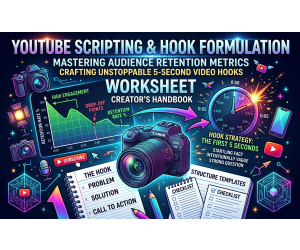
YouTube Scripting & Hook Formulation
Science, Technology, Computer Science, Engineering, Life Skills, Special Resources, Social Emotional Learning (SEL), Special Education Needs (SEN), Social Studies, Sociology, Grade 6, 7, 8, 9, 10, 11, 12, Teacher Tools, Worksheets & Printables, Workbooks, Worksheets, Word Searches, Writing Prompts, Lesson Plans, Quizzes and Tests, Quizzes, Tests
Are your students passive consumers of media, or are they a new generation of creators? Transform your classroom with this comprehensive, 5-day curriculum designed to turn high school students from mindless scrollers into master strategists of the digital age. This is not just another "how to make a video" guide. This is a deep dive into the psychology, data analytics, and persuasive writing that powers the world's largest video platform. Specifically designed for a Grade 10-12 audience, this curriculum meets students where they are—on YouTube—and equips them with critical 21st-century skills in media literacy, data analysis, and compelling communication. In a world where attention is the most valuable currency, this unit teaches students how to earn it. They will learn to deconstruct viral videos, analyze audience retention metrics, and engineer powerful "5-second hooks" that captivate an audience from the very first frame. What's Included in this 41-Page Resource? Part 1: In-Depth Theoretical Framework (10 Pages): The Attention Economy: Understanding the science of modern attention. The Psychology of the Click: Exploring concepts like the "Cognitive Threshold" and the "Triad of Immediate Engagement." Decoding Audience Retention Metrics: A student-friendly guide to reading the "Graph of Truth" to diagnose what works and what doesn't. Actionable Hook Templates: Three powerful, psychologically-backed frameworks (The Paradoxical Premise, Negative Outcome Warning, and In Medias Res) for scripting irresistible introductions. Part 2: Engaging Student Workbook (19 Pages): 10 Hands-On Worksheets: A full suite of activities covering everything from analyzing retention graphs and rewriting weak hooks to aligning visual/verbal cues and reverse-engineering competitor videos. Capstone Project: A final worksheet where students synthesize all their learning to draft the "Ultimate 5-Second Hook" for various scenarios. Part 3: Complete Teacher Resources (12 Pages): Visual Anchor Charts: High-quality diagrams of the Retention Curve, the Anatomy of a Hook, and the CVI Formulation Matrix, perfect for classroom display. Comprehensive Answer Key: Detailed answers and "ideal responses" for all 10 student worksheets. Full 5-Day Teacher Implementation Guide: A step-by-step, no-prep lesson plan with objectives, activities, homework assignments, and common pitfalls to ensure a successful and engaging unit. Equip your students for the future. Whether they aim to be content creators, marketers, filmmakers, or simply more critical consumers of digital media, this curriculum provides an unforgettable, practical, and highly relevant learning experience. Perfect for: High School English Language Arts (ELA) Media Studies or Digital Literacy Electives Career and Technical Education (CTE) programs Public Speaking & Communications Creative Writing Business & Marketing Classes Why Parents/Schools Love It: Builds Critical 21st-Century Skills: This curriculum goes beyond standard subjects, teaching in-demand skills like digital storytelling, data analysis, and persuasive communication—competencies essential for college applications and modern careers. Promotes Digital Literacy & Critical Thinking: It transforms students from passive media consumers into active, critical analysts. They learn to understand the psychological techniques used to capture their attention, making them smarter and safer digital citizens. Highly Engaging & Relevant: The content meets students in their world—YouTube. This inherent relevance boosts student engagement, participation, and knowledge retention in a way that traditional topics often struggle to match. Cross-Curricular & Practical Application: This unit seamlessly integrates concepts from English (writing), Math (data/graphs), Psychology (behavior), and Art (visuals), demonstrating the real-world application of academic knowledge. Career & Technical Education (CTE) Pathway: This resource provides a foundational understanding of the creator economy, digital marketing, and media production, opening students' eyes to viable and lucrative modern career paths. Target Student Grade Level : Based on a complete analysis, the PDF explicitly and repeatedly references Grade 10 students . The language is sophisticated yet well-explained, making it perfectly suited for this level. Primary Target: Grade 10 (Ages 15-16) Secondary Target: The curriculum is easily adaptable for Grades 9 through 12 (Ages 14-18). It would be particularly effective in advanced 9th-grade classes or as a core unit for 11th and 12th-grade electives in media, marketing, or communications. Copyright/Terms of Use: This Book was copyrighted by Syed Hammad Rizvi. This resource is for personal and single classroom use only. You may not alter, redistribute, or sell any part of this resource. In other words, you may not put it on the Internet where it could be publicly found and downloaded. If you want to share this resource with colleagues, please purchase additional licenses from Teachsimple. Thank you for respecting these terms of use. This product is happily brought to you by Syed Hammad Rizvi
Author Creative Book Store
Rating
Tags YouTubeCurriculum, VideoScripting, MediaLiteracyCurriculum, DigitalStorytellingUnit, AudienceRetention, 5SecondHook, HookFormulation, CreatorEconomyEducation, HighSchoolMedia, YouTubeForStudents
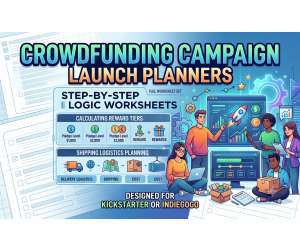
Crowdfunding Campaign Launch Planners
Special Resources, Life Skills, Social Emotional Learning (SEL), Social Skills, Special Education Needs (SEN), Resources for Teachers, Classroom Management, Community Building, STEM, Research, Grade 6, 7, 8, 9, 10, 11, 12, Workbooks, Worksheets & Printables, Worksheets, Word Searches, Teacher Tools, Assessments, Lesson Plans, Quizzes and Tests, Quizzes, Tests
Transform your students from passive learners into active entrepreneurs! Are you looking for a project-based learning (PBL) unit that brings real-world business, economics, and mathematics to life? This comprehensive curriculum guides students through the high-stakes, logical puzzle of launching a product on crowdfunding platforms like Kickstarter or Indiegogo. This isn't just another business plan template. This 44-page, in-depth unit moves beyond marketing fluff and dives deep into the gritty, unforgiving mathematics of product fulfillment and supply chain logistics. Students will act as logistical architects, learning that a successful business isn't just about a great idea—it's about flawless execution. ▶ WHAT'S INSIDE THIS COMPLETE UNIT? Part 1: In-Depth Theory Guide (Chapters 1-4): A professional-grade guide covering the core concepts: The Economics of Crowdfunding: Uncover the hidden fees and calculate the "True Cost" of a funding goal. Behavioral Economics & Pricing: Learn the psychology of reward tiers using concepts like anchoring and the decoy effect. Global Shipping Logistics: Master the devastating impact of Dimensional Weight (DIM), Harmonized System (HS) codes, and international fulfillment hubs. Risk Mitigation & Margin Preservation: Build a contingency matrix and use algebraic modeling to create financial buffers that ensure profitability. Part 2: Student Workbook (10 Worksheets): Rigorous, scaffolded worksheets that put theory into practice. Students will calculate COGS, platform fees, shipping costs, break-even points, and contingency buffers through real-world scenarios. Critical thinking prompts ensure deep understanding. Part 3: Teacher & Visual Resources: Everything you need to teach with confidence! Pedagogical Visuals: Three ready-to-print or projectable anchor charts visually explaining Reward Tier Pricing, Dimensional Weight, and Global Logistics. Comprehensive Answer Key: A full, step-by-step answer key for all 10 student worksheets. Teacher Implementation Guide: Includes a 5-day pacing guide, discussion prompts, classroom demonstration ideas, and enrichment opportunities for advanced students. ▶ PERFECT FOR: High School Business or Entrepreneurship Classes Career and Technical Education (CTE) Programs AP Macroeconomics or Microeconomics (as a real-world application project) Financial Literacy and Math Electives Homeschool curriculum for high schoolers interested in business. Equip your students with the practical math, critical thinking, and financial literacy skills they need to survive in the modern economy. Download now and bring the ultimate business challenge into your classroom! Keywords: Crowdfunding, Kickstarter, Business Plan, Entrepreneurship Project, Project-Based Learning, PBL, High School Business, Economics, Supply Chain, Logistics, Cost of Goods Sold, COGS, Profit Margin, Financial Literacy, CTE, Student Workbook, Answer Key Why Parents/Schools Love It: Real-World Application: It moves economics and math from abstract theory into a tangible, modern context (Kickstarter!) that students find engaging, teaching skills directly applicable to today's economy. Develops Critical 21st-Century Skills: This unit forces students to synthesize data, perform multi-step calculations, think critically about risk, and solve complex logistical problems—skills that are essential for any future career. Comprehensive & Turnkey Solution: This isn't just a worksheet; it's a complete, ready-to-use instructional unit. The included theory, visuals, answer key, and teacher guide save educators dozens of hours of prep time. Rigorous & High-Level: The curriculum respects students' intelligence by presenting them with authentic, high-stakes challenges. It avoids "fluff" and focuses on the rigorous logic and math required to actually run a business, preparing them for post-secondary education and beyond. Target Audience : Based on the content, language ("Grade 11 business and economics students"), and structure, target: Primary Target: High School Teachers of grades 10-12 for subjects like Business, Entrepreneurship, Economics (including AP), and Marketing. The CTE (Career and Technical Education) market is perfect for this. Secondary Target: Homeschool Parents of high school students who are looking for advanced, project-based curriculum that teaches practical life skills. Tertiary Target: College Instructors for introductory business or entrepreneurship courses, who could use this as a practical, foundational module. Copyright/Terms of Use: This Book was copyrighted by Syed Hammad Rizvi. This resource is for personal and single classroom use only. You may not alter, redistribute, or sell any part of this resource. In other words, you may not put it on the Internet where it could be publicly found and downloaded. If you want to share this resource with colleagues, please purchase additional licenses from Teachsimple. Thank you for respecting these terms of use. This product is happily brought to you by Syed Hammad Rizvi
Author Creative Book Store
Rating
Tags Crowdfunding, Entrepreneurship, Kickstarter, SupplyChain, BusinessLogistics, ProfitMargin, CostOfGoodsSold , COGS, ProductLaunch, StartupLife
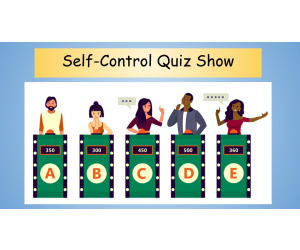
Self-Control Quiz Show-No Prep!
Life Studies, Special Resources, Life Skills, Grade 5, 6, 7, 8, 9, 10, Quizzes, Quizzes and Tests, Teacher Tools
The Self-Control Quiz Show-No Prep The Self-Control Quiz Show-No Prep is an educational resource designed for teachers of students in grades 5 to 10. The goal is to help develop their self-management and emotional intelligence skills. Apart from this, the approach of this tool merges education with enjoyment, offering lasting impact. Covering All Aspects of Life In creating a well-rounded understanding, the quiz show focuses on various aspects including: Social media interactions, Relationships with friends and family, Situations at school, Mixed topics related to real-life experiences. This comprehensive approach ensures that the student understands self-control as an integrated part of all aspects of life rather than an isolated trait. A Unique Interactive Resource This teaching resource is distinctively interactive. It empowers educators to instruct while also fostering active student participation throughout lessons. Questions are meticulously categorized according to relevance with today's young minds, each accompanied by immediate feedback through answer slides. No-Preparation Solution for Teachers Teachers need not worry about preparing or organizing anything themselves - it comes fully prepared and ready-to-use out-of-the-box, maximizing its impact on individual students’ personal growth while saving educator's time. Inclusivity Handling: An accompanying student handout provided within the PowerPoint itself ensuring smooth access and user-friendliness. Purposeful directions embedded within this PowerPoint-based quiz show making maneuverability during usage seamless. Adept Adaptability: This product caters to adaptability needs: it can be used either in whole group instruction times, for smaller deep-dive groups or even assigned as independent study material. This ensures versatility paired with impactful development across multiple platforms. Turning the Fun Factor into Fundamental Learning Mixing amusement with essential life skill learning such as self-control increases engagement. This results in optimal benefits through absorption and application alike, playing an instrumental part in shaping socially aware and emotionally intelligent citizens who excel at managing their behavior amid varying situations encountered throughout their day-to-day life.
Author Jennifer Moyer Taylor
Tags Self-control, Emotional Intelligence, Quiz Show, Interactive Learning, Social Skills, Self Control Test Questions
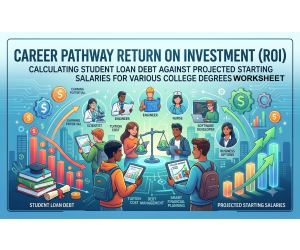
Career Pathway Return on Investment (ROI)
Math, Statistics, Order Of Operations, Money, Measurements, Resources for Teachers, Classroom Management, Community Building, Special Resources, Life Skills, Homeschool Curriculum, Homeschool Templates, Grade 8, 9, 10, 11, 12, Worksheets & Printables, Workbooks, Worksheets, Word Searches, Teacher Tools, Assessments, Lesson Plans, Quizzes and Tests, Quizzes, Tests
Is your student truly prepared for the biggest financial decision of their life? Don't let them fall into the "passion trap" or get mesmerized by prestigious university brochures without understanding the numbers. This comprehensive, no-prep digital curriculum is the most important lesson your high schooler will receive on college and career planning. This 40-page PDF guide and workbook transforms students into the "Chief Financial Officer" of their own future. By applying real-world math and economic principles, students will move from being passive consumers of education to active architects of their financial independence. This resource is a complete mini-unit, broken down into three essential phases: Part 1: The Theoretical Framework: An 11-page "textbook" section that clearly explains complex financial topics in an easy-to-understand format. Topics include: Return on Investment (ROI) for college degrees. The mechanics of student loans (Subsidized vs. Unsubsidized). The "silent killer" of wealth: Interest Capitalization. Gross Income vs. Net (Take-Home) Income. The crucial "Rule of First-Year Salary." Calculating the Debt-to-Income (DTI) ratio. Strategic alternatives like the 2+2 transfer model, trade schools, and scholarships. Part 2: The Student Workbook: Ten detailed worksheets that build on each other to move from theory to practical application. Students will calculate actual costs, analyze debt scenarios, budget monthly payments, and compare the financial outcomes of different career paths (e.g., STEM vs. Arts). Part 3: Visuals & Teacher Resources: Includes three powerful visual aids (bar chart, ROI matrix, and flowchart) for classroom discussion, plus a full Teacher Answer Key for all worksheets, making this a completely no-prep resource for you! Who is this for? This is a must-have resource for teachers of: Personal Finance Economics College and Career Readiness (AVID, etc.) Math (real-world applications) Life Skills High School Counselors and Advisors Homeschooling parents preparing their teens for college. Equip your students with the critical thinking and financial literacy skills they need to make smart, informed decisions that will prevent a lifetime of debt and set them on a path to true financial freedom. Download today and empower your students for a secure future! Keywords: Financial Literacy, Personal Finance, Student Loan Debt, College ROI, Return on Investment, College and Career Readiness, High School Math, Economics, Budgeting, Debt-to-Income Ratio, AVID, Life Skills, Workbook, Project Based Learning, No Prep, Teacher Answer Key, Grades 9, 10, 11, 12. Why Parents/Schools Love It : Empowers Students with Real-World Math: It moves beyond abstract theory and uses concrete calculations that directly apply to a student's immediate future, making learning engaging and relevant. Prevents Catastrophic Financial Mistakes: This single resource can arm a student with the knowledge to avoid tens, or even hundreds, of thousands of dollars in unmanageable debt, providing an immeasurable return on investment for the family. Comprehensive and No-Prep: It’s a complete, self-contained unit. With a textbook, 10 worksheets, visuals, and a full answer key, a teacher or parent can implement it immediately without any additional planning. Builds Critical Thinking & Ownership: It teaches students to think like a "CFO," analyzing data, weighing risks, and making strategic decisions, fostering a sense of responsibility for their own financial well-being. Balances Passion with Practicality: The guide doesn't discourage students from following their dreams; instead, it gives them the tools to finance those dreams intelligently, ensuring their passion doesn't become a "financial prison." Target Audience : Based on the content, vocabulary, and concepts discussed (e.g., FAFSA, college selection, majors), target: Grades: 9th through 12th Grade students. 9th/10th Graders: Excellent for introducing these concepts early, so they can plan their high school courses and activities (like scholarship searching) strategically. 11th/12th Graders: Absolutely critical, as they are actively making these decisions. This resource provides an immediate, practical tool for their real-life choices. Courses: Personal Finance, Economics, College & Career Planning, AVID, Advisory/Homeroom periods, and any Life Skills class. Copyright/Terms of Use: This Book was copyrighted by Syed Hammad Rizvi. This resource is for personal and single classroom use only. You may not alter, redistribute, or sell any part of this resource. In other words, you may not put it on the Internet where it could be publicly found and downloaded. If you want to share this resource with colleagues, please purchase additional licenses from Teachsimple. Thank you for respecting these terms of use. This product is happily brought to you by Syed Hammad Rizvi
Author Creative Book Store
Rating
Tags FinancialLiteracy, PersonalFinance, StudentLoans, StudentDebt, CollegeROI, MoneyManagement, FinancialEducation, Budgeting, DebtFree, DebtFreeJourney
Smart Shopping & Consumer Decision-Making Scenarios
Social Studies, Economics, Special Resources, Life Skills, Resources for Teachers, Classroom Management, Community Building, Research, Math, Money, Grade 6, 7, 8, 9, 10, 11, 12, Worksheets & Printables, Workbooks, Worksheets, Word Searches, Teacher Tools, Assessments, Lesson Plans, Quizzes and Tests, Quizzes, Tests
Today’s students need to have the skills to be critical thinkers and smart consumers in this digital world! This complete and ready-to-teach Financial Literacy unit goes into more detail than just budgeting; it investigates the reasons we purchase things. Students will learn about how advertisements and marketing strategies are designed to influence our impulse purchases, as well as identify any cognitive biases they may experience while shopping online or in stores. This 42-page unit will give any teacher a wealth of material for their high school or advanced middle school level classes in Economics, Personal Finance, Life Skills, or Business. This unit will help students develop practical skills that will allow them to make effective purchasing decisions and turn them from passive consumers to financially literate decisions makers throughout their lives! WHAT IS CONTAINED IN THIS UNITS BUNDLE? Resource Features Three (3) Holiday-Themed Sections: PART I - Instructional Guide and Student Reference Comprehensive, in-depth look at the basic principles of modern-day consumerism. This section was designed for you to use as an instructional tool or to provide to your students as a reading resource. Topics include: 1) The Psychological Aspects of Sales (Anchoring, Artificial Scarcity, Decoy Pricing) 2) Determining the Value of Products (Cost-Per-Use vs. Selling Price and Identifying Brand Taxes) 3) Digital Grocery Shopping (Unmasking the effects of Surveillance Capitalism, Hyper-Targeted Advertising, and Social Media Influencer Marketing) 4) The Mathematics of Selling (Identification of risks associated with frictionless transactions and using models of subscription services and Buy Now, Pay Later (BNPL) services for consumers). PART II - Engaging Student Workbook with 10 hands-on activities Hands-on, applicable worksheets that allow students to apply what they have learned through real-world situations. The activities include: 1) The Mathematics of Value (Unit Pricing and Effect of Shrinkflation) 2) Advertising Architecture and Cognitive Bias 3) Navigating the Trick of Discounting (Buy One, Get One Quantity versus Percent Off) 4) Opportunity Cost and Compounding Interest 5) Digital Literacy: E-Commerce Reviews Audit 6) Subscription Economics and Micropayments 7) Total Cost of Ownership (TCO) 8) Brand Premiums, Peer Influence, and Social Currency 9) Ethical Consumption and Lifecycle of Fast Fashion 10) Capstone Project: A final project-based learning activity that requires students to take everything they have learned and create a complete buying decision for two laptops, using all their newly gained knowledge. Section 3: Easy to Locate Teacher Resources, Visual Aids, and Scaffolded Worksheets - Everything a Teacher Needs to Effectively Teach and Save Time in Preparation Visual Aids to Assist in Instruction: A set of three powerful visual aids for The Five-Stage Consumer Decision Model, The Value vs. Durability Matrix, and A Deconstruction of Marketing Manipulation. Detailed Answers to All Workbook Questions: Complete answer guide with explanations for all workbook problems. Assessment Rubric for the Grading of Worksheets: Detailed, criteria-based rubrics included with the grading of each worksheet as well as the final capstone project. These teacher aids are: Appropriate for High School Personal Finance, Economics, or Business Classes Appropriate for Middle School (7-8) Life Skills/Financial Literacy Units Suitable for Use as Homeschool Curriculum Materials A Natural Fit for Real World Math Application and Critical Thinking Practice Centers This material will help prepare your students for a lifetime of financially responsible decisions – download this must-have, captivating and timely resource today! What Parents/Schools Appreciate About It: Provides Real-Life Financial Armor: Well-designed, contemporary education develops essential key consumer driven skills to successfully navigate our high tech digital marketplace, including: the psychology of consumerism incl. the influence of social media marketing; optimism; impulse buying; subscriptions and renewal traps. Critical Thinking Development, Not Just Mathematics: The curriculum includes both Consumer Psychology - to help students understand why they might feel pressure to purchase something and Independent Decision-Making Skills - so they can make rational, independent decisions. Complete Ready to Use Package: The Unit includes everything you need for a complete unit to teach money management, including: teacher's guide; student's worksheets; capstone project; visual examples, answer keys with rubrics; and will save you at least 20+ hours of planning. Very Engaging and Relevant: The Unit's teaching examples include video games, sneaker releases, fast fashion retail, and social media influencers that will connect with teenagers and keep their attention. The intended audience for this material is: Due to the advanced vocabulary that is used (pedagogical methodology, cognitive infrastructure, asymmetrical information) as well as the entirety of the concepts themselves. Primary Target: High School Students (Grades 9-12): this resource would fit in perfectly with classes such as Personal Finance, Economics, Business and Marketing, and Life Skills Secondary Target: Advanced Middle School Students (Grades 7-8): The concepts will be developmentally appropriate for this age group; however, they may require more teacher support and scaffolding to fully understand the theoretical aspects. The workbook will be perfectly developed to match their experience. Terms of Use/Copyright: This book is copyrighted by Syed Hammad Rizvi and may only be used for personal use and in your own classroom. You cannot modify, redistribute or sell this resource. In other words, you cannot upload this document to a website that anyone could find and download. If you wish to share this resource with other teachers, then you will need to purchase a different license through Teachsimple to do so. Thank you for your cooperation with these terms of use. This product was created with great joy by Syed Hammad Rizvi.
Author Creative Book Store
Rating
Tags FinancialLiteracy, PersonalFinance, LifeSkills, Economics, MoneyManagement, TeachersOfInstagram, Homeschool, CriticalThinking, ConsumerMath, SmartShopping
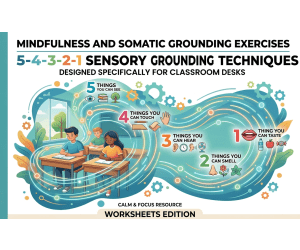
Mindfulness and Somatic Grounding Exercises
Life Skills, Special Resources, Social Emotional Learning (SEL), Social Skills, Special Education Needs (SEN), Speech Therapy, STEM, Resources for Teachers, Classroom Management, Community Building, Grade 5, 6, 7, 8, 10, 11, Worksheets & Printables, Workbooks, Worksheets, Word Searches, Teacher Tools, Assessments, Lesson Plans, Quizzes and Tests, Quizzes, Tests
The 5-4-3-2-1 Classroom Desk Edition is the ultimate resource for teachers to help their students relieve anxiety, manage the stress of testing, and develop better focus in class. Do you need an evidence-based, effective method to help students, manage anxiety, combat test stress, and improve focus on work? Use the Mindfulness and Somatic Grounding Classroom Desk Edition. This no-fuss curriculum helps teachers help their students through the unique challenges of middle school. In a traditional middle school, there are limited opportunities for students to use mindfulness in a private manner that does not draw attention to themselves. The Mindfulness and Somatic Grounding Classroom Desk Edition is a trauma-sensitive, neurobiologically accurate best practice that provides students with a method to use at their desks that will not call attention to them or make them feel conspicuous. The framework is based on the well-known 5-4-3-2-1 sensory method. By providing instructions for using the 5-4-3-2-1 sensory method at their desks, you will create a space for your students that can serve as an anchor of calmness and safety. The toolkit is a perfect fit for school counselors, homeroom teachers, and any teacher interested in Social-Emotional Learning (SEL). Everything you need to know to successfully teach this practice to your students is included in the toolkit! Here is a breakdown of the 43-page document: Part 1: Educator's Guide and Methodology: We go deep into an adolescent’s brain and how anxiety and their brain function. This will identify the reasons that this method works so that you have the professional knowledge to effectively teach it to students. The report contains case studies and the correct method of implementation. Part 2: 10-Worksheet Student Workbook: The student workbook is practical, interesting and beautifully produced to help guide all students through mastering the technique of Sensory Mapping. The worksheets are progressive in approach to build upon each of the skills necessary to master the technique (for example, from basic sensory mapping to “stealth” self-regulation in social situations and adapting the method of self-regulation for different environments—e.g., the library, science laboratory or assemblies). Part 3: Visuals and Educator Resources: a. Professional visuals—printable diagrams and mind maps that will allow you to visually represent Sensory Mapping to your students (ideal for use as classroom posters or in interactive notebooks); b. Scripts for Educators to teach the new technique to students in the classroom, both to the entire class and to individuals; c. Troubleshooting Guide (advice on what to do when students resist or have challenges with this approach); d. Section-by-section answer keys and educator notes to make it easy for you to assess and assist your students with each of the student worksheets. Assist your students in transitioning from the “fight or flight” response to the “rest and learn” mode by providing them with a self-regulation tool that they can use throughout their lives . Keywords: Social Emotional Learning (SEL), Mindfulness for Kids, Somatic Grounding, 5-4-3-2-1 Technique, Anxiety Management, Classroom Management, Middle School, 6th Grade, 7th Grade, 8th Grade, Test Anxiety, Focus, Self-Regulation, Trauma-Informed, Calm Down Corner, School Counselors, Printable Workbook, Digital Resource. Why School Systems and Parents Appreciate It: Low-Key and Without Stigma: This program lets students secretly control their anxiety with no attention drawn to themselves at their desks. Thus there is no social stigma attached to using an obvious 'calm down' tool or leaving the class to manage anxiety, which many adolescents are concerned about. Empowers Students: By learning how to ‘hack’ their own nervous system instead of relying on an adult to help them stop escalating to an explosive state, students are developing a coping strategy that gives them a tangible skill as well as a sense of control over their emotional state. Based on Evidence and Academics: The approach is based on established research from neurobiology and somatic psychology (the study of the amygdala hijack); therefore, both educators and students view the program in an academically serious manner because of the sophistication of the content but the simplicity of delivery. Comprehensive and Easy to Implement: This program is a comprehensive, use-ready package that includes a thorough description of the concepts, required materials, instructions for the teacher, illustrations, and complete answer keys. A busy educator could implement this program successfully with no problems at all. Addresses a Significant Need: With the increasing number of students suffering from anxiety in school, this program will help educators to address a significant need by providing a practical, efficient, and non-intrusive method to help students be present and able to learn. Target Audience: Content for Primary Target: The content of this resource is specifically targeting the primary target audience with specific and thorough data supporting it. Primary Target: Students in 6th-8th Grade (Middle School). The PDF provides information about this group consistently within the context of their neurological and social challenges they face (e.g. Synaptic Pruning, Social Camouflage, Peer Evaluation). The attached case studies/examples of two students, Julian and Maya, who are in the 8th and 6th grades, respectively and consistent with this audience. The worksheet difficulties are completely appropriate for this age group. Secondary Target: Students in 9th-10th Grade: Older readers with test anxiety or social anxiety will find this resource extremely useful. School Counselors, Psychologists and Therapists: This resource is an excellent Tier 1 (whole-class) and Tier 2 (individual/small group) intervention for school employed mental health providers. Special Education Teachers: This resource will provide an excellent tool to assist students who need a structured, concrete, sensory approach to learning self-regulation. Copyright Notice/Terms of Use By Syed Hammad Rizvi The author of this resource has given permission for it to be used as an individual and personal resource in an identified one room class. No part of this resource may be altered, given to anyone else in any form, and sold. In other words, this cannot appear on the Internet in any way for all to find and download. If you want to share this resource with any other colleagues, you must purchase other licenses (Teachsimple). Thank you for honouring this Terms of Use. This resource was provided to you in a spirit of enthusiasm by Syed Hammad Rizvi.
Author Creative Book Store
Rating
Tags SocialEmotionalLearning, SEL, MindfulnessForKids, MindfulnessInTheClassroom, StudentWellness, MentalHealthInSchools, TraumaInformedTeaching, ClassroomManagement, StudentMentalHealth, EmotionalRegulation

4 Communication Styles SEL Boom Deck Plus Communication Style Quiz
Special Resources, Life Studies, Life Skills, Grade 5, 6, 7, 8, 9, 10, 11, 12, Quizzes, Quizzes and Tests, Teacher Tools
In this Boom Deck, students will learn about the 4 Main Communication Styles; Passive, Assertive, Aggressive, and Passive-Aggressive. There are 8 introduction/informative cards, 24 task cards, and a 10 question communication quiz. There are 2 scoring cards. There are also 4 tip cards covering each communication style. There is also a link for an article from Kidshealth on Assertiveness for Teens. This deck is appropriate for 5th grade through 12th grade. This can be used whole class on a Smartboard, small group, or assigned individually.To use Boom Cards, you must be connected to the Internet. Boom Cards play on modern browsers (Chrome, Safari, Firefox, and Edge). Apps are available for modern Android, iPads, iPhones, and Kindle Fires. For security and privacy, adults must have a Boom Learning account to use and assign Boom Cards. You will be able to assign the Boom Cards you are buying with "Fast Pins," (a form of play that gives instant feedback to students for self-grading Boom Cards). For assignment options that report student progress back to you, you will need to purchase a premium account. If you are new to Boom Learning, you will be offered a free trial of our premium account. Read here for details: http://bit.ly/BoomTrial.
Author Jennifer Moyer Taylor
Tags Boom Cards, Communication Styles, Social-emotional Learning, School Counseling, Internet Activity, Sel, Surveys, Self-awareness, Communication Styles Quiz, 4 Communication Styles Quiz, Communication Style Quiz Free, Teaching Style Quiz

Anxiety Management & Stress-Relief Breathing Exercise Worksheets
STEM, Special Resources, Life Skills, Social Emotional Learning (SEL), Social Skills, Special Education Needs (SEN), Speech Therapy, Science, Life Sciences, Human Body, Homeschool Curriculum, Homeschool Templates, Grade 6, 7, 8, 9, Worksheets & Printables, Word Problems, Worksheets, Workbooks, Word Searches, Teacher Tools, Lesson Plans, Quizzes and Tests, Quizzes, Tests
This complete resource for anxiety management & stress relief using breathing exercise worksheets includes everything needed for middle school students. It is designed to be both printable (digital/electronic) and neuroscience-based and consists of 41 pages of student worksheets, real-world case studies, fill in the blank knowledge checks and numerous practical breathing protocols (Box Breathing, 4-7-8 Breath, Resonant Breathing, Physiological Sigh, Extended Exhale, Alternate Nostril Breathing and 5-4-3-2-1 Sensory Grounding) along with teacher answer keys, conceptual visuals and a full trauma informed implementation guide. This curriculum teaches students in 6th, 7th and 8th grades to interrupt amygdala hijacks, switch from the sympathetic "fight, flight or freeze" to the parasympathetic "rest and digest" and develop lifelong emotional resilience through the science of somatic agency, vagus nerve stimulation, neuroplasticity and autonomic nervous system regulation. This PDF product is perfect for school counseling, advisory periods, special education and homeschool implementation. There is no prep work necessary for immediate implementation in the classroom or at home. Keywords: anxiety worksheets for middle school students, breathing exercises for relieving stress for teens, anxiety management neuroscience based printable, somatic breathing toolkit, middle school social emotional learning curriculum, tools for testing anxiety, breathing activities for social anxiety. Parents & Teachers Love This Program Because: Science Supported but Student Friendly: This program teaches students the real science (amygdala, vagus nerve, heartbeat, myelination) behind their feelings in a way that helps them stop blaming themselves for the way they feel and begins to help them take charge of who they are by understanding how their body works. No Prep, Ready to Use: The program comes with student worksheets/answer keys, teacher projectables/visuals, and teacher implementation guides (these guides include trauma informed scripts) for busy community counselors, social-emotional teachers, and parents to use to implement this program with ease. The Efficacy of the Program has been Proven over and over Again Through the Use of the Program Addresses Multiple Anxiety Triggers (such as academic tests, social/cafeterias, digital overstimulation, athletic performance, and sleep difficulties) in multiple ways along with the use of protocols which work in real-world education settings. Creates Resilience Long-term: This program teaches daily habits and neuroplasticity, enabling the student to not only survive through anxiety attacks but also rewire their brain to have a calmer baseline state. An Inclusive and Trauma Informed Program: The program includes opt-out options, soft gazing instead of closing your eyes (making it safe for all students), and addresses the awkwardness associated with these activities, therefore making it safe and respectful for all students! Designation of Eligible Student Group (Overall Analysis of Document): The full curriculum covers the department for the 6th-8th grades (a.k.a. middle school or early adolescent age ~ 11-14). All research studies used in the curriculum have both 7th and 8th graders; the neurobiology part discusses the “development mismatch” between an adolescent’s limbic system and their prefrontal cortex; and every worksheet is designed for the life of a middle school student (i.e. school-themed exams, cafeteria social anxiety, hallway anxiety, sports pressure, digital anxiety). Therefore, the program is inappropriate for elementary students (too advanced) or high school students (language and examples are appropriate for the maturity level of students in grades 6-8). Copyright and Terms of Use This Book is copyrighted by Syed Hammad Rizvi for individual and classroom use only; you may not alter, resell or share the content. You may not place this Book on the web so that others may download it free of charge or for any other purpose (e.g., providing an online file, etc.). If you wish to share the Book with your colleagues, please purchase an additional license from Teachsimple. Thank you for your consideration of these Terms of Use. This Book is presented to you by Syed Hammad Rizvi in a very happy manner!
Author Creative Book Store
Rating
Tags AnxietyManagement, MiddleSchoolAnxiety, BreathingExercisesForTeens, StressReliefForKids, SELWorksheets, NeuroscienceForKids, AnxietyManagementForMiddleSchool, BreathingExercisesForMiddleSchool, StressReliefWorksheets, MiddleSchoolSEL
Gratitude and Empathy Visual Journaling
Sociology, Social Studies, Life Skills, Special Resources, Social Emotional Learning (SEL), Social Skills, Special Education Needs (SEN), Speech Therapy, STEM, Psychology, Kindergarten, Preschool, Grade 1, 2, 3, 4, Worksheets & Printables, Workbooks, Worksheets, Word Searches, Teacher Tools, Assessments, Lesson Plans, Quizzes and Tests, Quizzes, Tests
Have you been looking for a SEL resource that events something new with your young students? Have you noticed that old worksheets do nothing to measure a child's emotional intelligence and only offer a chance to measure his literacy skills? Help your students discover their emotional world with the help of the Gratitude and Empathy Visual Journal, which is based in research and created especially for preschoolers and children in the first two grades. This unique program helps children get around the first difficulties that they experience during their literacy acquisition by focusing on what they do best - making sense of their surroundings through drawings. Following the principles of the Visual-Affective Mapping technology, the low-text high-art worksheets that this program offers allow children to safely explore complicated emotional states such as empathy, gratitude, perspectives, and compassion. Instead of trying to put their feeling into words, the students are guided to express their emotions through drawings. This is not simply an art project; this is a good pedagogical device suitable for teachers, social workers, and parents. The contents of the package include: Educator's guide (10 pages): This is a full introduction into psychological basis and methodology that includes "Visual Epistemology of Emotion", examples in case studies, and some educator's insights on what was done. 7 Student Workbooks (15 pages): These print-ready student workbooks are designed for making work more engaging while presenting simple prompts: Emotion Detective (Identifying Emotions) My Gratitude Backpack (Intangible Gratitude) Looking Through Another's Window (Perspective-Taking) "Ouch to Ahh" First Aid Kit (Compassion) Friendship Recipe (Prosocial Skills) Weather Report of My Heart (Emotional Granularity) Magic Magnifying Glass (Mindful Gratitude) Visuals & Teacher Resources (8 pages): CASEL Framework Map: For learners to see how this resource corresponds with the main competencies of SEL. Comprehensive Interpretative Answer Key: Outstanding material that allows to interpret student figures easily. Detailed Instruction Manual: Guide for using E.A.S.E. protocol. Trauma-Informed Exercise Guide: Advice on making environment emotionally comfortable and reacting to delicate cases. Motor Deficit Strategies: Useful advice on making sure every child can work on this task. Help your kids have the basic empathy and true gratitude. Download this impactful SEL resource now! KEYWORDS: Social Emotional Learning, SEL, Empathy, Gratitude, Visual Journaling, Drawing Prompts, K-2, Kindergarten, First Grade, Second Grade, CASEL, Character Education, Mindfulness, School Counseling, Trauma-Informed, No-Prep, Printable Worksheets, Homeschool, Emotional Intelligence. Several Reasons Why It Is Popular Among Parents/Schools: All Learners Welcome: The program makes it easy for everyone including pre-readers, struggling readers and even people with dyslexia or dysgraphia to take part in the learning process and share their understanding of emotions. Supported by Research and Designed to Work: The program is more than just a group of prompts based on drawing, it has been designed according to the principles of child psychology, CASEL, and other educational programs that follow a clear teaching methodology. Allows to Understand Children Better: Since it is based on drawing, it is able to give teachers and parents unique insights into the feelings and emotions of children which cannot be seized through their academic written answers. Complete and immediately available: It is a full program that already covers the areas of target audiences and has available teachers’ guides, answer keys, ideas about dealing with trauma and differentiation. Encourages More Intensive Understanding: The program contains not only self-awareness but many useful tools that allow improving kindness and collaboration in the class. Classes for the Target Learners: Based on a thorough examination of the language, messages, and clear information presented in the PDF, the identified target groups are as follows: Primary Target Group: Students in Kindergarten, 1st, and 2nd Grades (ages 5-8 years). The PDF continuously emphasizes K-2 levels of learners, as well as uses "low-text" format, which perfectly suits beginner readers. Secondary Target Group: This is also a great resource for Special Education pupils, as well as students in the elementary school setting in connection with diagnosis of emotional problems. Copyright and Terms of Use: Syed Hammad Rizvi holds the copyright for this book. This book can be used only for personal use in a single classroom. You are not allowed to modify, distribute or sell this material. Thus, you cannot upload it to the Internet where it can be available for everyone. Should you want to share this material with your colleagues, you should purchase additional licenses from Teachsimple.
Author Creative Book Store
Rating
Tags SocialEmotionalLearning, SEL, Empathy, Gratitude, EmotionalIntelligence, CharacterEducation, Mindfulness, MindfulnessForKids, EmotionalRegulation, SocialSkills

Boundary Setting & Healthy Relationships Scenario Worksheets
Special Resources, Life Skills, Social Emotional Learning (SEL), Social Skills, Special Education Needs (SEN), Speech Therapy, STEM, Resources for Teachers, Classroom Management, Community Building, Grade 6, 7, 8, 9, 10, 11, 12, Worksheets & Printables, Workbooks, Worksheets, Word Searches, Teacher Tools, Assessments, Lesson Plans, Quizzes and Tests, Quizzes, Tests
Presented in an easy-to-use format that is ready for use immediately, the Boundary Setting and Healthy Relationships Scenarios Worksheet is a collection of 40 pages of worksheets focused on Teaching S.E.L. (Social & Emotional Learning) skills to adolescents. Containing relevant and up-to-date research, these worksheets help teachers foster students’ development of strong social and emotional skills through hands-on experiences, supported based on both interpersonal neurobiology and cognitive-behavioral principles. Using interactive worksheets, students will engage with realistic (and often high-stake) scenarios that depict physically, emotionally, cognitively, materially, and digitally/cyberly, from peers, from family, from romantic partners, and much more, as they explore consent and communicating when under stress, the fawn response vs. fight or flight response, location tracking, the rupture and repair cycle, trauma dumping, peer pressure, etc. Using guided written prompts as well as fill-in-the-blank and scripting exercises with reflection questions and self-assessments, students will grow their understanding of and ability to demonstrate self-control, stay calm under pressure, use assertive communication with others, and ultimately build a lifetime of autonomy through satisfying relationships. Included with the worksheets are a full Visual Asset Library (boundary typology continuum, discomfort-resolution flowchart, spheres of digital agency), complete answer keys; example responses; foundational knowledge quizzes; and an extensive Teacher Implementation Guide including psychological safety protocols, differentiation between middle and high school, and detailed information about how to use this resource in the classroom or during counseling sessions, with homeschoolers, or in youth programs. This digital (PDF) resource is the ideal tool for teachers to develop emotional regulation, distress tolerance, assertive communication, and autonomous interpersonal relationships for students as they learn to navigate friendships, romantic partnerships, social media, and family dynamics from a place of confidence and respect. Reasons why Parents/Schools Appreciate It: Trauma-Informed and Psychologically Safe: Explicitly identified protocols (Third Party Rule, opt-out options, validation versus correction) that allow for the protection of vulnerable students while still getting credit for the Social and Emotional Learning standards. Entirely "Ready to Go" and requires no prep time (40 pages of theory, 10 Scenario Worksheets, visual aids, answer keys and individualised teacher guides). Print once and immediatley begin teaching. Relevance with Real Life: Addresses current adolescent issues such as cyber boundaries, tracking locations, group chat pressure, love bombing and smear campaigns through engaging, appropriate, context sensitive scenarios. Demonstrated Skill-Building: Transition from theory to practice using scripting, somatic awareness and mastery reflections, creating measurable improvement in assertiveness and self-esteem. Flexible and Scalable (can be used by teachers in whole classes, small groups, individually or as independent study). Can be adapted from Middle School up to High School. Target Student Grade Levels: The curriculum is intended for students in grades 6 through 12 (middle and high school) as well as for teachers implementing it in classrooms. This is reflected in the Teacher Implementation Guide, sections beginning on pages 39-40, with examples of differentiation for middle schoolers and high schoolers as described below: For middle schoolers (grades 6-8), examples are provided, emphasizing peer relationships and how those relationships can lead to digital exclusion, as well as using a scripted role-playing activity. For high schoolers (grades9-12), the focus is on the complexities/differences of exploring nuances, emotional manipulation, gaslighting, intimate partner relationships, and the interconnectedness of digital technologies. The curriculum can be effectively used in Health, Social Emotional Learning (SEL), Advisory, Psychology, Counseling, Life Skills, and Advisory/Homeroom classes, as well as in after school programming, by school counselors, through families who are homeschooling, and by youth groups. Terms of Use / Copyright: This document is copyrighted to Syed Hammad Rizvi. This product is to be used only for personal and individual use in your classroom, and may not be modified or reused in any way, including the distribution or the selling of this document. This means that you may not put this on the Internet for the public to download. If you would like to distribute this item to other teachers, please purchase a new license from Teachsimple. Thank you for respecting these terms of use. This item is supplied by Syed Hammad Rizvi.
Author Creative Book Store
Rating
Tags BoundarySetting, HealthyRelationships, SEL, SocialEmotionalLearning, SELcurriculum, TeenBoundaries, DigitalBoundaries, ConsentEducation, BoundarySettingWorksheets, HealthyRelationshipsWorksheets

Personal Brand Identity & Color Theory Grids
Science, Technology, Computer Science, Engineering, STEM, Special Resources, Life Skills, Social Emotional Learning (SEL), Special Education Needs (SEN), Social Studies, Homeschool Curriculum, Homeschool Templates, Grade 9, 10, 11, 12, Worksheets & Printables, Workbooks, Worksheets, Word Searches, Writing Prompts, Teacher Tools, Lesson Plans, Quizzes and Tests, Quizzes, Tests
Transform Your Students' Digital Portfolios from Generic to Unforgettable! Are your high school students preparing for college admissions, scholarships, or their first career steps? In today's digital world, a professional online portfolio is no longer a "nice-to-have"—it's an essential tool. But how do you guide them to create a portfolio that truly stands out and communicates their unique value in just a few seconds? This comprehensive curriculum is your answer. "Personal Brand Identity & Color Theory Grids" is a rigorous, project-based unit that bridges the gap between abstract personal traits and powerful, professional visual communication. It moves beyond "picking pretty colors" and teaches students the psychology behind design, empowering them to engineer a digital identity that captivates admissions officers and recruiters from the very first click. Students will embark on a journey from self-reflection to technical application, learning how to translate their core values—like "innovation," "reliability," or "creativity"—into specific, web-ready Hex color codes. They will learn to build a sophisticated 5-point color grid that ensures their portfolio is not only beautiful but also accessible, psychologically resonant, and strategically effective. ► Who is this for? High School Teachers (Grades 10-12, perfect for seniors) Subjects: Art, Graphic Design, Web Design, Computer Science, Career & Technical Education (CTE), Business, and Senior Capstone or College Prep courses. ► What's Included in this 42-Page PDF? Phase 1: In-Depth Theory (10 Pages): A detailed guide covering the cognitive psychology of color, professional archetypes (The Analyst, The Empath, etc.), the mathematics of Hex codes, and case studies. Phase 2: Student Workbook (13 Pages): Ten rigorous worksheets that guide students through every step of the process, from defining their core values to stress-testing their final color palette for accessibility (WCAG). Phase 3: Visuals & Teacher Resources (19 Pages): Pedagogical Visuals: High-resolution diagrams explaining key concepts. Comprehensive Answer Key: Detailed answers and exemplar responses for all student worksheets. Teacher Implementation Guide: Includes a pedagogical rationale, a suggested 10-day pacing guide, and instructions for facilitating a professional critique. Equip your students with the 21st-century digital literacy and personal branding skills they need to build a future they deserve. Download this turnkey curriculum today and watch their confidence and portfolios soar! Keywords: Personal Branding, Digital Portfolio, Color Theory, Color Psychology, Hex Codes, Graphic Design, Web Design, College Applications, Career Readiness, High School, Senior Project, Capstone, Visual Identity, UI/UX, Project-Based Learning, CTE, STEM, Art Curriculum. Why Parents/Schools Love It: Builds Real-World Career Readiness: This curriculum goes beyond theory and provides students with a tangible, high-impact skill. They learn to market themselves professionally, giving them a distinct advantage in college and job applications. Integrates Art, Psychology, and Technology (STEM): This is a powerful cross-curricular resource. It connects creative expression with the science of human perception and the technical language of web design (Hex codes), making it relevant for students in both arts and STEM fields. Promotes Deep Self-Reflection and Critical Thinking: Students aren't just following instructions; they are guided through a process of defining their personal values and professional goals, forcing them to think critically about how to present themselves to the world. Comprehensive & Turnkey for Teachers: This is not just a worksheet; it's a complete, 42-page unit. With a teacher guide, a 10-day pacing plan, student-facing theory, worksheets, and a full answer key, it saves educators dozens of hours of prep time. Target Student Audience : Based on the language ("post-secondary transition," "Grade 12 transition"), academic rigor, and professional focus, you should target: Primary Target: High School Seniors (Grade 12). The material is perfectly tailored for students building portfolios for college applications and job/internship searches. Secondary Target: High School Juniors (Grade 11): Excellent for advanced students in design, art, or tech programs. First-Year College/University Students: Ideal for introductory courses in graphic design, digital media, or professional development. Ideal Courses: Art & Graphic Design Web Design / Interactive Media Computer Science (as a design/UI module) Career & Technical Education (CTE) pathways Business & Marketing College Preparedness / Senior Seminar / Capstone Project classes Copyright/Terms of Use: This Book was copyrighted by Syed Hammad Rizvi. This resource is for personal and single classroom use only. You may not alter, redistribute, or sell any part of this resource. In other words, you may not put it on the Internet where it could be publicly found and downloaded. If you want to share this resource with colleagues, please purchase additional licenses from Teachsimple. Thank you for respecting these terms of use. This product is happily brought to you by Syed Hammad Rizvi
Author Creative Book Store
Rating
Tags PersonalBranding, ColorTheory, GraphicDesign, WebDesign, DigitalPortfolio, BrandIdentity, ArtEducation, DigitalLiteracy, ProjectBasedLearning, ColorPsychology

Podcast Interview Question Outlines
Technology, Science, Computer Science, Engineering, Special Resources, Life Skills, Social Emotional Learning (SEL), Special Education Needs (SEN), Reading, ELA, Grade 6, 7, 8, 9, 10, 11, 12, Worksheets & Printables, Workbooks, Worksheets, Word Searches, Teacher Tools, Assessments, Lesson Plans, Quizzes and Tests, Quizzes, Tests
Transform your students from passive listeners into masterful storytellers with this complete, no-prep Podcasting Interview Skills Unit! Are you looking for an engaging, real-world project that goes beyond the traditional essay or book report? This comprehensive resource is designed to teach middle school students the sophisticated art of conducting powerful podcast interviews. Students will move beyond simple Q&A and learn to become architects of inquiry, crafting open-ended questions, listening actively, and unearthing compelling narratives. This is more than just a set of worksheets; it's a full-fledged pedagogical journey into the heart of communication, critical thinking, and media literacy. Perfect for your ELA, Journalism, Public Speaking, or Media Studies class, this unit equips students with the 21st-century skills they need to succeed. What's Included in this 48-Page Resource? This unit is meticulously structured into three phases to ensure student success and make implementation a breeze for you: Part 1: The Methodology & Theory (10 Pages) Deep dive into the "Architecture of Inquiry." Clear explanations of open-ended vs. closed questions, active listening, and structuring a narrative arc. Engaging case studies and examples that illustrate core concepts like "Narrative Anchors" and "Thematic Buckets." Strategies for troubleshooting common interview problems like reluctant guests or tangents. Part 2: The Student Workbook (19 Pages) 10 scaffolded, high-interest worksheets that move students from theory to practice. Exercises on identifying and transforming weak questions, drafting powerful follow-ups, spotting "the drop," using the "5 Whys" technique, structuring a narrative, navigating emotion, and more. A final "Master Blueprint" worksheet that guides students in creating a full interview outline from start to finish. Part 3: Visuals & Teacher Resources (19 Pages) Classroom-Ready Visual Aids: Three clear, printable anchor charts/visual frameworks explaining the core concepts (Anatomy of a Question, Active Listening Funnel, Interview Flow). Comprehensive Answer Key: Detailed, exemplar answers and pedagogical notes for all 10 student worksheets to make grading easy and effective. A Complete Teacher Implementation Guide: A 5-day+ lesson plan that walks you through direct instruction, modeling, guided practice, role-playing activities, and a final audio documentary project. Assessment Rubric: A clear, 4-point rubric for grading the final student interview project, focusing on question quality, narrative structure, follow-up agility, and audio professionalism. This isn't just a project; it's an experience. Watch your students' confidence soar as they learn to listen with empathy, think on their feet, and curate truth through the power of the human voice. Why Parents/Schools Love It: Develops Core Critical Thinking Skills: This curriculum explicitly teaches students how to move beyond surface-level facts and analyze information, synthesize ideas, and construct logical inquiries—skills essential for academic and life success. Builds 21st-Century Communication Skills: In an age of digital distraction, this program cultivates the "soft skills" that are most in demand: active listening, empathetic conversation, public speaking, and clear articulation of thought. Promotes Media & Digital Literacy: Instead of just consuming media, students become thoughtful creators. They learn the process behind the podcasts they listen to, gaining a deeper understanding of narrative construction and journalistic ethics. Provides Authentic, Real-World Application: Students are highly motivated by this project because it feels relevant and real. They are not just learning for a test; they are creating a tangible product (an audio documentary) that they can be proud of. Comprehensive and Teacher-Friendly: This is a complete, "plug-and-play" unit. The detailed teacher's guide, answer keys, and rubric save educators dozens of hours of prep time, making it easy for schools to implement a high-quality, engaging curriculum. Target Student Classes : Based on the explicit text in the PDF ("sixth-grade scholar," "Target Audience: Grade 6 Educators"), the primary target is 6th Grade . However, the material is sophisticated and rigorous enough to be highly effective for a broader range. I would recommend it for: Middle School ELA (Grades 6-8): As an alternative to traditional research papers or oral presentations. It hits standards for speaking, listening, writing, and critical analysis. Middle School Journalism or Media Studies Electives (Grades 7-9): This is a perfect foundational unit for any introductory journalism course. High School (Grades 9-10): Excellent for remedial or introductory communications, public speaking, or journalism classes. Gifted and Talented Programs (Grades 5-6): Ideal for younger, advanced learners who are ready for a challenging, project-based learning experience. Copyright/Terms of Use: This Book was copyrighted by Syed Hammad Rizvi. This resource is for personal and single classroom use only. You may not alter, redistribute, or sell any part of this resource. In other words, you may not put it on the Internet where it could be publicly found and downloaded. If you want to share this resource with colleagues, please purchase additional licenses from Teachsimple. Thank you for respecting these terms of use. This product is happily brought to you by Syed Hammad Rizvi
Author Creative Book Store
Rating
Tags Podcasting, CriticalThinking, ActiveListening, ProjectBasedLearning, PBL, DigitalStorytelling, MediaLiteracy, PublicSpeaking, CommunicationSkills, 21stCenturySkills
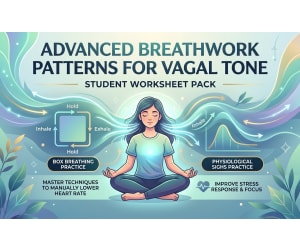
Advanced Breathwork Patterns for Vagal Tone
Science, Life Sciences, Biology, Human Body, Physics, STEM, Special Resources, Life Skills, Social Emotional Learning (SEL), Special Education Needs (SEN), Homeschool Curriculum, Homeschool Templates, Grade 8, 9, 10, 11, 12, Worksheets & Printables, Workbooks, Worksheets, Word Searches, Teacher Tools, Lesson Plans, Quizzes and Tests, Quizzes, Tests, Assessments
Transform Student Stress into Focused Success with Science-Backed Breathwork! Are your high school students struggling with test anxiety, overwhelming stress, and an inability to focus? It's not just in their heads—it's in their biology. The modern academic landscape puts the adolescent nervous system in a constant state of "fight or flight," hijacking their ability to learn and perform. Introducing the Advanced Breathwork Patterns for Vagal Tone Curriculum —a revolutionary, science-based toolkit designed to empower students to take conscious control of their own physiology. This isn't just another mindfulness exercise; it's an applied neurobiology lesson that provides tangible, immediate results. This comprehensive 44-page digital PDF package moves beyond simple "calm down" instructions. It introduces Haptic Respiratory Pacing , a powerful method combining specific breathing protocols (like Box Breathing and the Physiological Sigh) with the kinesthetic act of tracing. This dual-coding mechanism anchors a student's focus, interrupts anxiety loops, and directly stimulates the vagus nerve to manually lower heart rate and calm the nervous system. What's Inside This Complete, "Done-For-You" Curriculum? PHASE 1: Core Content & Theory (Educator/Student Guide): A deep dive into the "why" behind the techniques. This section explains the neurobiology of the stress response, the vagus nerve, and the mechanics of Box Breathing and the Physiological Sigh in clear, scientific terms. Perfect for engaging skeptical teens who want to know how it works. PHASE 2: Student Workbook (10 Rigorous Worksheets): A series of in-depth worksheets that blend academic learning with kinetic practice. Students will map neurobiological pathways, analyze data from their own heart rate, and apply these techniques to real-world scenarios like test-taking and athletic performance. PHASE 3: Visuals & Teacher Resources: High-Fidelity Tracing Diagrams: Clean, printable visual guides for Box Breathing and the Physiological Sigh that students can trace with a finger or pen. Comprehensive Answer Key: A full answer key for every question in the student workbook, including model answers for open-ended questions. Rigorous Teacher Implementation Guide: A step-by-step guide on how to frame the lesson ("Hacking the Nervous System"), run a baseline data protocol to get student buy-in, and integrate the curriculum into different subjects. Trauma-Informed Considerations: Expert guidance on how to apply these techniques safely and effectively for all students. Empower your students with a lifelong skill to manage stress, improve focus, and master their emotional state. Download this resource today and bring the power of applied neuroscience into your classroom! Keywords: Social Emotional Learning (SEL), Stress Management, Anxiety Reduction, Test Anxiety, High School, Biology, Health, PE, School Counselor, Mindfulness, Breathwork, Vagus Nerve, Box Breathing, Physiological Sigh, Self-Regulation, Coping Skills, Neurobiology, Focus, Student Workbook, Digital Download, Printable. Why Parents/Schools Love It: Empowers Students with a Real-World Skill: This isn't just theory. It gives teens a practical, discreet tool they can use anywhere—before an exam, during a stressful social situation, or on the athletic field—to manage their own anxiety and improve performance. Science-Backed & Data-Driven: The curriculum is grounded in real neurobiology, not abstract concepts. The included activities that have students measure their own heart rate provide concrete proof that the techniques work, ensuring high student engagement and buy-in. A Complete, Turnkey Solution: This 44-page PDF is a comprehensive, "plug-and-play" resource. It includes the theory, student worksheets, printable visuals, a full answer key, and a detailed implementation guide, saving teachers valuable prep time. Versatile and Easy to Integrate: The modules can be seamlessly integrated into various classes—Health, Biology, P.E., or even a 10-minute homeroom activity before a big school event. It directly supports school-wide Social-Emotional Learning (SEL) initiatives. Target Audience: Student Classes : Based on the sophisticated language, the scientific concepts, and the real-world examples (AP Calculus exams, athletic performance), target: Primary Target: Senior High School Students (Grades 10, 11, and 12). The content is perfectly matched for their cognitive level and the specific stressors they face. Secondary Target: Advanced 9th Graders in honors or gifted programs. Educators/Buyers: High School Health & P.E. Teachers High School Biology & Anatomy Teachers (excellent for a practical lab on the respiratory/nervous systems) School Counselors and Psychologists Test-Prep Coordinators and Tutors Homeroom/Advisory Teachers Copyright/Terms of Use: This Book was copyrighted by Syed Hammad Rizvi. This resource is for personal and single classroom use only. You may not alter, redistribute, or sell any part of this resource. In other words, you may not put it on the Internet where it could be publicly found and downloaded. If you want to share this resource with colleagues, please purchase additional licenses from Teachsimple. Thank you for respecting these terms of use. This product is happily brought to you by Syed Hammad Rizvi
Author Creative Book Store
Rating
Tags SEL, SocialEmotionalLearning, HighSchoolTeacher, StressManagement, AnxietyRelief, CopingSkills, VagusNerve, BoxBreathing, Neuroscience, ClassroomResources
Coding Logic & Algorithm Design (No-Code) Practice Sheets
Science, Technology, Computer Science, Engineering, STEM, Special Resources, Life Skills, Research, Resources for Teachers, Classroom Management, Grade 3, 4, 5, 6, 7, 8, 9, Worksheets & Printables, Workbooks, Worksheets, Word Searches, Teacher Tools, Assessments, Lesson Plans, Quizzes and Tests, Quizzes, Tests
By teaching the logic of code, you'll be able to unlock the true power of programming!!! This comprehensive curriculum has been created specifically for students in grades four through seven and will provide them with a strong foundation in Computational Thinking using a completely screen-free method—all without writing a single line of code. Are you interested in teaching Computer Science fundamentals but unable to cross the barrier of Syntax and software? Introducing Computer Science’s Fundamentals with an „Unplugged Coding” unit is the perfect solution. Students will learn to think about problems and create solutions like Engineers, Problem Solvers, and Innovators through real-world examples and well-designed worksheets. Instead of just providing another set of puzzles, this four-week, ready to go, complete unit will teach your students to convert abstract concepts into concrete skills. Once students have mastered this Architecture of Thought, they will be ready for any programming languages they may encounter in the future. THIS RESOURCE CONTAINS 40 PAGES OF MATERIAL, INCLUDING: 1) A comprehensive guide & theoretical framework that will help teachers (or older students) get a basic understanding of each of the four pillars of computer science: 1) Sequencing and Precision (anatomy of an algorithm) 2) Conditionals and Branching (logic at the crossroads) 3) Loops and Iteration (how to use repetition effectively) 4) Debugging and Optimization (the art of fixing things) 2) A fun, hands-on workbook that contains 10 different worksheets, each based on using the theoretical concepts in real-world situations. | Worksheet #1 = The Architecture of Sequence (Deep-Sea Drone Mission) Worksheet #2 = Conditional Pathways (Mars Rover Logic) Worksheet #3 = The Power of Iteration (Automated Greenhouse) Worksheet #4 = Variables and State (Retro Arcade Game) Worksheet #5 = Boolean Logic Gates (High-Tech Security Vault) Worksheet #6 = Function Design (Drone Light Show) Worksheet #7 = Debugging and Logical Errors (Theme Parks Ride) Worksheet #8 = Pattern Recognition and Abstraction (Alien Puzzle Box) Worksheet #9 = Algorithm Optimization (Robotic Postal Service) Worksheet #10 = System Design (Intelligent Vending Machine) Teacher Resources and Visuals: Everything You Need to Implement This Unit With Confidence - 3 High-Resolution Visual Anchor Charts to Display in the Classroom (Algorithm Design Process, Control Structures, Debugging Protocol). - Detailed Teacher Implementation Guide: pedagogical philosophy, 4-week pacing/deployment strategy, and differentiation tips. - "Logic E.D.G.E." Evaluation Rubric: One-of-a-Kind Methodology Assessment Tool As An Assessment Tool For Methodologies Not Only Right or Wrong Answers. - Comprehensive Answer Key: Easily Check Student Work. This resource is ideal for middle school computer science, STEM or STEAM electives, coding clubs, homeschool co-ops and/or gifted & talented upper elementary programs. Student empowerment = Master Problem Solvers! Download today to build the foundation for a lifetime of logical thinkers! Keywords: Unplugged Coding, Coding Without a Computer, Computational Thinking, Algorithm Design, Logic Puzzles, STEM, STEAM, Middle School Computer Science, Hour of Code, Screen-Free Activities, 4th Grade, Fifth Grade, Sixth Grade, Seventh Grade, Homeschool, Digital Resource Reasons Why Educators/Parents Appreciate The Program: Develops Real Skills at the Fundamental Level: It does not only have educational value as a game, but allows learners to see the logic of computer programming - students begin to see how computers function in the digital world. Completely Hand-Emphasis On Learning: In this modern world where we have become over-reliant on technology, the unplugged curriculum offers an hands-on means to integrate computer science into the lives of children while promoting critical thinking skills as well as reducing screen times. Everything Needed for Teachers to Implement Unit: All of the components required for teacher/educator to successfully implement the 28-day unit are included - Teacher’s Guide - Worksheets - Visuals - Answer Key with all included One-Time Prep for Teacher, however is Minimal. Fun, Imagination Driven Learning Through Unplugging: This unit assists educators in the "math" of coding and programming by allowing them to eliminate the frustration of syntax errors and develop understanding without the use of device and apparatus. Interesting but simple scenarios (Example - Program a Mars rover) keep students engaged and excited about learning. Development of Resilience and Problem Solving: The incredible focus and emphasis on NEAT Debugging Concepts, allow students to experience and understand that errors are both normal and will continue to happen during the learning journey while building analytic skills and resiliency. Intended Audience for Student: According to the PDF's recommendations and its degree of complexity, the target audiences are: Primary Target: Grades 4 through 7 (Aged 9 through 13) Secondary Target: 3rd grade: Gifted and Talented Program 8th grade: Introduction or remedial courses Families that are home-schooled with a structured STEM curriculum After-school coding clubs that would like an introduction to the fundamentals. Copyright/Terms of Use This book has been published by Syed Hammad Rizvi and is intended for personal use only. Any alteration, redistribution or sale of this resource is strictly prohibited. For example, you cannot place this resource on the internet in any way that someone might find it and download it. If you would like to share this resource with others you work with, please go to Teachsimple and purchase the appropriate number of licenses. Thank you for your consideration of these terms of use. This product is proudly produced by Syed Hammad Rizvi
Author Creative Book Store
Rating
Tags STEM, Coding, ComputerScience, EdTech, Education, CriticalThinking, ProblemSolving, TeachersOfInstagram, TechForKids, Coding Worksheets

Notion Template Architecture & Logic Design
Science, Technology, Computer Science, Engineering, Special Resources, Life Skills, Social Emotional Learning (SEL), Special Education Needs (SEN), STEM, Social Skills, Homeschool Curriculum, Homeschool Templates, Grade 9, 10, 11, 12, Worksheets & Printables, Workbooks, Worksheets, Word Searches, Writing Prompts, Teacher Tools, Quizzes and Tests, Quizzes, Tests, Lesson Plans
Unlock the Blueprint to Building and Selling Six-Figure Notion Templates! Are you ready to transform your Notion skills from a hobby into a profitable business? Do you want to stop creating simple, aesthetic templates and start engineering powerful, high-value operating systems that clients and customers will pay a premium for? Introducing Notion Template Architecture & Logic Design: The Architect's Workbook. This is not just another template. It’s a complete, 43-page university-level curriculum designed to turn you into a professional Notion system architect. We teach you the "Paper-First Abstraction" methodology used by top-tier developers to design robust, scalable, and highly marketable digital ecosystems before writing a single line of code. Go Beyond Aesthetics. Master the Architecture. In the competitive digital marketplace, the difference between a $15 template and a $150 enterprise-grade system is its invisible architecture. This guide gives you the keys to that architecture. Inside This Comprehensive Workbook, You Will Master: Relational Database Design: Learn to normalize your data, eliminate redundancy, and build an interconnected "Hub-and-Spoke" model that is both powerful and efficient. Advanced Formula & Logic: Move beyond simple functions. Master Formula 2.0 to create dynamic progress bars, automated status updates, and resilient logic that anticipates user error. Frictionless User Experience (UX): Discover the art of "Interface Abstraction." Learn to build clean, intuitive dashboards that hide complex backends, reduce cognitive load, and delight your users. Strategic Commercialization: It’s not enough to build a great system. You have to sell it. We walk you through productization, creating a frictionless onboarding experience, and solving the "Empty State Paradox" that confuses new buyers. What's Included: Part 1: The Core Concepts: 4 chapters of deep-dive theory on architecture, logic, UX, and commercialization. Part 2: The Architect's Workbook: 10 detailed worksheets with over 100 guided questions to blueprint your entire Notion system—from market validation to monetization strategy. Part 3: Teacher's Guide & Answer Key: Includes visual diagrams and a complete answer key with detailed "Academic Rationale" to ensure you deeply understand the why behind every architectural decision. This is for you if you are: An aspiring Notion creator ready to go pro. A freelancer building custom systems for clients. An entrepreneur wanting to sell high-ticket digital products. A student of business or technology looking for a practical, real-world guide to system design. Stop guessing. Start engineering. Download the Notion Template Architect's Workbook and build the foundation for your premium template business today! Keywords for SEO: Notion Template, Notion Guide, Notion for Business, Advanced Notion, Notion Formula, Notion Database, Notion UX, Sell Notion Templates, Build Notion Templates, Digital Product, Notion Course, Notion Workbook, Low-Code, Systems Design, Relational Database. Why Parents/Schools Love It: Builds Real-World Skills: Goes beyond software commands to teach fundamental, high-income skills in system architecture, database design, and user experience—all within a popular, practical tool. Prevents Costly Mistakes: The "Paper-First" workbook methodology forces structured planning, saving countless hours of rebuilding and debugging convoluted templates, leading to a better final product. Complete Curriculum-in-a-Box: With theory, practical worksheets, visual aids, and a comprehensive answer key with rationale, it's a perfect resource for self-study or as a ready-to-use textbook for a business or tech course. Unlocks a Business Model: It doesn't just teach you how to use a tool; it provides a complete blueprint for creating and selling high-value digital products, outlining a clear path to generating revenue. Target Audience: This PDF is not for beginners or casual Notion users . The content is advanced, dense, and assumes a desire to professionalize. target: Aspiring & Intermediate Notion Template Creators: Individuals who have made simple templates but want to learn the architecture required to build and sell premium, high-ticket ($50 - $200+) systems. Freelancers & Consultants: Professionals who build custom Notion workspaces for clients. This workbook will help them standardize their process, build more robust systems, and justify higher project fees. Digital Product Entrepreneurs: People in the digital product space who want to add high-value Notion templates to their product ecosystem. Higher Education Students (College/University): This could be an excellent resource for a "mini-course" or a practical project in courses related to: Business Information Systems Database Management (as a practical, low-code introduction) Entrepreneurship & Digital Product Creation User Experience (UX) Design Copyright/Terms of Use: This Book was copyrighted by Syed Hammad Rizvi. This resource is for personal and single classroom use only. You may not alter, redistribute, or sell any part of this resource. In other words, you may not put it on the Internet where it could be publicly found and downloaded. If you want to share this resource with colleagues, please purchase additional licenses from Teachsimple. Thank you for respecting these terms of use. This product is happily brought to you by Syed Hammad Rizvi
Author Creative Book Store
Rating
Tags Notion, Productivity, DigitalProduct, SmallBusiness, Entrepreneur, Workflow, Organization, BusinessTools, DigitalDownload, EBook

Guided Reading Level H - Clean Hands, Healthy Bodies
ELA, Resources for Teachers, Reading Comprehension, Reading, Health, P.E. & Health, Social Emotional Learning (SEL), Special Resources, Life Skills, Science, Kindergarten, Grade 1, 2, Worksheets & Printables, Worksheets, Teacher Tools, Centers, Activities, Literacy Readers, Quizzes, Quizzes and Tests, Assessments
This Guided Reading Book - Clean Hands, Healthy Bodies (Level H) includes: Guided Reading Color Label (front cover x1) This is a quick way to match the book’s demands to what students can generally handle.. The overall goal is to use the level/color to pick books for several smaller groups. To qualify for a certain level, a student is expected to read a book from that level with about 90–94% accuracy. If a student is consistently accurate and understands, move up a level. If the student is struggling at that level, drop down and add more support. Each student will improve at completely different rates, but it is generally one of the best ways to check progress across the class. DOWNLOAD THE CATALOG TO VIEW ALL GUIDED READING BOOKS AVAILABLE (SORTED LEVELS A-Z) Pre-Reading Question (x1) Teacher asks the prompt aloud, can be while showing the cover or first page. Students share what they already know, or make educated guesses from the cover. Prompt them to use the target vocabulary. Write some of their responses on the board to look back at during the reading. Vocabulary Words (x5) Introduce the five words, best doing it one at a time. Start by saying it, while students repeat and then see if anyone knows what it means before reading further. Read through the meaning and try to briefly connect each word to a picture or gesture so it’s meaningful. Ask students to flip through the book pages and point to where they see each of the vocabulary words. While reading the book pause upon coming across one of the vocab words or read the sentence twice to make sure students understand the word has appeared. Optional: Ask students to raise hands whenever they see/hear one of the new words. Guided Reading Pages (x10) Check the book snapshot (below) for: primary topic - do you need to prep extra reading or intro materials on this? what is taught best - decide on 1-2 bullets to focus on, use the prompt or words provided here for best results. learning goals - what you are checking for students to be able to do after the session, elicit answers using prompts or words provided. key vocabulary (see section above). questions overview - so you know what is coming up and if you need to prep extra materials to assist understanding. Run the lesson You may have already looked at a few of the pages together, but you can show them some of the pictures again first to set meaning. Depending on how much time you have and how familiar your students are with guided reading class, you may want to read the book aloud first with the group first. Students whisper or partner read, while you listen in. If time, do it as a group, one student reading a page each. Use the guided page’s prompts to coach: “Check the picture / does it make sense?” “Point under the words / try the first sound” “Reread the sentence smoothly”. Try to focus more on one student per session (rotating every time), so you can work out if they are ready to move up or need to move down a level. Comprehension Questions (back cover x3) This is your way to check that students didn’t just say the words, but actually understood the text. First, let students answer by pointing to the page/picture and saying a short sentence. After any answer, follow with: “Show me where you found that in the text.” In bigger groups, have partners answer first (10–20 seconds), then call on 2–3 students to share. Differentiation tips: Emerging speakers/struggling readers: oral + pointing On-level: oral in a full sentence Higher: one written sentence or draw + label Book Snapshot Title: Clean Hands, Healthy Bodies Genre: Nonfiction (informational) Subject: Health & Safety / Science Primary Topic: When and how to wash hands to stop germs Estimated Guided Reading Level (A–Z): H What This Book Teaches Best Why washing hands matters: it “keeps germs away” and helps prevent germs from spreading to other people. When to wash hands (before eating, after outdoor play, after using the toilet, after playing with a pet). How to wash hands step-by-step (wet with clean running water, use soap, scrub all areas, rinse, dry). A key procedure detail: scrubbing should last “twenty seconds” to remove germs. The idea of healthy habits: making handwashing a regular habit “protects everyone.” Learning Goals Students will explain one reason the book gives for washing hands, using a detail from the text. Students will identify at least two times the book says hands should be washed. Students will describe the steps for washing hands in order, based on the text. Students will state how long scrubbing should last, according to the book. Students will describe how handwashing helps other people, using the book’s words about spreading germs/protecting everyone. Key Vocabulary From the Text germs — tiny living things that can make you sick. contact — touching something. invisible — cannot be seen. scrub — rub hard to get something clean. protects — keeps safe from harm. Discussion Prompts Pre-reading question: When do you think it is most important to wash your hands? Comprehension questions: Name one time the book says you should wash your hands. How long should scrubbing last when you wash your hands? Why does washing your hands help other people? Printing Tips 1. Best Printing Method (Recommended) “Booklet” Printing (Best if Available) If your printer or PDF viewer supports Booklet Printing , use this. Settings to use: Print mode: Booklet Paper size: Letter or A4 (either works) Orientation: Landscape Print on both sides: Yes Flip on: Short edge Scaling: Fit to printable area Booklet subset: First test: Front sides only Then: Back sides only This will automatically: Pair pages correctly Put the cover on the outside Align everything for folding After printing, fold in half and staple along the spine . 2. If “Booklet” Printing Is NOT Available You can still print this correctly with manual duplex printing . Step-by-step: Open the PDF. Choose Print . Set: Orientation: Landscape Pages per sheet: 1 Print on both sides: Yes Flip on: Short edge Print all pages . Because each PDF page already contains two facing book pages, the result will still fold cleanly into a book. Thousands of Cored Education products are included with your TeachSimple membership. Download links and encyclopedia index available here.
Author Cored Education
Rating
Tags Vocabulary, Reading Comprehension, Reading Passages, Leveled Reading, Nonfiction, Reading, Guided Reading, Health, SEL, Life Skills

Conflict Resolution SEL Quiz Show With Handout PowerPoint
Special Resources, Life Studies, Life Skills, Grade 3, 4, 5, 6, Quizzes, Quizzes and Tests, Teacher Tools
Conflict Resolution SEL Quiz Show with Handout PowerPoint Designed specially for Grade 3 to Grade 6, this resource aims at providing practical solutions to resolve conflicts among students. It serves as an essential tool for educators in public schools as well as homeschooling environments, encouraging proactive learning through an interactive approach. Packed with Several Categories "What Would You Do?" "Role-Play" "Repair Skills" "Resolution Steps" "Mix It Up." The main goal behind each category is to enhance students' critical thinking abilities and help them master comfortable conflict resolution techniques. No-Prep Feature and Integrated Tracking System: This game-based teaching tool requires minimal planning time from the educators. The tracking mechanism makes progress tracking convenient – PowerPoint links change color once a question has been answered ( takes effect only in PowerPoint mode). Included Printable Handout: A valuable addition! An all-encompassing guide on how to resolve conflicts is also included. Students can refer to it during the game and even later, providing them a ready-to-use solution when handling future conflicts. Ideal Choice For Educational Subjects: Specially suited for subjects like Special Resources, Life Studies and its subcategory Life Skills—this Quiz Show helps develop necessary soft skills amongst young learners . Fosters Student Engagement &-Impactful Learning Cases :/bold>; The interactive gameplay further ensures immediate student engagement while imparting valuable education. This perfect blend makes Conflict Resolution SEL Quiz Show an apt choice for shaping smart, compassionate future citizens. NB: It’s an ideal choice for both traditional classrooms and homeschooling setups. Parents can also consider introducing this pedagogical tool at home to assist with their child's growth journey!
Author Jennifer Moyer Taylor
Tags Conflict Resolution, SEL, Quiz Show, Interactive Learning, Problem-solving, Conflict Resolution Power Point, Conflict Resolution Powerpoints, Conflict Resolution Games For Students, Conflict Resolution Quiz

Electrical Safety lesson: Quiz for lesson also available!
Life Studies, Special Resources, Life Skills, Grade 6, Quizzes, Quizzes and Tests, Teacher Tools
The Electrical Safety Lesson: Quiz for lesson also available This detailed Powerpoint presentation, perfect for Grade six classrooms, easily breaks down complex concepts of electricity safety into digestible nuggets of information. It's ideal for educators in both public school environments and homeschooling setups. Content Coverage: Electrical plug and outlet safety Situations to use outlet covers Precautions related to infants and electricity Avoidance of fires or electrical shocks with single circuits Further extending its coverage into real-life scenarios like safe laptop usage concerning their electrical components, the module reinforces pragmatic learning effectively. Critical tips on measures during lightning storms are woven skillfully into the narrative making this lesson more engaging while teaching students about unexpected sources of electric shock. Inclusive Quiz: An additional plus is an inclusive quiz that tests students' understanding after they have viewed the Powerpoint presentation. This comprehension check could also be used as a homework assignment or prime small group discussions allowing learners to undertake self-paced exploration while reinforcing their understanding robustly. Provided Answer Sheet: In line with its focus on student-centric learning experiences, this product comes with a concise answer sheet that corresponds directly to its affiliated quiz, simplifying navigation around difficult topics in real time. The Electrical Safety Lesson ultimately minimizes preparation time leaving more scope for teachers' participation in direct instruction spurring positive academic growth.
Author Easy As ABC
Tags Electrical Safety, Electricity, Safety Measures, Plug And Outlet Safety, Fire Prevention