Reading & writing
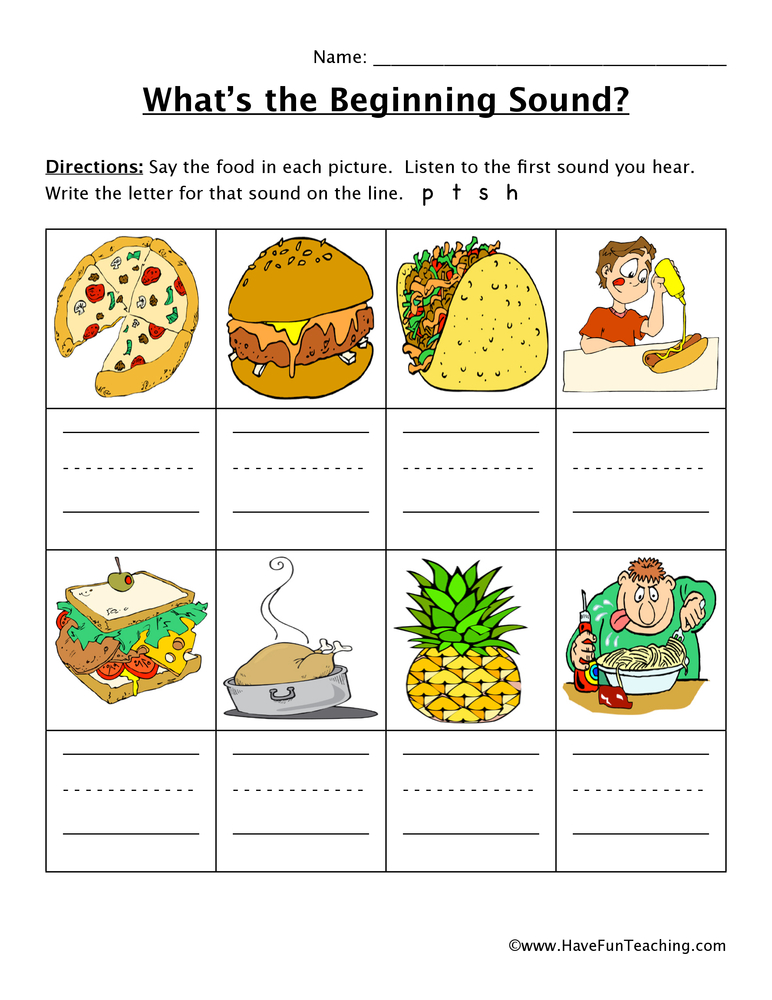
Beginning Sounds P, T, S, H Worksheet
Practice identifying the beginning sounds p, t, s, and h using food-themed picture vocabulary.
Answers included


Classroom resources
Browse by lesson focus
Choose the topic or kind of practice you need.
Showing 2785–2808 of 9958 resources

 Show filters
Practice identifying the beginning sounds p, t, s, and h using food-themed picture vocabulary.
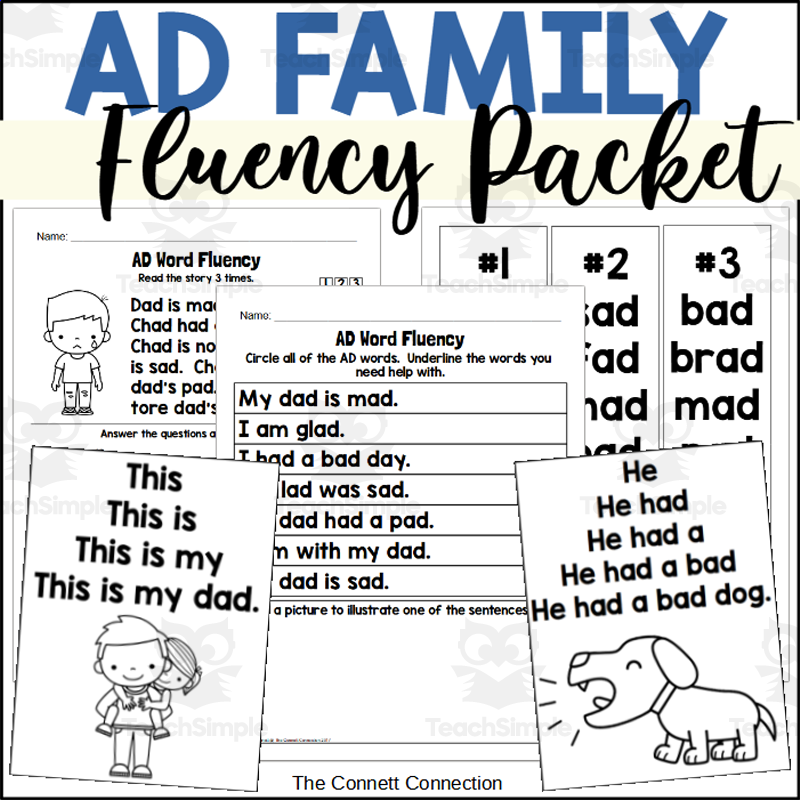
A phonics/reading fluency practice packet focused on the CVC 'AD' word family, including word lists, sentence strips, a comprehension passage, and sentence-building strips for kindergarten and first-grade readers.

Practice identifying the beginning sounds s, g, h, and b using sports-themed picture vocabulary.

A set of AB word family fluency and comprehension pages to build CVC/word family reading fluency for Kindergarten and Grade 1 students.
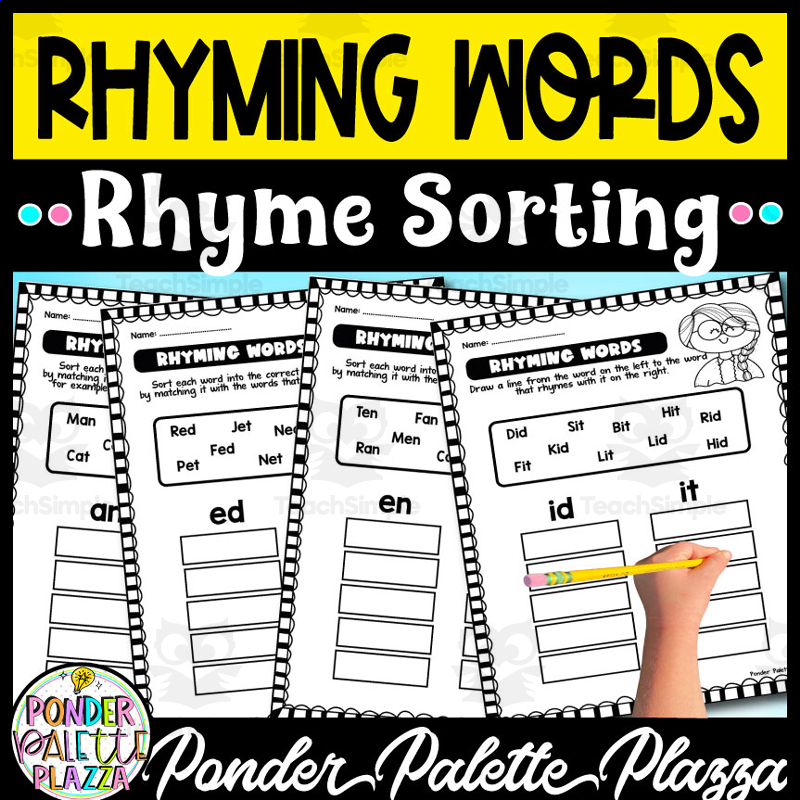
Practice recognizing rhymes by sorting CVC words into word-family groups.
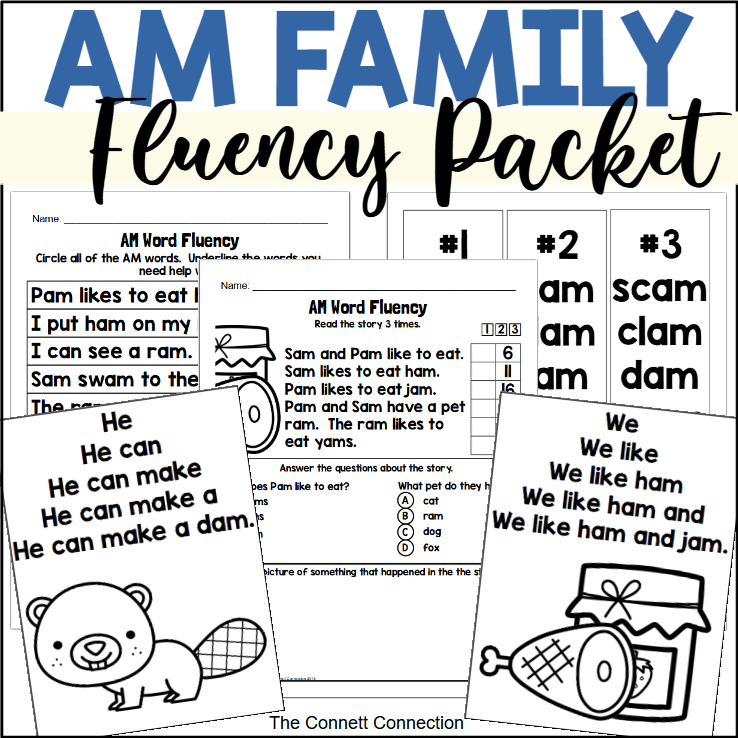
Reading fluency practice for AM-word-family CVC words, including word-list reading, sentence identification, and a timed fluency passage with comprehension questions.

Multi-activity phonics packet teaching recognition, reading, writing and spelling of short-i CVC words.
 Free download
Provide a set of CVC (consonant-vowel-consonant) word phonics practice worksheets for early readers.

Multi-activity phonics packet teaching recognition, reading, writing and spelling of short-o CVC words.
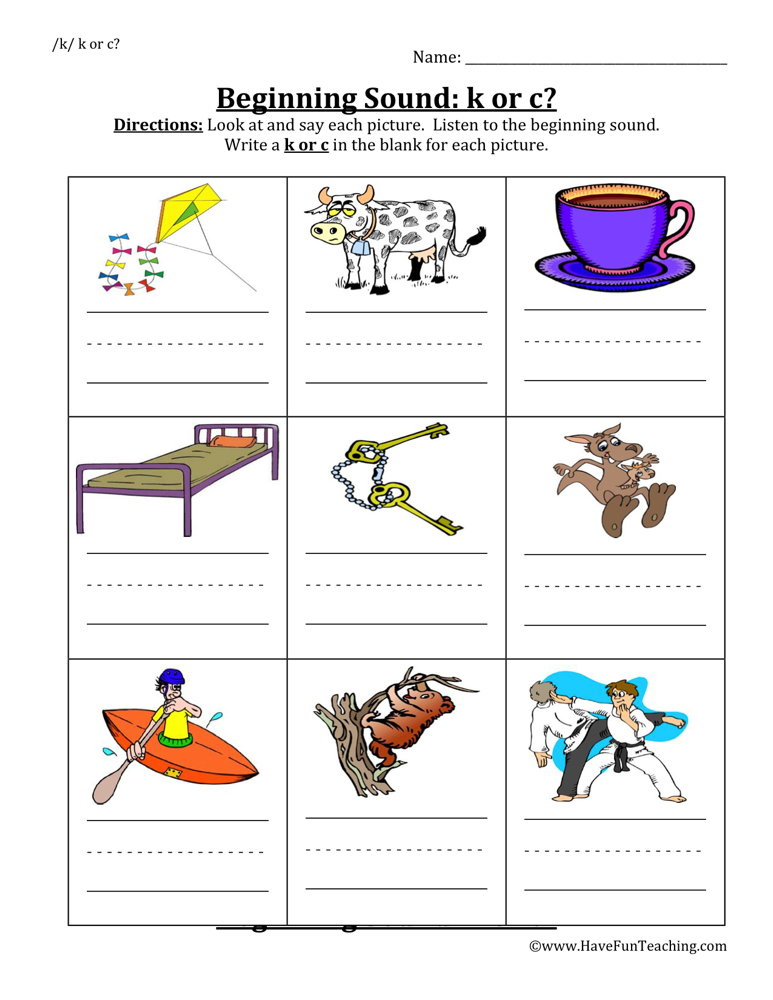
Practice identifying the beginning sounds k and c using picture-based items.

Multi-activity phonics packet teaching recognition, reading, writing and spelling of short-u CVC words.
Support students developing and strengthening writing through planning, revising, and editing.

Students begin by pasting P-word pictures inside a pot. Two further sorts distinguish capital P from lowercase p and the letter P from other letters. The three cut-and-paste pages separate sound recognition, letter case and target-letter identification.

Word-study workbook building vocabulary and editing skills through synonyms, antonyms, homonyms/homographs/homophones, prefixes, and suffixes.

This worksheet is a great way for students to practice identifying and using the beginning sounds of W, X, Y, and Z. This is an important skill for students to learn as it will help them with their reading and writing.
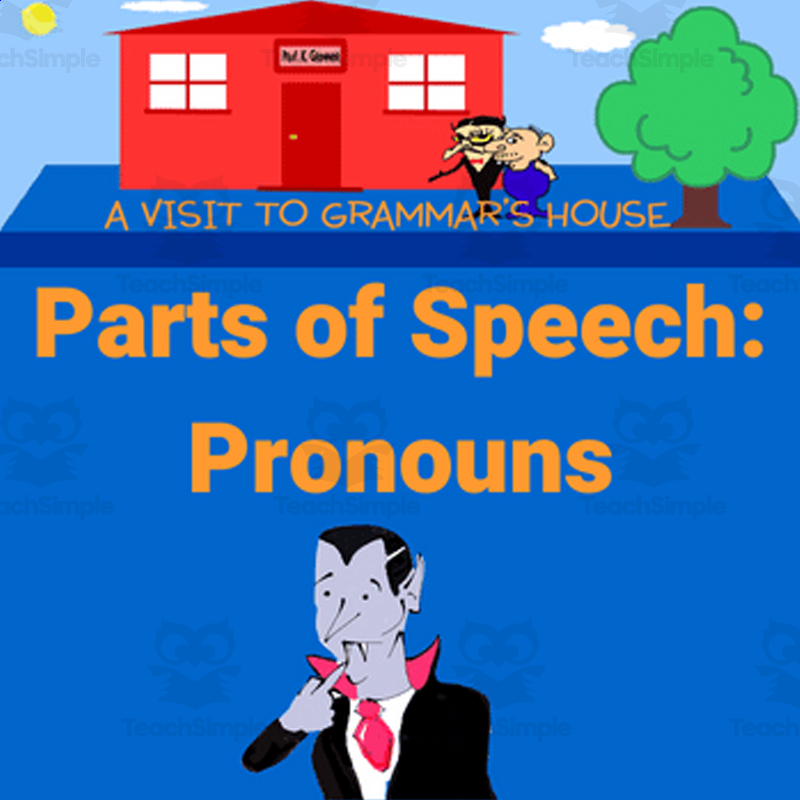
Teaches how and when to replace proper nouns with pronouns for clarity (subject pronouns, object pronouns, plural pronouns, and possessive pronouns) through a story-editing exercise and a fill-in-the-blank narrative, plus a story-based teaching dialogue.

A literacy center resource for practicing beginning-sound identification, where students write the beginning letter for pictures across 20 numbered sets.
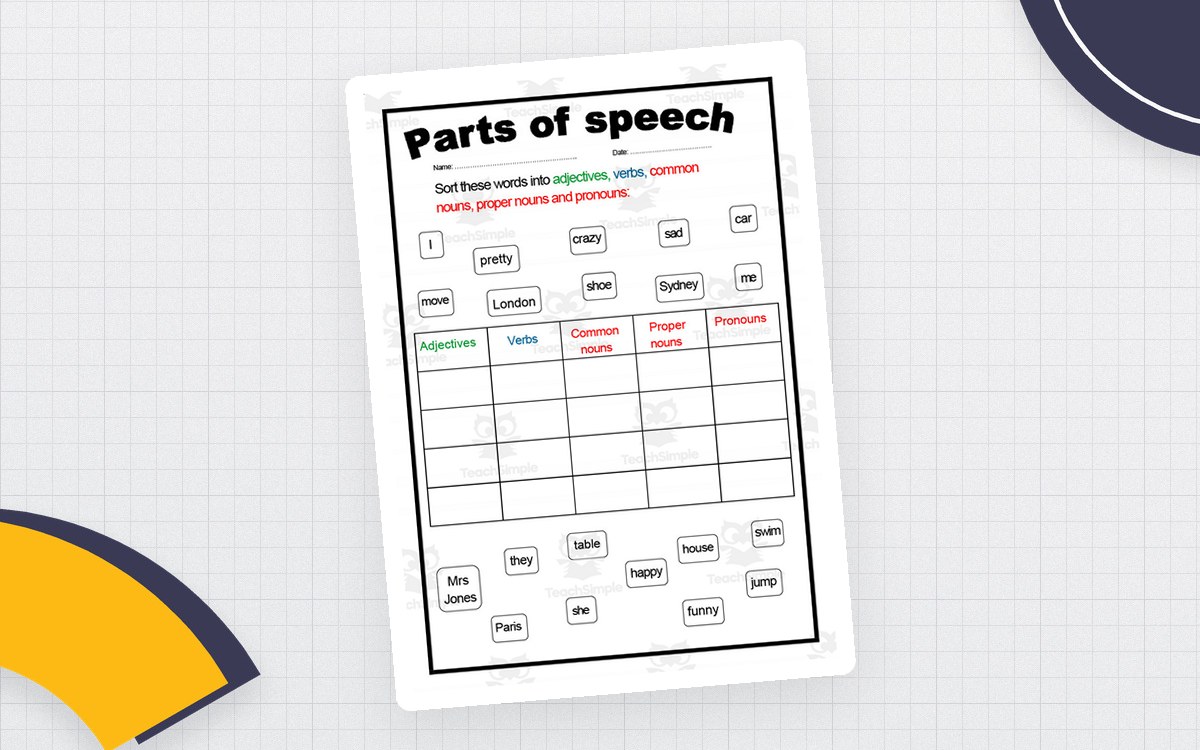
Give students practice sorting words into five grammar categories: adjectives, verbs, common nouns, proper nouns, and pronouns.
 Free download
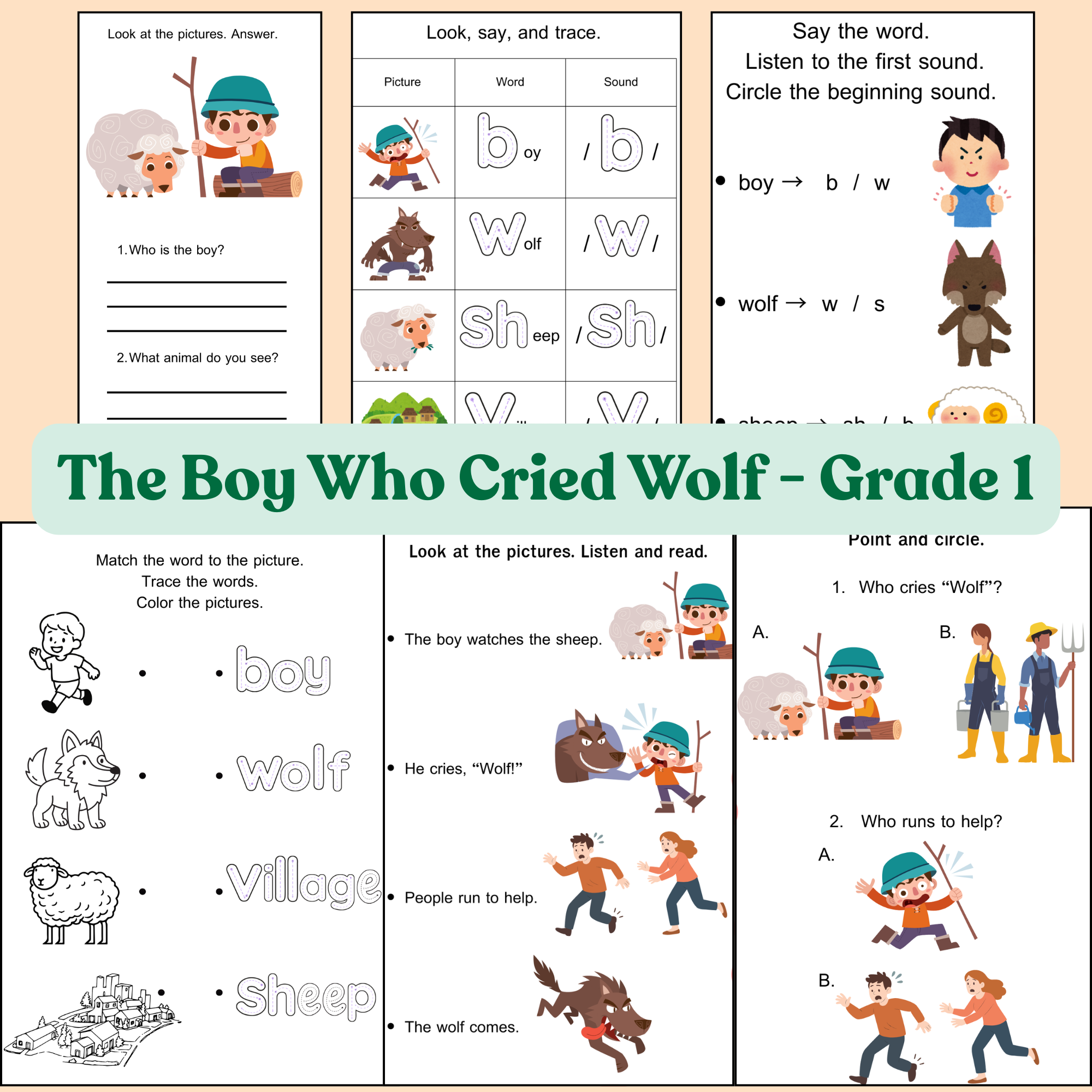
A first-grade reading, phonics, and writing worksheet packet built around the fable "The Boy Who Cried Wolf", teaching beginning sounds, sight words, sentence reading/writing, and the story's moral lesson about honesty.
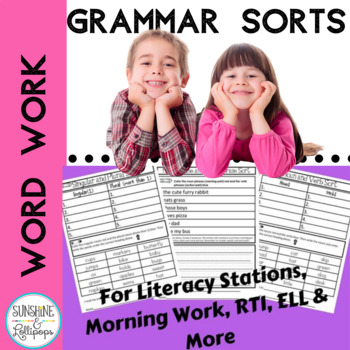
Give first/second-grade students practice sorting words into grammar categories (nouns/verbs, common/proper nouns, nouns/possessive nouns, nouns/pronouns).
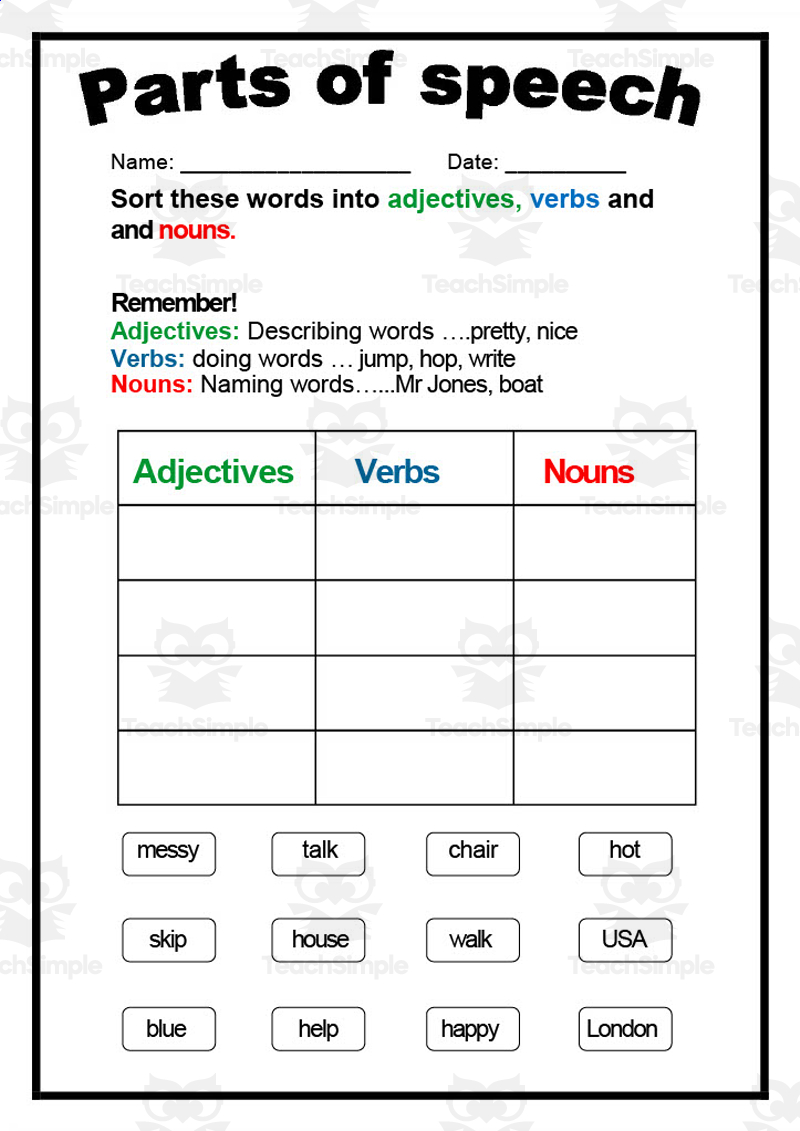
Give students practice sorting words into three grammar categories: adjectives, verbs, and nouns.
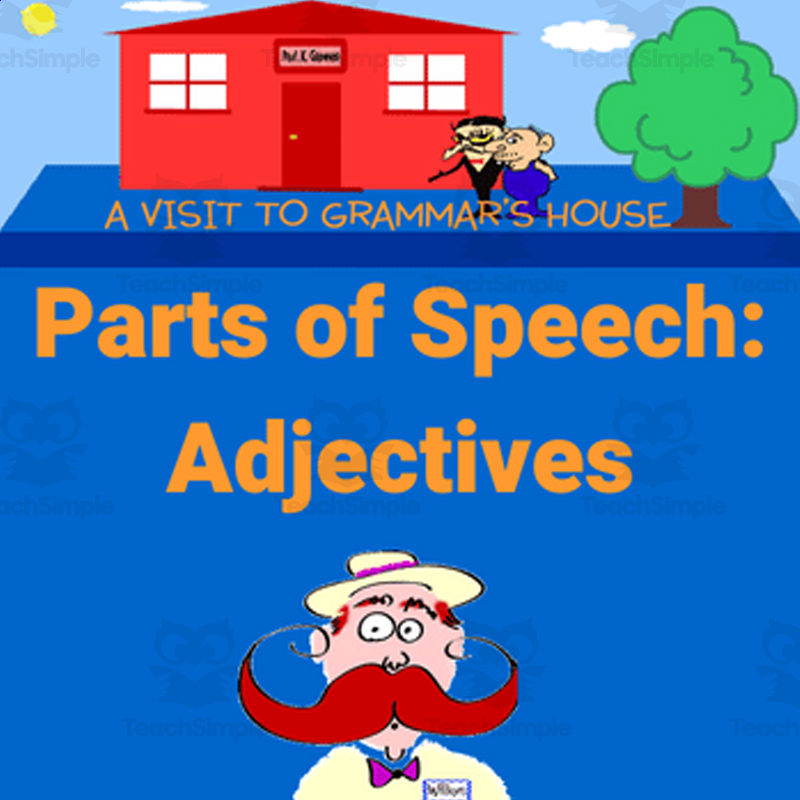
Teaches how adjectives (including possessive adjectives) describe nouns, how to find adjectives that aren't right next to the noun they modify, and how changing adjectives changes a character's personality, mood, or occupation in writing, using picture-description, passage-finding, and fill-in-the-blank story exercises.
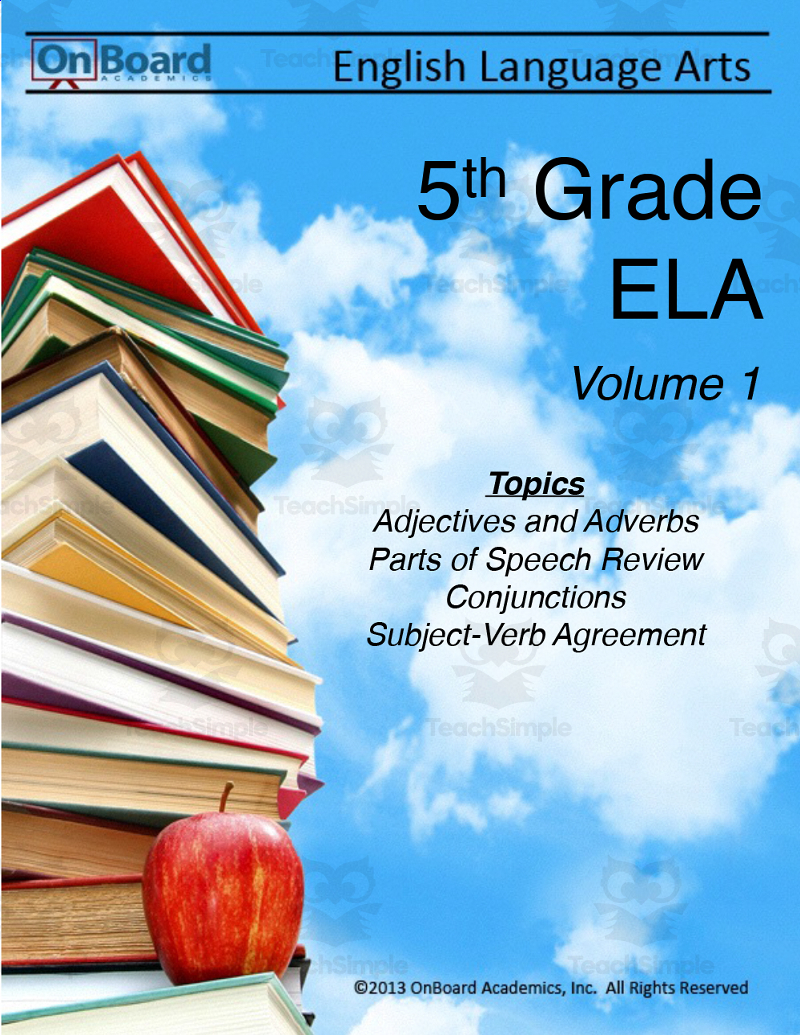
A grade 5 grammar workbook (OnBoard Academics) covering four grammar topics -- adjectives and adverbs, parts of speech review, conjunctions, and subject-verb agreement -- each with practice pages and a quiz.
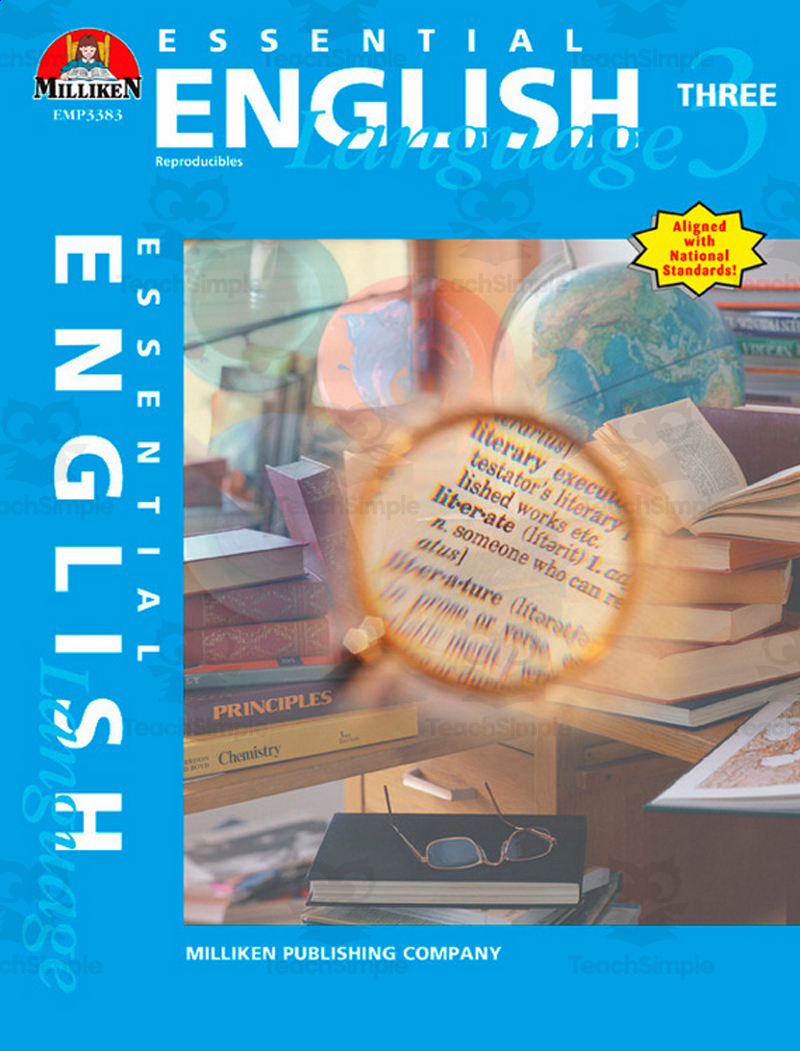
A reproducible grammar and writing skills workbook for Grade 3, part of Milliken Publishing's Essential English series, building foundational written and oral English communication.