3,950 products added recently
Page 2 - Kindergarten Worksheets
Introduce your kindergarten students to the joys of learning with worksheets that focus on foundational skills. Covering topics like phonics, counting, and basic science, these resources make education exciting. Use them to support your young students' growth and enthusiasm.
Final Consonant Blends & Double Consonant Endings: Zoggy With A Tablet
ELA, Language Development, Phonics, Kindergarten, Preschool, Grade 1, 2, Worksheets & Printables, Worksheets
Final Consonant Blends & Double Consonant Endings: Zoggy With A Tablet is a teaching resource for enhancing learners' understanding of final consonant blends and double consonant endings. It promotes reading comprehension and spelling proficiency using an engaging, narrative-driven method. The resource centers around the joyous character - Zoggy, an alien who's highly skilled in computing and enjoys solving problems. Learners develop foundational phonics skills through stories narrated by Zoggy interspersed with appropriate spelling exercises. This product is housed under the 'Mission Spelling Zero' series, characterized by seven levels each represented in varying rainbow colors. These levels range from Early Learning up until Grade 2 levels, designed to increase in difficulty and complexity. The course starts with introduction to initial sounds followed by exercises focusing on double consonant blends and vowel digraphs presented through riveting Zoggy-narrated stories. Included within this package are Phonic Writing Practice worksheets catering direct learning applications post every lesson's completion. To further reinforce comprehension skills, Comprehension Worksheets are provided that encourage vocabulary expansion derived from each read story. Packed into 29 easy-to-print PDF pages, these worksheets can be distributed across a variety of classroom setups—be it large scale instruction following along Zoggy's journey or smaller break-out sessions for more adept discussions about phonics rules revealed during respective reading explorations. Also suitable as take-home assignments enabling independent practice of newly acquired phonics subjects beyond school hours. Final Consonant Blends & Double Consonant Endings: Zoggy With A Tablet, offers learners not just mere memorization but meaningful understanding of sounds and spellings within relatable contexts, thereby ensuring a purposeful learning experience.
Author Guinea Pig Education
Tags Final Consonant Blends, Double Consonant Endings, Phonics Education, Reading Comprehension, Spelling Proficiency
Dyslexia-Friendly Visual Phonics Decoding
Classroom Management, Resources for Teachers, Community Building, Life Skills, Special Resources, Social Emotional Learning (SEL), Social Skills, Special Education Needs (SEN), Speech Therapy, Science, Kindergarten, Preschool, Grade 1, 2, 3, 4, 5, Worksheets & Printables, Workbooks, Worksheets, Word Searches, Teacher Tools, Lesson Plans, Quizzes and Tests, Quizzes, Tests, Assessments
If your students have difficulty with b/d reversals, visual crowding, or reading anxiety, phonics worksheets often do not work for kids who are neurodivergent because they create a cognitive overload situation. The Visual Phonics Decoding Program is a complete no-frills paradigm shift in reading interventions. Using the proprietary Visuo-Phonological Anchor Model (VPAM), this program creates a connection between auditory processing and the visual-spatial pathways, enabling students (first, second and third graders) to develop automaticity when decoding. The Visual Phonics Decoding packet also follows the principles of the Science of Reading and the cognitive principle of Orthographic Mapping and removes unnecessary visual distractions and replaces them with structured visual anchors. What’s Being Offered In Our 25 Page Complete PDF? Educator Theory and Implementation Manual: A deep dive into the Neurological Structure of Dyslexic Reading, Double-Deficit Hypothesis, and Orthographic Mapping with practical application chapters. Actual Case Studies with Practical Application: Profiles to show how to use these methods with Early Elementary School-Aged Children. Intervention Worksheet Series: Intervention worksheets have been developed utilizing Typographic Grounding, Chromatic Categorization and Spatial Bounding principles. Medial Short Vowels (CVC orthography), Consonant Digraphs (sh, ch, th, wh, ck), Initial Consonant Blends. Teacher Reference Materials/Visual Aids: Contains Visual Aids for Cognitive Orthographic Mapping Protocol and the anatomy of a Dyslexic Friendly Worksheet. Complete Answer Keys and Formative Assessment Protocols. Great For Special Education (SPED) Tier II and Tier III Reading Intervention, Home Schooling & Orton Gillingham Compatible Teaching Methods. Help struggling readers to stop guessing and to have the confidence to code words correctly using decoding! Reasons that Parents/Schools Appreciate It: Elimination of Visual Clutter: Heavy bottom, sans serif fonts, and greater spacing are used strategically to help identify and prevent visual representation of b, d, p, q from being represented as flipping or floating through space. Working Memory Limitations are Bypassed: Students are able to visually lock into a vowel team or digraph without being overwhelmed by using the use of Chromatic Anchor System and bounding boxes. No Fluff & No Distractions: All worksheets were specifically created to conserve as much of a dyslexic child's cognitive energy as possible. Therefore, no clip art, decorative art, or unnecessary instructions are contained to help conserve any cognitive energy from teaching a child to read. Creates Teacher and Parent Power: Also, all worksheets have a clear and complete "Educator Rationales" so parents and teachers can better understand the rationale and methodology for teaching their children. Gives Children the opportunity to Create True Orthographic Mapping: Children are prevented from memorizing and guessing from the visual image or picture, therefore, they are developing the skills to accurately map sounds to letters, which is the basis for long-term efficiency when it comes to reading. Target Audiences: Identify your target audience based on the curriculum's own Tiered Decoding Progression Model (pg. 22) and Introduction (pg. 1). Target Specifically: Grade Levels: 1st, 2nd, and 3rd. Audience: Students with a diagnosis of Dyslexia, students exhibiting signs of reading anxiety, children who are guessing at reading, children struggling with traditional written Phonics, as well as neurodivergent children from all backgrounds. Skills: Students needing support with CVC (consonant-vowel-consonant) words, students needing support with consonant digraphs (sh, ch, th) and students needing support with initial consonant blends. Buyers: Special Education Teachers, Reading Interventionists, Parents Home Schooling, General Education/Primary School Teachers. Terms of Use/Copyright: This Book is the copyright property of Syed Hammad Rizvi. You may only use this resource personally and within a single classroom. You are prohibited from altering, selling, or otherwise distributing any part of this resource. You may not post the entire resource or any part of it on the Internet for access or for download by the general public. If you would like to share this resource with your fellow teachers, you must purchase additional licenses through Teachsimple. Thank you for your support of these terms of use. Syed Hammad Rizvi would like to thank you for using this product.
Author Creative Book Store
Rating
Tags ScienceOfReading, SoR, StructuredLiteracy, OrthographicMapping, Phonics, PhonicsInstruction, PhonemicAwareness, Decoding, ReadingFluency, LiteracyMatters
Kindergarten Health: Unit 5
P.E. & Health, Life Studies, Physical Education, Health, Special Resources, Life Skills, Social Emotional Learning (SEL), Social Skills, Kindergarten, Lesson Plans, Teacher Tools, Worksheets & Printables, Worksheets
For Kindergarten Health there are seven standards that need to be taught to achieve healthy habits! Unit 1 Personal Health Unit 2 Growth and Development Unit 3 Nutrition and Physical Activity Unit 4 Substance Use and Abuse Unit 5 Injury/ Violence Prevention Control and Safety Unit 6 Prevention/Control of Disease Unit 7 Environmental Consumer Health These units can be taught out of order. They are only numbered for your convenience. Through using this Kindergarten Health: Unit 5, students will explore and learn to identify daily healthy habits. Included in this unit : Students will learn what to do if they are lost by learning their phone numbers of a parent or guardian. Students will also learn their address and full name, and guardian's names if lost. Students will complete a cut and paste activity for when to call 911 and when not to call 911. Students will learn about bike safety and the signals used when riding a bike. Playground safety is also taught in this unit . Learning about stranger danger is outlined in this unit with a cut and paste activity . Lastly, students will learn about bullying and what it means to be bullied and what to do. This excellent product comprises 11 pages chock-full of useful resources aimed at fostering critical life skills for the well-being of young learners. Embrace Kindergarten Health: Unit 5 in your classroom today! There are seven units that cover all the health requirements for Kindergarten. Here are the links to other health units: Kindergarten Health: Unit 1 Personal Health Kindergarten Health: Unit 2 Growth and Development Kindergarten Health: Unit 3 Nutrition and Physical Activity Kindergarten Health: Unit 4 Substance Use and Abuse Kindergarten Health: Unit 5 Injury / Violence Prevention Control and Safety Kindergarten Health: Unit 6 Prevention / Control of Disease Kindergarten Health: Unit 7 Enviromental Consumer Health You can also teach your students about keeping yourself safe by studying about the Coronavirus, where and when it started and facts that plagued our world with this virus. Kindergarten Health: Covid 19 / Coronavirus Facts This unit meets Common Core Standards.
Author K-5 Treasures
Tags Health Worksheets, Health, Kindergarten Health, Personal Health, Kids Health, Worksheets On Health, Elementary Health, Healthy Foods, Healthy Habits, Health Units
Guided Reading Level B: Soccer - The World's Game
ELA, Resources for Teachers, Reading Comprehension, Reading, Language Development, Pre-Reading, Vocabulary, Sports, P.E. & Health, Physical Education, Kindergarten, Preschool, Grade 1, Worksheets & Printables, Worksheets, Teacher Tools, Centers, Activities, Literacy Readers, Quizzes, Quizzes and Tests, Assessments
This Guided Reading Book - Soccer: The World's Game (Level B) includes: Guided Reading Color Label (front cover x1) This is a quick way to match the book’s demands to what students can generally handle.. The overall goal is to use the level/color to pick books for several smaller groups. To qualify for a certain level, a student is expected to read a book from that level with about 90–94% accuracy. If a student is consistently accurate and understands, move up a level. If the student is struggling at that level, drop down and add more support. Each student will improve at completely different rates, but it is generally one of the best ways to check progress across the class. DOWNLOAD THE CATALOG TO VIEW ALL GUIDED READING BOOKS AVAILABLE (SORTED LEVELS A-Z) Pre-Reading Question (x1) Teacher asks the prompt aloud, can be while showing the cover or first page. Students share what they already know, or make educated guesses from the cover. Prompt them to use the target vocabulary. Write some of their responses on the board to look back at during the reading. Vocabulary Words (x5) Introduce the five words, best doing it one at a time. Start by saying it, while students repeat and then see if anyone knows what it means before reading further. Read through the meaning and try to briefly connect each word to a picture or gesture so it’s meaningful. Ask students to flip through the book pages and point to where they see each of the vocabulary words. While reading the book pause upon coming across one of the vocab words or read the sentence twice to make sure students understand the word has appeared. Optional: Ask students to raise hands whenever they see/hear one of the new words. Guided Reading Pages (x10) Check the book snapshot (below) for: primary topic - do you need to prep extra reading or intro materials on this? what is taught best - decide on 1-2 bullets to focus on, use the prompt or words provided here for best results. learning goals - what you are checking for students to be able to do after the session, elicit answers using prompts or words provided. key vocabulary (see section above). questions overview - so you know what is coming up and if you need to prep extra materials to assist understanding. Run the lesson You may have already looked at a few of the pages together, but you can show them some of the pictures again first to set meaning. Depending on how much time you have and how familiar your students are with guided reading class, you may want to read the book aloud first with the group first. Students whisper or partner read, while you listen in. If time, do it as a group, one student reading a page each. Use the guided page’s prompts to coach: “Check the picture / does it make sense?” “Point under the words / try the first sound” “Reread the sentence smoothly”. Try to focus more on one student per session (rotating every time), so you can work out if they are ready to move up or need to move down a level. Comprehension Questions (back cover x3) This is your way to check that students didn’t just say the words, but actually understood the text. First, let students answer by pointing to the page/picture and saying a short sentence. After any answer, follow with: “Show me where you found that in the text.” In bigger groups, have partners answer first (10–20 seconds), then call on 2–3 students to share. Differentiation tips: Emerging speakers/struggling readers: oral + pointing On-level: oral in a full sentence Higher: one written sentence or draw + label Book Snapshot Title: Soccer: The World’s Game Genre: Nonfiction (concept book) Subject: Reading / Health & PE Primary Topic: Soccer words for people, places, and gear Estimated Guided Reading Level (A–Z): B What This Book Teaches Best Builds sports vocabulary by naming soccer-related nouns (ball, field, goal, team, trophy). Introduces soccer roles and equipment with clear, repetitive labels (player, goalie, cleats, jersey, whistle). Supports early print concepts by pairing a short phrase with each picture (“The ____.”). Strengthens categorizing skills by noticing items that belong to the same topic (soccer). Learning Goals Students will identify the topic of the book as soccer. Students will name at least three soccer things the book labels. Students will identify two soccer people named in the book (player, goalie). Students will retell the book by naming the items in order from the pages. Students will match key words from the text to the correct picture (e.g., goal, jersey, trophy). Key Vocabulary From the Text cleats — shoes with bumps that help you grip. goalie — player who protects the goal. jersey — shirt a player wears. whistle — tool that makes a loud sound. trophy — prize you win. Discussion Prompts Pre-reading question: What soccer things do you think this book will name? Comprehension questions: What is the first thing named in the book? Name one person named in the book. What is the last thing named in the book? Printing Tips 1. Best Printing Method (Recommended) “Booklet” Printing (Best if Available) If your printer or PDF viewer supports Booklet Printing , use this. Settings to use: Print mode: Booklet Paper size: Letter or A4 (either works) Orientation: Landscape Print on both sides: Yes Flip on: Short edge Scaling: Fit to printable area Booklet subset: First test: Front sides only Then: Back sides only This will automatically: Pair pages correctly Put the cover on the outside Align everything for folding After printing, fold in half and staple along the spine . 2. If “Booklet” Printing Is NOT Available You can still print this correctly with manual duplex printing . Step-by-step: Open the PDF. Choose Print . Set: Orientation: Landscape Pages per sheet: 1 Print on both sides: Yes Flip on: Short edge Print all pages . Because each PDF page already contains two facing book pages, the result will still fold cleanly into a book. Thousands of Cored Education products are included with your TeachSimple membership. Download links and encyclopedia index available here.
Author Cored Education
Rating
Tags Vocabulary, Reading Comprehension, Reading Passages, Leveled Reading, Nonfiction, Reading, Guided Reading, P.E., Sports, Soccer
Letter N Activities Alphabet Worksheets & Boom Cards Kindergarten
Language Development, ELA, Phonics, Pre-Reading, Kindergarten, Preschool, Grade 1, Activities, Centers, Crafts, Coloring Pages, Worksheets, Worksheets & Printables, Crosswords Puzzles, Mazes, Dot To Dots, Word Searches
Make learning the Letter N a breeze with this fun and interactive activity pack! Whether you’re introducing the letter N as part of your Letter of the Week program or reinforcing it during phonics instruction, this resource has you covered with 92 printable worksheets and 31 digital Boom Cards —all designed to keep your preschool and kindergarten students engaged and learning. From tracing and sorting to mazes, puzzles, dabbing, and hands-on crafts, this pack combines literacy, fine motor, and phonemic awareness skills into one no-prep bundle. What’s Inside: Printable Activities Letter N Poster + 6 Visual Vocabulary Cards Tracing and Writing Uppercase and Lowercase N Letter N Sorting, Spinning (with review of S & T), and Finding Activities Letter N Mazes, Puzzles, Dot-to-Dot, Dab the Dots Color by Code, Geoboard Task, Glitter Letter Craft Visual Cutouts for Letter N Fairytale Connection: Hey Diddle Diddle Reading Practice: a, an, and -an Words Summary Sheet + “About Me” and Booklet Cover Pages 🧠 Extra Literacy Crafts & Resources “I’m a Letter N Champ” Crown & Bracelet Mini Flipbook with Letter N Words & Visuals Word Wheel with 6 Letter N Vocabulary Words Newt-Themed Finger Puppets (6 per page) Stick Puppet Templates (4 per page) Sight Word Mini Flipbook (with touch phonics font) One-Page Mini Booklet with Letter N Words & Images 💻 Boom Cards – 31 Interactive Digital Activities Uppercase and Lowercase Letter N Formation Letter N Sound Recognition Puzzle Piece Matching (Uppercase/Lowercase N) Drag-and-Drop Uppercase/Lowercase Sorting Identify Letter N Pictures to Reveal an Image Usage of Uppercase N (Sentence Start) vs Lowercase (Mid-Sentence) 🎯 Perfect For: Literacy Centers Phonics Lessons Morning Tubs Small Groups or Intervention Homework or Take-Home Practice ⭐ Bonus: Separate files with US and British English spellings included for flexible classroom use. Give your students the letter N foundation they need through structured, playful learning that’s easy to prep and fun to use!
Author Teach2Tell
Rating
Tags Letter N Activities, Alphabet Worksheets Letter N, Preschool Letter N Printables, Kindergarten Letter N Activities, Letter Of The Week Letter N, Uppercase Letter N, Lowercase Letter N, Phonics Letter N Practice, Letter N Crafts For Kids, No Prep Letter N Worksheets
Self-Control SEL Game, SEL poster, and Mystery Mosaic Activity SEL Gam
Special Resources, Life Skills, Social Emotional Learning (SEL), Social Skills, Special Education Needs (SEN), Kindergarten, Grade 1, 2, Activities, Games, Worksheets, Worksheets & Printables
The Self-Control Game, Mini-poster, and Mystery Mosaic Activity This resource is designed specifically for kindergarten to second-grade students to introduce or reinforce concepts related to self-control and emotional regulation. Stop & Think Game Board The main component of the resource is an interactive game which includes: 12 STOP cards 12 THINK cards The game stimulates discussions about emotions while exploring strategies for maintaining self-control. Detailed instructions are provided for best practice in facilitating gameplay. This can be used for whole class instruction or student-led group activities. Mini-Poster: Stop, Breathe, & Think An accompanying mini-poster acts as a ready reminder of these essential skills. It is suitable both for classroom display and home use. Mystery Mosaic Activity A mystery mosaic activity further reinforces the lessons learnt from the Stop & Think game in a fun yet educational mode. Fits Special Education Resources and Life Skills Curriculum This resource aligns with many special education resources as well as broader life skills curriculum objectives. It pairs well with books about managing big feelings or self-control. Even some reading recommendations are included. Digital Download Convenience (PDF Format) The resource comes as an easy-to-print digital download so no sorting through physical products. In Summary: The Self-Control Game, Mini-Poster, and Mystery Mosaic Activity provides equitable access to vital social-emotional learning principles through relatable activities. Teaching self-control, understanding emotions or promoting calming breathing techniques have never been this engaging before. If you are interested in other SEL and social emotional resources, please check out my store at: https://teachsimple.com/contributor/jennifer-moyer-taylor I am a full-time school counselor who uses my own resources on the students I serve. If it is not "kid" approved, I change it! I am very willing to tweak a resource if the resource is not as engaging or relevant for the students, I alter the lesson and the activities.
Author Jennifer Moyer Taylor
Tags Self-control Game, Emotional Regulation, Social-emotional Learning, Character Education, Mindfulness, SEL Games, SEL, Social Emotional Learning, SEL Poster
Guided Reading Level F - Planets in Our Solar System
ELA, Resources for Teachers, Reading Comprehension, Reading, Language Development, Pre-Reading, Vocabulary, Science, Earth and Environmental Sciences, Space, Kindergarten, Grade 1, 2, Worksheets & Printables, Worksheets, Teacher Tools, Centers, Activities, Literacy Readers, Quizzes, Quizzes and Tests, Assessments
This Guided Reading Book - Planets in Our Solar System (Level F) includes: Guided Reading Color Label (front cover x1) This is a quick way to match the book’s demands to what students can generally handle.. The overall goal is to use the level/color to pick books for several smaller groups. To qualify for a certain level, a student is expected to read a book from that level with about 90–94% accuracy. If a student is consistently accurate and understands, move up a level. If the student is struggling at that level, drop down and add more support. Each student will improve at completely different rates, but it is generally one of the best ways to check progress across the class. DOWNLOAD THE CATALOG TO VIEW ALL GUIDED READING BOOKS AVAILABLE (SORTED LEVELS A-Z) COMPANION VIDEO NOW AVAILABLE (EMBEDDED AFTER PREVIEW PICTURES IN PRODUCT DESCRIPTION) Pre-Reading Question (x1) The teacher says the question aloud, either while showing the cover or the first page. Students share what they already know or make sensible guesses based on the cover. Encourage them to use the target vocabulary where possible. Write a few of their ideas on the board so you can return to them during or after the reading. Vocabulary Words (x5) Introduce the five words one at a time. Say each word aloud, have students repeat it, and then ask if anyone already knows what it means. Read the meaning together and briefly connect each word to a picture, action, or gesture so it feels more memorable. Ask students to flip through the book and point to any pages where they spot the vocabulary words. While reading, pause when one of the words appears, or reread the sentence so students clearly notice and understand it in context. Optional: Ask students to raise their hands whenever they see or hear one of the new words. Guided Reading Pages (x10) Check the book snapshot below for: Primary topic — decide whether students need a quick introduction or extra background first. What this lesson teaches best — choose 1–2 key points to focus on during the session. Learning goals — keep in mind what students should be able to understand or say by the end. Key vocabulary — review and reinforce these throughout the lesson. Questions overview — look ahead so you know what students will be asked and whether any extra support is needed. Run the lesson You may already have looked at a few pages together, but it can help to revisit some of the pictures first to build meaning. Depending on your time and how confident the group is with guided reading, you may want to read the whole book aloud to them first. Students can then whisper-read or partner-read while you listen in. If time allows, you can also read as a group, with each student taking a page. Use the guided reading prompts to support them, such as: “Check the picture—does it make sense?” “Point under the words.” “Try the first sound.” “Reread the sentence smoothly.” It can be helpful to focus more closely on one student each session, rotating over time, so you can better judge whether they are ready to move up or may need more support at their current level. Comprehension Questions (back cover x3) This is where you check that students understood the text, not just the words on the page. Start by letting students answer by pointing to a page or picture and saying a short sentence. After they respond, follow up with: “Show me where you found that in the text.” In larger groups, let partners discuss their answer first for 10–20 seconds, then invite 2–3 students to share. Differentiation tips Emerging speakers / struggling readers: oral response + pointing On-level: oral response in a full sentence Higher: one written sentence or a drawing with labels Book Snapshot Title: Planets in Our Solar System Genre: Nonfiction (informational) Subject: Science Primary Topic: Basic facts about the Sun, the planets, and the Moon Estimated Guided Reading Level (A–Z): F What This Book Teaches Best Introduces the Sun as a star at the center of the solar system that gives light and heat to the planets. Teaches the order of the planets, from Mercury to Neptune, with one main fact about each one. Builds science vocabulary naturally through the text, including words like craters , surface , giant , unique , and reflects . Helps students compare planets using simple details such as color, temperature, rings, winds, and clouds. Learning Goals Students will identify the Sun’s job in the solar system using details from the text. Students will name the planets in order from Mercury to Neptune as shown in the book. Students will describe at least three planets using facts from the text. Students will explain what makes one planet “unique” in the book. Students will tell what the Moon does at night, according to the text. Key Vocabulary From the Text craters — deep holes in the ground surface — the outside layer of something giant — very, very big unique — special and different from others reflects — bounces light back Discussion Prompts Pre-reading question: What do you already know about the Sun, the Moon, and the planets? Comprehension question: Which planet does the book say is the smallest? Comprehension question: What is Saturn famous for? Comprehension question: What does the Moon reflect at night? 1. Best Printing Method (Recommended) Booklet printing is the best option if your printer or PDF viewer supports it. This method usually places the pages in the correct order automatically and makes folding much easier. Settings to use: Print mode: Booklet Paper size: Letter or A4 Orientation: Landscape Print on both sides: Yes Flip on: Short edge Scaling: Fit to printable area Booklet subset: First, print front sides only Then, print back sides only This will automatically: Pair the pages correctly Place the cover on the outside Help everything line up properly for folding After printing, fold the pages in half and staple along the spine. 2. If “Booklet” Printing Is Not Available You can still print the book correctly by using manual duplex printing . Step-by-step: Open the PDF. Click Print . Use these settings: Orientation: Landscape Pages per sheet: 1 Print on both sides: Yes Flip on: Short edge Print all pages. Since each PDF page already contains two facing book pages, the pages should still fold neatly into a book. Thousands of Cored Education products are included with your TeachSimple membership. Download links and encyclopedia index available here.
Author Cored Education
Rating
Tags Vocabulary, Reading Comprehension, Reading Passages, Leveled Reading, Nonfiction, Reading, Guided Reading, Earth Science, Space, Planets
WORKSHEETS To Reinforce Four Letter Sight Words (4-7 years)
ELA, Language Development, Phonics, Kindergarten, Preschool, Grade 1, Worksheets & Printables, Worksheets
Four Letter Sight Word Worksheets This sight word resource provides worksheets to reinforce recognition and writing of common four letter words for early readers ages 4-7. Children will strengthen sight word knowledge by reading, tracing, and writing the high frequency words. The worksheets coordinate with the Zoggy Zero early reading curriculum but can supplement any emergent reading program. Ideal for whole group, small group, independent work, or homework, these printable PDFs allow versatile use. Kids see the word, trace the letters, then write the word themselves to build automaticity. Reproducible across school, therapy, or home settings, this resource saves time while filling a key reading readiness need.
Author Guinea Pig Education
Tags Four Letter Sight Words, Spelling, Handwriting, Phonics
Writing And Comprehension Practice: This Is Zoggy (4-8 years)
ELA, Language Development, Phonics, Preschool, Kindergarten, Grade 1, Worksheets & Printables, Worksheets
Writing And Comprehension Practice: This Is Zoggy (4-8 years) A teaching resource designed to boost early language arts proficiency amongst 4-8 year olds. It offers educators an excellent tool for fostering literacy skills in young learners and perfect for kindergarten and first-grade classrooms. Resource Companion This workbook complements the Mission Spelling Book: This Is Zoggy. Ideal for children working with the violet level of Mission Spelling Zero scheme, it introduces activities that reinforce lessons from the original book. Inclusive tasks: Letter sound reinforcement. Tracing and writing letters and words. A comprehension activity drawn from the story. Zoggy – A Learning Companion from Another Planet! A central feature of this nine-page interactive workbook is Zoggy, an engaging alien character with extraordinary computer skills who originated in the early books of Mission Spelling Zero series. His entertaining stories make learning initial sounds hugely enjoyable for children. Ladder to Phonics Proficiency The rainbow motif used within this educational system represents different stages or levels that learners move through. Progressively, they enhance their phonics abilities using worksheets included in this workbook, paving way to faster future learning experiences. "Writing And Comprehension Practice: This Is Zoggy" – More than Just a Workbook! This educational resource: Inspires students to improve their handwriting skills by encouraging them to form sentences independently exposing them to real-life applications of language arts learnt during class hours or homework tasks using whole group-based activities/personalized assignment methodologies weaved into the program. Integrates fun-filled games into learning to reinforce literacy notions and encourage interaction between learners, providing an enriching language arts comprehension experience throughout the early learning stages. The exciting format of Writing And Comprehension Practice: This Is Zoggy makes it a priceless tool both for public school teachers or homeschoolers alike attempting to make reading and writing less intimidating and more enjoyable for younger learners.
Author Guinea Pig Education
Tags Phonics, Early Learning, Reading Comprehension, Handwriting Practice, Interactive Learning
Learn Soft G (as in ginger) and how to add '...ing' to words. Read the story.
ELA, Language Development, Phonics, Preschool, Kindergarten, Grade 1, Worksheets & Printables, Worksheets
Learn Soft G (as in ginger) and Enhance Reading Skills Think about the amazing improvement your students could make in their reading skills within a short span of six months. This is the aim of our Learn Soft G (as in ginger) and how to add '...ing' to words teaching resource. It offers interactive tools designed for children as young as 4 especially those still facing reading challenges at ages 7 to 9, children with learning difficulties and those learning English as a foreign language. About the Resource The resource is structured into different packs with each focusing on incorporating English's fundamental phonetic sounds - a total of 44 - into stories narrated around an enchanting boy named Sam. These stories are embedded with opportunities for learners to acquaint themselves with these sounds, essentially enabling them to break down roughly 80% of English words into easier-to-read syllables or sounds. Imagine using this tool during group instruction time, breaking off into smaller clusters, or even assigning it as homework material. Upon completion, they will be ready to independently navigate other texts like Roald Dahl's 'Georges Marvellous Medicine' and 'Fantastic Mr Fox'. Bonus Activities & Flexibility Learners can further consolidate their understanding through additional fun activities; application exercises involving matching phrases or sentences await them. You wield ultimate control over how you sequence these packs depending on your students' needs – from initial sounds moving onto more intricate ones. Pack instructions are: Introduce each sound individually; Foster discussions by revisiting sentences/stories repeatedly; Dedicate time to practice each sound until it is familiar. Subjects: Language Arts, specifically in the realms of Phonics suited for Early Learning to Grade 1 level. Comes ready-to-use as worksheets in readily accessible PDF format. Final note: Discover efficiency in teaching phonics with Learn Soft G (as in ginger) and how to add '...ing' to words. Read the story.
Author Guinea Pig Education
Tags Phonics, Reading Skills, Soft G, Adding -ing, Interactive Tools
Learn Long Y and Short Y.
ELA, Language Development, Phonics, Preschool, Kindergarten, Grade 1, Worksheets & Printables, Worksheets
Learn Long Y and Short Y: A Comprehensive Teaching Resource Designed with precision Learn Long Y and Short Y, a dynamic teaching resource particularly supports educators across public schools as well as home education environments. It specifically employs Phonics to teach the sounds of long y and short y, highly suitable for benefactors aged 4 years and above. A Unique Learning Experience An innovative learning pack that thoughtfully integrates 44 individual phonic sounds into captivating textual narratives - children will find it enjoyable to follow Sam's adventures while unconsciously grasping the hidden phonetic elements, contributing to accelerated learning spiral. Fostering Retention Beyond Mere Identification of Phonics This comprehensive pack doesn't just stick to standard sound identification but innovatively mixes different engaging activities such as picture matching with corresponding words or phrases, securely anchoring learned words in a child's memory by repeated practice all set within colorful sketches that are proven visually appealing towards young minds! If you're working with absolute non-readers, starting off from packs focusing on initial sounds can lead the way before progressing onto complex combinations like 'ch', 'sh', 'wh' etc., these are provided in arranged order per their complexity level within the resource itself. Three-Step Formula for Success: The primer towards understanding is hearing the sound together first, This transitions into repetitive reading sessions accompanied by discussions about related images corresponding each narrative, Culminating finally in fun-filled pairing exercises where listed words/phrases are matched against relevant pictures till complete familiarity is achieved. The entire journey leads learners steadily yet at their own pace towards milestones – mastering complexities across varied phonics stages and culminating in independent reading readiness. Don't be surprised if popular Roald Dahl narratives become a hit with them soon after! Versatility Meets Simplicity Whether one-on-one or small groups, Learn Long Y and Short Y is an adaptable resource to any teaching approach. Structured yet flexible, this is an enjoyable learning tool set to make language arts fun for the young learners. It comes as an easy-to-use PDF format making it your at-hand tool in any teaching environment.
Author Guinea Pig Education
Tags Phonics, Long Y, Short Y, Teaching Resource, Learning Tool
CK Phonics Anchor Charts
ELA, Phonics, Language Development, Spelling, Pre-Reading, Special Education Needs (SEN), Special Resources, Kindergarten, Grade 1, Word Walls, Classroom Decor, Anchor Charts, Teacher Tools, Worksheets & Printables, Coloring Pages, Worksheets
This 'CK' set of 4 phonics anchor charts is excellent for acquainting children with words in the 'CK' spelling family, for both reading and spelling development. What is included in the pack? Two brightly coloured 'CK' phonics anchor charts which can be used as a word wall, or for teacher use, one with blends and one without - fully differentiated! One black and white phonics anchor chart, which can be coloured by pupils What do the worksheets involve? The colour 'CK' anchor chart can be used as a word wall or as an aid to teaching the 'CK' digraph. The black and white anchor chart can be coloured by the pupil. The act of colouring helps the family of 'ai' words to be fixed together as a group of words in the child's memory. In addition, children can be encouraged to think of a story, using as many words on the 'CK' anchor chart as possible. How to use the anchor charts One of the great difficulties of learning digraphs, encountered by the middle and lower thirds of the class, is remembering which digraph to use for each word. For example, is it cake, or caik? By linking words in the same family together, children can be helped to overcome this difficulty. This is how this phonics anchor chart can help. Children will greatly enjoy colouring the non-clip art, realistic pictures. Always encourage neat colouring, as this sets a standard for all work. Who are the phonics anchor charts for? Young learners Those with a special need Due to their non-babyish nature , they can be successfully used with older ESL/EFL pupils. Who can use the phonics anchor charts? Teachers Parents Home educators Tutors Adult education Anyone! Answer keys: There is no need for an answer key. Watch out for more phonics anchor charts from Lilibette's Resources in the future!
Author Lilibette's Resources
Rating
Tags Phonics Anchor Charts, Phonics Anchor Chart, Digraphs, Long Vowels, Kindergarten Spelling, Kindergarten Reading, CK Phonics Anchor Chart
Dominos and Dice Addition and Subtraction Math Activities
Math, Addition and Subtraction, Addition, Subtraction, Counting, Early Math, Basic Operations, Numbers, Kindergarten, Preschool, Grade 1, 2, Worksheets & Printables, Worksheets, Workbooks, Activities, Centers
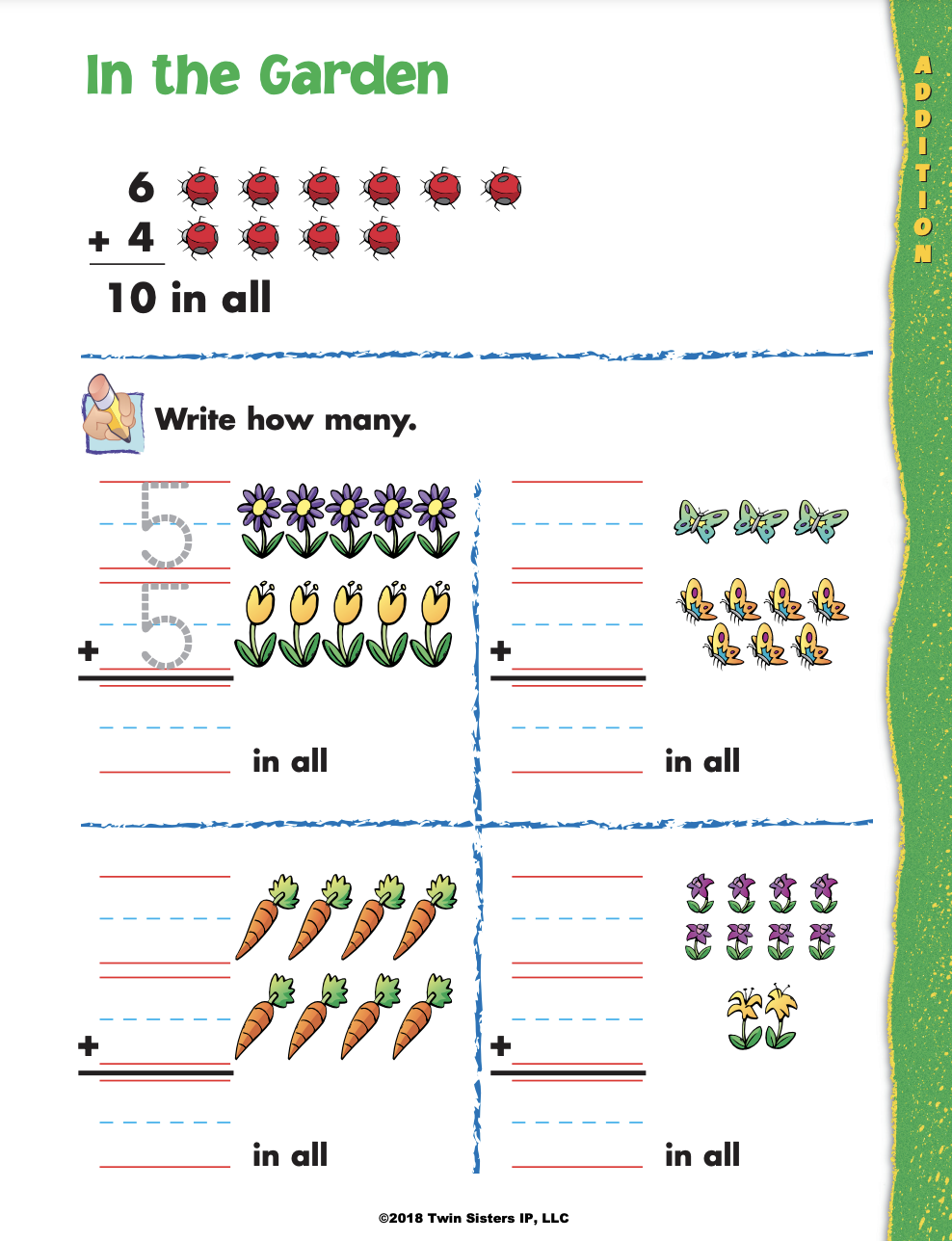
This interactive and attractive set Dominos and Dice Addition and Subtraction Math Activities Pages learners develop their original Dominos and Dice Addition and Subtraction Math Activities Worksheets this set contains 38 pages in this set, each in each a different Digraphs Dominos and Dice Addition and Subtraction Math Activities Worksheets of dedicated Dominos and Dice Addition and Subtraction Math Activities Worksheets Pagesto ensure a fun and structured approach to using a fun and type of work that useful; Each card is fun this edited set of Dominos and Dice Addition and Subtraction Math Activities Worksheets is built in an elegant style that attracts attention this interactive and attractive set of Dominos and Dice Addition and Subtraction Math ActivitiesWorksheets Math 1st Grade Worksheets designed to help young learners develop their original Dominos and Dice Addition and Subtraction Math Activities Worksheets Math 1st Grade Worksheets skills through Dominos and Dice Addition and Subtraction Math Activitiess Math 1st Grade Worksheets sexercises This set contains 38 pages. these printable Worksheets offer useful courses, this provides a useful course-rich practice, it is designed to help using resource grade 2 easily to learn about activities Dominos and Dice Addition and Subtraction Math Activities Worksheets worksheets a fun and interactive manner. A collaborative learning activity added students. PDF format
Author LAMO
Rating
Tags Math, Order Of Operations, Numbers, Activities, Printables, Homeschool, Centers
Guided Reading Level D: Dens, Nests and Burrows
ELA, Resources for Teachers, Reading Comprehension, Reading, Language Development, Pre-Reading, Vocabulary, Animals, Life Sciences, Science, Kindergarten, Grade 1, 2, Worksheets & Printables, Worksheets, Teacher Tools, Centers, Activities, Literacy Readers, Quizzes, Quizzes and Tests, Assessments
This Guided Reading Book - Dens, Nests and Burrows (Level D) includes: Guided Reading Color Label (front cover x1) This is a quick way to match the book’s demands to what students can generally handle.. The overall goal is to use the level/color to pick books for several smaller groups. To qualify for a certain level, a student is expected to read a book from that level with about 90–94% accuracy. If a student is consistently accurate and understands, move up a level. If the student is struggling at that level, drop down and add more support. Each student will improve at completely different rates, but it is generally one of the best ways to check progress across the class. DOWNLOAD THE CATALOG TO VIEW ALL GUIDED READING BOOKS AVAILABLE (SORTED LEVELS A-Z) Pre-Reading Question (x1) Teacher asks the prompt aloud, can be while showing the cover or first page. Students share what they already know, or make educated guesses from the cover. Prompt them to use the target vocabulary. Write some of their responses on the board to look back at during the reading. Vocabulary Words (x5) Introduce the five words, best doing it one at a time. Start by saying it, while students repeat and then see if anyone knows what it means before reading further. Read through the meaning and try to briefly connect each word to a picture or gesture so it’s meaningful. Ask students to flip through the book pages and point to where they see each of the vocabulary words. While reading the book pause upon coming across one of the vocab words or read the sentence twice to make sure students understand the word has appeared. Optional: Ask students to raise hands whenever they see/hear one of the new words. Guided Reading Pages (x10) Check the book snapshot (below) for: primary topic - do you need to prep extra reading or intro materials on this? what is taught best - decide on 1-2 bullets to focus on, use the prompt or words provided here for best results. learning goals - what you are checking for students to be able to do after the session, elicit answers using prompts or words provided. key vocabulary (see section above). questions overview - so you know what is coming up and if you need to prep extra materials to assist understanding. Run the lesson You may have already looked at a few of the pages together, but you can show them some of the pictures again first to set meaning. Depending on how much time you have and how familiar your students are with guided reading class, you may want to read the book aloud first with the group first. Students whisper or partner read, while you listen in. If time, do it as a group, one student reading a page each. Use the guided page’s prompts to coach: “Check the picture / does it make sense?” “Point under the words / try the first sound” “Reread the sentence smoothly”. Try to focus more on one student per session (rotating every time), so you can work out if they are ready to move up or need to move down a level. Comprehension Questions (back cover x3) This is your way to check that students didn’t just say the words, but actually understood the text. First, let students answer by pointing to the page/picture and saying a short sentence. After any answer, follow with: “Show me where you found that in the text.” In bigger groups, have partners answer first (10–20 seconds), then call on 2–3 students to share. Differentiation tips: Emerging speakers/struggling readers: oral + pointing On-level: oral in a full sentence Higher: one written sentence or draw + label Book Snapshot Title: Dens, Nests and Burrows Genre: Nonfiction Subject: Science Primary Topic: Animal homes: nests, burrows, dens, lodges Estimated Guided Reading Level (A–Z): D What This Book Teaches Best Animals live in different kinds of homes to stay safe, rest, and stay hidden from weather or danger. Bird nests: what they’re made of and why many are built high in trees (to keep eggs safe from animals on the ground). Burrows and tunnels: animals dig in the ground for cool, dark places to sleep, and some burrows can be large with special rooms. Dens: a den is described as a hidden shelter, including where some animals find dens and why they use them. How animal homes can also be built in water (beaver lodges) and how an underwater entrance helps keep a family safe. Learning Goals Students will explain how an animal home helps an animal (safe from weather, resting, staying hidden) using details from the text. Students will identify and describe three kinds of animal homes named in the book (nests, burrows, dens, lodges). Students will describe why some nests are built high in trees based on the text. Students will describe what a burrow is and why animals dig burrows, using the book’s wording. Students will tell what a den is according to the book and give one place an animal might find a den. Students will describe one feature of a beaver lodge that helps keep the family safe. Key Vocabulary From the Text burrow — a hole or tunnel in the ground. tunnel — a long passage under something. den — a hidden shelter for an animal. lodges — homes beavers build from sticks and mud. dreys — squirrel nests made with leaves and twigs. Discussion Prompts Pre-reading question: Where do you think animals might live to stay safe and hidden? Comprehension questions: What does a home help an animal do? What is a burrow? Where is the entrance to a beaver lodge? Printing Tips 1. Best Printing Method (Recommended) “Booklet” Printing (Best if Available) If your printer or PDF viewer supports Booklet Printing , use this. Settings to use: Print mode: Booklet Paper size: Letter or A4 (either works) Orientation: Landscape Print on both sides: Yes Flip on: Short edge Scaling: Fit to printable area Booklet subset: First test: Front sides only Then: Back sides only This will automatically: Pair pages correctly Put the cover on the outside Align everything for folding After printing, fold in half and staple along the spine . 2. If “Booklet” Printing Is NOT Available You can still print this correctly with manual duplex printing . Step-by-step: Open the PDF. Choose Print . Set: Orientation: Landscape Pages per sheet: 1 Print on both sides: Yes Flip on: Short edge Print all pages . Because each PDF page already contains two facing book pages, the result will still fold cleanly into a book. Thousands of Cored Education products are included with your TeachSimple membership. Download links and encyclopedia index available here.
Author Cored Education
Rating
Tags Vocabulary, Reading Comprehension, Reading Passages, Leveled Reading, Nonfiction, Reading, Guided Reading, Life Science, Animals, Nests
Writing And Comprehension Practice: Zoggy, Dan And The Dog (4-8 years)
ELA, Language Development, Phonics, Kindergarten, Preschool, Grade 1, Worksheets & Printables, Worksheets
Writing and Comprehension Practice: Zoggy, Dan And The Dog (4-8 years) An enlightening teaching resource perfectly complementing the book, Zoggy, Dan And The Dog. This comprehensive packet of worksheets is curated for learners aged 4 thru 8 years old. Entailing a wide spectrum of tasks lining up beautifully with the topics in Zoggy, Dan And The Dog—serving as an excellent instrument to bolster reading and spelling competences. What distinguishes this educational utility is its emphasis on phonics-based learning. As a tutor or parent, you'll value how the material expansively deals with initial sounds and promotes their recall through intensified letter sounds activities plus tracing and writing drills involving words from the story. Ease of Preparation These resources are effortless to prepare. Designed as a set of printable PDF sheets exempt from any prep-work prerequisites lets educators apply them effectively in diverse situations according to their teaching methodologies— may it be as materials for whole group activities or concise group exercises aiming for concentrated attention from students. Likewise, it can function as enriching reinforcement materials when given as homework. Drawing motifs from its companion book, these worksheets dig into elemental comprehension components lifted from mentioned characters like Zoggy—an alien studying at his home planet's computer wizardry school—and subsequently recapping them via included exercises featuring double consonant blends and vowel digraphs —providing added context assisting children's advanced reading capabilities. Potent tool for engaging children in kindergarten up until first grade level students; fostering their basic literacy structure through benevolent exposure to skillful blendings defined by Mission Spelling Zero scheme. The packet navigates beyond phonetic nuances. It additionally presents a series of writing booklets granting chances for learners to refine handwriting skills, create initial sentence scribbles, and partake in exciting games conceived to fortify learning. Join Zoggy's extraordinary learning journey today!
Author Guinea Pig Education
Tags Phonics-based Learning, Reading Comprehension, Writing Practice, Spelling Activities, Language Arts
Guided Reading Lesson Plan & Activities Grades KG-12 (13-Book Bundle)
Reading, ELA, Reading Comprehension, Kindergarten, Lesson Plans, Teacher Tools, Worksheets, Worksheets & Printables
Guided Reading is a research-based instruction process whereby the teacher works with small grouping of students being equal in a particular reading achievement level. The teacher provides for each reader's development of effective reading competencies. However different than in the earlier days of reading groups, small and temporary groups are flexible and dynamic. The observance and evaluation of the progress of readers are done by teachers on a systematic basis. Thus, grouping and regrouping students is based on the strengths of students and the intense changing needs throughout their reading development. In the 1960s in New Zealand, Guided Reading was developed. It was enhanced over the years after it arrived in the United States thanks to educators like Gay Su Pinnell and Lesley Fountas. In 1996, Fountas & Pinnell published their enormously influential book, Guided Reading: Good First Teaching for All Children (Heinemann). This book changed how reading was taught, and it is still taught today to over a million teachers worldwide. The aim of Guided Reading lessons is to develop effective readers. A set of 13 books is bundled together with all 13 worksheets of the Guided Reading series for grades KG-12. There are lesson plans and different activities for every grade, with the answers in the end section of the worksheet.
Author Bright Classroom Ideas Marketplace
Tags Guide, Reading, Grades, Literacy, Bundle
Writing And Comprehension Practice: Aliens Are Not Adapted To Earth (4-8 years)
ELA, Language Development, Phonics, Kindergarten, Preschool, Grade 1, 2, Worksheets & Printables, Worksheets
Writing And Comprehension Practice: Aliens Are Not Adapted To Earth (4-8 years) is a compilation of printable , ready-to-use worksheets devised to accompany the phonic reading and spelling resource Where Is Dan? from the Mission Spelling Zero series. This supplementary material is recommended for educators and parents homeschooling, given they have access to the book, presenting additional resources that amplify and initiate Letter sounds comprehension. The resource includes active reinforcement exercises such as tracing and writing letters. Also, it allows students to interact with words in a tangible manner using explorative activities. Accompanied by this resource is a straightforward comprehension worksheet derived from the story to promote understanding whilst encouraging reading engagement. Zoggy - An Interactive Character Zoggy, an alien from another planet inhabits this resource lending allure and intrigue into learning sessions. Fascinating stories help introduce young learners within Kindergarten through Grade 2 stages, towards phonics concepts like initial sounds double consonant blends along with vowel digraphs. Beyond inflaming young student’s imagination via cosmic storytelling, these tools also refine their fundamental literacy skills pivotal for forthcoming academic experiences. Worksheets created from Zoggy's interplanetary adventures provide numerous ways of application appealing both classroom environments with large group teaching or smaller clusters/individual assignments at home setting. A Marks The Spot - What Makes It Unique? This set includes nine pages linguistics practice oriented exercises. Meticulously planned for Early Learning teachers focusing on Language Arts teaching – particularly Phonics classes. All components enclosed within this PDF file are carefully crafted for children aged between 4-8 years enabling them embark upon their primary steps towards triumphant reading ability and proficient spelling.
Author Guinea Pig Education
Tags Phonics Practice, Reading Comprehension, Letter Sounds, Writing Skills, Early Learning
Letter P Activities Alphabet Worksheets & Kindergarten Phonics Pack
Common Core, ELA, Phonics, Language Development, Pre-Reading, Kindergarten, Preschool, Grade 1, Centers, Activities, Crafts, Coloring Pages, Worksheets, Worksheets & Printables, Crosswords Puzzles, Mazes, Dot To Dots, Word Searches
Looking for a playful and effective way to introduce the Letter P to your students? This Letter P Alphabet Pack is bursting with engaging, no-prep activities that help young learners master both uppercase and lowercase P through phonics-based practice and hands-on fun. With 92 printable activity pages and 32 interactive Boom Cards , this resource is perfect for your Letter of the Week program, morning work, literacy centers, small groups, or take-home practice. What’s Included: 📄 Printable Worksheets Letter P Poster + 6 Visual Vocabulary Cards Tracing and Writing Uppercase and Lowercase P Letter P Sorting, Spinning (includes review of N, S, T), and Finding Activities Coloring, Drawing, and Dab-the-Dot Practice Mazes, Puzzles, Dot-to-Dot, and Geoboard Fun Color by Code + Glitter Letter Craft Visual Cutouts and First Sound Identification (a, s, t, n, p) Nursery Rhyme Link: Polly Put the Kettle On Booklet Cover, ‘About Me’ Page & Summary Sheet 🧠 Extra Crafts & Literacy Printables “I’m a Letter P Champ” Crown & Bracelet Mini Flipbook with Letter P Words and Visuals Letter P Word Wheel (6 Vocabulary Sections) Pig-Themed Finger Puppets (6 per page) Pig Stick Puppet Templates (4 per page) Mini Sight Word Flipbook (with touch-phonics font) One-Page Mini Booklet for Independent Review 💻 Boom Cards – 32 Digital Activities Formation and Recognition of Uppercase and Lowercase P Letter P Sound Matching Puzzle Matching and Visual Sorting Drag-and-Drop Uppercase/Lowercase Sort Visual Reveal Game for Letter P Pictures Capitalization Practice: Uppercase P vs Lowercase P in Sentences Fun Culminating Task: Build a Pizza with Letter P Items! 🎯 Perfect For: Letter of the Week Phonics Lessons Morning Literacy Work Kindergarten & Pre-K Centers Small Group Instruction Homework Packets or Distance Learning ⭐ Bonus: Includes both US and British English spelling versions to suit global classrooms! Make learning the Letter P purposeful and fun with this easy-to-use pack that’s full of alphabet adventures your students will love!
Author Teach2Tell
Rating
Tags Letter P Activities, Alphabet Worksheets Letter P, Uppercase Letter P, Lowercase Letters Alphabet, Preschool Letter P Printables, Kindergarten Letter P Activities, Letter Of The Week Letter P, Phonics Letter P Practice, Letter P Crafts For Kids, Build A Pizza Letter P Activityletter P Activities
Zoo Animal Research Writing Project on MONKEYS for K-2nd Grade
Life Studies, ELA, Writing, Creative Writing, Reading, Science, Life Sciences, Animals, Research, Kindergarten, Grade 1, 2, Activities, Teacher Tools, Lesson Plans, Worksheets & Printables, Worksheets, Coloring Pages, Writing Prompts
Animal Research Writing Project on Monkeys for K-2nd Grade. Engage young learners in reading, writing, and science with this 19-page informational writing project on monkeys. Students will examine real-life photos, read age-appropriate facts, color images, draw habitat scenes, and organize information using writing organizers. Differentiated writing pages allow kids to write at their level. When finished, students and the entire classroom can bind everything together into a customized book. This monkey-themed unit promotes creativity, reading comprehension, and nonfiction writing skills. Implement as whole class, small group, centers, or individual work. Suitable for homeschools or grades Kindergarten, first grade classrooms., and for second graders. Click the links below to view similar units on other zoo animals and to do research on zoo animals. Teachers appreciate the ready-to-use animal units covering reading, note-taking, drafting, illustrating, and publishing. Engage your class in meaningful informational writing with this standards-based project on monkeys. Plus, there are many more zoo animals to research as well in my store: K-5 Treasures! For additional Zoo Animal reports, click on the following links below: Animal Research Writing Project on TIGERS for K-2nd Grade Animal Research Writing Project on MONKEYS for K-2nd Grade Animal Research Writing Project on PANDAS for K-2nd Grade Animal Research Writing Project on HIPPOS for K-2nd Grade Animal Research Writing Project on ELEPHANTS for K-2nd Grade Animal Research Writing Project on GIRAFFES for K-2nd Grade Here are even more informational resources on report writing for OCEAN ANIMALS. Click on the links below: Animal Research Writing Project on WHALES for K-2nd Grade Animal Research Writing Project on the OCTOPUS for K-2nd Grade Animal Research Writing Project on SEA TURTLES for K-2nd Grade Animal Research Writing Project on ORCAS for K-2nd Grade Animal Research Writing Project on the SHELLFISH for K-2nd Grade Animal Research Writing Project on DOLPHINS for K-2nd Grade Animal Research Writing Project on SEALS for K-2nd Grade
Author K-5 Treasures
Tags Animal Research, Informational Writing, Writing Report, Zoo Animals, Report On Animals, Report On Zoo Animals, 1st Grade Writing, 2nd Grade Writing, Monkeys, Report On Monkeys
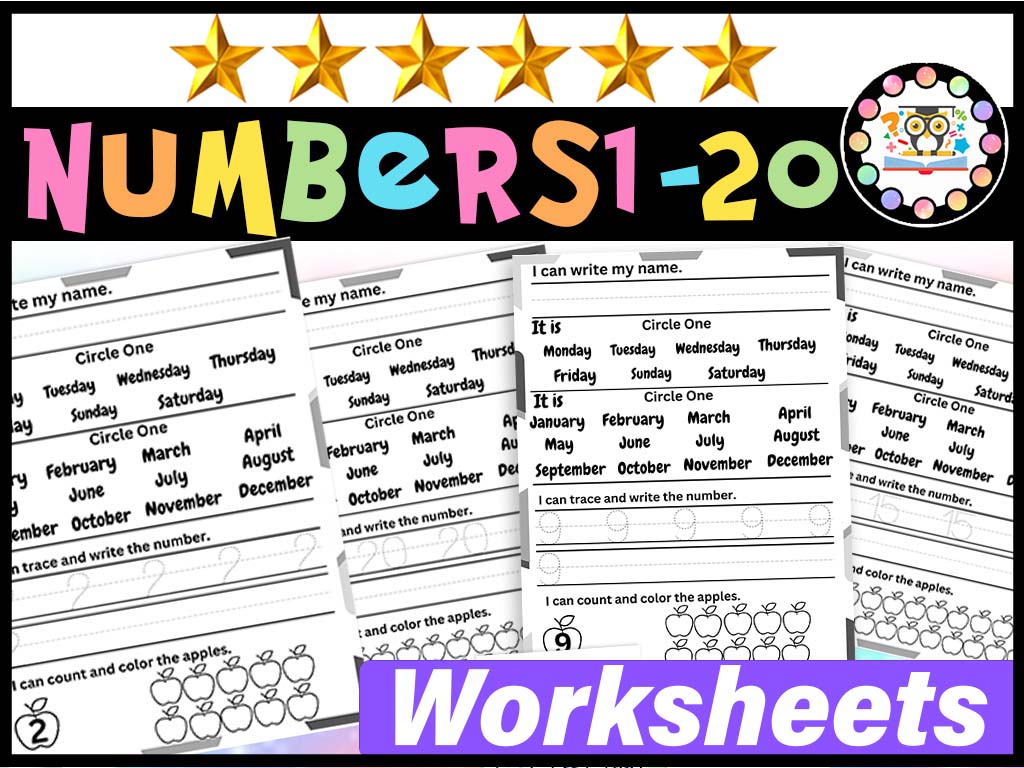
Let's Learn! Numbers 1-20
Math, Numbers, Preschool, Kindergarten, Grade 1, Worksheets & Printables, Worksheets
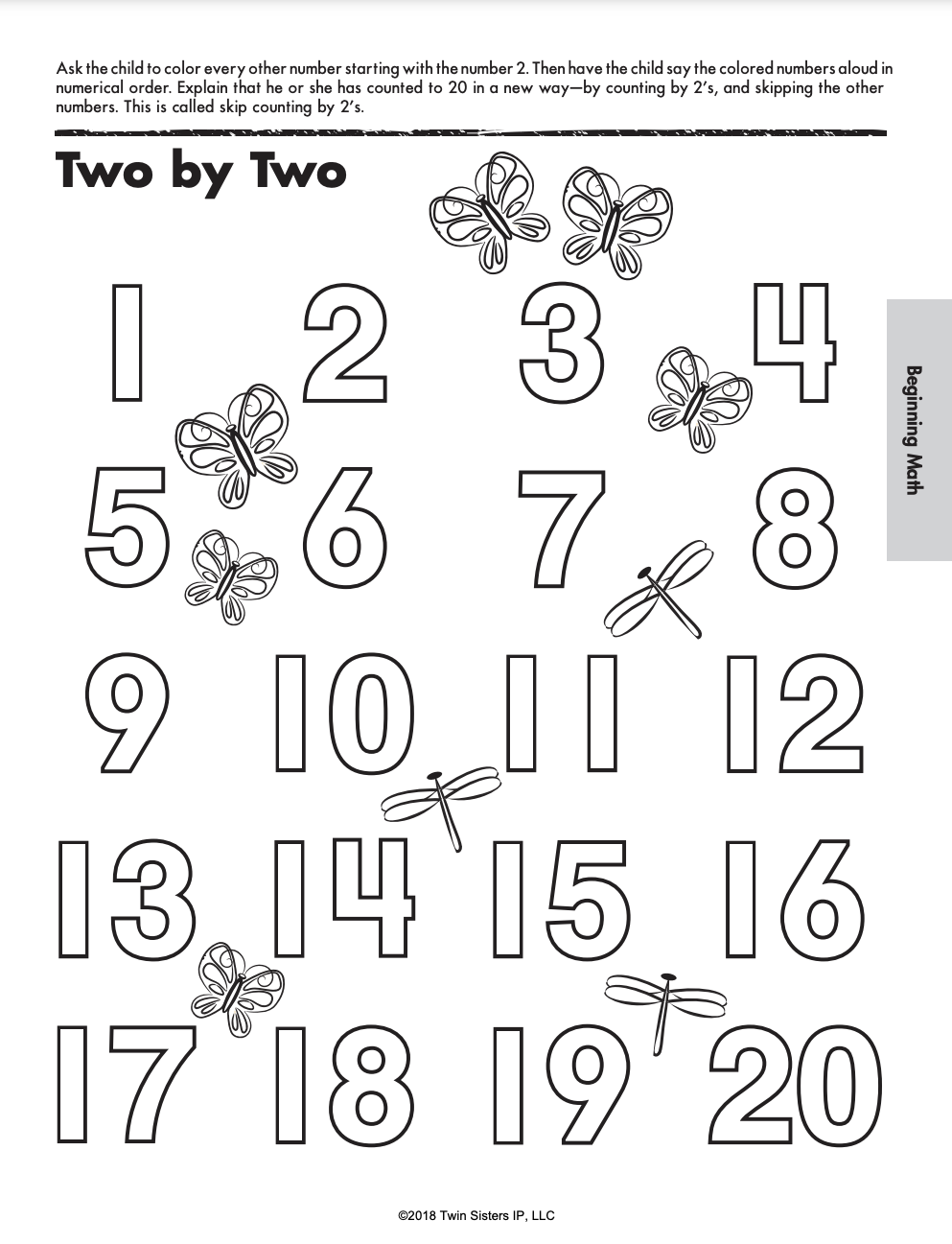
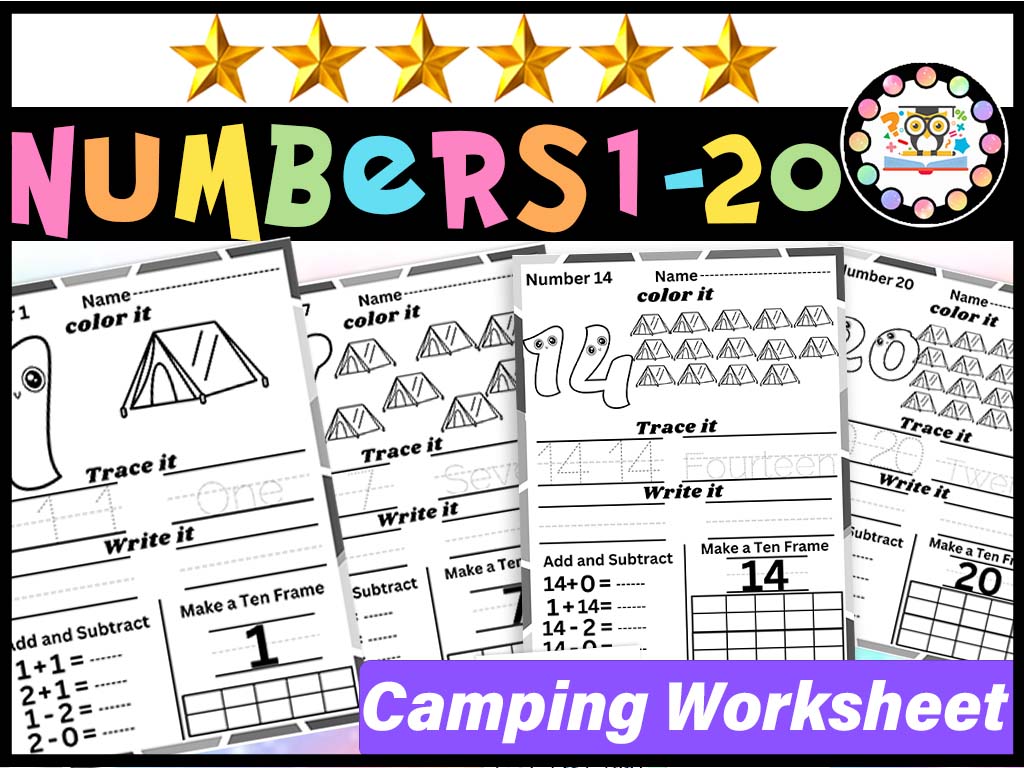
Let's Learn! Numbers 1-20 Introducing a revolutionary teaching resource, effective for early Maths skill teaching, designed with educators in mind of kindergartens, preschools and first grades. This tool simplifies the introduction to numbers 1 to 20 with appropriately engaging exercises that excite young learners. The product includes a single PDF file of 36 printable pages, each filled with activities carefully curated around fundamental number concepts. Students' knowledge grows sequentially through layers of learning activities that propel them to apply their newfound skills in varying scenarios. Distinguished Component: Art Illustrations Incorporating an appealing art element is one aspect that makes this resource unique. The strategic precision infused in incorporating images into the worksheets does not only make learning enjoyable but also provides visual learners an effective understanding tool while retaining their focus on the concept at hand. A Comprehensive Skills Matrix An added feature is a comprehensive skills matrix, assisting teachers to monitor student progress as they navigate through book content. It places control entirely in the educator's hands as they guide students towards math proficiency. The flexibility offered by Let's Learn! Numbers 1-20 makes it an enviable tool for both teachers and homeschoolers. It serves as valuable content either for whole group instruction or smaller focus groups targeting specific number-related knowledge areas. Alternatively, it can be used effectively for supplementary homework assignments reinforcing classroom lessons outside school hours while providing parents-child interaction avenues at home. In conclusion, Let's Learn! Numbers 1-20 functions beyond just arithmetical worksheets; it provides educators worldwide with infrastructure making Maths education fun and meaningful.
Author Classroom Complete Press
Tags Count And Color, Numbers, Math Printable, Math Activities, Numbers Worksheet
All About Insects: Guided Reading Level G with Lesson Plan
ELA, Resources for Teachers, Reading Comprehension, Reading, Science, Language Development, Vocabulary, Pre-Reading, Insects, Life Sciences, Kindergarten, Grade 1, 2, Worksheets & Printables, Worksheets, Teacher Tools, Centers, Activities, Literacy Readers, Quizzes, Quizzes and Tests, Assessments, Lesson Plans
This All About Insects (level g) guided reading book with lesson plan includes: Guided Reading Color Label (front cover x1) This is a quick way to match the book’s demands to what students can generally handle.. The overall goal is to use the level/color to pick books for several smaller groups. To qualify for a certain level, a student is expected to read a book from that level with about 90–94% accuracy. If a student is consistently accurate and understands, move up a level. If the student is struggling at that level, drop down and add more support. Each student will improve at completely different rates, but it is generally one of the best ways to check progress across the class. DOWNLOAD THE CATALOG TO VIEW ALL GUIDED READING BOOKS AVAILABLE (SORTED LEVELS A-Z) Pre-Reading Question (x1) Teacher asks the prompt aloud, can be while showing the cover or first page. Students share what they already know, or make educated guesses from the cover. Prompt them to use the target vocabulary. Write some of their responses on the board to look back at during the reading. Vocabulary Words (x5) Introduce the five words, best doing it one at a time. Start by saying it, while students repeat and then see if anyone knows what it means before reading further. Read through the meaning and try to briefly connect each word to a picture or gesture so it’s meaningful. Ask students to flip through the book pages and point to where they see each of the vocabulary words. While reading the book pause upon coming across one of the vocab words or read the sentence twice to make sure students understand the word has appeared. Optional: Ask students to raise hands whenever they see/hear one of the new words. Guided Reading Pages (x10) Check the book snapshot (below) for: primary topic - do you need to prep extra reading or intro materials on this? what is taught best - decide on 1-2 bullets to focus on, use the prompt or words provided here for best results. learning goals - what you are checking for students to be able to do after the session, elicit answers using prompts or words provided. key vocabulary (see section above). questions overview - so you know what is coming up and if you need to prep extra materials to assist understanding. Run the lesson You may have already looked at a few of the pages together, but you can show them some of the pictures again first to set meaning. Depending on how much time you have and how familiar your students are with guided reading class, you may want to read the book aloud first with the group first. Students whisper or partner read, while you listen in. If time, do it as a group, one student reading a page each. Use the guided page’s prompts to coach: “Check the picture / does it make sense?” “Point under the words / try the first sound” “Reread the sentence smoothly”. Try to focus more on one student per session (rotating every time), so you can work out if they are ready to move up or need to move down a level. Comprehension Questions (back cover x3) This is your way to check that students didn’t just say the words, but actually understood the text. First, let students answer by pointing to the page/picture and saying a short sentence. After any answer, follow with: “Show me where you found that in the text.” In bigger groups, have partners answer first (10–20 seconds), then call on 2–3 students to share. Differentiation tips: Emerging speakers/struggling readers: oral + pointing On-level: oral in a full sentence Higher: one written sentence or draw + label Book Snapshot Title: All About Insects Genre: Nonfiction (informational) Subject: Science (Life Science) Primary Topic: Insect body parts, features, and where they live Estimated Guided Reading Level (A–Z): G What This Book Teaches Best Explains what insects are by stating they are tiny animals that live in many places . Teaches basic insect anatomy: insects have six legs and three body parts (head, thorax, abdomen). Connects structures to functions: legs help the insect move and antennae are used to smell things . Describes common insect features: some have a hard shell that protects the body , and some have wings (dragonflies can fly fast ). Introduces early life stages: many insects come from eggs , and a larva hatches from an egg. Learning Goals Students will describe insects as tiny animals that live in many places. Students will identify that an insect has six legs that help it move. Students will name the three body parts of an insect: head, thorax, and abdomen. Students will explain that most insects have two antennae used to smell things. Students will describe details from the text about insect features (shells, wings) and how insects begin life (eggs, larva). Key Vocabulary From the Text thorax — the middle part of an insect’s body. abdomen — the back part of an insect’s body. antennae — body parts insects use to smell things. larva — a young insect that hatches from an egg. dragonflies — insects that can fly fast. Discussion Prompts Pre-reading question: Where have you seen insects living before? Comprehension questions: What does the book say insects are? Comprehension questions: How many legs does an insect have? Comprehension questions: Where does the book tell you to look to find an insect? Printing Tips 1. Best Printing Method (Recommended) “Booklet” Printing (Best if Available) If your printer or PDF viewer supports Booklet Printing , use this. Settings to use: Print mode: Booklet Paper size: Letter or A4 (either works) Orientation: Landscape Print on both sides: Yes Flip on: Short edge Scaling: Fit to printable area Booklet subset: First test: Front sides only Then: Back sides only This will automatically: Pair pages correctly Put the cover on the outside Align everything for folding After printing, fold in half and staple along the spine . 2. If “Booklet” Printing Is NOT Available You can still print this correctly with manual duplex printing . Step-by-step: Open the PDF. Choose Print . Set: Orientation: Landscape Pages per sheet: 1 Print on both sides: Yes Flip on: Short edge Print all pages . Because each PDF page already contains two facing book pages, the result will still fold cleanly into a book. Thousands of Cored Education products are included with your TeachSimple membership. Download links and encyclopedia index available here.
Author Cored Education
Rating
Tags Reading Comprehension, Reading Passages, Reading, Guided Reading, Guided Reading Lesson Plan, Guided Reading Activity, Pre-reading, Science Lesson Plans, Life Science, Insects
Phonics & Early Literacy with Themed Story Builders
STEM, Classroom Management, Resources for Teachers, Community Building, Science, Basic Science, Inventors, Theories, Special Resources, Social Emotional Learning (SEL), Kindergarten, Preschool, Homeschool Curriculum, Homeschool Templates, Grade 1, 2, 3, Teacher Tools, Assessments, Lesson Plans, Literacy Readers, Quizzes and Tests, Quizzes, Tests, Worksheets & Printables, Workbooks, Worksheets
Do your students get bored by phonics drills? Do you have beginning readers who sound out words well, but do not understand what they read? Phonics & Early Literacy With Themed Story Builders will connect the dots between mechanical decoding and creating a love for books and reading! 39 pages of the most complete literacy program curriculum for Kindergarten through 1st and 2nd grade. The program is rooted in the Science of Reading offers a unique method for teaching phonics skills through a new way of creating stories. This program also provides the student opportunities to develop vocabulary, syntax and comprehension while expressing his/her own creativity and imagination. Constrained Narrative Architecture (CNA) Method not only moves students beyond rote memorization when learning how to decode word lists, but also teaches students how to build themed stories using the newly-acquired phonics skills. Once students have created a complete themed story, they will have an understanding of the phonics rules used in the story, plus vocabulary, syntax and comprehension. What You're Getting with This Resource Without Preparation That Has An Immediate Impact on Teaching!? PHASE ONE: Theoretical Foundations & Core Content for the Teacher- This guide provides an educator with an understanding of the neuroscience behind our methodology. The educator will learn the "why" of Orthographic Mapping, Cognitive Load Theory, Narrative Scaffolding, and other elements to become a more experienced and knowledgeable teacher. PHASE TWO: Student Workbook- The student workbook consists of 10 fun thematic worksheets and each worksheet will provide the student with a story background that aligns to the specific sequential skill provided on the worksheet, and offers the student an adventure in phonics. PHASE THREE: Teacher Resource Package- The teacher resource package consists of pedagogical diagrams, full comprehensive answer key, and a teacher implementation guide with pacing suggestions. The 10 Themed Adventure Worksheets Cover the Following Skills in a Sequence: 1. The Alpine Forest (Short Vowels & CVC Words) 2. Deep Sea Discovery (Consonant Digraphs; sh, ch, th, wh) 3. The Clockwork City (Initial Consonant Blends: L, R, S) 4. Dino-Valley Dig (CVCe Words- “Magic e”) 5. Starlight Space Station (Long Vowel Teams- ai, ee, ea, oa, ue) 6. The Whispering Willow Farm (R-Controlled Vowels- ar, er, ir, or, ur) 7. The Weather Wizards (Diphthongs; ou, ow, oi, oy) 8. The Great Mountain Train (Hard/Soft 'c'/ 'g') 9. The Midnight Toy Shop (Syllable Segmentation) 10. The Enchanted Castle (Cumulative Review/Creative Story Building) This is ideal for large group instruction, small group intervention, structured literacy centers, or an effective homeschool phonics program. It will stop the continual slaughter of expected reading enjoyment and create skilled independent readers now! Search for: phonics programs, science of reading, early literacy, kindergarten reading programs, first grade phonics programs, second grade literacy programs, decodable activities, reading intervention programs, story building worksheets, fill-in-the-blank worksheets, structured literacy center materials, homeschool phonics programs, constant vowel, constant e, constant combination sounds, and constant blends of vowel sounds. The reason why parents and schools are happy is because the curriculum is based on scientific principles, known as the "Science of Reading." This means that the curriculum teaches children to read the right way and progresses from the recognition of the individual sounds to being able to read smoothly and understand what they are reading. Phonics becomes fun instead of boring since this curriculum substitutes the traditional rote phonics drills with engaging themed activities. Children become so involved in creating an imaginative story with dinosaurs or by creating a real-life story about a space station that they do not even realize they are really learning important phonics skills. True comprehension of what to read is developed because this resource requires students to select the word that completes a sentence so that it will make sense. This develops the child’s ability to read for meaning as opposed to simply reading out loud. This resource is designed to be easily differentiated as the teacher’s guide contains suggestions for helping struggling readers (such as those with dyslexia) and those working at an advanced level, making it suitable for all students in a diverse classroom or homeschool environment. This resource is comprehensive and ready to be implemented right away, as it includes not only the worksheets that are used in the program, but also has a complete teacher’s guide, student activities to use with the worksheets, and an answer key. Everything you need! Target Audience Review: According to the explicit scope and sequencing outlined on pages 7 & 8 that outline students working through CVC words all the way to multisyllabic words, the following summarizes how this PDF has been developed for: - Primary Target Students: Kindergarten (approx. age 5) - 1st Grade (approx. age 6) and 2nd grade (approx. age 7). - Primary Buyers: K-2 Classroom Teachers, Home School Parents, Literacy Specialists, Reading Interventionists and Tutors. Phase 1 of the theoretical component of the PDF is especially beneficial to these users as it will allow them to show the product's educational merit by demonstrating that the research supports the Science of Reading. Copyright & Terms of Use: This Author's work is licensed to Syed Hammad Rizvi. This product has been created for personal use/by you and one other teacher in the same place. You cannot alter, redistribute or make this product available for sale. You may not upload this product onto any website unless you would like to lose your copyright ownership of the work. Again, please respect the above license agreement and do not share this product with your colleagues, if they would like access, please help them out by purchasing a license from Teachsimple. Thank you very much for your understanding, I appreciate it! As usual this product is provided as a free service, thanks for being apart of my business!
Author Creative Book Store
Rating
Tags Phonics, Scienceofreading, Earlyliteracy, Structuredliteracy, Reading, Literacy, Teachertiptuesday, Kindergarten, Firstgrade, Secondgrade
Alphabet Letter of the Week Letter E Activities Printables Phonics
Common Core, Phonics, Language Development, ELA, Pre-Reading, Kindergarten, Preschool, Homeschool Curriculum, Homeschool Templates, Grade 1, Centers, Activities, Crafts, Coloring Pages, Worksheets, Worksheets & Printables, Crosswords Puzzles, Dot To Dots, Mazes, Word Searches
Ready to introduce the Letter E in a fun, engaging way? This Letter of the Week Letter E Activity Pack is filled with hands-on printables and interactive Boom Cards that help preschool and kindergarten learners master both uppercase and lowercase E through multisensory, phonics-based activities. With 89 printable pages and 31 Boom Cards , students will explore the letter E through tracing, sorting, puzzles, crafts, fine motor tasks, and interactive digital play—perfect for literacy centers, morning tubs, or home learning. ✏️ What’s Included: 📄 Printable Worksheets Letter E Poster + 6 Visual Vocabulary Cards Booklet Cover + ‘About Me’ Page Tracing and Writing Uppercase and Lowercase E Letter E Sorting, Spinning (with review: C, S, I), and Finding Drawing and Coloring the Letter E Sound Identification for /n/, /p/, /i/, /c/, /k/, /e/ Mazes, Dot-to-Dot, Puzzle Tasks, Dab the Dots Color by Code, Geoboard, and Visual Cutouts Fairytale Connection: The Emperor’s New Clothes (Coloring Sheet) Word Family Practice: -an, -at, -ap, -in, -it, -ip, -et Summary Sheet for Review 🎨 Crafts & Supplementary Activities “I’m a Letter E Champ” Crown & Bracelet Mini Flipbook with Letter E Words and Visuals Word Wheel Featuring 6 Letter E Vocabulary Words One-Page Visual Booklet & Sight Word Flipbook (Touch Phonics Font) Emu-Themed Finger Puppets (6 per page) Matching Stick Puppet Templates (4 per page) 💻 Boom Cards – 31 Digital Activities Formation & Recognition of Uppercase and Lowercase E Letter E Name and Sound Practice Puzzle Matching (Uppercase/Lowercase) Visual Reveal Game with Letter E Objects Drag-and-Drop Uppercase/Lowercase Sorting Use of Uppercase E (Beginning Sentence) vs Lowercase E (Mid-Sentence) 🎯 Perfect For: Letter of the Week Literacy Centers & Small Group Work Phonics and Fine Motor Practice Homework or At-Home Reinforcement Morning Work & Early Finishers ⭐ Bonus: Includes both US and British English spelling versions for flexible use in any classroom! Give your early learners a strong foundation in letter recognition, phonemic awareness, and early reading with this interactive Letter E pack that makes learning truly stick.
Author Teach2Tell
Rating
Tags Letter E Activities, Letter Of The Week Letter E, Alphabet Worksheets Letter E, Preschool Letter E Printables, Uppercase Letters Of The Alphabet, Lowercase Letters Of Alphabet, Kindergarten Letter E Activities, Phonics Practice Letter E, Build A Sentence Letter E Activity
Letter of the Week M Printables Activity Pack Phonics
Common Core, Phonics, Language Development, ELA, Pre-Reading, Kindergarten, Preschool, Homeschool Curriculum, Homeschool Templates, Grade 1, Activities, Centers, Crafts, Coloring Pages, Worksheets, Worksheets & Printables, Crosswords Puzzles, Dot To Dots, Mazes, Word Searches
Make mastering the Letter M meaningful and fun with this engaging Letter of the Week Activity Pack —perfect for preschool and kindergarten students! With a mix of 80 printable pages and 31 interactive Boom Cards , your learners will explore uppercase and lowercase M through phonics-based tasks, fine motor activities, and playful learning. Whether you're teaching in the classroom or assigning work at home, this resource offers a complete toolkit for letter recognition, writing, and sound practice—all in one no-prep bundle. ✏️ What’s Included: 📄 Printable Worksheets Letter M Poster + 6 Visual Vocabulary Cards Booklet Cover + ‘About Me’ Page Tracing and Writing Uppercase and Lowercase M Letter M Sorting, Spinning (includes review of R & H), and Finding Drawing and Coloring Letter M Pictures Sound Awareness: /a/, /c/, /e/, /h/, /m/ Mazes, Puzzles, Dot-to-Dot, Dab the Dots Color by Code, Geoboard, and Visual Cutouts Nursery Rhyme Tie-In: Mary Had a Little Lamb Reading Practice: -a, -e, -am, -im Word Families Summary Sheet for Review 🎨 Crafts & Supplementary Activities “I’m a Letter M Champ” Crown & Bracelet Mini Flipbook with Letter M Words & Visuals One-Page Mini Booklet & Sight Word Flipbook Monkey-Themed Finger Puppets (6 per page) Monkey Stick Puppet Templates (4 per page) Letter M Word Wheel (6 Vocabulary Sections) 💻 Boom Cards – 31 Digital Activities Formation & Recognition of Uppercase and Lowercase M Letter M Name and Sound Activities Puzzle Matching: Uppercase and Lowercase M Drag-and-Drop Uppercase/Lowercase Sort Picture Reveal Game (Words Beginning with M) Sentence Usage: Uppercase M vs Lowercase m 🎯 Perfect For: Letter of the Week Programs Phonics & Fine Motor Centers Morning Work & Small Group Instruction Take-Home or Digital Learning Intervention and Literacy Boosters ⭐ Bonus: Includes both US and British English spelling files to support global classrooms. Set your learners on a path to alphabet success with this exciting Letter M phonics and handwriting resource that’s as fun as it is effective!
Author Teach2Tell
Rating
Tags Letter M Activities, Letter Of The Week Letter M, Alphabet Worksheets Letter M, Preschool Letter M Printables, Kindergarten Letter M Activities, Uppercase And Lowercase Letter M, Phonics Practice Letter M, Monkey Letter M Craft, Mary Had A Little Lamb Activity, Interactive Letter M Phonics Activities