3,950 products added recently
Page 4 - Kindergarten Worksheets
Introduce your kindergarten students to the joys of learning with worksheets that focus on foundational skills. Covering topics like phonics, counting, and basic science, these resources make education exciting. Use them to support your young students' growth and enthusiasm.
Alphabet Crafts - Dinosaur Activities - Bible Read Aloud
ELA, Language Development, Pre-Reading, Vocabulary, Spelling, Strategies, Reading, Kindergarten, Preschool, Worksheets & Printables, Coloring Pages, Worksheets, Drawing Templates & Outlines, Flashcards
I created this activities pack because so many kids like dinosaurs, and learning the alphabet is such a foundational skill, sometimes one that isn't learned easily by kids. Teach your pre=readers and reinforce struggling readers learning the alphabet with bright colors and fun dinosaur pictures. Each letter of the alphabet is on a separate page to color as shown in the preview. There are 26 different Bible verses that students can trace and learn and even memorize. And 26 different flashcards with each letter of the alphabet on a separate card, the alphabet in the flashcards is a dinosaur font and can be colored in. Most of the products I create are designed for multiple ages in mind. For example, this product contains simple super large letters of the alphabet that can be colored in even by a toddler who can hold a crayon. Also, this product also contains 16 different dinosaur outlines that can be traced and/or colored. Each is on a separate page and includes the name of the particular dinosaur. Dinosaurs have long names, so these pages can be used to familiarize children with different dinosaurs and even be used for a spelling test where your students have to be able to correctly spell the dinosaurs. Or they could be asked to alphabetize the dinosaur sheets in order. Also included in this awesome dinosaur and alphabet activity pack is 16 different dinosaur outlines to color (one on each page) with the name of the dinosaur spelled out in a font that can be colored in. Dinosaurs included: Acanthopholis Ankylosaurus Dilophosaurus Diplodocus Gallimimus Iguanodon Ouranosaurus Parasaurolophus Pteranodon Saurolophus Stegosaurus Styracosaurus Triceratops Tyrannosaurus Rex Valdosaurus Velociraptor As you can see, the dinosaur names are challenging even for the best spellers, including me! Even though there are no specific questions regarding these dinosaurs in this product, you could assign specific dinosaurs to your older students, to look up and research and write an essay.
Author Homeschooling Dietitian Mom
Tags Dinosaur Activities, Bible Read Aloud, Alphabet Activities, Abc Coloring Pages, Abc Poster, Literature Flashcards, Alphabet Crafts, Pre Reading, Tracing Worksheets, Tracing
CAPYBARA ADDITION | 20 FREE EXERCISES
Math, Addition, Addition and Subtraction, Kindergarten, Grade 1, Worksheets & Printables, Worksheets
CAPYBARA ADDITION | 20 FREE EXERCISES THIS RESOURCE HAVE 20 FLASHCARDS WITH EXERCISES OF 1-DIGIT ADDITION MADE WITH CAPYBARA THEMED. INTRODUCTION: Welcome to EDITORIAL ARENAS EDUCATIVAS! We specialize in producing diverse educational tools to support children's learning journeys. Be sure to browse our store for reading, writing, math, and Spanish resources designed to make learning fun and impactful. MAIN INFORMATION OF THIS MATH RESOURCE: 1) What educational standards were used as the basis for creating this material? This document was not developed based on any specific standard. 2) Who is the creator of this resource and how should it be cited? The creator of this document is EDITORIAL ARENAS EDUCATIVAS. 3) Is this resource available for free or does it require a purchase? Because we vocationally work for the education of thousands of students, we are offering this document for free. 4) This resource is for individual use only; what restrictions apply to its redistribution or sale? We ask that you share our link so more people can download our resource or recommend our store. It would help us greatly. SECONDARY AND COMPLEMENTARY INFORMATION: 1) What version does this document correspond to? This educational resource is designed in PDF format, which will make your download experience much simpler and easier to use. 2) Is the material designed in color or black and white? This document has been designed in color (if required) or is sometimes created in black and white to make your learning experience easier. 3) What age range is appropriate for this resource? Our publishing company is dedicated to creating resources for young children between the ages of 3 and 12, as well as for older students or anyone who needs them. 4) What keywords best describe this resource? We can tag this product with keywords such as: teaching resource, resources, materials, teaching materials, worksheets, educational worksheets, worksheets for children.
Author EDITORIAL LAURA EDUCA
Rating
Tags FREE, FREE RESOURCES, ADDITION, MATH, MATH RESOURCES, ADDITION AND SUBTRACTION
Q-Tip Alphabet & 3D Block Style Numbers Painting for Pre-K & Kinder
ELA, Pre-Reading, Language Development, Montessori, Toddler, Kindergarten, Preschool, Worksheets & Printables, Worksheets, Coloring Pages
Q-Tip Tracing Alphabet & Number Worksheets for Preschool & Kindergarten | Dot Art for Toddlers and Kindergartners Make early learning hands-on and fun with these Q-Tip Tracing Alphabet and Number Worksheets! Perfect for preschoolers and kindergartners , this engaging set encourages kids to trace, paint, and color while learning their ABCs and 123s. These activities are thoughtfully designed with large, clear fonts , making them ideal even for children with low vision . These worksheets combine letter and number recognition with fine motor skill development . As children trace, paint, and color, they strengthen hand-eye coordination, improve pencil control, and build the muscle movements they’ll need for writing. Teachers and parents love using these pages for creative classroom lessons, at-home learning, or fun art centers. What’s Included Q-Tip (Cotton Swab/Earbud) Painting Worksheets for: Uppercase Alphabet (A–Z) Numbers (0–10) Marker Pen/Sketch Pen Worksheets: Uppercase Alphabet (A–Z) Lowercase Alphabet (a–z) Numbers (0–10) Coloring & Painting Worksheets: 3D Block Style Alphabet (A–Z, a–z) 3D Block Style Numbers (0–10) Color & Paint the Alphabet (A–Z and a–z) Color & Paint the Numbers and Number Words (0–10) Alphabet & Number Trains Tracing Sheets (Alphabet and Numbers) 1 Bonus “Count and Match” Activity 2 Instruction Pages Features Designed for preschool, Montessori, and kindergarten learners Supports teachers, parents, and homeschoolers Grayscale (Black & White) for easy printing Clean white background Large fonts - perfect for visual clarity Builds fine motor, tracing, and writing skills Printable and easy to use Ways to Use Tracing and dot painting centers Alphabet and number recognition games Art and painting activities Calendar numbers or bulletin board decorations Flashcards, banners, or classroom displays Take-home practice for extra reinforcement Bring creativity to your early learning classroom with these fun Q-Tip Tracing Worksheets - where kids can learn, trace, and paint their way to strong fine motor skills and early literacy success! Alphabet tracing, fine motor skills, dot art, preschool activities, number recognition, early learning printables, kindergarten worksheets, Q-tip painting, letter tracing, preschool art
Author FlashKart
Rating
Tags Alphabet, Dot Art, Coloring, Tracing, Numbers, Preschool, Kindergarten, Montessori, Early Childhood, Painting
Calming Animal Coloring Pages – 20 Mandalas
P.E. & Health, Yoga, Preschool, Kindergarten, Grade 1, 2, Coloring Pages, Worksheets, Worksheets & Printables
Calming Coloring Pages for Kids - Animals is a coloring resource that includes 20 mandala-inspired animal designs for young students to color. The calming effects of coloring can help students relax and self-regulate. These pages feature simple yet engaging designs with animals incorporated into symmetrical patterns. Suitable for independent or structured coloring activities in small groups or whole class, this resource promotes focus and calmness. With various levels of detail, children ages 2+ will enjoy coloring these pages. The set comes with a Parent-Teacher Guide that gives tips, suggestions, and information about the benefits of mindful coloring. Use this as a calming activity , transition, or brain break to help students relieve stress.
Author Kids Yoga Stories
Rating
Tags Kids Yoga Stories, Calming Coloring , Animal Coloring, Mandala-inspired Coloring, Calming Coloring Sheet, Calm Coloring Sheets, Calming Coloring Pages, Calming Color Pages
SEL Presentation-The Core Four
Special Resources, Social Emotional Learning (SEL), Social Skills, Special Education Needs (SEN), Life Skills, Kindergarten, Preschool, Grade 1, 2, Worksheets & Printables, Worksheets, Teacher Tools, Lesson Plans, Presentations
In this SEL presentation, students will learn about the "core four" as a way to figure out how someone else is feeling. This is the building block of empathy and understanding how someone is feeling. This product has a 12 slide Google Slides Presentation with the last 4 slides as handouts and activities for the lesson plan. Students will understand that the core four is looking at the key 4 body parts; the eyes, eyebrows, mouth and hands. They will analyze 4 pictures of real people and guess how they are feeling based on the core four. After they analyze the real children, they will play a game of charades with partners or in groups. There are 6 different emotions to act out-each have an emoji as well as the feeling word. No reading is required. Then there are 2 extension SEL worksheets. One is identifying what people are feeling in a picture, they will circle the feeling word and write down which part of the core four helped them figure it out. The next handout is a fun Find the 9 Differences in an emoji picture. The answer is on the following slide. This lesson is good for pre-k, kindergarten, first and second grades. If you are interested in more SEL products, please feel free to visit my SEL store here: https://teachsimple.com/contributor/jennifer-moyer-taylor For more products teaching students about feelings, emotions and SEL skills, check out these products: https://teachsimple.com/product/guess-the-emotion-sel-game (This is a fun lesson kind of like the game Cranium where students get to use play dough, writing, charades or talking to give clues about what feeling card they get.) https://teachsimple.com/product/betsy-the-top-banana-boom-cards-a-story-about-cliques-plus-task-cards-on-excluding-and-including-others-with-audio-plus-extension-activity (This is a combination Boom Cards activity as well as a fruit salad activity to discuss inclusivity with others.) https://teachsimple.com/product/sel-flashcards-for-social-emotional-learning-with-sel-coloring-pages (social emotional flashcards showcasing 16 different feelings. They are black and white as well as in color so students could color them in themselves. You can play memory, go Fish and other games with these flashcards.)
Author Jennifer Moyer Taylor
Tags SEL Presentation, Feelings, Emotions, Sel, Social Emotional Learning, School Counseling, Sen, Special Education Needs, Social Skills
Our 5 Senses Lesson, Flashcards, & Conversation For Kindergarten & 1st
Language Development, ELA, Vocabulary, Montessori, Science, Life Sciences, Human Body, Kindergarten, Preschool, Grade 1, 2, Centers, Activities, Bulletin Boards, Classroom Decor, Posters, Anchor Charts, Teacher Tools, Worksheets & Printables, Flashcards, Worksheets
Exploring Our Five Senses Through Seasons Lesson Plans, Worksheets, Flashcards & Conversation Cards Kindergarten - Grade 2 Make learning about the five senses and the seasons fun, interactive, and meaningful with this complete early-years teaching resource. I designed it for kindergarten, 1st, and 2nd grade. This pack includes lesson plans, worksheets, flash cards, and conversation cards to support hands-on learning, discussion, and vocabulary development. I created it to help young learners explore how they experience the world through their senses while understanding the changes that happen throughout the seasons. It’s ideal for classroom use, homeschooling, and at-home reinforcement. What’s inside? Five Senses anchor charts Five Senses poem Five Senses lesson plan Related picture cards Seasons of the Year flash cards Seasons of the year lesson plan Conversation starter cards Conversation expanders Vocabulary revision and repetition activities Simon Says movement game Five Senses worksheets 2 simple at-home projects Resource features: Complete Coverage: This resource introduces all five senses and the four seasons in a clear yet age-appropriate way to young learners. Visual & Interactive: Anchor charts, flash cards, and images help make abstract ideas easy to understand. All these things make this resource engaging and interactive. Language-Rich Activities: Conversation cards and games encourage speaking, listening, and vocabulary growth. It is a good tool to support ESL/EFL/ELL students. Flexible Use: This resource is suitable for whole-group lessons, small groups, centers, homeschooling, and home practice. It is a versatile resource. How to use it? Introduce the Five Senses: Start with anchor charts and the poem, then follow the lesson plan and picture cards to explore each sense. Learn About the Seasons: Use the seasonal flash cards alongside the lesson plan to discuss weather, clothing, and changes in nature. Build Speaking Skills: Encourage students to share their experiences using the conversation starter cards, then deepen responses with conversation expanders. Get Moving: Reinforce sensory vocabulary with the Simon Says game. Hands-On Practice: Worksheets inside support learning and review. Moreover, at-home projects encourage real-world observation. This resource is perfect for Teachers: Easy to use lessons that support early science and language goals. All this makes this resource useful for teachers. For Homeschoolers it is a structured yet flexible way to teach senses and seasons at home. Parents: Fun and meaningful activities that support learning beyond the classroom will help parents a lot to engage with their kids in a game/activity format. This engaging resource introduces children to the five senses and the seasons through discussion, movement, visuals, and hands-on activities. It supports early language development and helps children build a strong foundation in understanding the natural world. Recommended for: Preschool, Montessori, Kindergarten, Grade 1, and Grade 2.
Author FlashKart
Rating
Tags Our 5 Senses, Sense Organs, Seasons, Fall, Winter, Summer, Spring, Rainy, Conversation Starters, Lesson Plan
Impulse Control "Stop-and-Think" Scenarios
Special Resources, Life Skills, Social Emotional Learning (SEL), Social Skills, Special Education Needs (SEN), Speech Therapy, STEM, Resources for Teachers, Classroom Management, Community Building, Kindergarten, Homeschool Curriculum, Homeschool Templates, Grade 1, 2, 3, 4, Worksheets & Printables, Workbooks, Worksheets, Word Searches, Teacher Tools, Lesson Plans, Quizzes and Tests, Quizzes, Tests, Assessments
Are you having difficulty keeping your class from being disrupted by impulsive behaviors, such as yelling out of turn, grabbing objects off the desk, etc? Transform your classroom into an orderly, peaceful environment using this cutting edge, neuroscience-based curriculum for teaching impulse control skills! This is not a behavior chart. It is a complete, turn-key curriculum designed to provide K-3 students with a reason for their actions and give students the skill set necessary to “Stop and Think.” This curriculum is based upon cause and effect mapping. This curriculum also creates a visual, non-judgmental framework for developing and reinforcing lifelong self-control and executive functioning skills without relying upon punishment. The impulse control curriculum is a perfect teaching tool for general and special education teachers and school counselors because it directly addresses the neurodevelopmental needs of young children. Young students will finally develop a clear understanding of how to connect the impulse for an immediate action with the consequences of that action at a future time. Packages Include 46 Pages of Content That Covers: Phase 1: Educator’s Guide to the Impulsive Brain: A Simple, Easy-to-Follow Guide About the Neurobiology of the K-3 Brain So You Can Implement this Strategy in Your Classroom with Confidence. Phase 2: Student Workbook with 10 Scenarios: Homework Sheets That Help You With Everyday Classroom Challenges. Primarily Used For Teachers To Give Out, Also For Students To Complete On Their Own. Examples Include: Calling Out (The Interruption Ripple) Grabbing & Boundary Violations (The Space Invader) Hallway Safety (The Transition Tornado) Task Avoidance and Frustration (The Frustration Flash) Cutting in Line, Misusing Supplies, Indoor Voice and many other examples. Phase 3: Teacher Visuals and Resources: Conceptual Diagrams: Simple Visual Aids To Help Explain The ‘Stop and Think’ Cycle And The Domino Effect of Actions. Comprehensive Answer Key: Each Worksheet Has A Detailed Answer Key Including A Teacher Rationale And Guidance Prompts To Deepen Student Learning. Implementation Guide: A Step By Step Plan On How To Introduce, Practice, And Reinforce These Concepts In Your Classroom. Ideal for: Elementary School (K-3) Teachers Social Emotional Learning( (SEL) Programs Small group and .Individual Counseling/Interventions Students exhibiting attention challenges and difficulties with impulse control Classroom Behavior Management Support Support students in developing self-awareness and the ability to self-regulate through this easy-to-follow and complete program! Download now and create a more compassionate, calm, and productive classroom! Search Terms: Impulse control, self-regulation, social emotional learning (SEL), classroom behavior management, behavior Intervention, executive functioning, Cause and Effect, Stop and Think, K-3, Kindergarten, 1st grade, 2nd grade, 3rd grade, ADHD Support, Emotional regulation, print documents, behavior mapping, visuals to support learning. Reasons Why Parents and Schools Appreciate This System: The focus of this system is on skill building through the development of empathy & social awareness, rather than punishment. When discipline is replaced with proactive skill building, it empowers your child. This system is backed by neuroscientific research on how children develop. Many traditional methods do not function well because they do not work with how the brain develops, so this system is based on good science. Through the principle of the "ripple effect", children will develop a better understanding of how their behaviour affects not only themselves but also family & friends. This is not just a worksheet. This system includes the teacher's guide, activities for students, visual aids and an answer key, so you can spend more time teaching & less time preparing. The system will validate the feelings and impulses of a child ("Your body was telling you to grab") and provide the child with tangible tools to make a better choice, allowing him/her to become an active architect of his/her own success. Intended Audience: The target audience is educators and support personnel who work with children in grades K-3, as well as parents who want to support their child at home. The way that children in this age group typically learn and behave, make it difficult for them to develop effective self-regulation skills, therefore parents and professionals need additional support in teaching these skills. The explicit text indicates a K-3 focus (ages 5-9) and the type of behavioral problems addressed in this resource; behaviors classified as K-3 students in the general education classroom include: * K-3 General Education (all K-3 classes) * K-3 Special Education teachers who assist students with ADHD, ASD and/or other executive functioning deficits * School-based counselors, social workers and school psychologists providing small group and individual intervention * Behavior interventionists and BCBAs * Proactive parents wanting to implement strategies at home to help their child gain self-regulation skills Copyright and Terms of Use: The author, Syed Hammad Rizvi, has copyrighted this resource for your sole enjoyment in the classroom and at home. You may not copy, modify or distribute this resource in any way, including on the Internet, where it can be found and downloaded for free by anyone. If you would like to share this resource with your colleagues (and they would like their own copy), you can purchase additional licenses from Teachsimple! We greatly appreciate it when you follow the Terms of Use stated here. Sincerely, Syed Hammad Rizvi
Author Creative Book Store
Rating
Tags ImpulseControl, SelfRegulation, EmotionalRegulation, BehaviorManagement, ClassroomManagement, SocialEmotionalLearning, SEL, ExecutiveFunctioning, StopAndThink, CauseAndEffect
Kindergarten Big Book
, Preschool, Kindergarten, Worksheets & Printables, Worksheets
Kindergarten Big Book: An Essential Teaching Resource Kindergarten Big Book is a specially created teaching resource designed for educators in kindergarten and preschool settings. This remarkable PDF file comprises 176 informative, print-ready worksheets that focus on core curriculum skills. Leverage your students' natural curiosity and lay a strong foundation for future learning with this comprehensive guide. It envelops an extensive array of vital early education concepts including: Mastering the Alphabet Understanding Numbers Recognizing Colors and Shapes Differentiating Beginning Sounds Practicing Sequencing Skills & Visual Discrimination Exercises . The Kindergarten Big Book's versatility: This versatile educational resource is adaptable to various learning styles, making it an efficient tool in enhancing peer interactions while imparting key academic knowledge. In addition, the guide provides individual activities, which can be used as effective homework assignments to fortify themes learned at school thus extending continuity in learning right at home. Diverse Activity Formats: The worksheets follow several engaging formats such as: Fine Motor Skill Enrichment Through Coloring Pages , Aiming Handwriting Readiness & Hand-Eye Coordination Through Tracing Lines Worksheets, , Bolster Memory & Attention Span Via Matching Games, , Promoting Number Awareness Through Dot-to-Dots. /ul> Ease-of-use: A standout feature of these worksheets is the ease-of-use: teachers or guardians can print as needed, making it a very practical tool. Coupled with simple and clear instructions tailored for young learners amplifies each fun-filled productive session. Vision: This exceptional resource stands out because of its overarching aim of not just addressing academics. It also fosters crucial early life skills such as oral language proficiency, boosts communicative competence, and fosters overall cognitive development by encouraging critical observation from visual tasks. Conclusion Whether you are a kindergarten teacher or homeschooling parent, the Kindergarten Big Book is an invaluable addition offering an enjoyable pathway to robust foundational learning.
Author Classroom Complete Press
Tags Coloring Pages, Shape Review, Number Sequence, Writing Letters, Beginning Sounds
Ocean Animal Research Writing Project on SEALS for K-2nd Grade
Life Studies, ELA, Writing, Creative Writing, Reading, Science, Life Sciences, Animals, Research, Kindergarten, Grade 1, 2, Lesson Plans, Teacher Tools, Worksheets, Worksheets & Printables, Writing Prompts
Animal Research Writing Project on Seals for K-2nd Grade. Students will read age-appropriate information about seals and examine real-life photos of these ocean mammals. After learning about seals' physical features, habitat, diet, and behaviors, students will complete a range of activities to demonstrate their knowledge. Differentiated materials allow students of all abilities to participate. Young learners will color a cover page, habitat scene, and seal picture. Two writing organizers help students take notes and sort facts. Differentiated writing pages scaffold the research paper process for emerging writers. A self-checking writing page allows independent work. This engaging 19-page unit encourages reading, creativity, and informational writing. It can be used individually, in small groups, or for whole-class instruction. Other animal units are available for additional research opportunities. Here are even more informational resources on report writing for OCEAN ANIMALS. Click on the links below: Animal Research Writing Project on WHALES for K-2nd Grade Animal Research Writing Project on the OCTOPUS for K-2nd Grade Animal Research Writing Project on SEA TURTLES for K-2nd Grade Animal Research Writing Project on ORCAS for K-2nd Grade Animal Research Writing Project on the SHELLFISH for K-2nd Grade Animal Research Writing Project on DOLPHINS for K-2nd Grade Animal Research Writing Project on SEALS for K-2nd Grade Want to teach your students all about Zoo Animals? Check out all these interesting facts about these favorite zoo animals. With the same great photos, facts, habitat drawings, and more. It is a great way to help students to get interested in writing. For Zoo Animal reports, click on the following links below: Animal Research Writing Project on TIGERS for K-2nd Grade Animal Research Writing Project on MONKEYS for K-2nd Grade Animal Research Writing Project on PANDAS for K-2nd Grade Animal Research Writing Project on HIPPOS for K-2nd Grade Animal Research Writing Project on ELEPHANTS for K-2nd Grade Animal Research Writing Project on GIRAFFES for K-2nd Grade
Author K-5 Treasures
Tags Informational Writing, Writing Report, Report On Animals, 1st Grade Writing, 2nd Grade Writing, Ocean Animals, Ocean Animal Research, Seals, Report On Seals, Ocean Animal Report
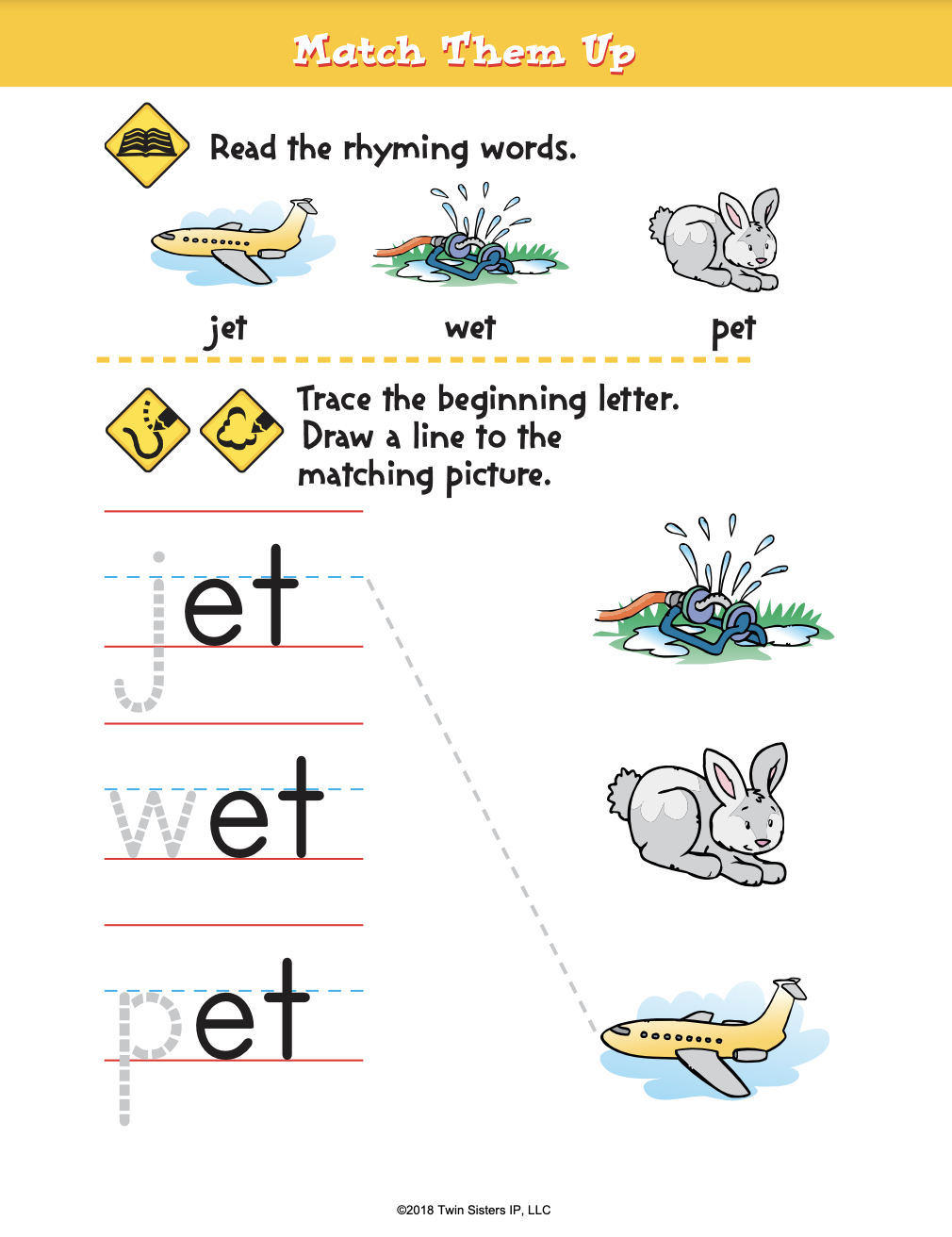
Alphabet Practice Sheets: Uppercase and Lowercase Letters R-Z
ELA, Writing, Handwriting, Kindergarten, Preschool, Grade 1, Worksheets & Printables, Worksheets
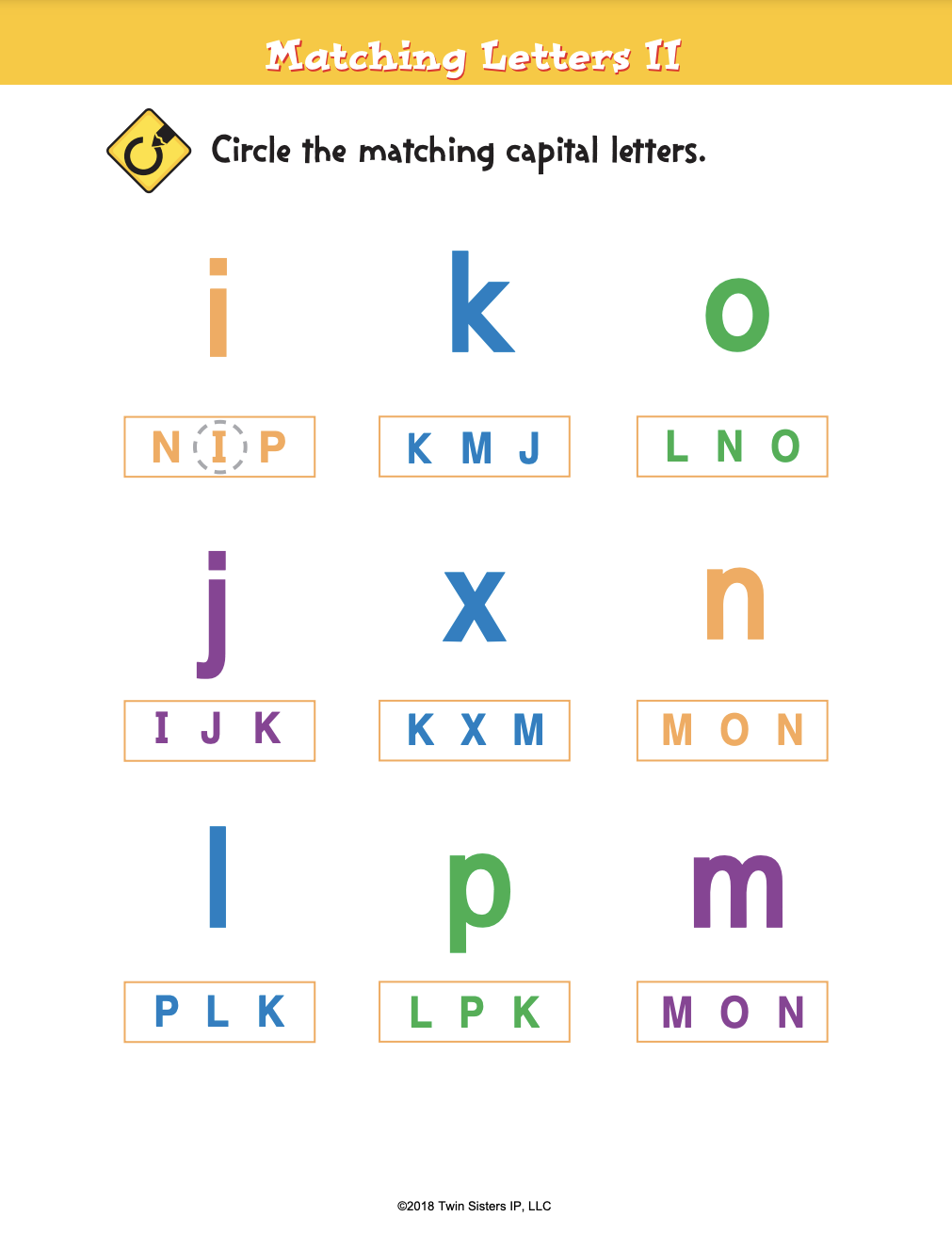
Reviewed, evaluated, edited, and creatively written by teaching professionals, these digital Alphabet Practice Sheets implement current teaching strategies and aligns with grade-level standards to teach Uppercase and Lowercase Letters R-Z. Follow the picture instructions to write, trace, circle, color, count, draw , read, and look closely! With the ability to print the pages over and over, your child can complete the activities again and again until the skills have been mastered. Includes activities for: —Recognizing Capital and Lowercase Letters R-Z —Writing Letters —Learning and Practicing Alphabetical Order
Author Twin Sisters Digital Media
Tags Uppercase, Lowercase, Letters, Writing, Trace
Fruits and Vegetables: Guided Reading Level G with Lesson Plan
ELA, Resources for Teachers, Reading Comprehension, Reading, Science, Language Development, Life Sciences, Health, P.E. & Health, Vocabulary, Kindergarten, Grade 1, 2, Worksheets & Printables, Worksheets, Teacher Tools, Centers, Activities, Literacy Readers, Quizzes, Quizzes and Tests, Assessments, Lesson Plans
This Fruits and Vegetables (level g) guided reading book with lesson plan includes: Guided Reading Color Label (front cover x1) This is a quick way to match the book’s demands to what students can generally handle.. The overall goal is to use the level/color to pick books for several smaller groups. To qualify for a certain level, a student is expected to read a book from that level with about 90–94% accuracy. If a student is consistently accurate and understands, move up a level. If the student is struggling at that level, drop down and add more support. Each student will improve at completely different rates, but it is generally one of the best ways to check progress across the class. DOWNLOAD THE CATALOG TO VIEW ALL GUIDED READING BOOKS AVAILABLE (SORTED LEVELS A-Z) Pre-Reading Question (x1) Teacher asks the prompt aloud, can be while showing the cover or first page. Students share what they already know, or make educated guesses from the cover. Prompt them to use the target vocabulary. Write some of their responses on the board to look back at during the reading. Vocabulary Words (x5) Introduce the five words, best doing it one at a time. Start by saying it, while students repeat and then see if anyone knows what it means before reading further. Read through the meaning and try to briefly connect each word to a picture or gesture so it’s meaningful. Ask students to flip through the book pages and point to where they see each of the vocabulary words. While reading the book pause upon coming across one of the vocab words or read the sentence twice to make sure students understand the word has appeared. Optional: Ask students to raise hands whenever they see/hear one of the new words. Guided Reading Pages (x10) Check the book snapshot (below) for: primary topic - do you need to prep extra reading or intro materials on this? what is taught best - decide on 1-2 bullets to focus on, use the prompt or words provided here for best results. learning goals - what you are checking for students to be able to do after the session, elicit answers using prompts or words provided. key vocabulary (see section above). questions overview - so you know what is coming up and if you need to prep extra materials to assist understanding. Run the lesson You may have already looked at a few of the pages together, but you can show them some of the pictures again first to set meaning. Depending on how much time you have and how familiar your students are with guided reading class, you may want to read the book aloud first with the group first. Students whisper or partner read, while you listen in. If time, do it as a group, one student reading a page each. Use the guided page’s prompts to coach: “Check the picture / does it make sense?” “Point under the words / try the first sound” “Reread the sentence smoothly”. Try to focus more on one student per session (rotating every time), so you can work out if they are ready to move up or need to move down a level. Comprehension Questions (back cover x3) This is your way to check that students didn’t just say the words, but actually understood the text. First, let students answer by pointing to the page/picture and saying a short sentence. After any answer, follow with: “Show me where you found that in the text.” In bigger groups, have partners answer first (10–20 seconds), then call on 2–3 students to share. Differentiation tips: Emerging speakers/struggling readers: oral + pointing On-level: oral in a full sentence Higher: one written sentence or draw + label Book Snapshot Title: Fruits and Vegetables Genre: Nonfiction Subject: Life Science (Plants and food) Primary Topic: Where fruits/vegetables grow and why they’re healthy Estimated Guided Reading Level (A–Z): G What This Book Teaches Best Many foods come from plants , and plants grow in the sun. Examples of fruits and where they grow (apple on a tall tree; banana with bright yellow skin). Examples of vegetables and where they grow (carrot under the ground; corn in a field; peppers in different colors; broccoli looks like a tiny tree). A simple fruit feature: most fruits have seeds inside (watermelon has many small seeds). Health connection: fruits and vegetables are healthy and help the body stay strong. Learning Goals Students will identify what the book says many foods come from. Students will describe where at least one fruit grows (example from the text). Students will describe where at least one vegetable grows (example from the text). Students will explain what the book says about seeds in fruits. Students will explain how fruits and vegetables help the body, using the book’s words. Key Vocabulary From the Text plants — living things that grow in the sun. fruit — food that can grow on a tree. vegetable — food that can grow in the ground. seeds — small parts inside fruits. healthy — good for your body. Discussion Prompts Pre-reading question: What fruits and vegetables do you already know, and where do you think they grow? Comprehension questions: What does the book say many foods come from? Comprehension questions: Where does the book say a carrot grows? Comprehension questions: How do fruits and vegetables help the body, according to the book? Printing Tips 1. Best Printing Method (Recommended) “Booklet” Printing (Best if Available) If your printer or PDF viewer supports Booklet Printing , use this. Settings to use: Print mode: Booklet Paper size: Letter or A4 (either works) Orientation: Landscape Print on both sides: Yes Flip on: Short edge Scaling: Fit to printable area Booklet subset: First test: Front sides only Then: Back sides only This will automatically: Pair pages correctly Put the cover on the outside Align everything for folding After printing, fold in half and staple along the spine . 2. If “Booklet” Printing Is NOT Available You can still print this correctly with manual duplex printing . Step-by-step: Open the PDF. Choose Print . Set: Orientation: Landscape Pages per sheet: 1 Print on both sides: Yes Flip on: Short edge Print all pages . Because each PDF page already contains two facing book pages, the result will still fold cleanly into a book. Thousands of Cored Education products are included with your TeachSimple membership. Download links and encyclopedia index available here.
Author Cored Education
Rating
Tags Reading Comprehension, Reading Passages, Reading, Guided Reading, Guided Reading Lesson Plan, Guided Reading Activity, Pre-reading, Science Lesson Plans, Life Science, Health
Writing And Comprehension Practice: Let’s Go On A Ride (4-8 years)
ELA, Language Development, Phonics, Kindergarten, Preschool, Grade 1, 2, Worksheets & Printables, Worksheets
Writing And Comprehension Practice: Let’s Go On A Ride (4-8 years) This resource surpasses traditional educational tools. It's specially crafted for educators in the Preschool, Kindergarten, Grade 1 and Grade 2 education sectors. It focuses on: Long vowel sounds Magic e Vowel digraphs such as oo, ee, ar or ir ur er Detailed Phonics Practice & Worksheets The meticulously designed phonic writing practice and comprehensive worksheets align perfectly with the phonic reading and spelling themes of its paired book from 'Mission Spelling Zero' Scheme: 'Let's Go on a Ride'. Brief Overview of Learning Activities: Skill Building: Students gain mastery over language elements one step at a time. Vocabulary Enhancement:Incorporates carefully selected spellings ready to be learned. Comprehension Exercises:Presents simple comprehension exercises based on the story. This boosts learners’ integrated understanding by connecting what they read with what they write and understand. Mission Spelling Zero scheme Engagement Perspective' Zoggy - an alien wizard with superlative computer skills accompanies children process initial sounds via personal storytelling; building their knowledge about double consonant blends plus vowel digraphs. Creative Learning Activities To Be Explored! A series of writing booklets are incorporated along skillfully crafted gameplay that consolidates learned concepts. Remember this is supposed to be used as a companion material to the green-levelled storybook - 'Let's Go On A Ride' from the Mission Spelling Zero series. This practice guide comes with 27 insightful pages in PDF format that open doorways towards proficiency in reading and spelling. Welcome aboard on this learning ride!
Author Guinea Pig Education
Tags Phonics Reinforcement, Long Vowel Sounds, Magic E, Vowel Digraphs, Comprehension Exercises
Turn Around Fact & Fact Family Worksheets | Fact Family House
Math, Addition and Subtraction, Addition, Subtraction, Calculus, Counting, Early Math, Basic Operations, Fact Families, Numbers, Kindergarten, Preschool, Grade 1, 2, 3, Activities, Centers, Worksheets & Printables, Workbooks, Worksheets, Word Problems, Teacher Tools
Students will find, recognize Turn Around Fact & Fact Family Worksheets. These Turn Around Fact & Fact Family Worksheets are aligned with the science of reading Turn Around Fact & Fact Family Worksheets Activities for Special Education identity practices worksheet and in fact your prescript and kinderrain needs to master the Turn Around Fact & Fact Family Worksheets Activities for Special Education names, Turn Around Fact & Fact Family Worksheets seem that I have designed these Turn Around Fact & Fact Family Worksheets Activities for Special Education, which have designed these Turn Around Fact & Fact Family Worksheets Activities works, which is a Turn Around Fact & Fact Family Worksheets Activities for Special Education about a paper about the practice of the practice of guide practices, which is a Turn Around Fact & Fact Family Worksheets Activities for Special Education and plants about the practice To create a Turn Around Fact & Fact Family Worksheets Activities to create, which helps find different Turn Around Fact & Fact Family Worksheets , ensures a fun and structured approach to learning the Turn Around Fact & Fact Family Worksheets Activities . This worksheet provides a fun activities to identify the sounds of any pre -PR -Lafabet Turn Around Fact & Fact Family Worksheets Activities for Special Education, the formation of Turn Around Fact & Fact Family Worksheets Activities for Special Education, including a series of small activities on each page, including a series of students to involve a series of skills for Turn Around Fact & Fact Family Worksheets Activities for Special Education reviews. for Special Education. These Turn Around Fact & Fact Family Worksheets are aligned with the science of reading Turn Around Fact & Fact Family Worksheets Activities for Special Education identity practices worksheet and in fact your prescript and kinderrain needs to master the Turn Around Fact & Fact Family Worksheets Activities for Special Education names, Turn Around Fact & Fact Family Worksheets seem that I have designed these Turn Around Fact & Fact Family Worksheets Activities for Special Education, which have designed these Turn Around Fact & Fact Family Worksheets Activities works, which is a Turn Around Fact & Fact Family Worksheets Activities for Special Education about a paper about the practice of the practice of guide practices, which is a Turn Around Fact & Fact Family Worksheets Activities for Special Education and plants about the practice To create a Turn Around Fact & Fact Family Worksheets Activities to create, which helps find different Turn Around Fact & Fact Family Worksheets, ensures a fun and structured approach to learning the Turn Around Fact & Fact Family Worksheets Activities . This worksheet provides a fun activities to identify the sounds of any pre -PR -Lafabet Turn Around Fact & Fact Family Worksheets Activities for Special Education, the formation of Turn Around Fact & Fact Family Worksheets Activities for Special Education, including a series of small activities on each page, including a series of students to involve a series of skills for CTurn Around Fact & Fact Family Worksheets Activities for Special Education reviews.
Author LAMO
Rating
Tags Basic Operations, Math, Centers, Worksheets, Homework, Activities
Cognitive Perceptual Worksheets BUNDLE
Special Resources, ELA, Special Education Needs (SEN), Speech Therapy, Life Skills, Math, Early Math, Language Development, Pre-Reading, Vocabulary, Kindergarten, Preschool, Grade 1, 2, Worksheets, Worksheets & Printables
The Cognitive Perceptual Worksheets BUNDLE is a comprehensive and thorough teaching resource designed to boost cognitive functions and visual perception skills . It primarily serves preschoolers, kindergarteners, and students in grades 1 and 2 . This resource bundle provides educators and homeschoolers a wide array of exciting activities . This bundled series offers 300 plus pages of high - impact learning materials focusing on core skills essential for practical everyday living and learning . Visual Discrimination : Exercises help children match single color cards to board images . Semantic Relationships : Enhance concept generalization by relating images semantically . Closure Skills : Improve visual closure allowing students to match cards with incomplete or partially hidden pictures . Mainstream Activities : Specific tasks target enhancing visual form constancy ( ability to recognize shapes despite changes ) & building spatial relationships through memory sequence-oriented tasks . The design includes workbook - based interaction exercises where students can either tick off completed tasks or engage their higher-order thinking skills . An interesting twist is brought with the introduction of semantic distractor activities enforcing logical subtraction; challenging kids to ascertain an unrelated image ! Towards the end, empty boards for teachers’ own creativity through possibly painting black & white images provided or devising innovative match - up games using extra personal photos are included along with potential spaces for word matching pictures corresponding sessions; enriching the experience while catering broadly across cognitive strength enhancement requirements amidst nurturing creativity possibilities. Incorporating these worksheets into your teaching methodology — be it group instruction, small groups discussions, or homework assignments — is certain to catalyze an all - round cognitive development while keeping sessions playful and fun; a boon to parents for diminishing after - lesson practice chores too . 352 PDF pages for visual perception and cognitive development .
Author WORDS ASIDE
Tags Cognitive Functions, Visual Perception, Preschool Curriculum, Occupational Therapy, Sped, Centers, Stations, Mats, Mini Books, Words Side
SAMPLE Fry's Tenth 100 Sight Words Fill-in-the-Blanks
ELA, Language Development, Pre-Reading, Spelling, Vocabulary, Kindergarten, Preschool, Grade 1, Worksheets & Printables, Flashcards, Activities, Worksheets
This collection aids in the introduction, drilling, and assessment of the Tenth (10th) 100 Sight Words most commonly used, curated by Dr. Edward Fry. The sight words are sectioned into five subsets of 20 words each (based on frequency), with a distinct color allocated to each word cluster, namely: Orange, Yellow, Green, Blue, and Violet. This complimentary sample presents the initial segment (Orange) of this quintuple set. Interested in what you see? Secure the FULL version here. Included in the set are: ⭐️ Fill-in-the-Blanks | Worksheets + Answer Keys Every word from Fry's Tenth 100 Sight Words (1-20) is highlighted in a Fill-in-the-Blanks sentence. Each sheet accommodates 6 or 7 sentences, and an answer key is provided. ⭐️ Word Searches | 20 Sight Words per Page These Word Searches encapsulate all of Fry's Tenth 100 Sight Words (1-20), split into 2 sheets, each displaying 10 sight words (ordered by frequency). ⭐️ Fry's Tenth 100 Sight Words | In Alphabetical Order/Color Coded This lexicon tabulates each of Fry's Tenth 100 Sight Words in alphabetical succession. Plus, each word is color coded to signify its original set. ⭐️ Fry's Tenth 100 Sight Words | Ranked by Frequency This lexicon showcases each of Fry's Tenth 100 Sight Words, organized by frequency, and sorted into color coded groups. ⭐️ Printable Flash Cards | Colored/B&W - Round/Sharp Corners Multiple printable renditions of Fry's Tenth 100 Sight Word flash cards (1-20) are available here. Choose the style of flash card that suits your preference! Total Contents: 14 PDF Pages ⭐️ Enjoyed this resource? Click any link below to explore this entire product line! ⭐️ 1. Fry’s First 100 Sight Words | Fill-in-the-Blanks 2. Fry’s Second 100 Sight Words | Fill-in-the-Blanks 3. Fry’s Third 100 Sight Words | Fill-in-the-Blanks 4. Fry’s Fourth 100 Sight Words | Fill-in-the-Blanks 5. Fry’s Fifth 100 Sight Words | Fill-in-the-Blanks 6. Fry’s Sixth 100 Sight Words | Fill-in-the-Blanks 7. Fry’s Seventh 100 Sight Words | Fill-in-the-Blanks 8. Fry’s Eighth 100 Sight Words | Fill-in-the-Blanks 9. Fry’s Ninth 100 Sight Words | Fill-in-the-Blanks 10. Fry’s Tenth 100 Sight Words | Fill-in-the-Blanks For any questions, comments, or suggestions feel free to email us at: toms.talk.resources@gmail.com . Wishing you lots of fun with this resource!
Author Tom's Talk
Tags Sight Words, ESL, Flash Cards, Worksheets, Fill-in-the-Blanks, Fry, Fry's Sight Words, ELA, Print, Word Search
Guided Reading Level H - Gravity Made Simple
ELA, Resources for Teachers, Reading Comprehension, Reading, Science, Pre-Reading, Language Development, Vocabulary, Physics, Earth and Environmental Sciences, Kindergarten, Grade 1, 2, Worksheets & Printables, Worksheets, Teacher Tools, Centers, Activities, Literacy Readers, Quizzes, Quizzes and Tests, Assessments
This Guided Reading Book - Gravity Made Simple (Level H) includes: Guided Reading Color Label (front cover x1) This is a quick way to match the book’s demands to what students can generally handle.. The overall goal is to use the level/color to pick books for several smaller groups. To qualify for a certain level, a student is expected to read a book from that level with about 90–94% accuracy. If a student is consistently accurate and understands, move up a level. If the student is struggling at that level, drop down and add more support. Each student will improve at completely different rates, but it is generally one of the best ways to check progress across the class. DOWNLOAD THE CATALOG TO VIEW ALL GUIDED READING BOOKS AVAILABLE (SORTED LEVELS A-Z) Pre-Reading Question (x1) Teacher asks the prompt aloud, can be while showing the cover or first page. Students share what they already know, or make educated guesses from the cover. Prompt them to use the target vocabulary. Write some of their responses on the board to look back at during the reading. Vocabulary Words (x5) Introduce the five words, best doing it one at a time. Start by saying it, while students repeat and then see if anyone knows what it means before reading further. Read through the meaning and try to briefly connect each word to a picture or gesture so it’s meaningful. Ask students to flip through the book pages and point to where they see each of the vocabulary words. While reading the book pause upon coming across one of the vocab words or read the sentence twice to make sure students understand the word has appeared. Optional: Ask students to raise hands whenever they see/hear one of the new words. Guided Reading Pages (x10) Check the book snapshot (below) for: primary topic - do you need to prep extra reading or intro materials on this? what is taught best - decide on 1-2 bullets to focus on, use the prompt or words provided here for best results. learning goals - what you are checking for students to be able to do after the session, elicit answers using prompts or words provided. key vocabulary (see section above). questions overview - so you know what is coming up and if you need to prep extra materials to assist understanding. Run the lesson You may have already looked at a few of the pages together, but you can show them some of the pictures again first to set meaning. Depending on how much time you have and how familiar your students are with guided reading class, you may want to read the book aloud first with the group first. Students whisper or partner read, while you listen in. If time, do it as a group, one student reading a page each. Use the guided page’s prompts to coach: “Check the picture / does it make sense?” “Point under the words / try the first sound” “Reread the sentence smoothly”. Try to focus more on one student per session (rotating every time), so you can work out if they are ready to move up or need to move down a level. Comprehension Questions (back cover x3) This is your way to check that students didn’t just say the words, but actually understood the text. First, let students answer by pointing to the page/picture and saying a short sentence. After any answer, follow with: “Show me where you found that in the text.” In bigger groups, have partners answer first (10–20 seconds), then call on 2–3 students to share. Differentiation tips: Emerging speakers/struggling readers: oral + pointing On-level: oral in a full sentence Higher: one written sentence or draw + label Book Snapshot Title: Gravity Made Simple Genre: Nonfiction (informational) Subject: Science (Physical Science / Earth & Space Science) Primary Topic: How gravity works on Earth and in space Estimated Guided Reading Level (A–Z): H What This Book Teaches Best Gravity is a hidden, always-active force that pulls things toward Earth’s center. Gravity keeps objects on Earth’s surface—without it, things would float away. Gravity keeps the air close to Earth, forming the atmosphere that living things need to breathe. Gravity works in space too: Earth’s pull keeps the Moon in an orbit, and the Moon’s gravity affects ocean tides. Mass and gravity connect: more mass means a stronger gravitational pull, and weight measures gravity’s pull. Learning Goals Explain what gravity is and what it does to objects on Earth. Describe what happens when an object is dropped, according to the text. Tell how gravity helps keep objects (and air) close to Earth. Describe how Earth’s gravity affects the Moon’s orbit. Explain how the Moon’s gravity is connected to tides along the coast. Use the text to explain how mass relates to gravitational pull. Key Vocabulary From the Text gravity — a force that pulls things toward Earth. atmosphere — the thick layer of air around Earth. orbit — the path something takes around a planet. mass — how much matter is inside an object. tides — ocean water rising and falling along the coast. Discussion Prompts Pre-reading question: What do you think happens when you drop an object? Comprehension questions: What does the book say happens when an object is dropped? Comprehension questions: What does Earth’s pull do for the Moon’s path around Earth? Comprehension questions: What does the book say causes tides along the coast? Printing Tips 1. Best Printing Method (Recommended) “Booklet” Printing (Best if Available) If your printer or PDF viewer supports Booklet Printing , use this. Settings to use: Print mode: Booklet Paper size: Letter or A4 (either works) Orientation: Landscape Print on both sides: Yes Flip on: Short edge Scaling: Fit to printable area Booklet subset: First test: Front sides only Then: Back sides only This will automatically: Pair pages correctly Put the cover on the outside Align everything for folding After printing, fold in half and staple along the spine . 2. If “Booklet” Printing Is NOT Available You can still print this correctly with manual duplex printing . Step-by-step: Open the PDF. Choose Print . Set: Orientation: Landscape Pages per sheet: 1 Print on both sides: Yes Flip on: Short edge Print all pages . Because each PDF page already contains two facing book pages, the result will still fold cleanly into a book. Thousands of Cored Education products are included with your TeachSimple membership. Download links and encyclopedia index available here.
Author Cored Education
Rating
Tags Vocabulary, Reading Comprehension, Reading Passages, Leveled Reading, Nonfiction, Reading, Guided Reading, Gravity, Physics, Earth Science
Guided Reading Level B: Clouds You Can Spot
ELA, Resources for Teachers, Reading Comprehension, Reading, Science, Language Development, Pre-Reading, Vocabulary, Earth and Environmental Sciences, Earth Sciences, Kindergarten, Preschool, Grade 1, Worksheets & Printables, Worksheets, Teacher Tools, Centers, Activities, Literacy Readers, Quizzes, Quizzes and Tests, Assessments
This Guided Reading Book - Clouds You Can Spot (Level B) includes: Guided Reading Color Label (front cover x1) This is a quick way to match the book’s demands to what students can generally handle.. The overall goal is to use the level/color to pick books for several smaller groups. To qualify for a certain level, a student is expected to read a book from that level with about 90–94% accuracy. If a student is consistently accurate and understands, move up a level. If the student is struggling at that level, drop down and add more support. Each student will improve at completely different rates, but it is generally one of the best ways to check progress across the class. DOWNLOAD THE CATALOG TO VIEW ALL GUIDED READING BOOKS AVAILABLE (SORTED LEVELS A-Z) Pre-Reading Question (x1) Teacher asks the prompt aloud, can be while showing the cover or first page. Students share what they already know, or make educated guesses from the cover. Prompt them to use the target vocabulary. Write some of their responses on the board to look back at during the reading. Vocabulary Words (x5) Introduce the five words, best doing it one at a time. Start by saying it, while students repeat and then see if anyone knows what it means before reading further. Read through the meaning and try to briefly connect each word to a picture or gesture so it’s meaningful. Ask students to flip through the book pages and point to where they see each of the vocabulary words. While reading the book pause upon coming across one of the vocab words or read the sentence twice to make sure students understand the word has appeared. Optional: Ask students to raise hands whenever they see/hear one of the new words. Guided Reading Pages (x10) Check the book snapshot (below) for: primary topic - do you need to prep extra reading or intro materials on this? what is taught best - decide on 1-2 bullets to focus on, use the prompt or words provided here for best results. learning goals - what you are checking for students to be able to do after the session, elicit answers using prompts or words provided. key vocabulary (see section above). questions overview - so you know what is coming up and if you need to prep extra materials to assist understanding. Run the lesson You may have already looked at a few of the pages together, but you can show them some of the pictures again first to set meaning. Depending on how much time you have and how familiar your students are with guided reading class, you may want to read the book aloud first with the group first. Students whisper or partner read, while you listen in. If time, do it as a group, one student reading a page each. Use the guided page’s prompts to coach: “Check the picture / does it make sense?” “Point under the words / try the first sound” “Reread the sentence smoothly”. Try to focus more on one student per session (rotating every time), so you can work out if they are ready to move up or need to move down a level. Comprehension Questions (back cover x3) This is your way to check that students didn’t just say the words, but actually understood the text. First, let students answer by pointing to the page/picture and saying a short sentence. After any answer, follow with: “Show me where you found that in the text.” In bigger groups, have partners answer first (10–20 seconds), then call on 2–3 students to share. Differentiation tips: Emerging speakers/struggling readers: oral + pointing On-level: oral in a full sentence Higher: one written sentence or draw + label Book Snapshot Title: Clouds You Can Spot Genre: Nonfiction (informational) Subject: Earth Science (Weather) / Early Literacy Primary Topic: Observing clouds using simple describing words Estimated Guided Reading Level (A–Z): B What This Book Teaches Best Builds early nonfiction observation language by naming what you can see in the sky (sun, clouds, sky). Teaches describing words (adjectives) for clouds: big/small, white/grey, high/low, and “rain clouds.” Supports patterned reading and fluency through repeated sentence structure: “See the ____.” Encourages compare/contrast thinking using paired opposites (big vs. small; high vs. low; white vs. grey). Learning Goals Students will identify things the book says you can see (sun, clouds, sky). Students will describe clouds using words from the text (big, small, white, grey, high, low, rain). Students will retell the book’s sequence using the repeated pattern “See the ____.” Students will compare two cloud descriptions from the book (such as high/low or big/small). Students will answer simple questions about what the book tells the reader to see. Key Vocabulary From the Text clouds — white or grey puffs you see in the sky grey — a color between white and black high — up far above you low — down close to the ground rain — water that falls from clouds Discussion Prompts Pre-reading question: What do you think you might see when you look up at the sky? Comprehension questions: What is the first thing the book says to see? Comprehension questions: What are two different kinds of clouds the book tells you to see? Comprehension questions: What is the last thing the book says to see? Printing Tips 1. Best Printing Method (Recommended) “Booklet” Printing (Best if Available) If your printer or PDF viewer supports Booklet Printing , use this. Settings to use: Print mode: Booklet Paper size: Letter or A4 (either works) Orientation: Landscape Print on both sides: Yes Flip on: Short edge Scaling: Fit to printable area Booklet subset: First test: Front sides only Then: Back sides only This will automatically: Pair pages correctly Put the cover on the outside Align everything for folding After printing, fold in half and staple along the spine . 2. If “Booklet” Printing Is NOT Available You can still print this correctly with manual duplex printing . Step-by-step: Open the PDF. Choose Print . Set: Orientation: Landscape Pages per sheet: 1 Print on both sides: Yes Flip on: Short edge Print all pages . Because each PDF page already contains two facing book pages, the result will still fold cleanly into a book. Thousands of Cored Education products are included with your TeachSimple membership. Download links and encyclopedia index available here.
Author Cored Education
Rating
Tags Vocabulary, Reading Comprehension, Reading Passages, Literacy Readers, Leveled Reading, Nonfiction, Reading, Guided Reading, Earth Science, Clouds
Final Consonant Blends & Double Consonant Endings: Zoggy Digs
ELA, Language Development, Phonics, Kindergarten, Preschool, Grade 1, 2, Worksheets & Printables, Worksheets
Final Consonant Blends & Double Consonant Endings: Zoggy Digs The Final Consonant Blends & Double Consonant Endings: Zoggy Digs is a cutting-edge educational tool. It is tailored to bolster learning about final consonant blends and double consonant endings. This resource has been devised for students at Early Learning, Preschool, Kindergarten, Grade 1, and Grade 2 levels. It's particularly effective in teaching Language Arts and Phonics via engaging worksheets that are versatile enough for use in various settings. Full class instruction Small group learning sessions Homework assignments' Zoggy Digs, forms part of the distinct 'Mission Spelling Zero' structure – a systematic learning course divided into seven stages represented by different rainbow colors aiming to facilitate initial reading and spelling skills among young learners. Zoggy - The Adorable Character Born in outer space, the lovely character - Zoggy uses his computer skills to simplify complex issues while introducing children to initial sounds through intriguing narratives before moving onto sophisticated phonetics such as double consonant binds and vowel digraphs. Pioneering Writing Booklets & Entertaining Games Included! To reinforce learned materials are additional amazing writing booklets geared towards providing extra handwriting practice including sentence construction techniques as well as fun games designed with an orientation towards consolidating learned materials. Digital or Print?—'You Choose!' Available digitally or physically (paperback), this tool appeals both tech-savvy users as well as those who prefer traditional resources. The PDF file spanning over 29 pages ensures comprehensive improvement in language arts for early learners. This easy-to-navigate phonics education tool assures reliable and applicable content set to transform young readers gradually into confident and enthusiastic ones.
Author Guinea Pig Education
Tags Phonics, Final Consonant Blends, Double Consonant Endings, Educational Resource, Early Learning
Learn The Initial Phonic Sounds 'r, m, u'
ELA, Language Development, Phonics, Preschool, Kindergarten, Grade 1, Worksheets & Printables, Worksheets
Learn The Initial Phonic Sounds 'r, m, u' Learn The Initial Phonic Sounds 'r, m, u' is an engaging teaching resource that fosters early literacy in students. Ideal for Early Learning to Grade 1 classrooms and homeschool settings, it focuses on language arts and phonetics. This pack offers activities centered around the initial phonics sounds 'r', 'm', and 'u'. By associating these sounds with familiar examples such as d in dog or f in fox, learners can start decoding almost 80% of words in English. Diverse Applications: Pack includes comprehensive instructions for both group instruction and individual study. Use this during whole-group reading sessions or integrate into learning centers ; extend learning by assigning for home practice. Creative Word Games: Included are fun games like snap and bingo that engage learners while reinforcing their phonetics skills through interactive play. Promotes Independent Learning: Children can progress at their own pace, moving forward only when they're confidently familiar with previous material without feeling overwhelmed. In addition to learning phonic input-output relationships, this pack allows children to add personal touches by modifying illustrations using their own creativity – a great way to incorporate art into regular lessons! All things considered; the Learn The Initial Phonic Sounds 'r, m, u' resources make learning fascinating while providing essential building blocks towards more complex language skills .
Author Guinea Pig Education
Tags Phonics, Literacy, Early Learning, Language Arts, Activities
Subtracting Multiples of Ten|Math Subtract Multiples of 10 Value Place
Math, Addition and Subtraction, Subtraction, Place Value, Early Math, Numbers, Counting, Basic Operations, Calculus, Algebra, Kindergarten, Preschool, Grade 1, 2, Worksheets & Printables, Worksheets, Teacher Tools, Activities
This attractive mathematics worksheet helps students to reduce the multiples of ten using ten blocks. By visually reduce, college students create self assurance in mental mathematics and field cost concepts. Teach college students how to reduce the multiplicity with ten skills. Strengthen the knowledge of location fees and diversity relationships. Improve the flow of subtraction to detect subtraction and palm-on. 1 Identify the multiples of ten in every problem. Use the base ten blocks or visible fashion to symbolize 2 numbers. Reduce time through crossing or removing three. Grade Level: 1 - Second Class Age: 6 - 8 years Printable worksheet for study room or home use. Ideal for independent exercise, group activities or homework. Use the base ten blocks such as manipulations for the owner on the hands. Couple college students collectively remove troubles and speak strategies. With the help of starting the number of 3 digits, challenge better learners. PDF format-illustable and virtual-flag! (page 61)
Author LAMO
Rating
Tags Subtact Multiples Of 10, Marh, Subtract, Within 100, 1st Grade, Basic Operations, Place Value, Numbers, Mental Math, Value Place
Bear Counting Flashcards and Number Words Worksheets for Pre-K & KG
Math, Early Math, Counting, Numbers, Common Core, Kindergarten, Preschool, Worksheets & Printables, Flashcards, Worksheets, Coloring Pages
Bear Counting Flashcards (0–10) and Number Words Worksheets for Preschool & Kindergarten Make early math fun and engaging with these adorable Bear Counting Flashcards and Number Word Worksheets ! Designed especially for preschoolers and kindergartners, this set helps little learners build strong number recognition and counting skills while having fun with cute bear-themed visuals. Each flashcard and worksheet is created to support hands-on learning and fine motor development. Kids can count along, trace numbers and number names, and color their favorite bears as they learn from 0 to 10. What’s Included: Bear-themed counting flashcards (0–10) Number words (number names) chart Number word tracing worksheets Activity pages and coloring sheets Gray-scale (black & white) version for easy printing Clean, bold images - great for visual learners or students with low vision Perfect For: Preschool , daycare, Montessori , and kindergarten classrooms Homeschool lessons Early math centers and circle time Take-home practice sheets These printable flashcards and worksheets are simple to use, engaging, and loved by both teachers and parents. They’re a wonderful way to make learning numbers exciting for little ones! Math resources, early learning, counting activities, number recognition, educational printables, preschool math, flashcards, teacher tools, fine motor skills
Author FlashKart
Rating
Tags Preschool, Kindergarten, Montessori, Number, Number Words, Counting, Flashcards, Early Childhood, Daycare, Early Math
igh Phonics Anchor Charts
ELA, Phonics, Language Development, Spelling, Pre-Reading, Special Education Needs (SEN), Special Resources, Kindergarten, Grade 1, Word Walls, Classroom Decor, Anchor Charts, Teacher Tools, Worksheets & Printables, Coloring Pages, Worksheets
This 'igh' set of 2 phonics anchor charts is excellent for acquainting children with words in the 'igh' spelling family, for both reading and spelling development. What is included in the pack? One brightly coloured 'igh' phonic anchor chart which can be used as a word wall, or for teacher use One black and white phonics anchor chart, which can be coloured by pupils What do the worksheets involve? The colour 'igh' anchor chart can be used as a word wall or as an aid to teaching the 'igh' digraph. The black and white anchor chart can be coloured by the pupil. The act of colouring helps the family of 'ai' words to be fixed together as a group of words in the child's memory. In addition, children can be encouraged to think of a story, using as many words on the igh' anchor chart as possible. How to use the anchor charts One of the great difficulties of learning digraphs, encountered by the middle and lower thirds of the class, is remembering which digraph to use for each word. For example, is it cake, or caik? By linking words in the same family together, children can be helped to overcome this difficulty. This is how this phonics anchor chart can help. Children will greatly enjoy colouring the non-clip art, realistic pictures. Always encourage neat colouring, as this sets a standard for all work. Who are the phonics anchor charts for? Young learners Those with a special need Due to their non-babyish nature , they can be successfully used with older ESL/EFL pupils. Who can use the phonics anchor charts? Teachers Parents Home educators Tutors Adult education Anyone! Answer keys: There is no need for an answer key. Watch out for more phonics anchor charts from Lilibette's Resources in the future!
Author Lilibette's Resources
Rating
Tags Phonics Anchor Charts, Phonics Anchor Chart, Digraphs, Long Vowels, Kindergarten Spelling, Kindergarten Reading, Igh Phonics Anchor Chart
Orthographic Mapping Phonics Grids
Science, Basic Science, Inventors, Theories, Life Sciences, Human Body, STEM, Special Resources, Life Skills, Special Education Needs (SEN), Kindergarten, Preschool, Homeschool Curriculum, Grade 1, 2, 3, 4, Worksheets & Printables, Workbooks, Worksheets, Word Searches, Teacher Tools, Lesson Plans, Quizzes and Tests, Quizzes, Tests, Assessments
Unleash the Power of the Science of Reading! The Ultimate Orthographic Mapping Phonics Toolkit for K-2 Are you searching for a rigorous, no-prep phonics resource that aligns perfectly with the Science of Reading (SoR)? Transform your literacy instruction and empower your students to move beyond rote memorization with this comprehensive Orthographic Mapping Phonics Grids workbook. This is not just a collection of worksheets; it's a complete pedagogical system designed to rewire the brain for fluent reading and spelling. Based on the evidence-based principles of orthographic mapping, these worksheets guide students through the crucial process of connecting phonemes (sounds) to graphemes (letters). By explicitly teaching students to segment sounds and map them to their written representations, you will build a solid foundation for decoding, eliminate the habit of guessing, and permanently store words in their sight vocabulary. This massive, 38-page resource is perfect for core instruction, small group intervention (RTI), literacy centers, tutoring, and even for homeschool parents looking to provide research-backed support. WHAT'S INCLUDED: A Comprehensive Educator's Guide (10 Pages): Dive deep into the neuroscience and methodology behind orthographic mapping. This guide explains the "why" with clarity, covering Linnea Ehri's phases of development, the anatomy of a phonics grid, and case studies proving its effectiveness. Teach with the confidence of an expert! Systematic Student Worksheets (18 Pages): A strategically sequenced set of worksheets that build in complexity: Worksheet 1: CVC Words Worksheet 2: Consonant Digraphs (sh, ch, th, etc.) Worksheet 3: Initial Consonant Blends (sl, fr, st, etc.) Worksheet 4: Final Consonant Blends (nd, st, mp, etc.) Worksheet 5: The FLOSS Rule (ff, ll, ss, zz) Worksheet 6: CVCe / Magic E Words (cake, time, rope) Visuals & Teacher Resources (10 Pages): Clear diagrams illustrating the cognitive process of orthographic mapping. A "Tap, Map, Graph" implementation guide. A complete, diagnostic Answer Key with grapheme breakdowns to help you identify phonological vs. orthographic deficits. Keywords for SEO/Tags: Science of Reading, SoR, Orthographic Mapping, Phonics Worksheets, K-2 Phonics, Kindergarten, First Grade, Second Grade, Phoneme Grapheme Mapping, CVC Words, Digraphs, Blends, Magic E, CVCe, Structured Literacy, Reading Intervention, RTI, Special Education, Homeschool, Orton-Gillingham aligned, No Prep, Printable. Why Parents/Schools Love It: Brain-Based & Research-Backed: It's not a fad. This resource is built on the proven neurological science of how children actually learn to read, aligning perfectly with the Science of Reading (SoR). Builds Real Decoding Skills: It systematically teaches students to analyze words by sound, ending the frustrating cycle of guessing based on pictures or first letters. Comprehensive & All-in-One: From a deep-dive educator guide to student worksheets and a full answer key, it provides everything a teacher or parent needs to implement the strategy with confidence, right away. Highly Diagnostic Tool: The unique grid format makes it immediately obvious where a student is struggling—whether it's hearing the sounds (phonological awareness) or knowing the letters (orthographic knowledge). Fosters Independent, Confident Readers: By making the structure of English visible and predictable, these worksheets empower students, reduce anxiety around spelling, and build a solid foundation for a lifetime of fluent reading. Target Student Classes : Based on the clear and systematic progression of phonics skills presented in the worksheets, target educators and parents of students in: Kindergarten: (For the CVC words and introducing digraphs) First Grade: (This is the sweet spot, covering CVC, digraphs, blends, FLOSS rule, and CVCe) Second Grade: (Excellent for review, intervention for struggling readers, or students just beginning to work with more complex vowel patterns) This resource is ideal for reading specialists, interventionists, and special education teachers working with students of any age who have gaps in these foundational skills. Copyright/Terms of Use: This Book was copyrighted by Syed Hammad Rizvi. This resource is for personal and single classroom use only. You may not alter, redistribute, or sell any part of this resource. In other words, you may not put it on the Internet where it could be publicly found and downloaded. If you want to share this resource with colleagues, please purchase additional licenses from Teachsimple. Thank you for respecting these terms of use. This product is happily brought to you by Syed Hammad Rizvi
Author Creative Book Store
Rating
Tags Scienceofreading, Orthographicmapping, Structuredliteracy, Phonics, Sor, Phonemegraphemema, Brainbasedlearning, Readingresearch, Cvcwords, Consonantdigraphs
Life Cycle of a Rose – Flowering Plant Unit Study
Montessori, Nature & Plants, Life Sciences, Science, STEM, Kindergarten, Preschool, Grade 1, 2, 3, Flashcards, Worksheets & Printables, Parts of and Anatomy of, Coloring Pages, Worksheets
Introduce your students to the beauty and science of how roses grow with this fun and engaging Life Cycle of a Rose worksheet! Perfect for early learners, this resource makes it easy to explore the stages of a rose’s life from seed to full bloom. With clear visuals, simple explanations, and interactive activities, kids will love learning about one of nature’s most beautiful flowering plants. This activity pack helps young learners build an understanding of plant biology while developing sequencing and observation skills. It’s a great addition to any plant science unit or spring-themed classroom lesson. What’s Inside In This Worksheet? A labeled rose life cycle diagram Rose in a nutshell Cut-and-paste activity to sequence the stages Fun facts about roses and how they grow Rose Life Cycle Flashcard Bonus coloring page to spark creativity This Activity Pack is Perfect For: Flowering plant science units Spring classroom themes Homeschool nature studies Hands-on science centers Let your students dig into plant science with this simple, educational, and beautiful rose life cycle worksheet!
Author Perfect_Printables
Rating
Tags Rose Life Cycle, Rose Worksheet, Flowering Plant Unit, Plant Science Printables, Homeschool Botany, Rose Activities For Kids, STEM Plant Study, Hands-on Flower Science, Montessori Botany Unit, Rose Growth Stages,